
Biography
Go Yayanagi was a Japanese painter and printmaker who coined the term 'Pop-Uki' to describe his distinctive fusion of pop art energy with the crisp outlines and flat color planes of traditional ukiyo-e woodblock prints. Over a career spanning more than six decades, he created a vibrant body of silkscreens, etchings, paintings, and sculptures that celebrated the natural world with bold graphic power and ecological conviction.
Born Tsuyoshi Yayanagi in 1933 in Obihiro, Hokkaido, he grew up in Japan's northernmost main island, where the landscapes of forest, coast, and agricultural plain would shape his lifelong fascination with animals, birds, and the rhythms of nature. After university studies in Japan, Yayanagi embarked on an extraordinary period of international wandering that took him far from Hokkaido.
In 1957, he left Japan aboard the ship Burajiru-Maru bound for São Paulo, Brazil. He spent years in South America before making his way to Paris in 1965. There he enrolled at Atelier 17, the legendary printmaking workshop founded by Stanley William Hayter, studying copperplate engraving techniques alongside artists from around the world. The experience at Atelier 17 gave Yayanagi technical mastery of etching and intaglio, skills he would carry through the rest of his career.
Returning to Japan, Yayanagi settled in Tokyo and began developing the eclectic, boundary-crossing practice for which he became known. His prints and paintings combined the refined black outlines and flat planes of color associated with ukiyo-e with the bold graphics and cultural irreverence of Western pop art. He coined 'Pop-Uki' as a name for this hybrid approach, and the term captures both his deep roots in Japanese visual tradition and his openness to international contemporary art.
Yayanagi's subjects centered on nature, particularly birds, fish, and other animals, rendered in vibrant silkscreens with clean, refined lines. He also produced etchings, oil paintings, sculptures, stained glass, public murals, and even fashion designs, bringing the same vivid sensibility to every medium he touched.
His work is held in major museum collections worldwide, including the Centre Pompidou in Paris, the Museum of Modern Art in São Paulo, and the National Museum of Modern Art in Tokyo, Kyoto, and Osaka. He exhibited at galleries including Whitestone Gallery and Kumo Arts, and his prints have been handled by Ronin Gallery in New York.
Yayanagi continued working into his nineties, producing new paintings and silkscreens until near the end of his life. He died in 2025, leaving behind a body of work that brought together East and West, tradition and modernity, in a celebration of the natural world.
Key Facts
- Active Period
- 1933–2025
- Nationality
- 🇯🇵Japan
- Movement
- Contemporary Mokuhanga
- Works Indexed
- 21
Frequently Asked Questions
Go Yayanagi was a Japanese painter and printmaker who coined the term 'Pop-Uki' to describe his distinctive fusion of pop art energy with the crisp outlines and flat color planes of traditional ukiyo-e woodblock prints. Over a career spanning more than six decades, he created a vibrant body of silkscreens, etchings, paintings, and sculptures that celebrated the natural world with bold graphic power and ecological conviction.
Go Yayanagi was active from 1933 to 2025. They were associated with the Contemporary Mokuhanga movement.
Go Yayanagi's work was shaped by the Contemporary Mokuhanga tradition in Japanese woodblock printmaking. Contemporary Mokuhanga: Contemporary mokuhanga (literally "wood-block print") encompasses artists working from approximately 1970 to the present who continue or reinvent traditional Japanese woodblock printing techniques.
Woodblock Prints by Go Yayanagi (21)
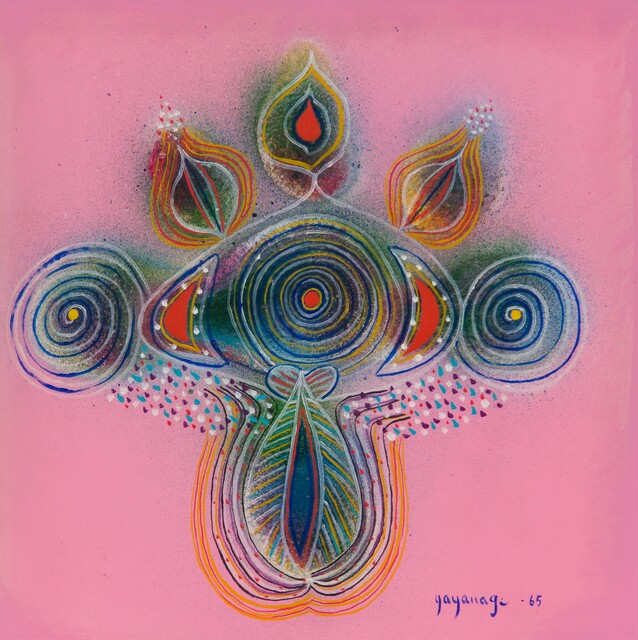
Female Body
1965
Oil on panel
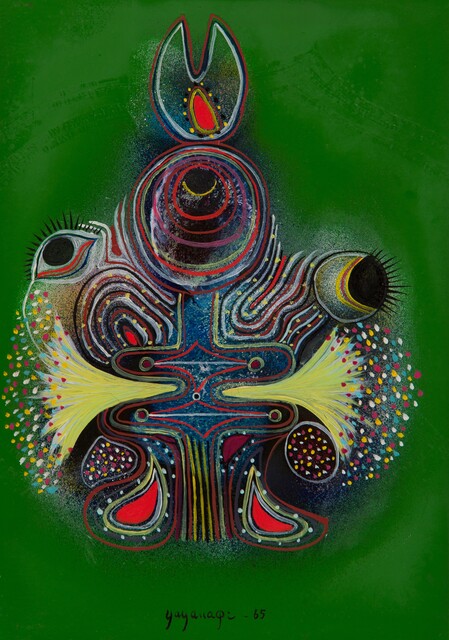
Spring Awakening
1965
Oil on panel
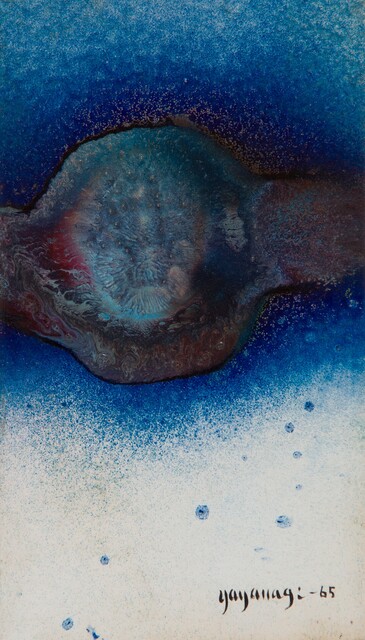
The Seabed
1965
Oil on panel
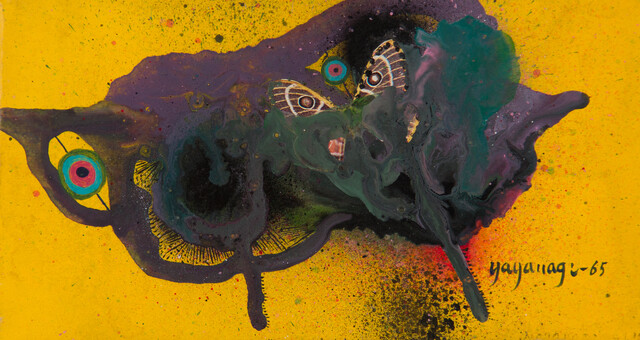
Butterfly・A
1965
Oil on panel
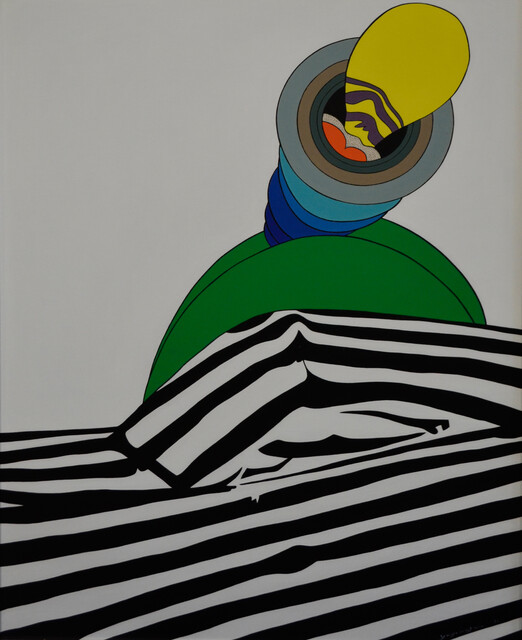
Stripped Costume
1970
Acrylic, oil on canvas
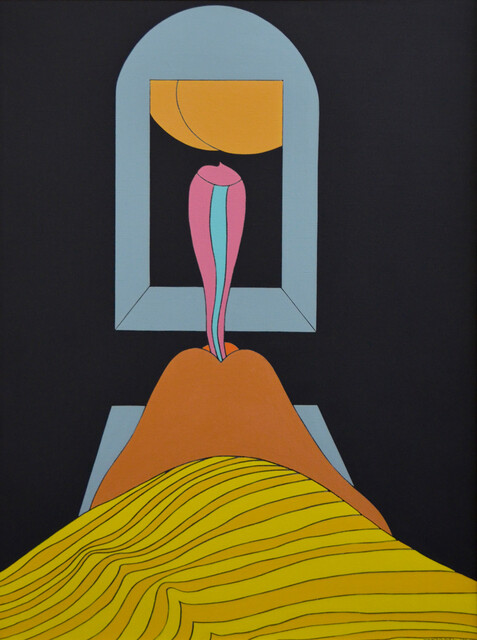
Love Flower
1972
Acrylic and oil on canvas
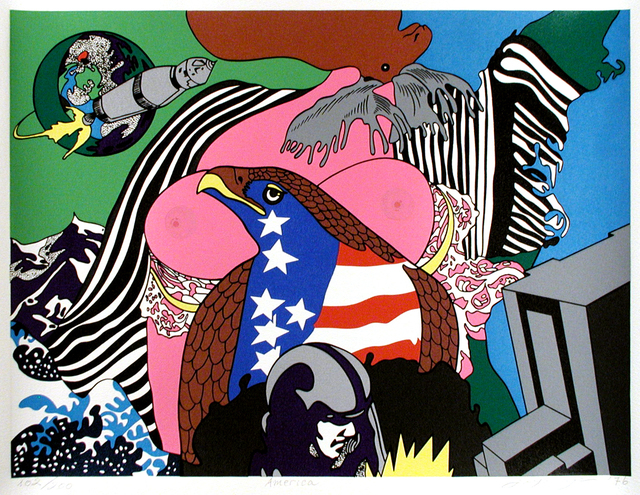
America
1976
Silkscreen
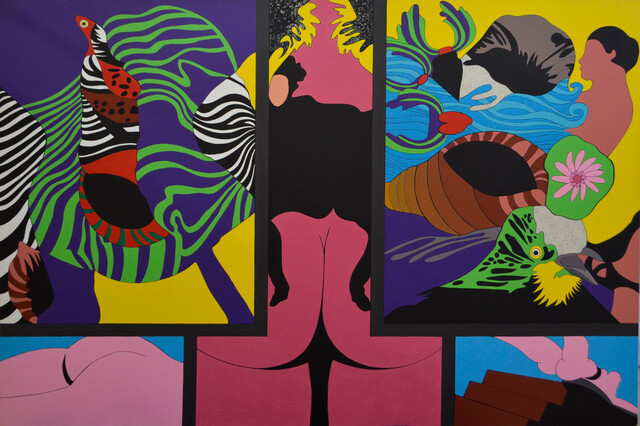
Fashion Society
1980
Acrylic, oil on canvas
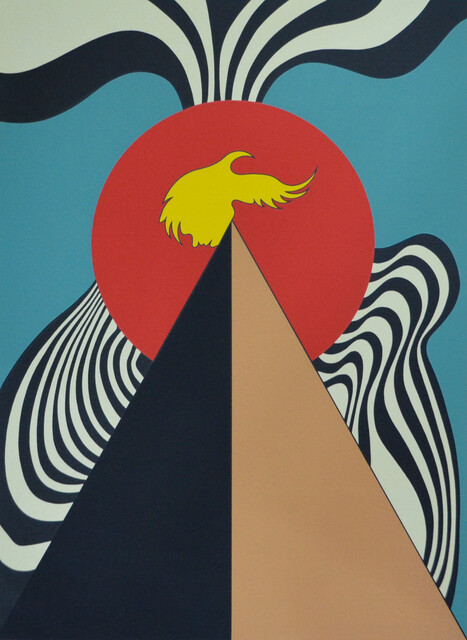
Weathercock 25/75
1984
Silkscreen on paper
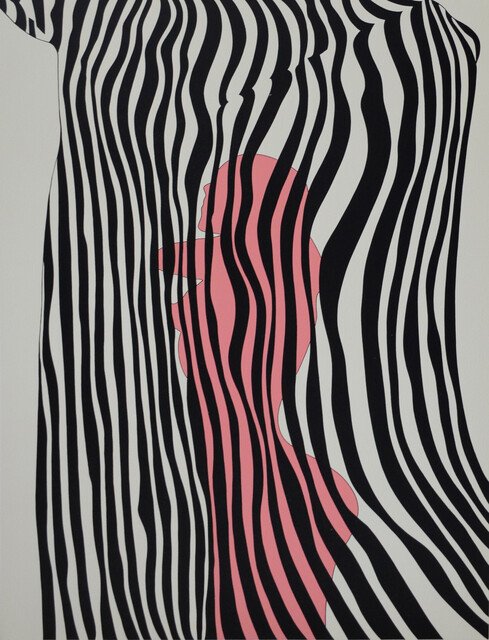
Peeping the Aesthetics
1987
Silkscreen on paper
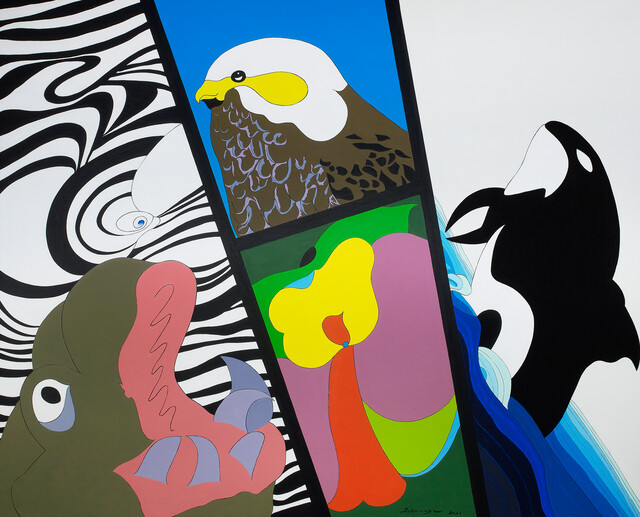
Earth Symbiotic Friends
2013
Acrylic, oil on canvas
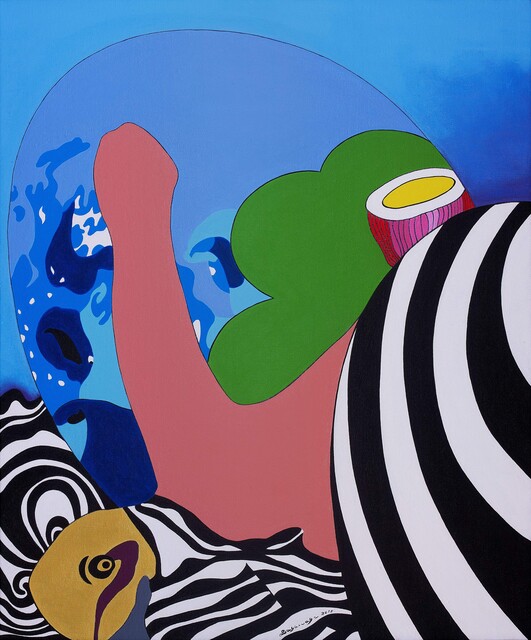
Life Force
2015
Acrylic, oil on canvas
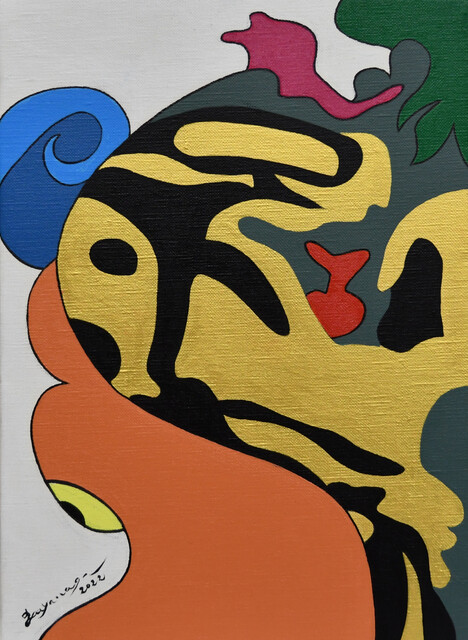
Here we go!
2022
Oil, acrylic on canvas
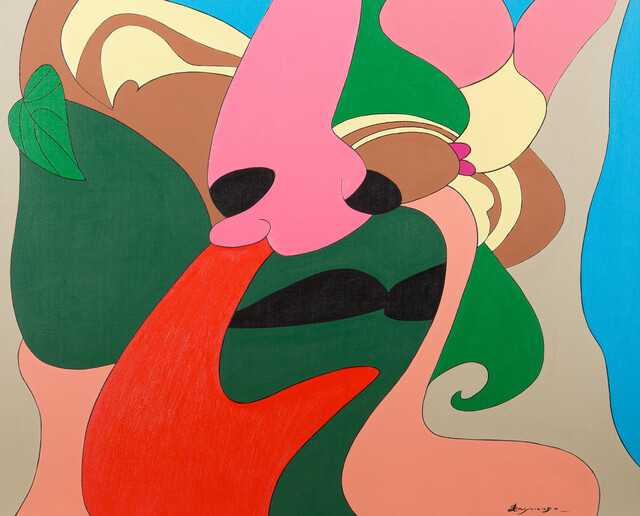
Ecological Dynamics
2023
Acrylic, oil on canvas
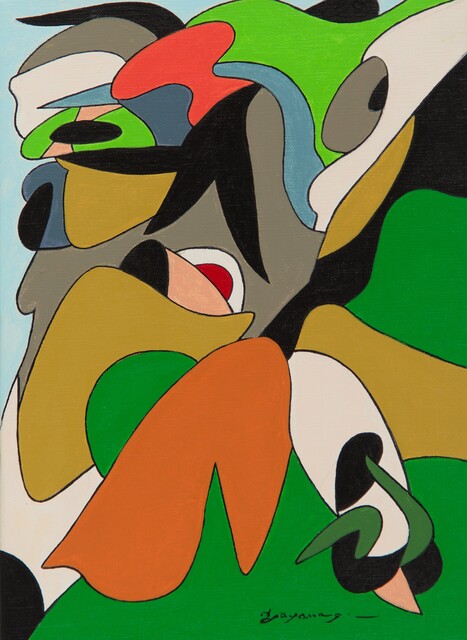
Nature
2025
Oil and acrylic on panel

The Tale of Genji 2
源氏物語 (2)
Silkscreen

Stars
星
Silkscreen

The Tale of Genji 5
源氏物語 (5)
Silkscreen

The Island that Turned into a Bird
鳥になった島
Silkscreen

Flower Like the Blue Sky
青い空のような花
Silkscreen

Rainbow
にじ
Silkscreen