
Biography
Kobayakawa Kiyoshi (小早川清, 1899-1948) produced fewer than thirty woodblock print designs in his short career, yet those prints -- bold, psychologically charged portraits of modern Japanese women -- secured his place as the most distinctive bijin-ga artist of the late shin-hanga period. Where contemporaries like Ito Shinsui and Torii Kotondo depicted idealized femininity rooted in Edo-era grace, Kobayakawa painted the moga: the Modern Girl of 1930s Tokyo, with marcelled hair, lipstick, cigarettes, and a self-possessed gaze that met the viewer without deference.
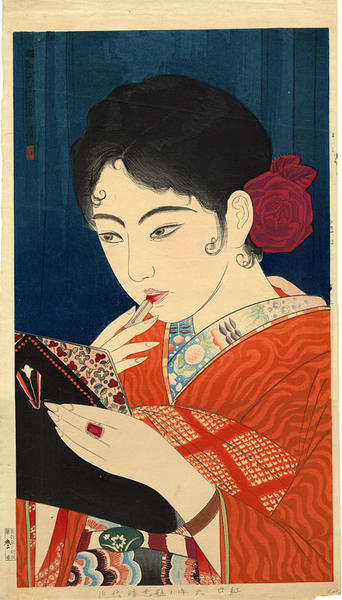
Born in 1899, Kobayakawa studied nihonga painting under Kaburagi Kiyokata, the leading Tokyo master of modern bijin-ga, before turning to woodblock print design. His first prints appeared in the early 1930s and immediately announced a sensibility at odds with the nostalgic refinement that dominated shin-hanga bijin-ga. The women in his prints wore Western-style clothing or fashionable hybrid outfits -- a fur-collared coat over a kimono, a beret tilted over a bob cut. They smoked, drank cocktails, and applied cosmetics with an air of private self-regard rather than performative display.
His most famous print, Tipsy (Horoyoi, 1930), is the first design in his self-published series Fashions of the Modern World (Kindai jiseiso no uchi); it depicts a woman leaning on a bar with flushed cheeks and half-lidded eyes, a cocktail glass within reach. The image scandalized traditionalists but captivated collectors who recognized in it a frank depiction of female autonomy unprecedented in the bijin-ga genre. The other prints in that six-part series -- among them Applying Makeup, Pedicure, and Black Hair -- present women with distinctly Western hairstyles and accessories that read as fashion plates of cosmopolitan Taisho and early Showa Tokyo.
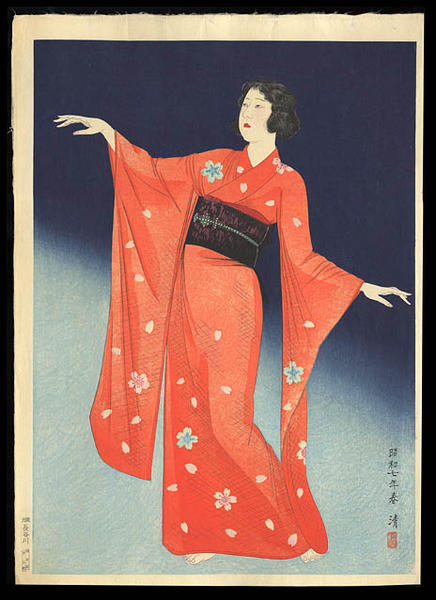
Technically, Kobayakawa's prints demanded exceptional skill from his collaborators -- the carver Takano Shichinosuke and the printer Ono Tomisaburo, who realized the self-published series in a limited edition of one hundred impressions. The flesh tones required multiple graduated bokashi passes to achieve the warm, living quality of skin, and the textile patterns -- Art Deco geometrics, tartan plaids, floral prints -- called for registration precision at the limits of the woodblock medium. Despite the collaborative production method, the psychological intensity of the faces was entirely Kobayakawa's invention. Beyond this signature series he issued only a handful of other designs, a few in collaboration with established publishers such as Watanabe Shozaburo and Hasegawa Shoten.
The Pacific War ended his printmaking; his woodblock designs belong almost entirely to the 1930s, and he died in 1948 at forty-nine, leaving an oeuvre so small that every design is scarce. That rarity, combined with the prints' visual modernity and their resonance with contemporary interest in interwar Japanese feminism, has made his surviving designs highly sought after by collectors and museums, with impressions held in institutions such as the Museum of Fine Arts, Boston.
Key Facts
- Active Period
- 1899–1948
- Nationality
- 🇯🇵Japan
- Movement
- Shin-hanga
- Works Indexed
- 65
Frequently Asked Questions
Kobayakawa Kiyoshi (小早川清, 1899-1948) produced fewer than thirty woodblock print designs in his short career, yet those prints -- bold, psychologically charged portraits of modern Japanese women -- secured his place as the most distinctive bijin-ga artist of the late shin-hanga period. Where contemporaries like Ito Shinsui and Torii Kotondo depicted idealized femininity rooted in Edo-era grace, Kobayakawa painted the moga: the Modern Girl of 1930s Tokyo, with marcelled hair, lipstick, cigarettes, and a self-possessed gaze that met the viewer without deference.
Kobayakawa Kiyoshi was active from 1899 to 1948. They were associated with the Shin-hanga movement.
Kobayakawa Kiyoshi's work was shaped by the Shin-hanga tradition in Japanese woodblock printmaking. Shin-hanga: ## What is Shin-hanga? Shin-hanga (新版画), literally "new prints," is the early twentieth-century revival of the collaborative Japanese woodblock workshop, organized between roughly 1915 and 1960 by the Tokyo publisher Watanabe Shōzaburō (1885–1962) and a handful of competing houses.
Kobayakawa Kiyoshi's prints frequently feature bijin-ga, portraits, daily life, music, landscapes, birds & flowers.
Original prints by Kobayakawa Kiyoshi can be found in collections including Japanese Art Open Database, Chazen Museum of Art, Ohmi Gallery, Museum of Fine Arts Boston.
Series by Kobayakawa Kiyoshi
Woodblock Prints by Kobayakawa Kiyoshi (65)
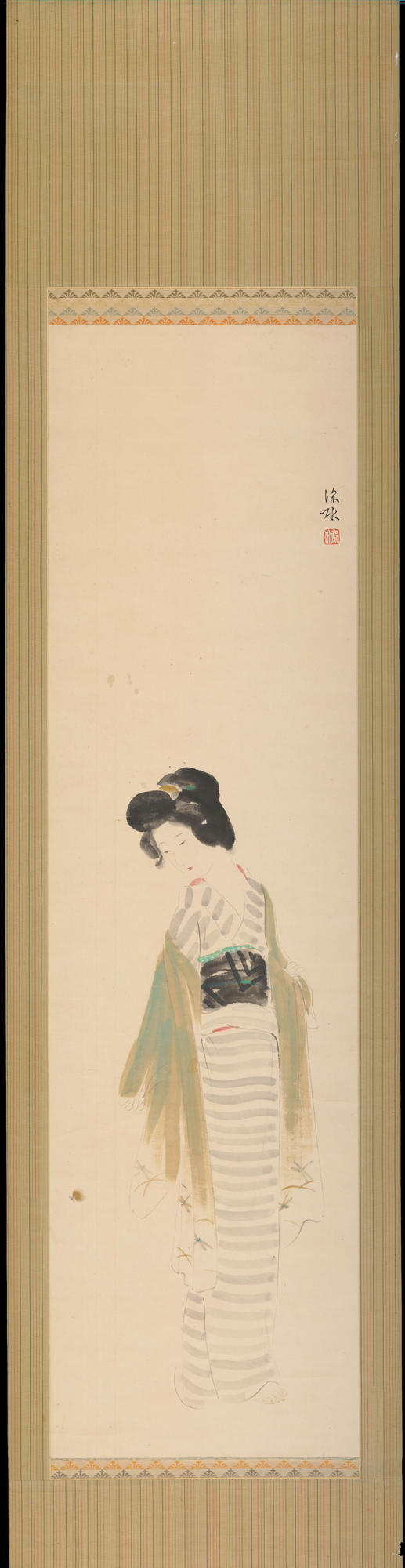
Firefly - 蛍
1920
Woodblock print
Summer Evening - 夏の夕
1920
Woodblock print
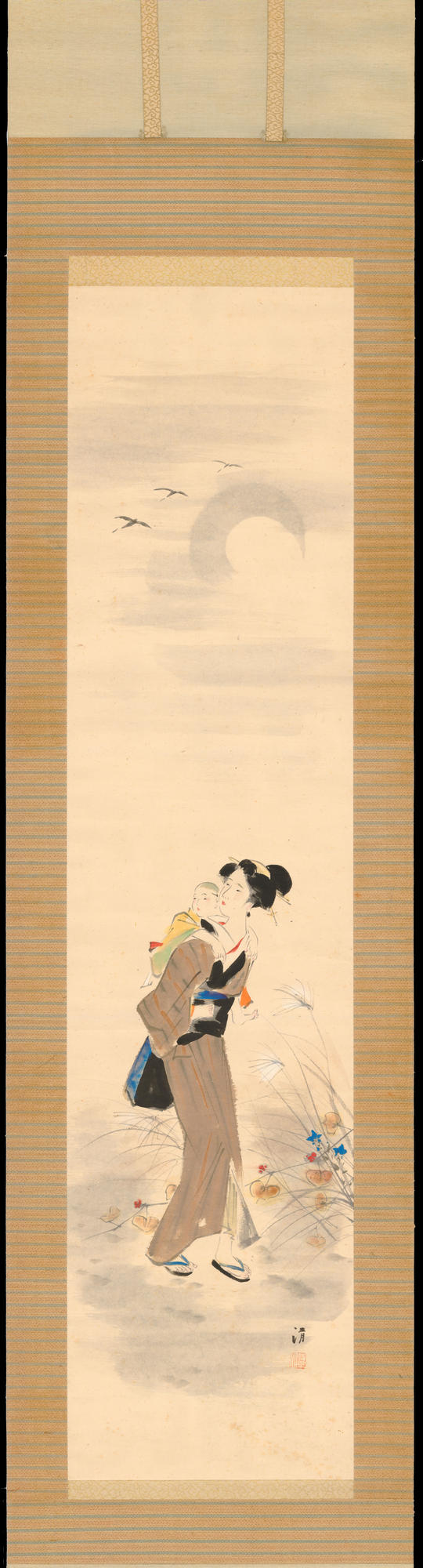
Wild Geese
1920
Woodblock print
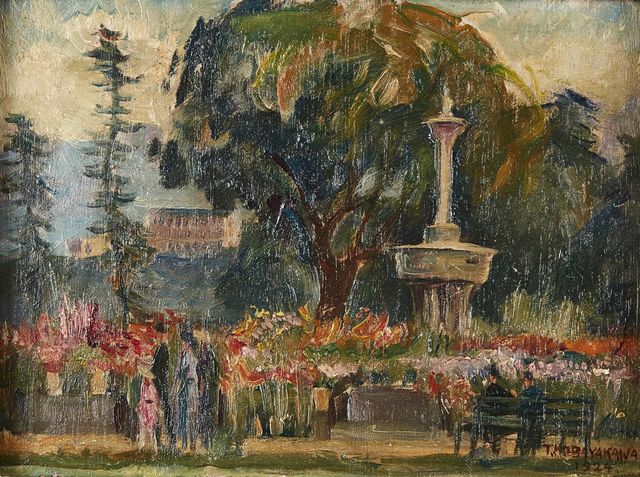
Le Jardin Anglais (the English garden)
1924
Oil on board
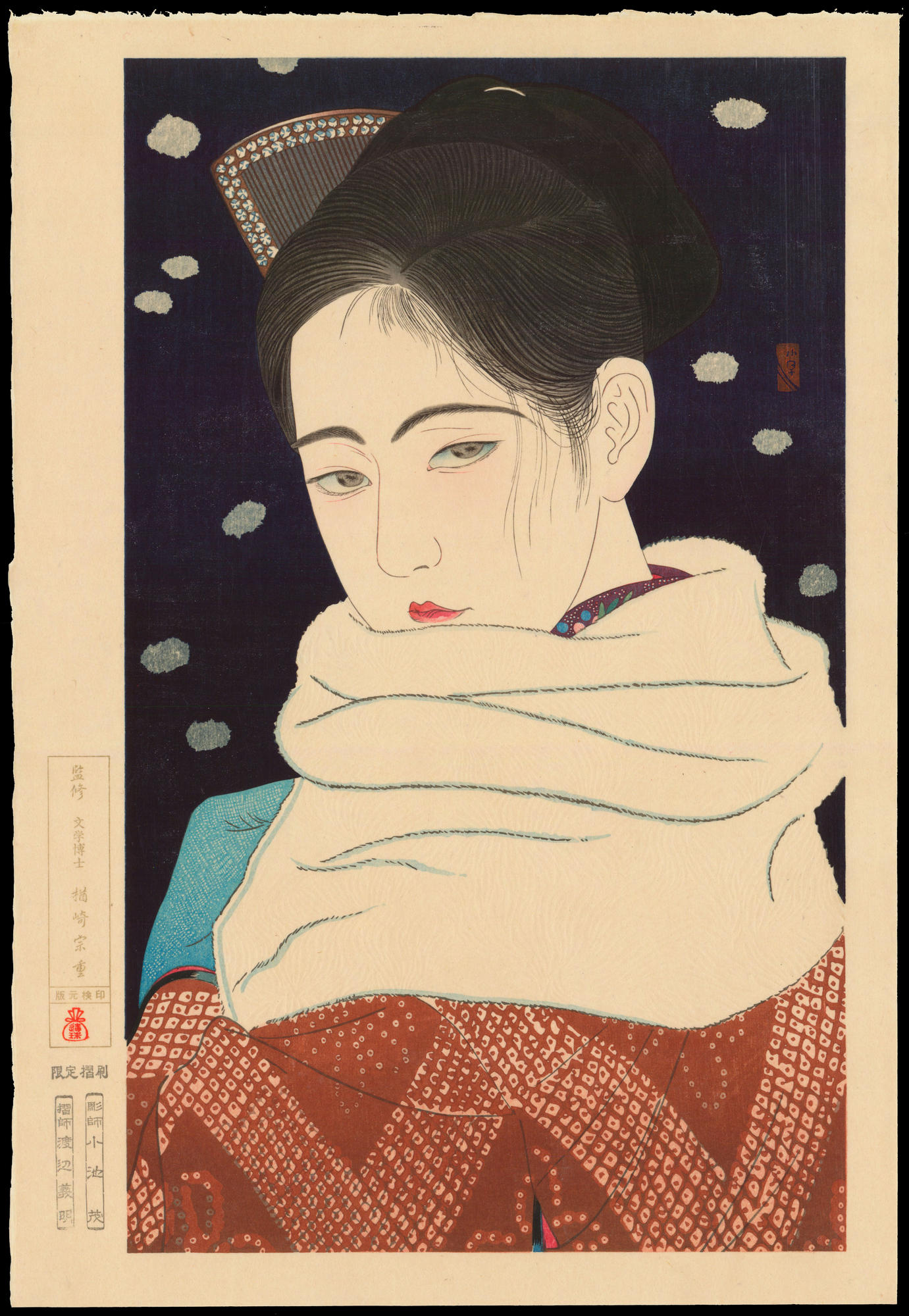
Expression of Eyes (Hitomi) - 瞳
1930
Woodblock print
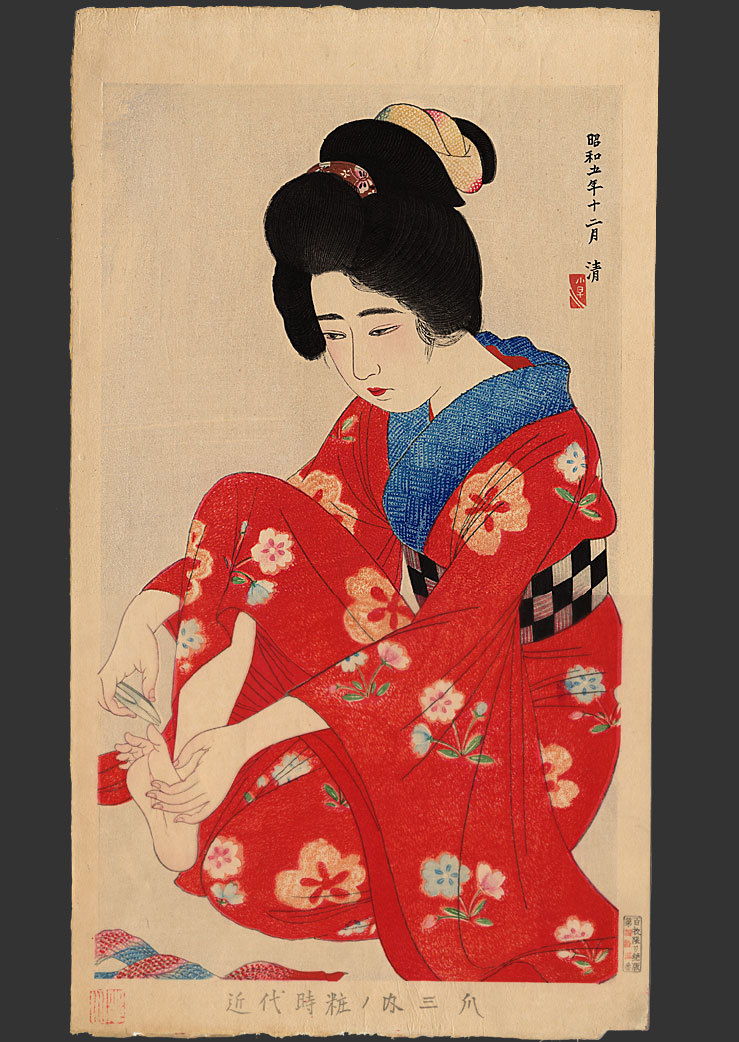
Nails (three in series)
1930
Woodblock print
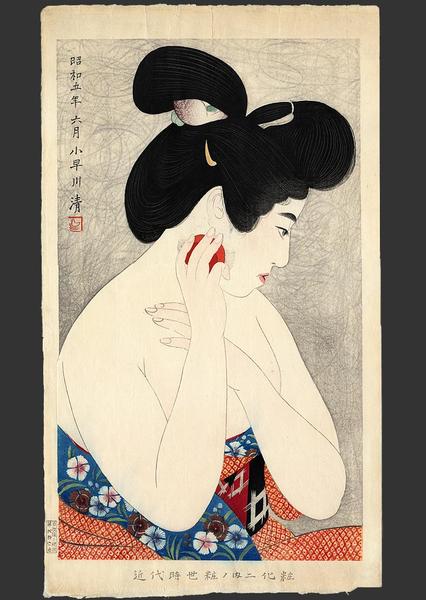
Make-up (45/100)
1930
Woodblock print
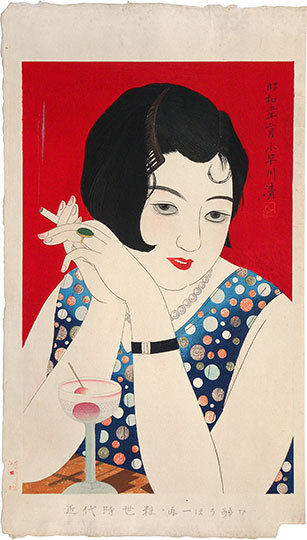
Styles of Contemporary Make-up: no. 1, Tipsy (Kindaijisesho no uchi: ichi, Horoyoi)
1930
Woodblock print
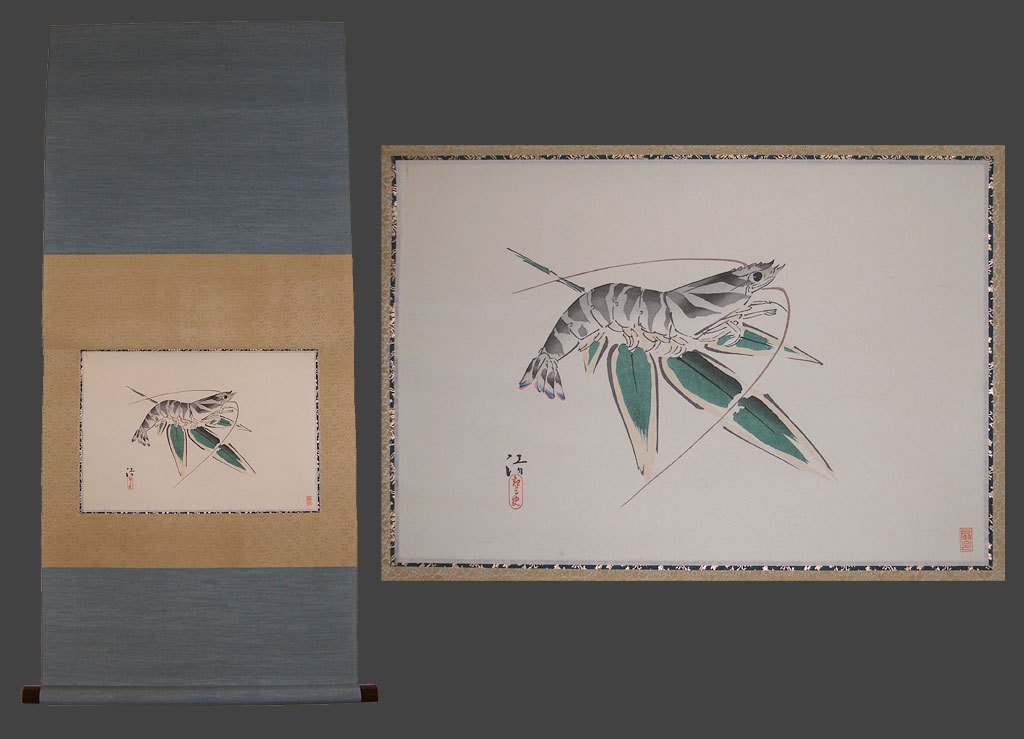
Ebi (shrimp) and plant leaves
c. 1930's
Woodblock print
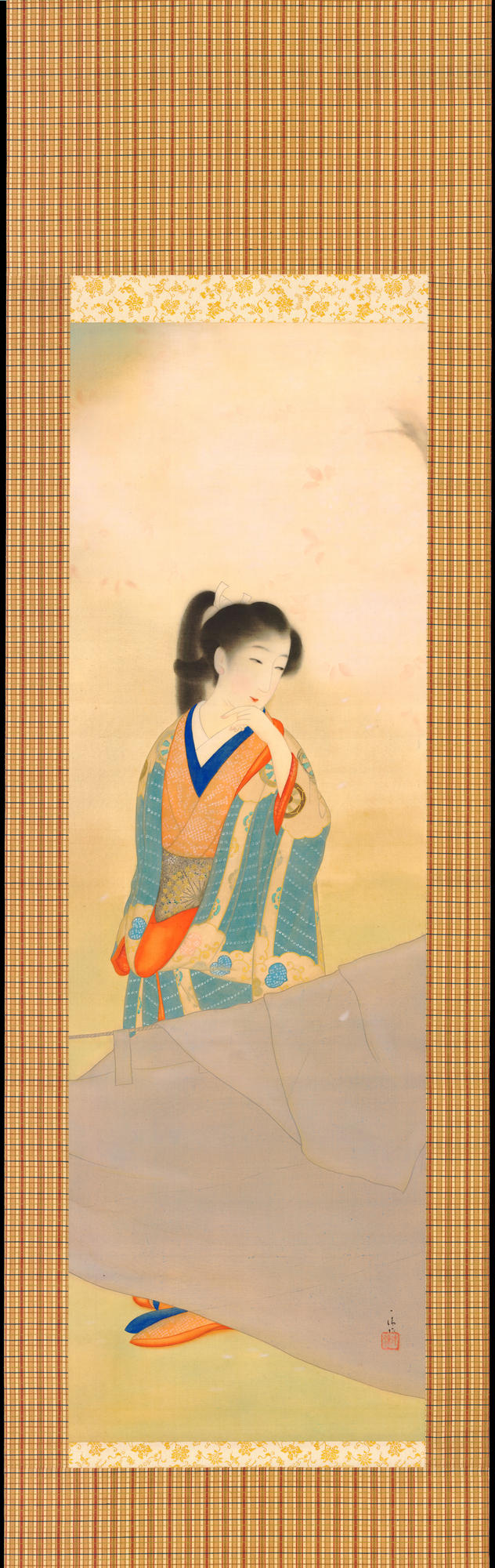
Bijin Under Cherry Tree (1)
1930
Woodblock print
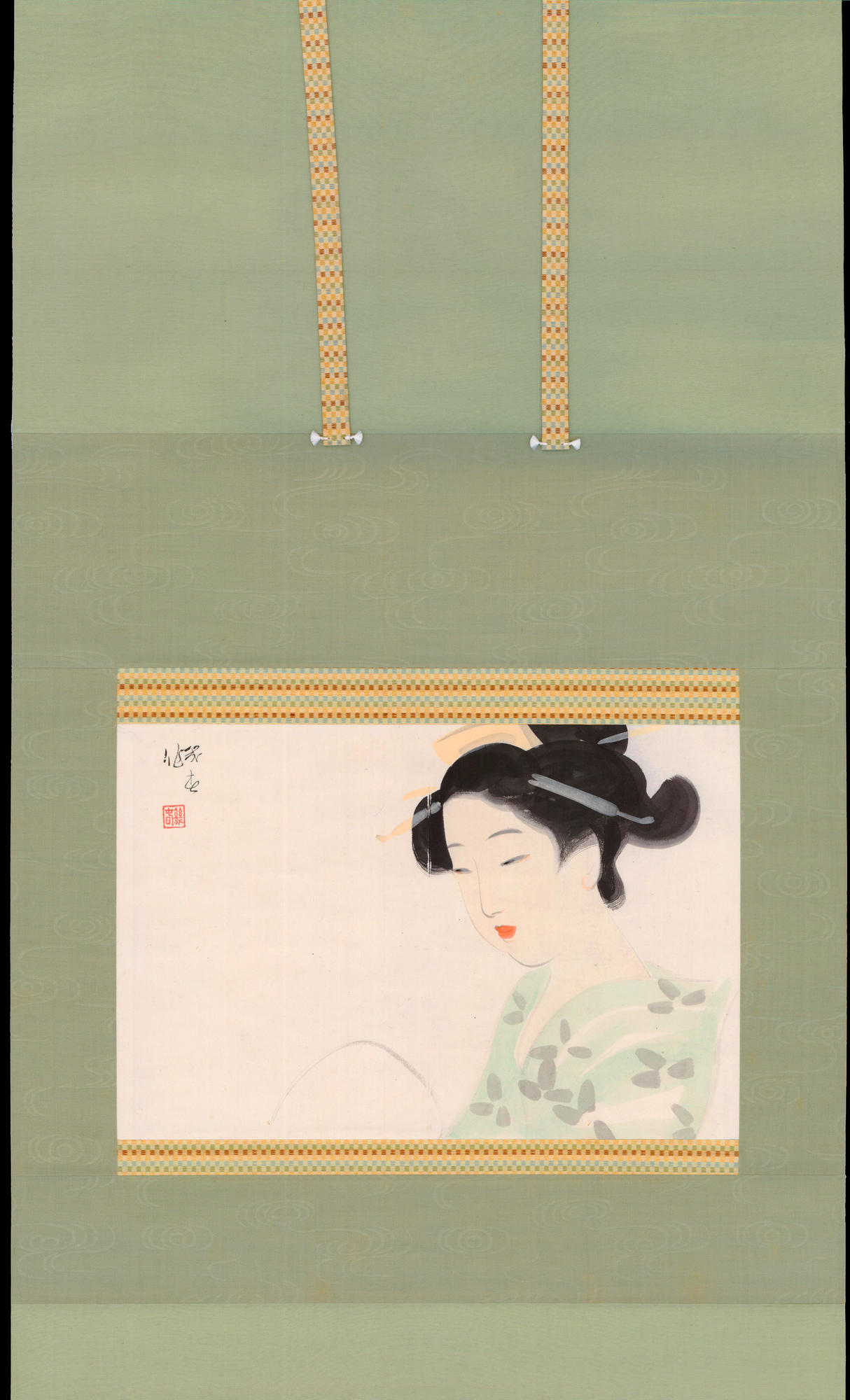
Watanabe Ikuharu
1930
Woodblock print
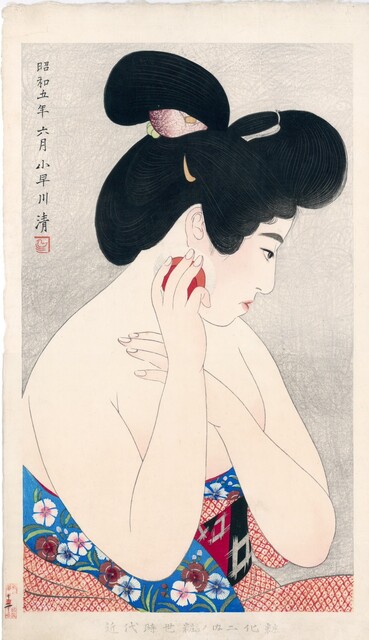
Makeup in Modern Times
1930
Woodblock Print
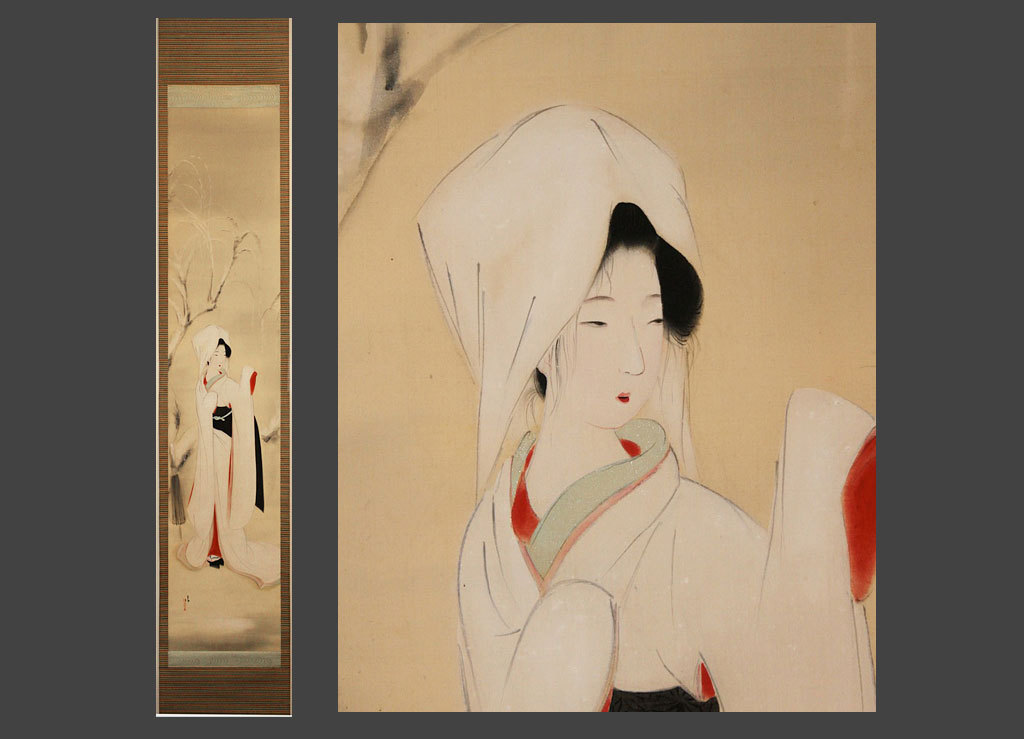
Heron Maiden
c. 1930
Woodblock print
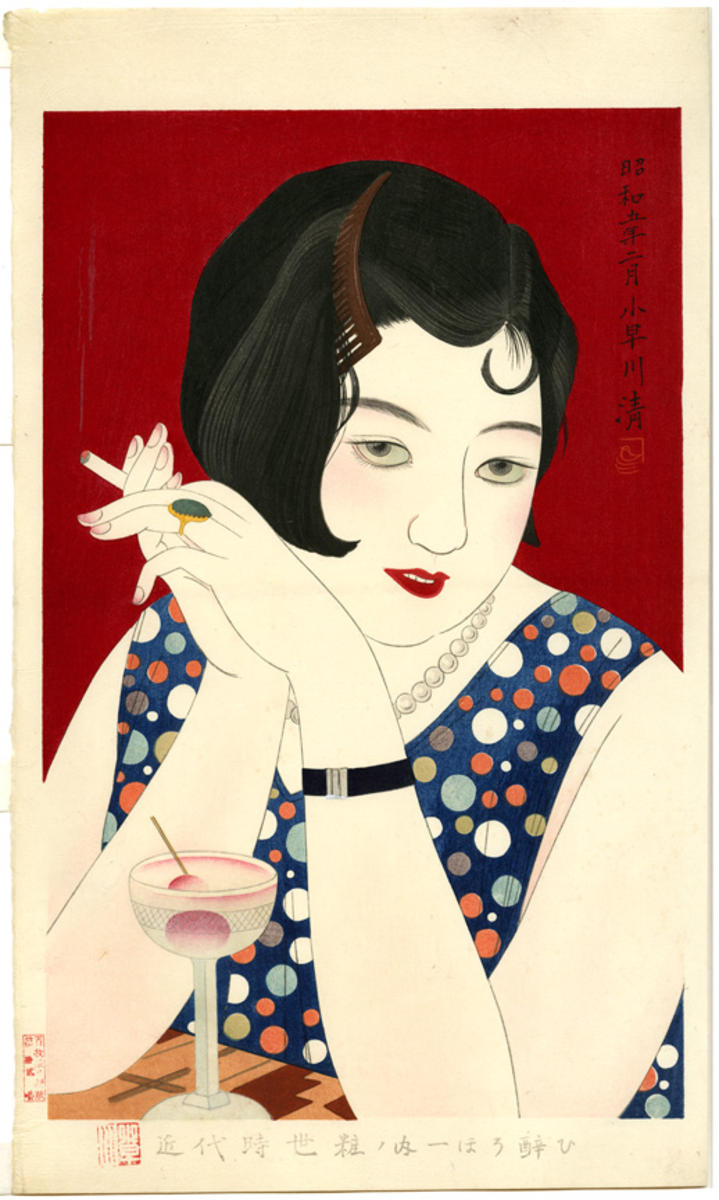
Tipsy
1930
Woodblock print
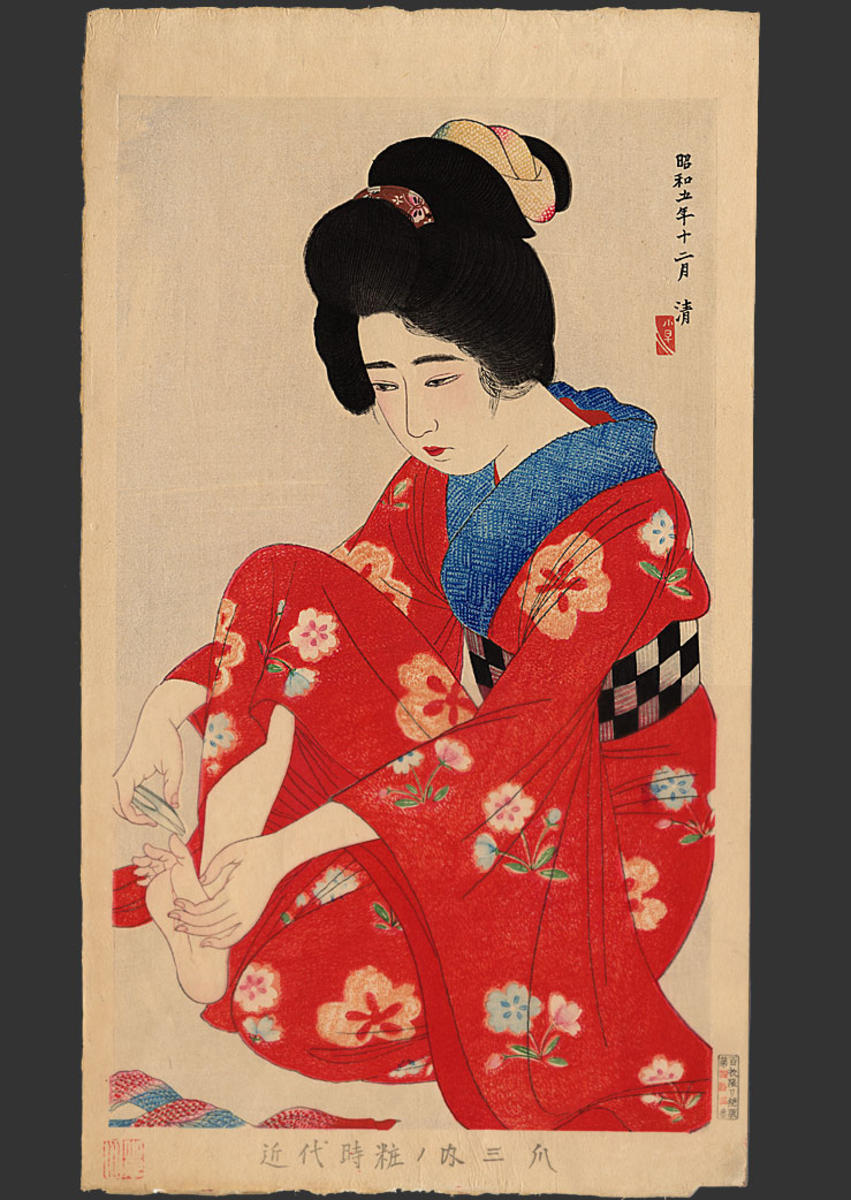
Pedicure — 爪
1930
Woodblock print
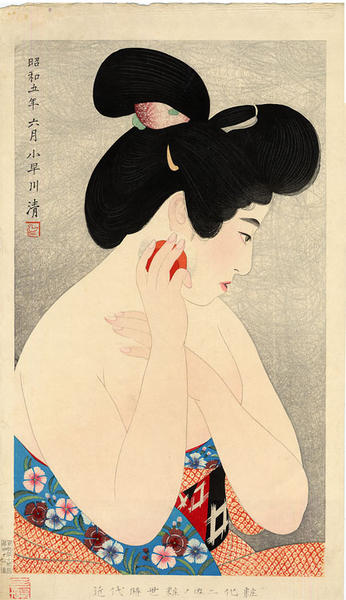
Make-up
1930
Woodblock print
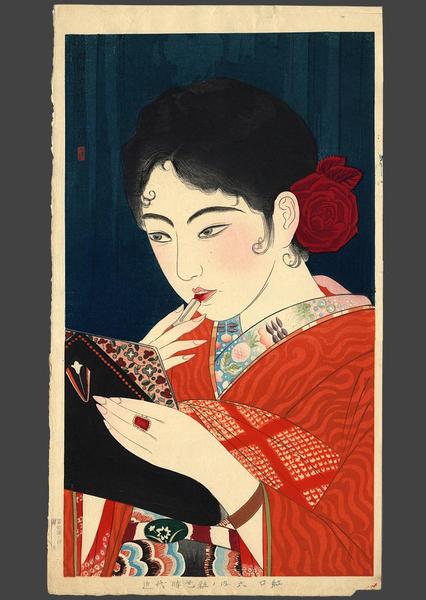
Rouge
1931
Woodblock print
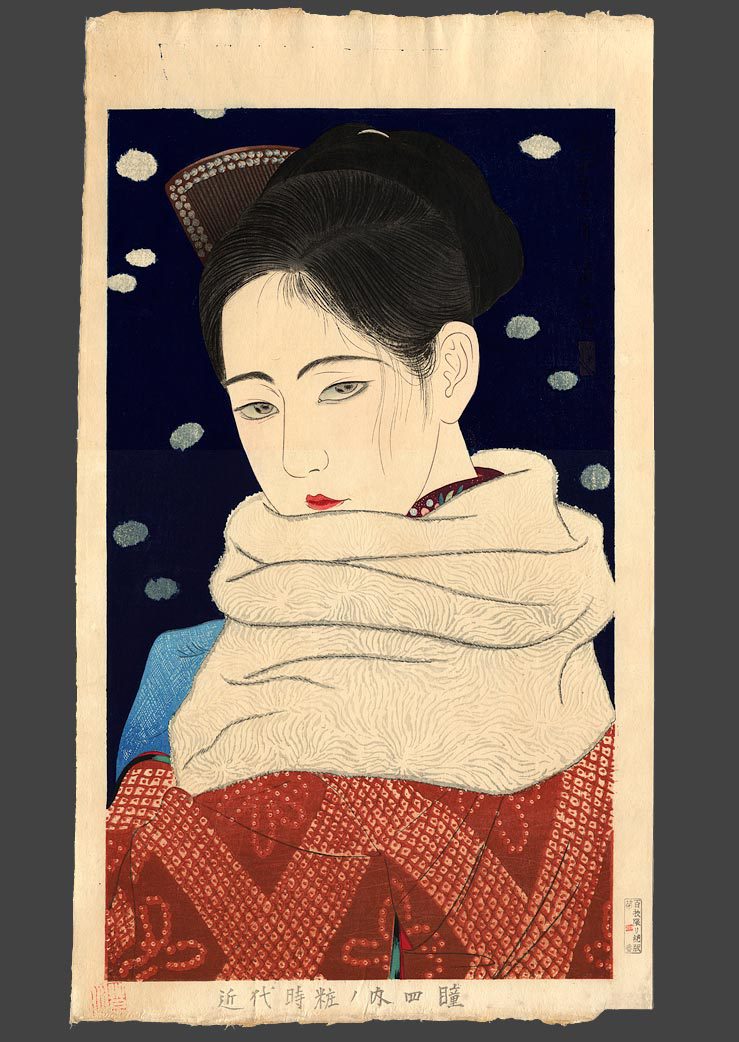
Pupil of the Eye 5/100
1931
Woodblock print
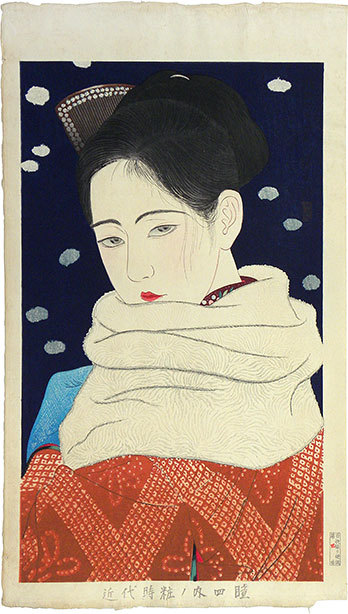
Styles of Contemporary Make-up: no. 4, Pupil of the Eye (Kindaijisesho no uchi: Hitomi)
1931
Woodblock print

Dressing Her Hair (Kamiyui)
1931
Woodblock print
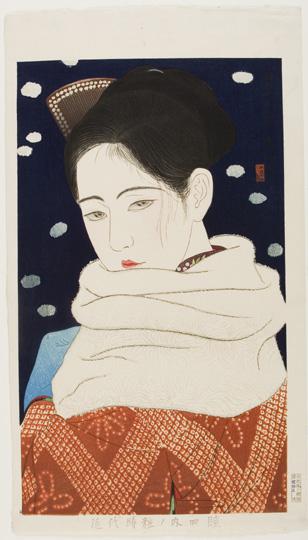
Eyes, Hitomi, no. 4 from the series Modern Styles of Makeup
1/1931
Woodblock print
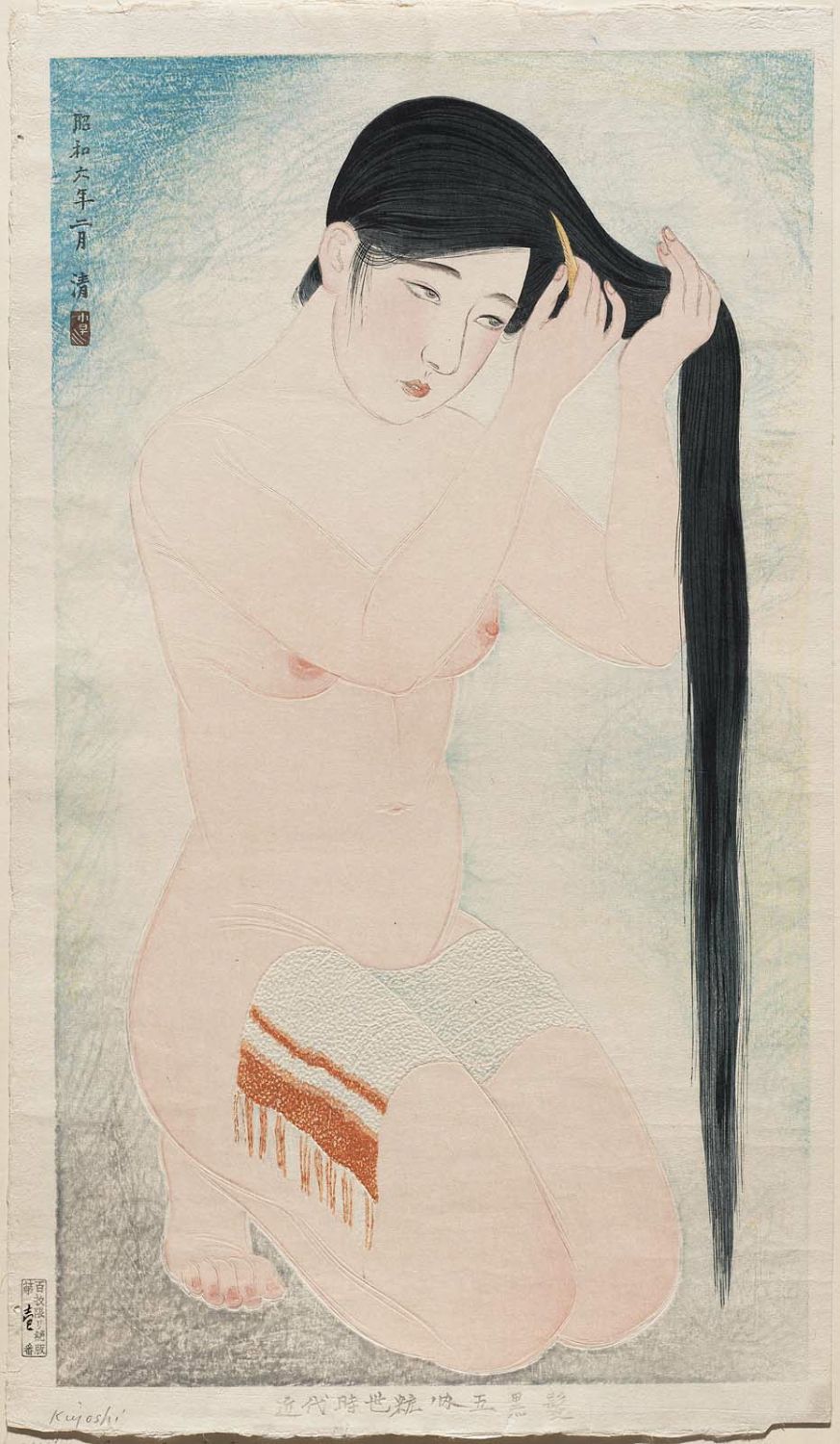
Black Hair. Series: Kindai Jisei no sho no uchi go
1931
Woodblock print
#6 Rouge
1931
Woodblock print
Odori (Dance)
1931
Woodblock print