Biography
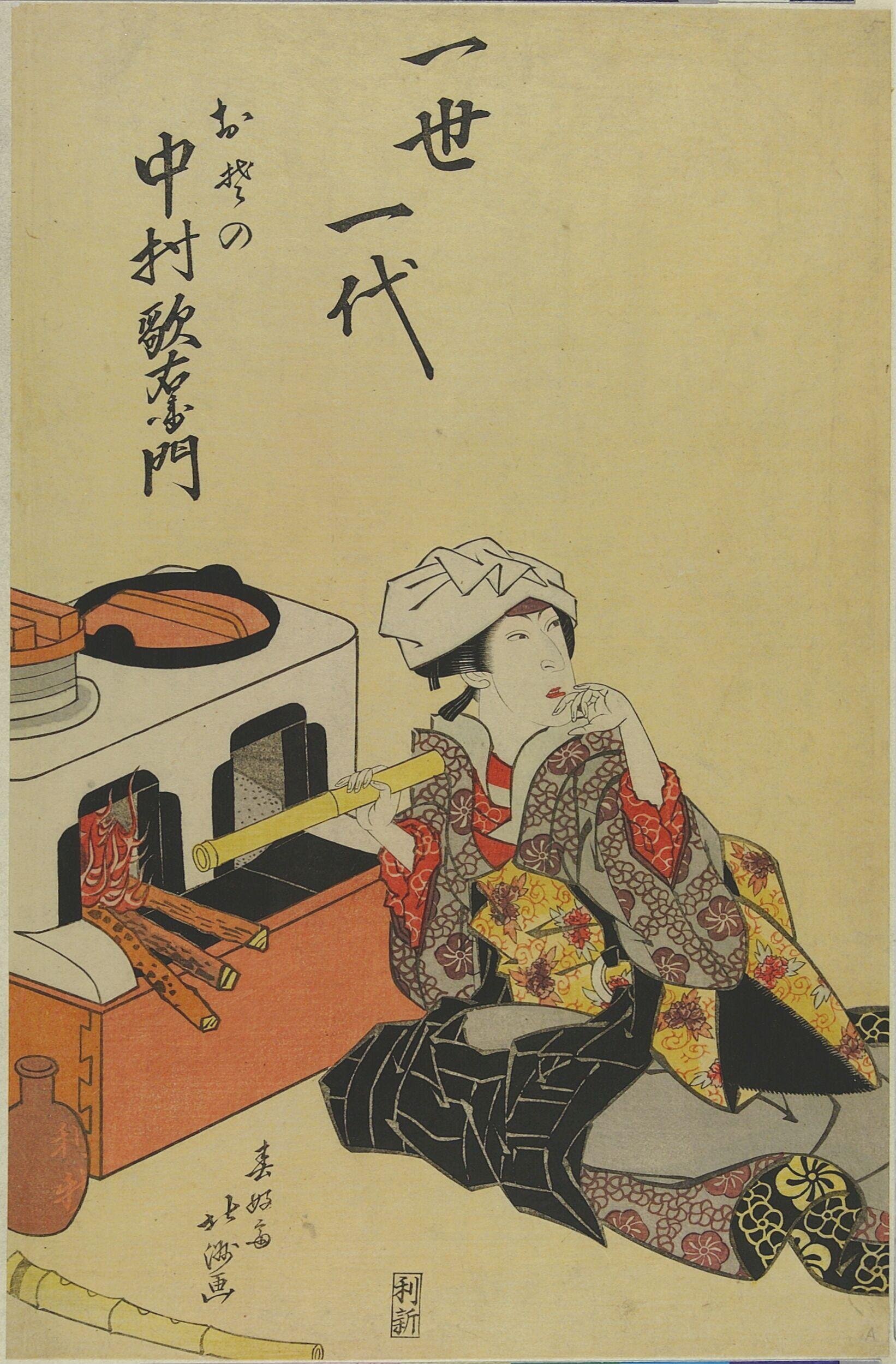
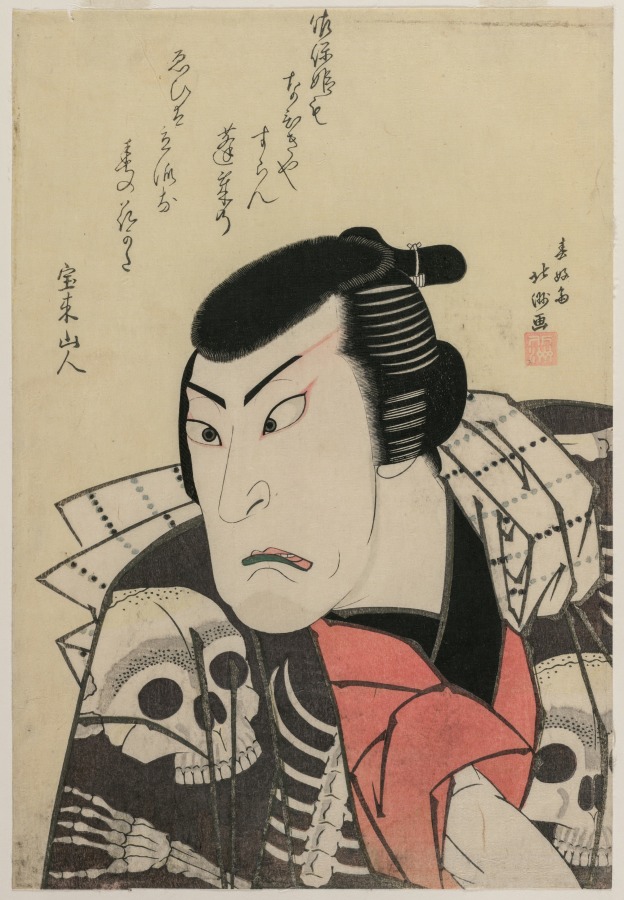
Shunkosai Hokushu (春好斎北洲, active circa 1802-1832) was the leading designer of yakusha-e (kabuki actor prints) in early nineteenth-century Osaka and the central figure who shaped Osaka kamigata-e into a mature, distinctive school in the decades after 1810. Working entirely outside Edo, where Utagawa Toyokuni, Kunisada, and Hiroshige dominated the market, Shunkosai Hokushu produced several hundred portraits of the kabuki stars of the Osaka stage, trained the next generation of Osaka designers, and bridged the Hokusai-influenced visual language of late Edo to the regional preferences of merchant patrons in the Kansai region.
His personal name and biographical particulars remain almost entirely unknown, a pattern that holds for nearly every Osaka print designer of the period. He signed early designs Shunko (春好), then from about 1818 adopted the name Shunkosai Hokushu. His earliest known print carries an inscription by Shokosai Hanbei, the Osaka actor-print designer generally regarded as his first teacher. He also considered himself a follower of Katsushika Hokusai — the character 北 (hoku) in his name reflects that affiliation, and he is recorded as having worked as a proofing copyist on one of Hokusai's illustrated books. This was not a formal Edo-guild apprenticeship but a clear stylistic and reputational connection, from which Shunkosai Hokushu inherited muscular figure drawing, dramatic compositions, and unconventional cropping, and channeled them into the actor-portrait genre that Osaka collectors demanded above all else.
Osaka kamigata-e differed sharply from Edo yakusha-e in both subject and market. Osaka prints were produced in smaller editions, often privately commissioned by fan clubs (renju) and theater patrons rather than mass-published, and they tended to use heavier paper, more lavish printing effects (metallic pigments, mica grounds, embossing), and a darker, more restrained palette than the Edo equivalents. Hokushu's portraits of stars like Nakamura Utaemon III (Shikan), Ichikawa Ebijuro I, Arashi Kitsusaburo I, and Bando Mitsugoro III are among the canonical Osaka images of these actors, and they document a kabuki culture that prized intense character study over the bravura poses favored in Edo. His compositions tend to crop close to the face and shoulders, capture the actor in a specific moment of a specific role, and inscribe the role name and play title directly on the print, a record-keeping function that mattered to Osaka audiences who treated prints as souvenirs of attended performances.
Shunkosai Hokushu's most consequential legacy was as a teacher. His principal pupil, Shunbaisai Hokuei (active circa 1824-1837), inherited his studio and his actor-portrait franchise and carried Osaka kamigata-e into its most exuberant phase in the 1830s. Hokushu trained roughly two dozen pupils in all, who together formed the dominant Osaka school of the second quarter of the nineteenth century. By the time his signed work disappears around 1832, the cause and date of his death unrecorded, he had effectively founded a regional school whose output is now held in major public print collections in the United States and Europe. His prints remain the primary visual record of Osaka kabuki in the late Bunka and Bunsei eras, and his school's continuation through Hokuei and beyond shaped Osaka yakusha-e until the genre's decline in the mid-1840s following the Tenpo Reforms.
Key Facts
- Nationality
- 🇯🇵Japan
- Movement
- Ukiyo-e
- Works Indexed
- 10
Frequently Asked Questions
Shunkosai Hokushu (春好斎北洲, active circa 1802-1832) was the leading designer of yakusha-e (kabuki actor prints) in early nineteenth-century Osaka and the central figure who shaped Osaka kamigata-e into a mature, distinctive school in the decades after 1810. Working entirely outside Edo, where Utagawa Toyokuni, Kunisada, and Hiroshige dominated the market, Shunkosai Hokushu produced several hundred portraits of the kabuki stars of the Osaka stage, trained the next generation of Osaka designers, and bridged the Hokusai-influenced visual language of late Edo to the regional preferences of merchant patrons in the Kansai region.
Shunkōsai Hokushū's work was shaped by the Ukiyo-e tradition in Japanese woodblock printmaking. Ukiyo-e: ## What is ukiyo-e? Ukiyo-e ([浮世絵](/glossary/ukiyo-e)) — literally "pictures of the floating world" — is the Edo-period Japanese print and painting tradition that flourished from roughly 1660 to 1868, depicting the pleasures of urban life in Edo (modern Tokyo): courtesans, kabuki actors, sumo wrestlers, famous landscapes, and seasonal beauties.
Original prints by Shunkōsai Hokushū can be found in collections including Metropolitan Museum of Art, Cleveland Museum of Art, Victoria and Albert Museum.
Woodblock Prints by Shunkōsai Hokushū (10)

Actor Ichikawa Ebijūrō I as Tōken (China Dog) Jūbei, in the play Red and Purple, Rich Dyes of Osaka (Benimurasaki ai de someage)
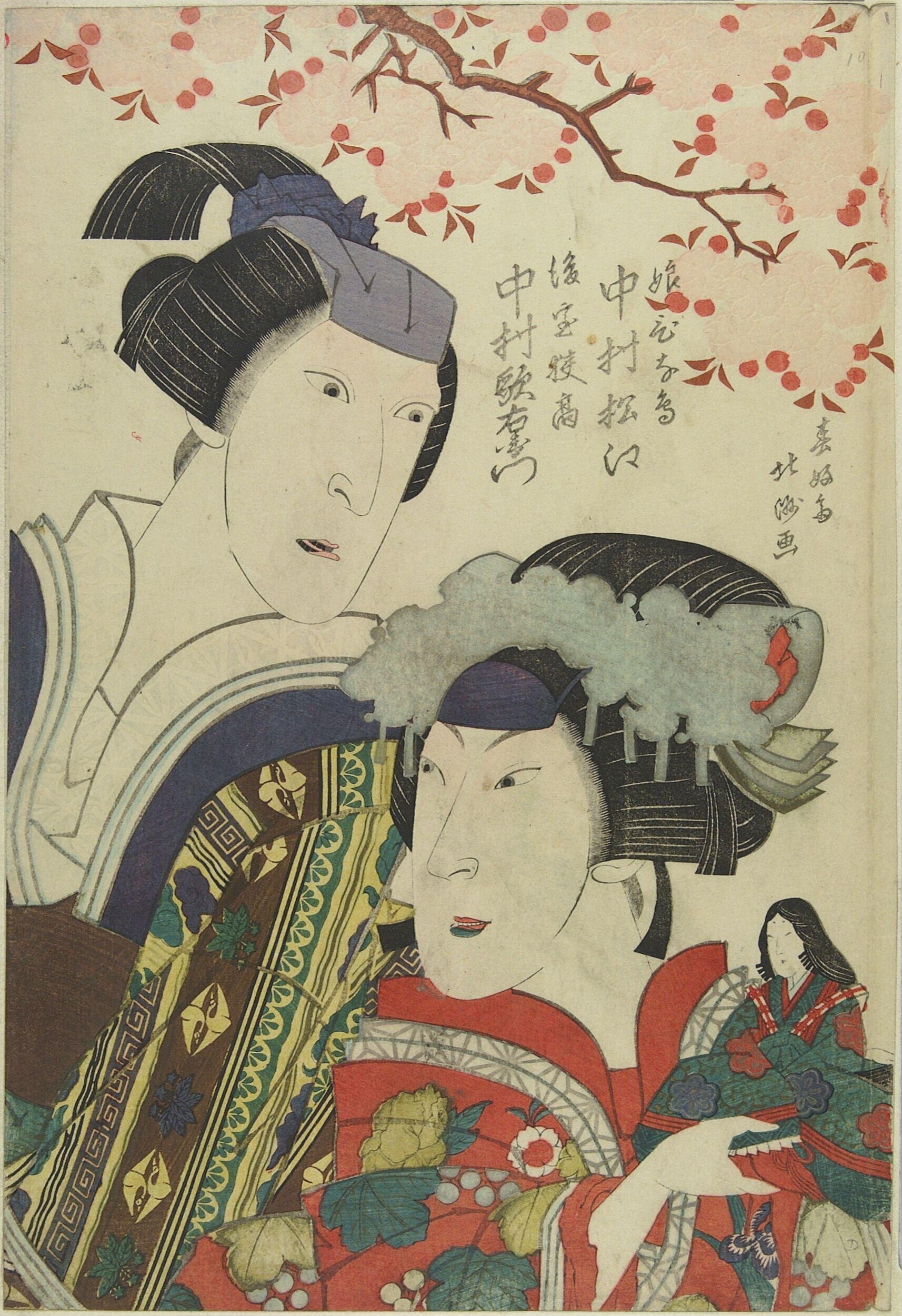
Actors Nakamura Matsue III as the Daughter Hinadori and Nakamura Utaemon III as the Dowager Sadaka
1821
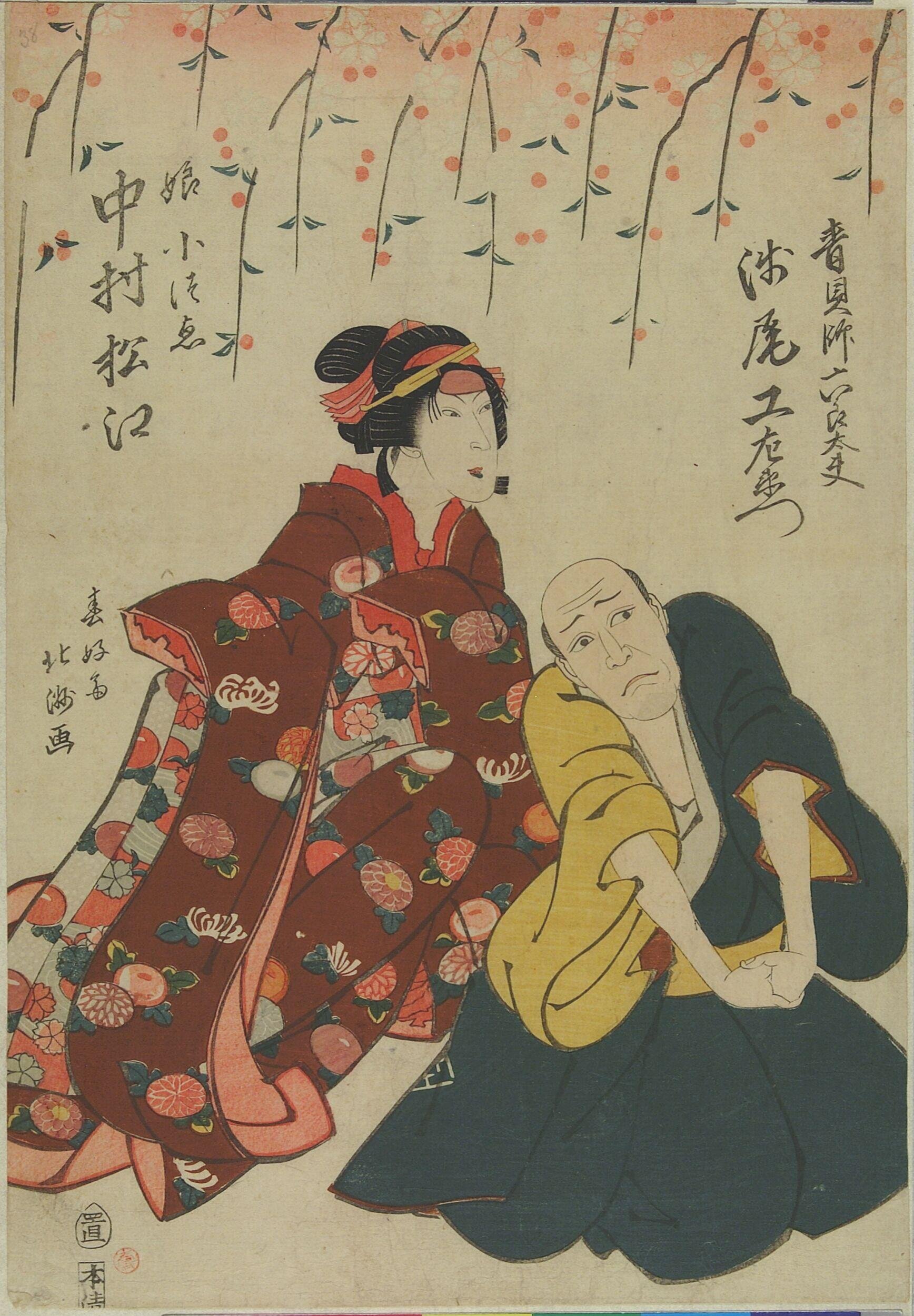
Actors Asao Kuzaemon as Aogaishi Rokurōdayū and Nakamura Matsue III as his daughter Kozue
1821
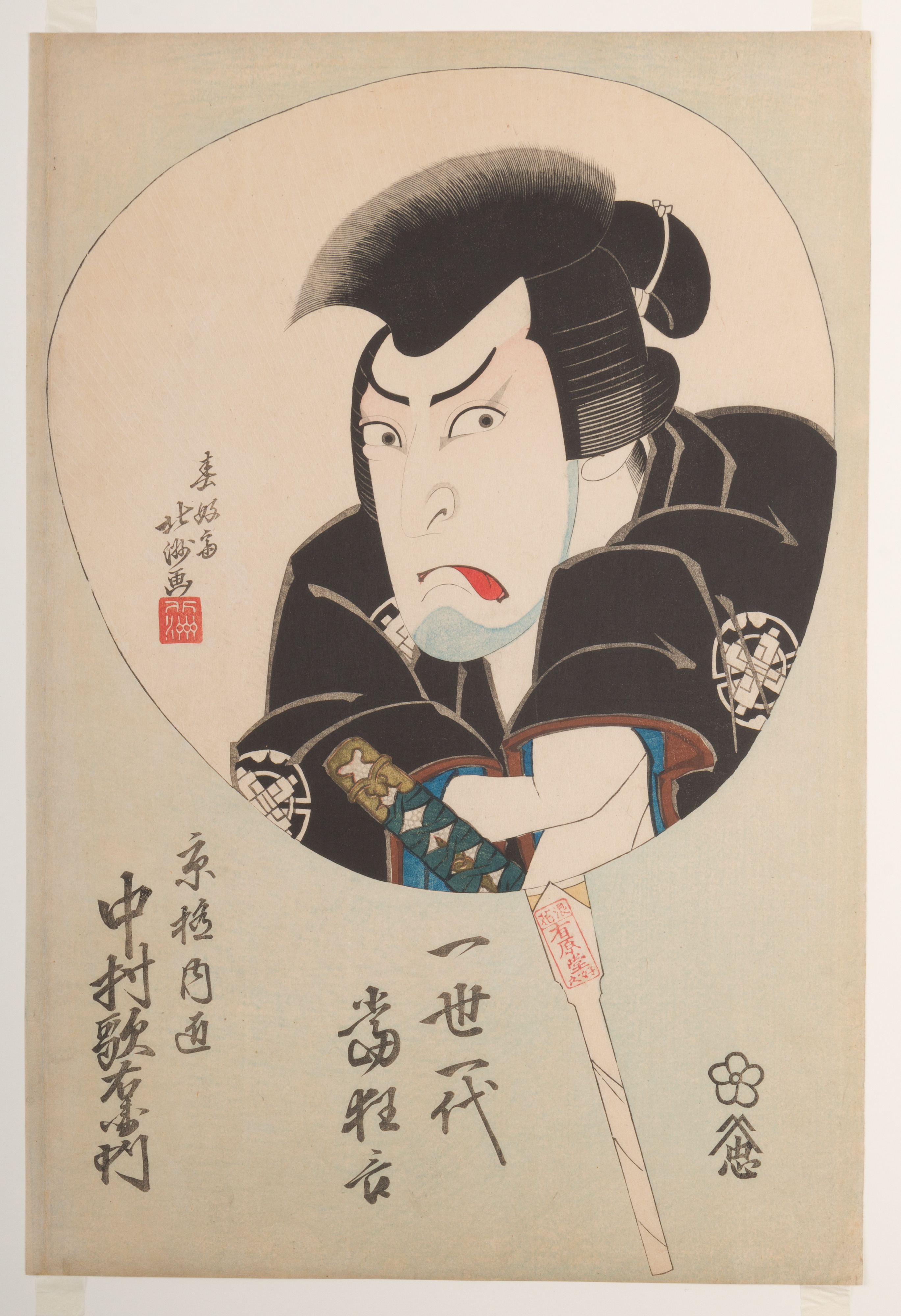
Kabuki Actor Nakamura Utaemon III as the Sword Master Kyōgoku Takumi, from the series Issei ichidai atari Kyōgen (Hits of a Lifetime of Kyōgen)
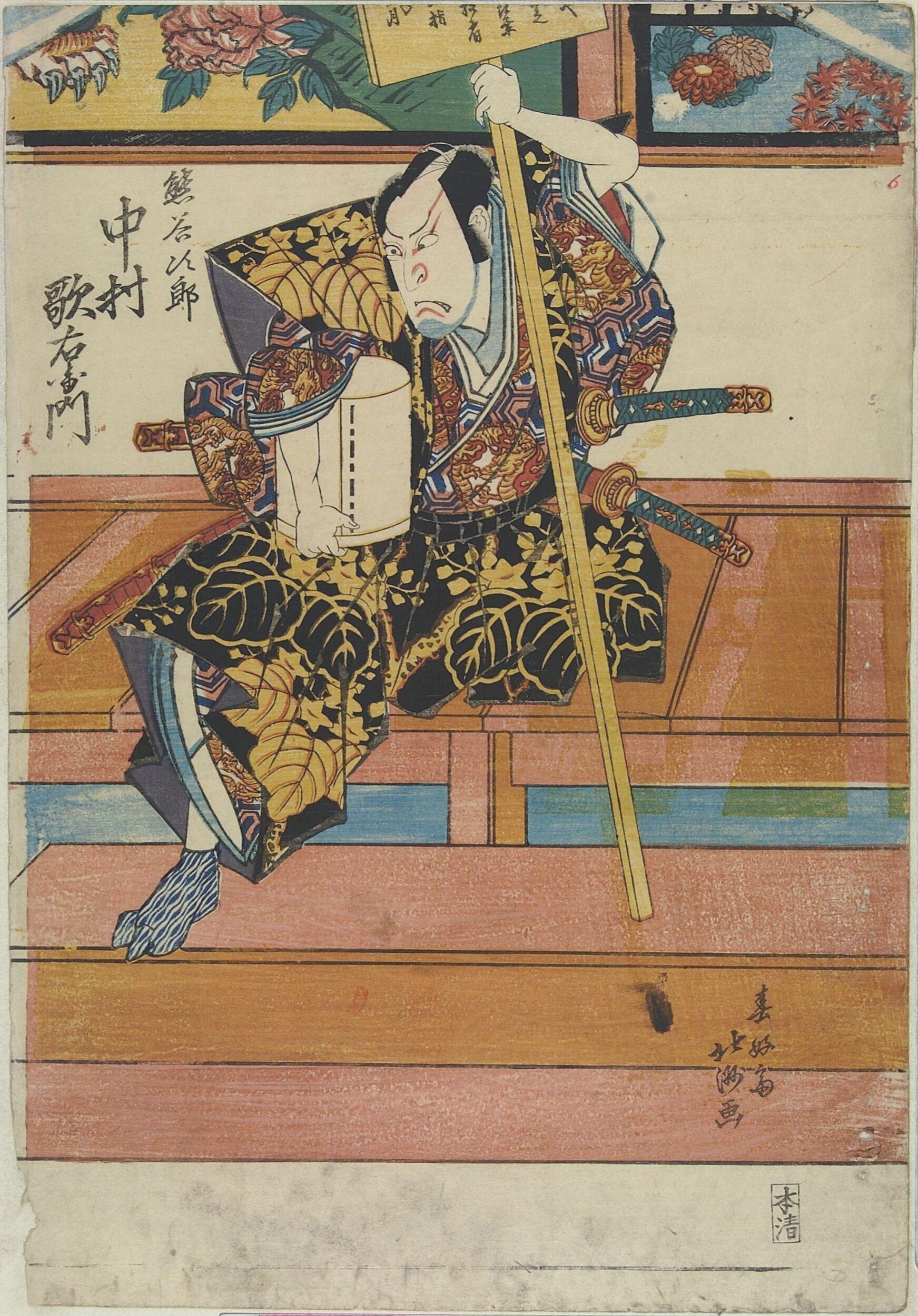
Actor Nakamura Utaemon III as Kumagae Jirō
1825

The Actor Arashi Koroku IV in the Final Farewell Performance of His Career (Shōgai onagori kyōgen) as the Female Bandit Hotei Oichi
Actors Asao Utashiro as Tedai Shinbei, Ichikawa Ichizo II as Gokumon Shobei and Nakamura Utaemon III as Kurofune no Chuemon
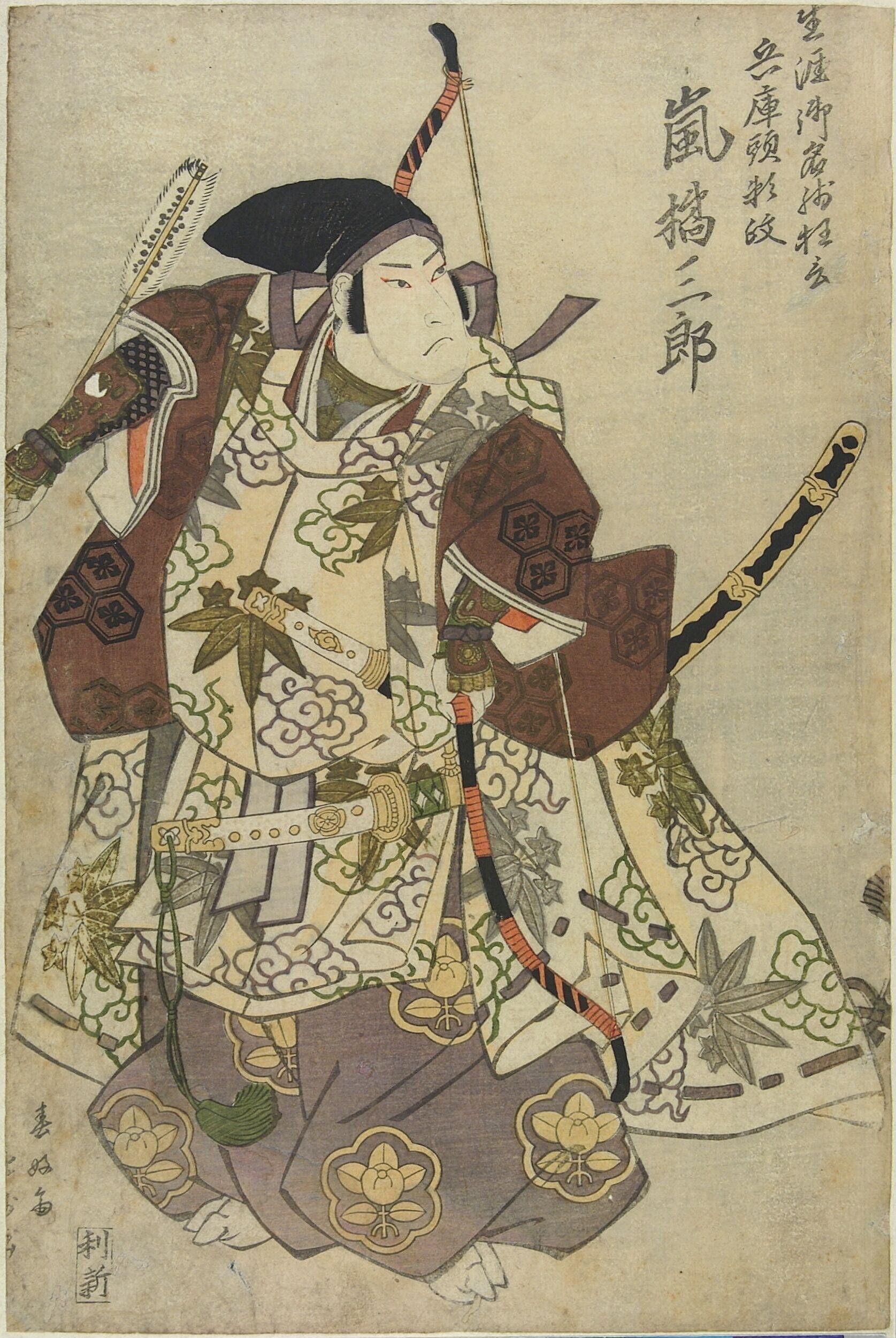
Untitled
19th century
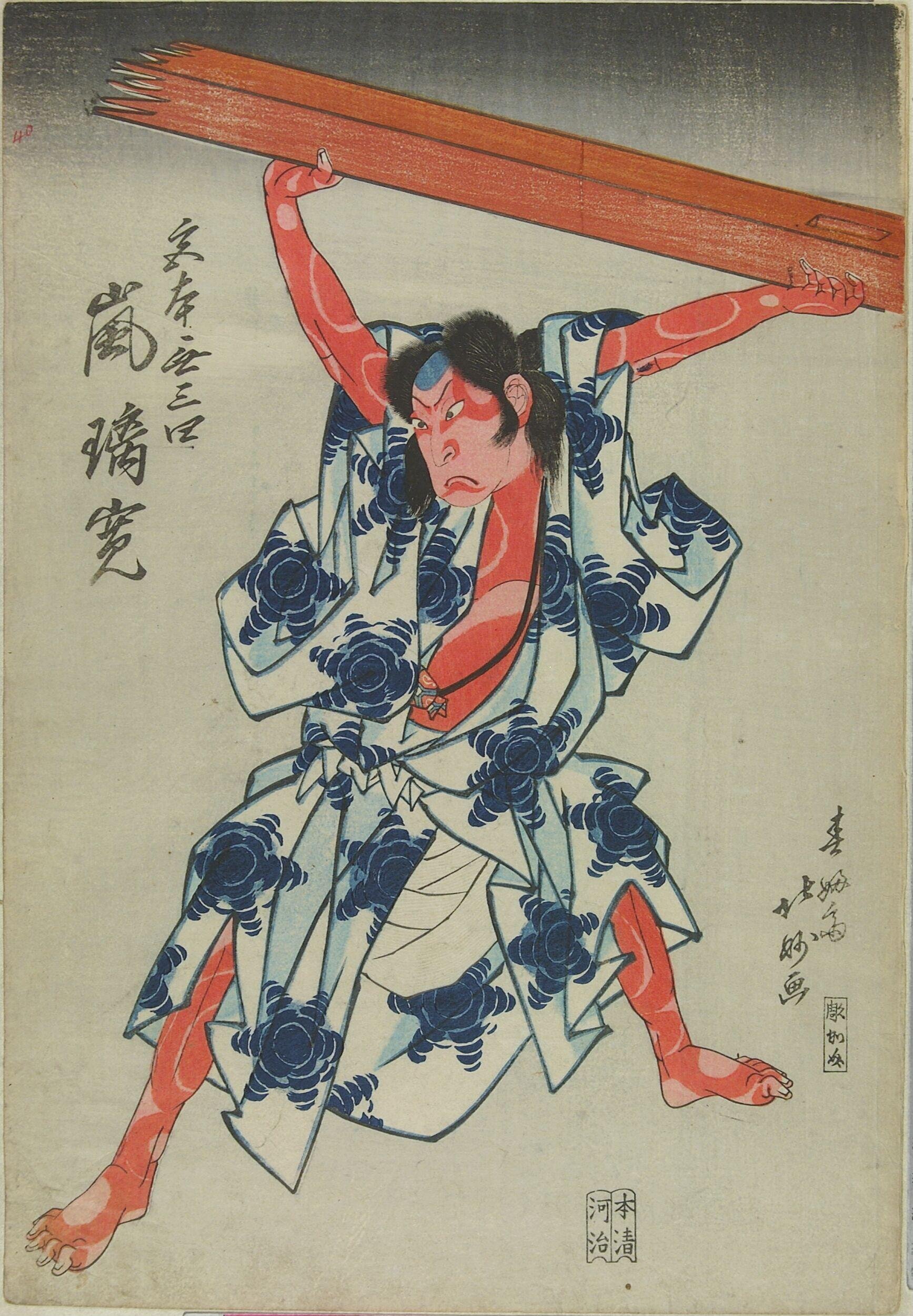
Actor Arashi Rikan as Miyamoto Musashi