
Daisho Koen park
by Maeda Masao
- Medium:
- Mokuhanga (Japanese woodblock)
- Image courtesy of
- Saru Gallery
Description
Daisho Park places Maeda within the postwar interest in urban green space. Park views in mid-century mokuhanga combine kacho-e attention to vegetation with meisho-e attention to identifiable place, and Maeda's handling of the subject would draw on both lineages. Such a print typically relies on layered color blocks for foliage masses, with reserved keyblock work to delineate paths, benches, and the architecture of pavilions or torii against planted backdrops. As a sosaku-hanga designer Maeda would have made the carving choices himself, deciding where to leave woodgrain visible and where to plane the surface smooth, decisions that affect the textural reading of grass and leaves. Park subjects sat well with the postwar audience that purchased contemporary woodblock — a domesticated, peaceable scene that nonetheless allowed for serious compositional thinking about the relationship between built and planted forms, sitting alongside the cape and shoreline subjects in his Hokkaido cycle.
More Prints by Maeda Masao
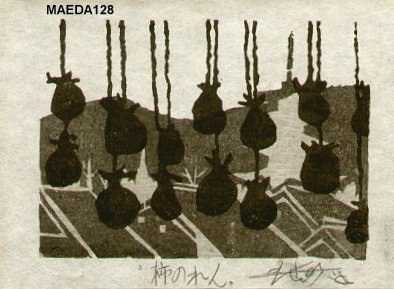
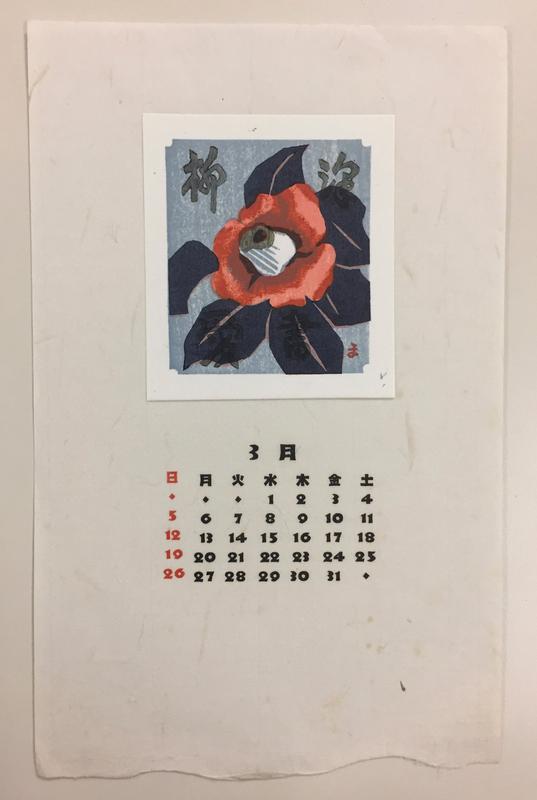
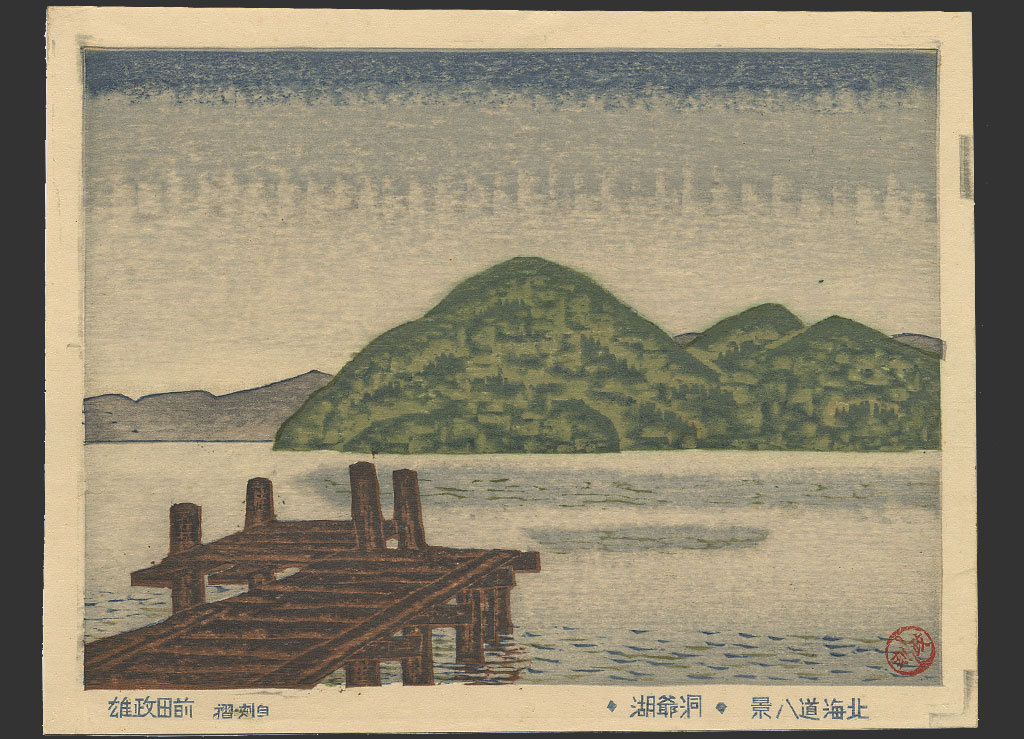
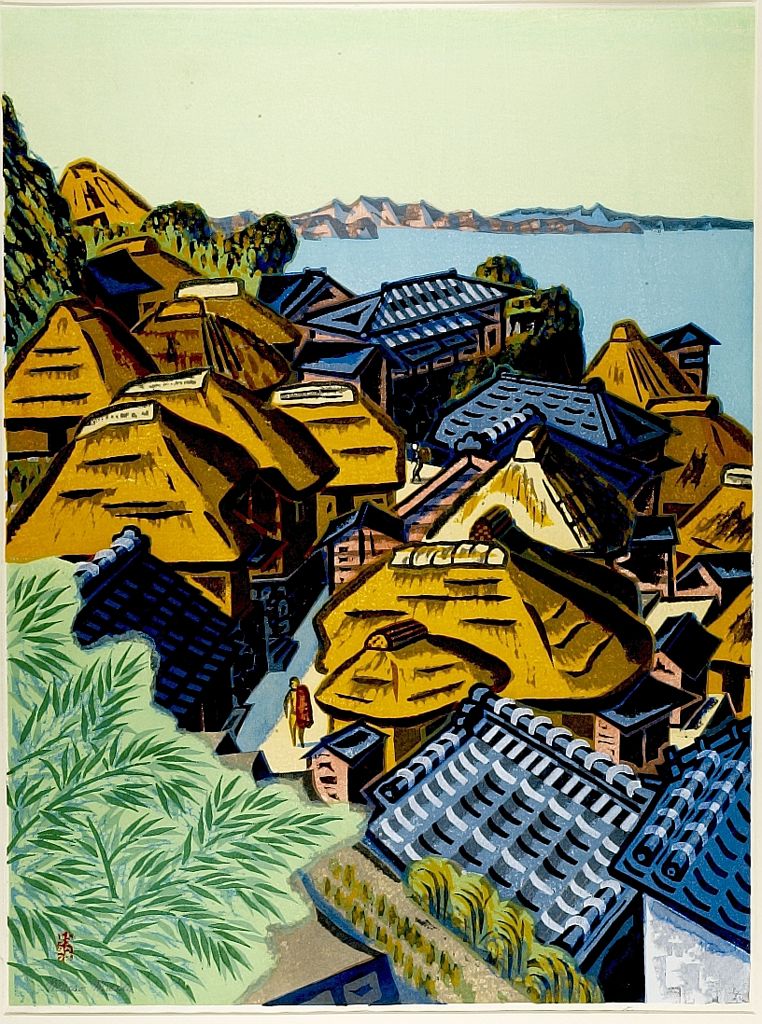
More Gardens Prints
![[Garden of] Taj Mahal, No. 1 (Taji Maharu no niwa, dai ichi) by Hiroshi Yoshida](https://www.artic.edu/iiif/2/230993a7-d4f0-c979-c267-127d48e1ef1c/full/843,/0/default.jpg)
[Garden of] Taj Mahal, No. 1 (Taji Maharu no niwa, dai ichi)
Taji Maharu no niwa, dai ichi
1931
Color woodblock print; oban

Kiyozumi Garden in Moonlight
January 1938
Woodblock print, ink and color on paper

Moon over Kiyosumi Garden (Tsuki no Kiyosumien)
1938
Color woodblock print; oban
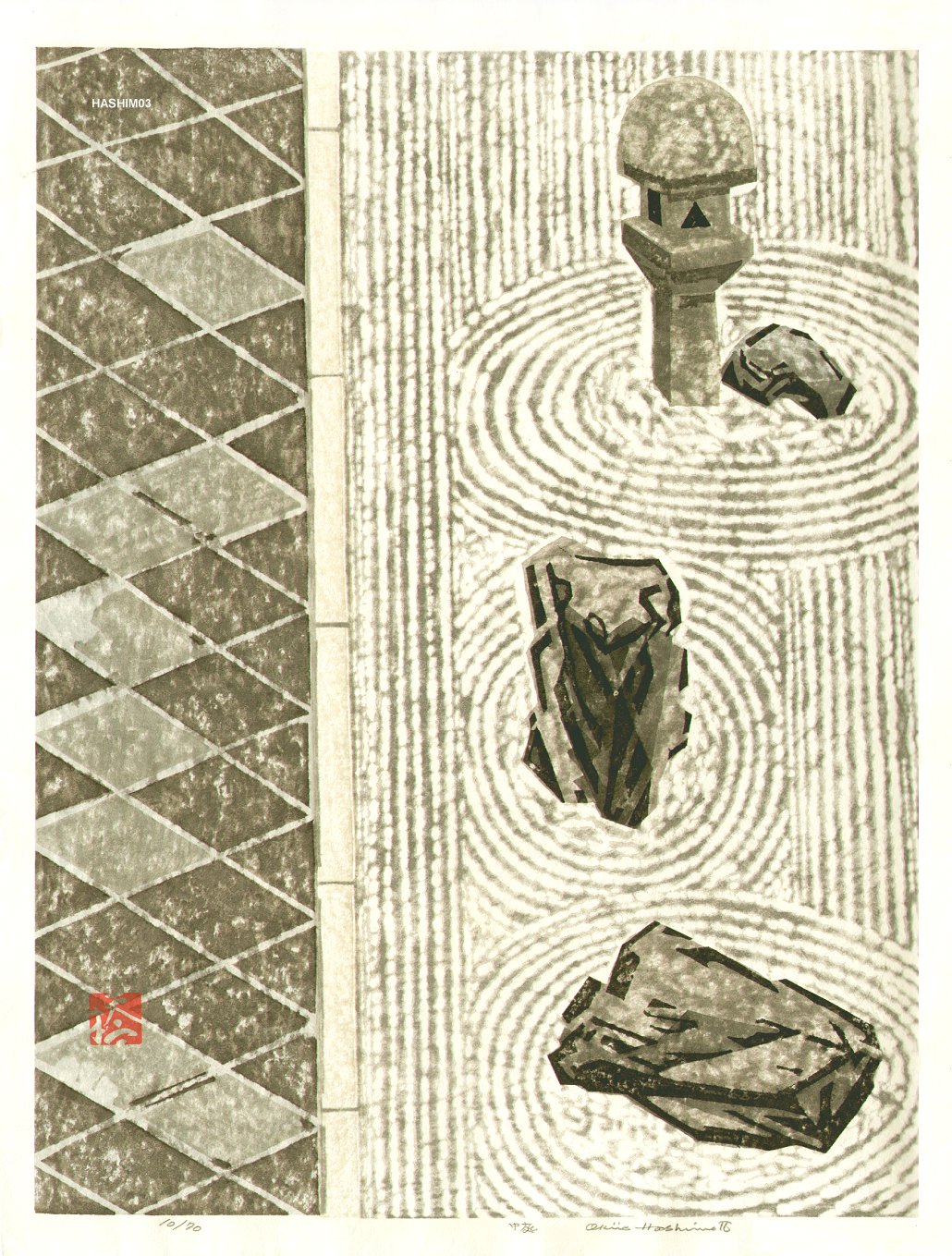
Rock garden
10/70, 1966
Woodblock print
Featured in Collections
Curated cross-cuts that include this print.
Frequently Asked Questions
Daisho Koen park was created by Maeda Masao (前田政雄).
Daisho Koen park depicts gardens.