Sumida River (隅田川)
20 prints by 12 artists
About Sumida River
The Sumida River is a tidal river that flows from the Arakawa River system through the eastern part of Tokyo, defining the historic eastern edge of central Edo and emptying into Tokyo Bay near the present Tsukiji and Tsukuda districts. The river is approximately 23.5 kilometers long in its modern channel from its diversion off the Arakawa at Iwabuchi, but the lower tidal stretch through what was historically central Edo is the section most closely associated with Japanese printmaking. The principal bridges across the river within central Edo, including from north to south the Senju Ohashi, Azuma-bashi at Asakusa, Komagata-bashi, Umaya-bashi, Ryogoku-bashi, Shin-Ohashi at Atake, Eitai-bashi, and the more recent Kachidoki-bashi, anchored the geography of the eastern districts and provided the principal subjects of the river-centered meisho-e, with each bridge generating its own distinct iconography and seasonal motifs. The Sumida was the site of major Edo-period seasonal observances including the great summer firework displays at Ryogoku (the Ryogoku Hanabi, which began as a memorial in 1733 for victims of the Kyoho famine and developed into the principal summer entertainment of the city), the cherry blossom viewing along the Mukojima embankment north of Asakusa (planted with cherries by the shogun Tokugawa Yoshimune in the 1720s), and the autumn moon viewing at multiple river locations. The riverboats that plied the Sumida between Asakusa and the Yoshiwara along the Nihon-zutsumi embankment provided the principal transport to the licensed quarter and figured as a recurrent motif in bijin-e and meisho prints. For Japanese printmaking the Sumida figures throughout the meisho-e tradition and across the shin-hanga and sosaku-hanga periods. The most celebrated single sheet may be Utagawa Hiroshige's Sudden Shower over Shin-Ohashi Bridge and Atake (Ohashi atake no yudachi), from One Hundred Famous Views of Edo (1856-1858), in which figures crossing the wooden bridge are caught in a vertical curtain of rain, with the river and the opposite shore visible through the rainfall and the dark gray of the storm overhead. The print became one of the most reproduced of Hiroshige's late designs and was famously copied by Vincent van Gogh in 1887 in his Bridge in the Rain (After Hiroshige) oil painting, now in the Van Gogh Museum in Amsterdam. Other Sumida sheets in Hiroshige's series include views of the Mukojima cherry-blossom embankment, the great fireworks at Ryogoku, the Komagata-bashi bridge, the Suijin Shrine on the Mukojima, and the seasonal phenomena at multiple bridges. Hokusai treated the Sumida in passages of his Thirty-Six Views of Mount Fuji and his One Hundred Views of Mount Fuji, including the celebrated Sazaido of the Five Hundred Rakan Temple, in which figures on a temple gallery look out across the river toward Mount Fuji. The Meiji-period kaika-e of Kobayashi Kiyochika, who lived along the river in the Honjo district, recorded the modernized embankments and the new iron bridges in some of his most celebrated night and twilight compositions, with the lights of factories and steamships reflecting in the river. The shin-hanga revival returned to the Sumida repeatedly, with Kawase Hasui producing rain and snow views of the bridges and the surrounding river district, and the One Hundred Views of New Tokyo (Shin Tokyo hyakkei) project of 1928-1932 treating the post-earthquake river in multiple compositions. The visual character of the Sumida in prints is built on the curving bridges of varying types from wood-railed Edo construction to Meiji iron and reinforced concrete, the boats and ferries on the water from cargo lighters to pleasure boats, the dense settlement of the riverbank districts, the cherry blossoms of Mukojima in spring and the fireworks at Ryogoku in summer, the autumn moon and migrating waterfowl, and the seasonal phenomena of rain, mist, and snow that the printmakers especially exploited. The river's broad sweep through the eastern city provided one of the principal organizing motifs of Edo and Tokyo cityscape. Contemporary visitors find the Sumida River along its principal Tokyo course from Asakusa south through Ryogoku and the bridges of the eastern district, with the Sumidagawa cruise boats (suijo bus) running between Asakusa, Hama-rikyu Gardens, and Odaiba and the riverside walking paths preserving access to the historical pictorial geography.
Prints Depicting Sumida River (20)
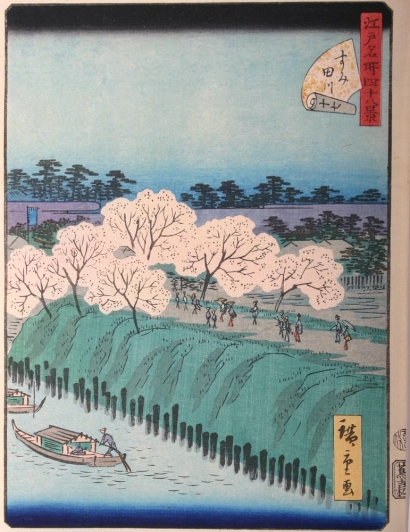
#17. Sumidagawa
Woodblock print

A Ferry on the Sumida River in the Cherry Season
Woodblock print

A Night at Sumida River
ca. 1881
Woodblock print (nishiki-e), ink and color on paper

Boating parties on the Sumida River
c. 1808/12
Color woodblock print; nagaban, surimono

Boats transporting rice on the Sumida River
c. 1800/05
Color woodblock print; nagaban, surimono

Distant View of Mount Matsuchi from the Sumida River
1884
Woodblock print (nishiki-e), ink and color on paper
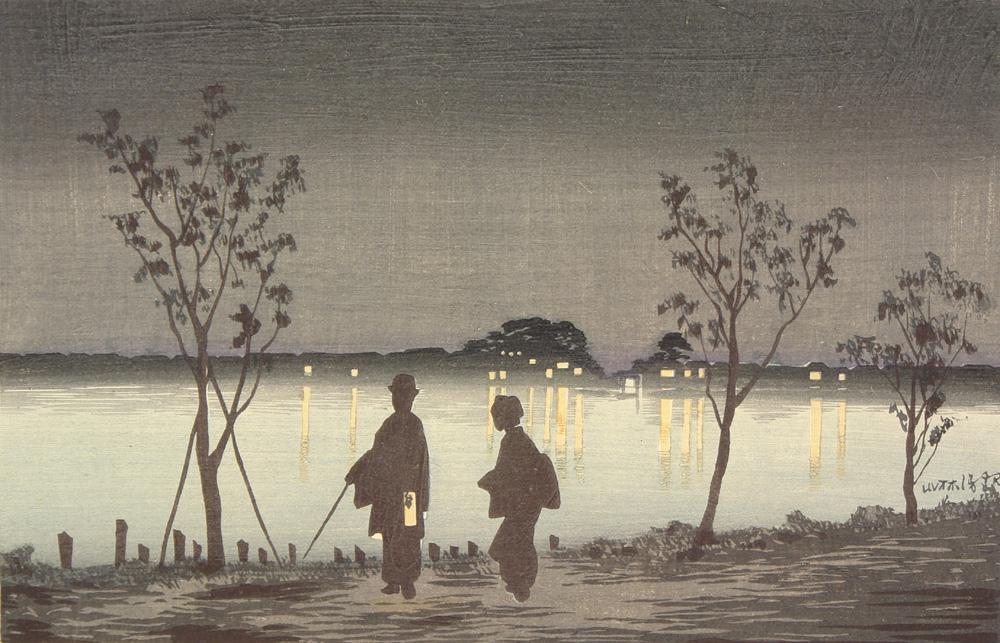
Evening on the Sumida River
Woodblock print
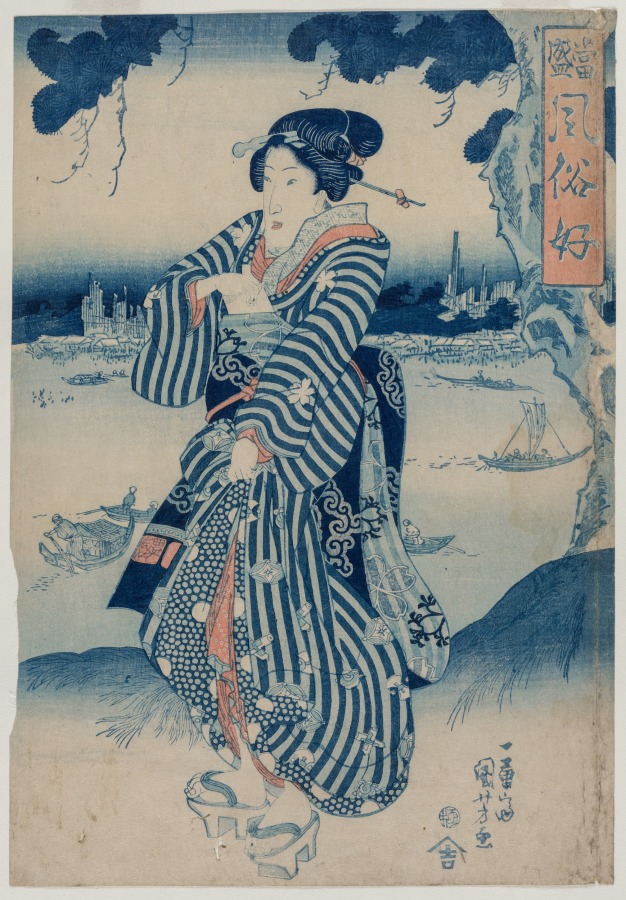
Geisha Standing on the Bank of the Sumida River (from the series People Who Like the Latest Fashions and Manners)
early 1830s
color woodblock print
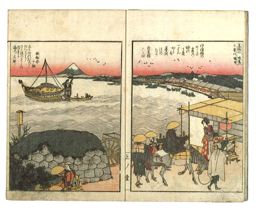
Panoramic Views along the Banks of Sumida River (Ehon Sumidagawa ryogan ichiran)
Woodblock print
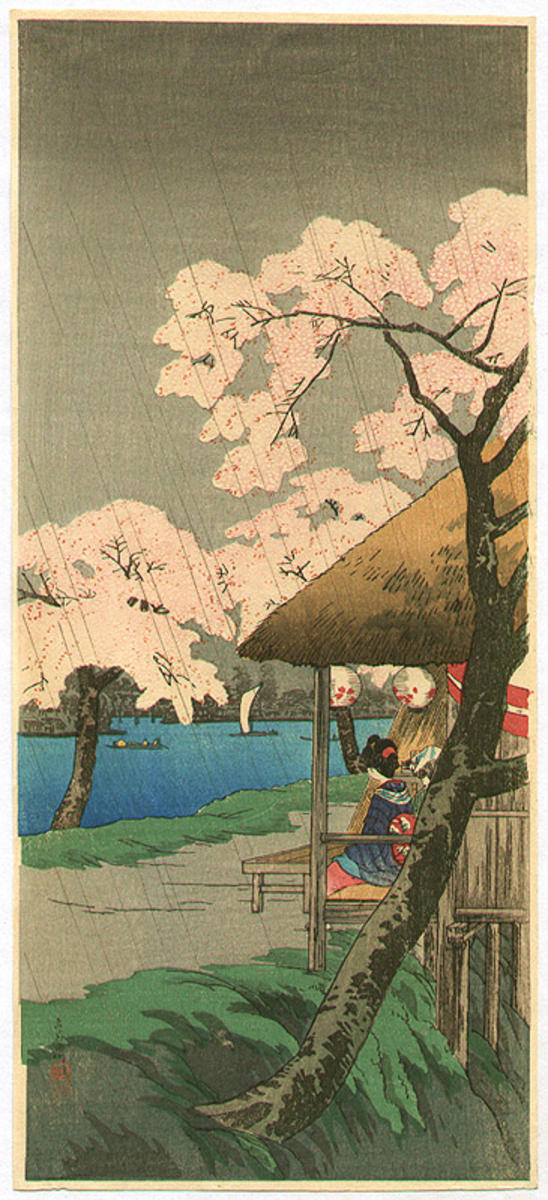
Rain on the Sumida River
隅田川の雨
c. 1920
Color woodblock print
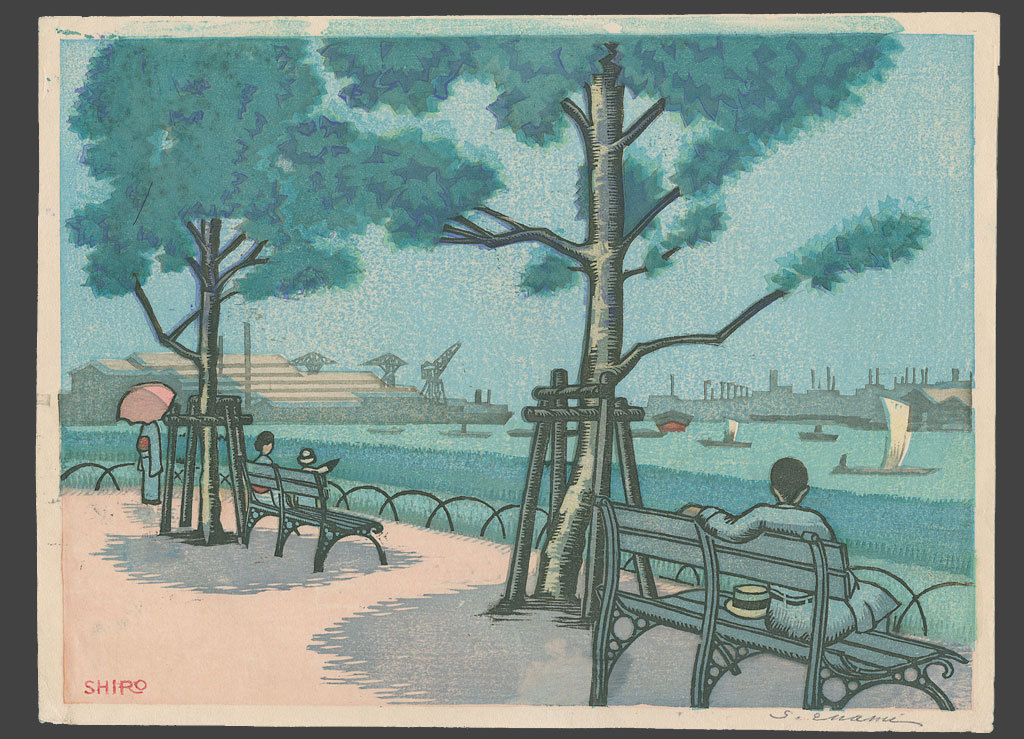
Relaxing on the banks of the Sumidagawa
Woodblock print
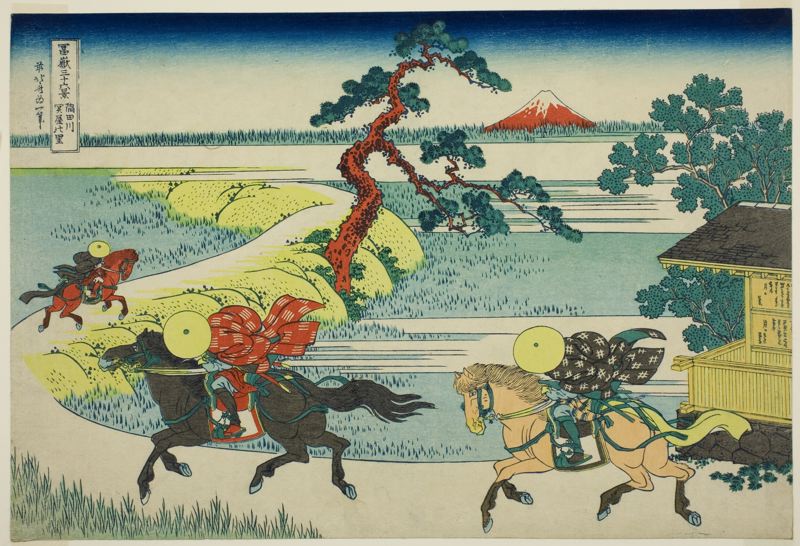
Sekiya Village on the Sumida River (Sumidagawa Sekiya no sato), from the series Thirty-six views of Mount Fuji (Fugaku sanjurokkei)
ca. 1831
Woodblock print
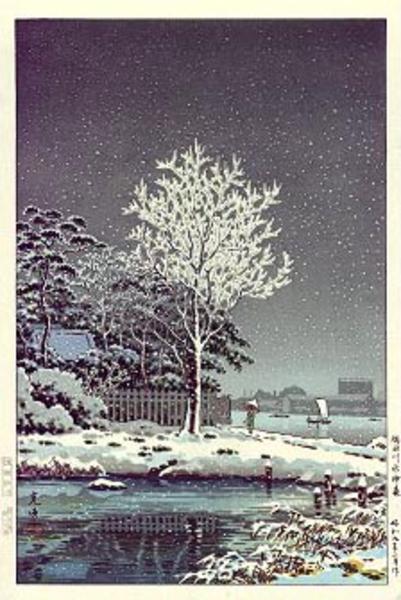
Snow on Sumida River
Woodblock print
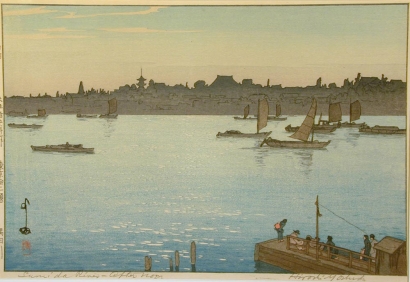
Sumida River - Afternoon
1926
Woodblock print
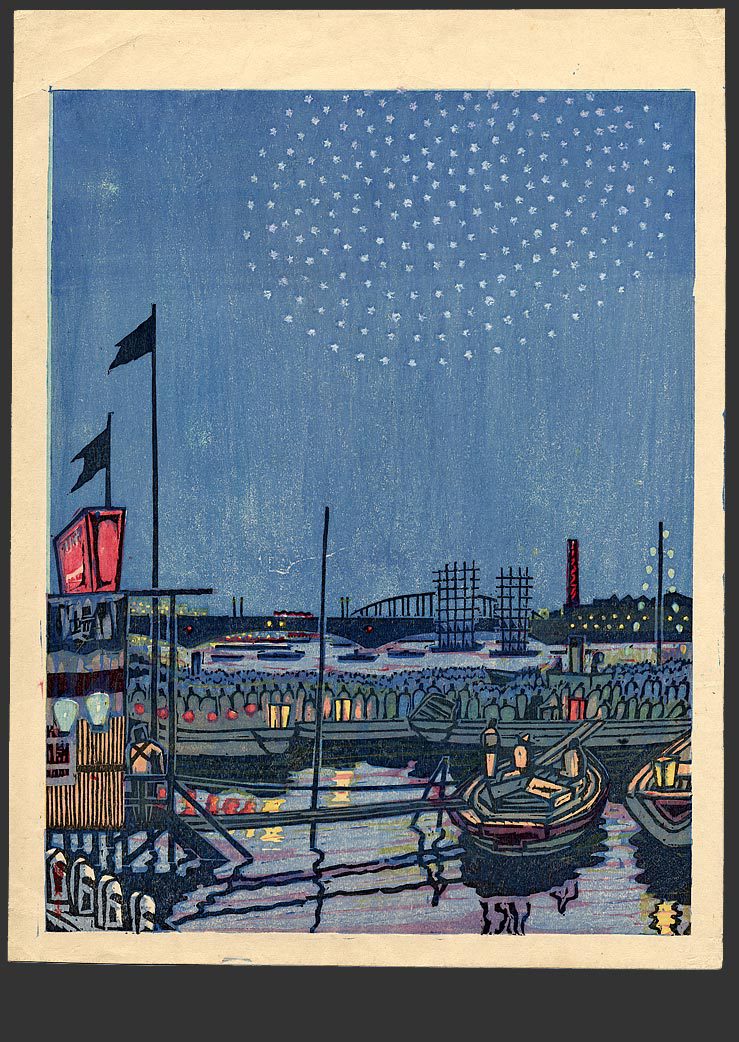
Sumidagawa
1933
Woodblock print
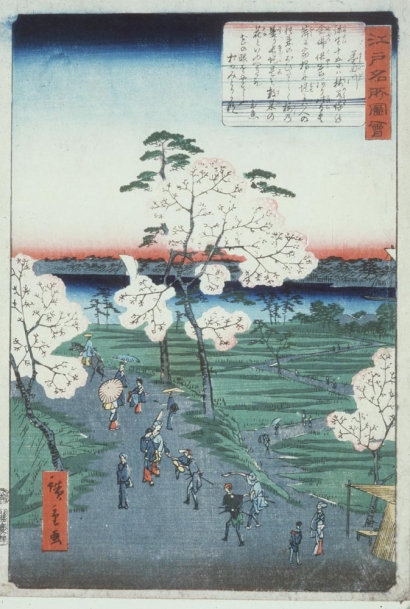
Sumidagawa, Cherry Blossom Viewing
Woodblock print

The Mokuboji Temple by the Sumida River
1785-1787

The Sumida River in Mist (Sumidagawa, kiri), from the series "Twelve Scenes of Tokyo (Tokyo junidai)"
Sumidagawa, kiri
1926
Color woodblock print; oban
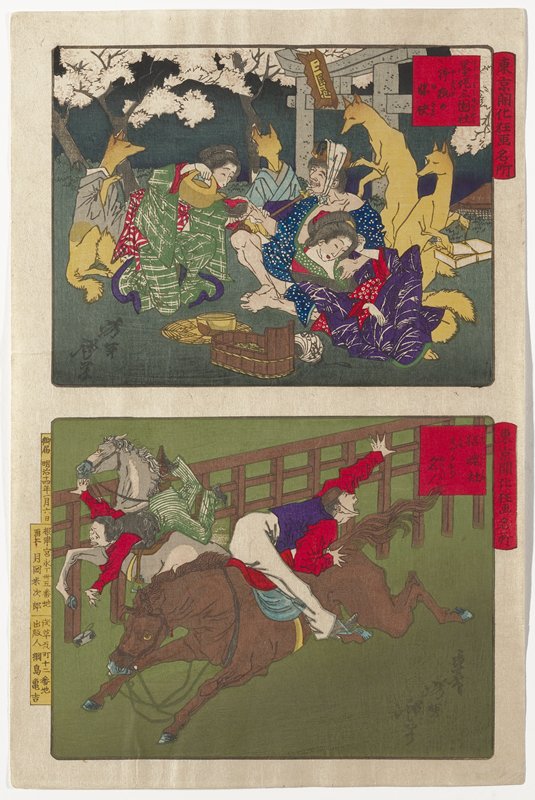
Top: Cheerful Foxes at the Mimeguri Shrine on the Banks of the Sumida River; Bottom: A famous jockey at Shōkonsha
January 1881
Woodblock print (nishiki-e), ink and color on paper
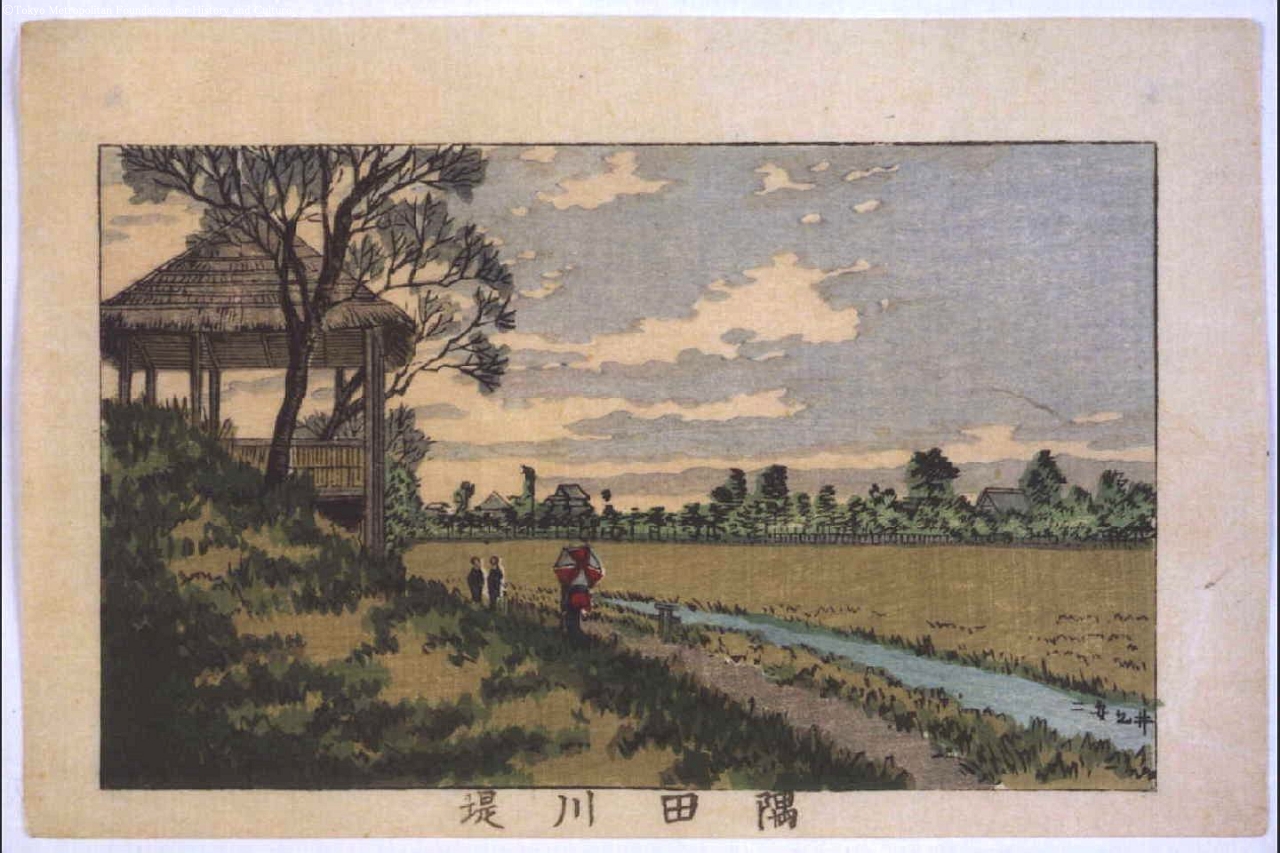
True Pictures of Famous Places in Tokyo: Night View of Sumidagawa River
Woodblock print
Artists Who Depicted Sumida River (12)
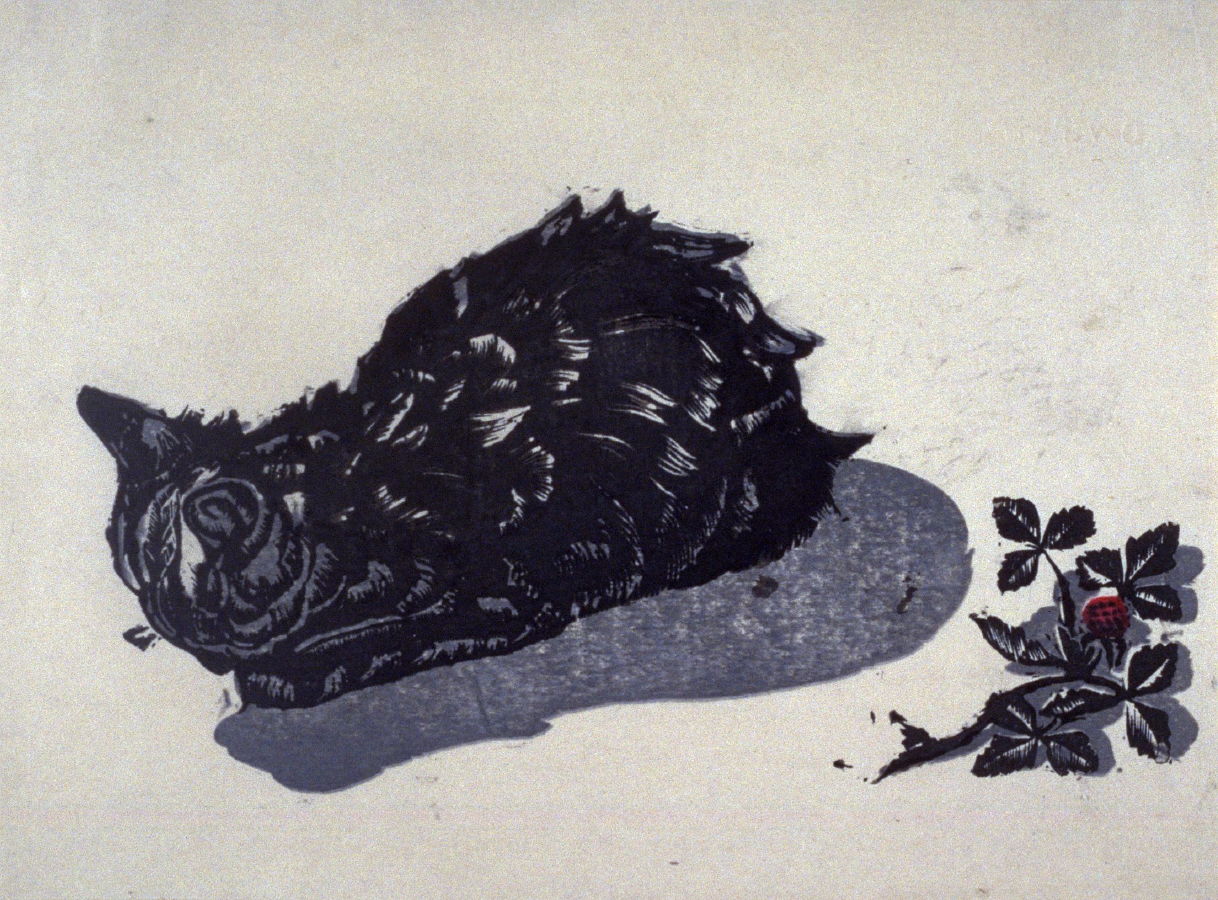
Fujimori Shizuo
藤森静雄
1891–1943
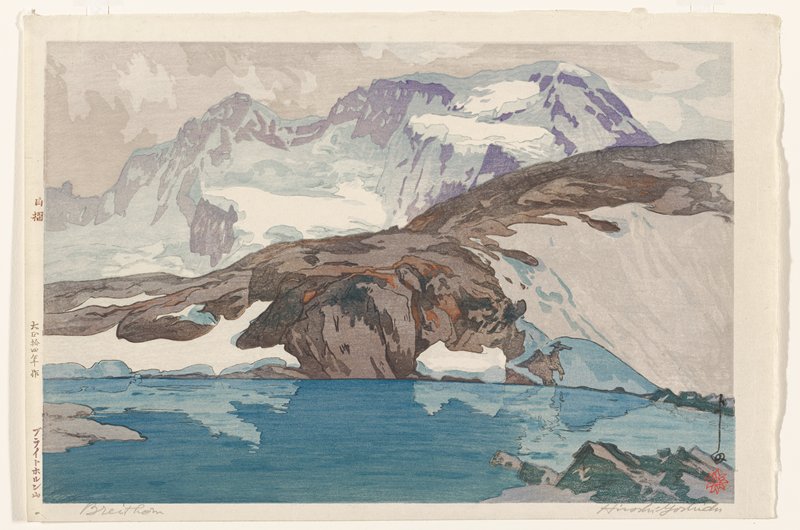
Hiroshi Yoshida
吉田博
1876–1950

Inoue Yasuji
井上安治
1864–1889
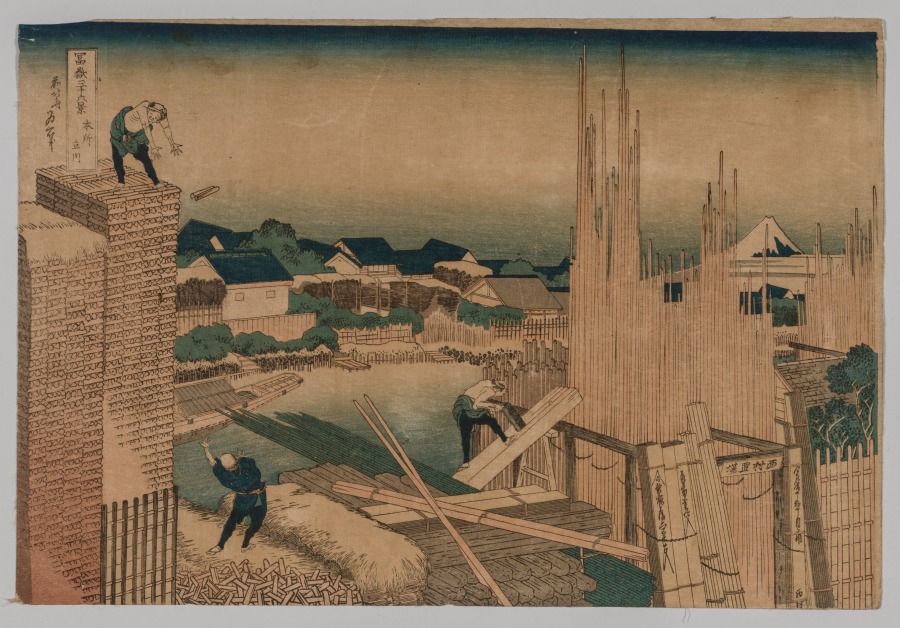
Katsushika Hokusai
葛飾北斎
1760–1849
Kobayashi Kiyochika
小林清親
1847–1915

Koho Shoda
庄田耕峰
1871–1946

Shiro Kasamatsu
笠松紫浪
1898–1991
Takahashi Shotei
高橋松亭
1871–1945

Tsuchiya Koitsu
土屋光逸
1870–1949
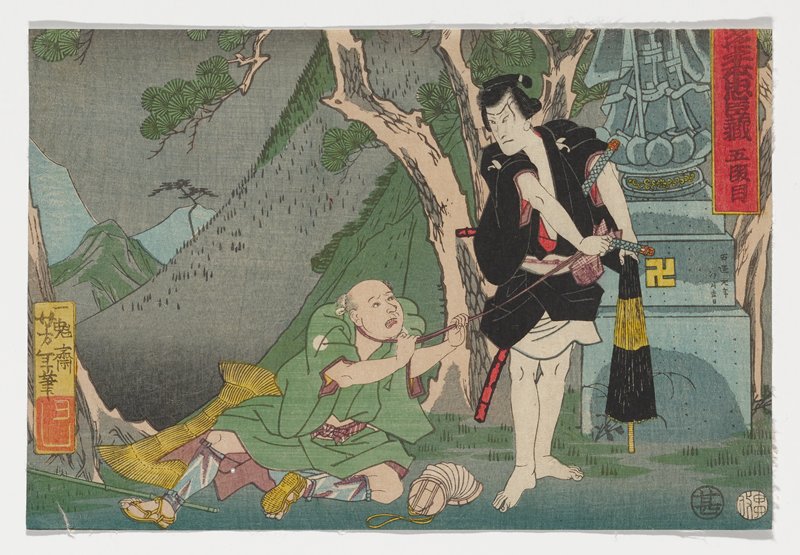
Tsukioka Yoshitoshi
月岡芳年
1839–1892

Utagawa Hiroshige
歌川広重
1797–1858

Utagawa Kuniyoshi
歌川国芳
1798–1861
Frequently Asked Questions
The Sumida River is a tidal river that flows from the Arakawa River system through the eastern part of Tokyo, defining the historic eastern edge of central Edo and emptying into Tokyo Bay near the present Tsukiji and Tsukuda districts. The river is approximately 23.5 kilometers long in its modern channel from its diversion off the Arakawa at Iwabuchi, but the lower tidal stretch through what was historically central Edo is the section most closely associated with Japanese printmaking. The principal bridges across the river within central Edo, including from north to south the Senju Ohashi, Azuma-bashi at Asakusa, Komagata-bashi, Umaya-bashi, Ryogoku-bashi, Shin-Ohashi at Atake, Eitai-bashi, and the more recent Kachidoki-bashi, anchored the geography of the eastern districts and provided the principal subjects of the river-centered meisho-e, with each bridge generating its own distinct iconography and seasonal motifs. The Sumida was the site of major Edo-period seasonal observances including the great summer firework displays at Ryogoku (the Ryogoku Hanabi, which began as a memorial in 1733 for victims of the Kyoho famine and developed into the principal summer entertainment of the city), the cherry blossom viewing along the Mukojima embankment north of Asakusa (planted with cherries by the shogun Tokugawa Yoshimune in the 1720s), and the autumn moon viewing at multiple river locations. The riverboats that plied the Sumida between Asakusa and the Yoshiwara along the Nihon-zutsumi embankment provided the principal transport to the licensed quarter and figured as a recurrent motif in bijin-e and meisho prints. For Japanese printmaking the Sumida figures throughout the meisho-e tradition and across the shin-hanga and sosaku-hanga periods. The most celebrated single sheet may be Utagawa Hiroshige's Sudden Shower over Shin-Ohashi Bridge and Atake (Ohashi atake no yudachi), from One Hundred Famous Views of Edo (1856-1858), in which figures crossing the wooden bridge are caught in a vertical curtain of rain, with the river and the opposite shore visible through the rainfall and the dark gray of the storm overhead. The print became one of the most reproduced of Hiroshige's late designs and was famously copied by Vincent van Gogh in 1887 in his Bridge in the Rain (After Hiroshige) oil painting, now in the Van Gogh Museum in Amsterdam. Other Sumida sheets in Hiroshige's series include views of the Mukojima cherry-blossom embankment, the great fireworks at Ryogoku, the Komagata-bashi bridge, the Suijin Shrine on the Mukojima, and the seasonal phenomena at multiple bridges. Hokusai treated the Sumida in passages of his Thirty-Six Views of Mount Fuji and his One Hundred Views of Mount Fuji, including the celebrated Sazaido of the Five Hundred Rakan Temple, in which figures on a temple gallery look out across the river toward Mount Fuji. The Meiji-period kaika-e of Kobayashi Kiyochika, who lived along the river in the Honjo district, recorded the modernized embankments and the new iron bridges in some of his most celebrated night and twilight compositions, with the lights of factories and steamships reflecting in the river. The shin-hanga revival returned to the Sumida repeatedly, with Kawase Hasui producing rain and snow views of the bridges and the surrounding river district, and the One Hundred Views of New Tokyo (Shin Tokyo hyakkei) project of 1928-1932 treating the post-earthquake river in multiple compositions. The visual character of the Sumida in prints is built on the curving bridges of varying types from wood-railed Edo construction to Meiji iron and reinforced concrete, the boats and ferries on the water from cargo lighters to pleasure boats, the dense settlement of the riverbank districts, the cherry blossoms of Mukojima in spring and the fireworks at Ryogoku in summer, the autumn moon and migrating waterfowl, and the seasonal phenomena of rain, mist, and snow that the printmakers especially exploited. The river's broad sweep through the eastern city provided one of the principal organizing motifs of Edo and Tokyo cityscape. Contemporary visitors find the Sumida River along its principal Tokyo course from Asakusa south through Ryogoku and the bridges of the eastern district, with the Sumidagawa cruise boats (suijo bus) running between Asakusa, Hama-rikyu Gardens, and Odaiba and the riverside walking paths preserving access to the historical pictorial geography.
Hanga catalogues 20 prints depicting Sumida River (隅田川), by 12 different artists.
Fujimori Shizuo, Hiroshi Yoshida, and Inoue Yasuji are among the 12 artists who depicted Sumida River in our collection.
Want to rate prints from Sumida River?
Sign up to start rating