Daily Life Prints (666)
Daily life scenes (fuzoku-ga) document the ordinary activities, occupations, and domestic routines of Japanese people across centuries. This genre transforms mundane subjects — cooking, farming, fishing, bathing, shopping, child-rearing — into compositions that reveal both the aesthetic sensibilities of their makers and the social realities of their era. The ukiyo-e tradition's depiction of daily life centered on the entertainment districts and merchant culture of Edo, with artists documenting the routines and pleasures of townspeople. Utamaro's domestic scenes of women at their toilette or caring for children showed intimate moments with unprecedented tenderness. Hokusai's "Manga" (1814-1878) sketched daily life across all social classes with encyclopedic range, from artisans at their workbenches to children at play. Shin-hanga and sosaku-hanga artists of the twentieth century brought new perspectives to daily life subjects. While shin-hanga tended toward idealized depictions of traditional activities — tea ceremony, ikebana, kimono dressing — sosaku-hanga artists engaged more directly with contemporary life, depicting factory workers, city commuters, and modern domestic settings. These prints serve as invaluable social documents, preserving customs, costumes, and environments that rapid modernization has transformed beyond recognition.
Artists Known for Daily Life

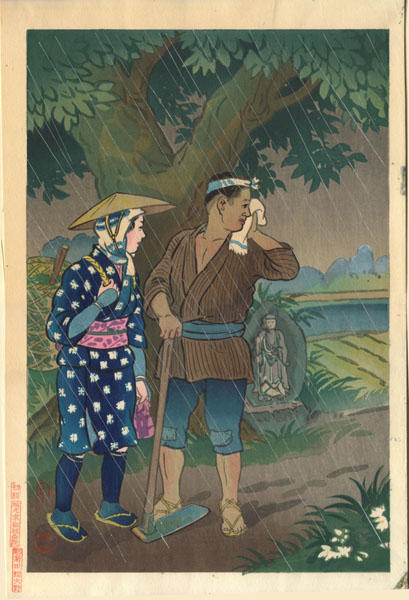

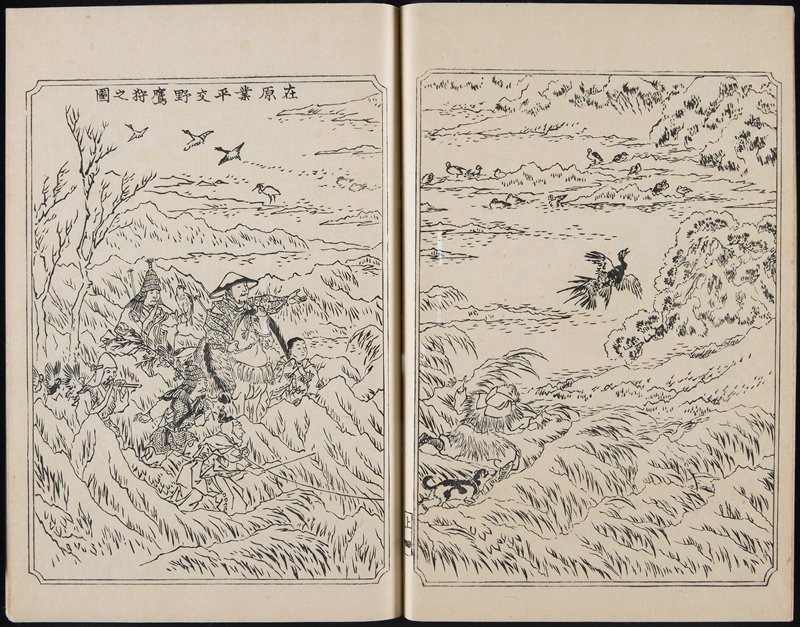


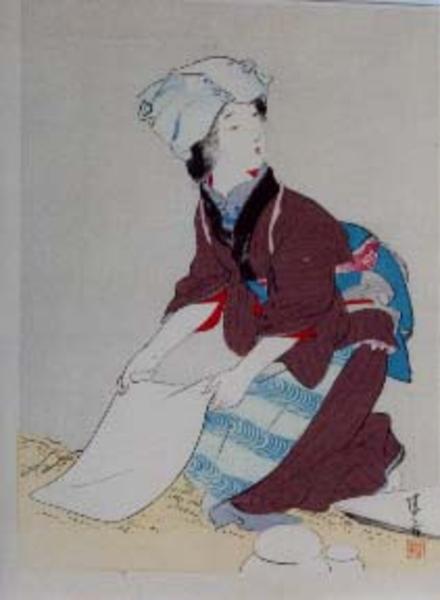
Mochi Mushiro — 餅むしろ
1908
Woodblock print
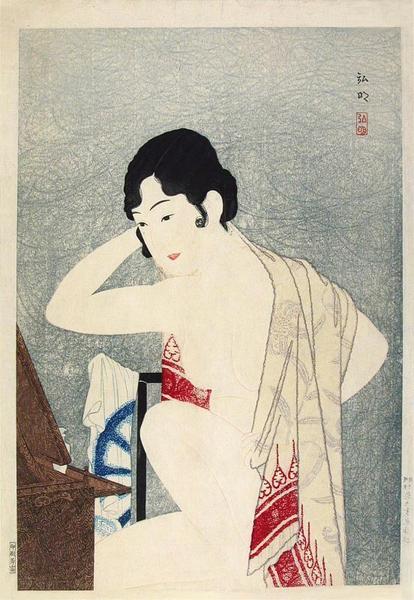
Make-up Before the Mirror
Woodblock print
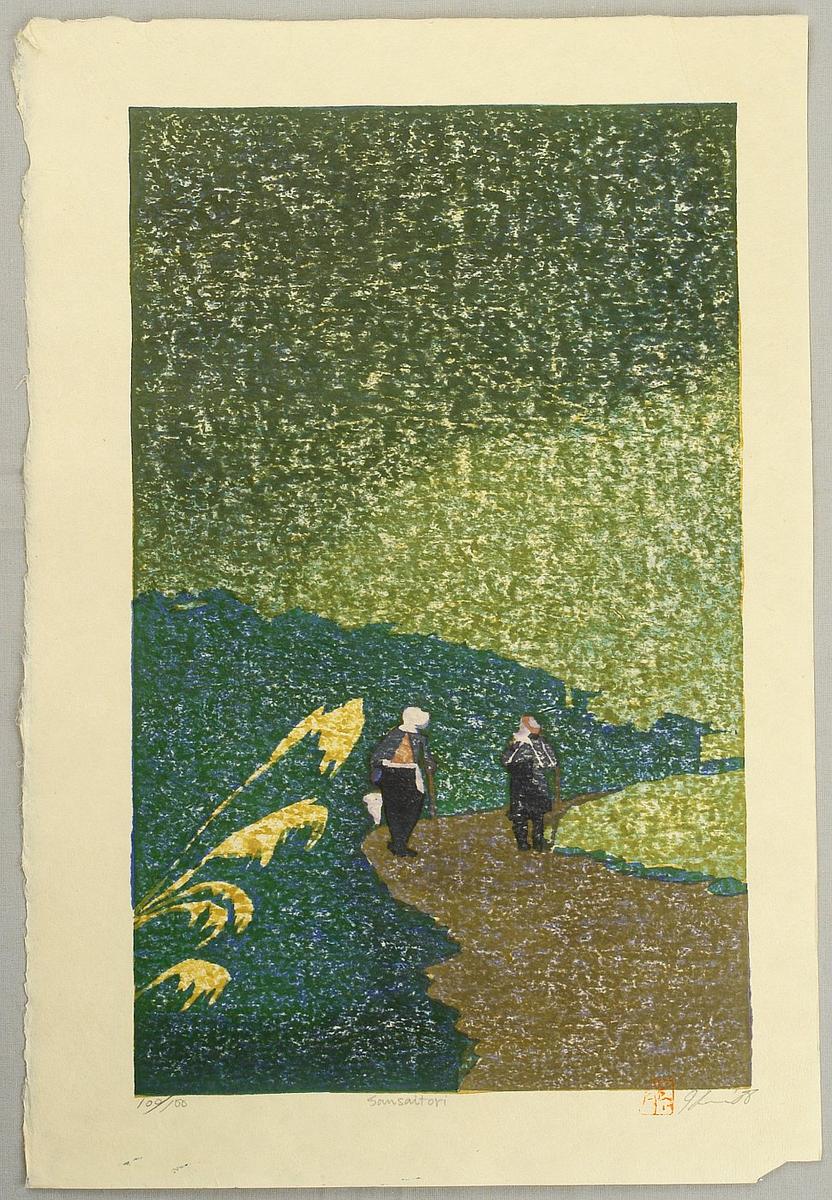
Picking Edible Wild Plants - Sansaitori
Woodblock print
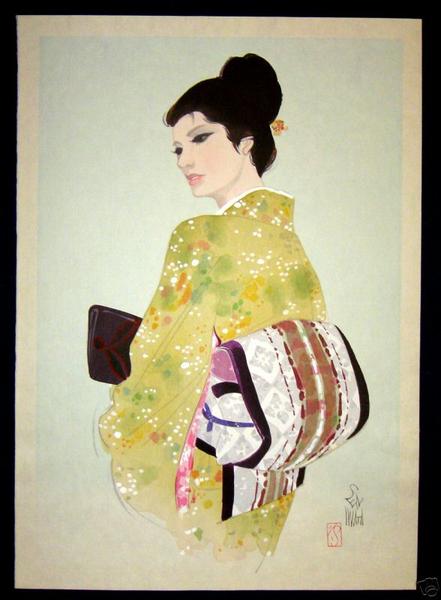
Obi - Kimono — Obi帯
Woodblock print

Magic
1957
Color woodblock print; edition 6/50

Dockhand
1957
Color woodblock print
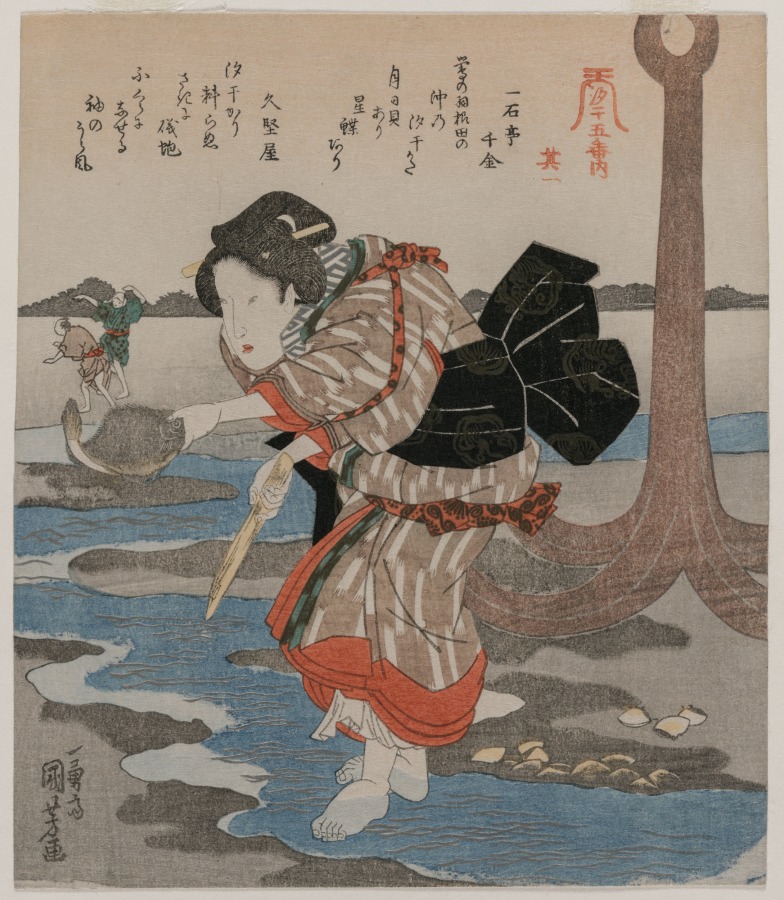
A Low Tide Pentaptych
c. 1830
Pentaptych of color woodblock prints
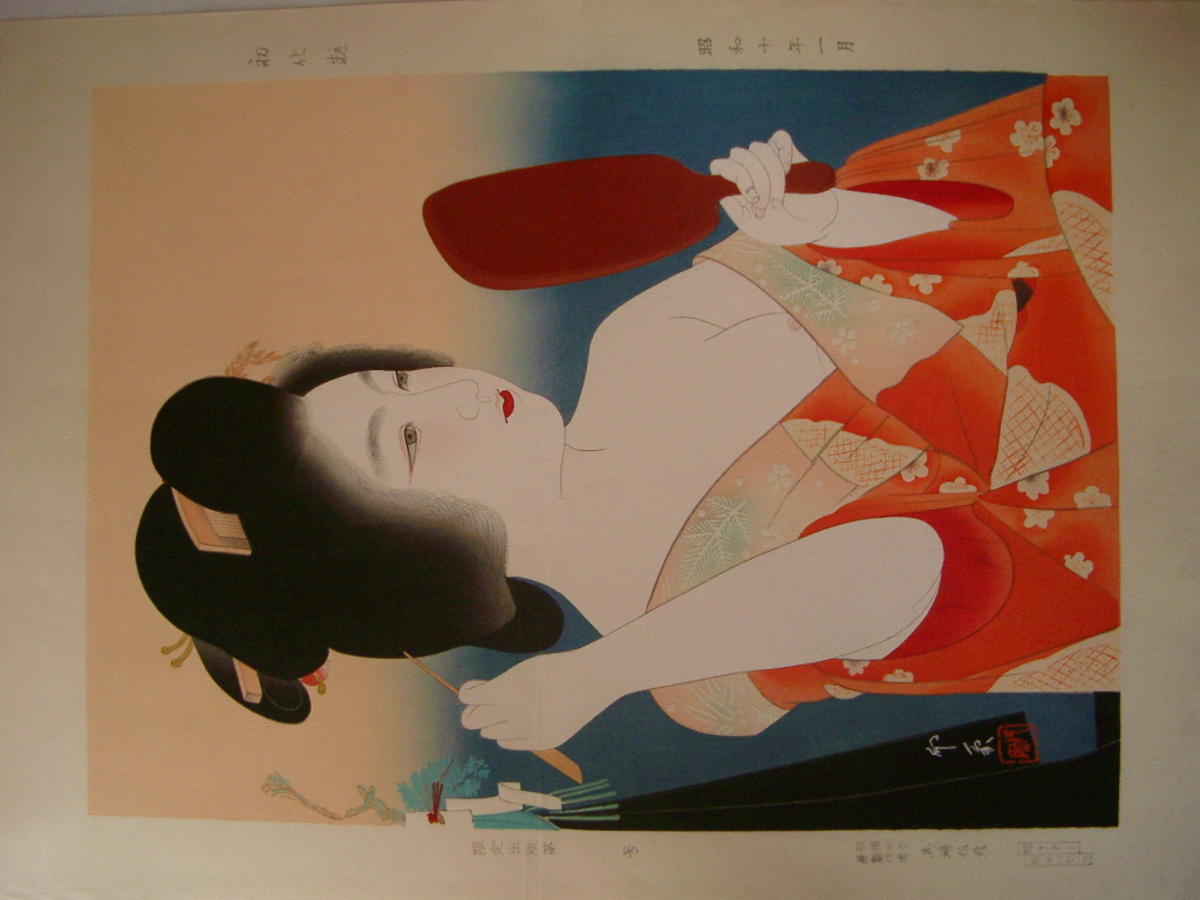
First Make-Up of the New Year (Hatsugesho)
Woodblock print
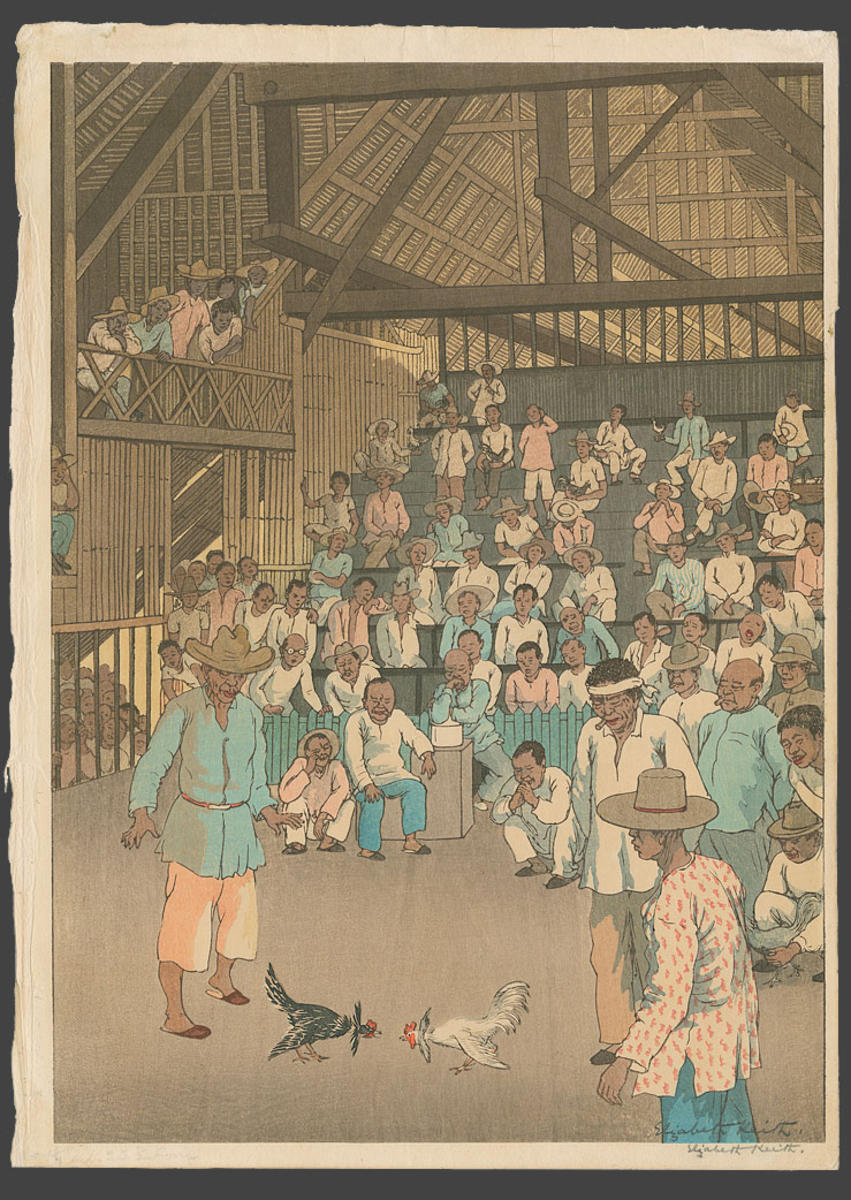
Cock Fight, Philippines
Woodblock print
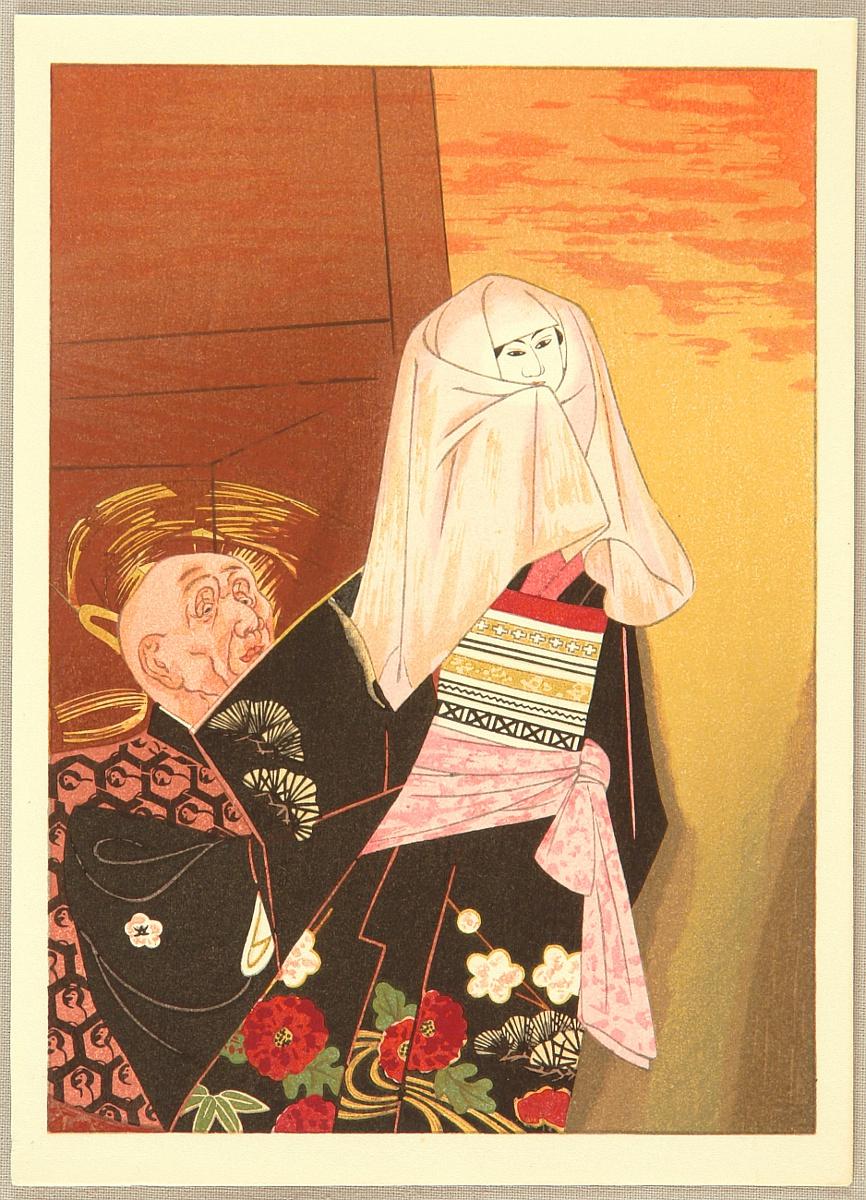
Puppet Master
Woodblock print
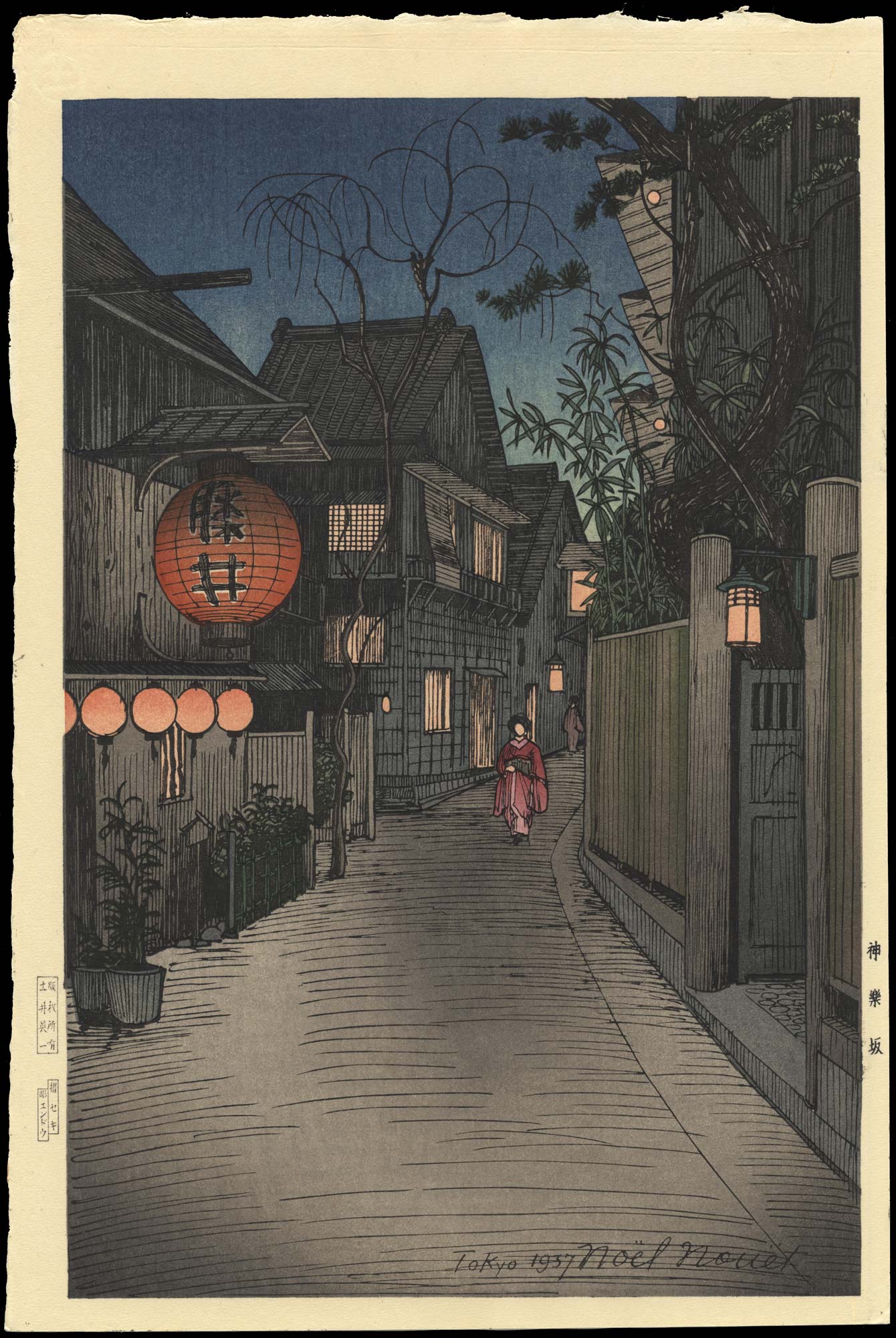
Kagurazaka - 神楽坂
Woodblock print
A man burns limes
Woodblock print
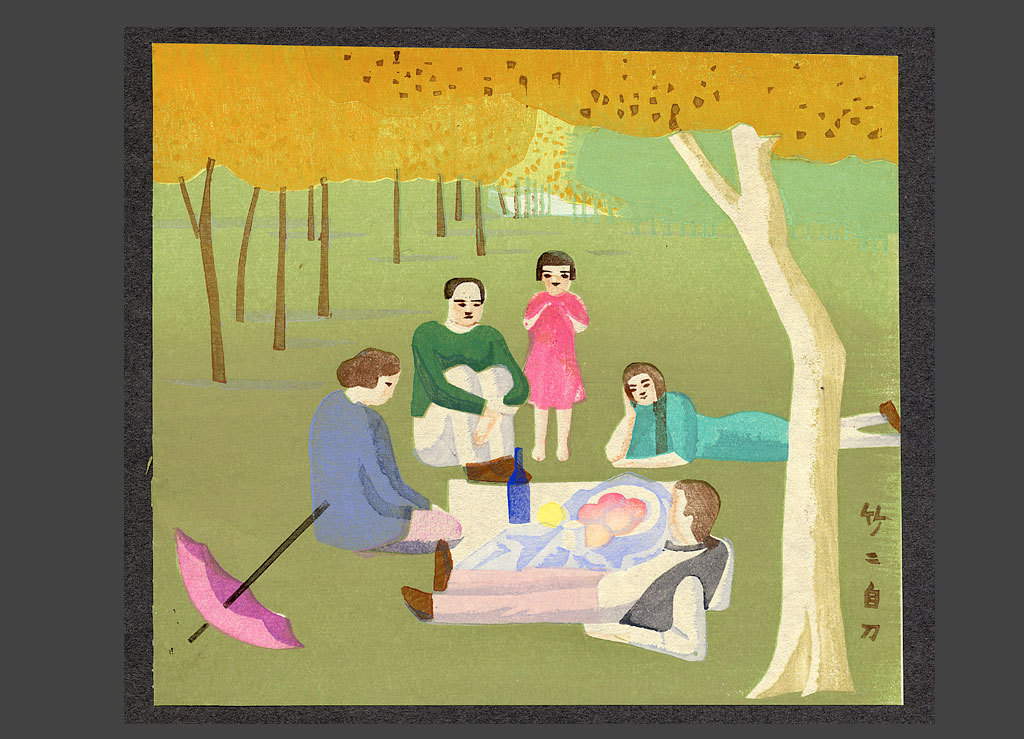
Picnic (After a French painting)
Woodblock print
Fishing Nets at Tsukuda
20th century
Woodblock print; ink and color on paper

Ashikari (The Thatch Cutters)
Woodblock print
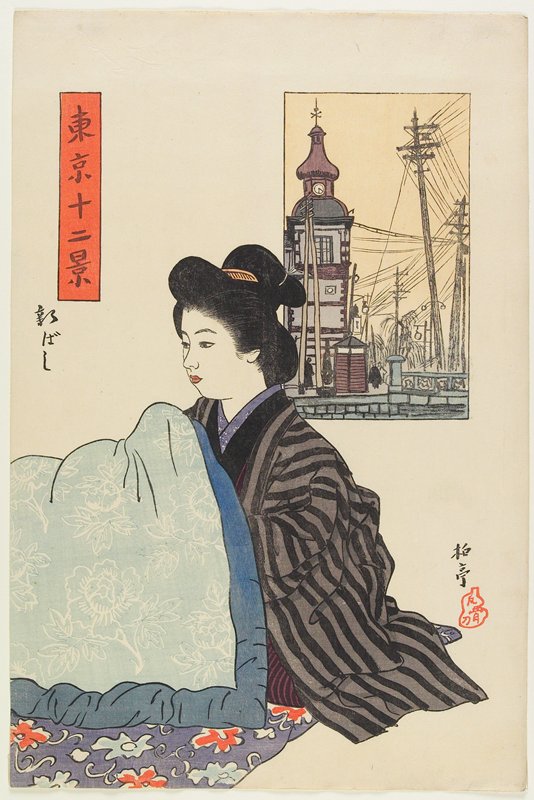
Shinbashi
c. 1914–1916
Woodblock print, ink and color on paper
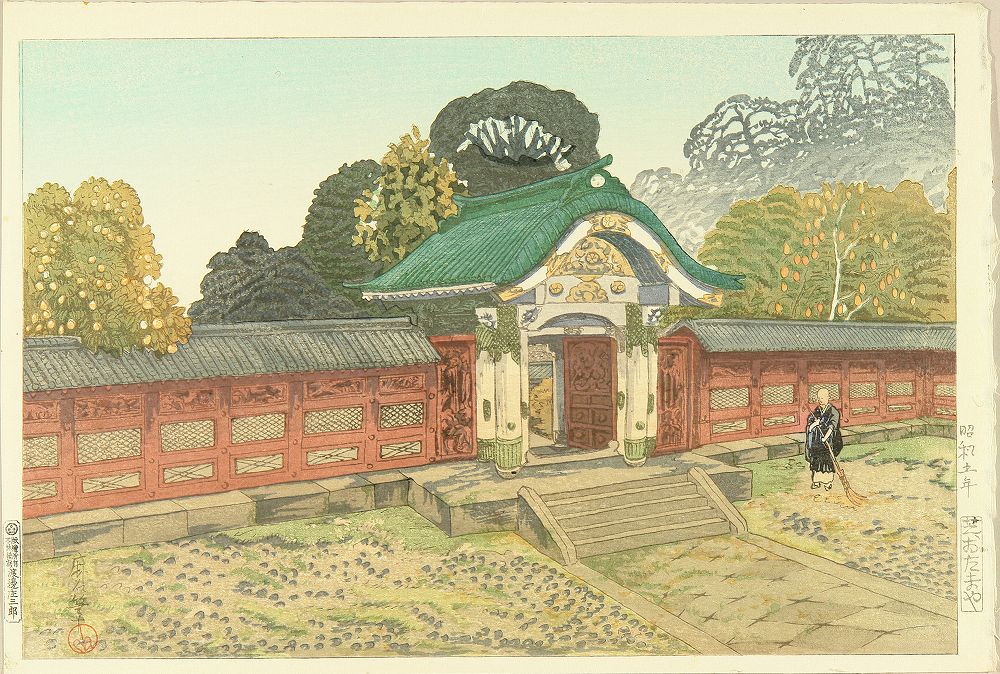
Hara Shobō
Woodblock print
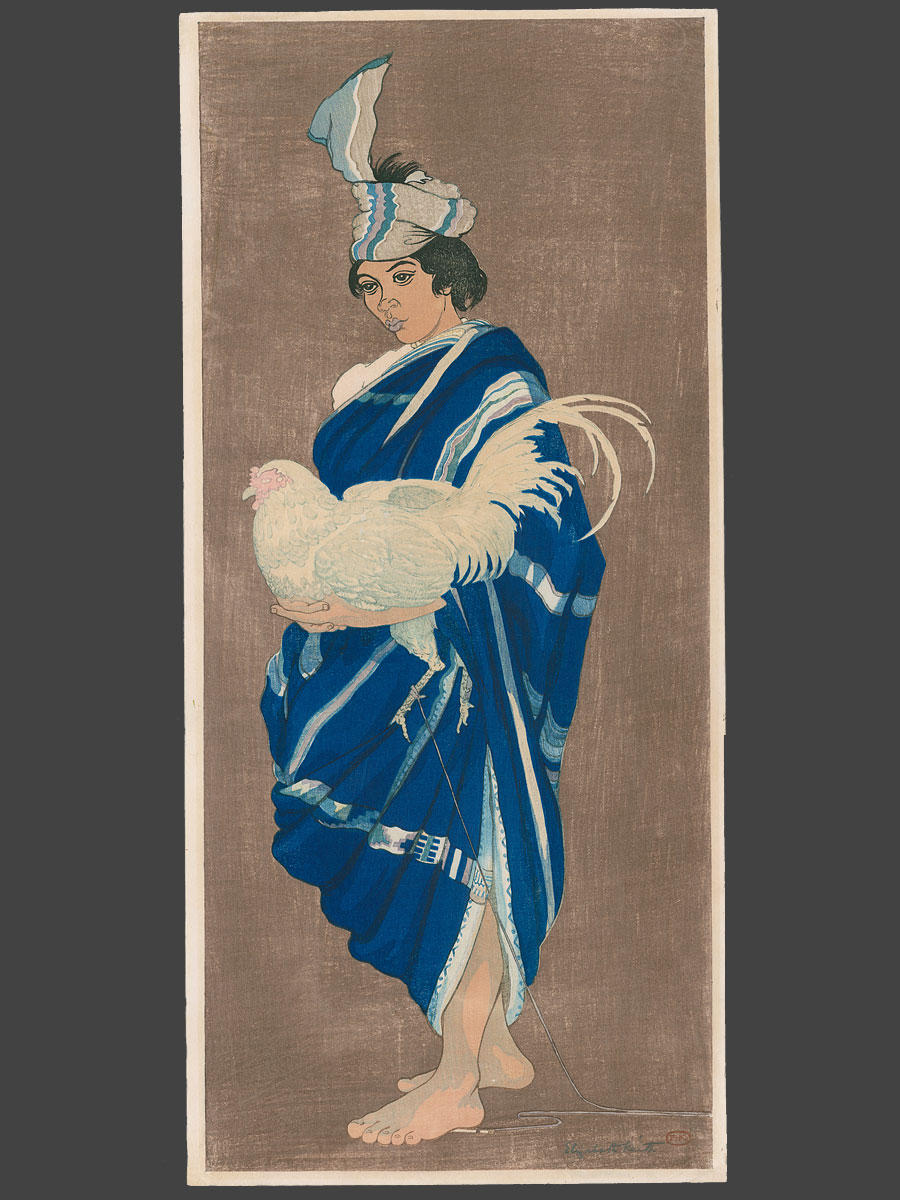
Waiting for the fight
Woodblock print
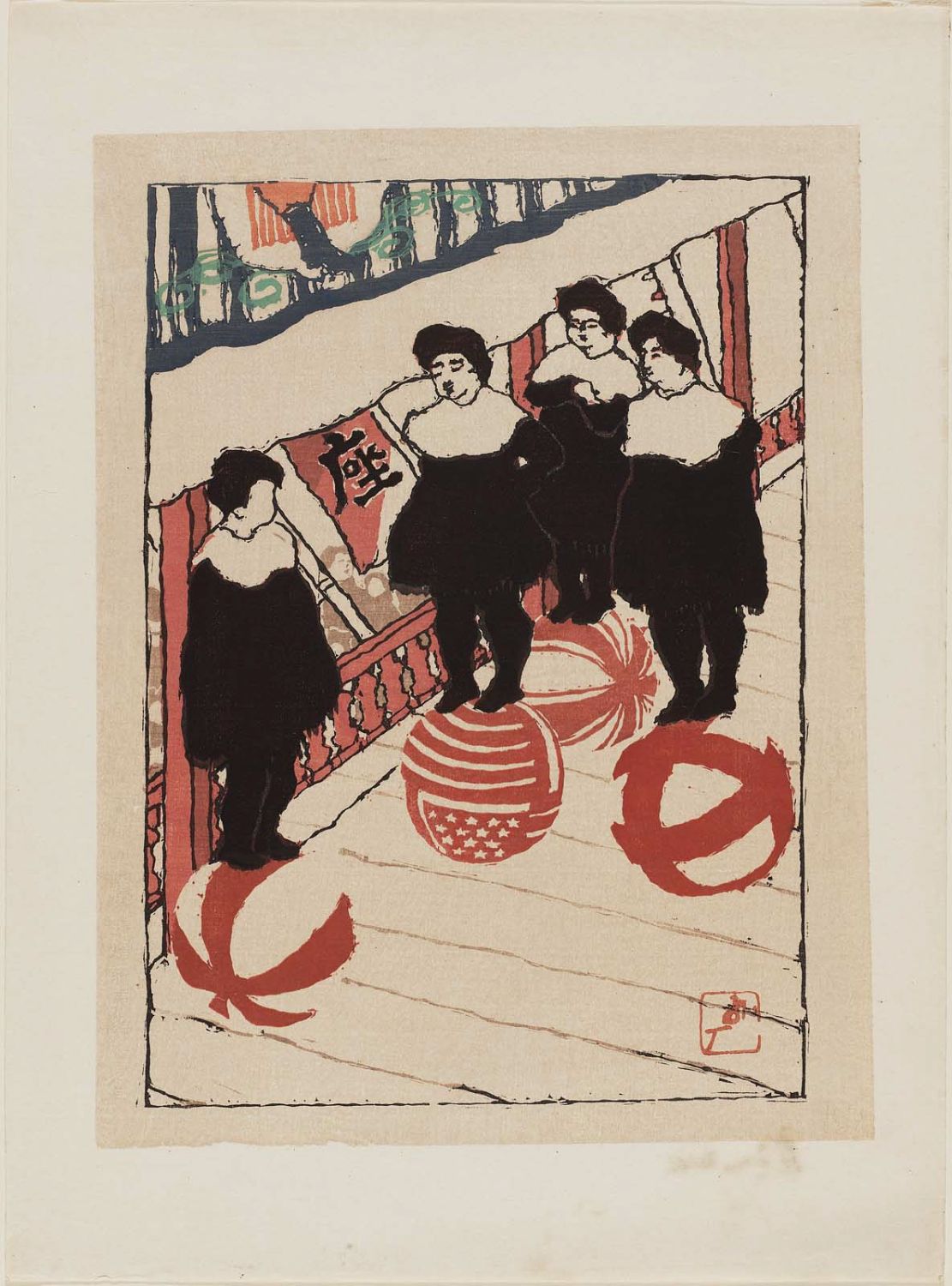
Acrobats (Karuwaza)
1916
Woodblock print
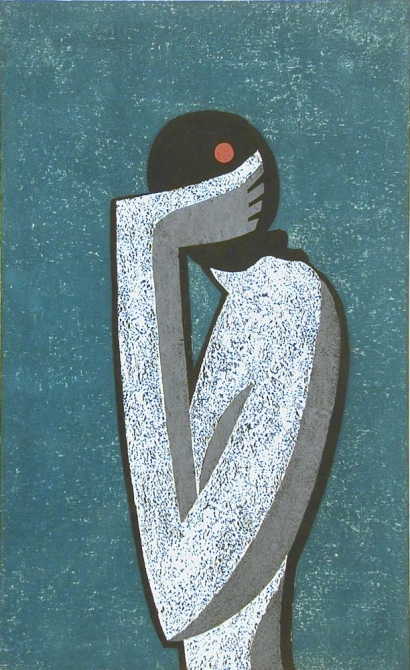
Yoso-oi (Dressing)
Woodblock print

Umbrellas
1915
Woodblock print, ink and color on paper
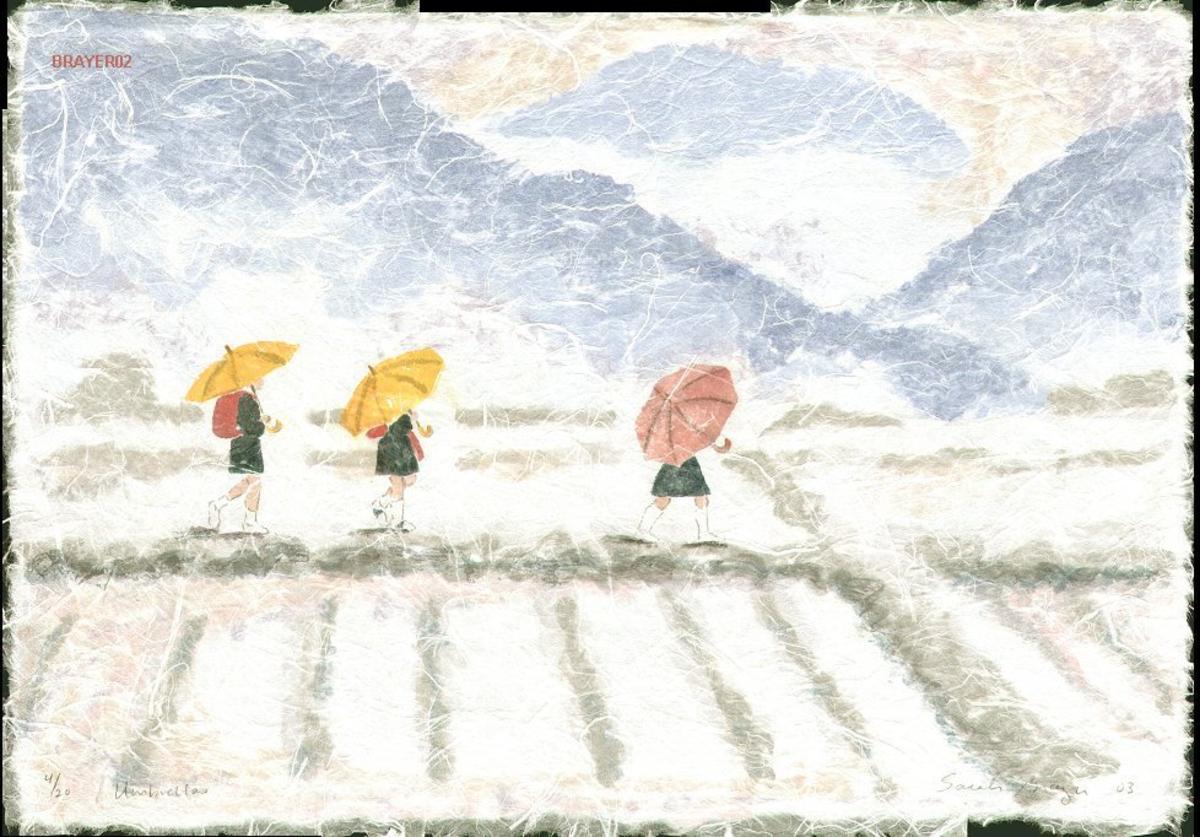
Umbrellas
2003
Woodblock print
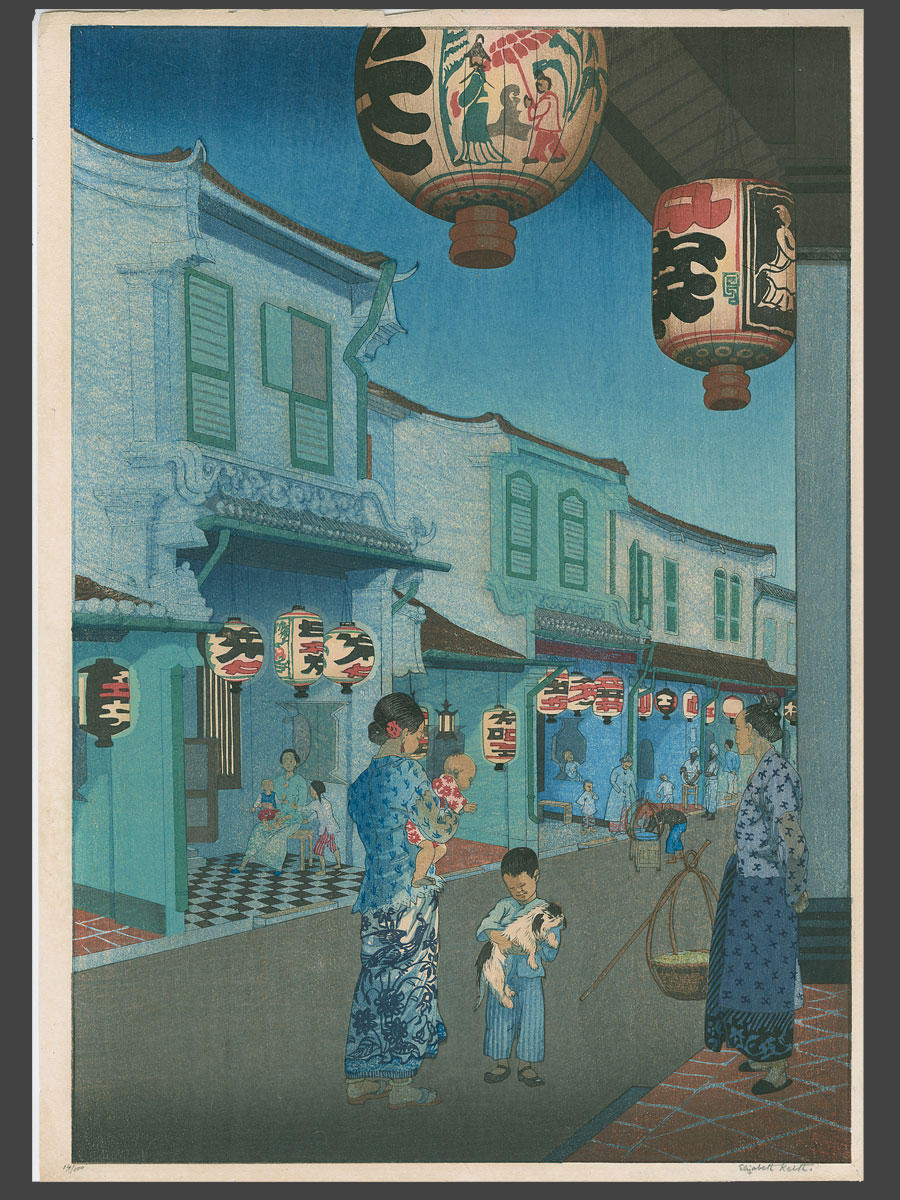
New Years Lanterns, Malacca (Morning)
Woodblock print

Worm Basket
Woodblock print
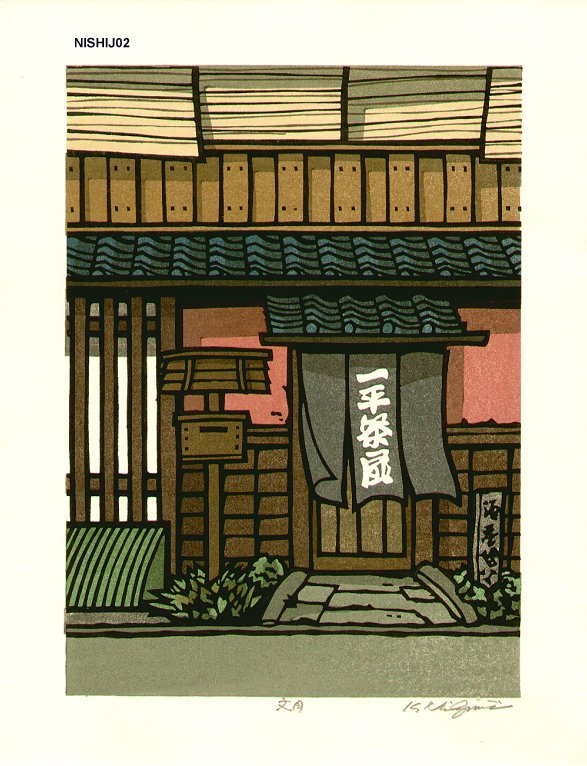
FUZUKI (July)
Woodblock print
Image No.6 Motherhood (1)
1950
Woodblock print
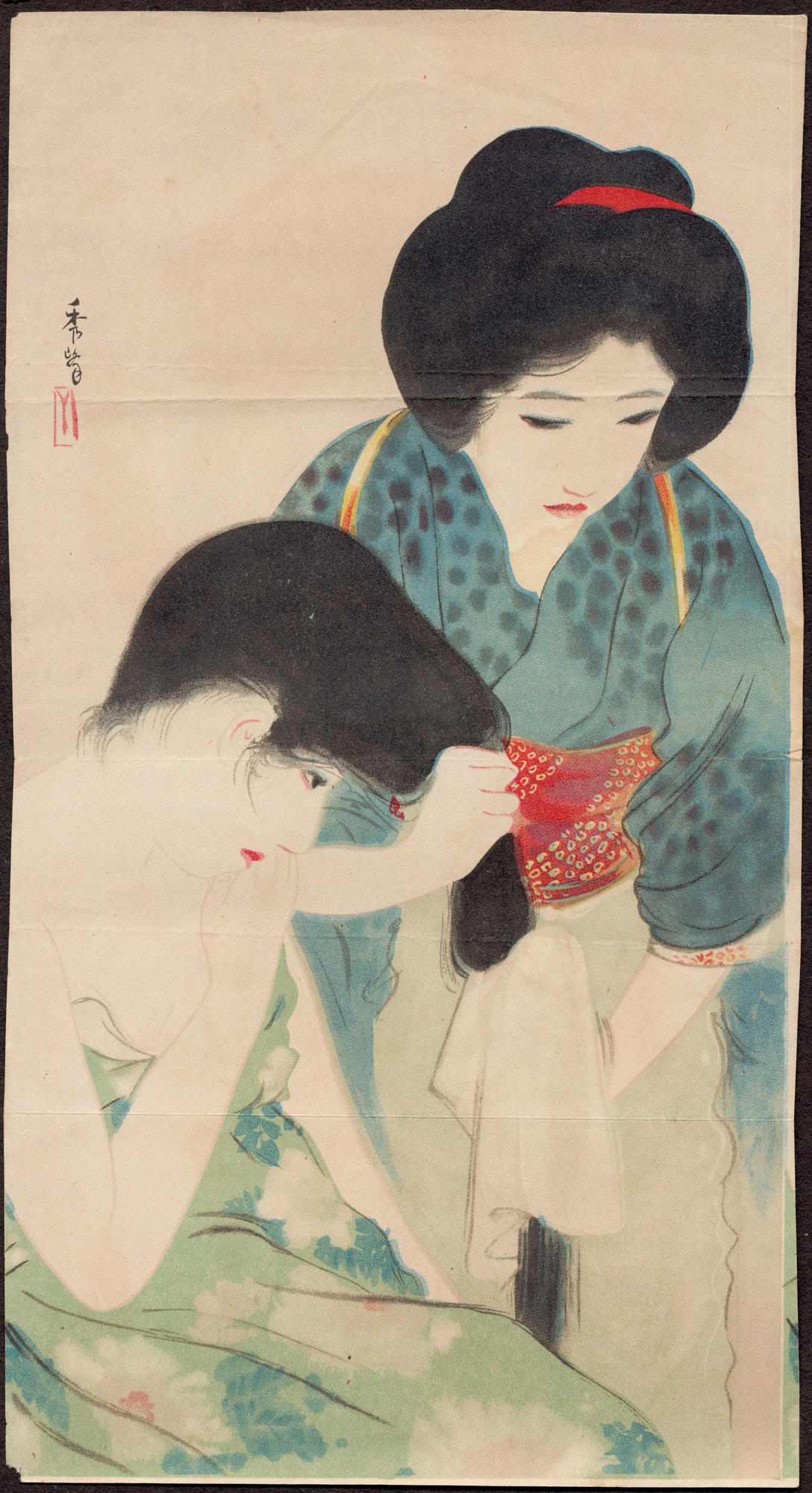
After A Bath (1)
Woodblock print
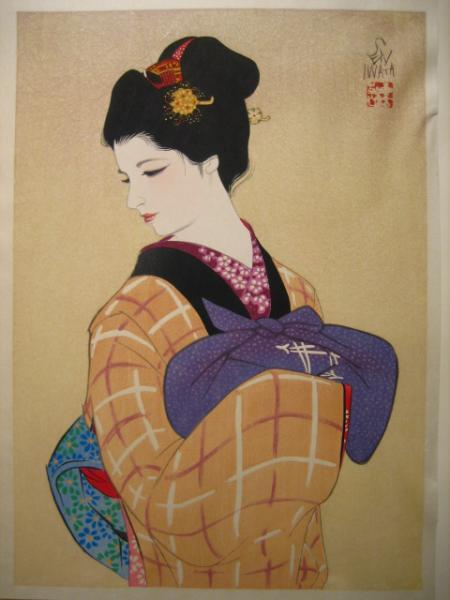
Returning From Practice — 稽古がえり
Woodblock print
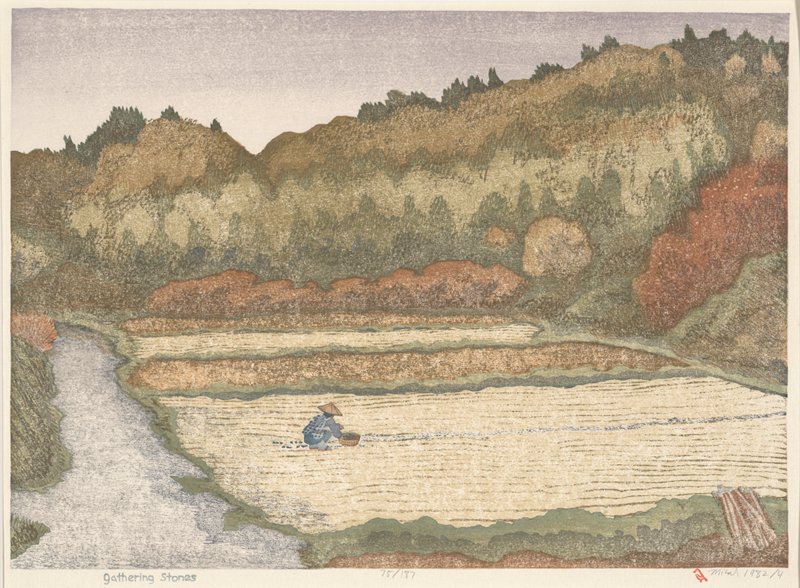
Gathering Stones
c. 1982–1984
Color woodblock print
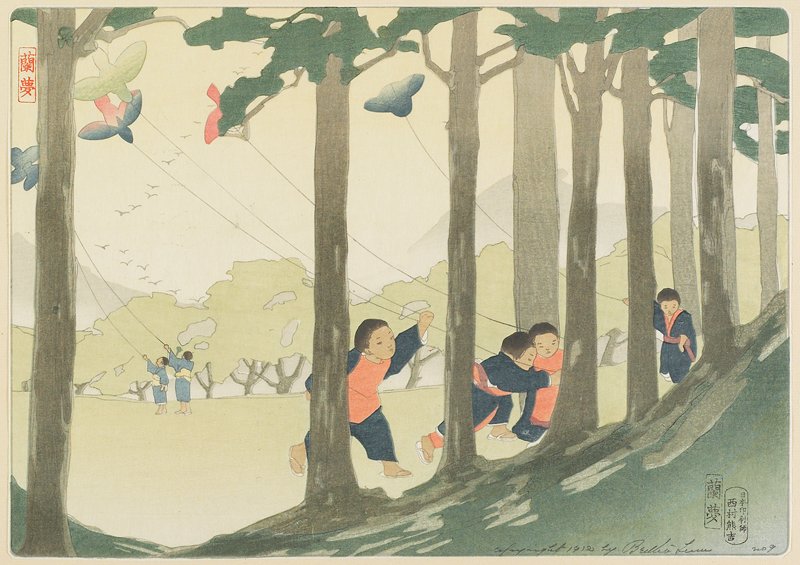
Boys and Kites
1912
Color woodcut
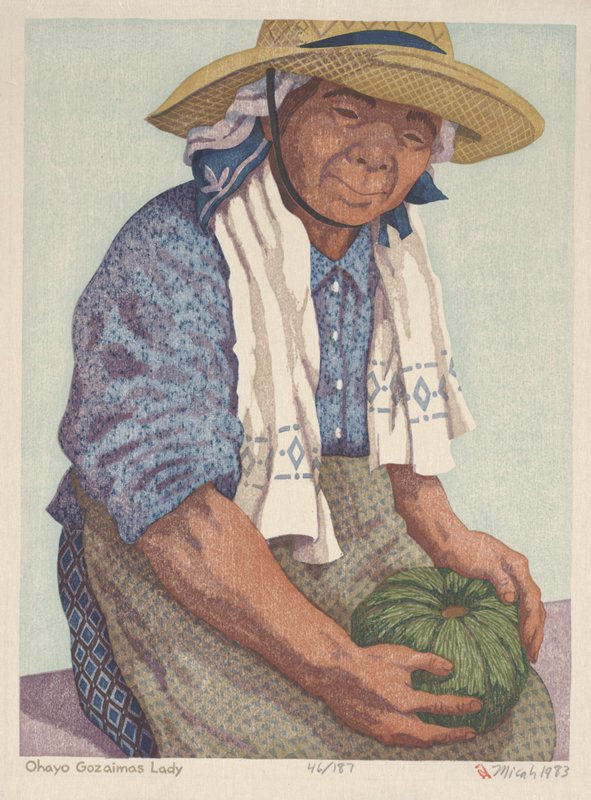
Ohayo Gozaimas Lady
1983
Color woodblock print

Poker Game
Illustration on paper

'Modern Edo Purple'
1862

Harmonica Player (Hamonika fuki)
20th century
Woodblock print
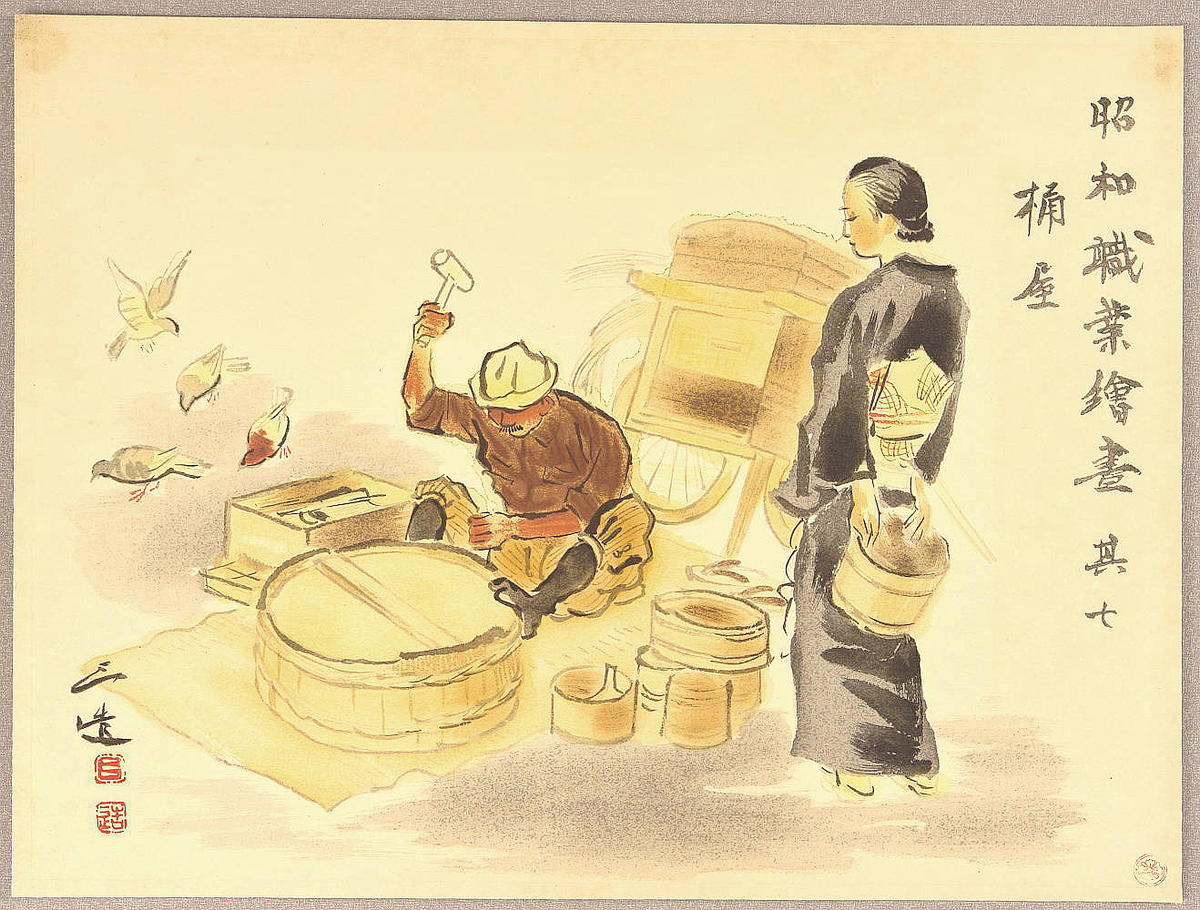
Cooper
桶屋
c. 1940
Color woodblock print

Cinema
Woodblock print on paper
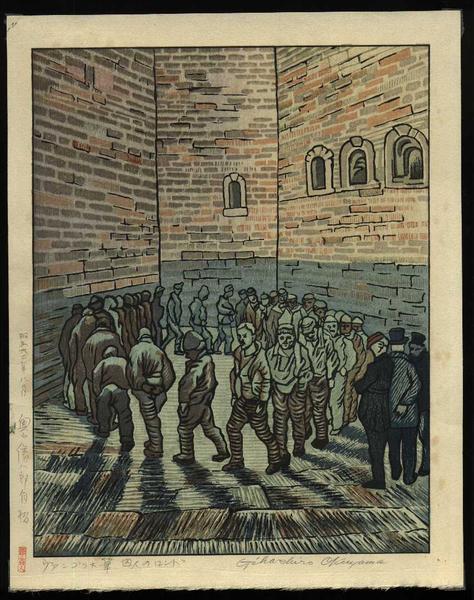
Prisoners' Round
Woodblock print
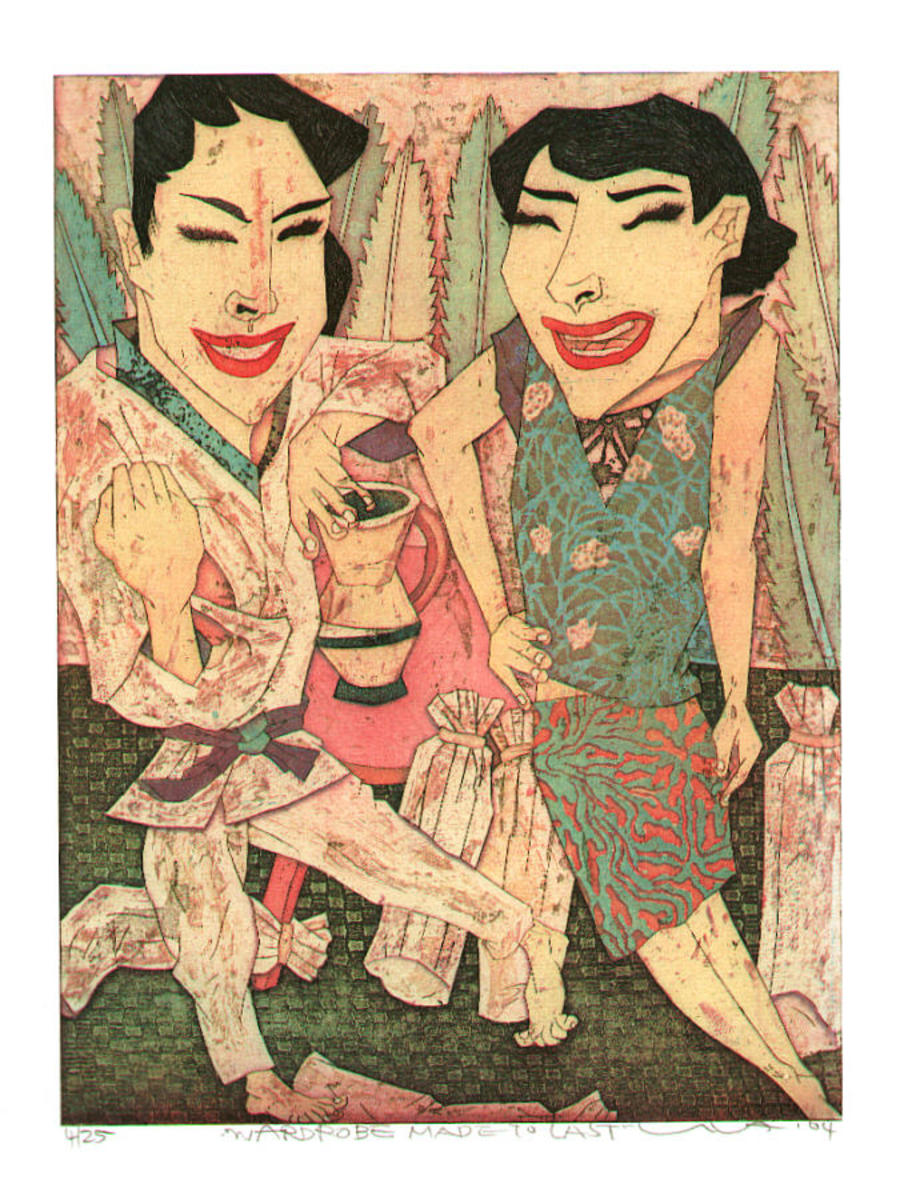
Wardrobe Made to Last
Woodblock print
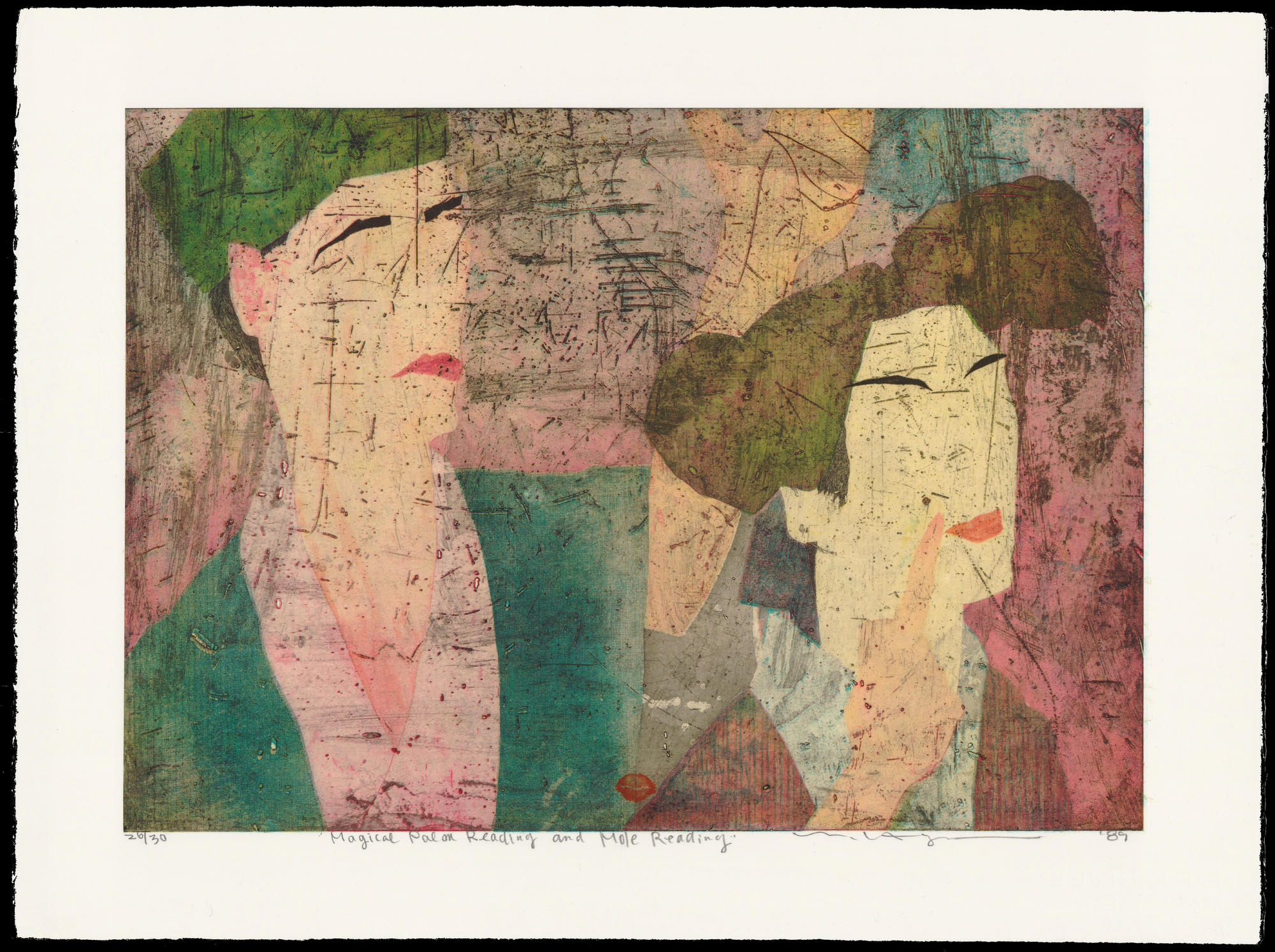
Magical Palm Reading and Mole Reading
Woodblock print

Daruma Doll Game
1930
Watercolor
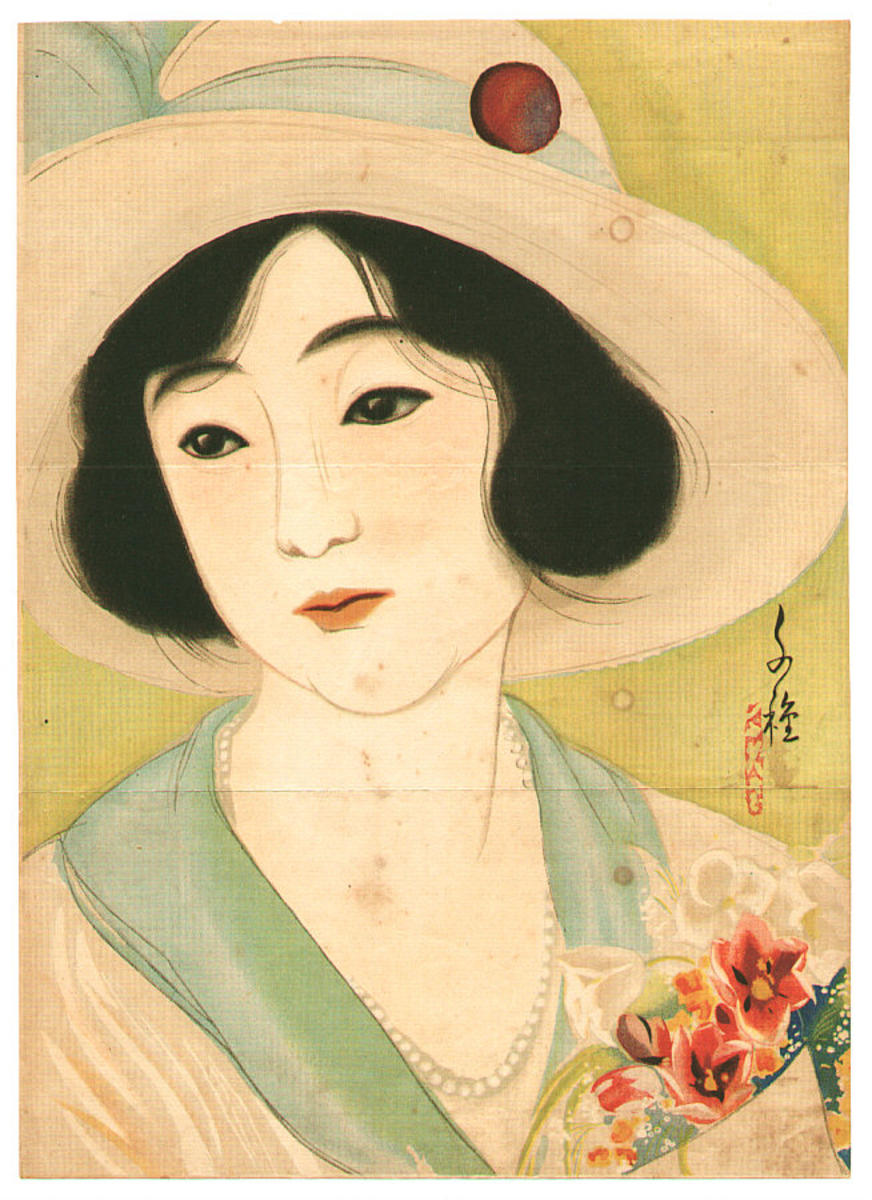
No Series Lady In Modern Dress In Taisho Era
Woodblock print
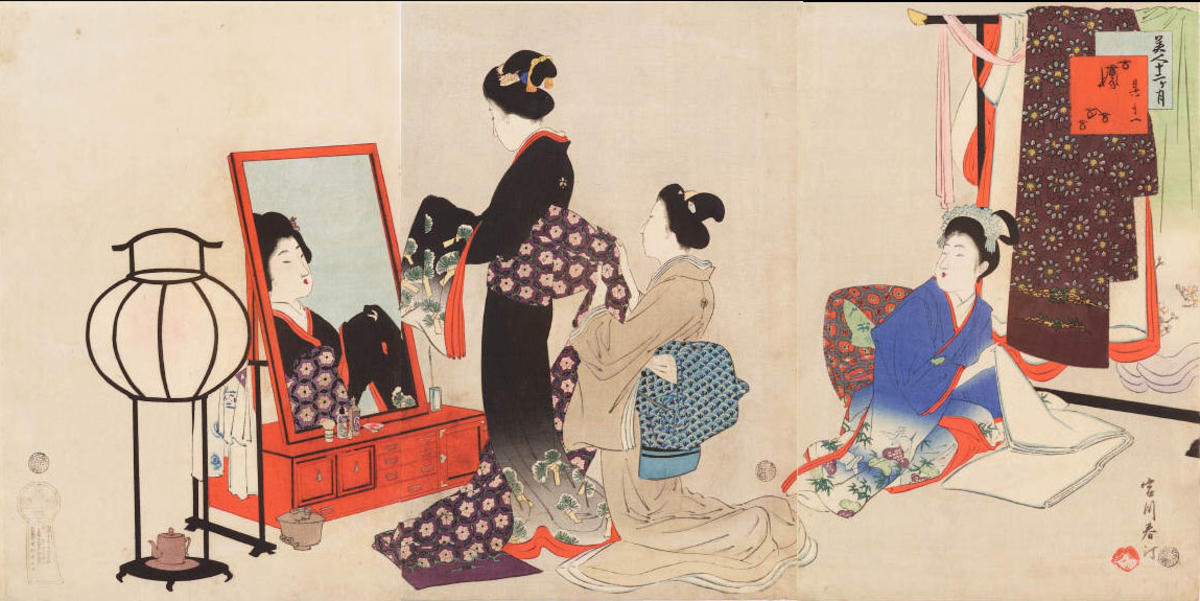
November — 其十一 嫁入
1898
Woodblock print
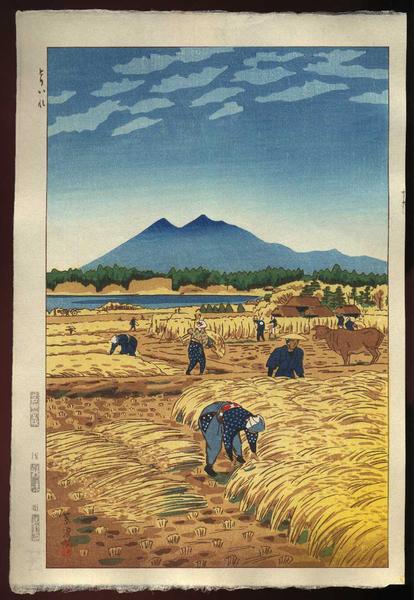
Harvest
Woodblock print
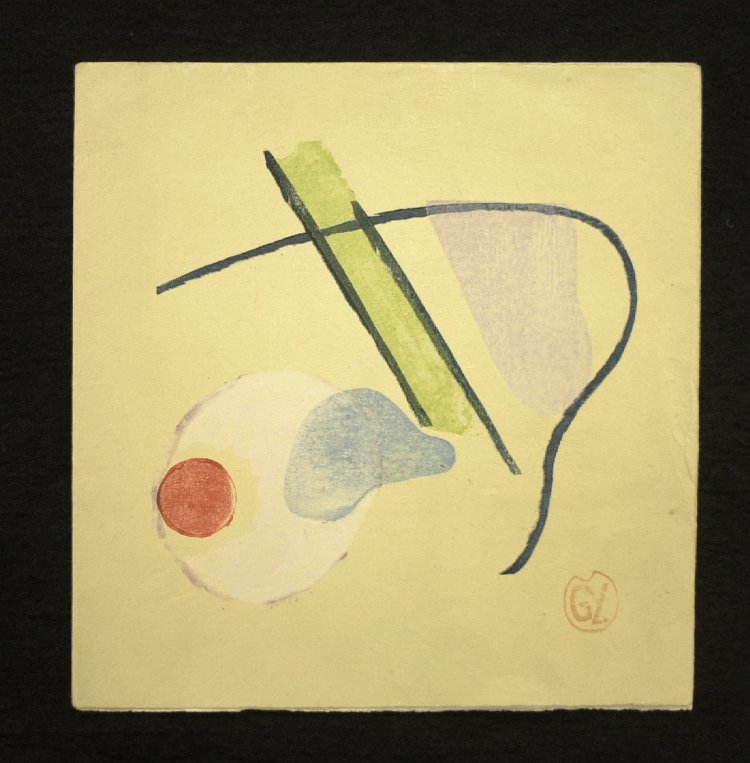
print / greeting-card
Woodblock print

Woman Folding a Kimono
1953
Woodblock print, ink on paper
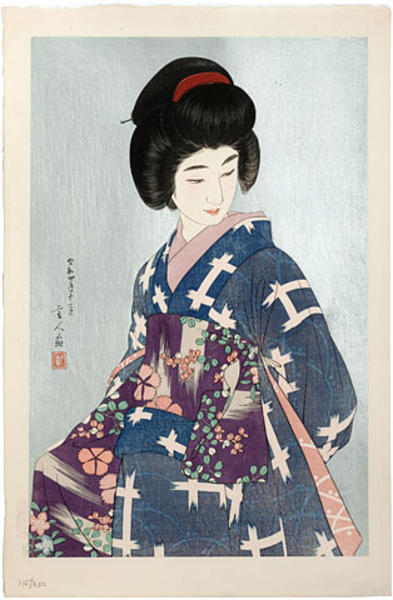
Sash- Obi- V2
1929
Woodblock print

Vapour- Yuge — ゆげ
1929
Woodblock print
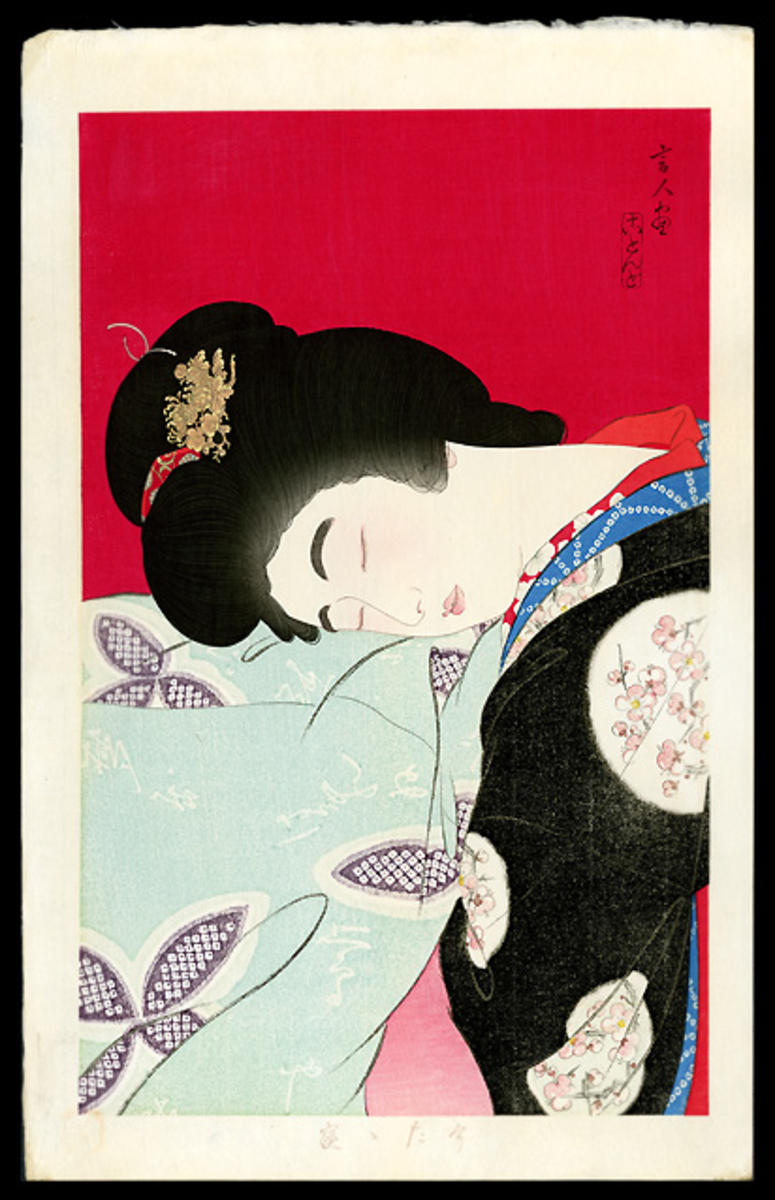
Utatane- A nap- Version 2 — うたっ寝
1933
Woodblock print
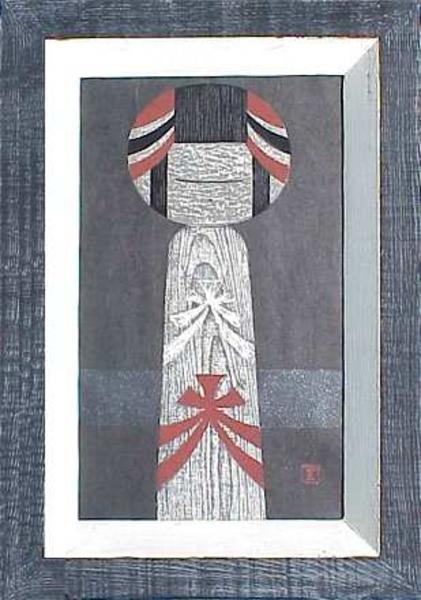
Kokeshi doll
Woodblock print

Nambanesque Behavior
1955
Hand-colored woodblock print mounted as hanging scroll
![Gen Shogo [Ruan Xiaowu]; Five-sheet print of Collecting Brine, no. 5 by Utagawa Kuniyoshi](https://1.api.artsmia.org/800/82218.jpg)
Gen Shogo [Ruan Xiaowu]; Five-sheet print of Collecting Brine, no. 5
c. 1828–30
Woodblock print (surimono), ink and color on paper
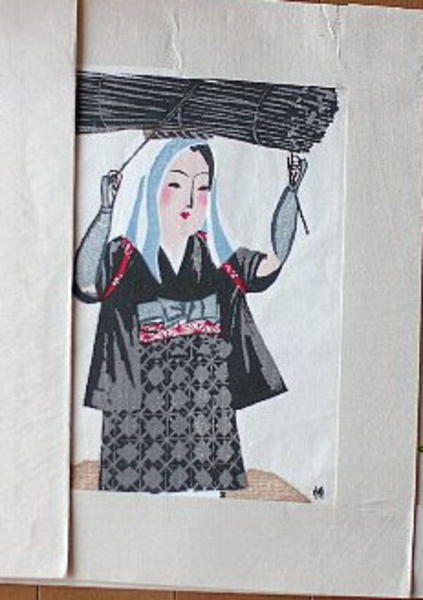
Oharame — 大原女
Woodblock print

Conversation- Oban
Woodblock print
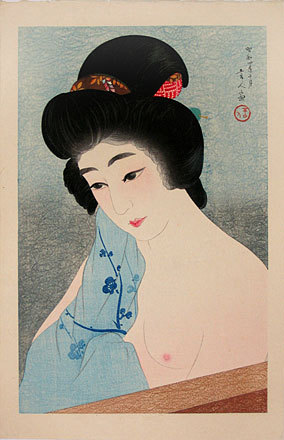
Vapor (Yuge)
1929
Woodblock print
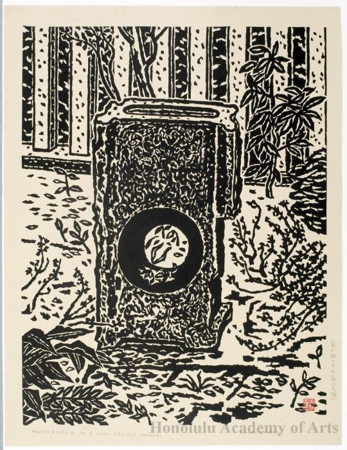
Whose a Sleeve of a Wash Trough, Iwakuni
Woodblock print

Doctor in Harlem
1960
Woodblock print
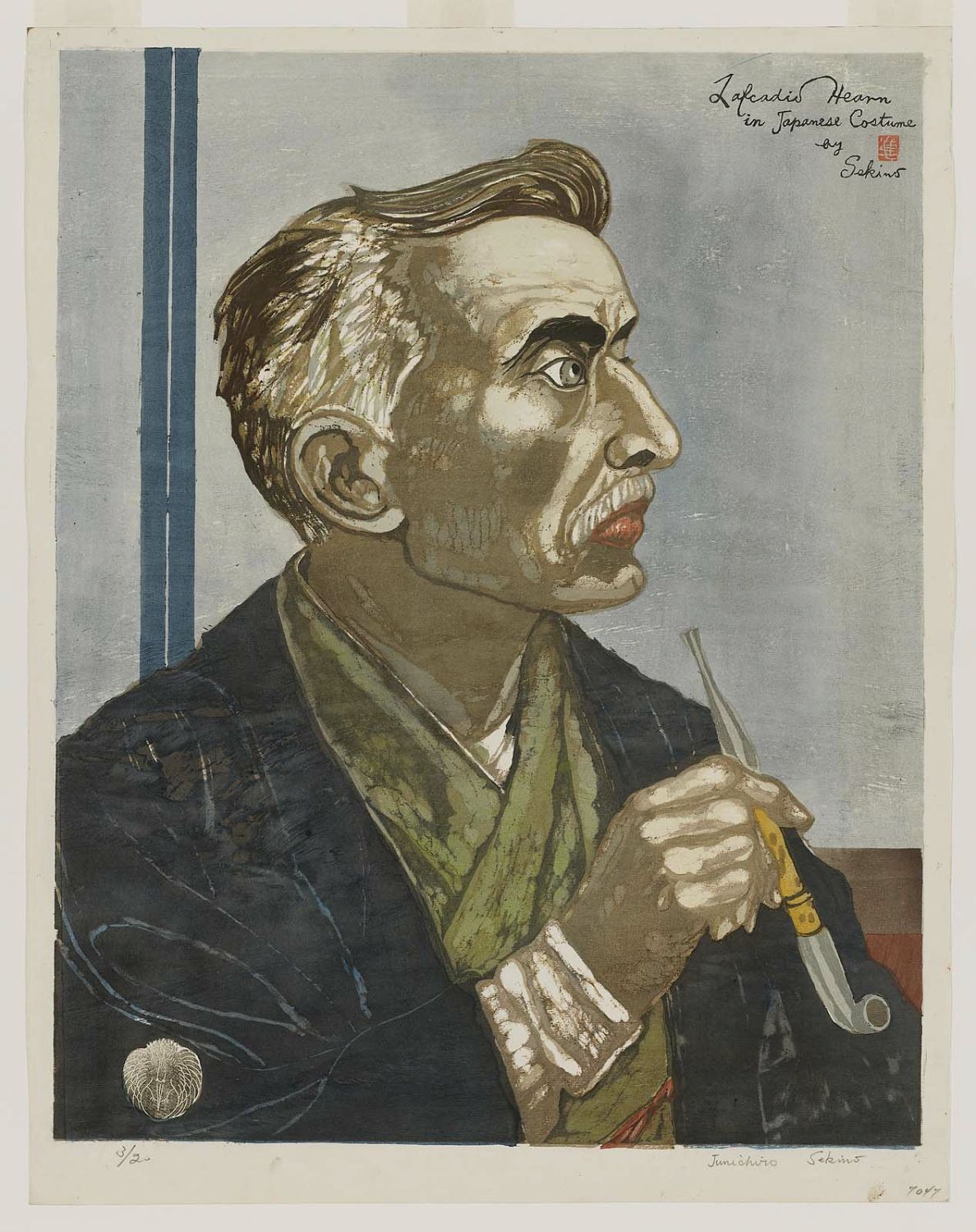
Lafcadio Hearn in Japanese Costume
Woodblock print
School for Spooks (Bakebake gakkō), No. 3 from the series Drawings for Pleasure by Kyōsai (Kyōsai rakuga, dai san gō)
1874 (Meiji 7)
Woodblock print (nishiki-e); ink and color on paper
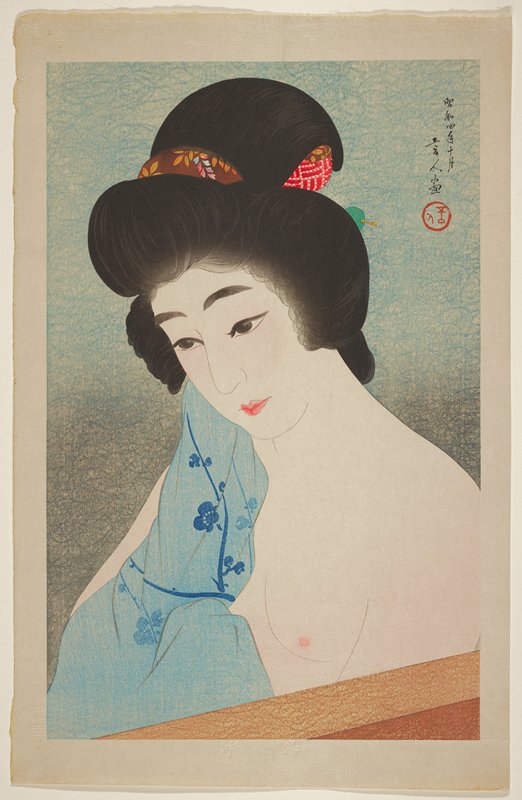
Vapor
October 1929
Woodblock print, ink and color on paper

Collection of Things with Names That End with Men
c. 1830–44
Woodblock print (nishiki-e), ink and color on paper
Related Subjects
Frequently Asked Questions
Daily life scenes (fuzoku-ga) document the ordinary activities, occupations, and domestic routines of Japanese people across centuries. This genre transforms mundane subjects — cooking, farming, fishing, bathing, shopping, child-rearing — into compositions that reveal both the aesthetic sensibilities of their makers and the social realities of their era.
Miyagawa Shuntei, Hiyoshi Mamoru, and Kaoru Kawano are among the artists most associated with daily life in our collection. Browse the full list of artists who explored this subject above.
Hanga currently catalogues 666 prints tagged with daily life, spanning ukiyo-e, shin-hanga, and sōsaku-hanga traditions where applicable.