
Biography
Masuo Ikeda was one of the most versatile and internationally celebrated Japanese artists of the postwar era, renowned across printmaking, painting, sculpture, ceramics, literature, and film. Born on February 23, 1934, in Fengtien (present-day Shenyang), then part of Japanese-occupied Manchuria, Ikeda returned to Japan with his family after World War II and grew up in Nagano Prefecture. He completed his studies at the Nagano School of Art in 1952.
Ikeda's artistic breakthrough came through printmaking. In the mid-1950s, through his fellow artist Ay-O, he came to know Ei-Q (Ei-Kyū), the leader of the Democrato (Democrat Artists Association); Ikeda learned copperplate engraving from Ei-Q and devoted himself to printmaking. His talent was recognized early on the emerging international print scene: his work was shown at the first Tokyo International Print Biennale in 1957, and he won a Minister's Award at the second Biennale in 1960.
His international fame was cemented when, in 1965, he became the first Japanese artist to be given a solo exhibition at the Museum of Modern Art in New York. The following year he won the Grand Prize for Prints at the 33rd Venice Biennale (1966), making him an overnight sensation in Europe. He also took top honors at other international print biennials, including the Prix d'Excellence at Paris (1961), the Grand Prix at Ljubljana (1965), and a first prize at Vienna (1966).
Ikeda worked with extraordinary range across printmaking techniques including etching, drypoint, aquatint, mezzotint, roulette, lithography, woodblock, and silkscreen. His prints are characterized by a surrealist sensuality, featuring female figures, abstract forms, and mythological imagery — particularly his celebrated Sphinx series. He moved to New York in 1965 and lived and worked there before returning permanently to Japan in 1980.
Beyond the visual arts, Ikeda was equally accomplished in literature. In 1977, he won the prestigious Akutagawa Prize — one of Japan's highest literary honors — for his novel 'Egekai ni Sasagu' (Offering to the Aegean), and directed its film adaptation in 1979. Known in Japan as a 'maruchi taranto' (multiple talent), he also produced ceramics, sculpture, and video art.
Ikeda's works are held in major collections worldwide, including the Museum of Modern Art in New York, the Metropolitan Museum of Art, the Art Institute of Chicago, the Smithsonian American Art Museum, the Portland Art Museum, the Harvard Art Museums, and the National Museum of Modern Art in Kyoto and Tokyo. The Ikeda Masuo Art Museum in Nagano Prefecture is named in his honor. He died on March 8, 1997, in Atami, Shizuoka Prefecture, at the age of 63.
Key Facts
- Active Period
- 1934–1997
- Nationality
- 🇯🇵Japan
- Movements
- Contemporary MokuhangaSōsaku-hanga
- Works Indexed
- 21
Frequently Asked Questions
Masuo Ikeda was one of the most versatile and internationally celebrated Japanese artists of the postwar era, renowned across printmaking, painting, sculpture, ceramics, literature, and film. Born on February 23, 1934, in Fengtien (present-day Shenyang), then part of Japanese-occupied Manchuria, Ikeda returned to Japan with his family after World War II and grew up in Nagano Prefecture. He completed his studies at the Nagano School of Art in 1952.
Masuo Ikeda was active from 1934 to 1997. They were associated with the Contemporary Mokuhanga and Sōsaku-hanga movements.
Masuo Ikeda's work was shaped by the Contemporary Mokuhanga and Sōsaku-hanga traditions in Japanese woodblock printmaking. Contemporary Mokuhanga: Contemporary mokuhanga (literally "wood-block print") encompasses artists working from approximately 1970 to the present who continue or reinvent traditional Japanese woodblock printing techniques. Sōsaku-hanga: ## What is sōsaku-hanga? Sōsaku-hanga (創作版画, "creative prints") was a twentieth-century Japanese print movement defined by a single commitment: the artist must design, carve, and print every work alone.
Masuo Ikeda's prints frequently feature etching, portraits, abstract, lithograph, figures, mythology.
Original prints by Masuo Ikeda can be found in collections including Japanese Art Open Database, Harvard Art Museum.
Woodblock Prints by Masuo Ikeda (21)

Angel's Shoe
Drypoint and etching
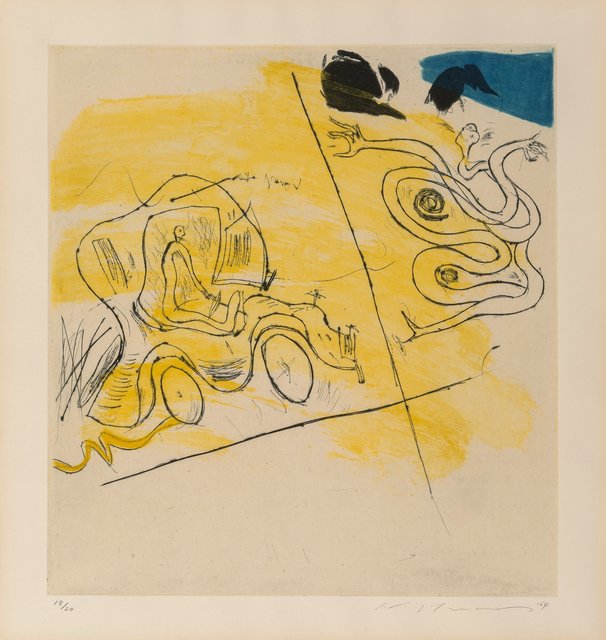
Wonderful Visitor
1964
Drypoint in colors on paper
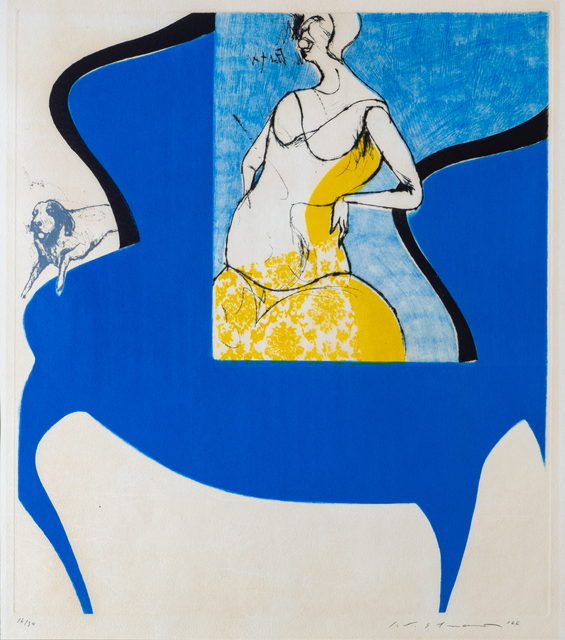
Blue Chair
1966
Dry point, Roulette, Engraving
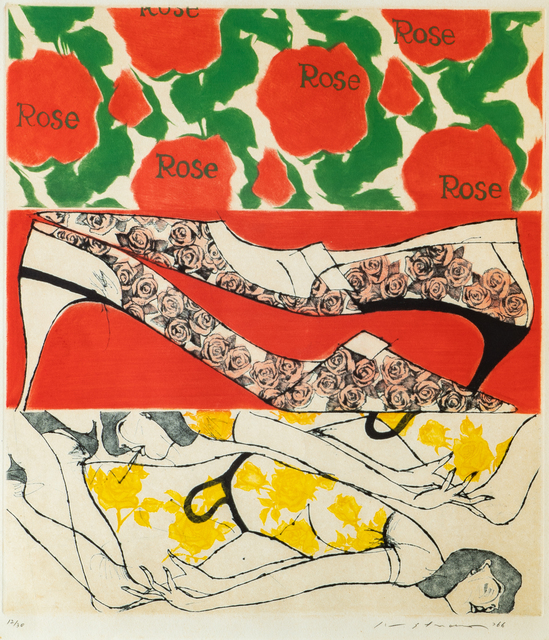
Rose is Rose
1966
Dry point, Roulette, Engraving
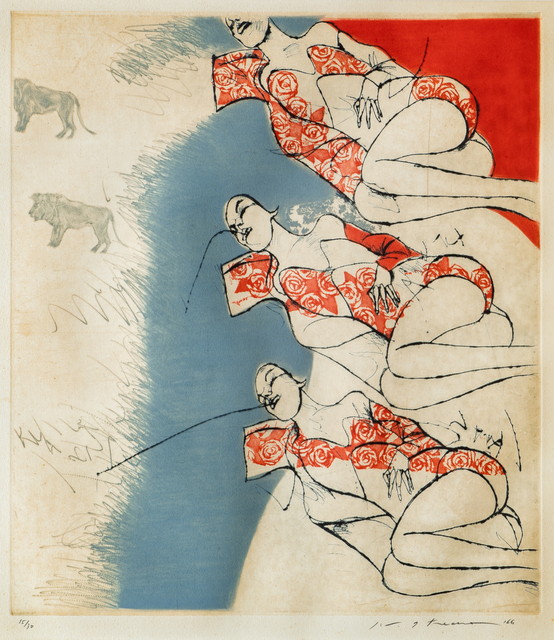
Principle of Desire, Red
1966
Dry point, Roulette, Mezzotint, Engraving
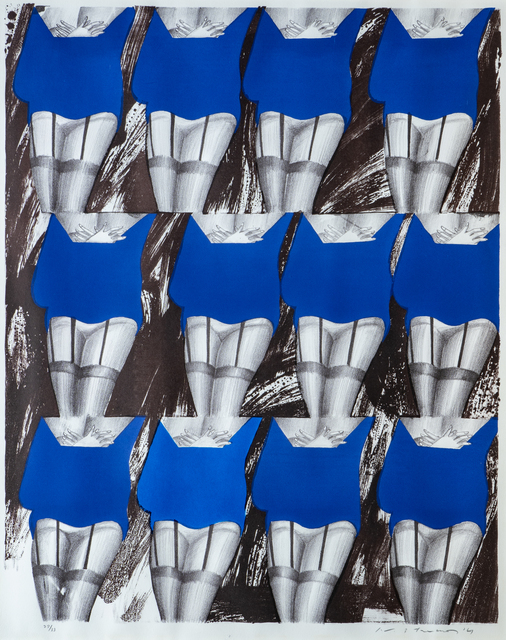
Calendar
1967
Lithograph
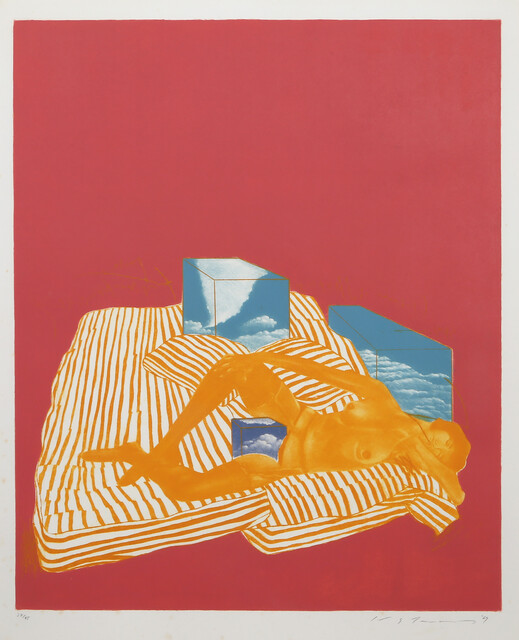
La Sirene
1969
Etching and Aquatint on BFK Rives
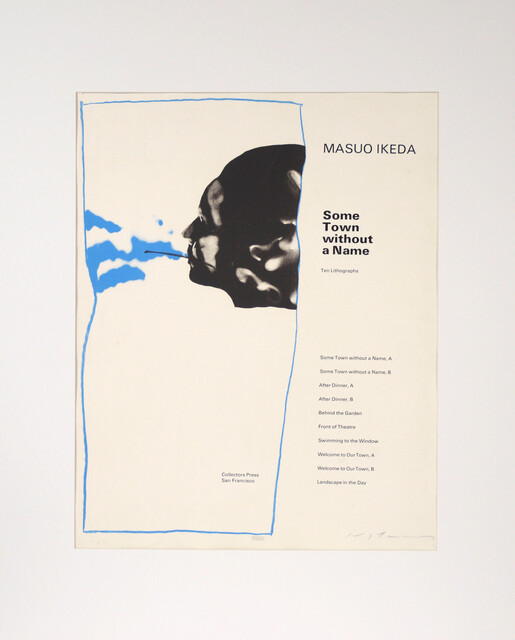
"Some Town without a Name" - Signed Screen Print
1969
Screenprint on Laid Paper
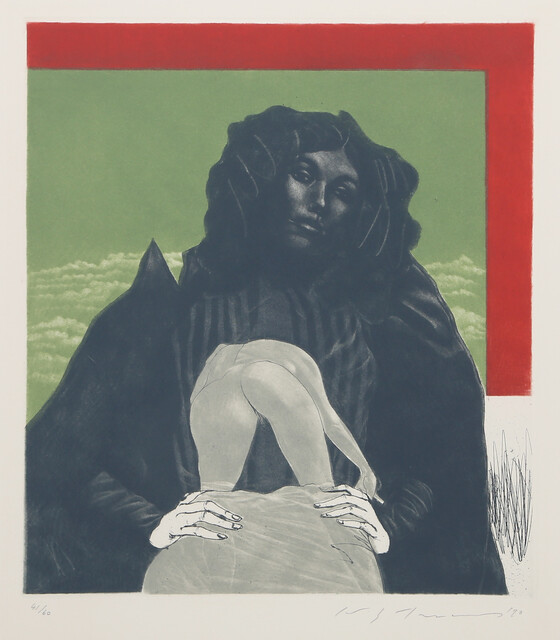
Sphinx in May
1970
Etching
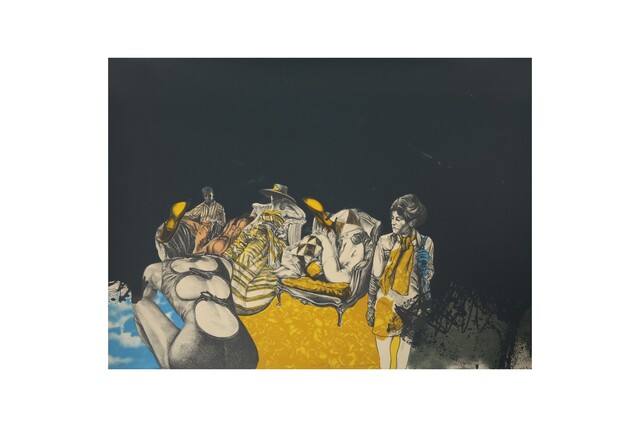
Scene on the beach
1970
Lithograph in colours on wove
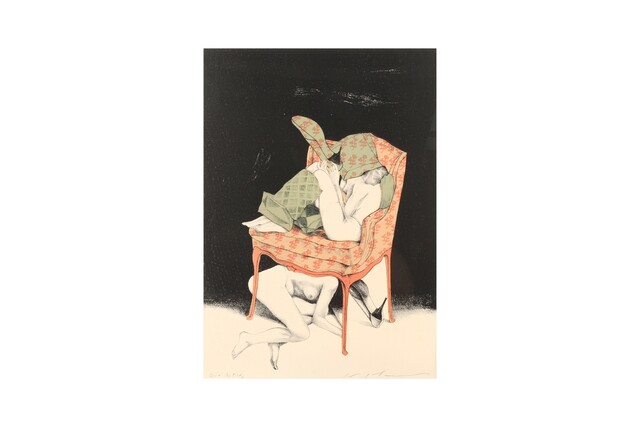
Number 5
1971
Lithograph on wove from Seven Lithographs

Tokyo Tower
Etching, aquatint, drypoint, and roulette

Monument to the Sky
Mokuhanga (Japanese woodblock)
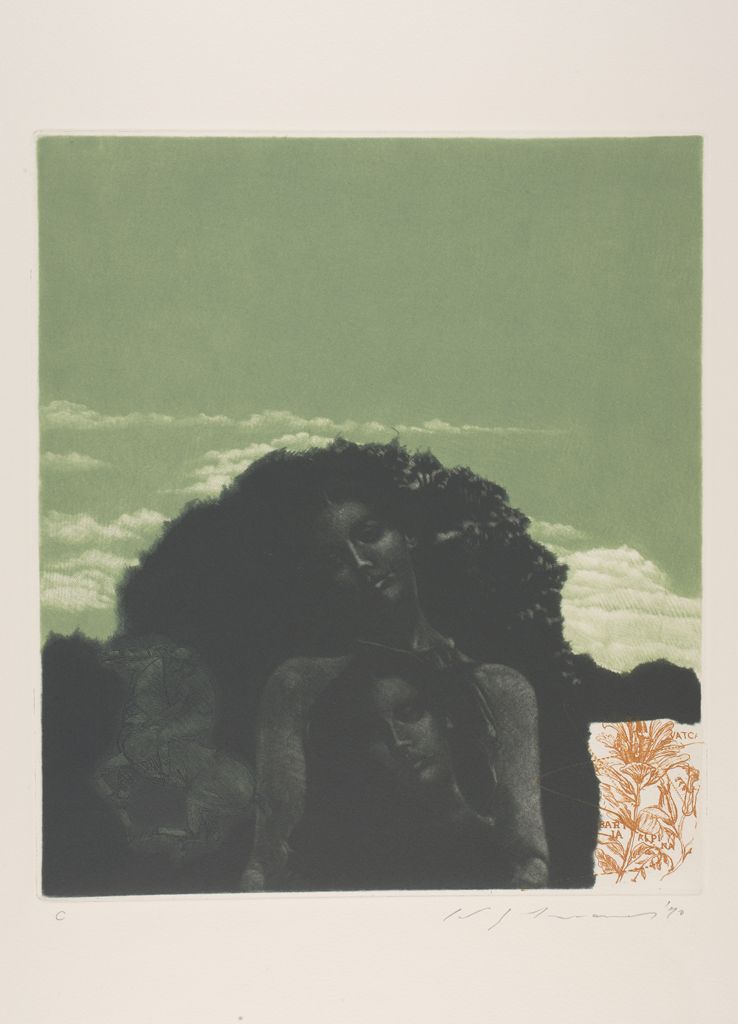
Portrait of Sphinx: Etching 4 of 6, Shôwa period, dated 1970
Woodblock print

Woman of New York (Something I), Shôwa period, dated 1966
Woodblock print
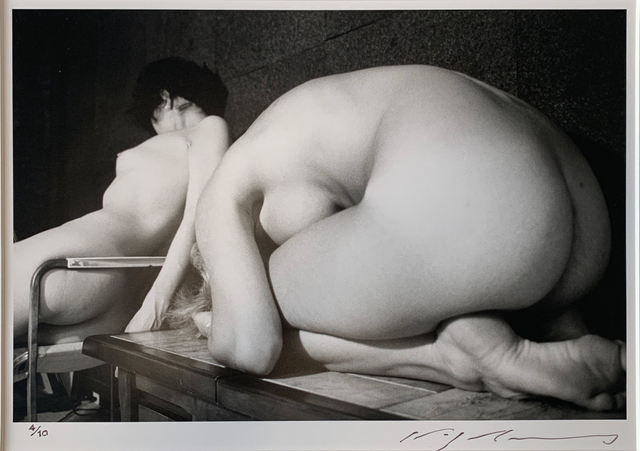
untitled
Silver gelatin print

Portrait of Sphinx: Etching 3 of 6, Shôwa period, dated 1970
Woodblock print
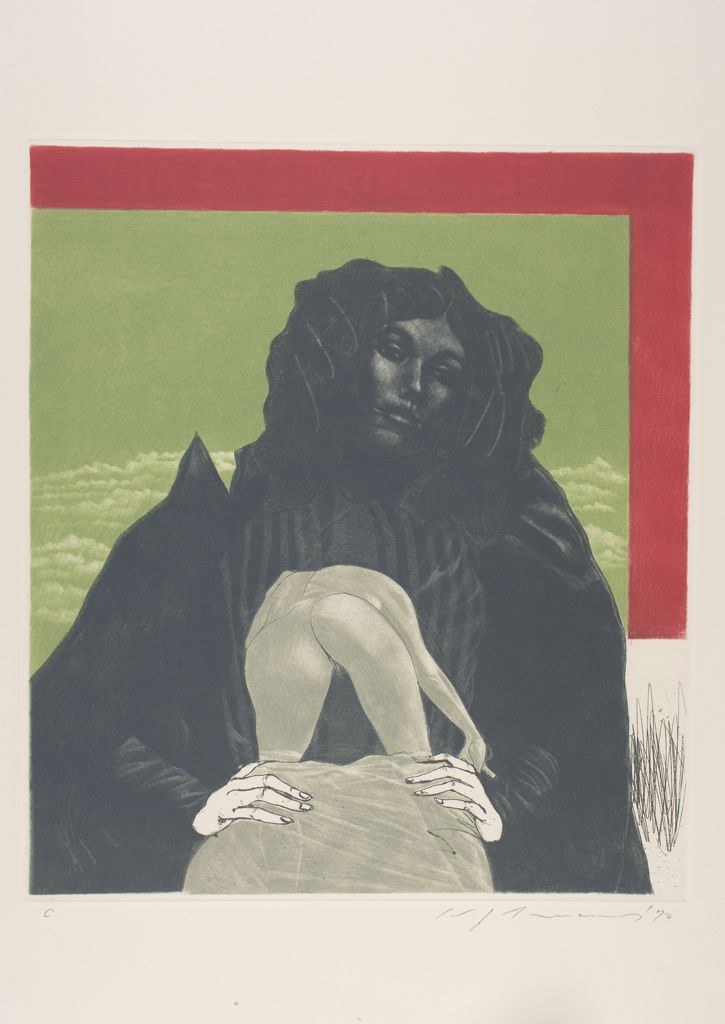
Portrait of Sphinx: Etching 2 of 6, Shôwa period, dated 1970
Woodblock print
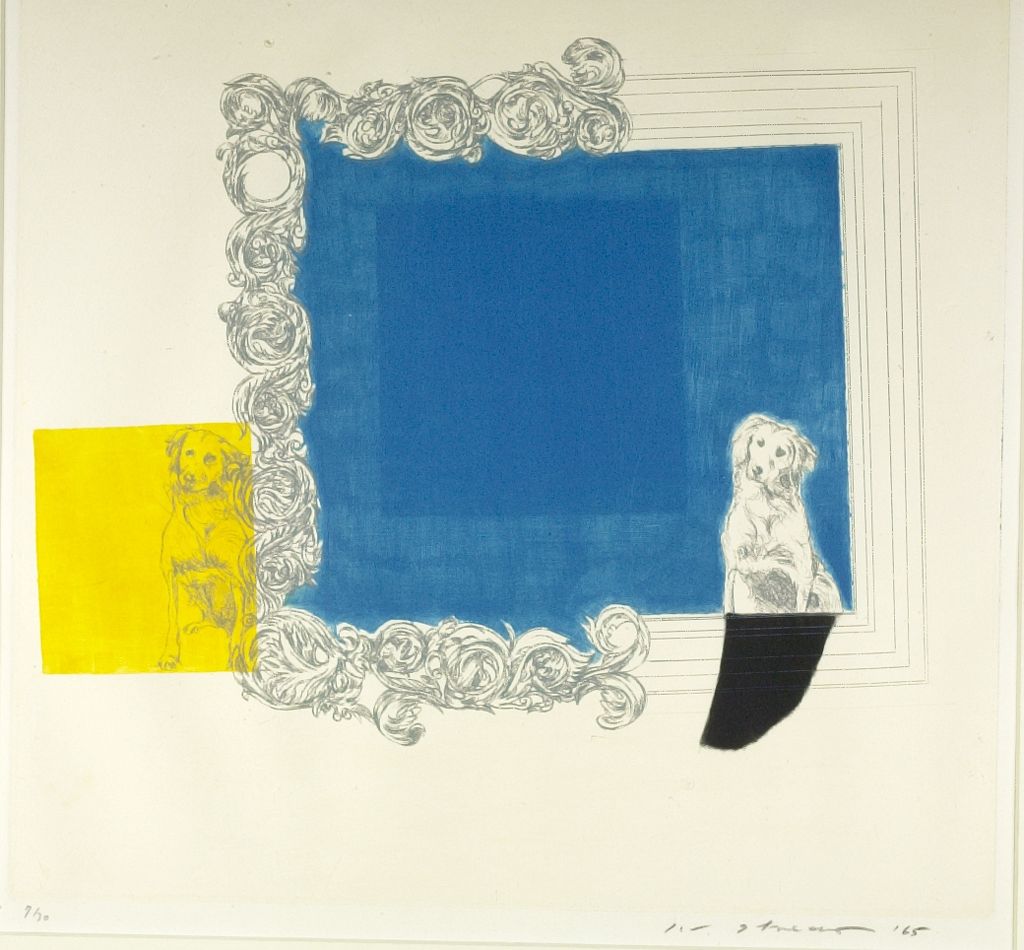
Blue in the Mirror
Woodblock print
Portrait of Sphinx: Etching 2
Woodblock print
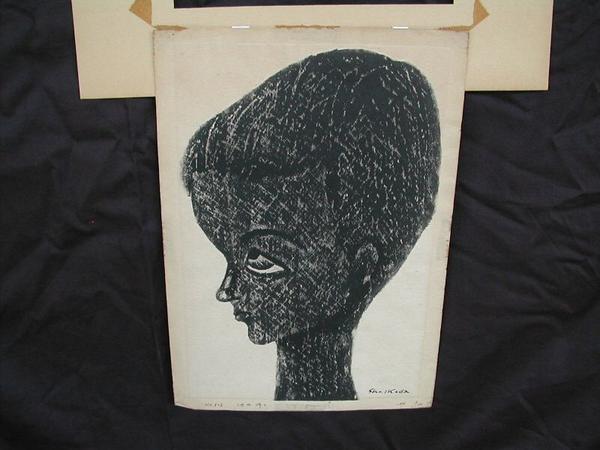
No 102
Woodblock print