Birds & Flowers Prints (1639)
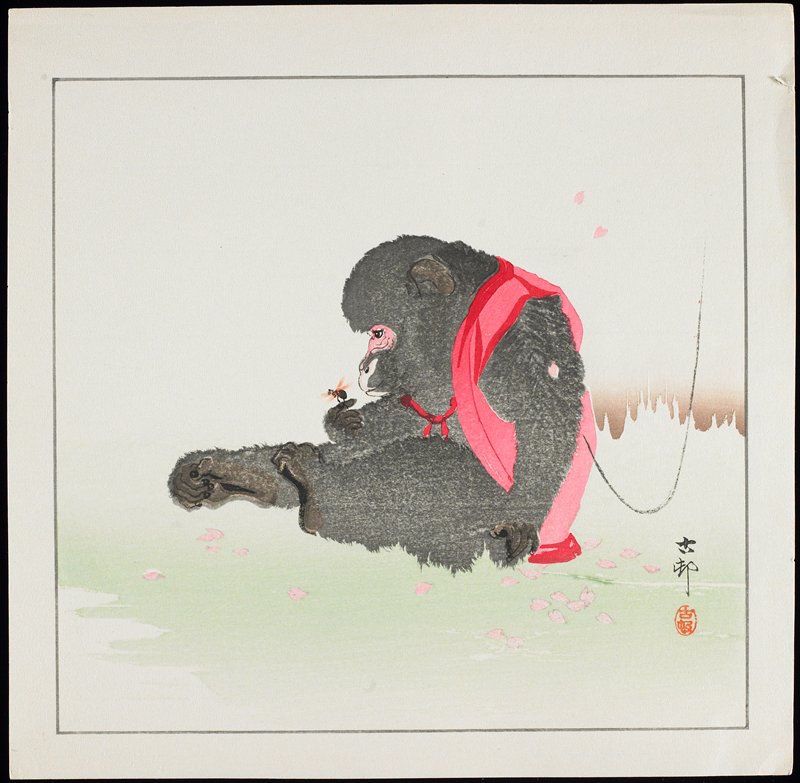
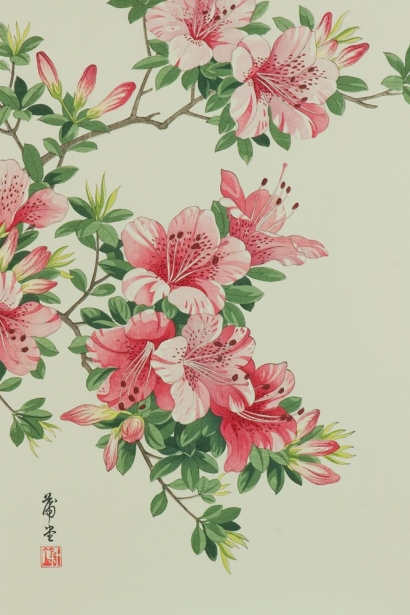
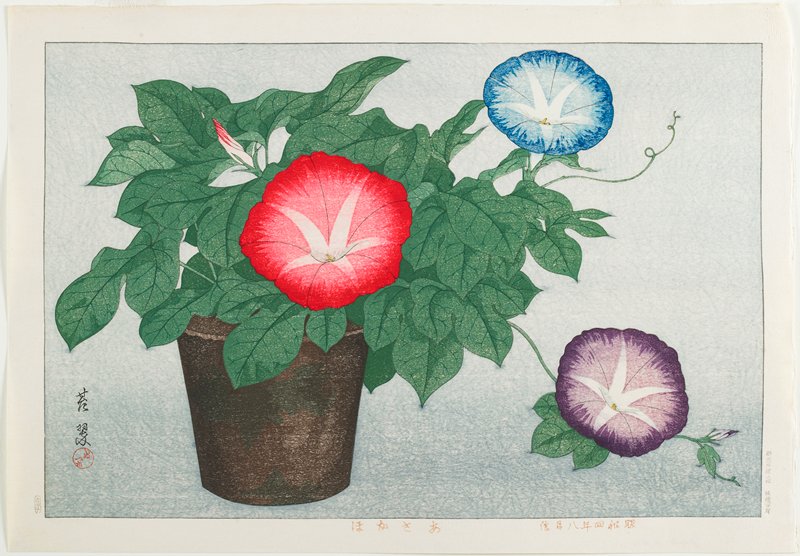
Birds and flowers (kacho-ga) form one of the three classical subject categories of East Asian painting, alongside landscapes and figures. In Japanese woodblock printmaking, the tradition produced some of the medium's most technically accomplished works, demanding exceptional carving precision for feather details and botanical accuracy. Hokusai's "Small Flowers" series and Hiroshige's bird-and-flower prints of the 1830s established kacho-ga as a major ukiyo-e genre. These works combined natural observation with poetic sensibility, often incorporating verses that amplified the seasonal or emotional associations of their subjects. The surimono tradition — privately commissioned luxury prints — particularly favored bird-and-flower subjects, producing exquisite small-format works with metallic pigments and blind embossing. Shin-hanga artists continued the tradition with renewed naturalistic ambition. Ohara Koson (also known as Shoson) became the genre's most prolific modern practitioner, creating hundreds of bird-and-flower designs that combined scientific observation with decorative elegance. His prints of egrets, crows, and songbirds in atmospheric settings became internationally popular. The genre demands particular technical skill in color gradation and fine-line carving, making kacho-ga prints a showcase for the collaborative craft of designer, carver, and printer.
Artists Known for Birds & Flowers



Shasei sōka moyō (Patterns of Flowers and Grasses from Life)
写生草花模様
1907
Woodblock printed book in two volumes; ink and color with metallic pigments on paper
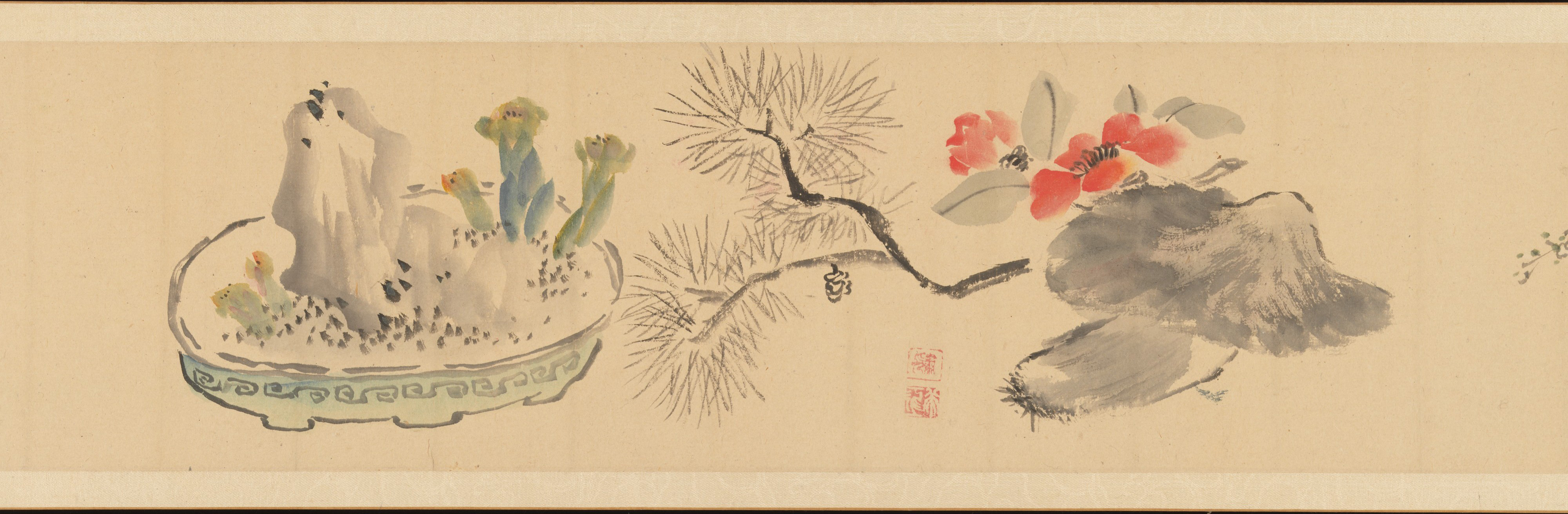
Letter Enclosing Flowers
1831
Handscroll; ink and color on paper

Courtesan Arranging Flowers with Sleeping Kamuro
c. 1740-1750
Hand-colored woodblock print

Three Flowers in Snow (Centre Scroll)
雪中三花図 中幅
before 1924
Hanging scroll; ink and colour on silk

Shasei sōka moyō (Patterns of Flowers and Grasses from Life), Volume 1 (Jō)
写生草花模様 上
1907
Woodblock-printed design album (zuanchō); ink and color on paper

Rocks and Flowers
1817
Hanging scroll, ink and color on paper
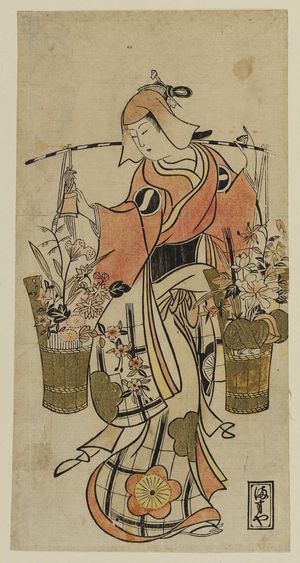
Actor Ichikawa Monnosuke I as a Flower Vendor
early 18th century
Hand-colored woodblock print (urushi-e); ink and color on paper
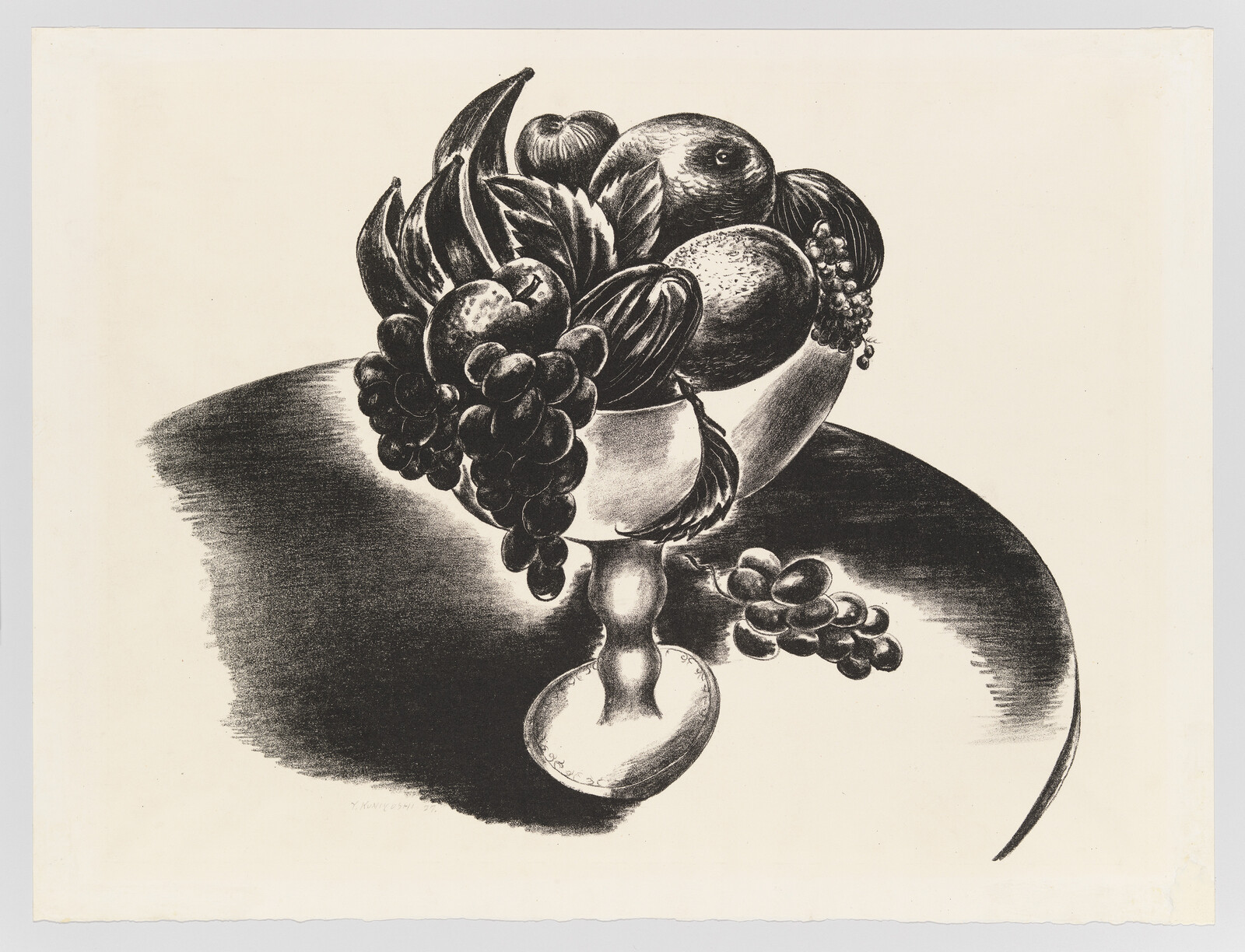
Fruit in White Bowl
1927
Lithograph
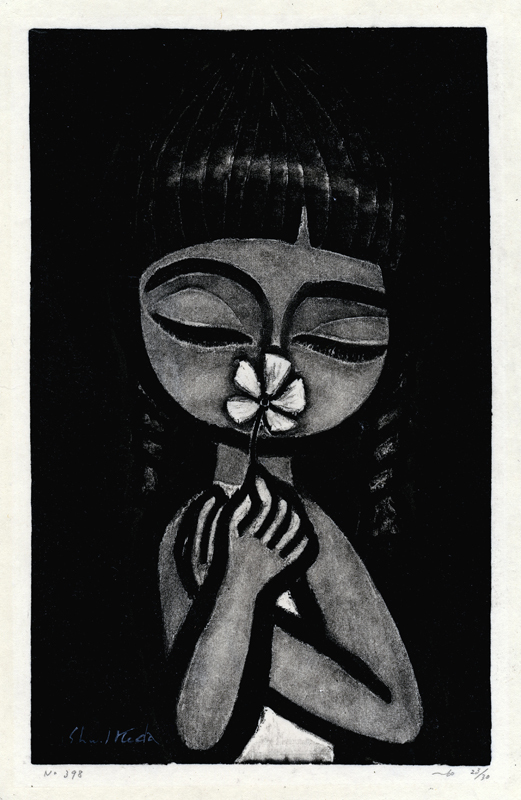
No. 398 (Girl with Flower)
c. 1957
Woodcut on Japanese hosho paper
Chrysanthemum, from the series Gods of Good Fortune Represented as Flowers (Hana zukushi mitate fukurokuju)
20th century
Woodblock print; ink and color on paper
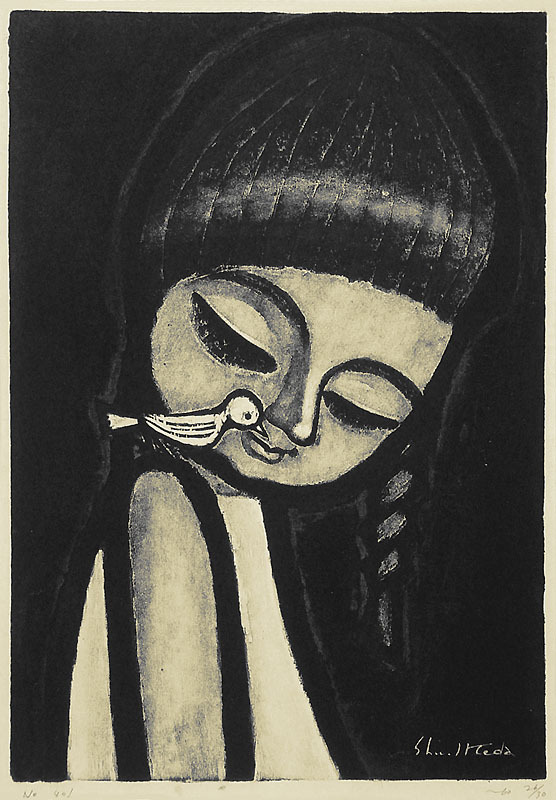
No. 401 (girl with bird on her shoulder)
1960
Woodcut on Japanese hosho paper
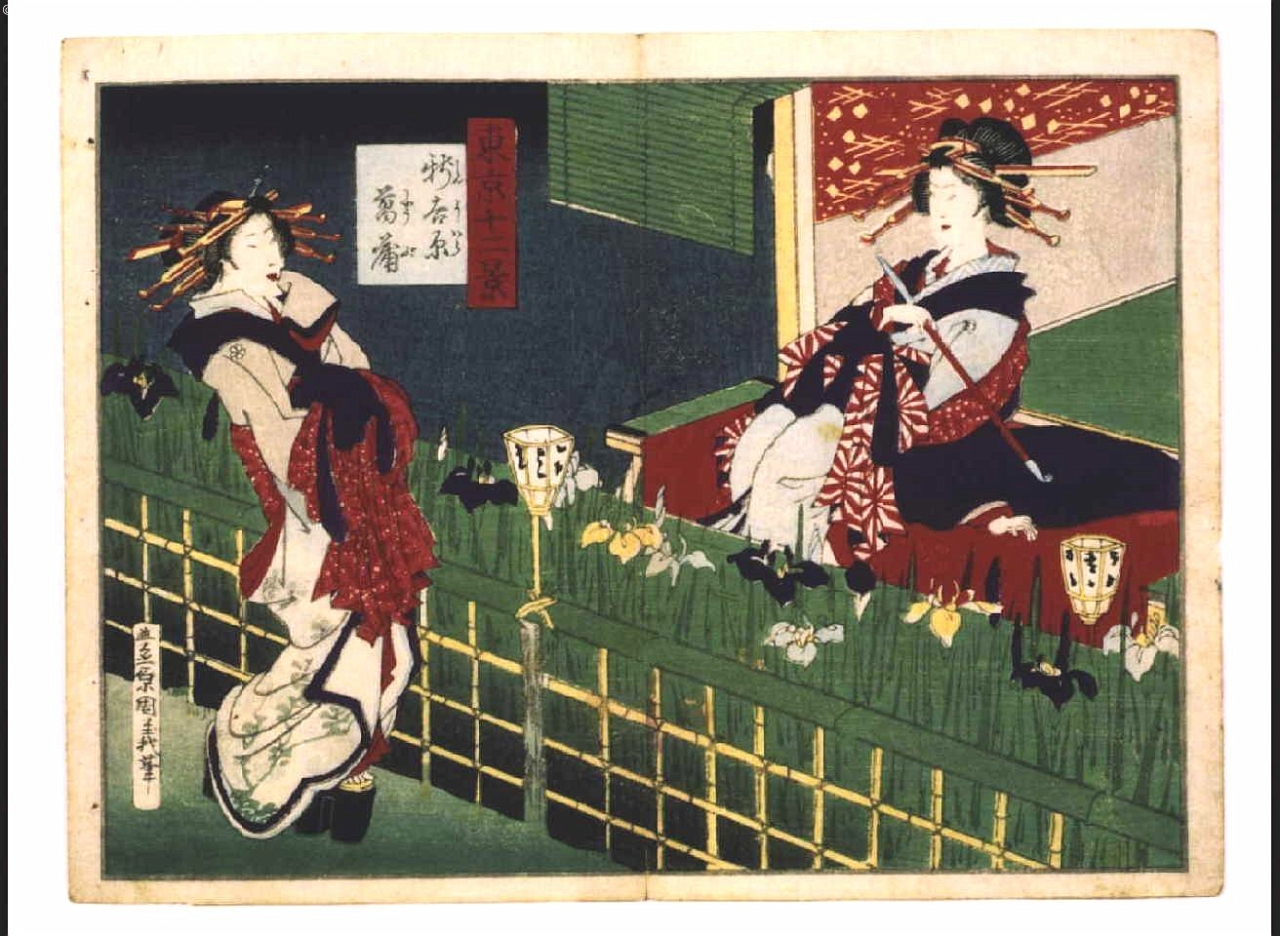
Twelve Views of Tokyo: Iris Field, Shin-Yoshiwara Licensed Quarter
東京十二景 新吉原遊郭 菖蒲園
early 1880s
Color woodblock print; oban triptych

Sparrow and Spider
雀と蜘蛛図
early 19th century
Hanging scroll; ink and color on silk

Crane Among Reeds
葦間鶴図
1887–92
Album leaf; ink and color on silk
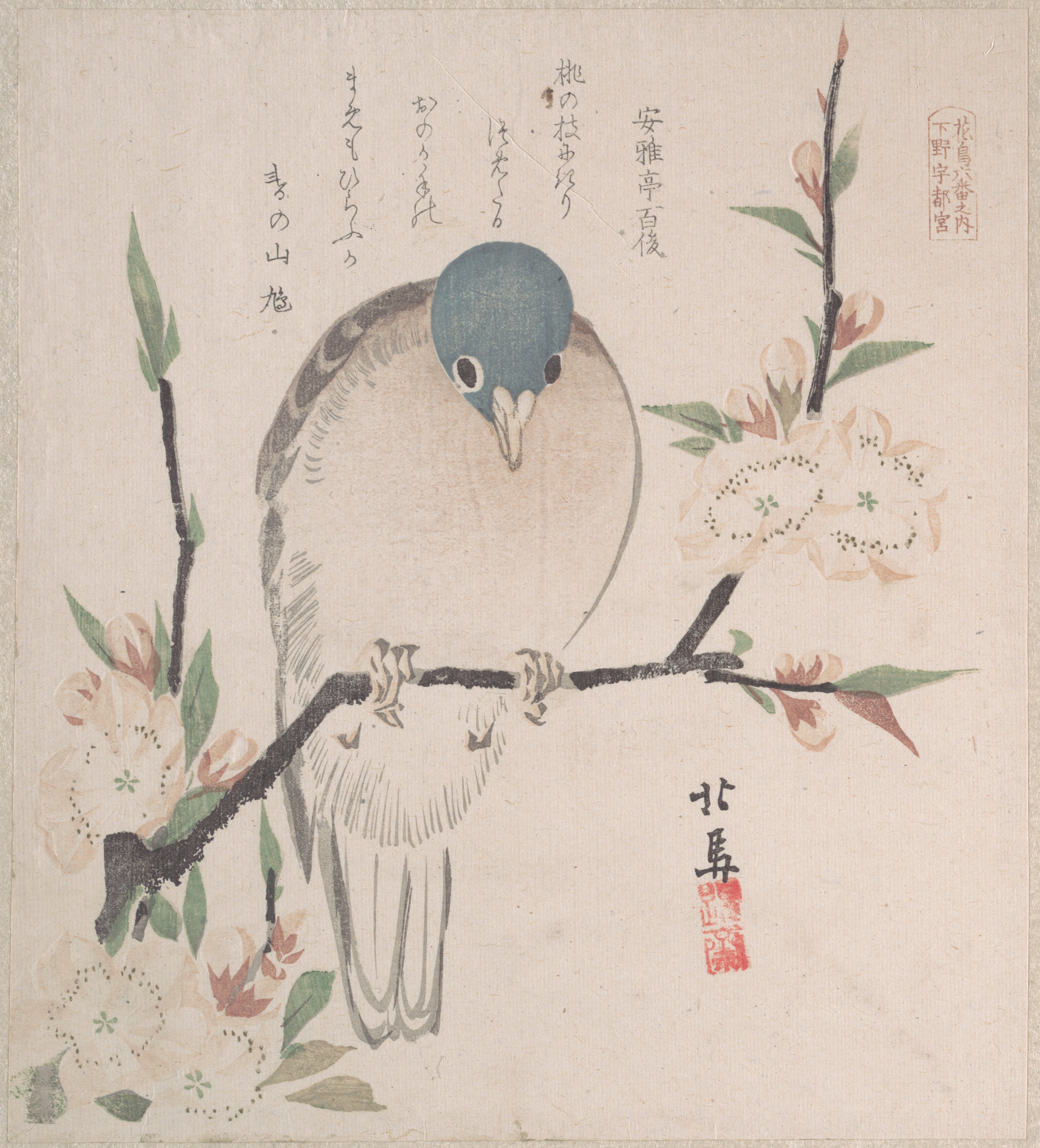
Spring Rain Collection (Harusame shū), vol. 3: Mountain Dove and Peach Flowers
ca. 1820
Privately published woodblock prints (surimono) mounted in an album; ink and color on paper

Bird on Bough, Design Fourteen from Shazanrō Picture Book
写山楼画譜
1816
Woodblock-printed book; ink and color on paper
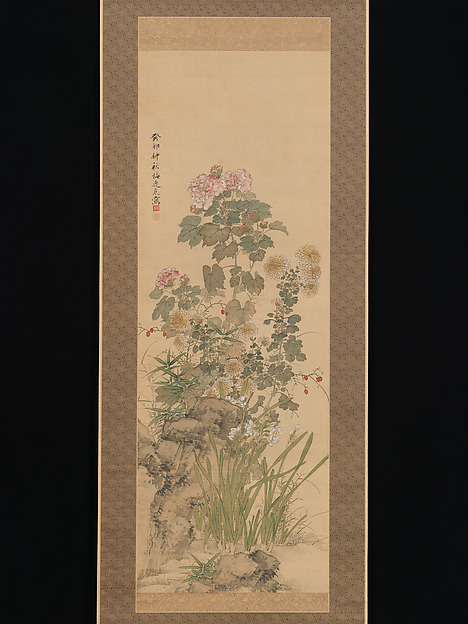
Flowers and Grasses of Autumn
秋草図
1843, 8th month
Hanging scroll; ink and color on silk

Flower Wagon
c. 1730
Color woodblock print; hosoban

Two Kinds of Pine Needle Flowers and a Kind of Anemone
1755
Woodblock-printed book illustration; ink on paper
Related Subjects
Frequently Asked Questions
Birds and flowers (kacho-ga) form one of the three classical subject categories of East Asian painting, alongside landscapes and figures. In Japanese woodblock printmaking, the tradition produced some of the medium's most technically accomplished works, demanding exceptional carving precision for feather details and botanical accuracy.
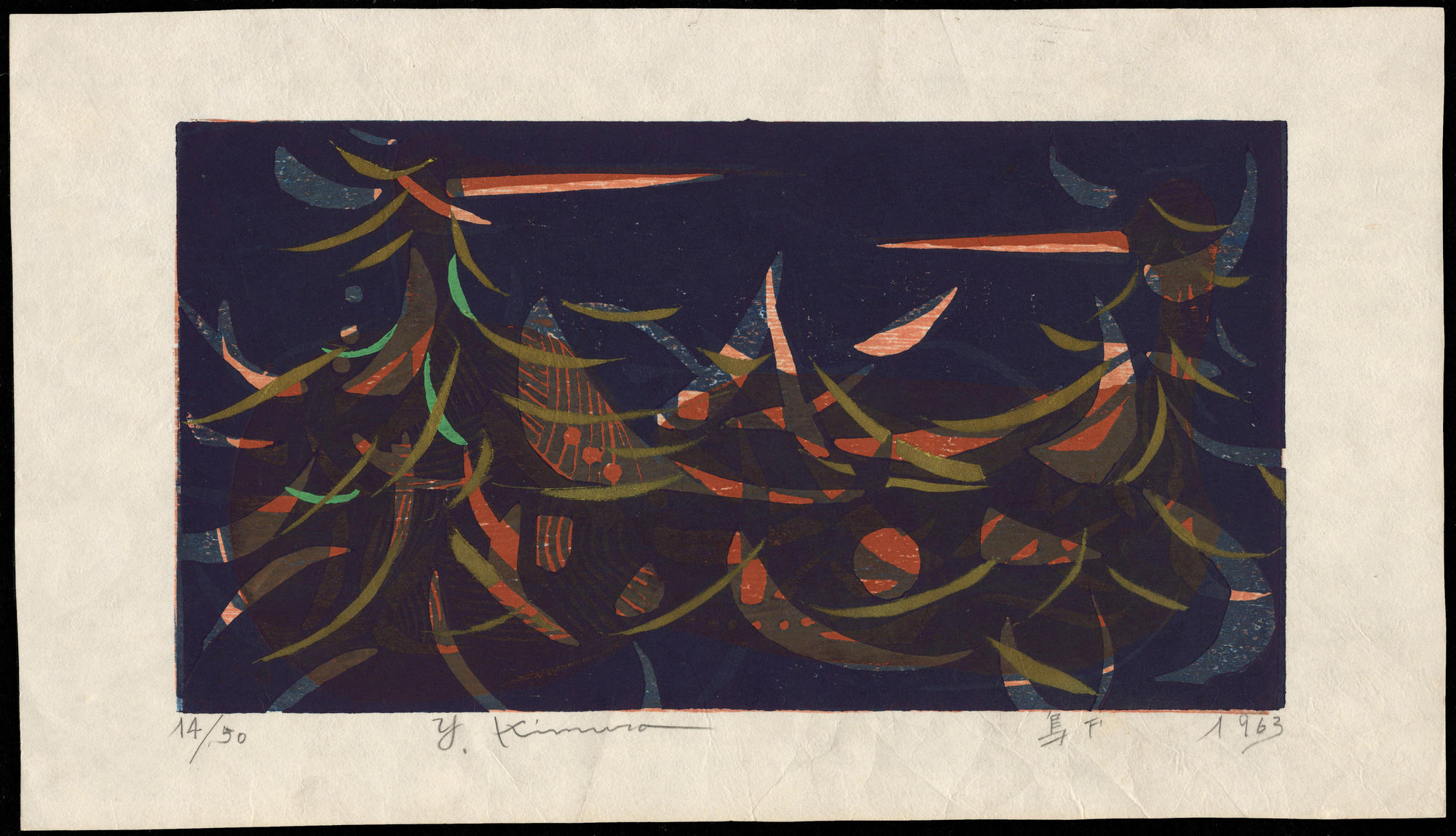
Sugiura Kazutoshi, Ohara Koson, and Kimura Yoshiharu are among the artists most associated with birds & flowers in our collection. Browse the full list of artists who explored this subject above.
Hanga currently catalogues 1639 prints tagged with birds & flowers, spanning ukiyo-e, shin-hanga, and sōsaku-hanga traditions where applicable.