Biography
Igawa Sengai (井川洗崖, 1876–1961) was a Meiji-era painter, newspaper illustrator, and woodblock print designer whose career spanned the transformation of Japanese visual culture from the late Edo-influenced traditions of the nineteenth century through the modern printmaking movements of the twentieth. Born on May 1, 1876, in Kamiokuwacho, he studied painting under Tomioka Eisen, a nihonga artist who provided grounding in the traditional brushwork techniques that would inform Sengai's approach to print design.
After completing his artistic training, Sengai found employment as an illustrator for the Miyako Shinbun, one of Tokyo's popular newspapers, where he developed the facility for figure drawing and narrative composition that would characterize his printmaking. Newspaper illustration in the Meiji and Taisho eras demanded rapid, expressive draftsmanship and an ability to capture character and mood in economical line --- skills that translated directly to the requirements of woodblock print design.
Sengai is best known for his bijin-ga (pictures of beautiful women) published in the 1920s and 1930s. He participated in the "Shin Ukiyo-e Bijin Awase," a collaborative print series in which eleven artists contributed twelve designs corresponding to the twelve months. This project represented a new mode of production in which the artists acted as their own publishers, pooling resources and designs rather than working through the traditional hanmoto (publisher) system. The prints in this series strove to replicate the painterly effects of completed nihonga paintings in woodblock form, bridging the gap between the two media.
During the 1930s and into the wartime years, Sengai also produced war-related prints, including designs for the series "Shina Jihen Hanga" (Prints of the China Incident), created in 1937 and 1938 to depict episodes from the conflict in China. These works reflected the broader mobilization of Japanese visual culture in service of the military effort during the late 1930s and 1940s. His bijin-ga subjects, by contrast, depicted women in intimate domestic moments --- waitresses, women at their toilette, seasonal scenes with female figures --- rendered with the painterly sensitivity of an artist trained in nihonga brushwork.
Sengai's long life --- he survived to the age of eighty-five, dying in 1961 --- carried him through the Meiji, Taisho, and Showa eras, spanning virtually the entire arc of modern Japanese printmaking from its late ukiyo-e origins through the rise of both shin-hanga and sosaku-hanga. His work occupies an unusual position in the history of Japanese prints, belonging neither entirely to the publisher-driven shin-hanga system nor to the artist-as-publisher sosaku-hanga model, but drawing on elements of both. His prints appear occasionally through specialist dealers and at auction.
Key Facts
- Active Period
- 1876–1961
- Nationality
- 🇯🇵Japan
- Movement
- Shin-hanga
- Works Indexed
- 24
Frequently Asked Questions
Igawa Sengai (井川洗崖, 1876–1961) was a Meiji-era painter, newspaper illustrator, and woodblock print designer whose career spanned the transformation of Japanese visual culture from the late Edo-influenced traditions of the nineteenth century through the modern printmaking movements of the twentieth. Born on May 1, 1876, in Kamiokuwacho, he studied painting under Tomioka Eisen, a nihonga artist who provided grounding in the traditional brushwork techniques that would inform Sengai's approach to print design.
Igawa Sengai was active from 1876 to 1961. They were associated with the Shin-hanga movement.
Igawa Sengai's work was shaped by the Shin-hanga tradition in Japanese woodblock printmaking. Shin-hanga: ## What is Shin-hanga? Shin-hanga (新版画), literally "new prints," is the early twentieth-century revival of the collaborative Japanese woodblock workshop, organized between roughly 1915 and 1960 by the Tokyo publisher Watanabe Shōzaburō (1885–1962) and a handful of competing houses.
Igawa Sengai's prints frequently feature bijin-ga, night scenes, interiors, moonlight, figures, rain.
Original prints by Igawa Sengai can be found in collections including Ohmi Gallery, Japanese Art Open Database, Museum of Fine Arts Boston, Minneapolis Institute of Art.
Woodblock Prints by Igawa Sengai (24)
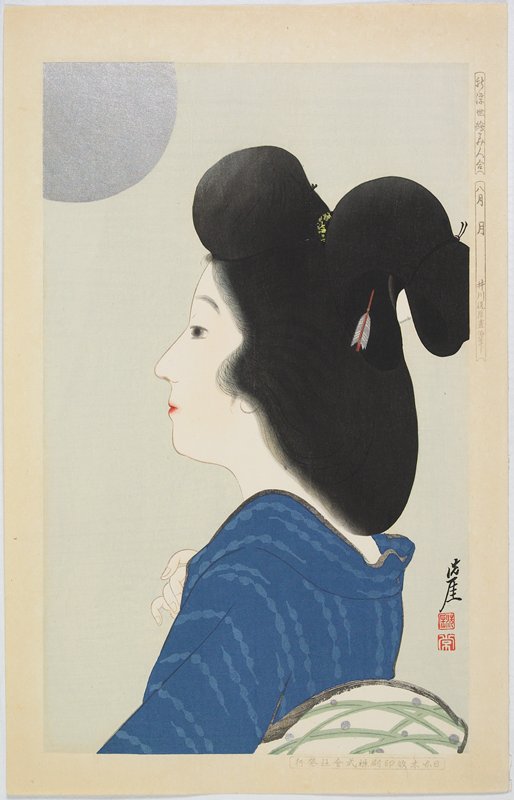
August, Moon
1918
Woodblock print, ink and color on paper
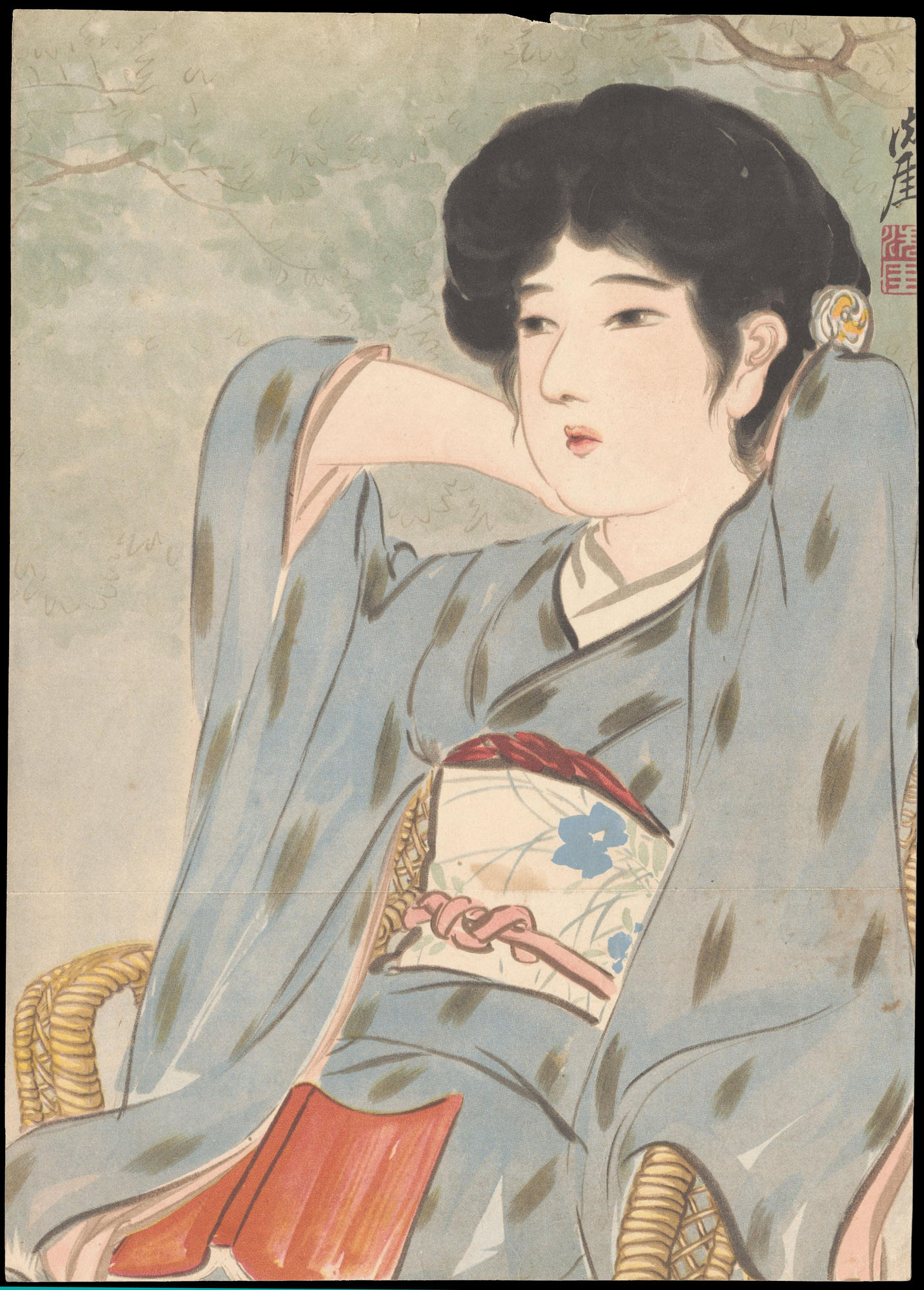
Bijin Relaxing (1)
Woodblock print
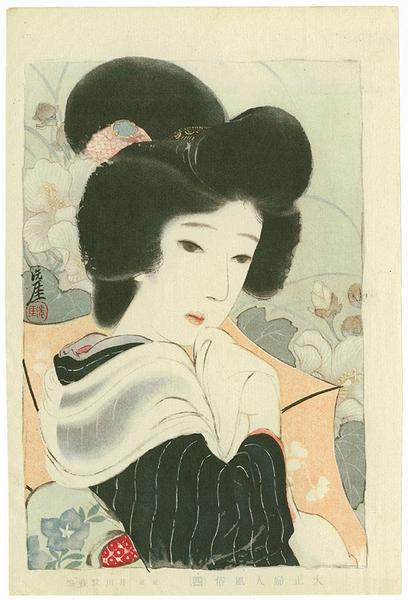
4- Bijin among flowers
Woodblock print
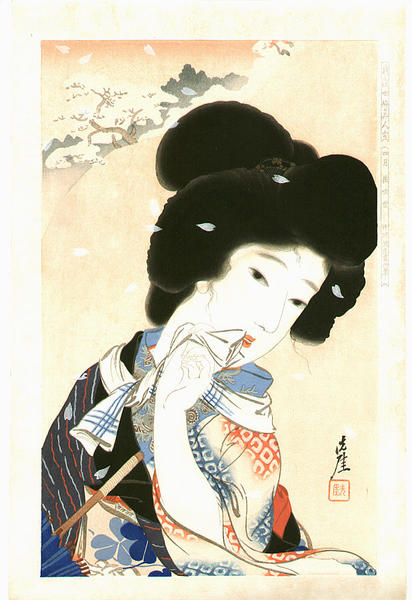
April- Rain of Blossoms
Woodblock print
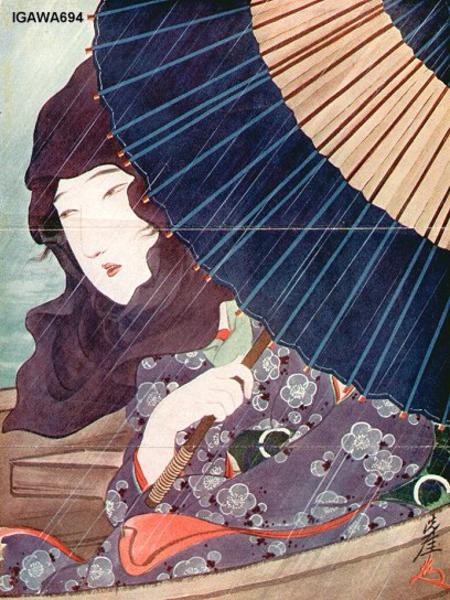
Bijin on pleasure boat in rain storm
Woodblock print

In The Mirror (1)
Woodblock print

Spring Marriage (1)
Woodblock print
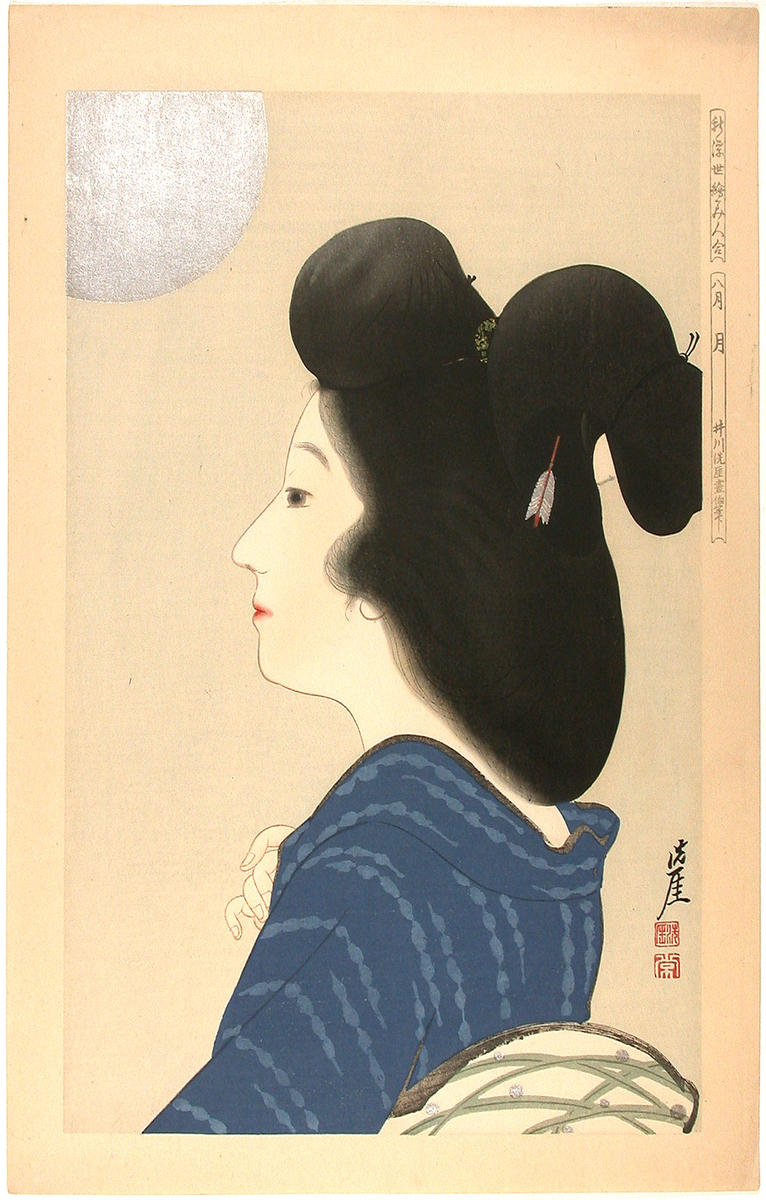
Untitled (igawa-sengai)
Woodblock print
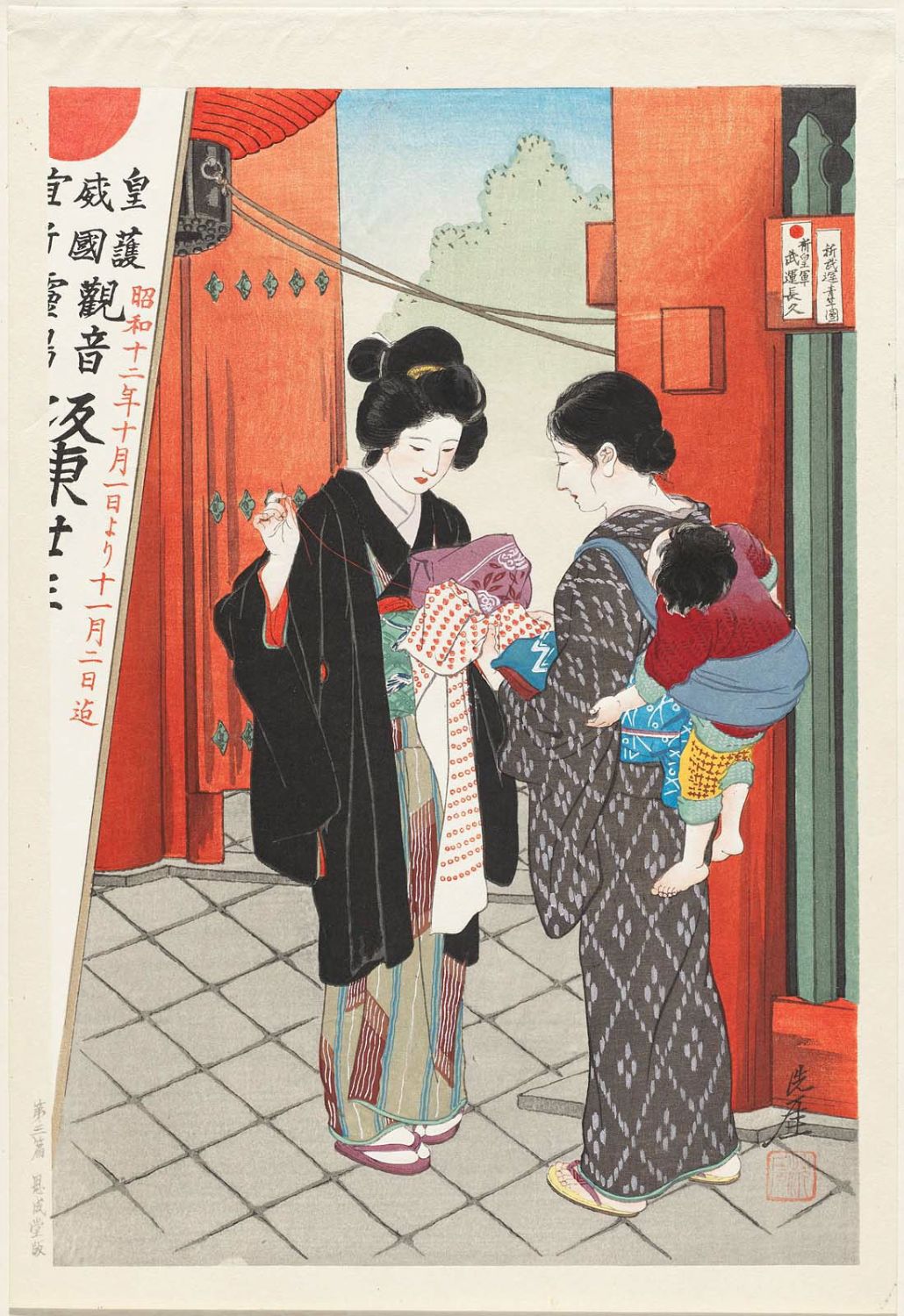
The Thousand Stitches (Sennin-bari)
Woodblock print

New Ukiyo E Beauties August Moon
Woodblock print

Refuge On
Mokuhanga (Japanese woodblock)

Refugee Shack
Mokuhanga (Japanese woodblock)
Moon in August
Woodblock print
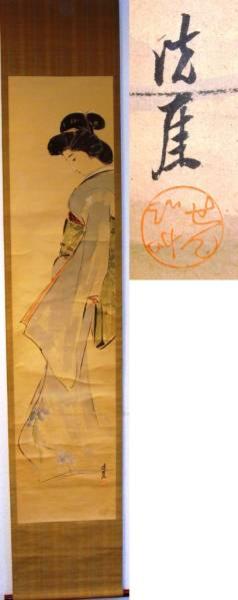
Bijin in Kimono
Woodblock print

On The Balcony (1)
Woodblock print

Pleasure Quarter
Mokuhanga (Japanese woodblock)

Disaster at the Yanagi-bashi pleasure quarter
Mokuhanga (Japanese woodblock)

Tornado At
Mokuhanga (Japanese woodblock)

Behind the Screen (1)
Woodblock print
Bijin in Green Kimono (1)
Woodblock print
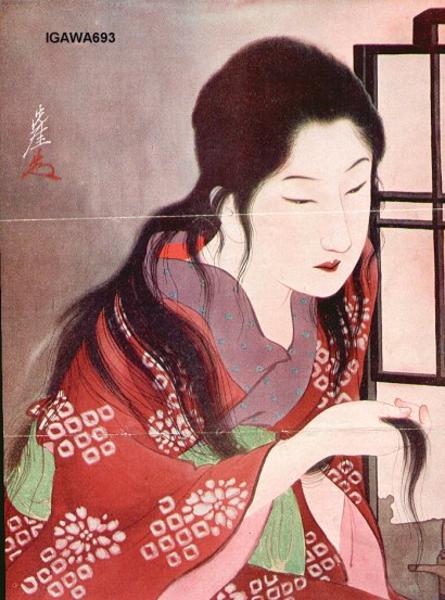
Bijin after a bath
Woodblock print
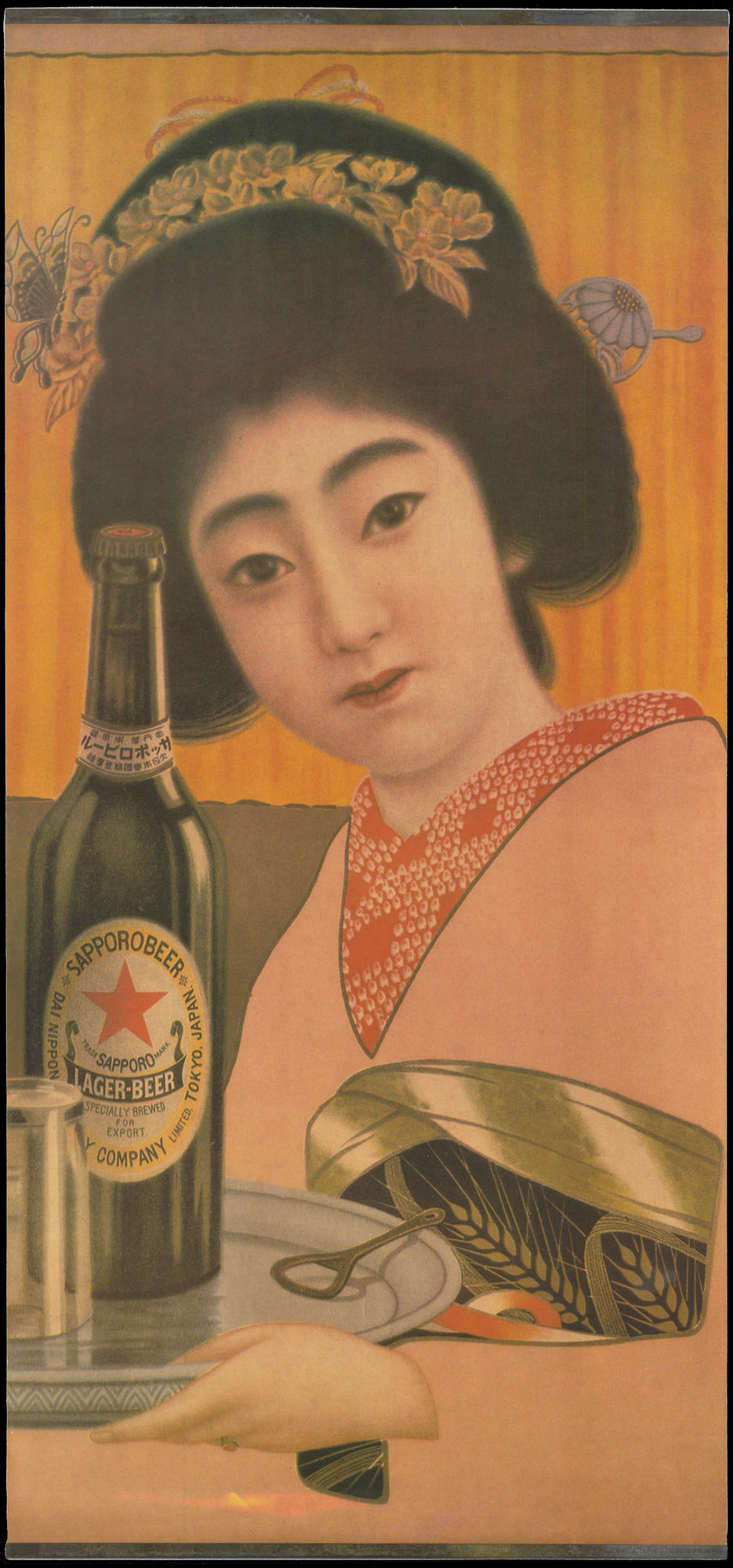
Sapporo Beer Poster
Woodblock print
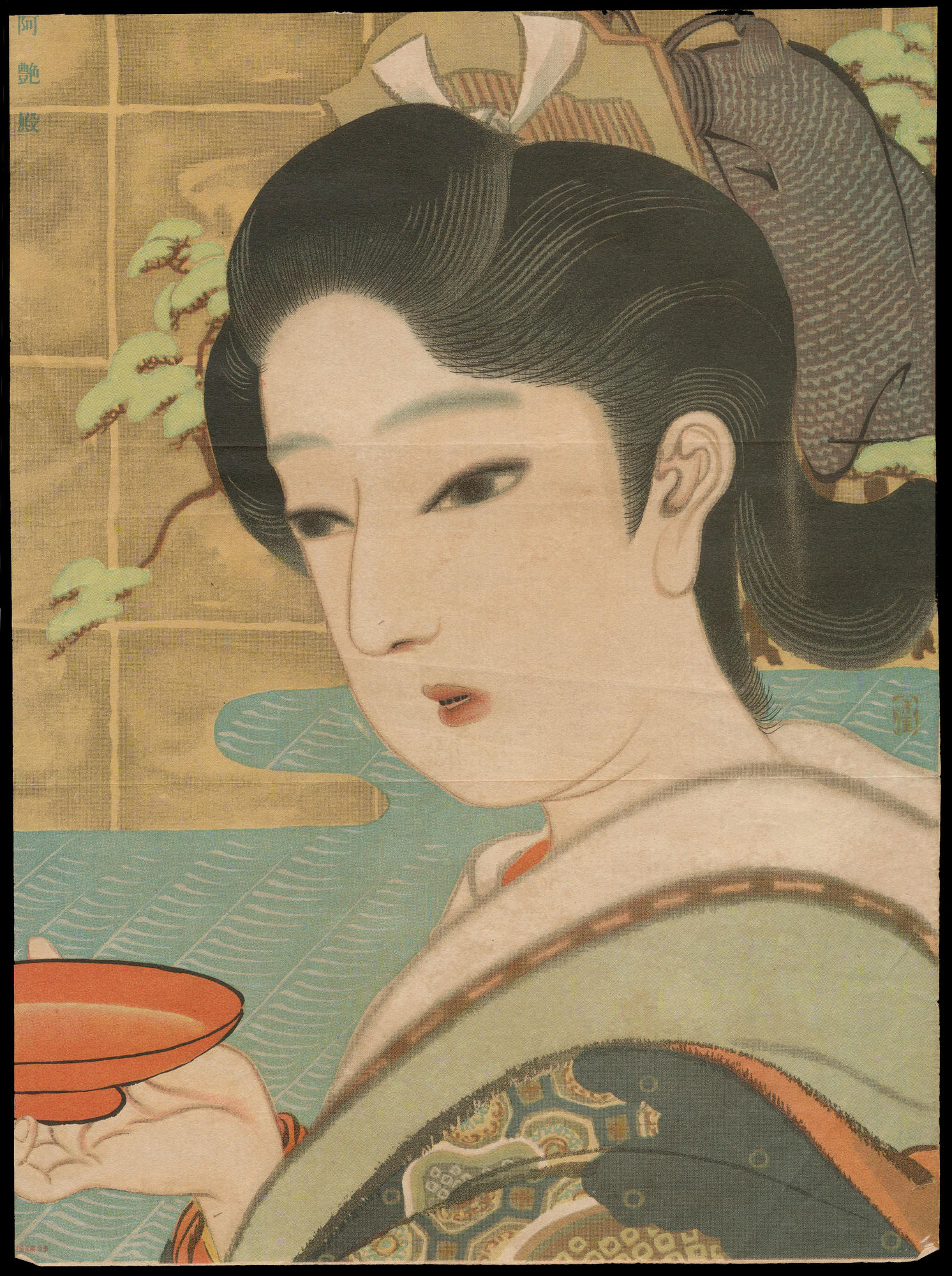
Bijin Waitress (1)
Woodblock print
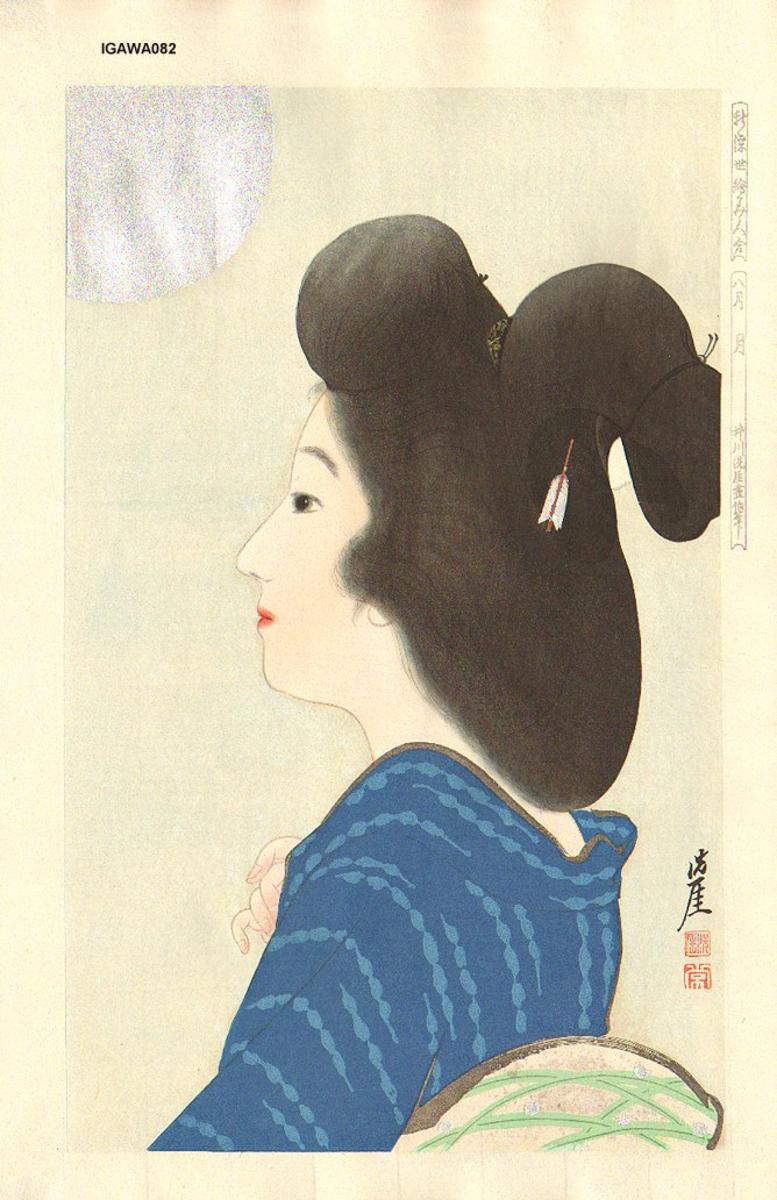
August- Moon — Hachi-gatsu: Tsuki
Woodblock print