Biography
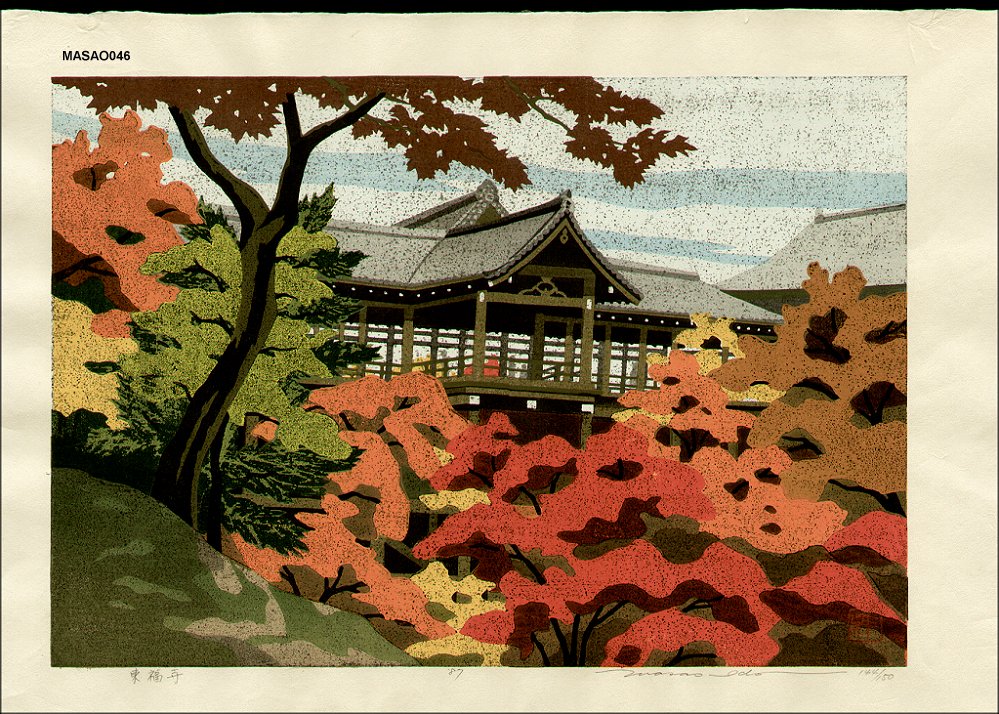
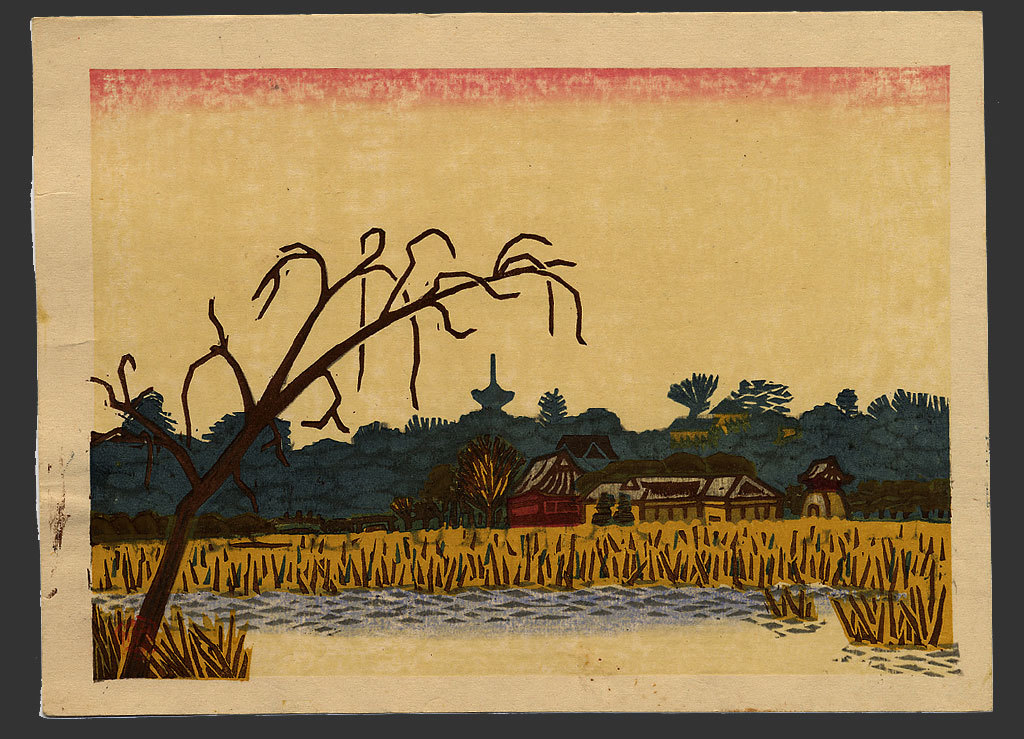
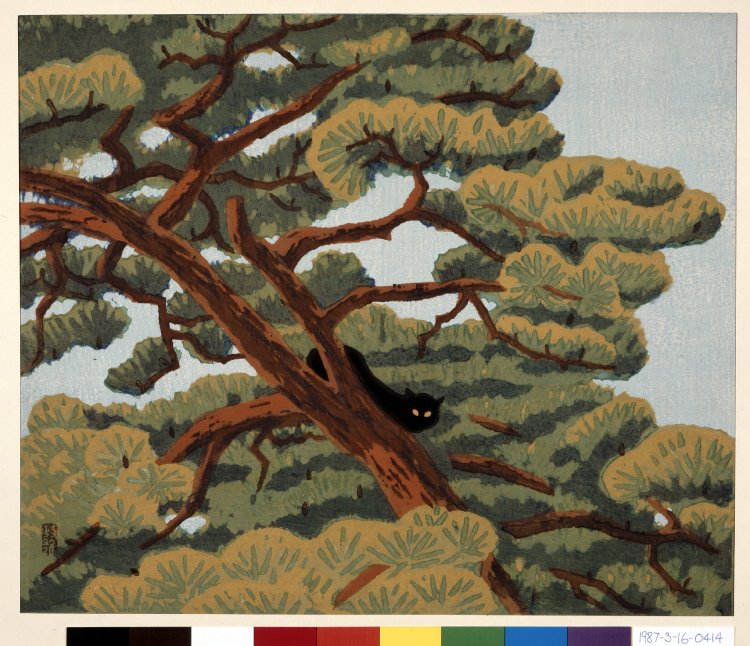
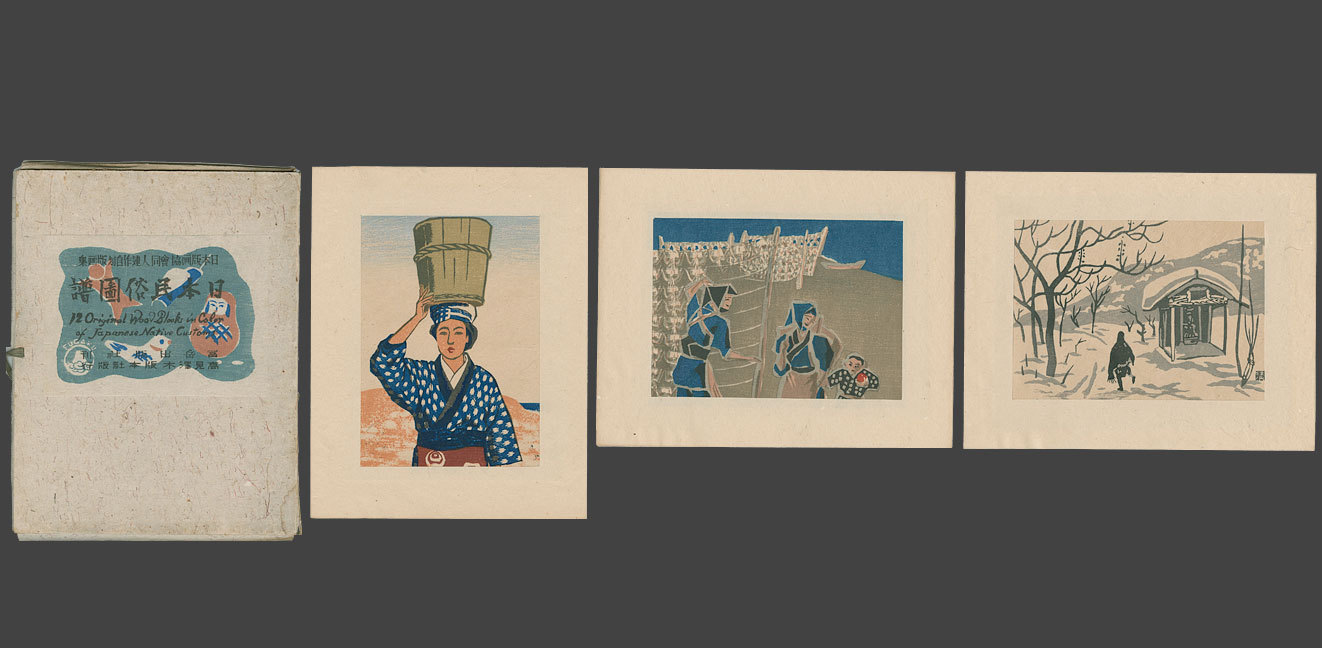
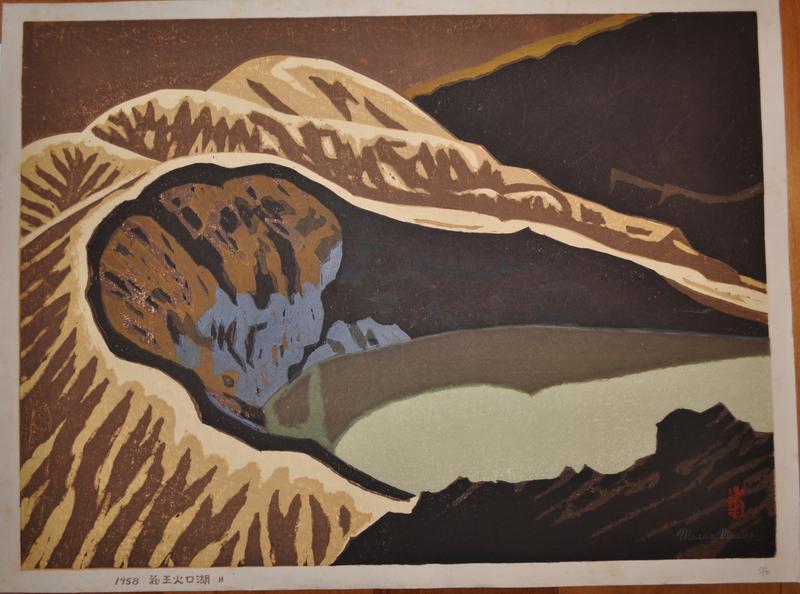
Maeda Masao (前田政雄, 1904-1974) was a sōsaku-hanga woodblock-print artist remembered for sober, structurally bold landscapes — most distinctively of mountains, lakes, and northern coastal villages — that drew equally on Western modernist painting and on the meditative tradition of Japanese nature observation. He was born in December 1904 in Hakodate, on the southern tip of Hokkaidō, and grew up amid the harbor city's mix of fishing fleets, hill temples, and late-Meiji Western-style buildings that would surface repeatedly in his later prints (https://en.wikipedia.org/wiki/Masao_Maeda). The decisive turn of his career came in 1923, when at age eighteen he met the woodblock printmaker Hiratsuka Un'ichi (1895-1997), one of the principal organizers of the sōsaku-hanga movement, at an exhibition in Hakodate; the encounter, between an established Tokyo artist and an aspiring teenager from the provinces, sparked Maeda's lifelong commitment to printmaking (https://www.viewingjapaneseprints.net/texts/sosaku_hanga/maeda_masao.html). In 1925 he moved to Tokyo to pursue formal training, enrolling at the Kawabata Painting School (Kawabata Ga-Gakkō), a private academy known for its Shijō-style instruction, but soon found that the conservative Shijō curriculum did not suit him and made his way to the Western-style painter Umehara Ryūzaburō (1888-1986), with whom he studied yōga and oil painting; Umehara's bright Post-Impressionist palette, itself shaped by Renoir, would surface in Maeda's later color sense (https://en.wikipedia.org/wiki/Masao_Maeda; https://www.viewingjapaneseprints.net/texts/sosaku_hanga/maeda_masao.html). Through the late 1920s and 1930s Maeda lived near Hiratsuka and became a regular visitor to his teacher's house, where the so-called Yoyogi Group of sōsaku-hanga artists — named for the Tokyo district in which Hiratsuka lived — met to carve, print, and critique work; he absorbed mokuhanga technique directly by watching Hiratsuka carve blocks and pull impressions, an informal apprenticeship of the kind that defined sōsaku-hanga's small, mentor-driven culture (https://www.viewingjapaneseprints.net/texts/sosaku_hanga/maeda_masao.html). He also assisted Hiratsuka in the print section of the Kokugakai (National Painting Association), one of the major Shōwa-era exhibition societies, helping run a venue through which a generation of younger printmakers exhibited their first work. He began with oil paintings around 1927, gradually shifted toward printmaking through the 1930s, and by 1940 he had given up oil entirely and was exhibiting only woodblock prints, a decision he later defended on cultural grounds, telling an interviewer, "I think that woodprints suit the character of a Japanese. The materials are close to our life: wood, paper, even the baren with its bamboo cover" (https://en.wikipedia.org/wiki/Masao_Maeda). Maeda contributed designs to nearly all of the important collaborative print portfolios that defined wartime and early postwar sōsaku-hanga: One Hundred New Views of Japan (Shin Nihon hyakkei, 1940), the Kitsutsuki Hanga-shū ("Woodpecker Print Collection") portfolios (1942-43), Tokyo Kaikō Zue ("Scenes of Recollected Tokyo," 1945, a sōsaku-hanga response to the firebombing of Tokyo), Nihon Minzoku Zufu ("Pictorial Record of Japanese Folkways," 1946), and volumes 3-6 of Onchi Kōshirō's Ichimokushū (1947-50), the celebrated portfolio of the Ichimoku-kai (First Thursday Society), the inner circle of sōsaku-hanga artists around Onchi to which Maeda also belonged (https://en.wikipedia.org/wiki/Masao_Maeda; https://www.viewingjapaneseprints.net/texts/sosaku_hanga/maeda_masao.html). His mature work moved from line-based compositions, where a keyblock outline had been paramount, toward massive forms frequently built up without keyblock outlines at all, in denser color, and he occasionally cut blocks from cardboard rather than from cherrywood plank to introduce coarser absorbent textures into skies and snowfields (https://www.viewingjapaneseprints.net/texts/sosaku_hanga/maeda_masao.html). Although he also produced occasional figure studies and still lifes, landscape, and specifically the mountain print, became his signature genre. Critics including Lawrence Smith of the British Museum have placed him close to fellow sōsaku-hanga mountain specialist Azechi Umetarō, observing that Maeda's images typically position the viewer halfway up a slope, looking out across valleys and water with the higher peaks still visible above — a vantage point that gives his work a meditative weight uncommon in the Western alpine print tradition (https://www.artelino.com/articles/masao_maeda.asp). Smith also noted that Maeda's work, more than that of most of his peers, registers "the influence of Nihonga native-style painting" alongside its Western-modernist debt to Matisse and Braque — a hybrid that explains the unusual atmospheric reserve of his color (https://en.wikipedia.org/wiki/Masao_Maeda; https://www.artelino.com/articles/masao_maeda.asp). He exhibited regularly with the Japan Print Association and the Kokugakai through the 1940s, 1950s, and 1960s, and his prints entered major international collections during his lifetime, in part through the College Women's Association of Japan (CWAJ) print show in Tokyo and through the dealers who exported sōsaku-hanga to American collectors in the postwar decades. He died on March 27, 1974. His work today is held at the British Museum, the Museum of Fine Arts in Boston, the National Museum of Modern Art in Tokyo, the Honolulu Museum of Art, and the Art Platform Japan Dictionary of Artists in Japan (DAJ) records (https://artplatform.go.jp/artists/A2529), among others, and he is consistently described in survey literature as a quiet but central figure of the second-generation sōsaku-hanga landscape tradition (https://www.viewingjapaneseprints.net/texts/sosaku_hanga/maeda_masao.html).
Key Facts
- Active Period
- 1904–1974
- Nationality
- 🇯🇵Japan
- Movement
- Sōsaku-hanga
Frequently Asked Questions
Maeda Masao (前田政雄, 1904-1974) was a sōsaku-hanga woodblock-print artist remembered for sober, structurally bold landscapes — most distinctively of mountains, lakes, and northern coastal villages — that drew equally on Western modernist painting and on the meditative tradition of Japanese nature observation. He was born in December 1904 in Hakodate, on the southern tip of Hokkaidō, and grew up amid the harbor city's mix of fishing fleets, hill temples, and late-Meiji Western-style buildings that would surface repeatedly in his later prints (https://en.wikipedia.org/wiki/Masao_Maeda). The decisive turn of his career came in 1923, when at age eighteen he met the woodblock printmaker Hiratsuka Un'ichi (1895-1997), one of the principal organizers of the sōsaku-hanga movement, at an exhibition in Hakodate; the encounter, between an established Tokyo artist and an aspiring teenager from the provinces, sparked Maeda's lifelong commitment to printmaking (https://www.viewingjapaneseprints.net/texts/sosaku_hanga/maeda_masao.html). In 1925 he moved to Tokyo to pursue formal training, enrolling at the Kawabata Painting School (Kawabata Ga-Gakkō), a private academy known for its Shijō-style instruction, but soon found that the conservative Shijō curriculum did not suit him and made his way to the Western-style painter Umehara Ryūzaburō (1888-1986), with whom he studied yōga and oil painting; Umehara's bright Post-Impressionist palette, itself shaped by Renoir, would surface in Maeda's later color sense (https://en.wikipedia.org/wiki/Masao_Maeda; https://www.viewingjapaneseprints.net/texts/sosaku_hanga/maeda_masao.html). Through the late 1920s and 1930s Maeda lived near Hiratsuka and became a regular visitor to his teacher's house, where the so-called Yoyogi Group of sōsaku-hanga artists — named for the Tokyo district in which Hiratsuka lived — met to carve, print, and critique work; he absorbed mokuhanga technique directly by watching Hiratsuka carve blocks and pull impressions, an informal apprenticeship of the kind that defined sōsaku-hanga's small, mentor-driven culture (https://www.viewingjapaneseprints.net/texts/sosaku_hanga/maeda_masao.html). He also assisted Hiratsuka in the print section of the Kokugakai (National Painting Association), one of the major Shōwa-era exhibition societies, helping run a venue through which a generation of younger printmakers exhibited their first work. He began with oil paintings around 1927, gradually shifted toward printmaking through the 1930s, and by 1940 he had given up oil entirely and was exhibiting only woodblock prints, a decision he later defended on cultural grounds, telling an interviewer, "I think that woodprints suit the character of a Japanese. The materials are close to our life: wood, paper, even the baren with its bamboo cover" (https://en.wikipedia.org/wiki/Masao_Maeda). Maeda contributed designs to nearly all of the important collaborative print portfolios that defined wartime and early postwar sōsaku-hanga: One Hundred New Views of Japan (Shin Nihon hyakkei, 1940), the Kitsutsuki Hanga-shū ("Woodpecker Print Collection") portfolios (1942-43), Tokyo Kaikō Zue ("Scenes of Recollected Tokyo," 1945, a sōsaku-hanga response to the firebombing of Tokyo), Nihon Minzoku Zufu ("Pictorial Record of Japanese Folkways," 1946), and volumes 3-6 of Onchi Kōshirō's Ichimokushū (1947-50), the celebrated portfolio of the Ichimoku-kai (First Thursday Society), the inner circle of sōsaku-hanga artists around Onchi to which Maeda also belonged (https://en.wikipedia.org/wiki/Masao_Maeda; https://www.viewingjapaneseprints.net/texts/sosaku_hanga/maeda_masao.html). His mature work moved from line-based compositions, where a keyblock outline had been paramount, toward massive forms frequently built up without keyblock outlines at all, in denser color, and he occasionally cut blocks from cardboard rather than from cherrywood plank to introduce coarser absorbent textures into skies and snowfields (https://www.viewingjapaneseprints.net/texts/sosaku_hanga/maeda_masao.html). Although he also produced occasional figure studies and still lifes, landscape, and specifically the mountain print, became his signature genre. Critics including Lawrence Smith of the British Museum have placed him close to fellow sōsaku-hanga mountain specialist Azechi Umetarō, observing that Maeda's images typically position the viewer halfway up a slope, looking out across valleys and water with the higher peaks still visible above — a vantage point that gives his work a meditative weight uncommon in the Western alpine print tradition (https://www.artelino.com/articles/masao_maeda.asp). Smith also noted that Maeda's work, more than that of most of his peers, registers "the influence of Nihonga native-style painting" alongside its Western-modernist debt to Matisse and Braque — a hybrid that explains the unusual atmospheric reserve of his color (https://en.wikipedia.org/wiki/Masao_Maeda; https://www.artelino.com/articles/masao_maeda.asp). He exhibited regularly with the Japan Print Association and the Kokugakai through the 1940s, 1950s, and 1960s, and his prints entered major international collections during his lifetime, in part through the College Women's Association of Japan (CWAJ) print show in Tokyo and through the dealers who exported sōsaku-hanga to American collectors in the postwar decades. He died on March 27, 1974. His work today is held at the British Museum, the Museum of Fine Arts in Boston, the National Museum of Modern Art in Tokyo, the Honolulu Museum of Art, and the Art Platform Japan Dictionary of Artists in Japan (DAJ) records (https://artplatform.go.jp/artists/A2529), among others, and he is consistently described in survey literature as a quiet but central figure of the second-generation sōsaku-hanga landscape tradition (https://www.viewingjapaneseprints.net/texts/sosaku_hanga/maeda_masao.html).
Maeda Masao was active from 1904 to 1974. They were associated with the Sōsaku-hanga movement.
Maeda Masao's work was shaped by the Sōsaku-hanga tradition in Japanese woodblock printmaking. Sōsaku-hanga: ## What is sōsaku-hanga? Sōsaku-hanga (創作版画, "creative prints") was a twentieth-century Japanese print movement defined by a single commitment: the artist must design, carve, and print every work alone.
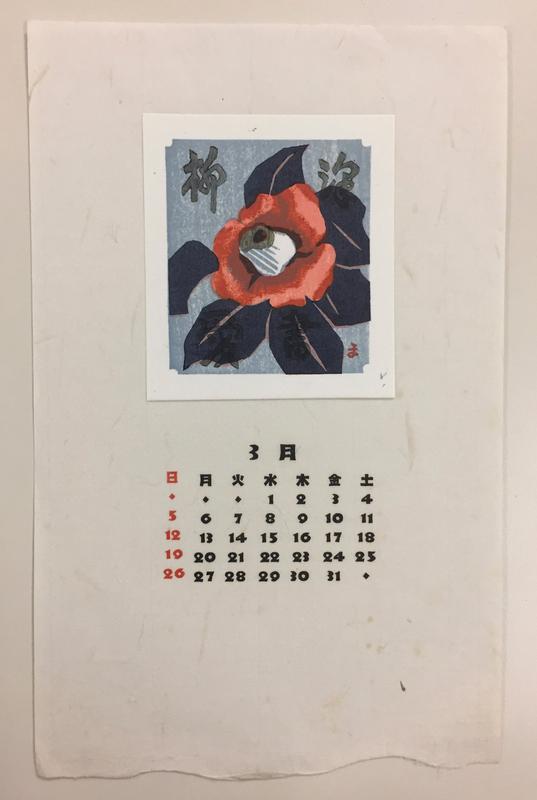
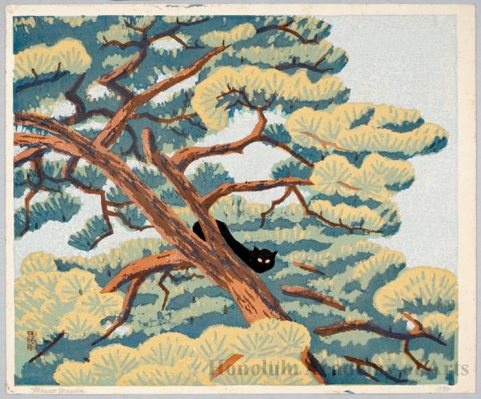
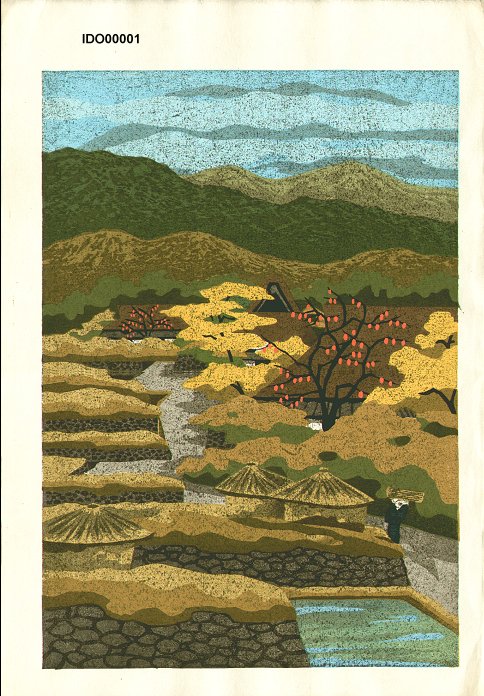
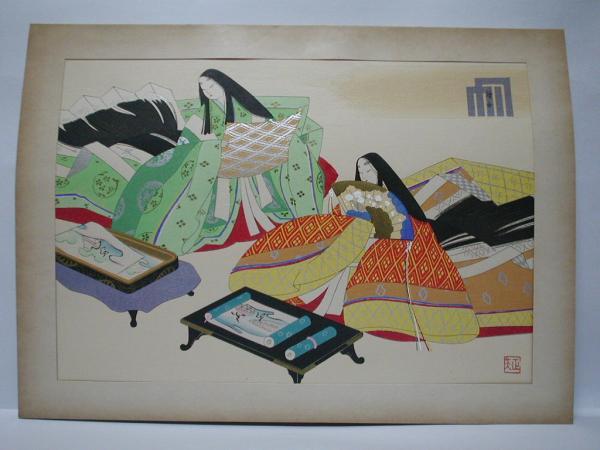
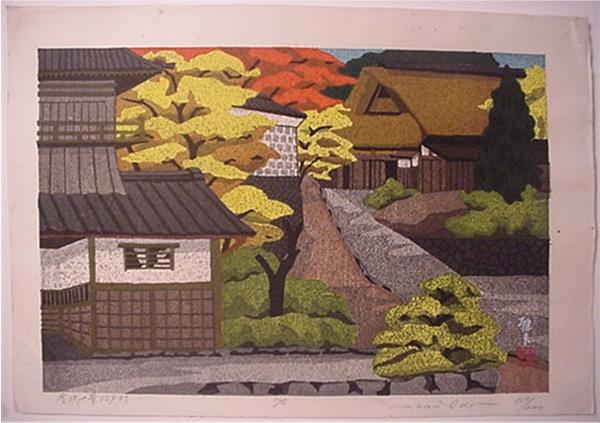
Maeda Masao's prints frequently feature figures, landscapes, bijin-ga, rivers & lakes, animals, seascapes.
Original prints by Maeda Masao can be found in collections including Art of Japan, Art Institute of Chicago, Harvard Art Museums, wbp.
Maeda Masao was a master of kokanga (woodblock printing using the natural wood grain as an integral element), creating deeply atmospheric prints that showcase the beauty of the wood itself. Most prints sell for $1,000–$5,000, with major compositions reaching $8,000–$15,000. Smaller works are available at $300–$1,000. His market has been growing as collectors discover the subtle beauty of his wood-grain technique.