
Biography
Tetsuya Noda (野田哲也, born 1940) is a Japanese printmaker known for his innovative fusion of photography and woodblock printing, which he has used for over five decades to create a remarkable visual diary of everyday life. His prints, which begin with photographic images that are then transferred to woodblocks and printed using traditional Japanese techniques, occupy a unique position in contemporary printmaking — neither purely photographic nor purely handcrafted, they combine the documentary immediacy of the camera with the warmth and materiality of woodblock printing.
Born in 1940 in Kumamoto, Kyushu, Noda studied at the Tokyo University of the Arts, where he trained in printmaking and developed the technical foundations for his later innovations. His artistic breakthrough came in the mid-1960s when he began experimenting with methods of incorporating photographic imagery into the woodblock printing process. This experimentation led to his signature technique: photographing scenes from daily life, transferring the photographic images to woodblocks through a screen-printing process, carving the blocks, and then printing them by hand using traditional water-based pigments on Japanese paper.
The result is a distinctive hybrid medium that captures the specificity of photography — recognizable faces, places, objects, and moments — while transforming these images through the physical process of woodblock printing. The carved woodblock surface softens the photographic image, adding a subtle grain and texture that gives each print a handcrafted warmth absent from straight photography. The water-based pigments, applied by hand with a baren, create gentle color variations and a matte surface quality that further distinguish the prints from photographic reproductions.
Noda's subject matter is resolutely personal and quotidian. Since the late 1960s, he has maintained what amounts to a printed diary, recording the people, places, and events of his daily life — his family, his home, his neighborhood, his travels, his meals, the changing seasons seen through his windows. Each print is titled with a date, reinforcing the diaristic quality of the enterprise. Over the decades, this accumulated body of work has grown into a monumental visual autobiography that is also, implicitly, a social history of everyday life in late twentieth and early twenty-first century Japan.
The intimacy and ordinariness of Noda's subject matter is central to his artistic achievement. By elevating the mundane — a child sleeping, a garden in rain, a table set for breakfast, laundry drying on a line — to the status of art, he affirms the significance of everyday experience and the value of attentive observation. His work connects to the Japanese aesthetic tradition of finding beauty in the ordinary and transient, while his photographic-woodblock technique places this tradition in dialogue with contemporary image-making technologies.
Noda has received extensive international recognition for his work. He won the International Grand Prize at the Tokyo International Print Biennale in 1968, and his prints have been exhibited in major museums and biennials worldwide. He taught for many years at the Tokyo University of the Arts, where he influenced a generation of younger printmakers. His work is held in collections including the Museum of Modern Art in New York, the British Museum, the National Museum of Modern Art in Tokyo, and the Art Institute of Chicago.
Now in his mid-eighties, Noda continues to create his diary prints, extending a project that has spanned more than five decades. Each new print adds another entry to what is among the most sustained and unified artistic projects in contemporary printmaking.
Key Facts
- Active Period
- 1940
- Nationality
- 🇯🇵Japan
- Movement
- Sōsaku-hanga
- Works Indexed
- 42
Frequently Asked Questions
Tetsuya Noda (野田哲也, born 1940) is a Japanese printmaker known for his innovative fusion of photography and woodblock printing, which he has used for over five decades to create a remarkable visual diary of everyday life. His prints, which begin with photographic images that are then transferred to woodblocks and printed using traditional Japanese techniques, occupy a unique position in contemporary printmaking — neither purely photographic nor purely handcrafted, they combine the documentary immediacy of the camera with the warmth and materiality of woodblock printing.
Tetsuya Noda was active born in 1940. They were associated with the Sōsaku-hanga movement.
Tetsuya Noda's work was shaped by the Sōsaku-hanga tradition in Japanese woodblock printmaking. Sōsaku-hanga: ## What is sōsaku-hanga? Sōsaku-hanga (創作版画, "creative prints") was a twentieth-century Japanese print movement defined by a single commitment: the artist must design, carve, and print every work alone.
Tetsuya Noda's prints frequently feature daily life, travel scenes, winter, urban scenes, landscapes, autumn foliage.
Original prints by Tetsuya Noda can be found in collections including mfa, ukiyo-e.org, Art Institute of Chicago, Harvard Art Museums.
Woodblock Prints by Tetsuya Noda (42)
Diary: Nov. 7th '68 ( #1)
1968
Woodblock and silkscreen prints

Diary' Sept.1st '74
1974
Lithograph
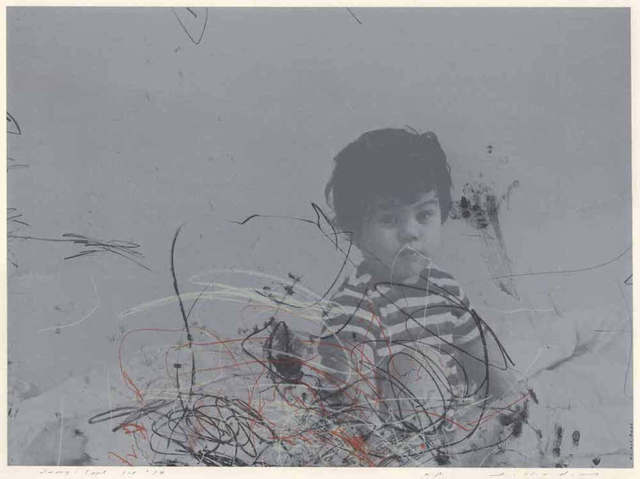
Diary: Sept. 1st, ‘74
1974
Color lithograph
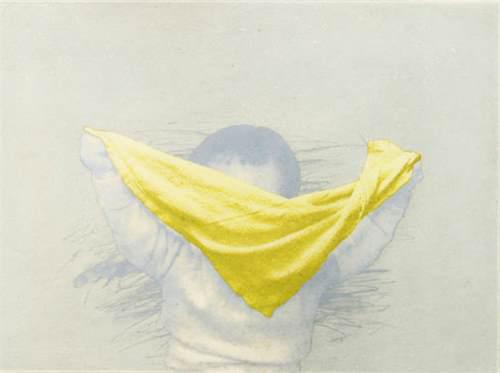
Diary Nov 12th '75
1975
Woodblock print
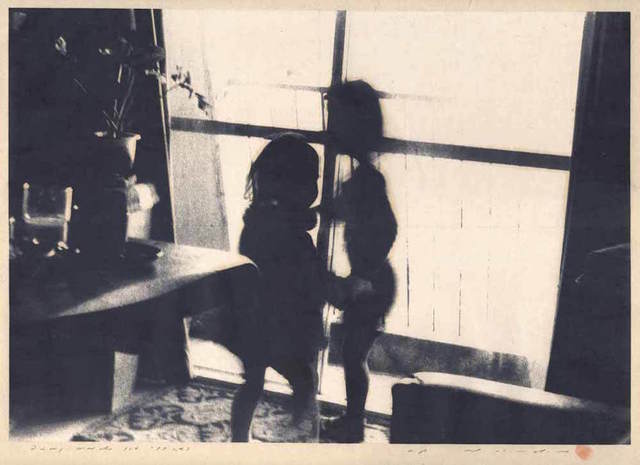
Diary: March 3rd, '77
1977
Woodcut and silkscreen
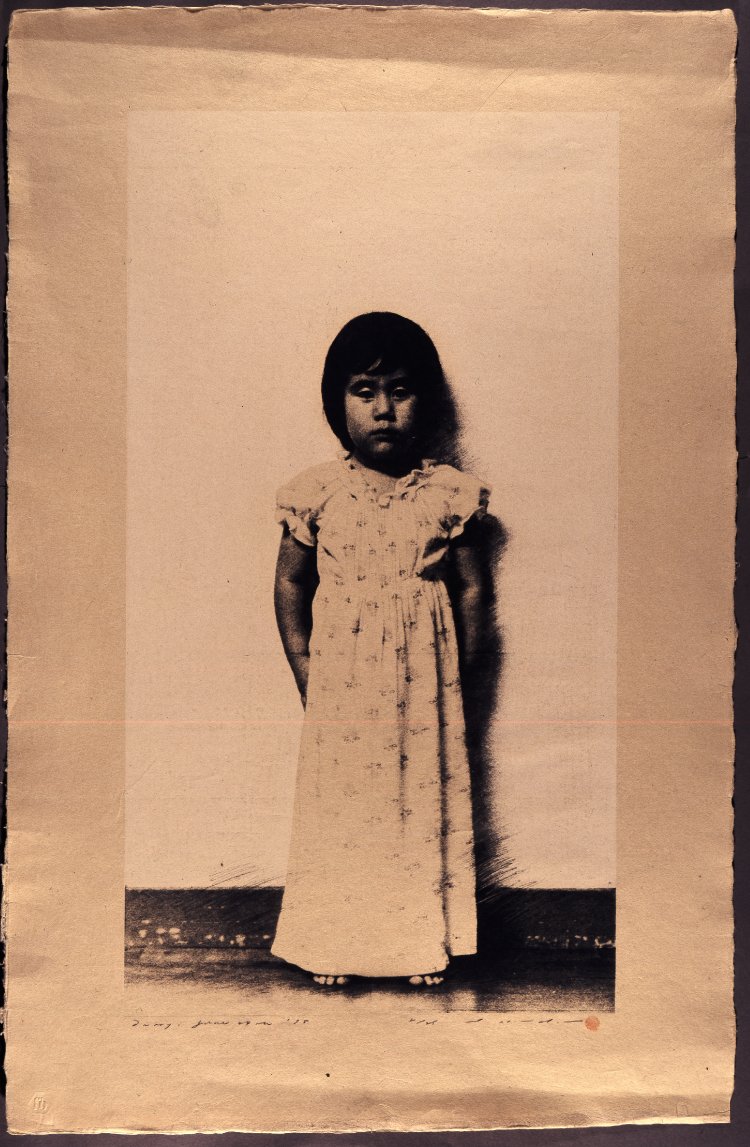
Diary: June 24 ’78
June 1978
Screenprint

Diary: March 31st, '78
1978
Woodblock and silkscreen print

Diary: Feb. 2nd, '78
1978
Woodcut, silkscreen

Diary: March 5th, '79 (b)
1979
Woodblock and silkscreen
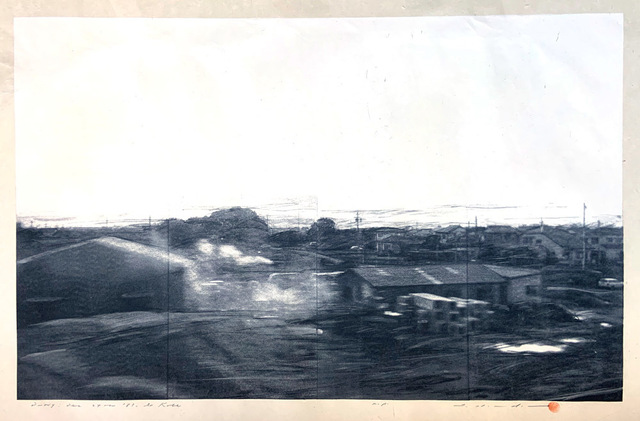
Diary: Dec. 24th ‘83, to Kobe
1983
Color woodcut and silkscreen

Diary: Nov. 24th '98, in Ueno Park (One Hundred Views of Tokyo, Message to the 21st Century 東京百景 21世紀へのメッセジ)
1989-99
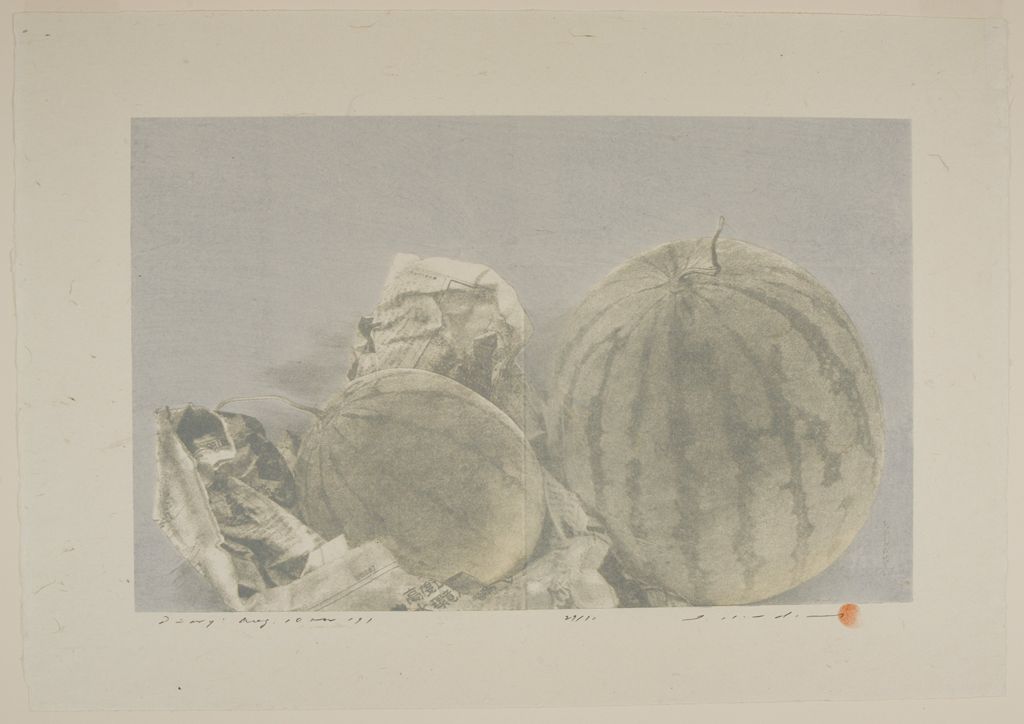
Diary: Aug. 10th '91
Woodblock print
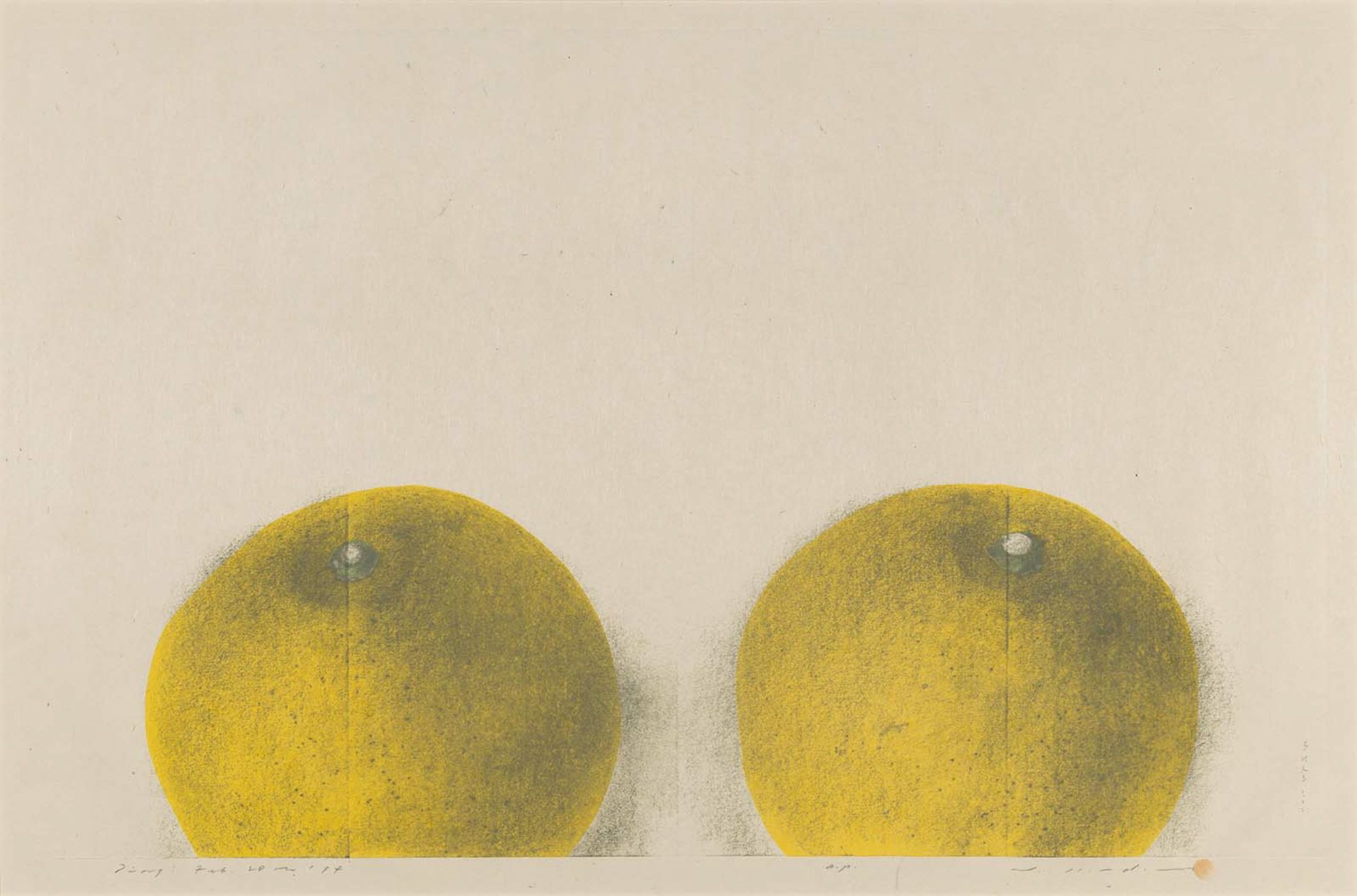
Diary: February 28th, 1994 (b), Two Melons
1994
Woodblock print
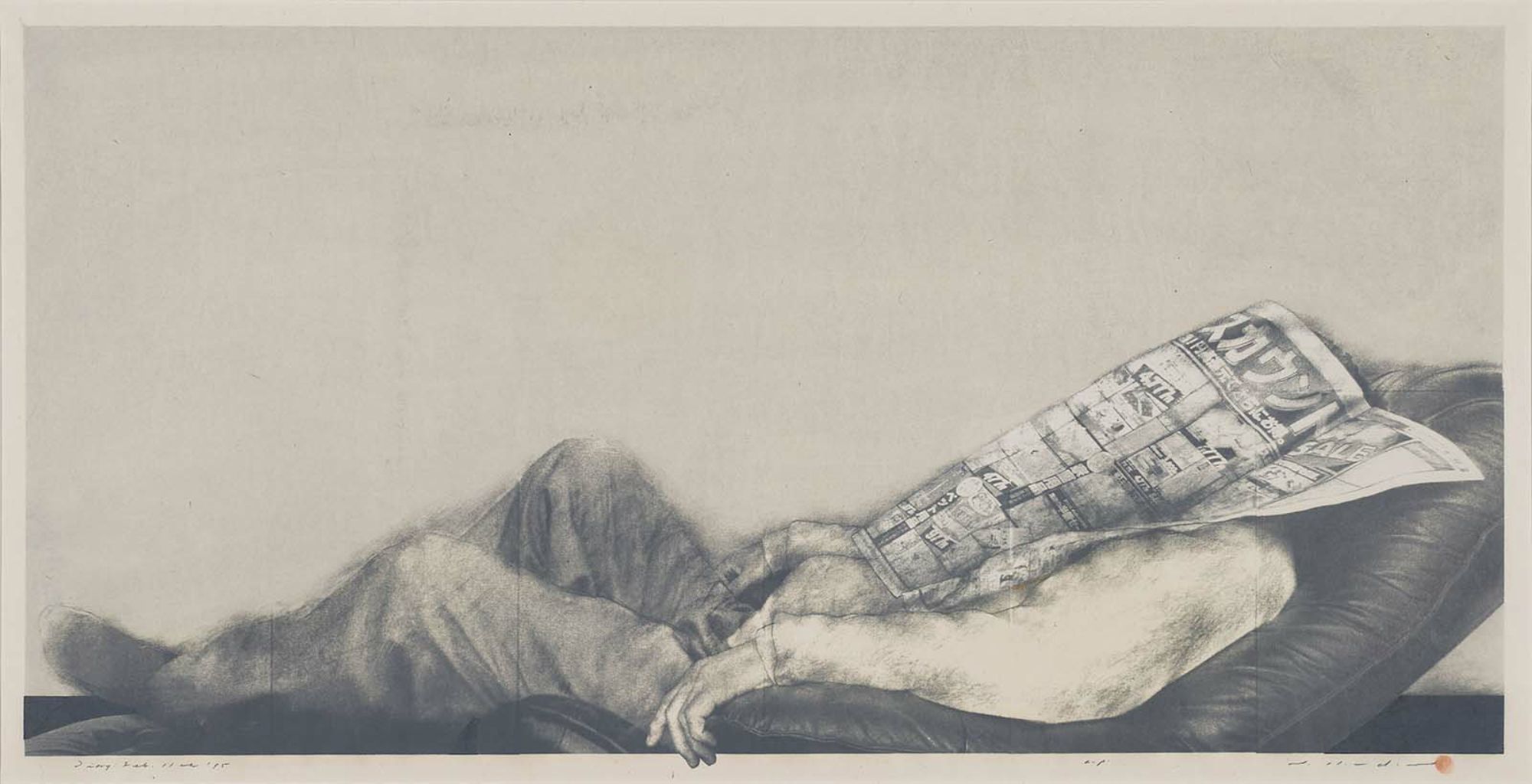
Diary: February 11th, 1995 (b), Sleeping Man and Newspaper
1995
Woodblock print
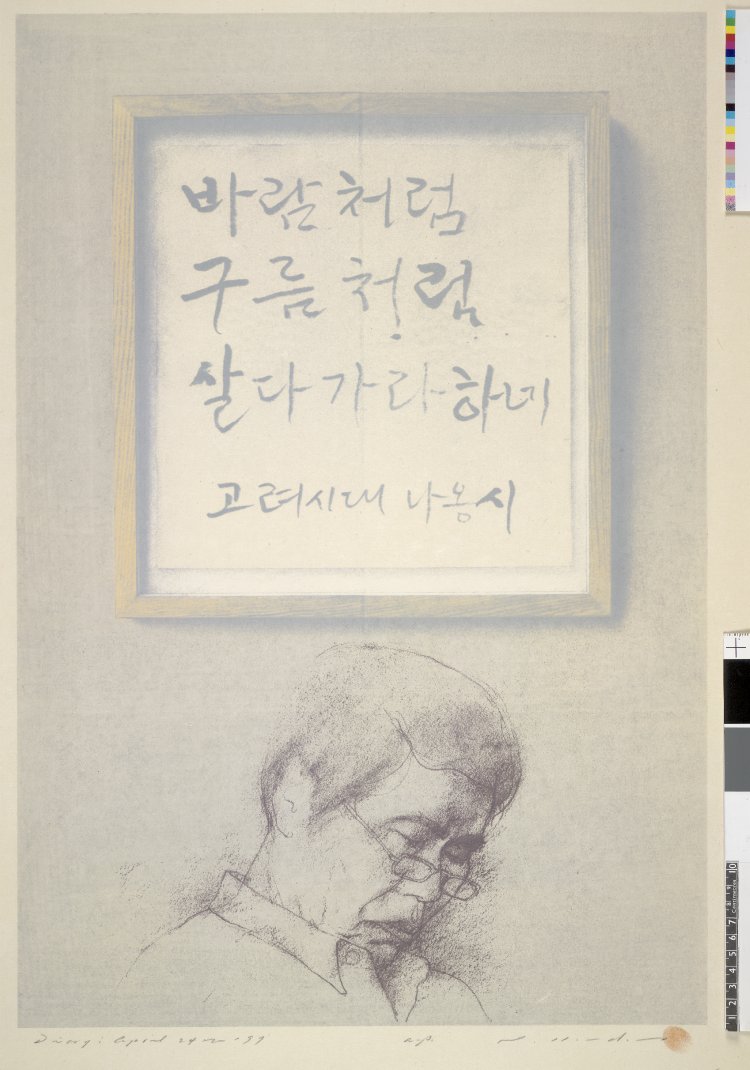
Diary: April 24th '97
1997
Screenprint
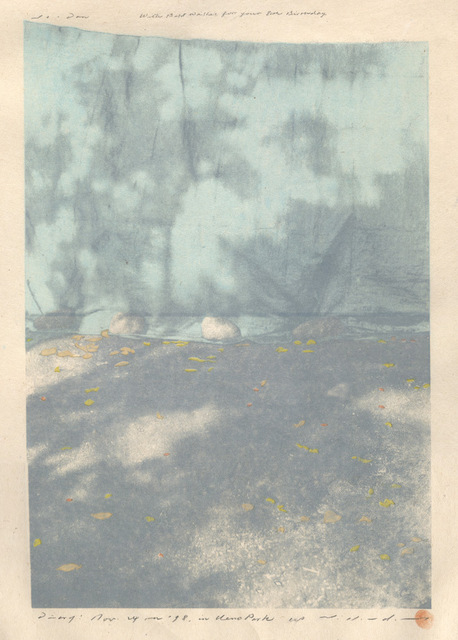
Diary: Nov. 24th, ‘98, in Ueno Park,
1998
Woodcut and silkscreen, FTG 398.

Diary: Nov. 25th, '98
1998
Woodcut, silkscreen
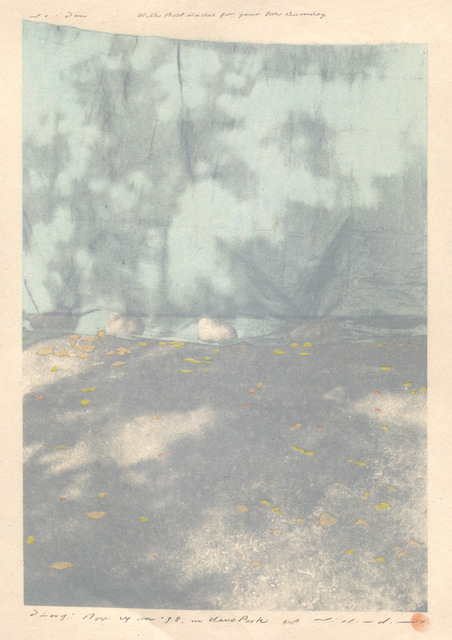
Diary: Nov. 24th, ‘98, in Ueno Park
1998
Woodcut and silkscreen, printed in colors

Diary: Sep. 16th '01, in Israel
2001
Woodcut, silkscreen

Diary: March 27th and 28th, '02
2002
Woodcut, silkscreen
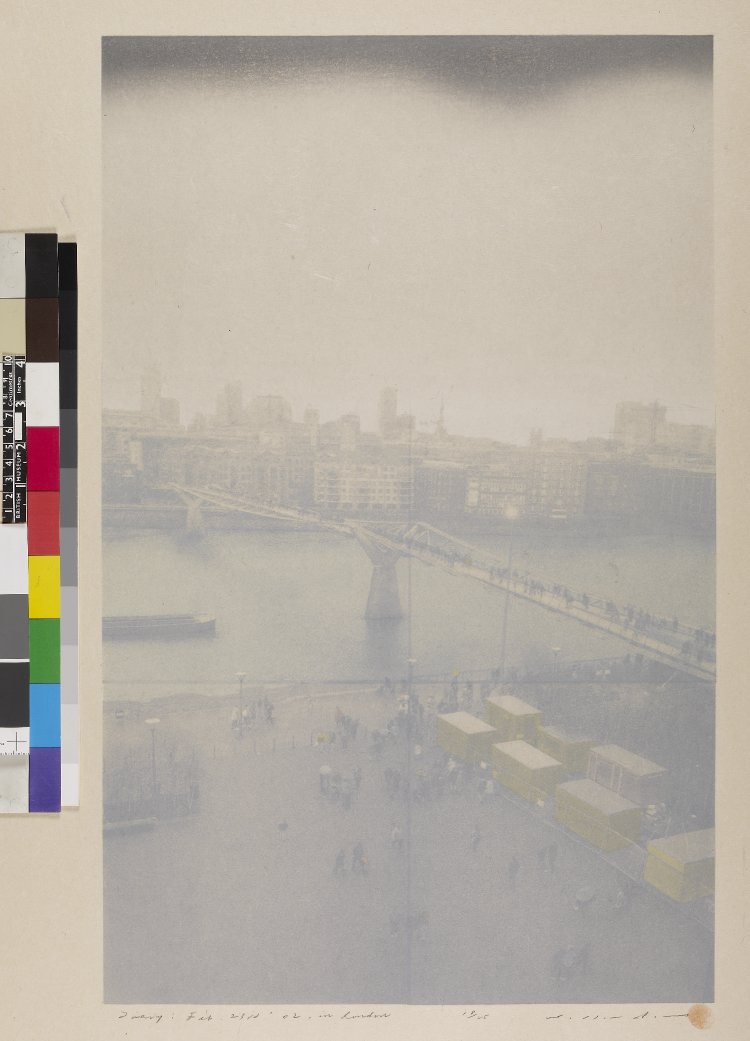
Diary: Feb. 23rd '02, in London
2002
Screenprint

Diary: Sep. 28th, '03
2003
Woodcut, silkscreen
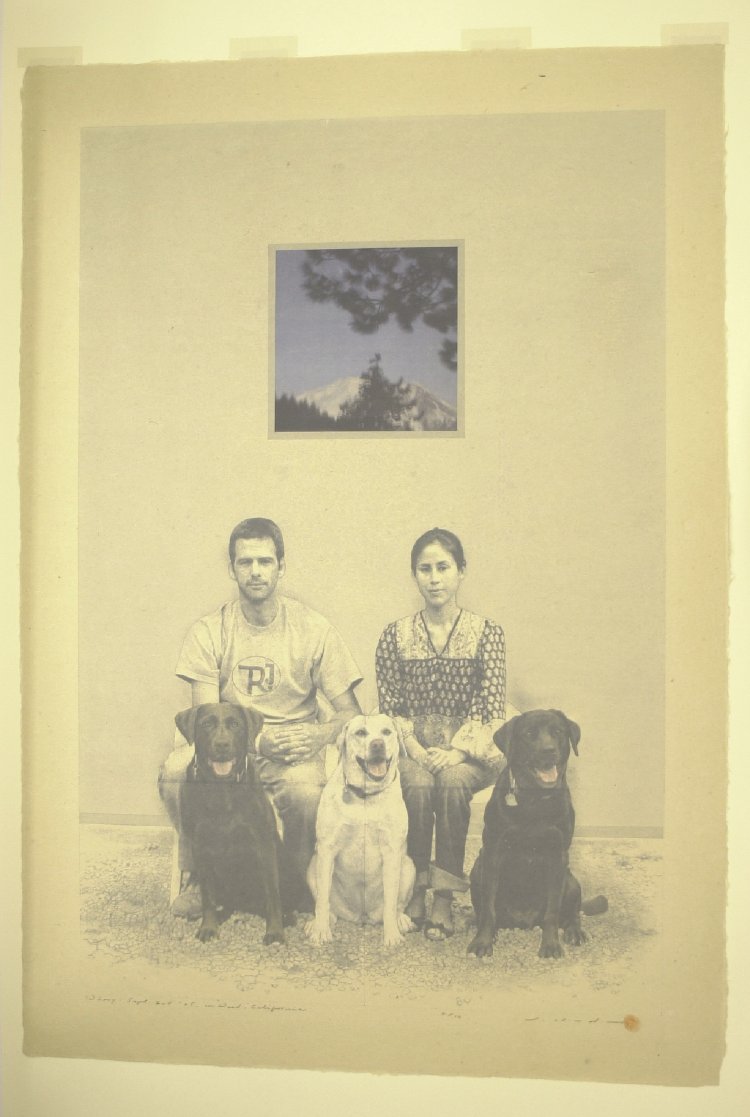
Diary: Sept. 2nd '05, in Weed, California
2005
Screenprint

Diary: March 5th, '05 in Kashiwa
2005
Woodblock and silkscreen