1660s Japanese Woodblock Prints
11 prints from the 1660s in our collection, created during the Edo Period (1603–1868). The Edo period saw the rise of ukiyo-e, the iconic woodblock print tradition depicting the floating world of pleasure districts, kabuki actors, beautiful women, and landscapes. Under the Tokugawa shogunate's peaceful rule, a thriving urban culture in Edo (modern Tokyo) fueled demand for affordable printed art.
Top Artists of the 1660s
Prints (11)

A Courtesan with Her Client, the first sheet of an untitled erotic picture album
c. 1673/81
Woodblock print; sumizuri-e, oban yoko-e

After a little music, from an untitled series of 12 erotic prints
c. 1673/81
Woodblock print; oban, sumizuri-e

Bamboo and Fences
1654/81
One of a pair of six-fold screens; ink and light color on paper

Behind the Screen
c. 1673/81
Woodblock print; sumizuri-e, oban yoko-e

Flirting Lovers
c. 1673/81
Woodblock print; sumizuri-e, oban yoko-e

Flowering Cherry and Autumn Maples with Poem Slips
1654/81
Pair of six-panel screens; ink, color, gold and silver on silk

Lovers in the Garden, from an Untitled Series of Erotic Prints
c. 1673/81
Woodblock print; oban, sumizuri-e
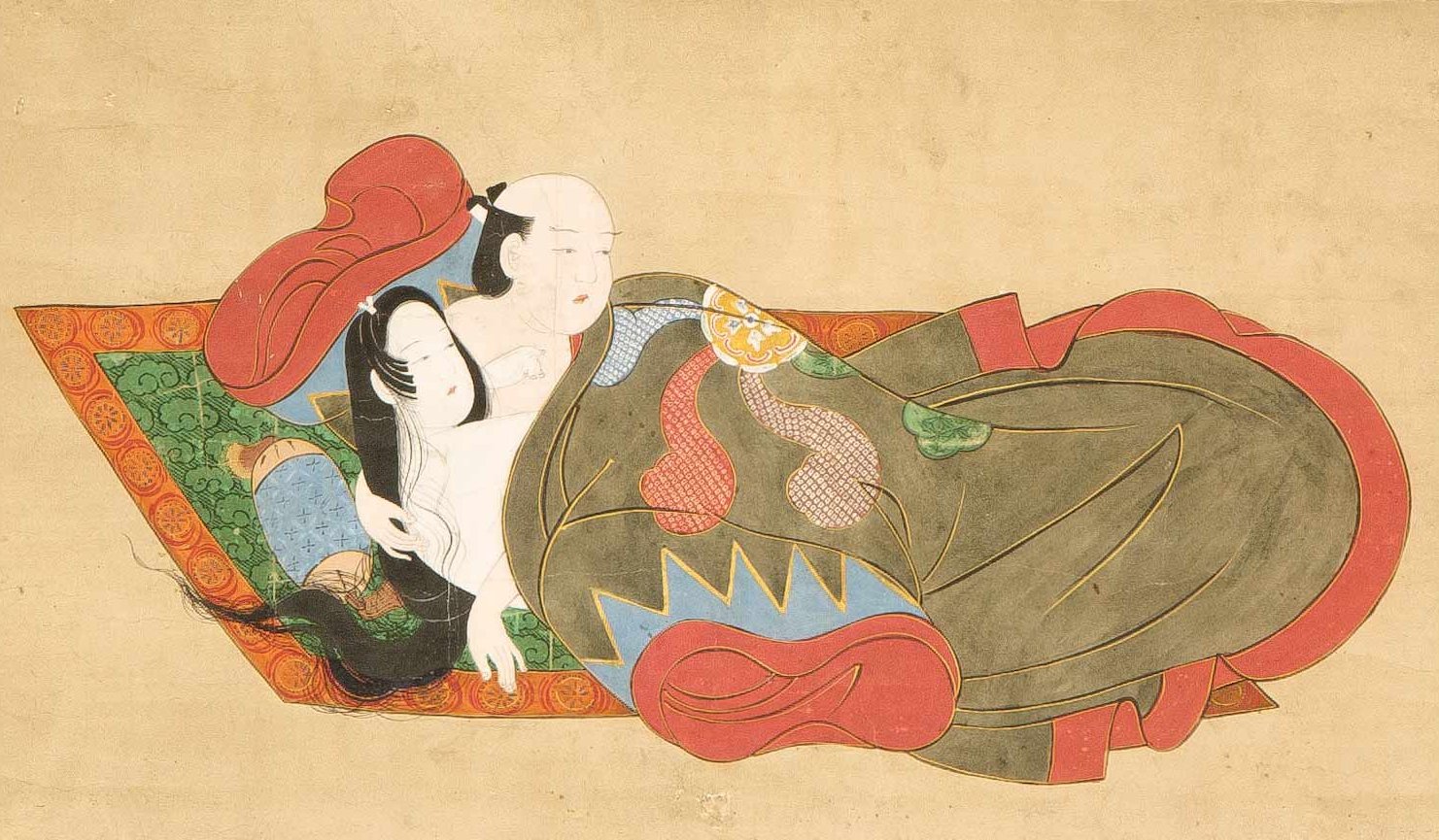
Lovers Surprised (Caught in the Act)
late 1660s
Hanging scroll; ink and color on paper

Pleasure with the Beauties of Japan (Wakoku bijin asobi)
c. 1673
Woodblock-printed book, sumizuri-e
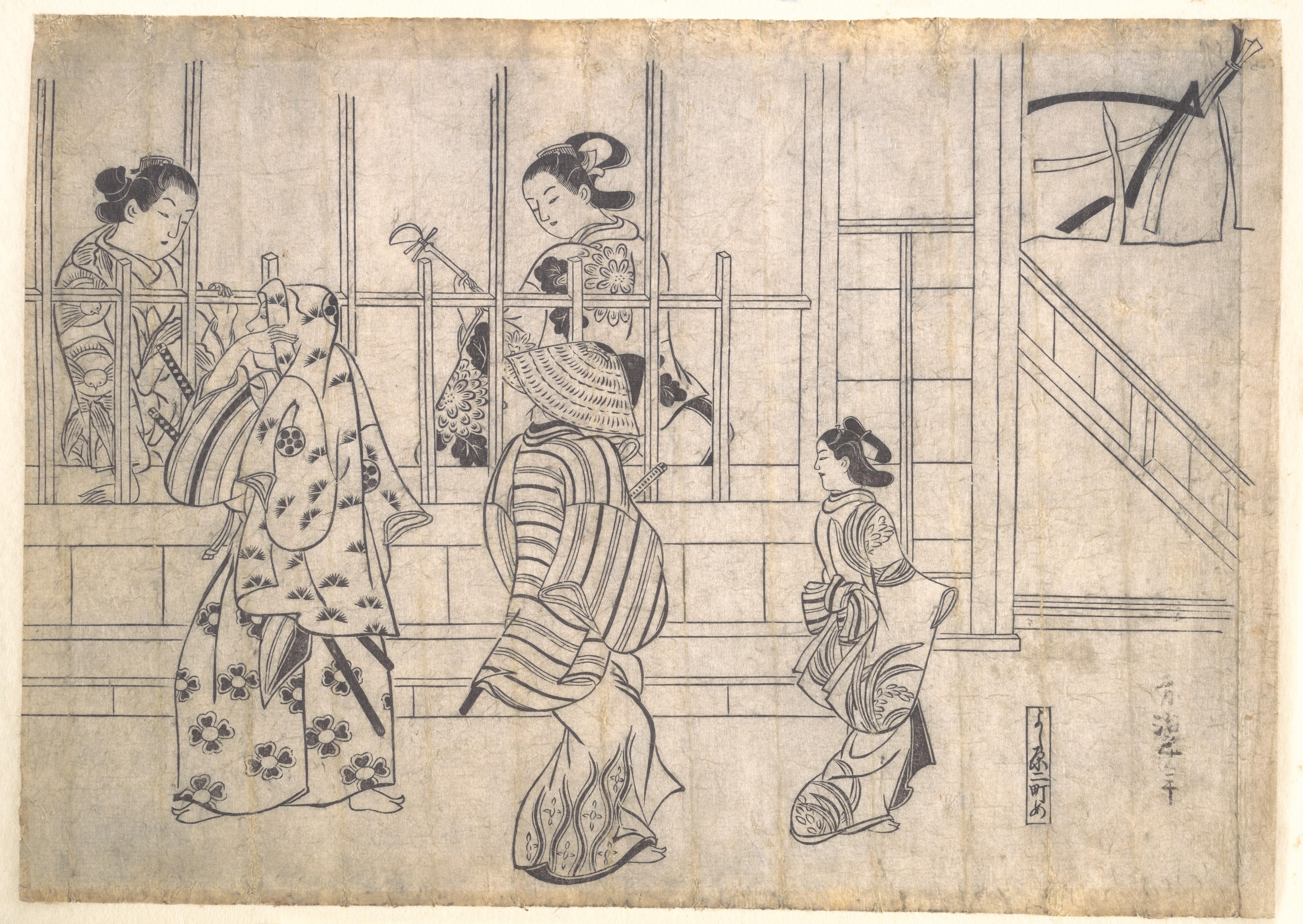
Street Scene in Yoshiwara
late 17th century
Monochrome woodblock print; ink on paper
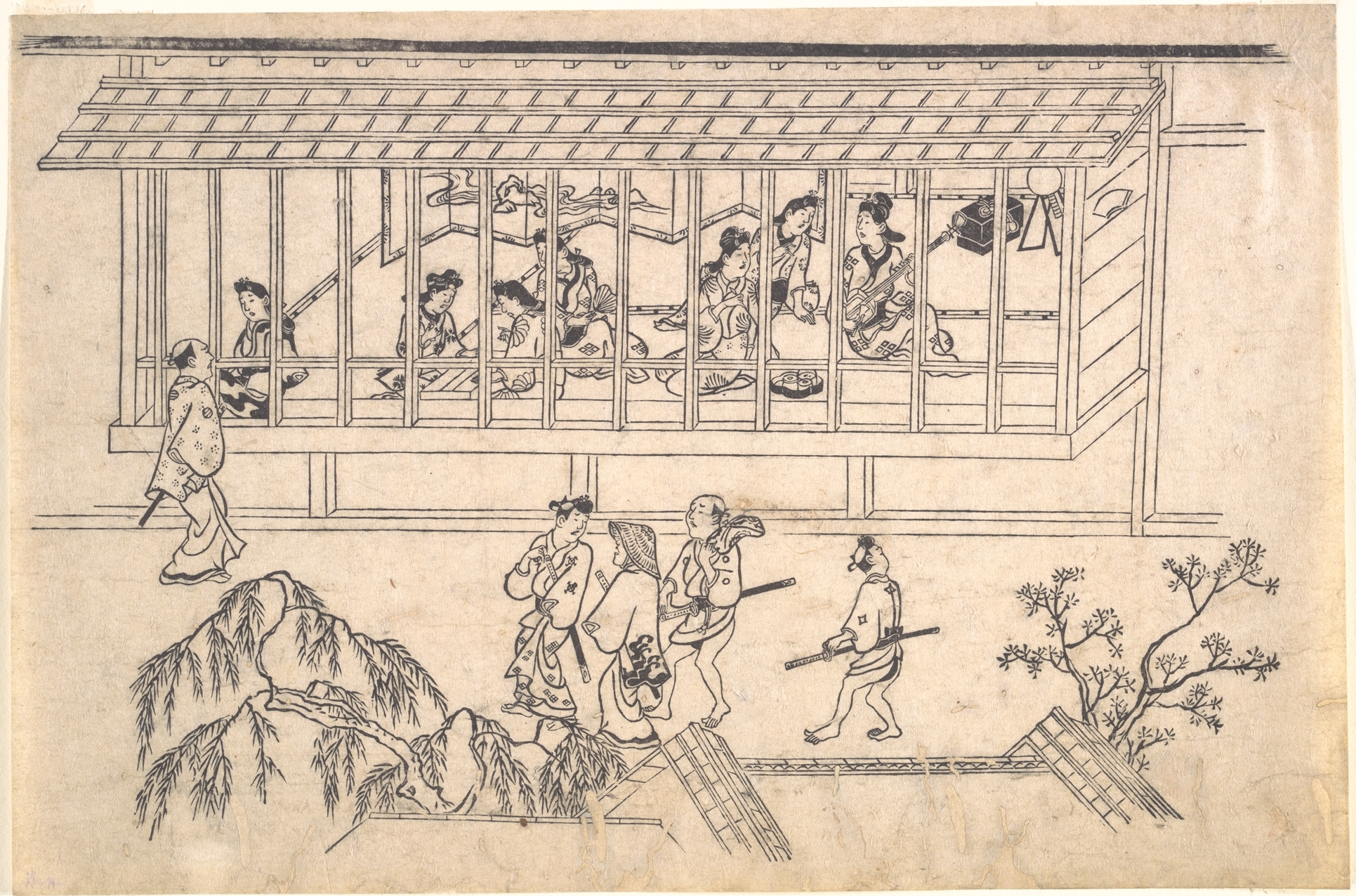
The Sixth Scene from Scenes of the Pleasure Quarter at Yoshiwara in Edo
late 17th century
Monochrome woodblock print; ink on paper
Nearby Decades
Frequently Asked Questions
Hanga catalogues 11 Japanese woodblock prints created during the 1660s (Edo Period, 1603–1868).
The 1660s fall within the Edo Period (江戸時代), which ran from 1603 to 1868.
Hishikawa Moronobu, Tosa Mitsuoki, and Kanbun Master (anonymous) are among the artists with the most 1660s prints in our collection.
Explore all Japanese printmaking eras
View all eras