1670s Japanese Woodblock Prints
28 prints from the 1670s in our collection, created during the Edo Period (1603–1868). The Edo period saw the rise of ukiyo-e, the iconic woodblock print tradition depicting the floating world of pleasure districts, kabuki actors, beautiful women, and landscapes. Under the Tokugawa shogunate's peaceful rule, a thriving urban culture in Edo (modern Tokyo) fueled demand for affordable printed art.
Top Artists of the 1670s
Prints (28)
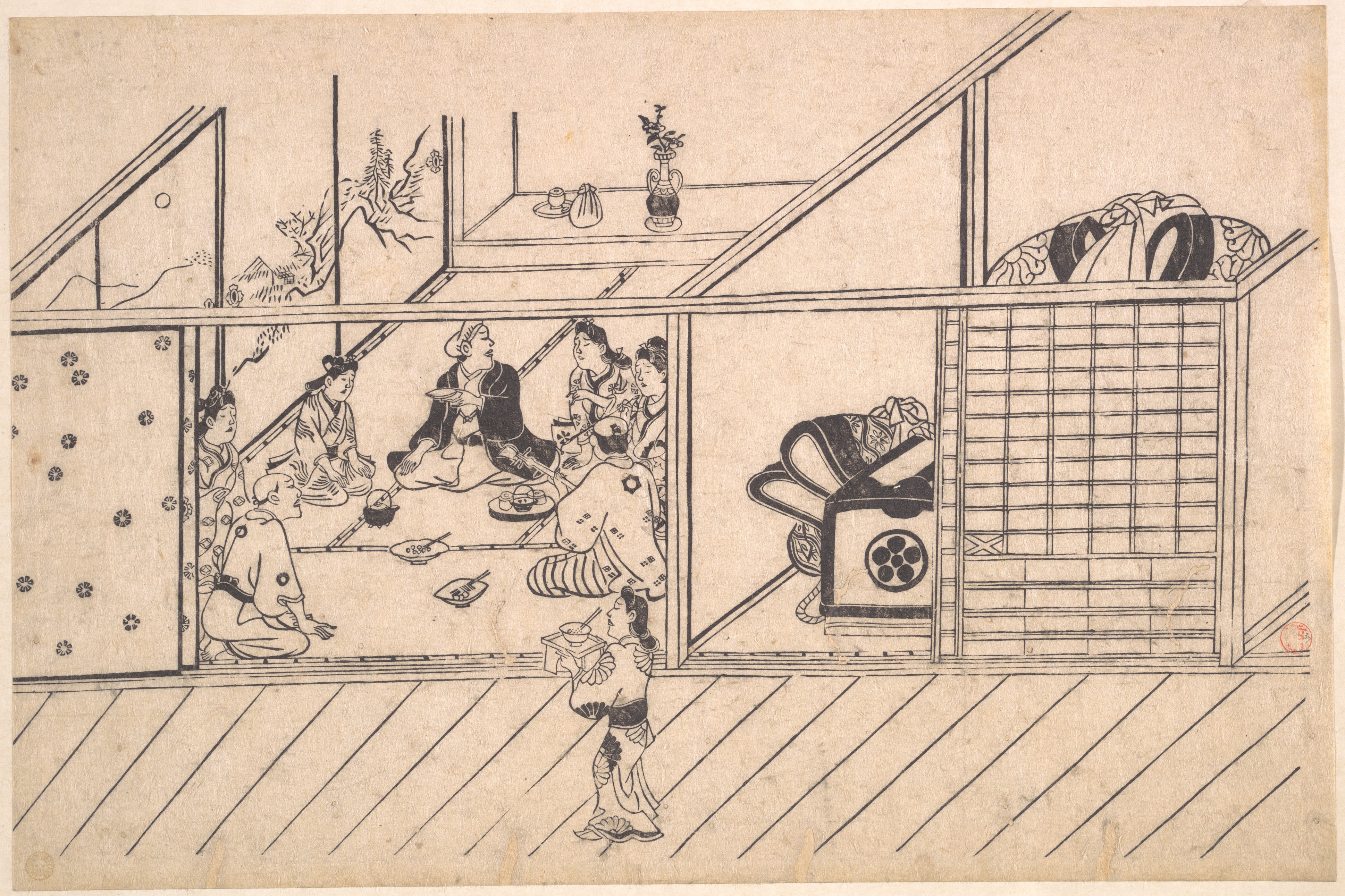
A Banquet in a Joroya
ca. 1680
Monochrome woodblock print; ink and color on paper

A Collection of Flowers and Birds (Kacho zukushi)
Edo period (1615-1868), 1683
Woodblock-printed book, sumizuri-e

A Collection of Japanese Paintings (Yamato e-zukushi)
1680
Woodblock printed book, sumizuri-e

A House of Courtesans, from the series "The Appearance of Yoshiwara (Yoshiwara no tei)"
c. 1681/84
Hand-colored woodblock print; oban, sumizuri-e

A Passing Palanquin, from the series "Scenes of Flower-viewing at Ueno (Ueno hanami no tei)"
c. 1681/84
Woodblock print; oban, sumizuri-e

Autumn Maples with Poem Slips
c. 1675
Six-panel screen (one of pair); ink, colors, gold leaf, and gold powder on silk
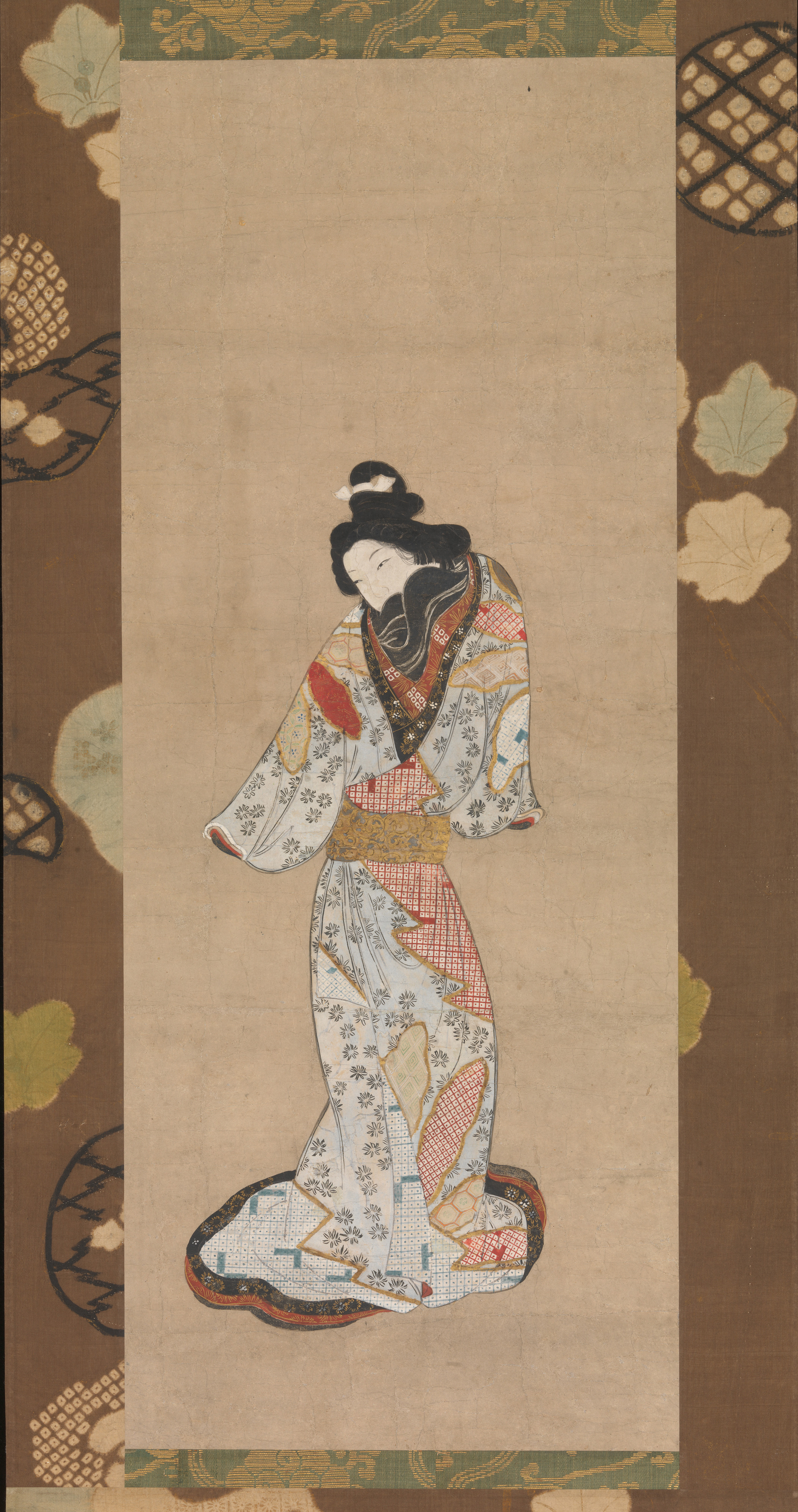
Beauty of the Kanbun Era
late 17th century (c. 1660-1680)
Hanging scroll; ink, color, and gold on paper
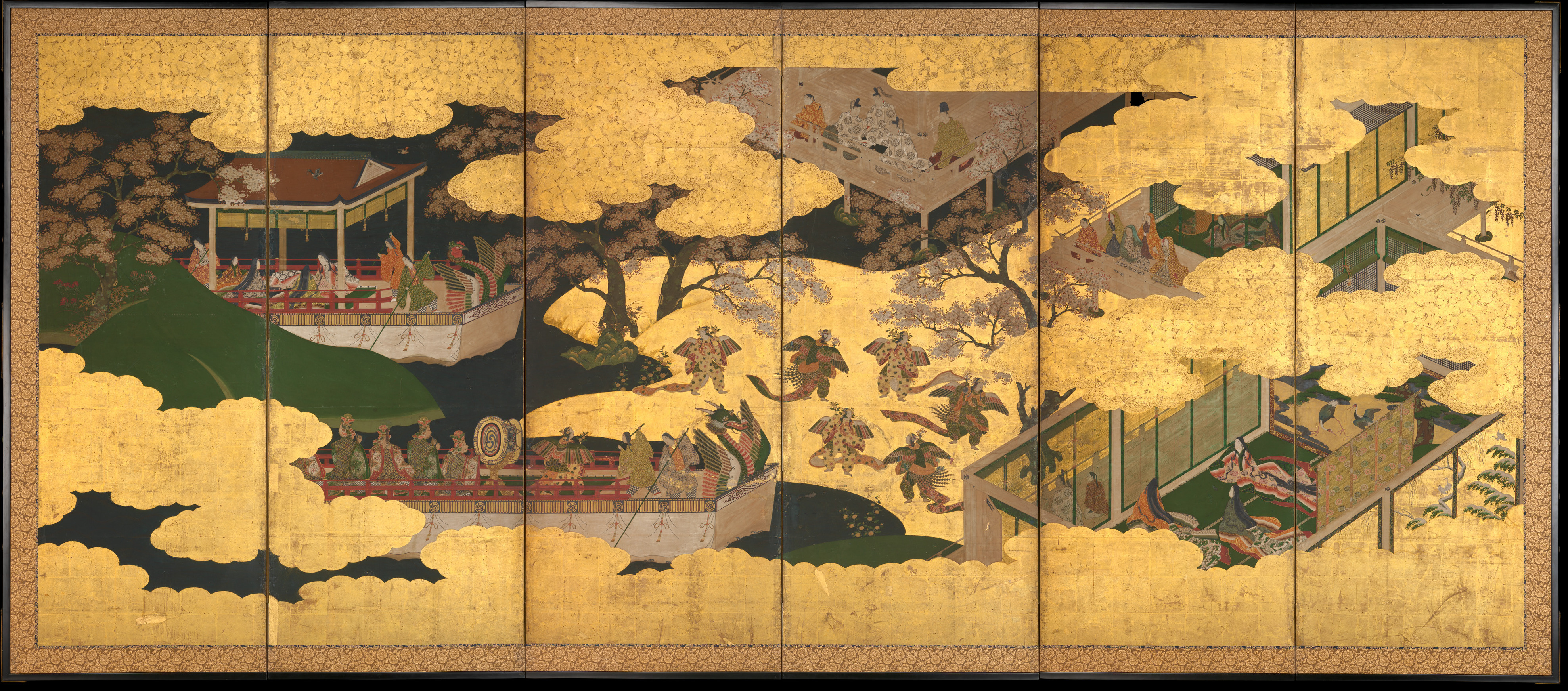
Butterflies
second half of 17th century
Pair of six-panel folding screens; ink, color, and gold on silk

Calling upon the Lady Tamakazura, from the illustrated book "Collection of Pictures of Beauties (Bijin e-zukishi)"
c. 1683
Hand-colored woodblock print; double-page illustration cut from a book
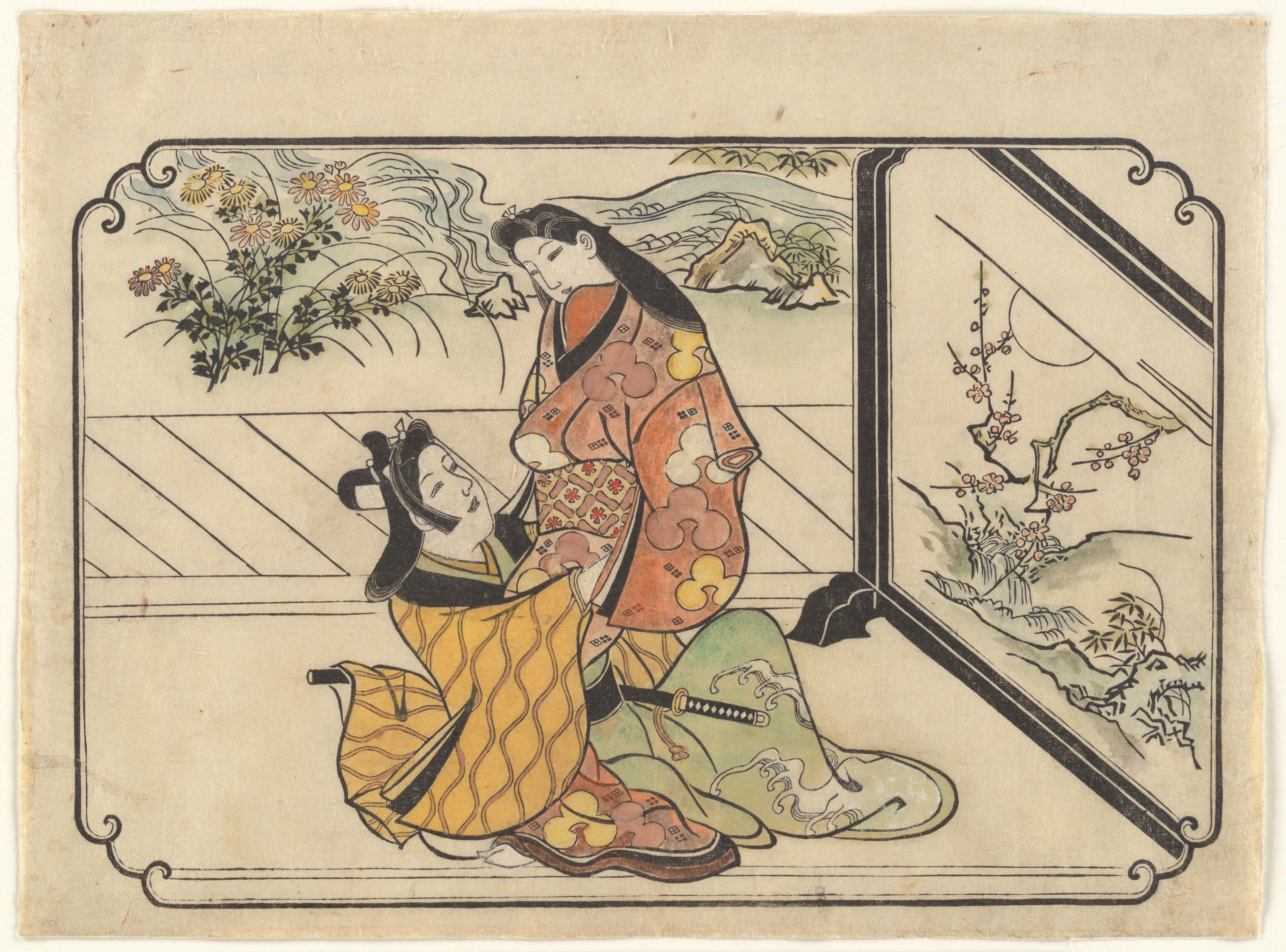
Courtesan with a Young Man (Wakashu) beside a Screen
ca. 1679–84
Woodblock print (sumizuri-e); ink and hand-applied color on paper; horizontal ōban

Egrets and Cotton Roses
second half of 17th century
Hanging scroll; ink, color, and gold on silk

Emon Hill, from the series "The Appearance of Yoshiwara (Yoshiwara no tei)"
c. 1681/84
Woodblock print; oban, sumizuri-e

Flower-Viewing Party with Crest-Bearing Curtain, from the series "Flower Viewing at Ueno (Ueno hanami no tei)"
c. 1681/84
Woodblock print; oban, sumizuri-e
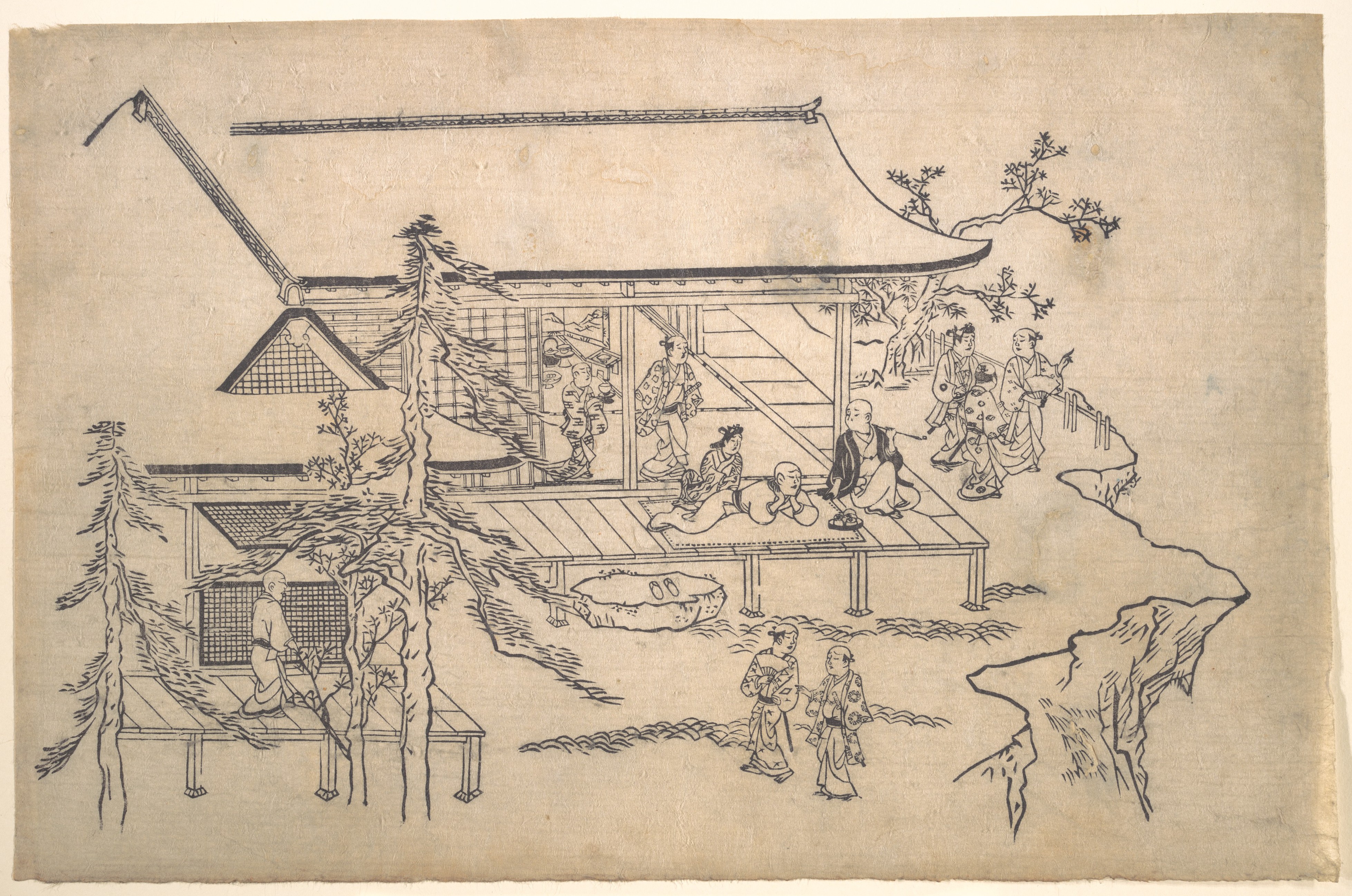
Flower-Viewing Scene
ca. 1685
Monochrome woodblock print (sumie); ink on paper

Heron
second half of 17th century
Hanging scroll; ink and color on silk

Honbo, from the series "Scenes of Flower-viewing at Ueno (Ueno hanami no tei)"
c. 1681/84
Woodblock print; oban, sumizuri-e

Korean Embassy Parade
1682
Hand-colored woodblock prints; makimono-e
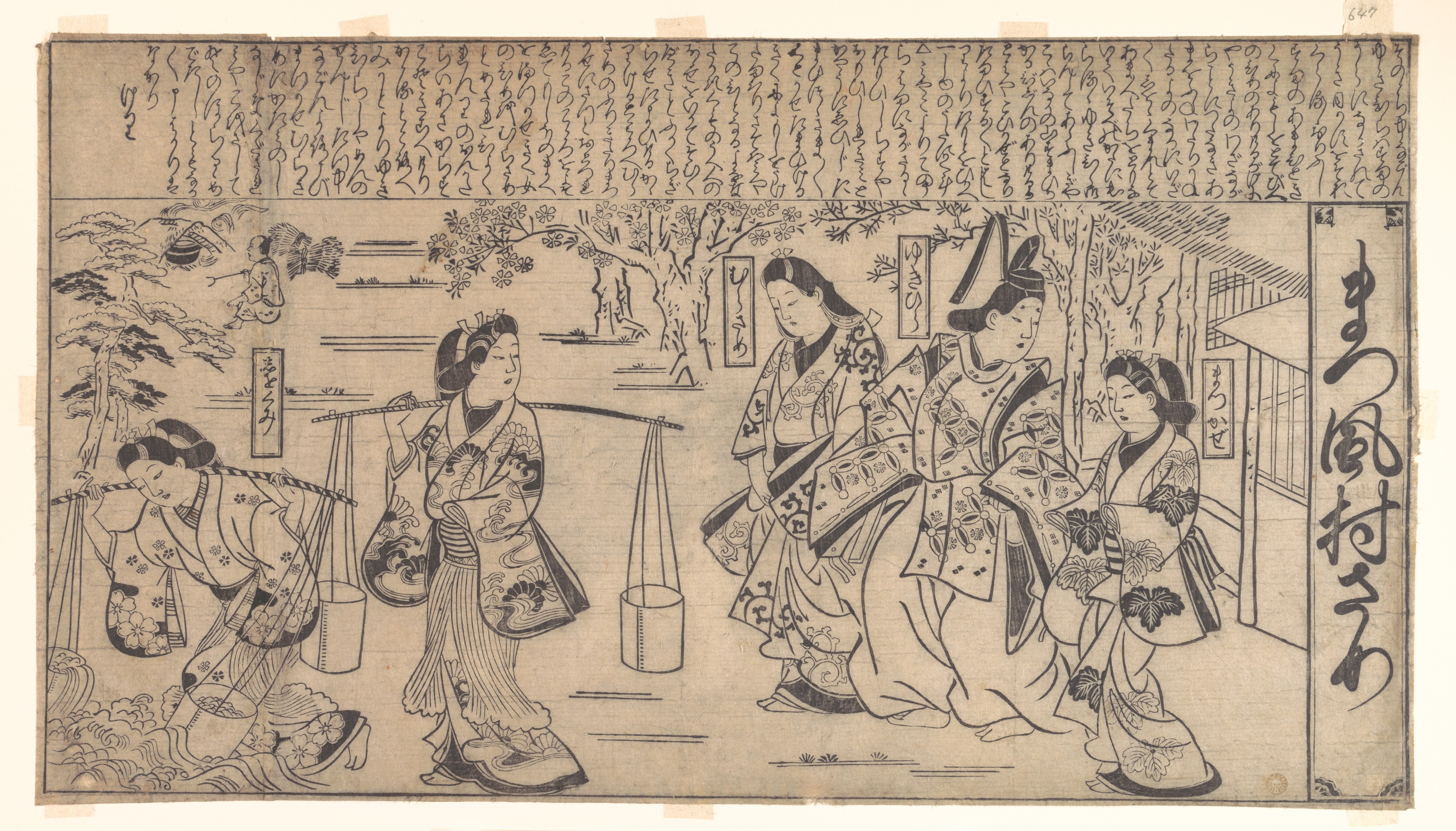
Matsukaze Murasame
ca. 1675–80
Woodblock print; ink and color on paper (sumi-e (ink print)
![Patterns by Hishikawa [Hishikawa moyō] by Hishikawa Moronobu](https://framemark.vam.ac.uk/collections/2014HH3420/full/full/0/default.jpg)
Patterns by Hishikawa [Hishikawa moyō]
1675-1685

Portrait-Icon of Murasaki Shikibu
17th century
Hanging scroll; ink, color, and gold on silk
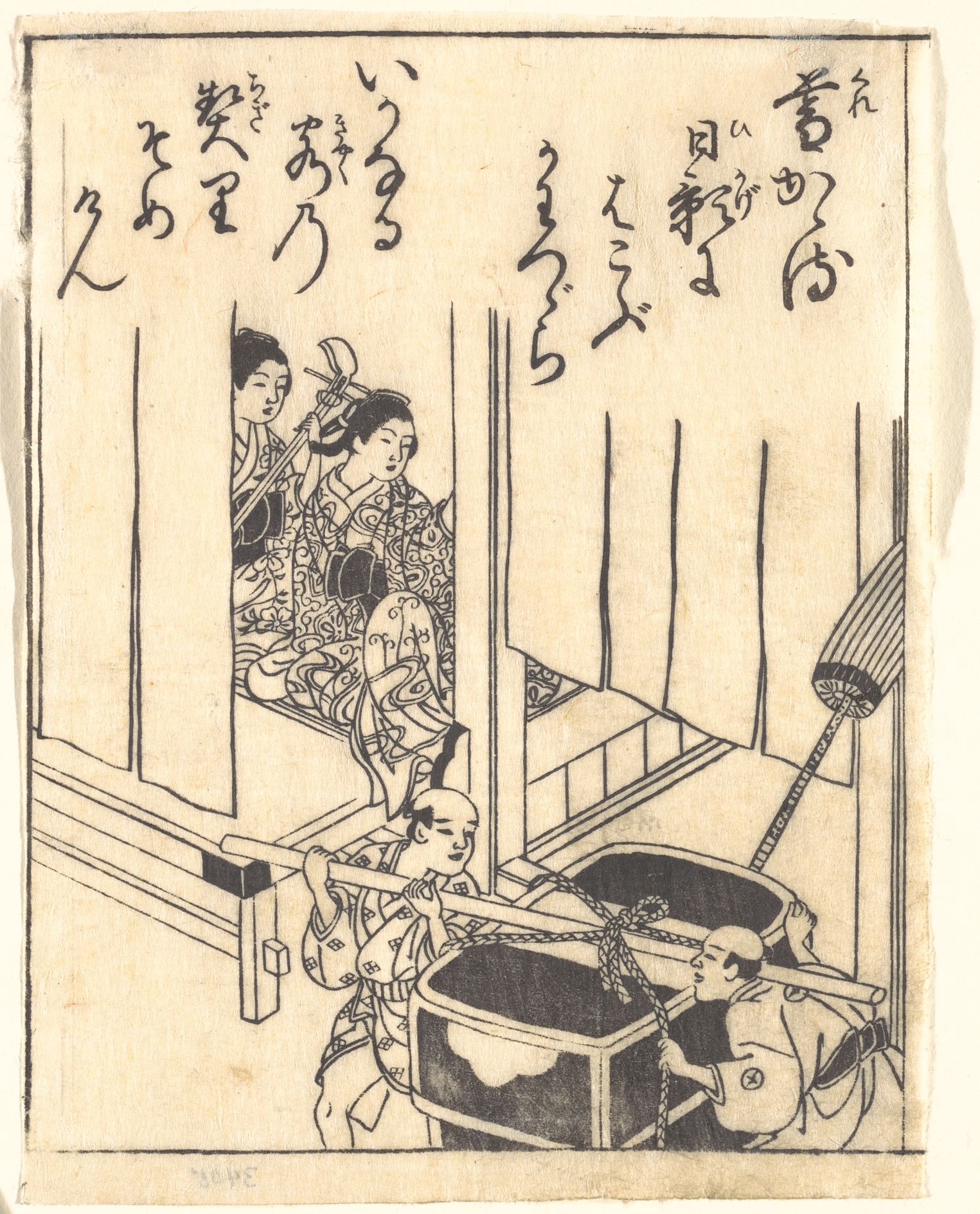
Monochrome woodblock print; ink on paper

Procession of a Daimyo
c. 1681/84
Hand-colored woodblock print; oban yoko-e, sumizuri-e

Quail and Autumn Flowers
second half of 17th century
Hanging scroll; ink and color on silk

Scene in the Yoshiwara, from the series "Views of Yoshiwara"
About 1680
Woodblock print; sumizuri-e, oban

Sei Shonagon, from the illustrated book "Collection of Pictures of Beauties (Bijin e-zukushi)"
c. 1683
Hand-colored woodblock print; double-page illustration cut from a book

Shintokumaru Dancing before Oto Hime, from the illustrated book "Collection of Pictures of Beauties (Bijin e-zukushi)"
c. 1683
Hand-colored woodblock print; double-page illustration cut from a book

The Evergreen Pine
1682
Woodblock-printed book, sumizuri-e
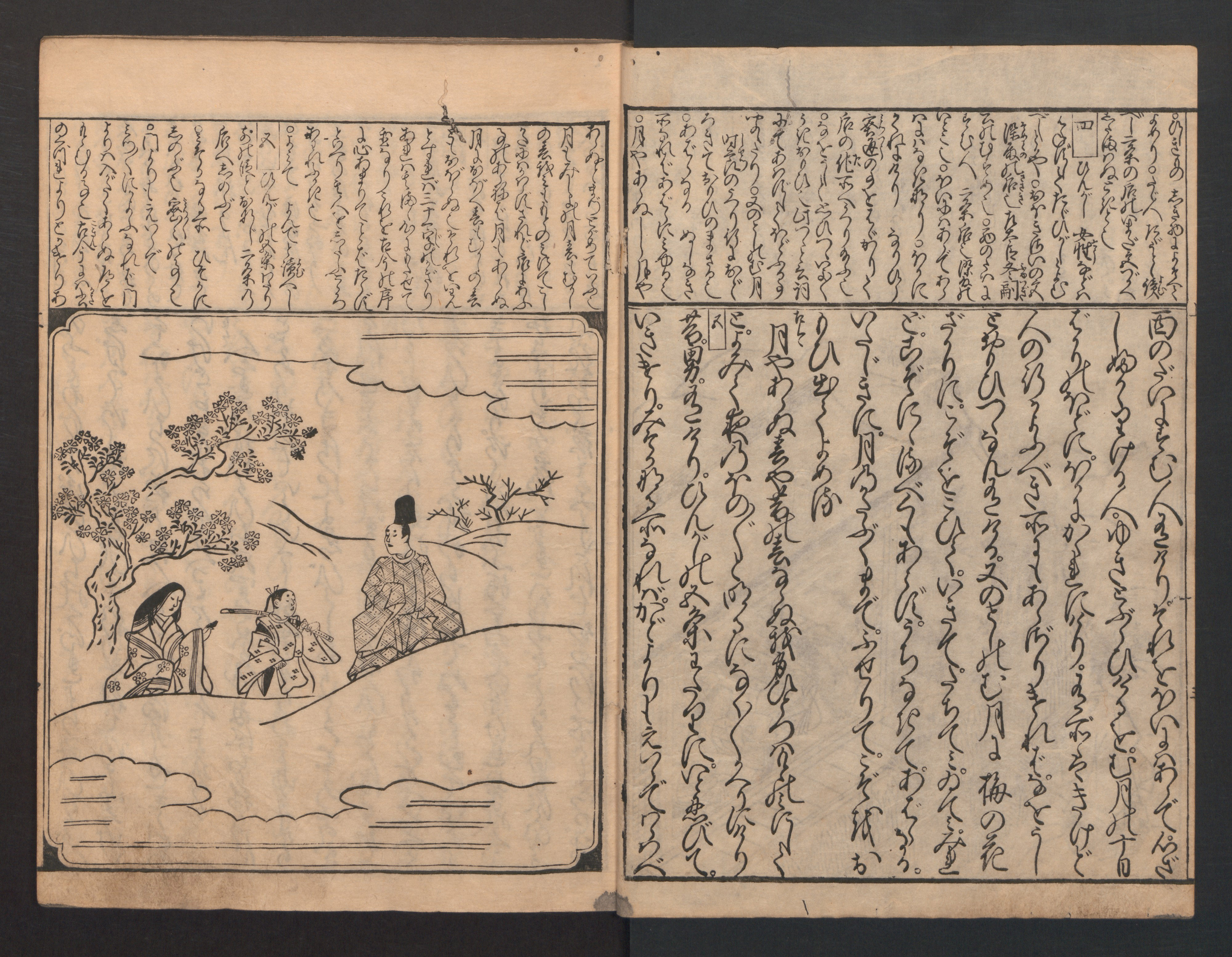
The Tales of Ise with Annotations (Ise Monogatari tōsho shō) 伊勢物語頭書抄
1679, third month
Set of 3 woodblock printed books; ink on paper
Nearby Decades
Frequently Asked Questions
Hanga catalogues 28 Japanese woodblock prints created during the 1670s (Edo Period, 1603–1868).
The 1670s fall within the Edo Period (江戸時代), which ran from 1603 to 1868.
Hishikawa Moronobu, Tosa Mitsuoki, and Nishikawa Sukenobu are among the artists with the most 1670s prints in our collection.
Explore all Japanese printmaking eras
View all eras