1680s Japanese Woodblock Prints
17 prints from the 1680s in our collection, created during the Edo Period (1603–1868). The Edo period saw the rise of ukiyo-e, the iconic woodblock print tradition depicting the floating world of pleasure districts, kabuki actors, beautiful women, and landscapes. Under the Tokugawa shogunate's peaceful rule, a thriving urban culture in Edo (modern Tokyo) fueled demand for affordable printed art.
Top Artists of the 1680s
Prints (17)

A Beauty Walking
17th century
Hand-colored woodblock print; o-oban, sumizuri-e

A Parade of Courtesans
c. 1690
Woodblock print; sumizuri-e, kakemono yoko-e
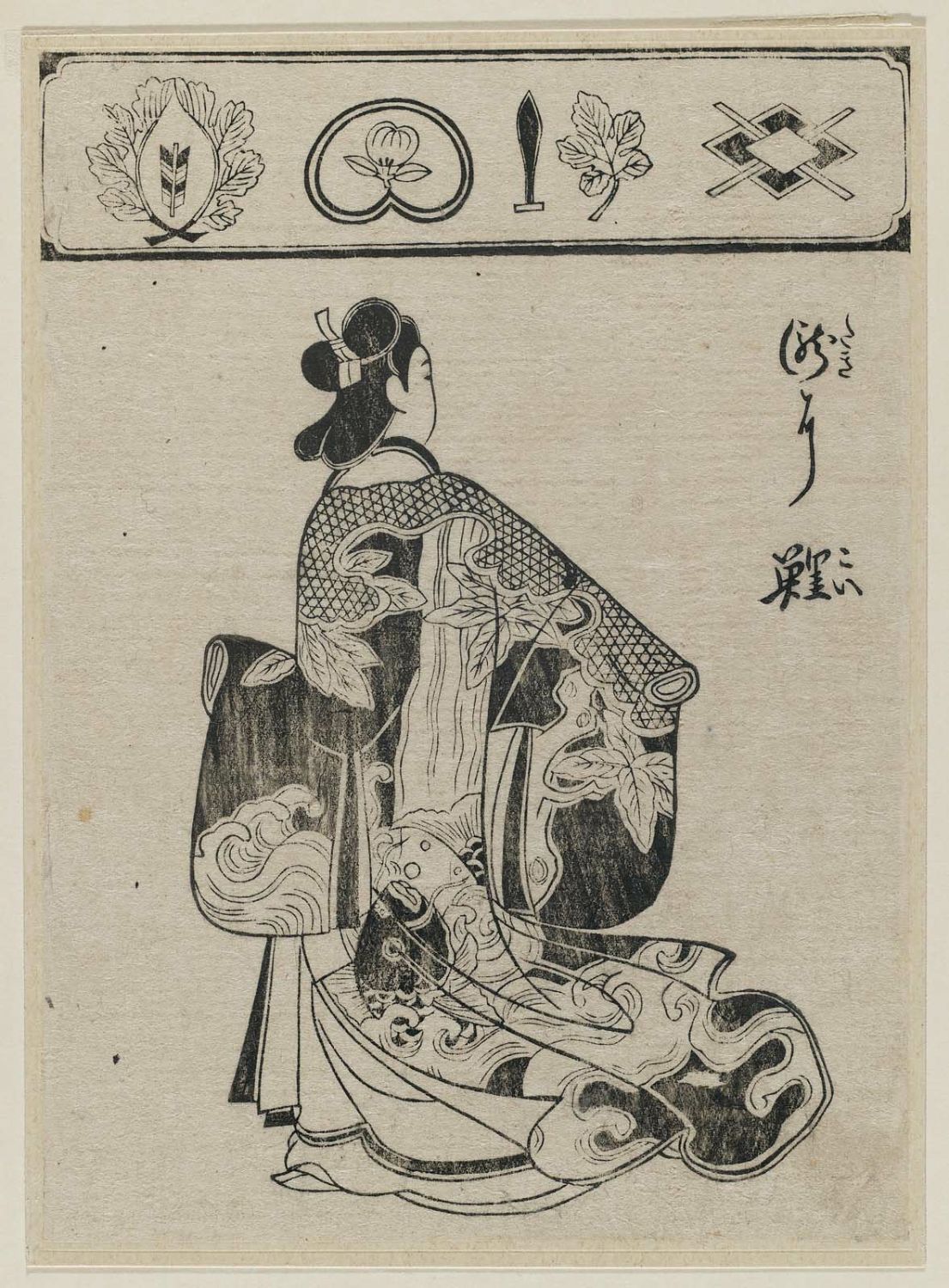
Carp in Waterfall Pattern (Taki ni koi), from the book Illustrated Encyclopedia for Women (Joyo kinmo zui)
女用訓蒙図彙・滝に鯉
1687
Woodblock-printed book; ink on paper

Dalliance
c. 1685
Hand-colored woodblock print; oban, sumizuri-e

Edo Period Hairstyles for Wakashū, Adult Men, and Women, from Kōshoku kinmōzui (Illustrated Encyclopedia of Love)
好色訓蒙図彙
c. 1664-1689
Woodblock-printed book; ink on paper
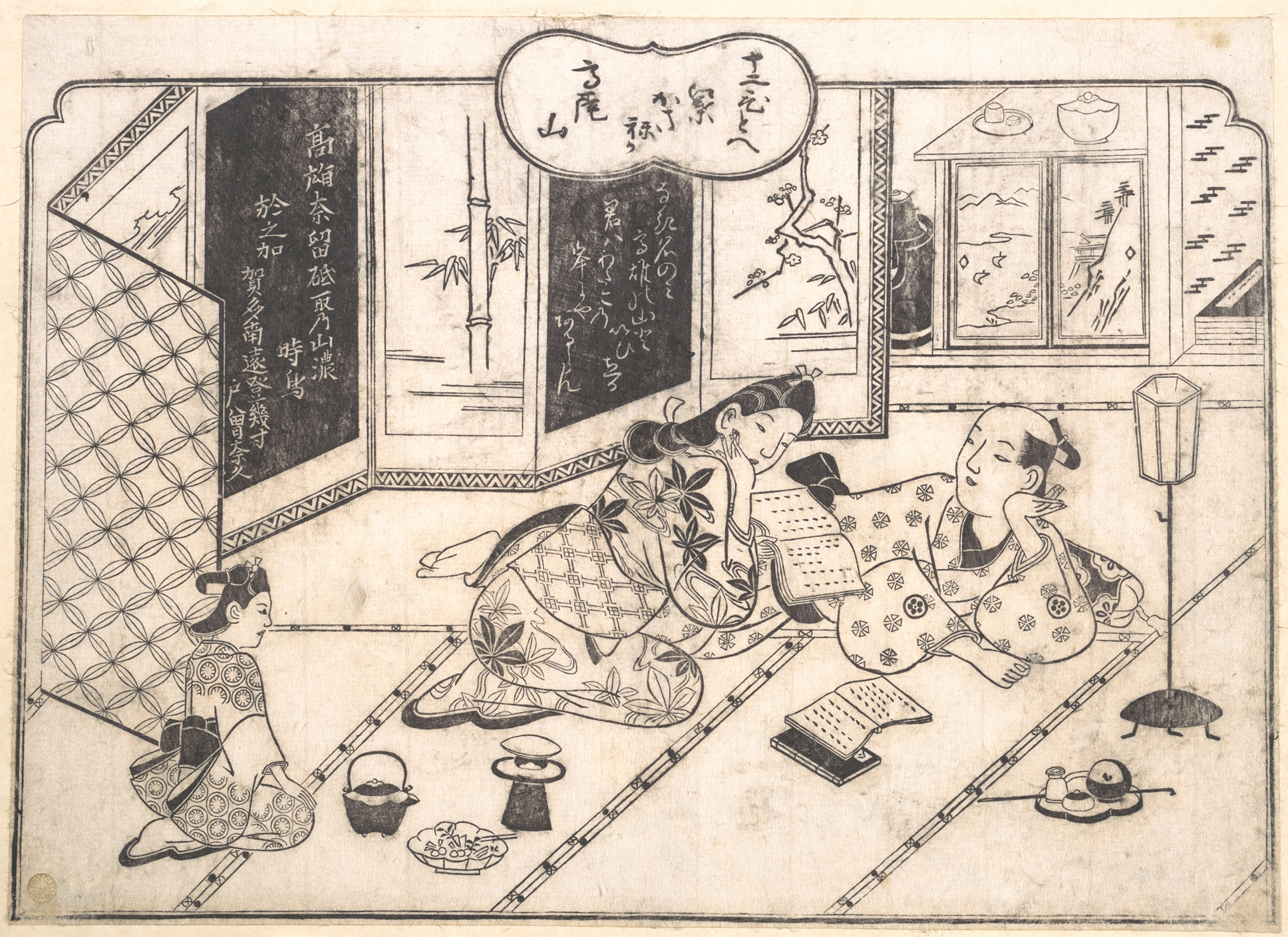
Go to Takaoyama to see Maple Leaves having Twelve Points
ca. 1690
Woodblock print; ink and color on paper
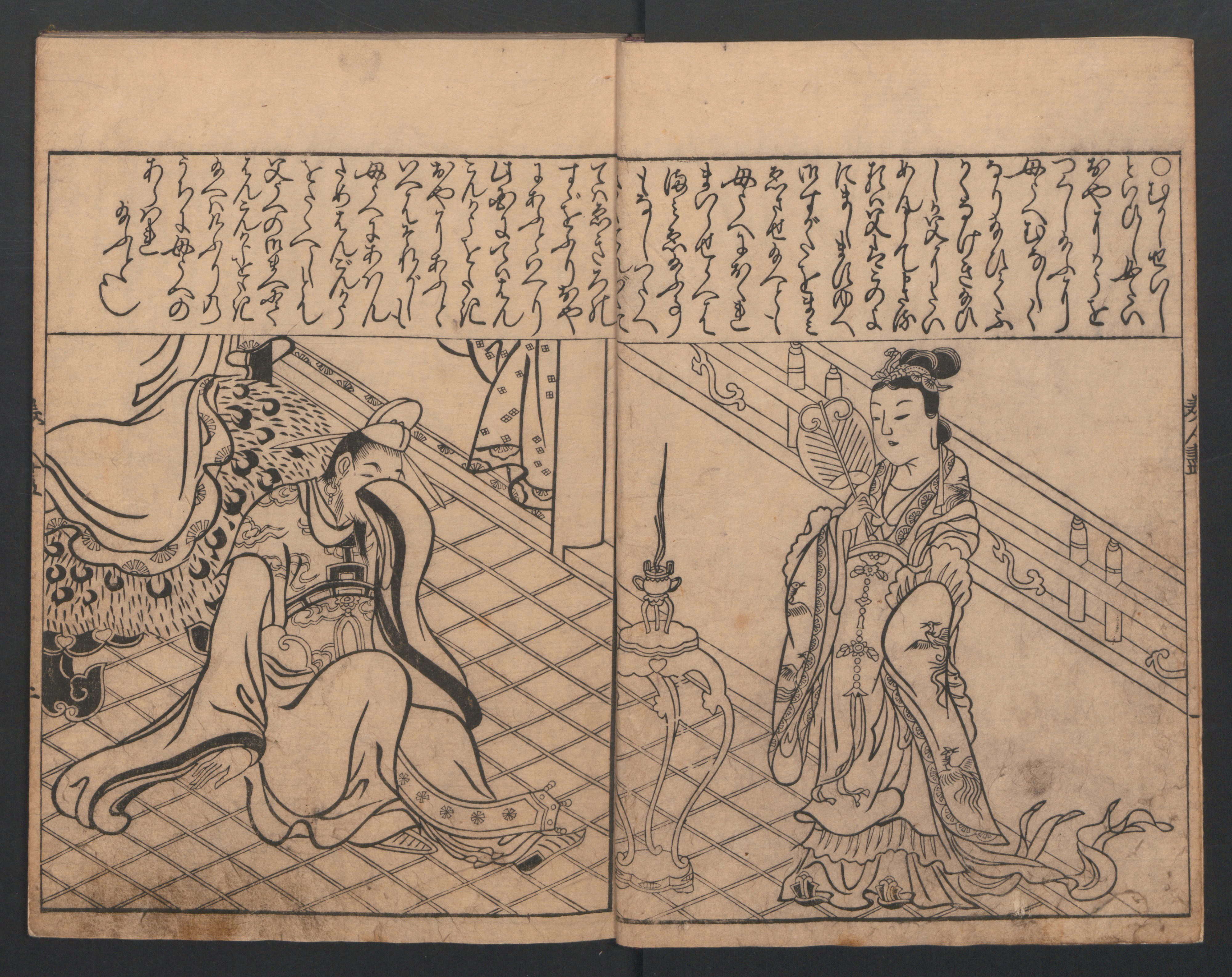
Illustrations of Beautiful Women (Bijin e-zukushi) 美人絵づくし
1683, fifth month
Set of three woodblock printed books; ink and color on paper
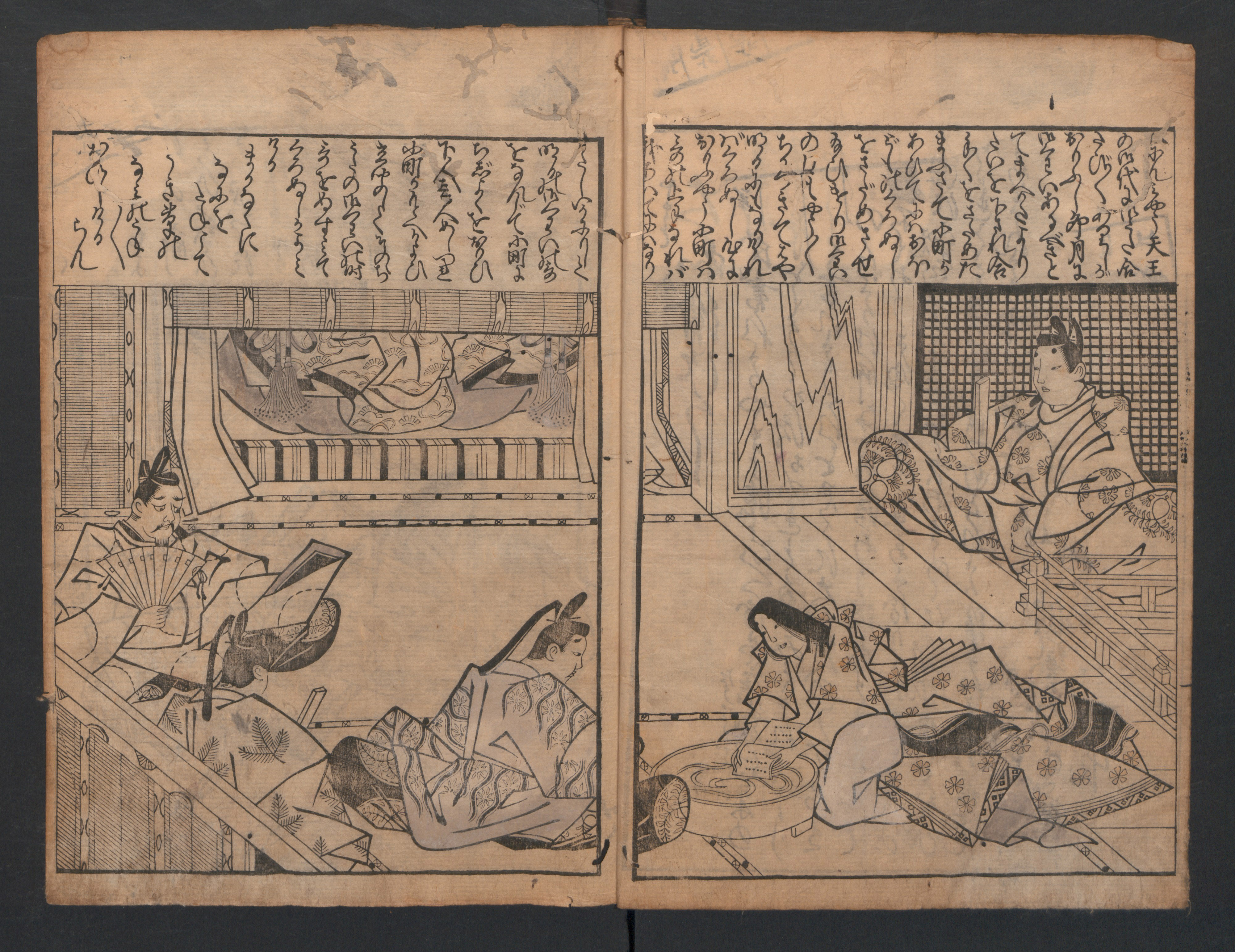
Illustrations of Japanese Painting Themes (Yamato-e zukushi) 大和絵づくし
1686, ninth month
Woodblock printed book; ink on paper
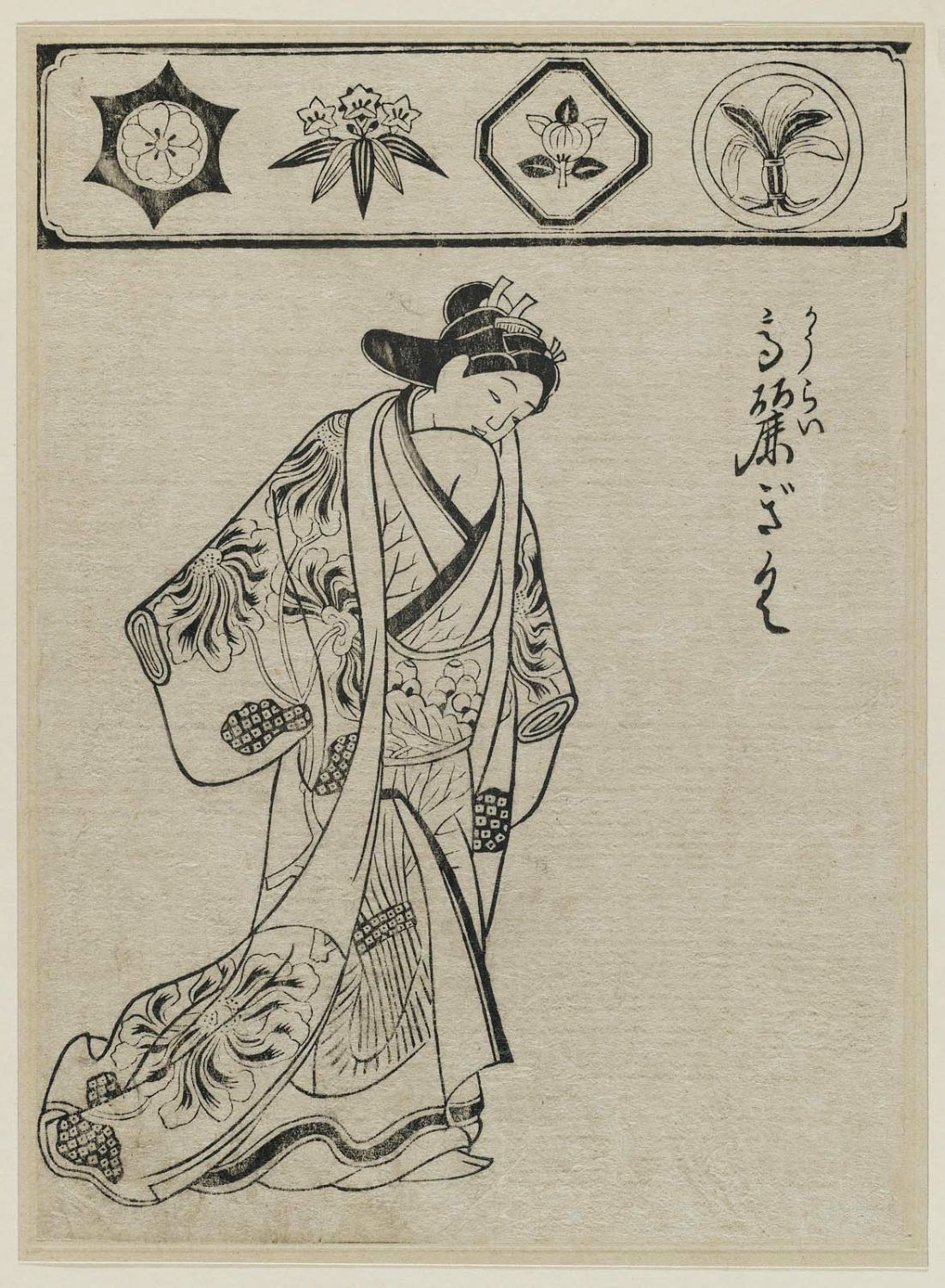
Korean Chrysanthemum Pattern (Koraigiku), from the book Illustrated Encyclopedia for Women (Joyo kinmo zui)
女用訓蒙図彙・高麗菊
1687
Woodblock-printed book; ink on paper

Mermaid Encounter at Sea, from Ihara Saikaku's Budō denraiki
武道伝来記・人魚
1687
Woodblock-printed book; ink on paper

Narihira's Eastern Journey, from the illustrated book "Panorama of Paintings on Screens and Hanging Scrolls (Byobu kakemono ekagami)"
1682
Woodblock print; double-page illustration cut from a book
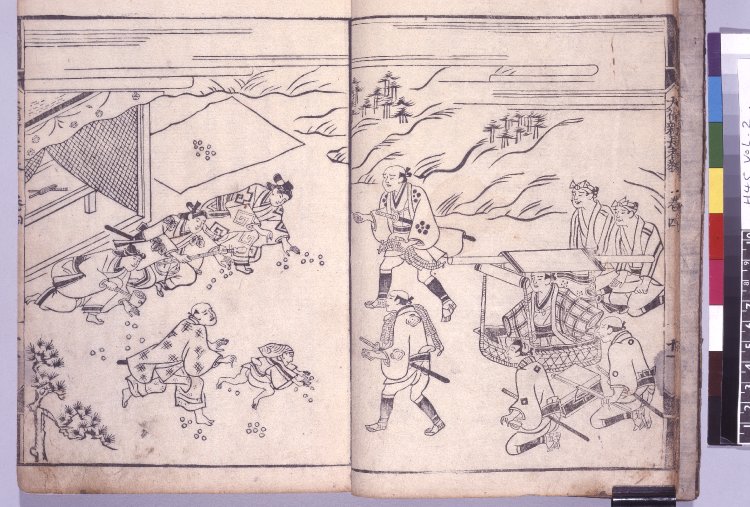
Nihon eitai-gura (Japan's Treasury for the Ages)
日本永代蔵
1688
Woodblock-printed book; ink on paper

Reading a Letter
c. 1688
Woodblock print; oban, sumizuri-e

Samurai Disguised as Monks Playing Music in a Boat, from Ihara Saikaku's Budō denraiki
武道伝来記
1687
Woodblock-printed book; ink on paper

Sōgenbi, the Fiery Ghost of an Oil-Stealing Monk, from Shin Otogi Bōko
新御伽婢子・宗玄火
1683
Woodblock-printed book; ink on paper

The Tengu King Training his Pupils
c. 1690
Woodblock print
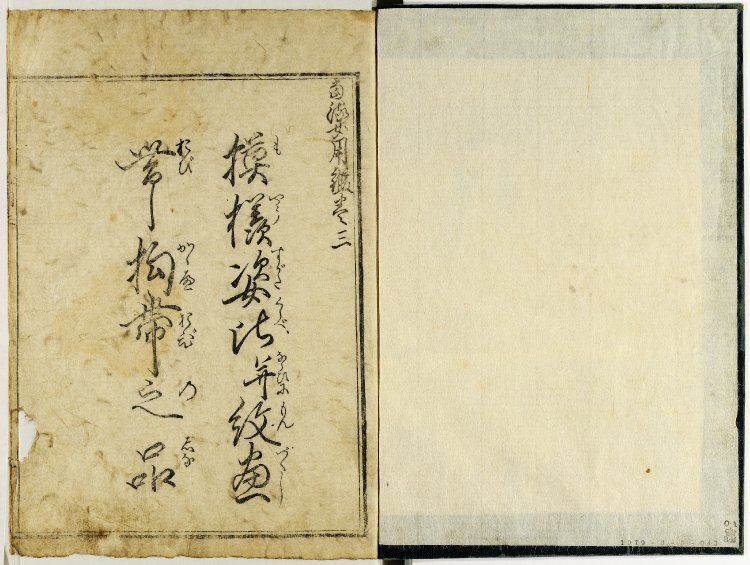
Toryu onna yo kagami (Mirror of Contemporary Women's Customs)
当流女用鑑
1687
Woodblock-printed book; ink on paper
Nearby Decades
Frequently Asked Questions
Hanga catalogues 17 Japanese woodblock prints created during the 1680s (Edo Period, 1603–1868).
The 1680s fall within the Edo Period (江戸時代), which ran from 1603 to 1868.
Yoshida Hambei, Hishikawa Moronobu, and Sugimura Jihei are among the artists with the most 1680s prints in our collection.
Explore all Japanese printmaking eras
View all eras