Bijin-ga Prints (1084)
Bijin-ga — literally "pictures of beautiful people" — is one of the foundational genres of Japanese woodblock printmaking. The tradition dates to the earliest days of ukiyo-e, when artists like Hishikawa Moronobu and later Kitagawa Utamaro elevated portrayals of women from simple illustrations to sophisticated studies of beauty, fashion, and personality. Utamaro's bust portraits of the 1790s, which isolated individual faces against plain backgrounds, were revolutionary in their psychological depth and compositional daring. His contemporaries Chobunsai Eishi and Torii Kiyonaga developed complementary approaches, emphasizing graceful full-length figures in elaborate settings. The genre documented the changing ideals of feminine beauty across centuries, from the rounded features favored in the Edo period to the elongated elegance of the Meiji era. The shin-hanga revival of the early twentieth century produced a final flowering of bijin-ga, with artists like Ito Shinsui, Torii Kotondo, and Hashiguchi Goyo creating some of the genre's most refined works. These artists brought Western-influenced light and shadow to traditional subjects, producing prints that are among the most sought-after in the Japanese print market today. Bijin-ga prints are prized for their technical virtuosity, particularly the rendering of fabric patterns, hair arrangements, and subtle skin tones achieved through multiple woodblock impressions.
Artists Known for Bijin-ga



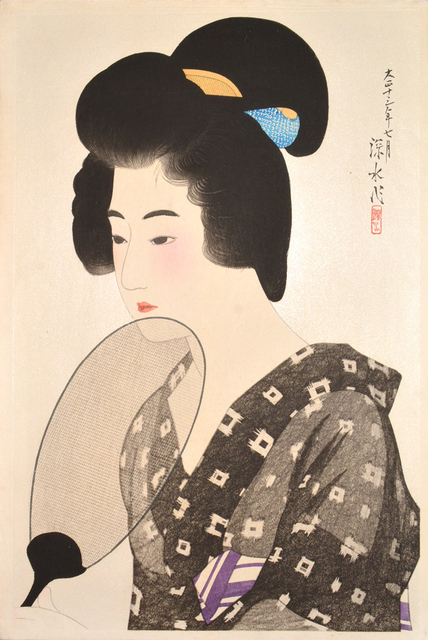
Woman in Chignon
1924
N/A
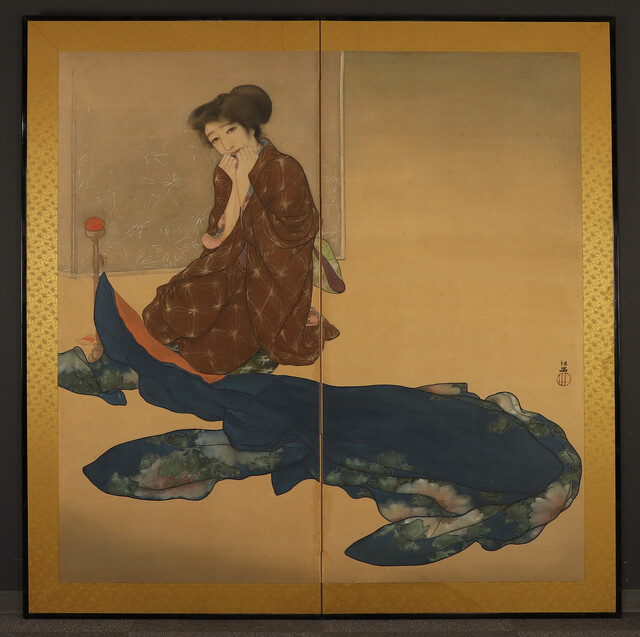
Beautiful Woman Sewing
1880
Silk
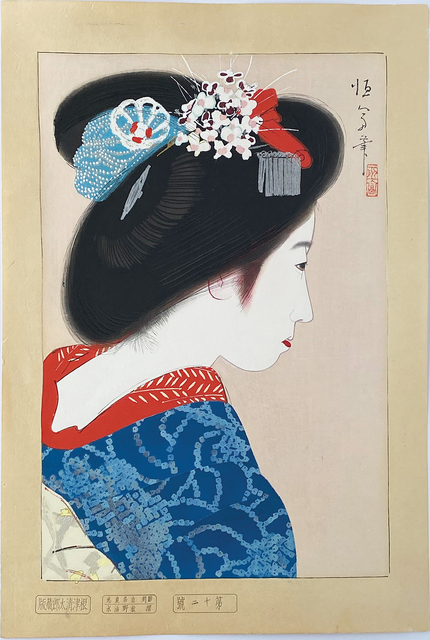
Maiko (Apprentice Geisha from Kyoto)
1925
Japanese Color Woodblock Print on handmade paper
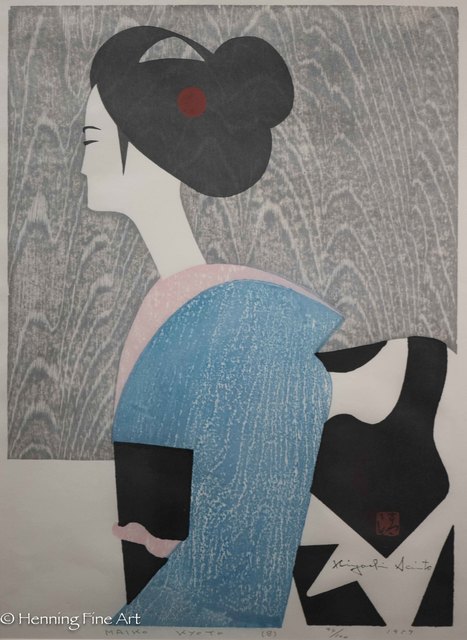
Maiko Kyoto (B)
1959
Woodblock
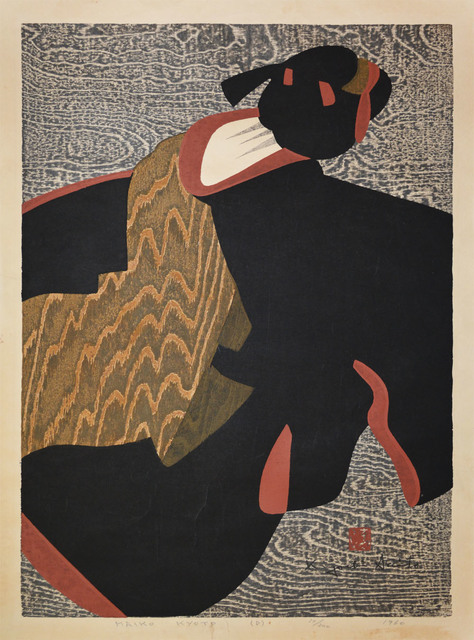
Maiko Kyoto (D)
1960
Woodblock Print
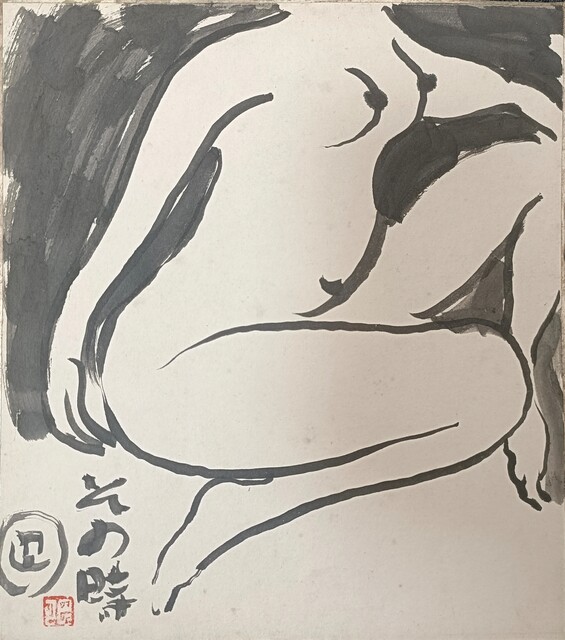
Beauty
1958
Ink on paper
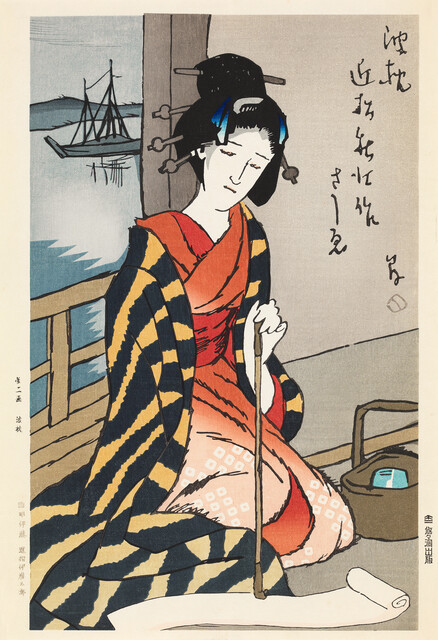
Beauty(波枕)
1960
Original Woodcut print
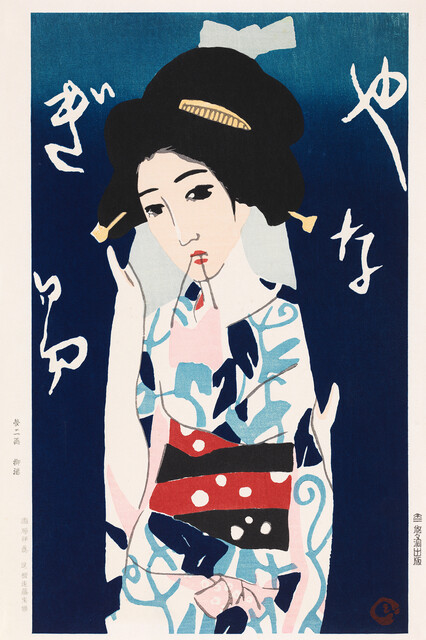
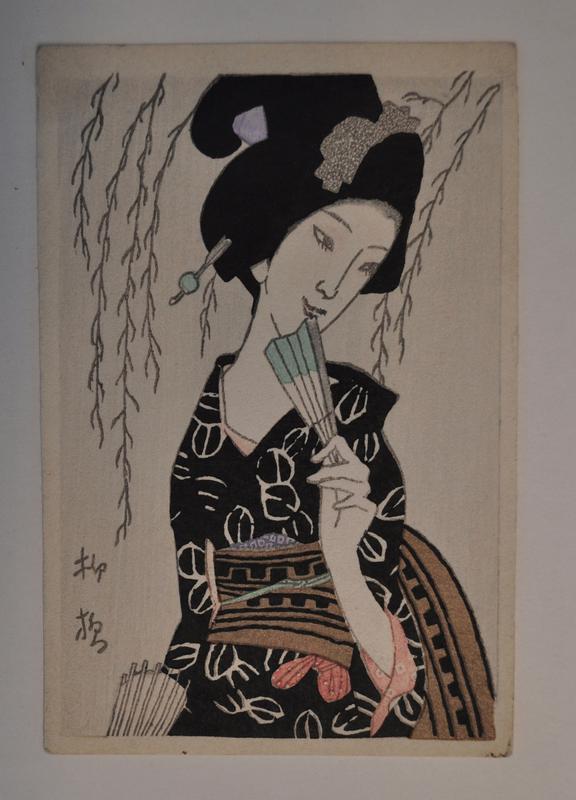
Beauty(柳湯)
1960
Original Woodcut print
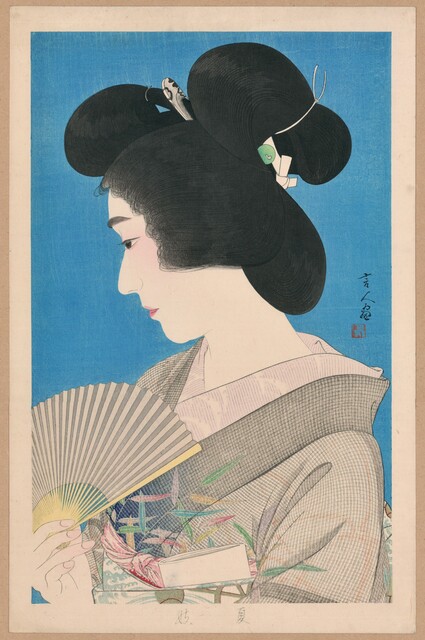
Summer Geisha
1934
Woodblock Print
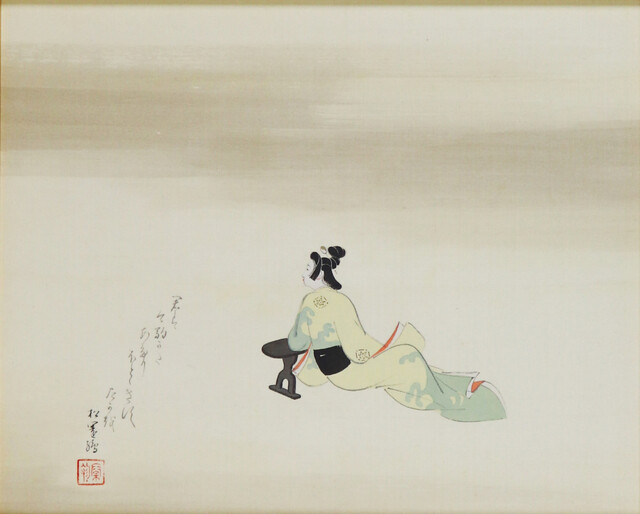
Scene of the Renowned Geisha Takao
Nihonga (natural mineral pigments) on silk
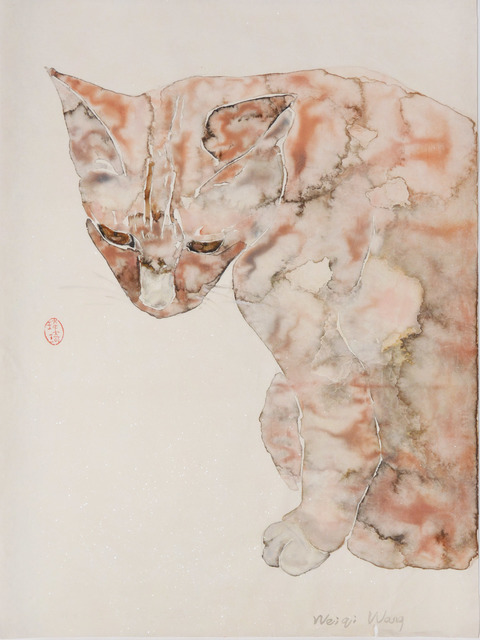
Beauty
2014
Chinese brush painting
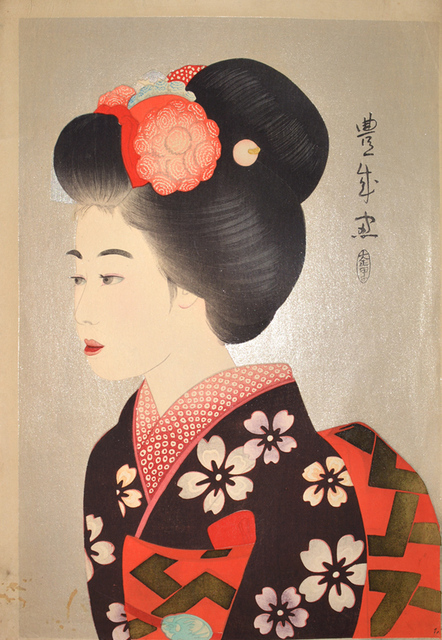
Maiko (Apprentice Geisha)
1924
Woodblock Print
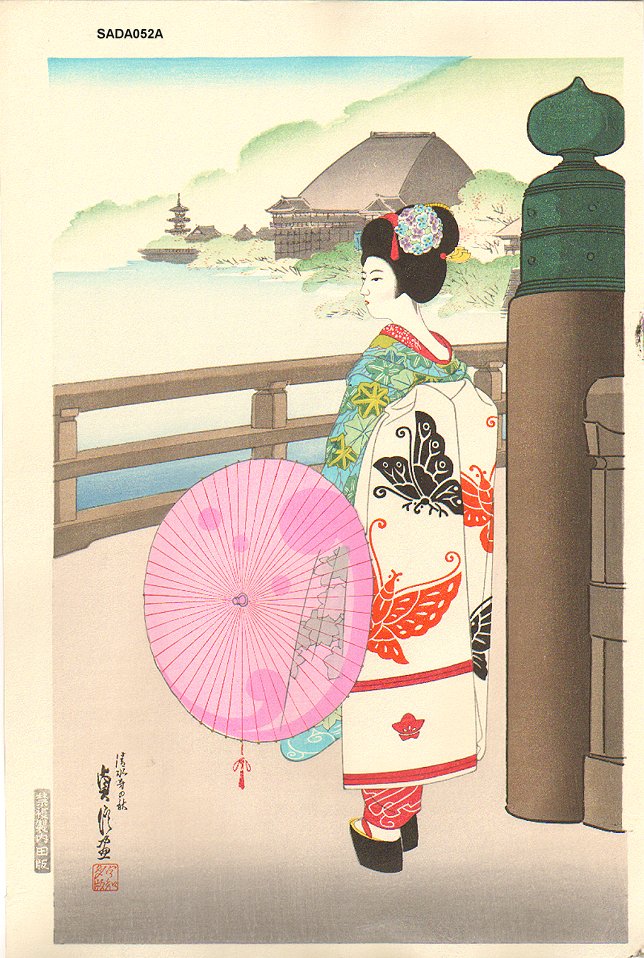
MAIKO (Autumn)
Woodblock print
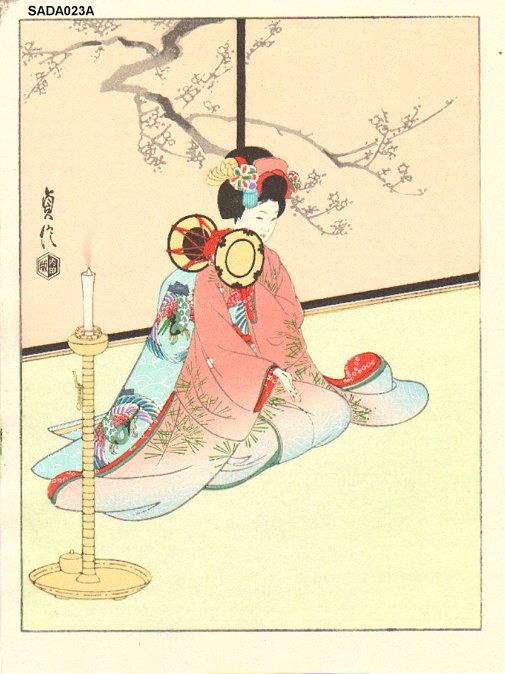
MAIKO playing hand-drum
Woodblock print
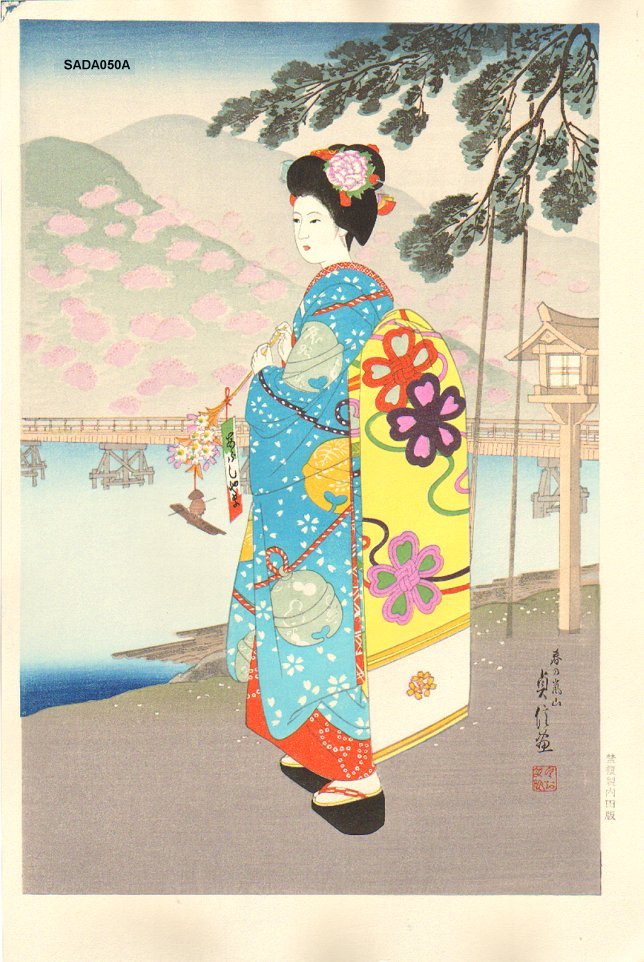
MAIKO (Spring)
Woodblock print
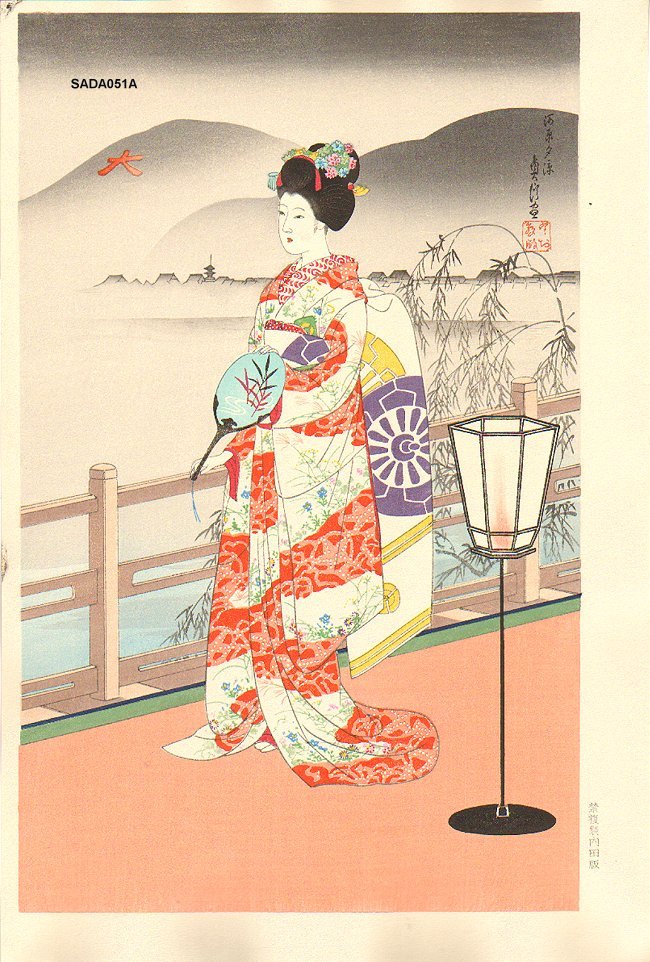
MAIKO (Summer)
Woodblock print
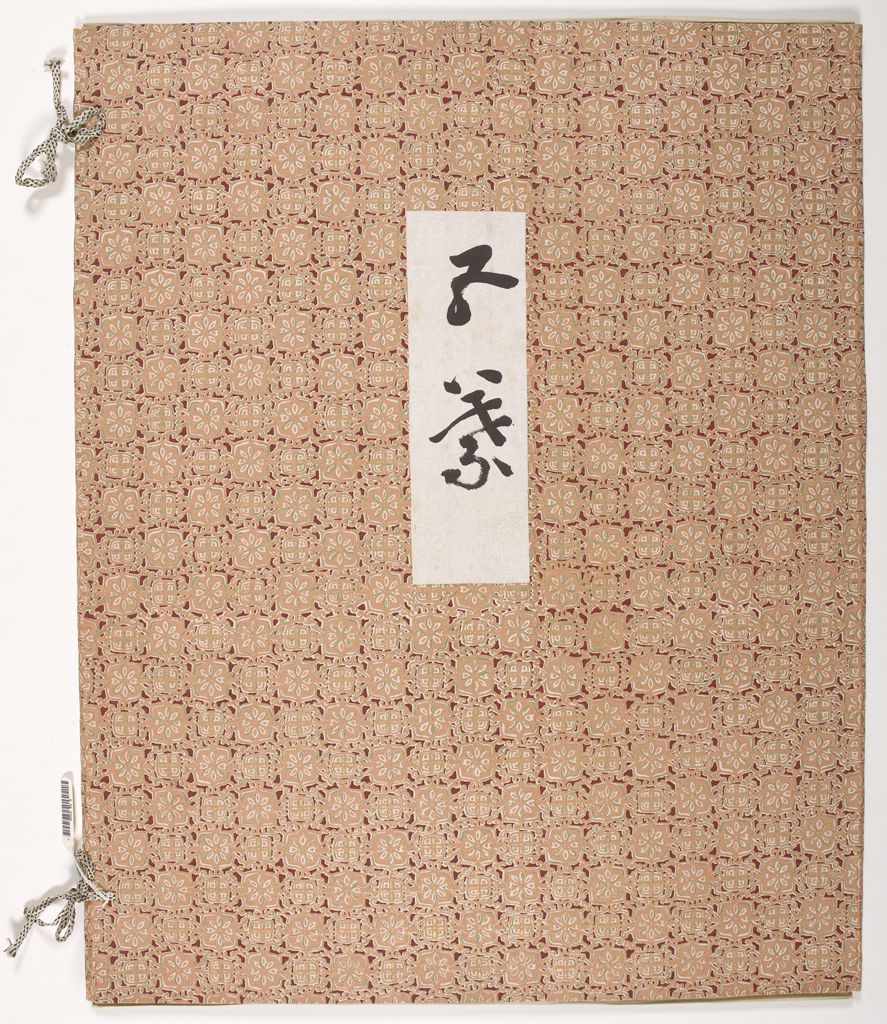
Portfolio of Eight Prints of Beautiful Women (Bijin) by Hashiguchi Goyô
Woodblock print
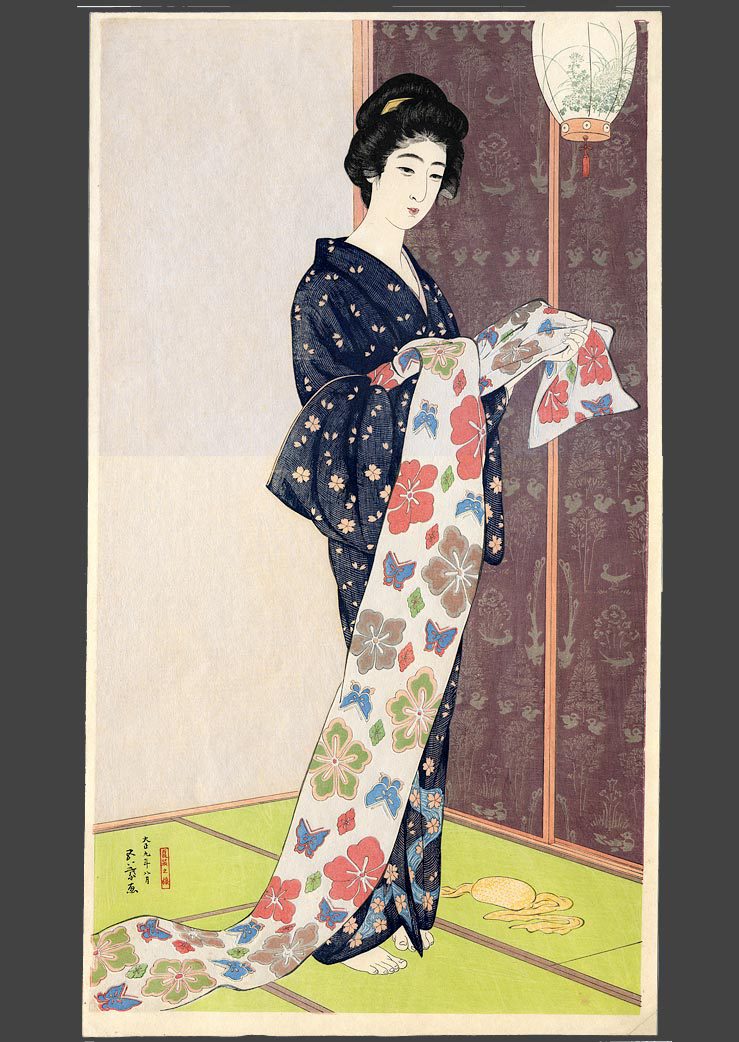
Young woman in summer kimono
Woodblock print
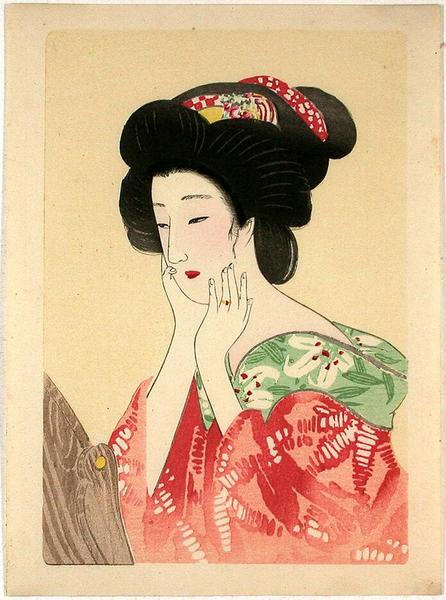
Bijin 2
Woodblock print
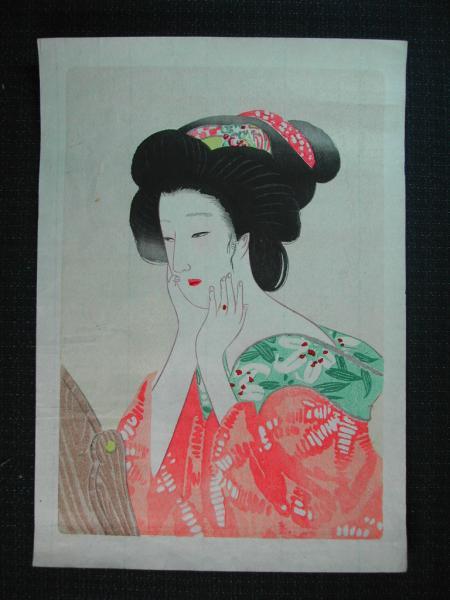
Bijin 2
Woodblock print

Bijin Reading (1)
Woodblock print
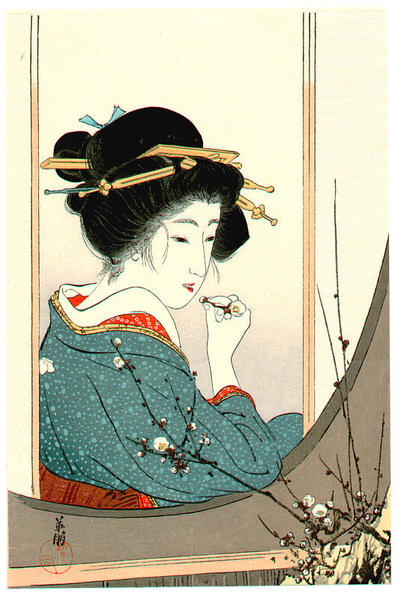
Plum Beauty
Woodblock print

Plum Beauty
Woodblock print
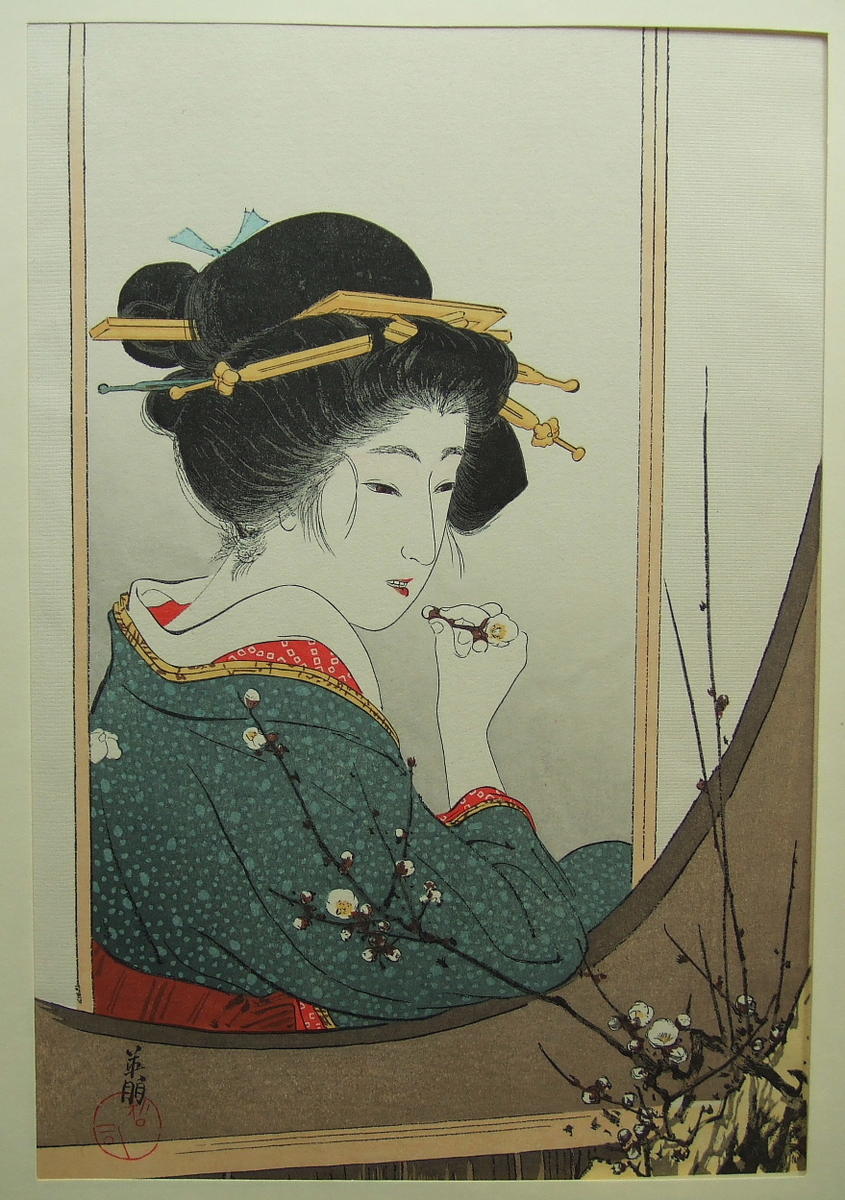
Plum Beauty
Woodblock print
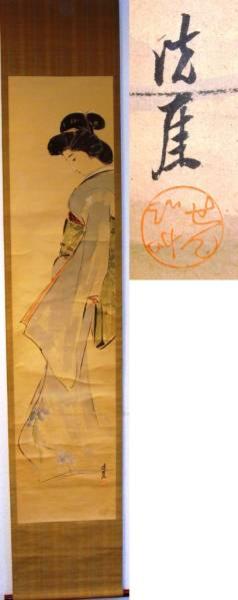
Bijin in Kimono
Woodblock print
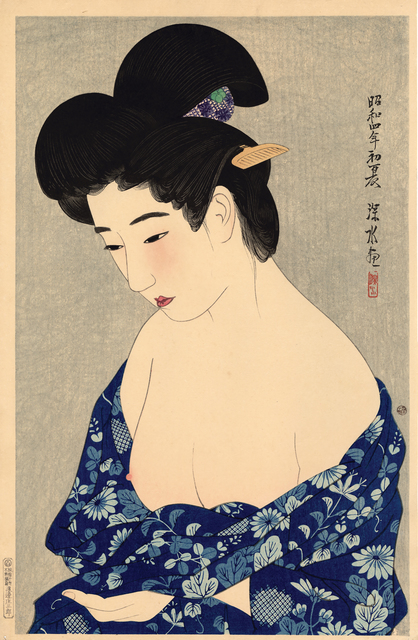
New Cotton Kimono
1929
Japanese Color Woodblock Print on handmade paper
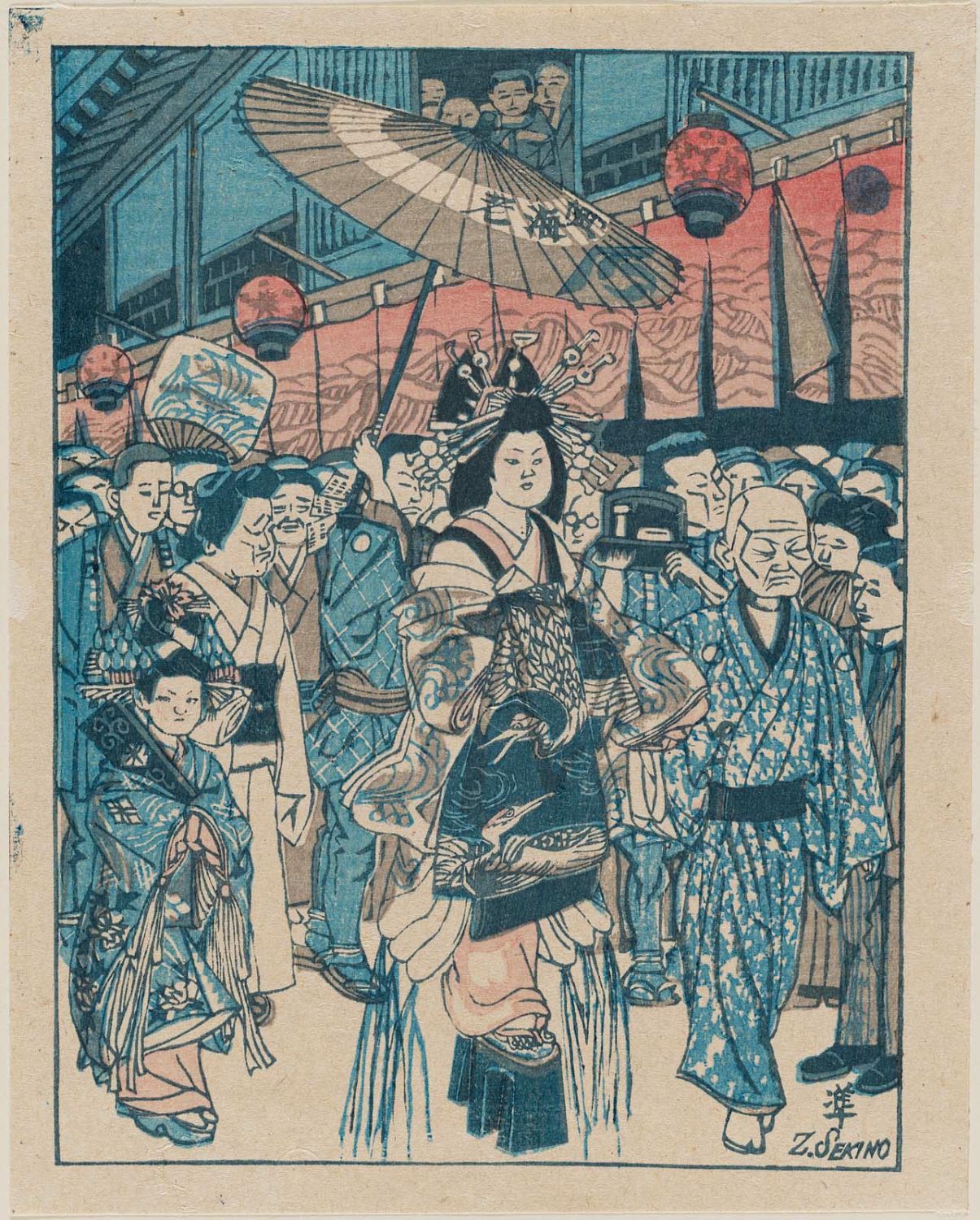
Courtesan Procession
Woodblock print
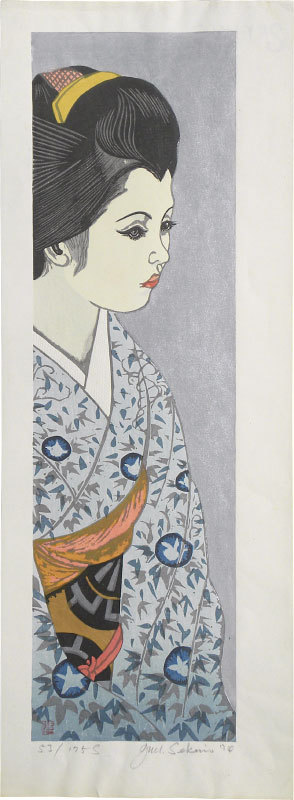
Twelve Months of Maiko: Morning Glories ((Maiko juni kagetsu: Asagao))
Woodblock print
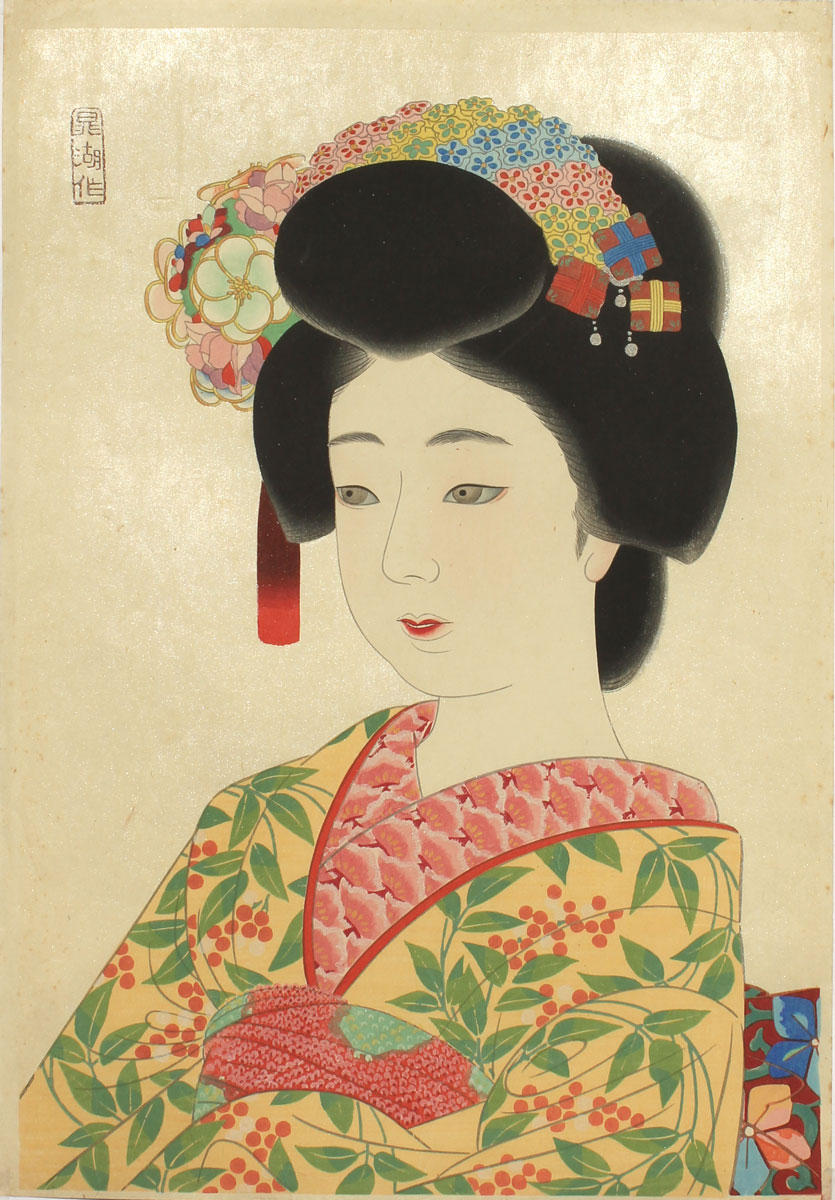
Maiko
Woodblock print

Maiko
Woodblock print
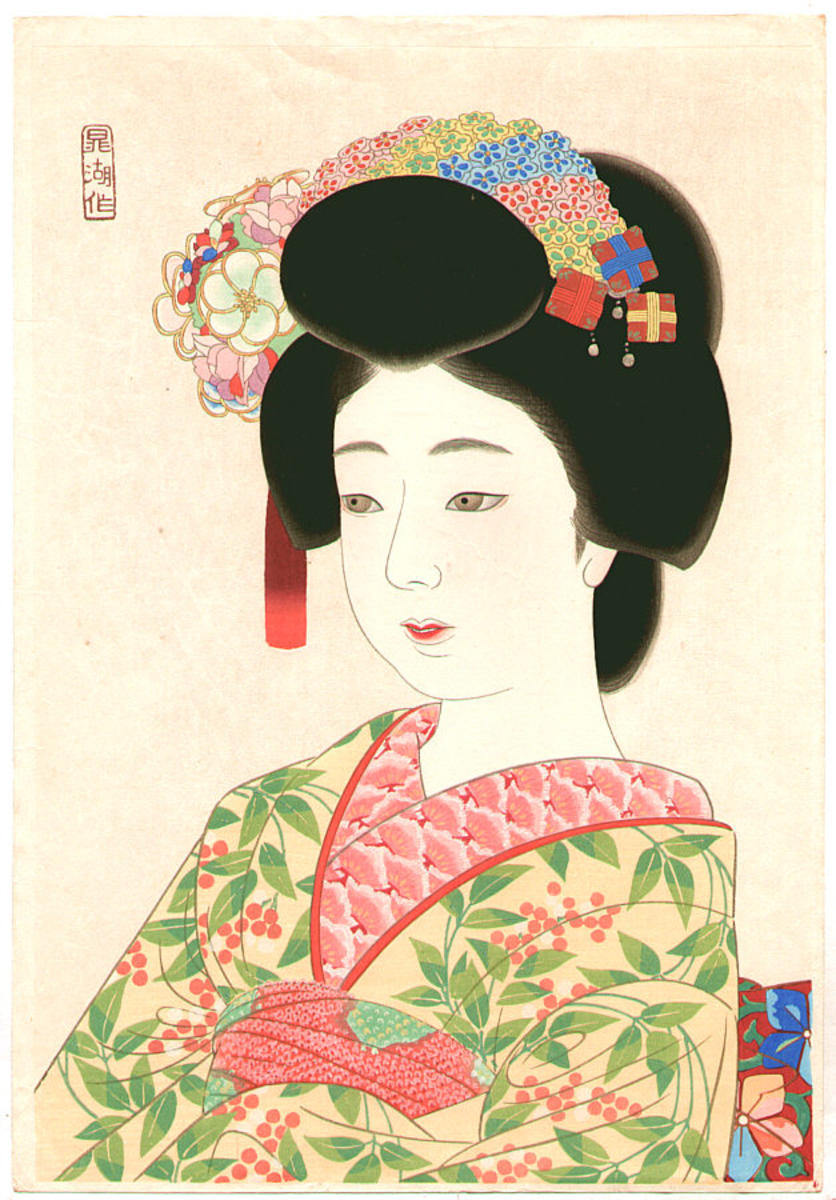
Maiko
Woodblock print
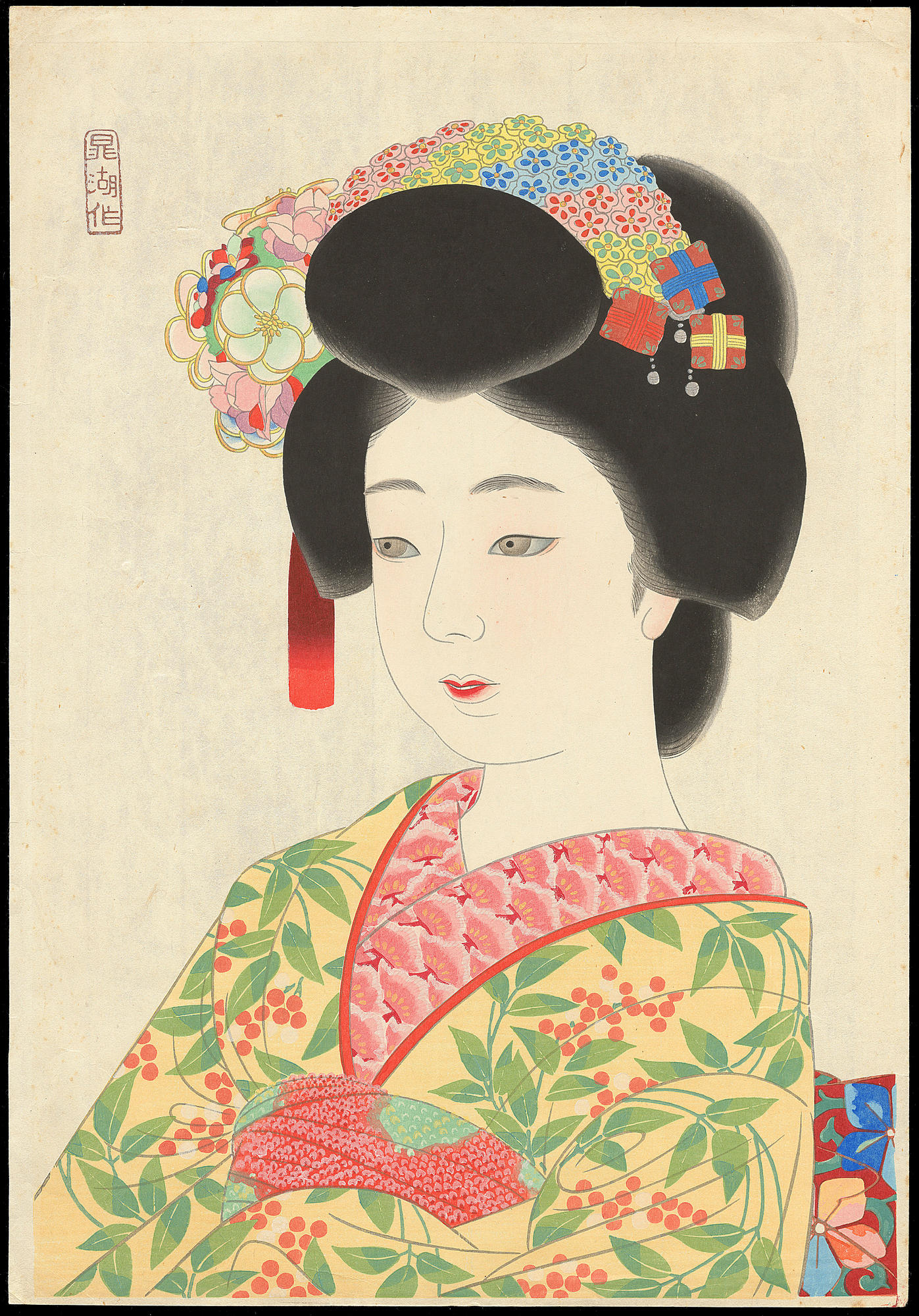
Maiko
Woodblock print
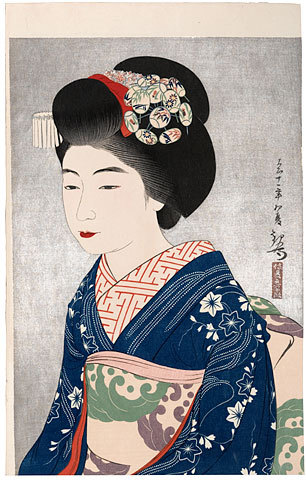
Kanpo’s Creative Prints, First Series: The Geisha Hinazo (Kanpo Sosaku-Hanga Shu Daiishu: Hinazo)
Woodblock print
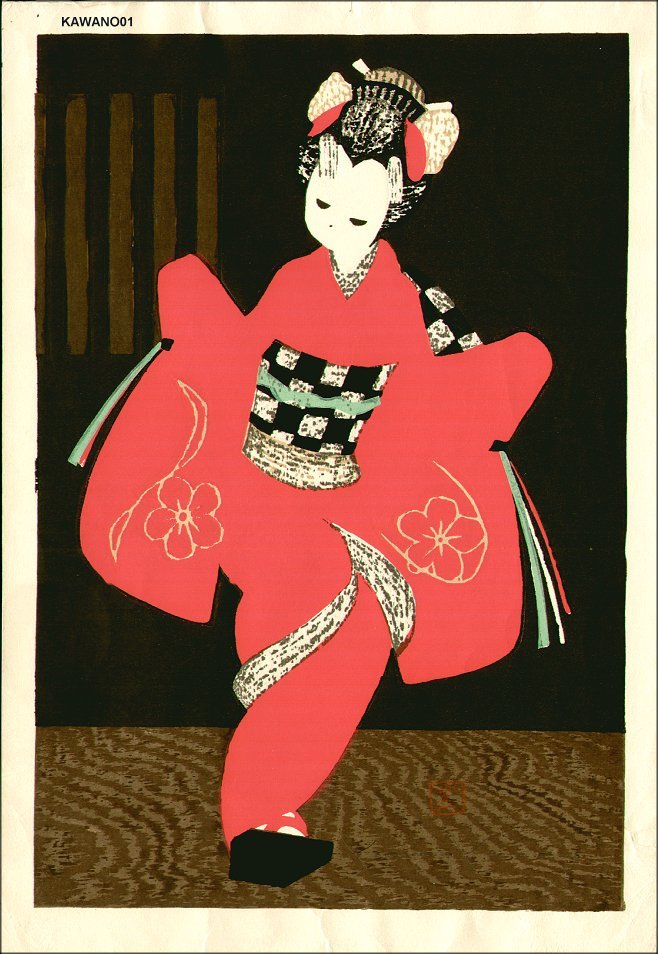
Red kimono
Woodblock print
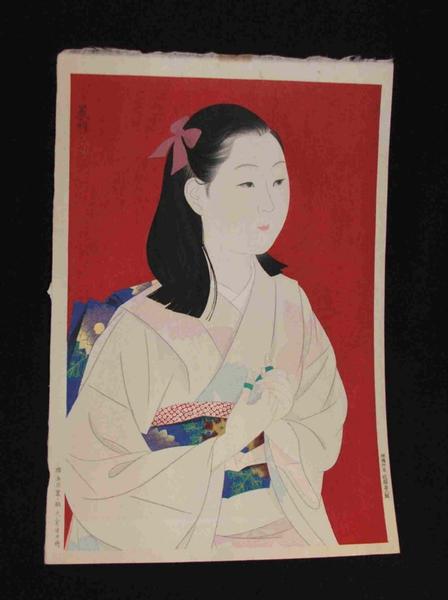
Bijin in Kimono
Woodblock print
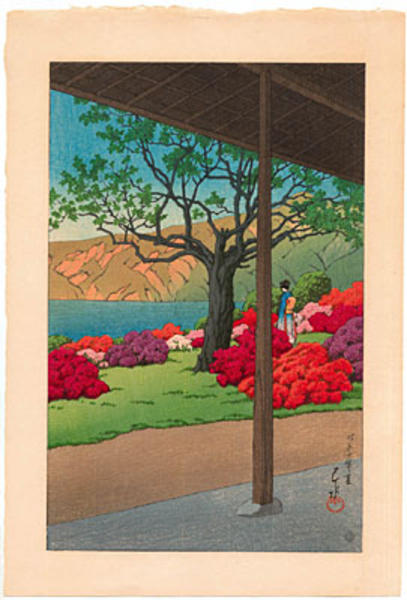
Bijin in an Azalea Garden — つつじ庭にあそぶ美人
Woodblock print
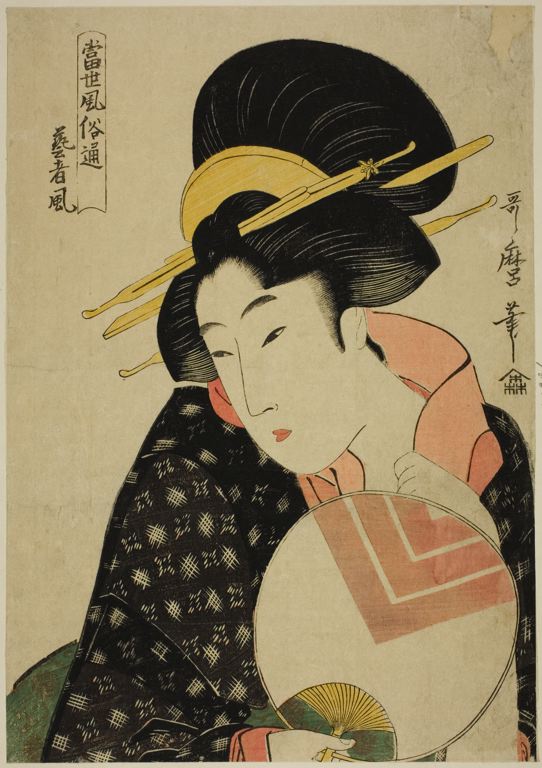
Connoisseurs of Contemporary Manners (Tosei fozoku tsu): The Geisha Style
Woodblock print
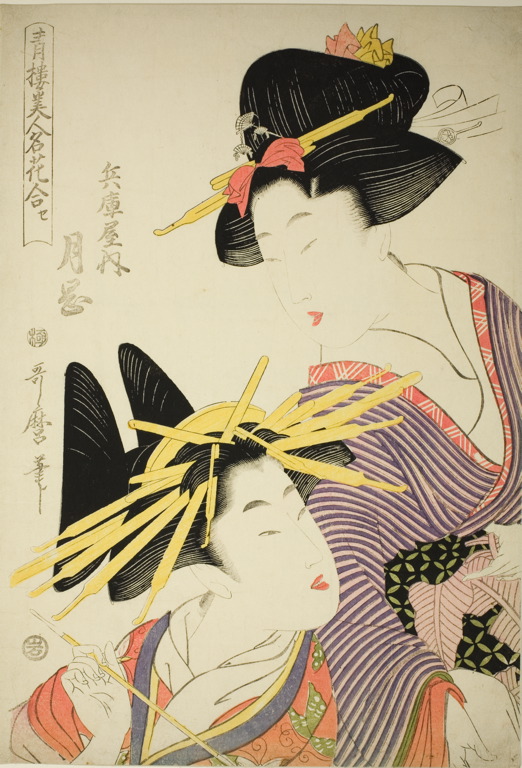
Famous Flowers of Beauty from the Pleasure Quarters (Seiro bijin meika awase): Tsukioka of the Hyogoya
Woodblock print
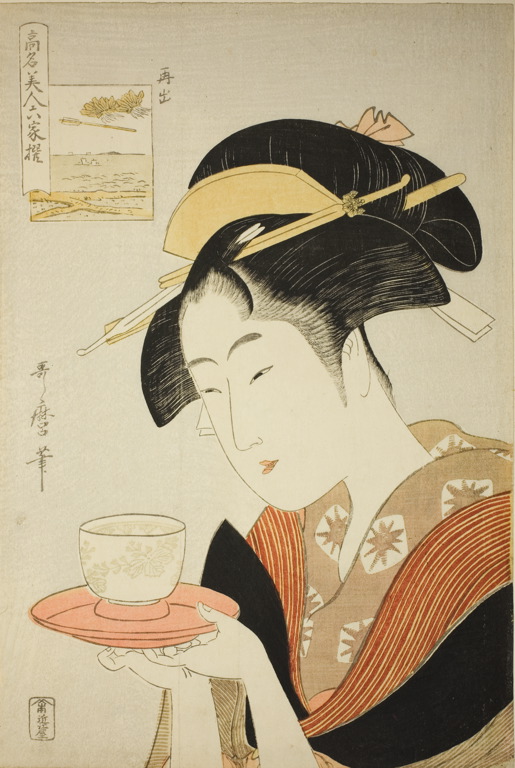
Six Reknowned Beauties (Kômei bijin rokkasen) : Naniwaya Okita
Woodblock print
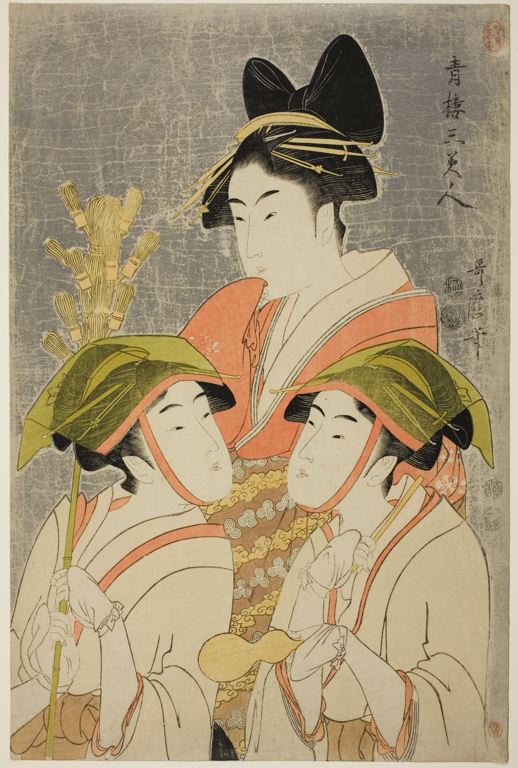
Three Beauties of Yoshiwara (Seirô san bijin)
Woodblock print
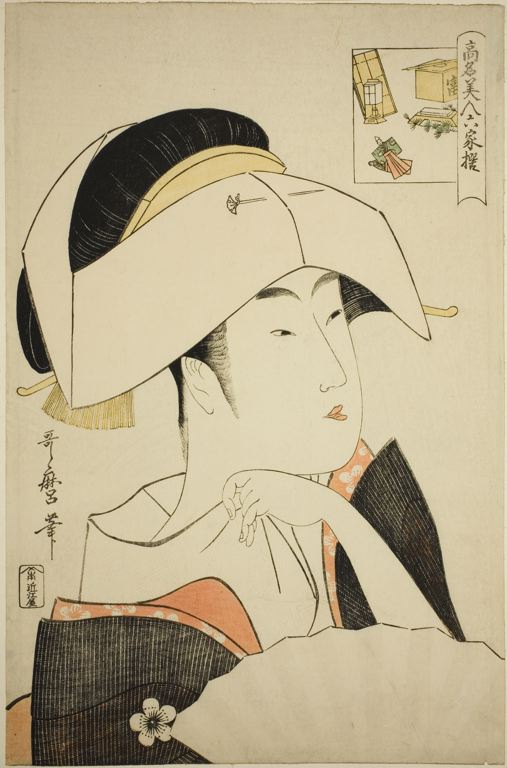
Tomimoto Toyohina, from the series Renowned Beauties Likened to the Six Immortal Poets (Komei bijin rokkasen) (Tomimoto Toyohina) (picture-riddle)
Woodblock print
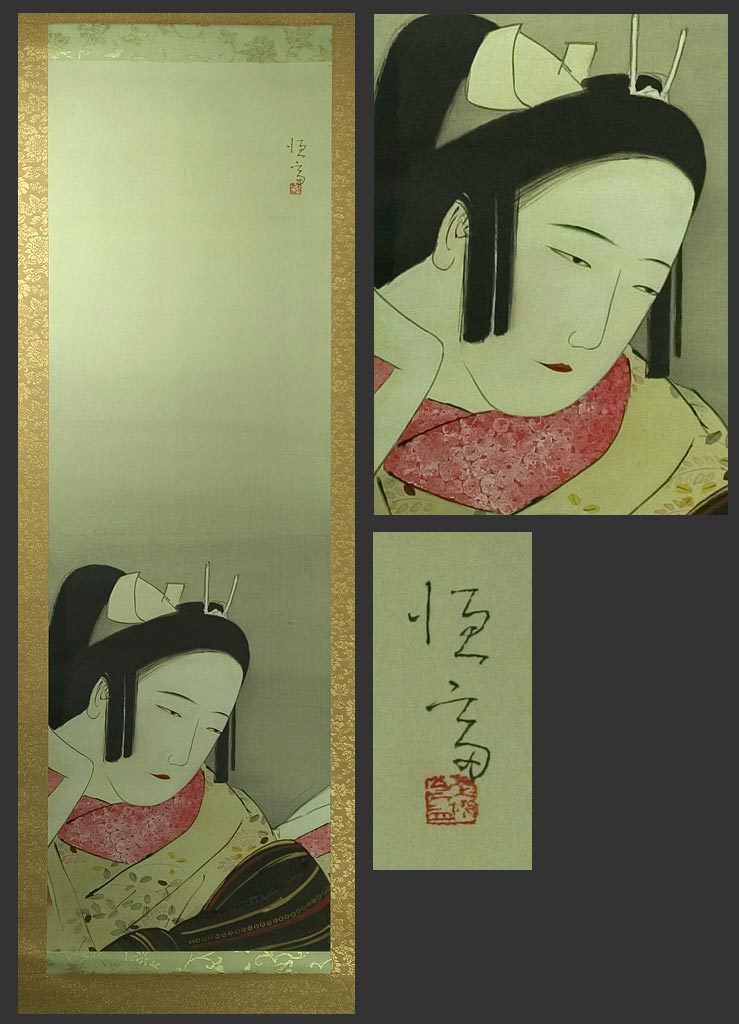
Shin Bijin
Woodblock print
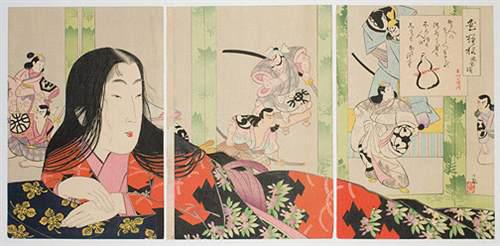
Beauty of the Enpo Period
Woodblock print
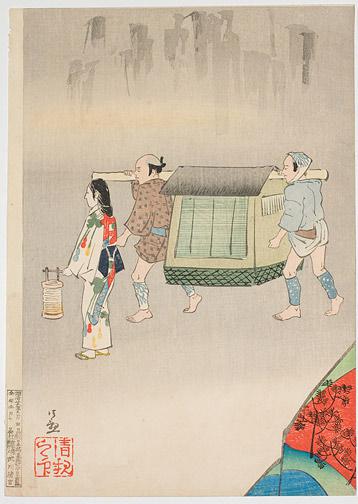
Beauty of the Kyoho Period
Woodblock print
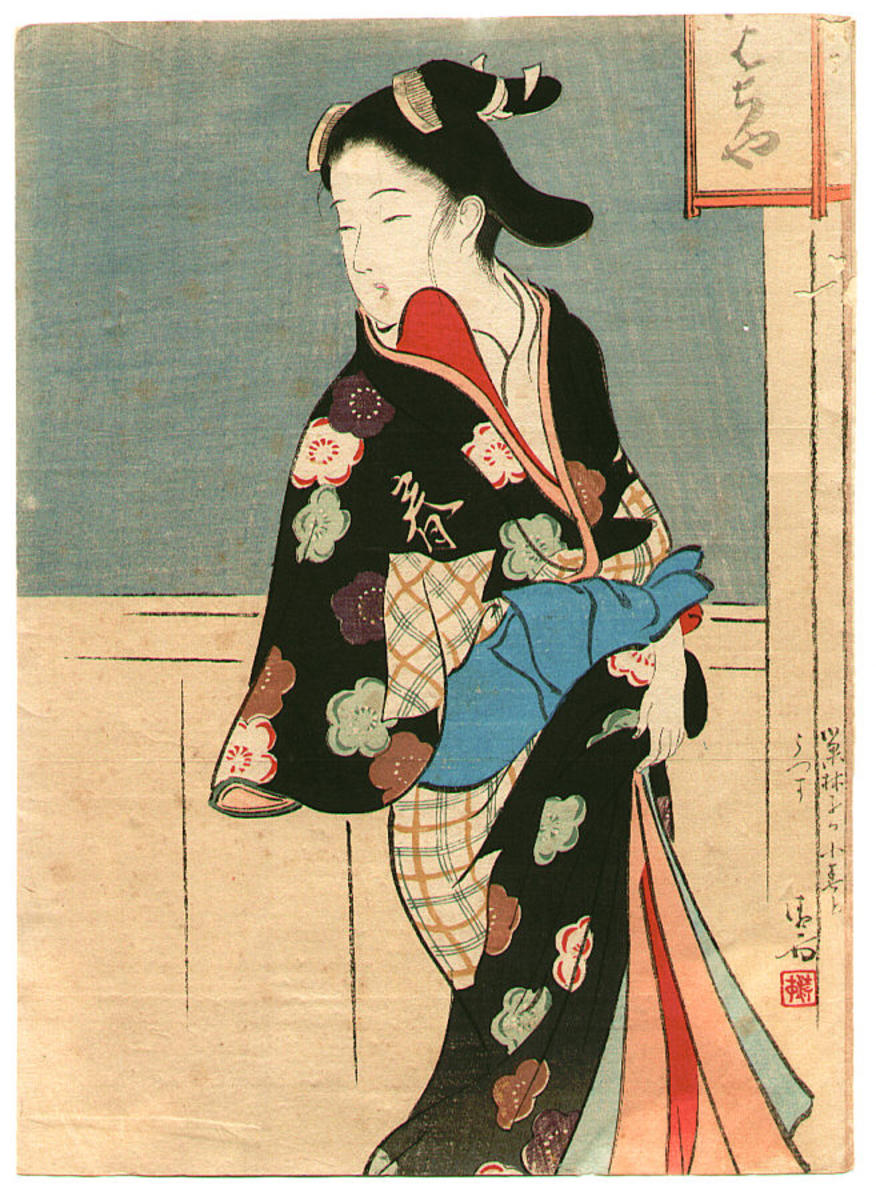
Black Kimono
Woodblock print
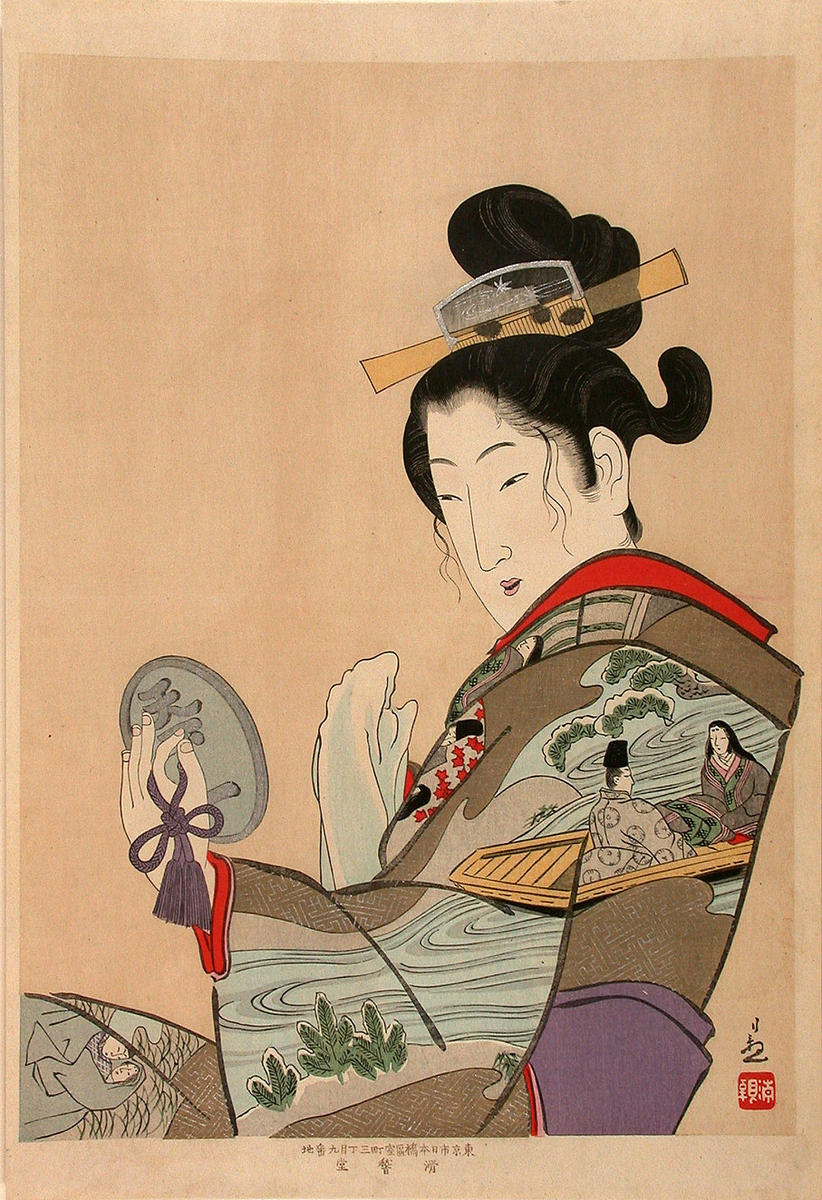
Courtesan at toilette, holding a mirror
Woodblock print
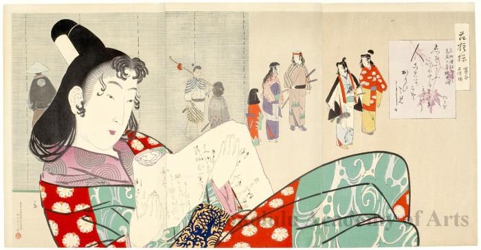
Courtesan Takao of the Höei-Shötoku Era (1704-16)
Woodblock print
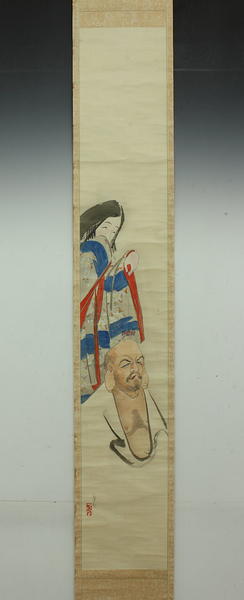
Mischievous Bijin — 悪戯美人
Woodblock print
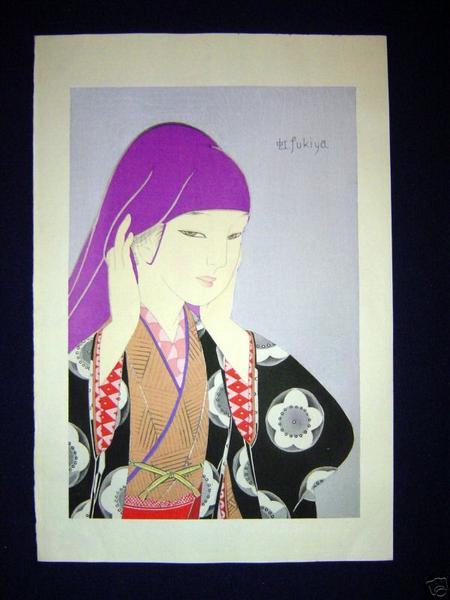
Bijin with Purple Head Scarf
Woodblock print
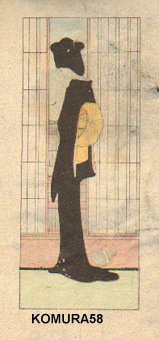
Beauty looking out
Woodblock print
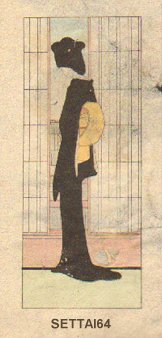
Beauty looking out
Woodblock print
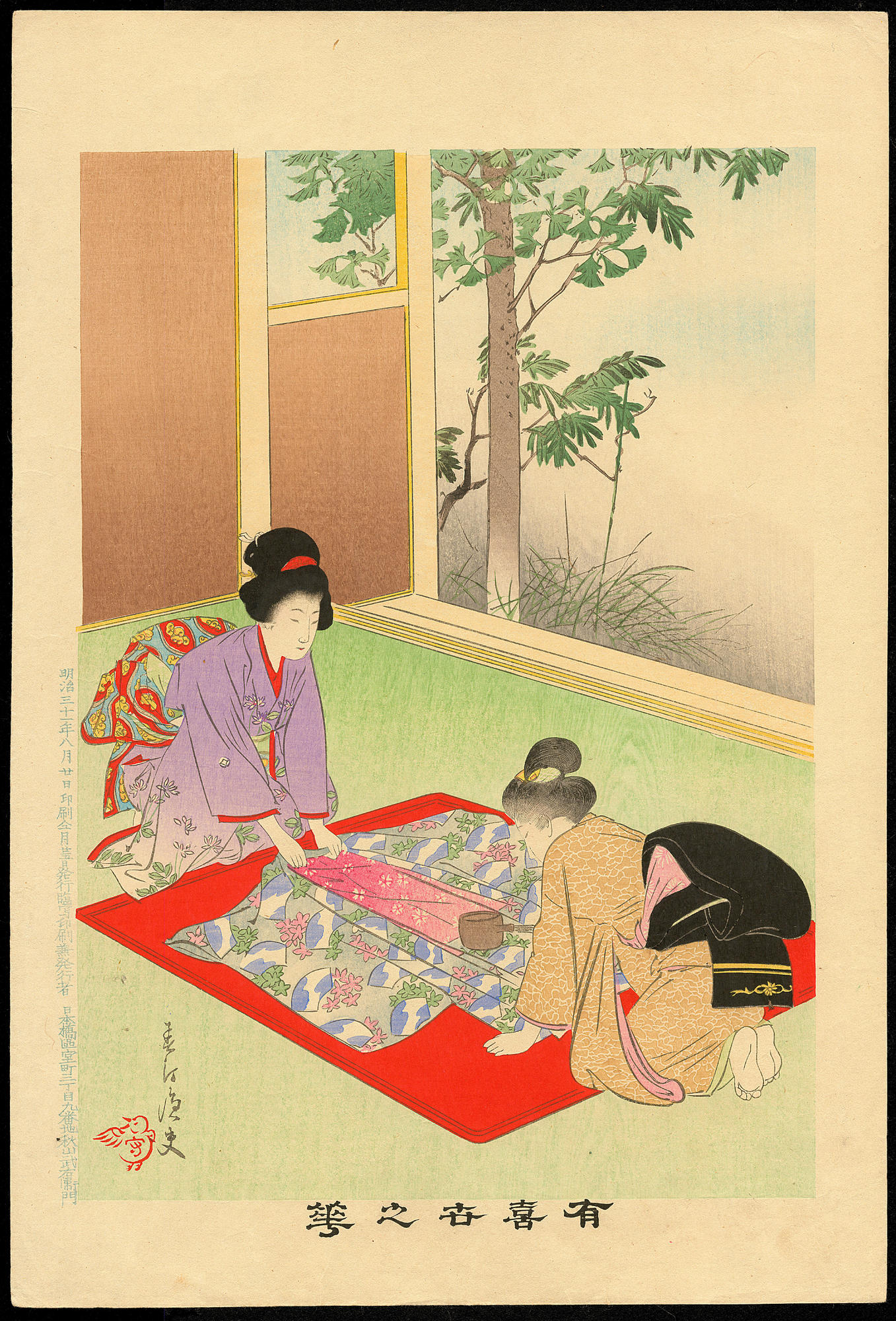
Ironing a Kimono (1)
Woodblock print
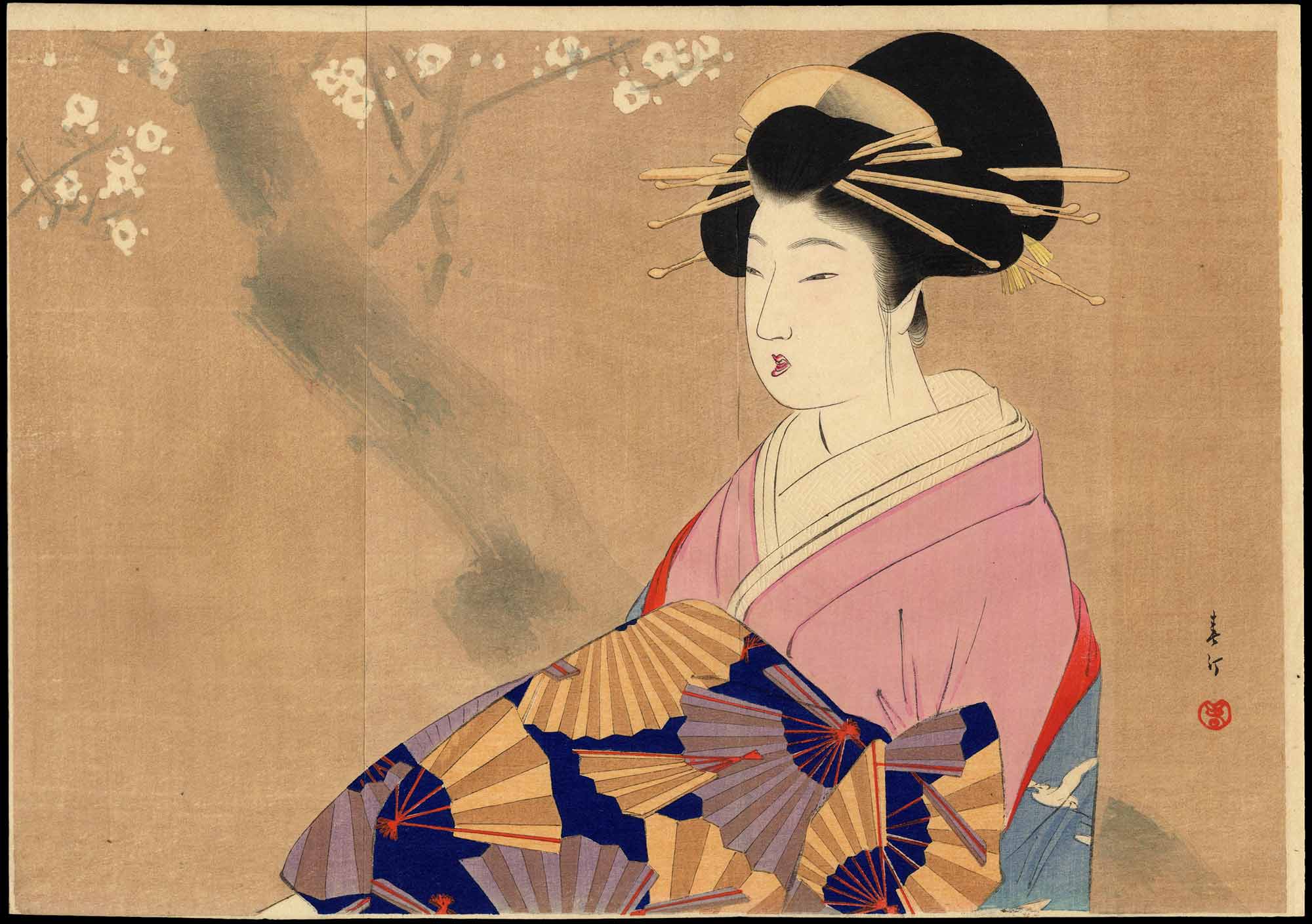
Oiran (Courtesan) (1)
Woodblock print
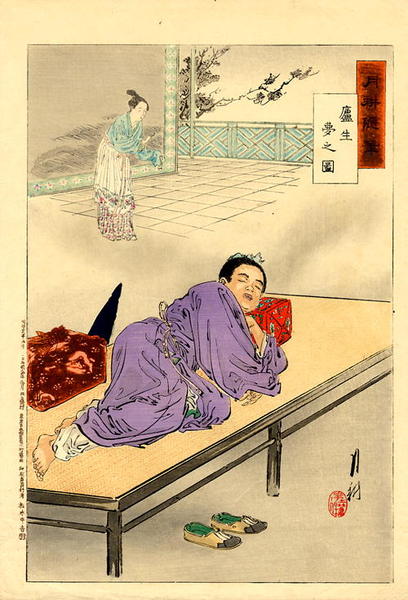
A young man sleeping and dreams of a young bijin
Woodblock print
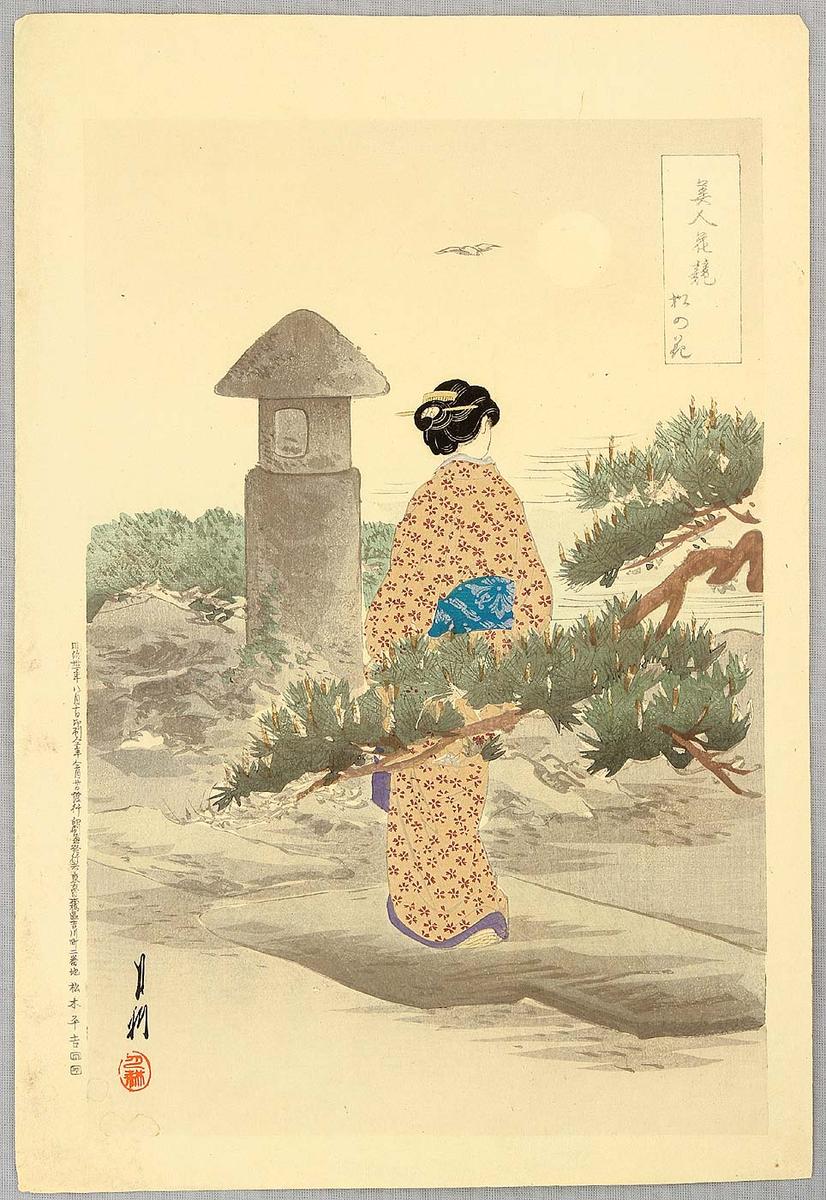
Beauty and Pine
Woodblock print
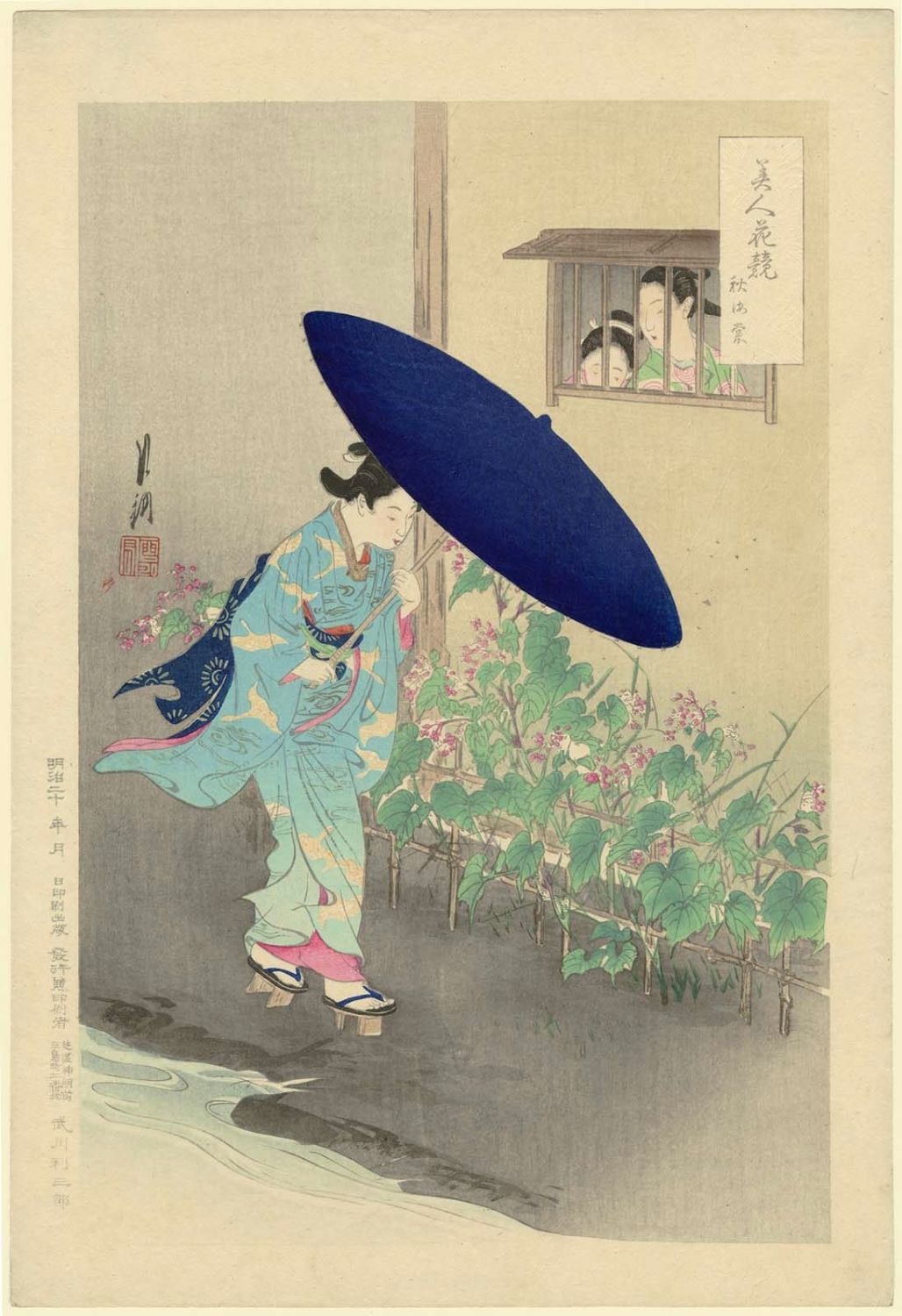
Begonia (Shukaidô), from the series Beauties Matched with Flowers (Bijin hana kurabe)
Woodblock print
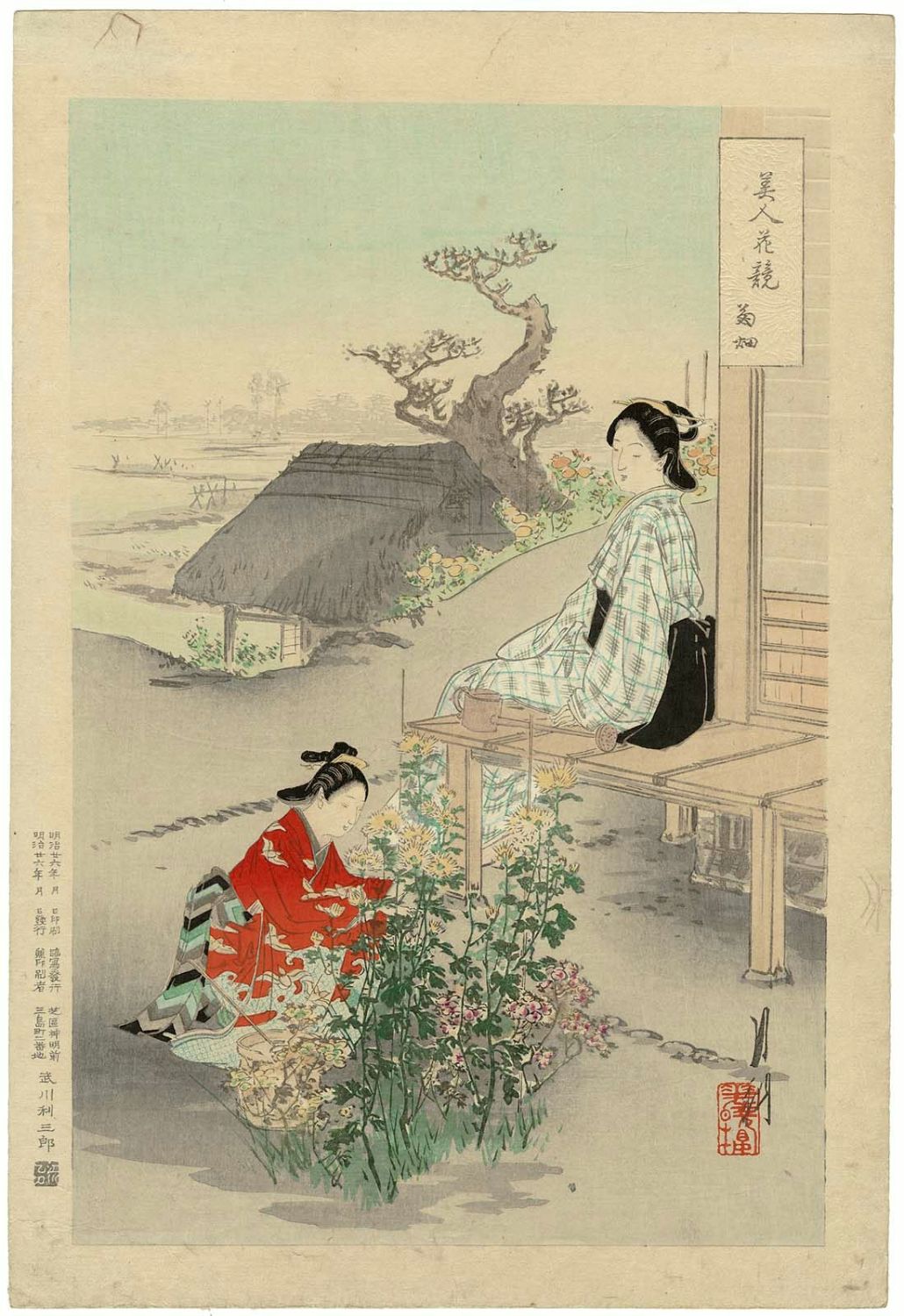
Chrysanthemum Garden (Kiku-batake), from the series Beauties Matched with Flowers (Bijin hana kurabe)
Woodblock print
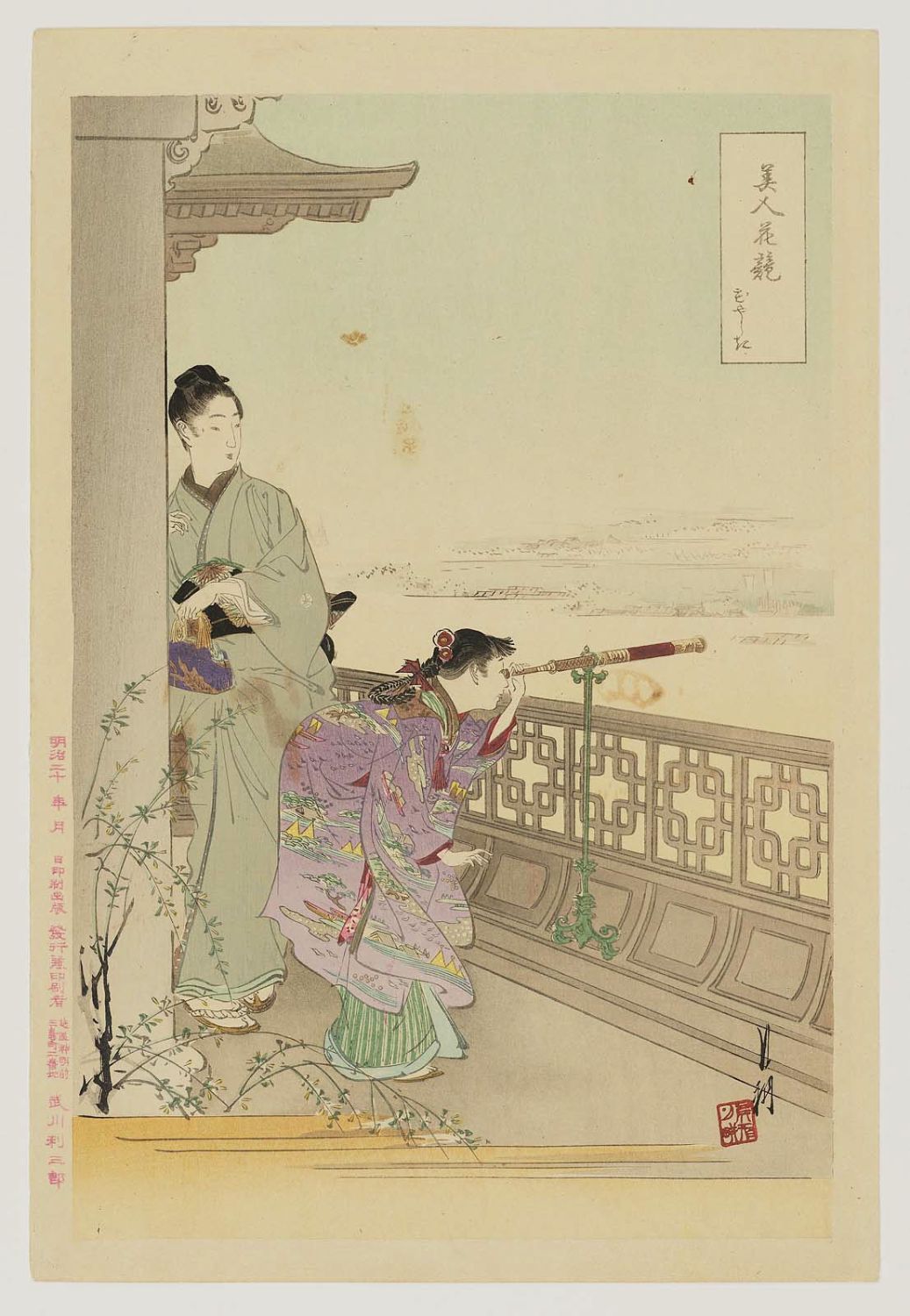
from the series Competition of Beauties and Flowers (Bijin hana awase)
Woodblock print
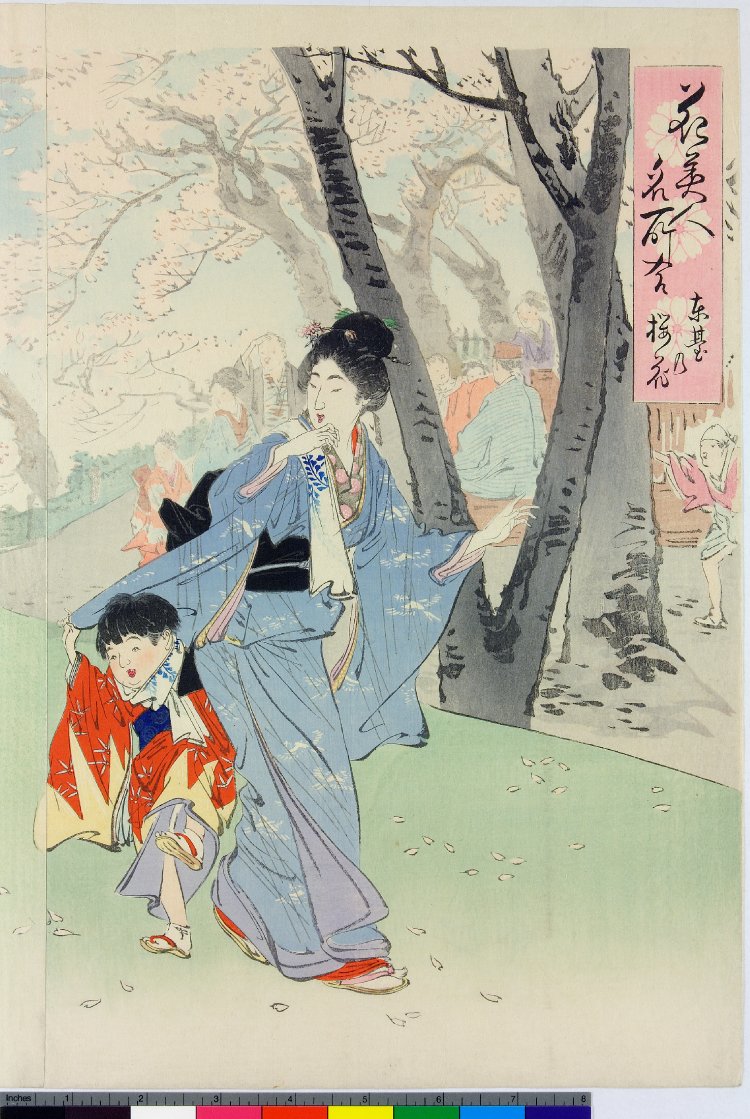
Higashi-dai no oka 東台乃桜花 / Hana bijin meisho awase 花美人名所合
Woodblock print
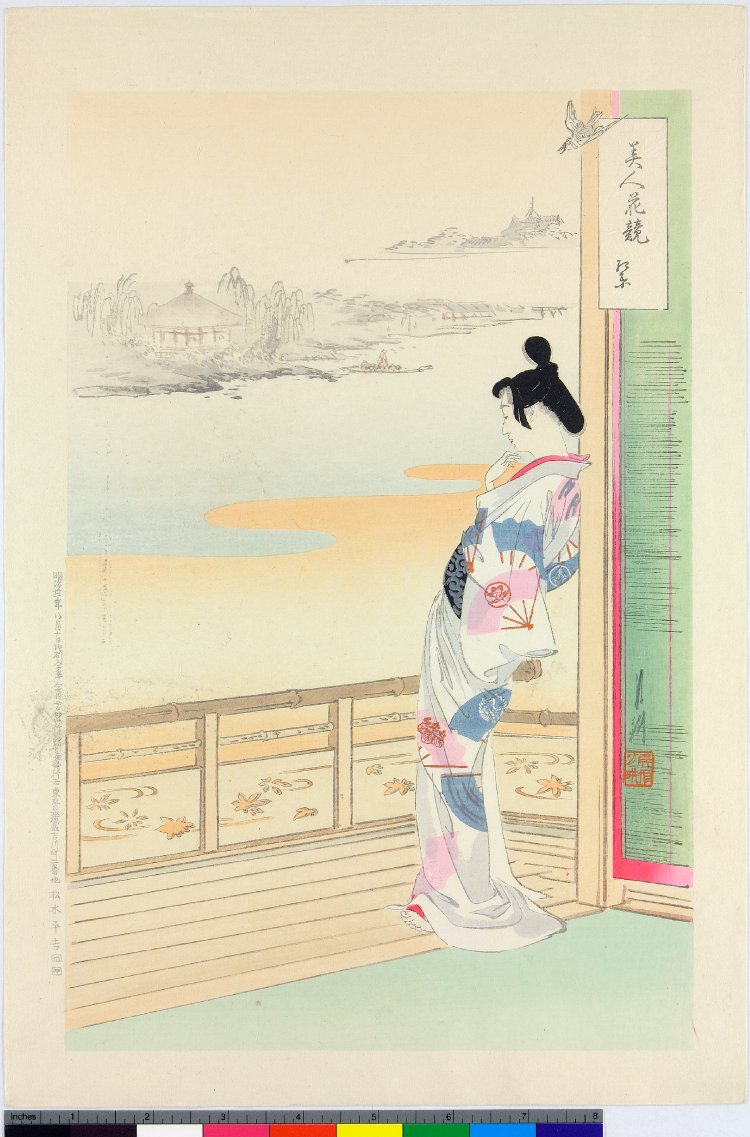
Koyo 紅葉 / Bijin hana kurabe 美人花競
Woodblock print
Related Subjects
Frequently Asked Questions
Bijin-ga — literally "pictures of beautiful people" — is one of the foundational genres of Japanese woodblock printmaking. The tradition dates to the earliest days of ukiyo-e, when artists like Hishikawa Moronobu and later Kitagawa Utamaro elevated portrayals of women from simple illustrations to sophisticated studies of beauty, fashion, and personality.
Hashiguchi Goyo, Torii Kotondo, and Takehisa Yumeji are among the artists most associated with bijin-ga in our collection. Browse the full list of artists who explored this subject above.
Hanga currently catalogues 1084 prints tagged with bijin-ga, spanning ukiyo-e, shin-hanga, and sōsaku-hanga traditions where applicable.