Figures Prints (1669)
Figure compositions are among the most diverse subjects in Japanese printmaking, encompassing everything from intimate domestic scenes to grand historical narratives. The tradition spans the full history of ukiyo-e, from Moronobu's pioneering single-sheet prints of the 1670s to contemporary figure studies that blend traditional techniques with modern sensibilities. In the ukiyo-e era, figure prints often depicted courtesans, actors, and townspeople of Edo's pleasure quarters, capturing the fashions, gestures, and social dynamics of urban life. The shin-hanga movement brought a more contemplative approach, with artists like Ito Shinsui creating elegant figure studies that emphasized mood and atmosphere over narrative action. Sosaku-hanga artists pursued more experimental figure work, from Onchi Koshiro's abstract portraits to Sekino Jun'ichiro's bold character studies. Figure prints in the Japanese tradition are notable for their attention to textile patterns, body language, and the suggestion of inner life through subtle compositional choices. Whether depicting a single standing figure or a complex multi-figure narrative, these works reveal the printmaker's skill in translating human presence into the woodblock medium.
Artists Known for Figures



Untitled, Two People
Woodblock print
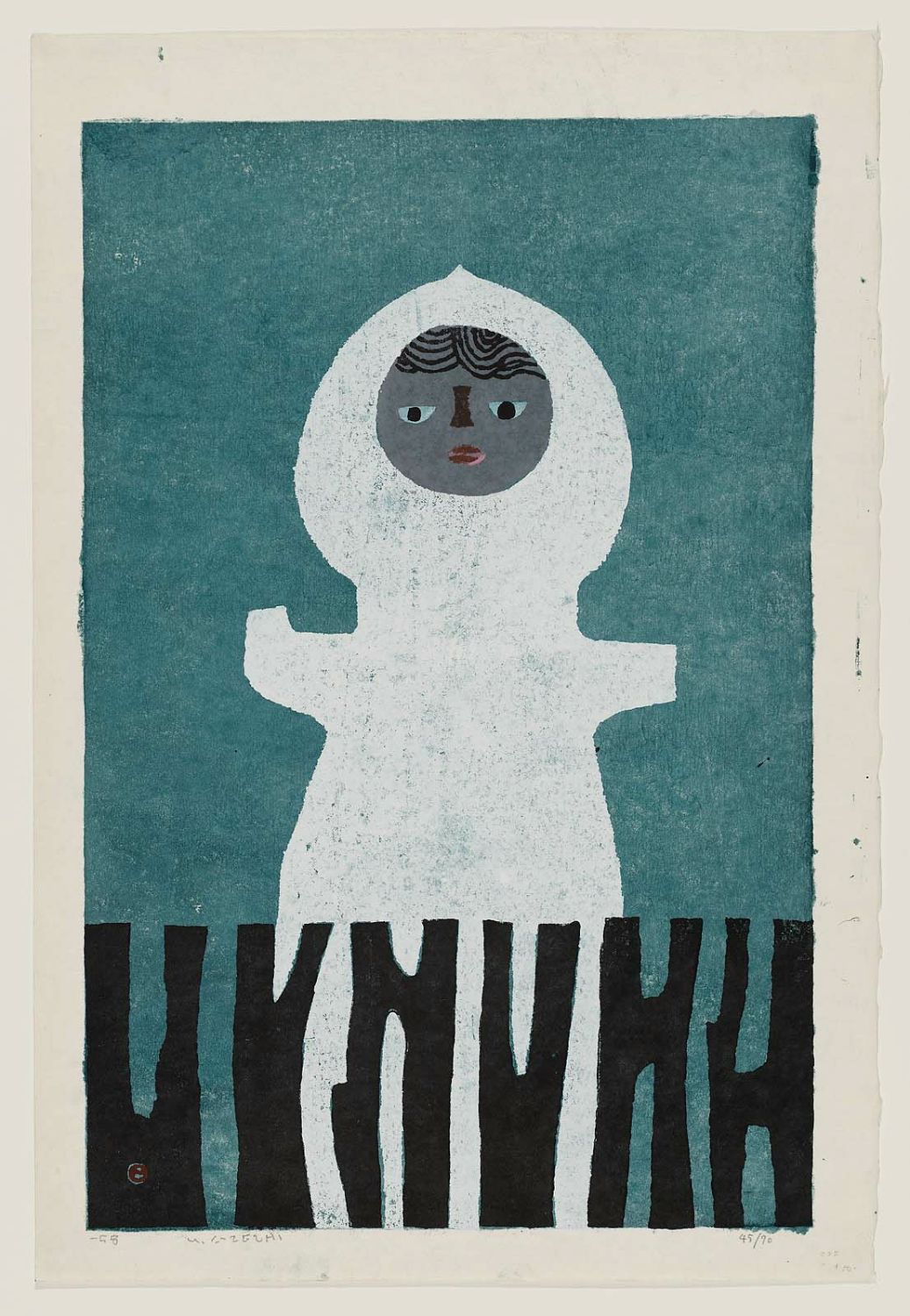
Figure in White (Shiroi zo)
Woodblock print
![Title unknown [Figure] by Umetaro Azechi](https://1.api.artsmia.org/800/135953.jpg)
Title unknown [Figure]
1950
Woodblock print, ink and color on paper
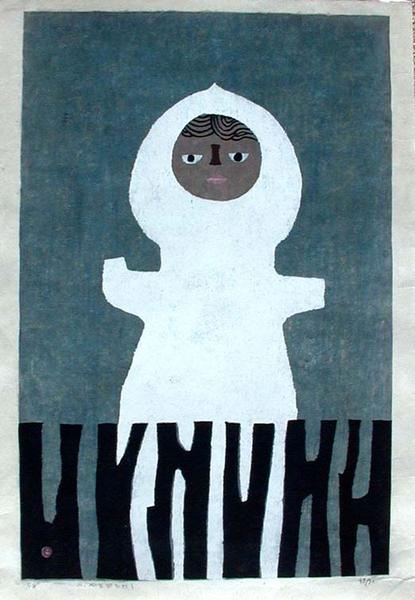
White Figure
Woodblock print
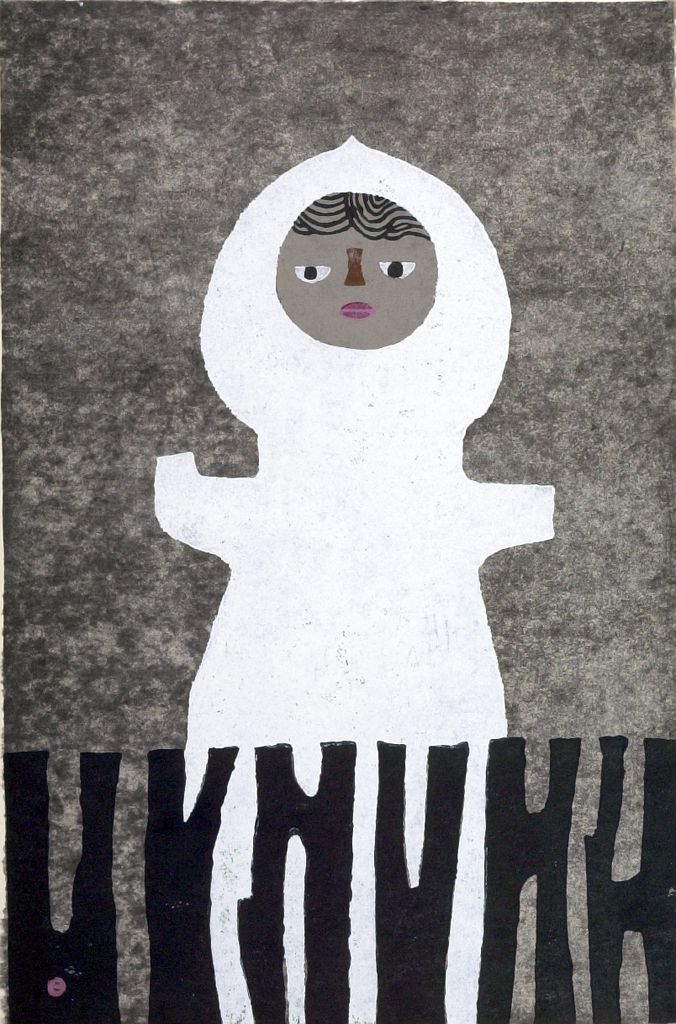
White Figure, Shôwa period, dated 1958
Woodblock print
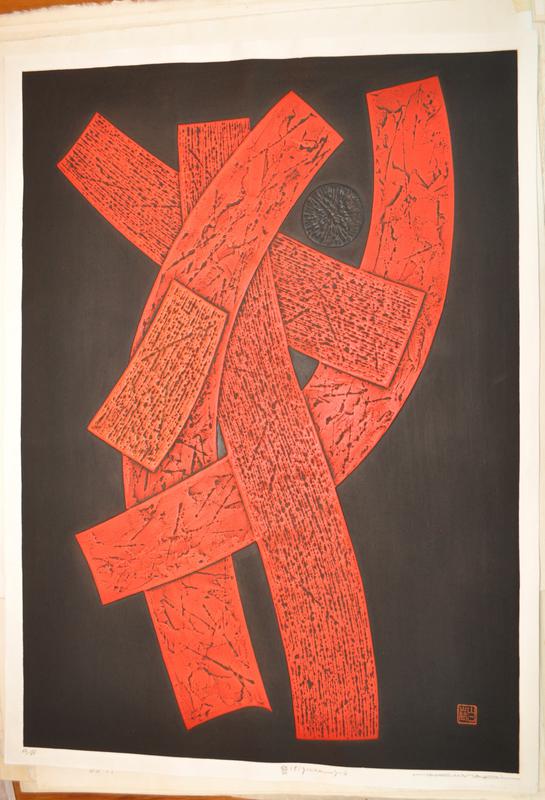
Figure - 3
1968
Woodblock print, ink and color on embossed paper

Old Fisherman in a Net-House (Amigoya no rojin)
1966
Color woodblock print; edition 40/50

Traveler at Rest
Woodblock print

Preparatory drawing of High Priest Kōmyō
1874
Preparatory drawing for a print, ink and color on paper
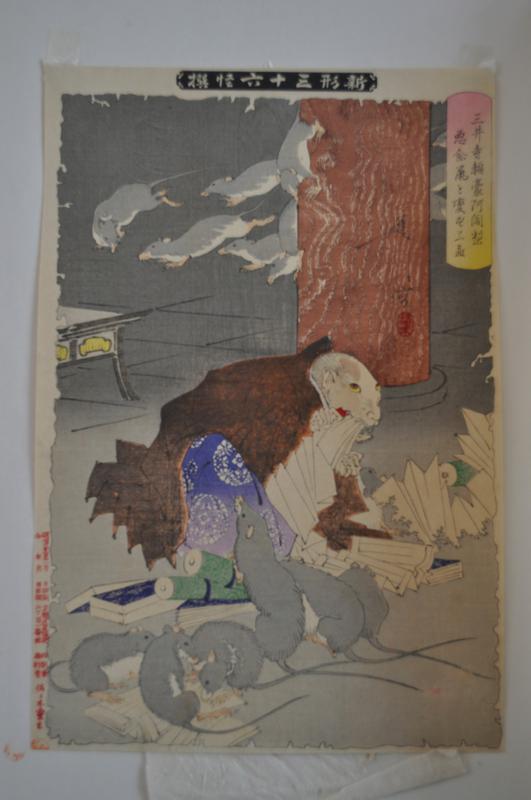
Priest Raigo of Miidera Transforming into a Vengeful Rat
1891
Woodblock print (nishiki-e), ink and color on paper
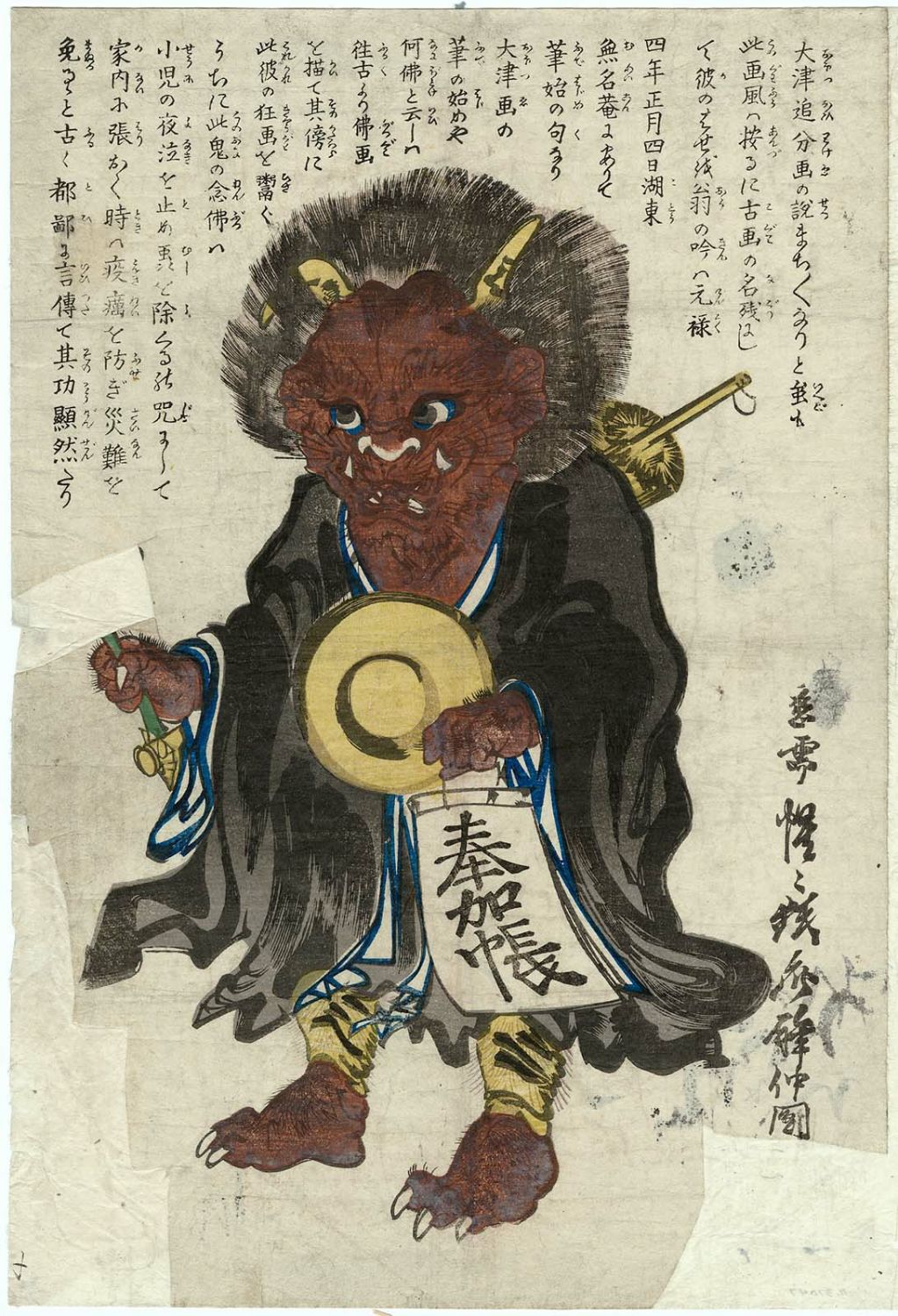
Ôtsu-e Figure: Demon Converted to Buddhism (Oni no nenbutsu)
Woodblock print

One Person, Six Expressions (Hitori rokumenso)
1884
Color woodblock print; oban

Picture of Taira no Tadamori Capturing the Priest of Midō Temple
c. 1884
Woodblock print (nishiki-e), ink and color on paper
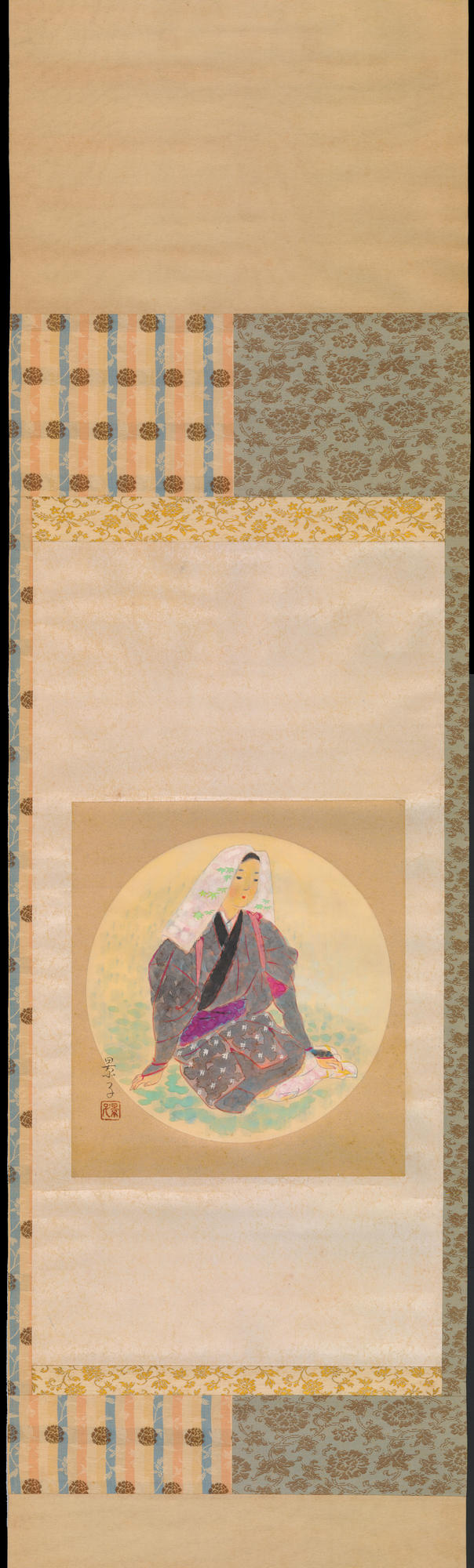
Oharame- female vendor (1)
Woodblock print
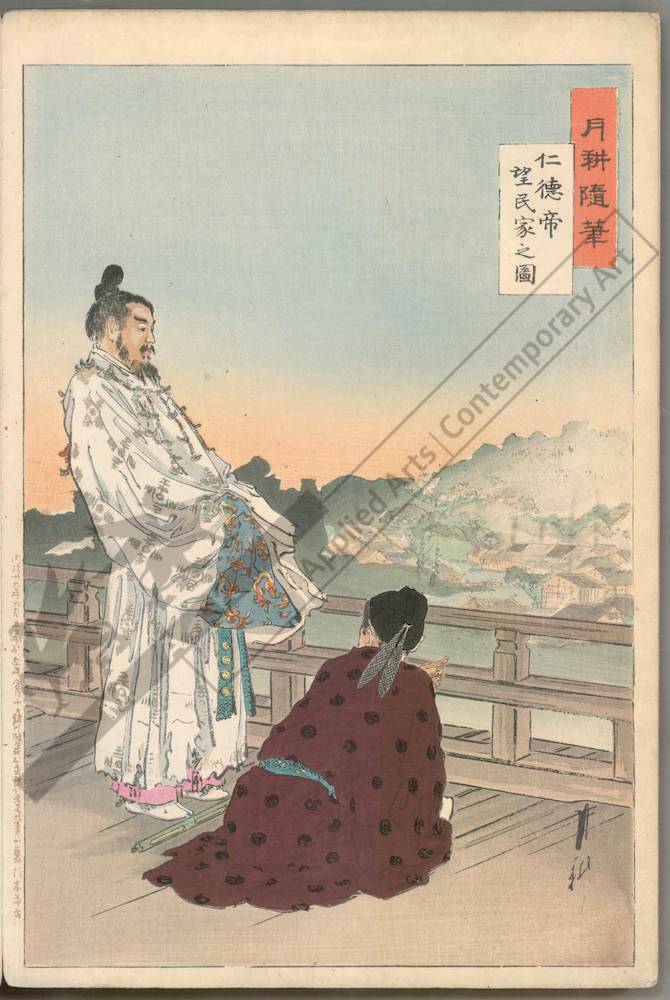
Emperor Nintoku looks at the houses of his people
Woodblock print
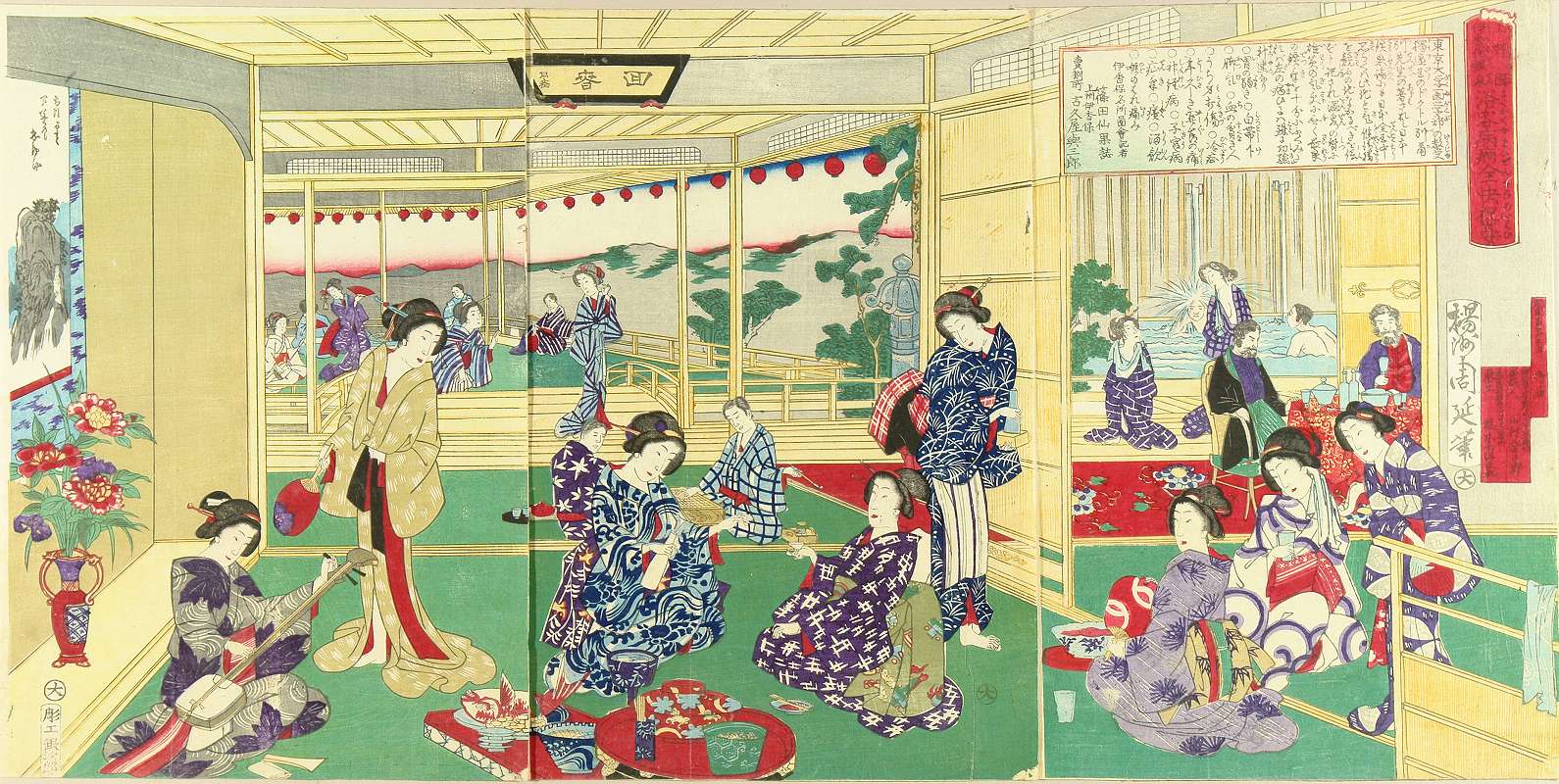
People cured at Ikaho Hotspring, Kozuke Province, 1881
Woodblock print

An Artisan’s Shop, from the album The Mist of Sandara (Sandara kasumi)
1798
Color woodblock print; album plate
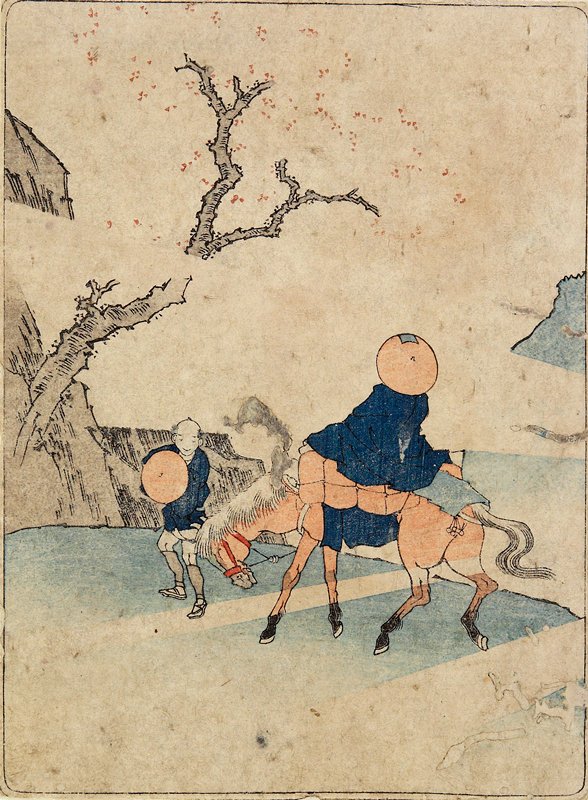
Traveler on Horseback under Bloomed Cherry Tree
1790s
Woodblock print (nishiki-e), ink and color on paper
![Casting a Mantra on the Waves at Kakuta on His Exile to Sado Island (Sashu rukei Kakuta nami daimoku), from the series "Concise Illustrated Biography of the Great Priest [Nichiren] (Koso go ichidai ryakuzu)" by Utagawa Kuniyoshi](https://www.artic.edu/iiif/2/7861e903-25d0-c779-7382-7055de763691/full/843,/0/default.jpg)
Casting a Mantra on the Waves at Kakuta on His Exile to Sado Island (Sashu rukei Kakuta nami daimoku), from the series "Concise Illustrated Biography of the Great Priest [Nichiren] (Koso go ichidai ryakuzu)"
c. 1830/35
Color woodblock print; oban
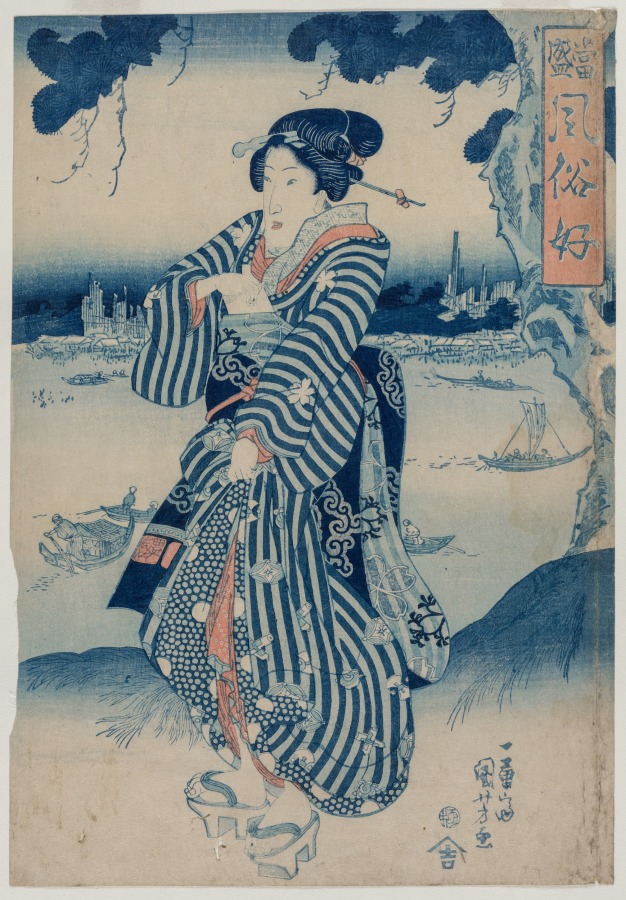
Geisha Standing on the Bank of the Sumida River (from the series People Who Like the Latest Fashions and Manners)
early 1830s
color woodblock print
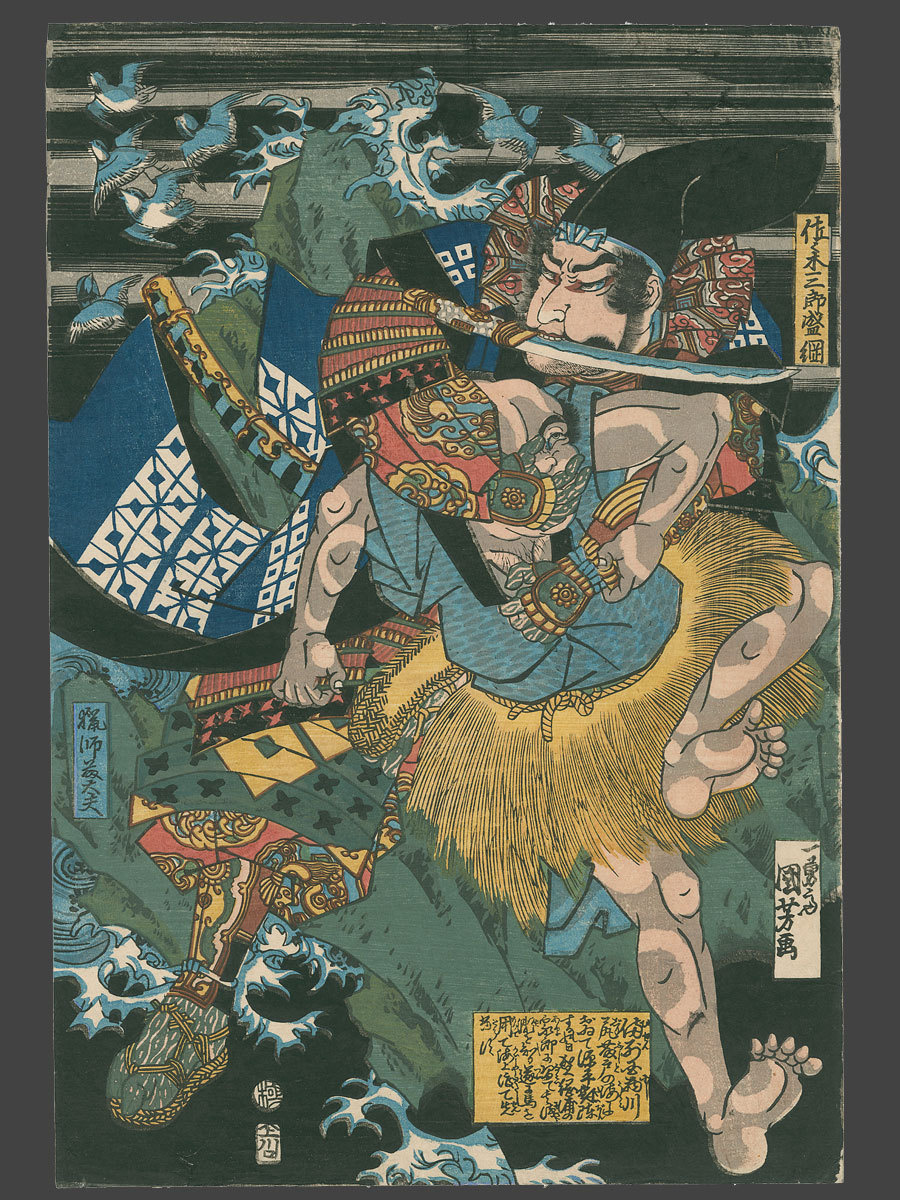
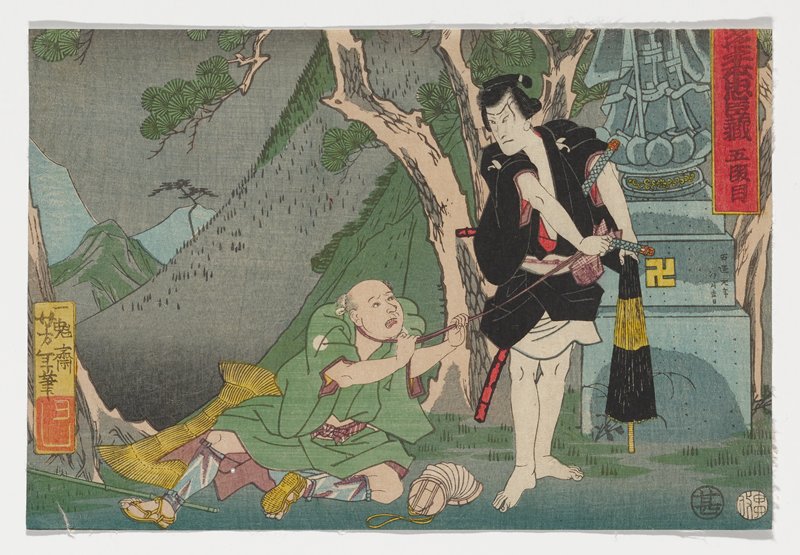
Moritsuna Holding a Knife in his Mouth and Strangling the Fisherman Todayu
Woodblock print
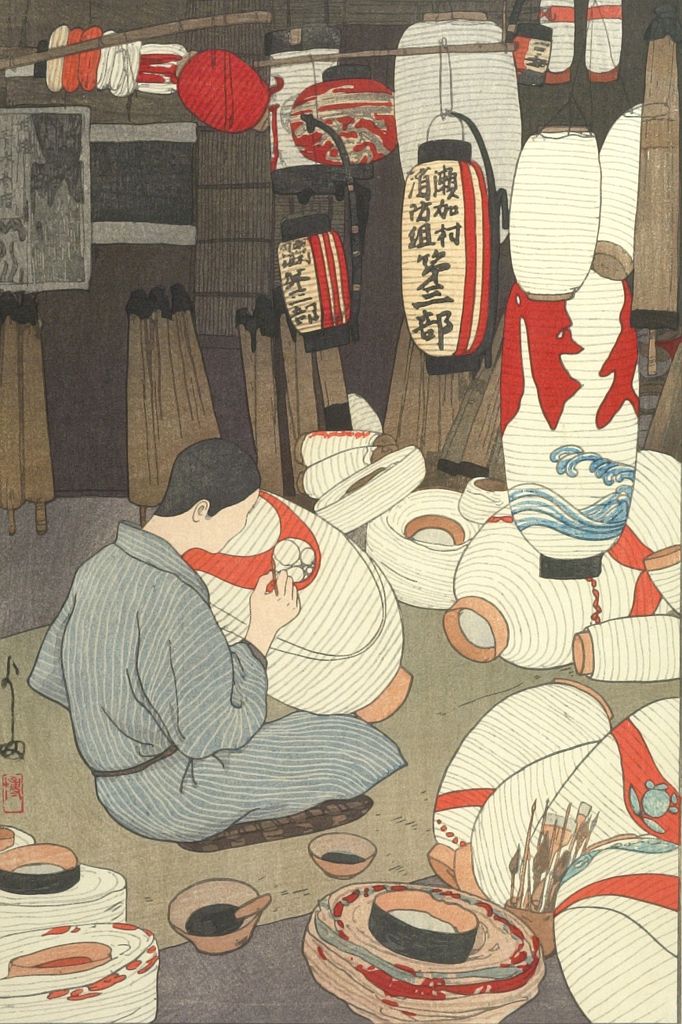
Lantern Maker (Chôchinya), Taishô period, dated 1926
1926
Woodblock print
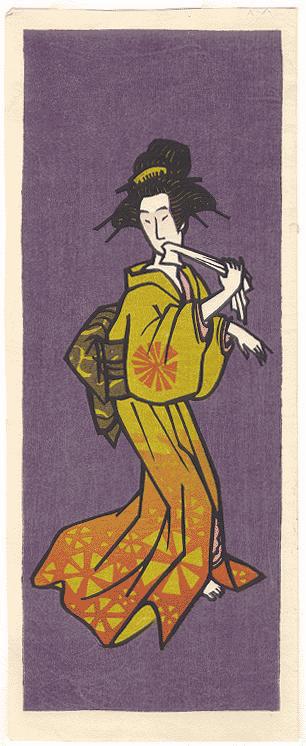
A Woman A
Contemporary - Circa 1968
Woodblock print
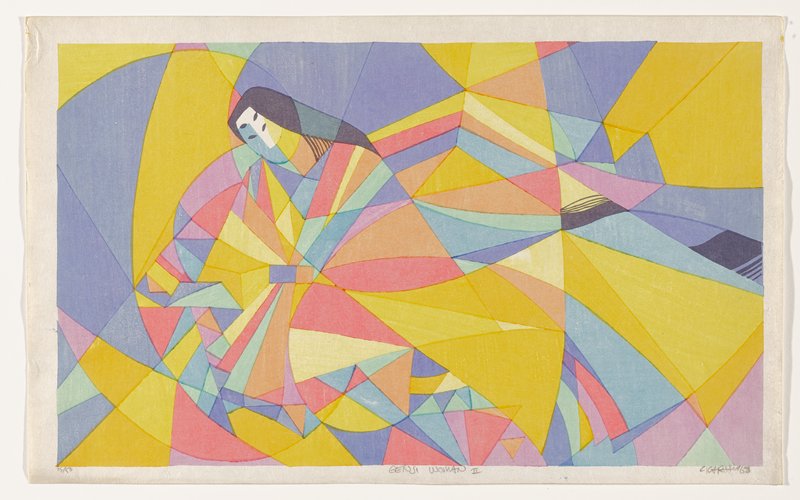
Genji Woman II
1968
Woodblock print, ink and color on paper
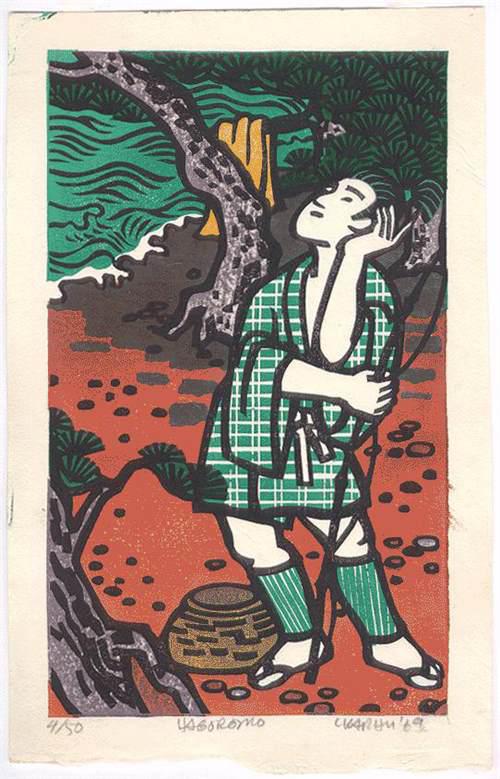
Hagoromo
Contemporary - 1969
Woodblock print
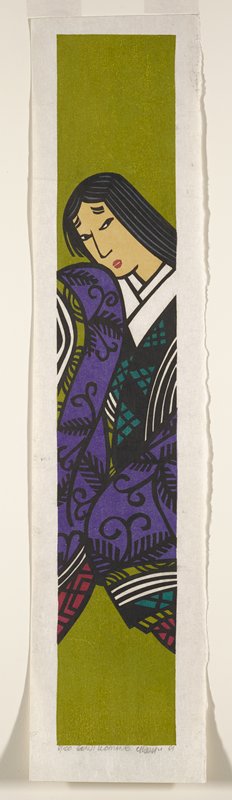
Genji Woman B
1981
Woodblock print, ink and color on paper
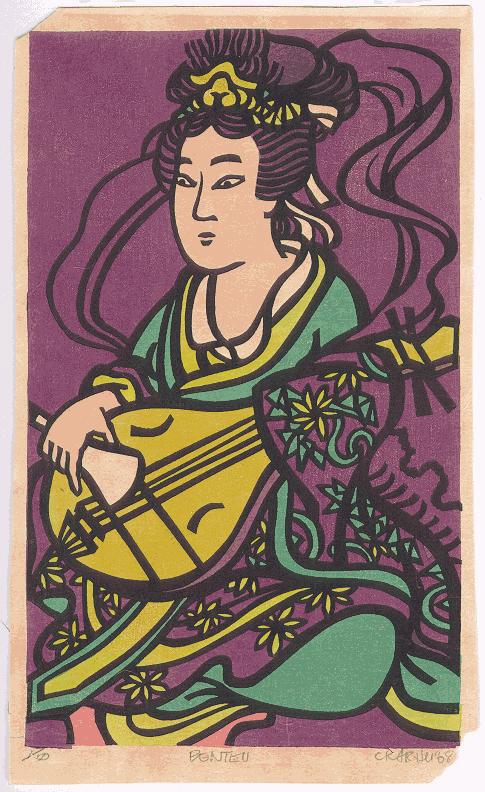
Benten (One of the Seven Gods of Happiness)
Contemporary - 1968
Woodblock print
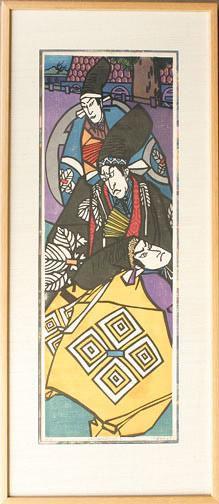
Chushingura I 8/50
1967
Woodblock print
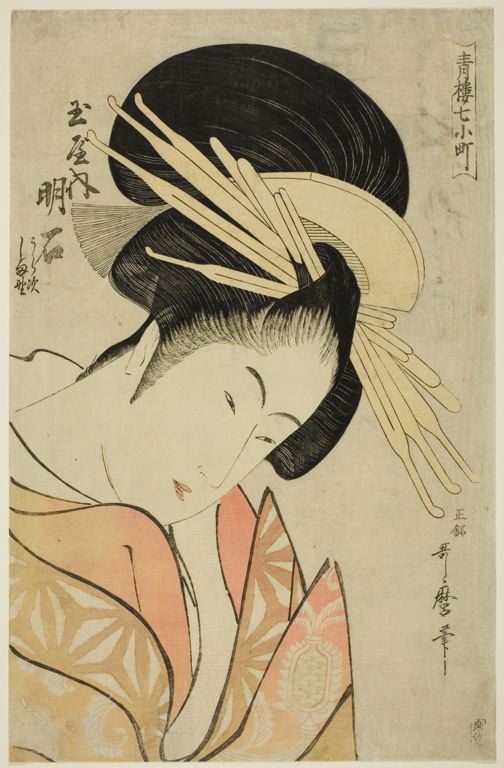
Akashi of the Tamaya, from the series Seven Komachis of Yoshiwara (Seiro nana Komachi) (Tamaya uchi Akashi, Uraji, Shimano)
Woodblock print

Five, Hinazō
early summer 1922
Woodblock print, ink and color on paper with mica
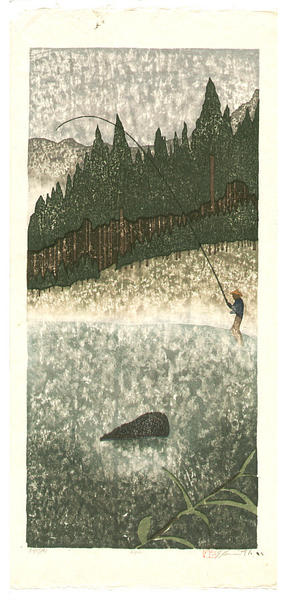
Rome Joshua (b. 1953 )
1991
Woodblock print
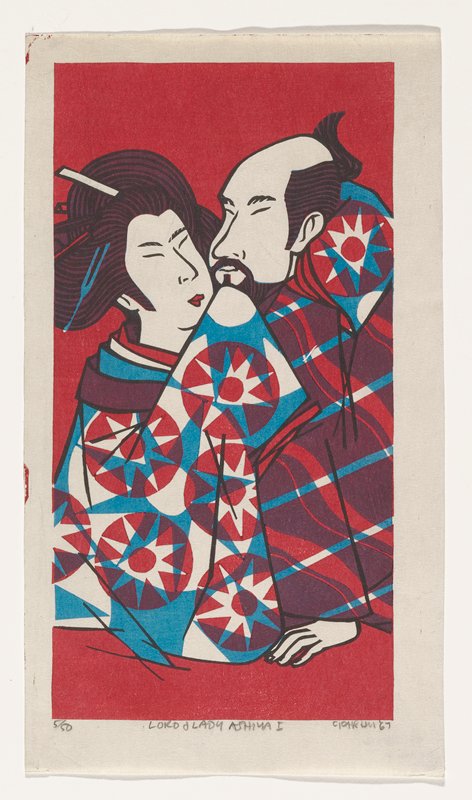
Lord and Lady Ashiya I
1967
Woodblock print, ink and color on paper
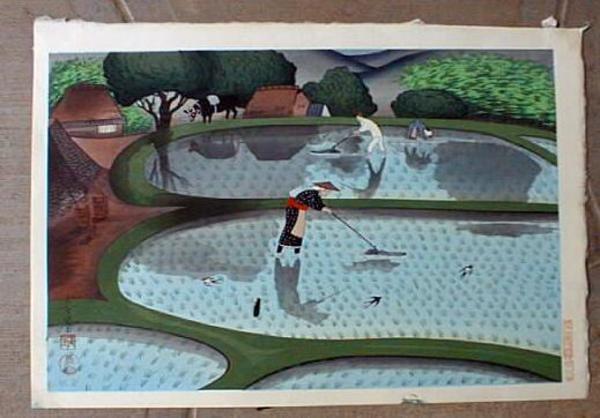
Farming
Woodblock print

Sei Shonagon, from the series Ancient Patterns (Kodai moyo)
Meiji period (1896–1912), 1896
Color woodblock print, oban triptych
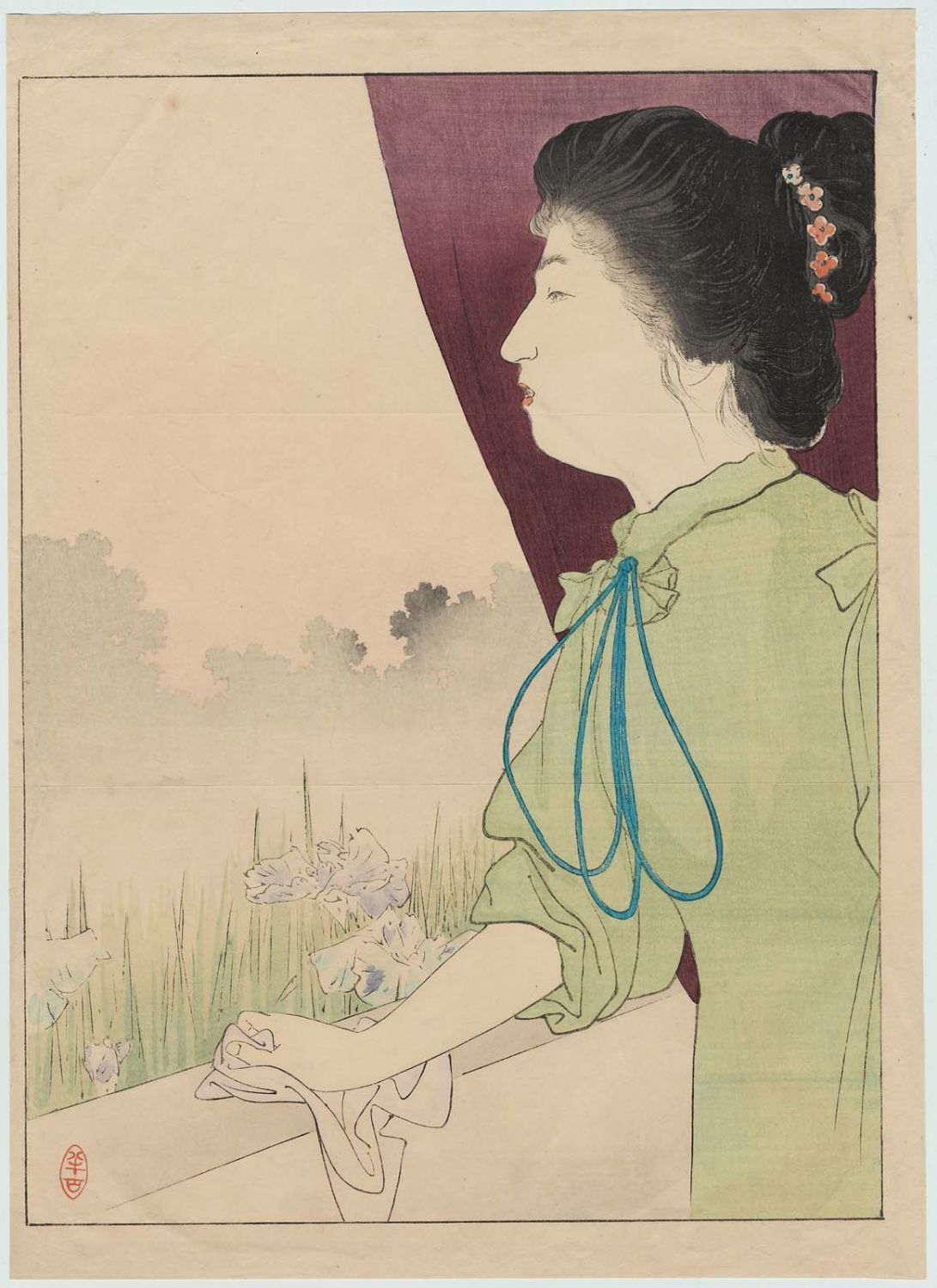
Welcome (Kangei), frontispiece illustration from the literary magazine Bungei kurabu 10, no. 10
Woodblock print
![Untitled [Two women] by Kajita Hanko](https://1.api.artsmia.org/800/135758.jpg)
Untitled [Two women]
19th century
Woodblock print, ink and color on paper

Sojo Henjo, from the series "One Hundred Satirical Poems (Kyoka neboke hyakushu)"
19th century
Color woodblock print; chutanzaku
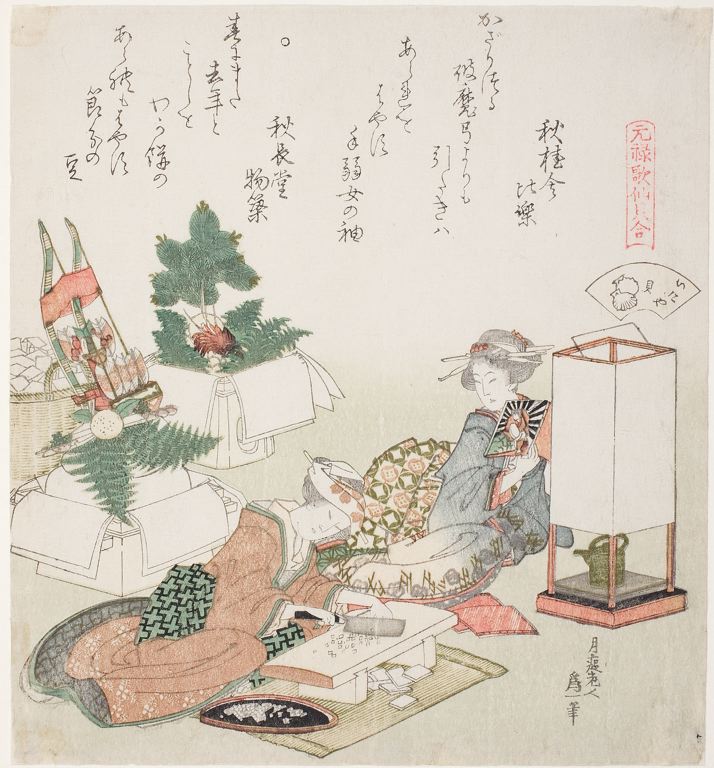
katsushika-hokusai
1960
Woodblock print

Heroine Toragozin in SOGA
Woodblock print

Tinkle of a Bell (Suzu no ne), from the series "Ten Types of Female Nudes (Rajo jusshu)"
1935
Color woodblock print
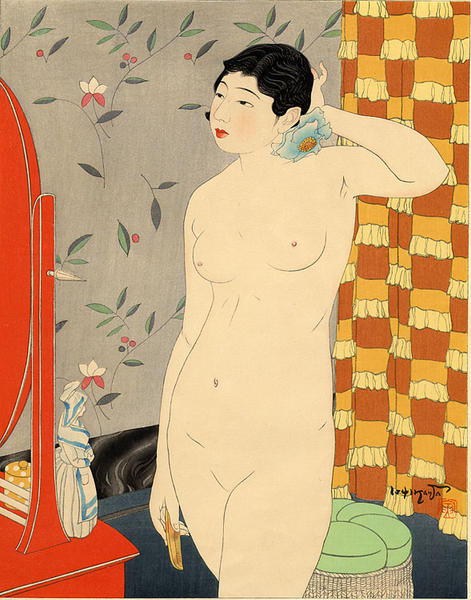
Youth
Woodblock print
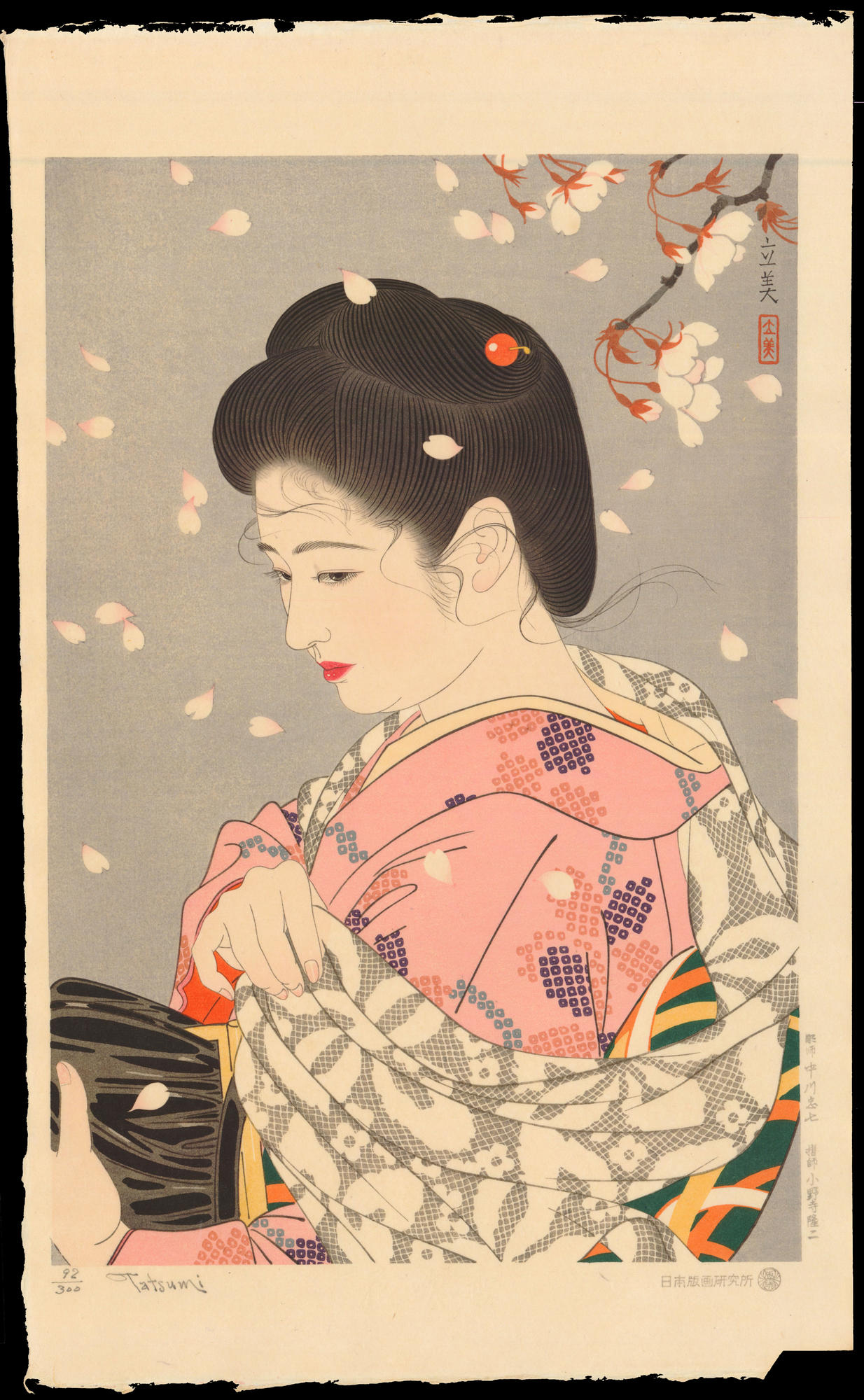
Tatsumi, Shimura
1953
Woodblock print
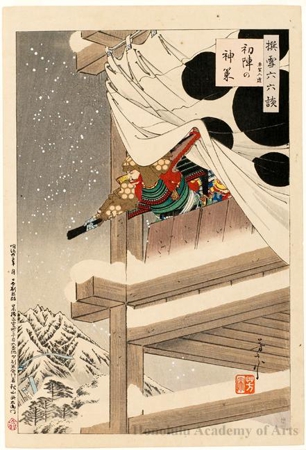
Hiraga Nyüdö
Woodblock print
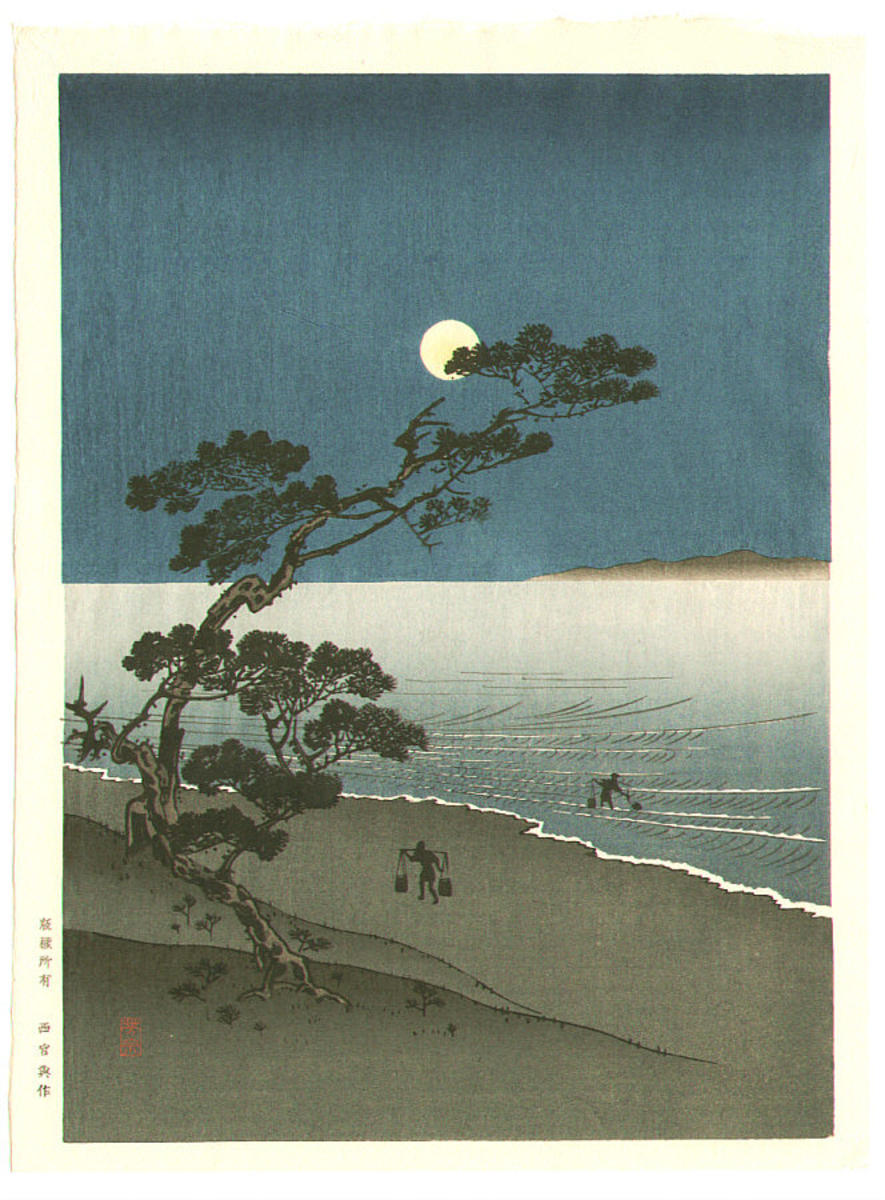
Untitled (yoshimune-arai)
Woodblock print
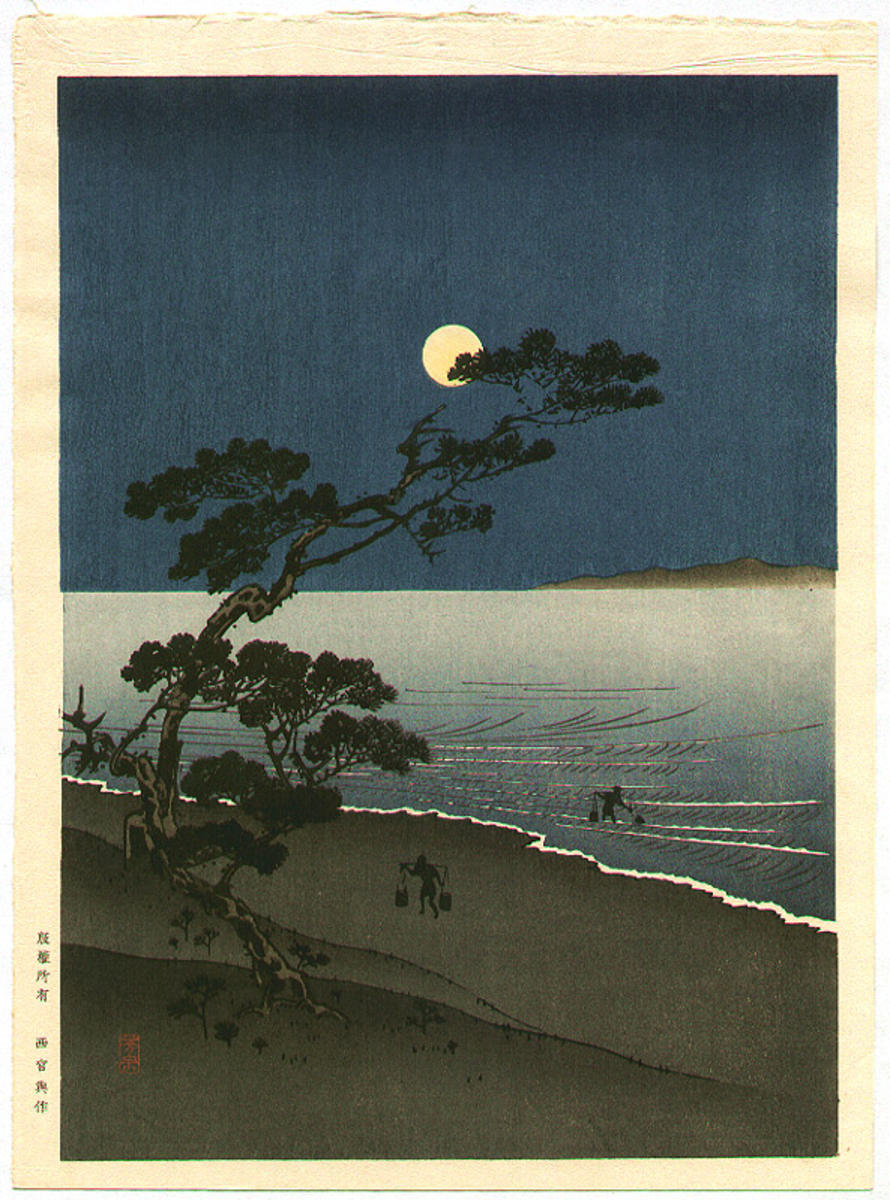
Untitled (yoshimune-arai)
Woodblock print

The Chest Containing Various Teachings (Kyokun zonagamochi)
1784
Woodblock-printed book; 5 vols.
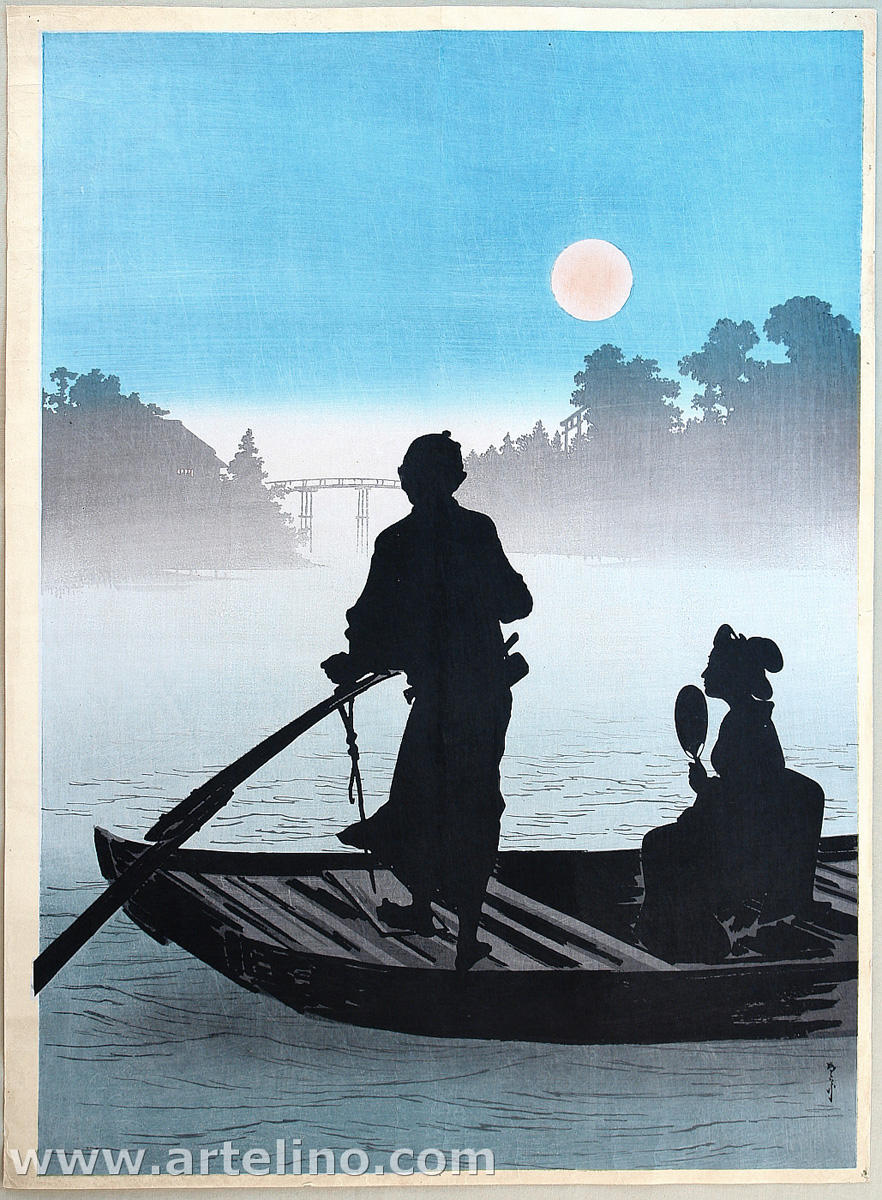
Untitled (yoshimune-arai)
Woodblock print
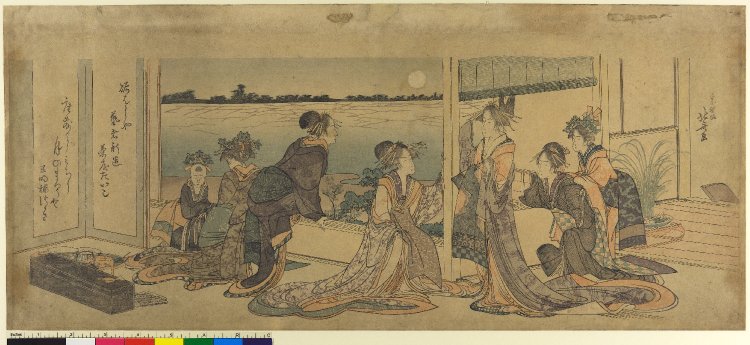
surimono (?) / diptych print
Woodblock print
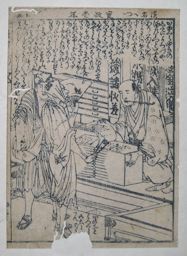
Yorozuya Tokuzaemon
Woodblock print
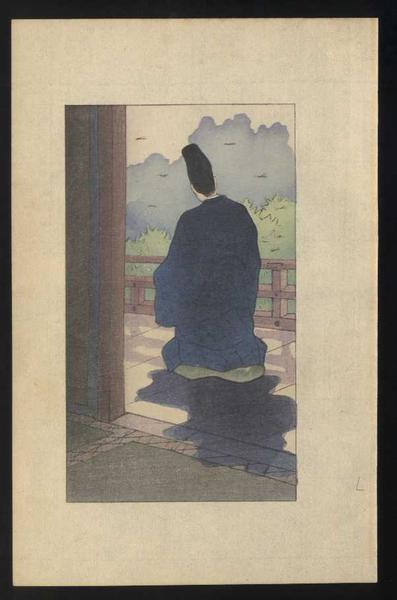
Genji Monogatari
Woodblock print
Yoshida Tsukasa (son of Toshi)
Not set
Woodblock print

Slovenly (Shidaranasaso), from the series "Thirty-two Aspects of Women (Fuzoku sanjuniso)"
1888
Color woodblock print; oban
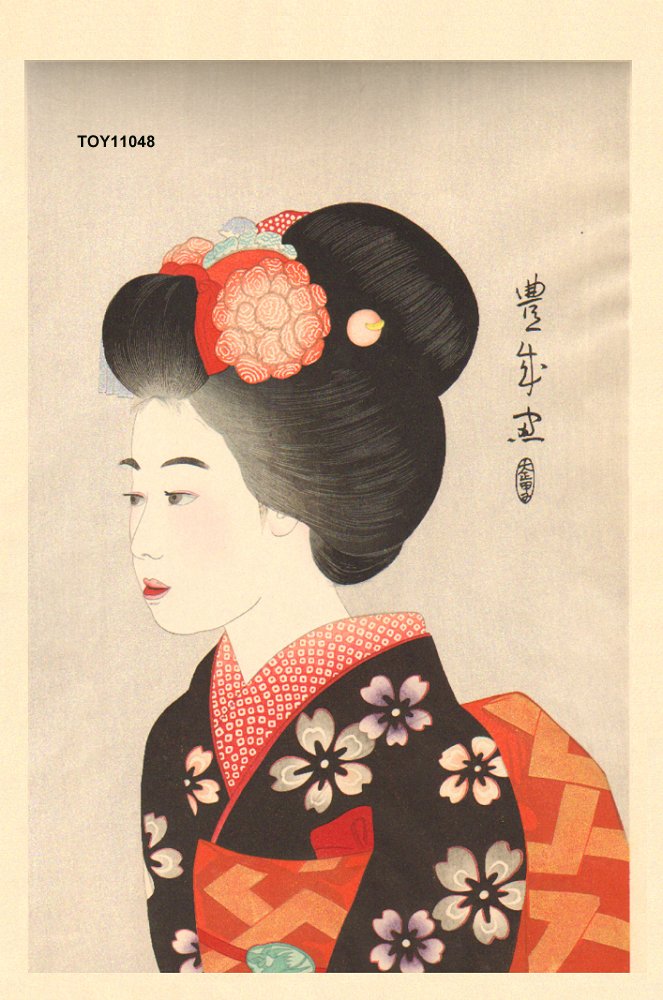
After Yamamura, Toyonari
Woodblock print

Nichiren Shonin, from the series Mantai Suriutsuchi No Uchi
1937
Woodblock print
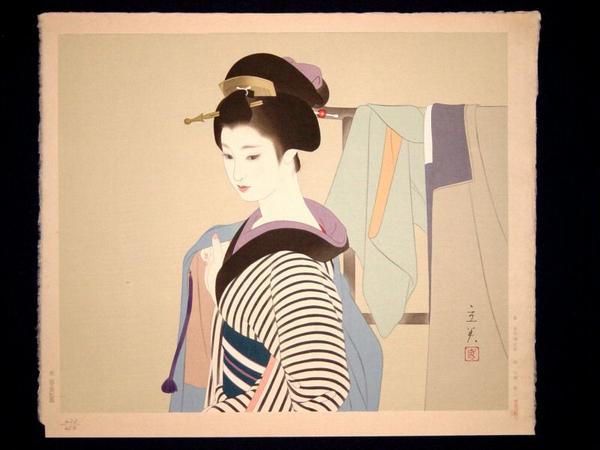
Haori- Japanese Formal Coat
Not set
Woodblock print
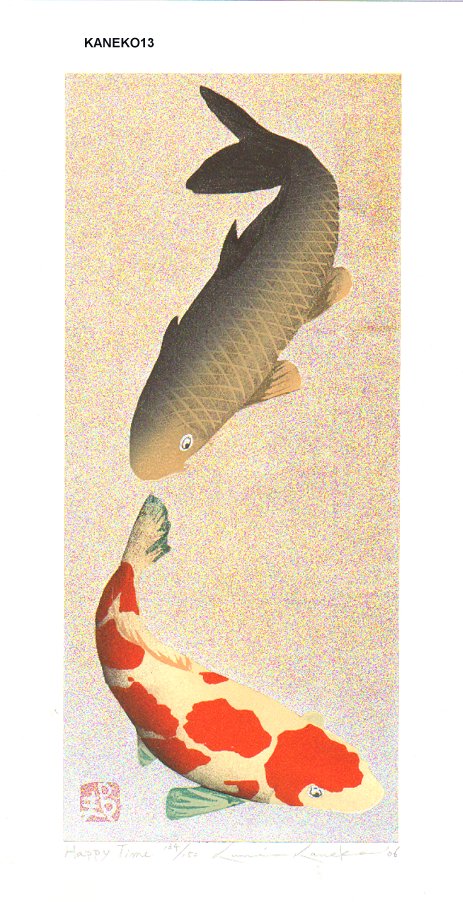
Happy Time
134/150, 2006
Woodblock print

Courtly event modeled on the Lanting Gathering
c. 1801/07
Color woodblock print; ebangire, surimono
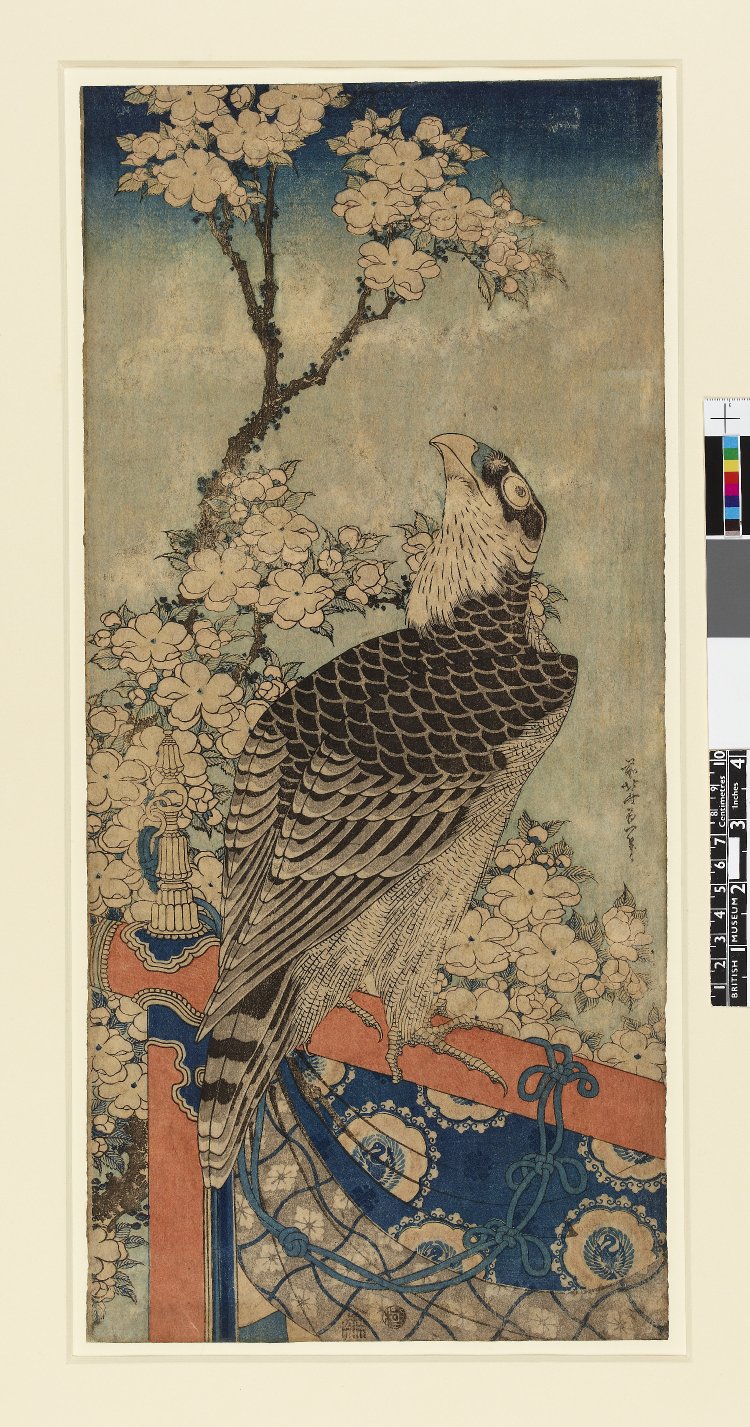
diptych print
Woodblock print

Ferryboat
c. 1798
Color woodblock print
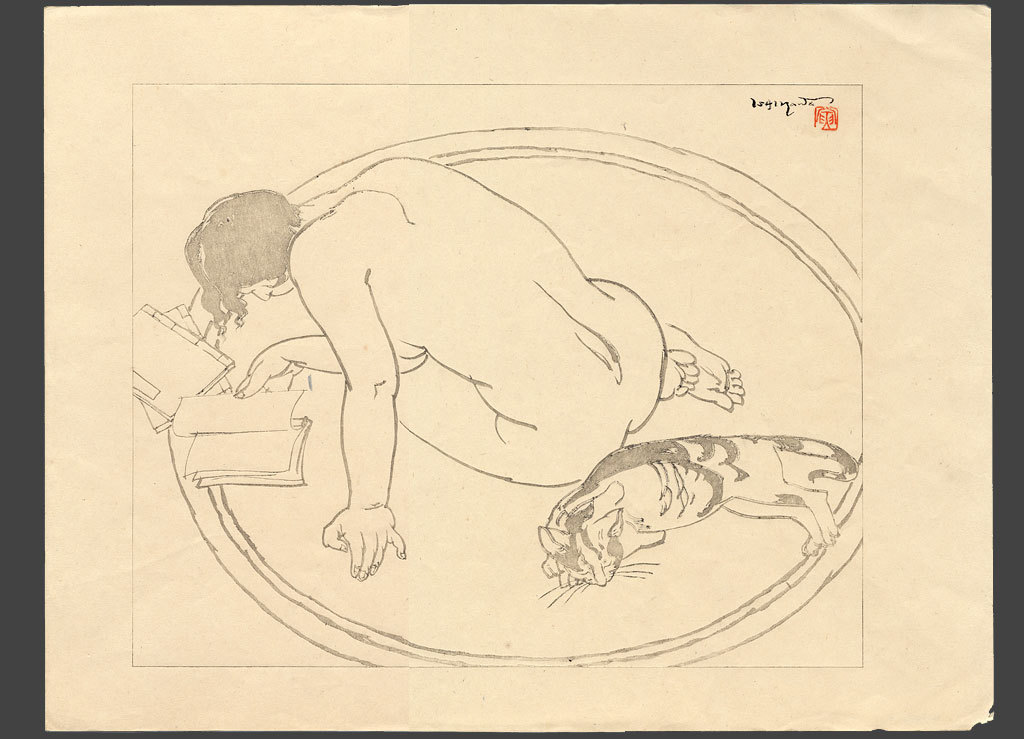
Bored
Woodblock print
Related Subjects
Frequently Asked Questions
Figure compositions are among the most diverse subjects in Japanese printmaking, encompassing everything from intimate domestic scenes to grand historical narratives. The tradition spans the full history of ukiyo-e, from Moronobu's pioneering single-sheet prints of the 1670s to contemporary figure studies that blend traditional techniques with modern sensibilities.
Tsukioka Yoshitoshi, Ogata Gekko, and Utagawa Kuniyoshi are among the artists most associated with figures in our collection. Browse the full list of artists who explored this subject above.
Hanga currently catalogues 1669 prints tagged with figures, spanning ukiyo-e, shin-hanga, and sōsaku-hanga traditions where applicable.