1610s Japanese Woodblock Prints
12 prints from the 1610s in our collection, created during the Edo Period (1603–1868). The Edo period saw the rise of ukiyo-e, the iconic woodblock print tradition depicting the floating world of pleasure districts, kabuki actors, beautiful women, and landscapes. Under the Tokugawa shogunate's peaceful rule, a thriving urban culture in Edo (modern Tokyo) fueled demand for affordable printed art.
Top Artists of the 1610s
Prints (12)
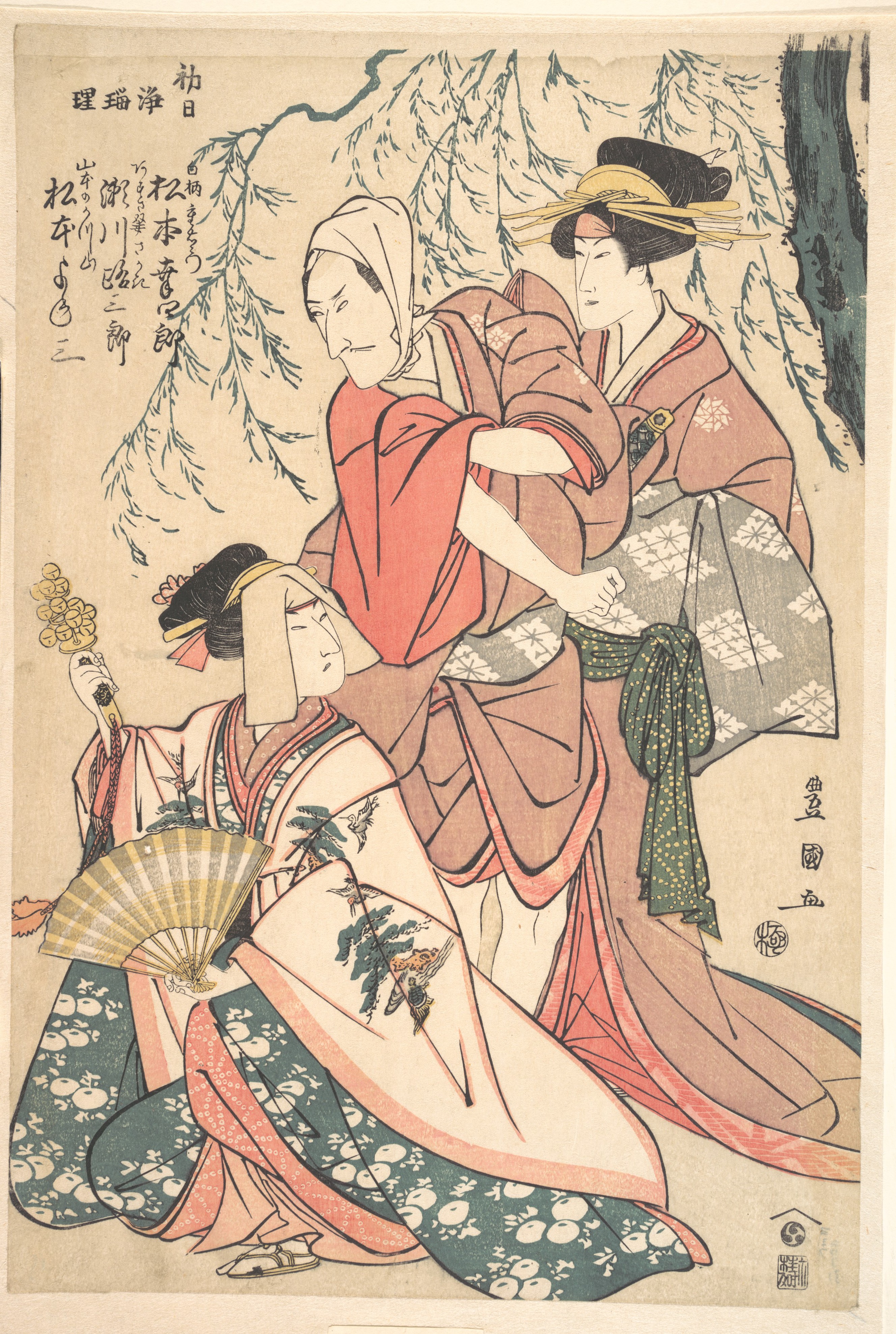
Actors
Woodblock print; ink and color on paper

An Actor Beside Water
Woodblock print; ink and color on paper
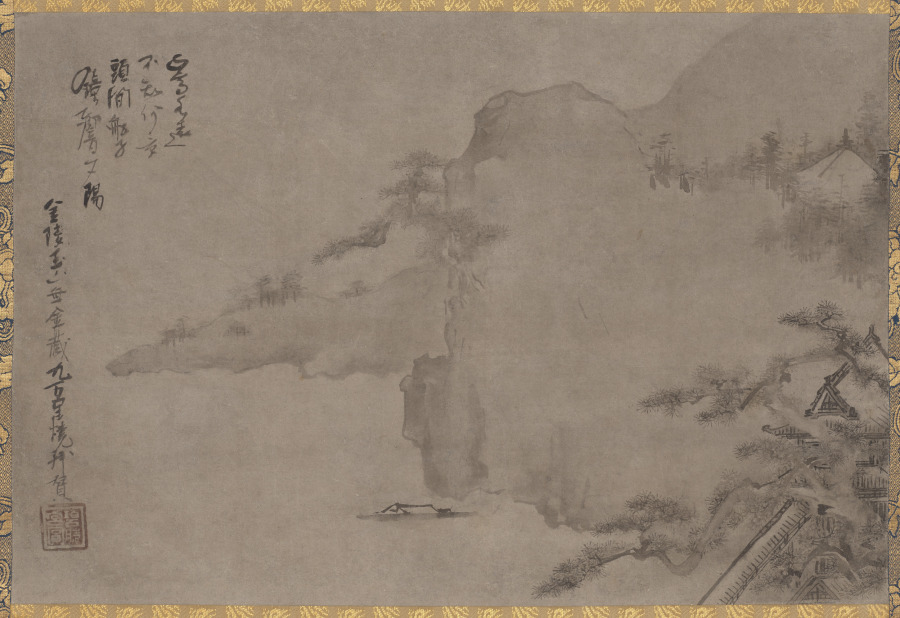
Coastal Landscape
1573-1615
Hanging scroll; ink on paper
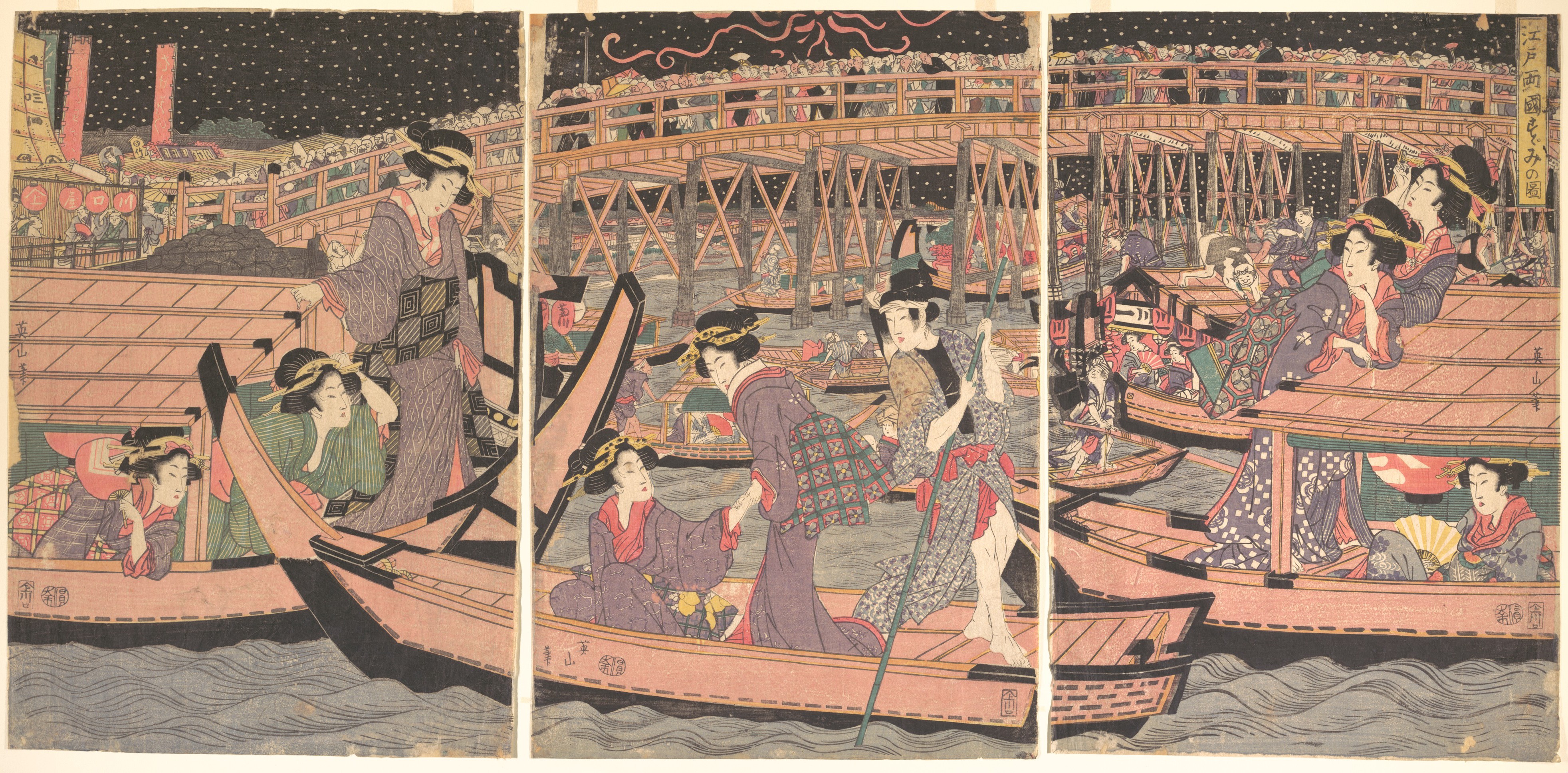
Cooling Off at Ryogoku in Edo
Triptych of woodblock prints; ink and color on paper
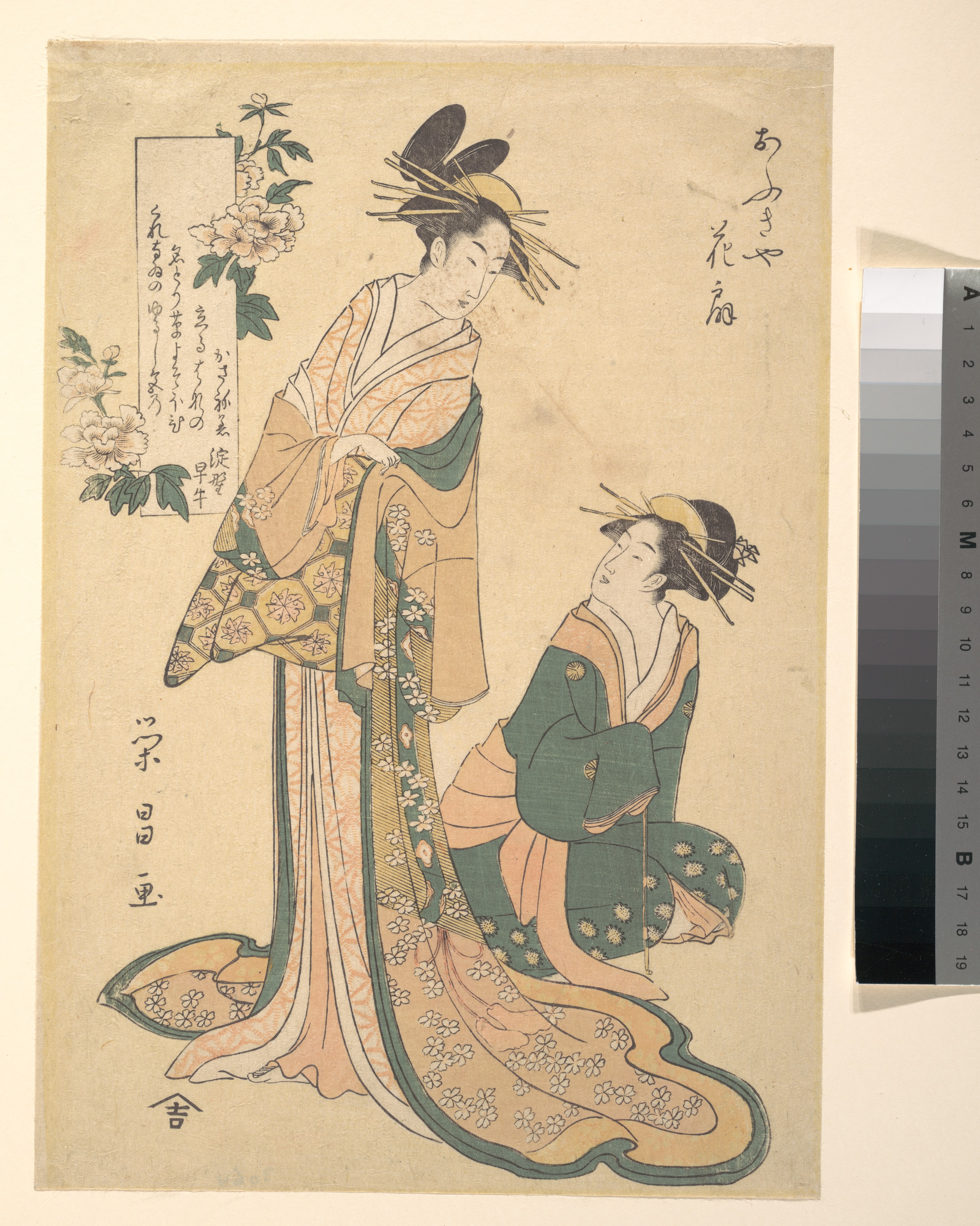
Courtesan and Her Maid
Woodblock print; ink and color on paper

Courtesan Playing Shamisen
Edo period (1615-1868)
Color woodblock print; surimono
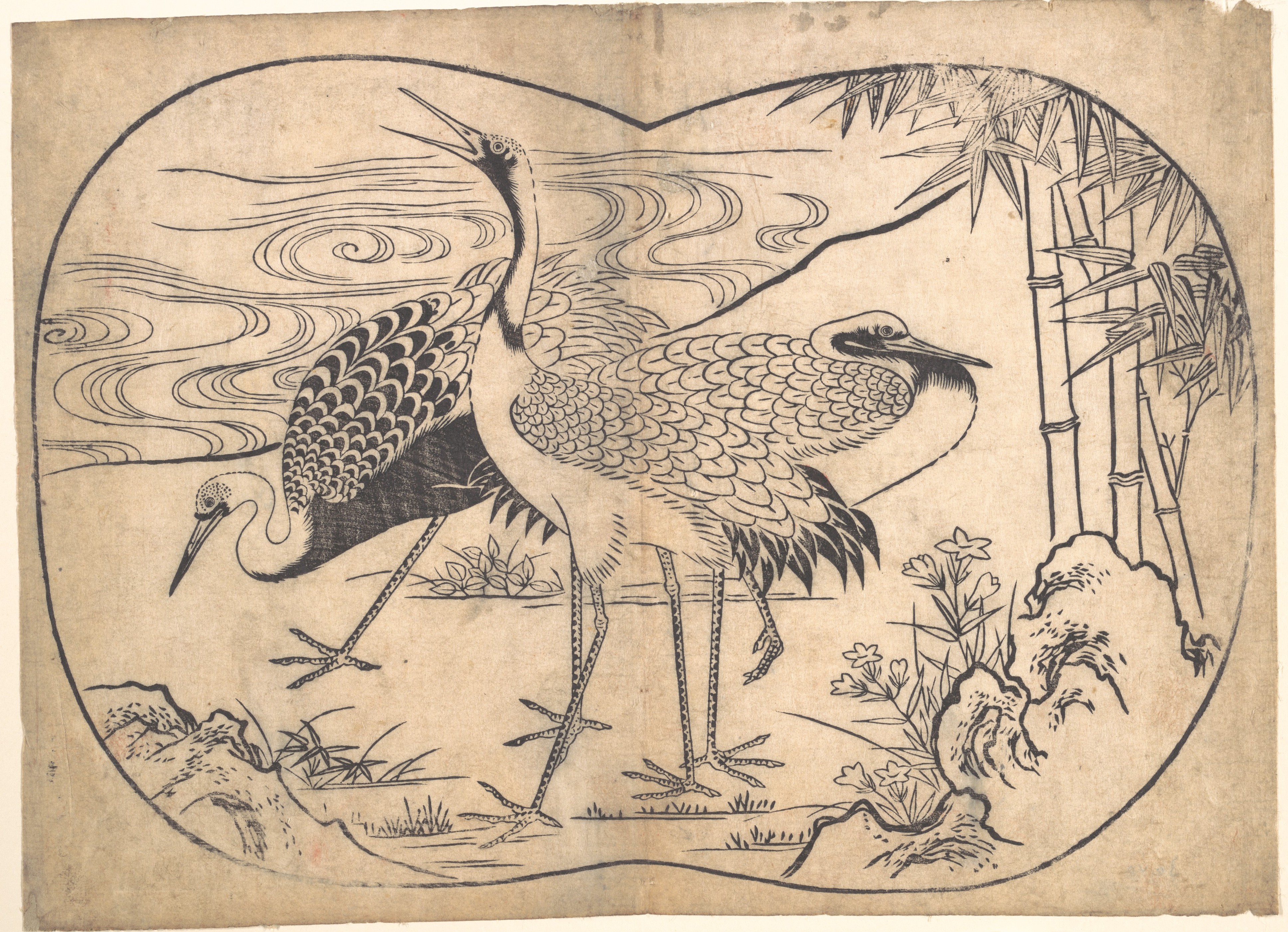
Cranes
Monochrome woodblock print; ink on paper
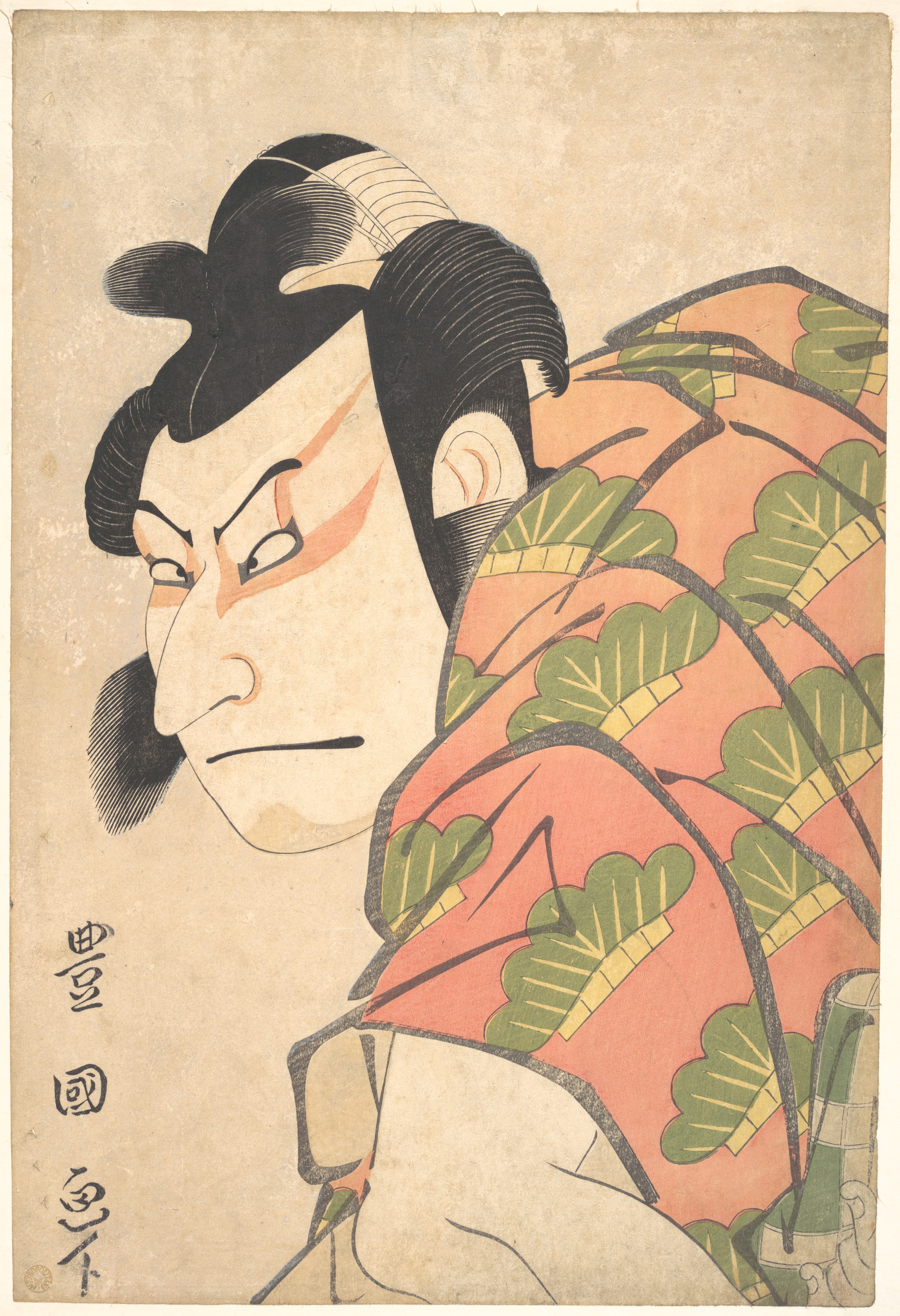
Nakamura Nakazo II as Matsuo-maru
1796
Woodblock print; ink and color on paper

Onoe Matsusuke as the Ghost of the Murdered Wife Oiwa, in "A Tale of Horror from the Yotsuya Station on the Tokaido Road"
1812
Woodblock print; ink and color on paper
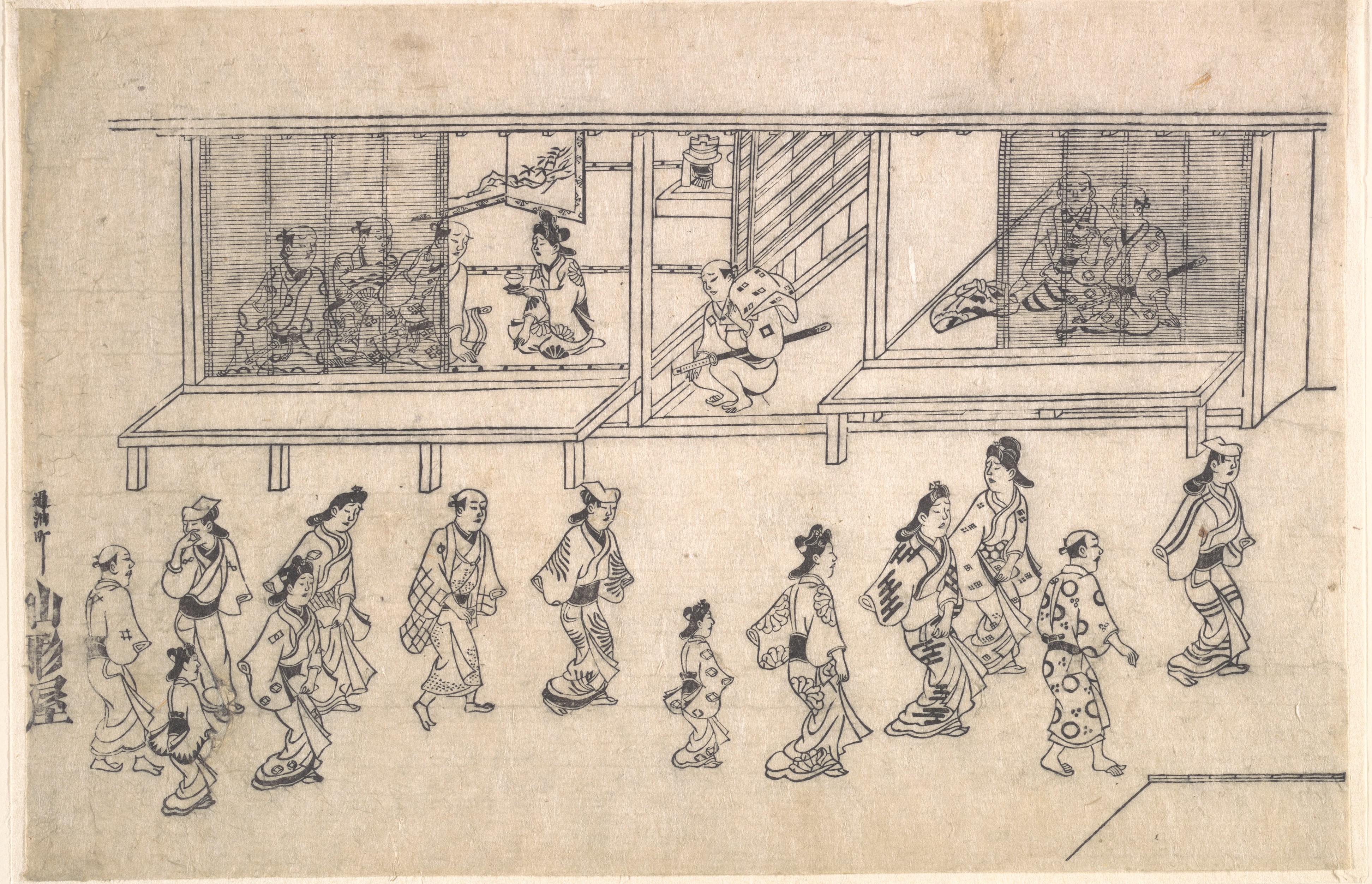
Street Scene in the Yoshiwara
Monochrome woodblock print; ink on paper
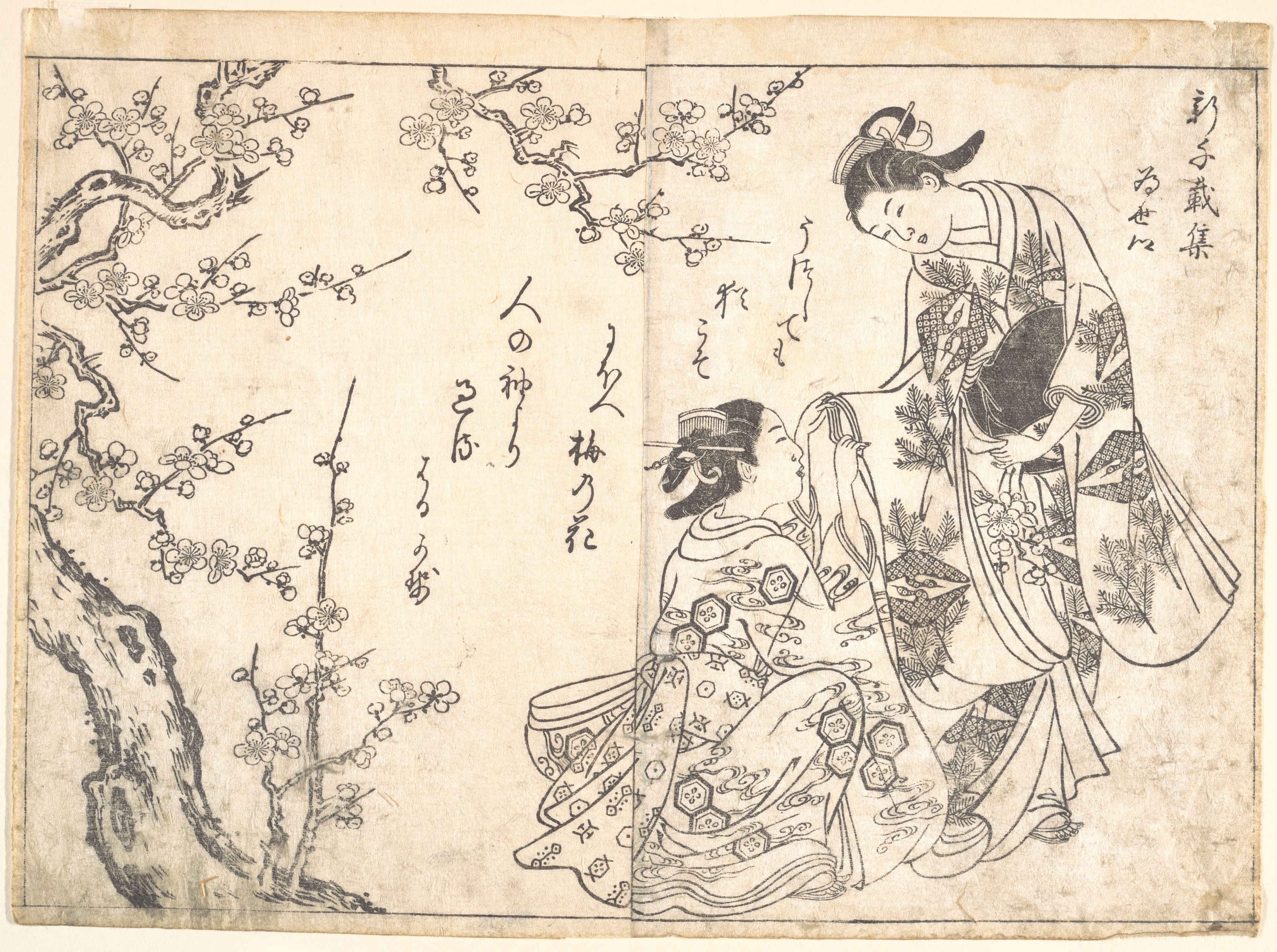
Two Girls Under Plum Tree
Monochrome woodblock print; ink on paper

Yamato shinoe zukushi
1686
Woodblock printed book
Nearby Decades
Frequently Asked Questions
Hanga catalogues 12 Japanese woodblock prints created during the 1610s (Edo Period, 1603–1868).
The 1610s fall within the Edo Period (江戸時代), which ran from 1603 to 1868.
Utagawa Toyokuni I, Hishikawa Moronobu, and Nishikawa Sukenobu are among the artists with the most 1610s prints in our collection.
Explore all Japanese printmaking eras
View all eras