Bijin-ga Prints (1084)
Bijin-ga — literally "pictures of beautiful people" — is one of the foundational genres of Japanese woodblock printmaking. The tradition dates to the earliest days of ukiyo-e, when artists like Hishikawa Moronobu and later Kitagawa Utamaro elevated portrayals of women from simple illustrations to sophisticated studies of beauty, fashion, and personality. Utamaro's bust portraits of the 1790s, which isolated individual faces against plain backgrounds, were revolutionary in their psychological depth and compositional daring. His contemporaries Chobunsai Eishi and Torii Kiyonaga developed complementary approaches, emphasizing graceful full-length figures in elaborate settings. The genre documented the changing ideals of feminine beauty across centuries, from the rounded features favored in the Edo period to the elongated elegance of the Meiji era. The shin-hanga revival of the early twentieth century produced a final flowering of bijin-ga, with artists like Ito Shinsui, Torii Kotondo, and Hashiguchi Goyo creating some of the genre's most refined works. These artists brought Western-influenced light and shadow to traditional subjects, producing prints that are among the most sought-after in the Japanese print market today. Bijin-ga prints are prized for their technical virtuosity, particularly the rendering of fabric patterns, hair arrangements, and subtle skin tones achieved through multiple woodblock impressions.
Artists Known for Bijin-ga



Steam
October 1929
Woodblock print
Woman
1929
Woodblock print
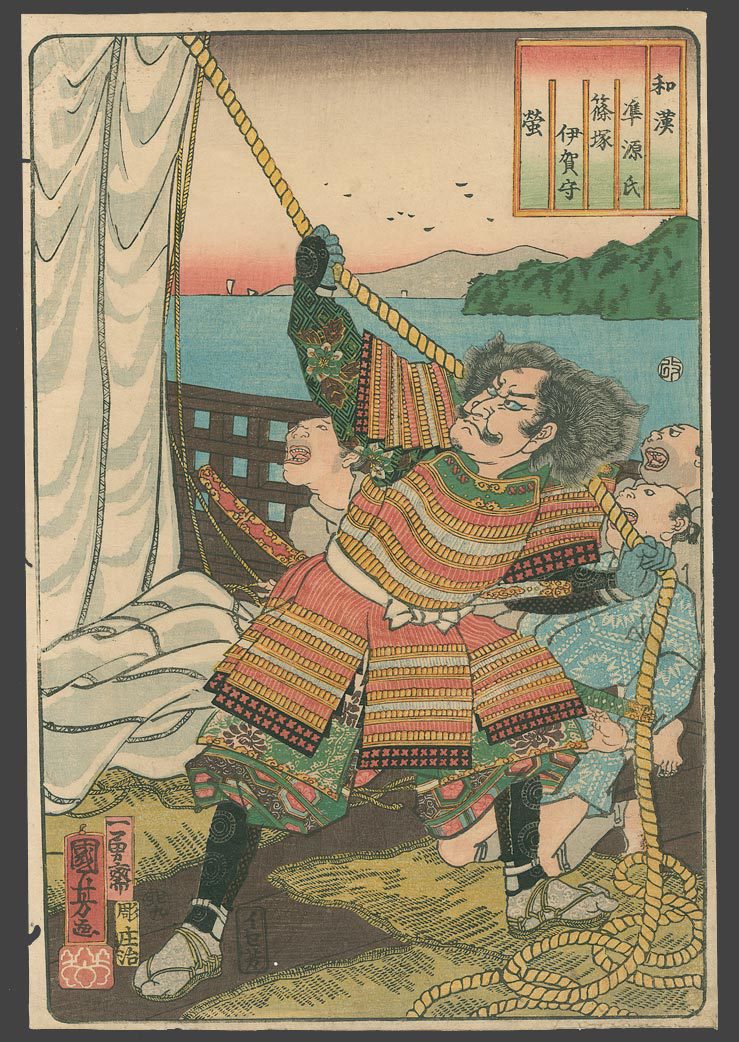
#25 Hotaru
Woodblock print
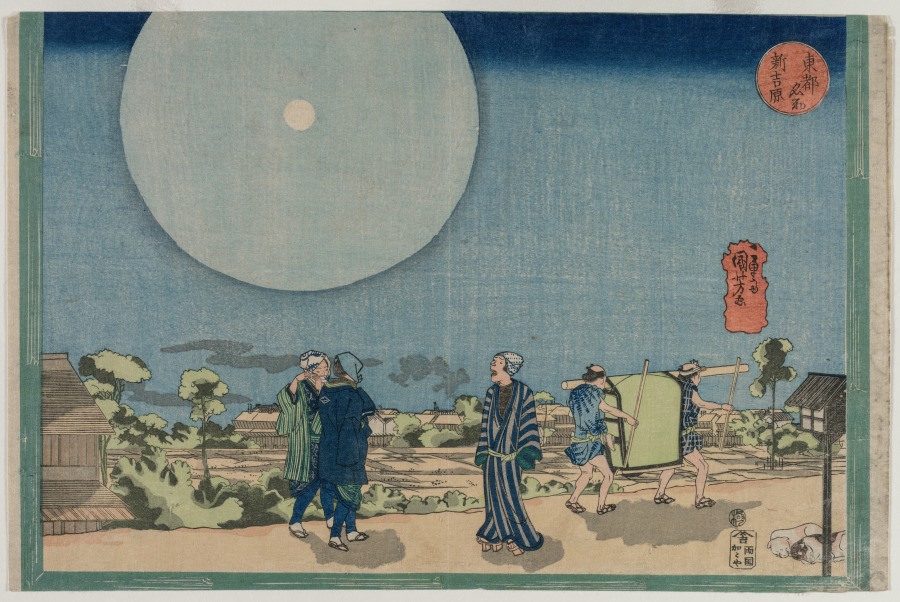
New Yoshiwara (Shin Yoshiwara), from the series Famous Places in the Eastern Capital
early 1830s
color woodblock print
February - Wintry Sky
1924
Woodblock print
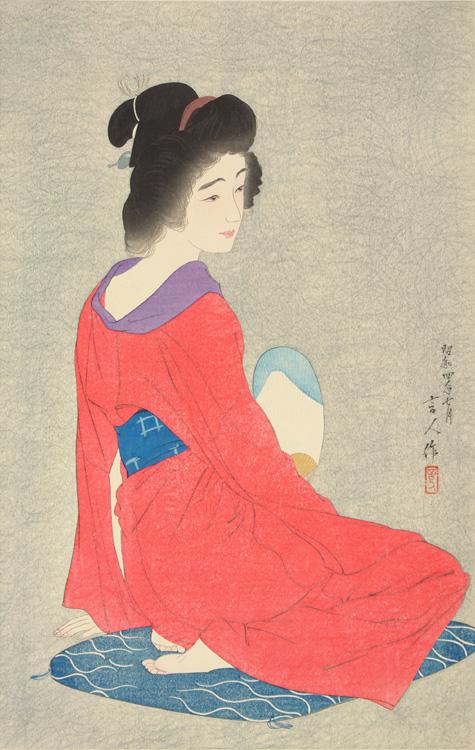
Long Underrobe
7/1929
Woodblock print

Rouge
口紅
1929
Color woodblock print
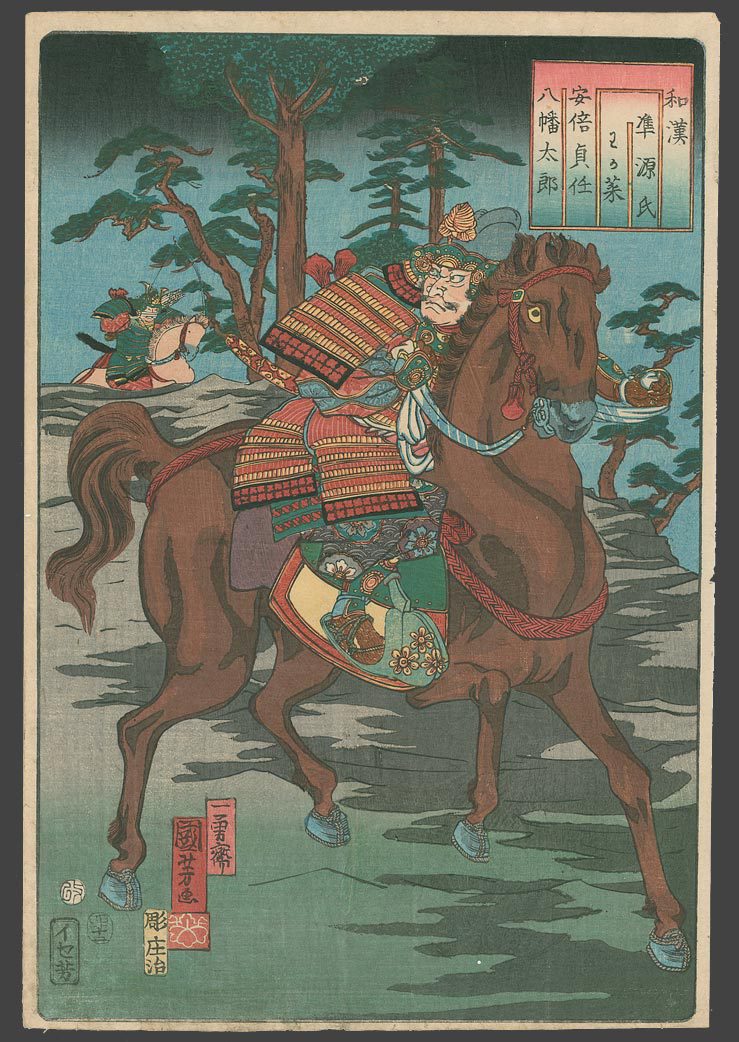
#34 Wakana
Woodblock print

After the Bath
湯上がり
1930
Color woodblock print
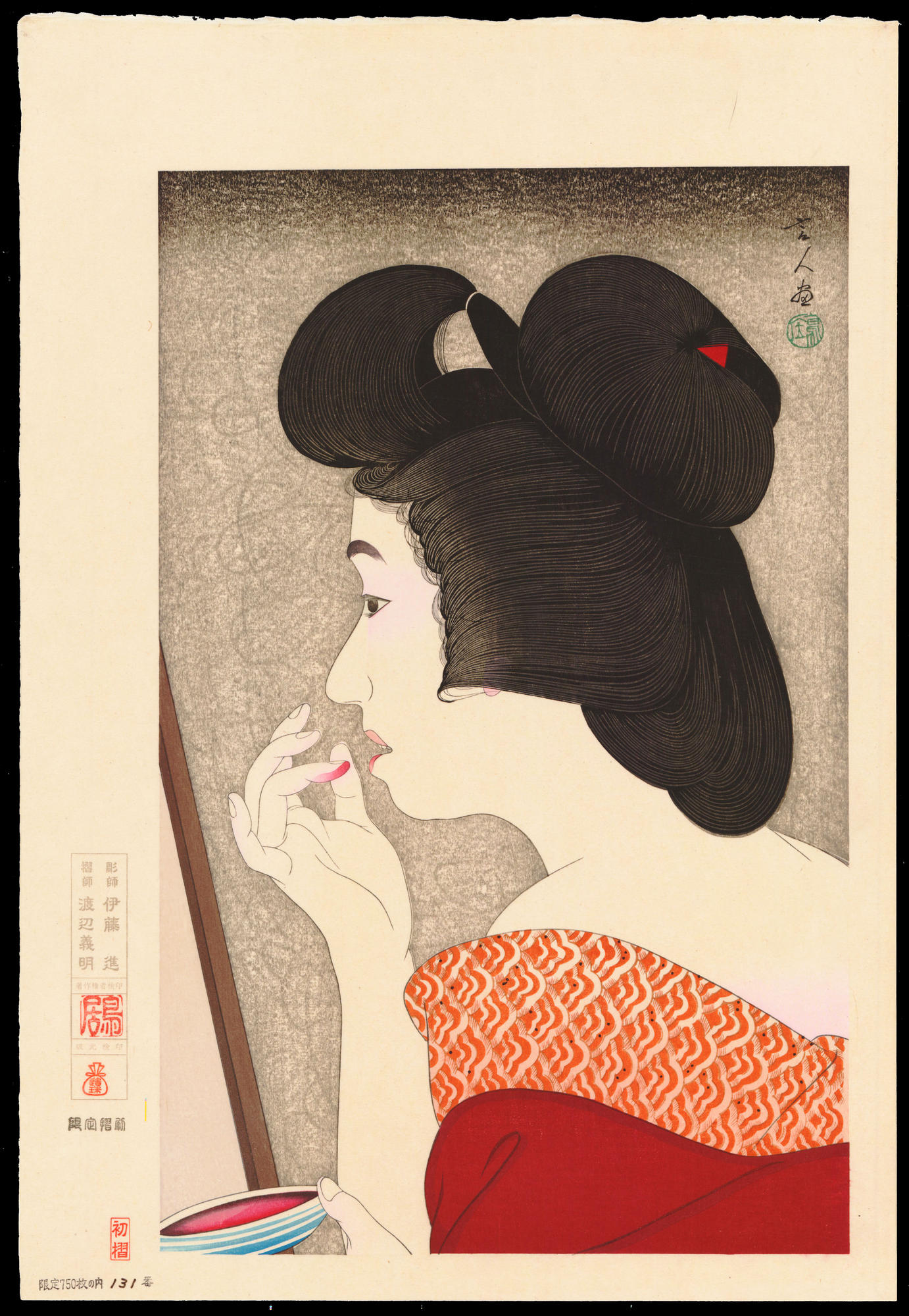
Lipstick - 口紅
1932
Woodblock print
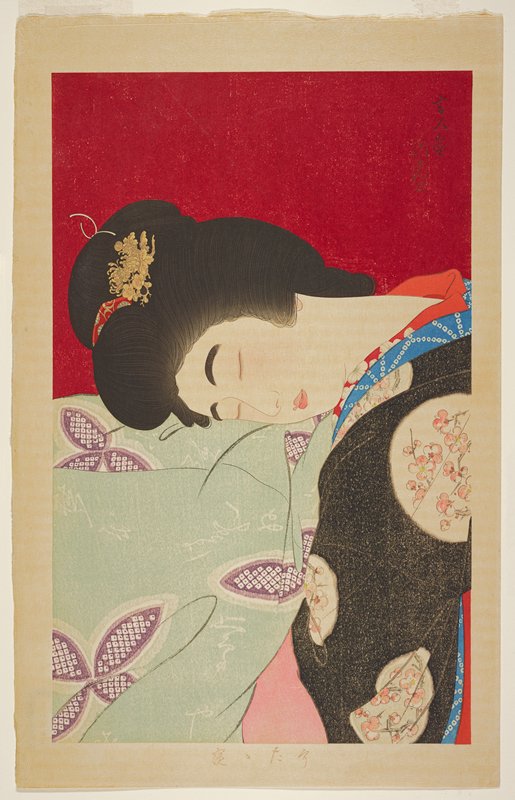
Napping
February 1933
Woodblock print, ink and color on paper
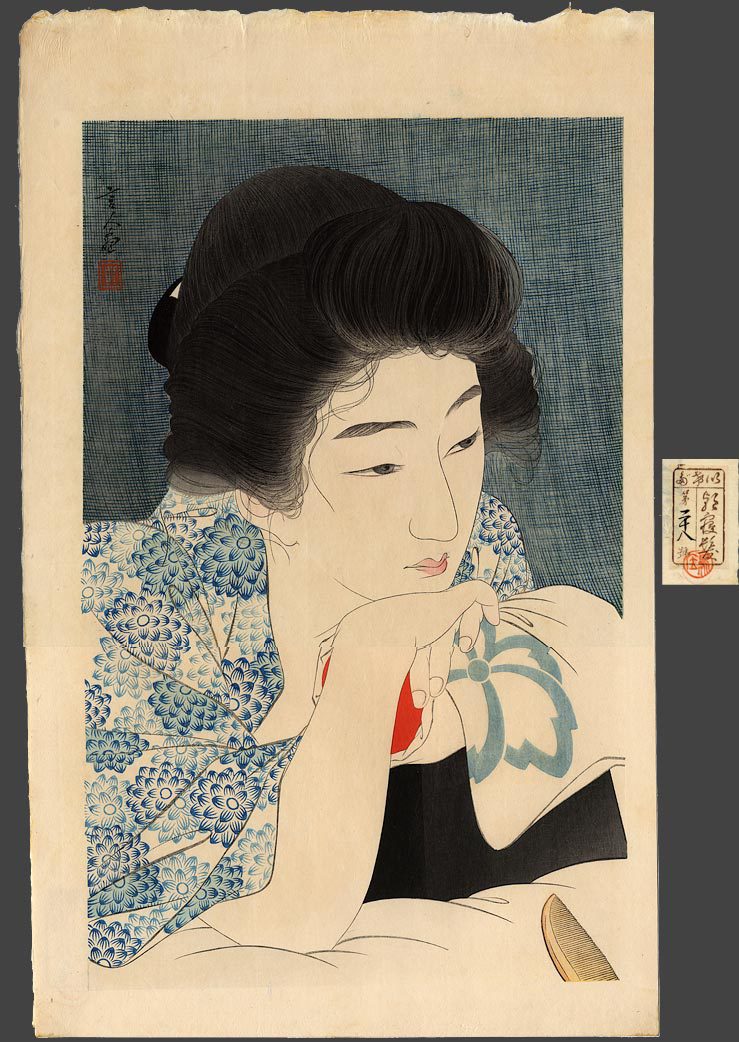
Morning Hair
朝の髪
c. 1930
Color woodblock print

Sash- Obi- V1
1929
Woodblock print
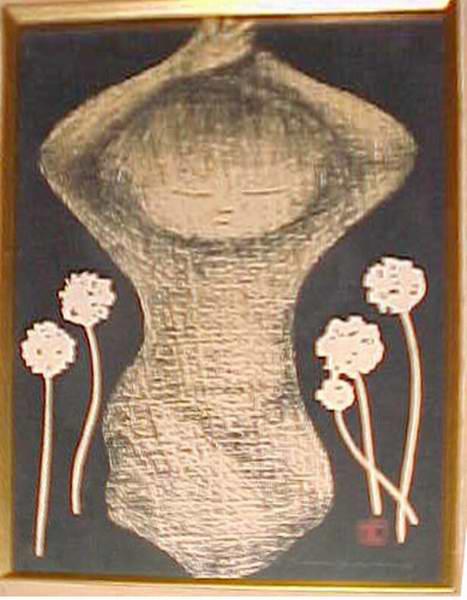
Short Hair (Tanpotsu)- Oban
Woodblock print
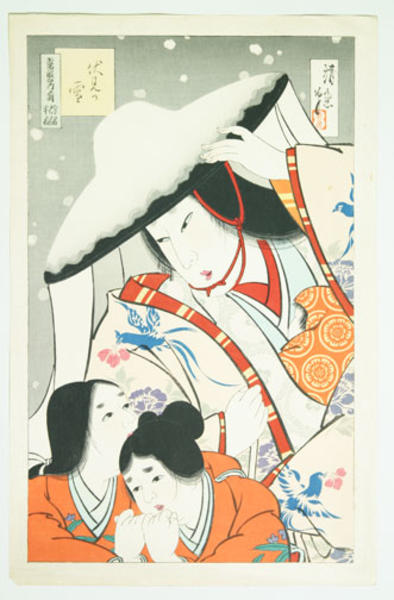
Fushimi no Yuki
Not set
Woodblock print
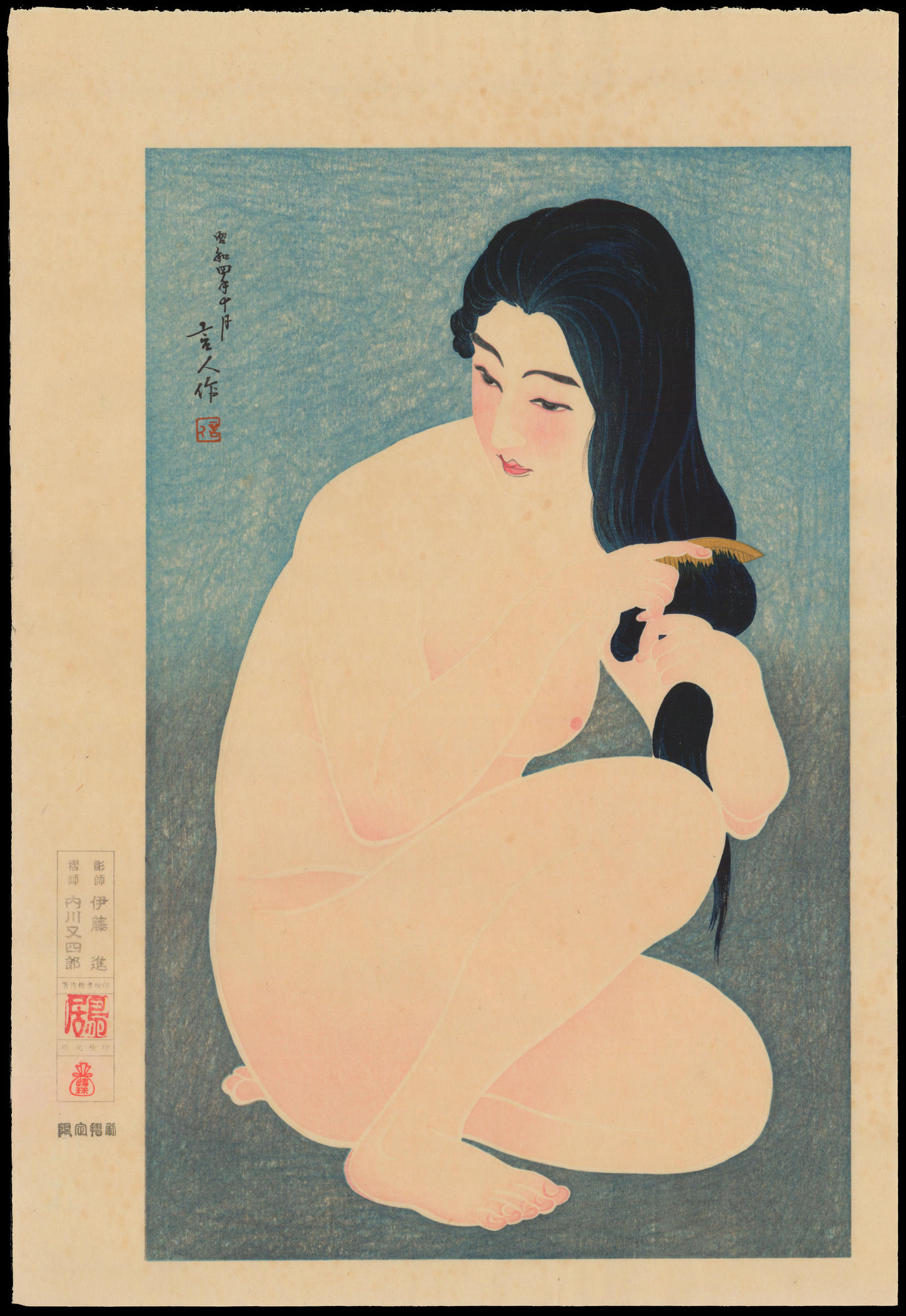
No. 12 - Combing In The Bath - 裸婦髪梳き
1929
Woodblock print

Tipsy (Horoyoi)
1932
Color woodblock print
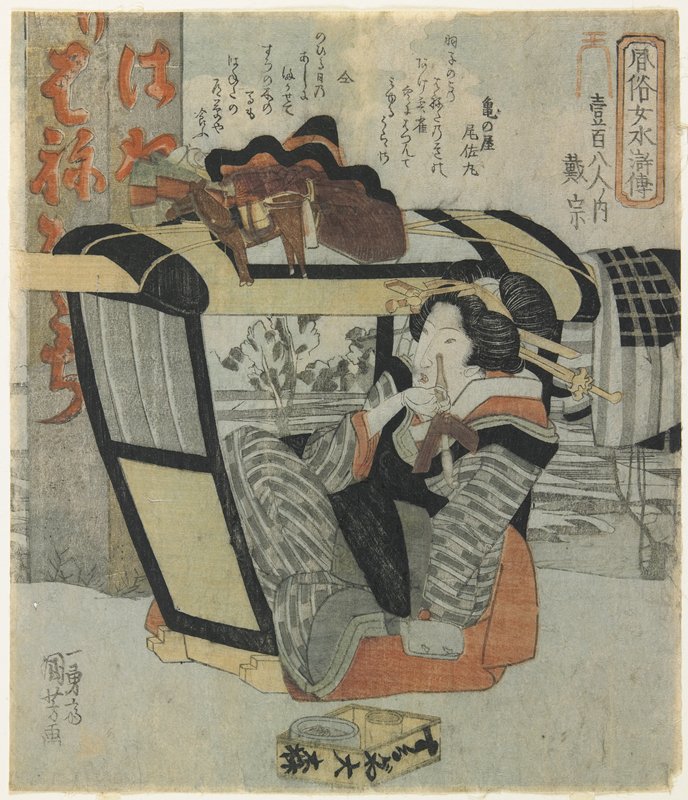
Woman as the Hero Taisō in Palanquin Holding a Pipe
c. 1830
Woodblock print (surimono), ink and color on paper

Hyakkaen
Woodblock print

Make-up
1930
Color woodblock print
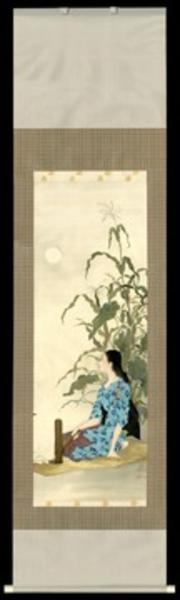
Pounding Silk
1930
Woodblock print
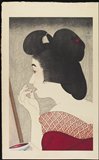
Rouge (Beni)
1929
Woodblock print
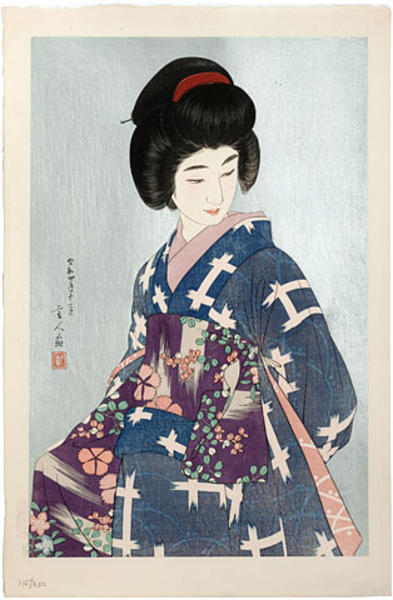
Sash- Obi- V2
1929
Woodblock print
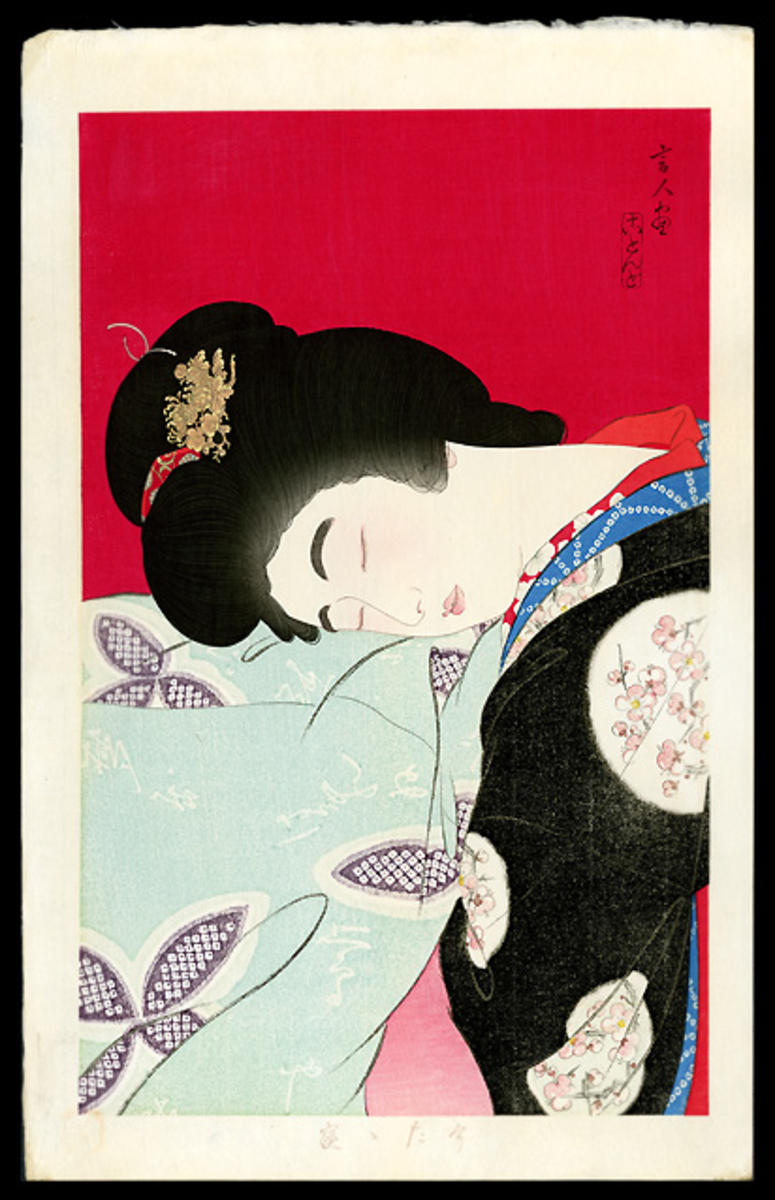
Utatane- A nap- Version 2 — うたっ寝
1933
Woodblock print
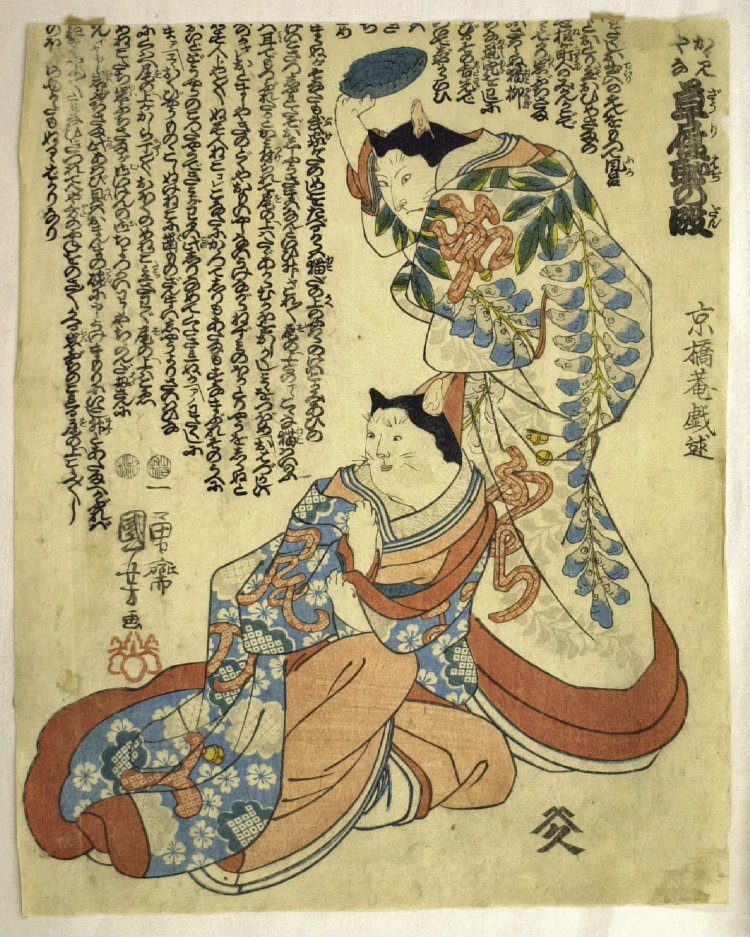
(Kagamiyama) zori-hachi no dan
Woodblock print
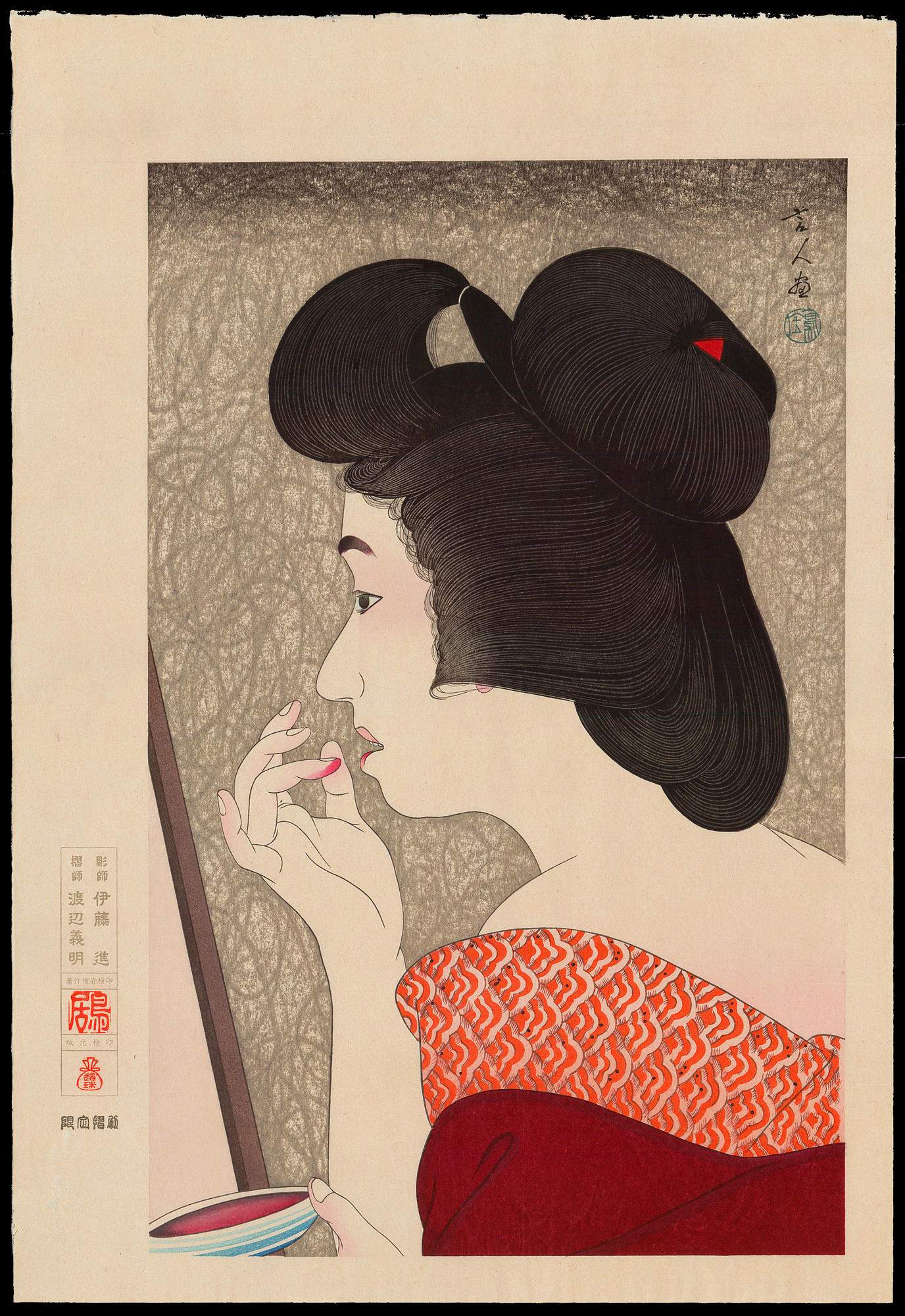
No. 6 - Lipstick - 口紅
1932 1980s)
Woodblock print
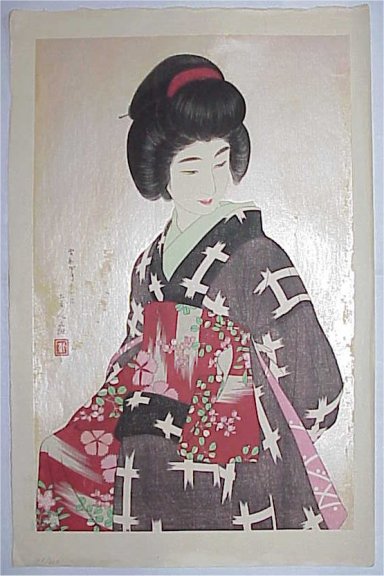
Richard Kruml
c. 1927–1976
Woodblock print

Utatane- A nap- V1 — うたっ寝
1933
Woodblock print

Woman Kneeling before a Mirror Stand
1920
Woodblock print

Appearing Warm, Behavior of an Urban Widow of the Kansei Era
March 1888
Woodblock print (nishiki-e), ink and color on paper
A Collection of Pictures of Chignon Hairstyles (Kazura tsuke sokuhatsu zukai)
1887 (Meiji 20)
Woodblock print (nishiki-e); ink and color on paper
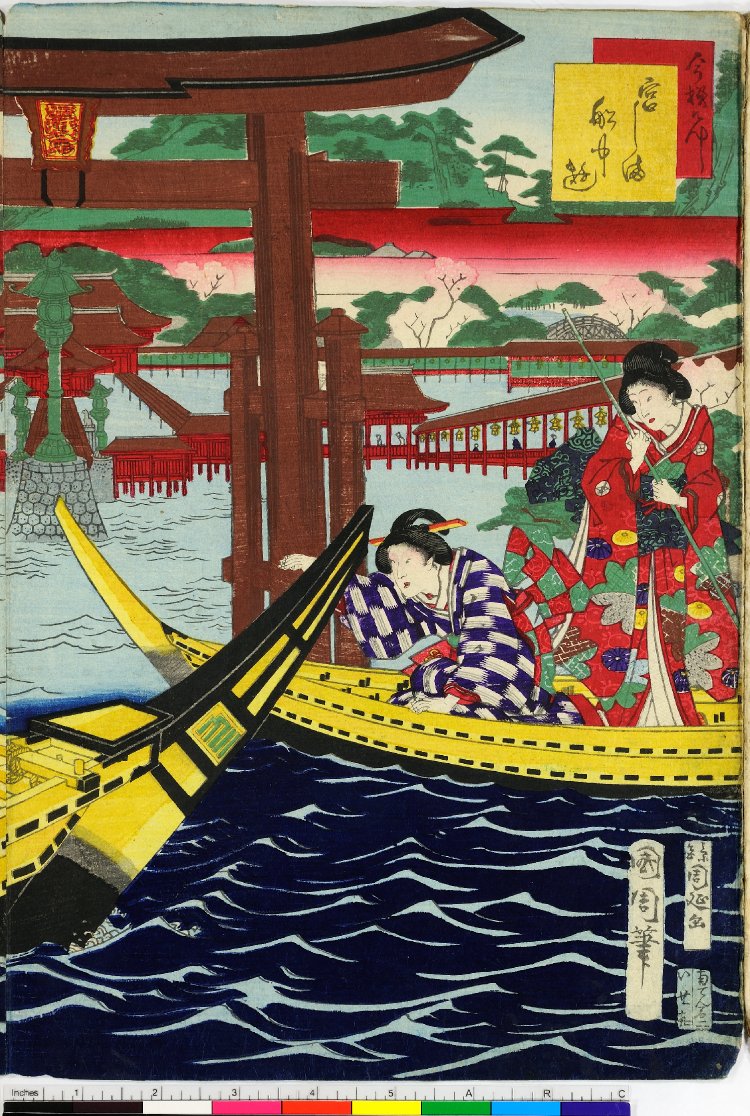
Imayo Genji 今様げんじ / Miyashima senchu asobi 宮しま船中遊
Woodblock print
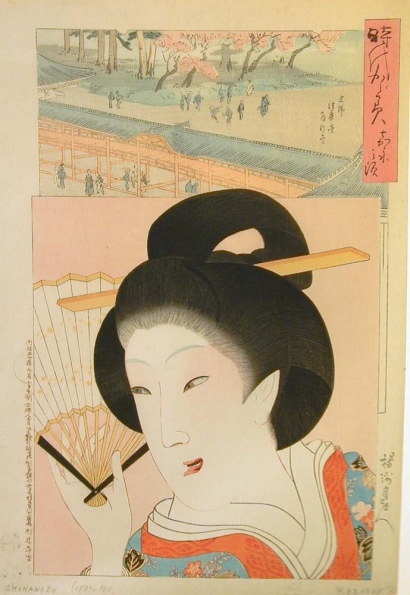
Lady in Kaei Era (1848-54)
Woodblock print
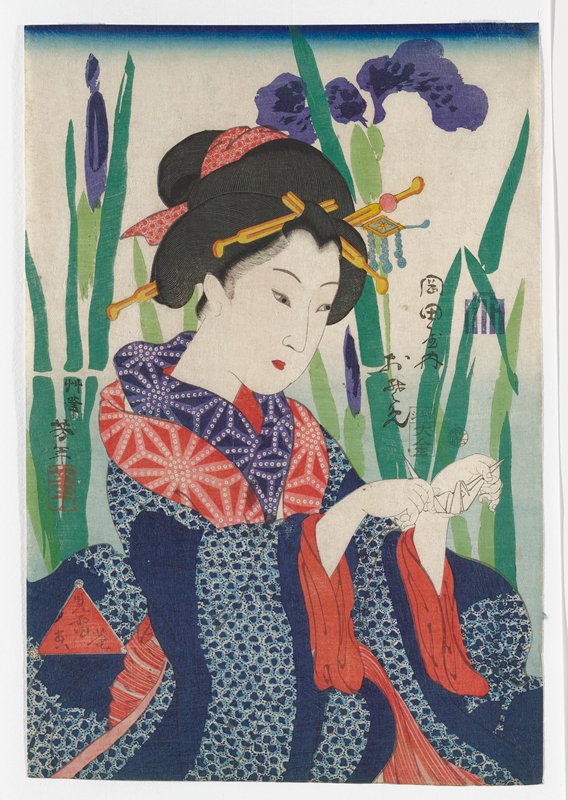
Osome
1864, 7th lunar month
Woodblock print (nishiki-e), ink and color on paper
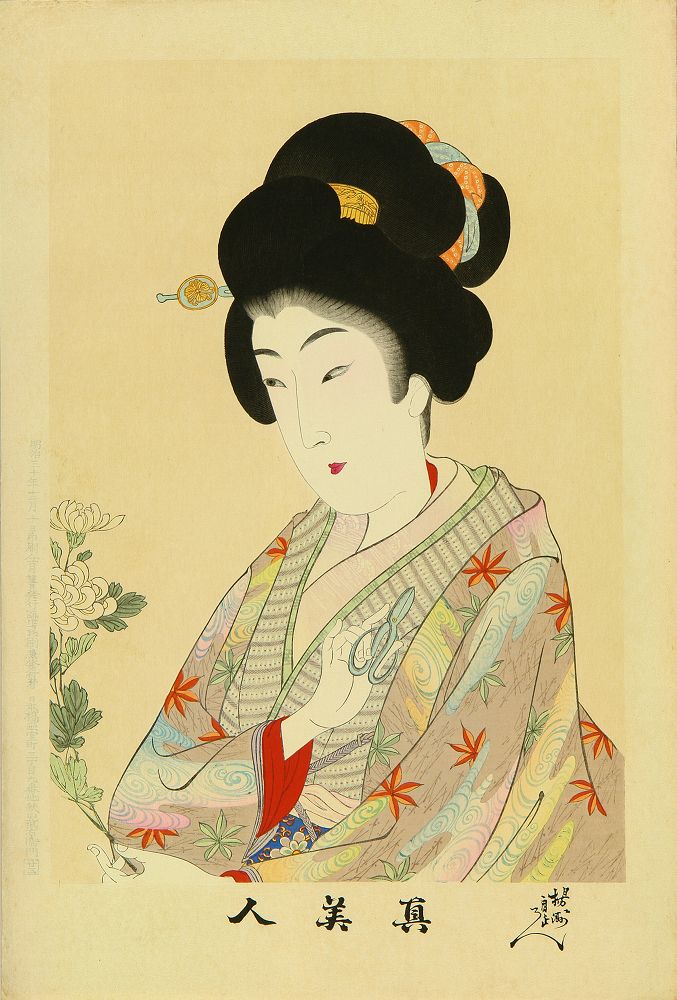
No. 23, from
Woodblock print
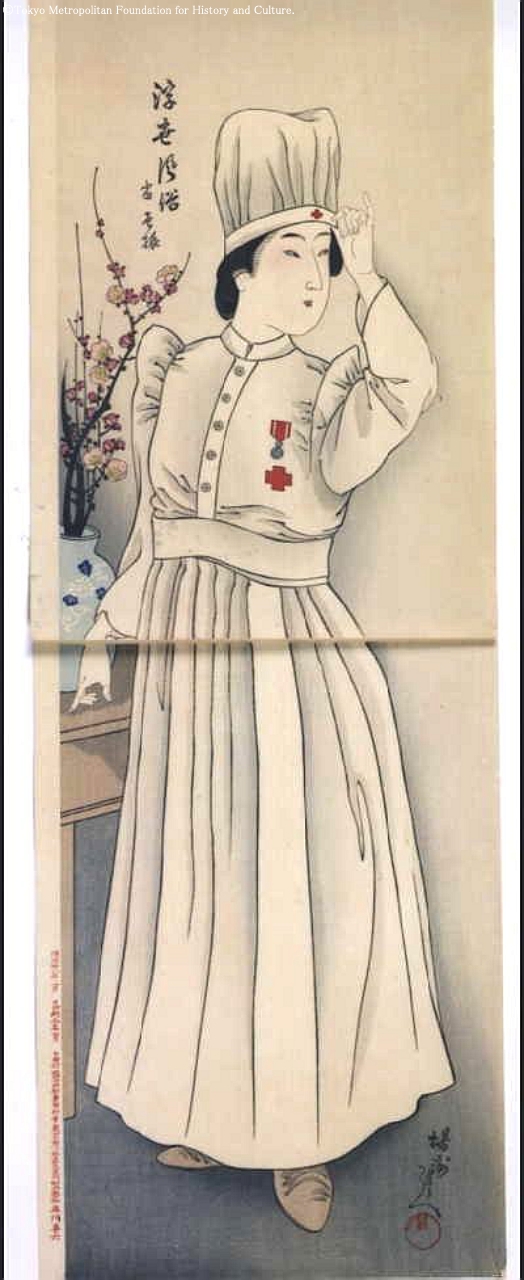
Contemporary Styles
Woodblock print
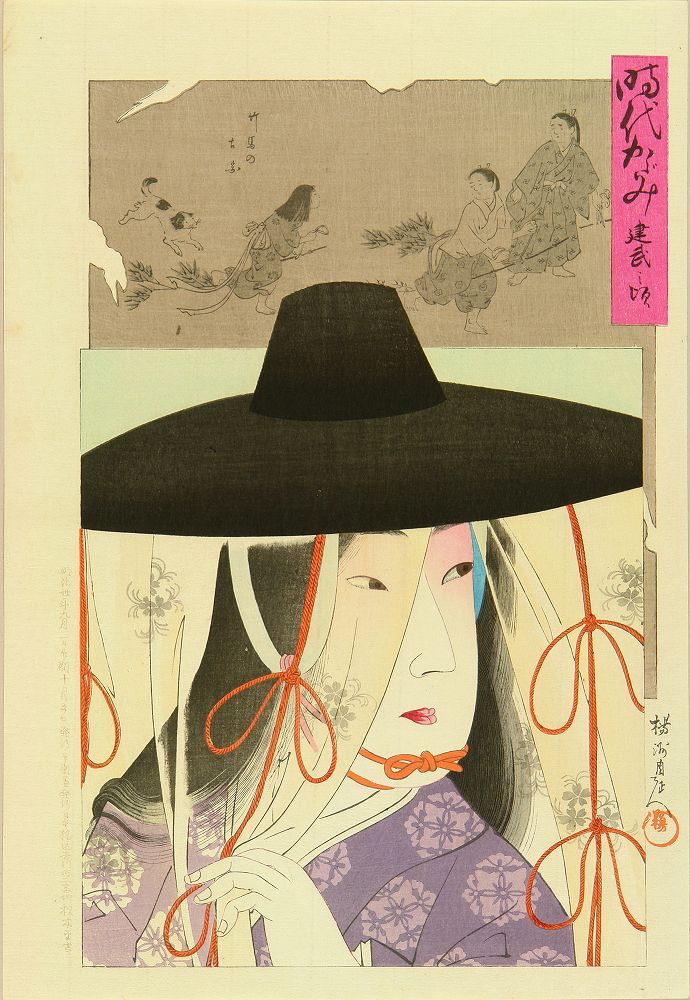
Kenmu Era, from
Woodblock print
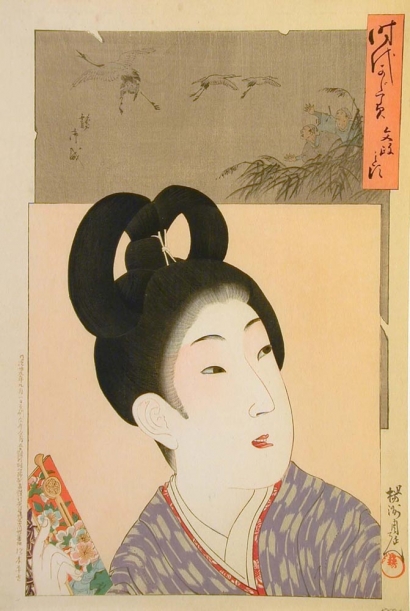
Lady of the Bunsei Era (1818-1830)
Woodblock print
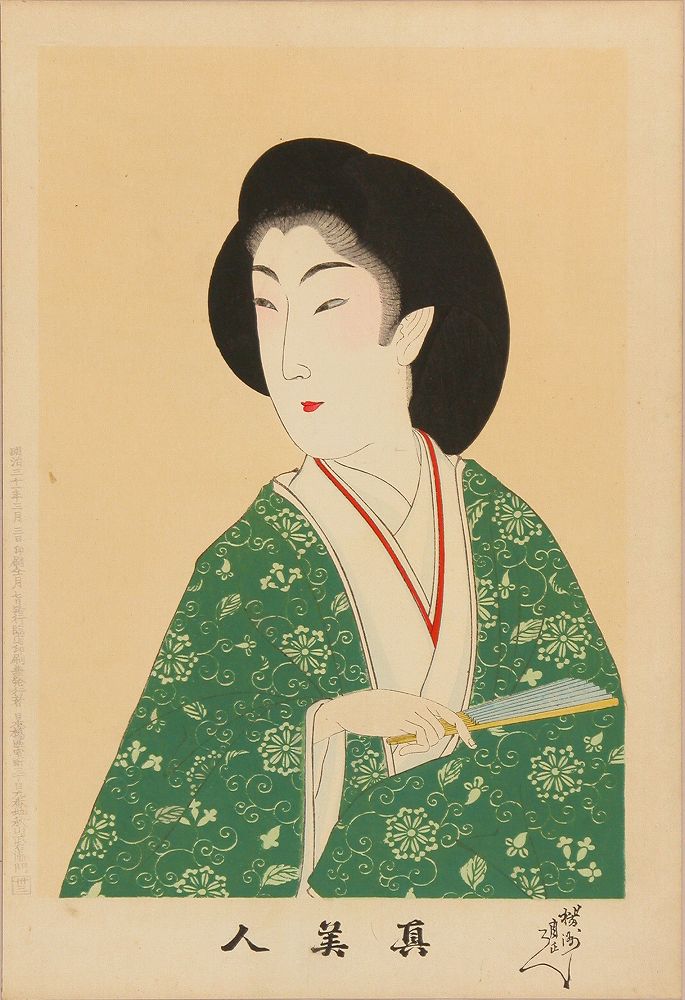
No. 33, from
Woodblock print

Streetwalkers Taking a Break in Yoshida-machi, Honjo
January 1881
Woodblock print (nishiki-e), ink and color on paper

Osame, a Concubine of the Lord of Sendai Fief, Learning Courtesanship
1886
Woodblock print
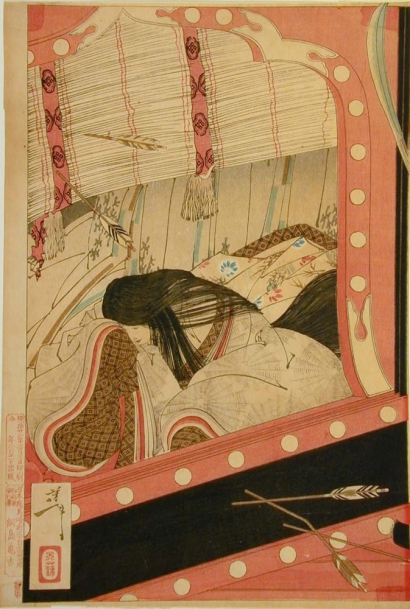
Untitled (Part of a Triptych: A Woman being Shot by Arrows)
1889
Woodblock print
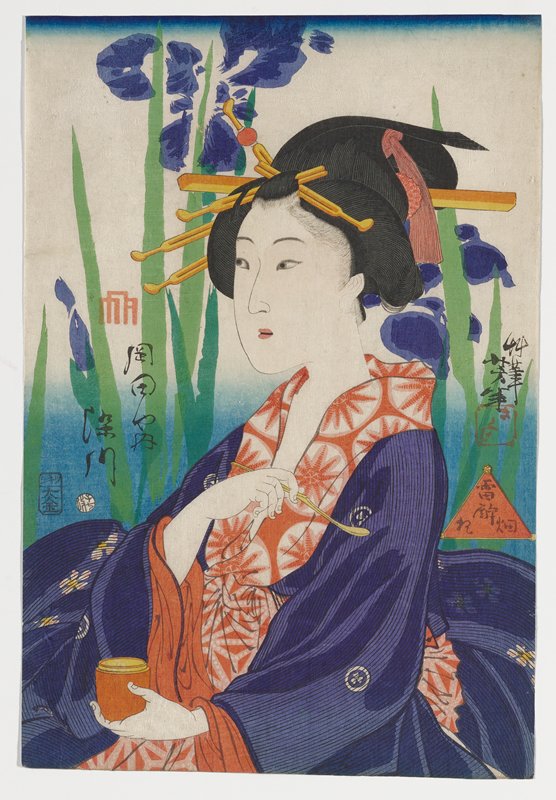
Somekawa
1864, 7th lunar month
Woodblock print (nishiki-e), ink and color on paper
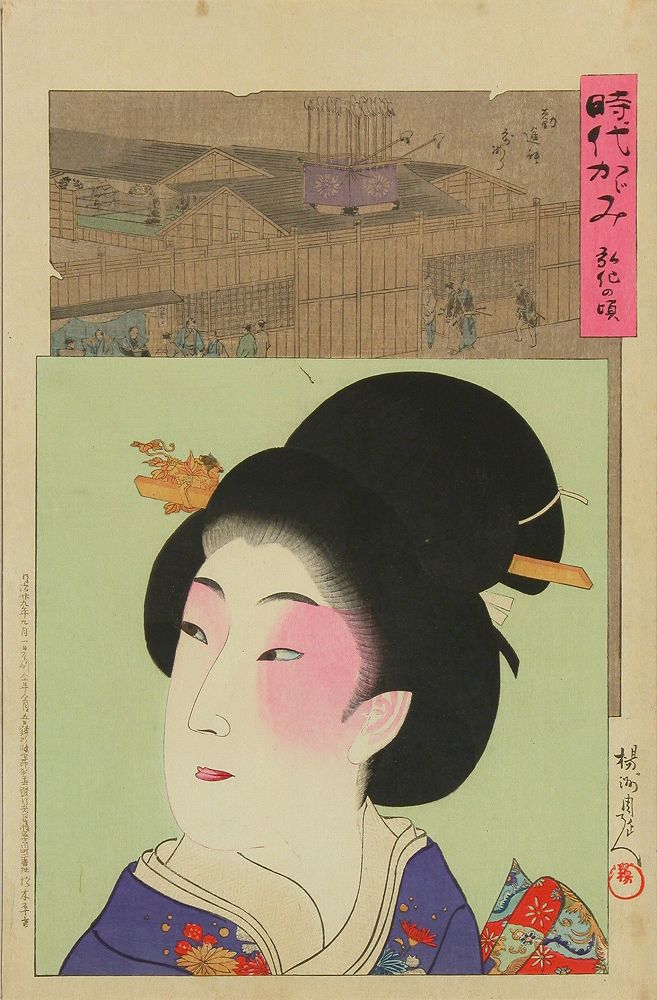
Koka era, from
Woodblock print
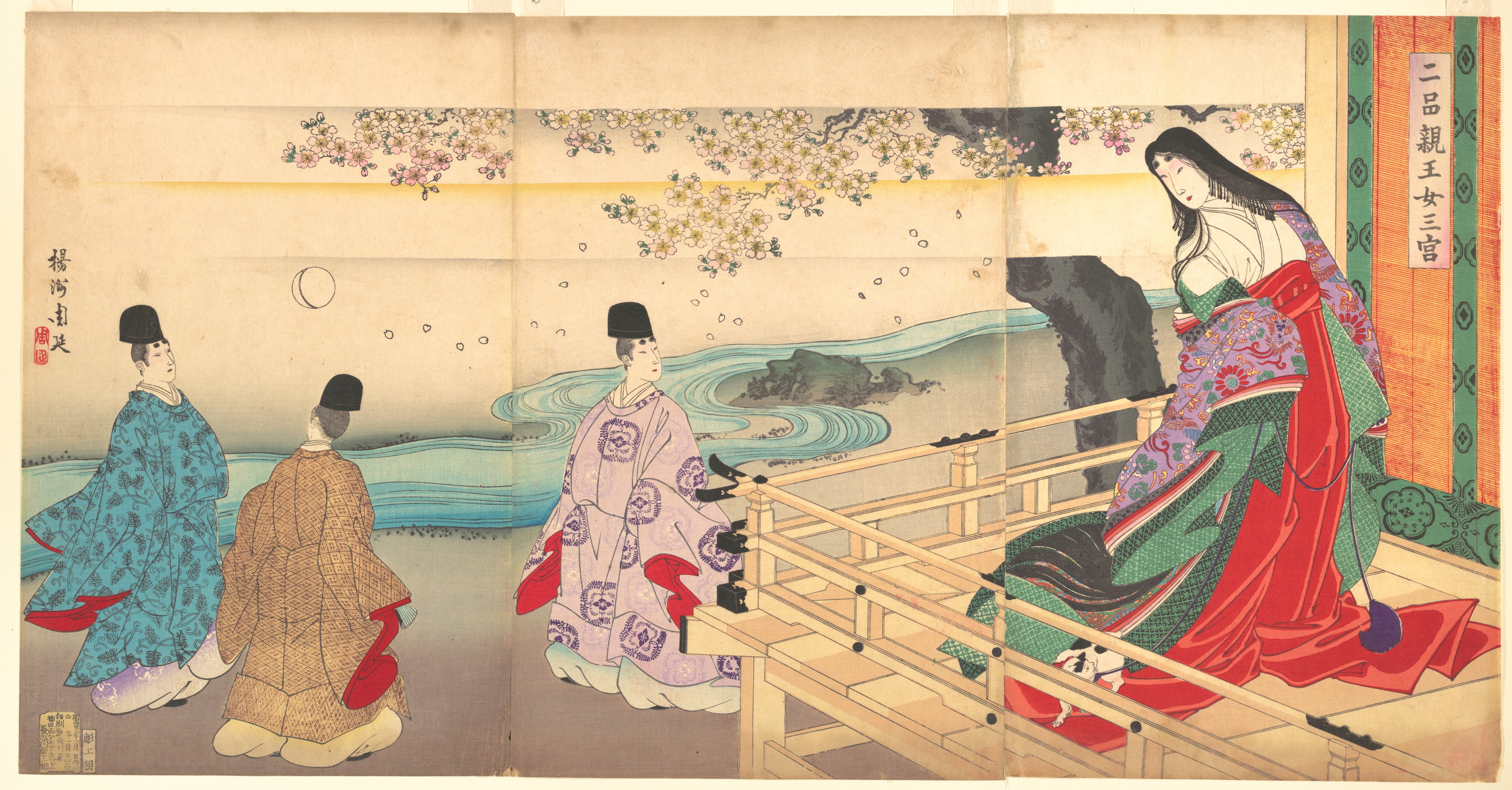
The Third Princess and Kashiwagi, from Chapter 34, “New Herbs I (Wakana I)” (Nihon shinnō onna sannomiya)
1890
Triptych of woodblock prints; ink and color on paper
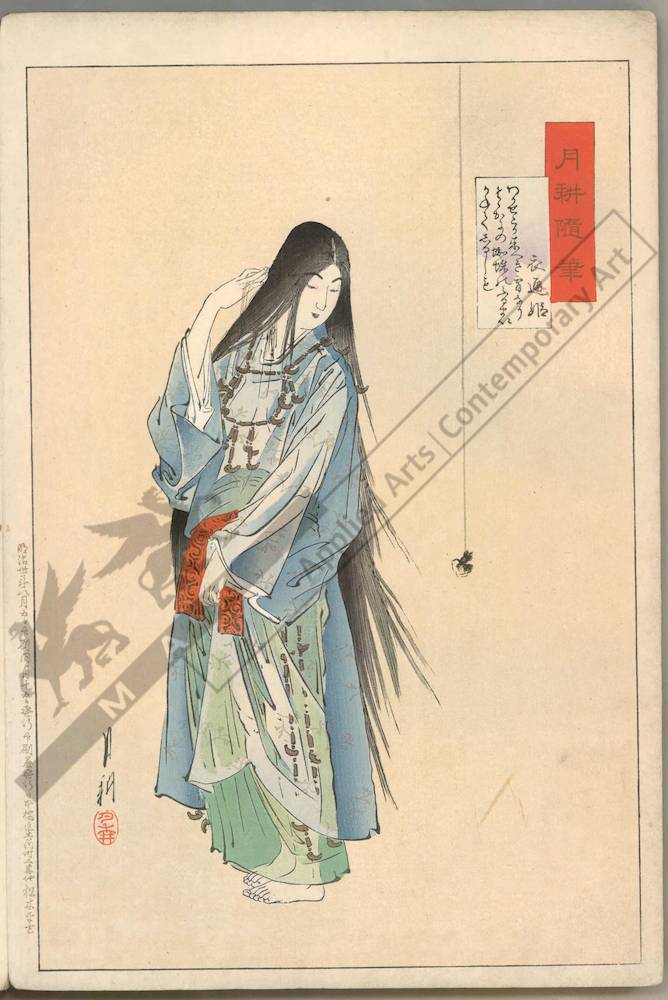
Kinugayoihime
Woodblock print
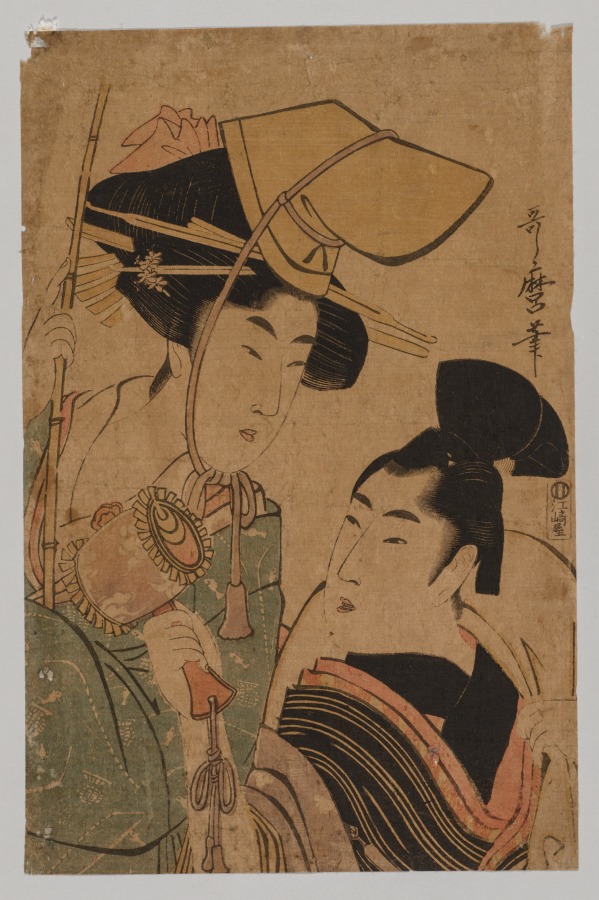
Woman Representing Good Fortune
1753–1806
color woodblock print

Wakato
1864, 7th lunar month
Woodblock print (nishiki-e), ink and color on paper
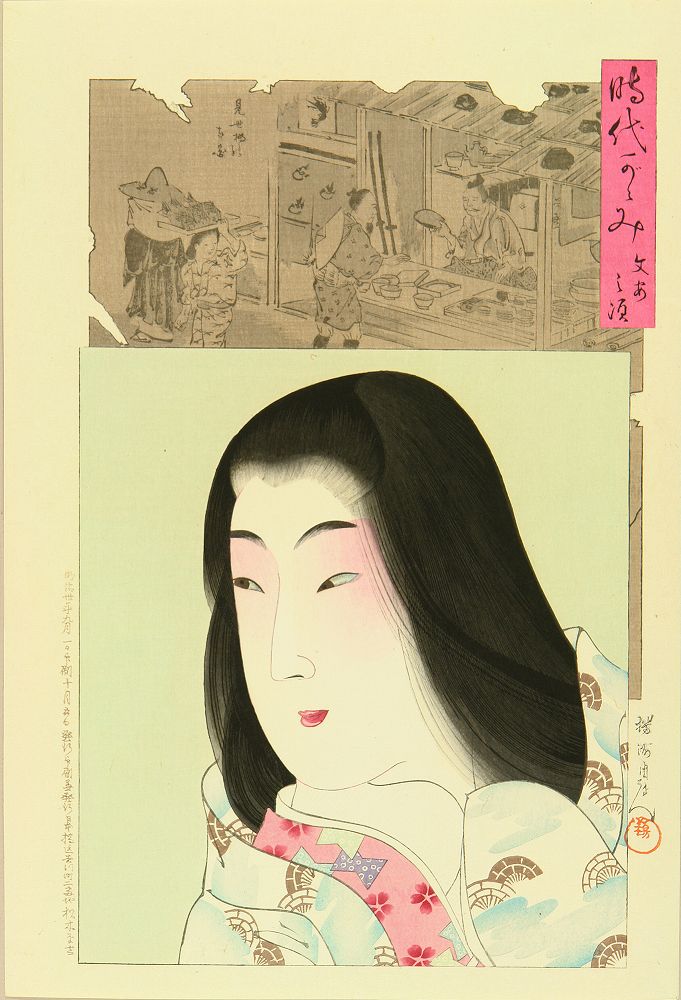
Heian Era, from
Woodblock print
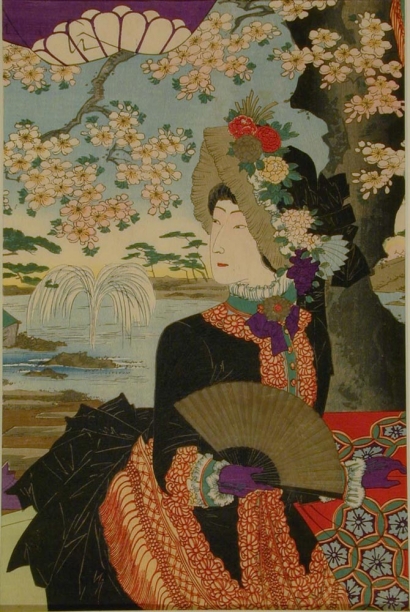
Empress Shoken in Western Dress and Bonnet
Woodblock print
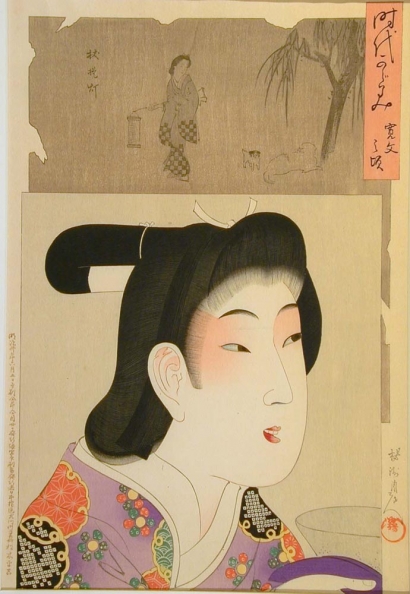
Lady of the Kanbun Era (1661-72)
Woodblock print
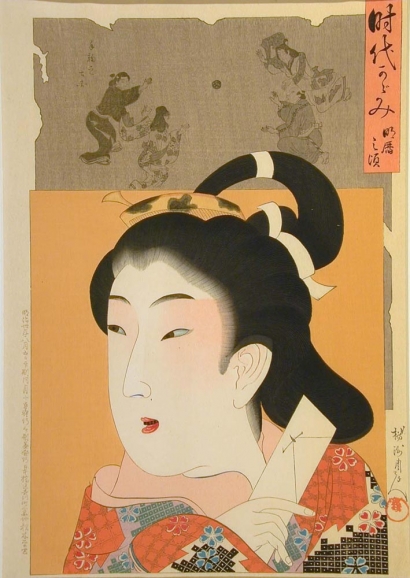
Lady of Meireki Era (1655-58)
Woodblock print
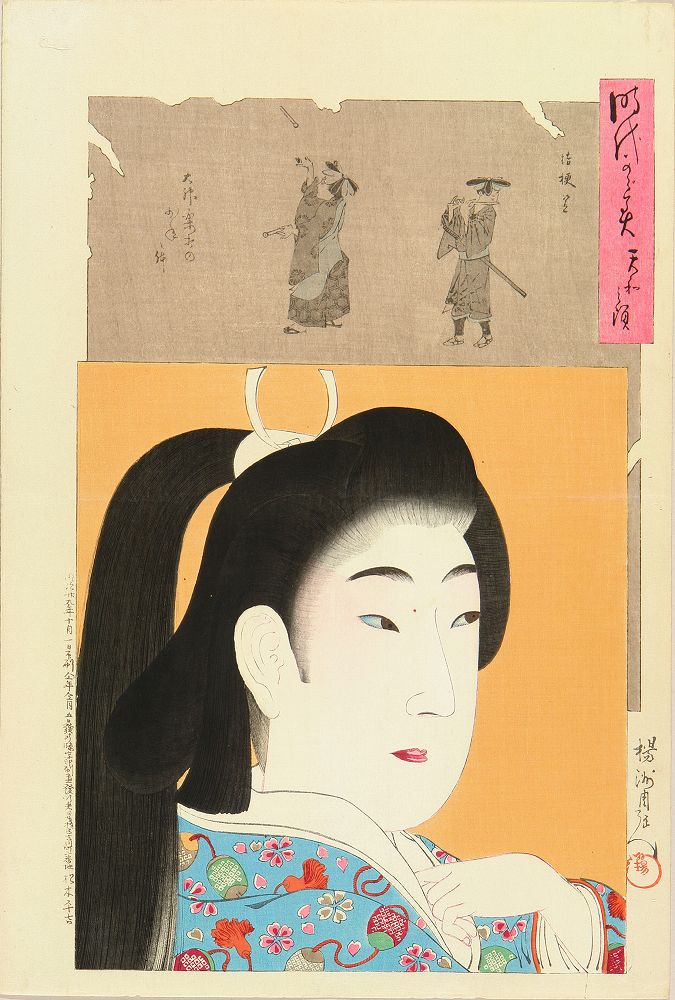
Tenna era, from
Woodblock print
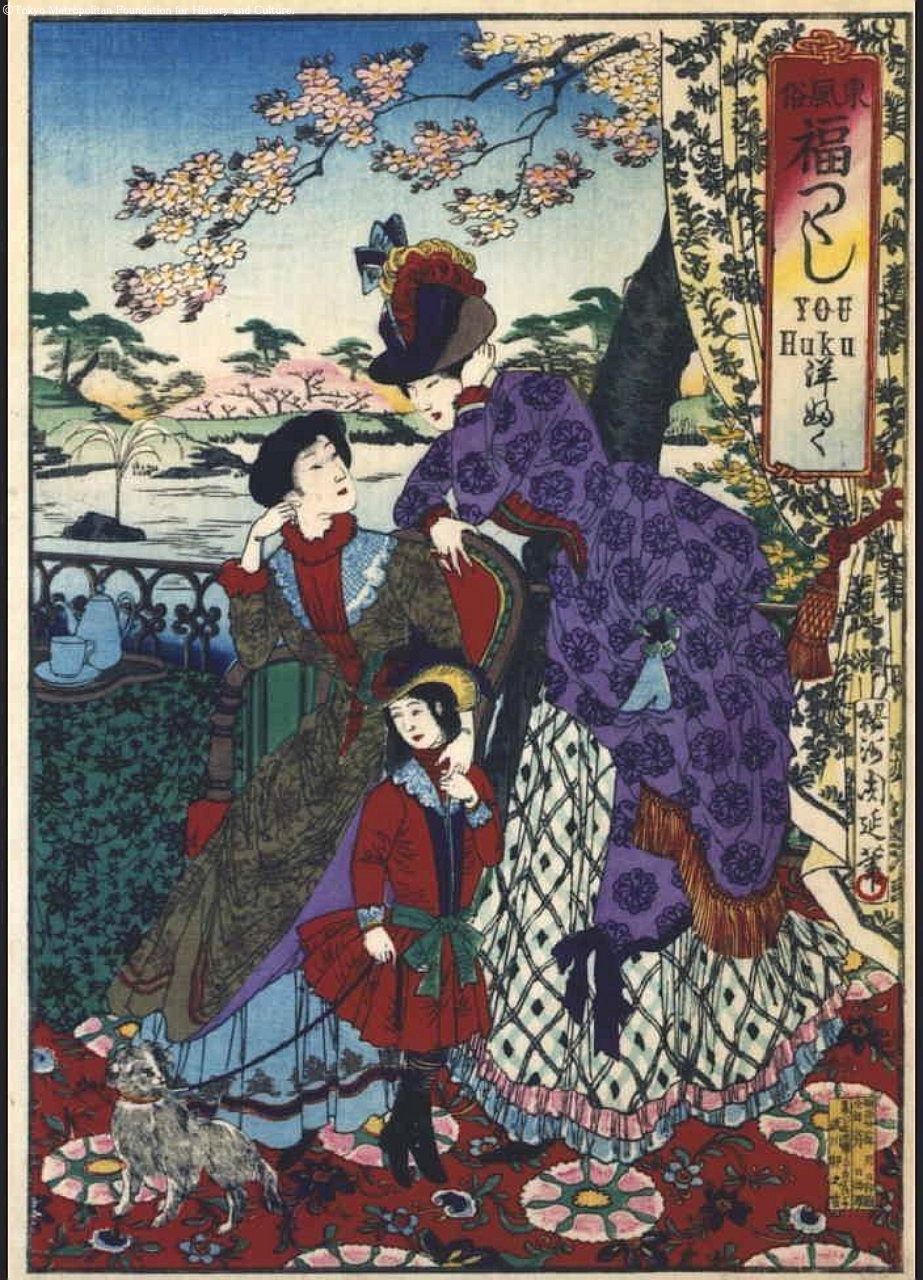
Tokyo Pleasures: Women in Western Dress
Woodblock print
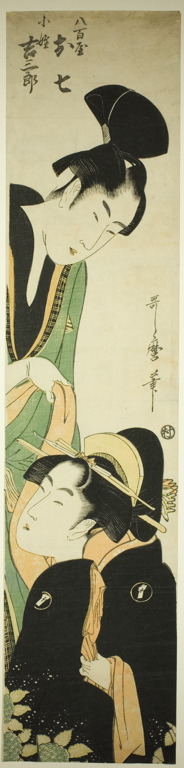
Yaoya Oshichi and Koshô Kichisaburô (Yaoya Oshichi and Koshô Kichisaburô)
Woodblock print
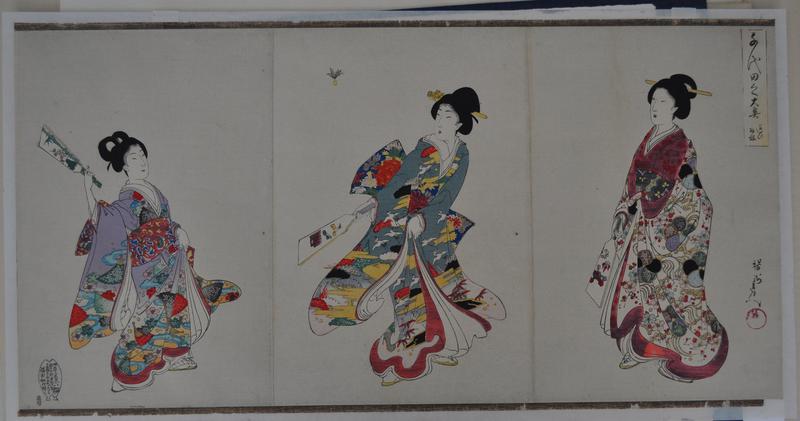
Battledore
1896
Woodblock print (nishiki-e), ink and color on paper
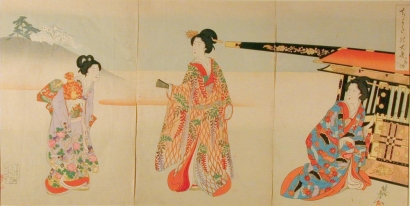
Palanquin
Woodblock print
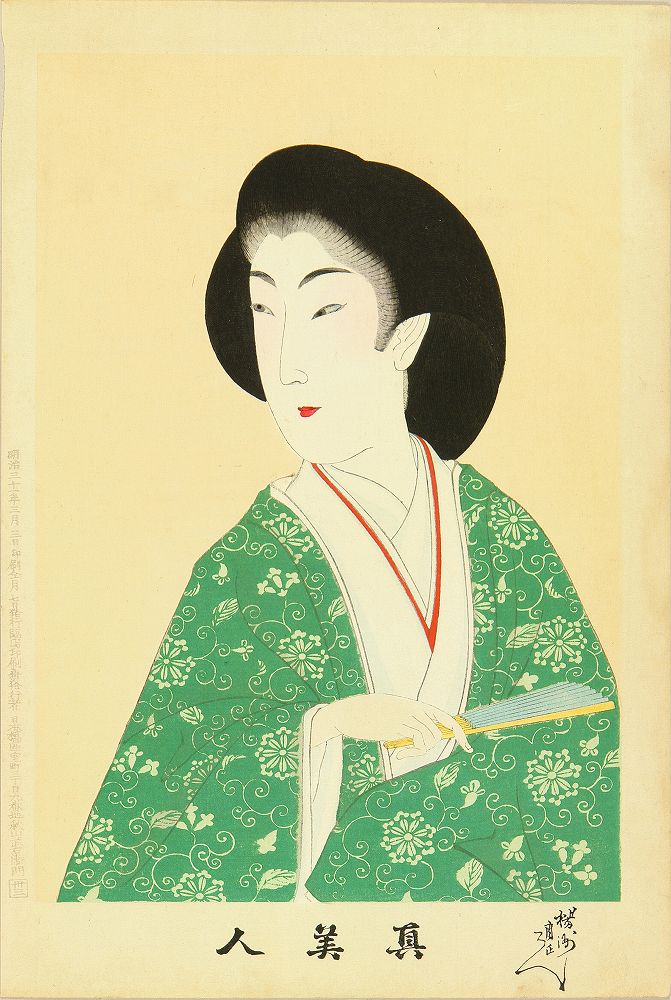
A court lady holding a folding-fan, from
Woodblock print
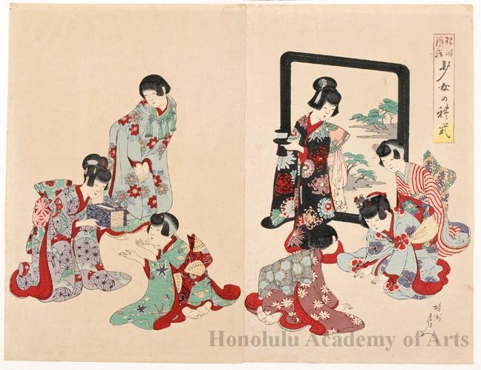
Girls (descriptive title)
Woodblock print
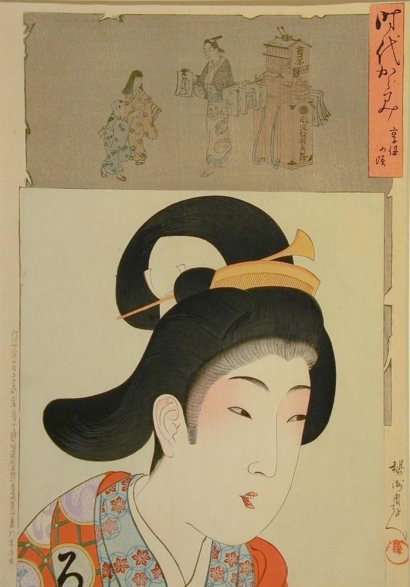
Lady in Kyoto Era (1716-1735)
Woodblock print
Related Subjects
Frequently Asked Questions
Bijin-ga — literally "pictures of beautiful people" — is one of the foundational genres of Japanese woodblock printmaking. The tradition dates to the earliest days of ukiyo-e, when artists like Hishikawa Moronobu and later Kitagawa Utamaro elevated portrayals of women from simple illustrations to sophisticated studies of beauty, fashion, and personality.
Hashiguchi Goyo, Torii Kotondo, and Takehisa Yumeji are among the artists most associated with bijin-ga in our collection. Browse the full list of artists who explored this subject above.
Hanga currently catalogues 1084 prints tagged with bijin-ga, spanning ukiyo-e, shin-hanga, and sōsaku-hanga traditions where applicable.