Bijin-ga Prints (1084)
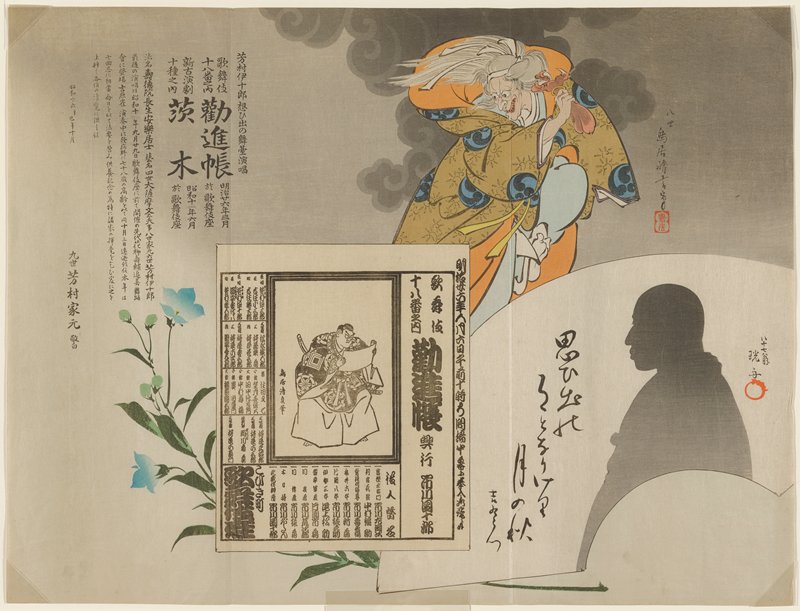
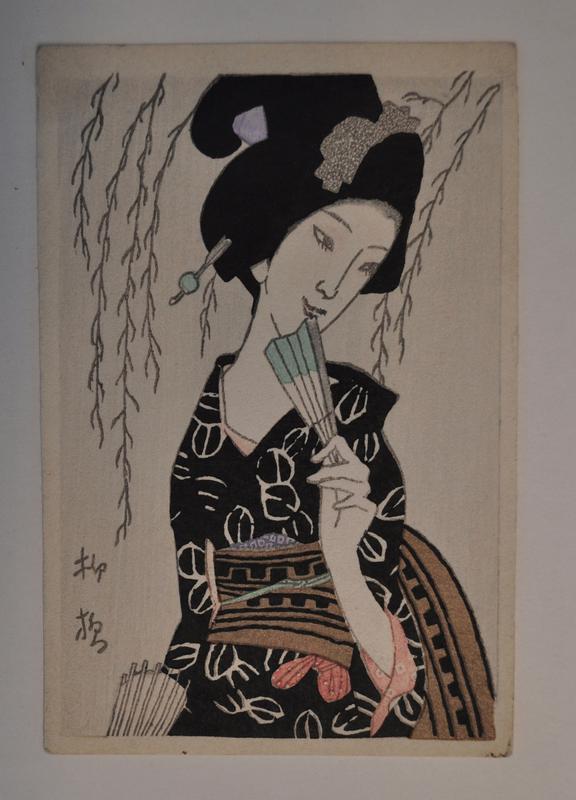
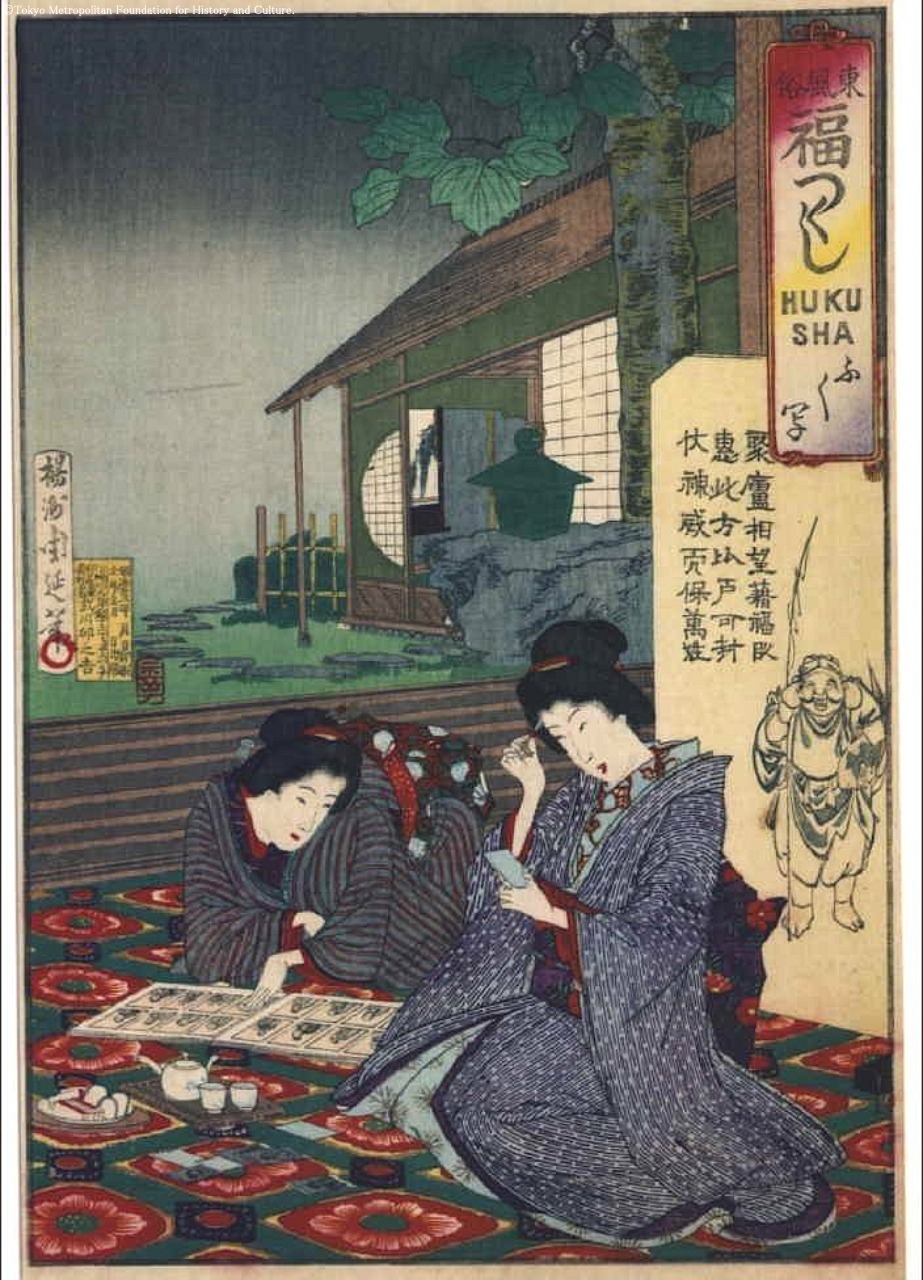
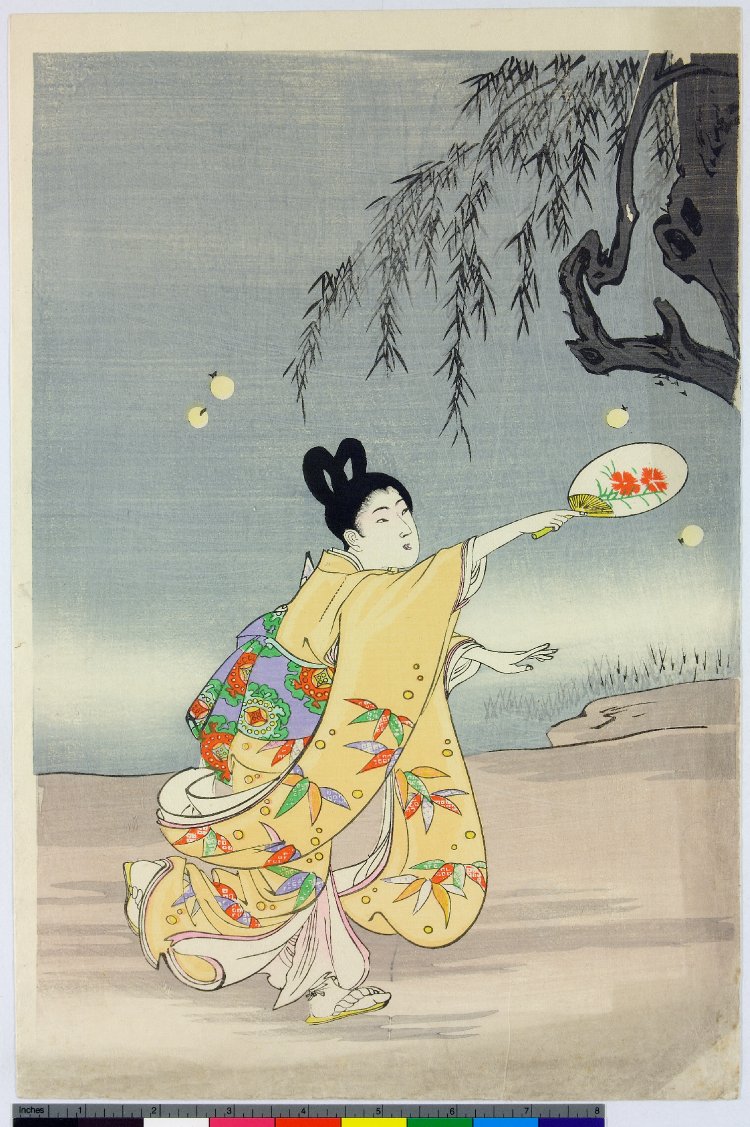
Bijin-ga — literally "pictures of beautiful people" — is one of the foundational genres of Japanese woodblock printmaking. The tradition dates to the earliest days of ukiyo-e, when artists like Hishikawa Moronobu and later Kitagawa Utamaro elevated portrayals of women from simple illustrations to sophisticated studies of beauty, fashion, and personality. Utamaro's bust portraits of the 1790s, which isolated individual faces against plain backgrounds, were revolutionary in their psychological depth and compositional daring. His contemporaries Chobunsai Eishi and Torii Kiyonaga developed complementary approaches, emphasizing graceful full-length figures in elaborate settings. The genre documented the changing ideals of feminine beauty across centuries, from the rounded features favored in the Edo period to the elongated elegance of the Meiji era. The shin-hanga revival of the early twentieth century produced a final flowering of bijin-ga, with artists like Ito Shinsui, Torii Kotondo, and Hashiguchi Goyo creating some of the genre's most refined works. These artists brought Western-influenced light and shadow to traditional subjects, producing prints that are among the most sought-after in the Japanese print market today. Bijin-ga prints are prized for their technical virtuosity, particularly the rendering of fabric patterns, hair arrangements, and subtle skin tones achieved through multiple woodblock impressions.
Artists Known for Bijin-ga



Tokyo Pleasures: Photographs
Woodblock print
triptych print
Woodblock print
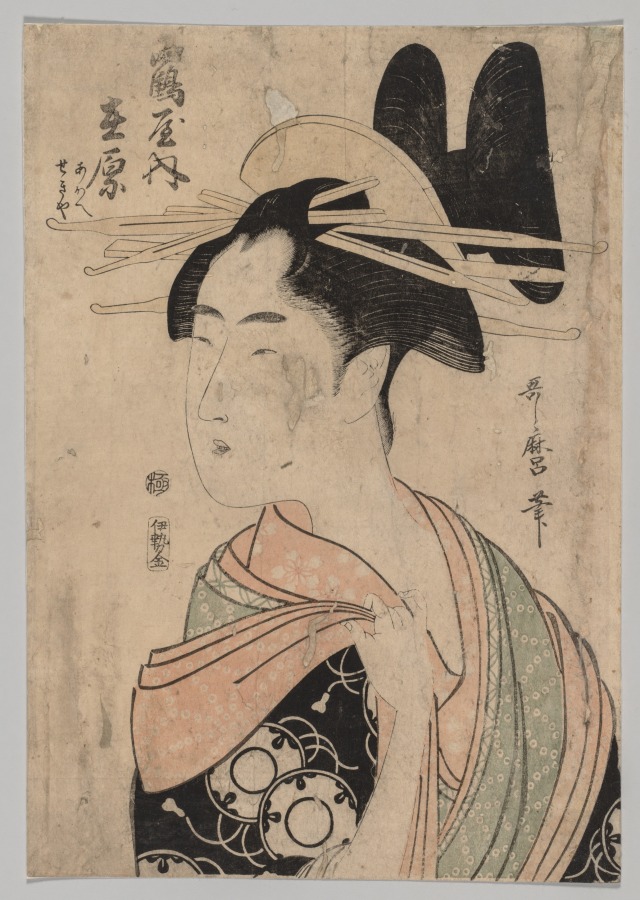
Woman of the Yoshiwara
1753–1806
color woodblock print
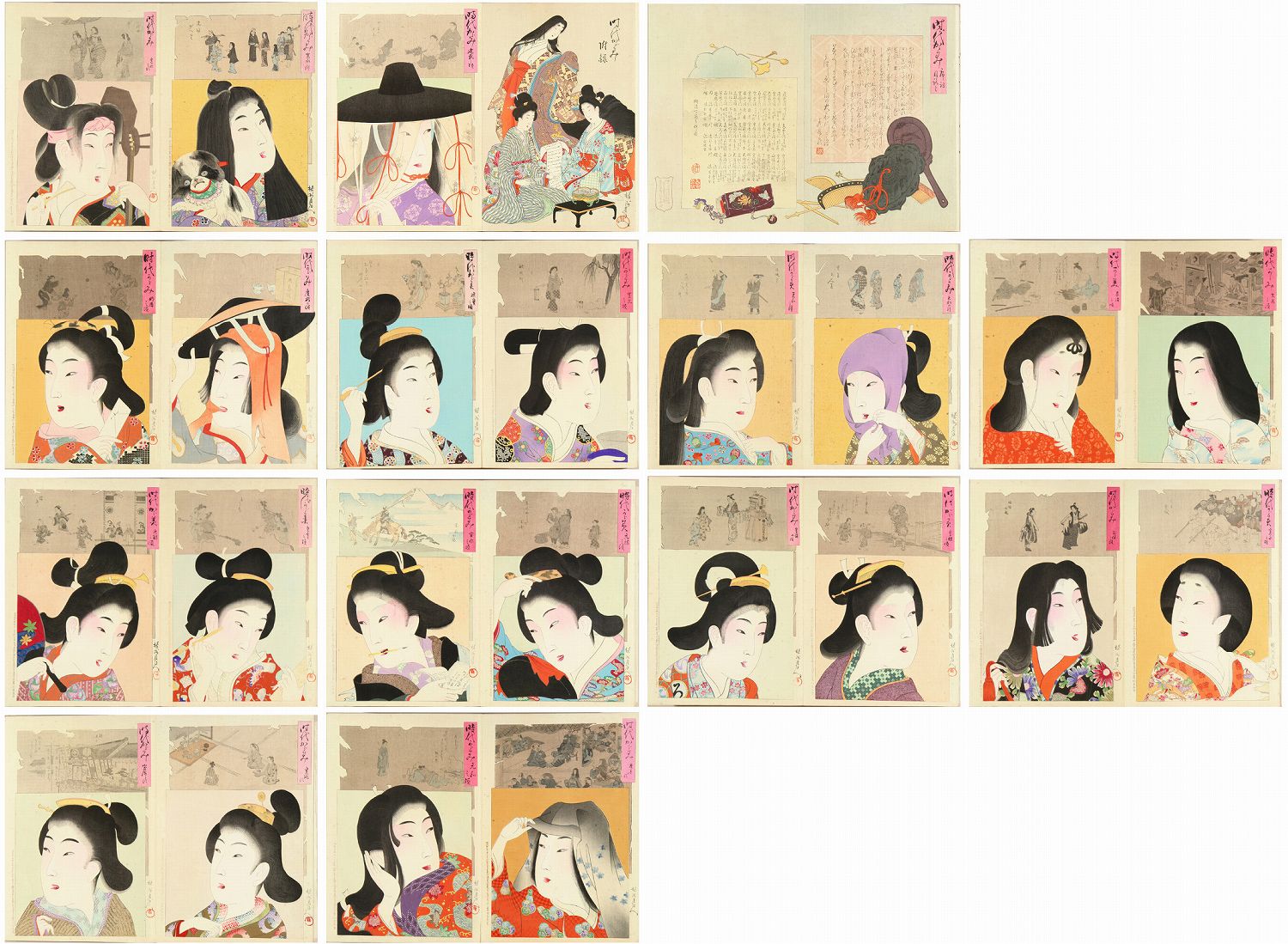
Complete set of the series
Woodblock print
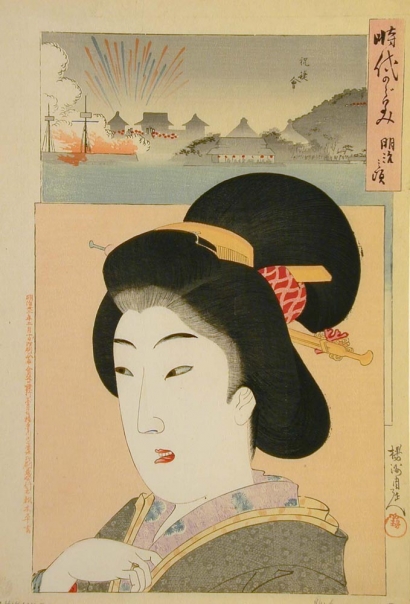
Lady in Meiji Era (1868-1912)
Woodblock print
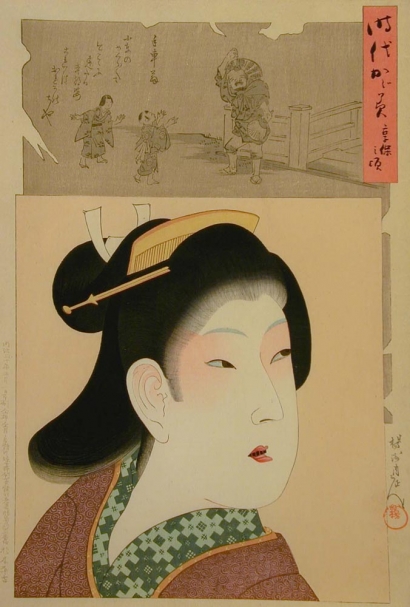
Lady of the Kyouhou Era (1716-1755)
Woodblock print
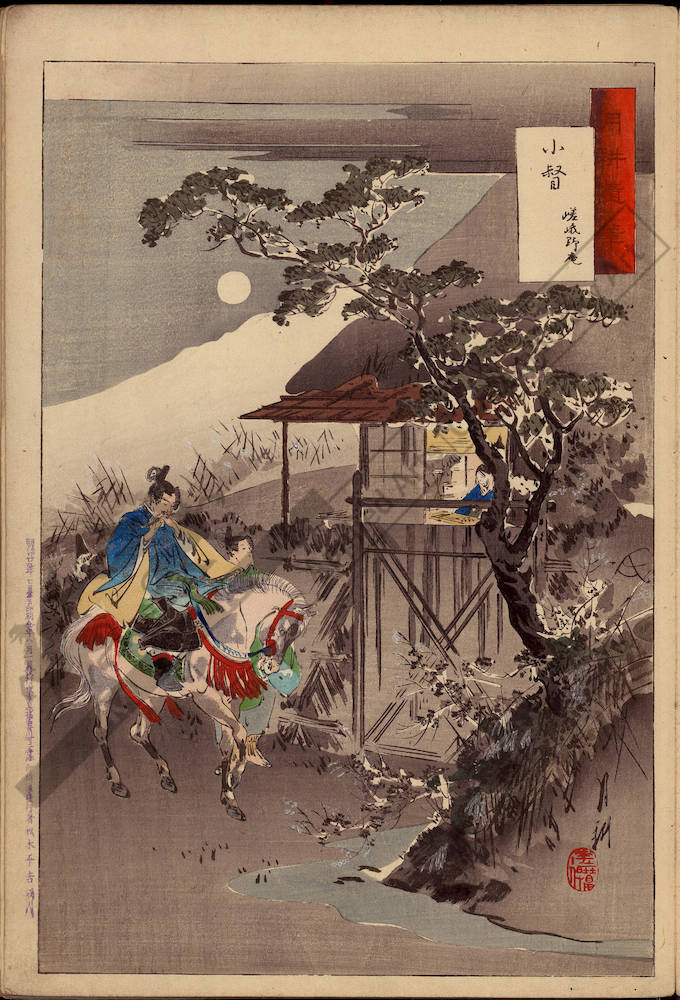
Kogo in her hermitage at Sagano
Woodblock print

Painful (Itaso), from the series "Thirty-two Aspects of Women (Fuzoku sanjuniso)"
1888
Color woodblock print; oban

Keian Era, from
Woodblock print
Woman Red with White Chrysanthemums, from the series The Appearance of Upper-Class Women of the Edo period (Tokugawa jidai kifujin no sugata)
Meiji period, dated October 1895
Woodblock print in "ōban" format; ink and color on paper
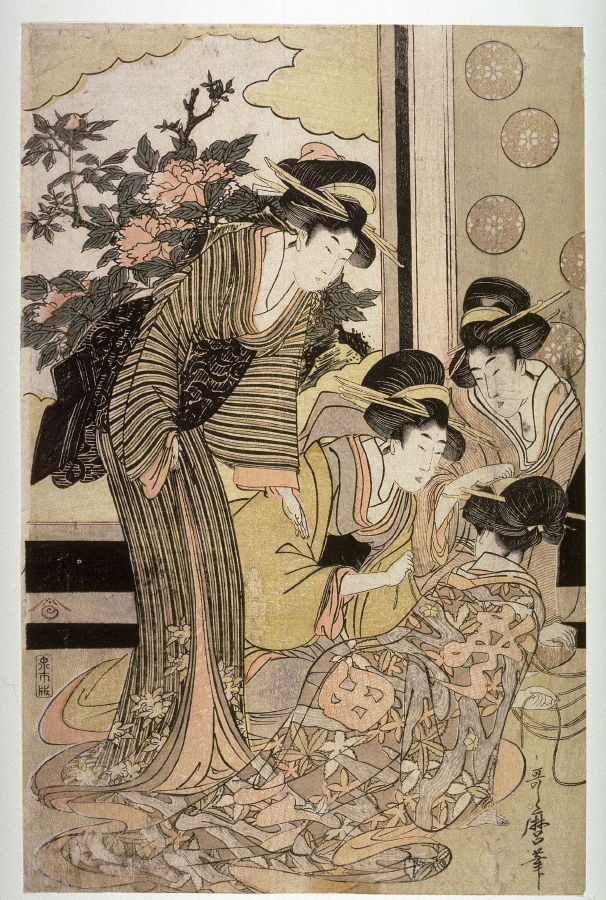
Women Drawing Strings for Prizes, right panel of a triptych
Woodblock print

11 p.m., from the series "Twenty-Four Hours at Shinyanagi (Shinyanagi nijuyoji)"
1880
Color woodblock print

Kiku moyō enmei bukuro, no. 2
July 1891
Woodblock print (nishiki-e), ink and color on paper
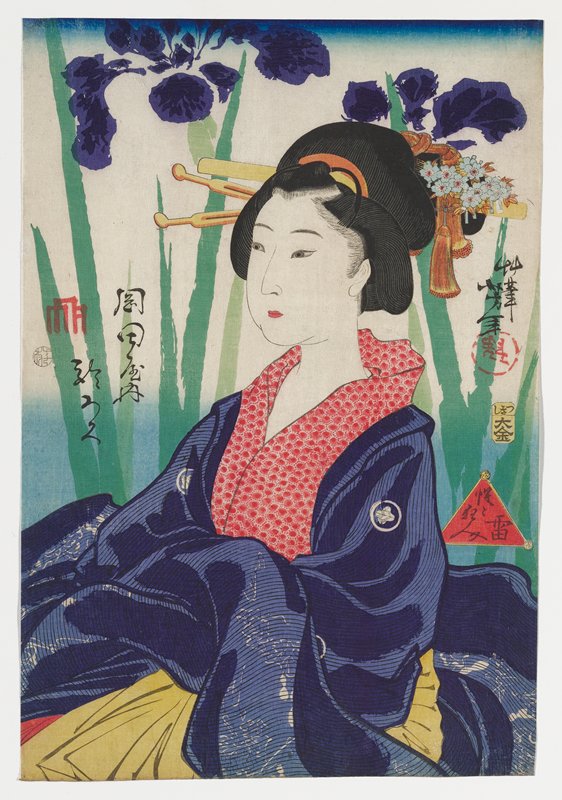
Oroku
1864, 7th lunar month
Woodblock print (nishiki-e), ink and color on paper
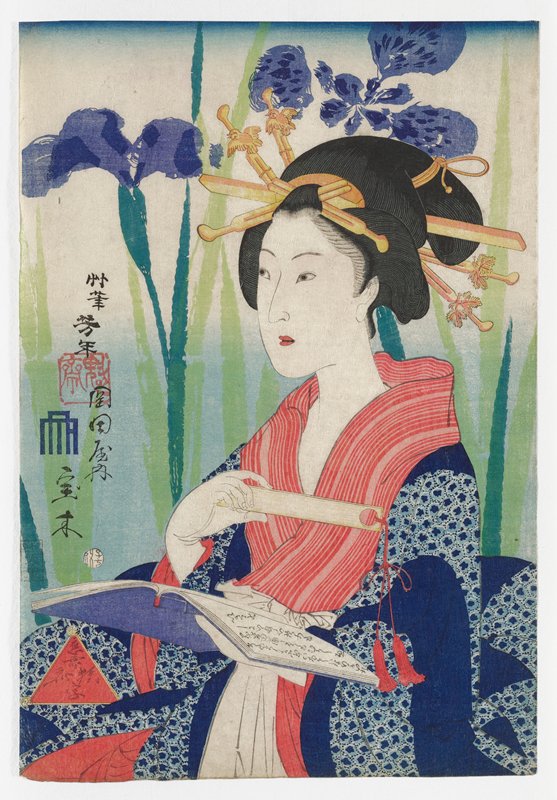
Takaragi
1864, 7th lunar month
Woodblock print (nishiki-e), ink and color on paper
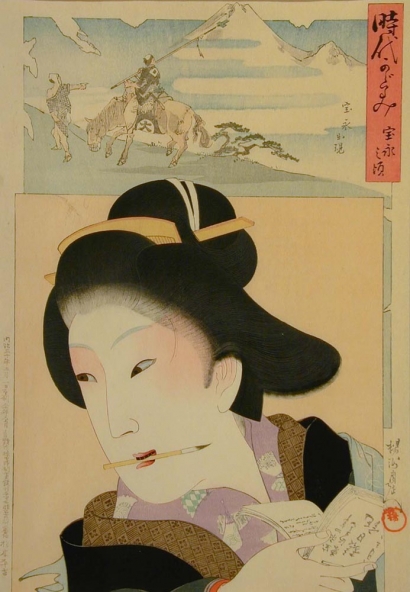
Lady of the Houei Era (1704-1711)
Woodblock print

Harimaze
Woodblock print
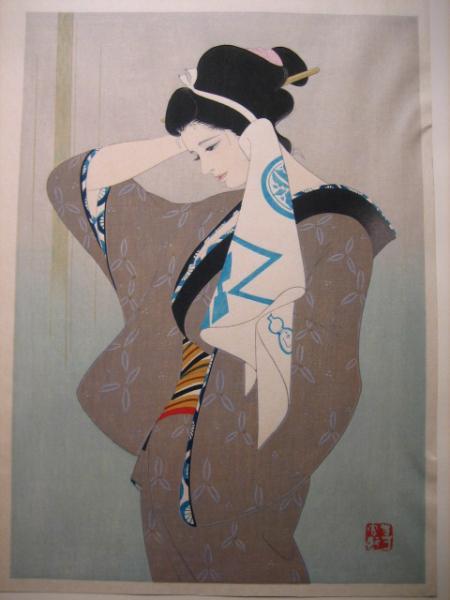
After A Bath — 湯上がり
Woodblock print
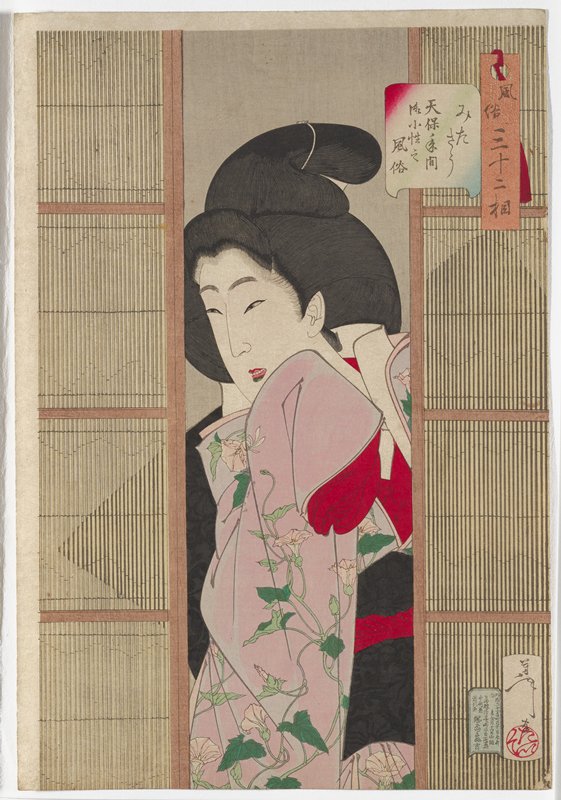
Appearing Inquisitive, Behavior of a Maid of the Tenpō Era
April 1888
Woodblock print (nishiki-e), ink and color on paper
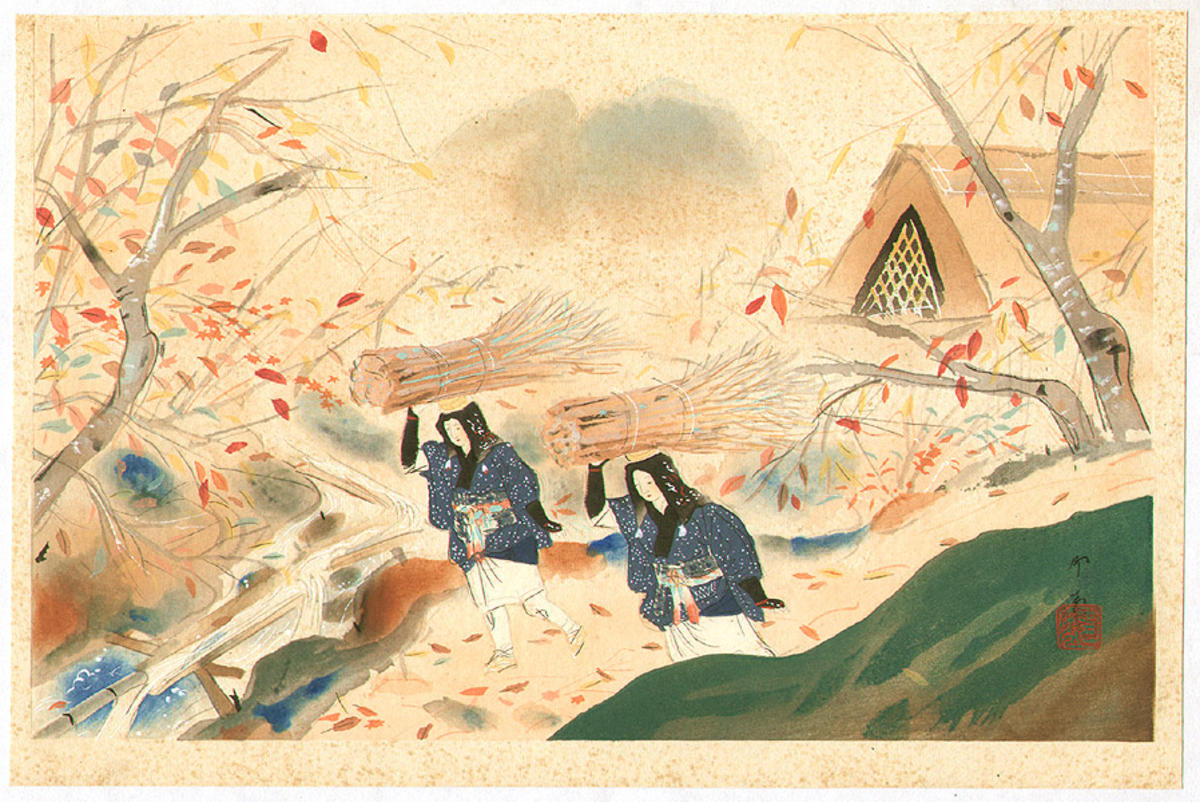
Ohara-me
Woodblock print
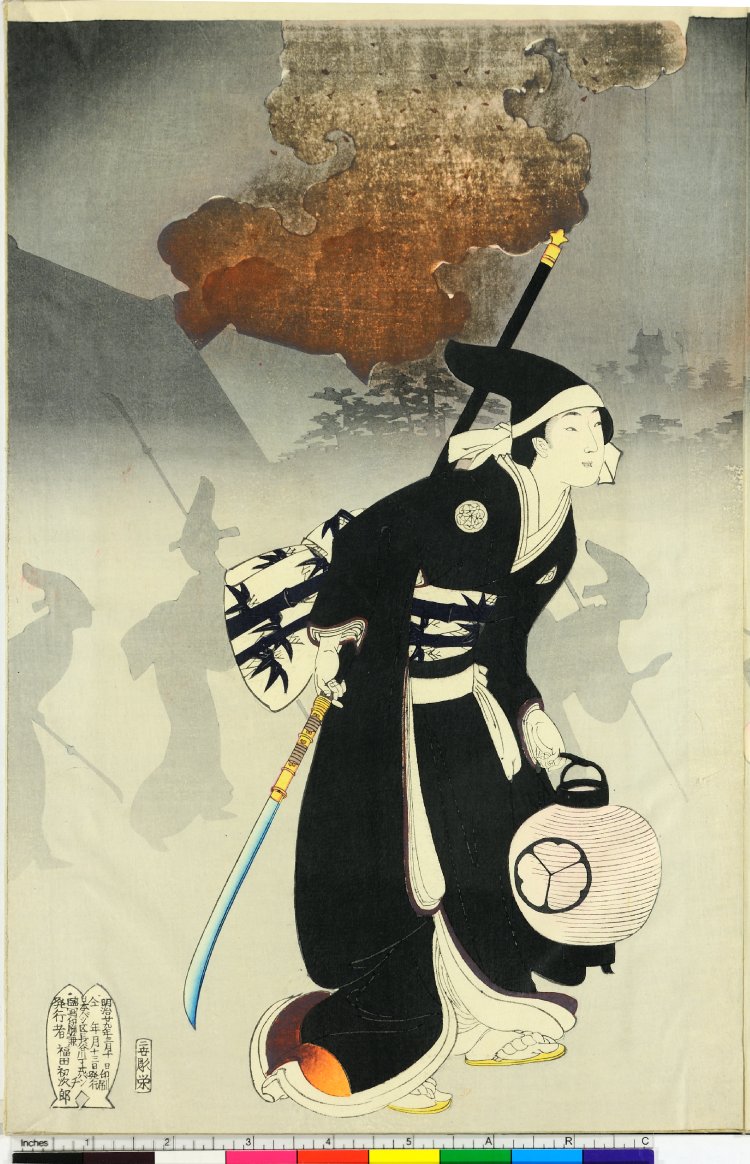
Chiyoda no o-oku
Woodblock print
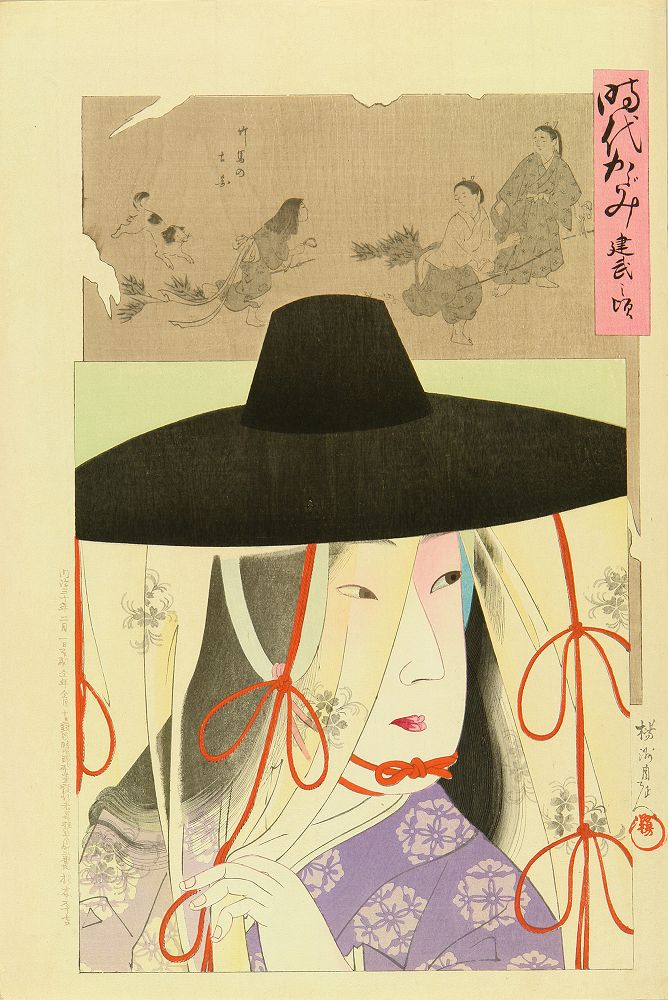
Kanmu Era, from
Woodblock print
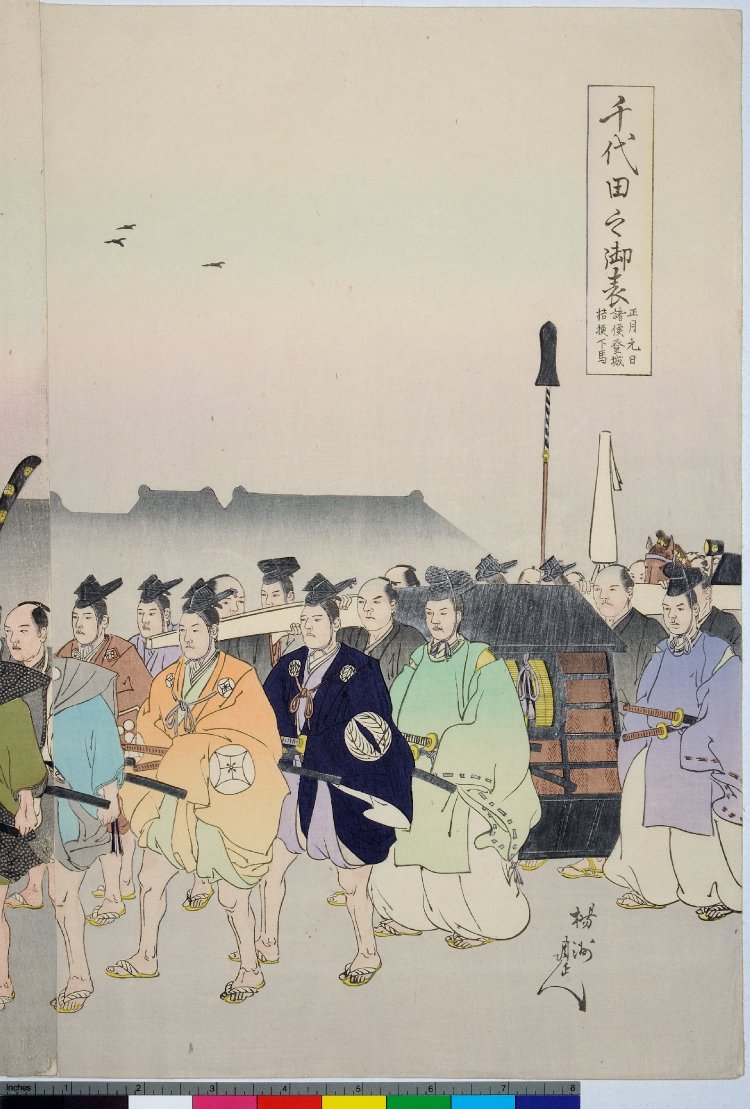
toyohara-chikanobu
Woodblock print
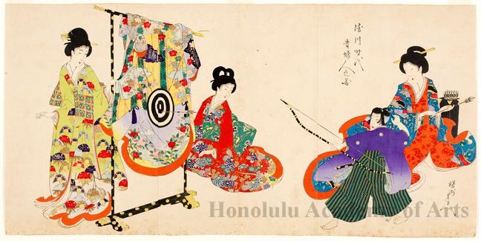
Women’s Activities of the Tokugawa Era
Woodblock print
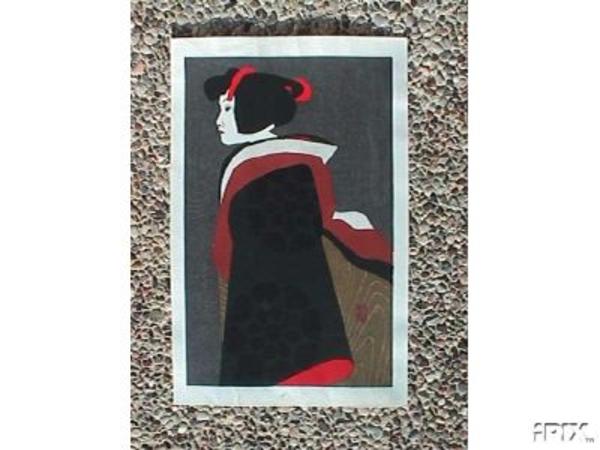
Unknown, Woman 2
Woodblock print

Untitled (hirezaki-eiho)
Woodblock print

Untitled (hirezaki-eiho)
Woodblock print

Solitude, Kyoto
1955
Color woodblock print; edition 70/150

Untitled (hirezaki-eiho)
Woodblock print

Jealousy
1952
Color woodblock print; edition 128/300
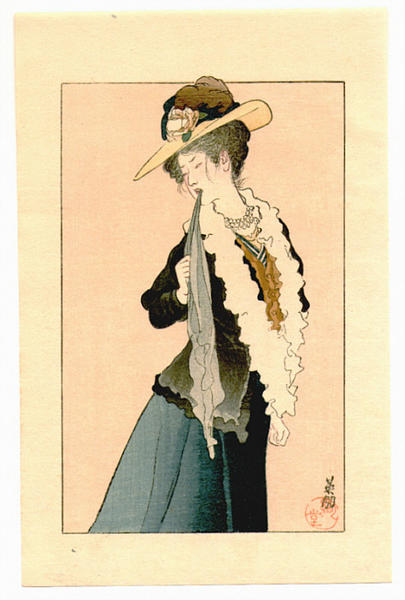
Untitled (hirezaki-eiho)
Woodblock print
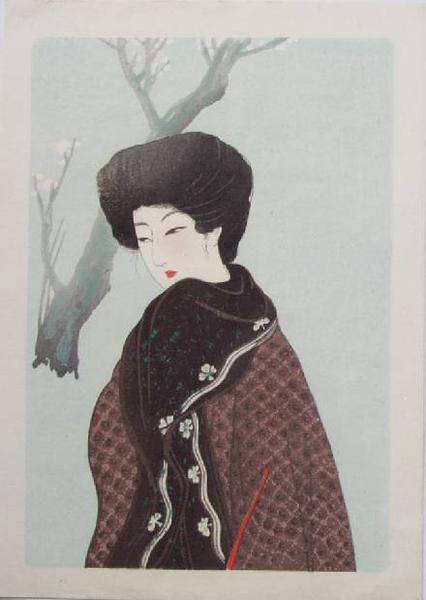
Untitled (hirezaki-eiho)
Woodblock print
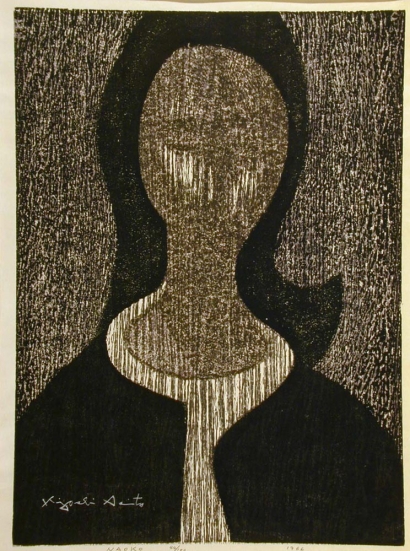
Naoko
Woodblock print
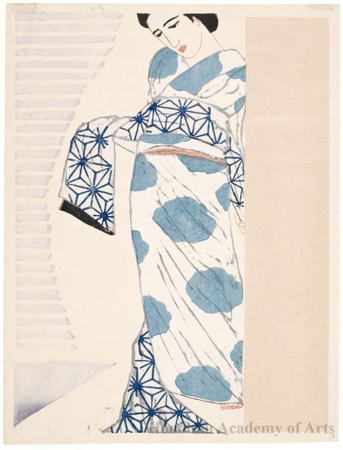
Obi (Sash)
Woodblock print
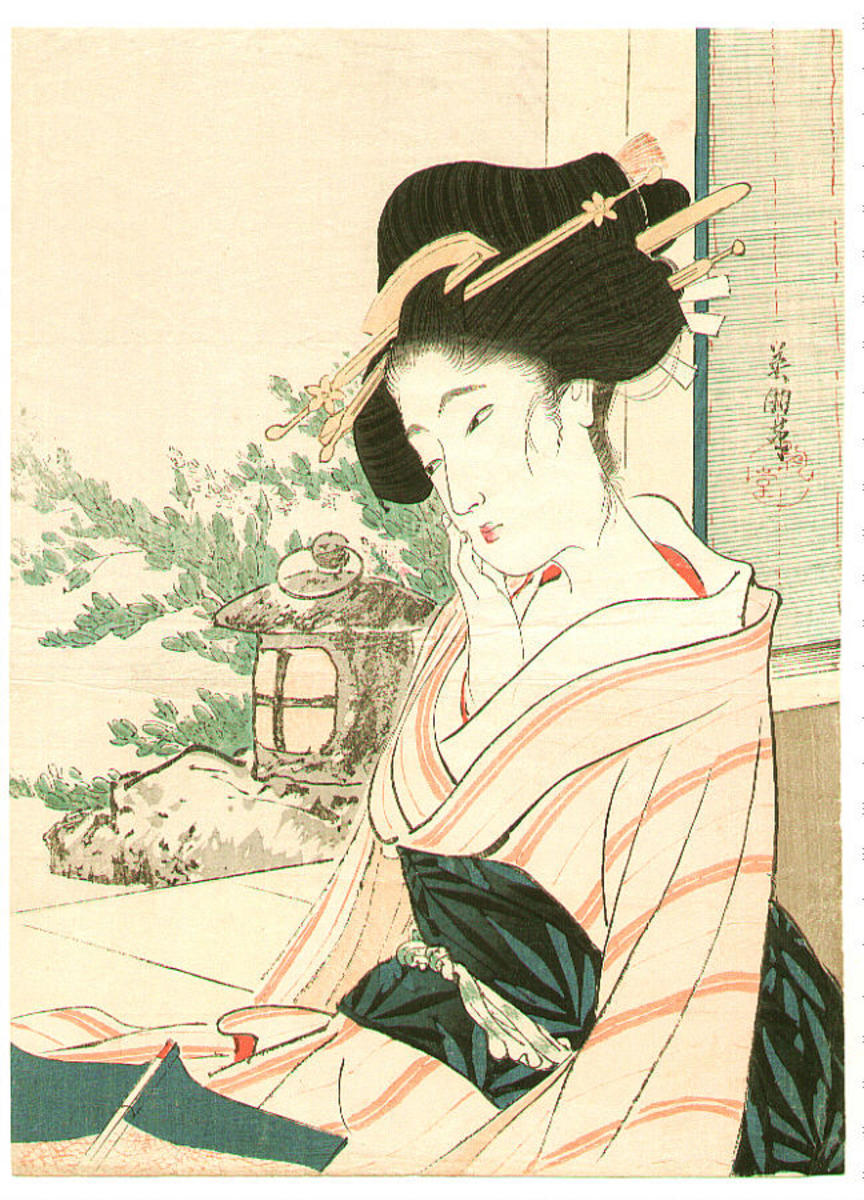
Hara Shobō
Woodblock print
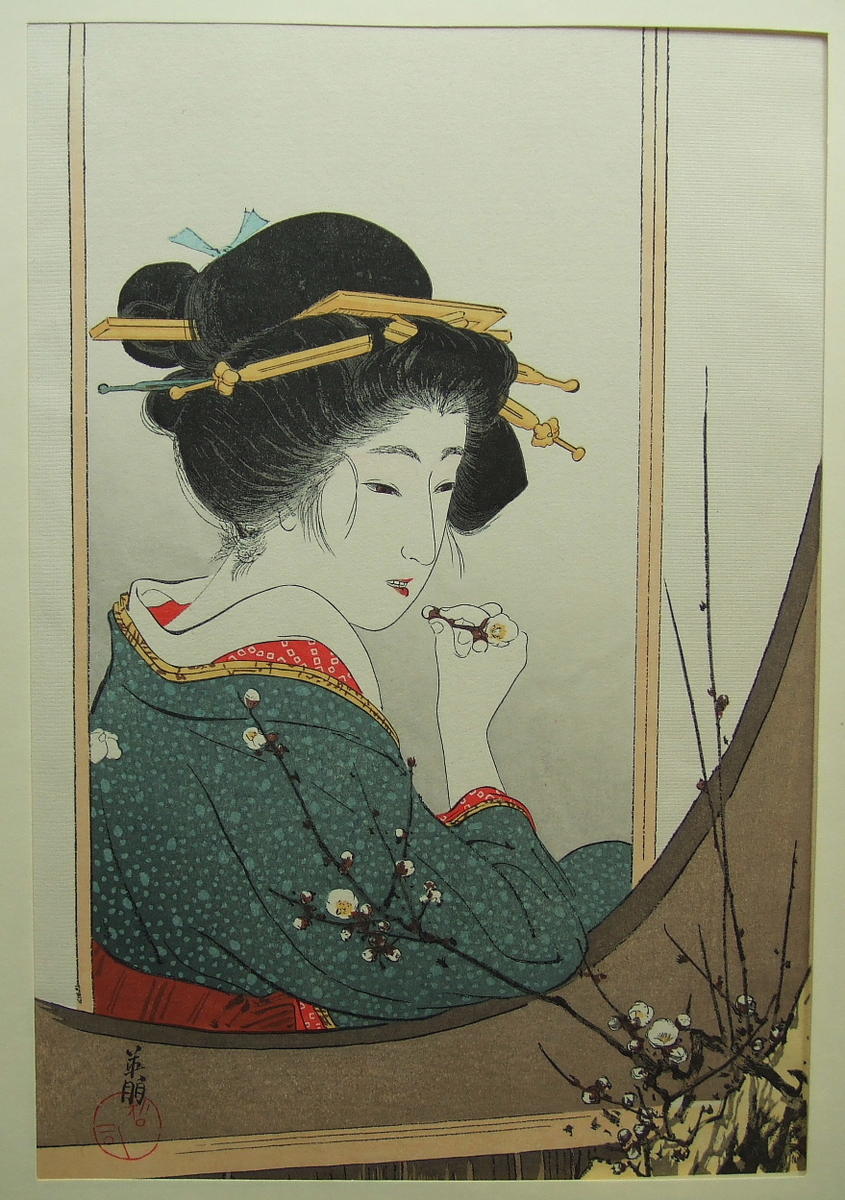
Untitled (hirezaki-eiho)
Woodblock print
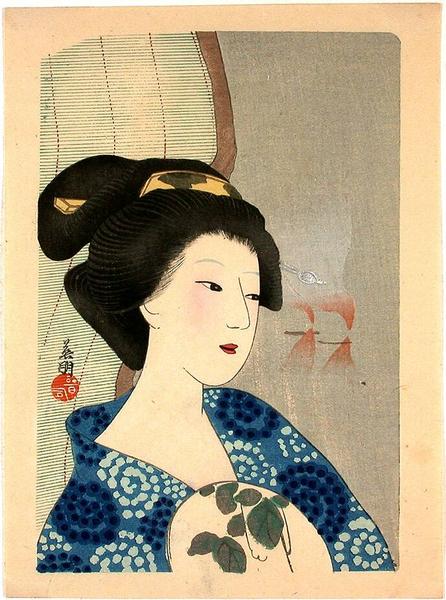
Untitled (hirezaki-eiho)
Woodblock print
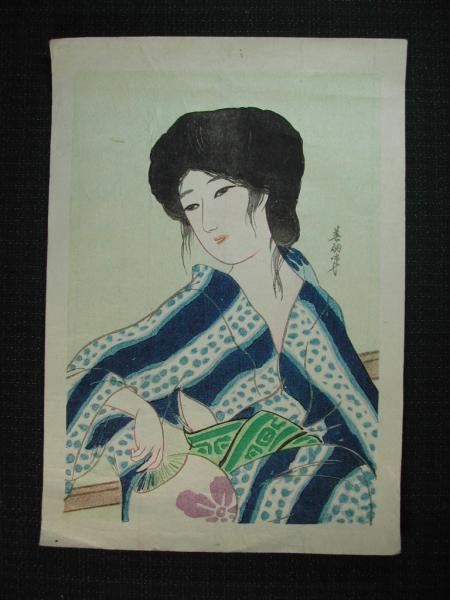
Untitled (hirezaki-eiho)
Woodblock print

Black Hair
Woodblock print
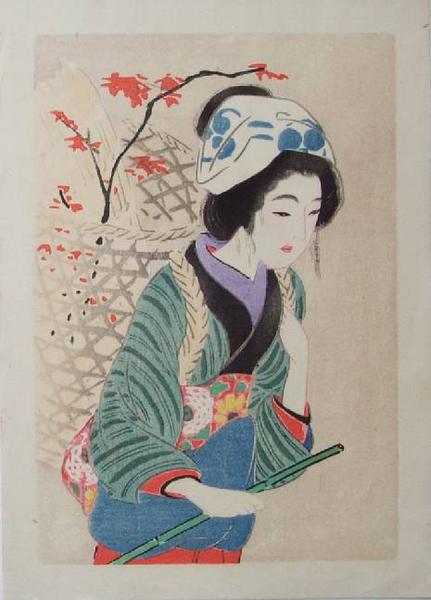
Untitled (hirezaki-eiho)
Woodblock print

Woman wearing necklace
1955
Color woodblock print; edition 1/100

Solitude - A Model from Akita
1947
Color woodblock print
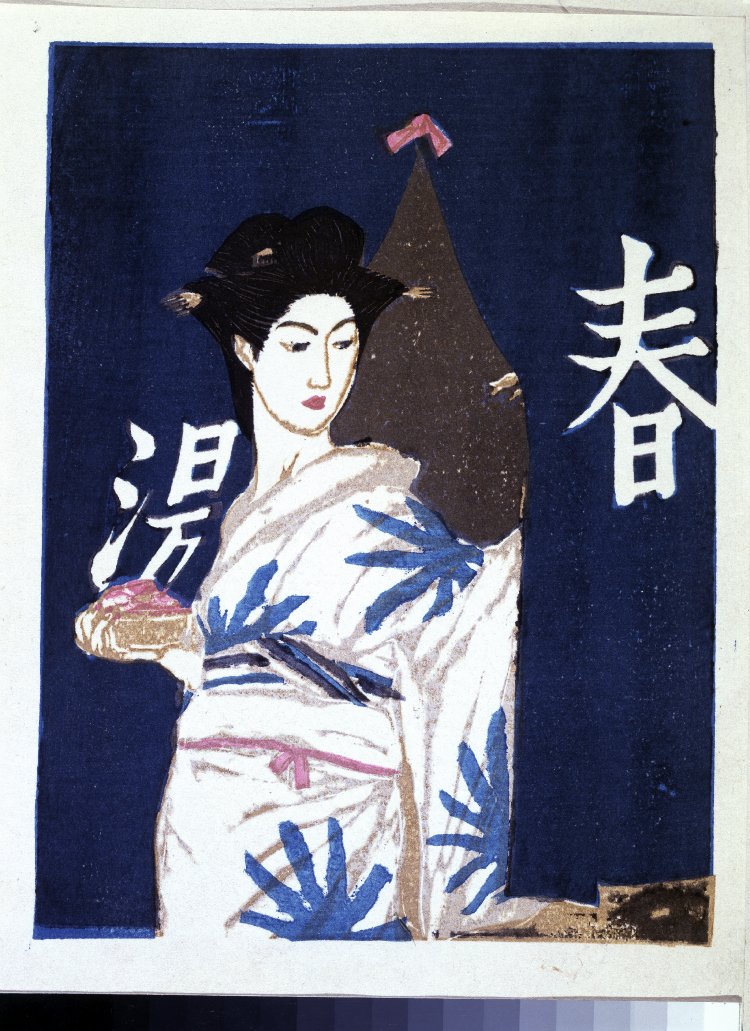
Nippon Jozokusen / Women's Customs in Japan
Woodblock print
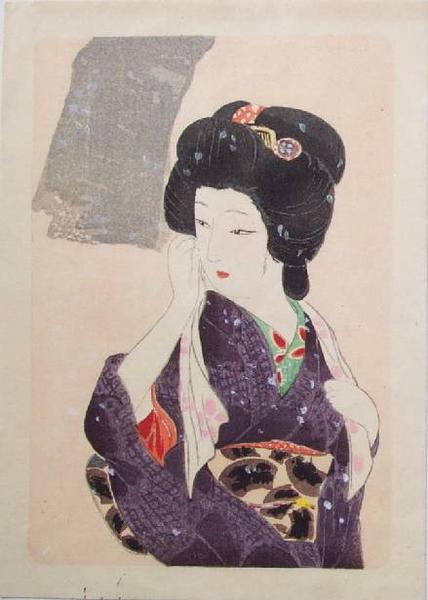
Untitled (hirezaki-eiho)
Woodblock print
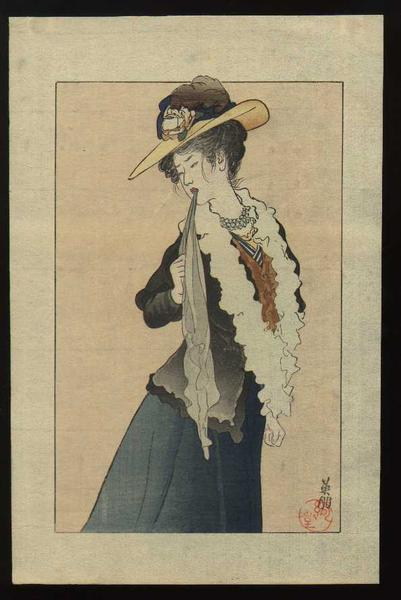
Nasanu Naka
Woodblock print
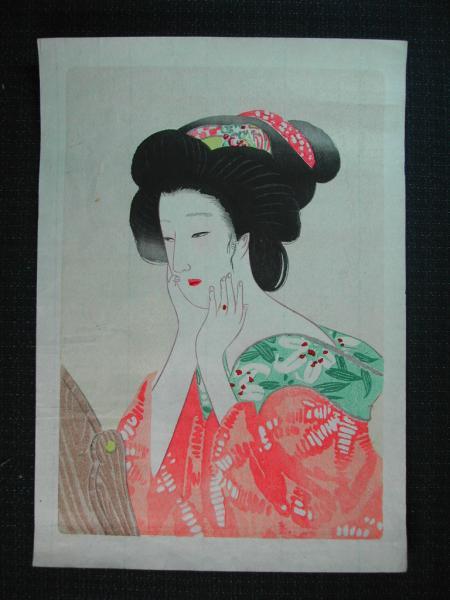
Untitled (hirezaki-eiho)
Woodblock print

Hair
1930
Color woodblock print
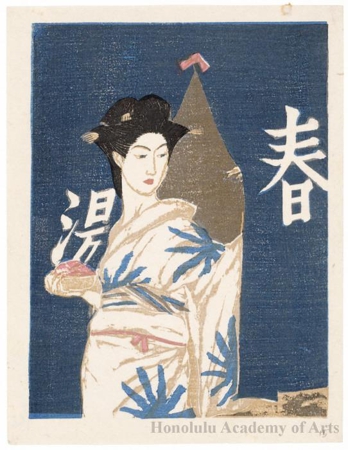
After the Bath
Woodblock print
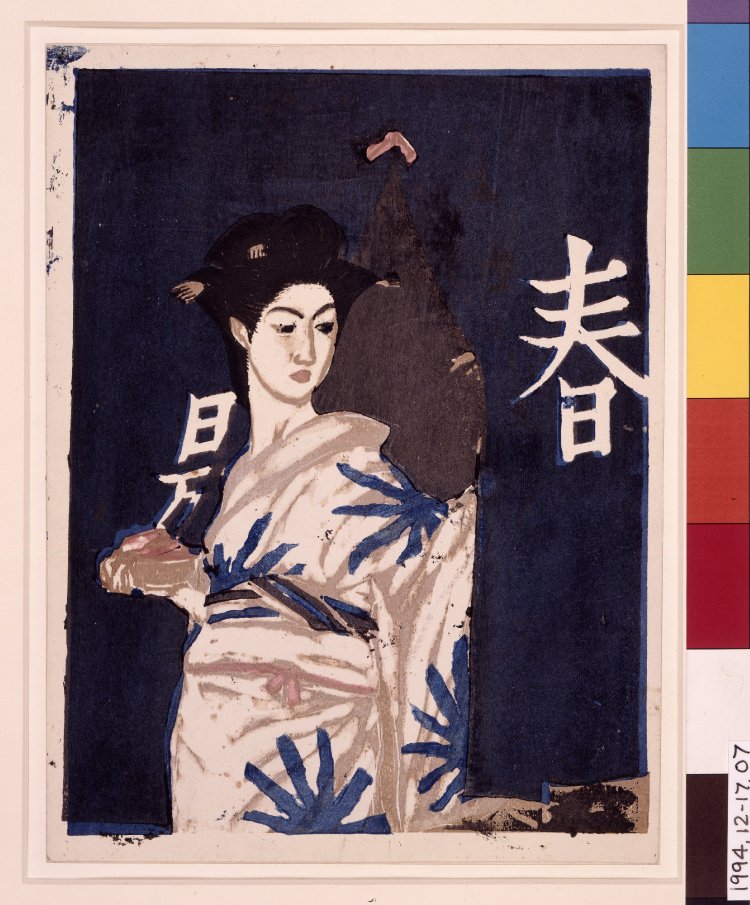
After the Bath (Tokyo) / Nihon jozoku sen (Woman's Customs in Japan)
Woodblock print
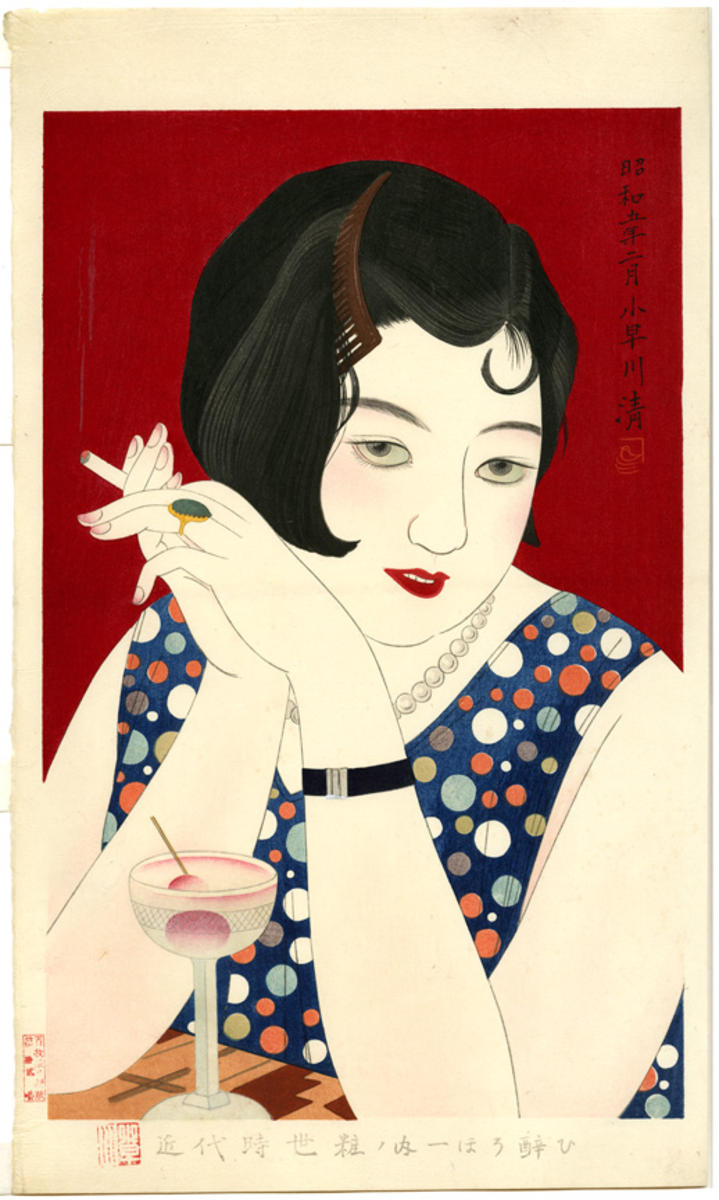
Tipsy
1930
Woodblock print
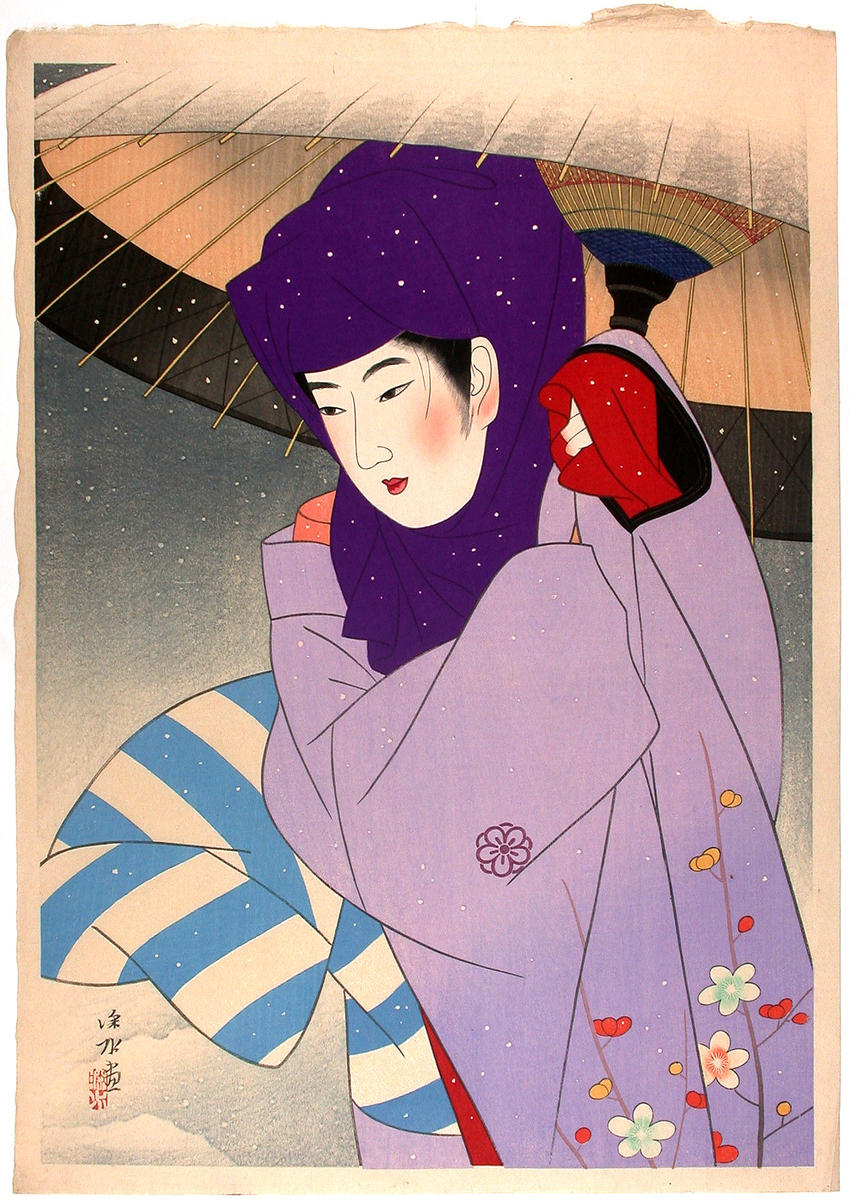
A hood — Okoso-Zukin
Woodblock print
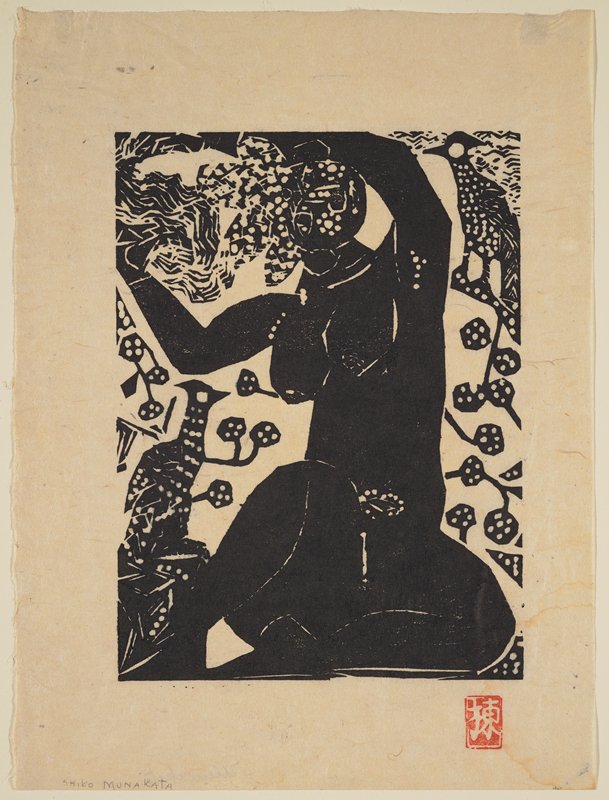
Princess showing upper arm
1958
Woodblock print, ink on paper

Untitled (hirezaki-eiho)
Woodblock print
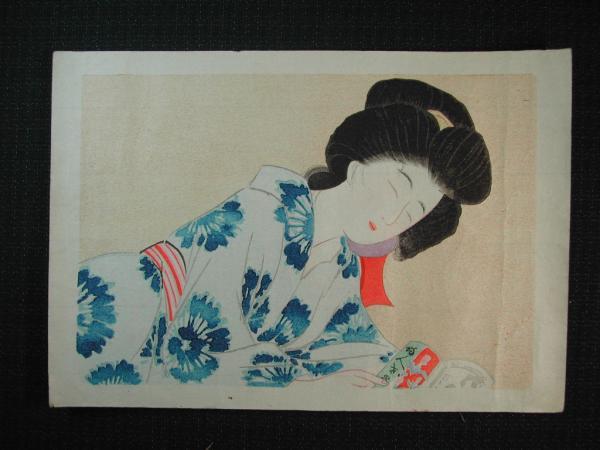
Tired look
Woodblock print

Untitled (hirezaki-eiho)
Woodblock print
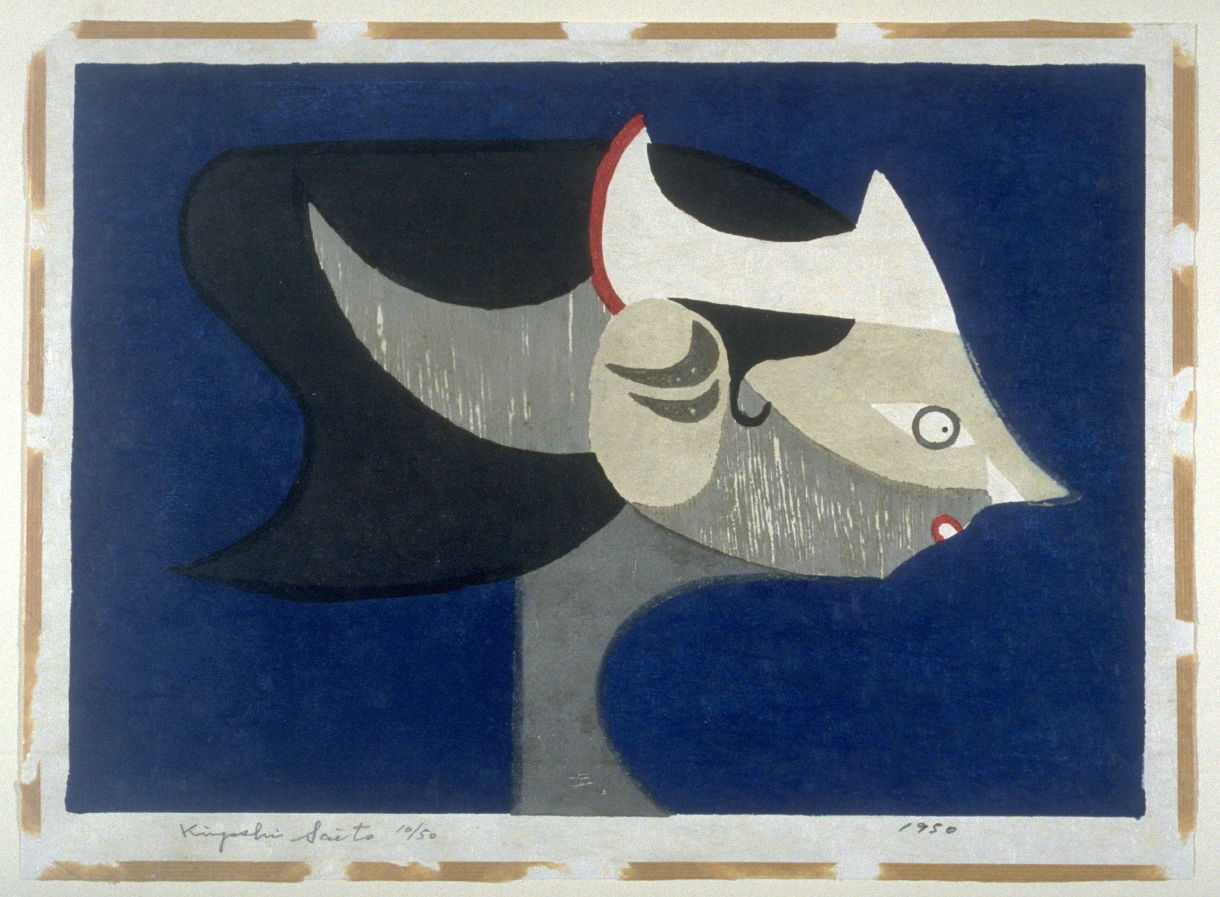
Gazing Woman
Woodblock print

Total Abandon (Mukotai no saku), from a series iIllustrating Tanizaki Junichiro's "The Key (Kagi)"
1956 (printed 1958)
Woodblock print
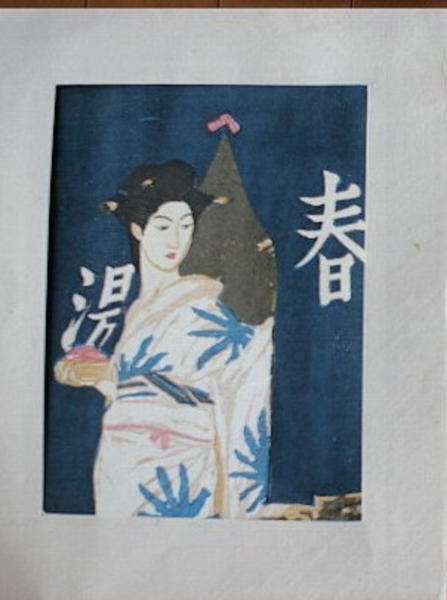
Returning from a Bath — 湯がへり
Woodblock print
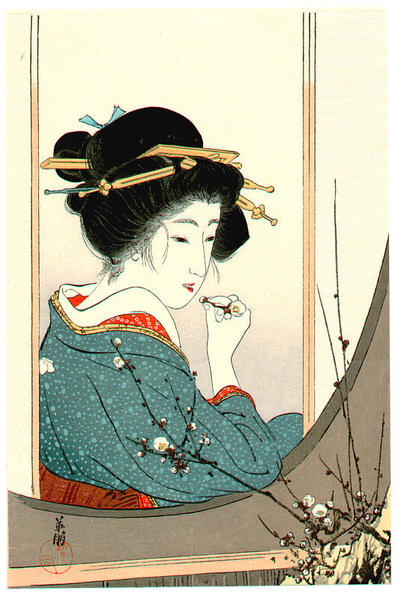
Untitled (hirezaki-eiho)
Woodblock print

Untitled (hirezaki-eiho)
Woodblock print
Related Subjects
Frequently Asked Questions
Bijin-ga — literally "pictures of beautiful people" — is one of the foundational genres of Japanese woodblock printmaking. The tradition dates to the earliest days of ukiyo-e, when artists like Hishikawa Moronobu and later Kitagawa Utamaro elevated portrayals of women from simple illustrations to sophisticated studies of beauty, fashion, and personality.
Hashiguchi Goyo, Torii Kotondo, and Takehisa Yumeji are among the artists most associated with bijin-ga in our collection. Browse the full list of artists who explored this subject above.
Hanga currently catalogues 1084 prints tagged with bijin-ga, spanning ukiyo-e, shin-hanga, and sōsaku-hanga traditions where applicable.