Landscapes Prints (3812)
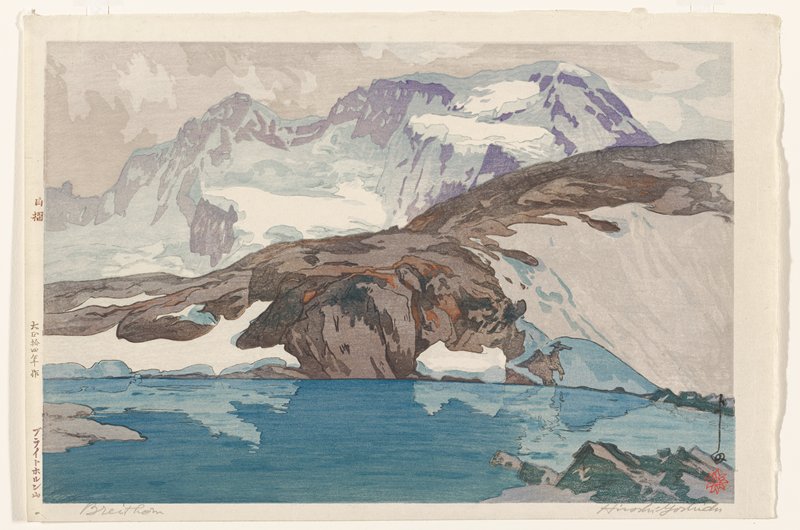
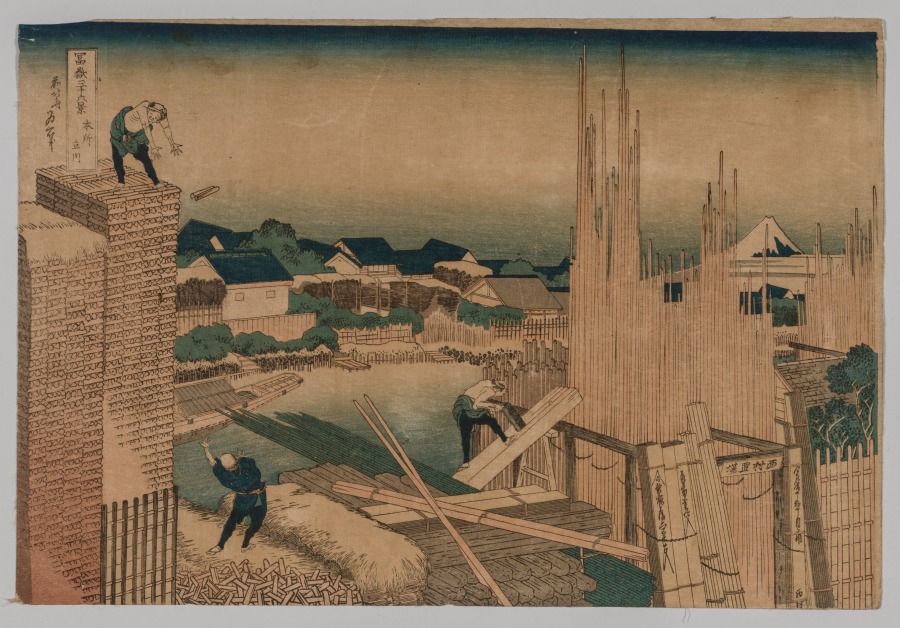
Landscapes are the most celebrated subject in Japanese woodblock printmaking, encompassing mountain vistas, coastal panoramas, river valleys, and rural scenes that have defined the genre for centuries. The tradition reached its first peak with Hokusai's "Thirty-six Views of Mount Fuji" (1831) and Hiroshige's "Fifty-three Stations of the Tokaido" (1833-34), series that established the meisho-e (famous places) format as a cornerstone of ukiyo-e. Shin-hanga artists of the early twentieth century, particularly Kawase Hasui and Hiroshi Yoshida, reinvented the landscape tradition by combining Western atmospheric effects with Japanese compositional sensibilities. Hasui's snow scenes and twilight views of rural Japan became iconic, while Yoshida's mountain studies introduced plein-air observation techniques unprecedented in woodblock printing. Sosaku-hanga artists like Toshi Yoshida and Shiro Kasamatsu further expanded the landscape vocabulary through personal expression and experimental color palettes. Japanese landscape prints typically emphasize seasonal atmosphere, weather conditions, and the interplay between human presence and natural grandeur. The use of bokashi (graduated color) and multiple impression techniques creates depth and luminosity that distinguish woodblock landscapes from other printmaking traditions.
Artists Known for Landscapes


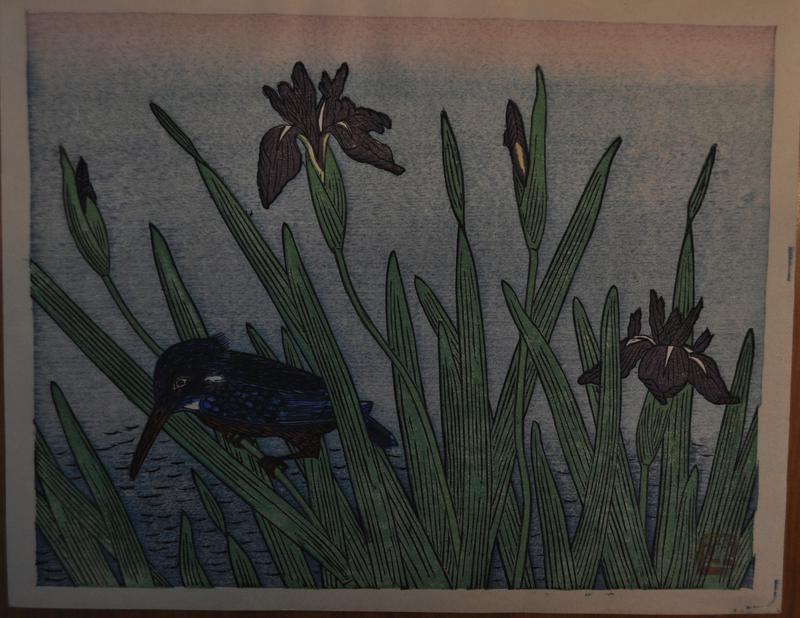

Hodogaya, from the series "Fifty-three Stations of the Tokaido (Tokaido gojusan tsugi)," also known as the Tokaido with Poem (Kyoka iri Tokaido)
c. 1837/42
Color woodblock print; chuban

Mariko, from the series "Fifty-three Stations of the Tokaido (Tokaido gojusan tsugi)," also known as the Tokaido with Poem (Kyoka iri Tokaido)
c. 1837/42
Color woodblock print; chuban

Fujieda, from the series "Fifty-three Stations of the Tokaido (Tokaido gojusan tsugi)," also known as the Tokaido with Poem (Kyoka iri Tokaido)
c. 1837/42
Color woodblock print; chuban

The Aoyagi Restaurant in Ryogoku (Ryogoku, Aoyagi), from the series "Famous Restaurants of Edo (Edo komei kaitei zukushi)"
c. 1838/40
Color woodblock print; oban

Evening Snow at Mimeguri, Eight Views of the Sumida River (Sumidagawa hakkei, Mimeguri bosetsu), from the series "Famous Places in the Eastern Capital (Toto meisho no uchi)"
c. 1840/42
Color woodblock print; aiban

Uraga in Sagami Province (Soshu Uraga), from the series "Harbors of Japan (Nihon minato zukushi)"
c. 1840/44
Color woodblock print; oban

Flying fish and Ichimochi, from an untitled series of fish
c. 1840/42
Color woodblock print; oban, trimmed

Taira no Kiyomori Sees an Apparition (Taira no Kiyomori kaii o miru zu)
c. 1843/47
Color woodblock print; left sheet of oban triptych

Returning Sails at Tsukuda (Tsukuda no kihan), from the series "Eight Views of Edo (Edo hakkei)"
c. 1844/46
Color woodblock print; uchiwa-e

Shirasuka: Shiomi Slope,no. 33 from the series Fifty-Three Stations of the Tokaido (Tōkaidō gojūsan tsugi)
1847-52
Color woodblock print; ōban

Okabe: Mount Utsu (Okabe, Utsunoyama)—No. 22, from the series "Fifty-three Stations of the Tokaido (Tokaido gojusan tsugi)," also known as the Reisho Tokaido
1847–52
Color woodblock print; ōban

Akasaka—No. 37, from the series "Fifty-three Stations of the Tokaido (Tokaido gojusan tsugi)," also known as the Reisho Tokaido
c. 1847/52
Color woodblock print; oban

Izu Province: Hot Springs of the Shuzen Temple (Izu, Shuzenji tojiba), from the series "Famous Places in the Sixty-odd Provinces (Rokujuyoshu meisho zue)"
1853
Color woodblock print; oban

Sketch for Autumn Moon at Ishiyama Temple (Ishiyama no shugetsu), from the series "Eight Views in Omi Province (Omi hakkei)"
c. 1859
Ink on paper

Benten Shrine and Inokashira Pond (Inokashira no ike Benten no yashiro), from the series "One Hundred Famous Views of Edo (Meisho Edo hyakkei)"
1856
Color woodblock print; oban

New Year’s Eve Foxfires at the Changing Hackberry Tree in Ōji
1857, 9th month
Woodblock print (nishiki-e), ink and color on paper with mica

Mountains and Rivers on the Kiso Road (Kisoji no yamakawa), from an untitled series of triptychs
1857
Color woodblock print; oban triptych

Basho's Hut on Camellia Hill Beside the Aquaduct at Sekiguchi, from the series "One Hundred Famous Views of Edo (Meisho Edo hyakkei)"
1857
Color woodblock print; oban

Fireworks at Ryōgoku, from the series One Hundred Views of Famous Places in Edo
1858
color woodblock print

Couple eloping, from the Akutagawa episode in the Tales of Ise
n.d.
Color woodblock print; uchiwa-e

Untitled Drawing, for the series English Title (Hizakurige kimama dôchû)
n.d.
Ink and red pigment on paper
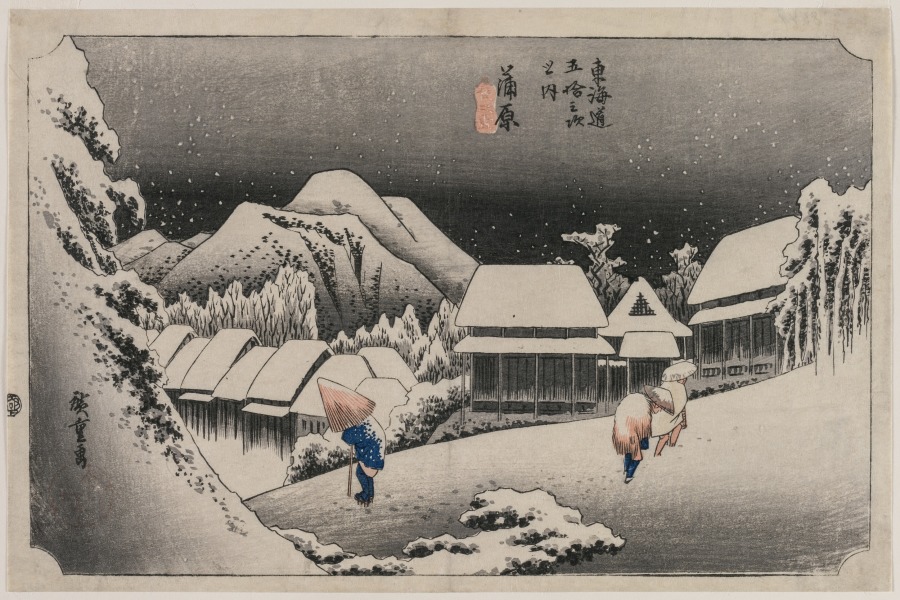
Evening Snow at Kambara (number sixteen of the series Fifty-three Stations of the Tokaido)
1833
color woodblock print
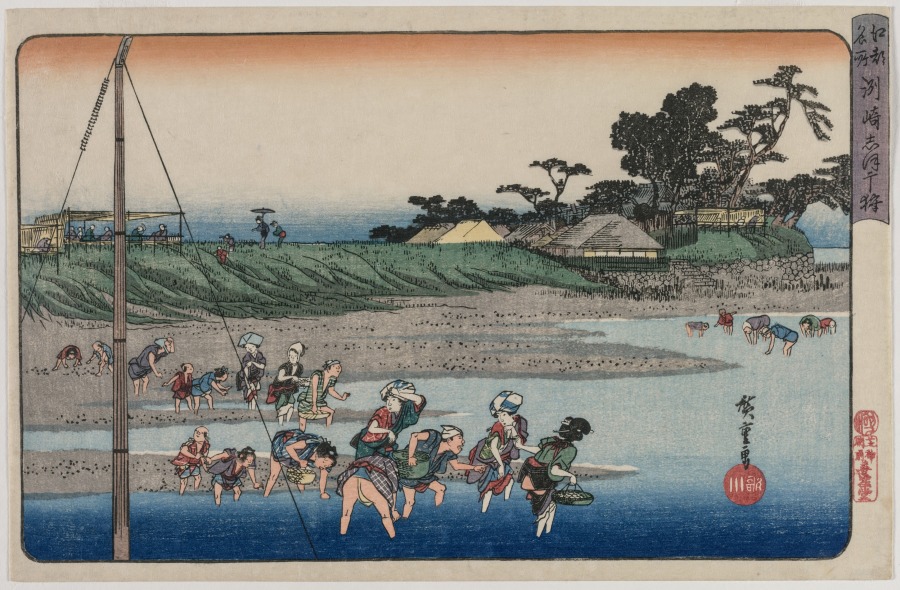
Gathering Shellfish at Low Tide at Susaki, from Famous Places in Edo
mid-1830s
color woodblock print
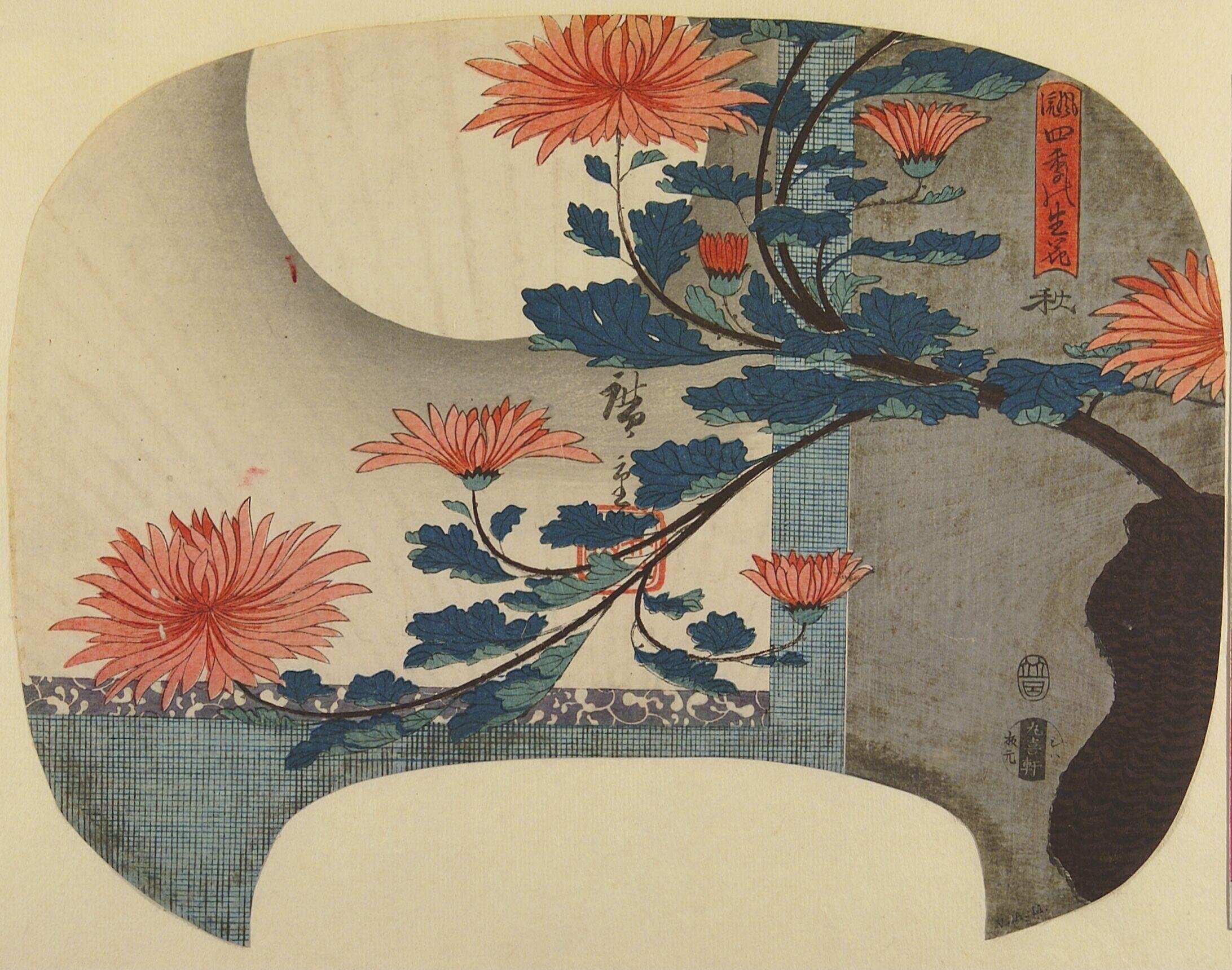
Autumn
1843-1847
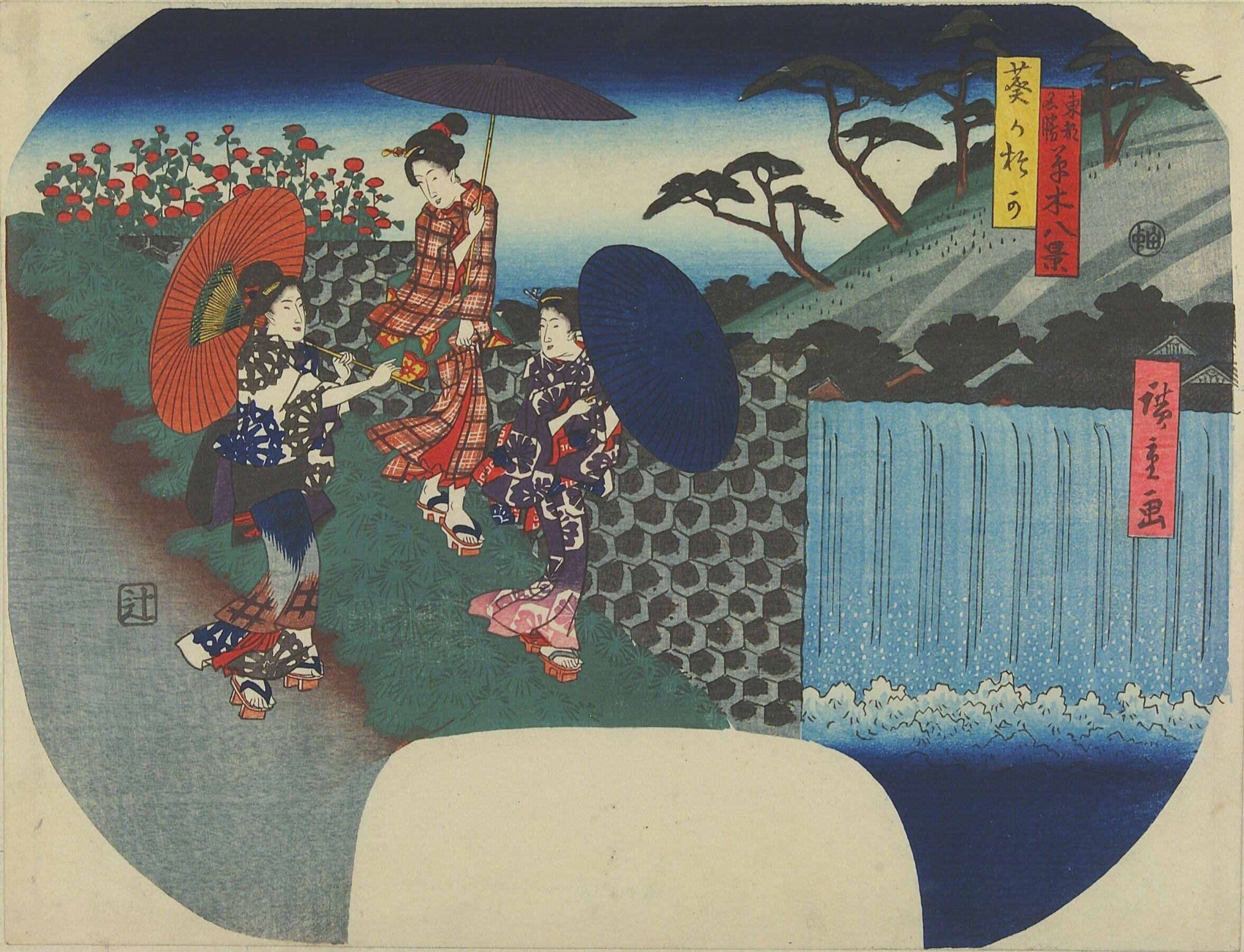
Aoigasaka
1843-1847
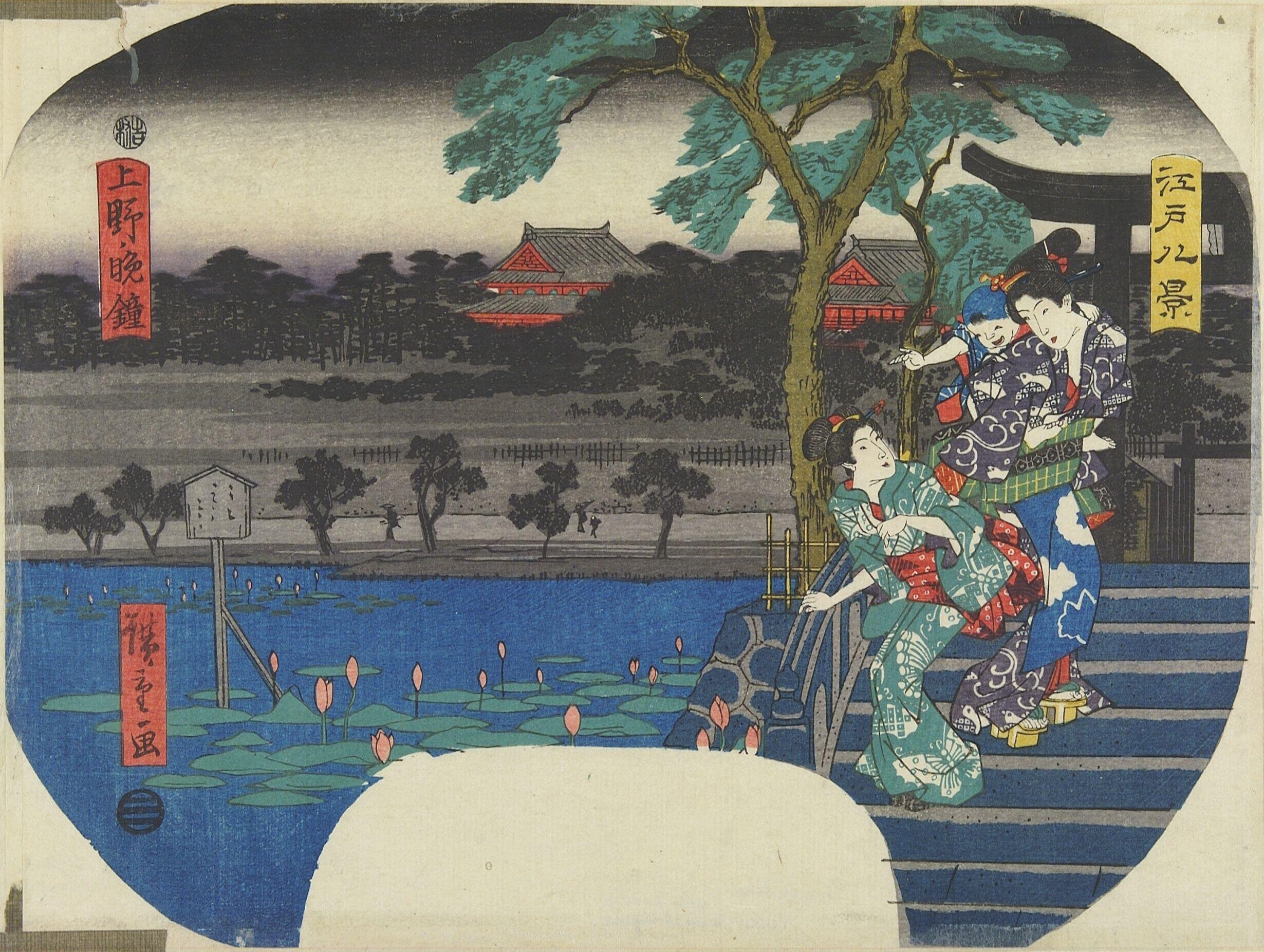
Evening Bell at Ueno
1843-1847
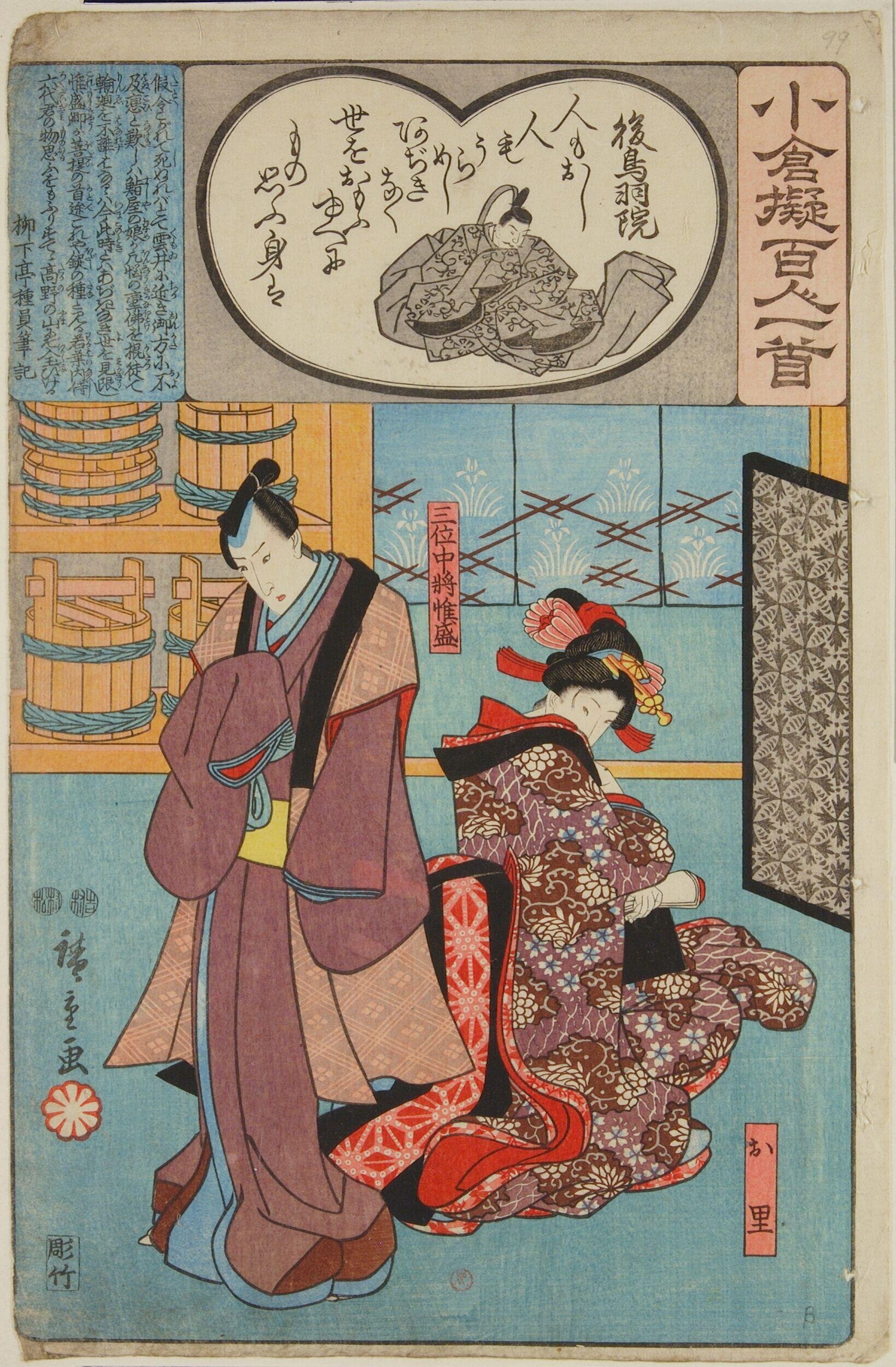
Poem by Emperor Gotoba
ca. 1845-48
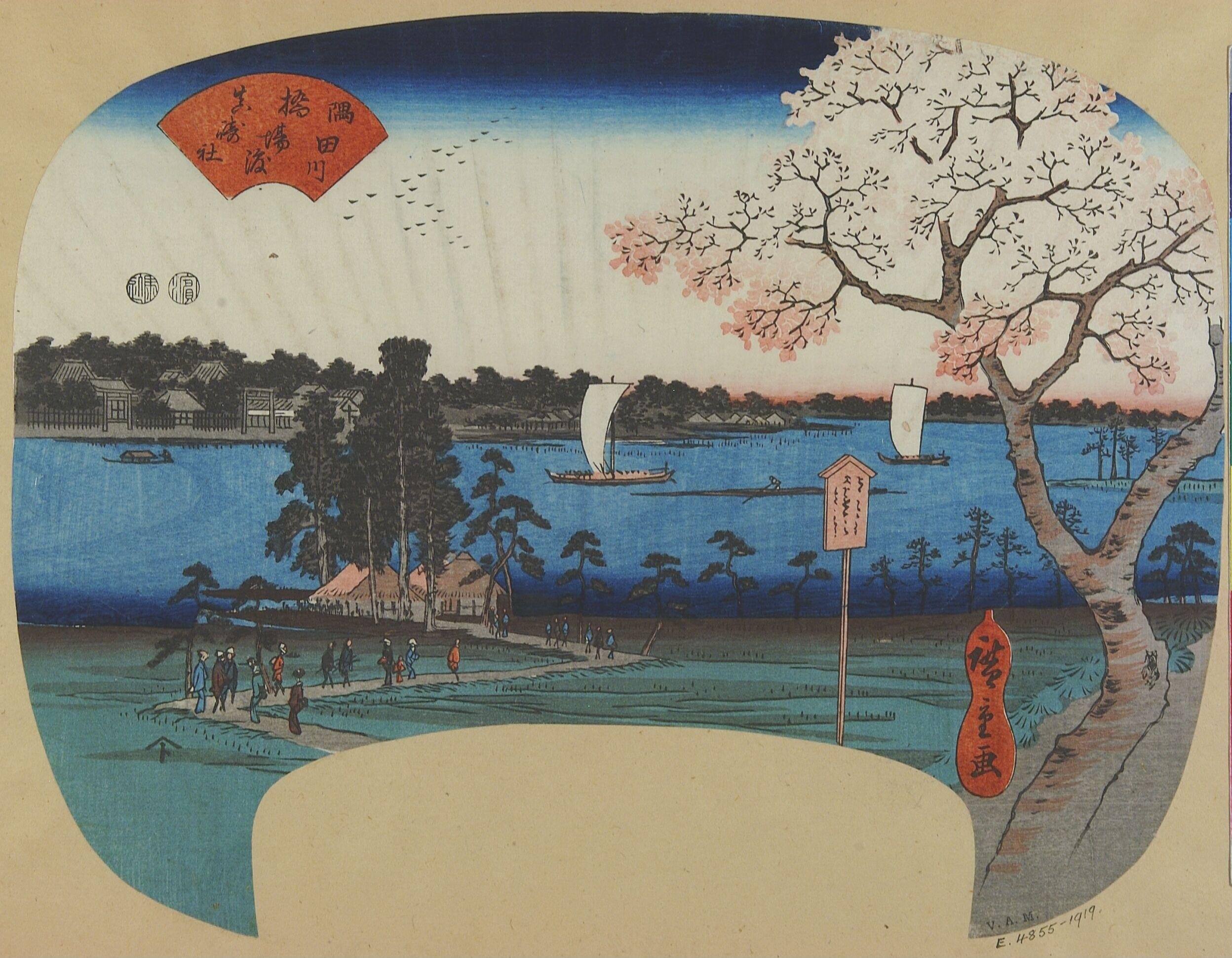
The Hashiba Ferry Crossing and the Massaki Shrine on the Sumida River
1849-1852
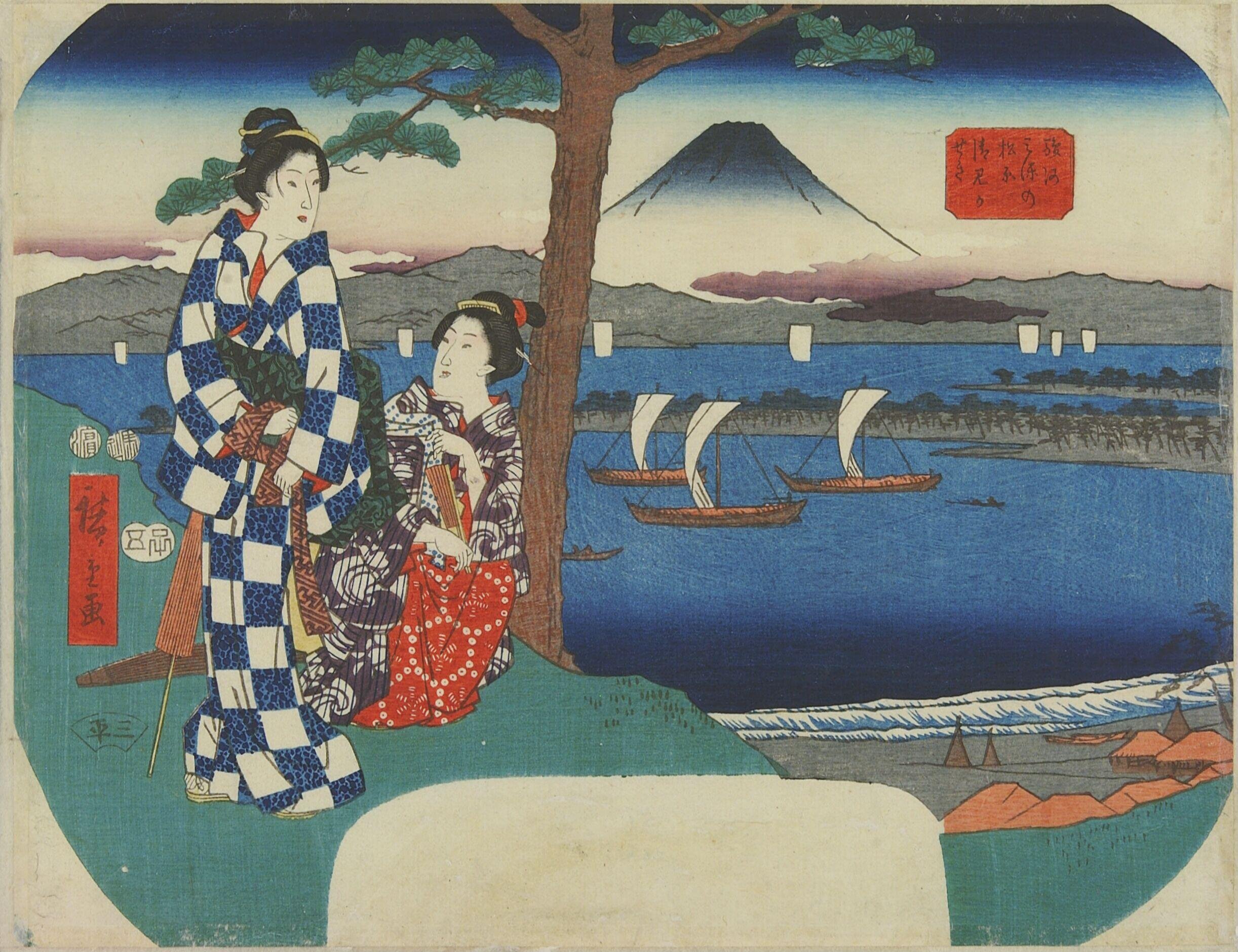
The Pine Grove at Miho in Suruga Province and the Kiyomigaseki Barrier Station
1852
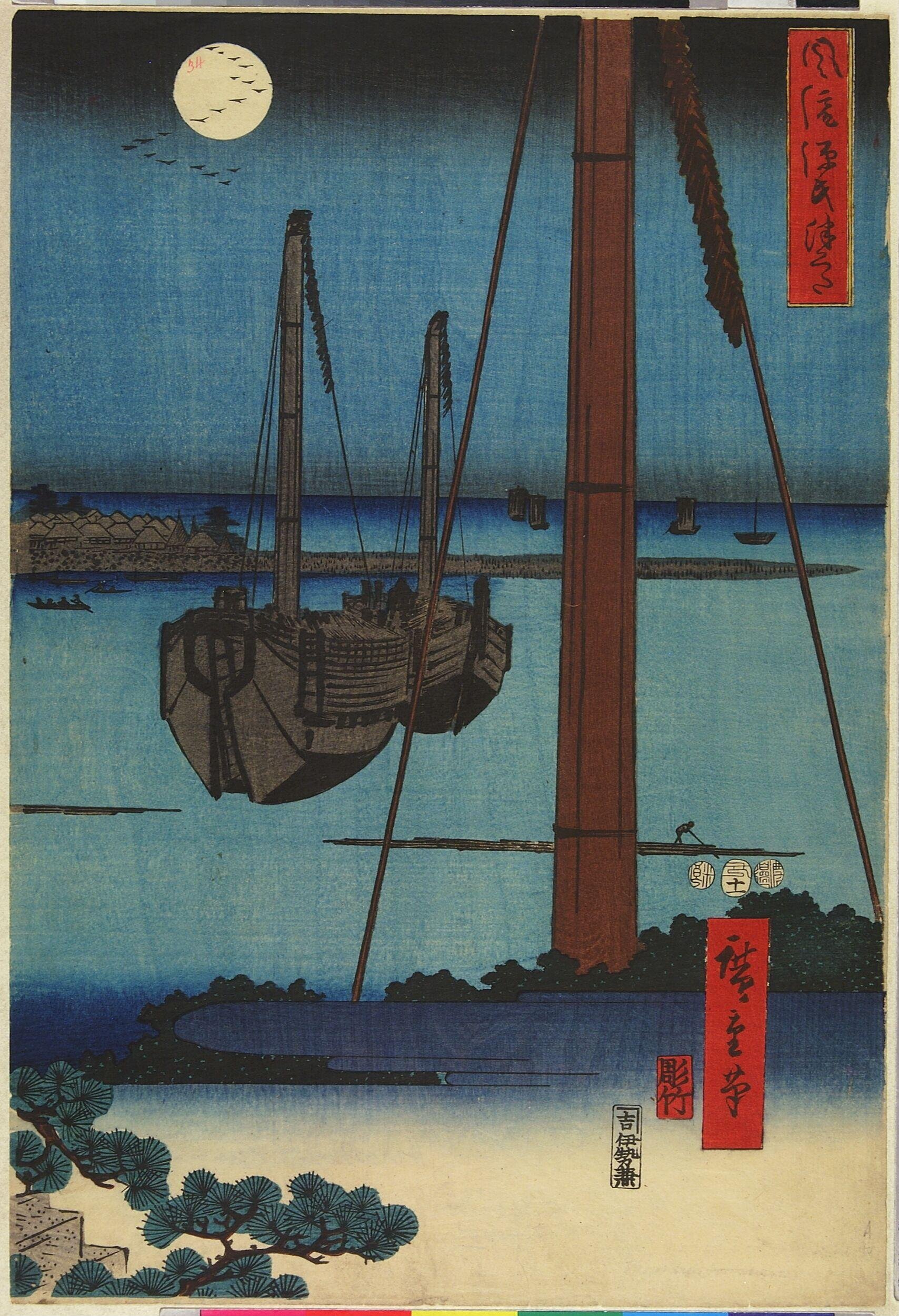
Tsukuda
1853
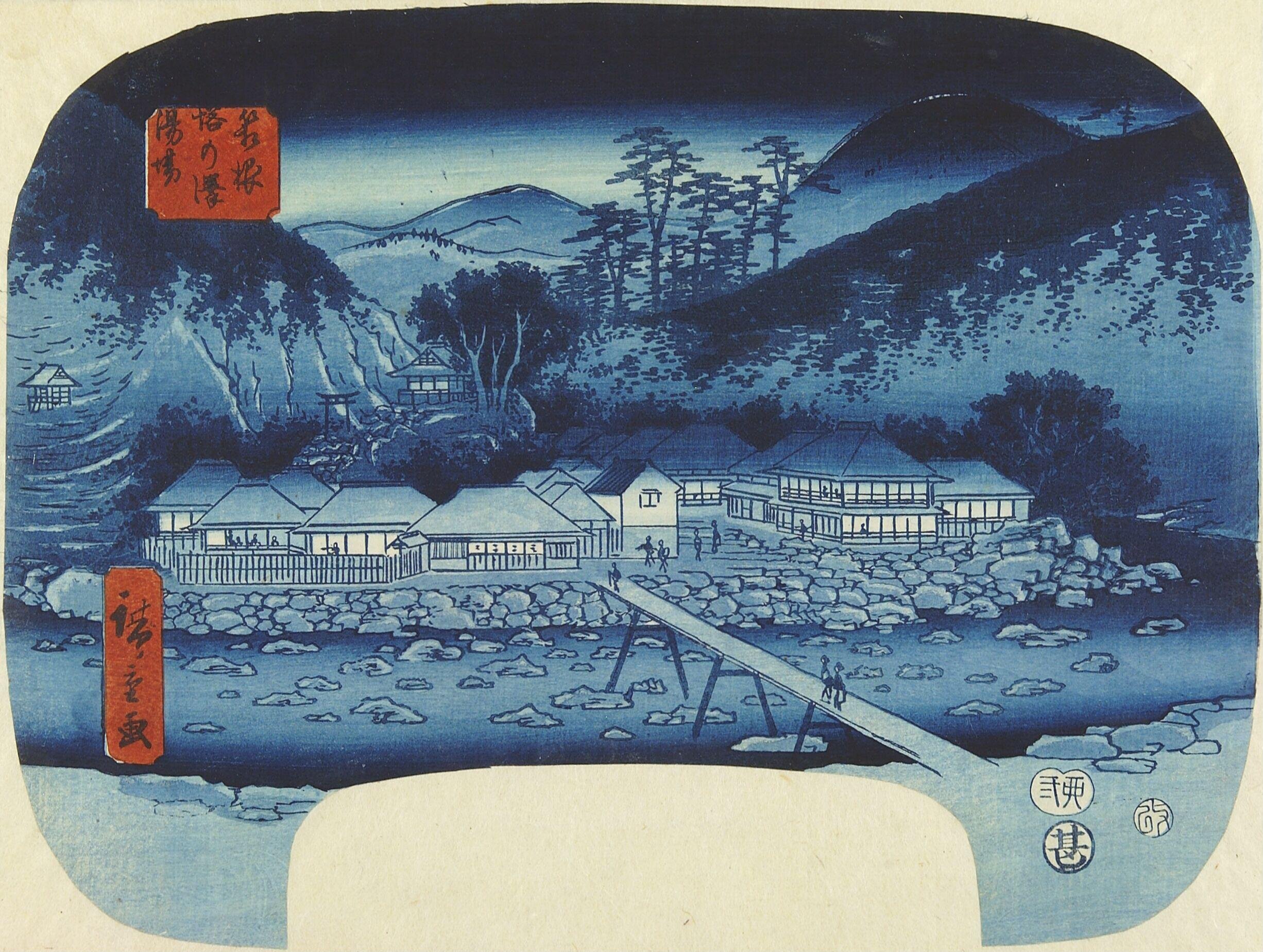
The Hot Springs of Tonosawa at Hakone
1855
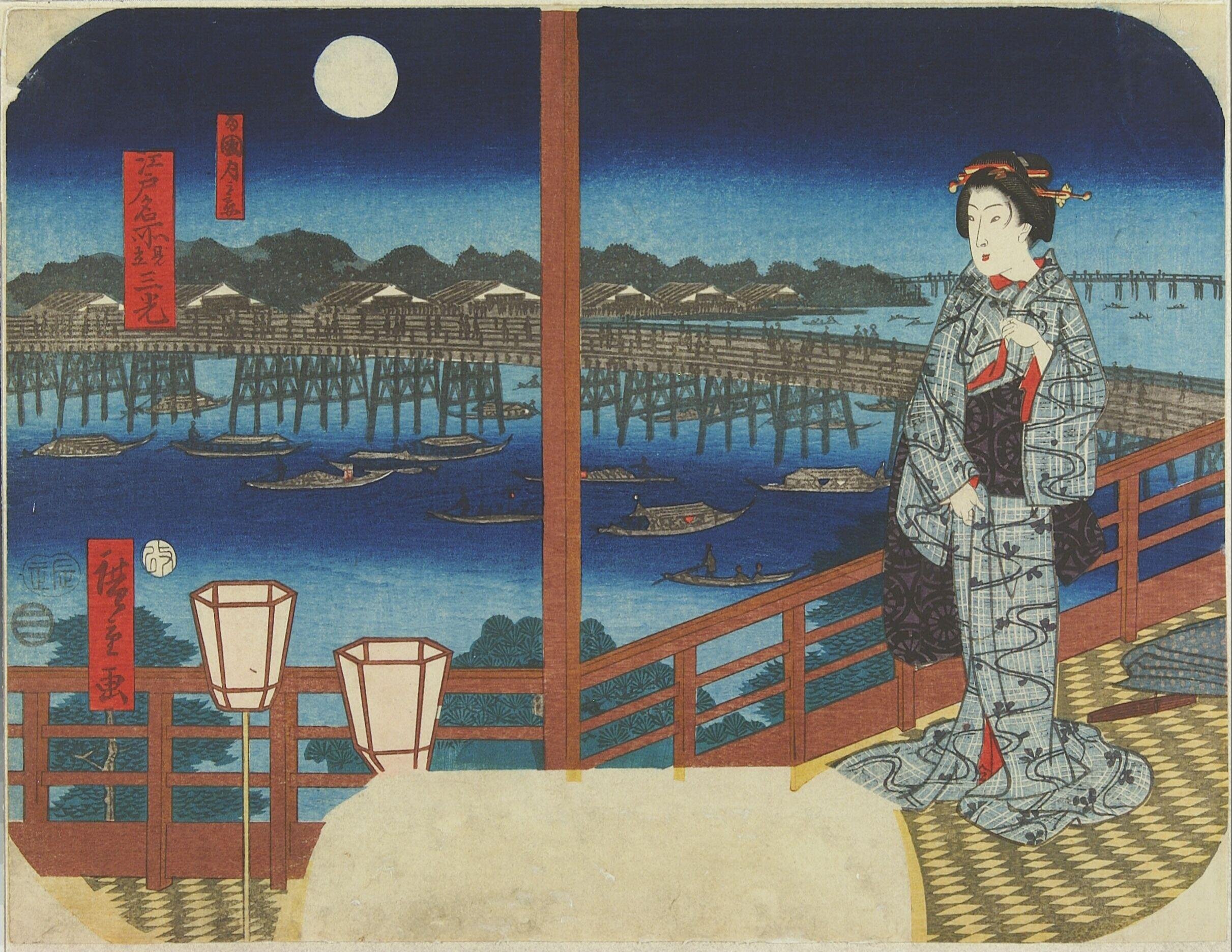
Moonlight at Ryogoku
1856
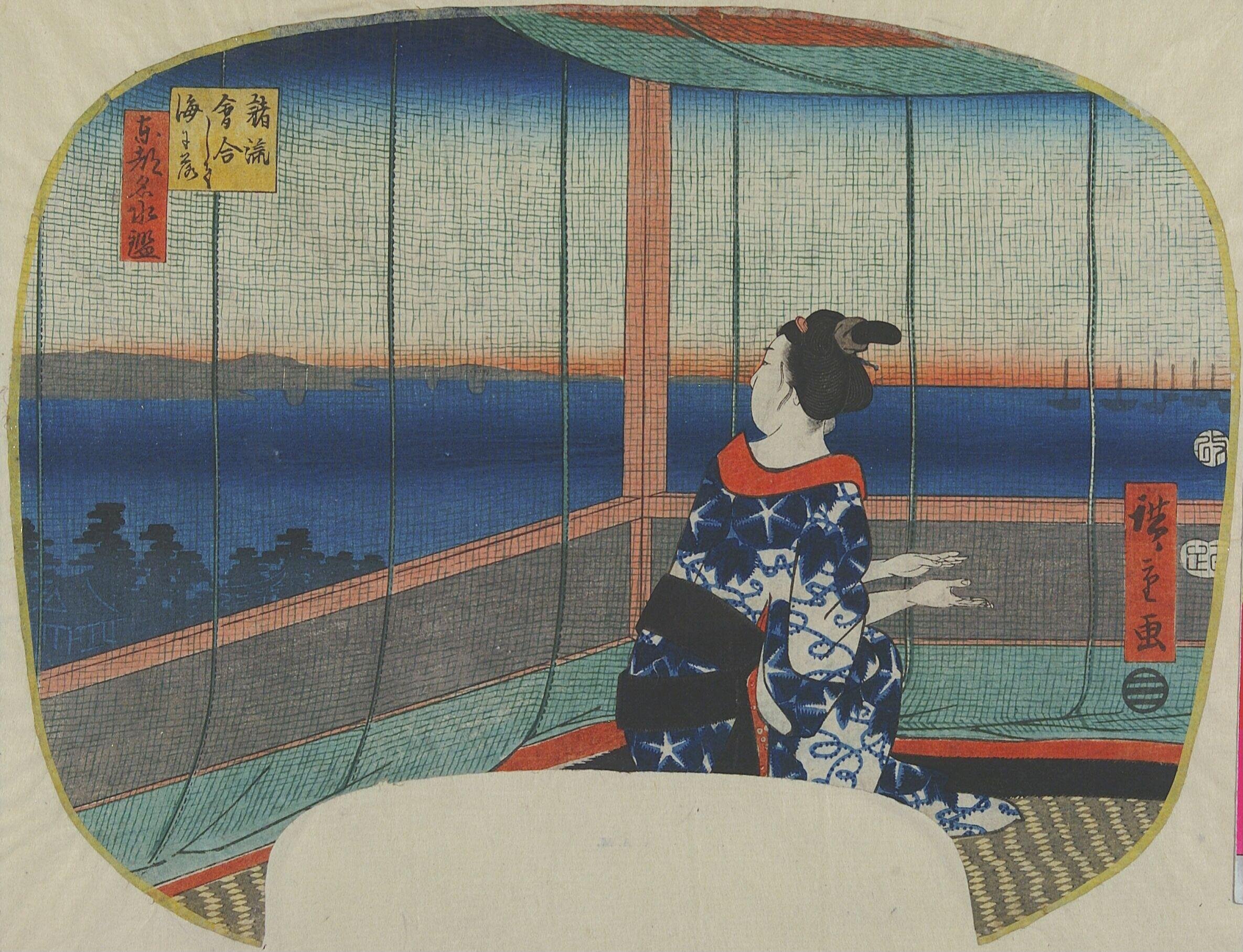
All Rivers Converge and Flow into the Sea
1857
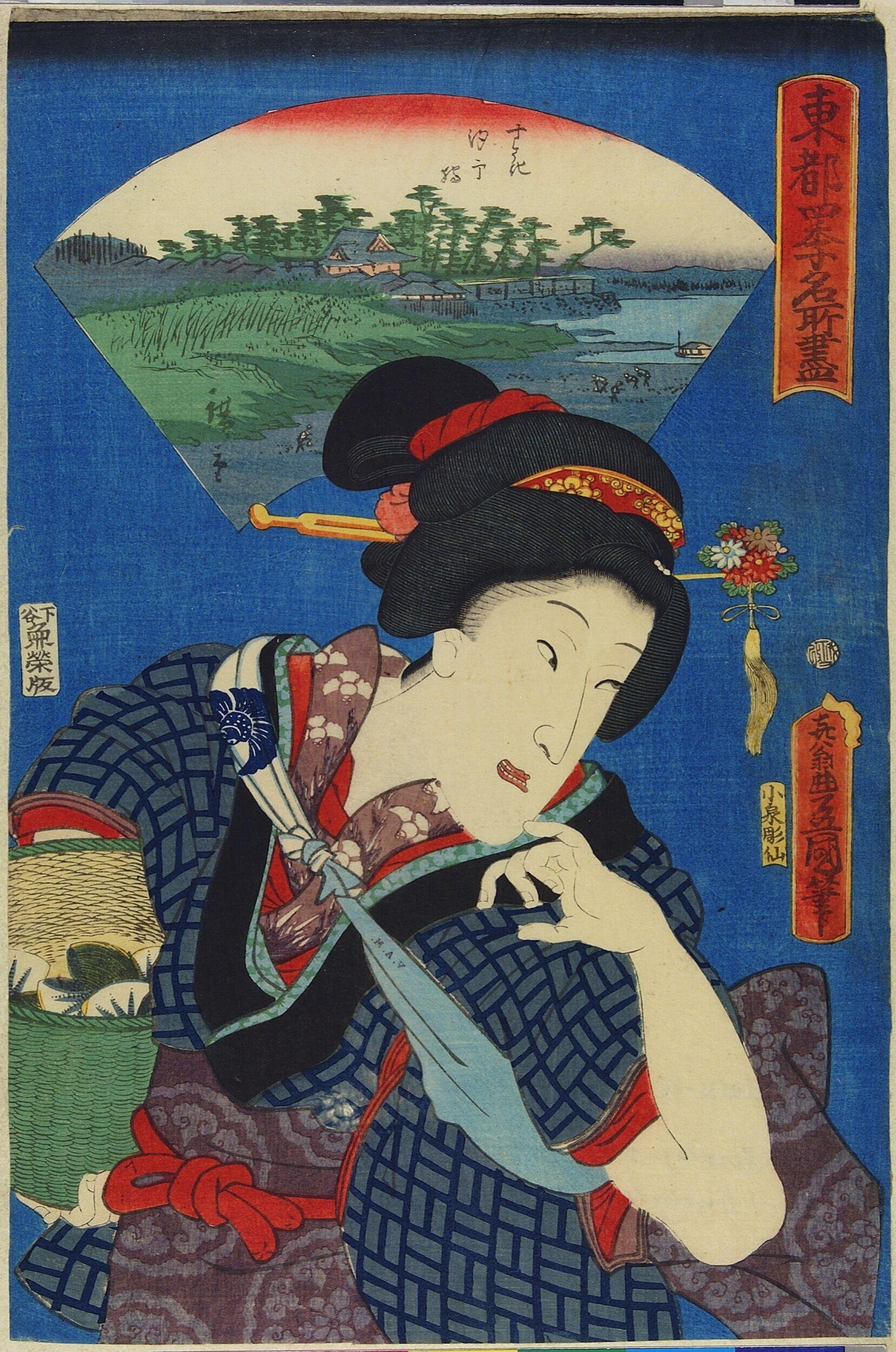
Gathering Shellfish at Low Tide at Susaki (Susaki shiohi-gari)
1862
Night View of Ryōgoku Bridge, from the series Kōto meisho
Late Edo period, circa 1840-1849
Ukiyo-e woodblock print in "ōban" format; ink and color on paper
Station 17 -- Satta Pass, Yui (Yui, Satta-mine), from the series Fifty-three Stations of the Tōkaidō (Tōkaidō gojūsan-tsugi no uchi)
Late Edo period, circa 1855
Ukiyo-e woodblock print in "ōban" format; ink and color on paper
Dutch Ship at Anchor off the Coast of Tsushima, from the series One Hundred Views of Famous Places in the Various Provinces (Shōkoku meishō hyakkei), published by Uoya Eikichi
Late Edo period, third month of 1859
Yokohama woodblock print in ōban format; ink and color on paper
Triptych: View of the Interior of the Gankirō Tea House in Yokohama (Yokohama Gankirō no zu), published by Daikokuya Kinnosuke
Late Edo period, fourth month of 1860
Yokohama woodblock-printed ōban triptych; ink and color on paper
Flathead (Kochi) and Eggplants (Nasubi), from the series A Shoal of Fishes (Uo-zukushi)
late 19th century
Woodblock print (nishiki-e); ink and color on paper
Katase: View of the Seashore from Mount Shichimen (Katase, Shichimenzan yori umibe o miru), from the series (?) The Enoshima Road on the Tōkaidō (Tōkaidō no uchi Enoshima michi)
20th century
Woodblock print; ink and color on paper

Pilgrimage to Enoshima
c. 1821
Color woodblock print; chuban, surimono

Lin Xiangru and Kojima Takanori, from the series "Five Sibling Pictures of China and Japan for the Zakurogaki Group (Zakurogaki-ren goban no uchi wakan e-kyodai)"
1821
Color woodblock print; shikishiban, surimono

Burdock Root (Kurama gobo), from the series "A Selection of Horses (Uma-zukushi)"
1822
Color woodblock print; shikishiban, surimono

Ancient View of the Eight-planked Bridge in Mikawa Province (Mikawa no Yatsuhashi no kozu), from the series "Unusual Views of Famous Bridges in Various Provinces (Shokoku meikyo kiran)"
c. 1833/34
Color woodblock print; oban

Bull-headed Shrike and Bluebird with Saxifrage and Wild Strawberry (Mozu, ruri, yukinoshita, hebi-ichigo), from an untitled series of flowers and birds
c. 1834
Color woodblock print; chuban

Tenji Tenno (The Emperor Tenji), first poet in the series One Hundred Poems by One Hundred Poets Explained by the Nurse
c. 1835/36
Color woodblock print; yoko oban

Nihonbashi Bridge in Edo
1830–33
Woodblock print (nishiki-e), ink and color on paper

Chrysanthemum and Horsefly, from an untitled series of Large Flowers
c. 1831–33
Color woodblock print, oban

Oiwa (Oiwa-san), from the series "One Hundred Ghost Tales (Hyaku monogatari)"
1831-32
Color woodblock print; chuban

Yoshitsune's Horse-washing Falls at Yoshino in Yamato Province
c. 1832
Woodblock print (nishiki-e), ink and color on paper

A Peasant Crossing a Bridge, from the series A True Mirror of Chinese and Japanese Poems
late 1830s
Color woodblock print; nagaban

Azuma Asobi
1802
Woodblock- printed book; 3 vols.

Hokusai Onna Imagawa
18th-19th century
Woodblock- printed book; 1 vol.
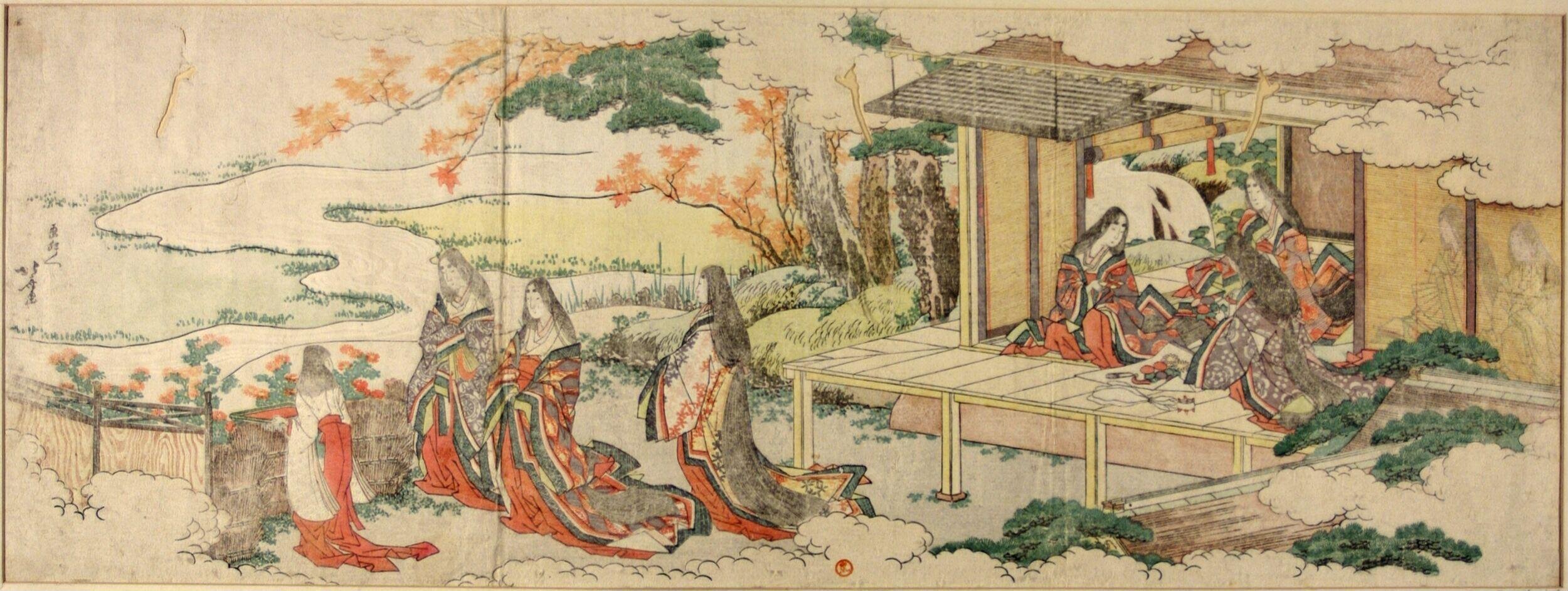
Preparations for the Chrysanthemum Festival in the Ninth Month
ca. 1800-1806
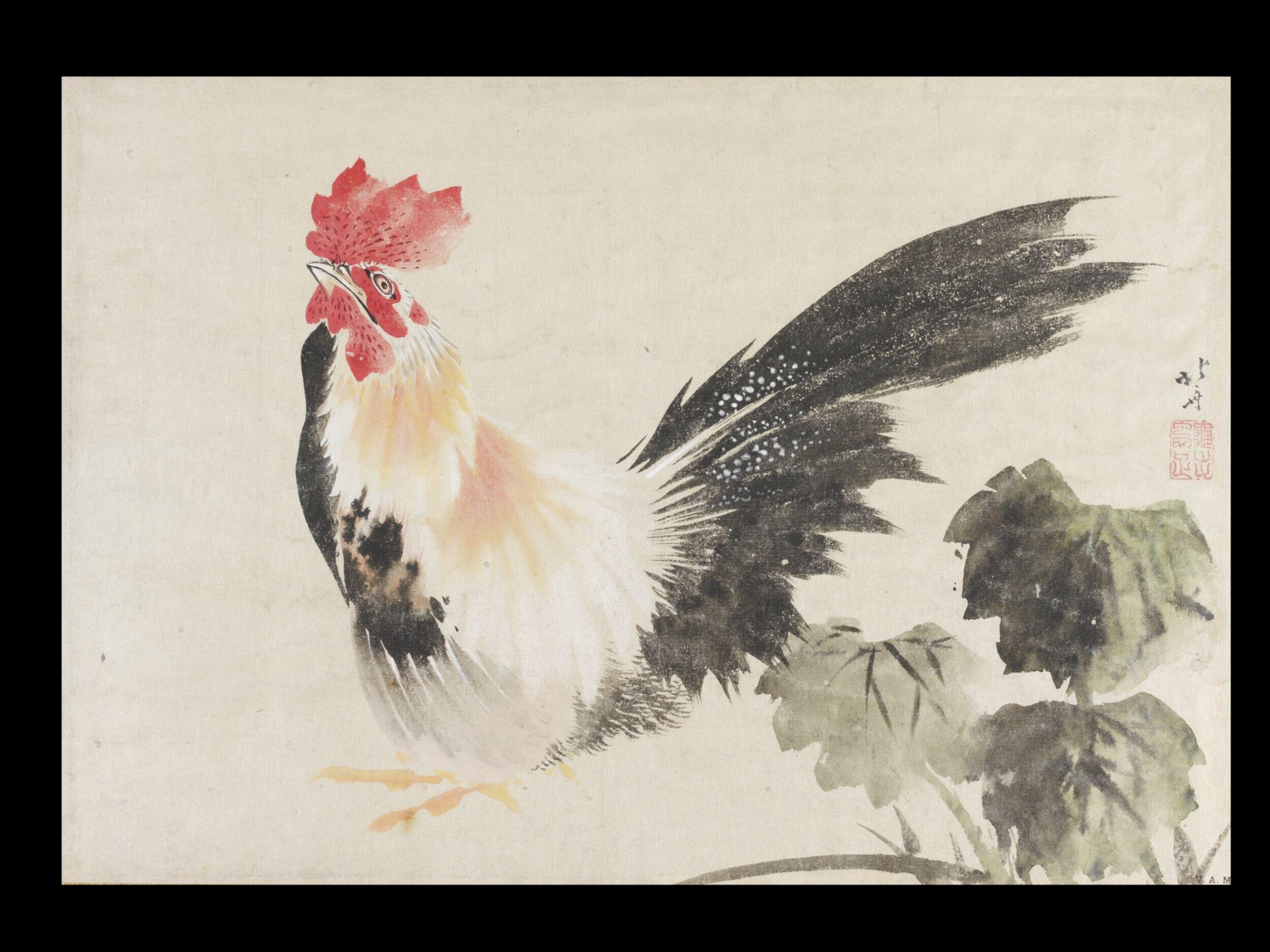
Rooster
ca. 1808-1809
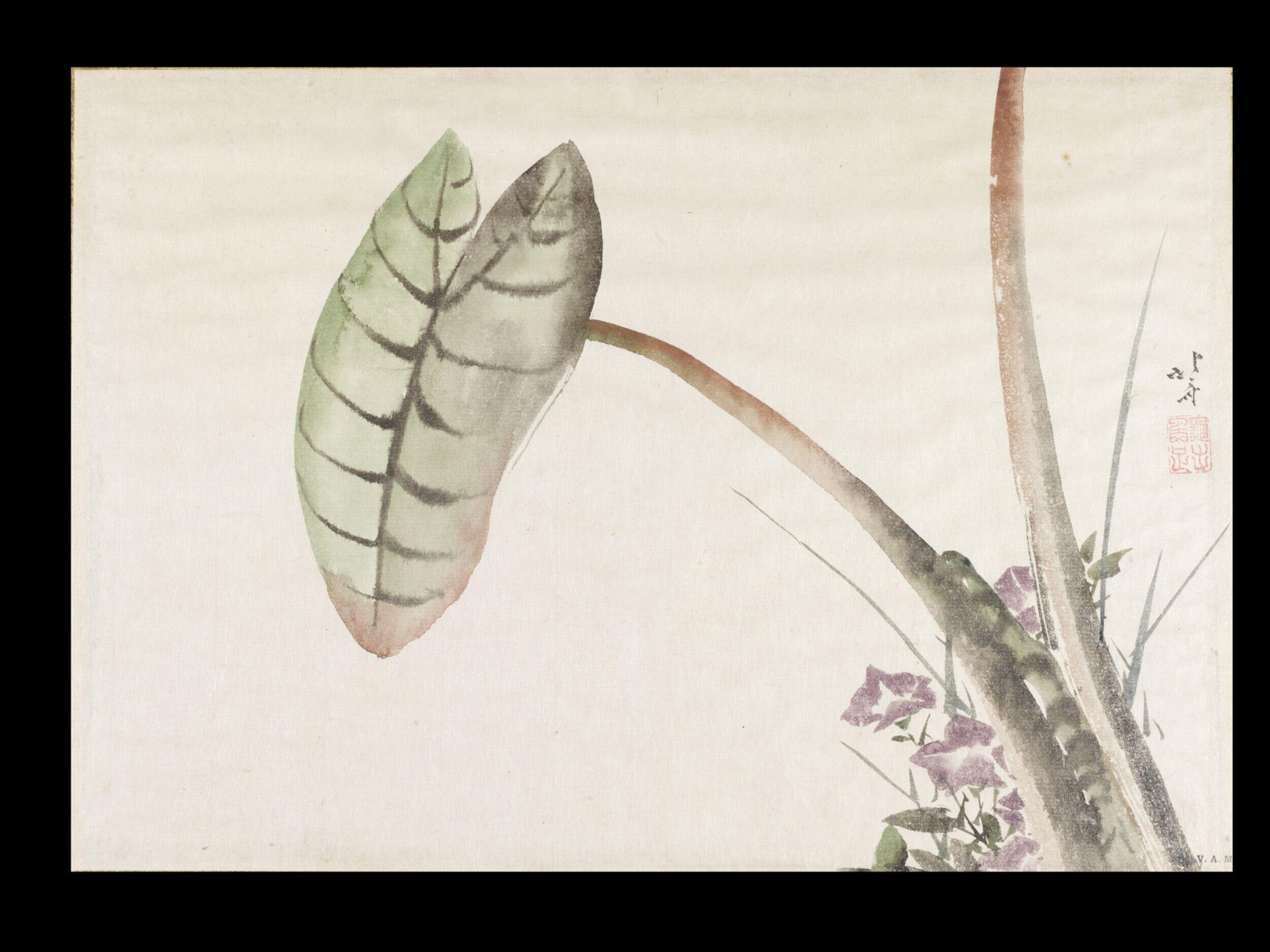
Taro Potato Leaf and Bellflowers
ca. 1808-1809
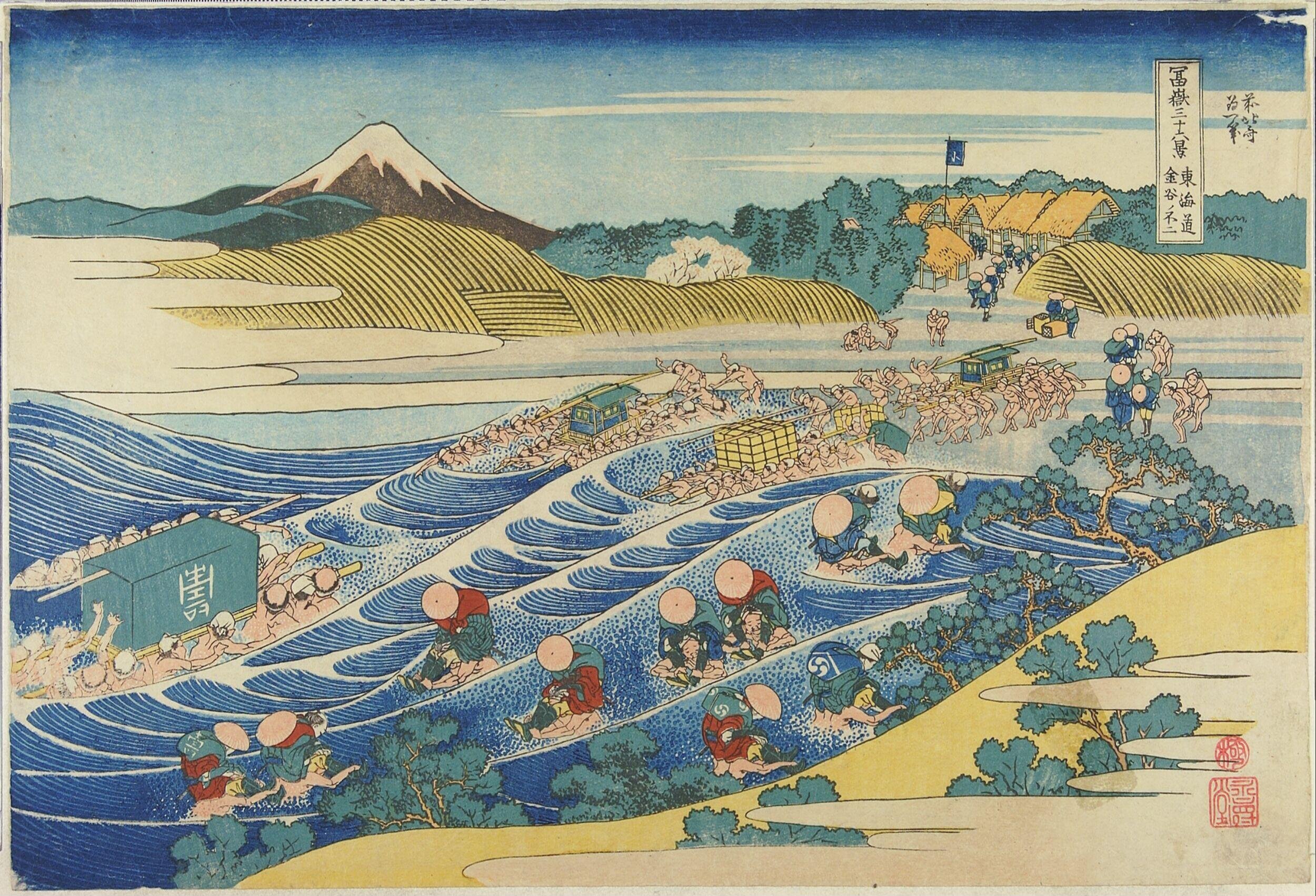
Fuji from Kanaya on the Tokaido Highway (Tōkaidō Kanaya no Fuji)
ca. 1831
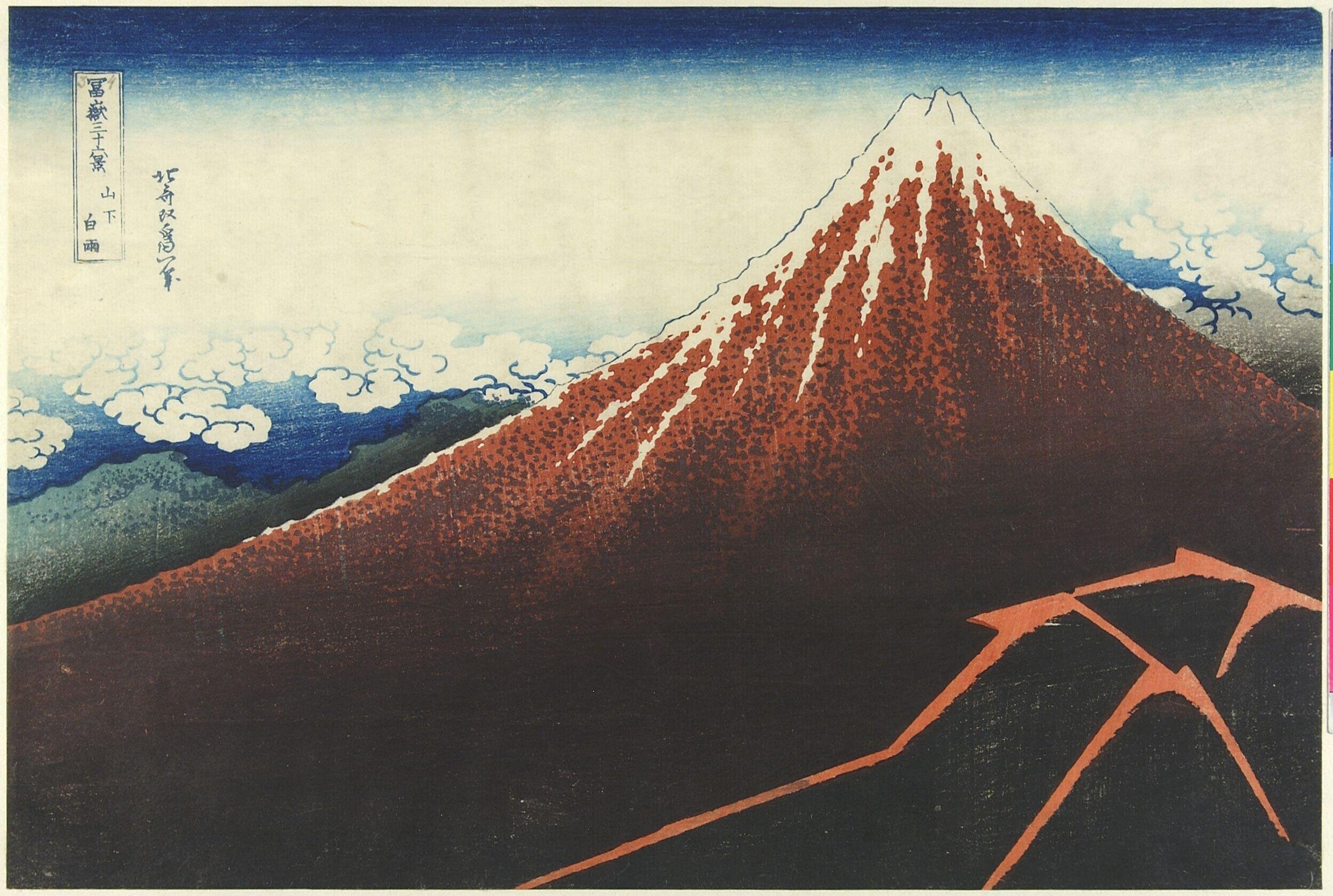
Sudden Shower below the Summit (Sanka haku-u)
ca. 1831
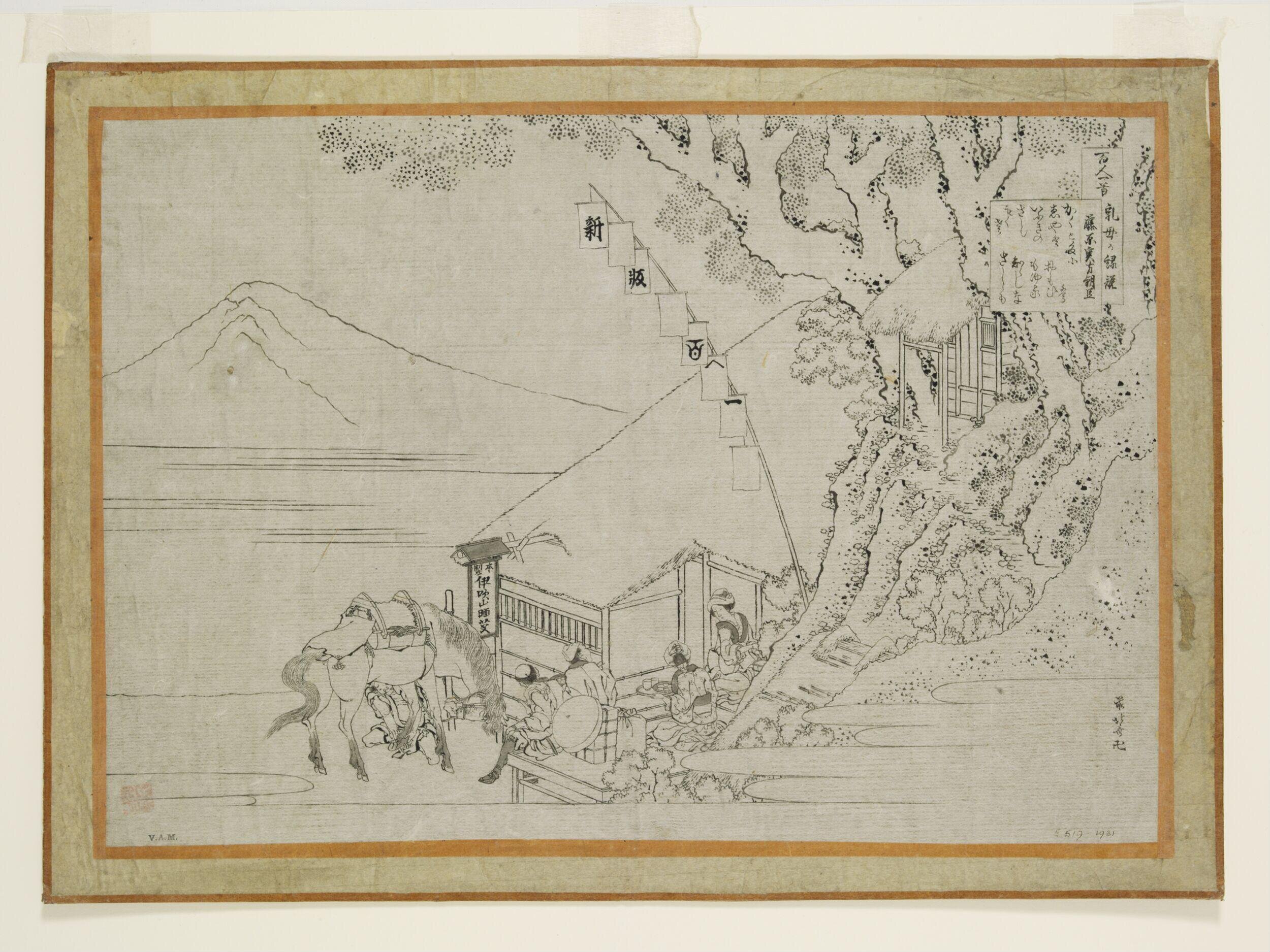
Fujiwara Sanekata no Ason
circa 1835-1839
(Compiled by Katano Tōshirō) Hokusai Sketches (Katano Tōshirō henshū Hokusai manga), vol.15
1878
Related Subjects
Frequently Asked Questions
Landscapes are the most celebrated subject in Japanese woodblock printmaking, encompassing mountain vistas, coastal panoramas, river valleys, and rural scenes that have defined the genre for centuries. The tradition reached its first peak with Hokusai's "Thirty-six Views of Mount Fuji" (1831) and Hiroshige's "Fifty-three Stations of the Tokaido" (1833-34), series that established the meisho-e (famous places) format as a cornerstone of ukiyo-e.
Utagawa Hiroshige, Kawase Hasui, and Hiroshi Yoshida are among the artists most associated with landscapes in our collection. Browse the full list of artists who explored this subject above.
Hanga currently catalogues 3812 prints tagged with landscapes, spanning ukiyo-e, shin-hanga, and sōsaku-hanga traditions where applicable.