Landscapes Prints (3812)
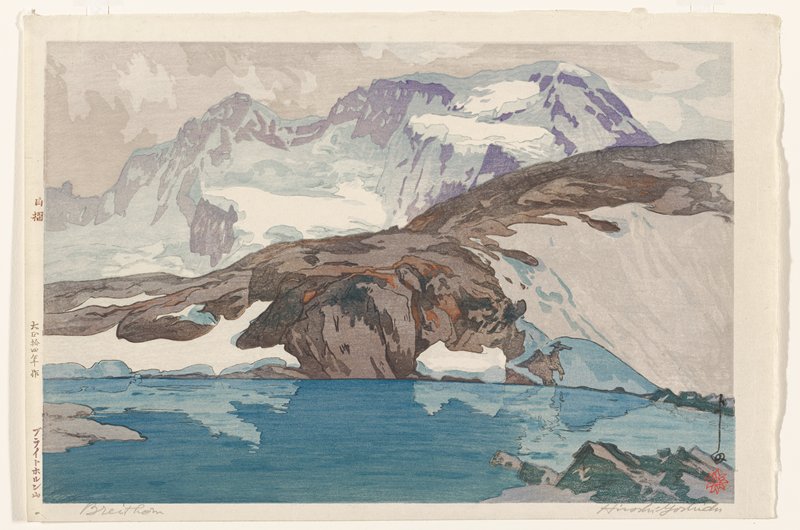
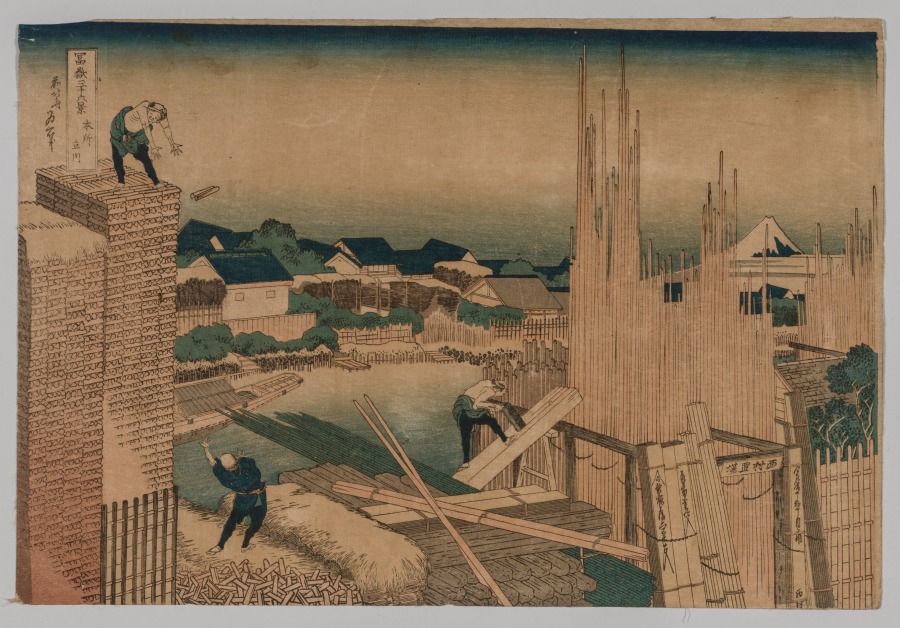
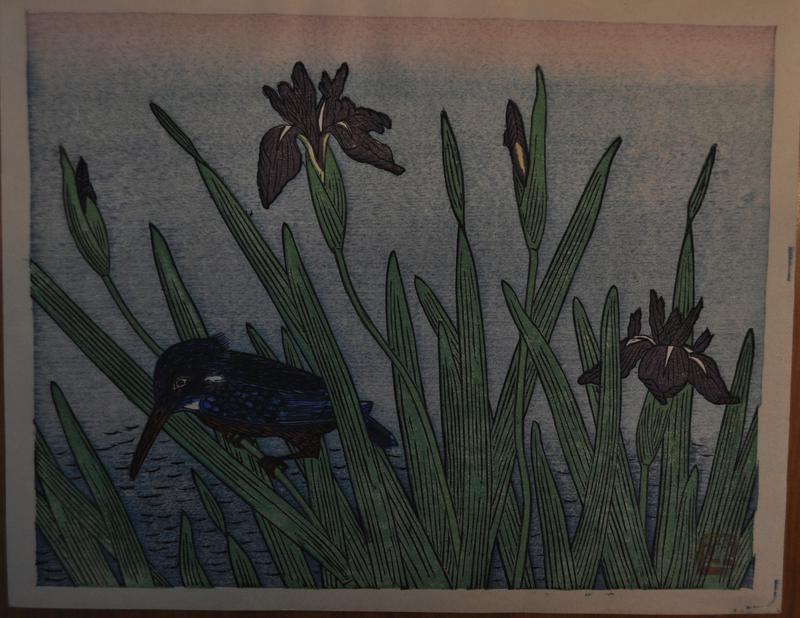
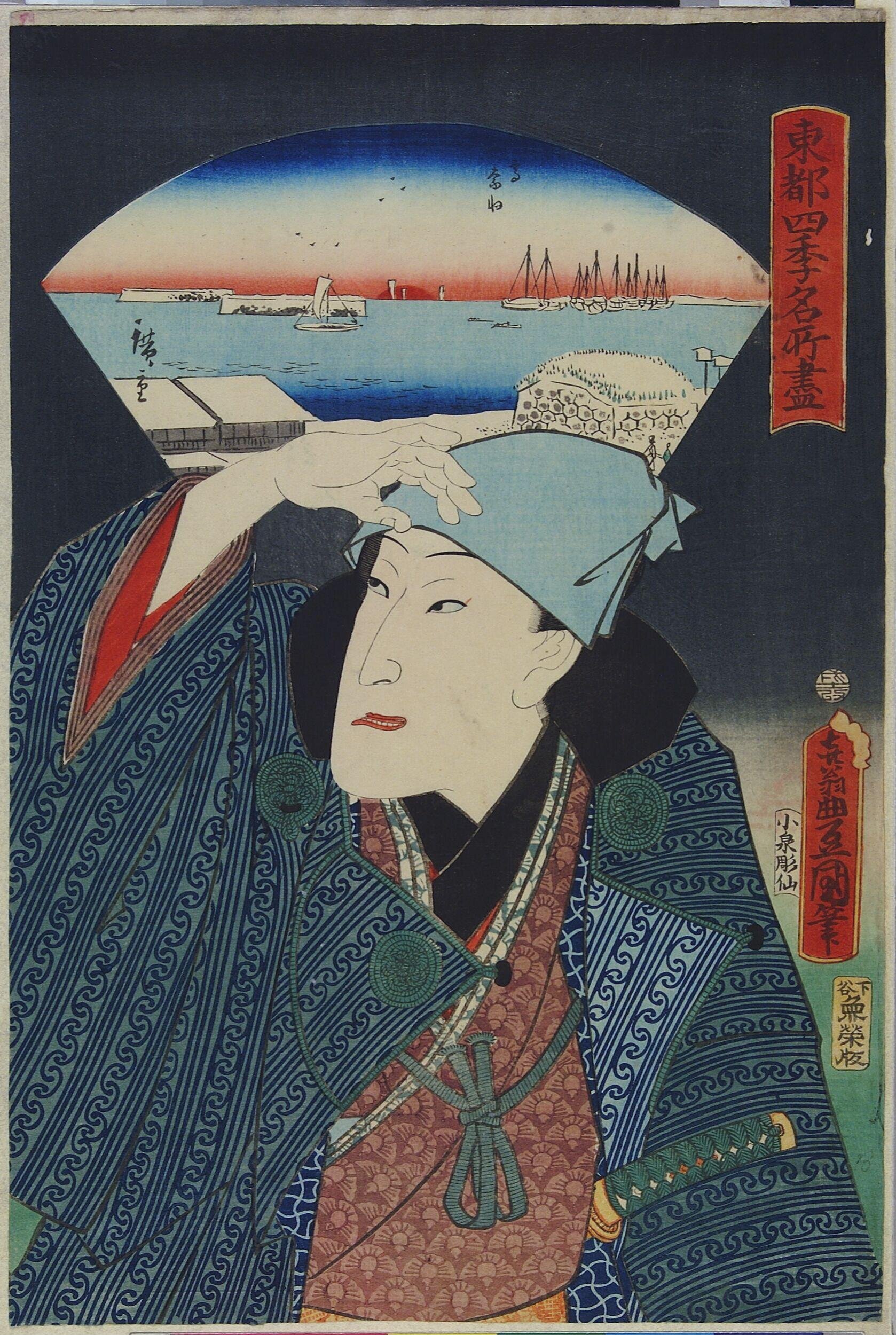
Landscapes are the most celebrated subject in Japanese woodblock printmaking, encompassing mountain vistas, coastal panoramas, river valleys, and rural scenes that have defined the genre for centuries. The tradition reached its first peak with Hokusai's "Thirty-six Views of Mount Fuji" (1831) and Hiroshige's "Fifty-three Stations of the Tokaido" (1833-34), series that established the meisho-e (famous places) format as a cornerstone of ukiyo-e. Shin-hanga artists of the early twentieth century, particularly Kawase Hasui and Hiroshi Yoshida, reinvented the landscape tradition by combining Western atmospheric effects with Japanese compositional sensibilities. Hasui's snow scenes and twilight views of rural Japan became iconic, while Yoshida's mountain studies introduced plein-air observation techniques unprecedented in woodblock printing. Sosaku-hanga artists like Toshi Yoshida and Shiro Kasamatsu further expanded the landscape vocabulary through personal expression and experimental color palettes. Japanese landscape prints typically emphasize seasonal atmosphere, weather conditions, and the interplay between human presence and natural grandeur. The use of bokashi (graduated color) and multiple impression techniques creates depth and luminosity that distinguish woodblock landscapes from other printmaking traditions.
Artists Known for Landscapes


Takawana (Tawanaka)
1862
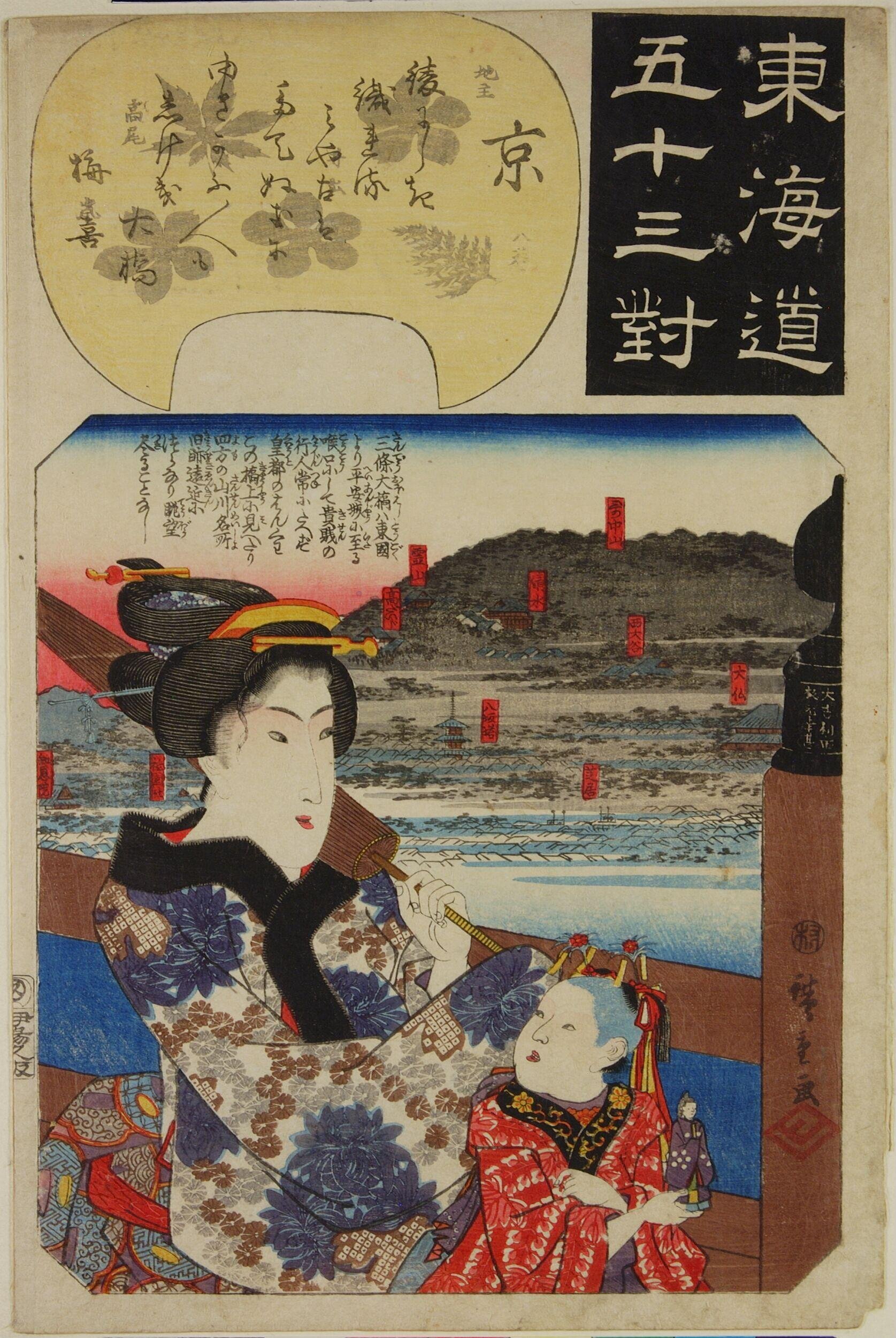
Kyoto (Kyō)
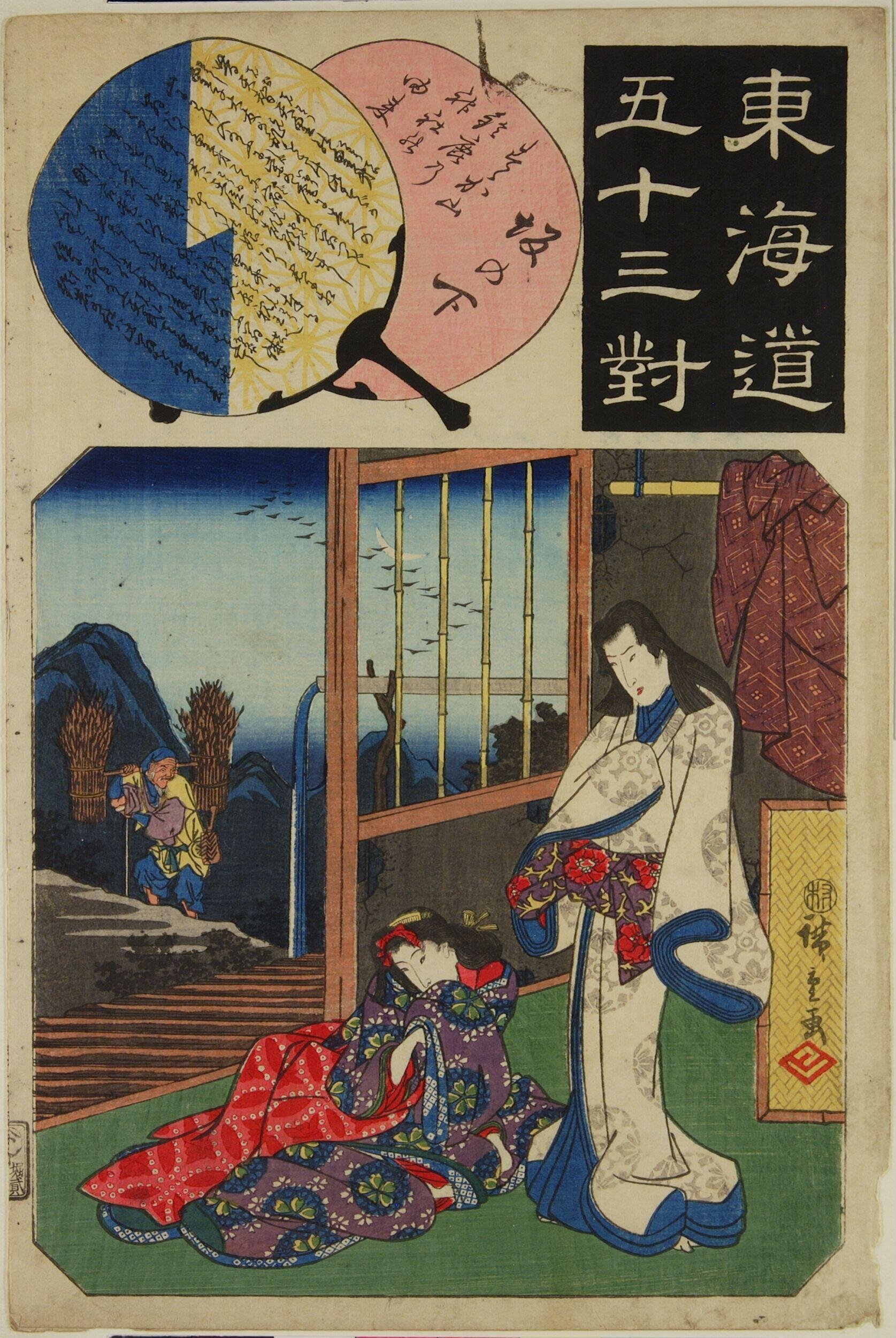
Sakanoshita (Sakanoshita)
A HUNDRED VIEWS OF FAMOUS PLACES IN THE VARIOUS PROVINCES, "KYOTO SHIJO YU SUZUMI"
Late Edo period, dated 1859
Ink on paper
An English Soldier (Igirisu), published by Jōshūya Jūzo
Late Edo period, tenth month of 1860
Yokohama woodblock print in ōban format; ink and color on paper
DUCK AND BAMBOO
Ukiyo-e woodblock print; ink and color on paper
from the series Cut-out Pictures of the Fifty-three Stations (Gojūsan tsugi harimaze)
20th century
Woodblock print; ink and color on paper
Kawasaki, from the 53 Stations of the Tokaido
19th century
No. 18, Okitsu: Shiohama, Kiyomigaseki, from the series The Tōkaidō Road, The Fifty-three Stations (Tōkaidō, Gojūsan tsugi no uchi)
Precincts of the Shiba Shinmei Shrine (Shiba Shinmei keidai), from the series Famous Places in the Eastern Capital (Tōto meisho)
20th century
Woodblock print; ink and color on paper
Sparrows and Camellia
19th century
Woodblock print (nishiki-e); ink and color on paper
Shrine Gate Pass at Rokusozan in Kazusa Province (Kazusa Rokusozan Torii-tōge), from the series Thirty-six Views of Mount Fuji (Fuji sanjūrokkei)
1852, 12th month
Woodblock print; ink and color on paper
Original Fuji, Meguro (Meguro Moto-Fuji), Number 25 from the series One Hundred Famous Views of Edo (Meisho Edo hyakkei)
Edo period, dated 1856 (4th month)
Ukiyo-e woodblock print in "ōban" format; ink and color on paper
Hall of Thirty-Three Bays, Fukagawa (Fukagawa Sanjūsangendō), Number 69 from the series One Hundred Famous Views of Edo (Meisho Edo hyakkei)
Edo period, dated 1857 (8th month)
Ukiyo-e woodblock print in "ōban" format; ink and color on paper
Nihonbashi, from the series Thirty-six Views of the Eastern Capital (Tōto sanjūrokkei)
Late Edo period, 1861
Woodblock print; ink and color on paper
Snapper (Isaki), Scorpionfish (Kasago) and Ginger (Shin shōga), from the series A Shoal of Fishes (Uo-zukushi)
Late Edo period, 19th century
Ukiyo-e woodblock print in "ōban" format; ink and color on paper
Cherry Blossoms in the Yoshiwara (Yoshiwara sakura no zu), from the series Famous Places in Edo (Kōto meisho)
20th century
Woodblock print; ink and color on paper
Clamdigging at Shinagawa (Shinagawa shiohigari), Waterfall River at Ōji (Ōji Taki-no-kawa), and Suijin Wood and the Shrine at Massaki (Suijin mori Massaki yashiro), from the series Cutout Pictures of Famous Places in Edo (Edo meisho harimaze zue)
20th century
Woodblock print; ink and color on paper
Dance of the Star of Longevity at Kaimongatake, Makurazaki, Satsuma Province (Sasshū Makurazaki Kaimongatake Jusei odori), from the series One Hundred Famous Views in the Various Provinces (Shokoku meisho hyakkei)
20th century
Woodblock print; ink and color on paper
Evening Bell at Shōmyō (Shōmyō banshō), from the series Eight Views of Kanazawa (Kanazawa hakkei)
20th century
Woodblock print; ink and color on paper
from the series Illustrated Tale of the Soga Brothers (Soga monogatari zue)
20th century
Woodblock print; ink and color on paper
Large-Eye Seabream (Mede tai) and Bamboo Grass (Sasa), from the series A Shoal of Fishes (Uo-zukushi)
19th century
Ukiyo-e woodblock print; ink and color on paper
Station 50 -- Spring Rain at Tsuchiyama (Tsuchiyama, haru no ame), from the series Fifty-three Stations of the Tōkaidō (Tōkaidō gojūsan-tsugi no uchi)
19th century
Ukiyo-e woodblock print in "ōban" format; ink and color on paper
THIRTY-SIX VIEWS OF YEDO, "FUKAGAWA HACHIMAN"
19th century
Ink on paper

Morning Sun
Oil on canvas
Lobster (Ise ebi) and Prawn (Ama ebi), from the series A Shoal of Fishes (Uo-zukushi)
20th century
Woodblock print; ink and color on paper
Okazaki, from the series Cut-out Pictures of Fifty-three Stations (Gojūsan tsugi harimaze)
20th century
Woodblock print; ink and color on paper
SMALL SERIES OF THE 53 STATIONS OF THE TOKAIDO.
19th century
Ukiyo-e woodblock print; ink and color on paper
Sunset Glow at Nojima (Nojima yūshō), from the series Eight Views of Kanazawa (Kanazawa hakkei)
20th century
Woodblock print; ink and color on paper

Hase Temple, Yamato Province (Yamato Hasedera), from the series One Hundred Famous Views in the Various Provinces (Shokoku meisho hyakkei)
諸国名所百景 大和初瀬寺
1859
Color woodblock print

The Interior of the Gankirō in Yokohama (Yokohama Gankirō mikomi no zu)
横浜岩亀楼見込之図
1860
Color woodblock print; ōban triptych

Fisherwomen
Oil on canvas
Related Subjects
Frequently Asked Questions
Landscapes are the most celebrated subject in Japanese woodblock printmaking, encompassing mountain vistas, coastal panoramas, river valleys, and rural scenes that have defined the genre for centuries. The tradition reached its first peak with Hokusai's "Thirty-six Views of Mount Fuji" (1831) and Hiroshige's "Fifty-three Stations of the Tokaido" (1833-34), series that established the meisho-e (famous places) format as a cornerstone of ukiyo-e.
Utagawa Hiroshige, Kawase Hasui, and Hiroshi Yoshida are among the artists most associated with landscapes in our collection. Browse the full list of artists who explored this subject above.
Hanga currently catalogues 3812 prints tagged with landscapes, spanning ukiyo-e, shin-hanga, and sōsaku-hanga traditions where applicable.