Landscapes Prints (3812)
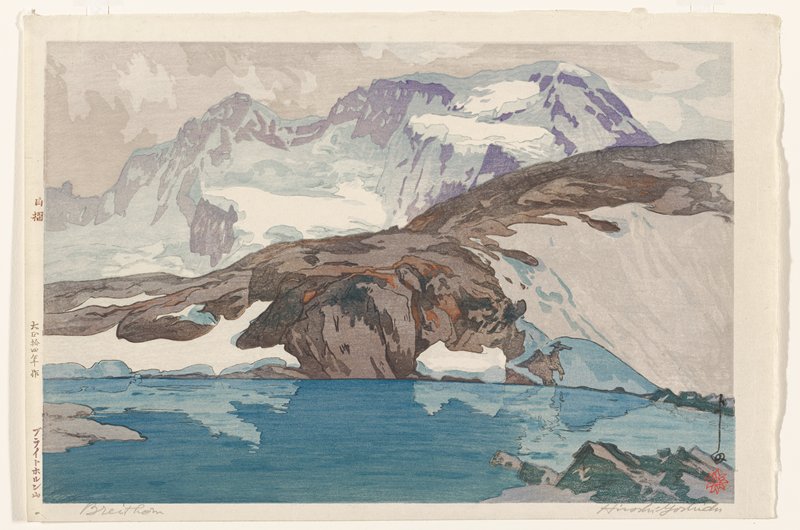
Landscapes are the most celebrated subject in Japanese woodblock printmaking, encompassing mountain vistas, coastal panoramas, river valleys, and rural scenes that have defined the genre for centuries. The tradition reached its first peak with Hokusai's "Thirty-six Views of Mount Fuji" (1831) and Hiroshige's "Fifty-three Stations of the Tokaido" (1833-34), series that established the meisho-e (famous places) format as a cornerstone of ukiyo-e. Shin-hanga artists of the early twentieth century, particularly Kawase Hasui and Hiroshi Yoshida, reinvented the landscape tradition by combining Western atmospheric effects with Japanese compositional sensibilities. Hasui's snow scenes and twilight views of rural Japan became iconic, while Yoshida's mountain studies introduced plein-air observation techniques unprecedented in woodblock printing. Sosaku-hanga artists like Toshi Yoshida and Shiro Kasamatsu further expanded the landscape vocabulary through personal expression and experimental color palettes. Japanese landscape prints typically emphasize seasonal atmosphere, weather conditions, and the interplay between human presence and natural grandeur. The use of bokashi (graduated color) and multiple impression techniques creates depth and luminosity that distinguish woodblock landscapes from other printmaking traditions.
Artists Known for Landscapes


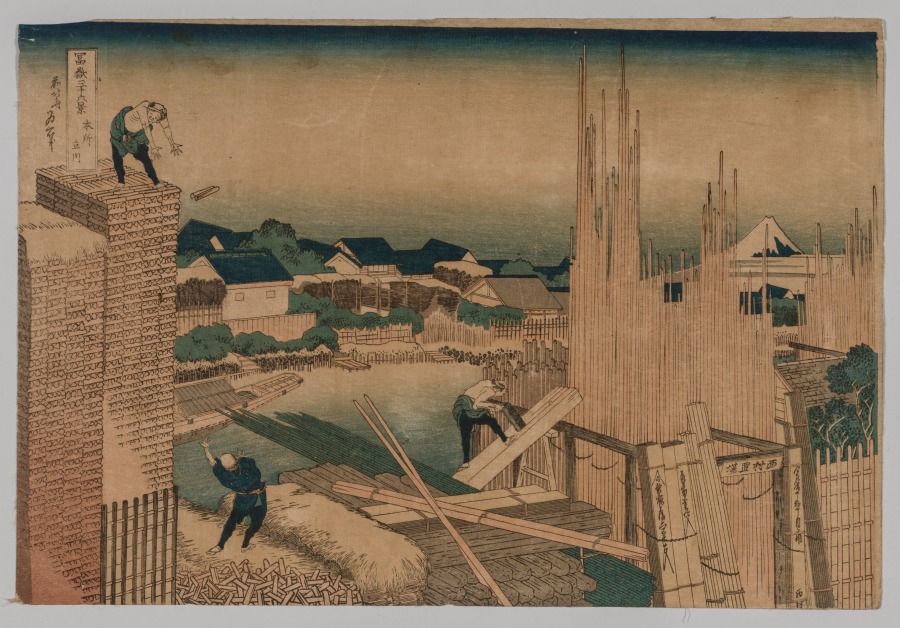
THIRTY-SIX VIEWS OF YEDO "OCHANOMIZU"
19th century
Ink on paper
THIRTY-SIX VIEWS OF YEDO, "SEKIYA NO SATO"
19th century
Ink on paper

Carp Ascending Waterfall
19th century
Color woodblock print
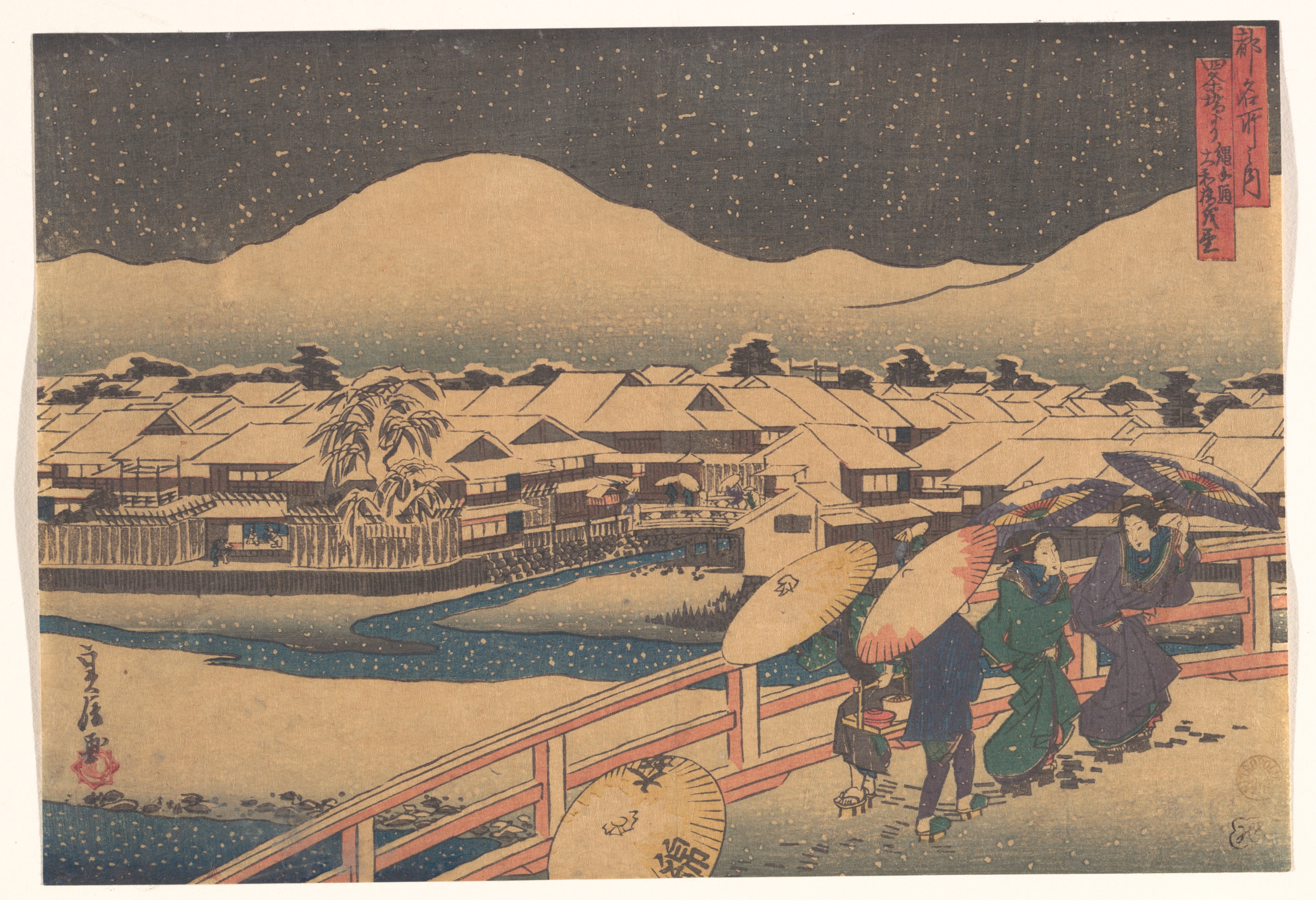
Night View of the Yamato Tea-house in Nawate Dori Seen from Shijo Bridge
1836-1870
Woodblock print; ink and color on paper
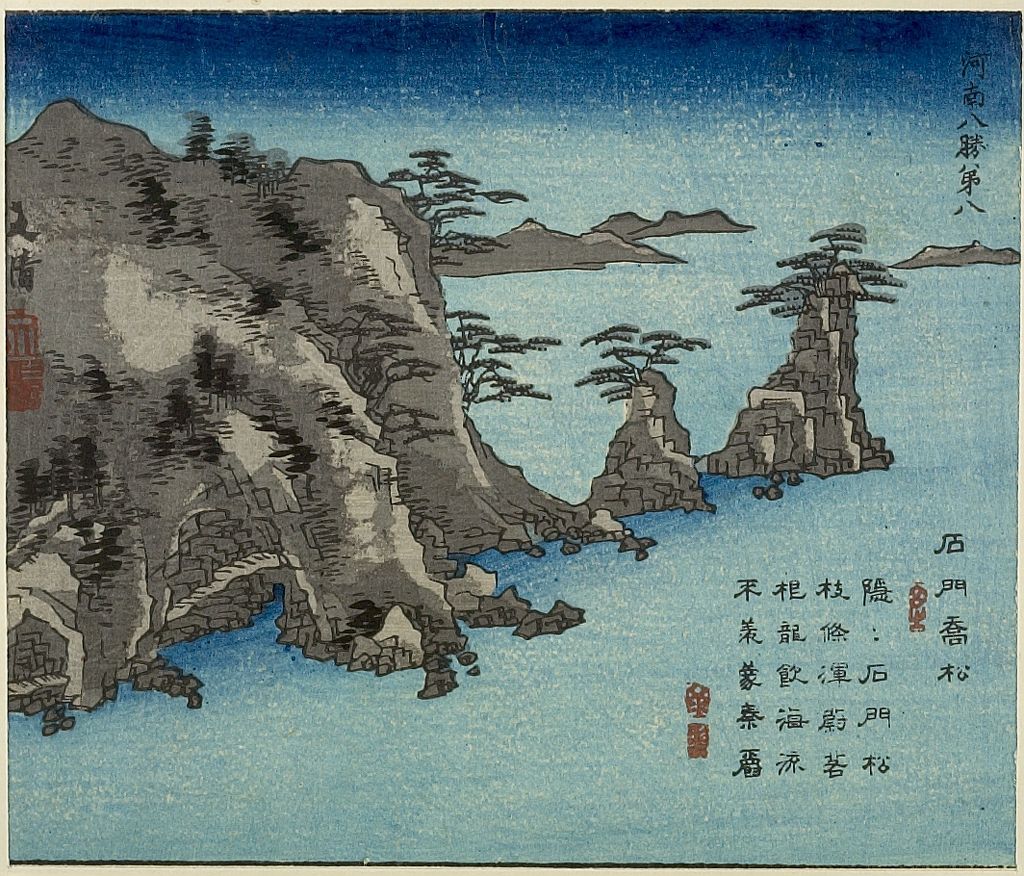
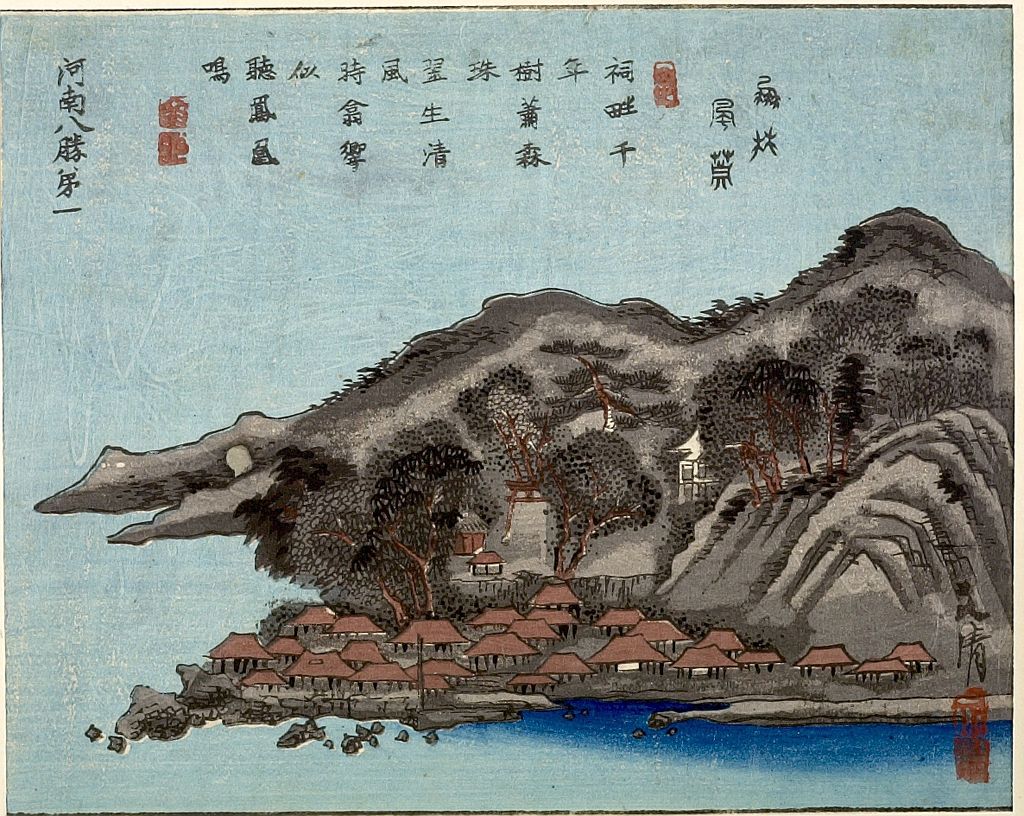
Mountain Village with Houses Along the Shore (No. 1 from Henan Hasshō, Eight Excellent Views of Henan)
河南八勝 第一
c. 1830s
Color woodblock print
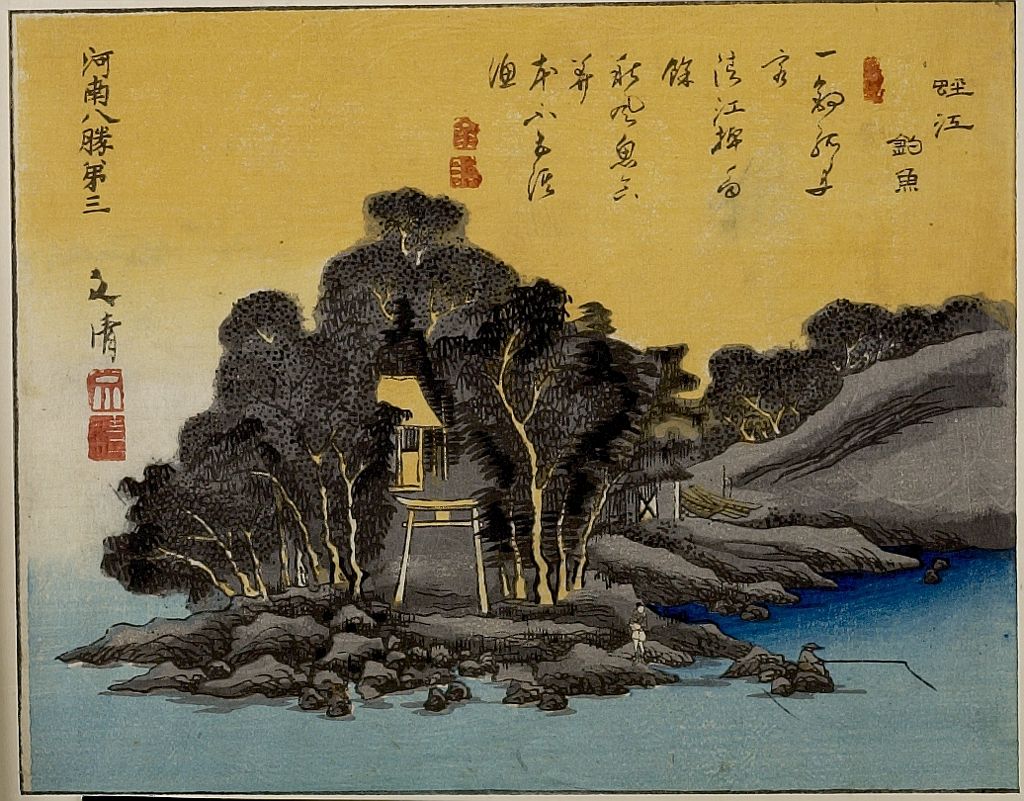
Fishing from a Secluded Cove (No. 3 from Henan Hasshō, Eight Excellent Views of Henan)
河南八勝 第三 釣魚
c. 1830s
Color woodblock print
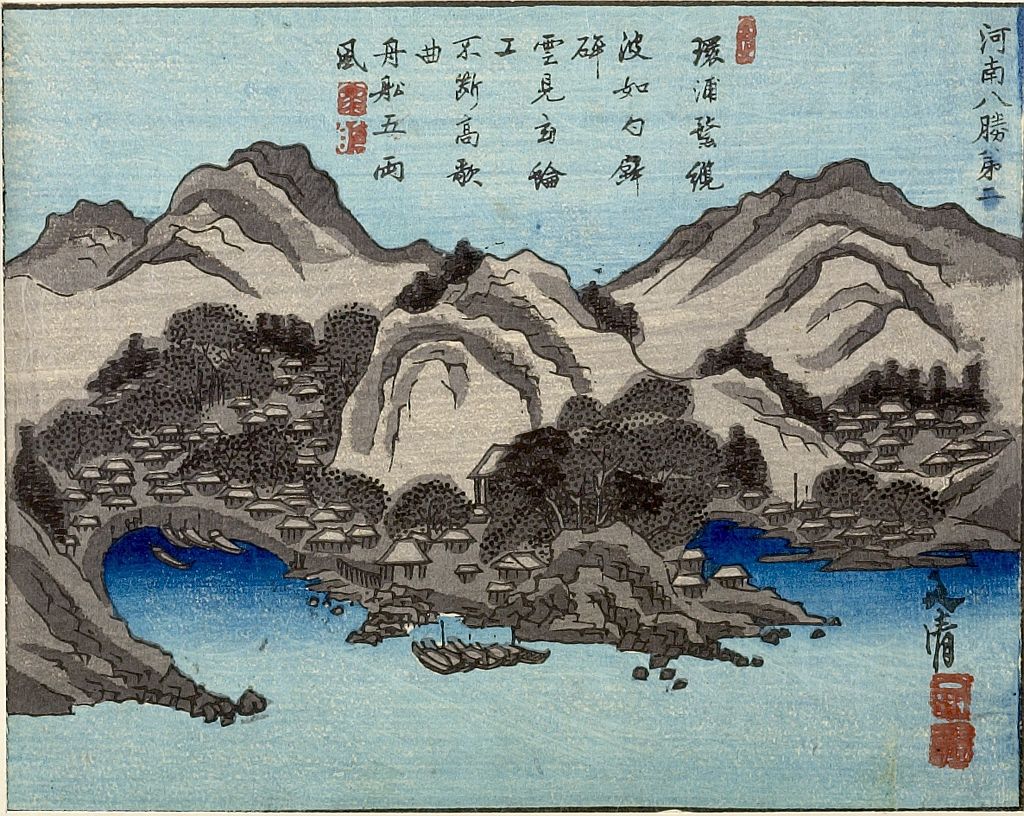
Mountain Landscape with Fishing Village (No. 5 from Henan Hasshō, Eight Excellent Views of Henan)
河南八勝 第五
c. 1830s
Color woodblock print
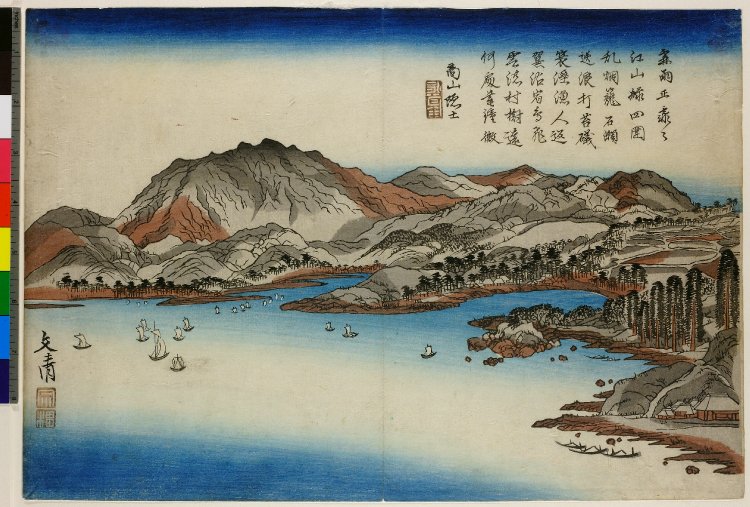
Mountainous Coastline with Bays and Fishing Boats
山水図
mid-19th century
Color woodblock print
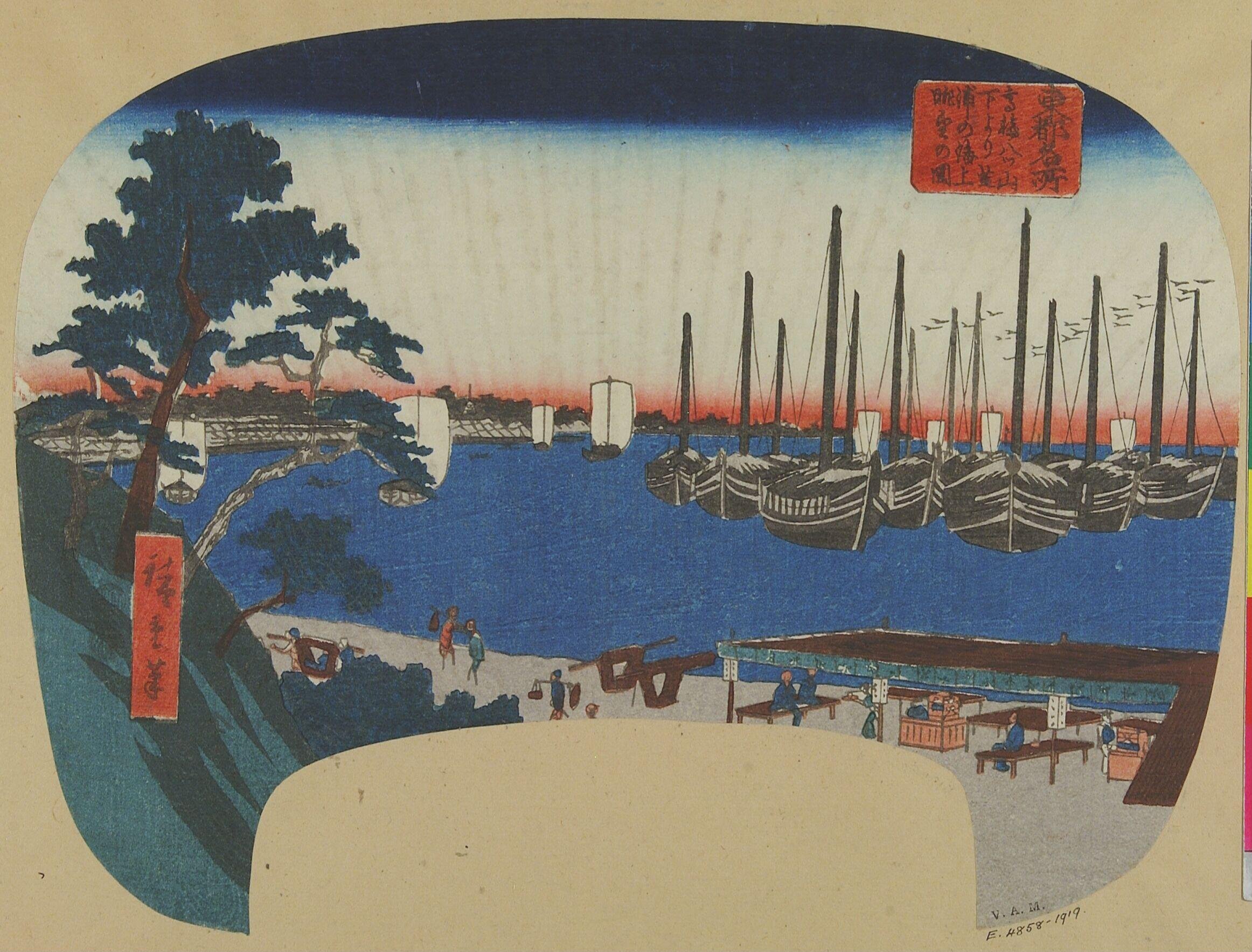
Scenic View of the Sea at Shibaura from the Foot of Mount Yatsu at Takanawa
ca. 1850
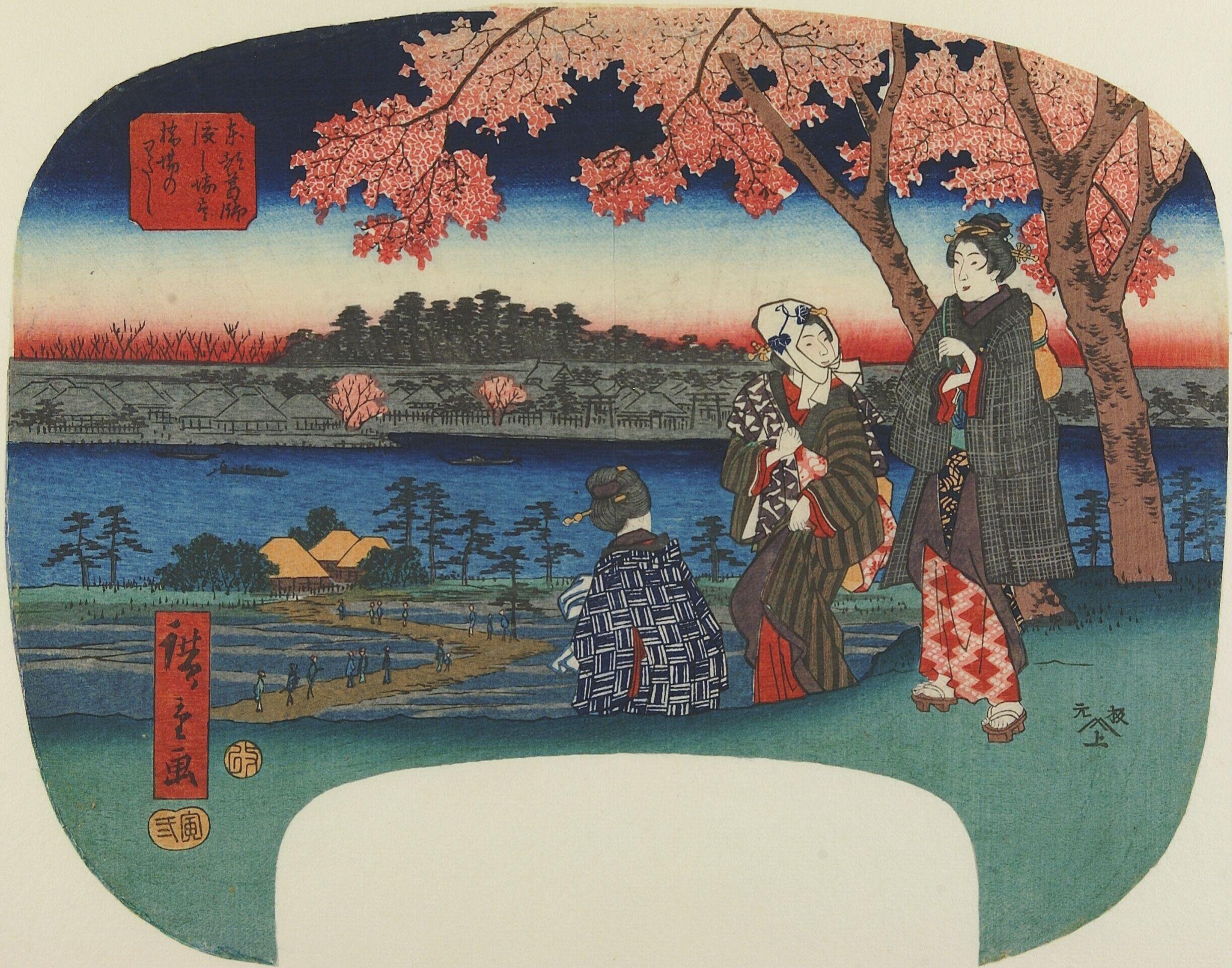
The Hashiba Crossing
1854
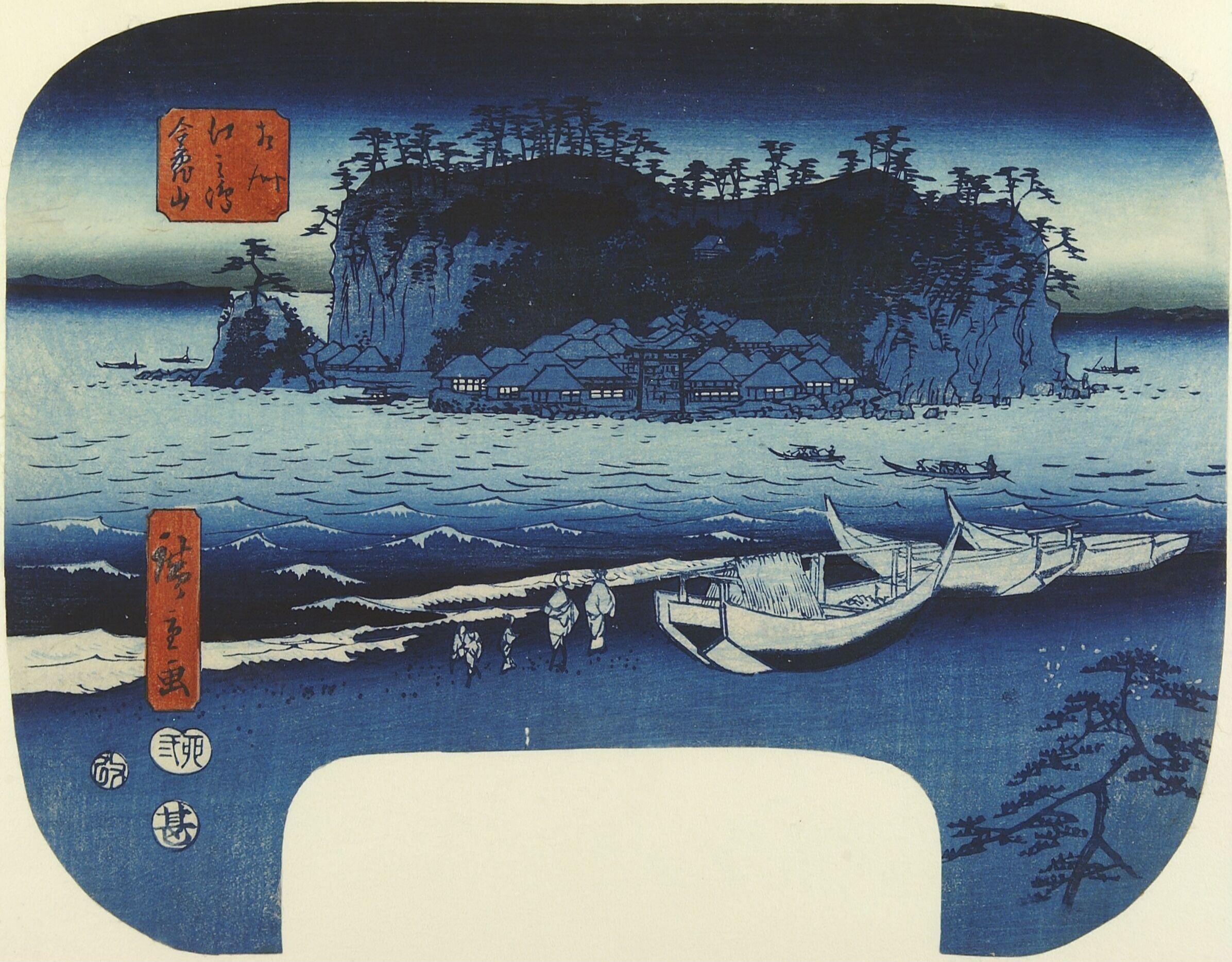
Kinkizan on Enoshima Island in Sagami Province
1855
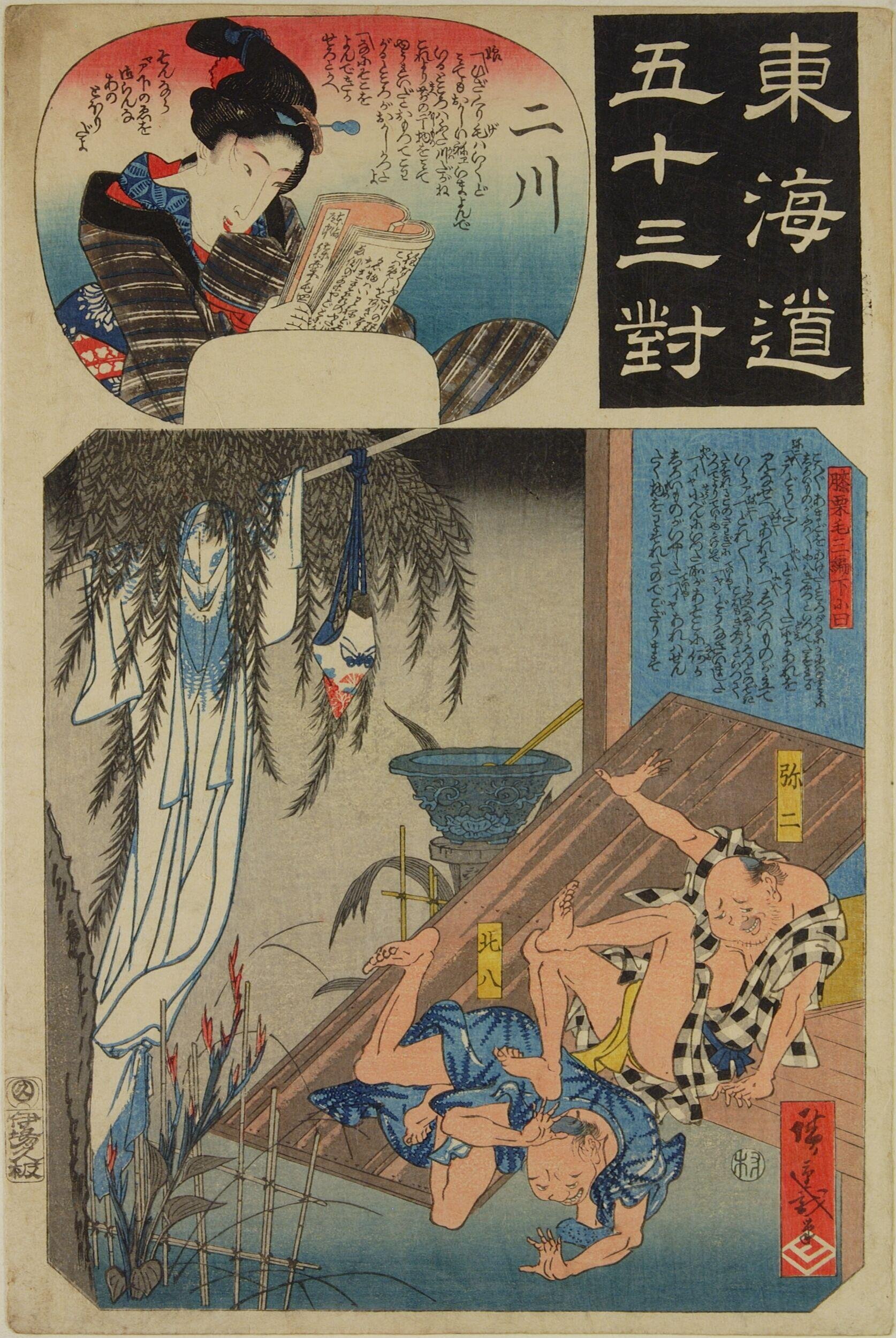
Futakawa: Yaji and Kitahachi from Hizakurige
Mokuboji Temple, Uchigawa Inlet, Gozensaihata (Mokuboji Uchigawa Gozensaihata), Number 92 from the series One Hundred Famous Views of Edo (Meisho Edo hyakkei)
Edo period, dated 1857 (12th month)
Ukiyo-e woodblock print in "ōban" format; ink and color on paper
Spiral Hall, Five Hundred Rakan Temple (Gohyaku Rakan Sazaidō), Number 66 from the series One Hundred Famous Views of Edo (Meisho Edo hyakkei)
Edo period, dated 1857 (8th month)
Ukiyo-e woodblock print in "ōban" format; ink and color on paper
Chōfu in Musashi Province (Musashi Chōfu), from the series Six Jewel Rivers in Various Provinces (Shokoku mu tamagawa)
Eight Views of the Sumida River: Descending Geese at the Ferry (Sumidagawa hakkei, Watashiba rakugan), from the series Famous Places in Edo (Tōto meisho no uchi)
20th century
Woodblock print; ink and color on paper
from the series Cutout Pictures of Famous Places in Edo (Edo meisho harimaze zue)
20th century
Woodblock print; ink and color on paper
Goggle-eyed Sea Bream and Bamboo Grass, from an untitled series known as Large Fish
19th century
Woodblock printed "ōban"-sized triptych; ink and color on paper
Morning Cherry Blossoms in the New Yoshiwara (Shin Yoshiwara asazakura no zu), from the series Famous Places in the Eastern Capital (Tōto meisho)
20th century
Woodblock print; ink and color on paper
No. 13, Numazu: The Ashigara Mountains and the Foot of Mt. Fuji (Ashigarayama, Fuji no suso), from the series The Tōkaidō Road, The Fifty-three Stations (Tōkaidō, Gojūsan tsugi no uchi)
No. 21, Mariko: Selling the Famous Yam Soup at the Station (Mariko, Ekichū meibutsu tororojiru o hisagu), from the series Famous Sights of the Fifty-three Stations (Gojūsan tsugi meisho zue), also known as the Vertical Tōkaidō
20th century
Woodblock print; ink and color on paper
Rice Market at Dōjima (Dōjima kome akinai), from the series Famous Views of Osaka (Naniwa meisho zue)
20th century
Woodblock print; ink and color on paper
THIRTY-SIX VIEWS OF FUJI, "MOTOGUCHIDORI"
19th century
Ink on paper
Tomigaoka Hachiman Shrine at Fukagawa (Fukagawa Tomigaoka Hachiman), from the series Famous Places in Edo (Kōto meisho)
20th century
Woodblock print; ink and color on paper
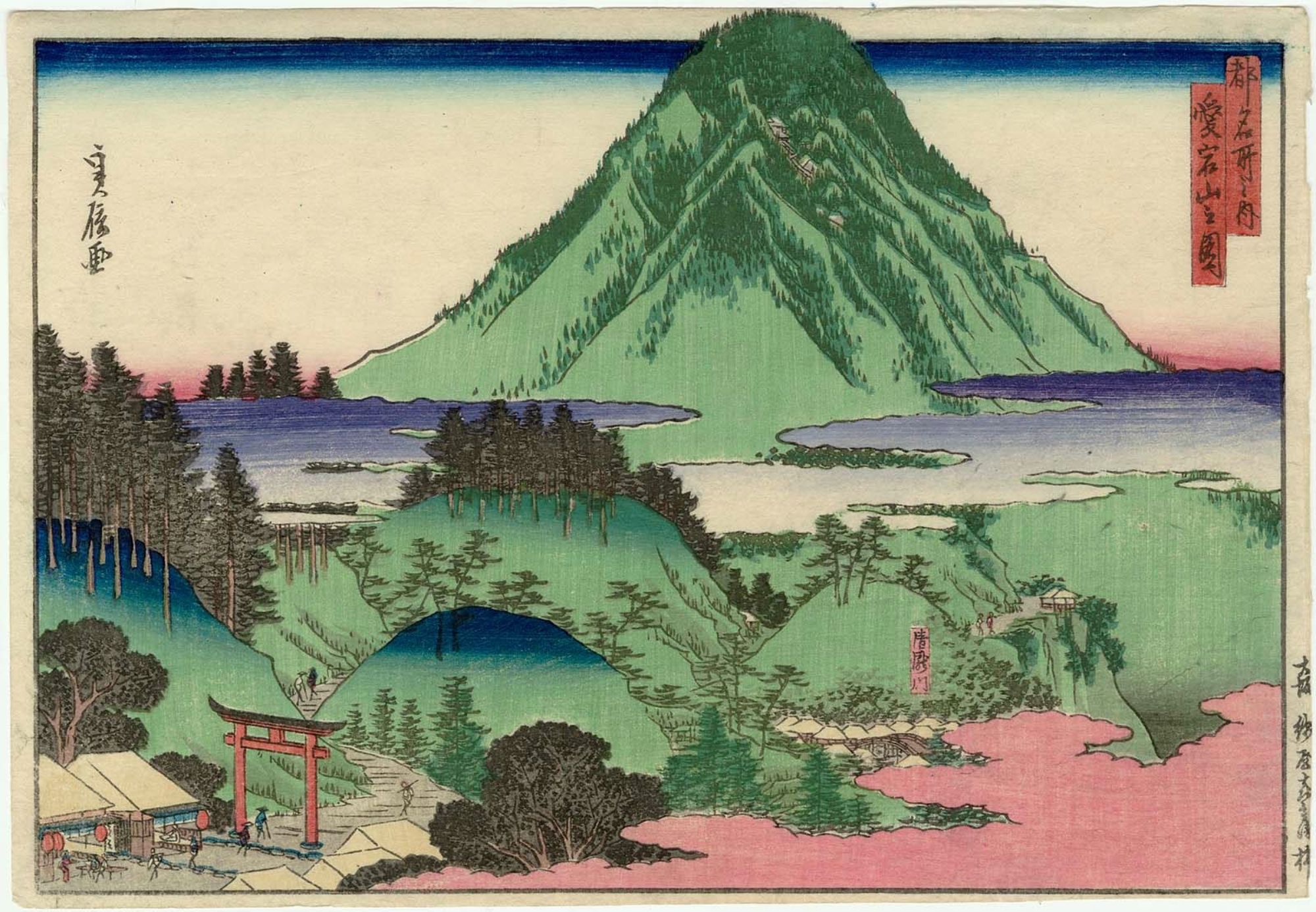
View of Mount Atago (Atago-yama no zu), from the series Famous Places in the Capital (Miyako meisho no uchi)
1870-71
Color woodblock print
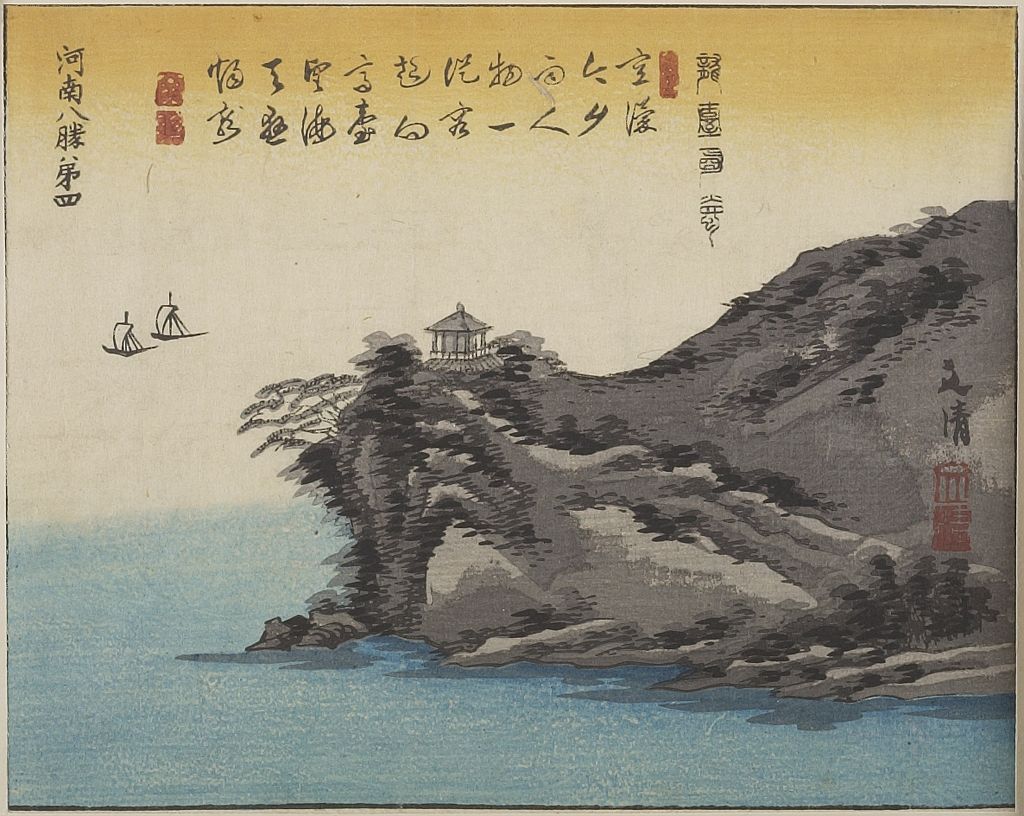
Pavilion on the Cliff with Distant Sails (No. 4 from Henan Hasshō, Eight Excellent Views of Henan)
河南八勝 第四
c. 1830s
Color woodblock print
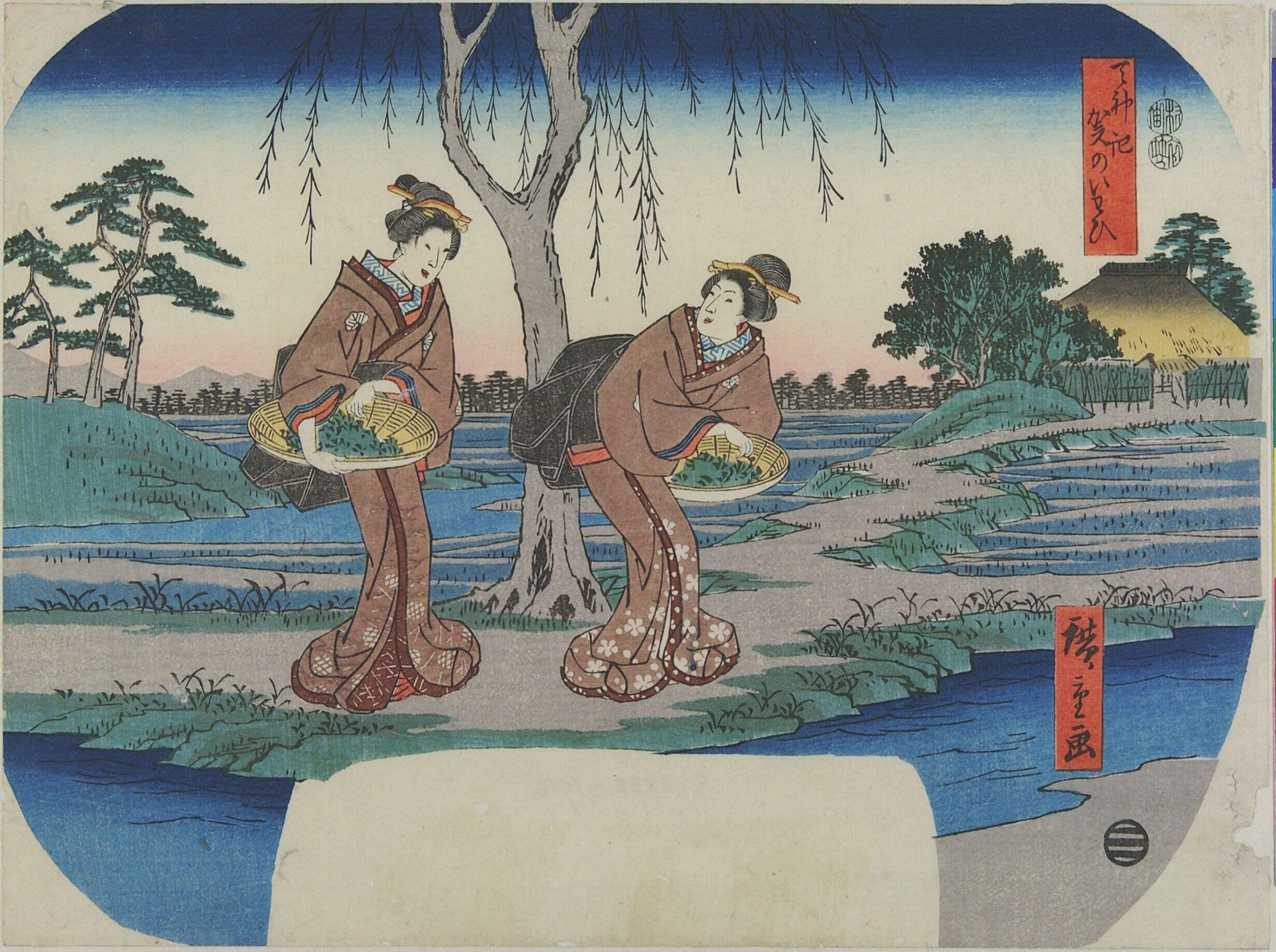
Seventieth Birthday Celebrations
1851-1852
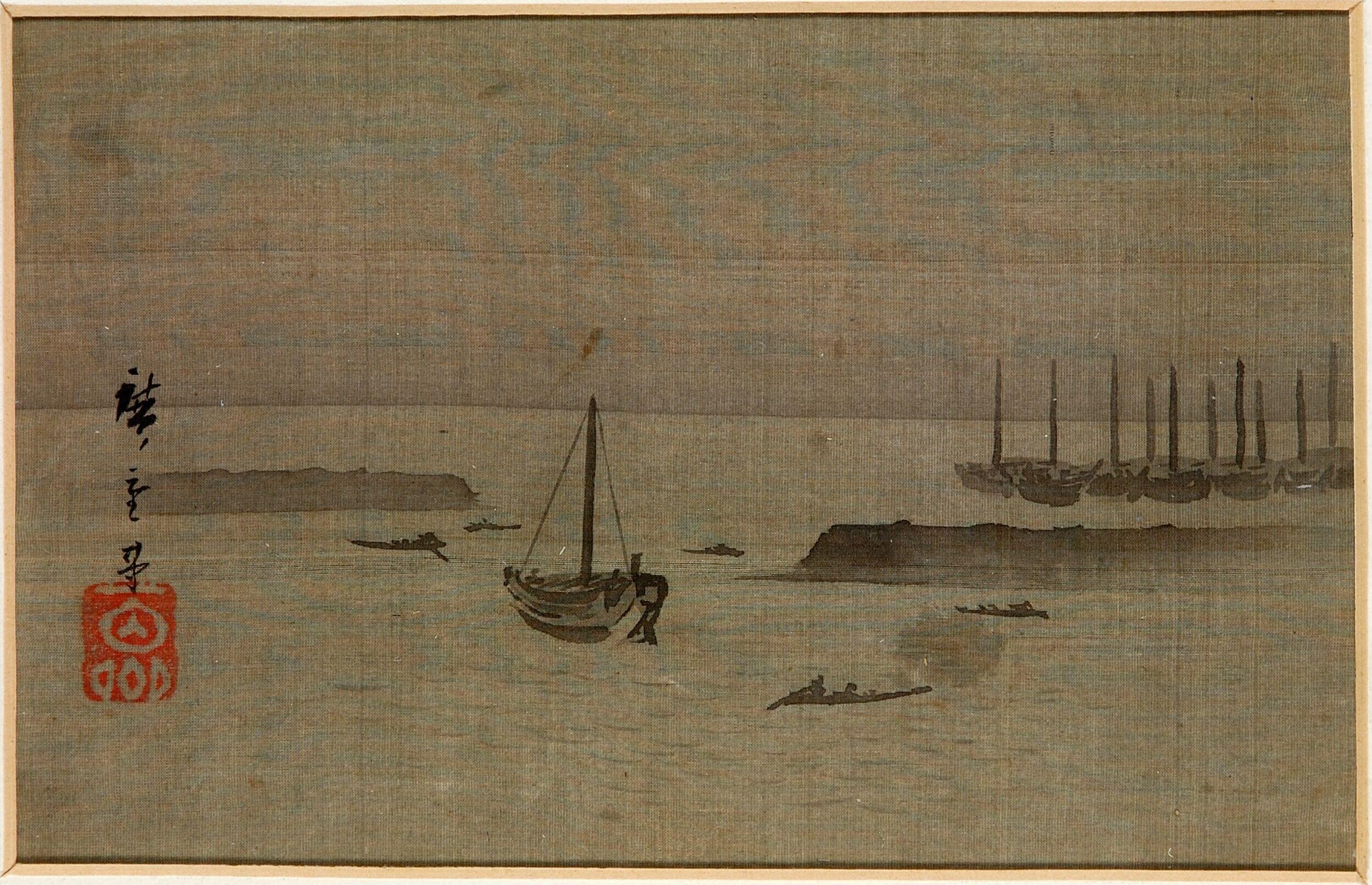
Sea Fortifications
ca.1853 - ca.1855
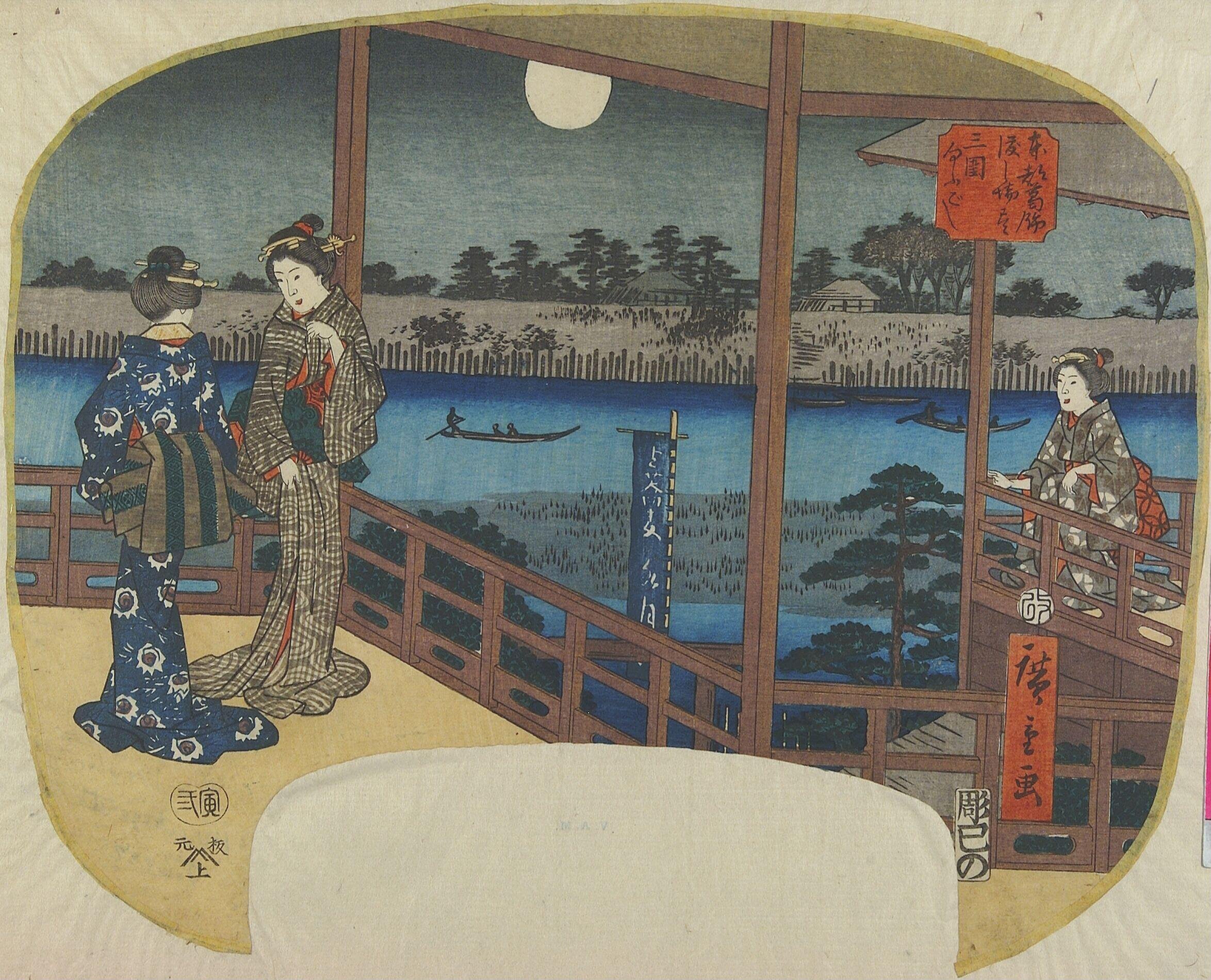
The Mimeguri Shrine from the Opposite Side of the Crossing
1854
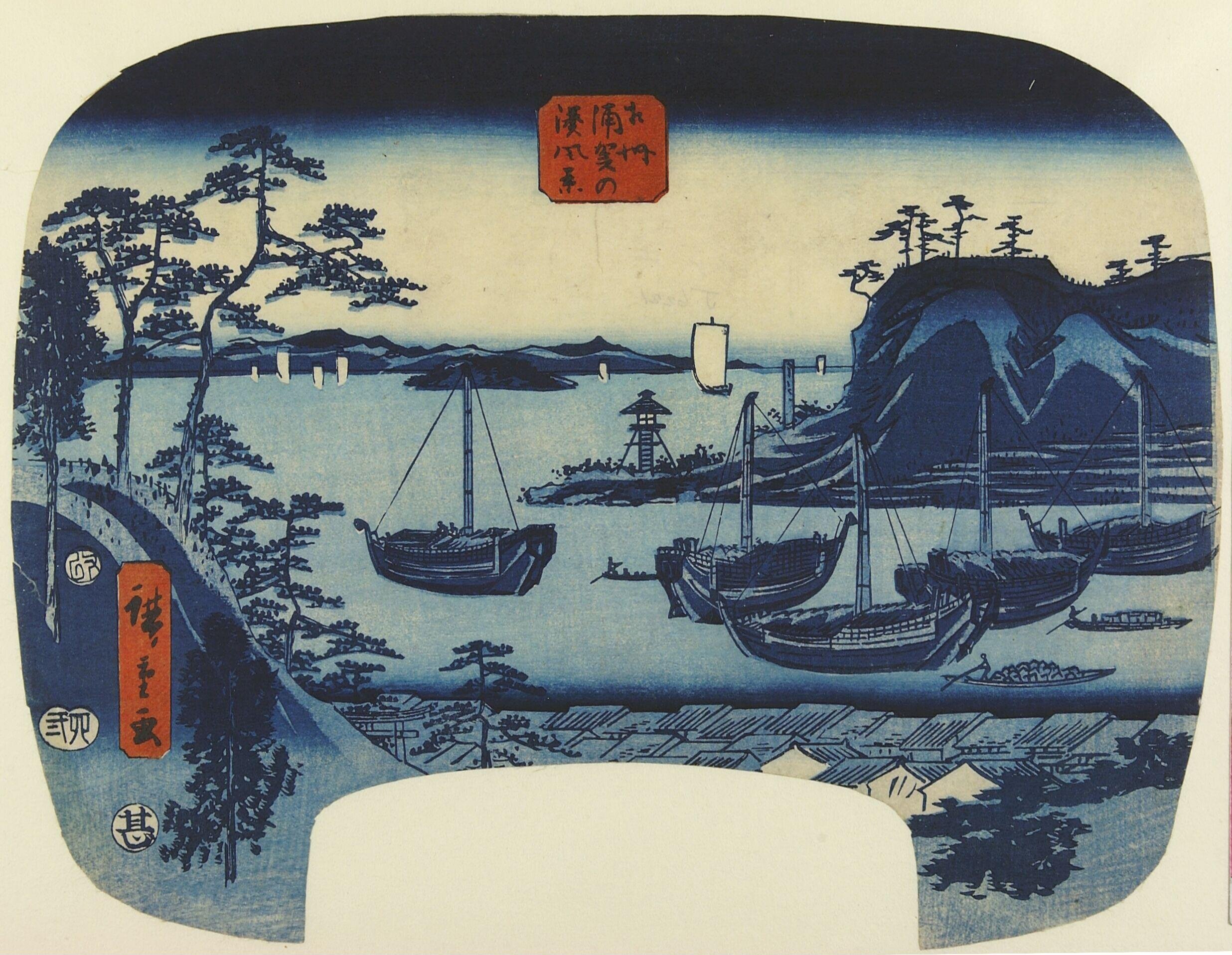
View of the Port of Uraga in Sagami Province
1855
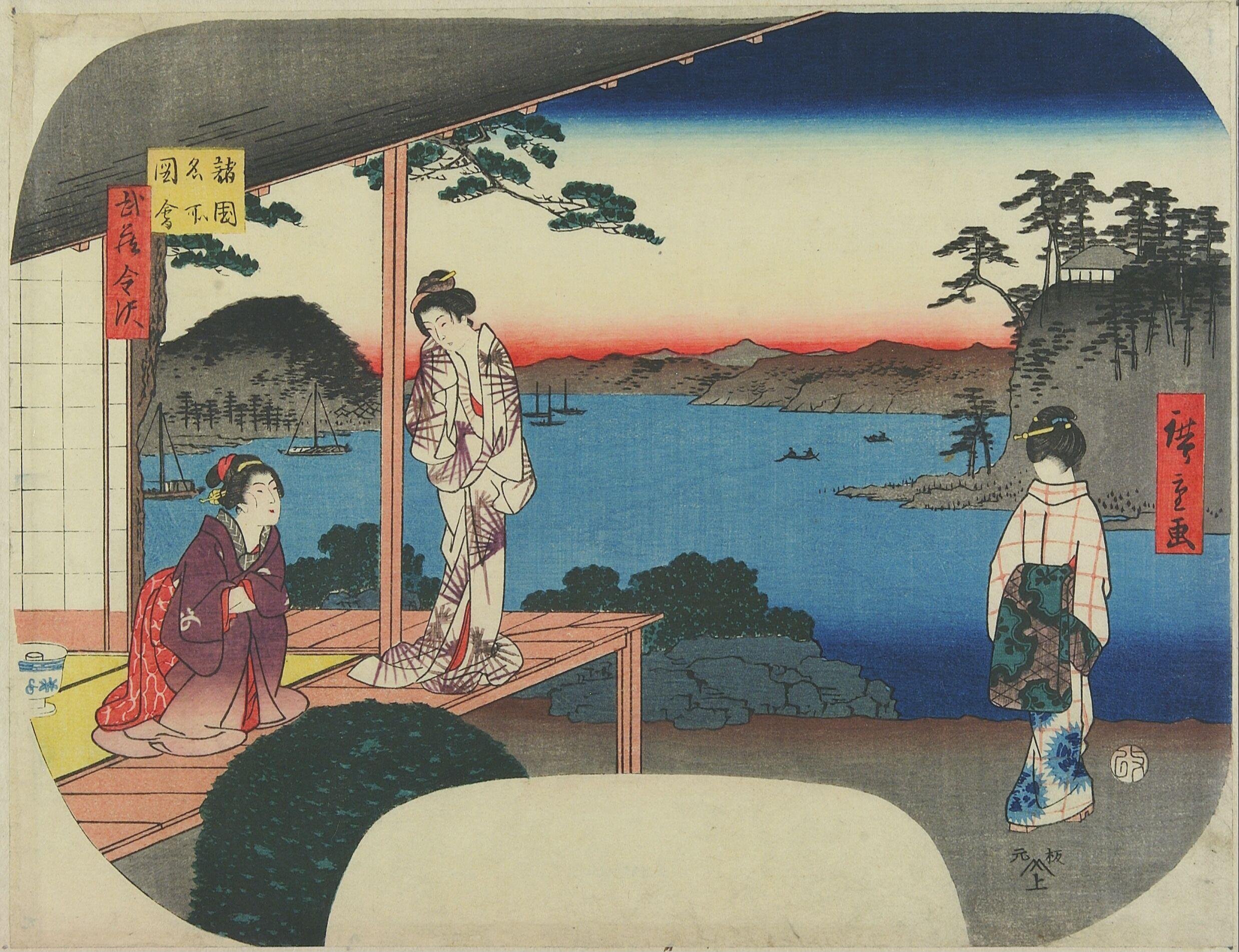
Kanazawa in Musashi Province
1856
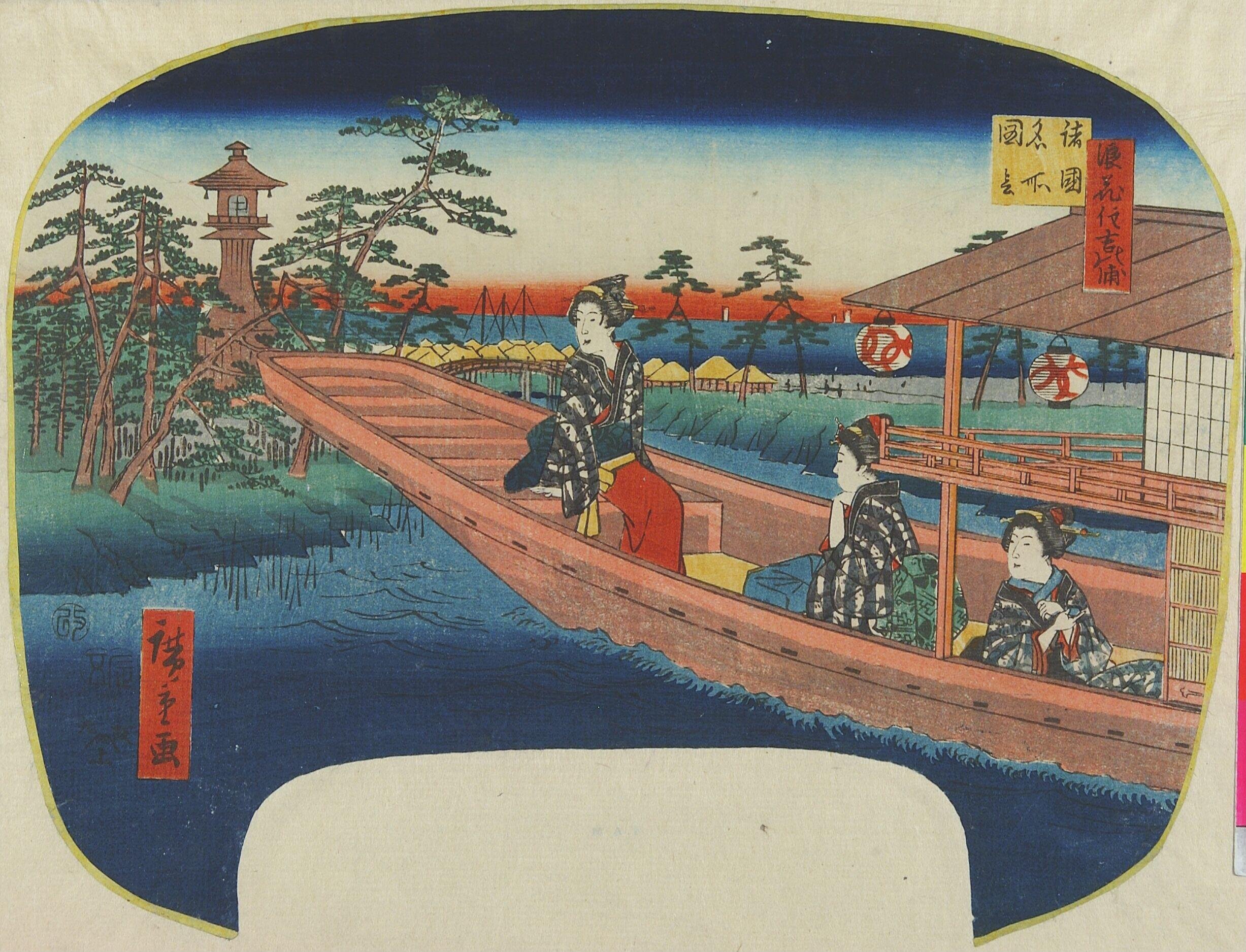
Sumiyoshi Bay at Naniwa
1856
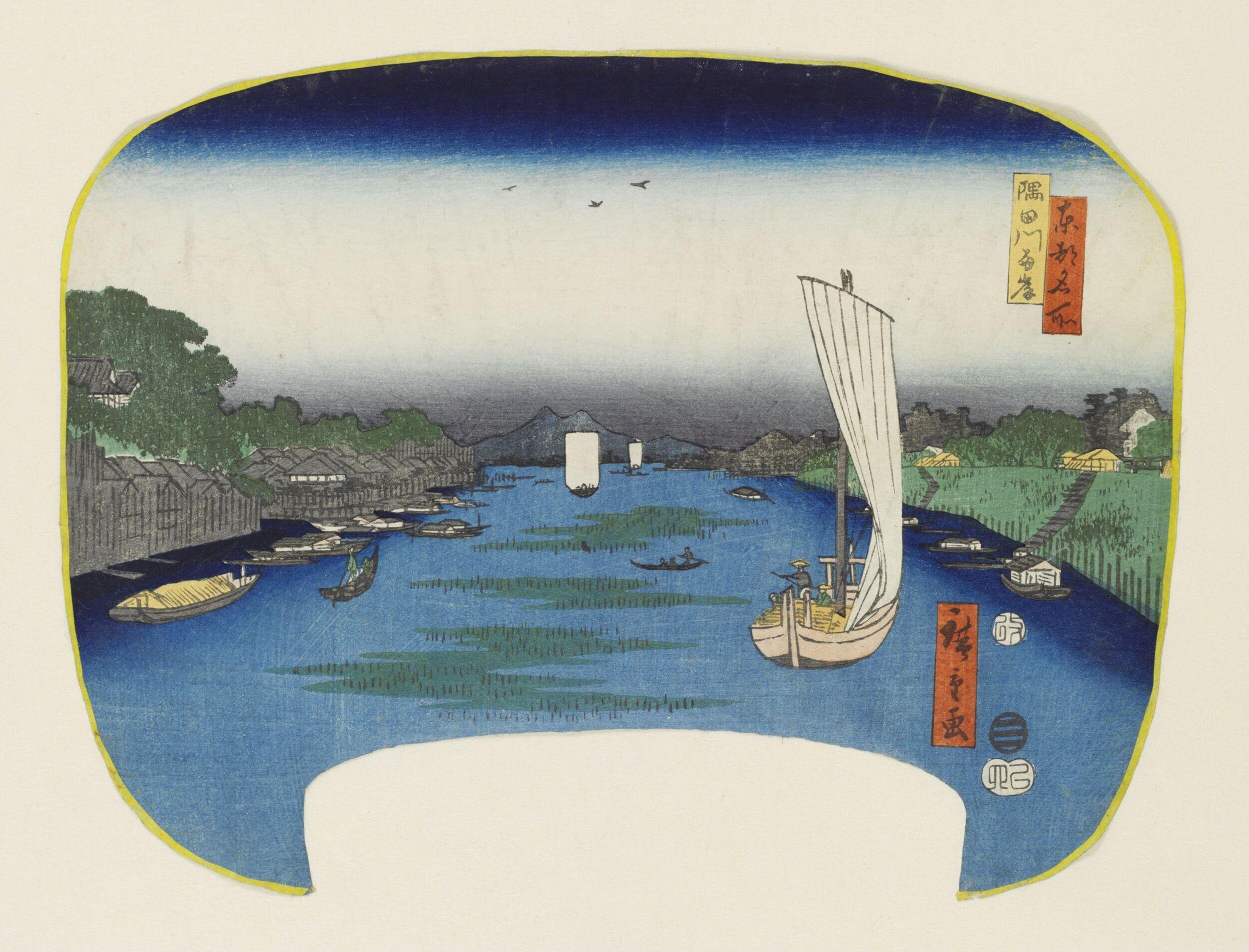
The Banks of the Sumida River
1857
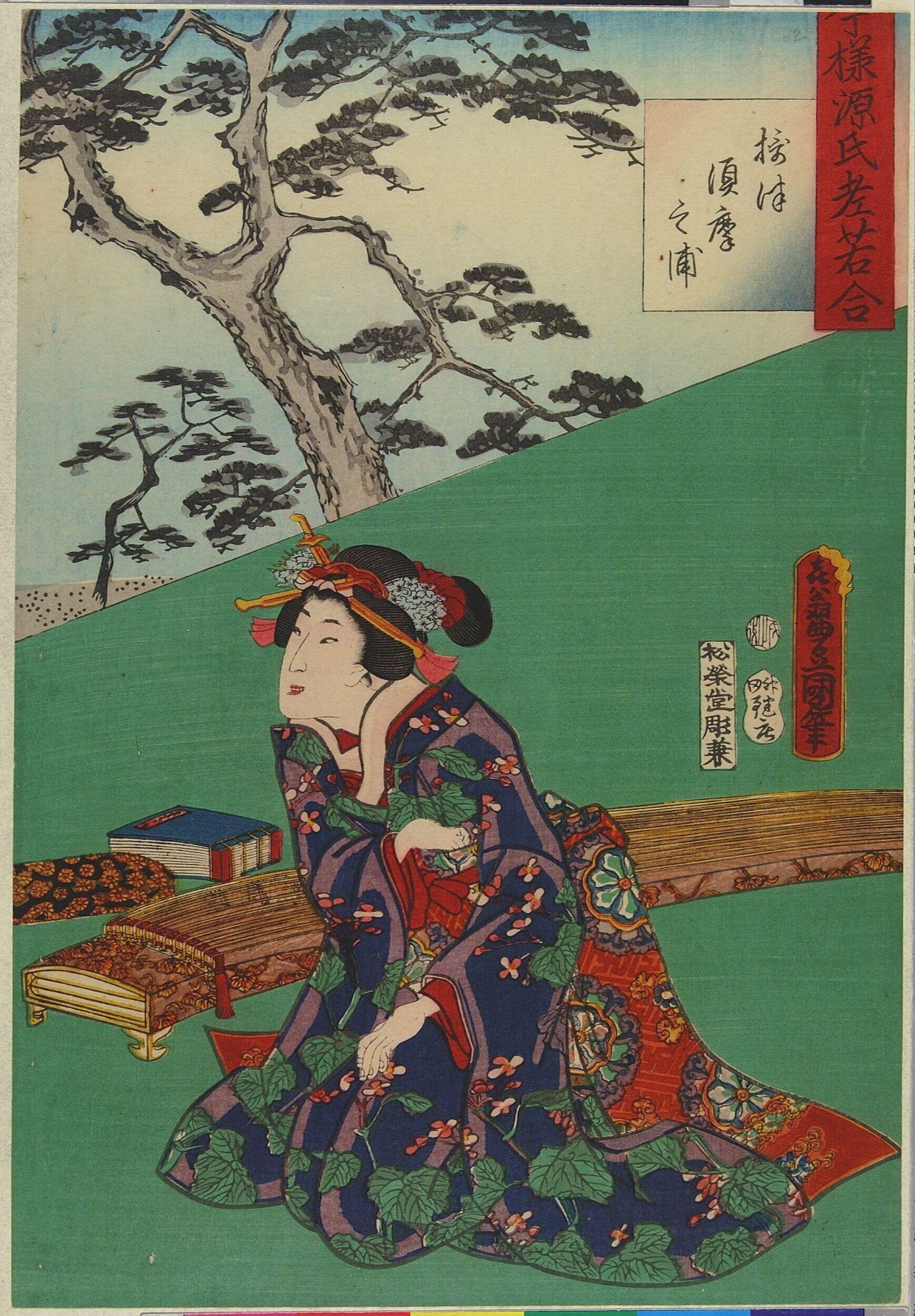
Suma Bay in Settsu Province (Settsu suma no ura)
1862
Furyū Genji: Akashi (Hiroshige landscape, Kunisada [main] figures)
Late Edo period, 1835
Right panel from an ukiyo-e woodblock-printed "ōban" diptych; ink and color on paper
No. 19, Ejiri: Koyoshida Bridge (Koyoshida no hashi), from the series The Tōkaidō Road, The Fifty-three Stations (Tōkaidō, Gojūsan tsugi no uchi)
c. 1850-1851
Five Pines, Onagi Canal (Onagigawa Gohonmatsu), Number 97 from the series One Hundred Famous Views of Edo (Meisho Edo hyakkei)
Edo period, dated 1856 (7th month)
Ukiyo-e woodblock print in "ōban" format; ink and color on paper
Seven League Beach, Sagami Province (Sagami Shichigahama), from the series Thirty-Six Views of Mount Fuji (Fuji sanjūrokkei)
Late Edo period, dated 1859
Ukiyo-e woodblock print in "ōban" format; ink and color on paper
A HUNDRED VIEWS OF FAMOUS PLACES IN THE VARIOUS PROVINCES, "BIZEN TATSUKUCHIYAMA"
Late Edo period, dated 1860
Ink on paper
Black Seabream (Kurodai), Small Seabream (Kodai) and Japanese Peppercorns (Sansho), from the series A Shoal of Fishes (Uo-zukushi)
Late Edo period, 19th century
Ukiyo-e woodblock print in "ōban" format; ink and color on paper
Abalone Divers at Satta Pass
20th century
Woodblock print; ink and color on paper
Clear Weather after Snow in the Precincts of the Kanda Myōjin Shrine (Kanda Myōjin keidai yukibare no zu), from the series Famous Places in the Eastern Capital (Tōto meisho)
20th century
Woodblock print; ink and color on paper
CRANE AND IRISES
Ukiyo-e woodblock print; ink and color on paper
Station 29 -- Mitsuke, Tenryū River View (Mitsuke Tenryūgawa zu), from the series Fifty-three Stations of the Tōkaidō (Tōkaidō gojūsan-tsugi no uchi)
19th century
Ukiyo-e woodblock print in "ōban" format; ink and color on paper
THIRTY-SIX VIEWS OF YEDO, "ASAKUSA KINRIUSAN"
19th century
Ink on paper
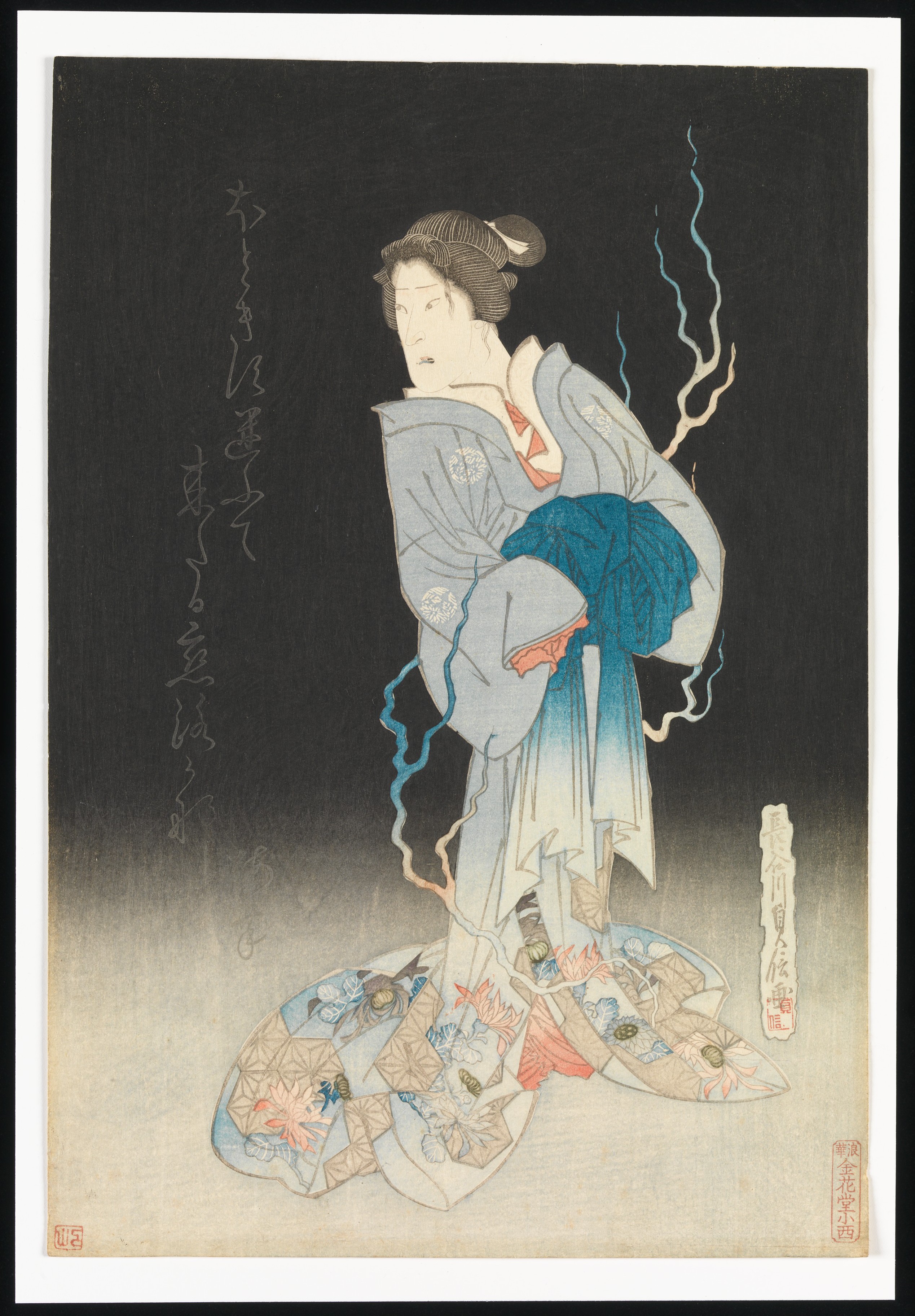
Kabuki Actor Onoe Kikugorō III as the Spirit of the Courtesan Yonakishii
1841
Woodblock print; ink and color on paper; vertical ōban
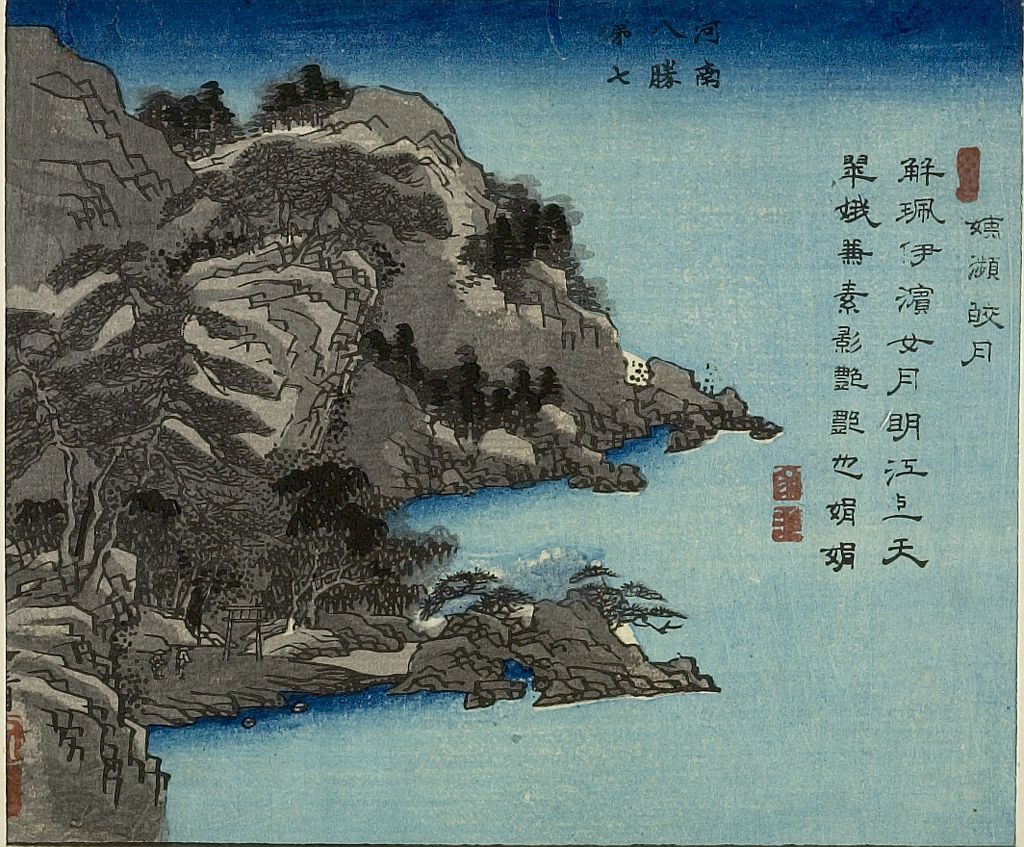
Moon over the Yi River (No. 7 from Henan Hasshō, Eight Excellent Views of Henan)
河南八勝 第七 伊瀬皎月
c. 1830s
Color woodblock print
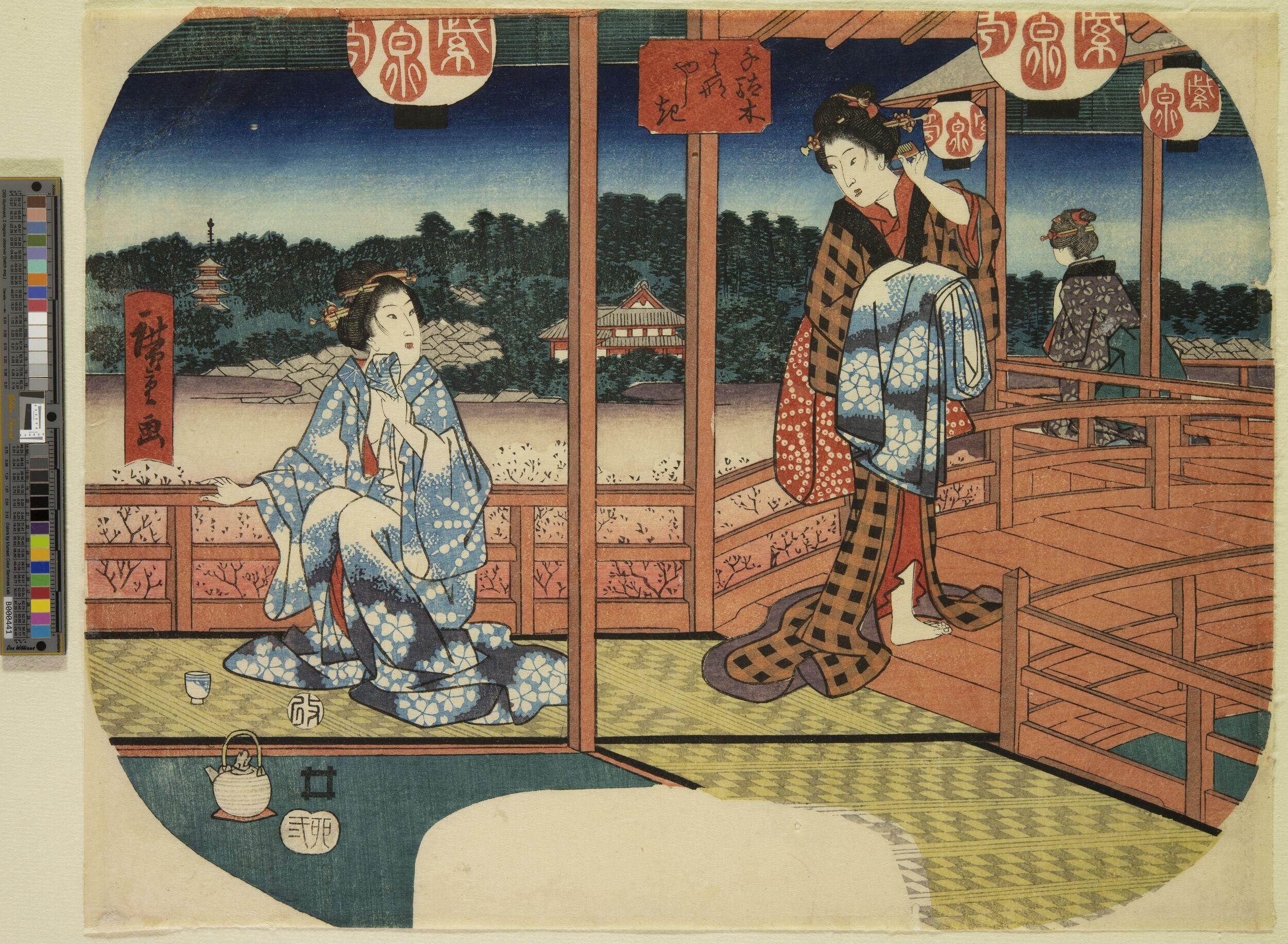
The Flower Pavilion at Sendagi
1855
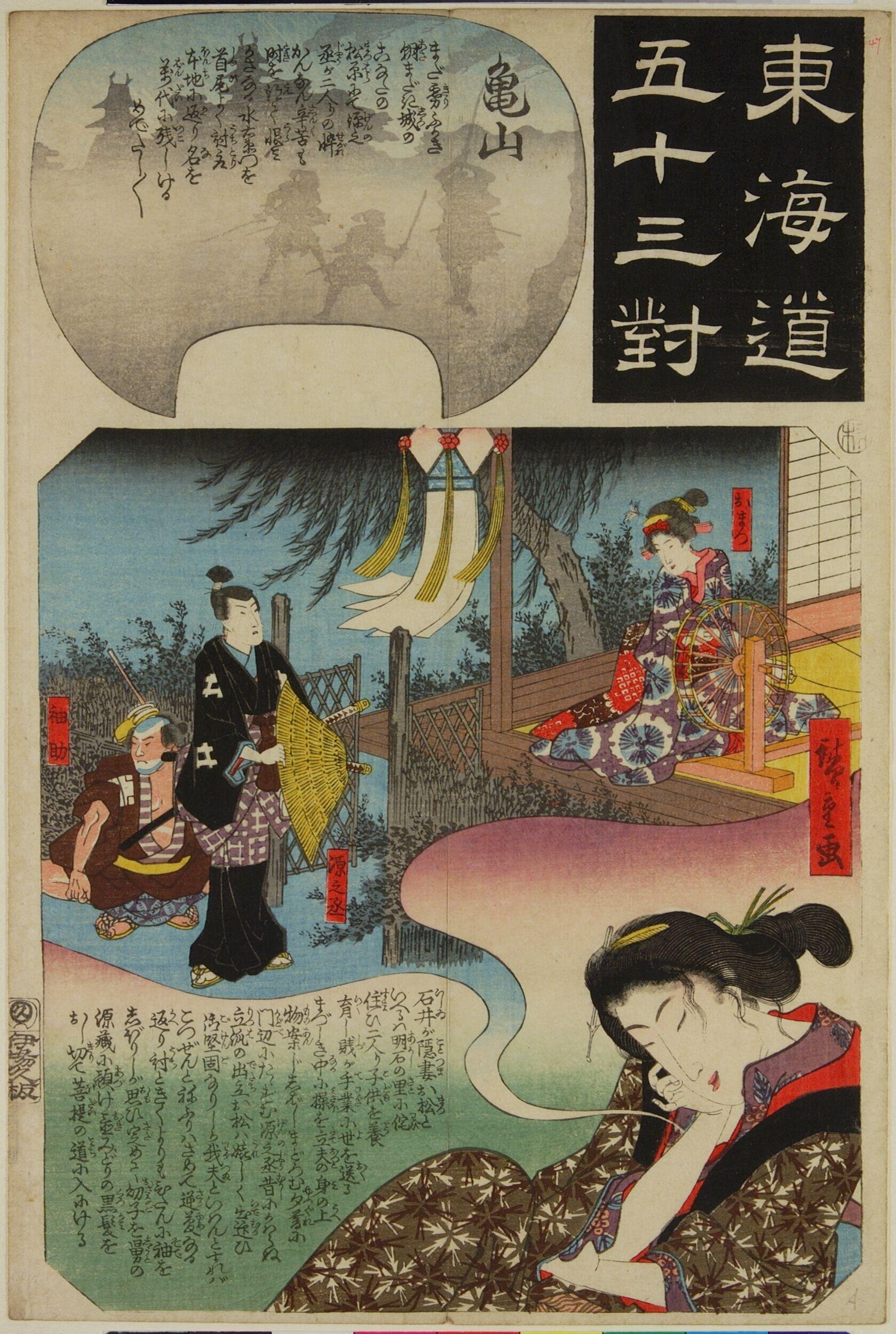
Kameyama (Kameyama)
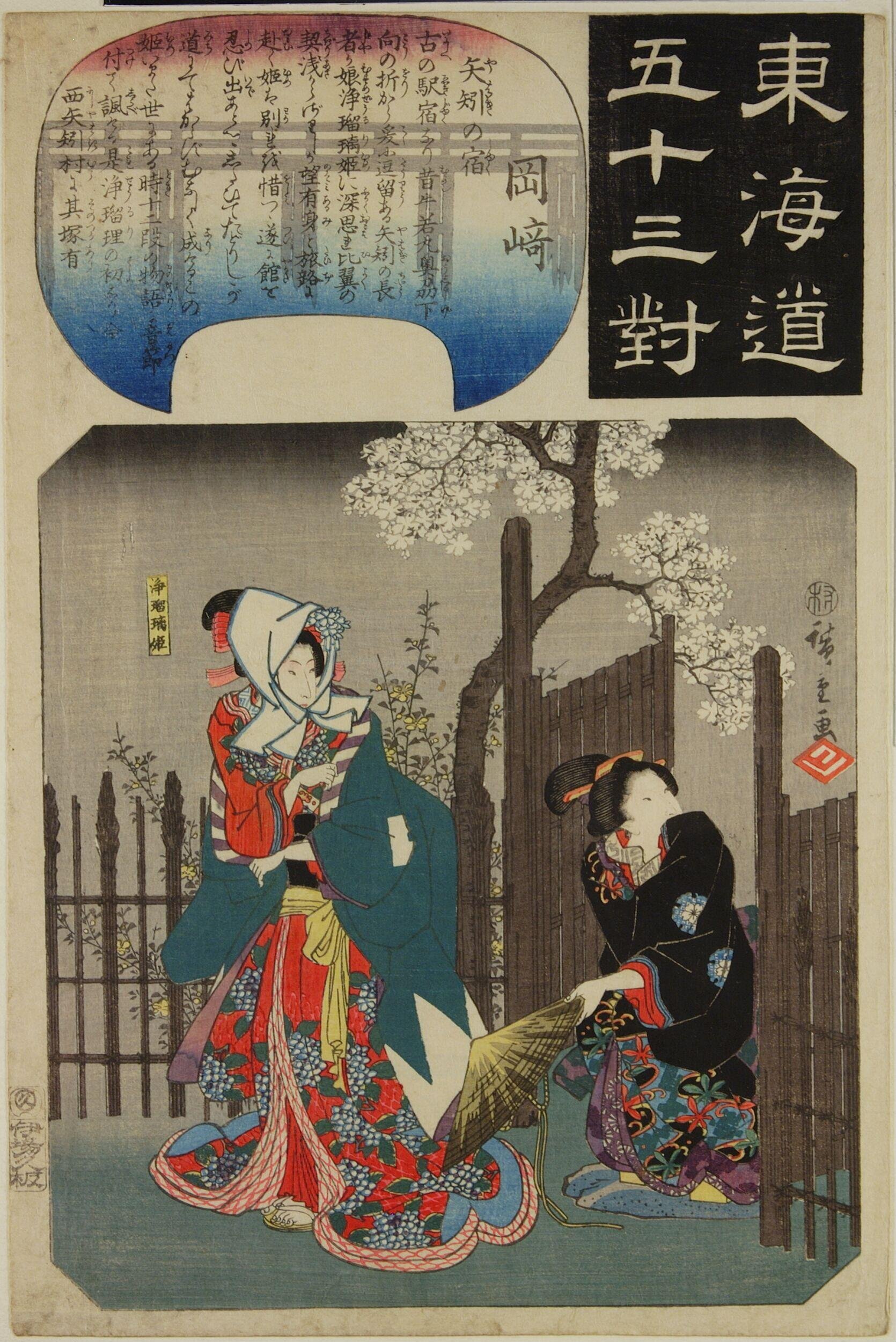
Okazaki: Yahagi Station (Yahagi no shuku)
No. 17, Yui: Satta Pass and Kurasawa Station (Satta tōge, Kurasawa tateba), from the series The Tōkaidō Road, The Fifty-three Stations (Tōkaidō, Gojūsan tsugi no uchi)
c. 1850-1851
Kinokuni Hill and Distant View of Akasaka Tameike (Kinokunizaka Akasaka Tameike enkei), Number 85 from the series One Hundred Famous Views of Edo (Meisho Edo hyakkei)
Edo period, dated 1856 (9th month)
Ukiyo-e woodblock print in "ōban" format; ink and color on paper
Foreigners Riding Along the Coast at Takanawa in the Eastern Capital (Tōtō Takanawa kaigen), from the series One Hundred Views of Famous Places in Various Provinces (Shōkoku meishō hyakkei), published by Uoya Eikichi
Late Edo period, ninth month of 1861
Yokohama woodblock print in ōban format; ink and color on paper
Autumn View of Takanawa (Takanawa aki no kei), from the series Famous Places in Edo (Edo meisho)
20th century
Woodblock print; ink and color on paper
Clear Weather after Snow at the Sumida River Ferry (Sumidagawa watashiba yukibare no zu), from the series Famous Places in the Eastern Capital (Tōto meisho no uchi)
20th century
Woodblock print; ink and color on paper
No. 5, Hodogaya: Distant View of the Kamakura Mountains from the Boundary Tree Posthouse (Hodogaya, Kyōboku tateba Kamakurayama enbō), from the series Famous Sights of the Fifty-three Stations (Gojūsan tsugi meisho zue), also known as the Vertical Tōkaidō
20th century
Woodblock print; ink and color on paper
Shirasuka: The Legend of Onnaya (Onnaya no den), from the series Fifty-three Pairings for the Tōkaidō Road (Tōkaidō gojūsan tsui)
20th century
Woodblock print; ink and color on paper
THE FIFTY-THREE STATIONS OF THE TOKAIDO
19th century
Ink on paper
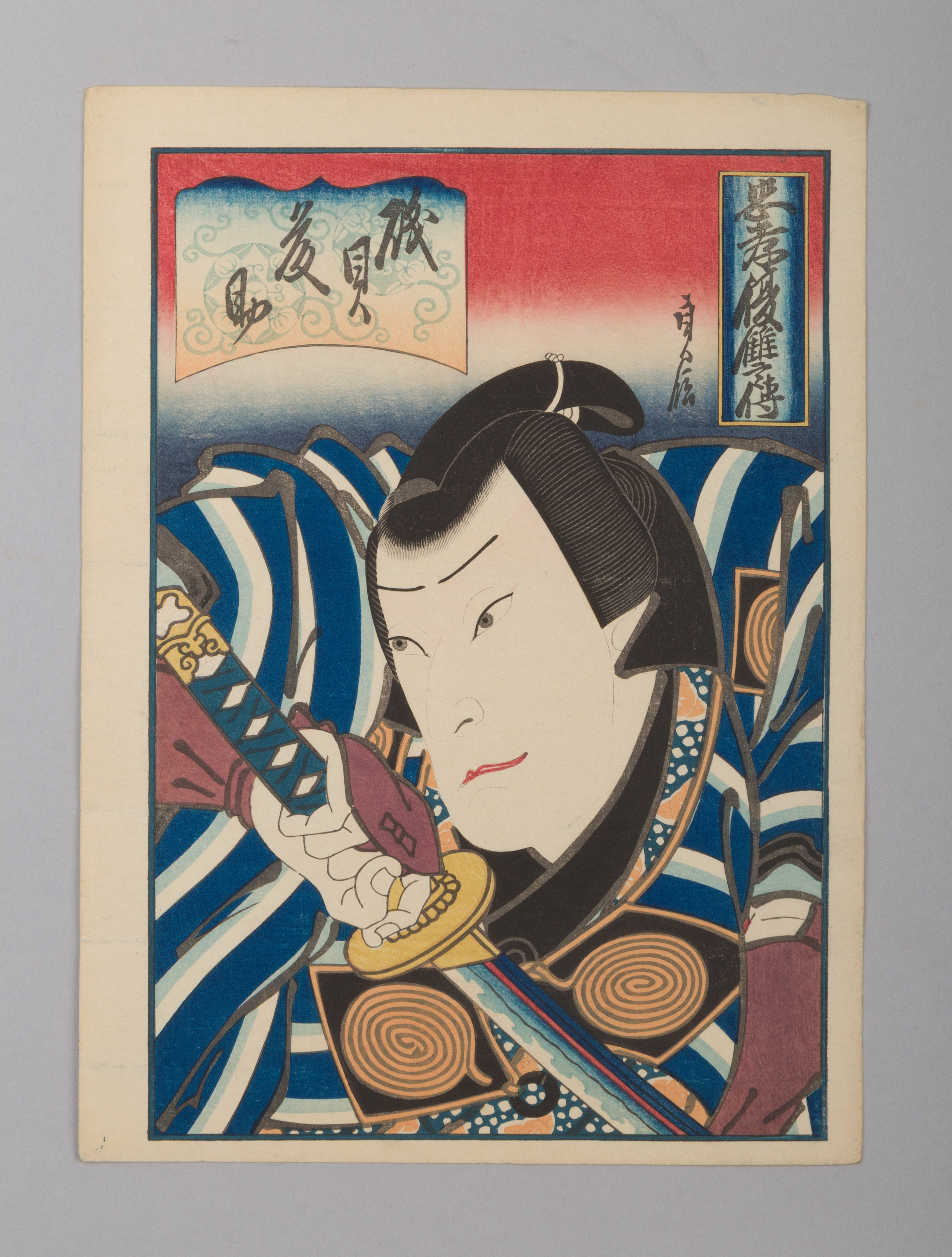
The Actor Arashi Rikaku II as Isogai Tōsuke, from the series Lives of Men who Carried Out Revenge for Loyalty or Filial Piety
1848
Woodblock print (nishiki-e); ink and color on paper; vertical chūban
River Landscape with Fishing Boat and Distant Mountains
山水図
c. 1830s–1840s
Color woodblock print
Related Subjects
Frequently Asked Questions
Landscapes are the most celebrated subject in Japanese woodblock printmaking, encompassing mountain vistas, coastal panoramas, river valleys, and rural scenes that have defined the genre for centuries. The tradition reached its first peak with Hokusai's "Thirty-six Views of Mount Fuji" (1831) and Hiroshige's "Fifty-three Stations of the Tokaido" (1833-34), series that established the meisho-e (famous places) format as a cornerstone of ukiyo-e.
Utagawa Hiroshige, Kawase Hasui, and Hiroshi Yoshida are among the artists most associated with landscapes in our collection. Browse the full list of artists who explored this subject above.
Hanga currently catalogues 3812 prints tagged with landscapes, spanning ukiyo-e, shin-hanga, and sōsaku-hanga traditions where applicable.