Still Life Prints (402)
Still life subjects (seibutsu-ga) in Japanese woodblock prints encompass arrangements of objects — flowers in vases, fruit, pottery, books, musical instruments, seasonal decorations — that reveal the aesthetic sensibilities and material culture of their era. While less prominent than landscape or figure subjects, still life prints produced some of the tradition's most technically refined works, particularly in the surimono format of privately commissioned luxury prints. The surimono tradition of the late Edo period raised still life printing to its highest level, with artists creating elaborate compositions of carefully arranged objects using metallic pigments, blind embossing (karazuri), and other special techniques. These prints, often commissioned for poetry circles or New Year celebrations, combined visual beauty with literary allusion, as each object carried symbolic meaning accessible to educated viewers. Modern still life prints developed in two directions. Shin-hanga artists produced refined floral arrangements and seasonal compositions that continued the decorative tradition. Sosaku-hanga artists used still life subjects as vehicles for formal experimentation, abstracting everyday objects into bold compositions of color and shape. Artists like Saito Kiyoshi and Watanabe Sadao transformed simple subjects — persimmons, pottery, garden stones — into modernist compositions that brought the still life tradition into dialogue with international contemporary art.
Artists Known for Still Life



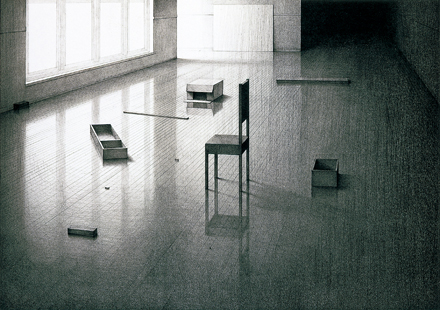

Light Time Silence #12
Lithograph

Light Time Silence #15
Lithograph

Light Time Silence #18
Lithograph

Light Time Silence #23
Lithograph

Light Time Silence #25
Lithograph

Light Time Silence #26
Lithograph

Light Time Silence #27
Lithograph

Light Time Silence #28
Lithograph

Light Time Silence #30
Lithograph

Light Time Silence M - C
Lithograph
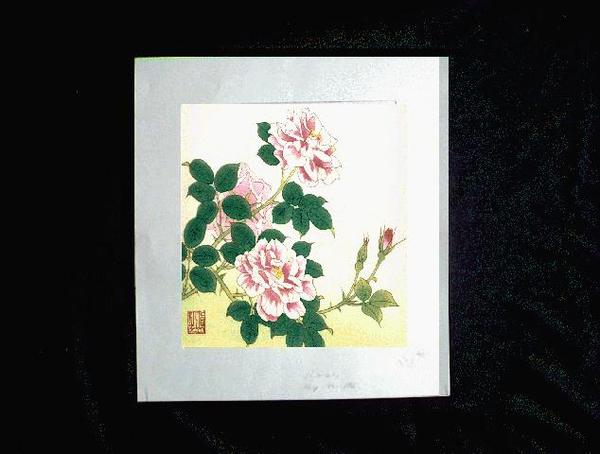
Roses
Woodblock print
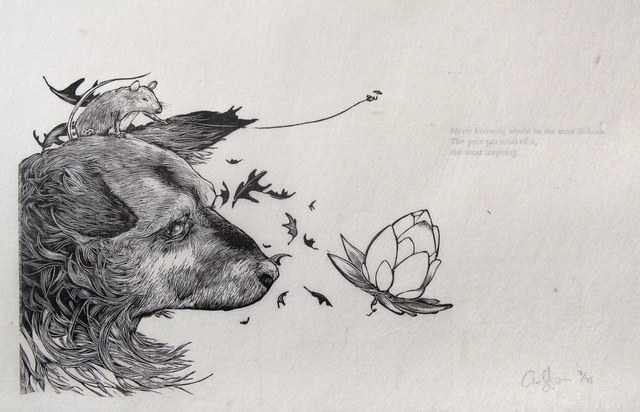
Pure Potential
Wood engraving & handset letterpress text
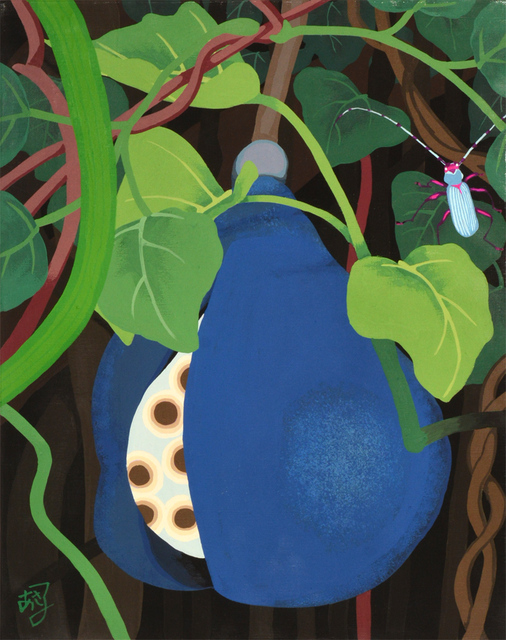
Blue Fruit
2020
Acrylic on canvas
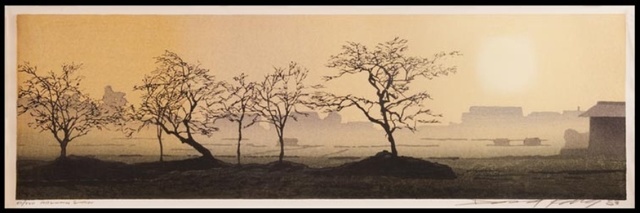
Persimmon Sunrise
1983
Woodblock on Arches 90lb hotpress watercolour paper
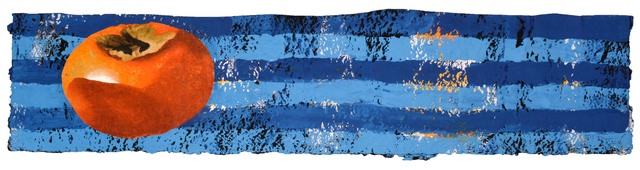
Thirteen Persimmons
2018
Mixed Media
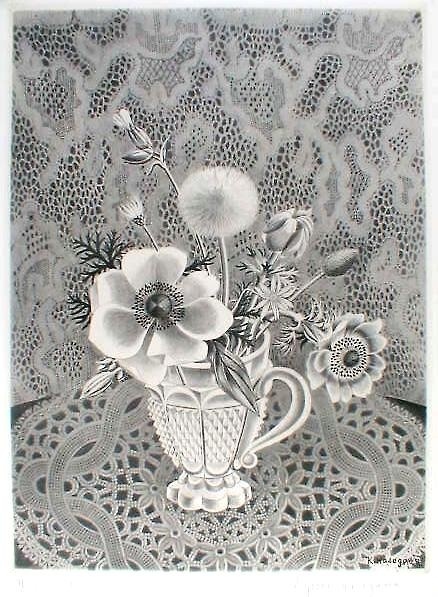
Anémonés et fleurs de champs dans un verre a facettes / Bouquet sur fond de dentelle
1945
Etching and aquatint
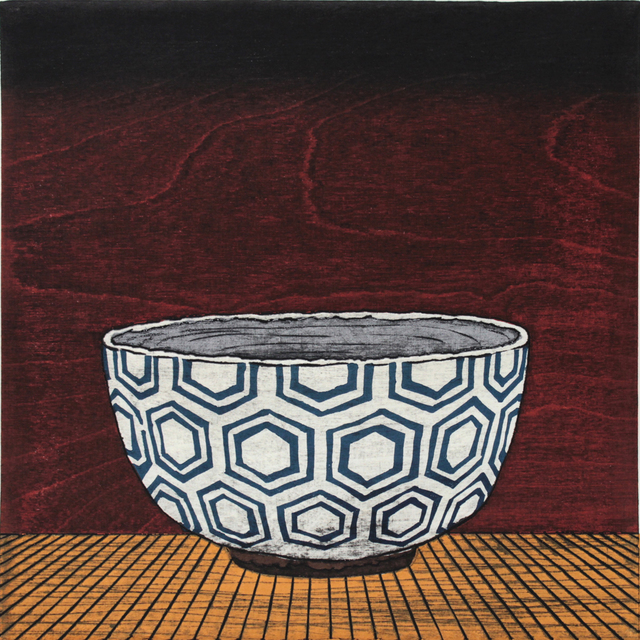
White Hexagon Tea Bowl
2017
Woodcut on Japanese Paper
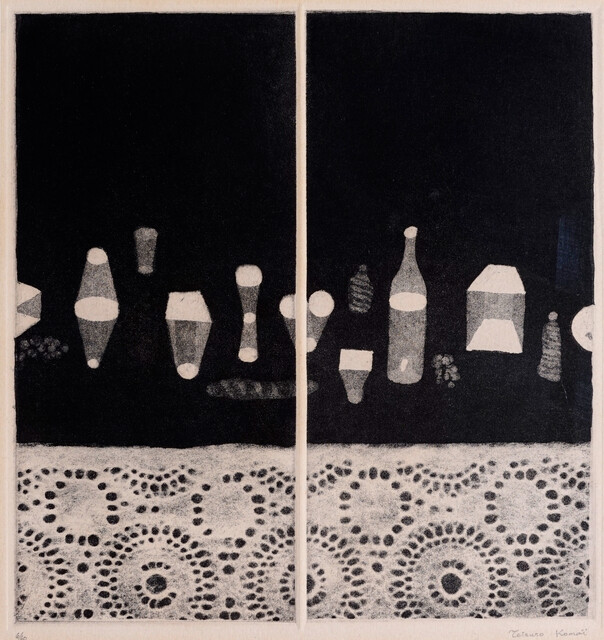
Still Life with Lace
1975
Aquatint and etching on paper
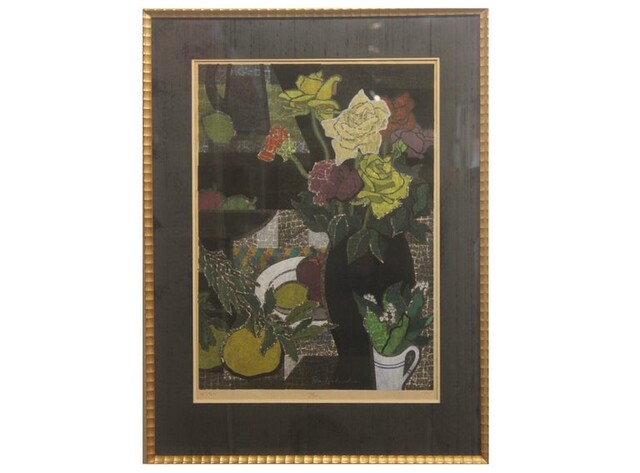
Japanese Wood Block Print Floral Still Life
1967
Woodcut print
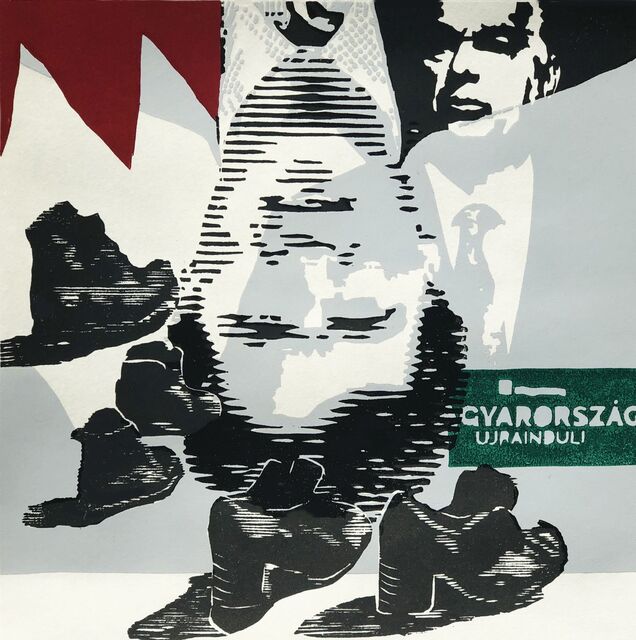
Still life with Viktor Orban and Inverted Tucker
2022
Color Woodblock
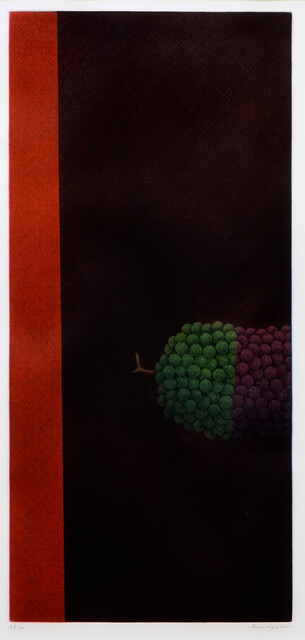
Cluster of grapes
1969
Mezzotint on paper
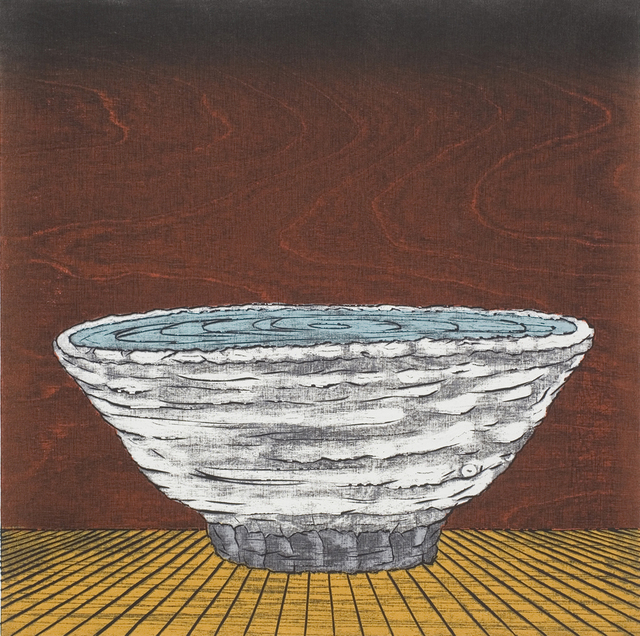
A Bowlful of Water
2015
Japanese Woodcut

Carrot and Two Garlic
Etching

Brush
Color etching with chine collé and hand coloring
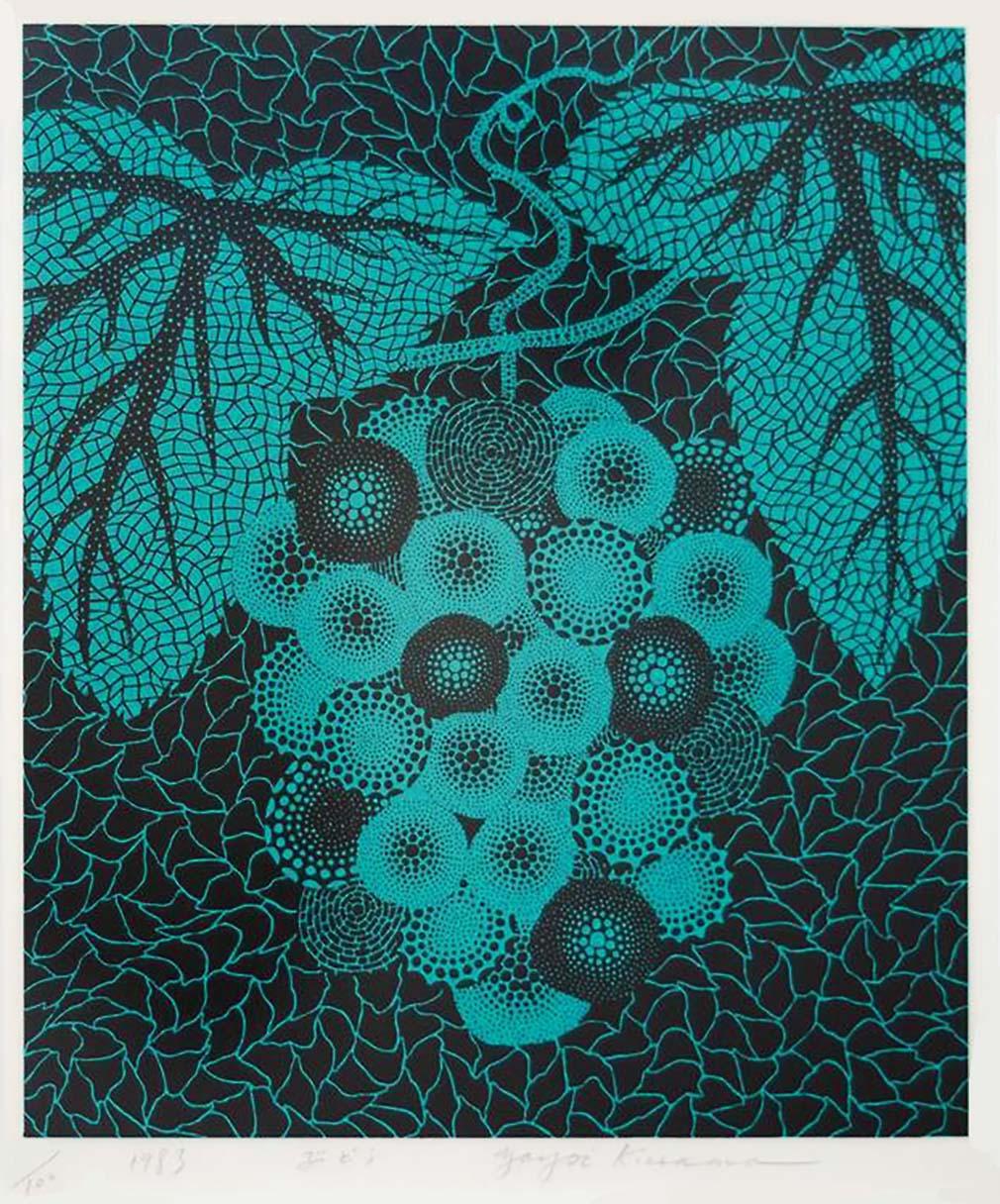
Grapes, Kusama 29
Screenprint
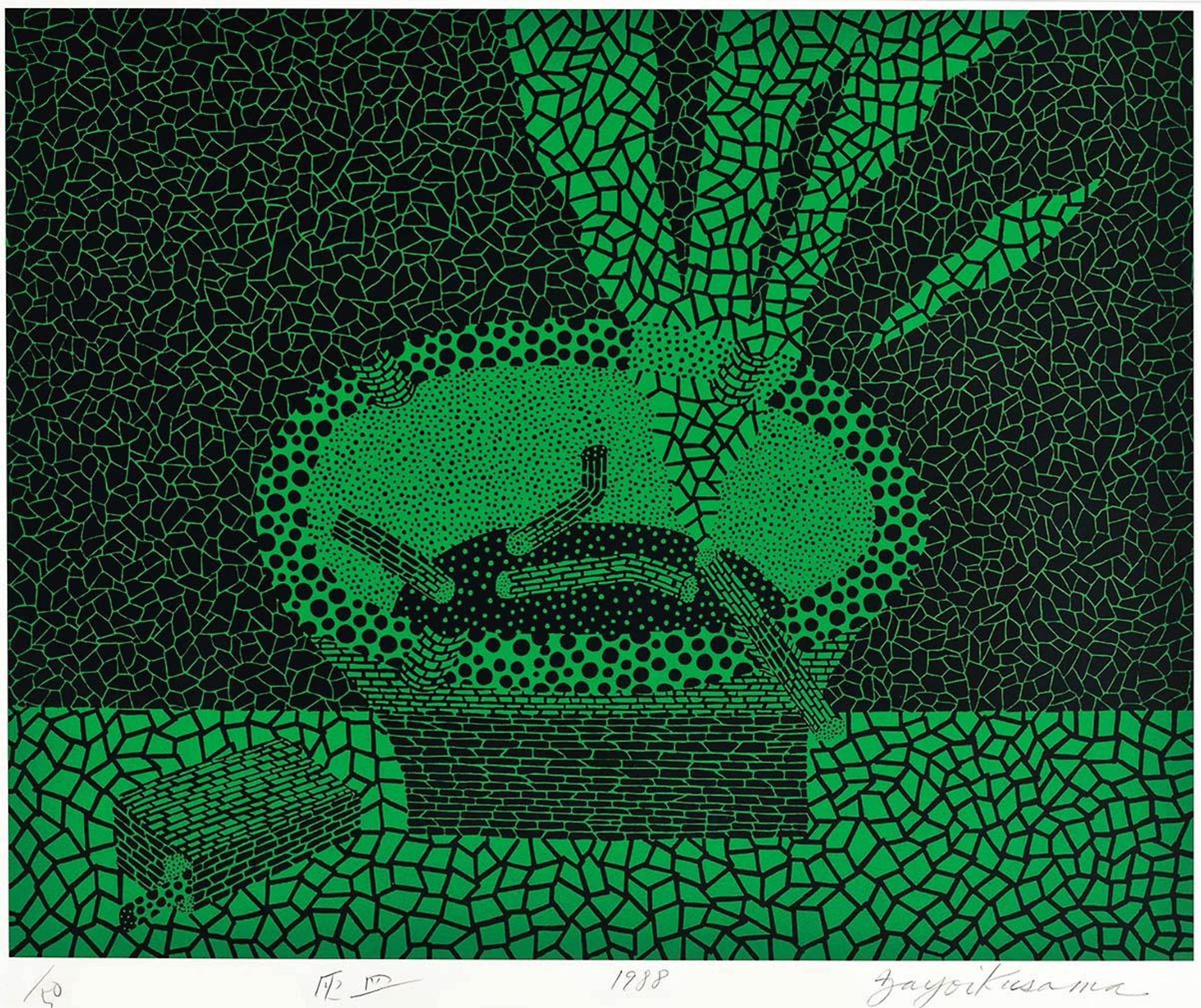
Ashtray
Silkscreen

Proverb - Smelly demon in a pickle jar
Woodblock print
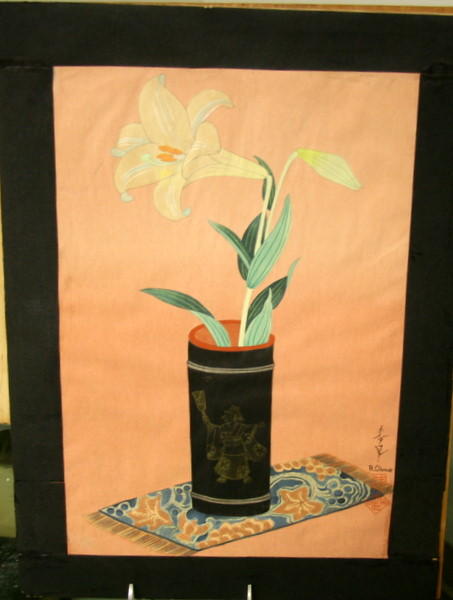
Lily In Bamboo Vase- V2
Woodblock print
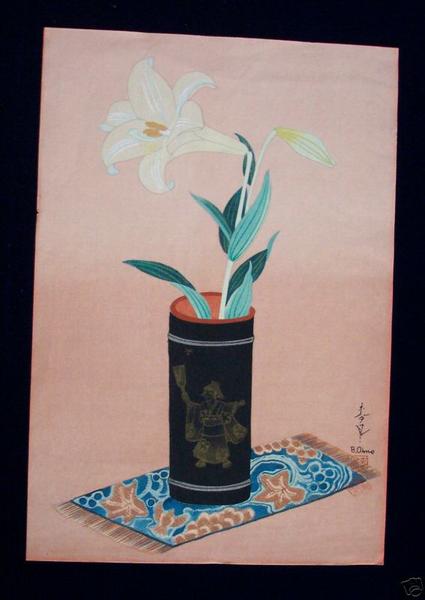
Lily In Bamboo Vase- V2
Woodblock print

Tea and Tea Bowl
Mokuhanga (Japanese woodblock)

A Room of One's Own -Still Life
Mokuhanga (Japanese woodblock)

Indigo Hexagon Tea Bowl
Mokuhanga (Japanese woodblock)

Tea Bowl Universe
Mokuhanga (Japanese woodblock)

White Hexagon Tea Bowl
Mokuhanga (Japanese woodblock)

Nude and vase
Mokuhanga (Japanese woodblock)

Nude and jar
Mokuhanga (Japanese woodblock)

Still-life with hand-cut vase
Mokuhanga (Japanese woodblock)

Carnations in a vase
Mokuhanga (Japanese woodblock)

Carnations in a vase
Mokuhanga (Japanese woodblock)

Composition of Western glass, jar and jug
Mokuhanga (Japanese woodblock)

Western lamps and jar
Mokuhanga (Japanese woodblock)

Man holding cup
Mokuhanga (Japanese woodblock)
Related Subjects
Frequently Asked Questions
Still life subjects (seibutsu-ga) in Japanese woodblock prints encompass arrangements of objects — flowers in vases, fruit, pottery, books, musical instruments, seasonal decorations — that reveal the aesthetic sensibilities and material culture of their era. While less prominent than landscape or figure subjects, still life prints produced some of the tradition's most technically refined works, particularly in the surimono format of privately commissioned luxury prints.
Ohno Bakufu, Nana Shiomi, and Hiratsuka Un'ichi are among the artists most associated with still life in our collection. Browse the full list of artists who explored this subject above.
Hanga currently catalogues 402 prints tagged with still life, spanning ukiyo-e, shin-hanga, and sōsaku-hanga traditions where applicable.