Landscapes Prints (3812)
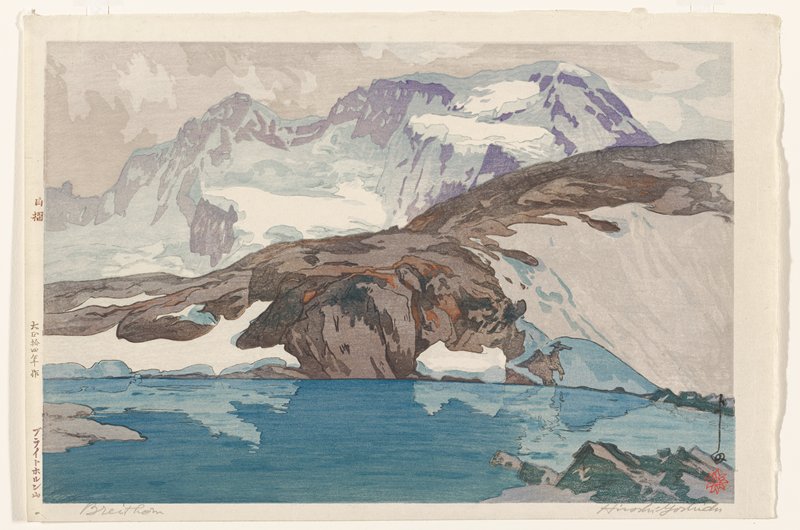
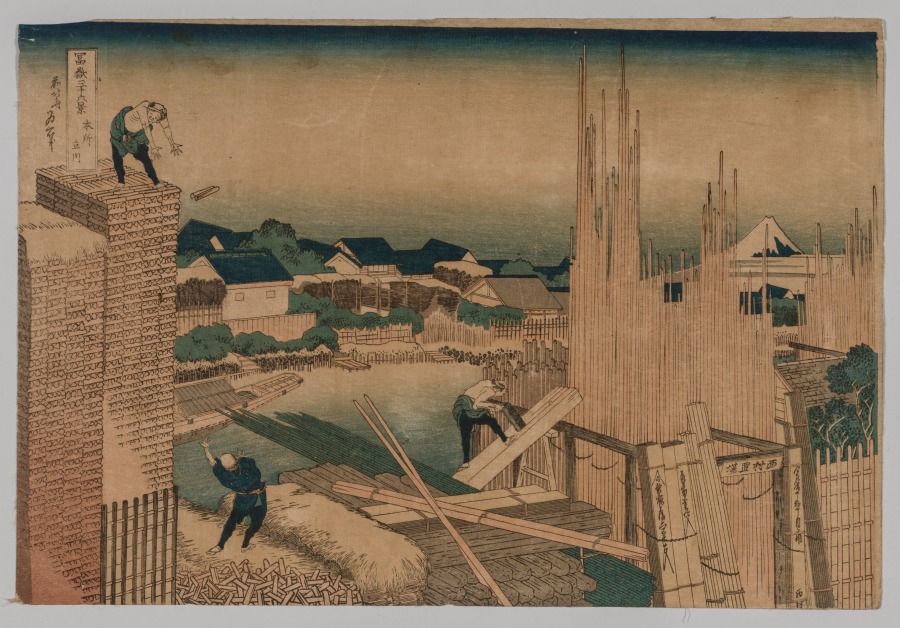
Landscapes are the most celebrated subject in Japanese woodblock printmaking, encompassing mountain vistas, coastal panoramas, river valleys, and rural scenes that have defined the genre for centuries. The tradition reached its first peak with Hokusai's "Thirty-six Views of Mount Fuji" (1831) and Hiroshige's "Fifty-three Stations of the Tokaido" (1833-34), series that established the meisho-e (famous places) format as a cornerstone of ukiyo-e. Shin-hanga artists of the early twentieth century, particularly Kawase Hasui and Hiroshi Yoshida, reinvented the landscape tradition by combining Western atmospheric effects with Japanese compositional sensibilities. Hasui's snow scenes and twilight views of rural Japan became iconic, while Yoshida's mountain studies introduced plein-air observation techniques unprecedented in woodblock printing. Sosaku-hanga artists like Toshi Yoshida and Shiro Kasamatsu further expanded the landscape vocabulary through personal expression and experimental color palettes. Japanese landscape prints typically emphasize seasonal atmosphere, weather conditions, and the interplay between human presence and natural grandeur. The use of bokashi (graduated color) and multiple impression techniques creates depth and luminosity that distinguish woodblock landscapes from other printmaking traditions.
Artists Known for Landscapes


Fuji through Smoke (Enchū no Fuji): Detached page from One Hundred Views of Mount Fuji (Fugaku hyakkei) Vol. 1
Edo period, 1834 (Tempō 5)
Ukiyo-e woodblock-printed book page; ink on paper
Picture Book Sumida River A Glance of Both Shores (Ehon Sumida gawa ryogan ichiran), Vol. 2
Woodblock-printed book; ink and color on paper
Women Stretching Cloth
Ukiyo-e woodblock-printed surimono or page from a printed book; ink and color on paper, and with printed signature reading "Sōri Aratame Hokusai Tatsumasa ga"

Yoshida, from the series "Fifty-three Stations of the Tokaido (Tokaido gojusan tsugi)," also known as the Tokaido with Poem (Kyoka iri Tokaido)
c. 1837/42
Color woodblock print; chuban

Yoshiwara: View of Fuji on the Left from Nawate (Yoshiwara, hidari Fuji no Nawate), from the series "Fifty-three Stations of the Tokaido (Tokaido gojusan tsugi)," also known as the Tokaido with Poem (Kyoka iri Tokaido)
c. 1837/42
Color woodblock print; chuban

Fujisawa, from the series "Fifty-three Stations of the Tokaido (Tokaido gojusan tsugi)," also known as the Tokaido with Poem (Kyoka iri Tokaido)
c. 1837/42
Color woodblock print; chuban

Mount Akiba in Totomi Province (Enshu Akibayama) from the series "Famous Places of Japan (Honcho meisho)"
c. 1837/39
Color woodblock print; oban

Takada Riding Grounds (Takada baba), from the series "Thirteen Views of the Environs of Edo"
c. 1837/44
Color woodblock print; ebangire, surimono

The Cave at Enoshima in Sagami Province (Soshu Enoshima iwaya no zu), from the series "Famous Places of Japan (Honcho meisho)"
c. 1837/39
Color woodblock print; oban

A Golden Pheasant amid Snow-Covered Bamboo on a Steep Hillside
c. 1840
Color woodblock print; chuban

Lingering Snow at Asukayama (Asukayama no bosetsu), from the series "Eight Views in the Environs of Edo (Edo kinko hakkei no uchi)"
1837-38
Color woodblock print; ōban

Hodogaya: Katabira River and Katabira Brige (Hodogaya, Katabiragawa Katabirabashi)—No. 5, from the series "Fifty-three Stations of the Tokaido (Tokaido gojusan tsugi)," also known as the Reisho Tokaido
c. 1847/52
Color woodblock print; oban

Kakegawa: The Crossroad at Akibayama (Kakegawa, Akibayama betsudo)—No. 27, from the series "Fifty-three Stations of the Tokaido (Tokaido gojusan tsugi)," also known as the Reisho Tokaido
c. 1847/52
Color woodblock print; oban

Narumi: Shops Selling the Famous Tie-dyed Fabric (Narumi, meisan shibori mise)—No. 41, from the series "Fifty-three Stations of the Tokaido (Tokaido gojusan tsugi)," also known as the Reisho Tokaido
c. 1847/52
Color woodblock print; oban

Sanjo Bridge (Sanjo Ohashi), from the series "Famous Places in Kyoto (Miyako meisho)"
c. 1849/50
Color woodblock print; uchiwa-e

The Young Murasaki (Wakamurasaki), from the series "Fifty-four Chapters of the Tale of Genji (Genji monogatari gojuyonjo)"
1852
Color woodblock print; oban

Shinobazu Pond at Ueno (Ueno Shinobazu no ike), from the series "Famous Places in Edo (Edo meisho)"
1852, third month
Color woodblock print; chu-tanzaku

Kiritsubo, from the series "Fifty-four Chapters of the Tale of Genji (Genji monogatari gojuyonjo)"
1852
Color woodblock print; oban

Shimosa Province: Choshi Beach on the Outer Bay (Shimosa, Choshi no hama Toura), from the series "Famous Places in the Sixty-odd Provinces (Rokujuyoshu meisho zue)"
1853
Color woodblock print; oban

Nihon Bridge to Edo Bridge (Nihonbashi Edobashi), from the series "Famous Places in Edo (Edo meisho)"
1853
Color woodblock print; oban

Owari Province: Tenno Festival at Tsushima (Owari, Tsushima Tenno matsuri), from the series "Famous Places in the Sixty-odd Provinces (Rokujuyoshu meisho zue)"
1853
Color woodblock print; oban

Awa Province: Naruto Whirlpools (Awa, Naruto no fuha), from the series "Famous Places in the Sixty-odd Provinces (Rokujuyoshu meisho zue)"
1855
Color woodblock print; oban
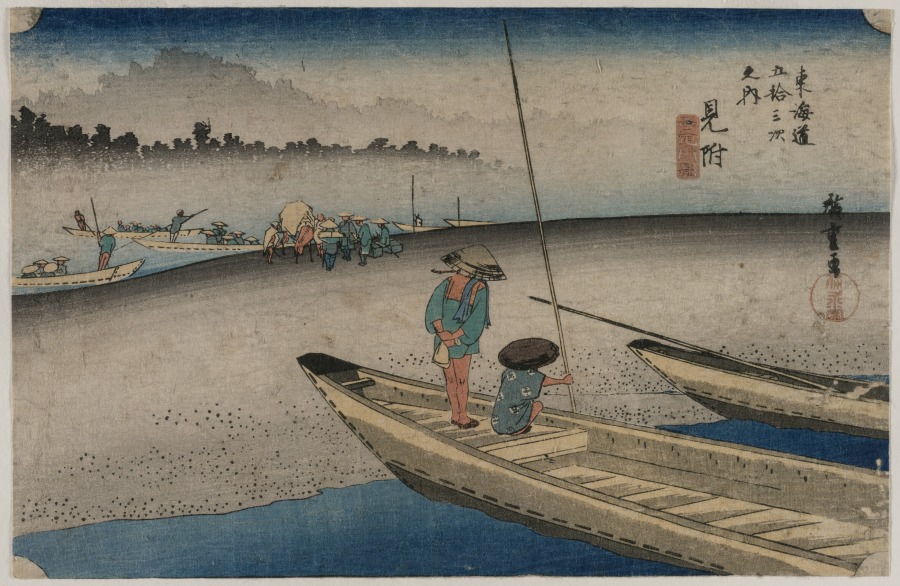
Picture of the Tenryu River near Mitsuke (Station 29), from the series Fifty-Three Stations of the Tokaido
1833
color woodblock print
The Snowy Garden
1854
Triptych of color woodblock prints, ink and color on paper
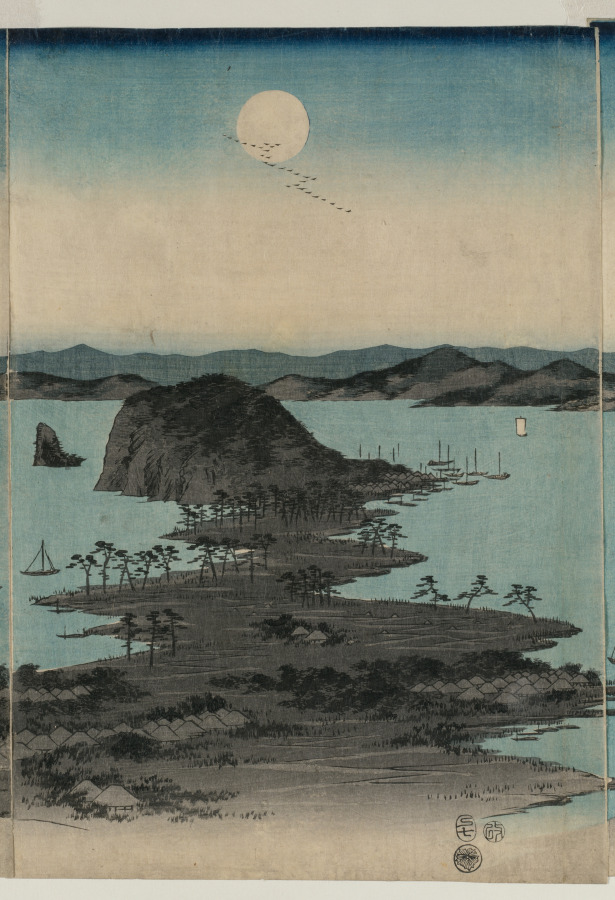
Full Moon on Kanazawa, Musashi
1857
One of a triptych of color woodblock prints
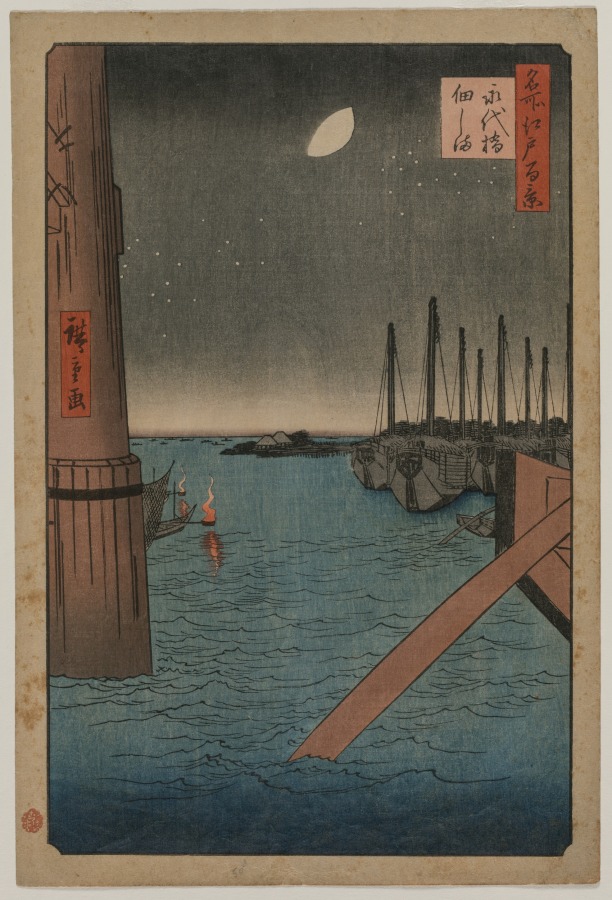
Tsukudajima from Eitai Bridge, from the series One Hundred Views of Famous Places in Edo
1858
color woodblock print

Koto and New Year’s Offering, illustration for The Akoya Beach Shell (Akoyagai), from the series "A Matching Game with Genroku-period Poem Shells (Genroku kasen kai awase)"
1821
Color woodblock print; nishikie with metallic pigments and blindprinting; surimono shikishiban

Six women seated around a bird cage
1823
Color woodblock print; surimono

Shichirigahama Beach in Sagami Province (Shoshu Shichirigahama), from the series "Thiry-six Views of Mount Fuji (Fugaku sanjurokkei)"
c. 1830/33
Color woodblock print; oban

Landscape with waterfall, from an untitled series of chuban prints
c. 1831
Color woodblock print; chuban

Yahagi Bridge at Okazaki on the Tokaido (Tokaido Okazaki Yahagi no hashi), from the series “Unusual Views of Famous Bridges in Various Provinces (Shokoku meikyo kiran)”
c. 1833/34
Color woodblock print; oban

Sangi Takamura, from the series "One Hundred Poems as Explained by the Wet Nurse (Hyakunin isshu uba ga etoki)"
1835/36
Color woodblock print; oban

Poem by Fujiwara no Yoshitaka, from the series One Hundred Poems by One Hundred Poets Explained by an Old Nurse
1835–36
Color woodblock print

Poem by Gon-Chunagon Masafusa (Oe no Masafusa), from the series “One Hundred Poems by One Hundred Poets Explained by a Wet Nurse (Hyakunin isshu uba ga etoki)”
1921
Color woodblock print

Ippitsu gafu
1823
Woodblock- printed book; 1 vol.

Wagon of Humorous Odes of Isuzugawa (Isuzugawa kyōka guruma)
1802 Kyōwa 2
Woodblock- printed book; 1 vol.
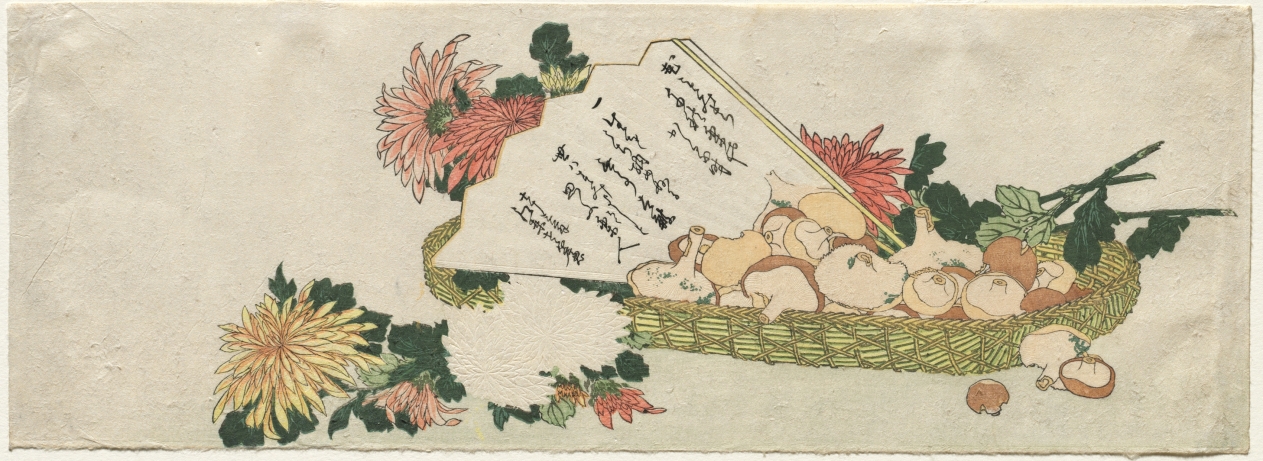
Basket with Fan, Chrysanthemums, and Mushrooms
early 1800s
color woodblock print
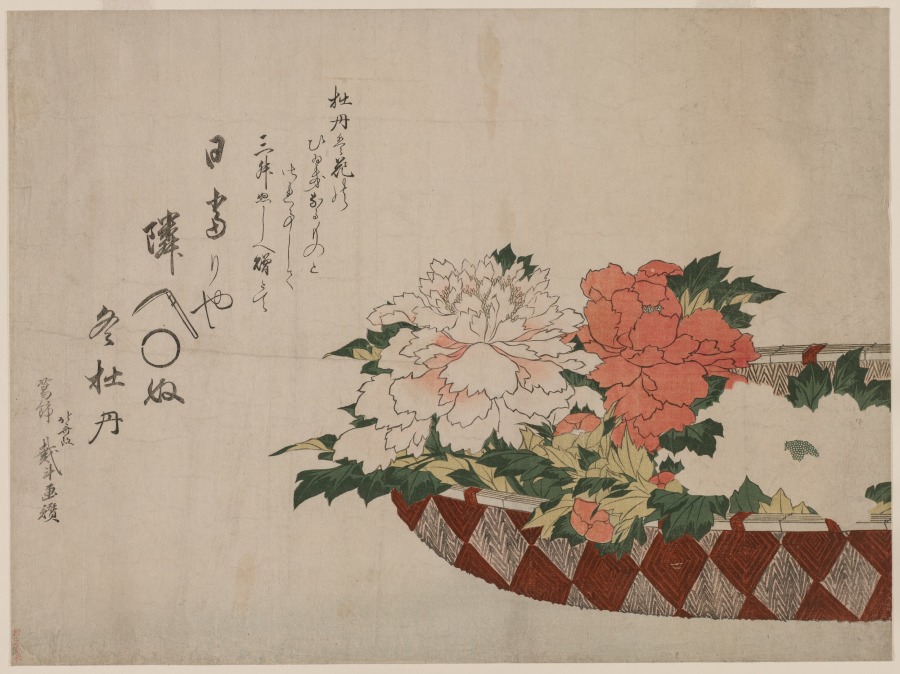
Basket of Peonies
1810 or 1814
color woodblock print; surimono
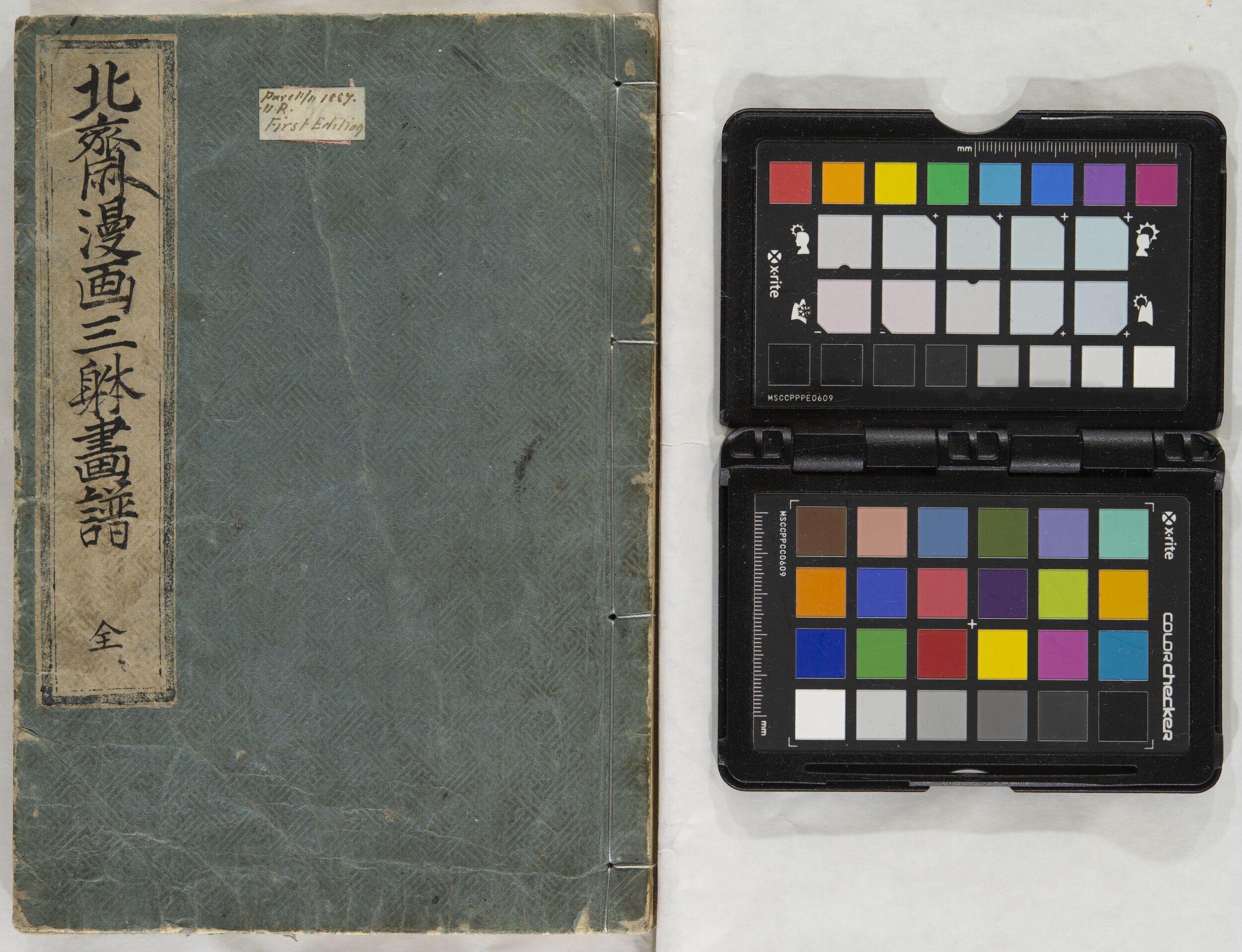
Three Styles of Drawing (Santai gafu)
1816
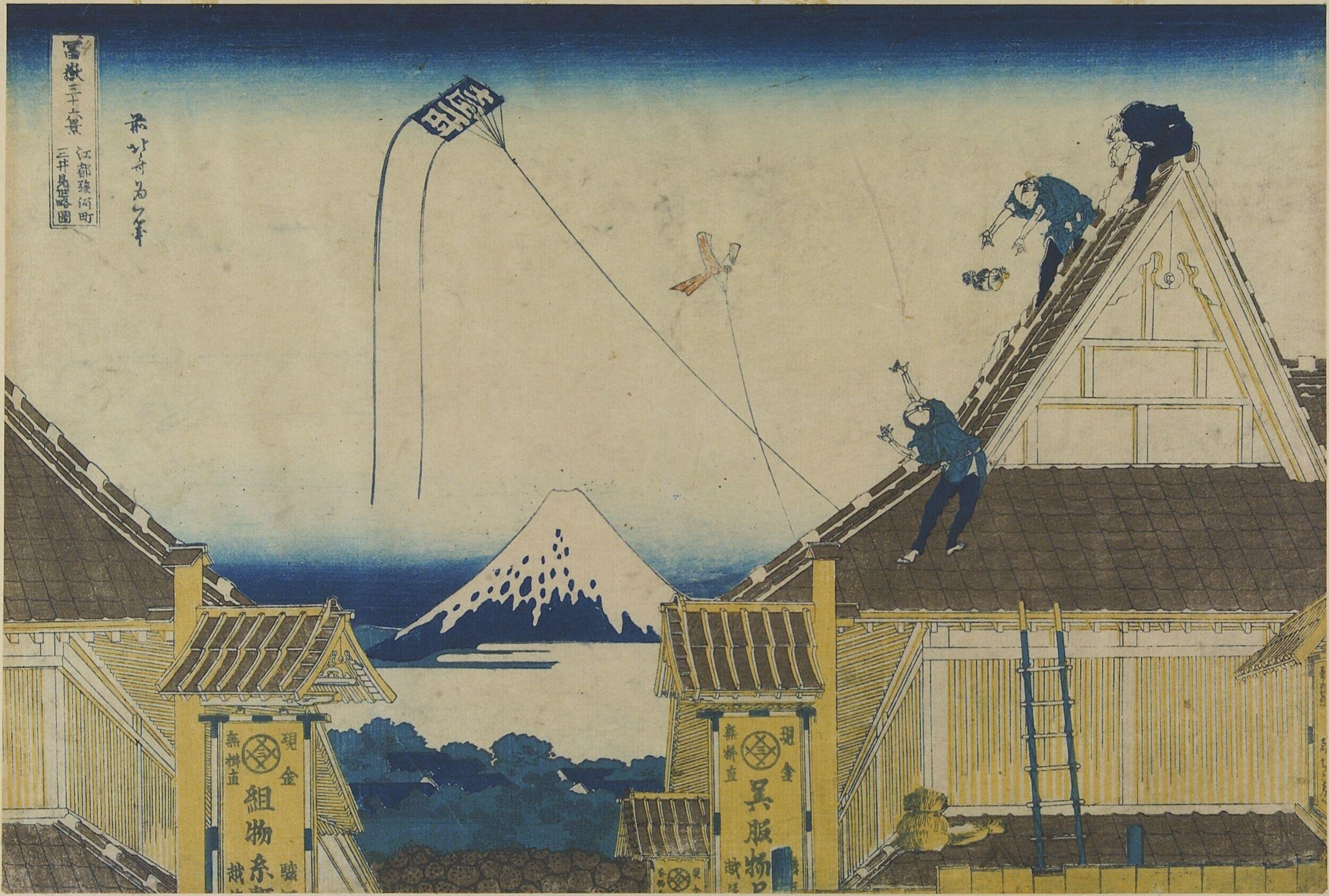
The Mitsui Shop at Suruga-chō in Edo (Edo Suruga-chō Mitsui-mise ryakuzu)
ca. 1830-31
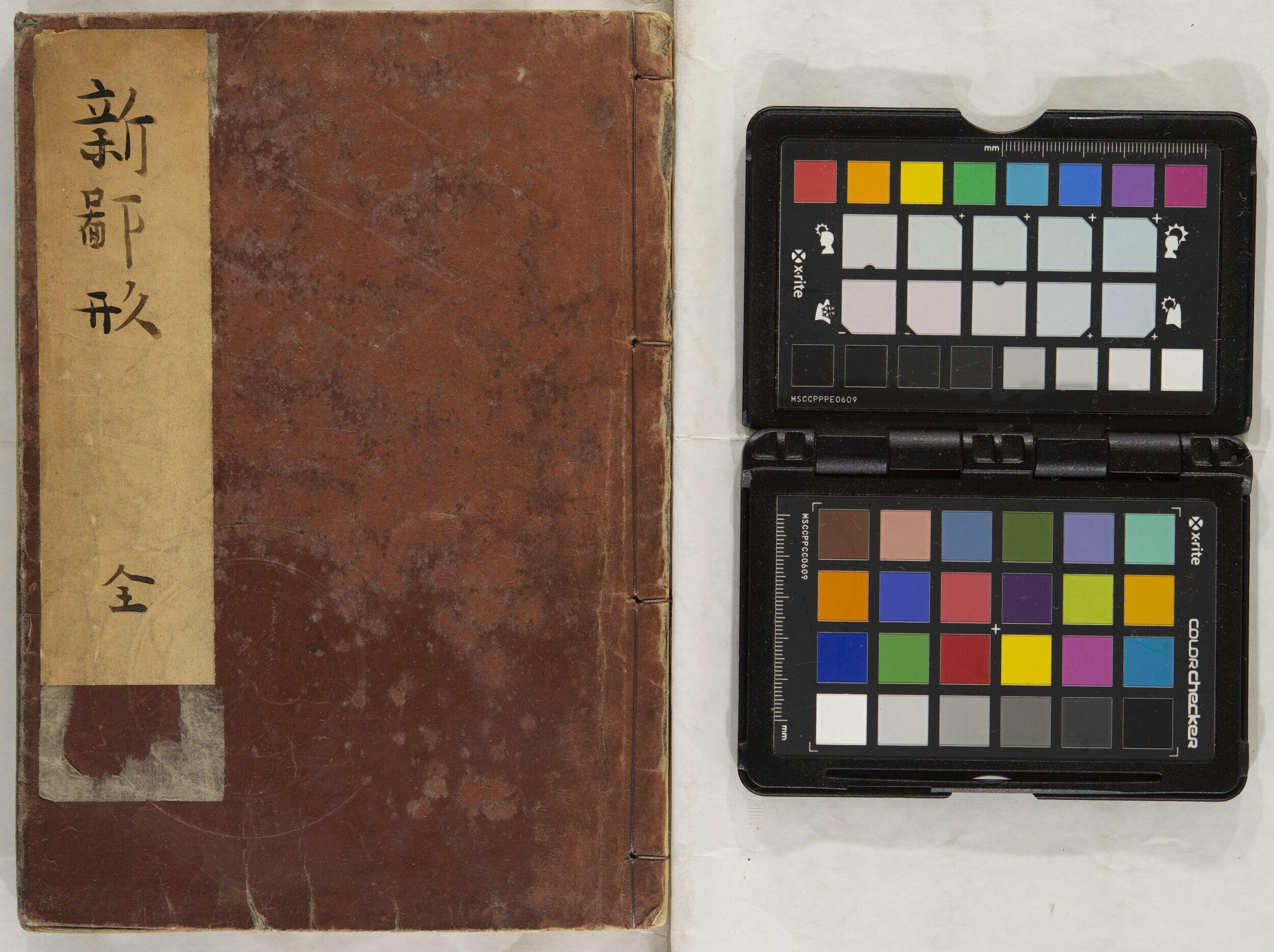
Picture Book of New Patterns for Various Trades (Shoshoku ehon shin hinagata)
1836
Autumn Moon Over the Ryōgoku Bridge (Ryōgoku no shūgetsu), from the series Eight Fashionable Views of Edo (Fūryū Tōto hakkei)
Late Edo period, circa 1803-1805
Woodblock print (surimono); ink and color on paper
Scented Pillow, Pickled Eggplant Box and Takarabune Print/The Pillow Shell (Makuragai), from the series Shell-Matching Game with Genroku Poets (Genroku kasen kai-awase)
Edo period, datable to 1821
Ukiyo-e woodblock-printed "surimono" in "shikishiban" format; ink, color and metallic pigment on paper, with printed signature reading "Getchi Rōjin I-itsu hitsu"
One Hundred Views of Mount Fuji (Fugaku hyakkei), Volumes 1 & 2
Edo period, 1834-1835 (Tempō 5-6)
Woodblock-printed books; ink on paper
One Hundred Views of Mount Fuji (Fugaku hyakkei), Vol. 3
1835 (Tempō 6)
Thread-bound ukiyo-e woodblock-printed book in "hanshi-bon" format; ink on paper
Hokusai manga (Hokusai Sketchbooks), vol. 13
Late Edo period, dated 1849
Woodblock-printed book; ink and light color on paper
Hokusai jimbutsu gafu
Woodblock-printed book; ink on paper
Illustrated Book of Filial Piety (Ehon kōkyō), vol. 1
Woodblock-printed book; ink and on paper

Oiso, from the series "Fifty-three Stations of the Tokaido (Tokaido gojusan tsugi)," also known as the Tokaido with Poem (Kyoka iri Tokaido)
c. 1837/42
Color woodblock print; chuban

Kawasaki, from the series "Fifty-three Stations of the Tokaido (Tokaido gojusan tsugi)," also known as the Tokaido with Poem (Kyoka iri Tokaido)
c. 1837/42
Color woodblock print; chuban

Shimada, from the series "Fifty-three Stations of the Tokaido (Tokaido gojusan tsugi)," also known as the Tokaido with Poem (Kyoka iri Tokaido)
c. 1837/42
Color woodblock print; chuban

Kanaya, from the series "Fifty-three Stations of the Tokaido (Tokaido gojusan tsugi)," also known as the Tokaido with Poem (Kyoka iri Tokaido)
c. 1837/42
Color woodblock print; chuban

Amanohashidate, from the series "Famous Places of Japan (Honcho meisho)"
c. 1837/39
Color woodblock print; oban

Sunrise on New Year's Day at the Musashiya Restaurant in Susaki (Susaki hatsu hinode, Musashiya), from the series "Famous Restaurants of Edo (Edo komei kaitei zukushi)"
c. 1838/40
Color woodblock print; oban

A Snowy Gorge on the Fuji River
c. 1842
Color woodblock print; vertical oban diptych

Snow at Benzaiten Shrine in Inokashira Pond (Inokashira no ike Benzaiten no yashiro yuki no kei), from the series "Snow, Moon, and Flowers at Famous Places (Meisho setsugekka)"
c. 1844/45
Color woodblock print; oban

Black-naped oriole and clematis (Facsimile?)
1840s
Color woodblock print; aitanzaku

The Sumida River in Winter (Fuyu, Sumidagawa), from the series "Views of the Four Seasons in Famous Places (Meisho shiki no nagame)"
early 1840s
Woodblock print; chuban

Otsu—No. 54, from the series "Fifty-three Stations of the Tokaido (Tokaido gojusan tsugi)," also known as the Reisho Tokaido
c. 1847/52
Color woodblcok print; oban

Totsuka—No. 6, from the series "Fifty-three Stations of the Tokaido (Tokaido gojusan tsugi)," also known as the Reisho Tokaido
c. 1847/52
Color woodblock print; oban
Related Subjects
Frequently Asked Questions
Landscapes are the most celebrated subject in Japanese woodblock printmaking, encompassing mountain vistas, coastal panoramas, river valleys, and rural scenes that have defined the genre for centuries. The tradition reached its first peak with Hokusai's "Thirty-six Views of Mount Fuji" (1831) and Hiroshige's "Fifty-three Stations of the Tokaido" (1833-34), series that established the meisho-e (famous places) format as a cornerstone of ukiyo-e.
Utagawa Hiroshige, Kawase Hasui, and Hiroshi Yoshida are among the artists most associated with landscapes in our collection. Browse the full list of artists who explored this subject above.
Hanga currently catalogues 3812 prints tagged with landscapes, spanning ukiyo-e, shin-hanga, and sōsaku-hanga traditions where applicable.