Snow Scenes Prints (870)
Snow scenes (yuki no keshiki) hold a special place in Japanese woodblock printmaking as one of the tradition's most technically demanding and aesthetically prized subjects. The challenge of depicting whiteness — using the paper itself as the primary "color" for snow — required exceptional planning from the artist and virtuosic restraint from the printer, who had to leave precise areas of the block unprinted while building up surrounding tones. Hiroshige's snow scenes, particularly in "One Hundred Famous Views of Edo" and the "Fifty-three Stations of the Tokaido," established the visual vocabulary of the genre: falling flakes rendered as white spaces against dark skies, snow-laden branches bowing under crystalline weight, and human figures hunched against winter cold. His ability to convey the hush and stillness of a snow-covered landscape through the woodblock medium influenced every subsequent generation of printmakers. Kawase Hasui made snow scenes a signature specialty, producing dozens of views that are among shin-hanga's most sought-after images. His prints of temple gates, mountain villages, and riverside scenes under fresh snowfall achieve a crystalline clarity and contemplative calm that epitomize the movement's aesthetic. The technical achievement of these prints — particularly the subtle blue and gray gradations surrounding areas of pure white paper — represents some of the highest accomplishments of the woodblock printing craft.
Artists Known for Snow Scenes



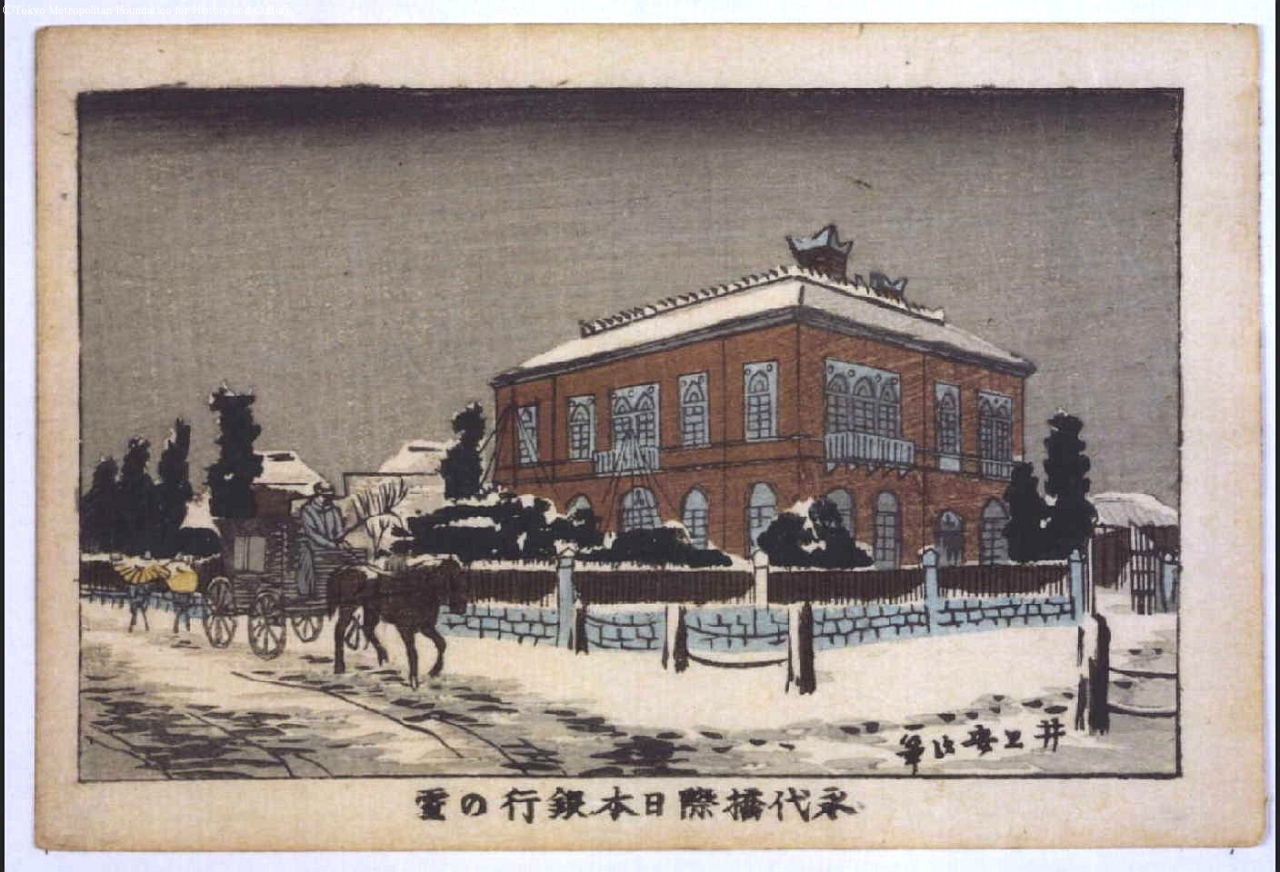
True Pictures of Famous Places in Tokyo: Snow Scene of the Bank of Japan near Eitaibashi Bridge
Woodblock print
Clear Sky after Snow at the Old Castle Keep
c. 1877 (Meiji 10)
Woodblock print (nishiki-e): ink and color on paper
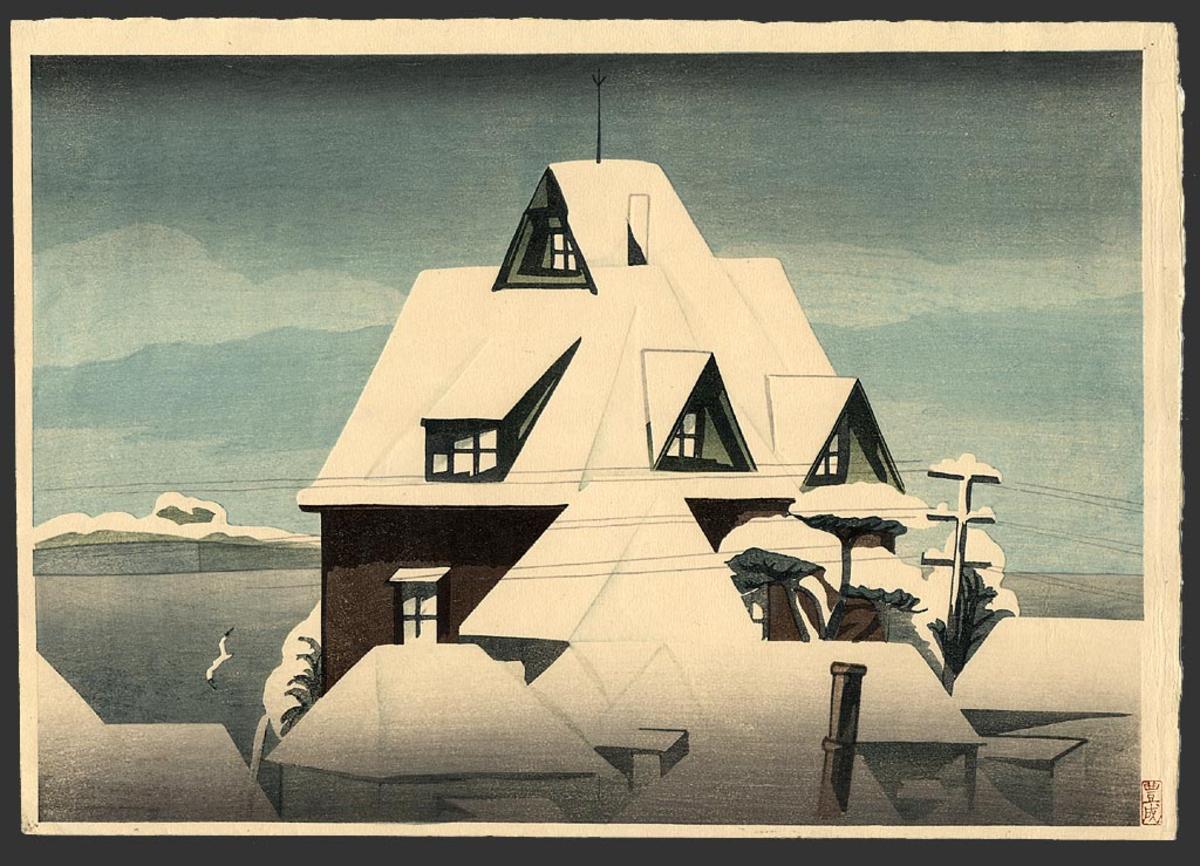
Snowy rooftops
Woodblock print
![Light Snow, Customs of Young Women: Beauty of the Fifteenth Year of Meiji [1882] (Meiji Jugonen Koro no Fuzoku) by Kaburaki Kiyokata](https://data.ukiyo-e.org/scholten/images/dd121e23b3aa0e77864754bb13fc0cc9.jpg)
Light Snow, Customs of Young Women: Beauty of the Fifteenth Year of Meiji [1882] (Meiji Jugonen Koro no Fuzoku)
1925
Woodblock print
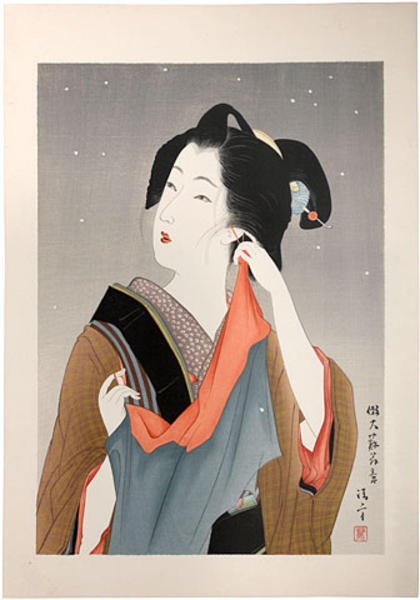
Light Snowfall- V1
Not set
Woodblock print

Japanese House in Snow / Snowy Morning
Early 20th century, or 1940s printing of earlier design
Color woodblock print

Snow hare 63/300
1942
Woodblock print
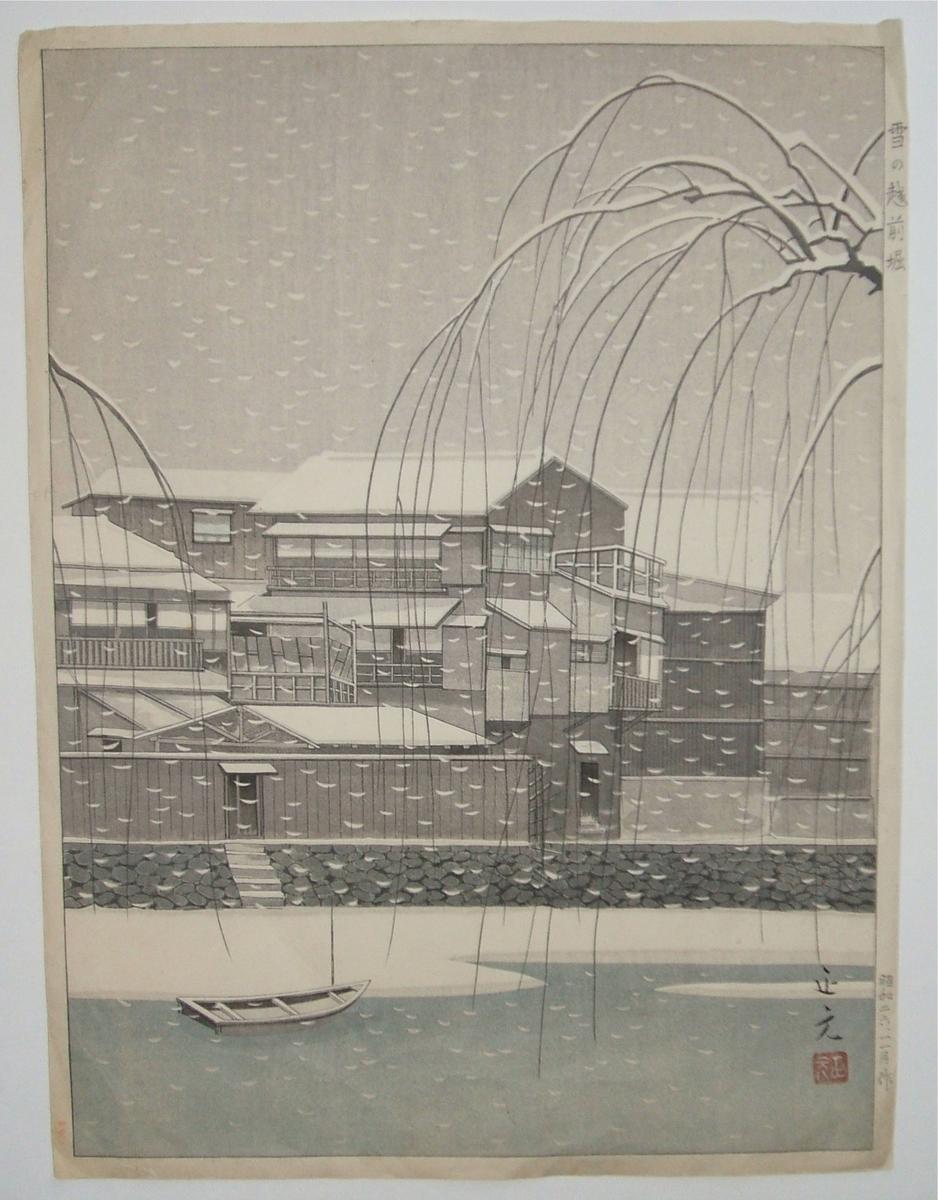
Snow in Unknown
110
Woodblock print
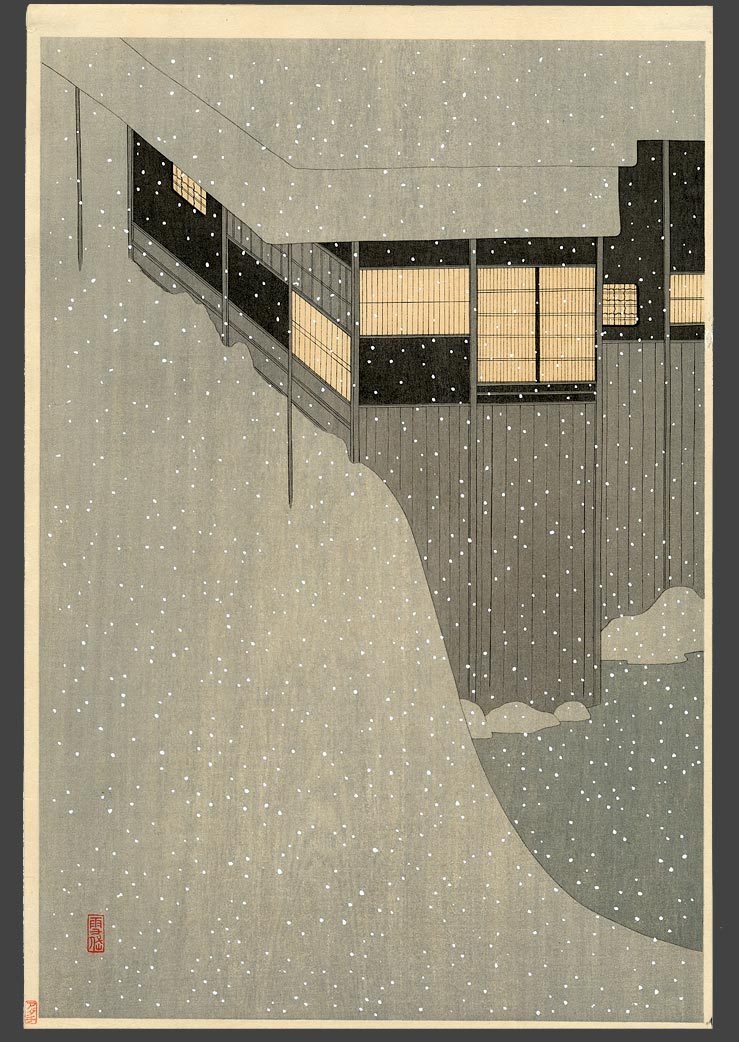
Snowy Morning
1942
Woodblock print
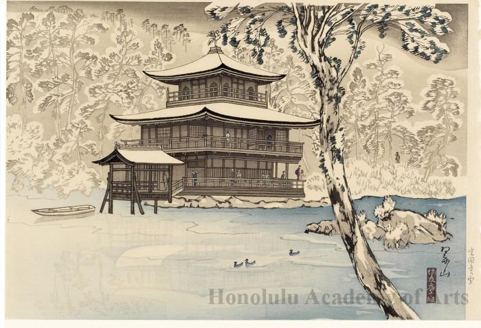
Snow at Kinkaku-ji (Kinkaku-ji no yuki)
Woodblock print
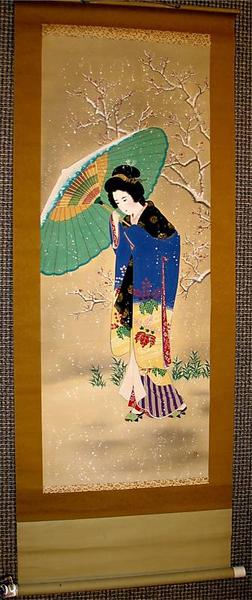
Bijin in Snow
Woodblock print
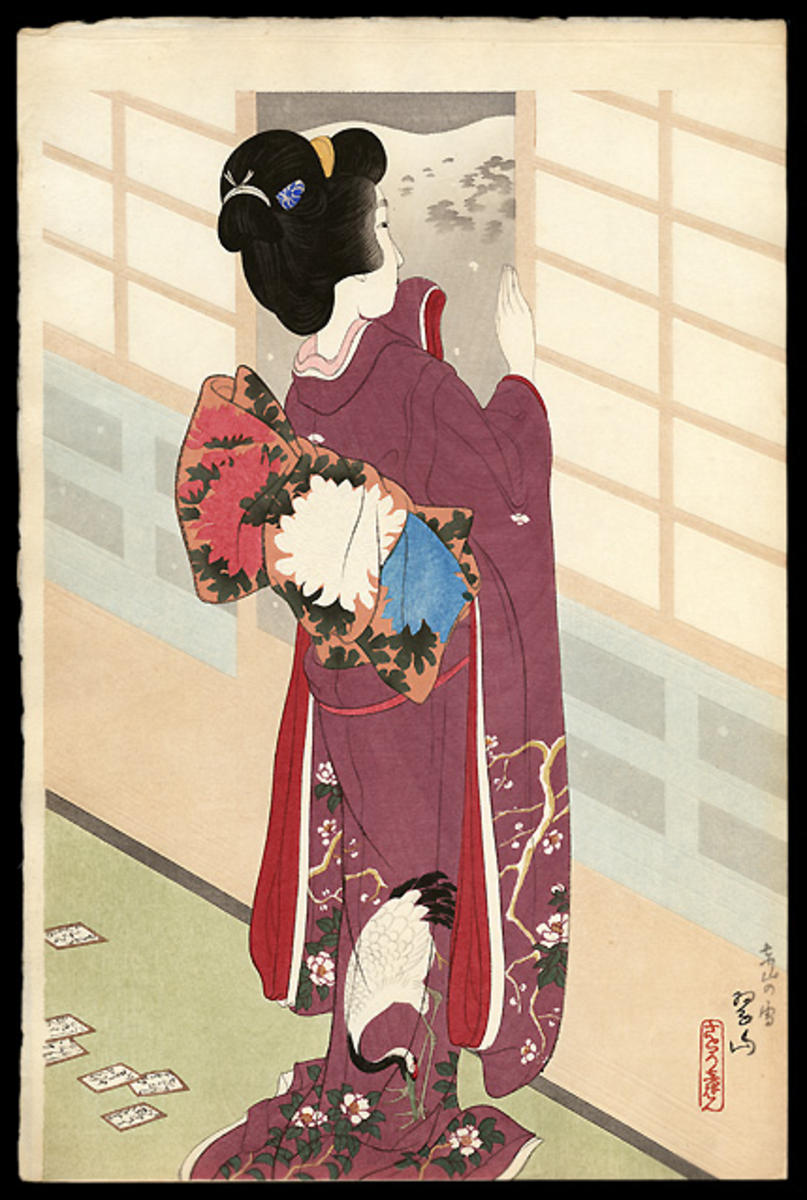
Snow at Higashiyama
Woodblock print
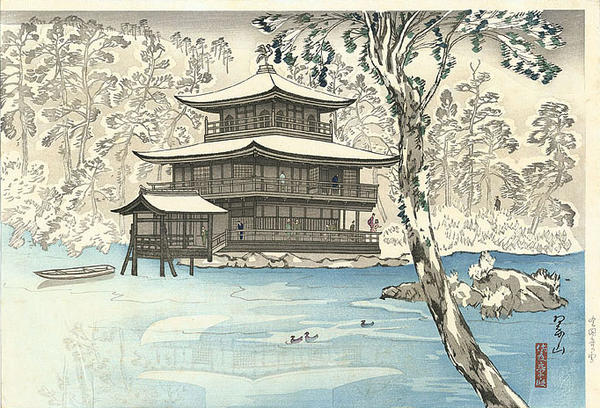
Snow at Kinkakuji
Woodblock print
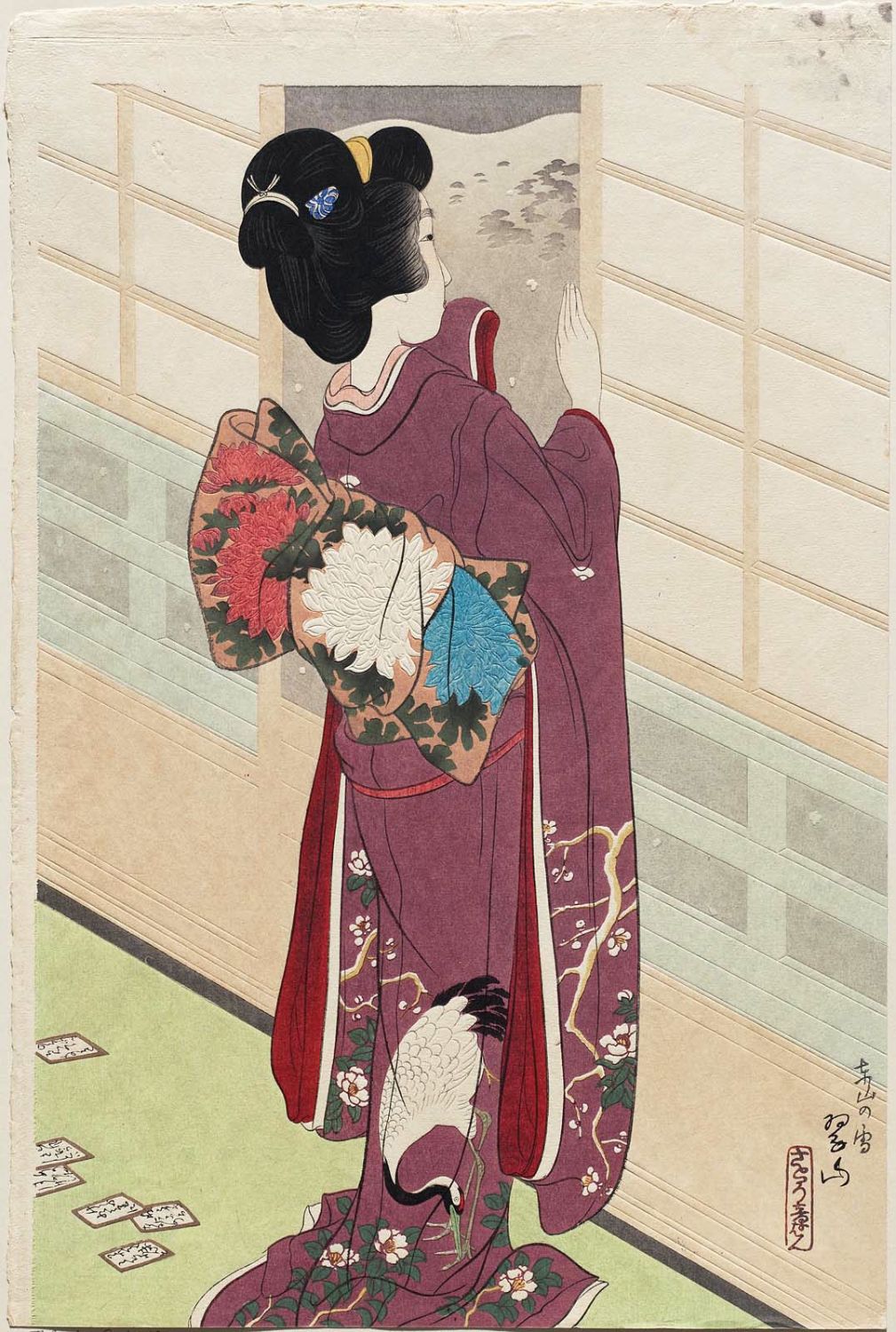
Snow on Higashiyama (Higashiyama no yuki)
Woodblock print

Hamamatsu: Winter Scene (Hamamatsu, fuyugare no zu), from the series "Fifty-three Stations of the Tokaido (Tokaido gojusan tsugi no uchi)," also known as the Hoeido Tokaido
c. 1833/34
Color woodblock print; oban
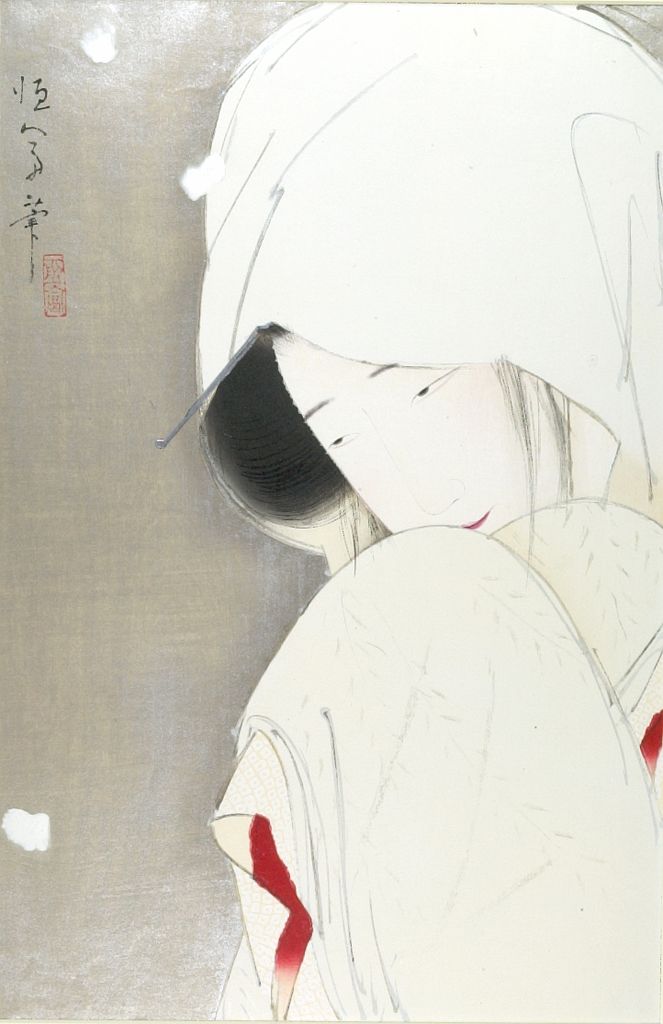
Woman in Snow (Sagi musume), Taishô period,
Woodblock print
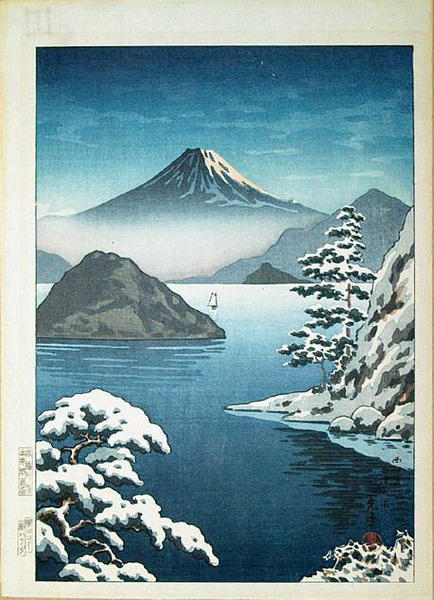
Fuji from Mitsuhama (Mito) in Snow
Woodblock print
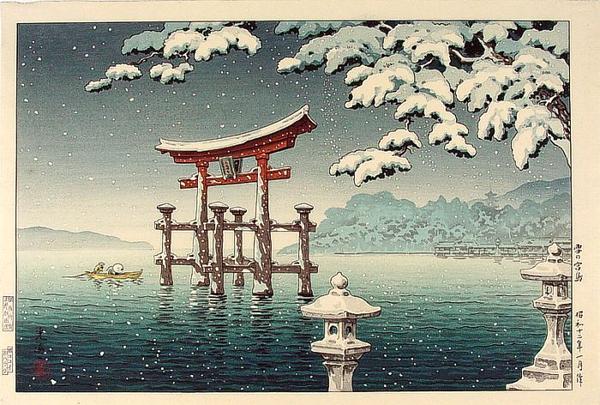
Snow at Miyajima
Woodblock print
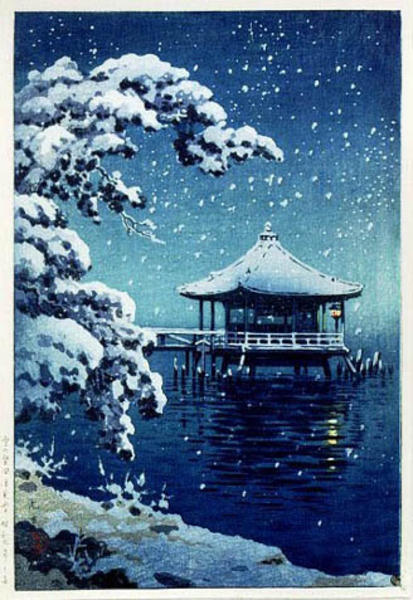
Snow at Ukimido, Katata
Woodblock print
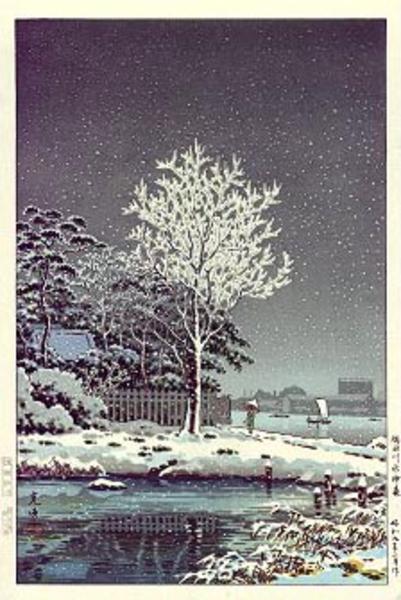
Snow on Sumida River
Woodblock print
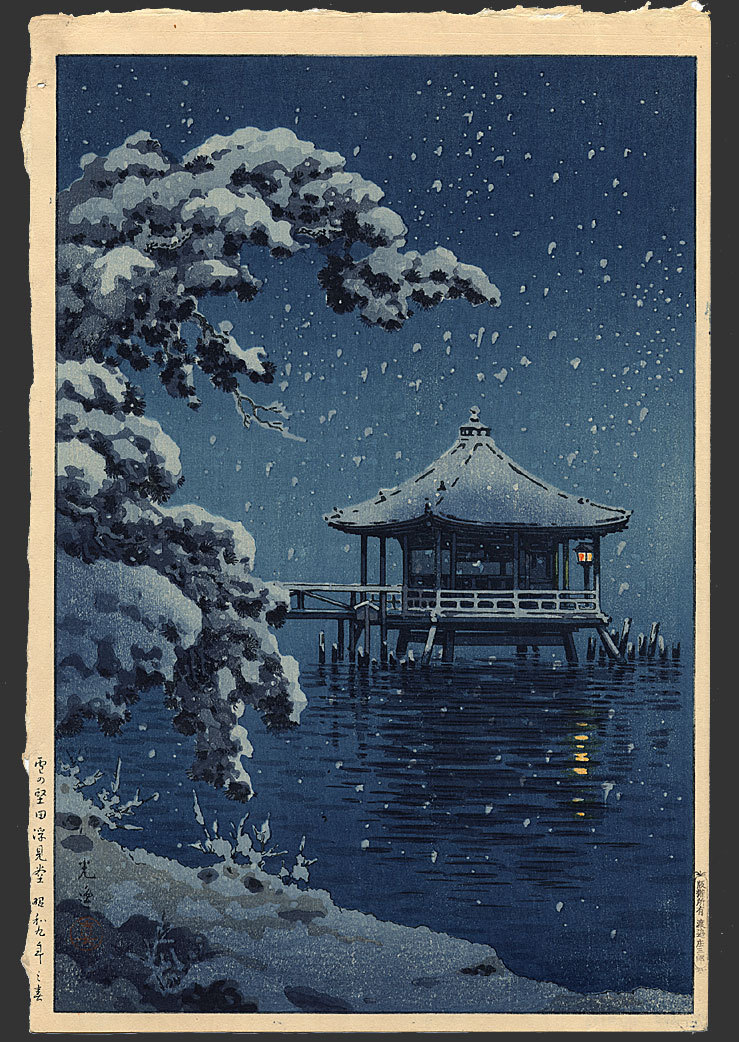
Snow over Ukimido Shrine at Katada
Woodblock print

Animal in the Snow
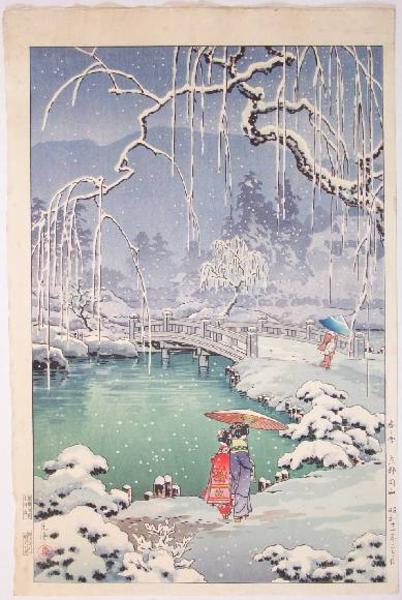
Spring Snow at Maruyama, Kyoto
Woodblock print

Spring Snow at Hamacho Park in Nihonbashi (Nihonbashi-ku Hamacho koen shunsetsu) from the series "One Hundred Views of Great Tokyo in the Showa Era (Showa dai Tokyo fukei hyaku zue hanga)"
1940
Color woodblock print; oban

Hanamurasaki of the Tamaya, (kamuro:) Shirabe, Teriha, Flowers from the series Snow, Moon and Flowers in Yoshiwara (Seiro setsugekka) (Tamaya uchi Hanamurasaki, Shirabe, Teriha)
1793
Color woodblock print; oban
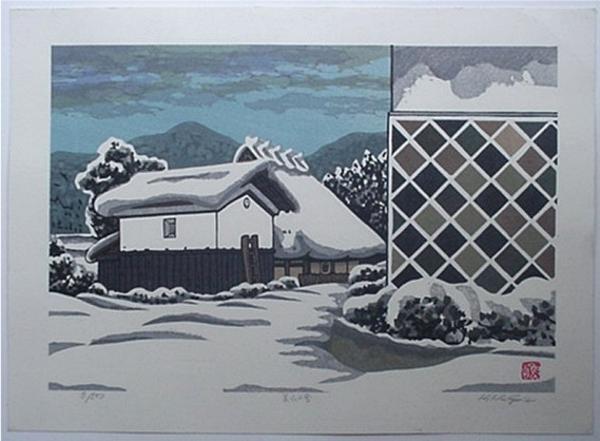
No Series House In The Snowy Grip Of Winter
Woodblock print
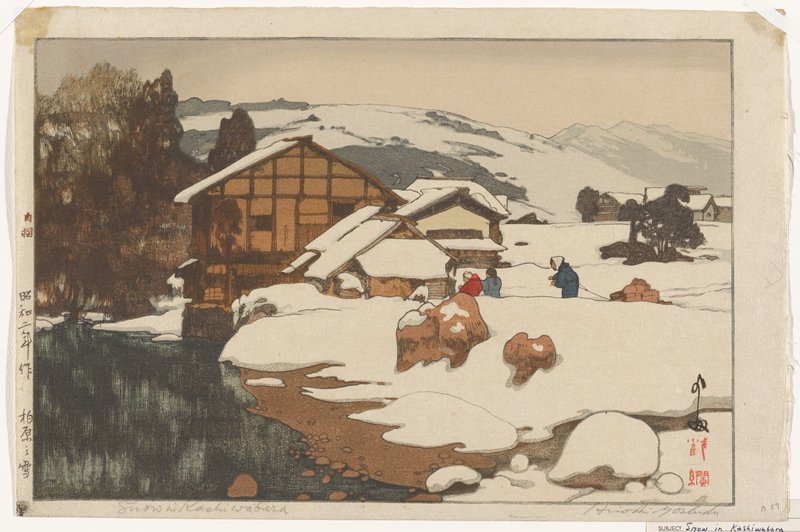
Snow in Kashiwabara
1927
Woodblock print, ink and color on paper
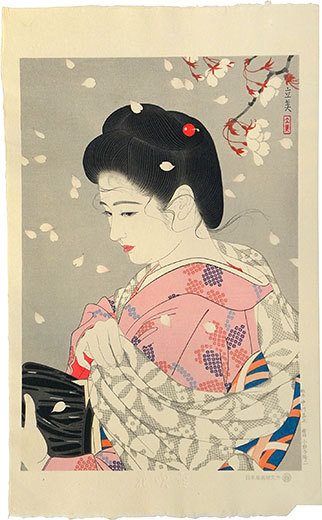
Five Figures of Modern Beauties: Cherry Blossoms Blizzard (Gendai Bijin Fuzoku Gotai: Hana Fubuki)
1953
Woodblock print
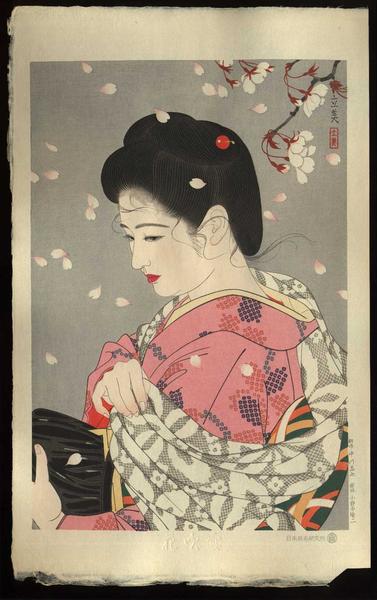
Hanafubuki (Falling Cherry Blossoms) — 花吹雪
1953
Woodblock print
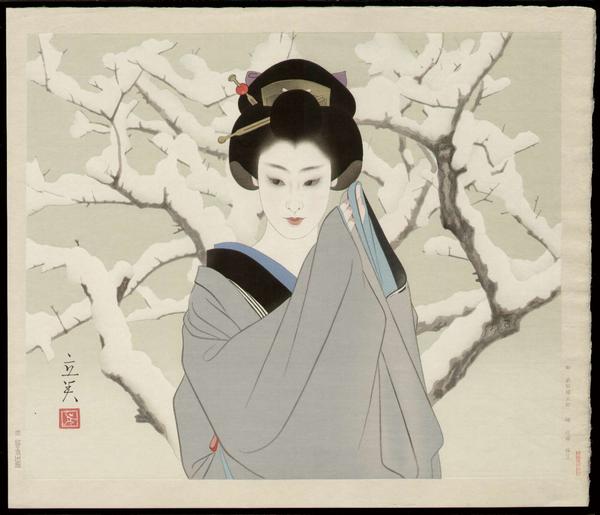
Snow-
Not set
Woodblock print
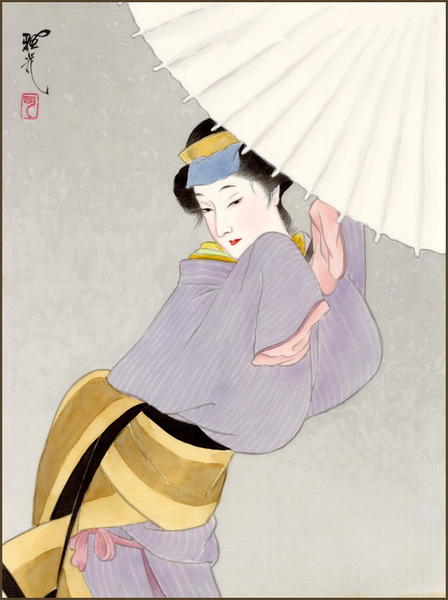
Bijin in the Snow- silk painting
Not set
Woodblock print
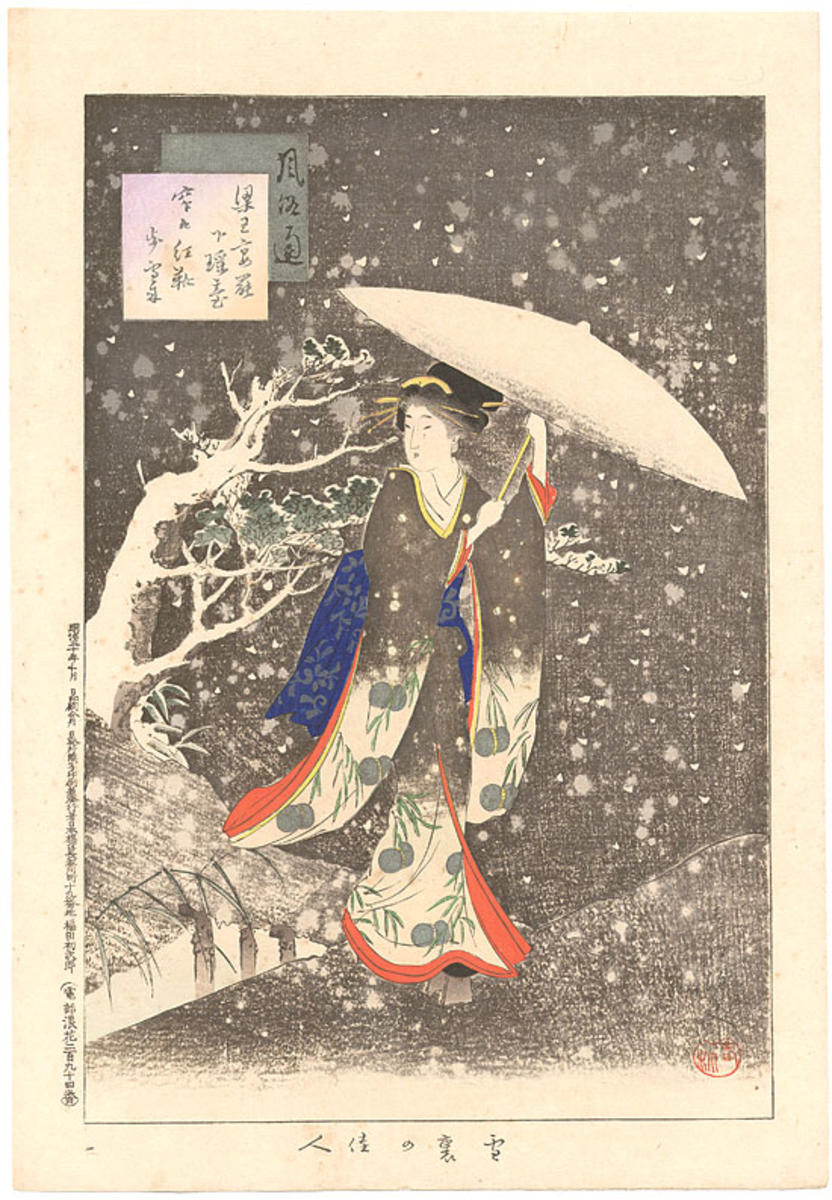
Woman walking in the snow at night — 雪裏の佳人
1897
Woodblock print
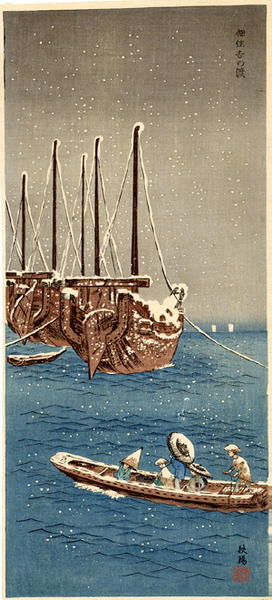
Ferry in Snow
Not set
Woodblock print
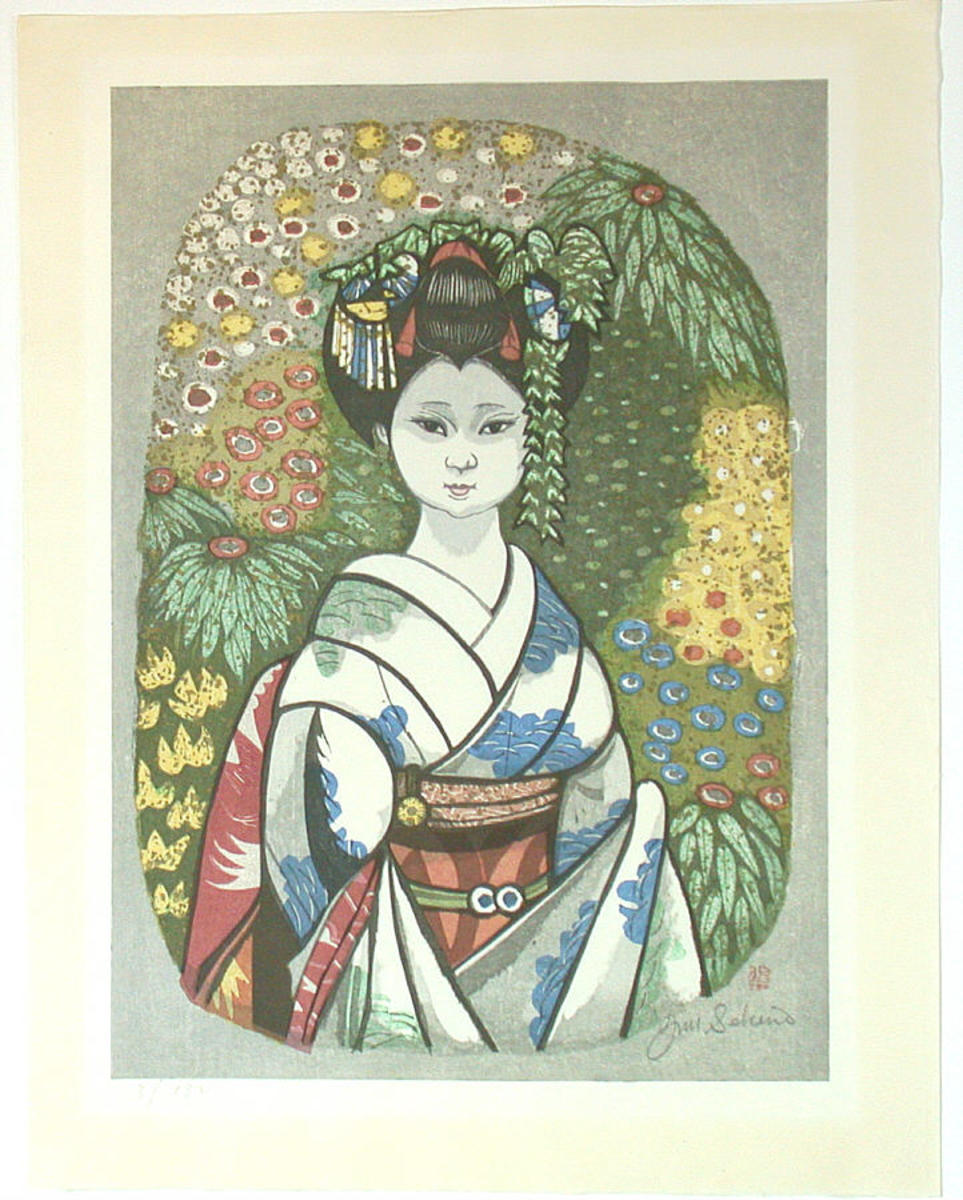
Maiko
Woodblock print
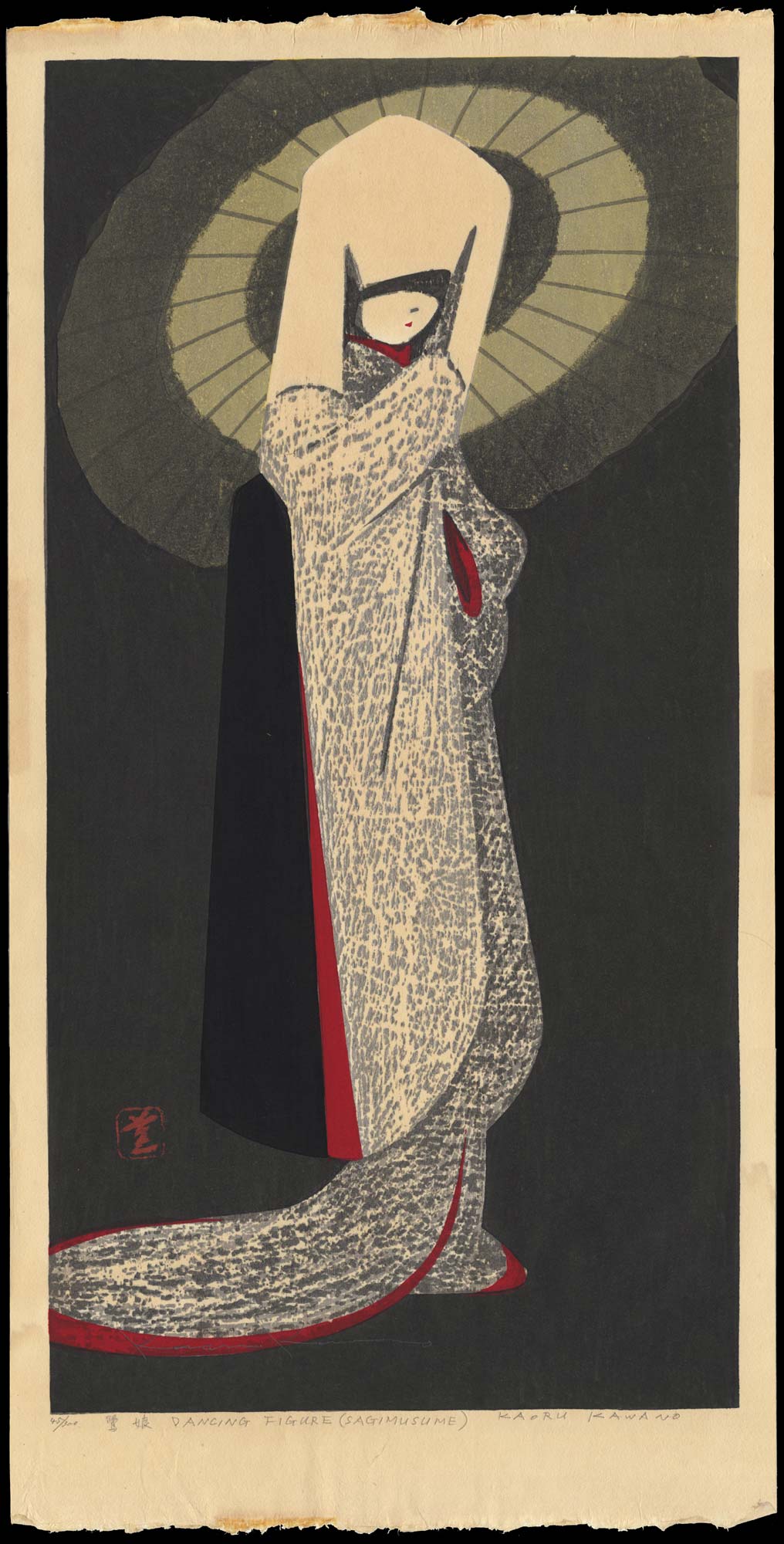
Dancing Figure (Sagimusume) - 鷲娘
Woodblock print
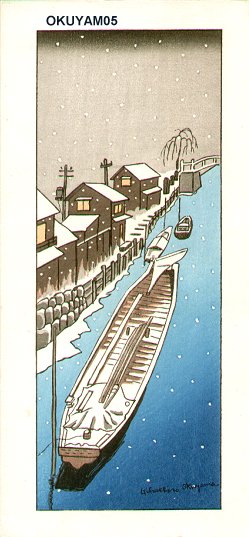
Canal snow
Woodblock print
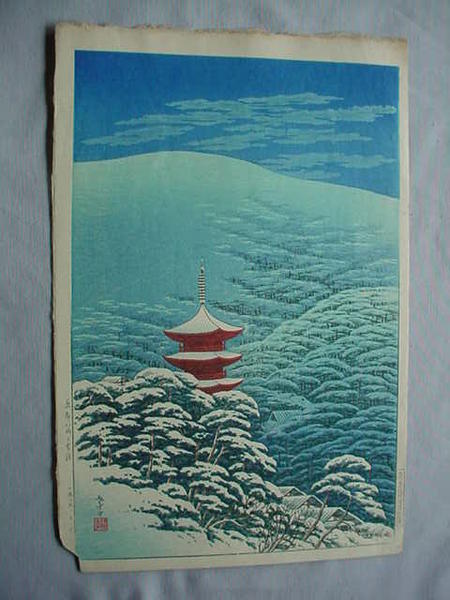
After a Snowfall, Yasaka Shrine, Kyoto
Woodblock print
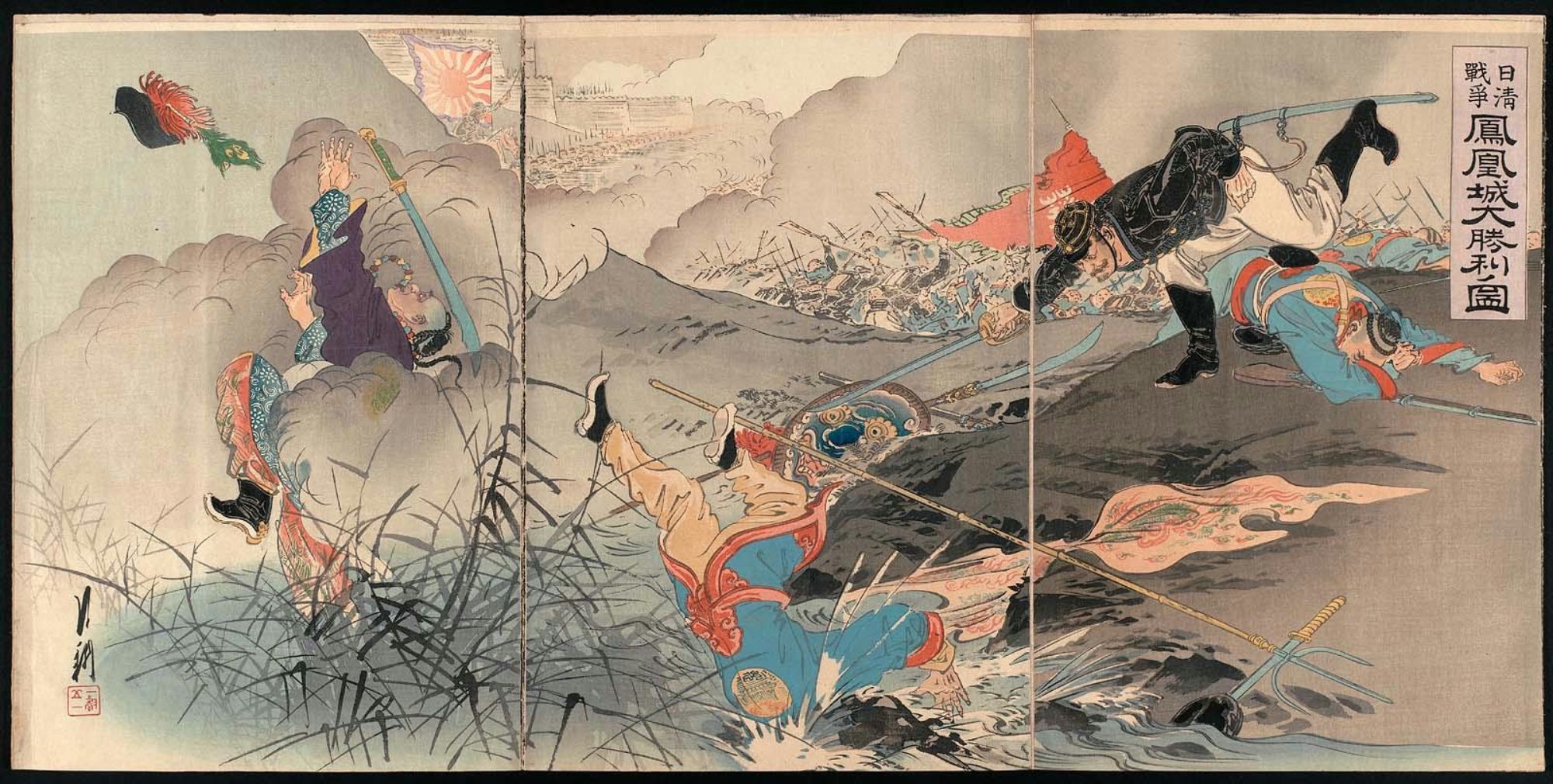
Sino-Japanese War: Picture of the Great Victory at Fenghuangcheng (Nisshin sensô, Hôôjô dai shôri no zu)
Woodblock print
Heron on a Snowy Night
Woodblock print
Snowy village
Woodblock print
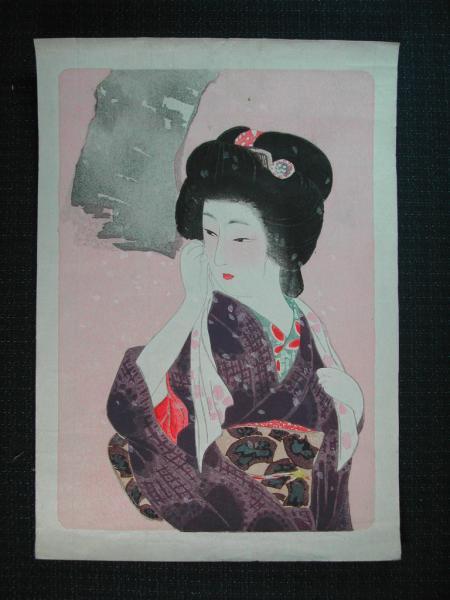
Snow
Woodblock print

Woman in Snow
Woodblock print

Lingering Snow at Asukayama (Asukayama no bosetsu), from the series "Eight Views in the Environs of Edo (Edo kinko hakkei no uchi)"
1837-38
Color woodblock print; ōban
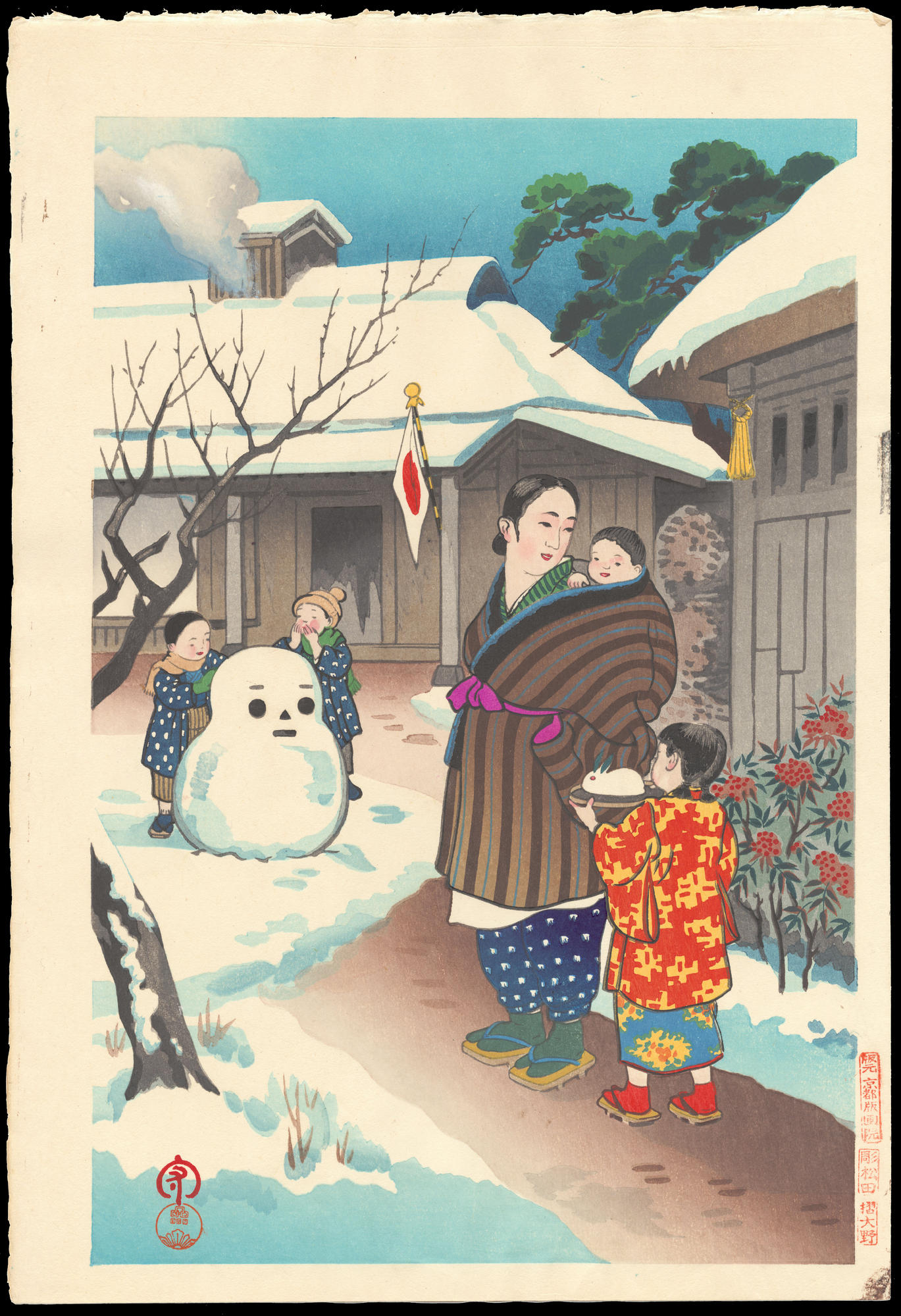
A Snow Man
Woodblock print
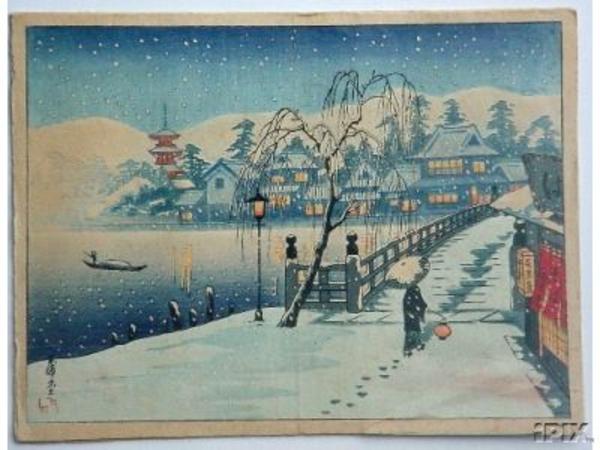
Untitled snow scene 2
Woodblock print
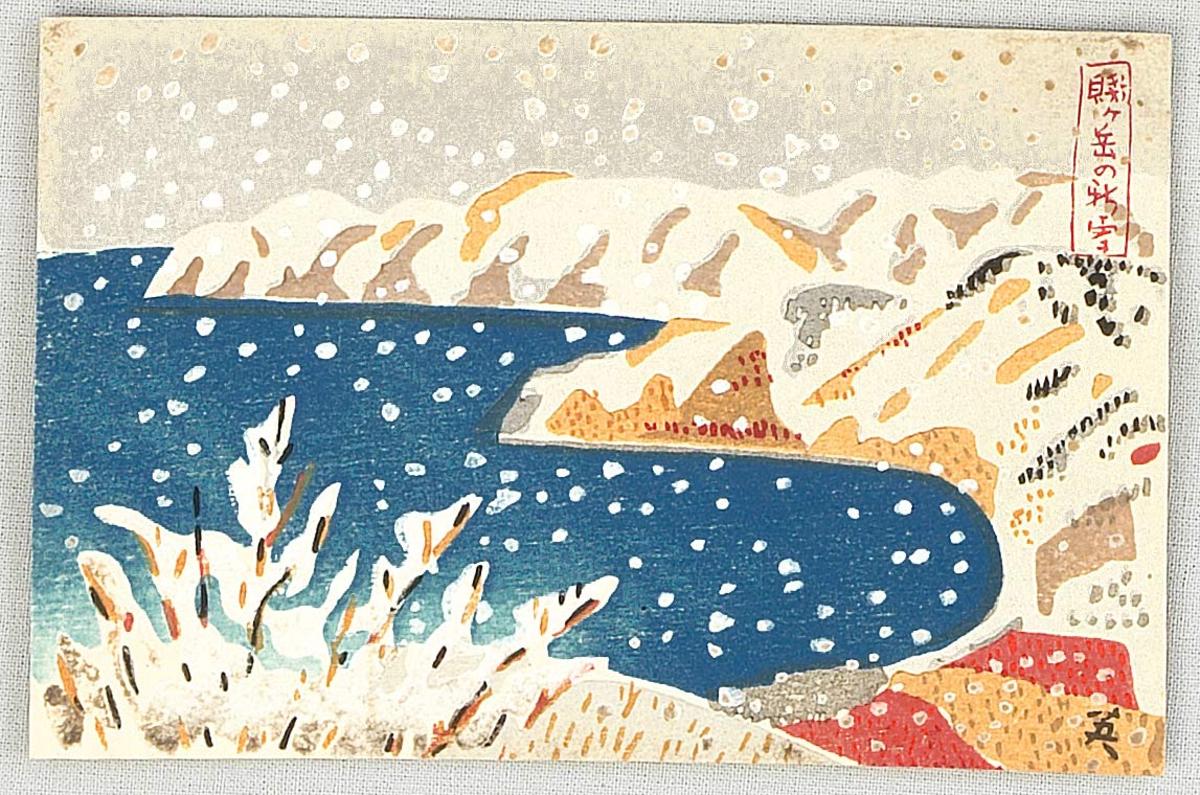
Snow at -oka
Woodblock print

Snow on the Bank of Kamogawa — 加茂堤の雪
Woodblock print
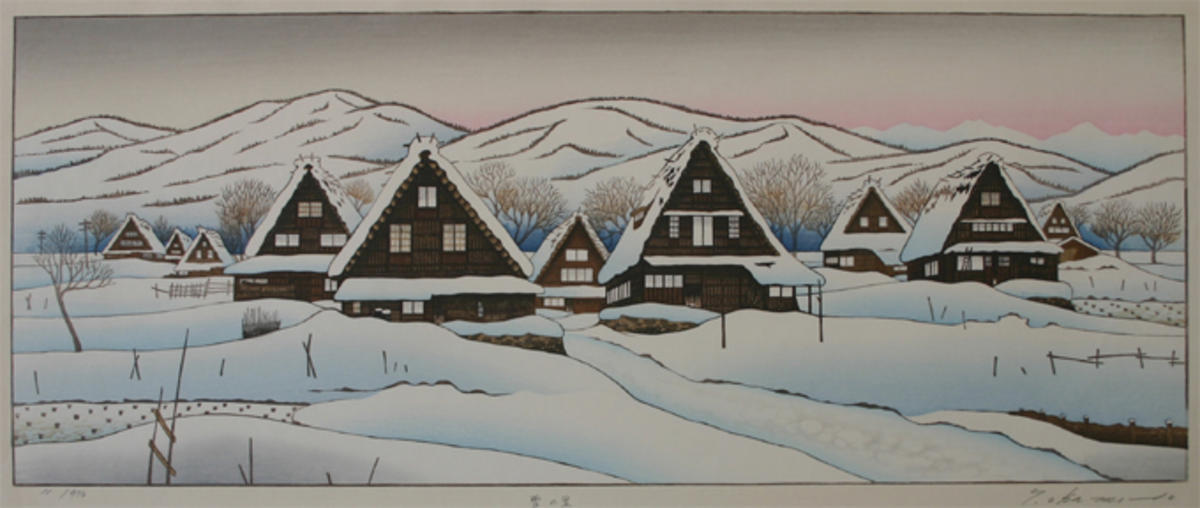
A village- snow — 雪の里
Woodblock print
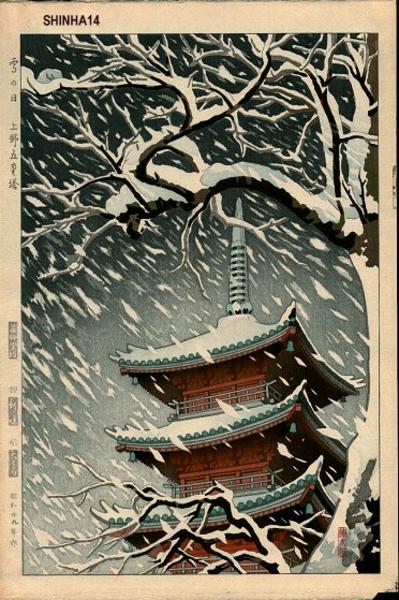
Snowy Day - Five-story Pagoda at Ueno
Woodblock print
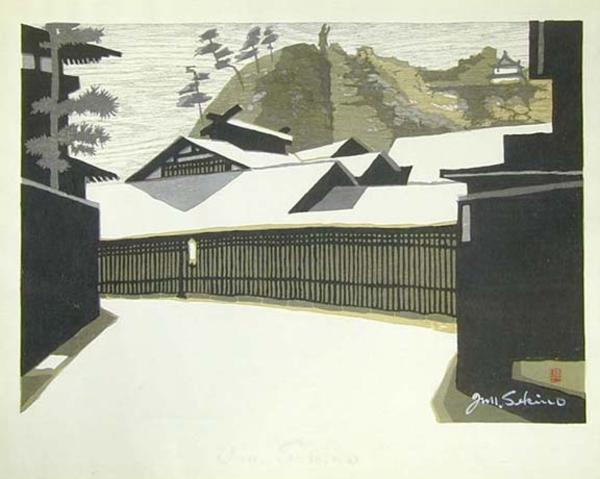
Snow Scene
Woodblock print
Snowy Day
Woodblock print
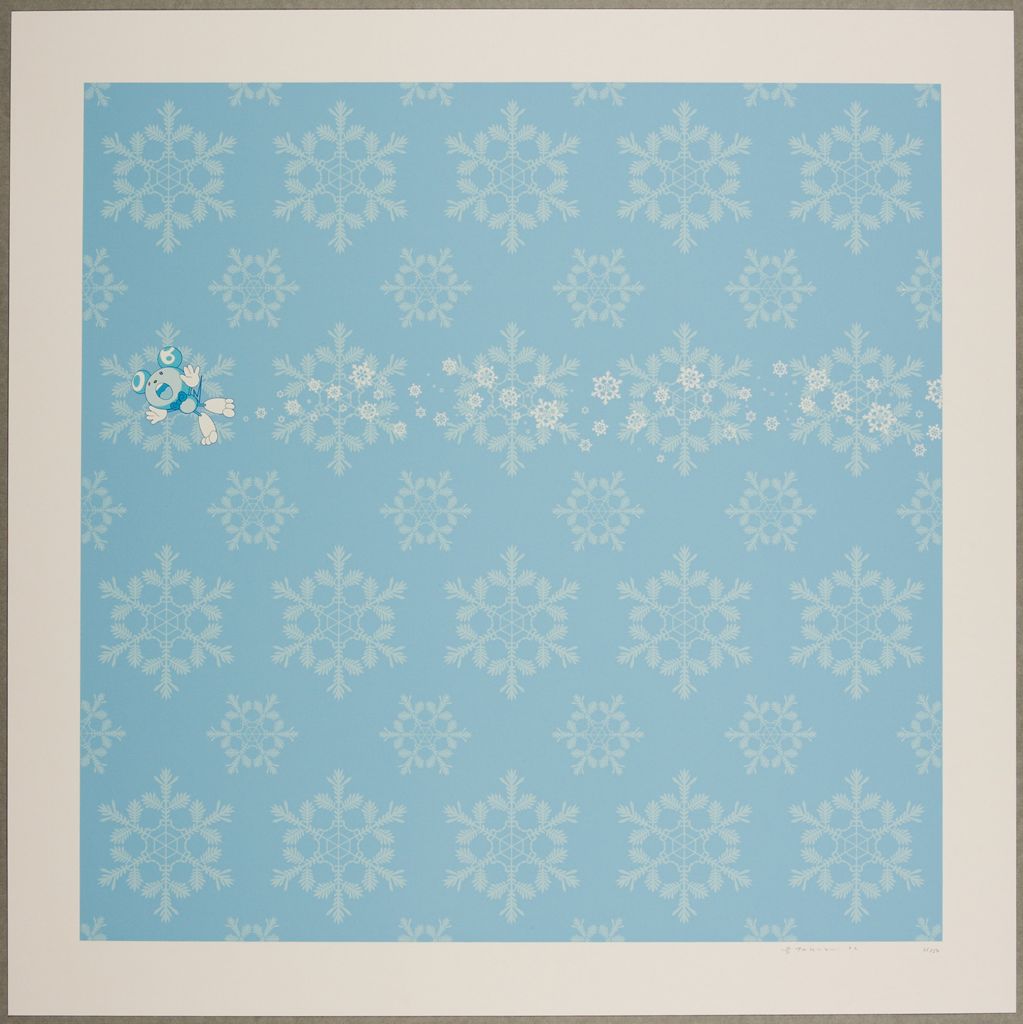
Snow, 2002
Woodblock print
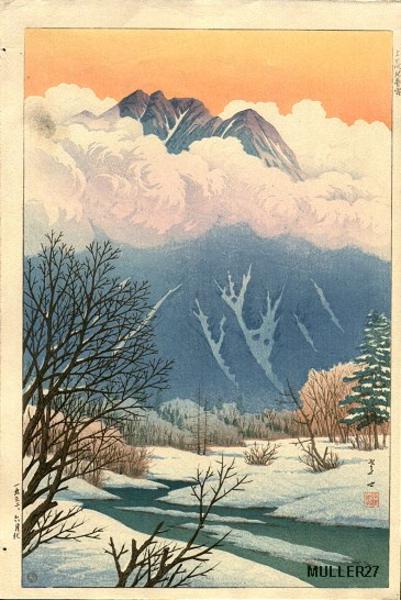
Spring Snow at Jokochi- or Kamikochi
Woodblock print
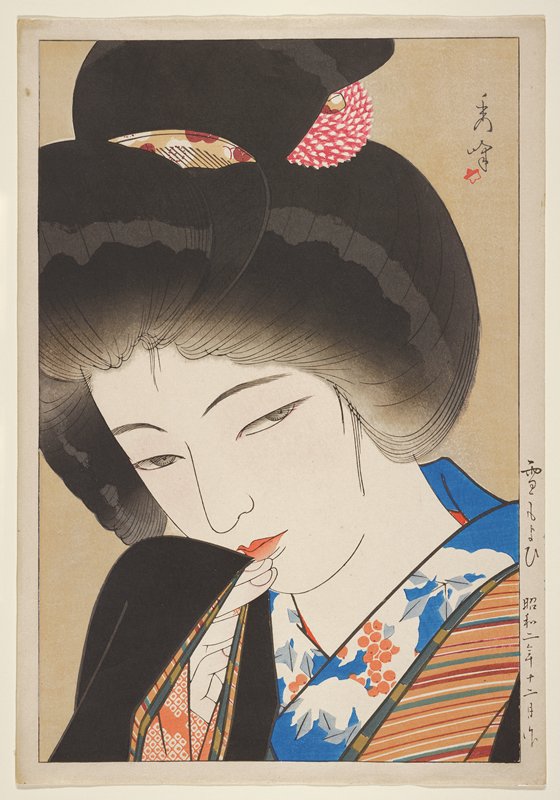
Approaching Snow
December 1927
Woodblock print, ink and color on paper
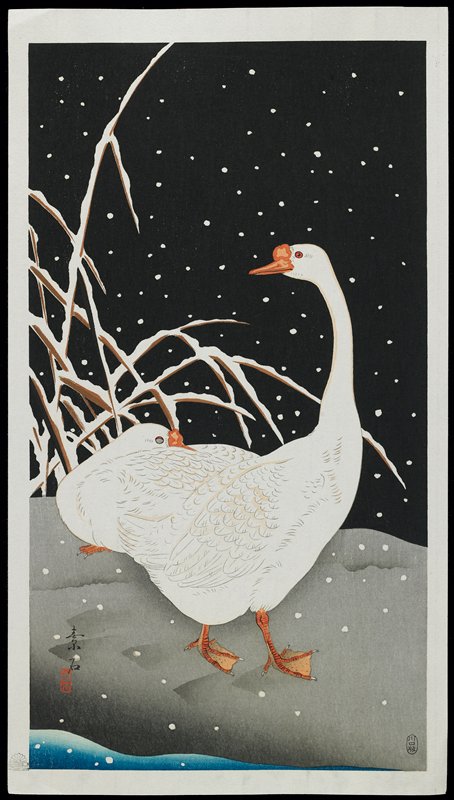
Geese at Night in Snow
c. 1928–1930
Woodblock print, ink and color on paper
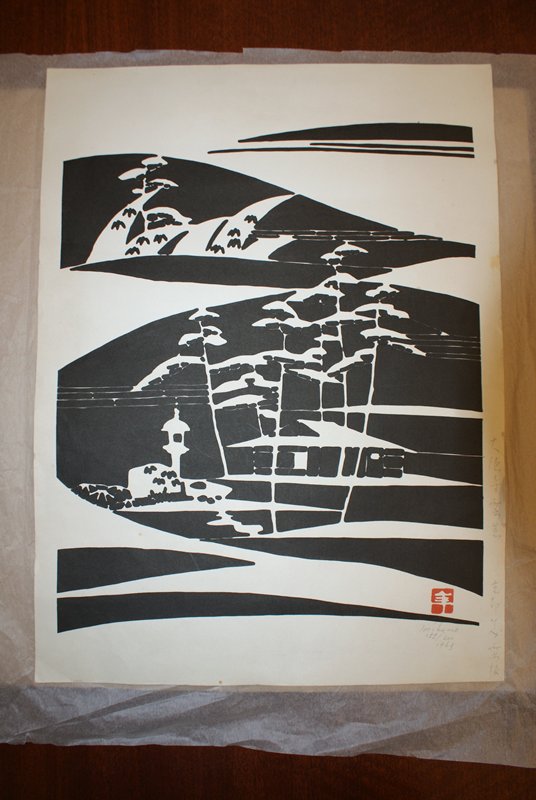
Temple in snow
mid 20th century
Woodblock print
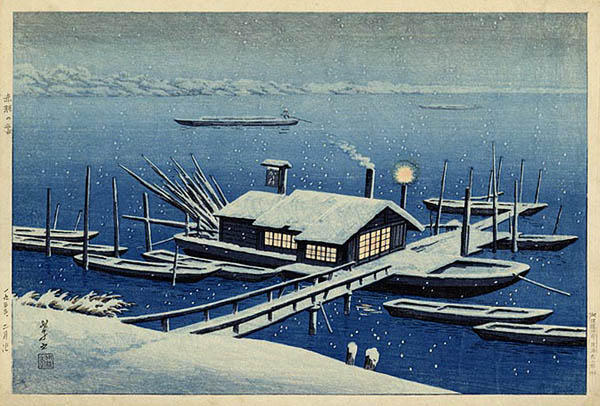
Ferry in Snow at Akabane, Tokyo
Woodblock print
Snowy Day
Woodblock print

Bird and flowers in snow 2
Woodblock print
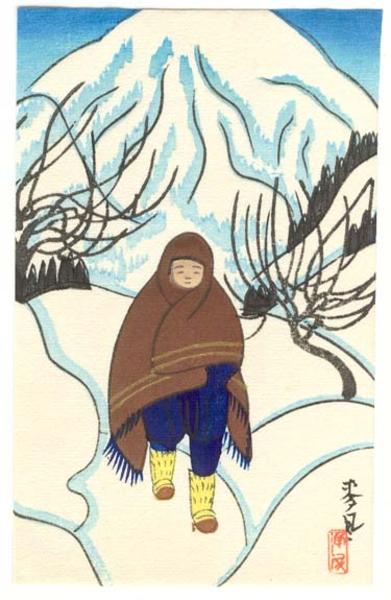
Child walking through snowy field
Woodblock print
Related Subjects
Frequently Asked Questions
Snow scenes (yuki no keshiki) hold a special place in Japanese woodblock printmaking as one of the tradition's most technically demanding and aesthetically prized subjects. The challenge of depicting whiteness — using the paper itself as the primary "color" for snow — required exceptional planning from the artist and virtuosic restraint from the printer, who had to leave precise areas of the block unprinted while building up surrounding tones.
Kawase Hasui, Kobayashi Kiyochika, and Takahashi Shotei are among the artists most associated with snow scenes in our collection. Browse the full list of artists who explored this subject above.
Hanga currently catalogues 870 prints tagged with snow scenes, spanning ukiyo-e, shin-hanga, and sōsaku-hanga traditions where applicable.