Urban Scenes Prints (704)
Urban scenes document the cities and towns of Japan through the lens of woodblock printmaking, capturing architecture, street life, commercial activity, and the evolving character of Japanese urban spaces across four centuries. The genre reflects Japan's transformation from a feudal society of castle towns to one of the world's most densely urbanized nations. Edo (modern Tokyo) was the original subject of urban-scene prints, with artists like Hiroshige documenting its bridges, markets, temples, and pleasure quarters in series such as "One Hundred Famous Views of Edo." These prints served both as artistic compositions and as practical guides for residents and travelers, recording neighborhoods that would later be transformed by modernization, fire, and earthquake. The Meiji era brought dramatic new urban subjects — railway stations, brick buildings, gas lamps, and Western-dressed pedestrians — as artists documented Japan's rapid transformation. Shin-hanga artists like Hasui and Koitsu later turned to older streetscapes, capturing traditional architecture and nighttime atmospheres threatened by modernization. Their prints of temple gates, canal-side houses, and lantern-lit streets became nostalgic records of a disappearing Japan, prized today as much for their documentary value as their artistic merit.
Artists Known for Urban Scenes



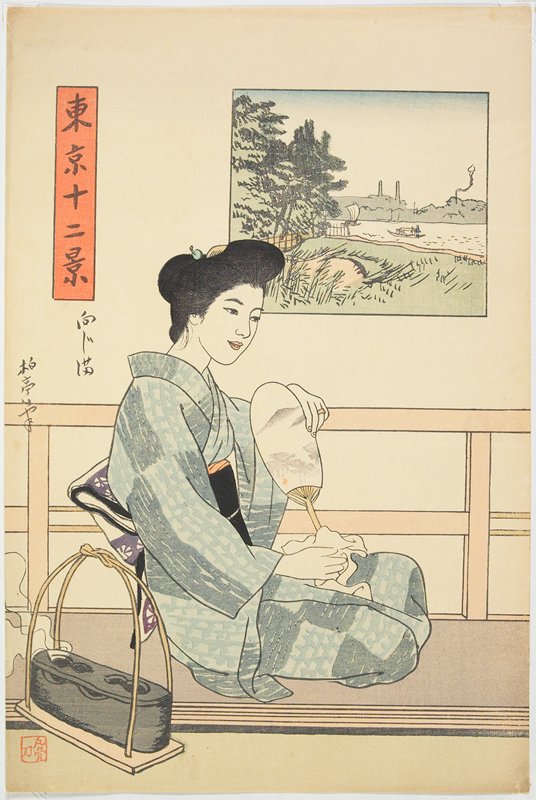
Mukōjima
c. 1914–1916
Woodblock print, ink and color on paper
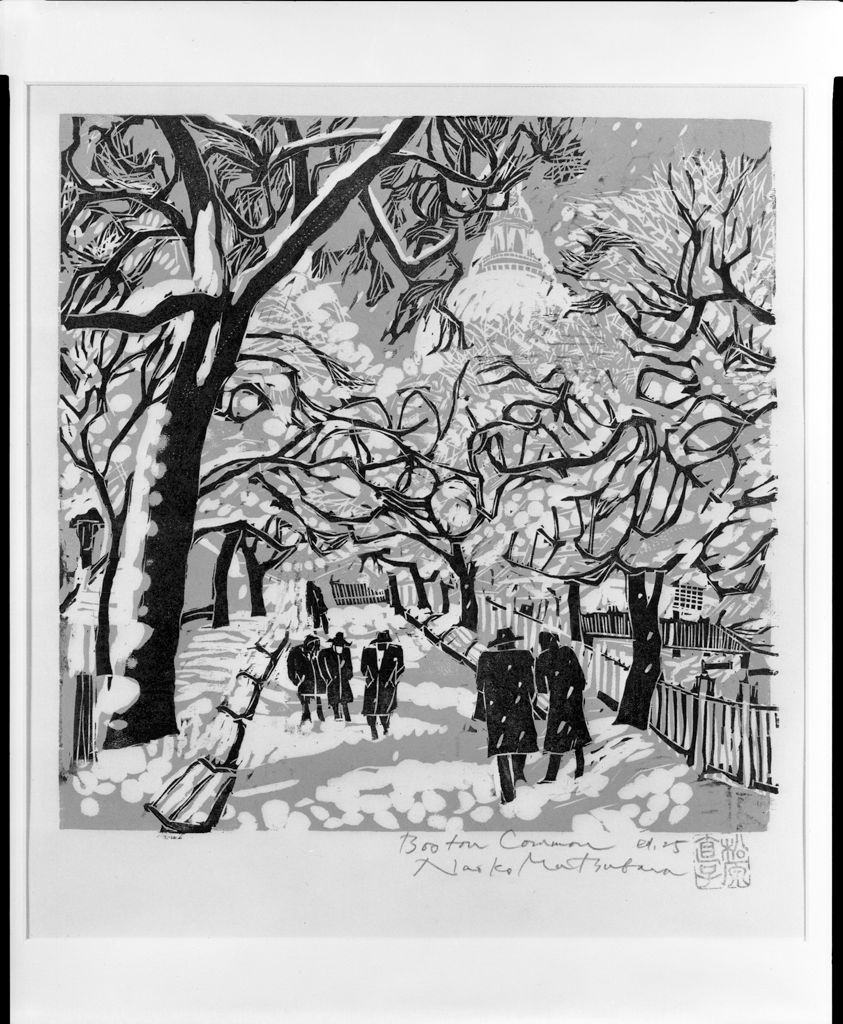
Boston Common, Shôwa period,
Woodblock print
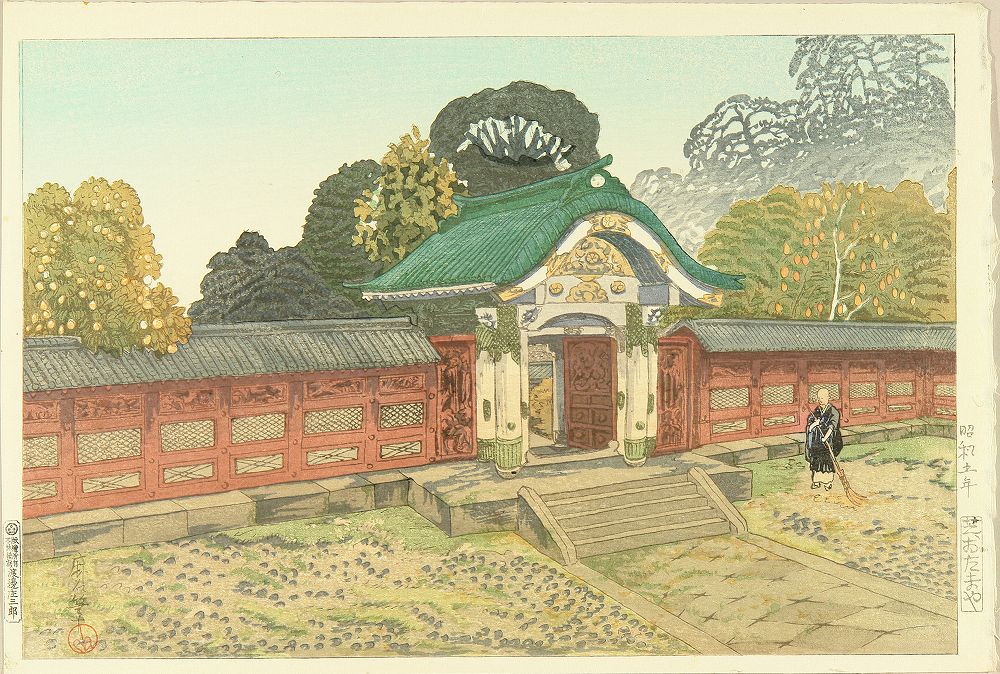
Hara Shobō
Woodblock print

Shanghai
1920s
Color woodblock print
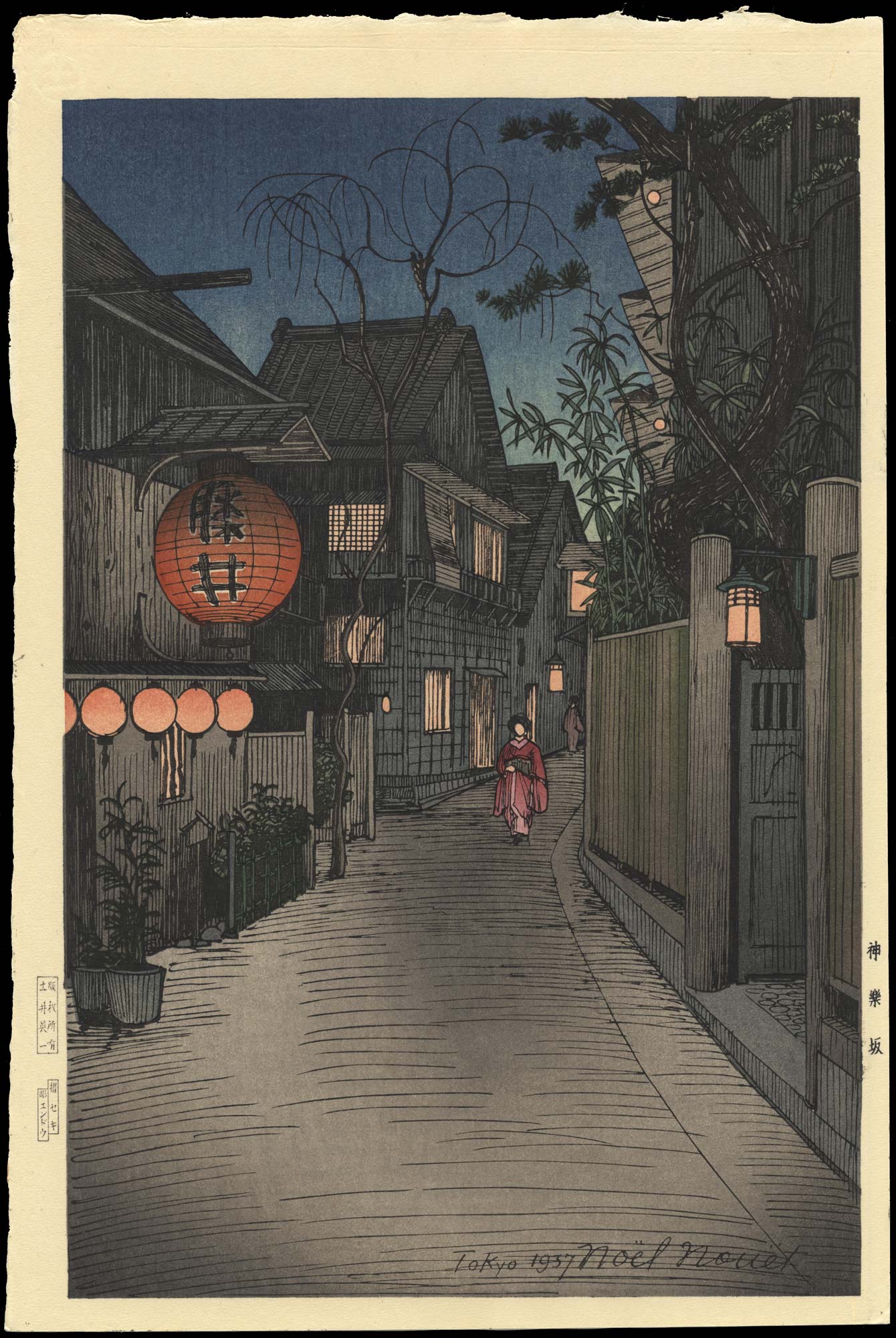
Kagurazaka - 神楽坂
Woodblock print
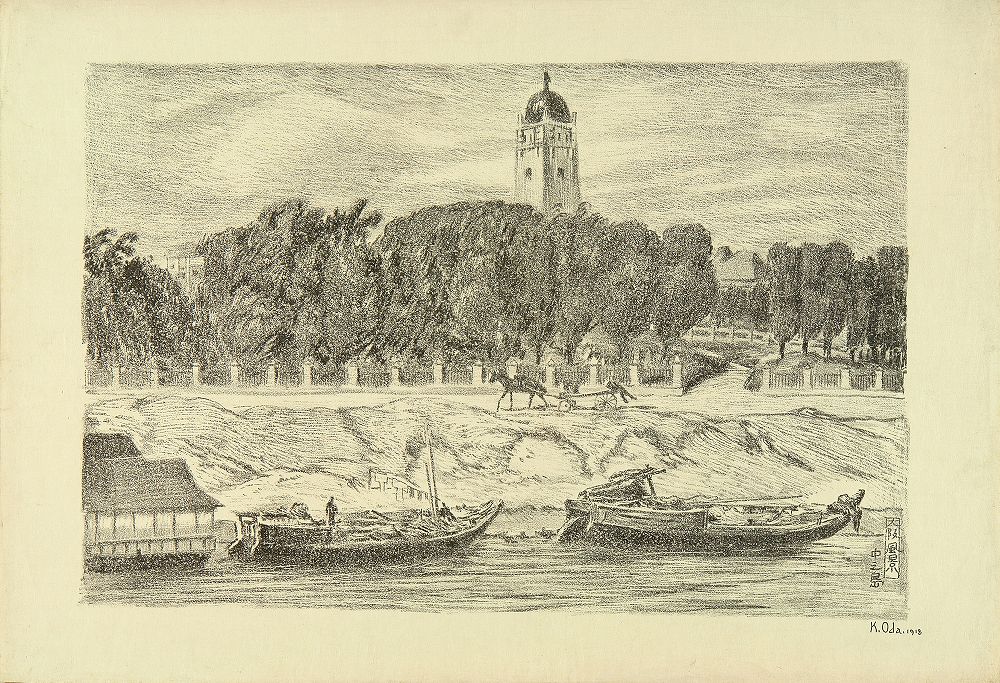
Nakanoshima, from
Woodblock print
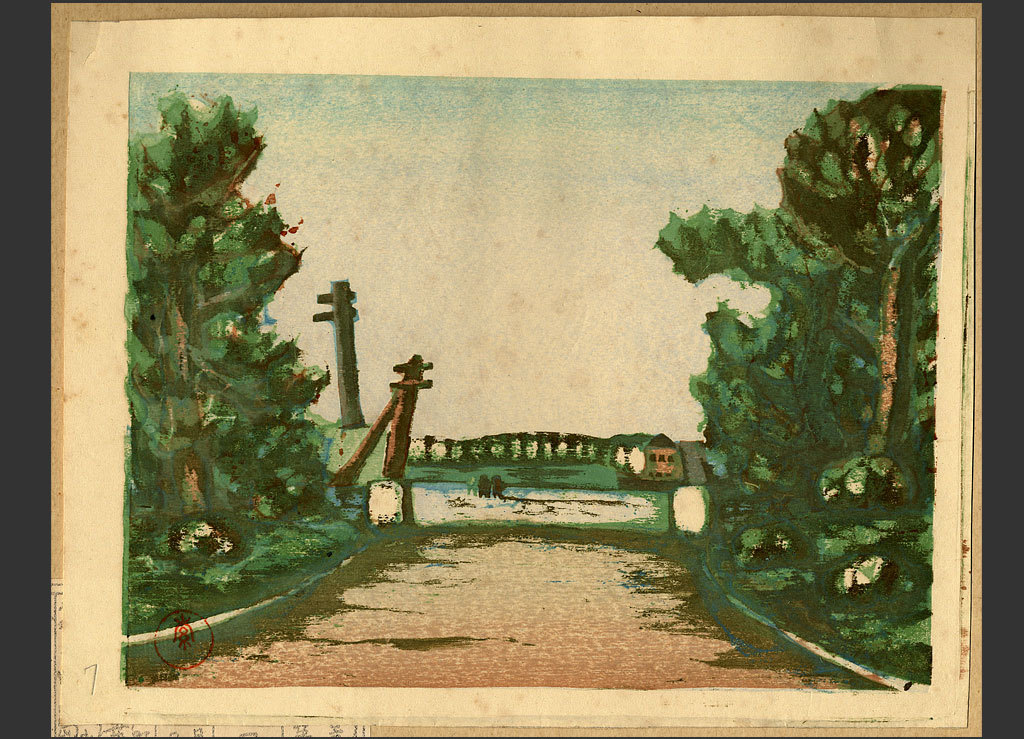
#53 Hamacho Park
Woodblock print

Picture of a Mercantile Establishment in Yokohama, 1861
Woodblock print
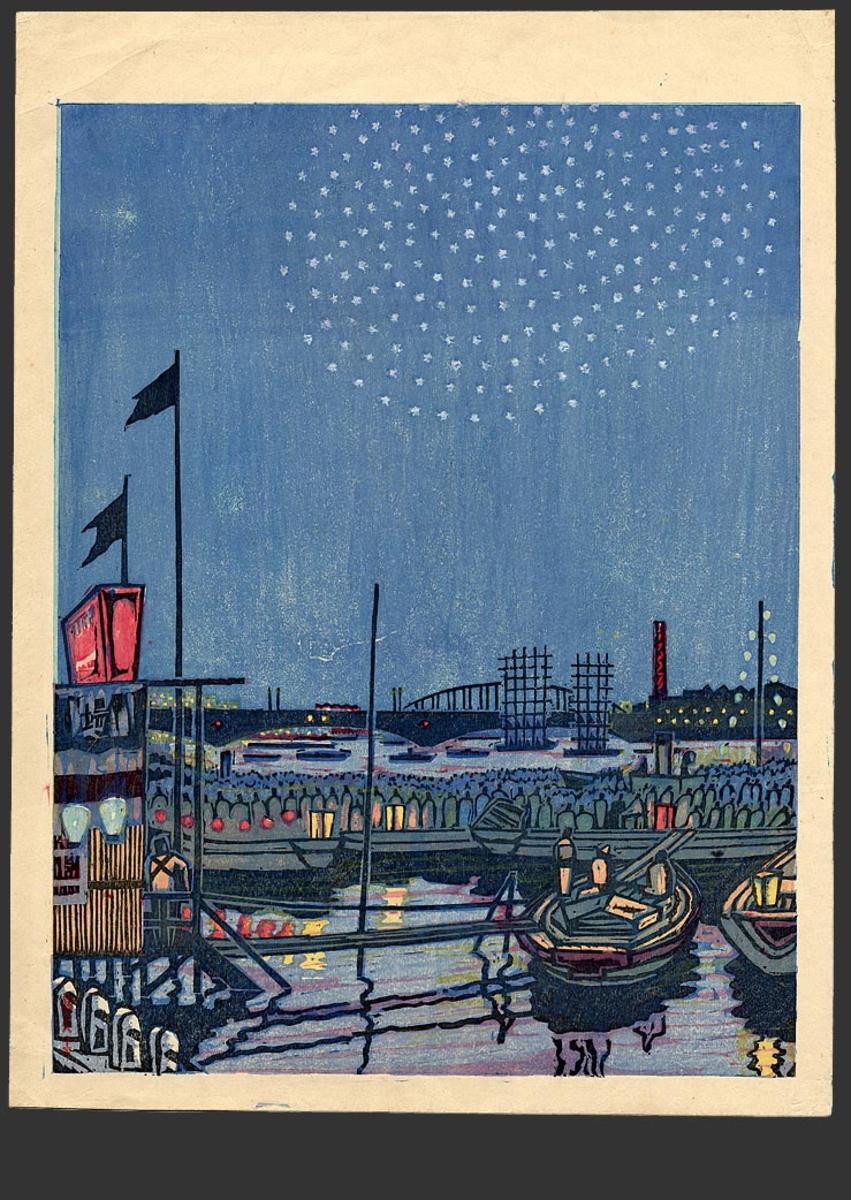
Japanese Art Open Database
1933
Woodblock print
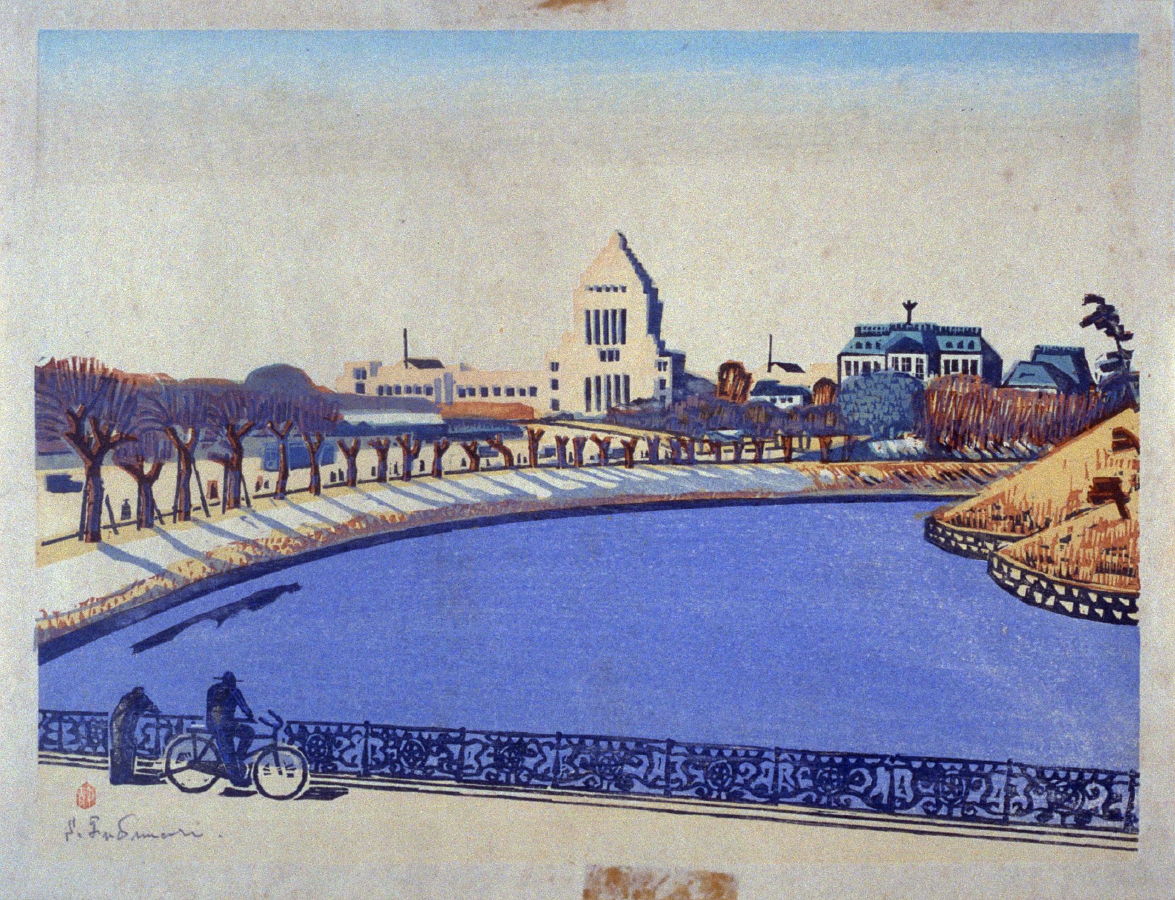
The National Diet from the Imperial Moat
19th–20th century
Woodblock print
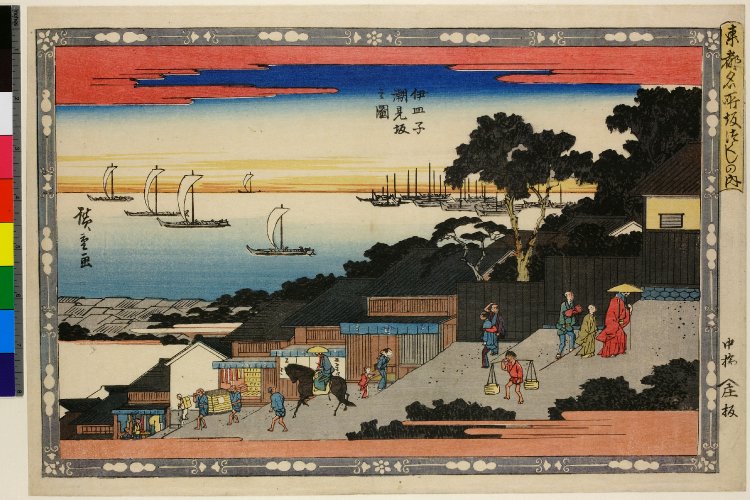
Isarago Shiomi-zaka no zu / Toto Meisho Saka-zukushi no uchi
Woodblock print
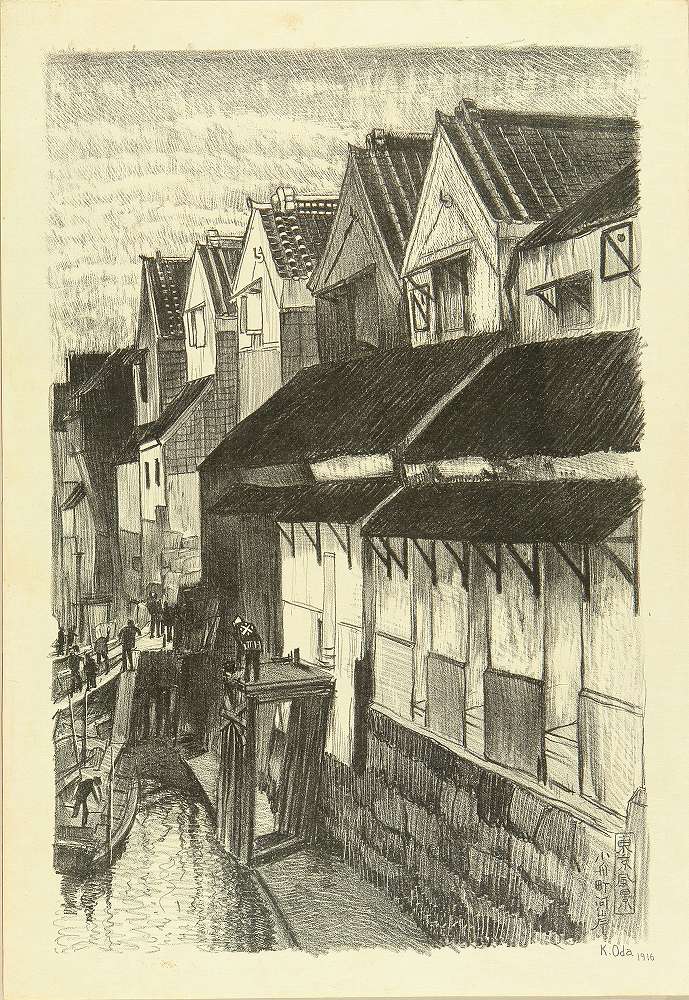
Kofunecho-gashi, from
Woodblock print

Yanagibashi
Woodblock print
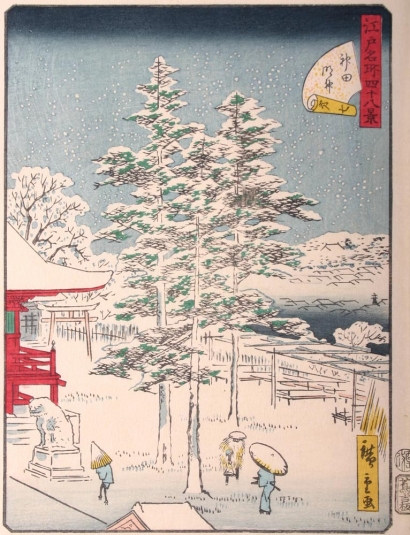
#7. Kandamyojiu
Woodblock print
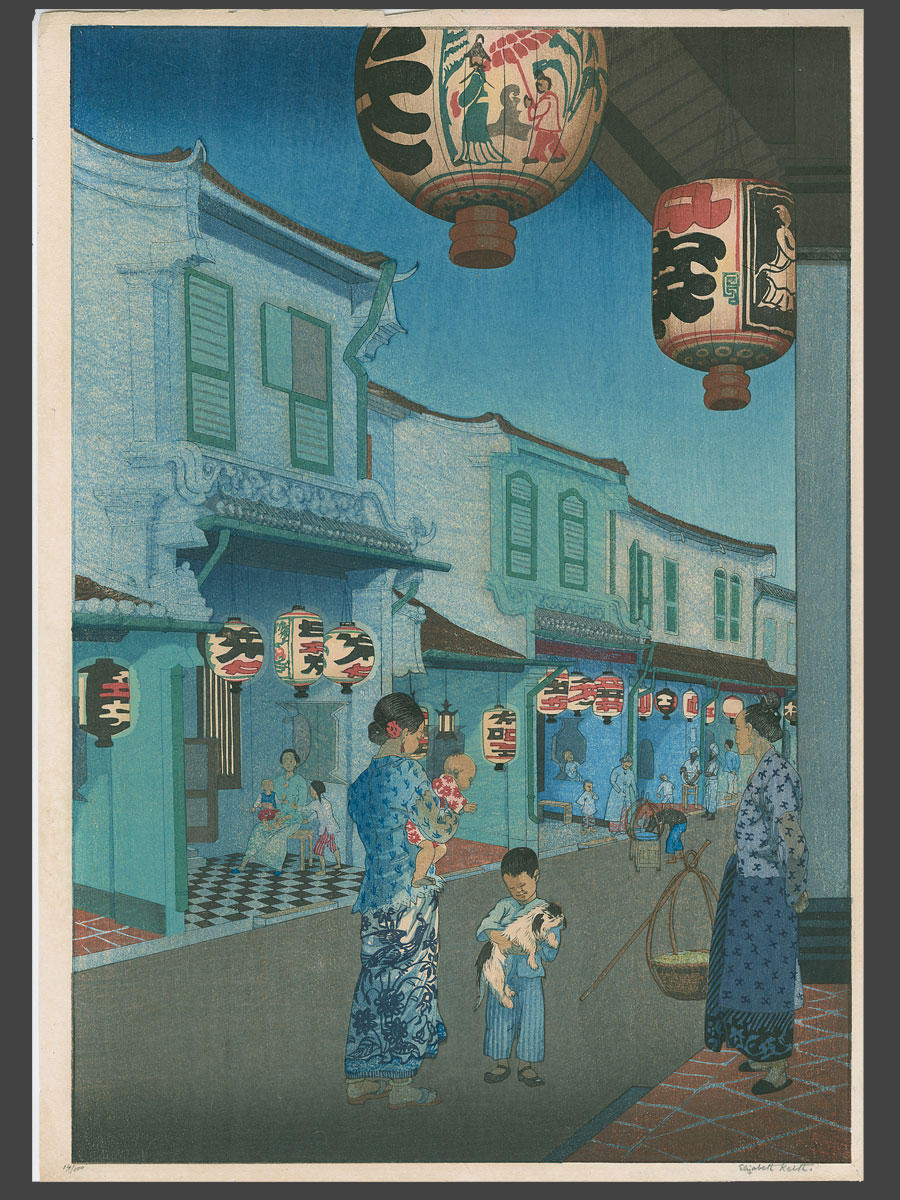
New Years Lanterns, Malacca (Morning)
Woodblock print
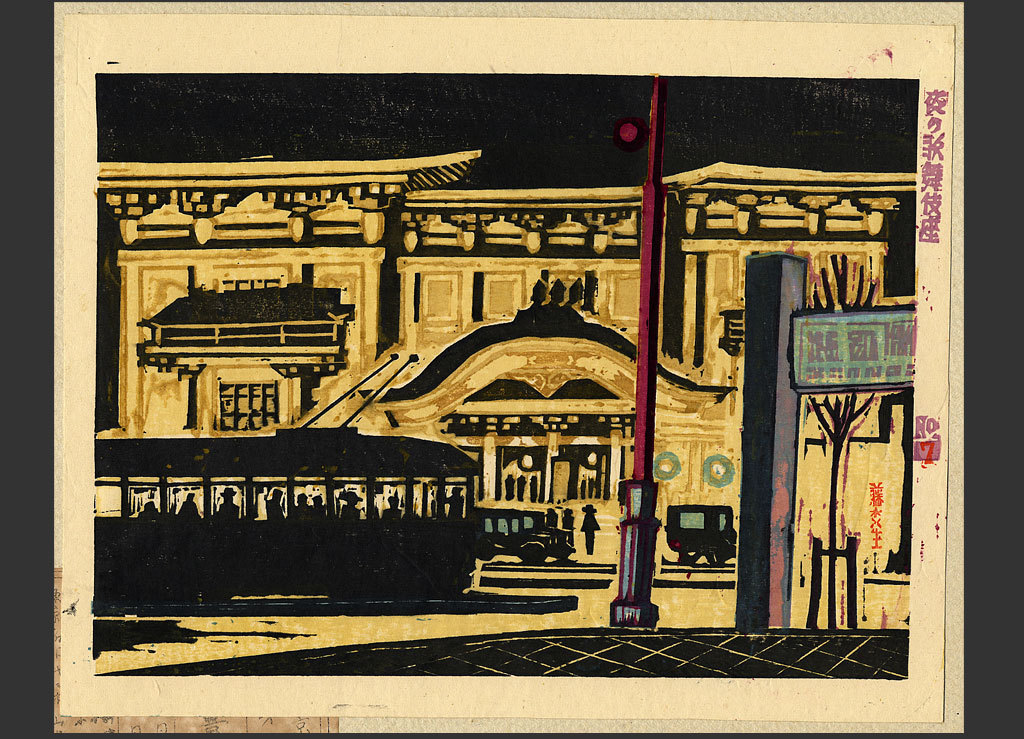
The Art of Japan
Woodblock print
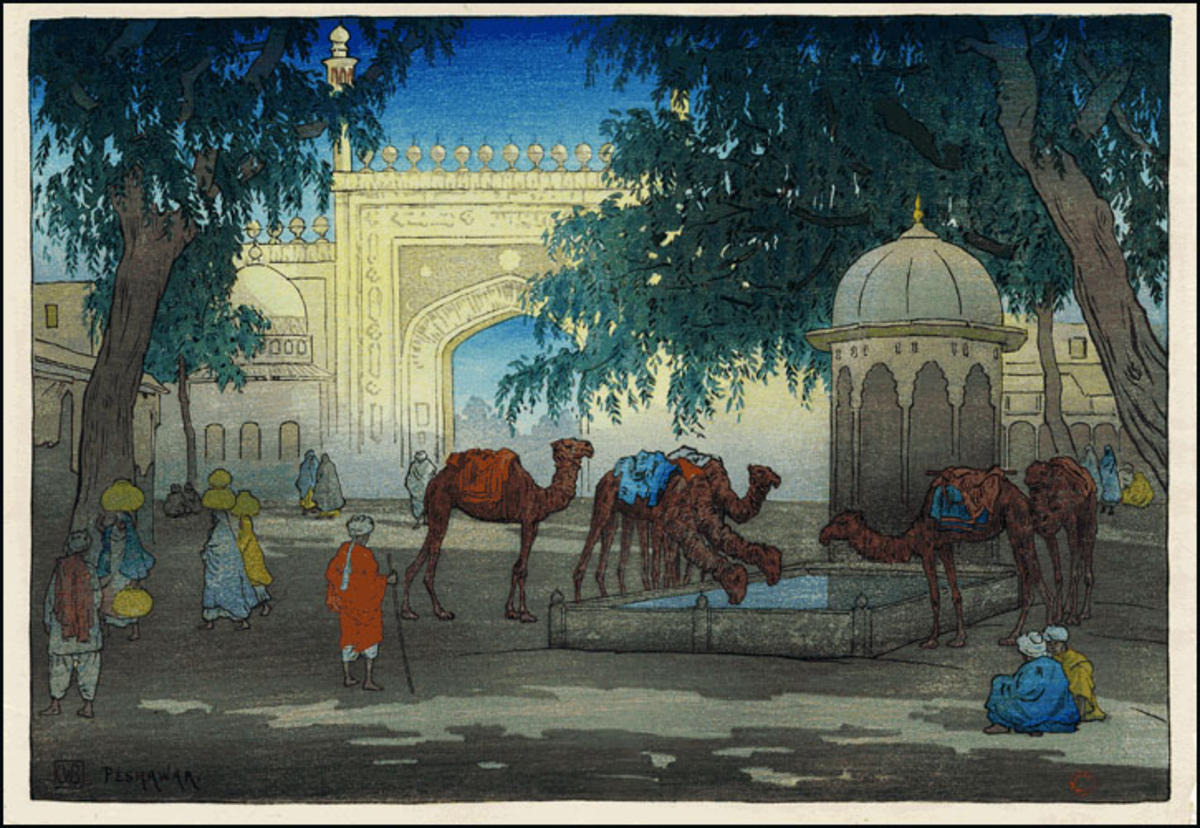
Peshawar
Not set
Woodblock print
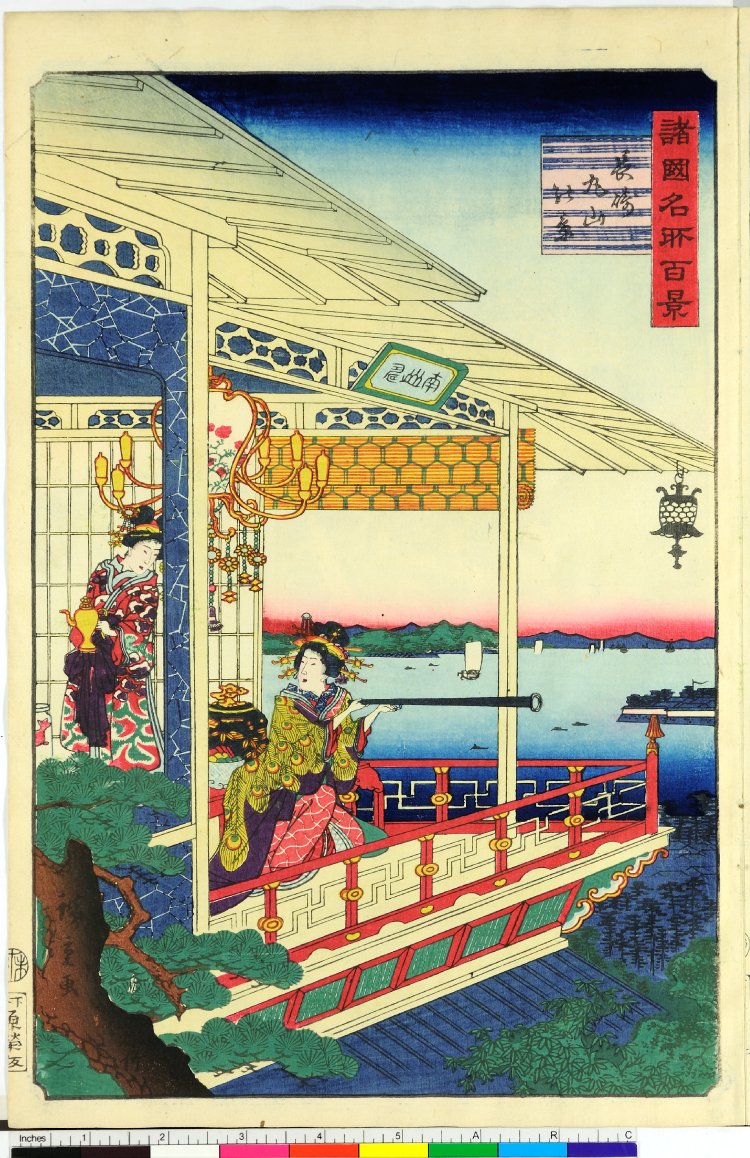
Nagasaki Maruyama no kei 長崎丸山の景 / Shokoku Meisho Hyakkei 諸国名所百景
Woodblock print
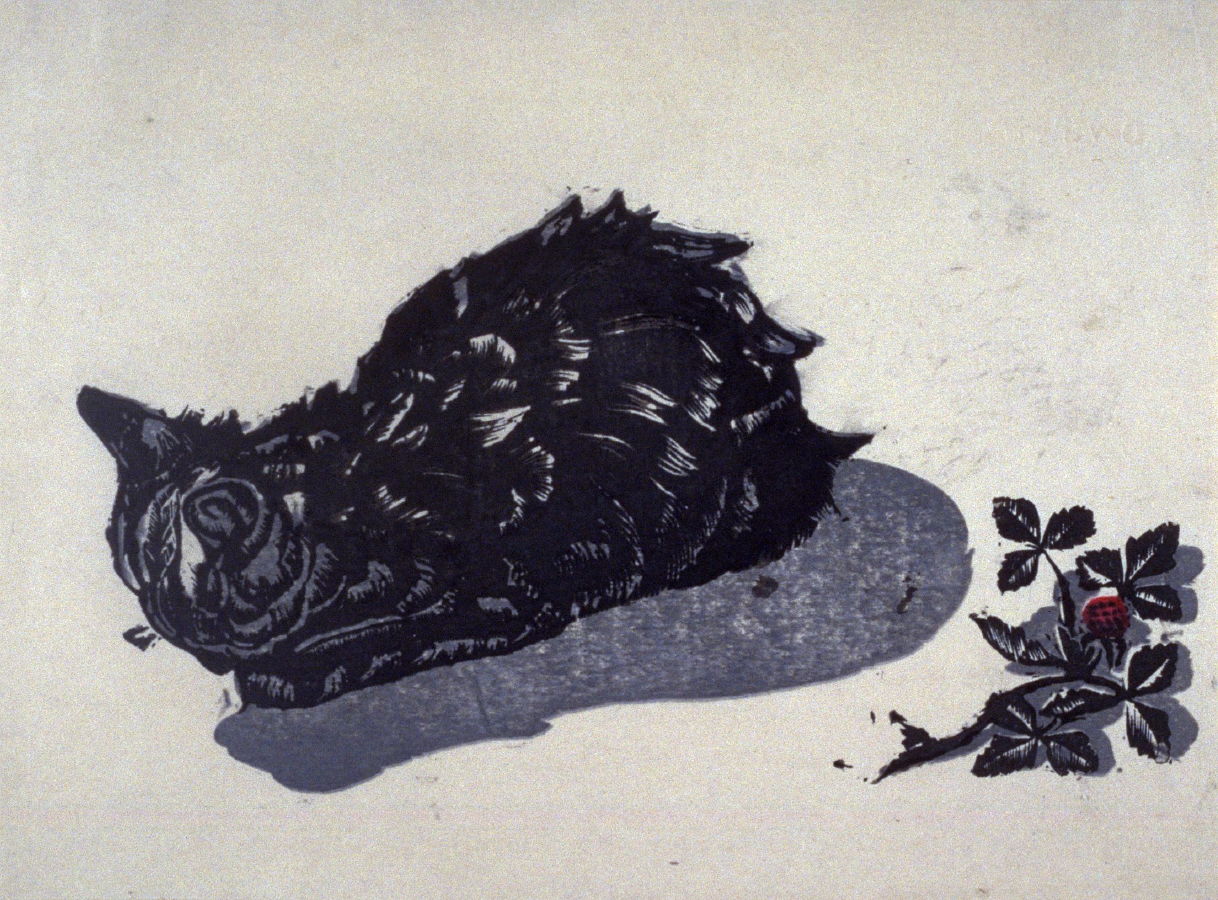
Fujimori, Shizuo
ca. 1920
Woodblock print
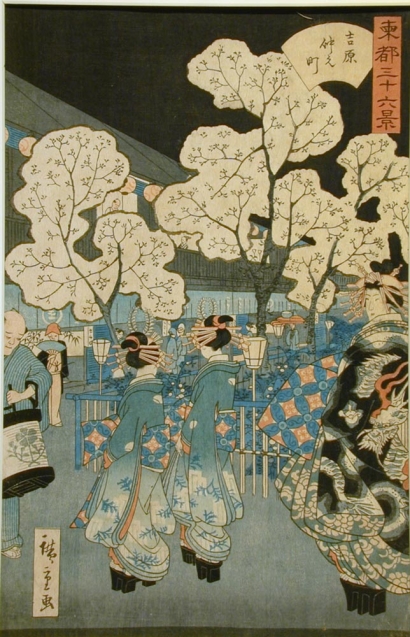
Naka Sector in the Yoshiwara
Woodblock print

Kagurazaka at Ushigome
Woodblock print
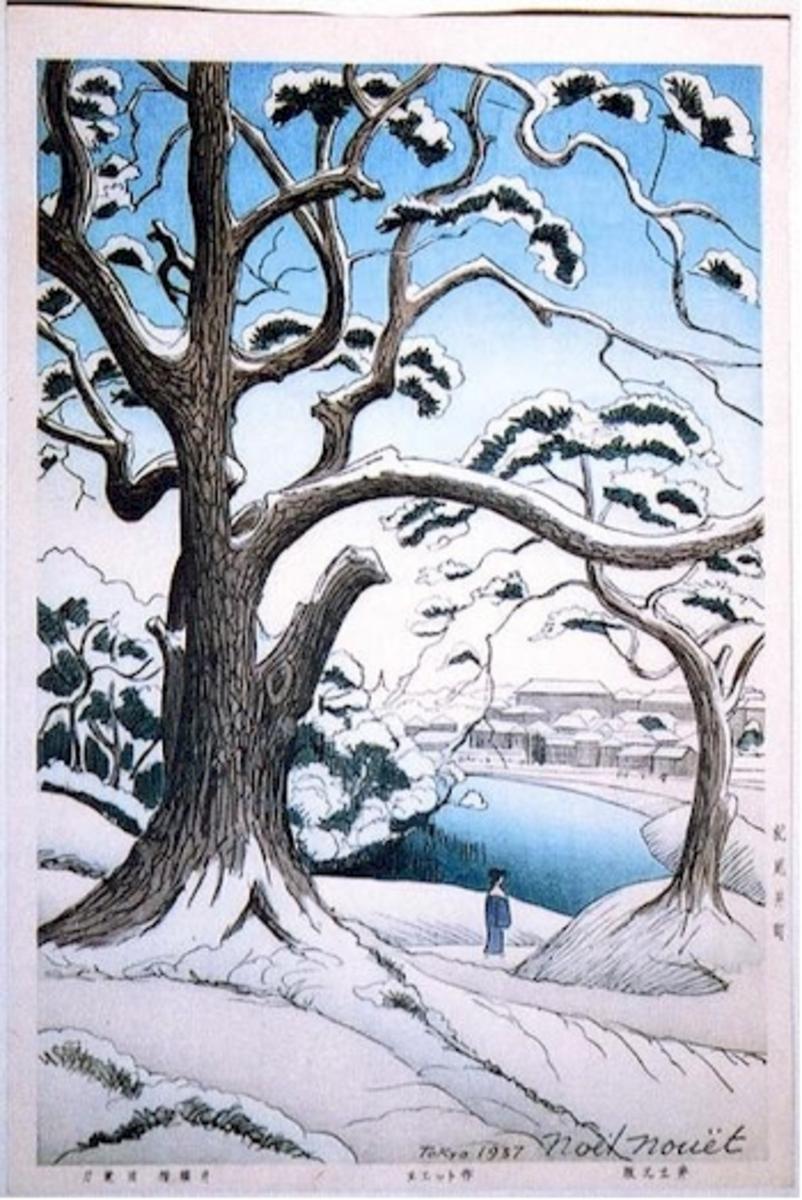
Kioichou — 紀尾井町
Woodblock print
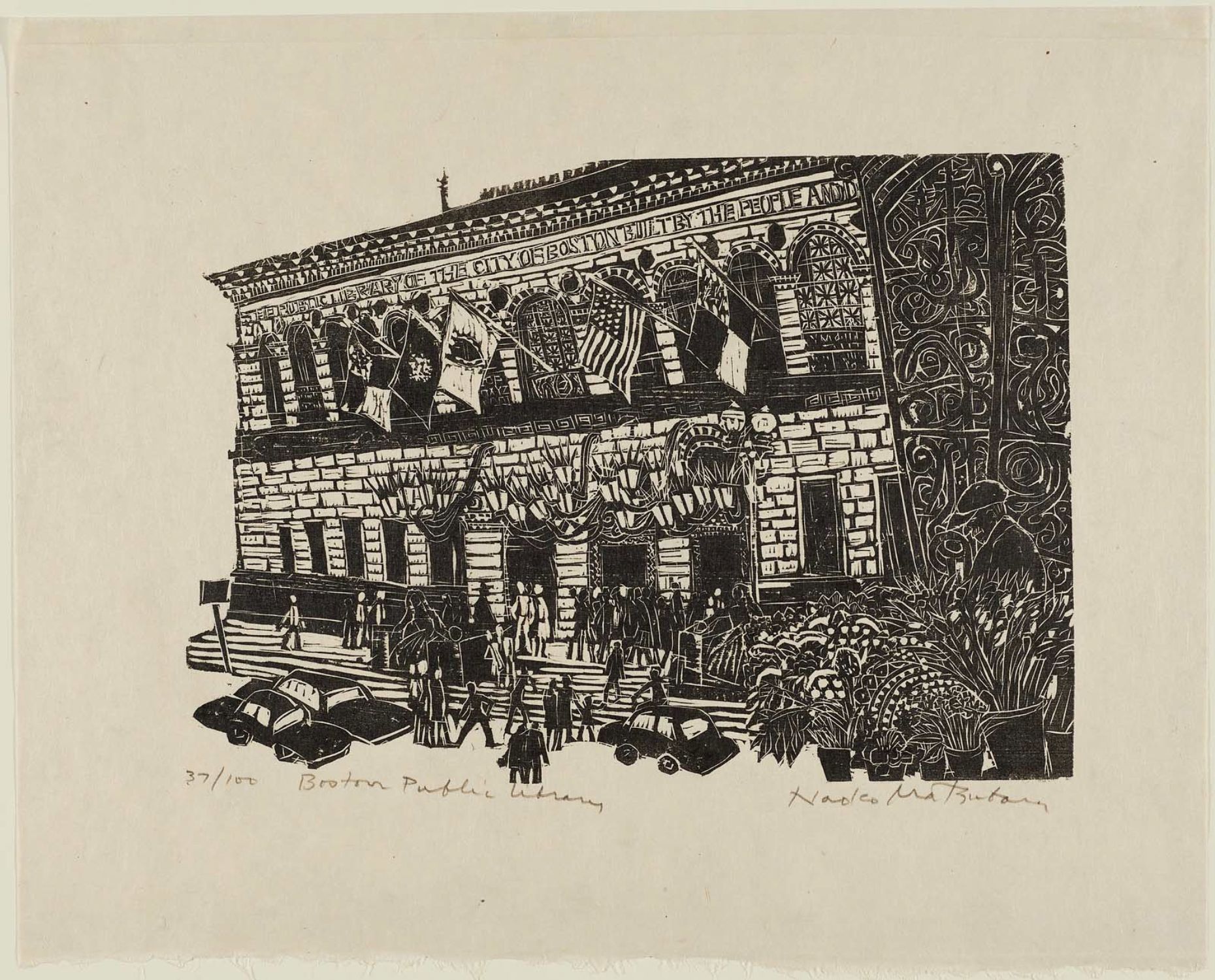
Boston Public Library
Woodblock print
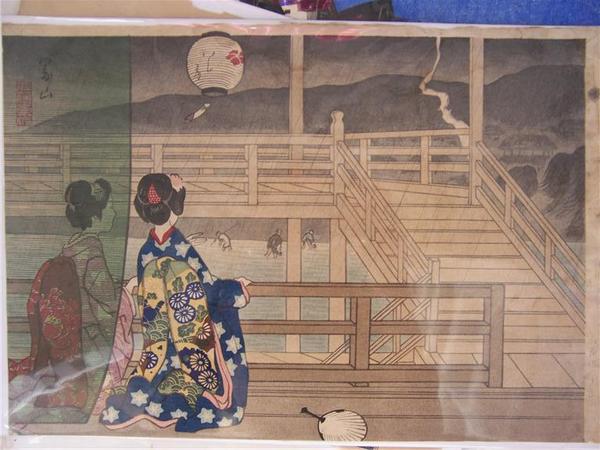
Kamogawa
Woodblock print
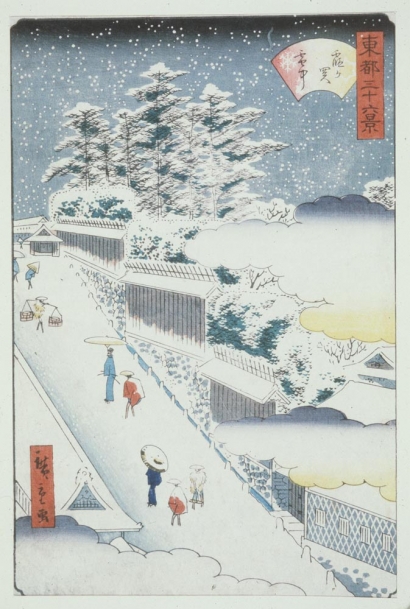
Kasumigaseki
Woodblock print
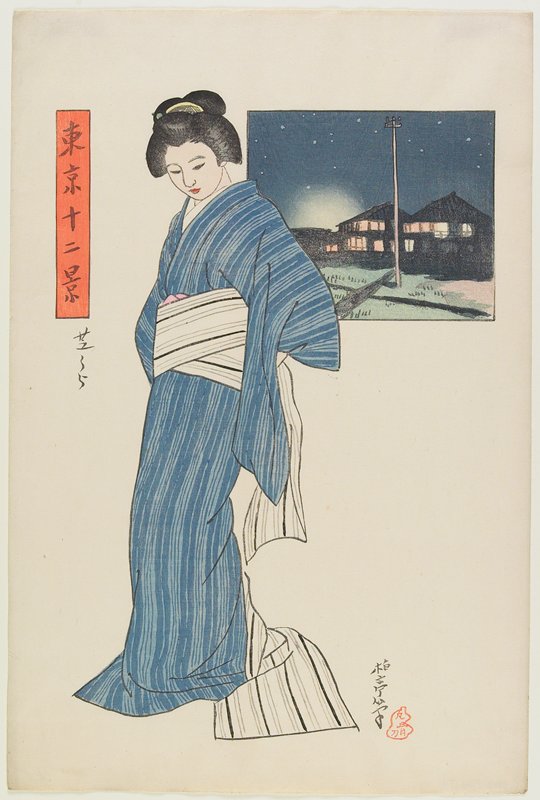
Shibaura
c. 1914–1916
Woodblock print, ink and color on paper
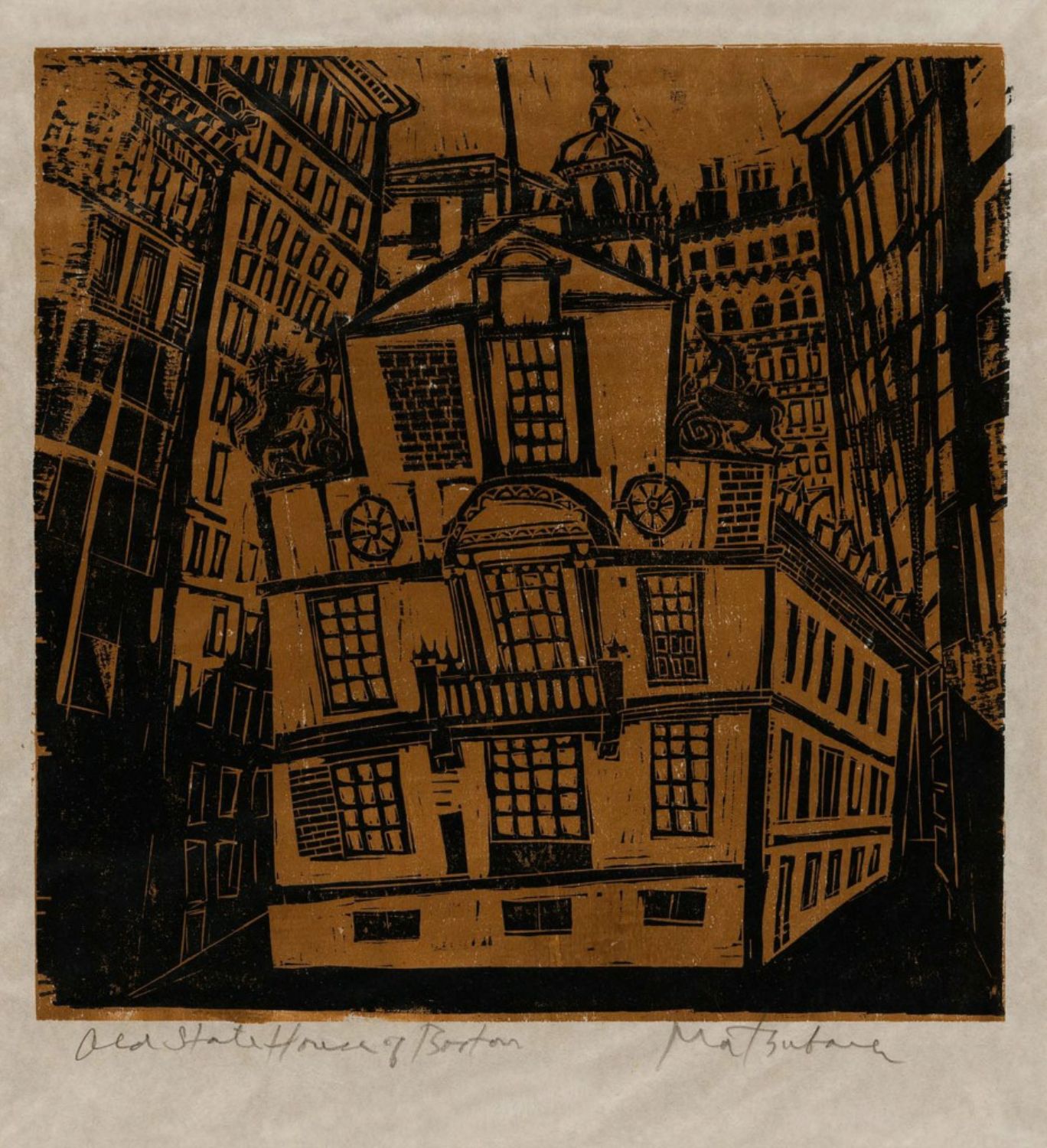
Old State House of Boston
Woodblock print
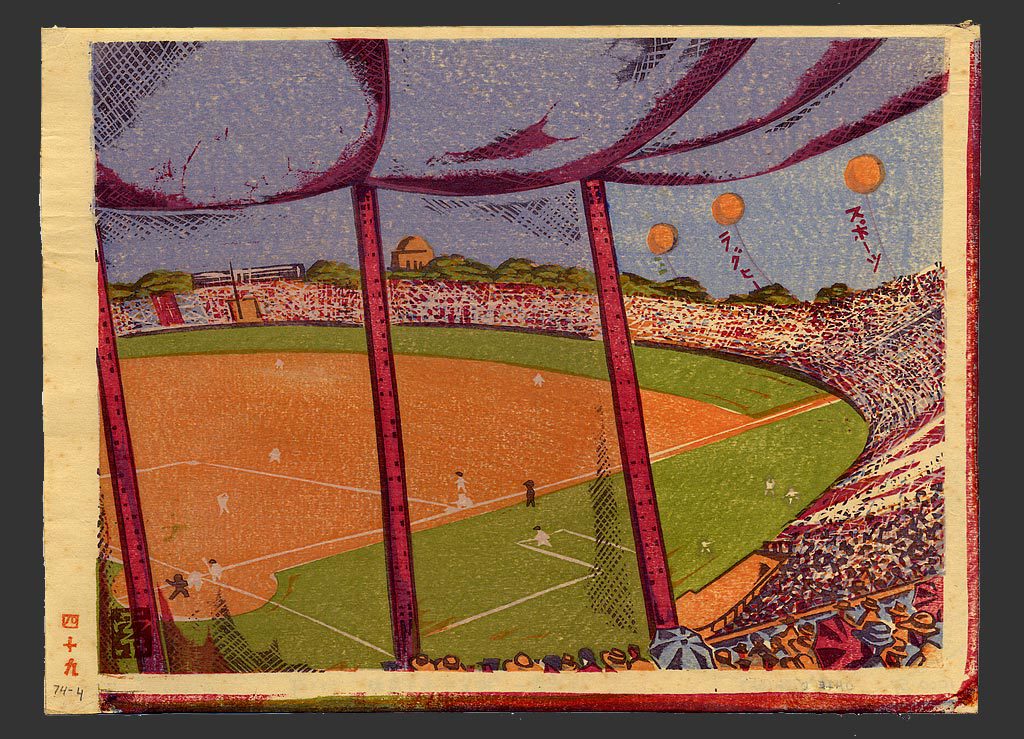
Meiji Baseball Stadium
Woodblock print
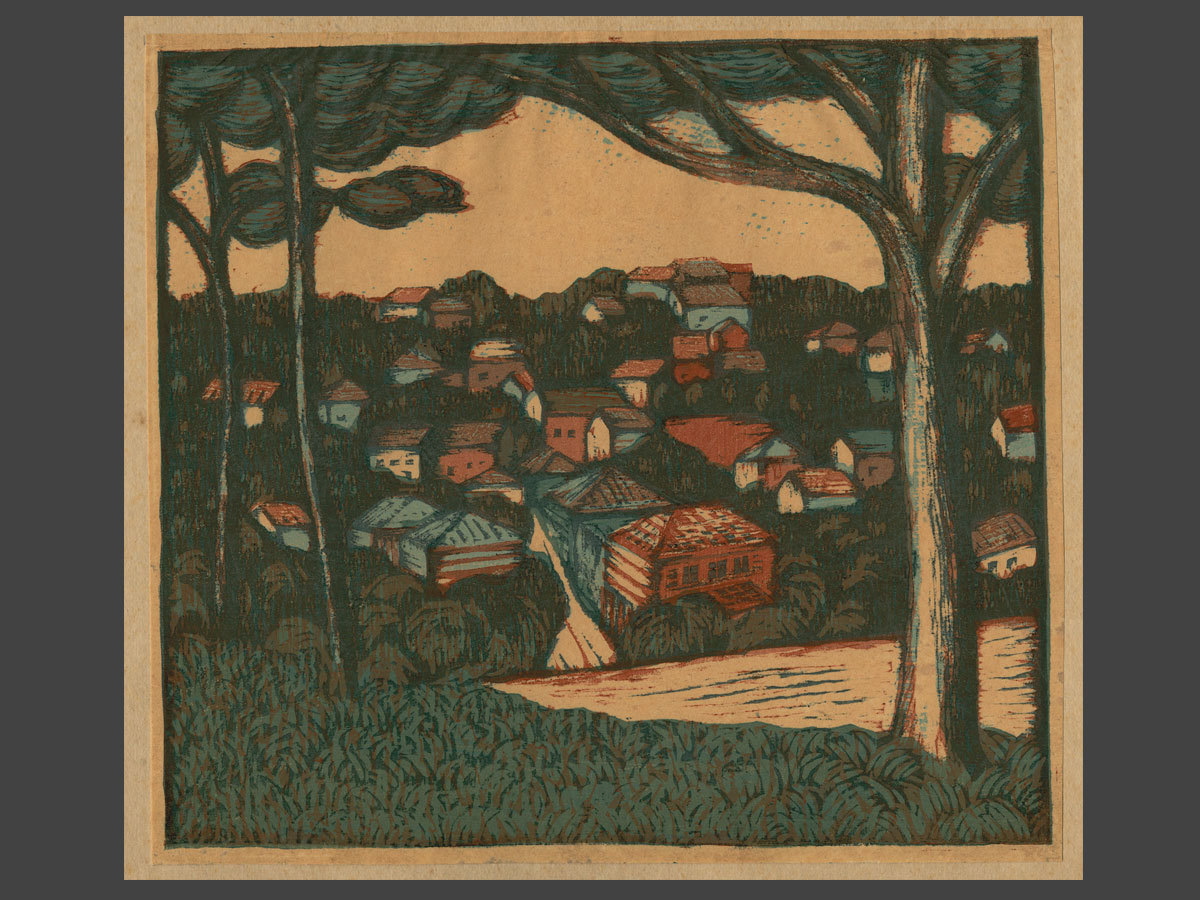
A View at Yoyogi
Woodblock print
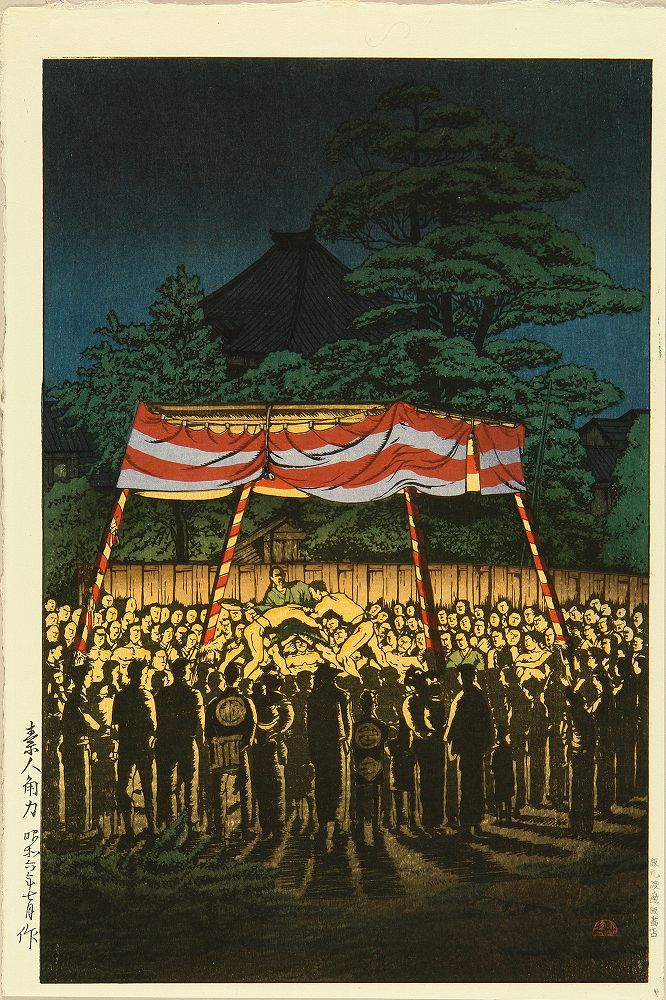
Hara Shobō
Woodblock print
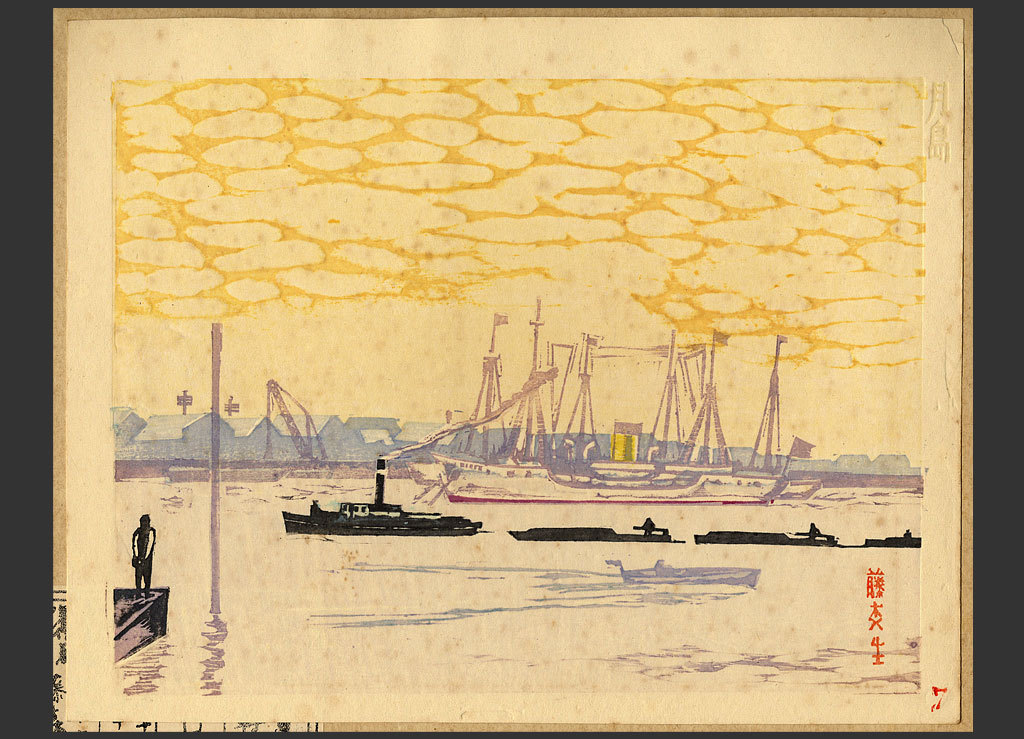
Tsukishima
1929
Woodblock print
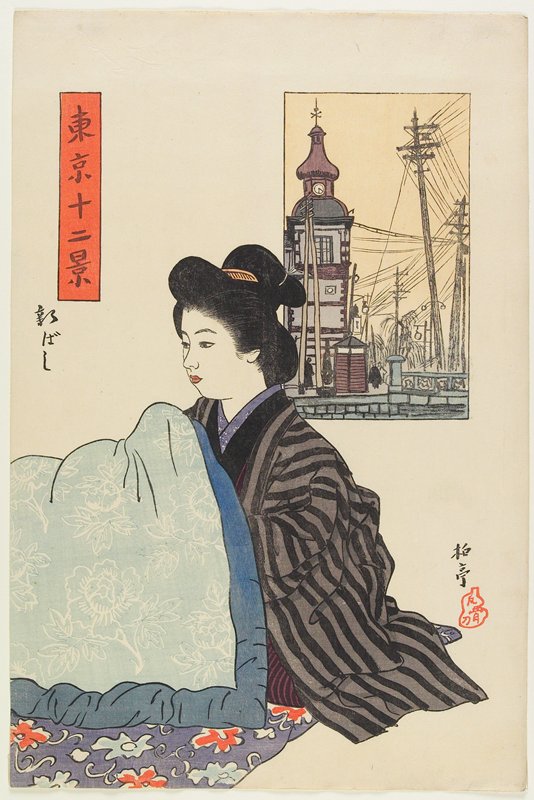
Shinbashi
c. 1914–1916
Woodblock print, ink and color on paper
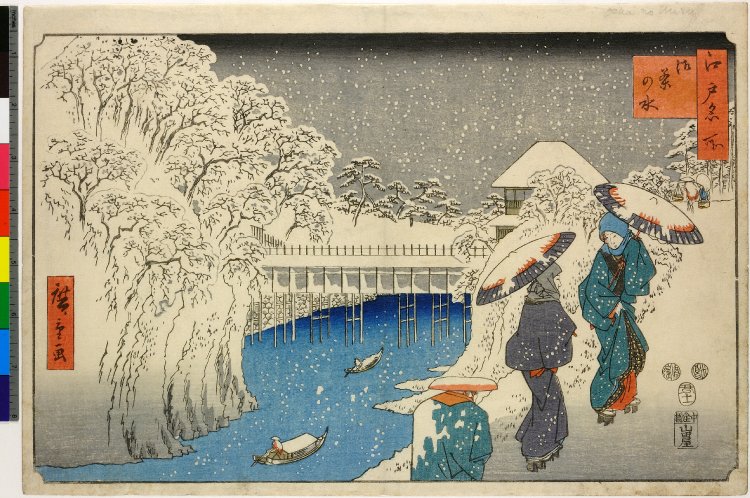
Ochanomizu / Edo Meisho zue
Woodblock print
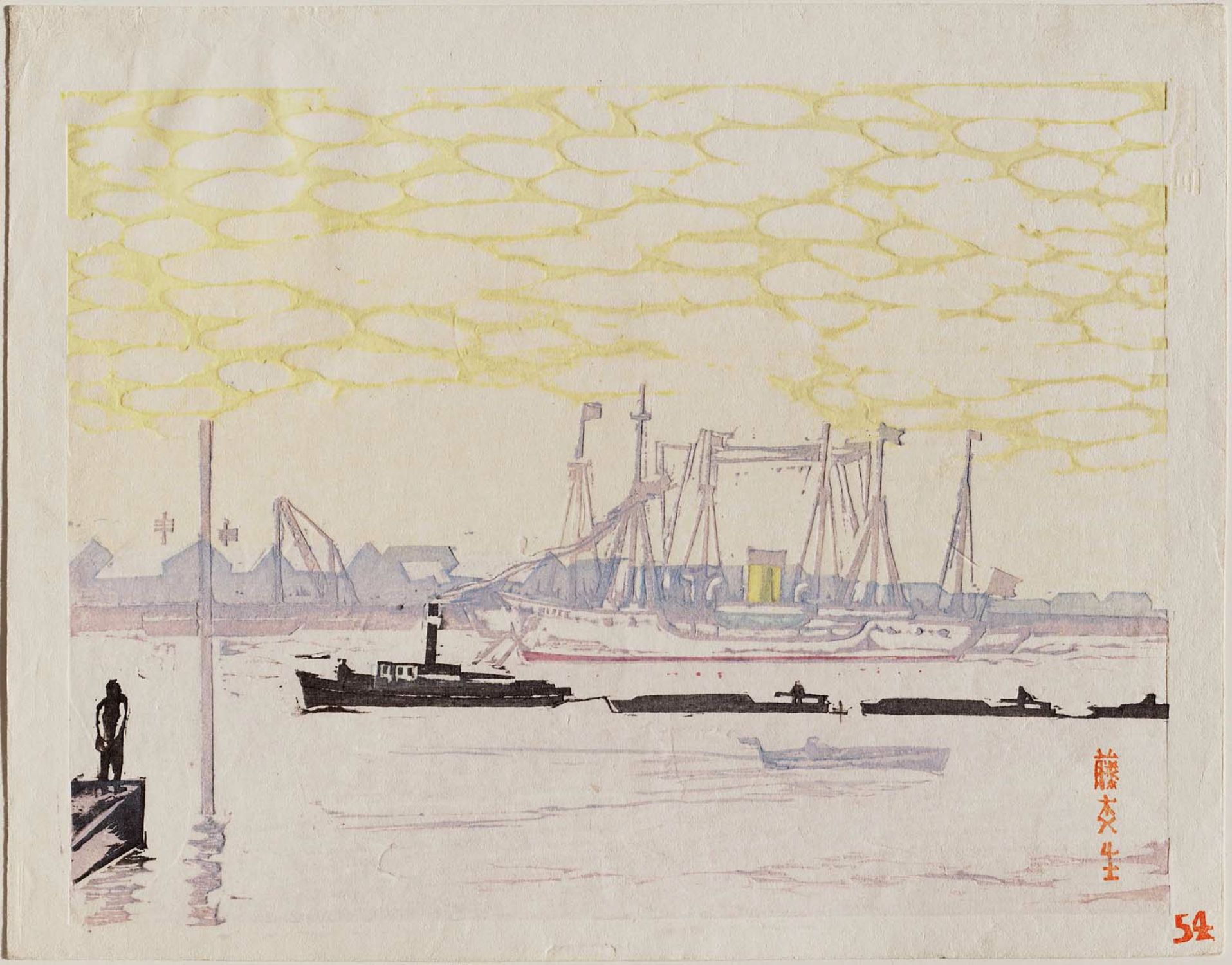
Tsukishima
Japanese, Shôwa era, 20th century
Woodblock print
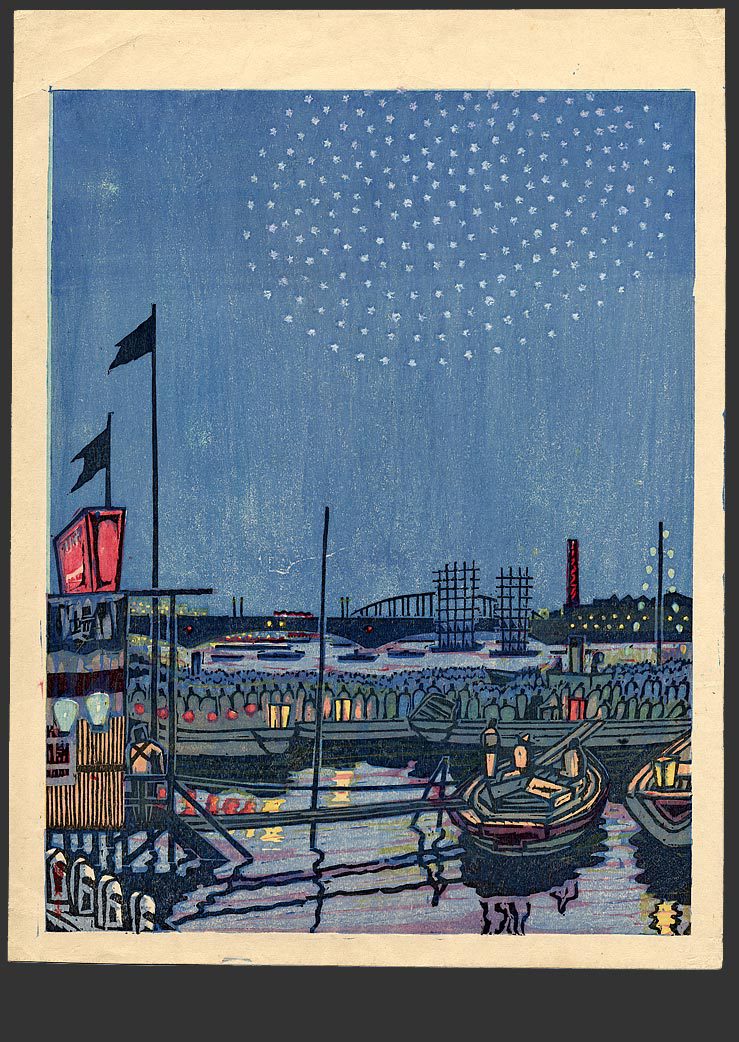
Sumidagawa
1933
Woodblock print
TotalCount
1937
Woodblock print

Cincinnati II
20th century
Woodblock print; edition 32/100
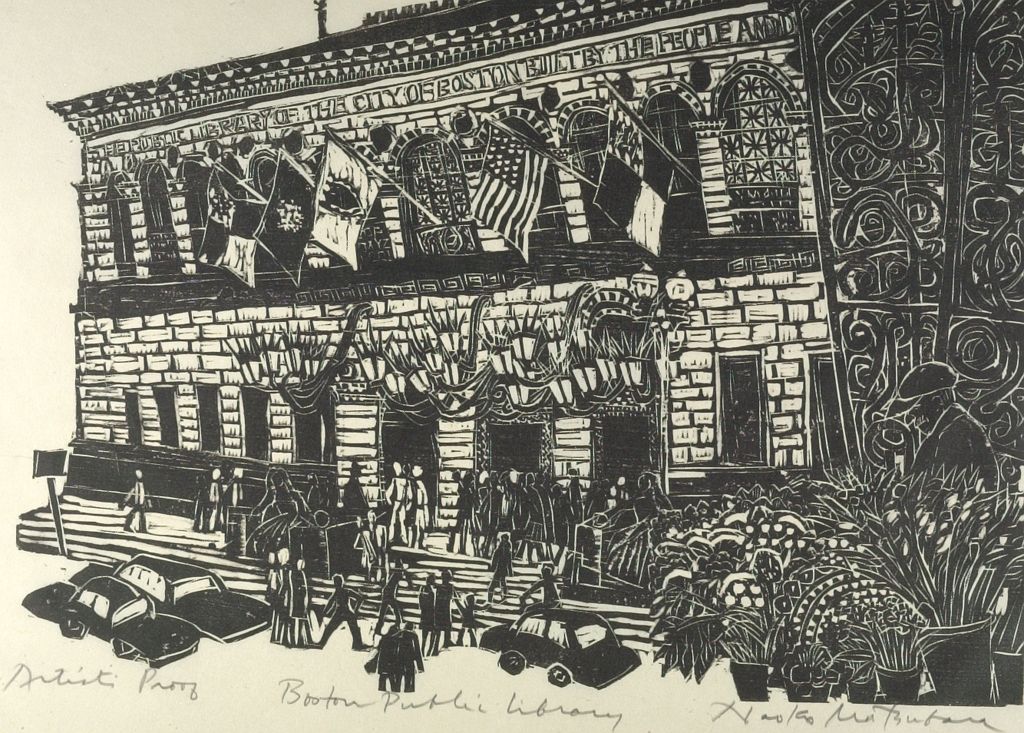
Boston Public Library, Shôwa period, dated 1969
Woodblock print
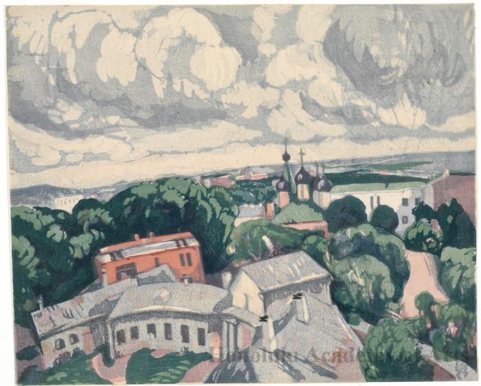
Moscow
1917
Woodblock print
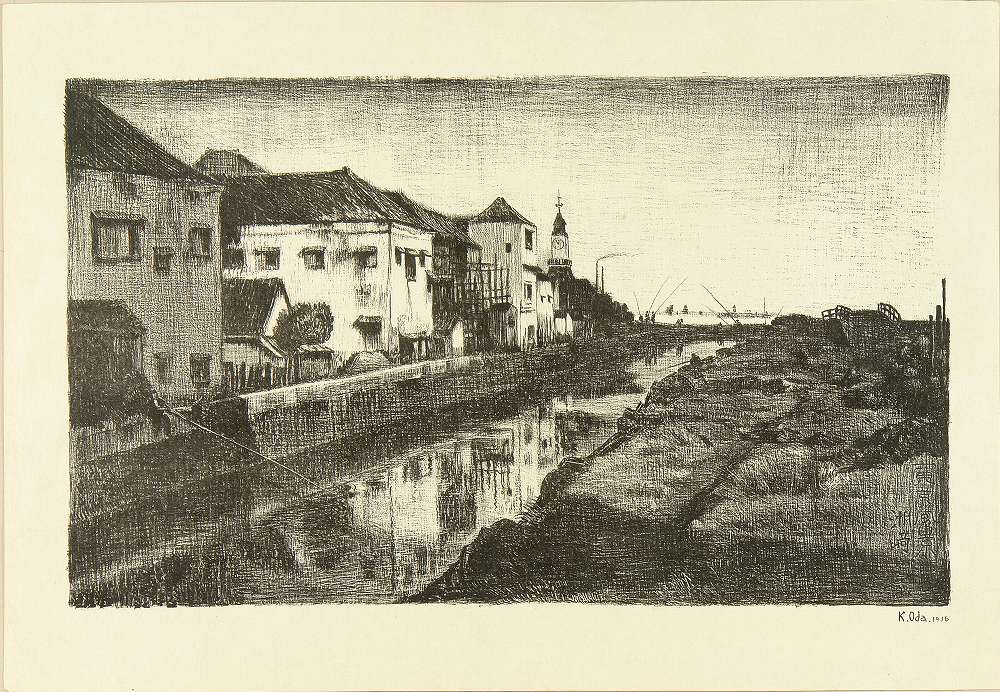
Susaki, from
Woodblock print
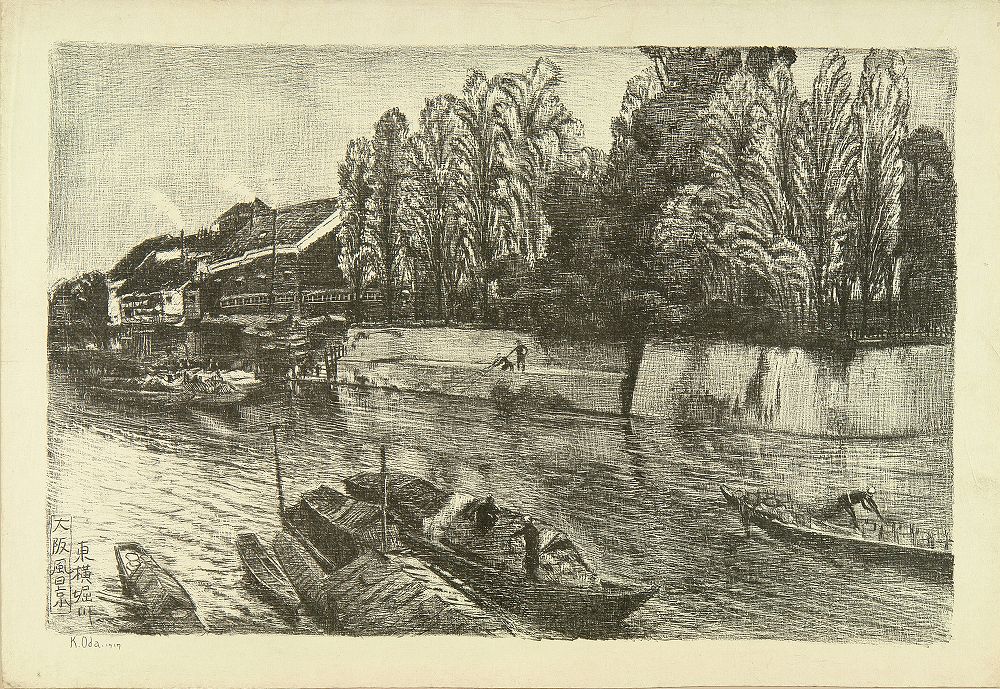
Toyoko, Horikawa, from
Woodblock print
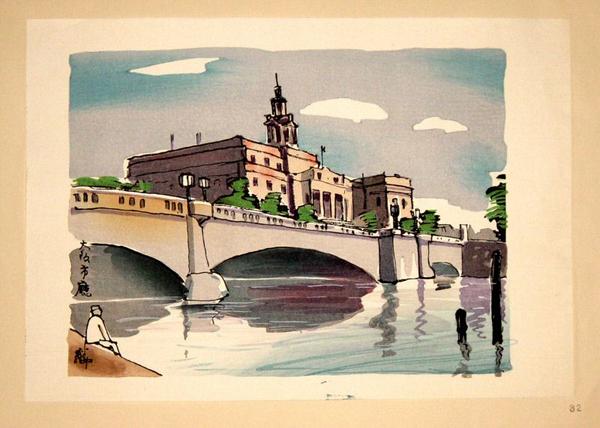
Osaka Municipal Office
Woodblock print
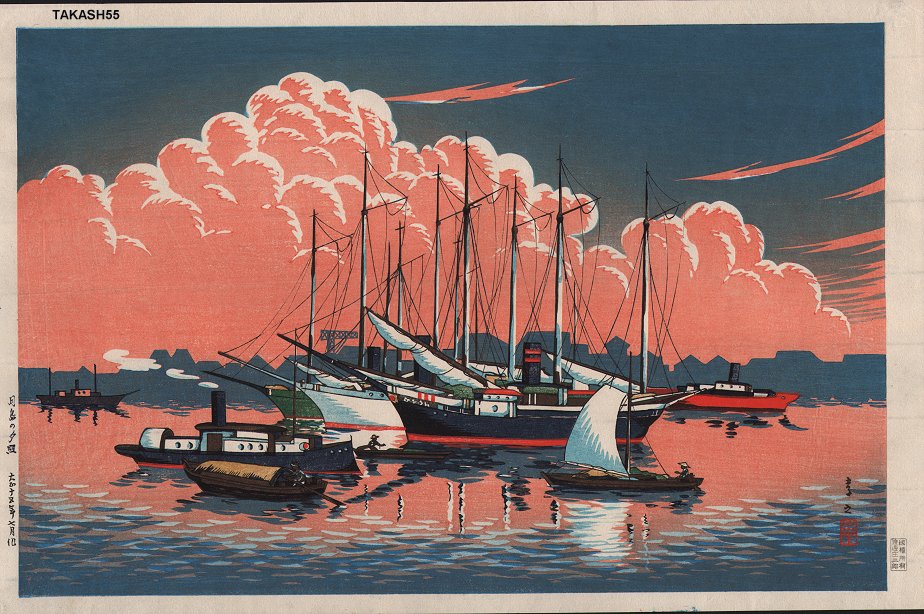
Sunset at Tsukishima
Woodblock print
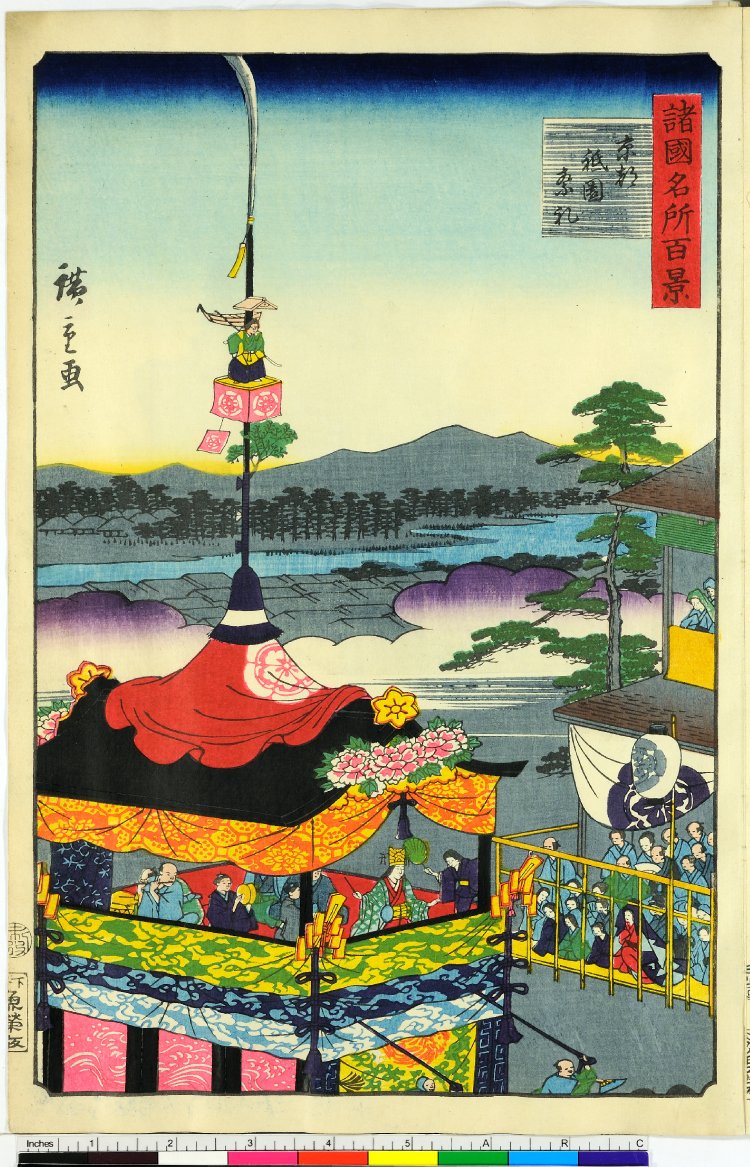
Kyoto Giion sairei 京都祇園祭礼 / Shokoku Meisho Hyakkei 諸国名所百景
Woodblock print
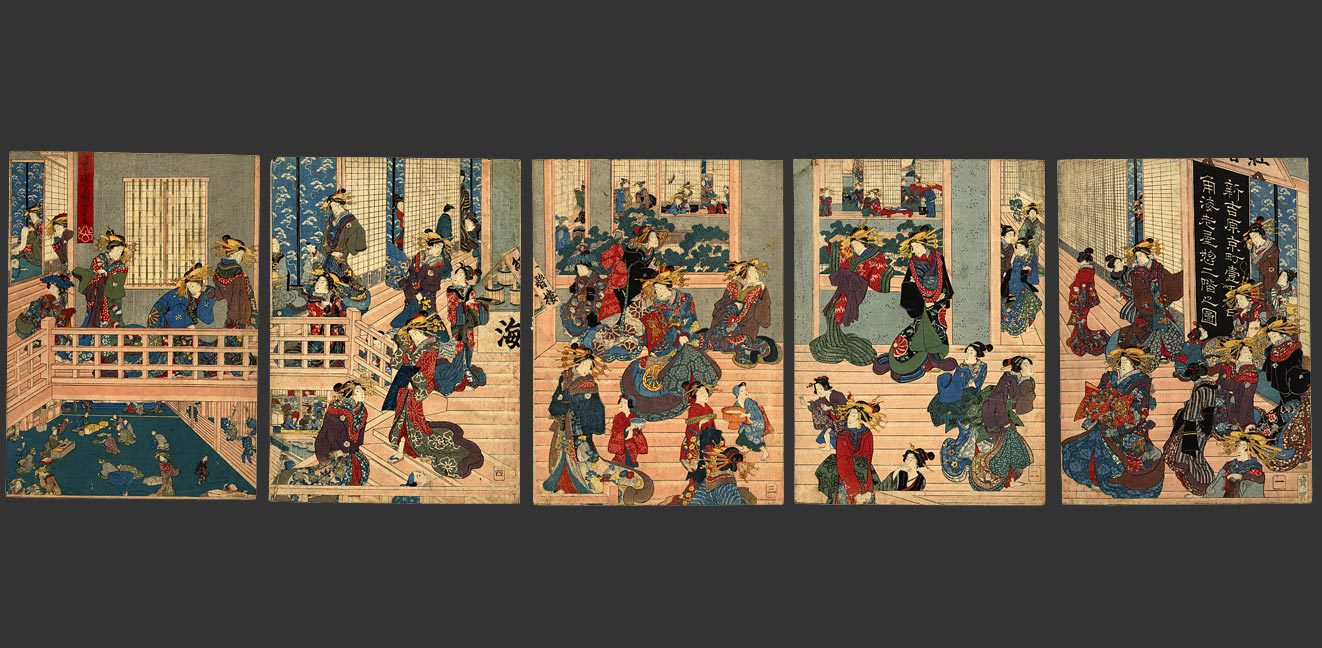
2nd Floor of the Kadoebiya Green house in the Shin-Yoshiwara
Woodblock print
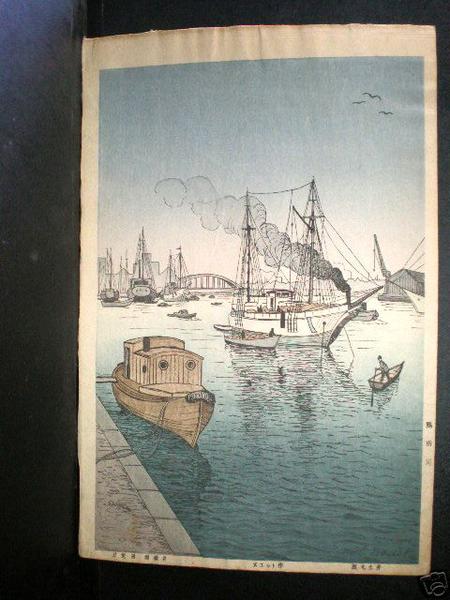
Shiba Furukawa — 芝古川
Woodblock print
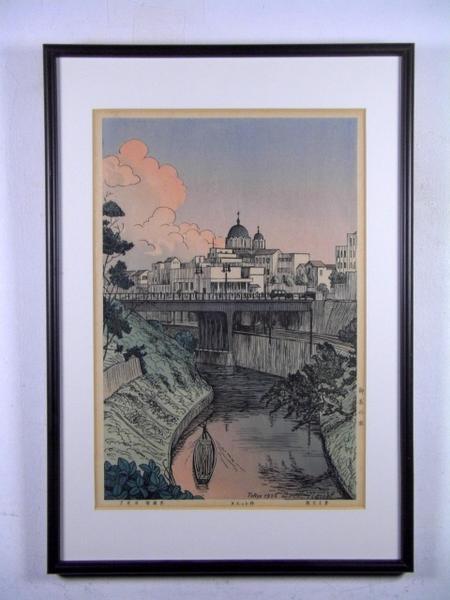
Ochanomizu — お茶の水
Woodblock print
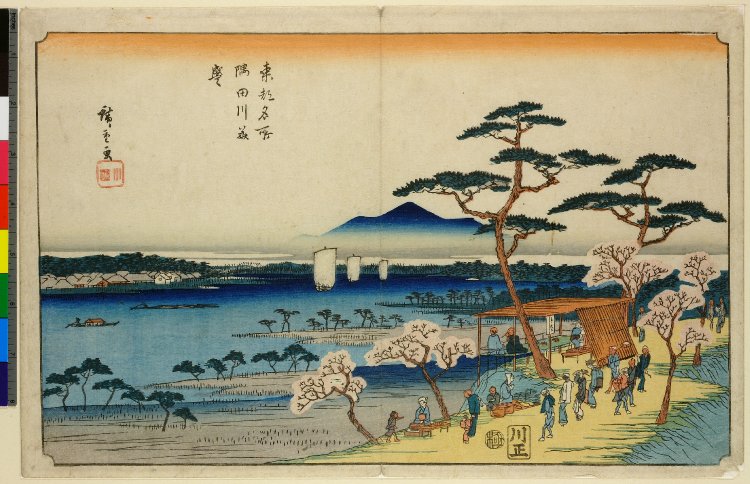
Toto meisho (Famous Places of the Eastern Capital)
Woodblock print

Narazaki Eisho (Narazaki Eishô)
Shôwa period, 1926-1989
Woodblock print
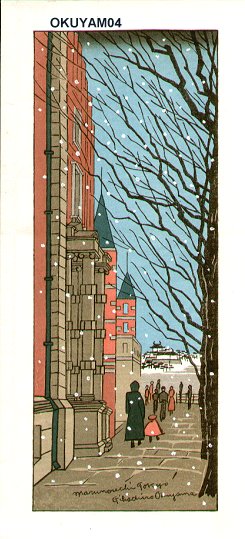
Marunouch Tokyo
Woodblock print
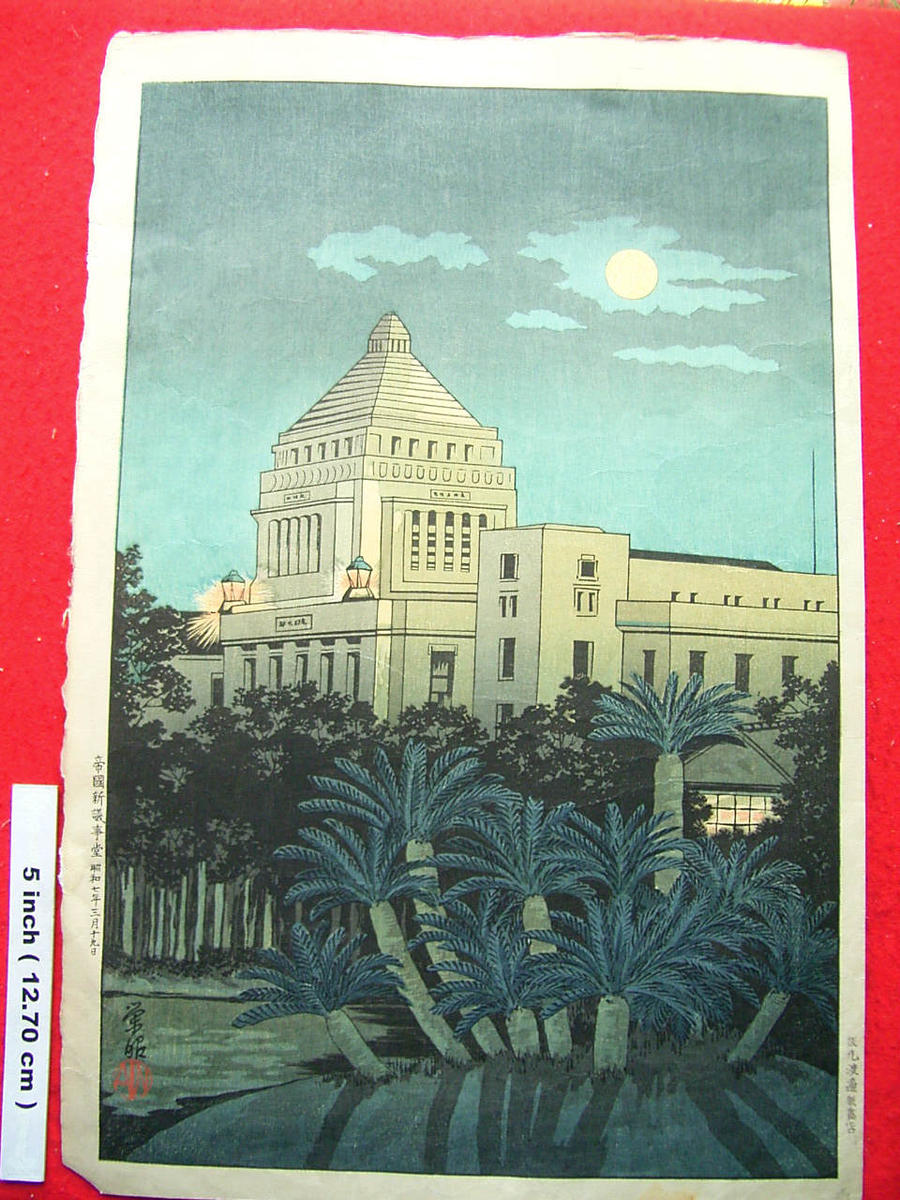
Teikoku Shin-Gijido - New Imperial Diet
1932
Woodblock print
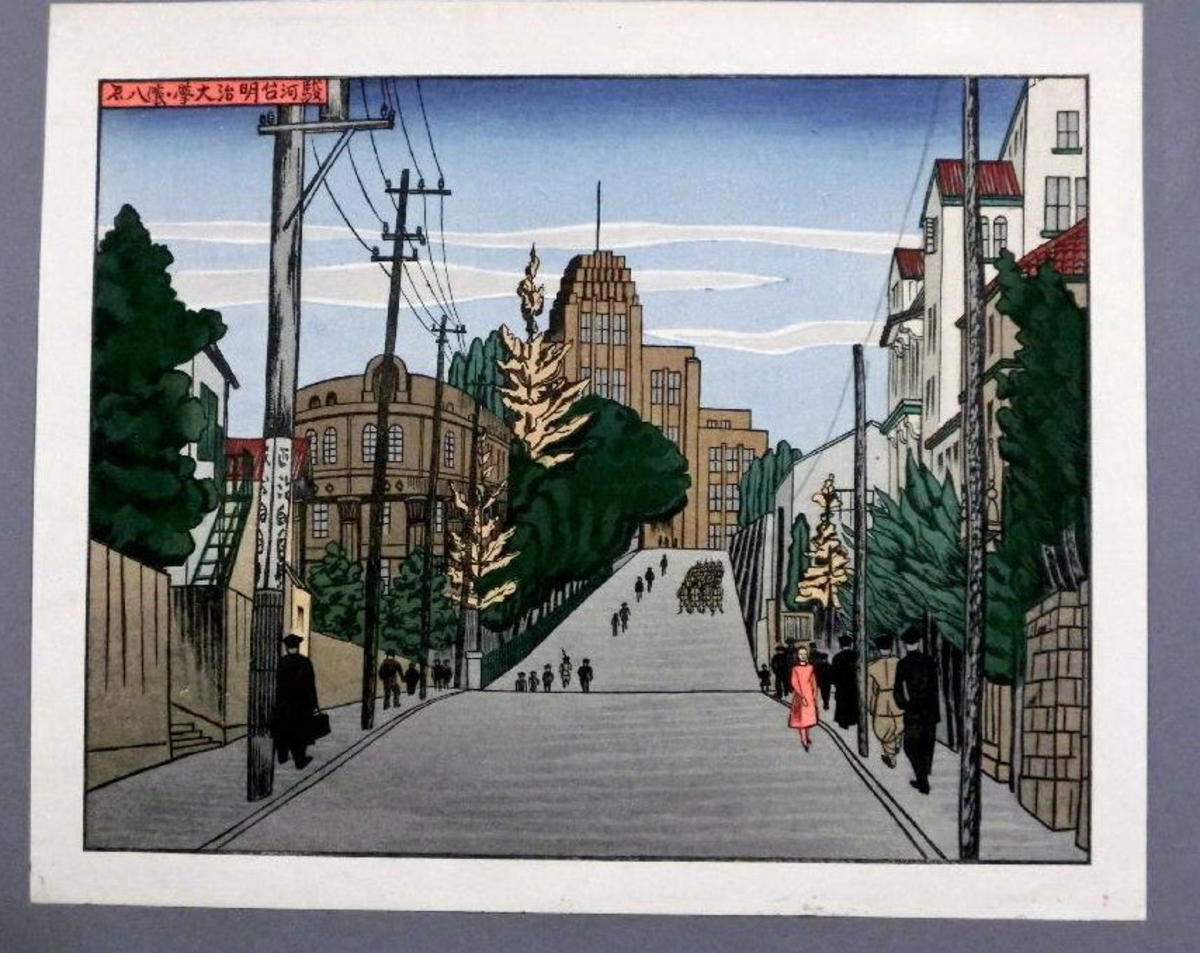
Meiji University at Surugadai — 駿河台 明治大学
Woodblock print
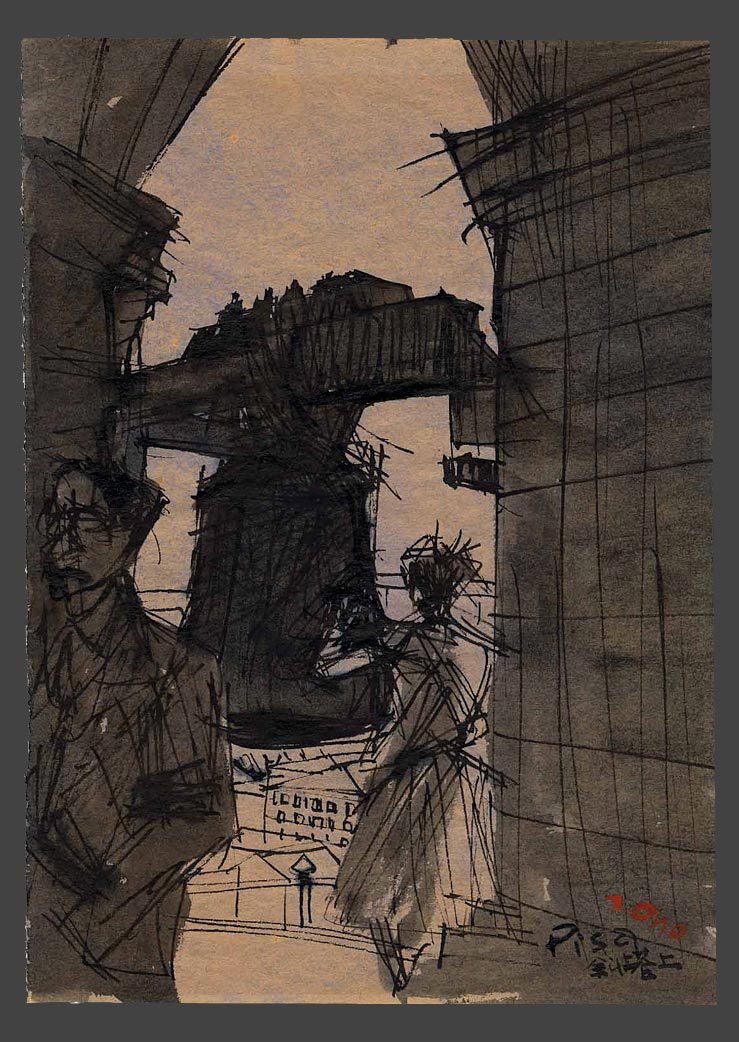
Pisa, Italy
Woodblock print
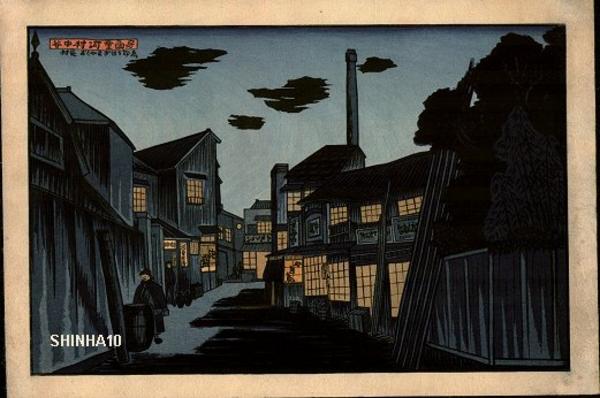
Taninakamura — 谷中村河童画房
Woodblock print
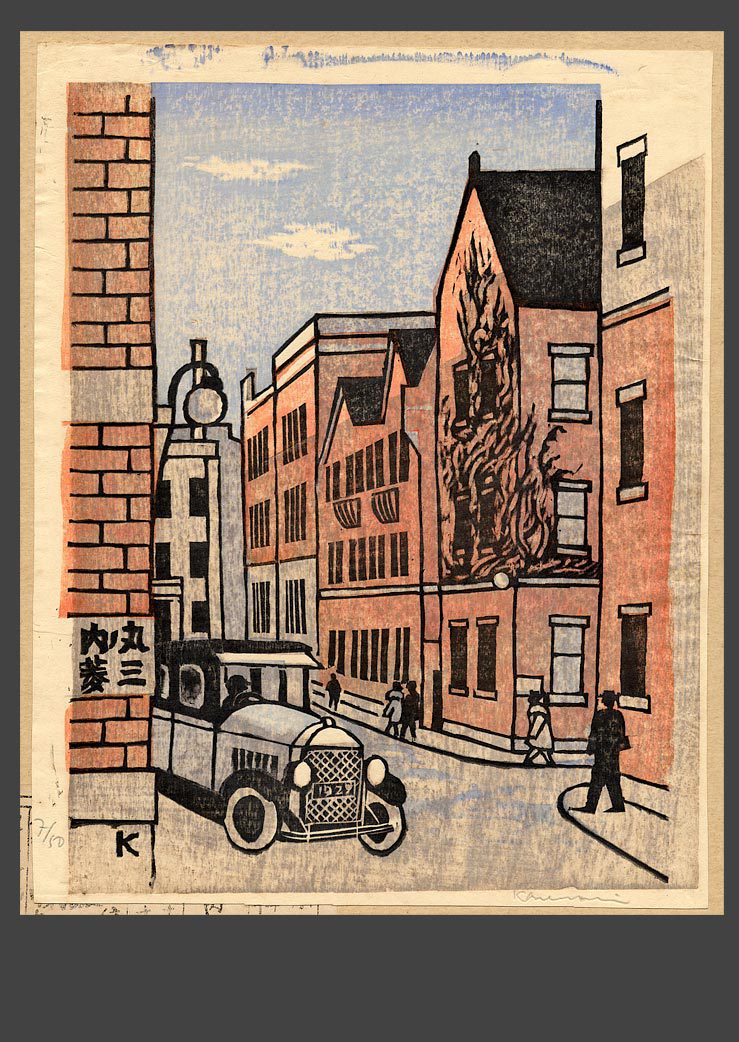
#5 Marunouchi Naka-dori
Woodblock print

Hibiya Park
Woodblock print
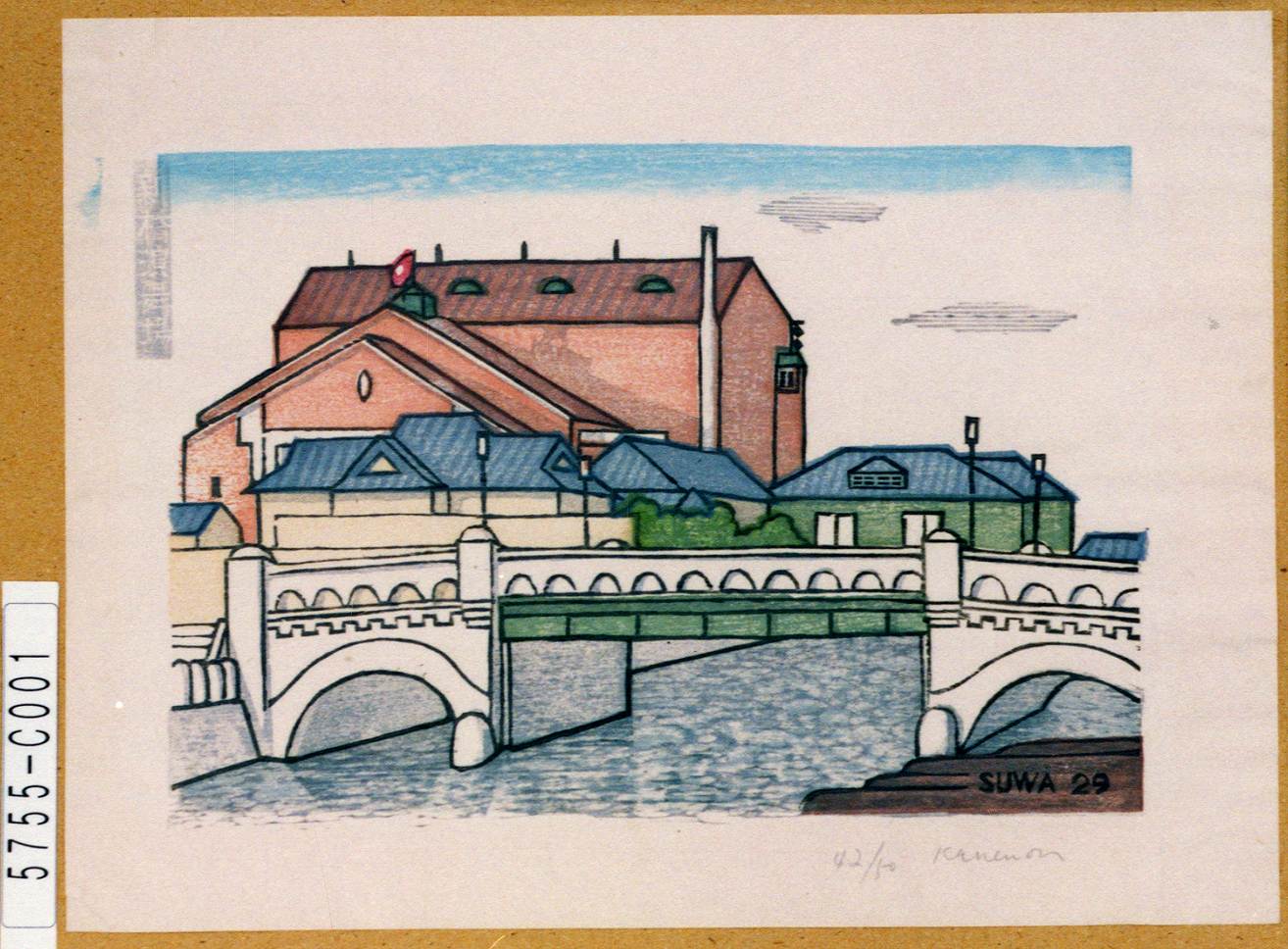
Tokyo Metro Library
Woodblock print
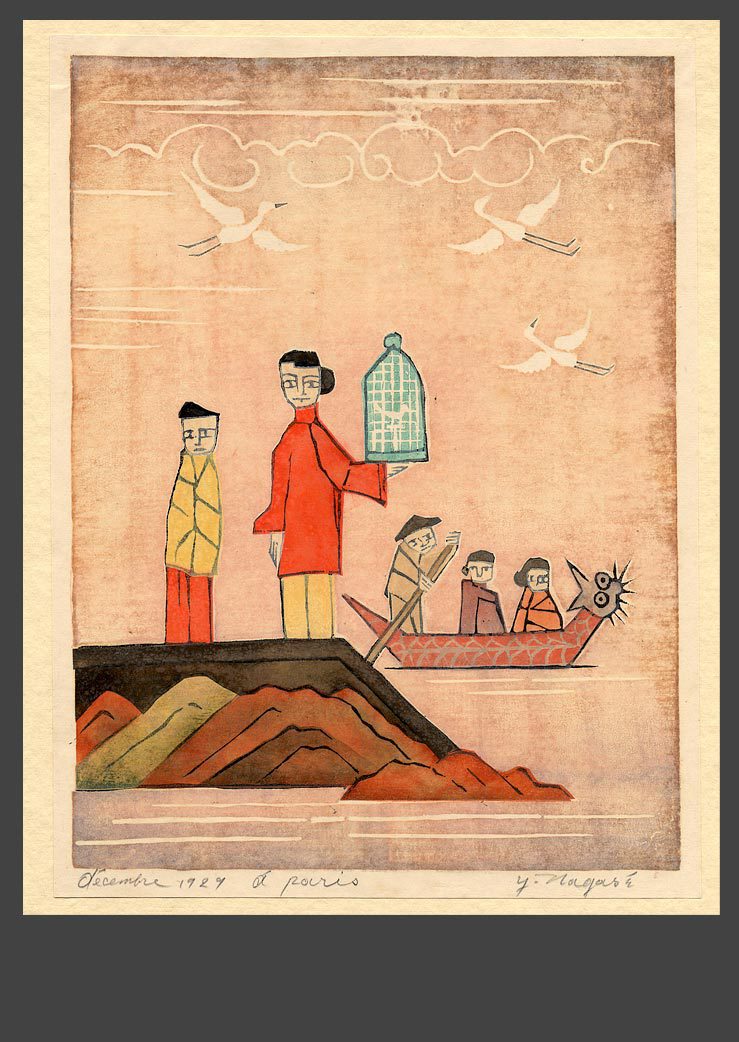
Remark of Shanghai
Woodblock print

Cinema
Woodblock print on paper
Unknown
Woodblock print
Related Subjects
Frequently Asked Questions
Urban scenes document the cities and towns of Japan through the lens of woodblock printmaking, capturing architecture, street life, commercial activity, and the evolving character of Japanese urban spaces across four centuries. The genre reflects Japan's transformation from a feudal society of castle towns to one of the world's most densely urbanized nations.
Utagawa Hiroshige, Inoue Yasuji, and Oda Kazuma are among the artists most associated with urban scenes in our collection. Browse the full list of artists who explored this subject above.
Hanga currently catalogues 704 prints tagged with urban scenes, spanning ukiyo-e, shin-hanga, and sōsaku-hanga traditions where applicable.