1700s Japanese Woodblock Prints
32 prints from the 1700s in our collection, created during the Edo Period (1603–1868). The Edo period saw the rise of ukiyo-e, the iconic woodblock print tradition depicting the floating world of pleasure districts, kabuki actors, beautiful women, and landscapes. Under the Tokugawa shogunate's peaceful rule, a thriving urban culture in Edo (modern Tokyo) fueled demand for affordable printed art.
Top Artists of the 1700s
Prints (32)
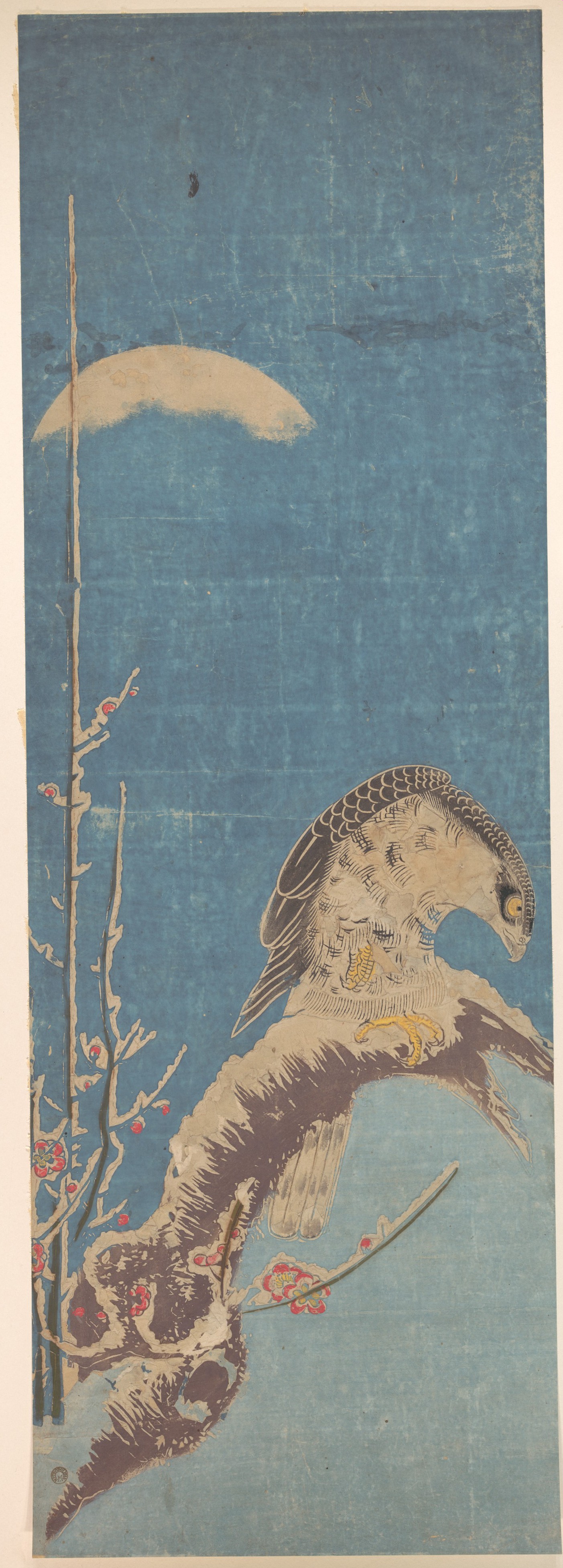
A Hawk Perched on a Snow-covered Pine Tree
probably 18th century
Hand-colored print (ishizuri-e); ink and color on paper

A Professional Baffoon, from a untitled series of 12 prints
c. 1710
Woodblock print; oban, sumizuri-e

Arrival of the Korean Embassy in Edo
c. 1709
Woodblock print; oban sumizuri-e, 1 of 6 sheets from a 12-sheet composition (see 1925.2334a-f)

Back to back, from a series of 12 prints
c. 1700
Woodblock print; oban, sumizuri-e

Buke hyakunin isshu
reprint of 1703 edition
Woodblock printed book
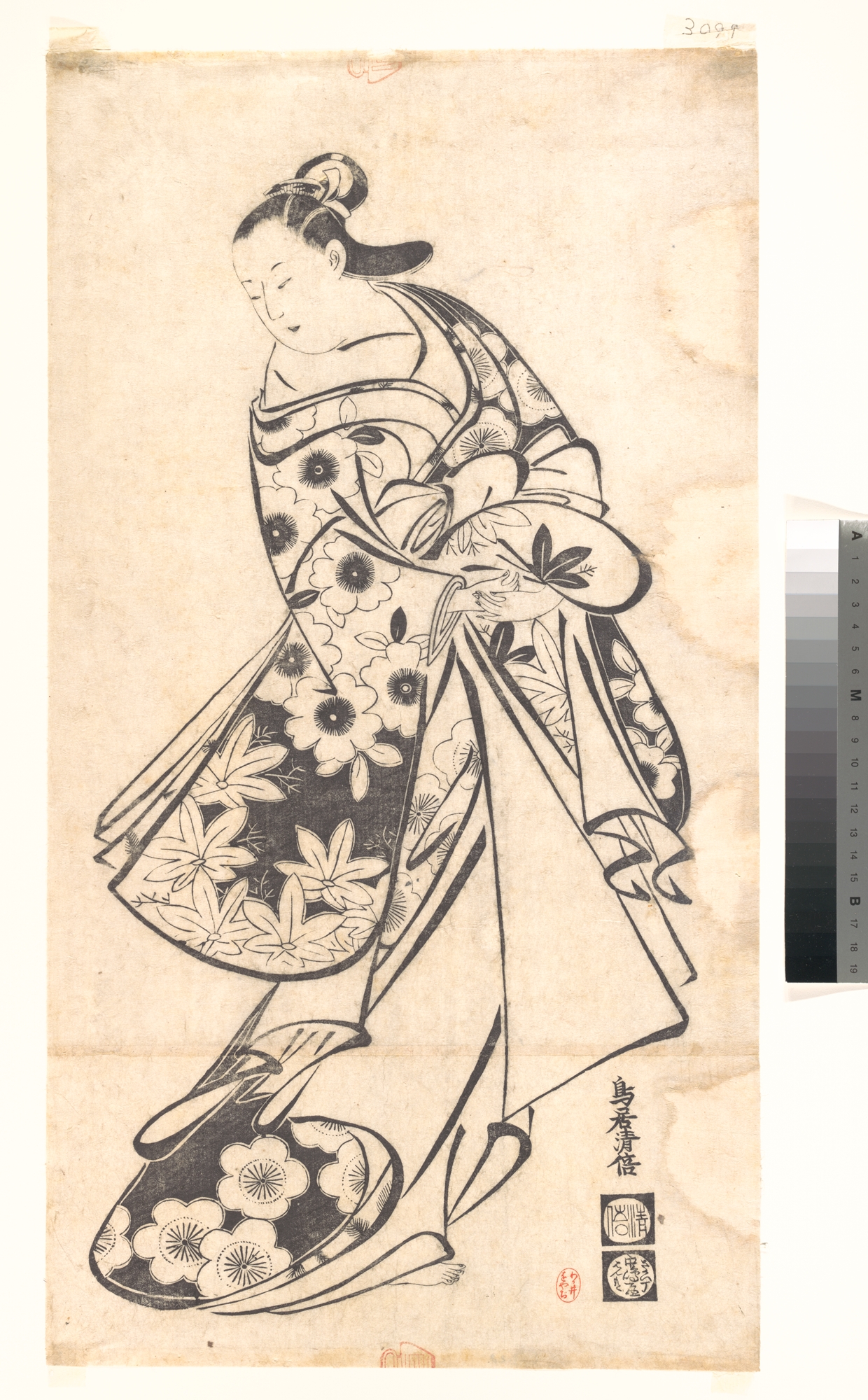
Courtesan
ca. 1712
Monochrome woodblock (tan-e) print; ink on paper

Courtesan Painting a Screen, from a series of 12 erotic prints
c. 1711
Hand-colored woodblock print; oban, sumizuri-e

Eight Scenes of Kanazawa (Kanazawa hakkei): The Dance of Asahina and Umejumaru (Asaina Umejumaru mai no dan)
c. 1707
Hand-colored woodblock print; o-oban yoko-e, tan-e

Kisegawa of the Matsubaya, from the series "Comparing the Charms of Five Beauties (Gonin bijin aikyo kurabe)"

Male Figure
Edo period (1615-1868)
Hanging scroll cut from rollers; ink and colors on silk

Ono no Komachi Praying for Rain
Edo period (1615–1868), about 1771
Color woodblock print, hashira-e
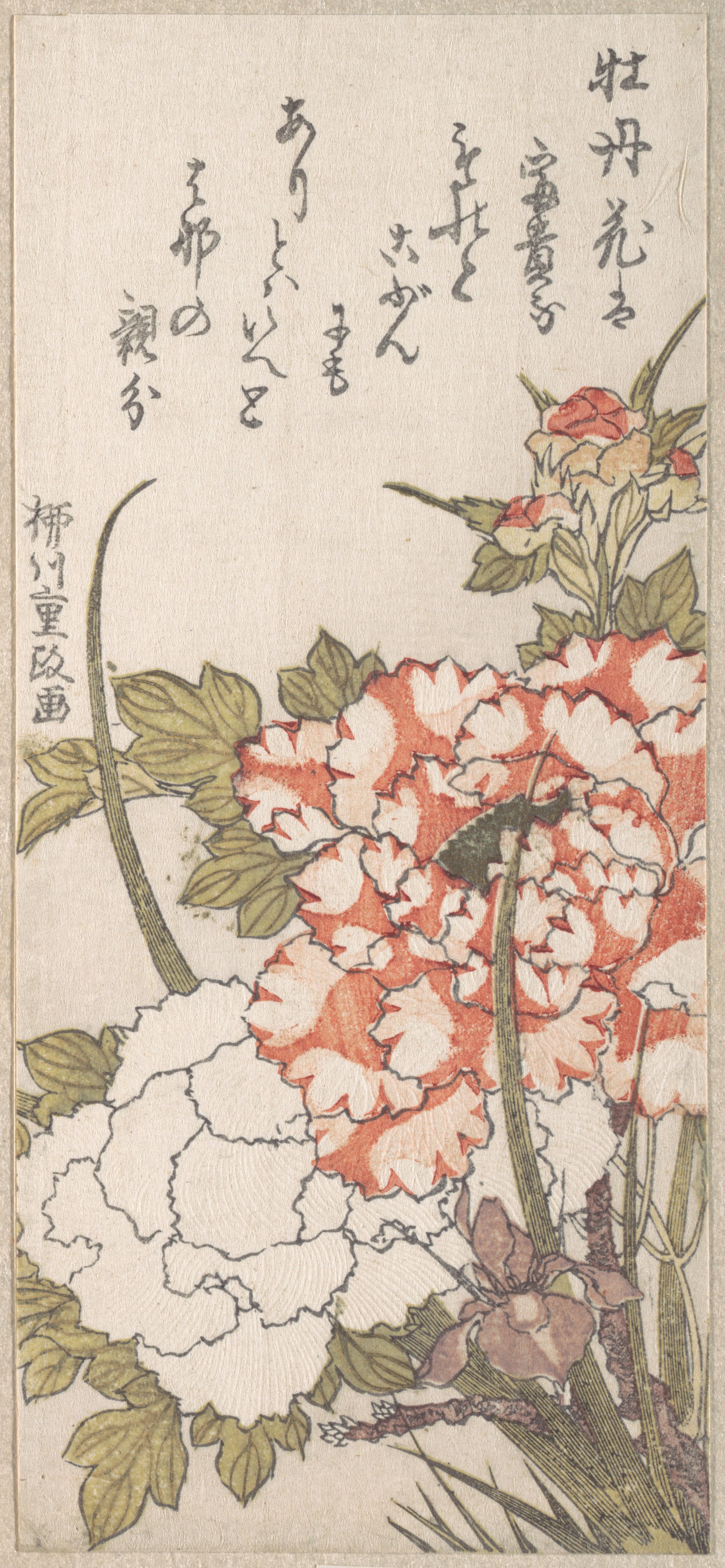
Peonies and Iris
18th–19th century
Woodblock print (surimono); ink and color on paper
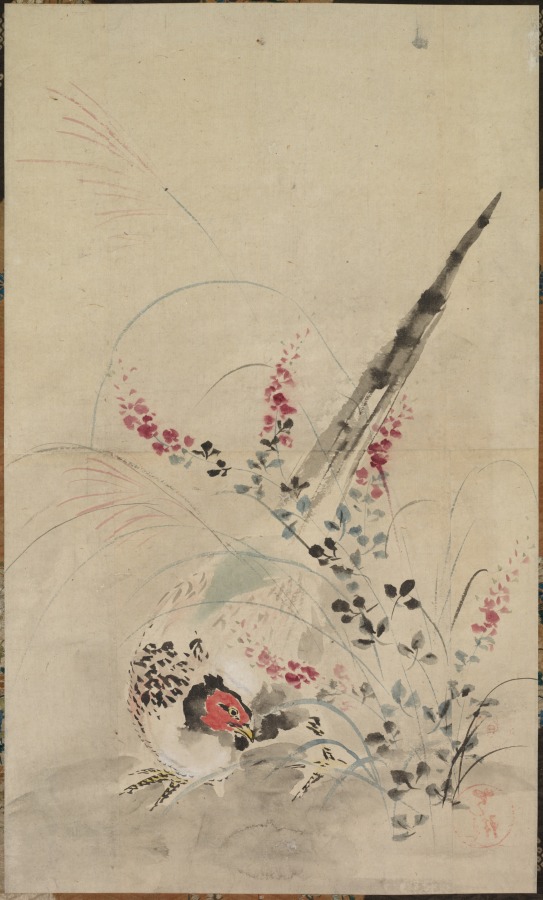
Pheasant and Grasses
雉子草花図
late 1600s–early 1700s
Hanging scroll; ink and color on silk
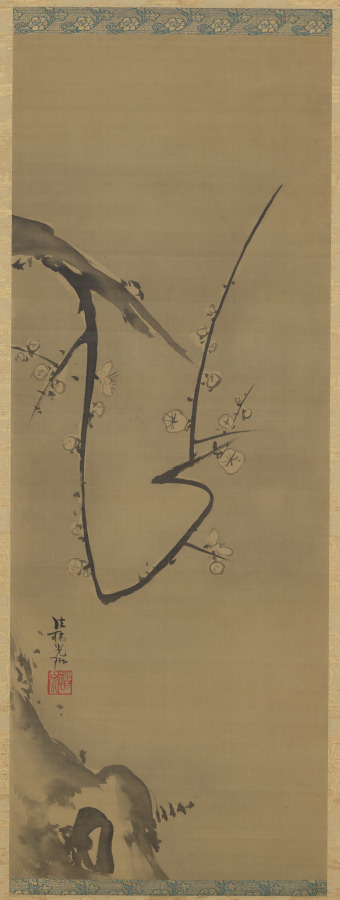
Plum Tree
梅図
c. 1700
Hanging scroll; ink on silk
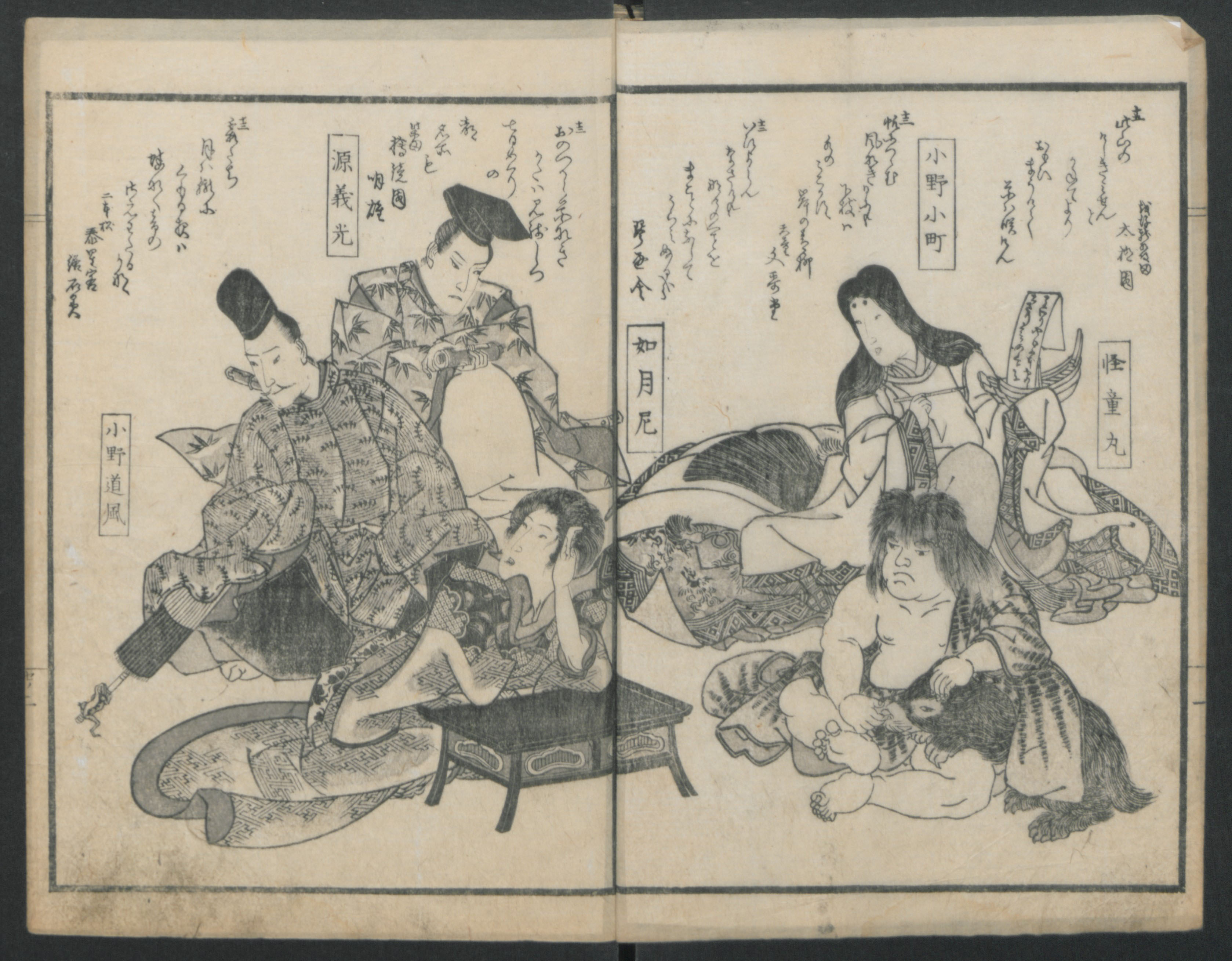
Poems on Portraits of the Famous and the Infamous (Kyōka kijin gazō-shū) 狂歌奇人画像集
19th century
Polychrome Woodblock printed book; gold lacquer on red lacquer ground

Rough Waves
波図屏風
ca. 1704–9
Two-panel folding screen; ink, color, and gold leaf on paper

Scene from Tale of Heike
Late 18th to 19th century
Color woodblock print; aiban

Scene from the Drama "Lyric Dance of Shizuka Gozen (Taihei Shizuka Horaku no mai)"
c. 1711
Hand-colored woodblock print; horizontal o-oban, tan-e
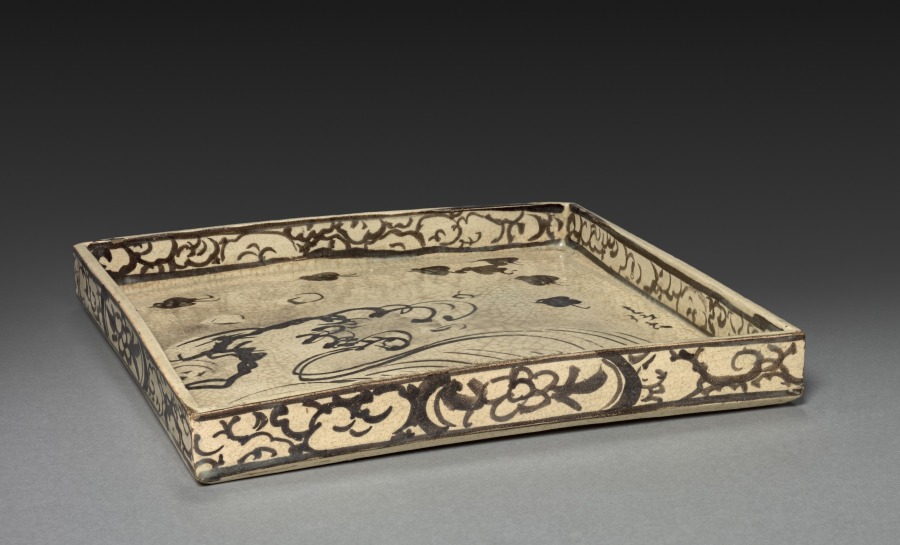
Square Dish with Design of Plovers over Waves
波千鳥図角皿
c. 1700
Stoneware with iron-pigment underglaze on white slip (with Ogata Kenzan)

The Actor Takii Hannosuke as an effeminate youth
c. 1707
Hand-colored woodblock print; tan-e, vertical ōban

The Actor Uemura Kaemon (?)
c. 1706
Hand-colored woodblock print; ōban, tan-e

The Actor Uemura Kichisaburo as the Third Princess in the play "Wakoku Gosuiden," performed at the Morita Theater in the third month
1700
Hand-colored woodblock print; tan-e, ōban

The Actor Yamanaka Heikuro I
c. 1705
Hand-colored woodblock print; hosoban, tan-e

The actor Yamanaka Heikuro I as a demon
c. 1706
Woodblock print; hosoban, sumizuri-e

The Courtesan Senzan of the Chojiya, from the series "Beauties of the Five Festivals (Bijin gosekku)"
c. 1795/1800
Color woodblock print; oban

The Fanciful Eight Views in Military Love Affairs (Furyu budo iro-bakkei)
1705
Woodblock printed book, sumizuri-e

The Priest Kobo Daishi at the Tama River in Kii Province from the series The Six Tama Rivers
c. 1725-1735
Woodblock print in black ink and watercolor on cream Japanese paper

The Treasure Ship
c. 1712
Hand-colored woodblock print; horizontal o-oban, sumizuri-e

Two Courtesans
18th century
Color woodblock print

Two Lovers
18th century
Color woodblock print; chuban

Two Women with Drum
18th century
Color woodblock print; chuban
Nearby Decades
Frequently Asked Questions
Hanga catalogues 32 Japanese woodblock prints created during the 1700s (Edo Period, 1603–1868).
The 1700s fall within the Edo Period (江戸時代), which ran from 1603 to 1868.
Torii Kiyonobu I, Ogata Kōrin, and Torii Kiyomasu I are among the artists with the most 1700s prints in our collection.
Explore all Japanese printmaking eras
View all eras