Kabuki Prints (354)
Kabuki theater prints (yakusha-e) are among the earliest and most commercially important genres of ukiyo-e, documenting the stars, roles, and dramatic moments of Japan's premier theatrical tradition. From the late seventeenth century onward, prints depicting kabuki actors were as popular as modern entertainment magazines, feeding public fascination with the theater's celebrity culture. Torii Kiyonobu and the Torii school established the earliest conventions for actor prints, emphasizing dramatic poses (mie) and bold patterned costumes. The genre reached its artistic peak with Sharaku's psychologically penetrating bust portraits of 1794-95, which broke with flattering convention to capture the intensity and effort of stage performance. Though commercially unsuccessful in his time, Sharaku's brief output is now considered among the most important works in the print tradition. The nineteenth century saw enormous production of actor prints by artists including Kunisada, Kunichika, and Kuniyoshi, who documented the kabuki repertoire with encyclopedic thoroughness. These prints preserve detailed records of costumes, makeup (kumadori), and staging that are invaluable to theater historians. The genre declined with the advent of photography but experienced periodic revivals, including shin-hanga actor prints by Natori Shunsen and the bold theatrical compositions of modern sosaku-hanga artists.
Artists Known for Kabuki



Bunraku
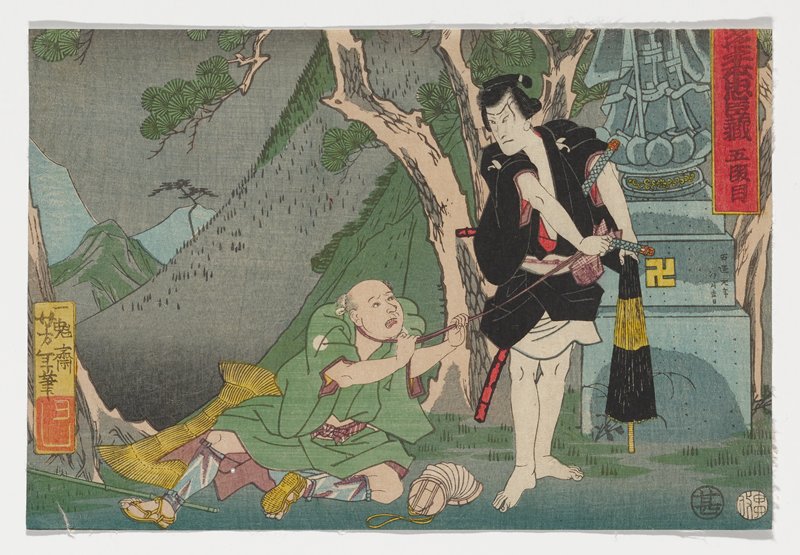
Act Five from the series Treasury of Loyal Retainers (Chūshingura: Go danme)
Late Edo period, circa 1801-1802
Ukiyo-e woodblock print in "ōban" format; ink and color on paper
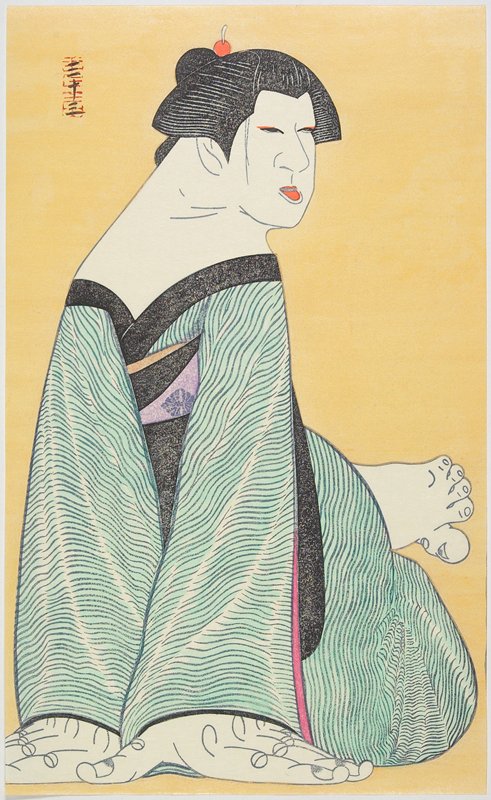
Actor Bandō Tamasaburō V as Ochika
July 1987
Woodblock print, ink and color on paper
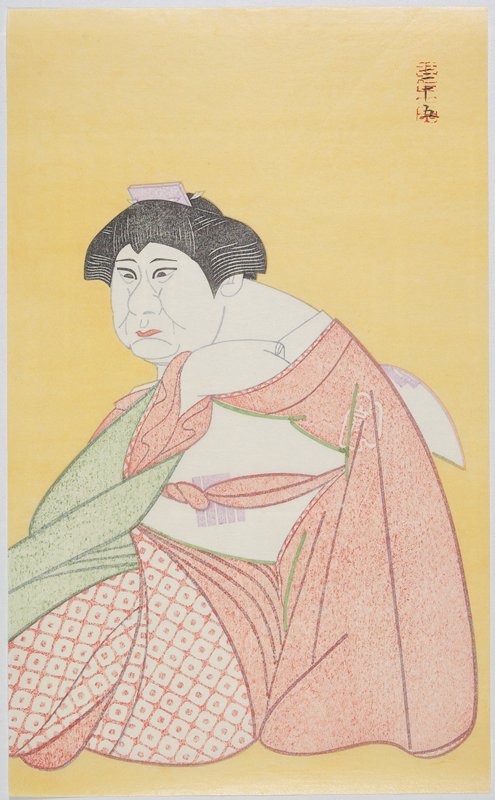
Actor Nakamura Senjaku II as the Courtesan Osome
November 1987
Woodblock print, ink and color on paper
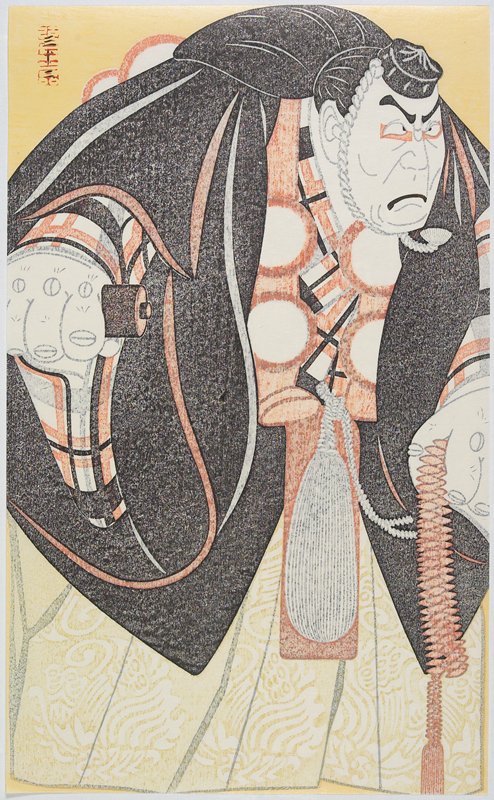
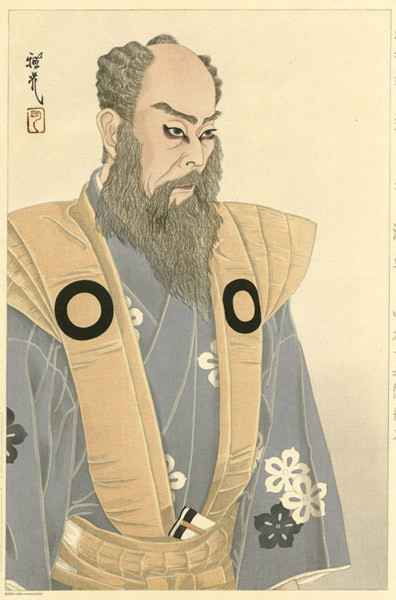
Actor Nakamura Kichiemon ll as Benkei
February 1988
Woodblock print, ink and color on paper
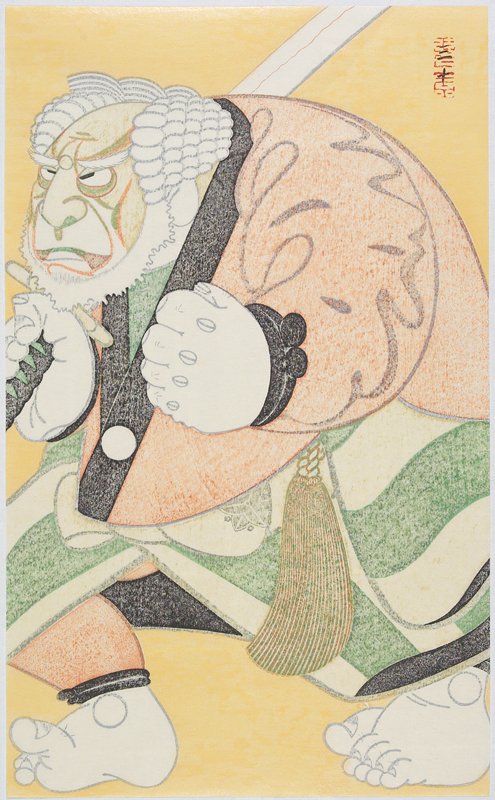
Actor Ichikawa Danshirō IV as the Ferryman Tonbei
January 1988
Woodblock print, ink and color on paper
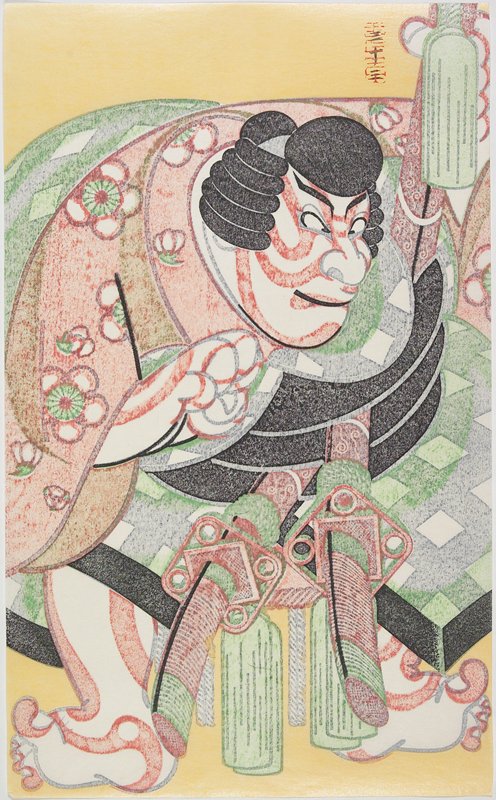
Actor Ichikawa Danjūrō XII as Umeōmaru
March 1988
Woodblock print, ink and color on paper

Actor Nakamura Utaemon VI as the Courtesan Chitose-dayū
March 1989
Woodblock print, ink and color on paper
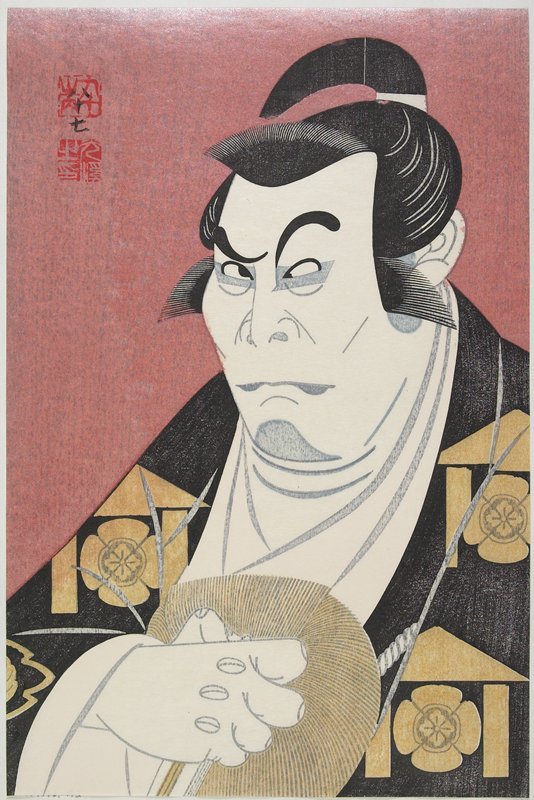
Actor Onoe Shōroku II as Kudō Suketsune
January 1989
Woodblock print, ink and color on paper
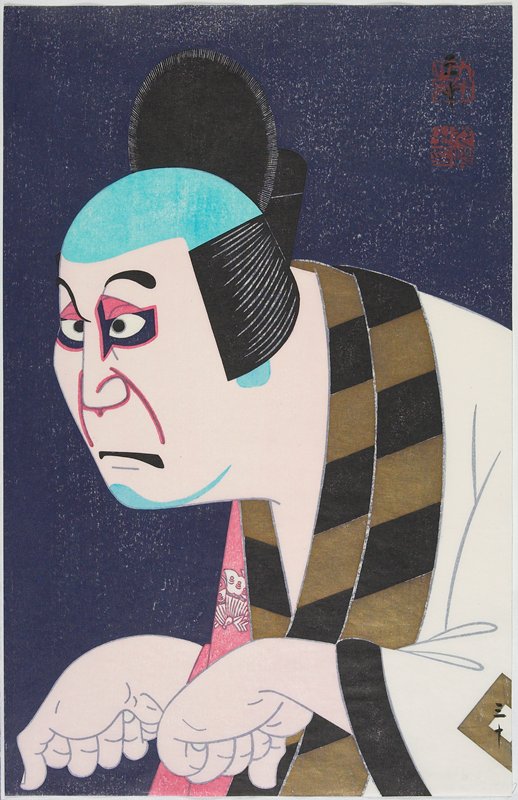
Actor Nakamura Kichiemon II as the Footman Unpei
March 1991
Woodblock print, ink and color on paper
No Actor
Woodblock print

Noh Actor
1958
Color woodblock print

Onoe Kikugorō V as the Hag of Asajigahara
1890
Color woodblock prints; ōban triptych
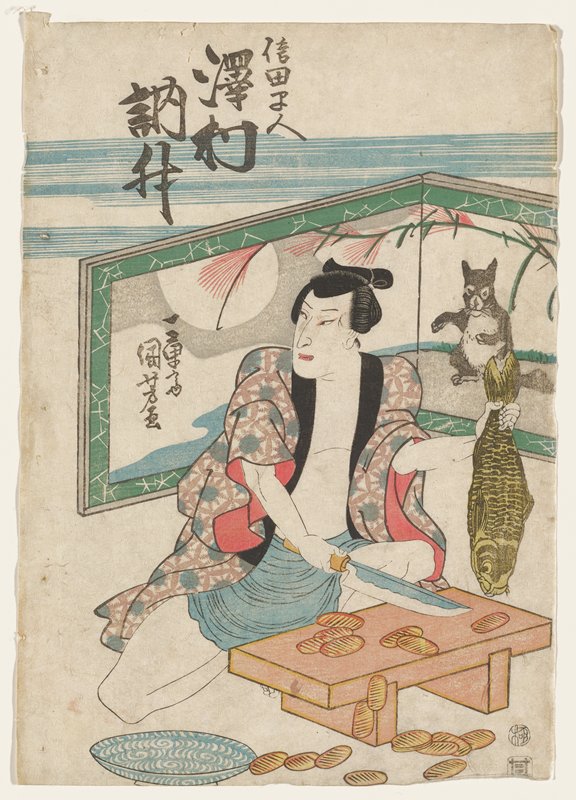
Actor Sawamura Tosshō I as Shida Hayato
1832
Woodblock print (nishiki-e), ink and color on paper

Flowers: Onoe Kikugoro III, from an untitled series of actors representing snow, moon, and flowers
c. 1830s
Color woodblock print; shikishiban, surimono

Ichikawa Danjūrō IX as Kezori Kuemon
About 1890
Color woodblock prints; ōban triptych

The Kabuki Theater (Kabukiza)
Kabukiza
May 1926
Color woodblock print
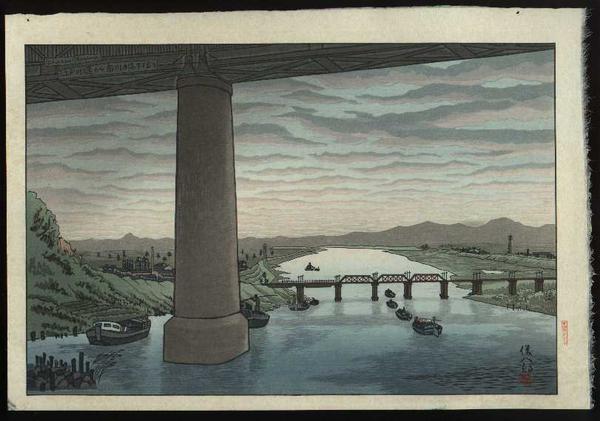
View of under the Ichikawa bridge from Edogawa — 江戸川堤から市川橋下を見る
Woodblock print

Actor
1953
Woodblock print, ink and color on paper
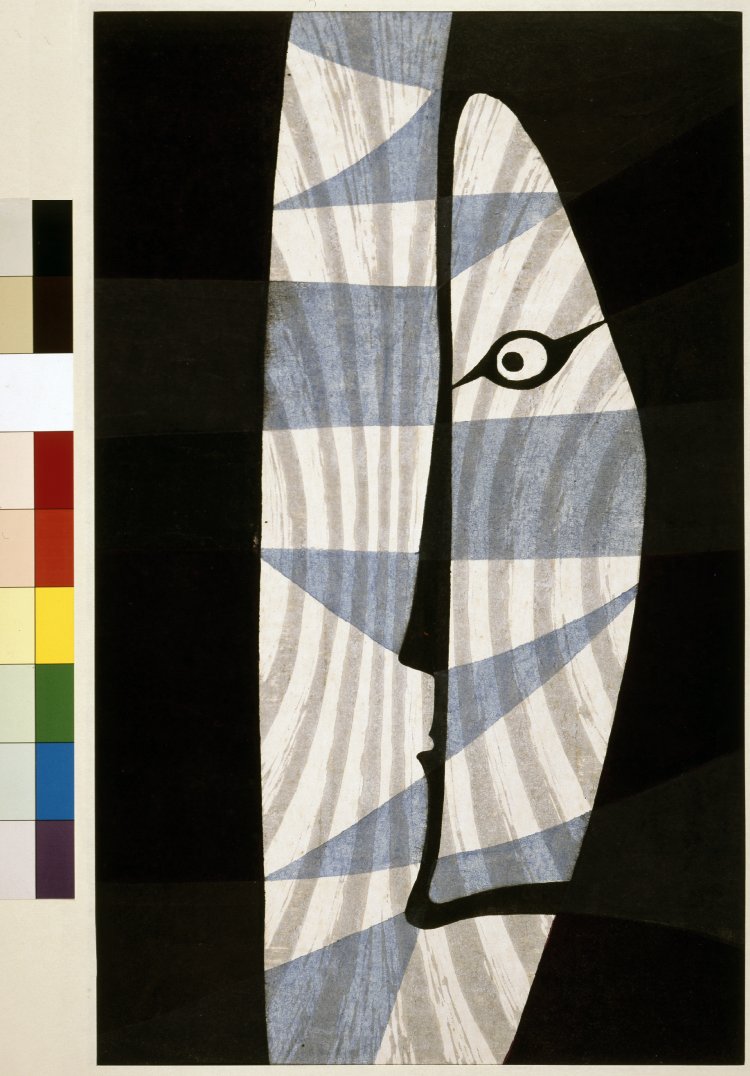
Haiyu (Kabuki Actor)
Woodblock print
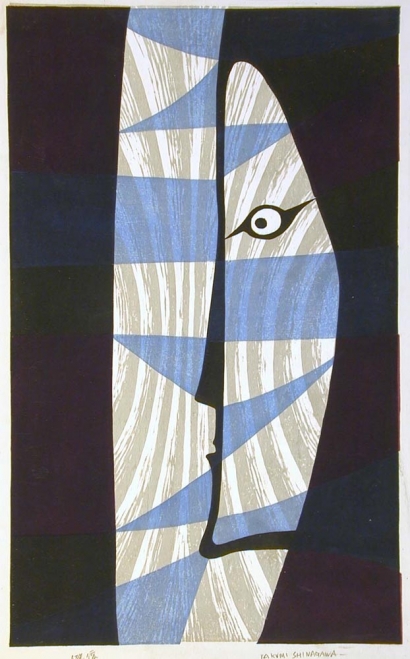
Kabuki Actor
Woodblock print
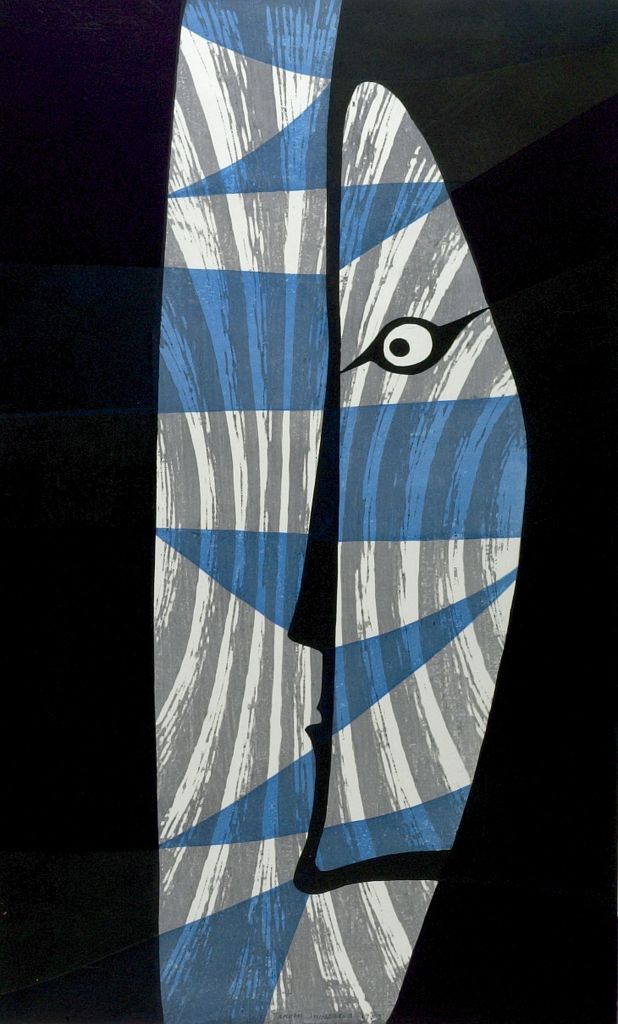
Kabuki Actor, Shôwa period, dated 1953
Woodblock print
Bando Mitsugoro VII as Soga no Goro
七代目坂東三津五郎の曽我五郎
1926
Color woodblock print
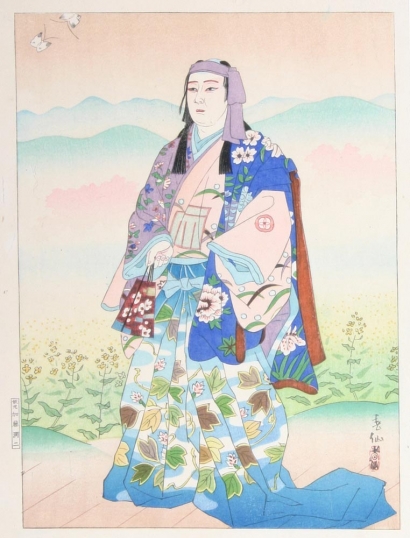
Onoe Kikugoro VI as Benten Kozo
六代目尾上菊五郎の弁天小僧
1925
Color woodblock print

Bunraku Puppet Theater of Kanjincho
20th century
Color woodblock print
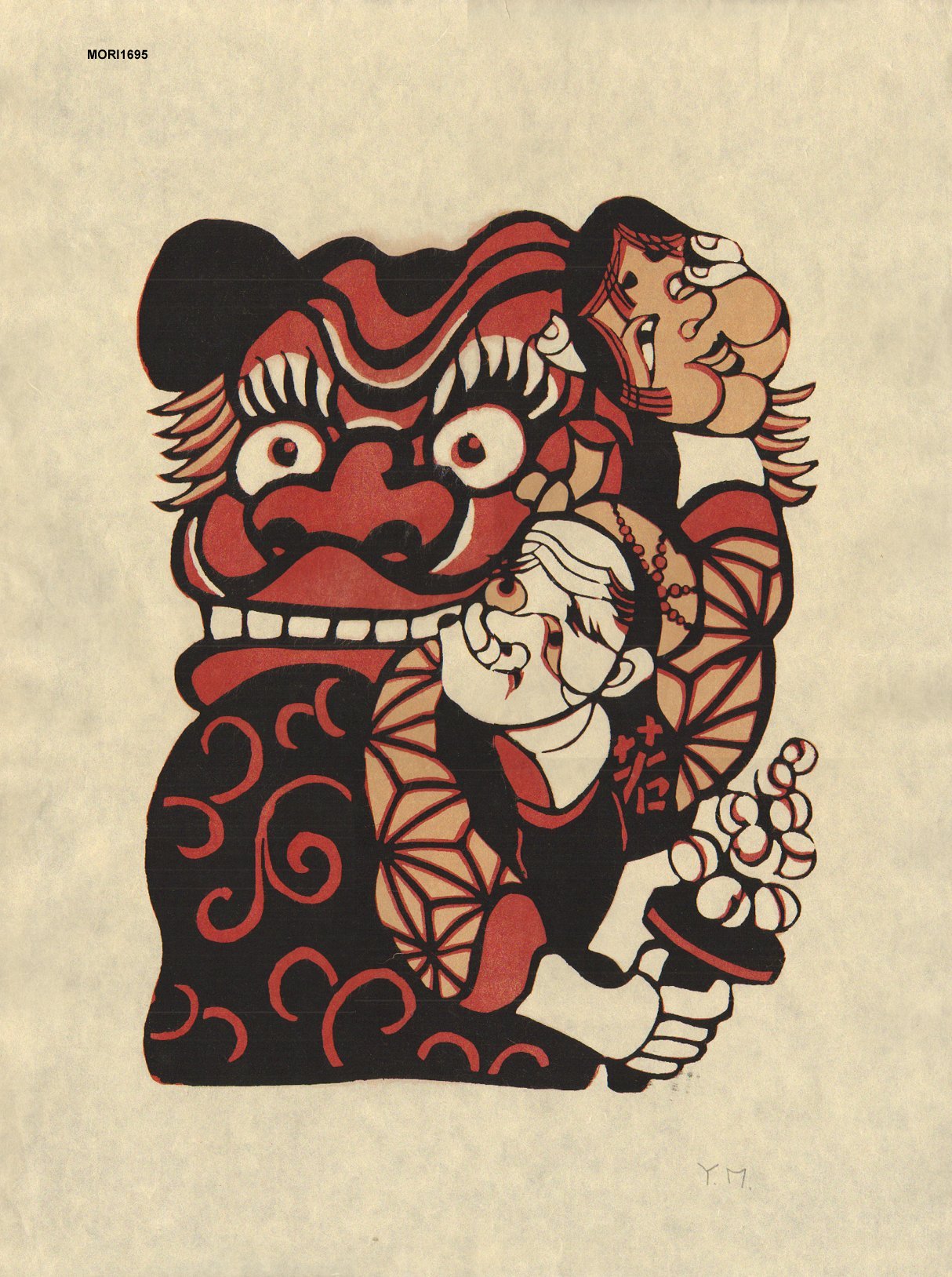
Masks (red), Kabuki masks
Woodblock print
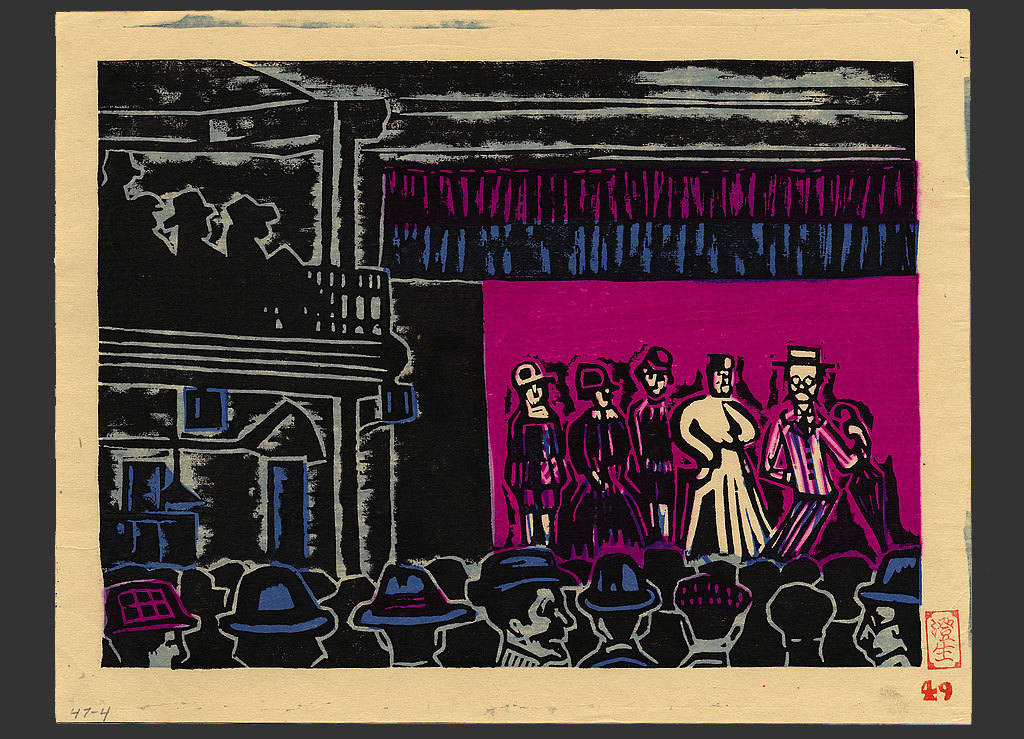
#69 Theatre at Asakusa
Woodblock print
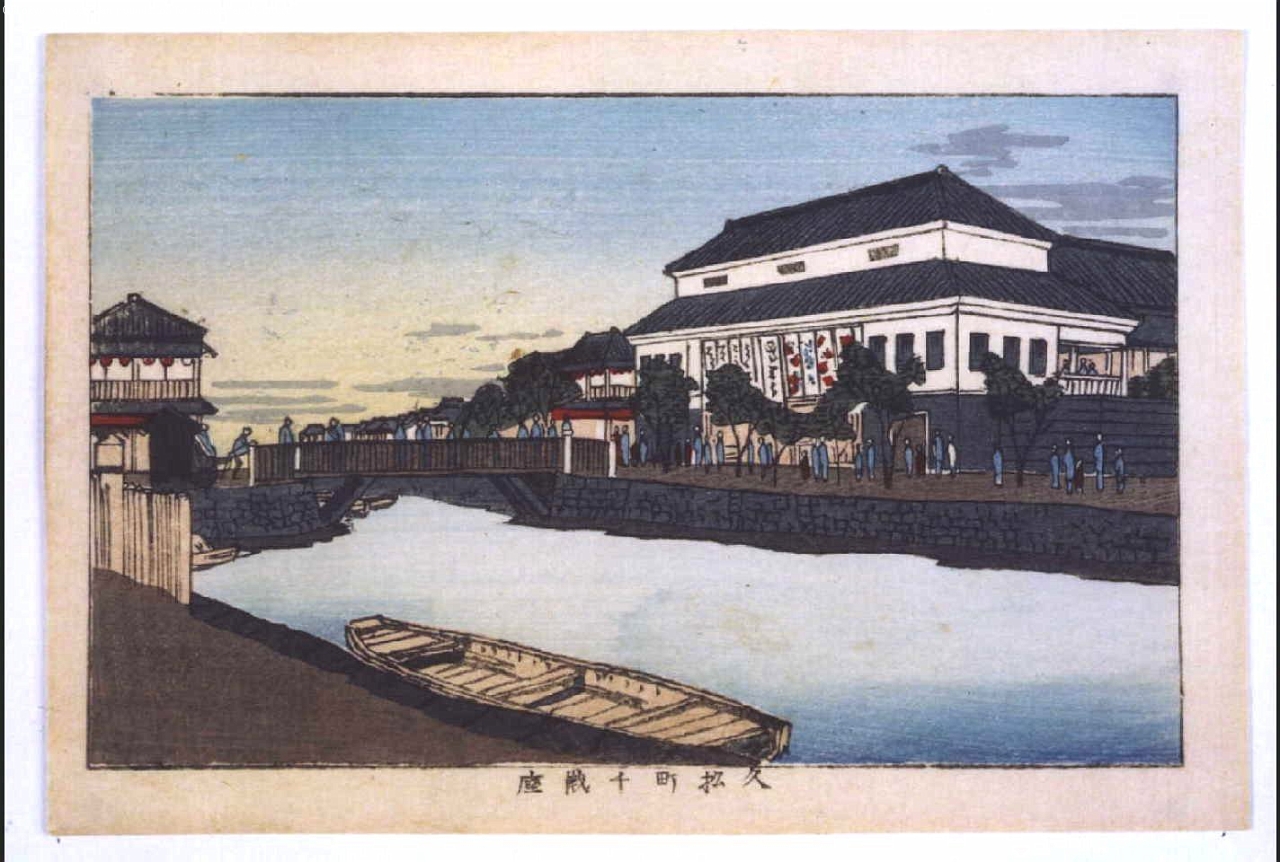
True Pictures of Famous Places in Tokyo: Chitose-za Theatre at Hisamatsucho
Woodblock print
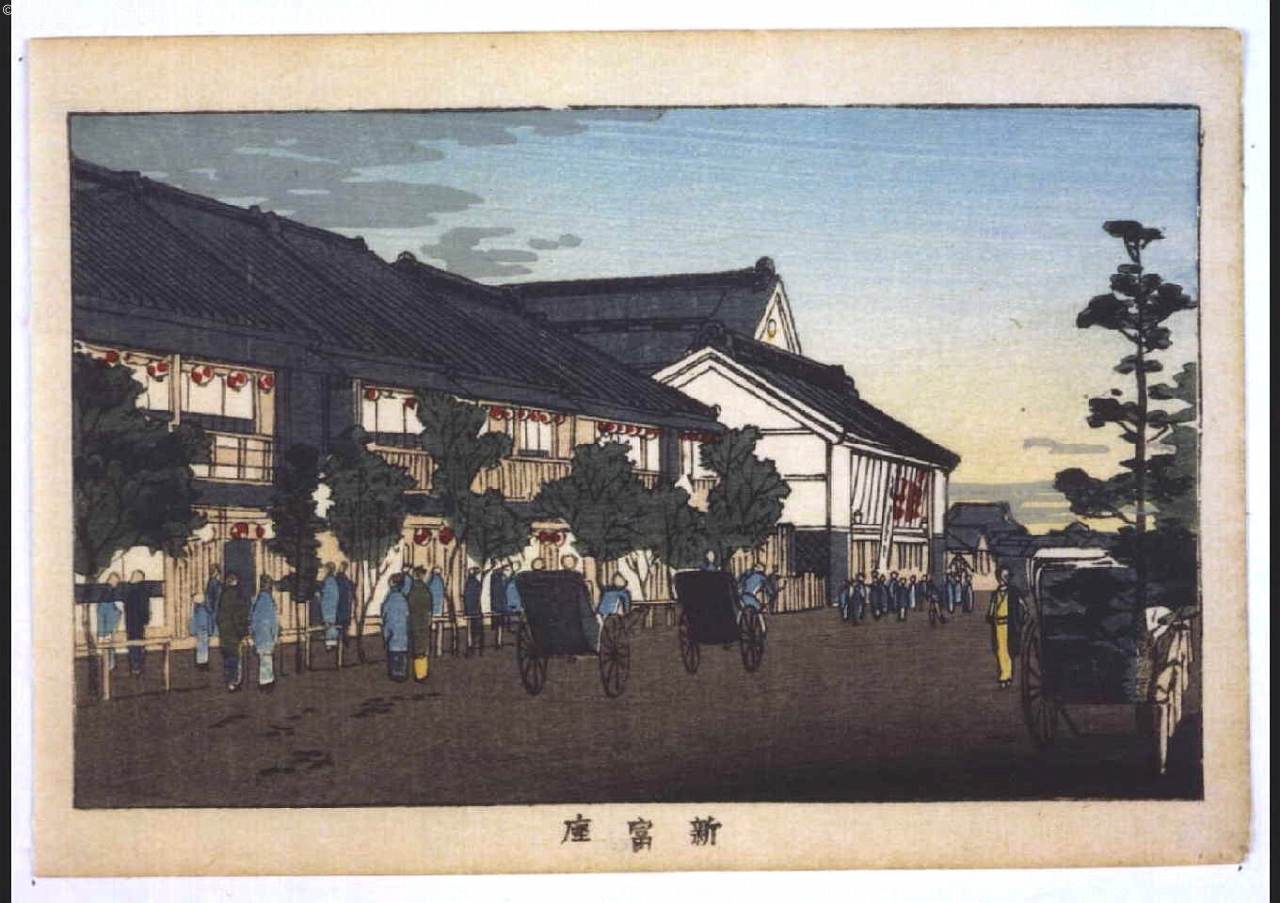
True Pictures of Famous Places in Tokyo: Shintomi-za Theatre
Woodblock print
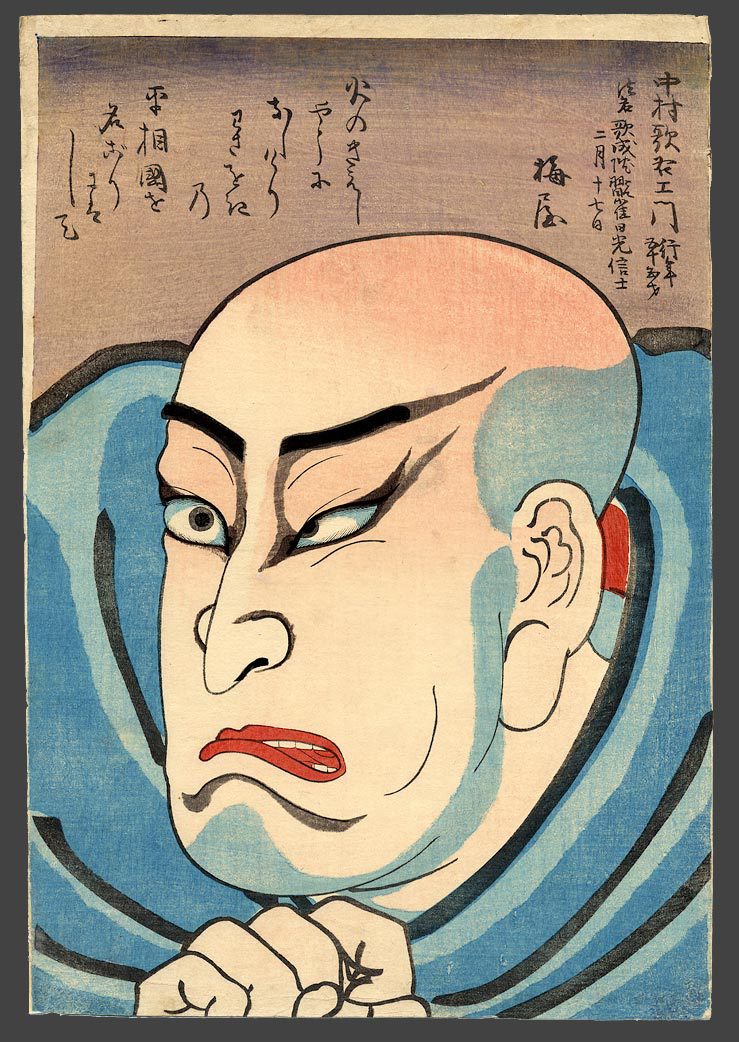
Memorial portrait (Shini-e) of Nakamura Utaemon IV
Woodblock print
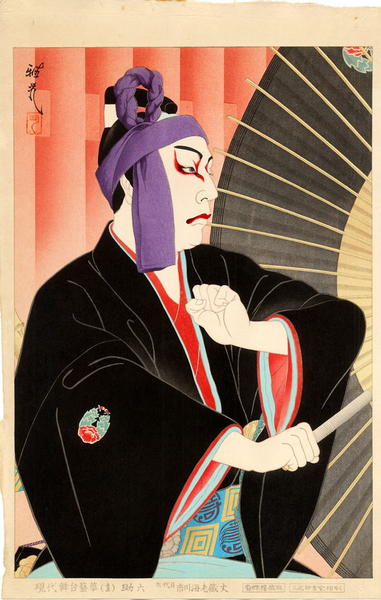
Ichikawa Ebizo as Sukeroku
Not set
Woodblock print
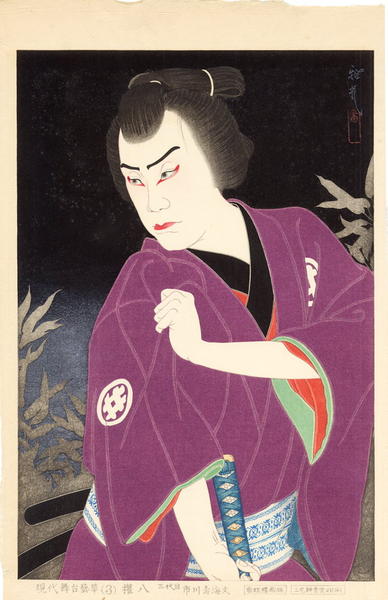
Ichikawa Jukai III in the role of Shirai Gonpachi
1955
Woodblock print
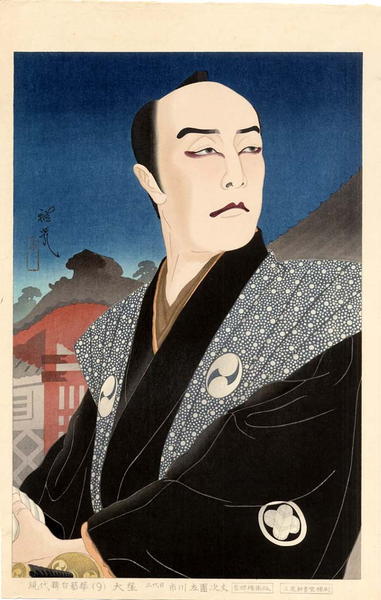
Ichikawa Sadanji III as Oboshi Yuranosuke utai Geika
1955
Woodblock print
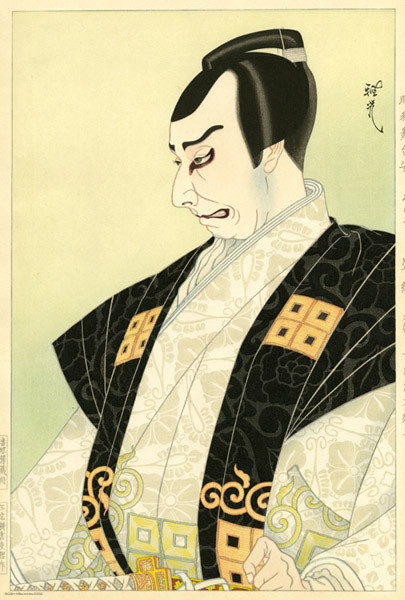
Kabuki Actor, Ichikawa Ebizo
1949
Woodblock print
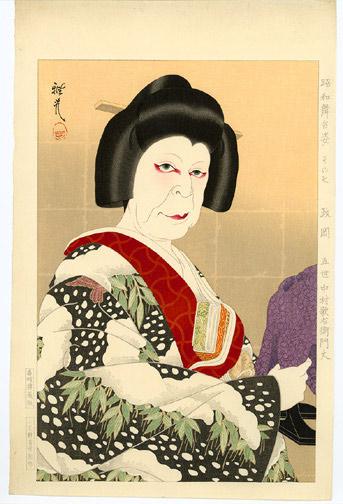
Kabuki Actor, Nakamura Utaemon VI
Showa 1950s
Woodblock print
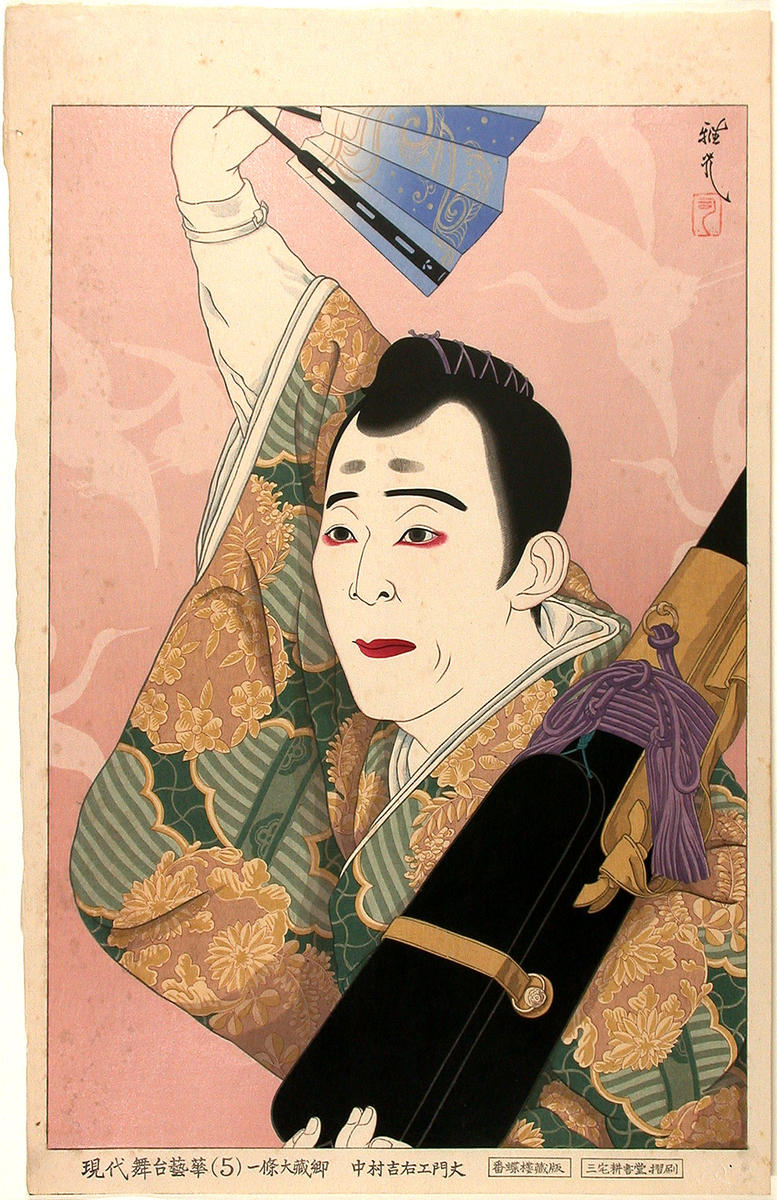
Nakamura Kichieman as Ichijo Okura-kyo
1954
Woodblock print
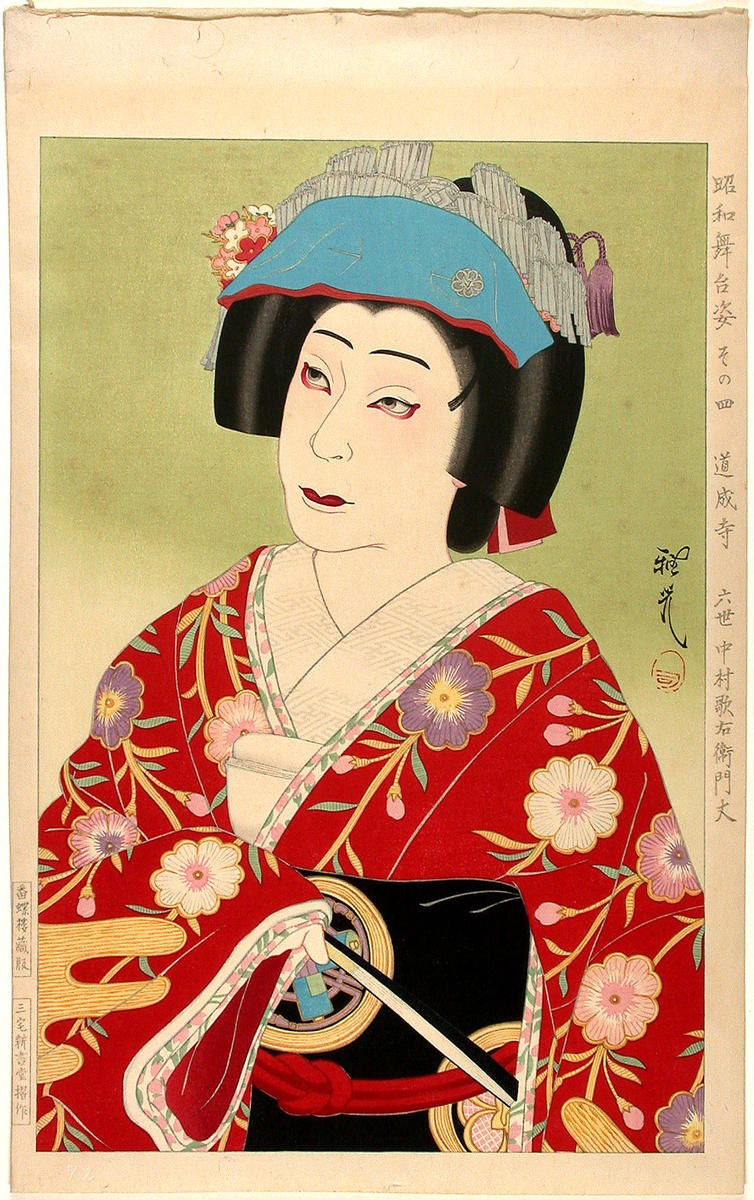
Nakamura Utaemon VI as Shirabyoshi in Dojoji
1954
Woodblock print

No. 10, Actor Kitamura Rokurō as Otsuta of Fukeizu
1951–52
Woodblock print, ink and color on paper

No. 11, Actor Nakamura Ganjirō as Kamiya Jihei
1952
Woodblock print, ink and color on paper

No. 2, Actor Ichikawa Ebizō IX as Sasaki Moritsuna
1951–52
Woodblock print, ink and color on paper

No. 3, Actor Ichimura Uzaemon XV as Megumi Tatsugorō
1951–52
Woodblock print, ink and color on paper

No. 4, Actor Nakamura Utaemon VI in the play Dōjōji
1951–52
Woodblock print, ink and color on paper

No. 8, Actor Ichikawa Ennosuke II as Akutarō
1951–52
Woodblock print, ink and color on paper

No. 9, Actor Onoe Kikugoro VI in the play Gathering Autumn Leaves
1952
Woodblock print, ink and color on paper
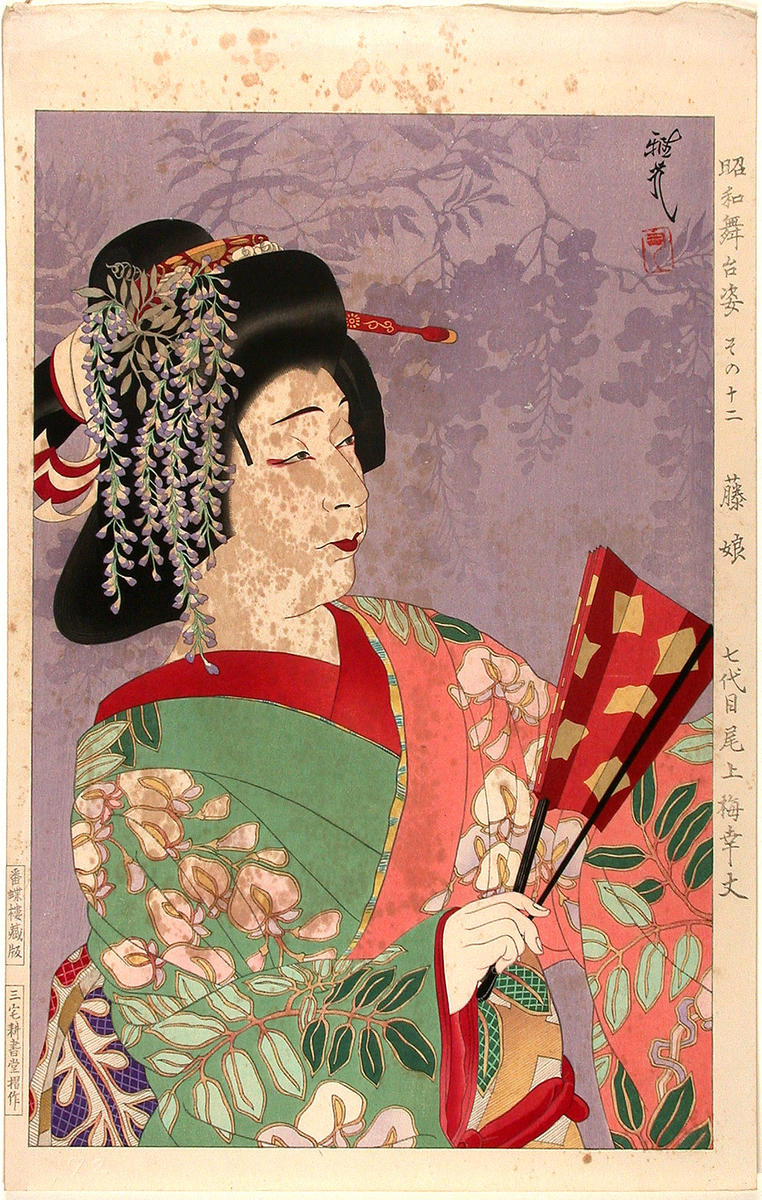
Onoe Baiko VII- Wisteria maiden
Not set
Woodblock print
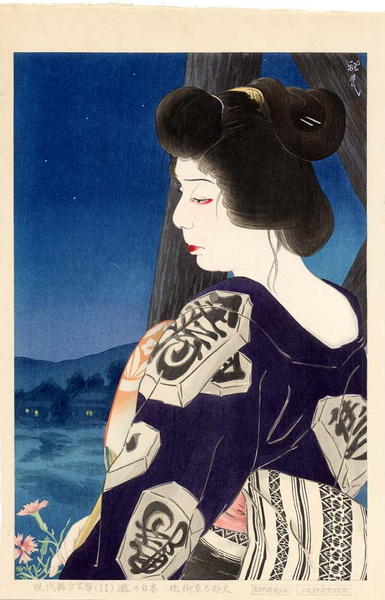
Unidentified actor in the role of a Samurai
1955
Woodblock print
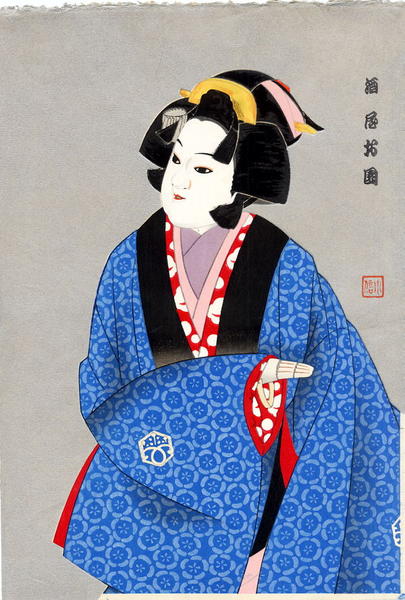
Actor print 1
Woodblock print
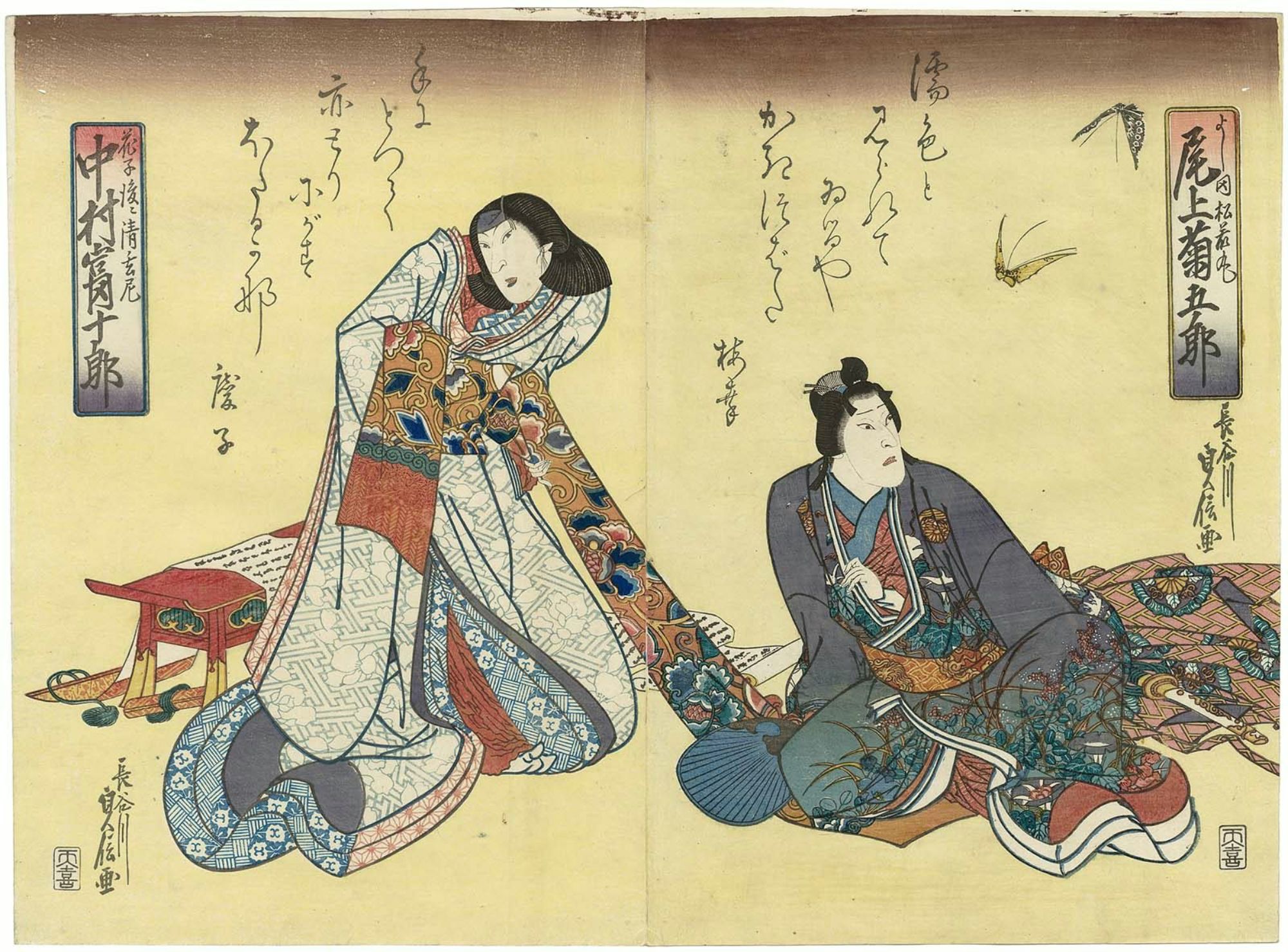
Actors Onoe Kikugorô III as Yoshida Matsumaemaru (R) and Nakamura Tomijûrô II as Hanako, later the nun Seigen (L)
Woodblock print

BUNRAKU doll
Woodblock print
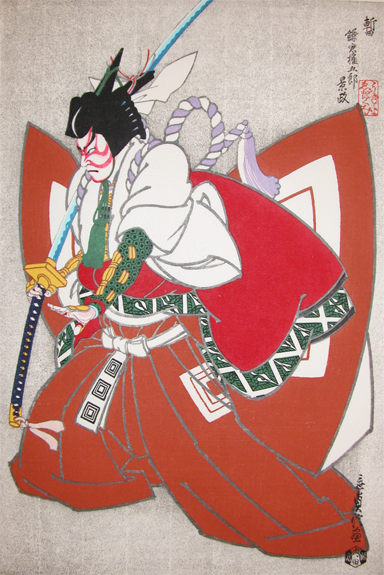
Kabuki Actor: Kagemasa
Woodblock print
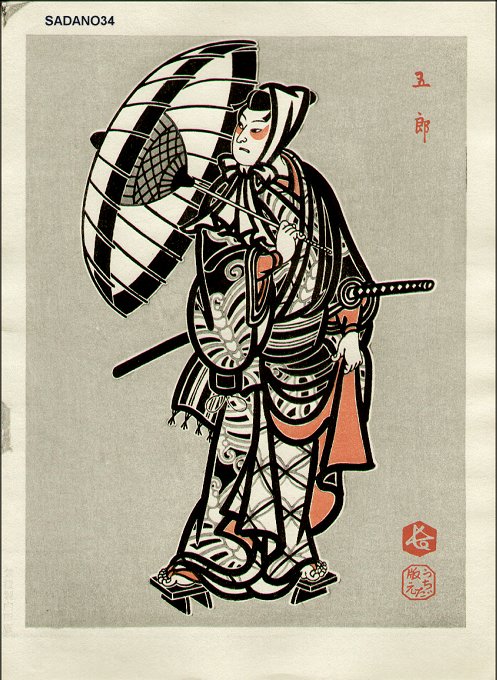
Kabuki drama GORO
Woodblock print
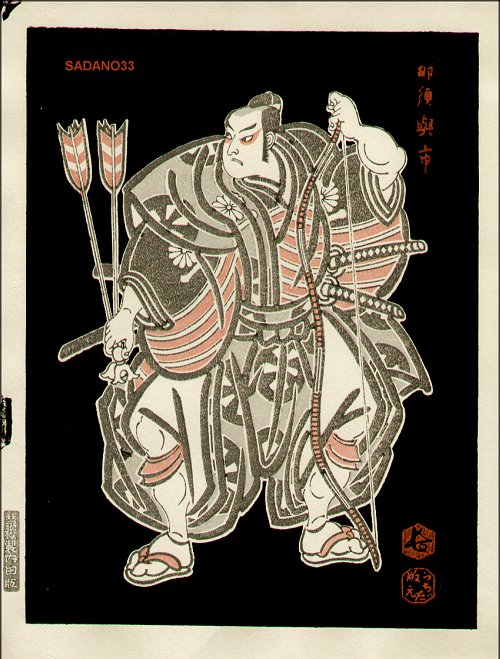
Kabuki drama NASUNO YOICHI
Woodblock print
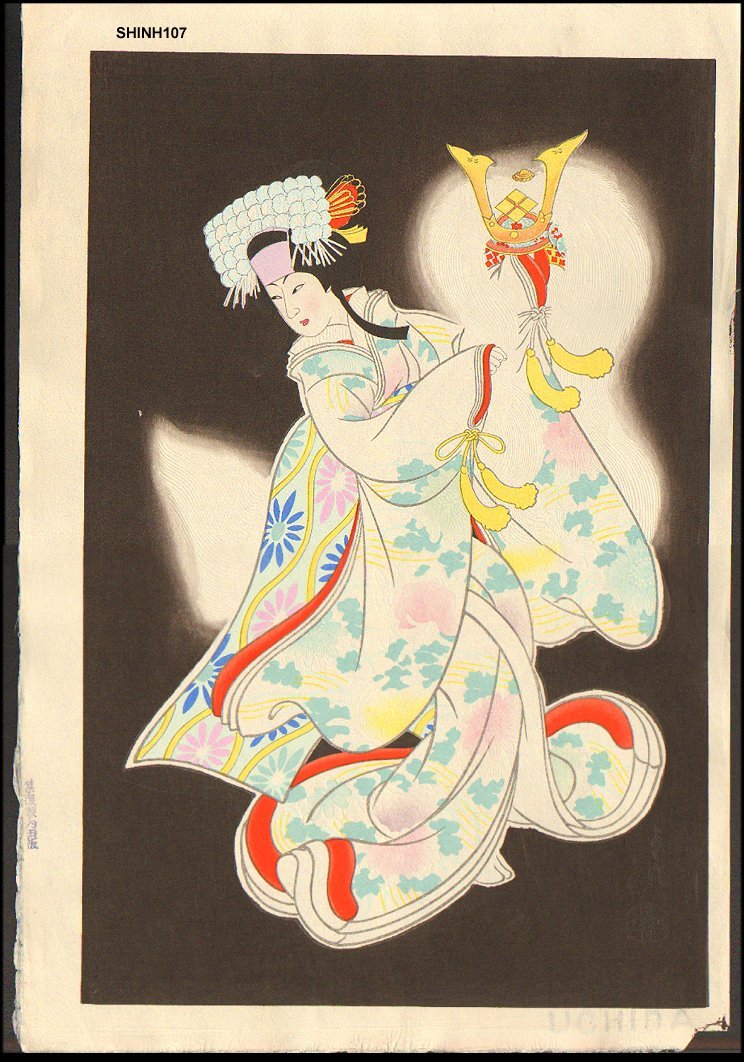
ONAGATA (Kabuki female impersonator)
Woodblock print
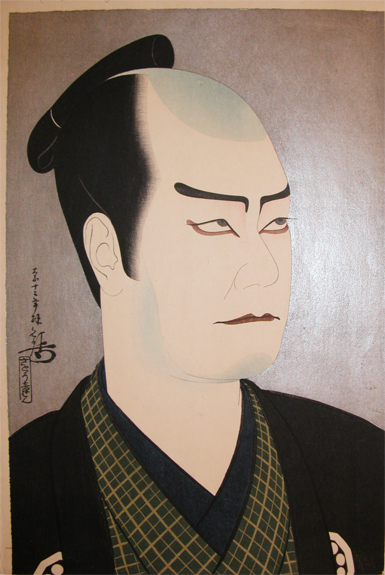
Ichikawa Sadanji
Woodblock print

Kabuki Actor Portrait, Taishô period, circa 1922-1924
Woodblock print
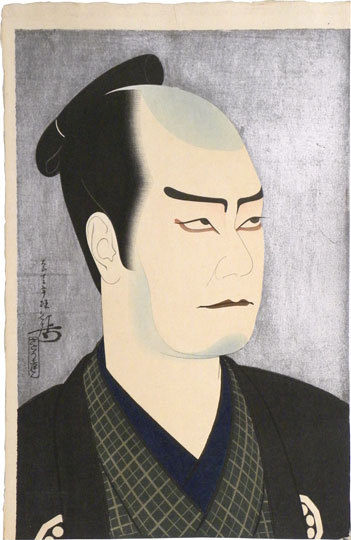
Kanpo’s Creative Prints, First Series: Ichikawa Sadanji II as Hishikawa Gengobei (Kanpo Sosaku-Hanga Shu Daiishu: Ichikawa Sadanji II)
Woodblock print
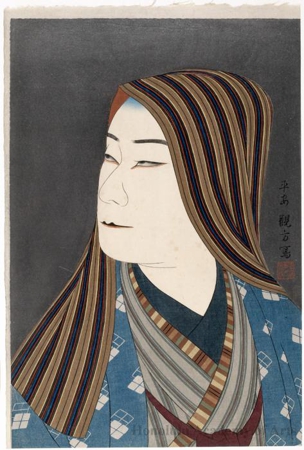
Nakamura Ganjirö as Kamiya Jihei
Woodblock print

Portrait of the Actor Nakamura Ganjiro I as Kamiya Jihei in the play Shinju ten no Amijima (The Love Suicides at Amijima)
c. 1922
Color woodblock print; oban

The Actor Kataoka Gado IV as Miyuki in the play Shoutsushi Asagao Nikki (The Diary of the Morning Glory)
c. 1924
Color woodblock print; oban
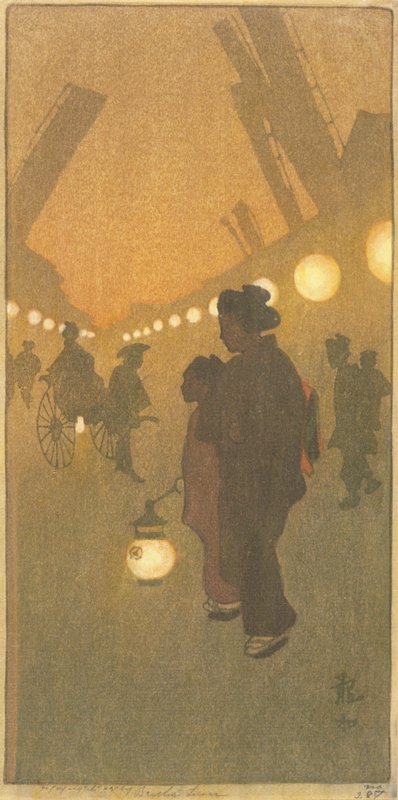
Theatre Street, Yokohama
1909
Color woodcut
Related Subjects
Frequently Asked Questions
Kabuki theater prints (yakusha-e) are among the earliest and most commercially important genres of ukiyo-e, documenting the stars, roles, and dramatic moments of Japan's premier theatrical tradition. From the late seventeenth century onward, prints depicting kabuki actors were as popular as modern entertainment magazines, feeding public fascination with the theater's celebrity culture.
Tsuruya Kokei, Tsukioka Gyokusei, and Ota Masamitsu are among the artists most associated with kabuki in our collection. Browse the full list of artists who explored this subject above.
Hanga currently catalogues 354 prints tagged with kabuki, spanning ukiyo-e, shin-hanga, and sōsaku-hanga traditions where applicable.