
Biography
Yuko Kimura is a contemporary printmaker and paper artist whose work explores the Japanese aesthetic concept of wabi-sabi through the transformation of found and handmade papers. Born in Oakland, California in 1968 to Japanese parents, she was raised in Tokyo, where her artistic sensibility was shaped by early experiences with traditional materials. On a visit to Tokyo, her mother asked her to repair the family's shoji screens by patching them with gampi, a type of strong handmade paper — an encounter that reflects the intimate understanding of paper, as both functional material and aesthetic object, that runs through her work.
Kimura moved to the United States in 1989 and pursued formal art education, earning her BFA from the Cleveland Institute of Art in 1994 and her MFA from the University of Michigan School of Art and Design in 1997. Her technical practice encompasses etching, aquatint, monotype, and paper collage, but what distinguishes her work is her incorporation of found materials, particularly woodblock-printed pages from antique Japanese books that have been eaten away by mushi, the small worms that consume mulberry fiber. These worm-eaten pages, with their delicate lacework of absence, become central elements in compositions that meditate on impermanence, memory, and the beauty of decay.
Kimura's process is deeply material. She makes her own mulberry paper from raw bark fiber, pleats and twists sheets to create dimensional surfaces, and layers etched marks with indigo dye and fragments of old cloth passed down from her grandmother in Japan. The resulting works, whether intimate artist books or large-scale installations, possess a luminous quality that emerges from the translucency of layered paper and the interplay between printed mark and material texture. Her Tsugi Hagi series references the Japanese textile tradition of patching, while her Mushikui works take their name from the worm-eaten paper that serves as both subject and medium.
Beginning in 2021, Kimura's work was featured in 'Washi Transformed: New Expressions in Japanese Paper,' a traveling museum exhibition curated by Meher McArthur and organized for tour by International Arts & Artists, showcasing nine contemporary Japanese artists working with washi. The exhibition toured museums across the United States through 2026, including the Dayton Art Institute and the Maui Arts & Cultural Center. Her work is held in the permanent collections of the Cleveland Museum of Art, the Canton Museum of Art, the Minneapolis Institute of Art, the Morikami Museum, and the Cleveland Clinic, and she is represented by the Verne Collection.
Key Facts
- Active Period
- 1968
- Nationality
- 🇺🇸United States
- Movement
- Contemporary Mokuhanga
- Works Indexed
- 17
Frequently Asked Questions
Yuko Kimura is a contemporary printmaker and paper artist whose work explores the Japanese aesthetic concept of wabi-sabi through the transformation of found and handmade papers. Born in Oakland, California in 1968 to Japanese parents, she was raised in Tokyo, where her artistic sensibility was shaped by early experiences with traditional materials. On a visit to Tokyo, her mother asked her to repair the family's shoji screens by patching them with gampi, a type of strong handmade paper — an encounter that reflects the intimate understanding of paper, as both functional material and aesthetic object, that runs through her work.
Yuko Kimura was active born in 1968. They were associated with the Contemporary Mokuhanga movement.
Yuko Kimura's work was shaped by the Contemporary Mokuhanga tradition in Japanese woodblock printmaking. Contemporary Mokuhanga: Contemporary mokuhanga (literally "wood-block print") encompasses artists working from approximately 1970 to the present who continue or reinvent traditional Japanese woodblock printing techniques.
Yuko Kimura's prints frequently feature etching, abstract, animals, night scenes, mythology, interiors.
Woodblock Prints by Yuko Kimura (17)
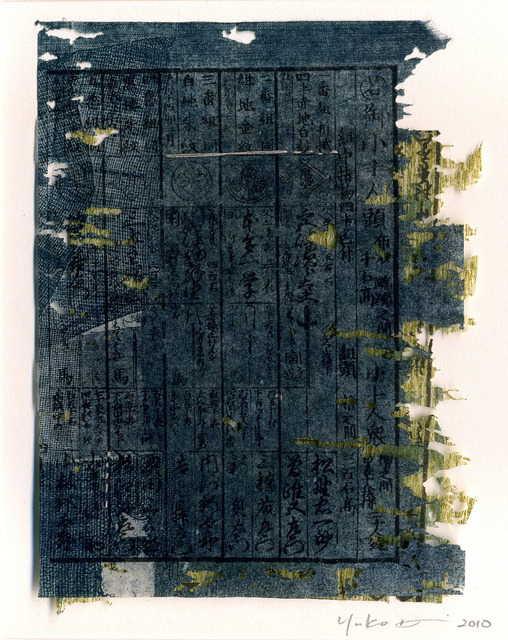
Indigo No. 6
2010
Collage of etching on old book pages from Japan
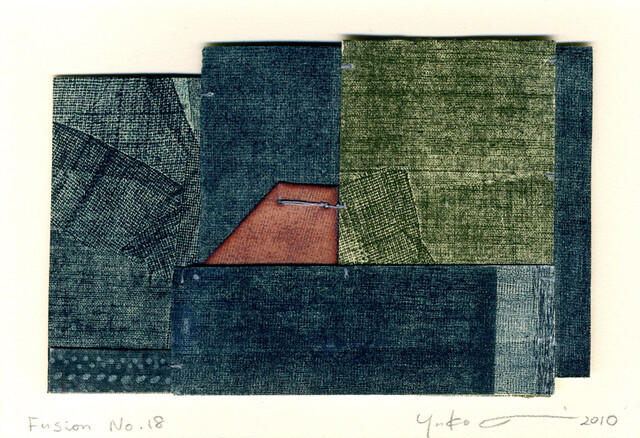
Fusion No. 18
2010
Etching and enamel on copper, collage
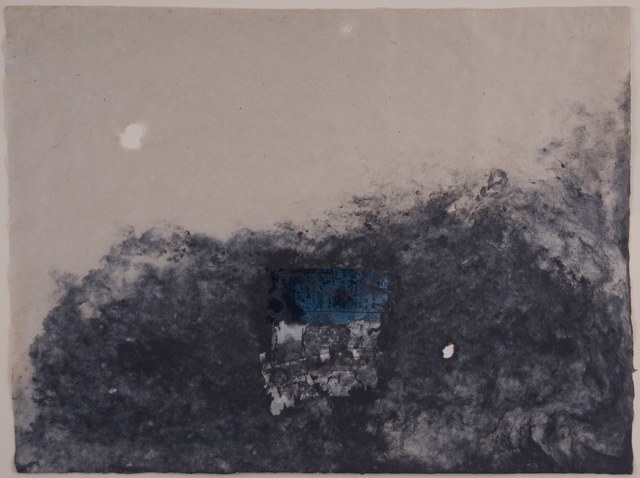
Waterscape
2011
Handmade paper, natural Abaca and black denim pulp, indigo aquatint on late Edo period Japanese bookpage embedded
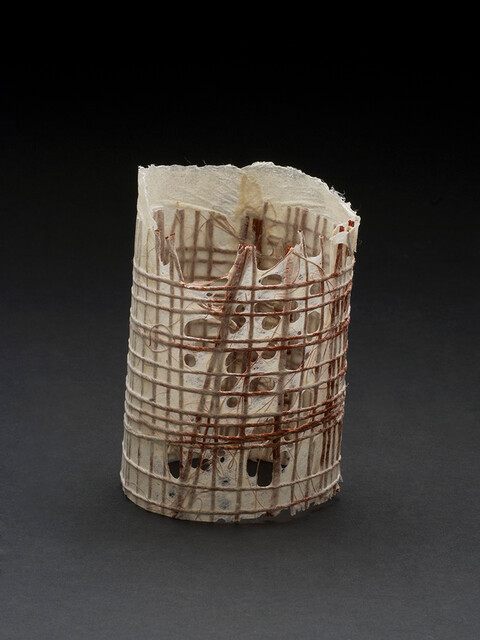
Paper Windows no. 2
2013
Thread and Abaca handmade paper
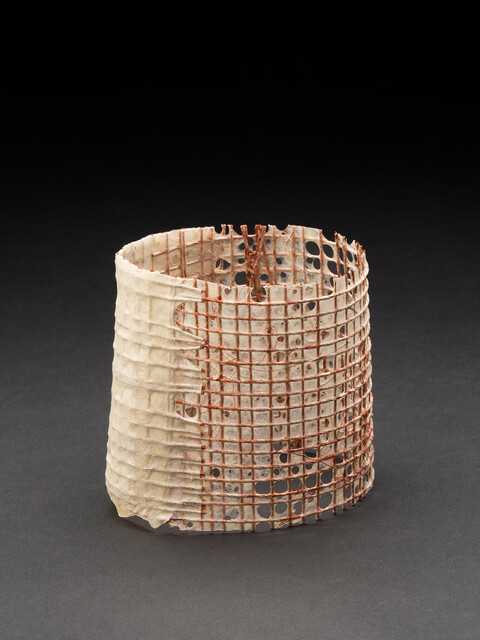
Paper Window #3
2013
Abaca handmade paper, thread
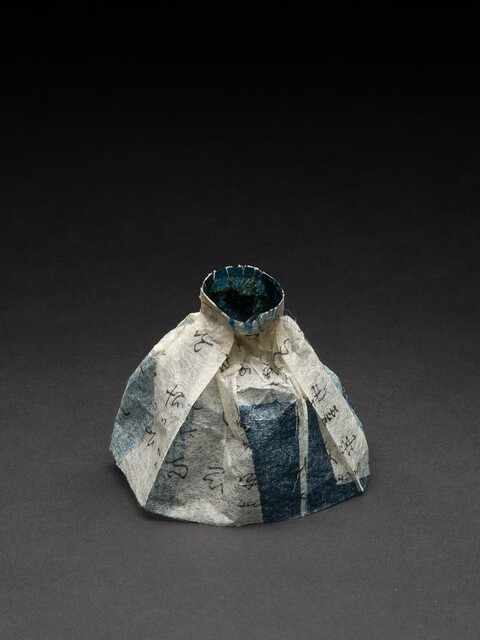
Contain
2014
Aquatint on pleated old bookpages from Japan
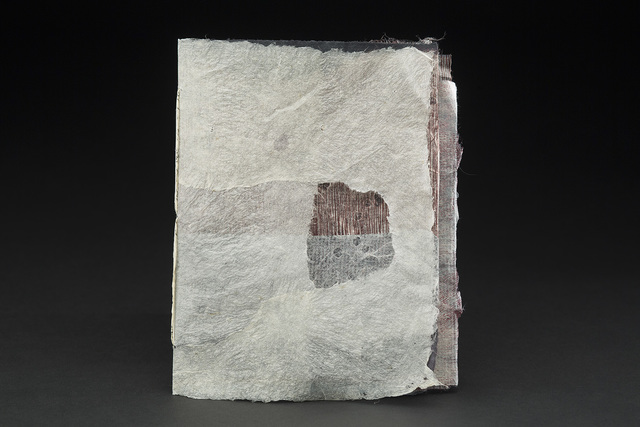
Sample Book III
2015
Etching, indigo dye, persimmon dye on handmade paper (abaca, cotton, kozo) and old bookpages
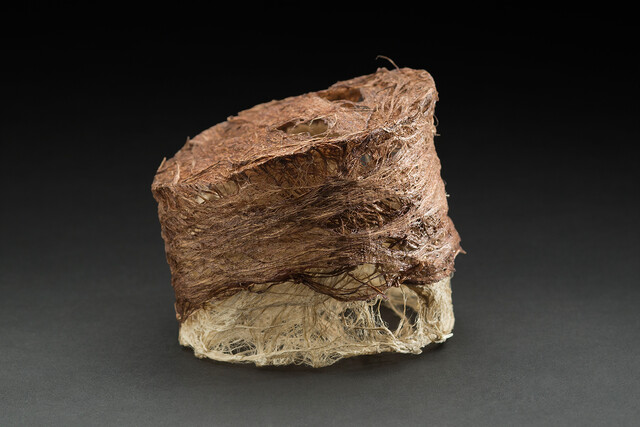
Kozo I
2015
Persimmon dye on kozo bark fiber, thread
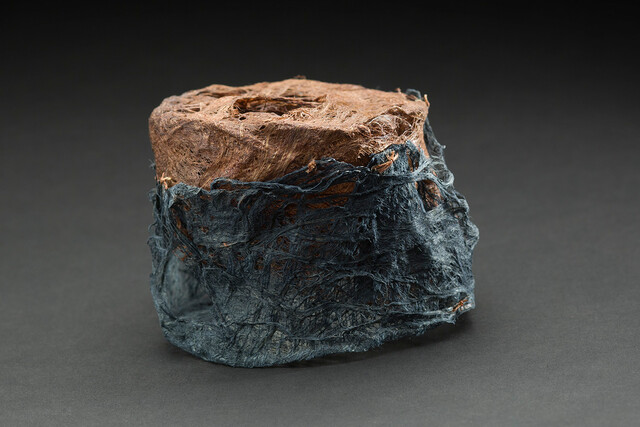
Kozo II
2015
Indigo pigment and persimmon dye on Kozo bark fiber and thread
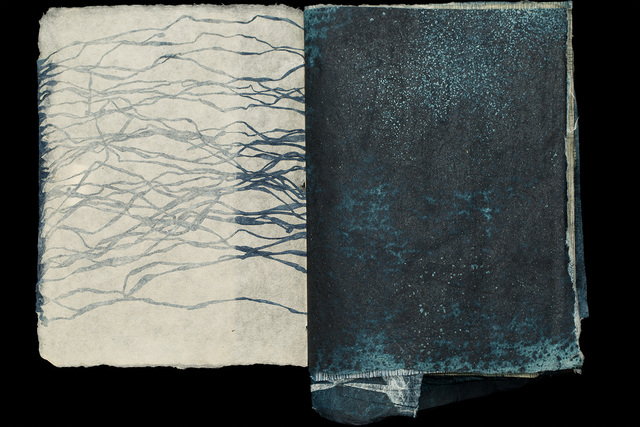
Sample Book IV
2016
Etching, aquatint, indigo pigment on worm eaten book pages from Japan and handmade paper (abaca, gampi, kozo), paper thread and shifu
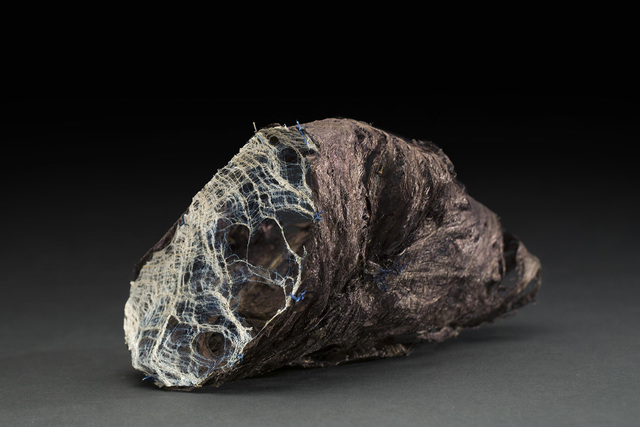
Kozo V
2016
Kozo bark fiber with indigo and persimmon and etching ink
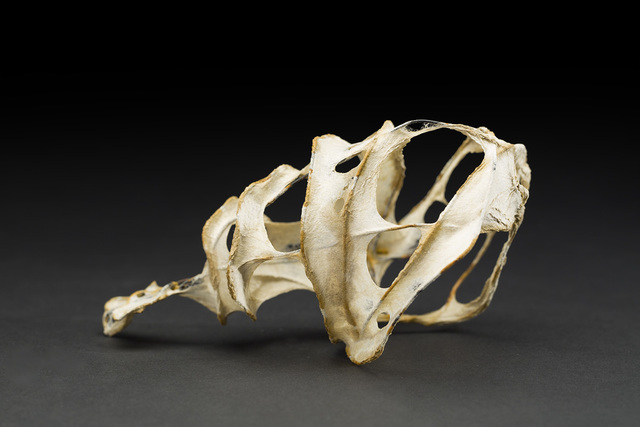
Abaca
2016
Abaca paper and wire
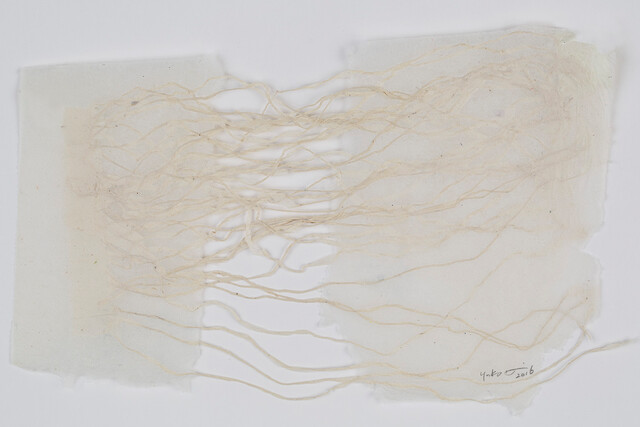
Twist Twist
2016
Paper threads embedded in Abaca handmade paper
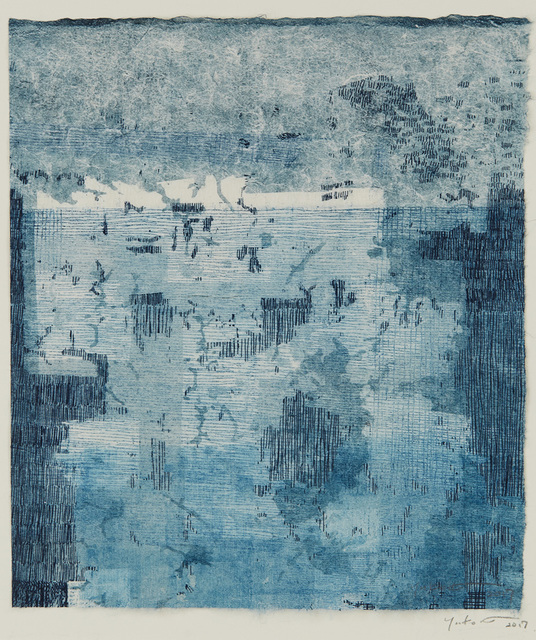
Ghost Mushikui
2017
Etching, monotype on mulberry handmade paper
Night Shimmer No. 8
Etching, paper collage on washi

Tsugi Hagi I
Etching, paper collage on washi

Wabi Cats X
Etching, paper collage on washi