Hakone (箱根)
20 prints by 16 artists
About Hakone
Hakone is a mountainous district in southwestern Kanagawa Prefecture, situated within the caldera of an ancient volcano and on the principal route between Edo and Kyoto along the historic Tokaido road. The area is centered on Lake Ashi (Ashi-no-ko), a long crescent-shaped caldera lake formed approximately three thousand years ago after the collapse of a side cone of the central Hakone volcanic system, with the surrounding peaks of Komagatake, Kamiyama, and Sounzan defining the caldera rim and the more distant Mount Fuji visible from the lake's southern shore on clear days. Hakone became politically significant during the Tokugawa period as the location of the Hakone barrier (Hakone sekisho), a checkpoint established in 1619 to control movement of persons and weapons between the eastern and western provinces, especially watching for armaments leaving Edo and women of the daimyo households leaving the capital, and the post-station town of Hakone-juku at the lake's southern end served travelers on the Tokaido between Odawara and Mishima as the tenth of the fifty-three stations. The district was also noted from the medieval period for its hot springs, with traditional onsen settlements developing in the valleys around Hakone-Yumoto, Tonosawa, Miyanoshita, and Kowakidani, and the Fujiya Hotel at Miyanoshita, founded in 1878, becoming one of the earliest Western-style mountain hotels in Japan and a destination for foreign visitors throughout the late Meiji and Taisho periods. For Japanese printmaking Hakone is most closely associated with the Tokaido road series. Utagawa Hiroshige's Fifty-Three Stations of the Tokaido (Tokaido gojusan tsugi), issued around 1833-1834 by Hoeido and Eikodo and known as the Hoeido Tokaido, includes the celebrated Hakone print, the eleventh sheet of the series, depicting travelers crossing the mountainous pass above Lake Ashi with the lake and a distant Mount Fuji visible beyond, a composition that became one of the most reproduced sheets of the series and is generally considered one of Hiroshige's most striking landscape designs through its dramatic juxtaposition of foreground rock mass and distant lake. Hiroshige treated the station again in his Vertical Tokaido of 1855 (issued by Tsutaya Kichizo), in the Reisho Tokaido of 1849-1852, and in other Tokaido sets, and Hokusai included Hakone in his Thirty-Six Views of Mount Fuji and in passages of the One Hundred Views of Mount Fuji. The Meiji-period print tradition continued the treatment of Hakone, and with the shin-hanga revival, the district became a major subject for Kawase Hasui, Yoshida Hiroshi, and Tsuchiya Koitsu, each of whom treated Lake Ashi, Mount Fuji from the lake shore, the red torii of Hakone Shrine standing in the lake, the small lakeside settlements, and the seasonal phenomena of cherry blossom and autumn maple in the surrounding hills. Yoshida Hiroshi's Hakone subjects include the well-known Cherry Blossoms at Hakone and Hakone Lake views. The visual character of Hakone in prints is built on the steep mountainsides of the caldera rim, the lake surface with its reflections of the surrounding peaks and the distant Mount Fuji, the red gate of Hakone Shrine that stands directly in the lake offshore from the shrine grounds on the eastern side, the small craft on the lake, the wooded slopes of the surrounding mountains, and frequently the seasonal mists and snow of the mountain environment. Modern Hakone is a major weekend and short-stay destination from Tokyo, reached via the Odakyu Line's Romance Car to Hakone-Yumoto, with the Hakone Tozan switchback railway, the Hakone Ropeway over the Owakudani volcanic valley, and the boats on Lake Ashi providing access to the principal viewpoints depicted in the prints, and the Hakone Open Air Museum and the Pola Museum holding significant art collections in the district.
Prints Depicting Hakone (20)

Distant View of Mount Fuji at Dawn from Hakone
c. 1828/30
Color woodblock print; shikishiban, surimono

Distant View of Mt. Fuji from the Hakone Mountains
Woodblock print

Evening Rain at a Lakeside Tearoom, from the series "Collection of Views of the Moto-Hakone Minami Mountain Villa (Moto-Hakone Minami sanso fukei shu)"
1935
Color woodblock print; oban
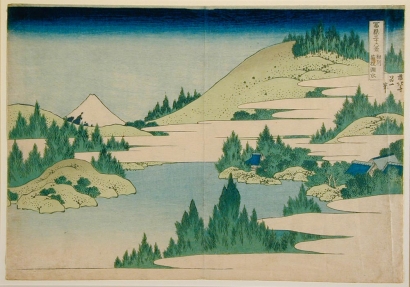
Fuji from Hakone
Woodblock print
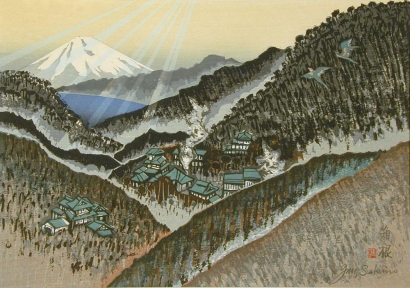
Hakone
Woodblock print
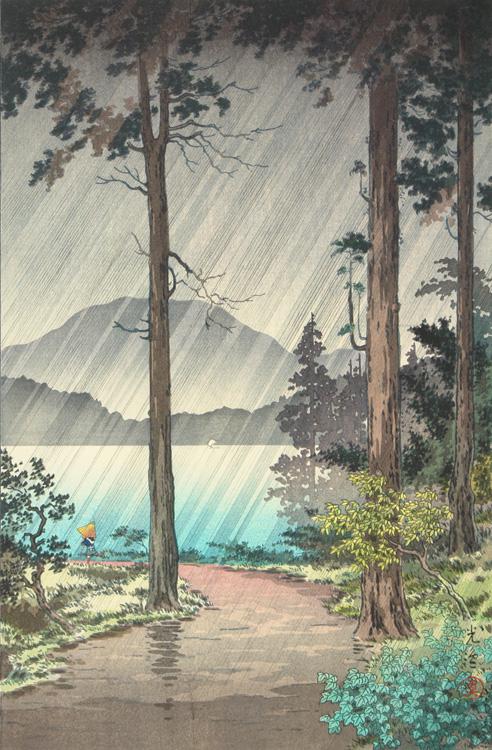
Hakone Lake
Woodblock print
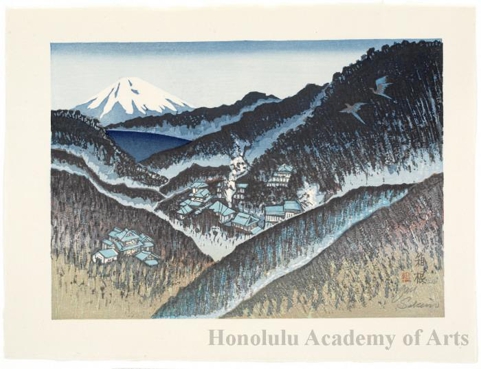
Hakone: Mt. Fuji over the Lake
Woodblock print

Hakone: View of the Lake (Hakone, kosui no zu), from the series "Fifty-three Stations of the Tokaido Road (Tokaido gojusan tsugi no uchi)," also known as the Hoeido Tokaido
c. 1833/34
Color woodblock print; oban

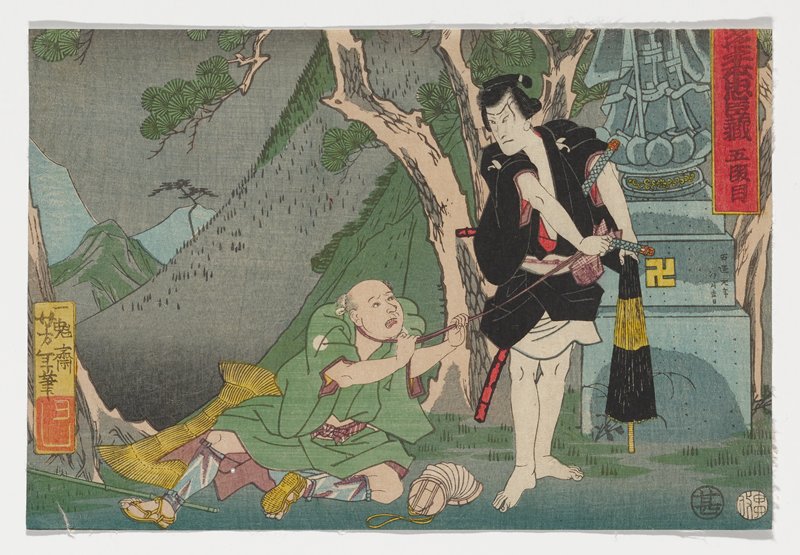
Kageishi in the Mountains of Hakone (Hakone sanchû Kageishi), from the series Scenes of Famous Places along the Tôkaidô Road (Tôkaidô meisho fûkei), also known as the Processional Tôkaidô (Gyôretsu Tôkaidô), here called Tôkaidô meisho no uchi
Woodblock print
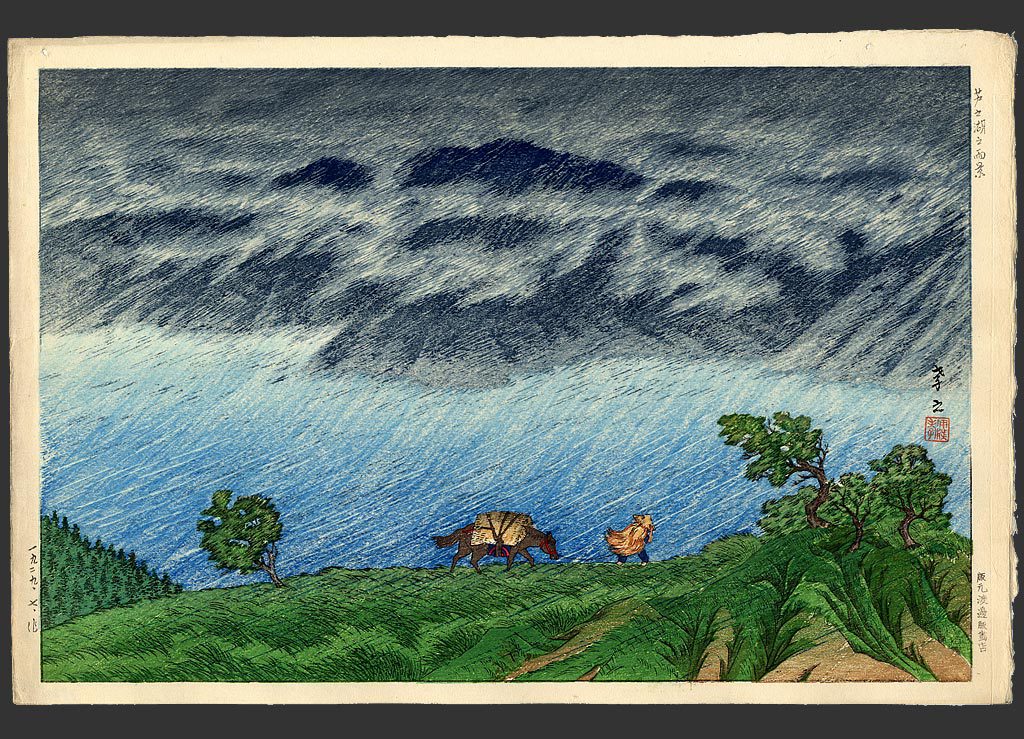
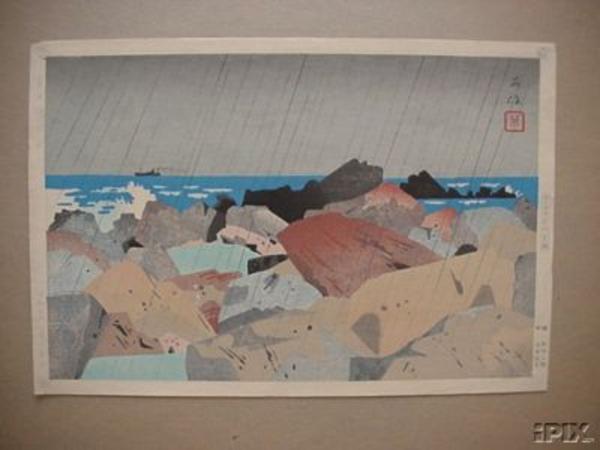
Lake Ashinoko in rain - Hakone
Woodblock print

Lake Ashinoko in Rain, Hakone
1929
Color woodblock print
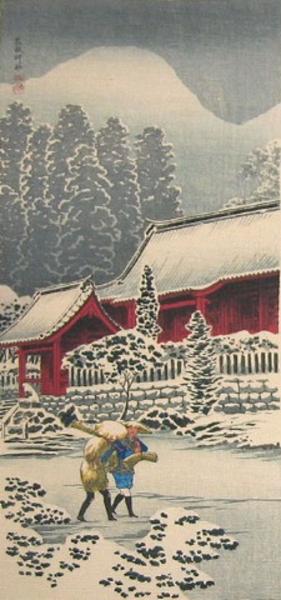
M52- After snow at Hakone Shrine
Woodblock print
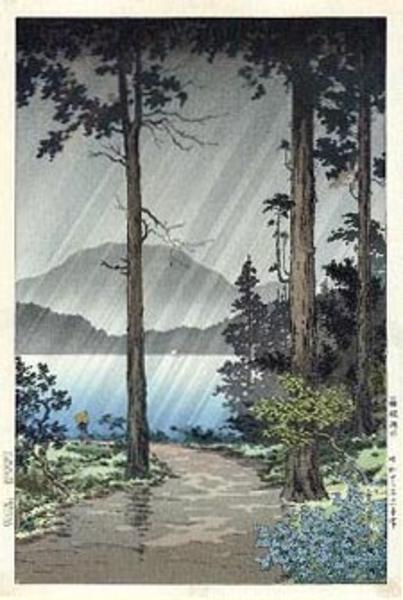
Morning Rain at Hakone
Woodblock print

Mount Fuji in Early Morning from Lake Hakone
20th century
Woodblock print
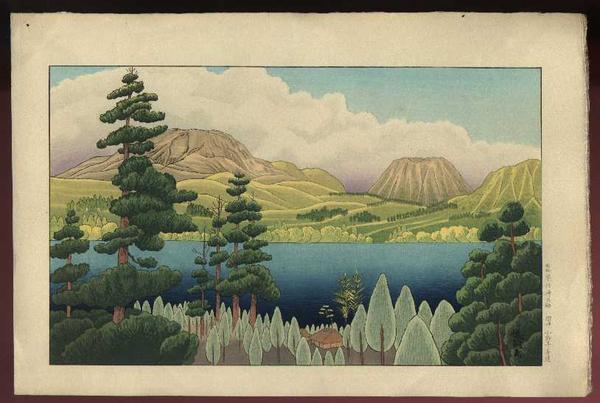
Mountain lake, Hakone Ashinoko no Shinryoku
Woodblock print
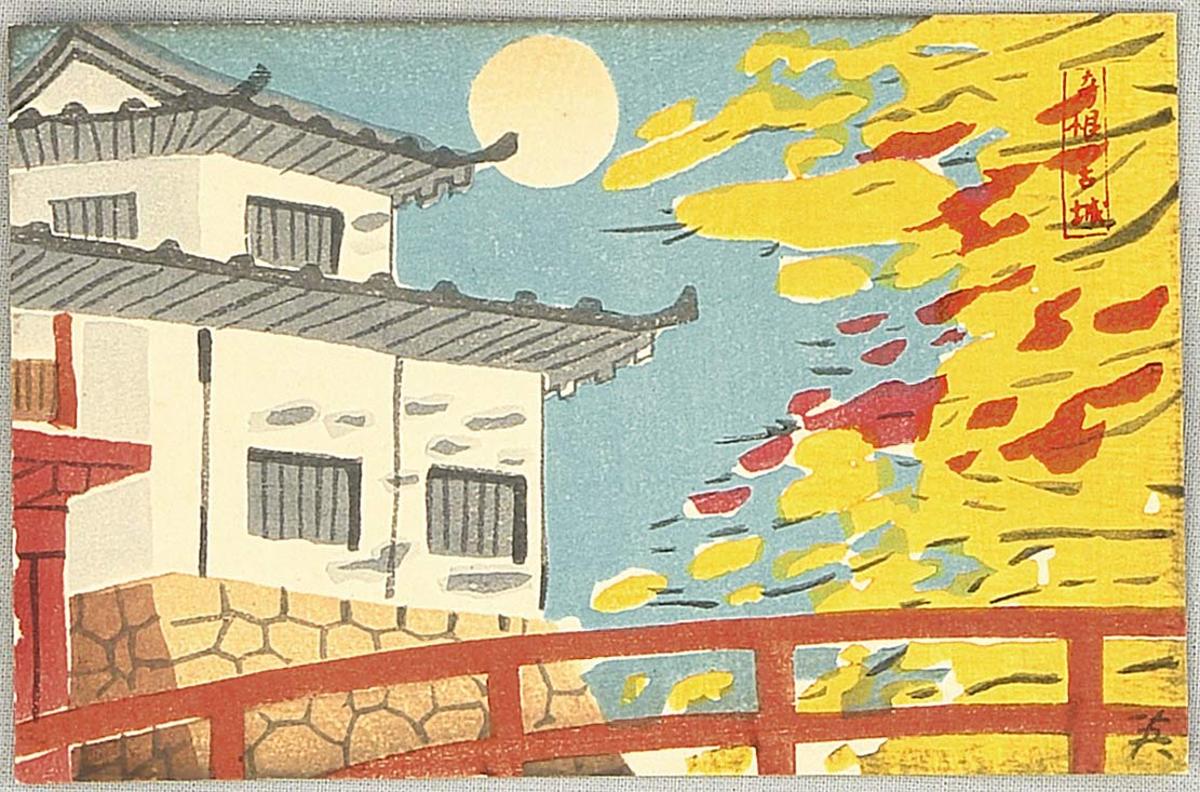
Old castle at Hakone — 箱根の古城
Woodblock print
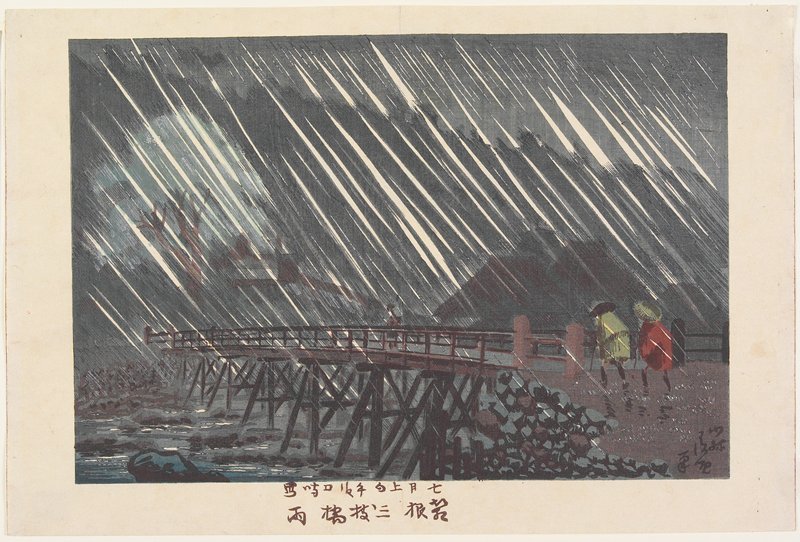
Rain at Sanmai Bridge in Hakone
c. 1881
Woodblock print (nishiki-e), ink and color on paper

Spring Dusk at Yumoto Hot Springs, Hakone
箱根湯本 春の夕
1953
Color woodblock print

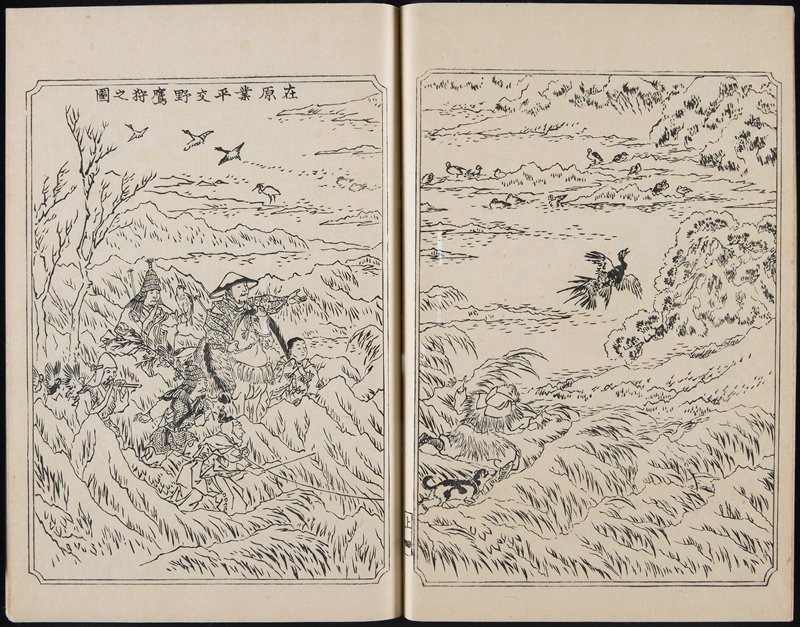
The Summer Battle at Hakone
c. 1874
Preparatory drawing for a print, ink and color on paper

Traveling at Night in the Hakone Mountains on the Border of Izu and Sagami Provinces (Zuso Hakone-yama yako no zu), from the series "Famous Places in the Various Provinces (Shokoku meisho)"
c. 1830/44
Color woodblock print; uchiwa-e
Artists Who Depicted Hakone (16)

Gihachiro Okuyama
奥山儀八郎
1907–1981

Henmi Takashi
逸見享
1895–1944
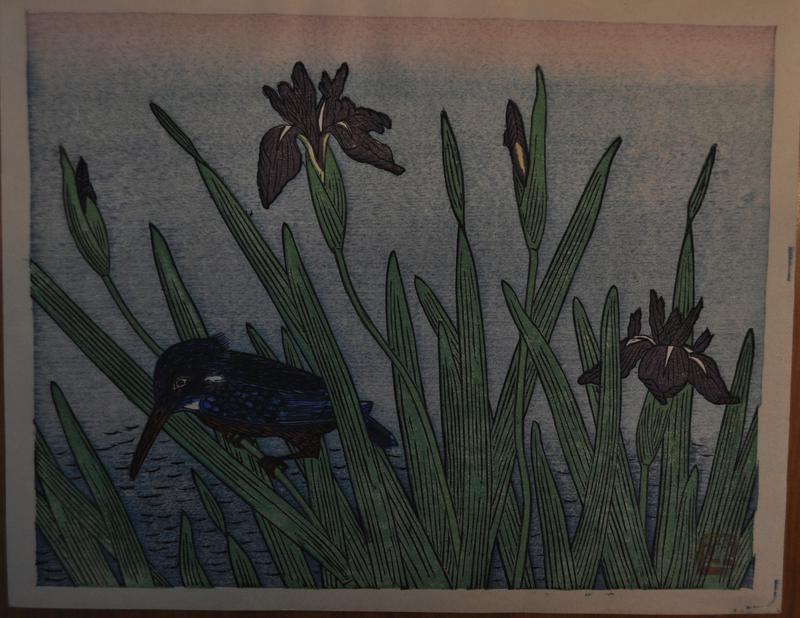
Hiratsuka Un'ichi
平塚運一
1895–1997
Ito Takashi
伊東孝
1894–1982

Jun'ichiro Sekino
関野準一郎
1914–1988
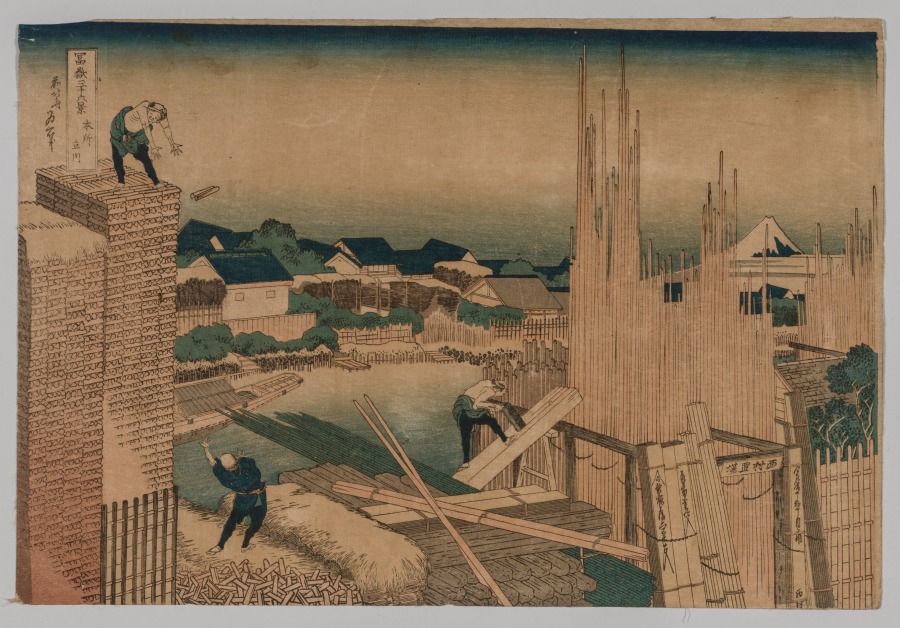
Katsushika Hokusai
葛飾北斎
1760–1849
Kawanabe Kyosai
河鍋暁斎
1831–1889

Kawase Hasui
川瀬巴水
1883–1957
Kobayashi Kiyochika
小林清親
1847–1915
Nishiyama Hideo
西山英雄
1911–1989

Shiro Kasamatsu
笠松紫浪
1898–1991
Takahashi Shotei
高橋松亭
1871–1945

Tsuchiya Koitsu
土屋光逸
1870–1949
Tsukioka Yoshitoshi
月岡芳年
1839–1892

Utagawa Hiroshige
歌川広重
1797–1858

Utagawa Kuniyoshi
歌川国芳
1798–1861
Frequently Asked Questions
Hakone is a mountainous district in southwestern Kanagawa Prefecture, situated within the caldera of an ancient volcano and on the principal route between Edo and Kyoto along the historic Tokaido road. The area is centered on Lake Ashi (Ashi-no-ko), a long crescent-shaped caldera lake formed approximately three thousand years ago after the collapse of a side cone of the central Hakone volcanic system, with the surrounding peaks of Komagatake, Kamiyama, and Sounzan defining the caldera rim and the more distant Mount Fuji visible from the lake's southern shore on clear days. Hakone became politically significant during the Tokugawa period as the location of the Hakone barrier (Hakone sekisho), a checkpoint established in 1619 to control movement of persons and weapons between the eastern and western provinces, especially watching for armaments leaving Edo and women of the daimyo households leaving the capital, and the post-station town of Hakone-juku at the lake's southern end served travelers on the Tokaido between Odawara and Mishima as the tenth of the fifty-three stations. The district was also noted from the medieval period for its hot springs, with traditional onsen settlements developing in the valleys around Hakone-Yumoto, Tonosawa, Miyanoshita, and Kowakidani, and the Fujiya Hotel at Miyanoshita, founded in 1878, becoming one of the earliest Western-style mountain hotels in Japan and a destination for foreign visitors throughout the late Meiji and Taisho periods. For Japanese printmaking Hakone is most closely associated with the Tokaido road series. Utagawa Hiroshige's Fifty-Three Stations of the Tokaido (Tokaido gojusan tsugi), issued around 1833-1834 by Hoeido and Eikodo and known as the Hoeido Tokaido, includes the celebrated Hakone print, the eleventh sheet of the series, depicting travelers crossing the mountainous pass above Lake Ashi with the lake and a distant Mount Fuji visible beyond, a composition that became one of the most reproduced sheets of the series and is generally considered one of Hiroshige's most striking landscape designs through its dramatic juxtaposition of foreground rock mass and distant lake. Hiroshige treated the station again in his Vertical Tokaido of 1855 (issued by Tsutaya Kichizo), in the Reisho Tokaido of 1849-1852, and in other Tokaido sets, and Hokusai included Hakone in his Thirty-Six Views of Mount Fuji and in passages of the One Hundred Views of Mount Fuji. The Meiji-period print tradition continued the treatment of Hakone, and with the shin-hanga revival, the district became a major subject for Kawase Hasui, Yoshida Hiroshi, and Tsuchiya Koitsu, each of whom treated Lake Ashi, Mount Fuji from the lake shore, the red torii of Hakone Shrine standing in the lake, the small lakeside settlements, and the seasonal phenomena of cherry blossom and autumn maple in the surrounding hills. Yoshida Hiroshi's Hakone subjects include the well-known Cherry Blossoms at Hakone and Hakone Lake views. The visual character of Hakone in prints is built on the steep mountainsides of the caldera rim, the lake surface with its reflections of the surrounding peaks and the distant Mount Fuji, the red gate of Hakone Shrine that stands directly in the lake offshore from the shrine grounds on the eastern side, the small craft on the lake, the wooded slopes of the surrounding mountains, and frequently the seasonal mists and snow of the mountain environment. Modern Hakone is a major weekend and short-stay destination from Tokyo, reached via the Odakyu Line's Romance Car to Hakone-Yumoto, with the Hakone Tozan switchback railway, the Hakone Ropeway over the Owakudani volcanic valley, and the boats on Lake Ashi providing access to the principal viewpoints depicted in the prints, and the Hakone Open Air Museum and the Pola Museum holding significant art collections in the district.
Hanga catalogues 20 prints depicting Hakone (箱根), by 16 different artists.
Gihachiro Okuyama, Henmi Takashi, and Hiratsuka Un'ichi are among the 16 artists who depicted Hakone in our collection.
Want to rate prints from Hakone?
Sign up to start rating