
Biography
Henmi Takashi (逸見享, 1895-1944) was a sōsaku-hanga woodblock print artist and poet whose contribution to the seminal interwar series Shin Tōkyō hyakkei ("One Hundred New Views of Tokyo," 1928-32) placed him at the center of the modern print response to the rebuilt capital after the 1923 Kantō earthquake. He was born on January 29, 1895, in Wakayama Prefecture, in western Honshū, and moved to Tokyo to study at the Tokyo-shi Kōtō Kōgei Gakkō (Tokyo Municipal Higher Crafts School), the city's principal applied-arts academy, where he received formal training in design and printmaking (https://www.artelino.com/articles/takashi-henmi.asp). After completing his studies he joined the Nihon Hanga Kyōkai (Japan Print Association), the central exhibiting society of sōsaku-hanga artists, and exhibited regularly with the group through the 1920s and 1930s while supporting himself, like most printmakers of his generation, through other employment — in his case as an accountant; the historian Helen Merritt, the standard English-language authority on the period, described him as a "very active and important amateur printmaker," using the word in its older sense of someone who pursued the medium for love rather than livelihood (https://www.artelino.com/articles/takashi-henmi.asp). Henmi's most enduring contribution is to Shin Tōkyō hyakkei, the eight-artist sōsaku-hanga response to Hiroshige's One Hundred Famous Views of Edo, conceived after the Great Kantō Earthquake of 1923 had razed much of Tokyo and reshaped its skyline. Launched in 1928 by Hiratsuka Un'ichi, Onchi Kōshirō, Maekawa Senpan, Fukazawa Sakuichi, Henmi, and several colleagues, the project ran until 1932 and surveyed the new Tokyo in self-drawn, self-carved, self-printed designs that registered subways, department stores, Western-style church domes, and rebuilt parks where temples and bridges had stood (https://publicdomainreview.org/collection/aftershock-of-the-new). Henmi contributed thirteen designs to the series — among the largest individual contributions — including his view of Hijiri Bridge (Hijiri-bashi, 1930) and his rain-swept scene of Yotsuya Mitsuke, images that mixed deliberately modern subjects with sōsaku-hanga's tactile woodblock surface (https://publicdomainreview.org/collection/aftershock-of-the-new). His standing within the group is suggested by his selection, in 1934, as one of the artists whose work the painter and printmaker Hasegawa Kiyoshi (1891-1980) — a Japanese artist long resident in Paris and a key conduit for European exposure of modern Japanese printmaking — included in a Paris exhibition of contemporary Japanese prints, where four of Henmi's woodblocks were shown alongside work by his Tokyo colleagues (https://www.artelino.com/articles/takashi-henmi.asp). The Tokyo Municipal Higher Crafts School, where Henmi had trained, was one of the principal institutional incubators of the early sōsaku-hanga generation: its emphasis on applied design, lithography, and the practical disciplines of the print room (rather than the academic painting curriculum of the Tokyo School of Fine Arts) produced a number of the artists who would carry sōsaku-hanga into mature professional practice, and Henmi was characteristic of the type — well trained, civically minded, holding a daytime professional career, exhibiting in self-funded artist societies in the evenings and on weekends. Henmi was also a poet, in keeping with the literary inclinations of the sōsaku-hanga circle around Onchi, who had himself begun his career in the modernist poetry journal Tsukuhae. The culmination of his print-and-poetry practice was Suiin-fu ("Water-rhyme Music," sometimes translated "Rhymes and Musical Notes of Water"), a portfolio of ten prints on the theme of water accompanied by his own verses, published by Aoi Shobō in 1942 (https://www.artelino.com/articles/takashi-henmi.asp). He died on October 19, 1944, before the end of the war that would close out his generation; he was forty-nine. His prints are today held in the British Museum, which owns his Shin Tōkyō hyakkei view of Yotsuya Mitsuke, as well as the Art Institute of Chicago and other major collections of modern Japanese prints (https://www.britishmuseum.org/collection/term/BIOG1600; https://www.artic.edu/artists/11341/henmi-takashi). Within the history of sōsaku-hanga Henmi is a distinctive minor figure: not a movement organizer like Onchi or Hiratsuka, but a sustained contributor whose Tokyo views helped define the early-Shōwa look of the metropolis in print, and whose late portfolio of prints and poems exemplified the movement's ambition to treat the woodblock as a personal, lyrical, and literary medium. Detailed biographical material on Henmi is limited in English-language sources beyond the contributions made in the major print encyclopedias and museum records, and certain personal details remain documented only in Japanese scholarship.
Key Facts
- Active Period
- 1895–1944
- Nationality
- 🇯🇵Japan
- Movement
- Sōsaku-hanga
- Works Indexed
- 76
Frequently Asked Questions
Henmi Takashi (逸見享, 1895-1944) was a sōsaku-hanga woodblock print artist and poet whose contribution to the seminal interwar series Shin Tōkyō hyakkei ("One Hundred New Views of Tokyo," 1928-32) placed him at the center of the modern print response to the rebuilt capital after the 1923 Kantō earthquake. He was born on January 29, 1895, in Wakayama Prefecture, in western Honshū, and moved to Tokyo to study at the Tokyo-shi Kōtō Kōgei Gakkō (Tokyo Municipal Higher Crafts School), the city's principal applied-arts academy, where he received formal training in design and printmaking (https://www.artelino.com/articles/takashi-henmi.asp). After completing his studies he joined the Nihon Hanga Kyōkai (Japan Print Association), the central exhibiting society of sōsaku-hanga artists, and exhibited regularly with the group through the 1920s and 1930s while supporting himself, like most printmakers of his generation, through other employment — in his case as an accountant; the historian Helen Merritt, the standard English-language authority on the period, described him as a "very active and important amateur printmaker," using the word in its older sense of someone who pursued the medium for love rather than livelihood (https://www.artelino.com/articles/takashi-henmi.asp). Henmi's most enduring contribution is to Shin Tōkyō hyakkei, the eight-artist sōsaku-hanga response to Hiroshige's One Hundred Famous Views of Edo, conceived after the Great Kantō Earthquake of 1923 had razed much of Tokyo and reshaped its skyline. Launched in 1928 by Hiratsuka Un'ichi, Onchi Kōshirō, Maekawa Senpan, Fukazawa Sakuichi, Henmi, and several colleagues, the project ran until 1932 and surveyed the new Tokyo in self-drawn, self-carved, self-printed designs that registered subways, department stores, Western-style church domes, and rebuilt parks where temples and bridges had stood (https://publicdomainreview.org/collection/aftershock-of-the-new). Henmi contributed thirteen designs to the series — among the largest individual contributions — including his view of Hijiri Bridge (Hijiri-bashi, 1930) and his rain-swept scene of Yotsuya Mitsuke, images that mixed deliberately modern subjects with sōsaku-hanga's tactile woodblock surface (https://publicdomainreview.org/collection/aftershock-of-the-new). His standing within the group is suggested by his selection, in 1934, as one of the artists whose work the painter and printmaker Hasegawa Kiyoshi (1891-1980) — a Japanese artist long resident in Paris and a key conduit for European exposure of modern Japanese printmaking — included in a Paris exhibition of contemporary Japanese prints, where four of Henmi's woodblocks were shown alongside work by his Tokyo colleagues (https://www.artelino.com/articles/takashi-henmi.asp). The Tokyo Municipal Higher Crafts School, where Henmi had trained, was one of the principal institutional incubators of the early sōsaku-hanga generation: its emphasis on applied design, lithography, and the practical disciplines of the print room (rather than the academic painting curriculum of the Tokyo School of Fine Arts) produced a number of the artists who would carry sōsaku-hanga into mature professional practice, and Henmi was characteristic of the type — well trained, civically minded, holding a daytime professional career, exhibiting in self-funded artist societies in the evenings and on weekends. Henmi was also a poet, in keeping with the literary inclinations of the sōsaku-hanga circle around Onchi, who had himself begun his career in the modernist poetry journal Tsukuhae. The culmination of his print-and-poetry practice was Suiin-fu ("Water-rhyme Music," sometimes translated "Rhymes and Musical Notes of Water"), a portfolio of ten prints on the theme of water accompanied by his own verses, published by Aoi Shobō in 1942 (https://www.artelino.com/articles/takashi-henmi.asp). He died on October 19, 1944, before the end of the war that would close out his generation; he was forty-nine. His prints are today held in the British Museum, which owns his Shin Tōkyō hyakkei view of Yotsuya Mitsuke, as well as the Art Institute of Chicago and other major collections of modern Japanese prints (https://www.britishmuseum.org/collection/term/BIOG1600; https://www.artic.edu/artists/11341/henmi-takashi). Within the history of sōsaku-hanga Henmi is a distinctive minor figure: not a movement organizer like Onchi or Hiratsuka, but a sustained contributor whose Tokyo views helped define the early-Shōwa look of the metropolis in print, and whose late portfolio of prints and poems exemplified the movement's ambition to treat the woodblock as a personal, lyrical, and literary medium. Detailed biographical material on Henmi is limited in English-language sources beyond the contributions made in the major print encyclopedias and museum records, and certain personal details remain documented only in Japanese scholarship.
Henmi Takashi was active from 1895 to 1944. They were associated with the Sōsaku-hanga movement.
Henmi Takashi's work was shaped by the Sōsaku-hanga tradition in Japanese woodblock printmaking. Sōsaku-hanga: ## What is sōsaku-hanga? Sōsaku-hanga (創作版画, "creative prints") was a twentieth-century Japanese print movement defined by a single commitment: the artist must design, carve, and print every work alone.
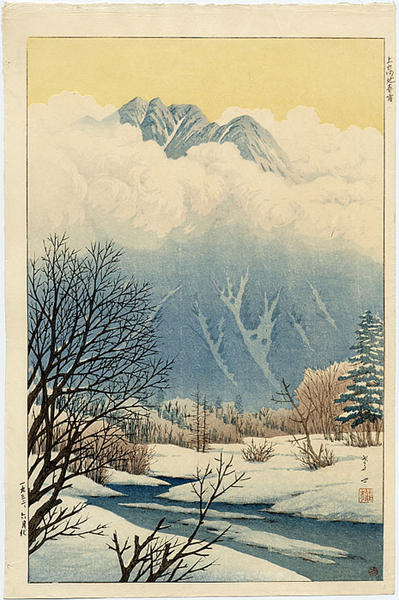
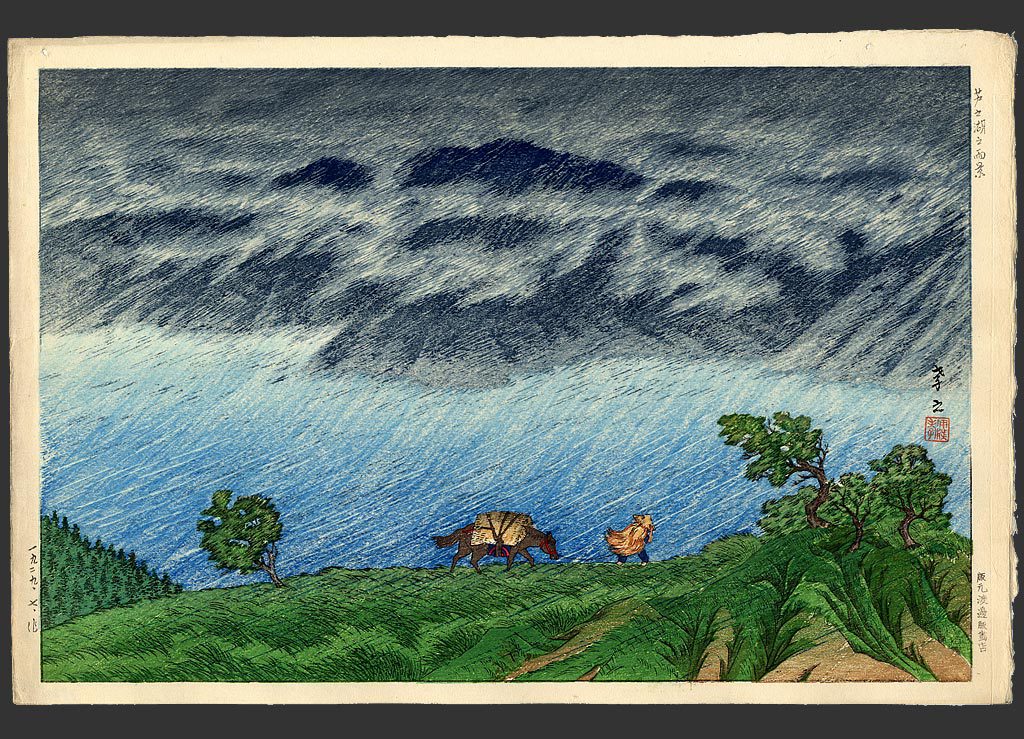
Henmi Takashi's prints frequently feature landscapes, abstract, urban scenes, rivers & lakes, snow scenes, mountains.
Original prints by Henmi Takashi can be found in collections including Art Institute of Chicago, japancoll, Art of Japan, Japanese Art Open Database.
Woodblock Prints by Henmi Takashi (76)

Field
Early 20th century
Color woodblock print
Village
Early 20th century
Color woodblock print

Shanghai
1920s
Color woodblock print

Ueno Park
1926
Color woodblock print

Seaside Village
1920
Color woodblock print

Morning at a Seaside Village
1929
Color woodblock print

Cactus
1932
Color woodblock print

Late Autumn at Itako (Itako banshu)
1939 (printed 1940s)
Color woodblock print
Untitled (takashi-henmi)
Woodblock print
Untitled- Cat
Woodblock print
Lake Ashinoko in rain - Hakone
Woodblock print
Elephant
Woodblock print
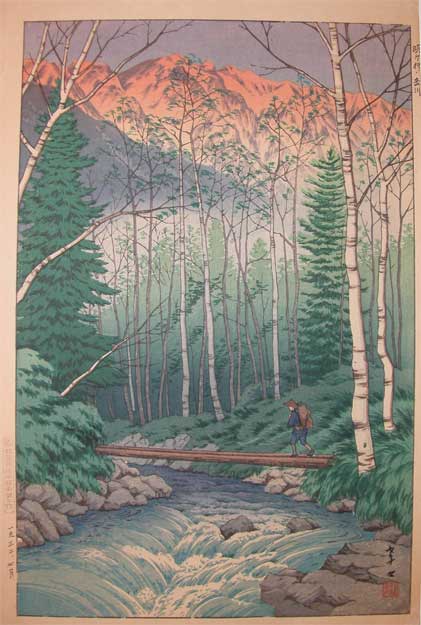
Dawn at Takegawa Rapids
Woodblock print
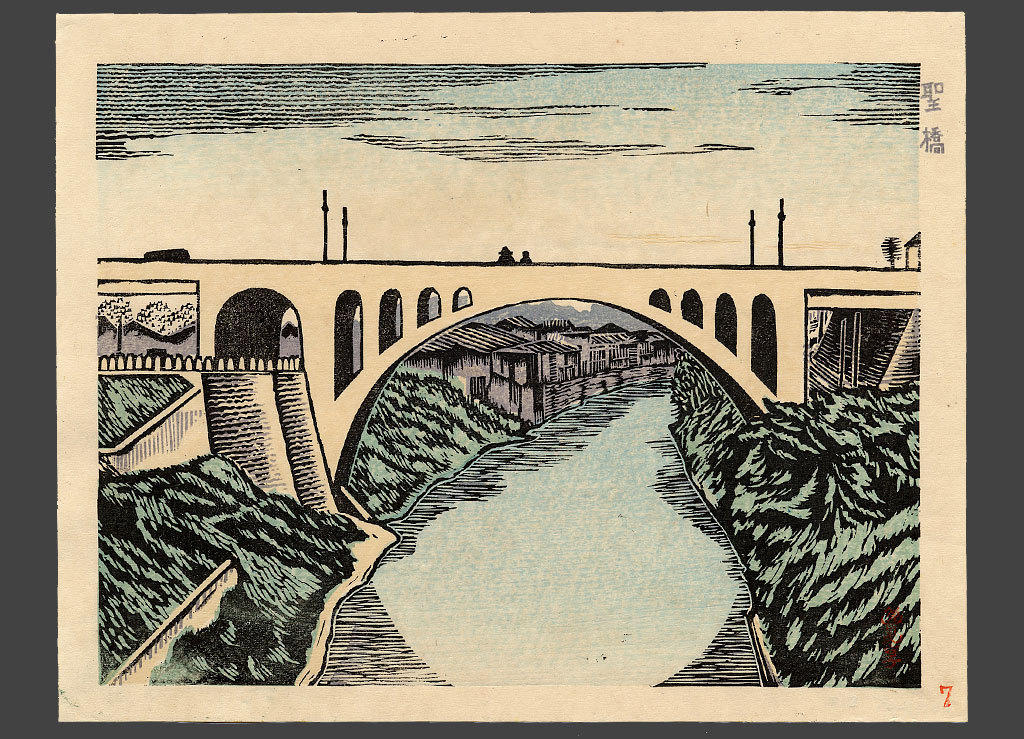
Hijiribashi
Woodblock print
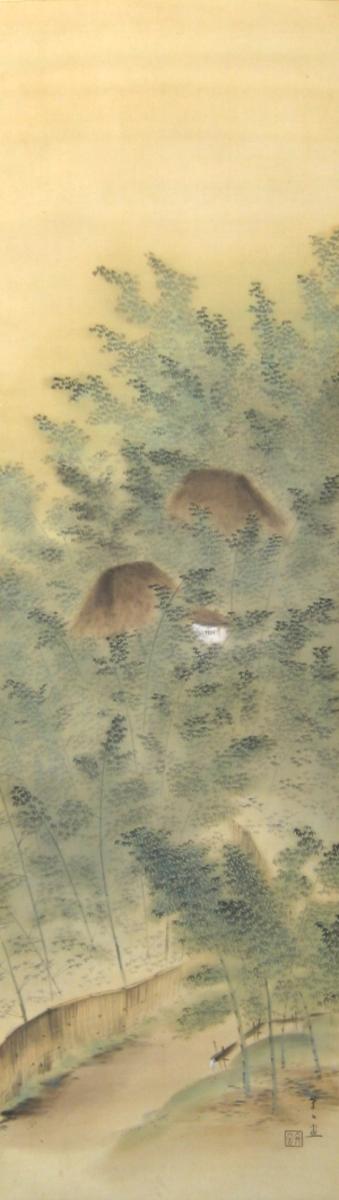
Bamboo grove
Woodblock print
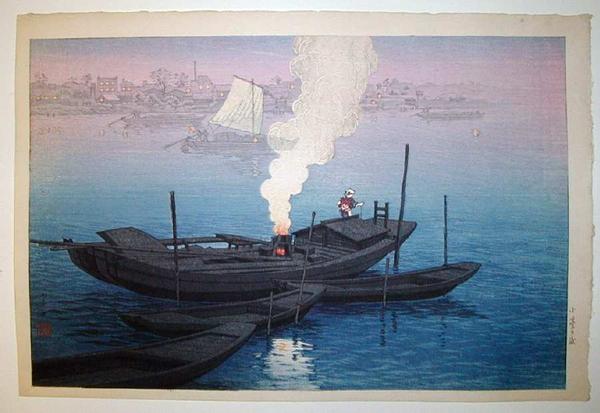
Untitled (takashi-henmi)
Woodblock print
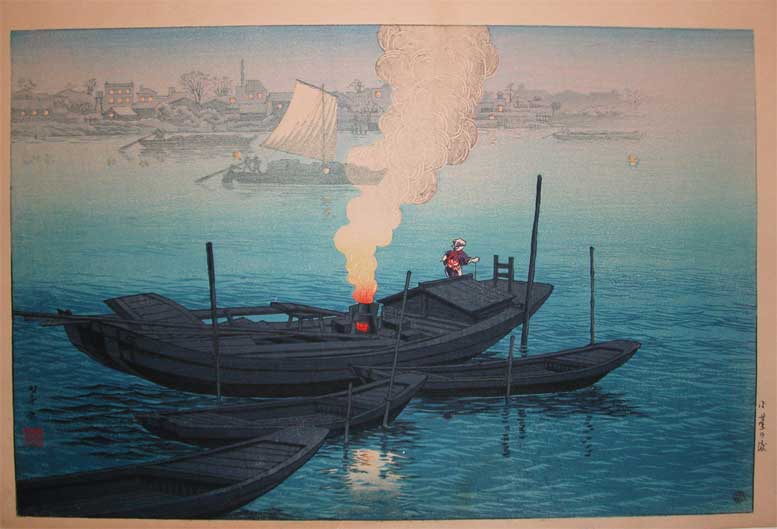
Ferry at Odai, Tokyo
Woodblock print
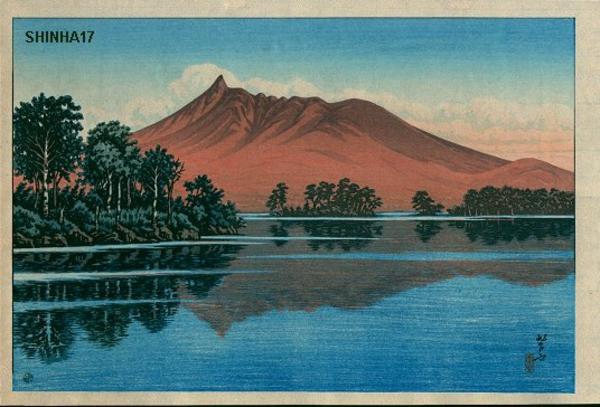
Ohnuma Park, Komagadake
Woodblock print
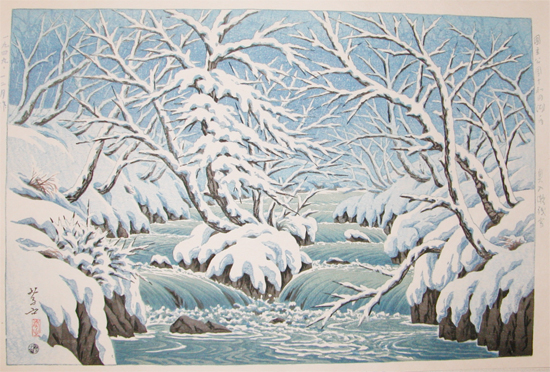
Okuirise in Winter
Woodblock print
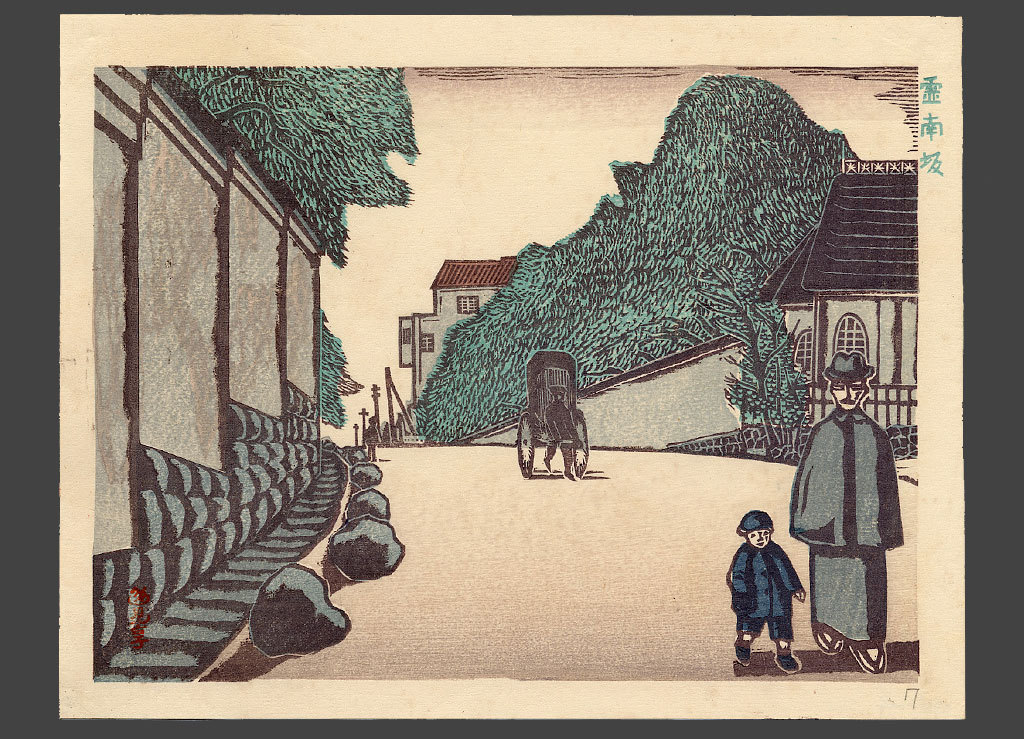
Reinanzaka
Woodblock print
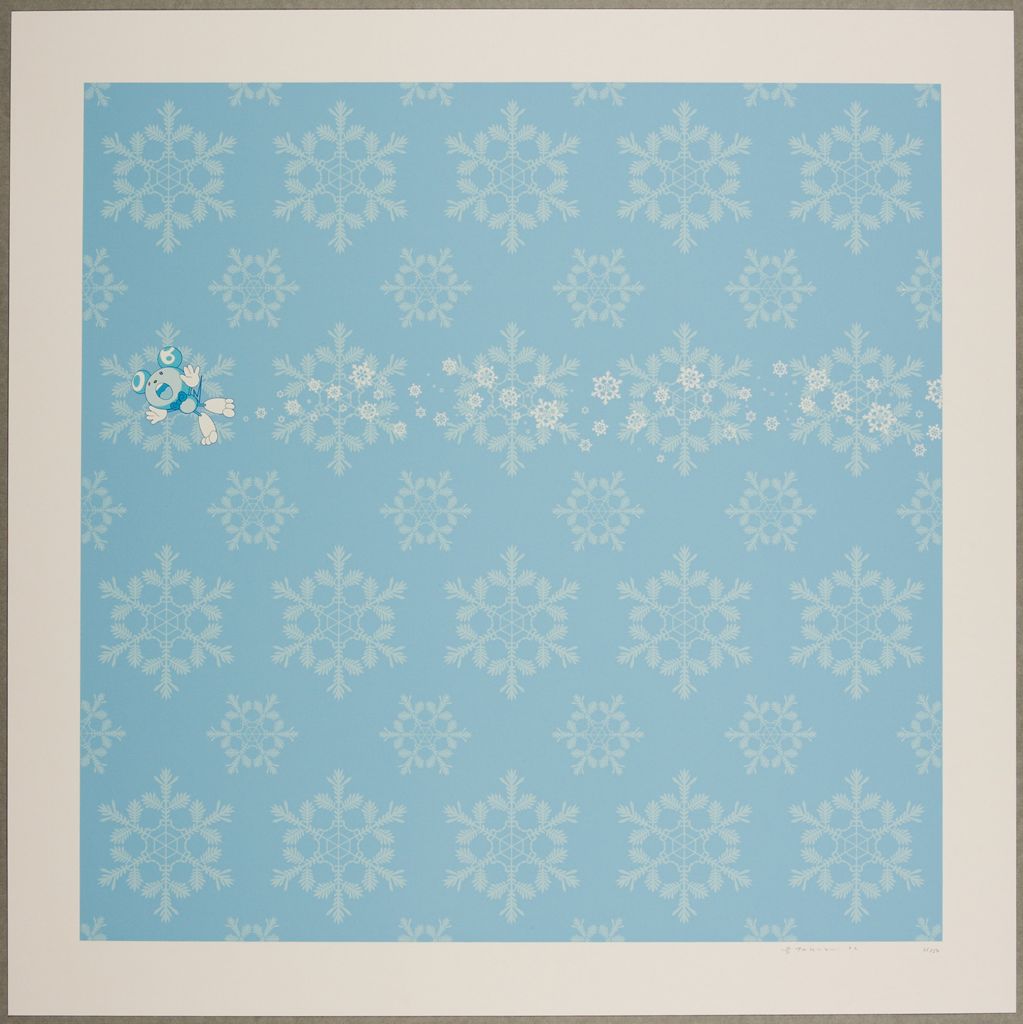
Snow, 2002
Woodblock print
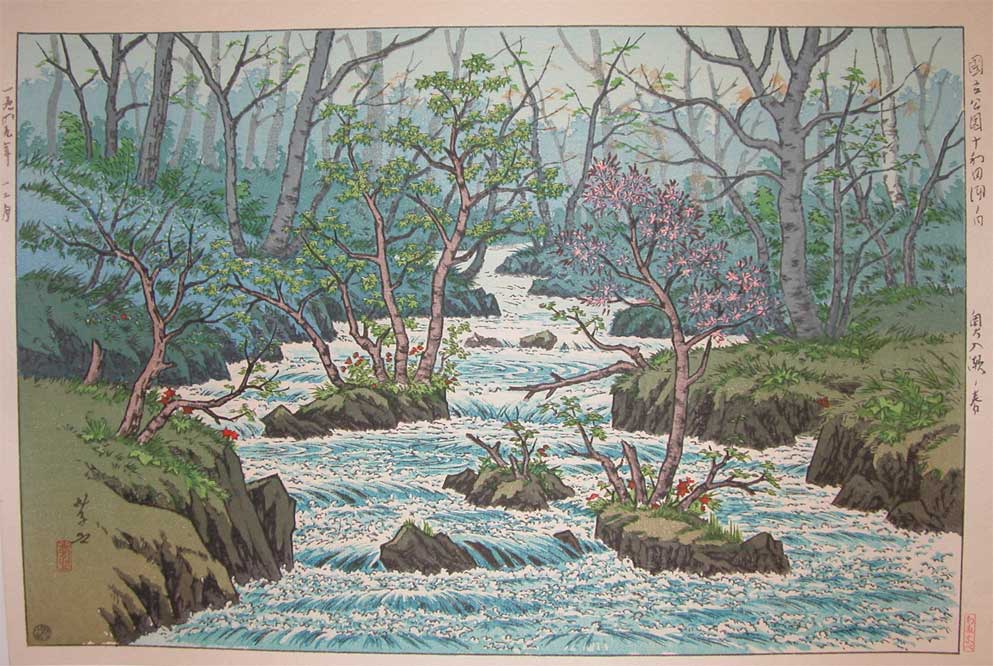
Spring at Okuirise
Woodblock print
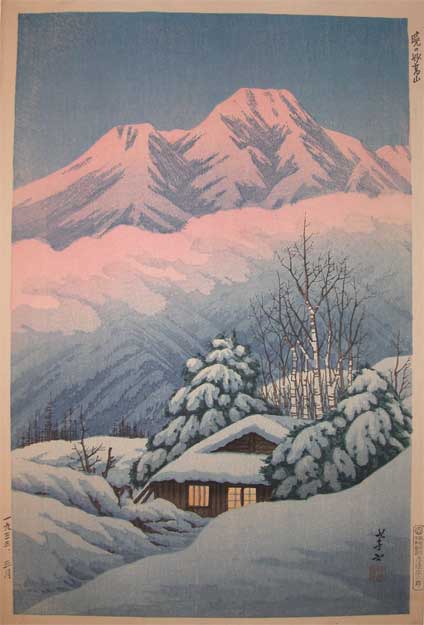
Myokozan in Sunset
Woodblock print
Children building snowman
Woodblock print