Kabuki Prints (354)
Kabuki theater prints (yakusha-e) are among the earliest and most commercially important genres of ukiyo-e, documenting the stars, roles, and dramatic moments of Japan's premier theatrical tradition. From the late seventeenth century onward, prints depicting kabuki actors were as popular as modern entertainment magazines, feeding public fascination with the theater's celebrity culture. Torii Kiyonobu and the Torii school established the earliest conventions for actor prints, emphasizing dramatic poses (mie) and bold patterned costumes. The genre reached its artistic peak with Sharaku's psychologically penetrating bust portraits of 1794-95, which broke with flattering convention to capture the intensity and effort of stage performance. Though commercially unsuccessful in his time, Sharaku's brief output is now considered among the most important works in the print tradition. The nineteenth century saw enormous production of actor prints by artists including Kunisada, Kunichika, and Kuniyoshi, who documented the kabuki repertoire with encyclopedic thoroughness. These prints preserve detailed records of costumes, makeup (kumadori), and staging that are invaluable to theater historians. The genre declined with the advent of photography but experienced periodic revivals, including shin-hanga actor prints by Natori Shunsen and the bold theatrical compositions of modern sosaku-hanga artists.
Artists Known for Kabuki

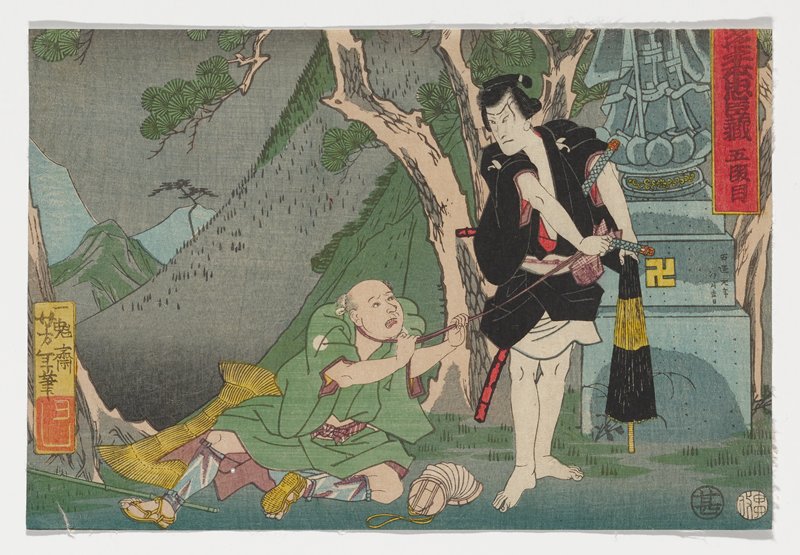


Actor Bandō Shinsui as Takechi Mitsuhide
1865, 6th lunar month
Woodblock print (nishiki-e), ink and color on paper
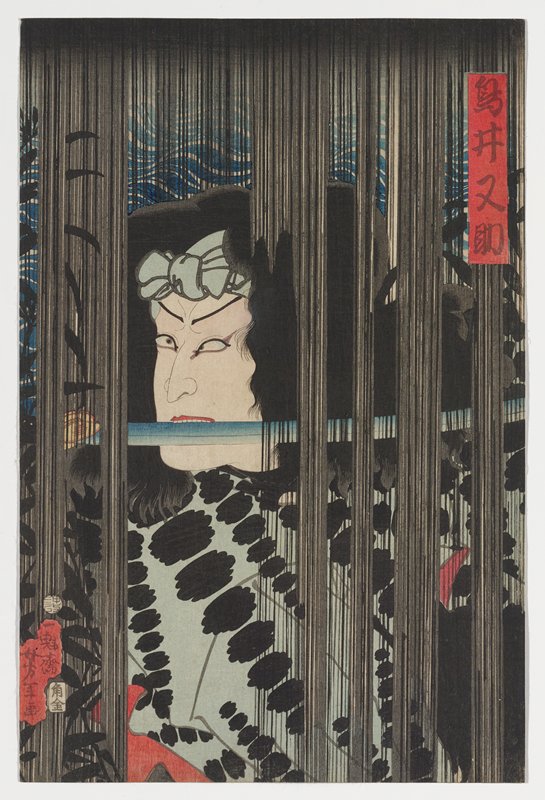
Actor Ichikawa Kodanji IV as Torii Matasuke
1860, 3rd lunar month
Woodblock print (nishiki-e), ink and color on paper
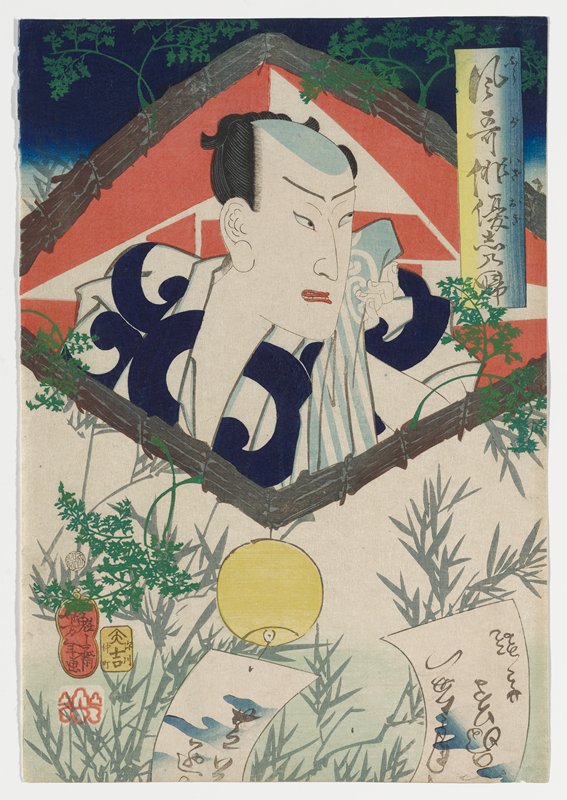
Actor Nakamura Shikan IV
1862, 5th lunar month
Woodblock print (nishiki-e), ink and color on paper
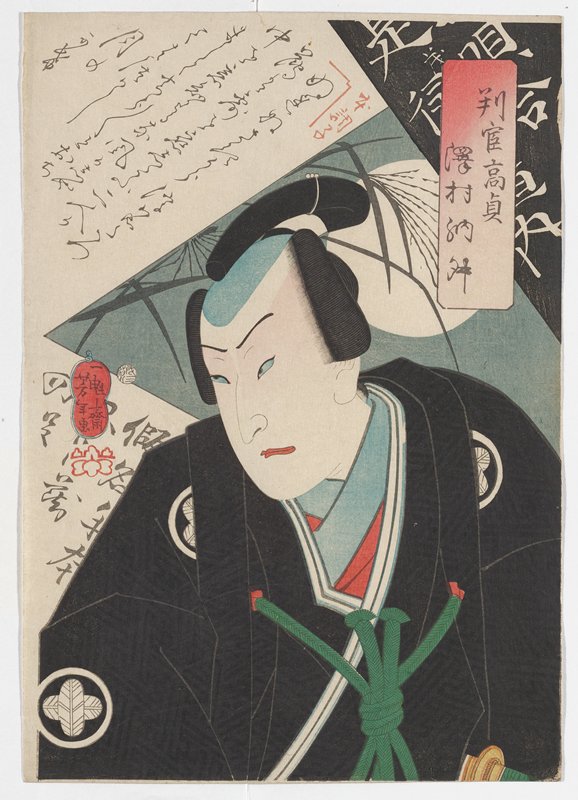
Actor Sawamura Tosshō II as Hangan Takasada
1862, 3rd lunar month
Woodblock print (nishiki-e), ink and color on paper

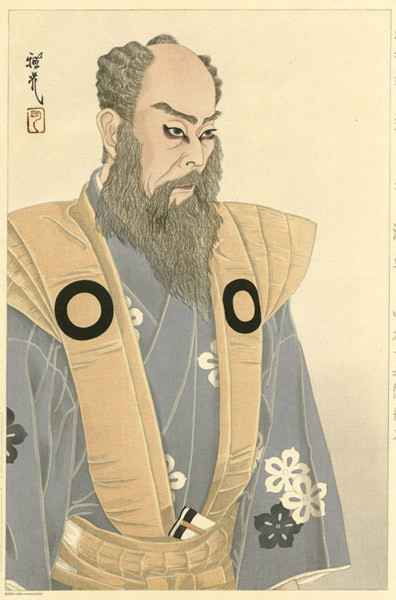
Ichikawa Danjūrō IX as Musashibō Benkei in The Subscription List (Kanjinchō)
Meiji period, datable to 1890
Center panel from a woodblock print (nishiki-e) triptych; ink, color, gauffrage, and metallic pigment on paper
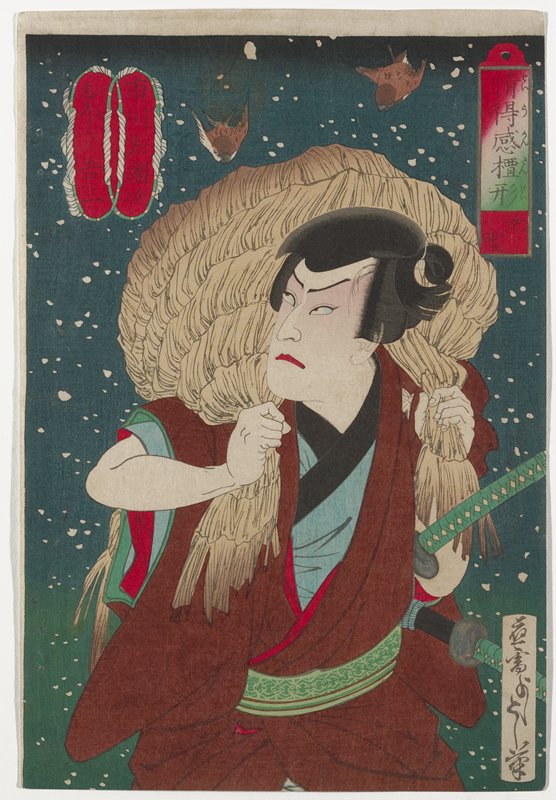
Light Snowfall: Actor Ichikawa Sadanji I as Obō Kichisa
c. 1876
Woodblock print (nishiki-e), ink and color on paper

The Actor Ichikawa Sadanji as Akechi Samenosuke, from the series "Seven Brilliant Heroes (Komei shichi yosei)"
1876
Color woodblock print; oban

The Actor Kawarazaki Gonjuro I, from the series "Reminiscences of Elegant Actors (Fuga wazaogi shinobu)"
1862
Color woodblock print; oban
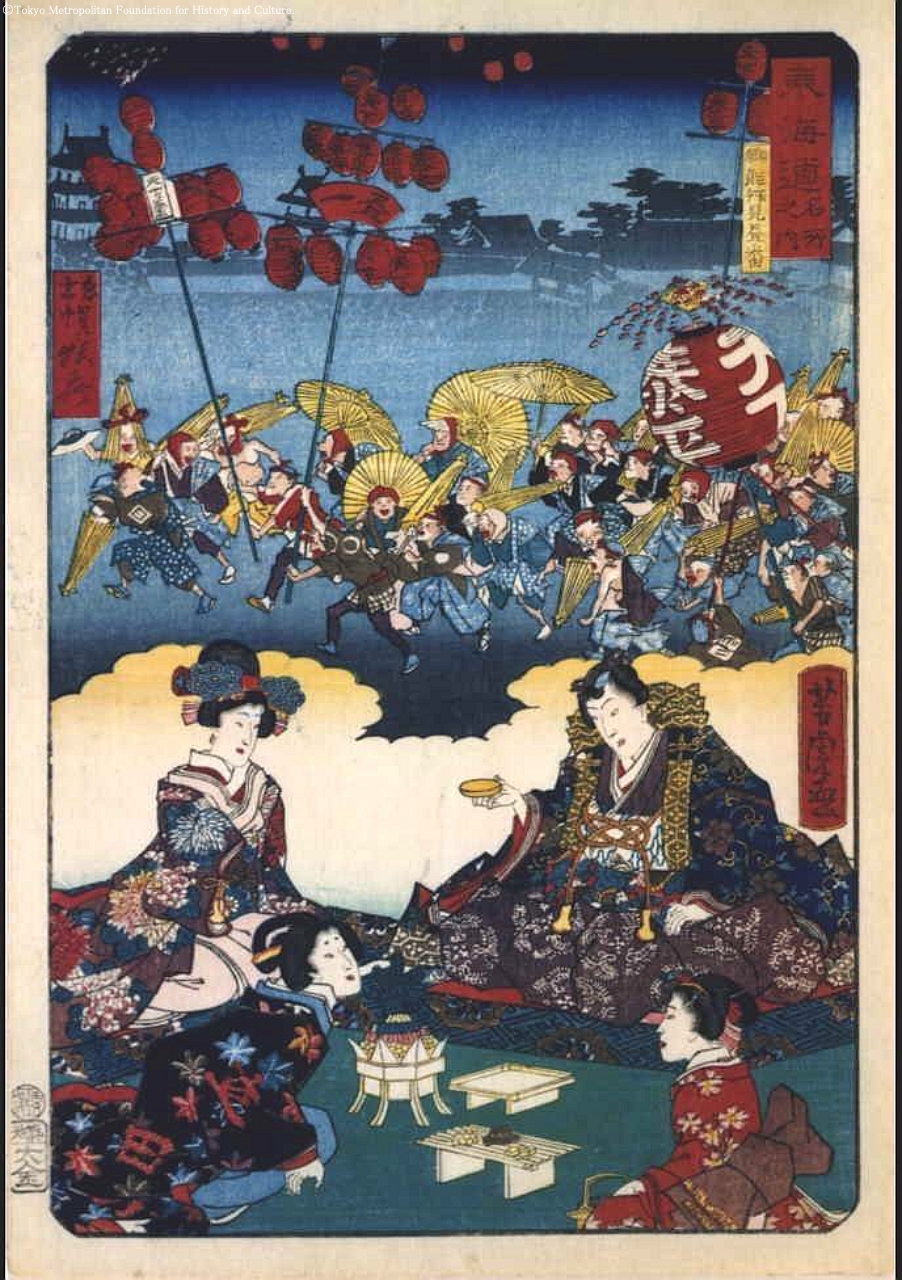
Famous Views of the Tokaido: Enjoying a Midday Noh Performance
Woodblock print
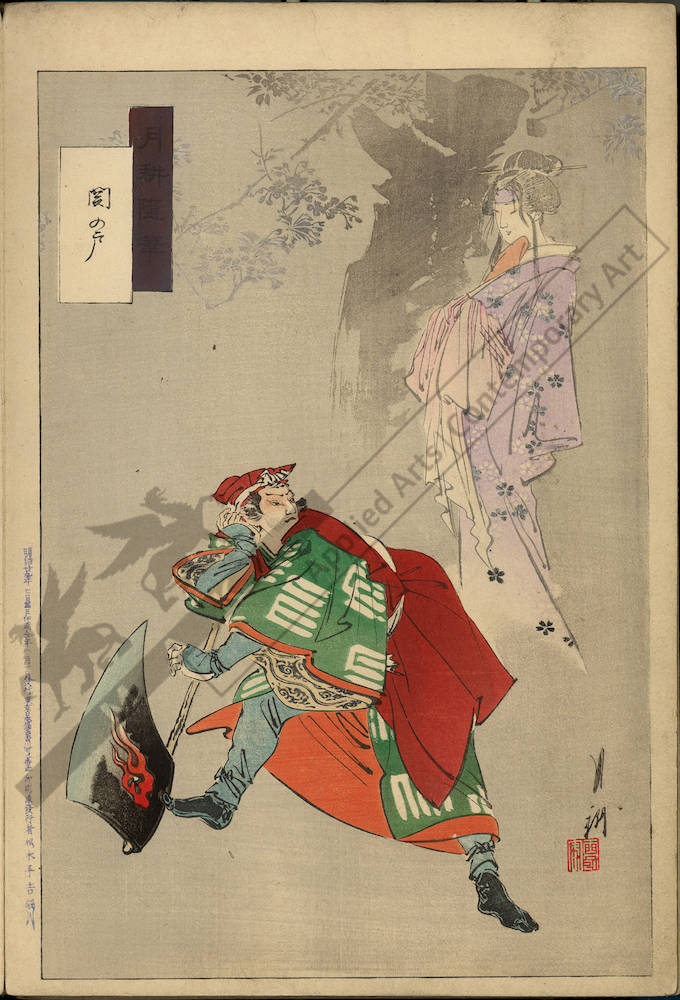
Kabuki play “Seki no to”
Woodblock print

Nakamura Kansuke Masatoki 中村勘助正辰 / Gishi shijushichi zu 義士四十七図
Woodblock print
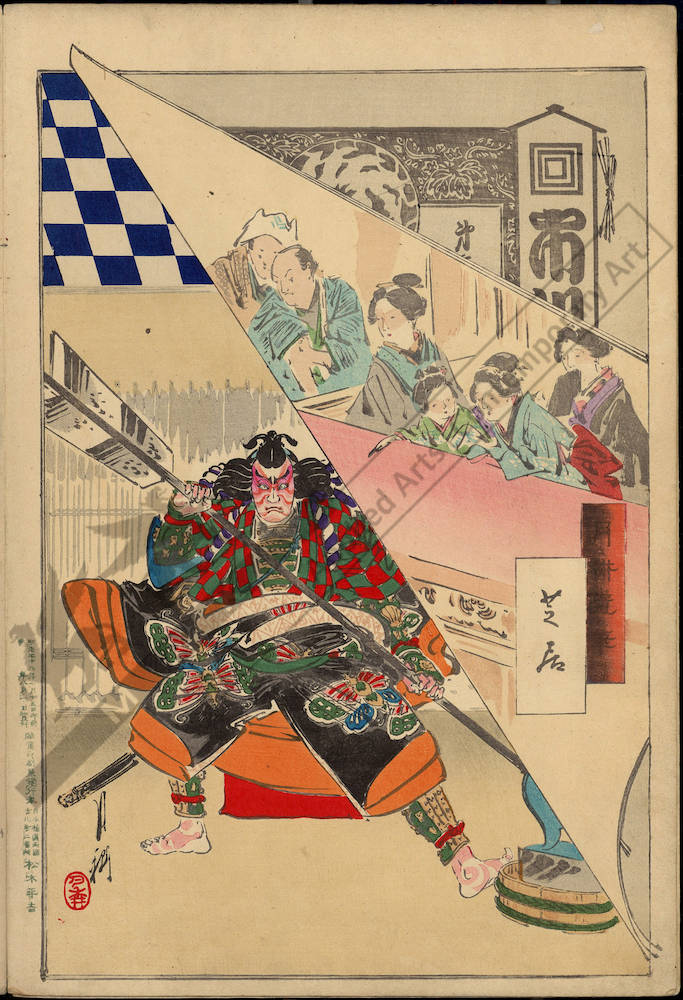
Theatre
Woodblock print
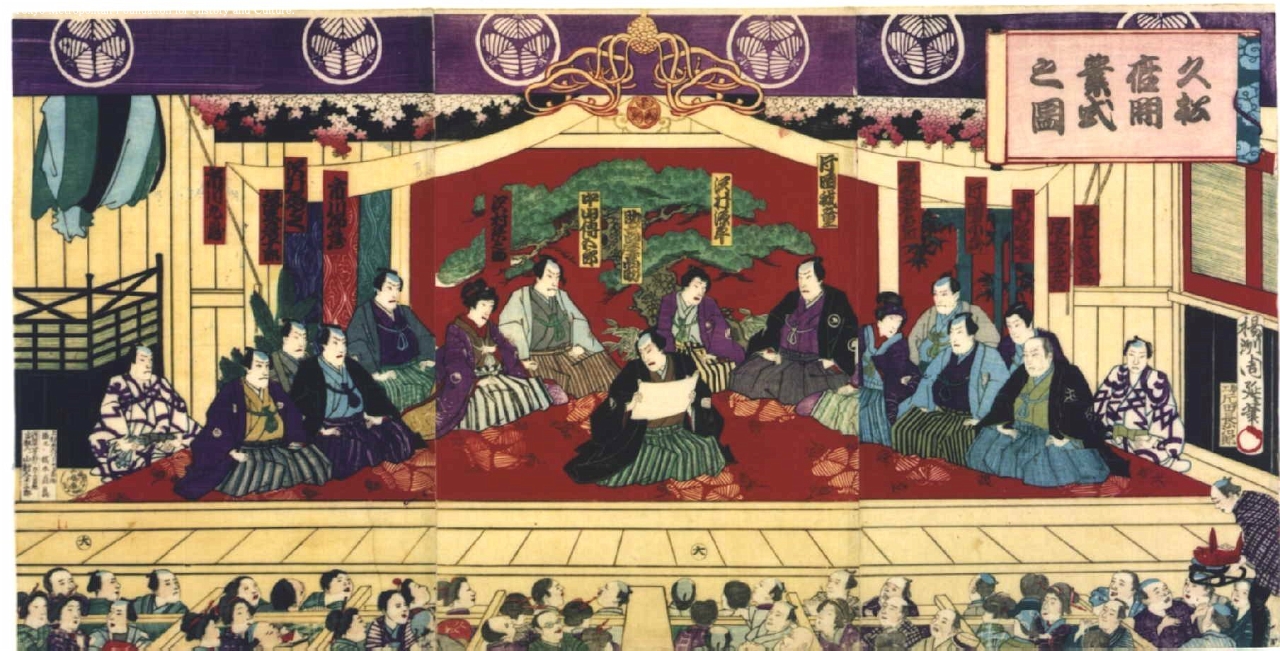
Opening Ceremony at the Hisamatsuza Theater
Woodblock print
Bunraku Puppets
Woodblock print
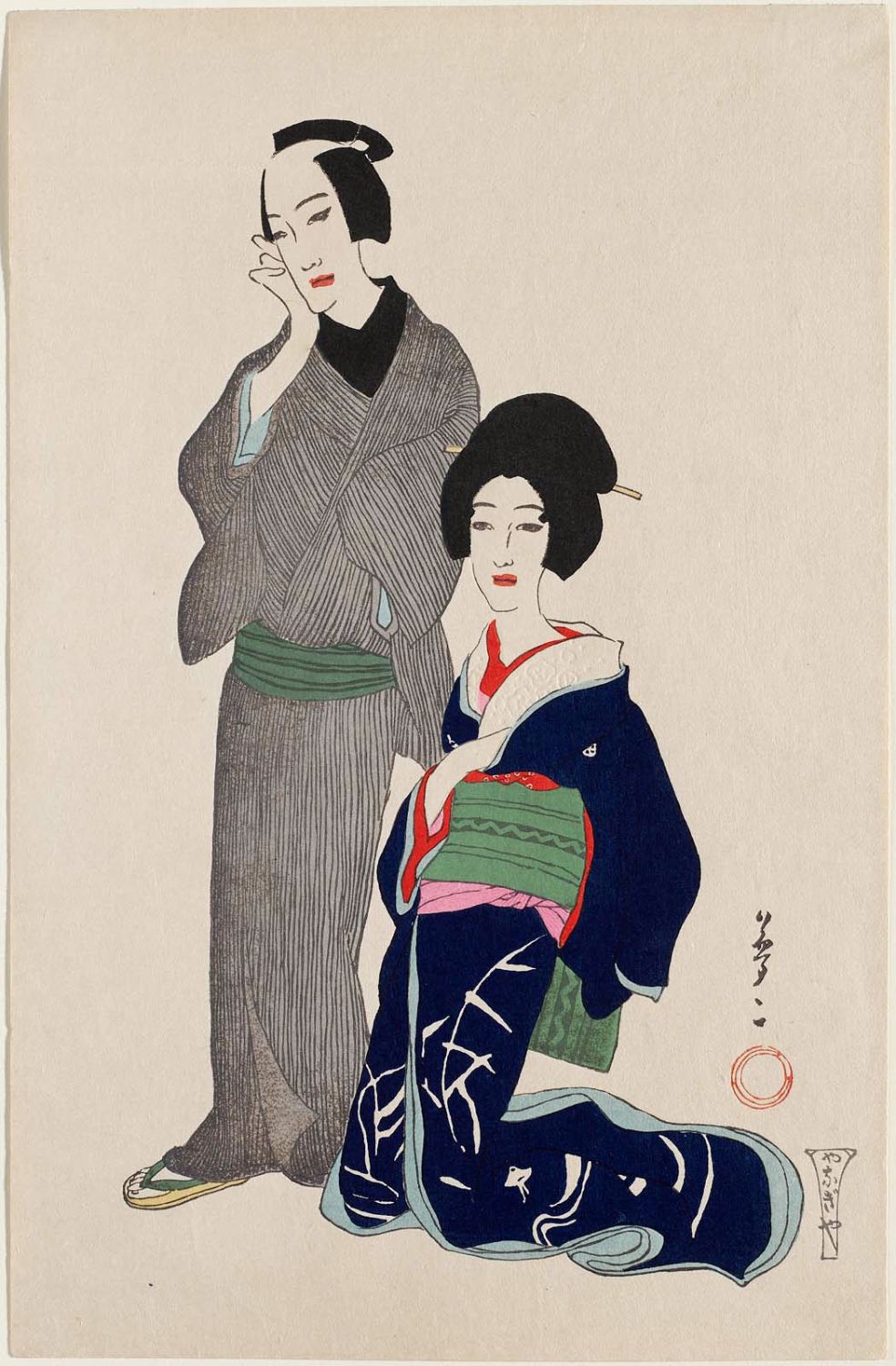
Hit Play at the Shin-Tomiza: Actors Nakamura Ganjirô as Chûbei and Nakamura Fukusuke as Umegawa
Woodblock print
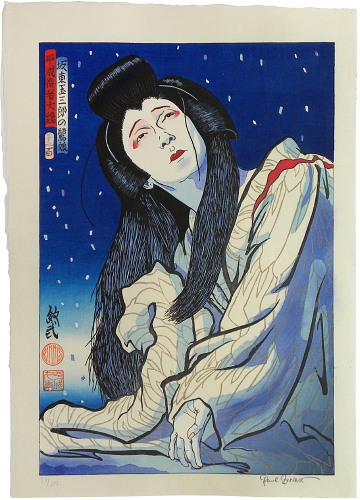
A Great Mirror of the Actors of the Heisei Period: Bando Tamasaburo as the Heron Maiden (Heisei yakusha o-kagami: Tamasaburo - Sagi musume)
Woodblock print
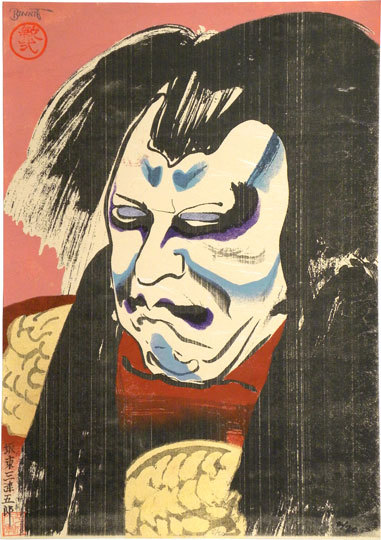
Bando Mitsugoro in the Role of an Evil Aristocrat (Kugeaku)
Woodblock print
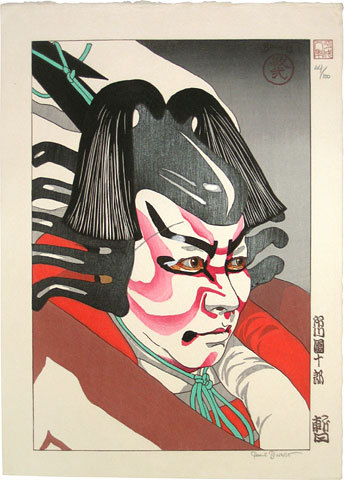
Ichikawa Danjuro XII (1946-2013) in Shibaraku (Danjuro no Shibaraku)
Woodblock print
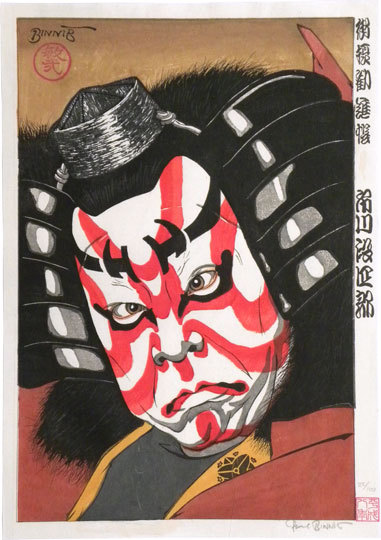
Large-head Kabuki Portraits: Ichikawa Danshiro as Benkei (Kabuki okubi-e: Goh'iki Kanjinchou- Danshiro Benkei)
Woodblock print
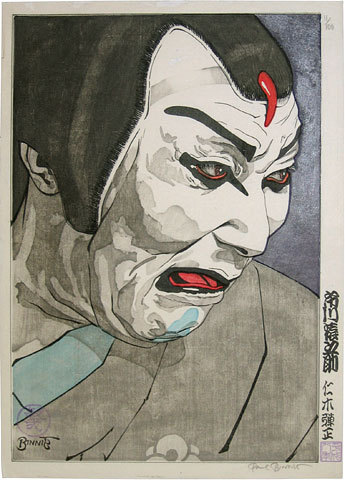
Large-head Kabuki Portraits: Ichikawa Ennosuke as Nikki Danjo (Kabuki okubi-e: Ennosuke - Nikki Danjo)
Woodblock print
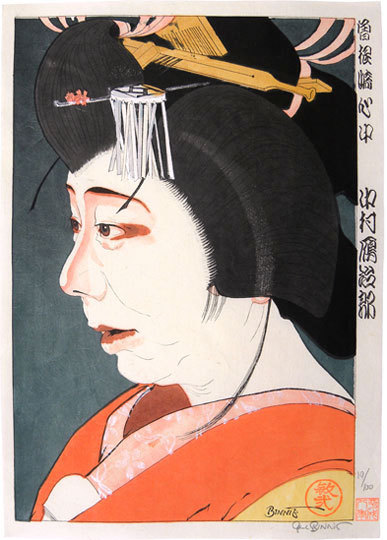
Large-head Kabuki Portraits: Nakamura Ganjiro in the Love Suicides at Sonezaki (Kabuki okubi-e: Ganjiro- Sonezaki Shinju)
Woodblock print
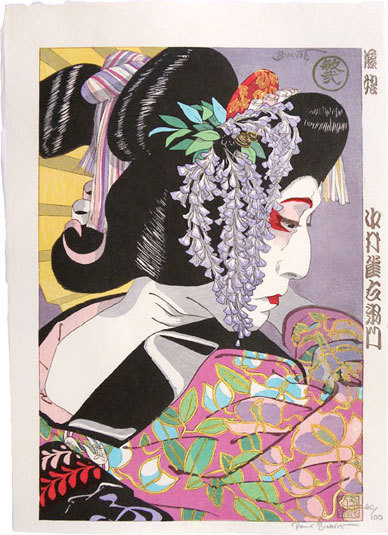
Large-head Kabuki Portraits: Nakamura Jakuemon as the Wisteria Maiden (Kabuki okubi-e: Nakuamura Jakuemon- Fuji Musume)
Woodblock print

An Actor of Woman's Roles
1791
Color woodblock print; hosoban

Ichikawa Danjuro VI
c. 1792/93
Color woodblock print

The Actor Ichikawa Komazo as a Woman with Dishevelled Hair
c. 1791
Color woodblock print; hosoban
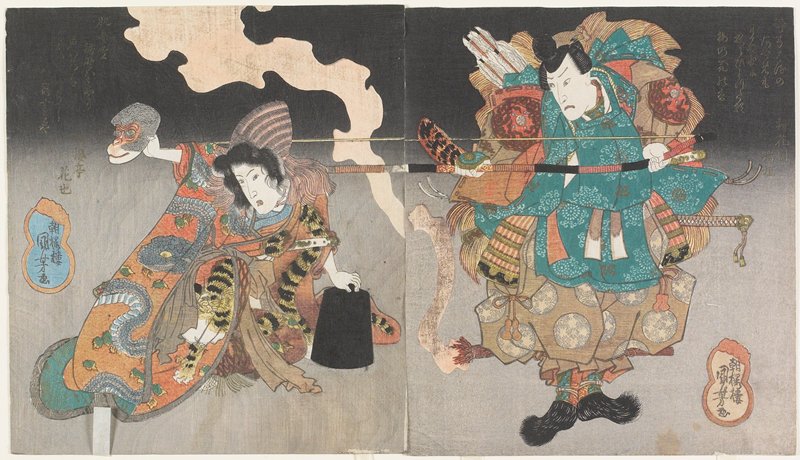
Actors Onoe Kikugorō III as Yorimasa (R) and Iwai Kumesaburō II as the Nue Monster (L)
first half 1830s
Woodblock print (surimono), ink and color on paper
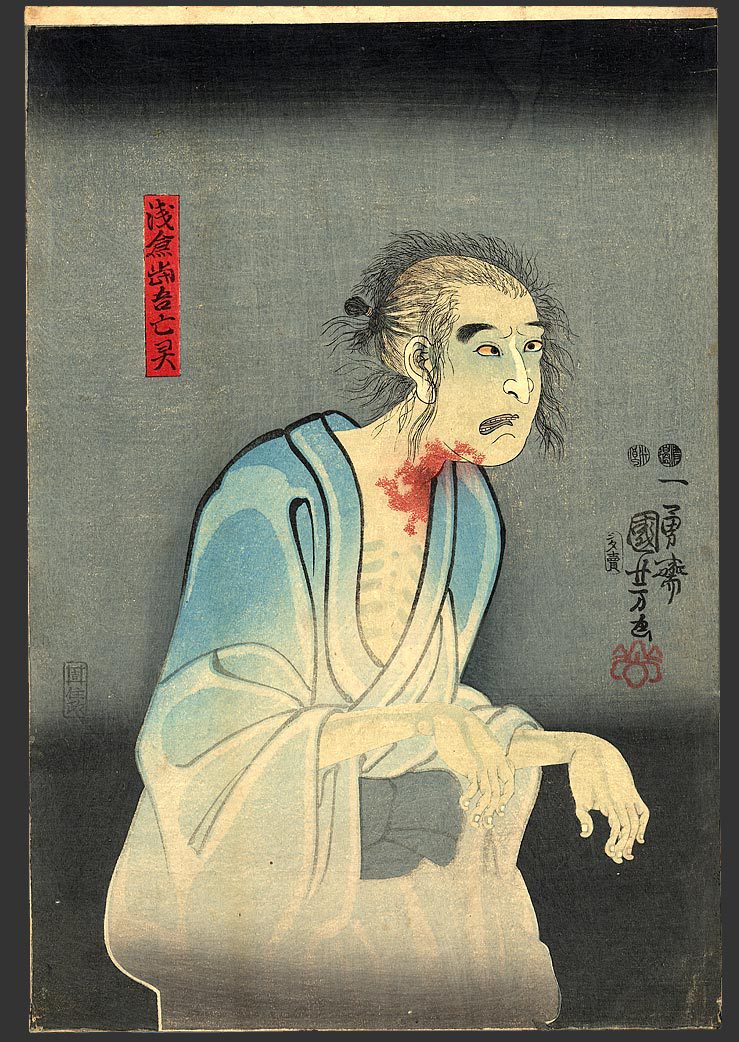
Ichikawa Kadanji IV as the ghost of Sakura Sogoro
Woodblock print
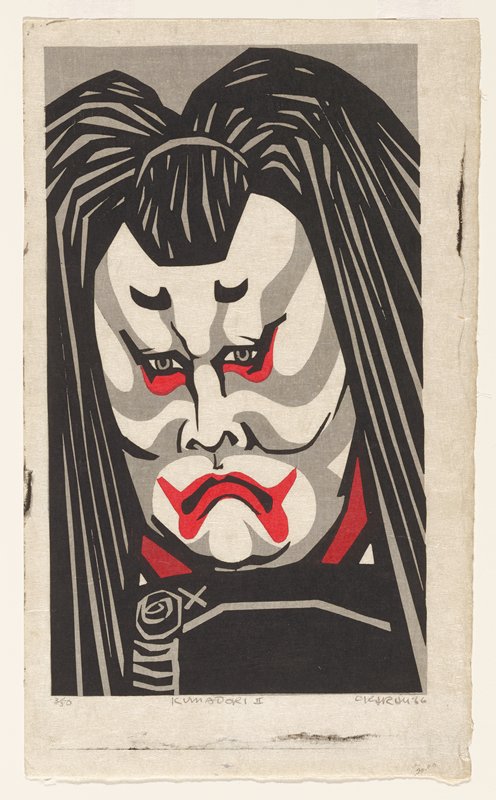
Kumadori II
1966
Woodblock print, ink and color on paper
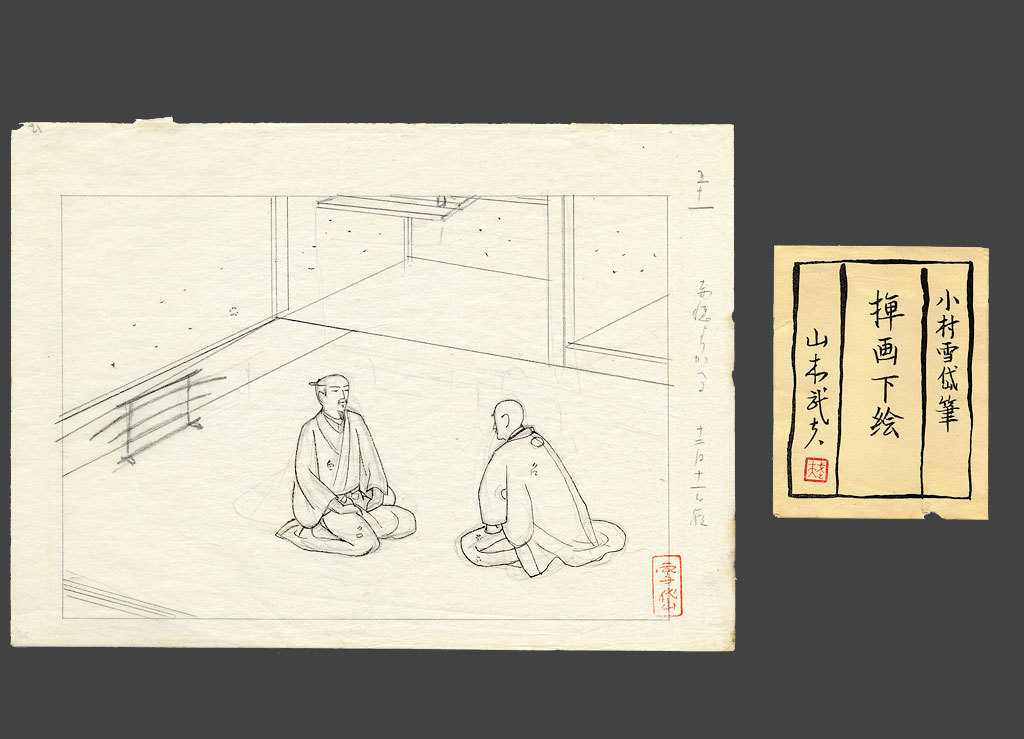
#51 Scene from Act IV
c. 1935
Woodblock print
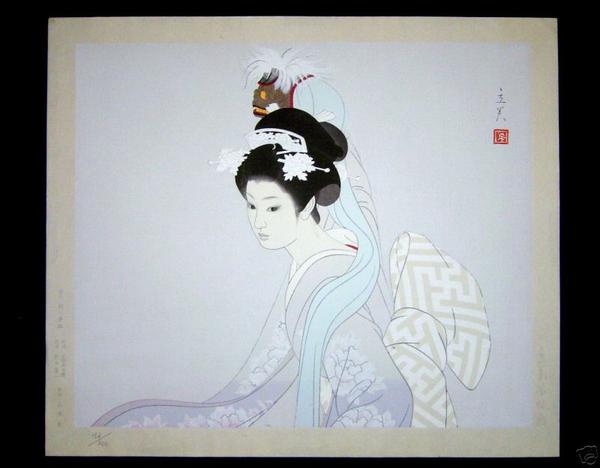
Kagami-Jishi
Not set
Woodblock print
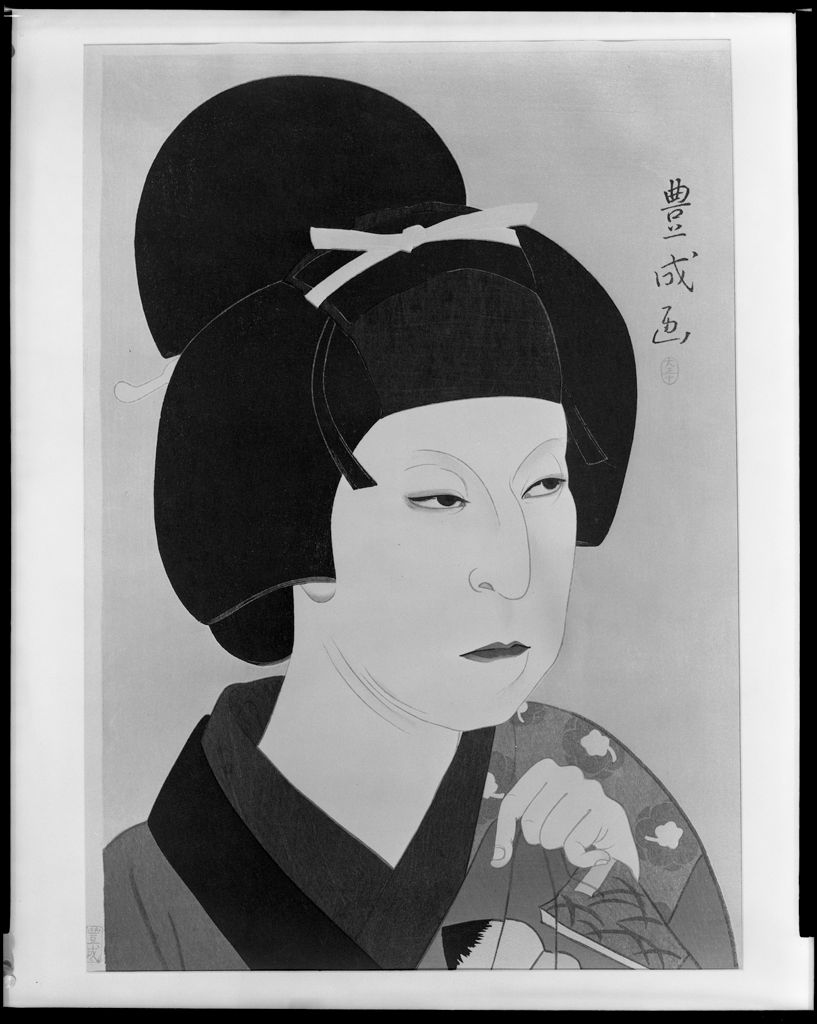
Onnagata Looking to Lower Right, Taishô period, circa 1920-1922
Woodblock print

An00380898 001 L
Woodblock print
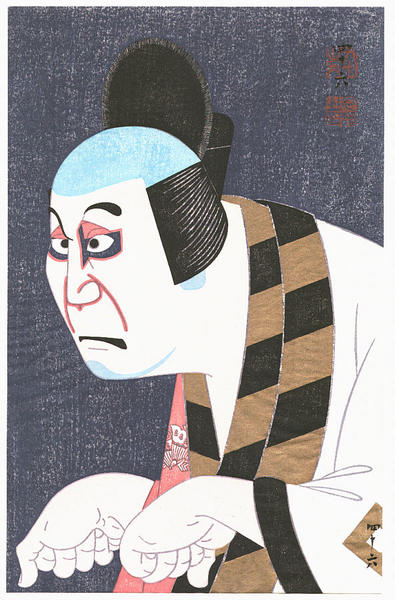
Unpei - Plate No 125
Not set
Woodblock print
TotalCount
1987
Woodblock print

Sawamura Sojiro as Narihira Reizo
Woodblock print

Parody of the play "Musume Dojoji"
c. 1801/05
Color woodblock print; kokonotsugiri-ban, surimono
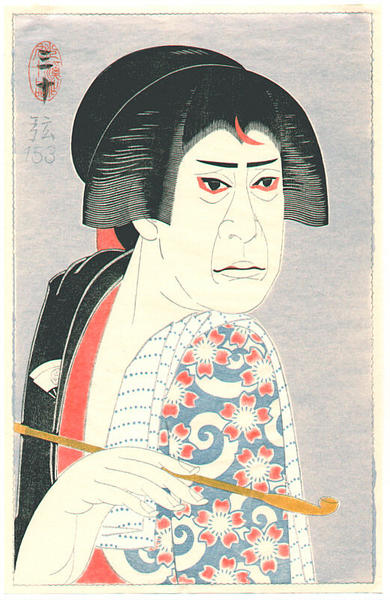
Japanese Art Open Database
Not set
Woodblock print
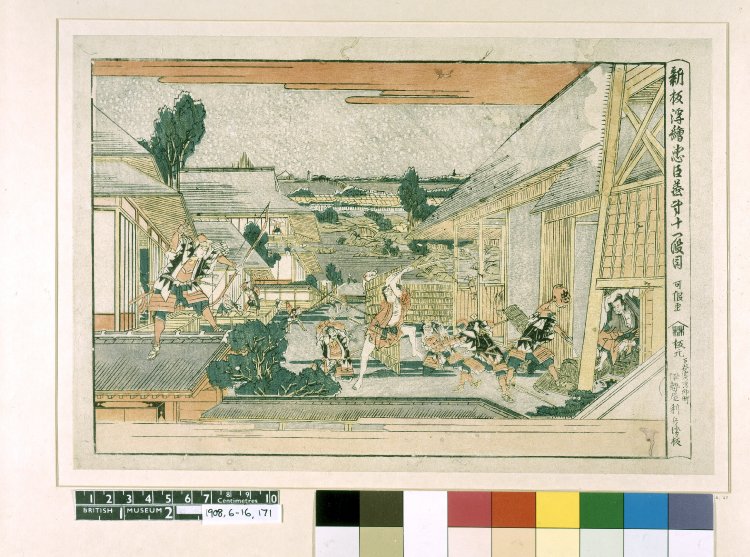
Dai ju-damme (Act 10) / Shinpan Ukie Chushingura
Woodblock print
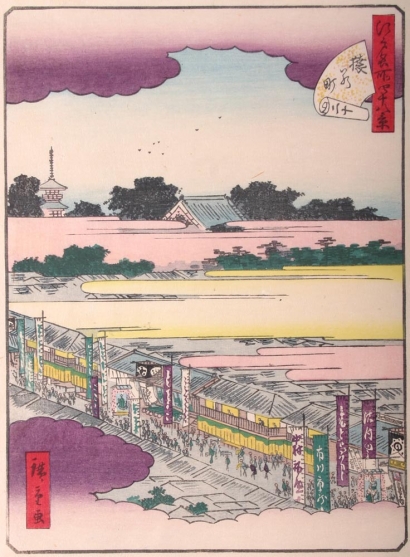
#20. Surawaka-cho
Woodblock print

Drawing for Eizo and Matsuomaru
1947
Watercolor on paper
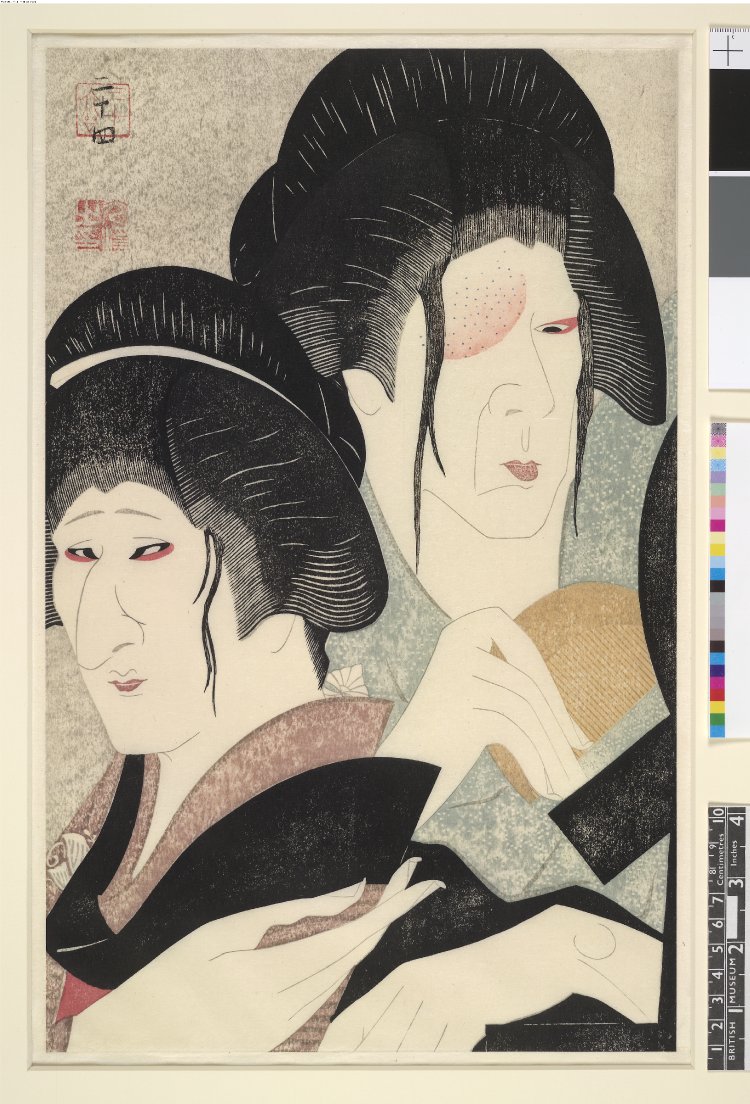
Yotsuya kaidan
June 1983
Woodblock print
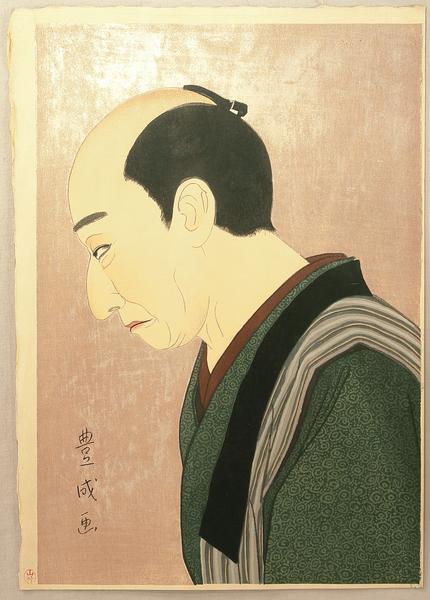
Kataoka Nizaemon XI in the role of Kakiemon
Woodblock print
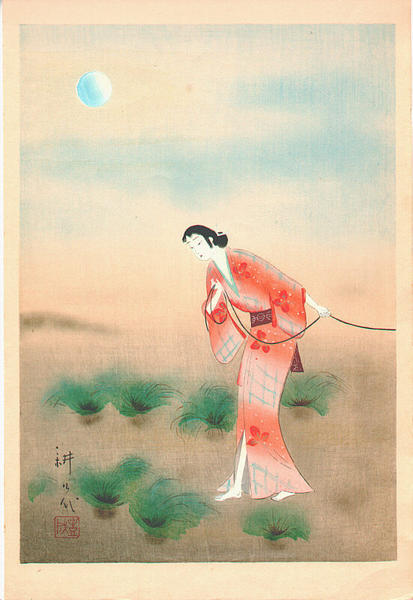
Koman
Woodblock print
Onnagata in Black Looking to Lower Left, Taishô period, circa 1920-1922
Woodblock print
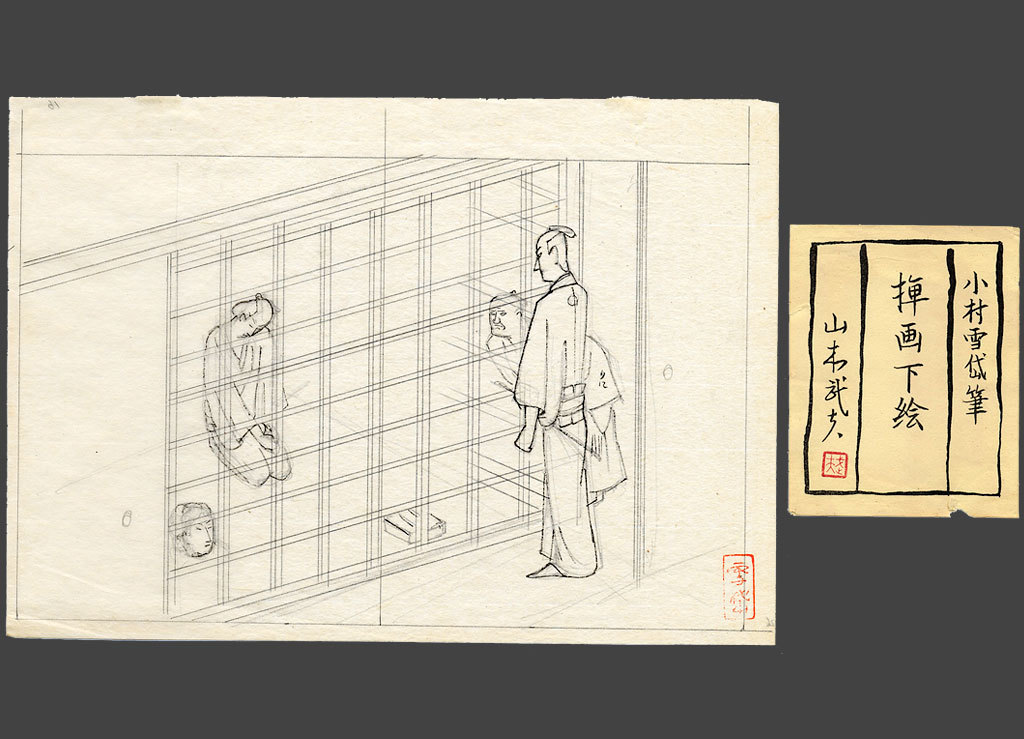
Scene from Act 11
c.1935
Woodblock print
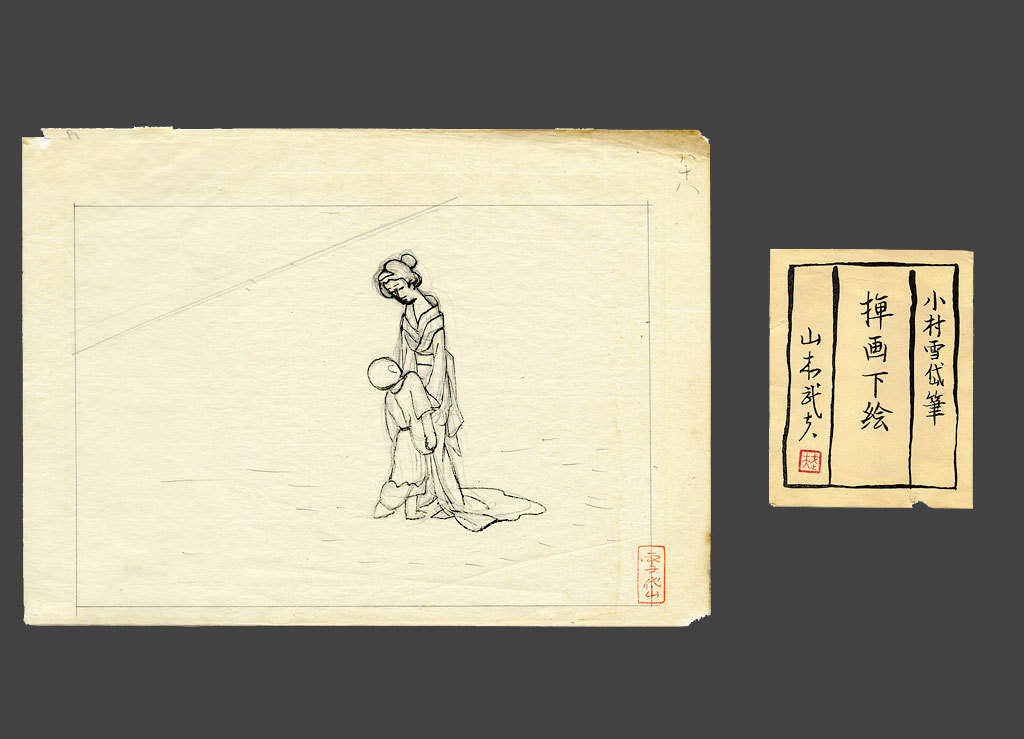
#88 Scene from Act VII
c. 1935
Woodblock print
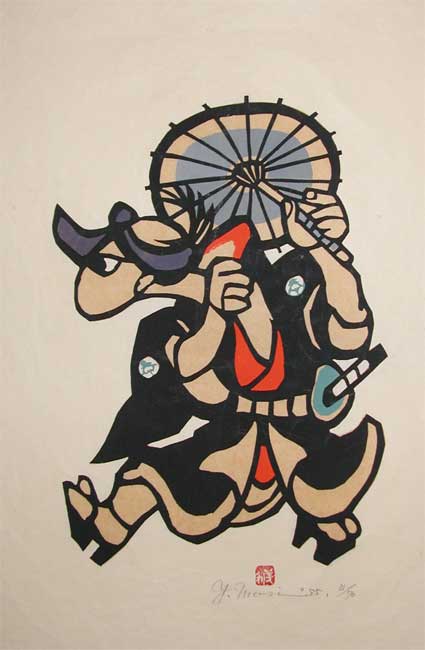
Sukeroku
Woodblock print
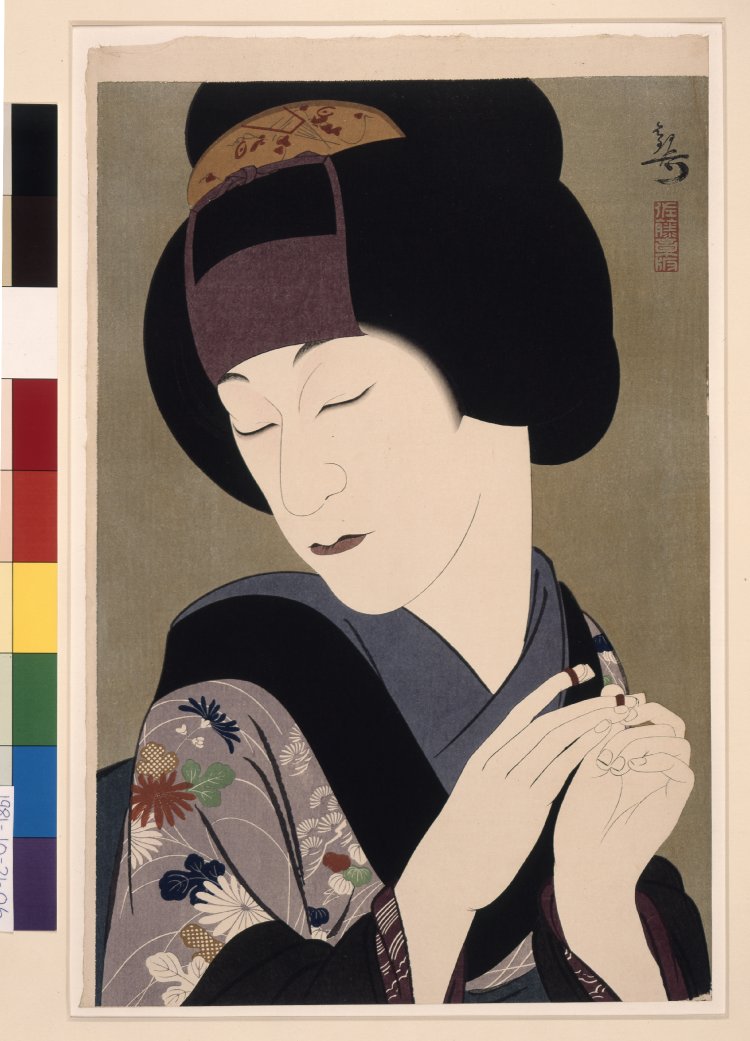
Kataoka Gado as Miyuki in 'Shoutsushi asagao nikki'
Woodblock print
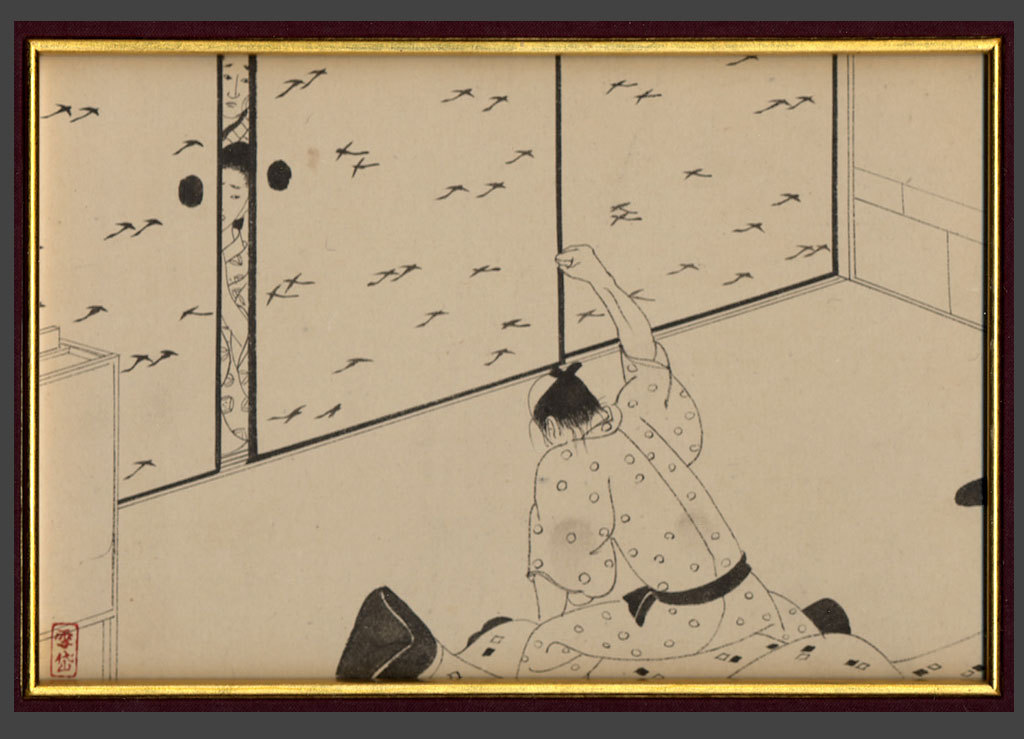
Finished drawing for an early act
c. 1935
Drawing
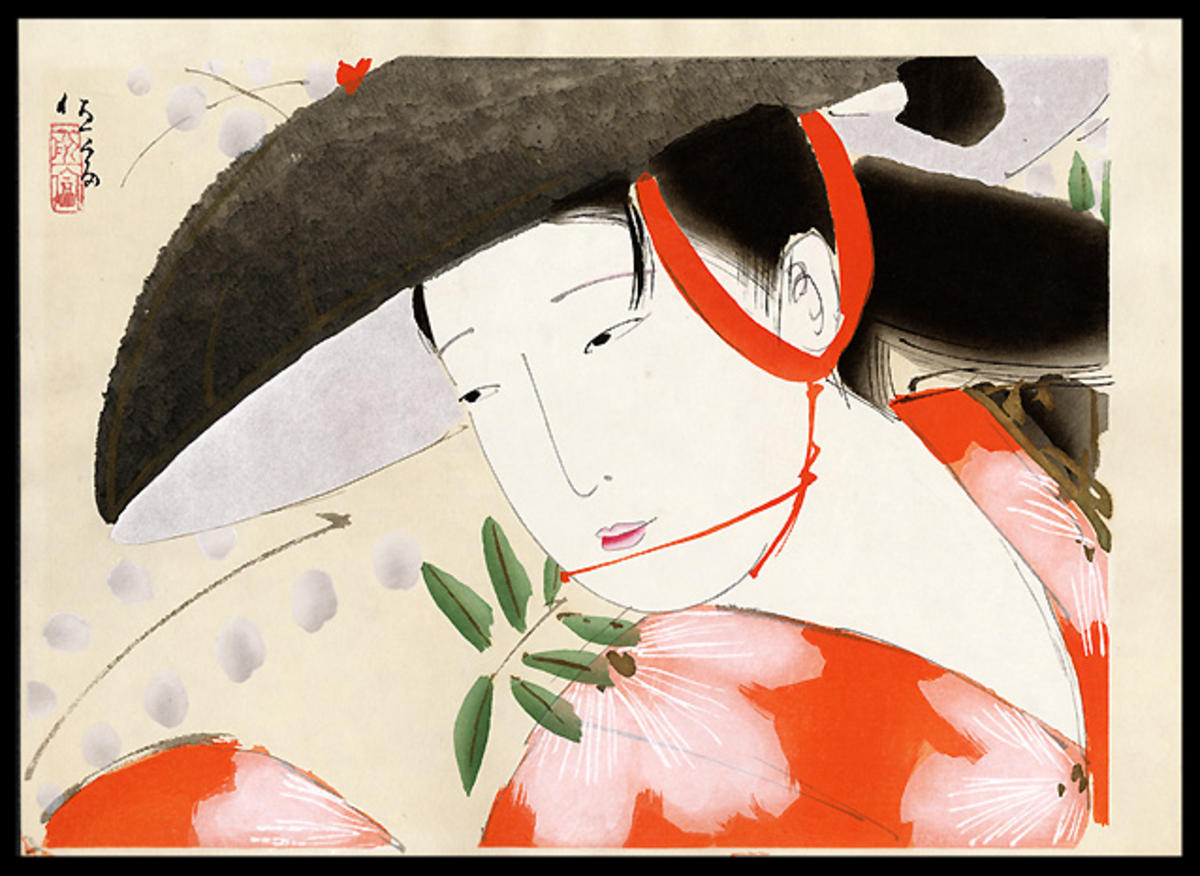
Fujimusume
Woodblock print
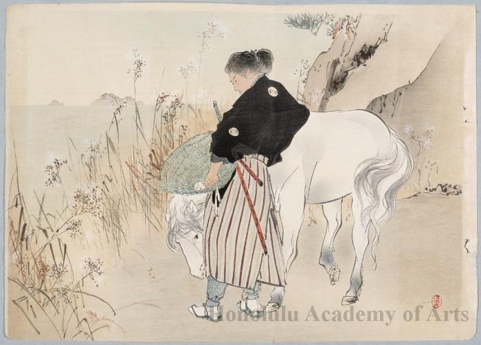
Kon Chüsuke
1904
Woodblock print
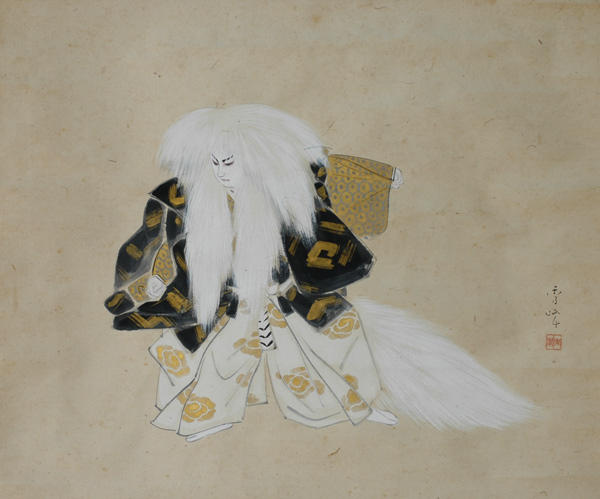
Kagamijishi — 鏡獅子
Woodblock print

Heroine Umekawa in MEIDO NO HIYAKU
Woodblock print
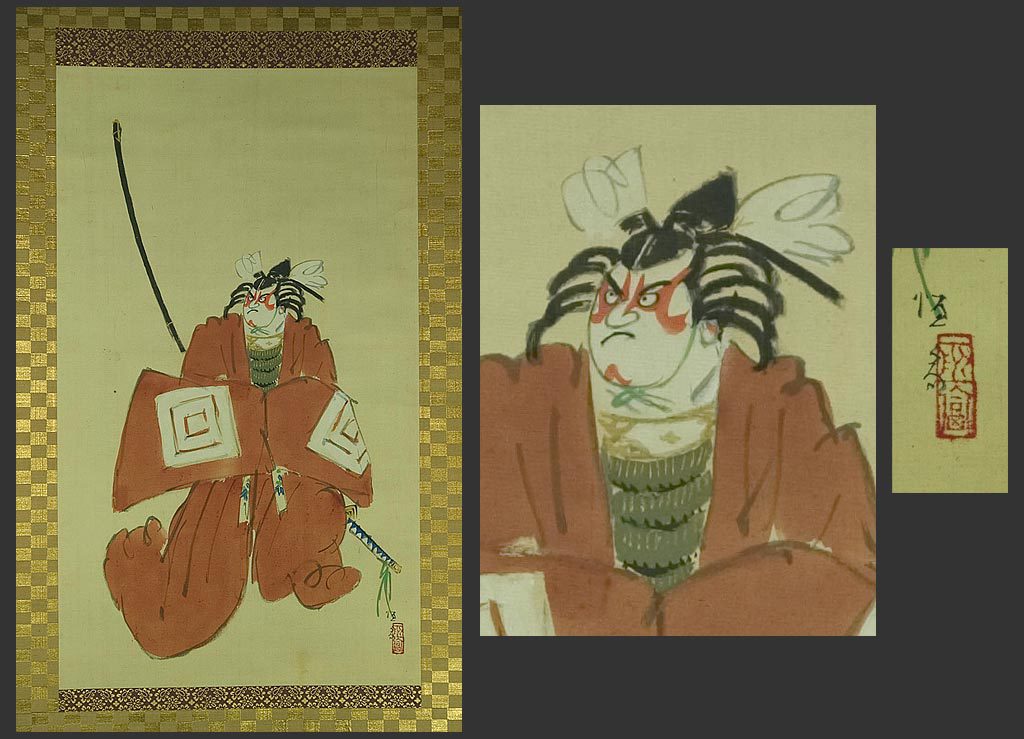
Shibaraku
Woodblock print
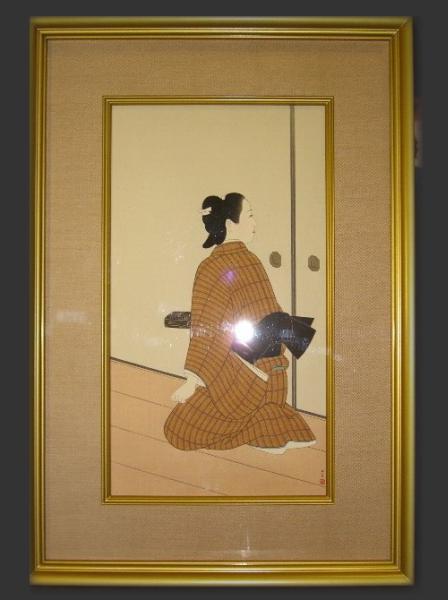
Kagamiyama Woman — 鏡山のはつ女
Woodblock print

Umegawa (Umegawa from the play Meido no hikyaku)
1923
Color woodblock print
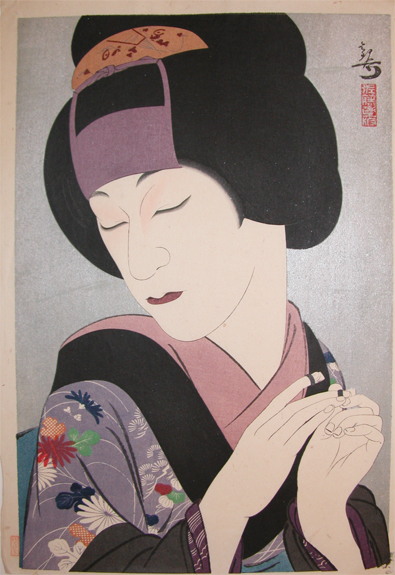
Kataoka Gado
Woodblock print
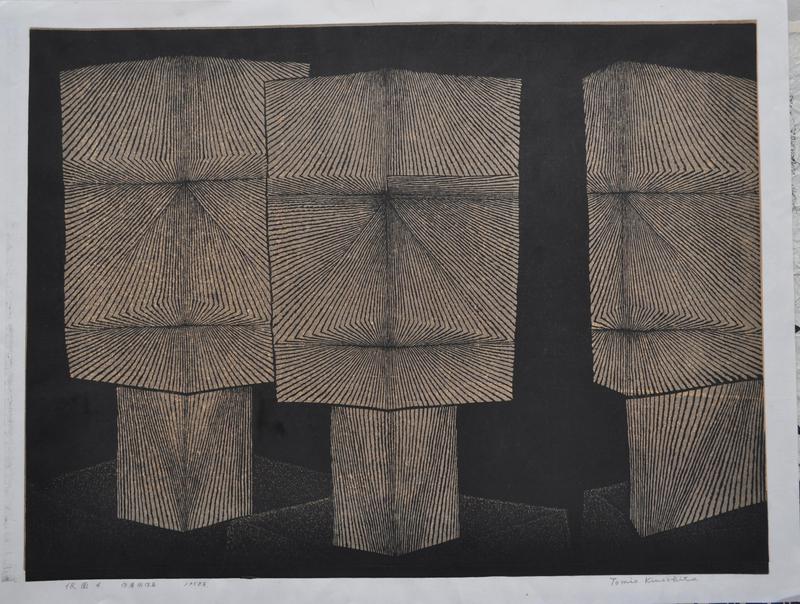
Masks #4
1958
Woodblock print, ink on paper
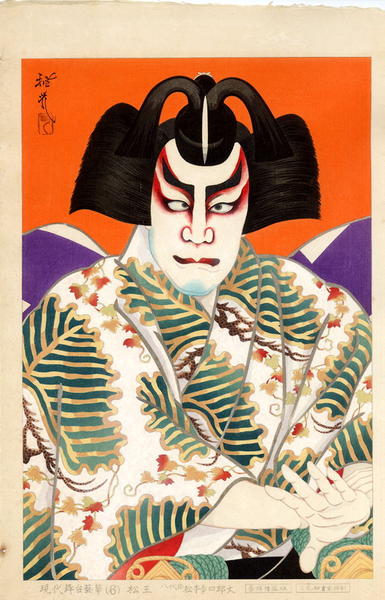
Matsumoto Koshiro VIII as Matsuomaru
Not set
Woodblock print
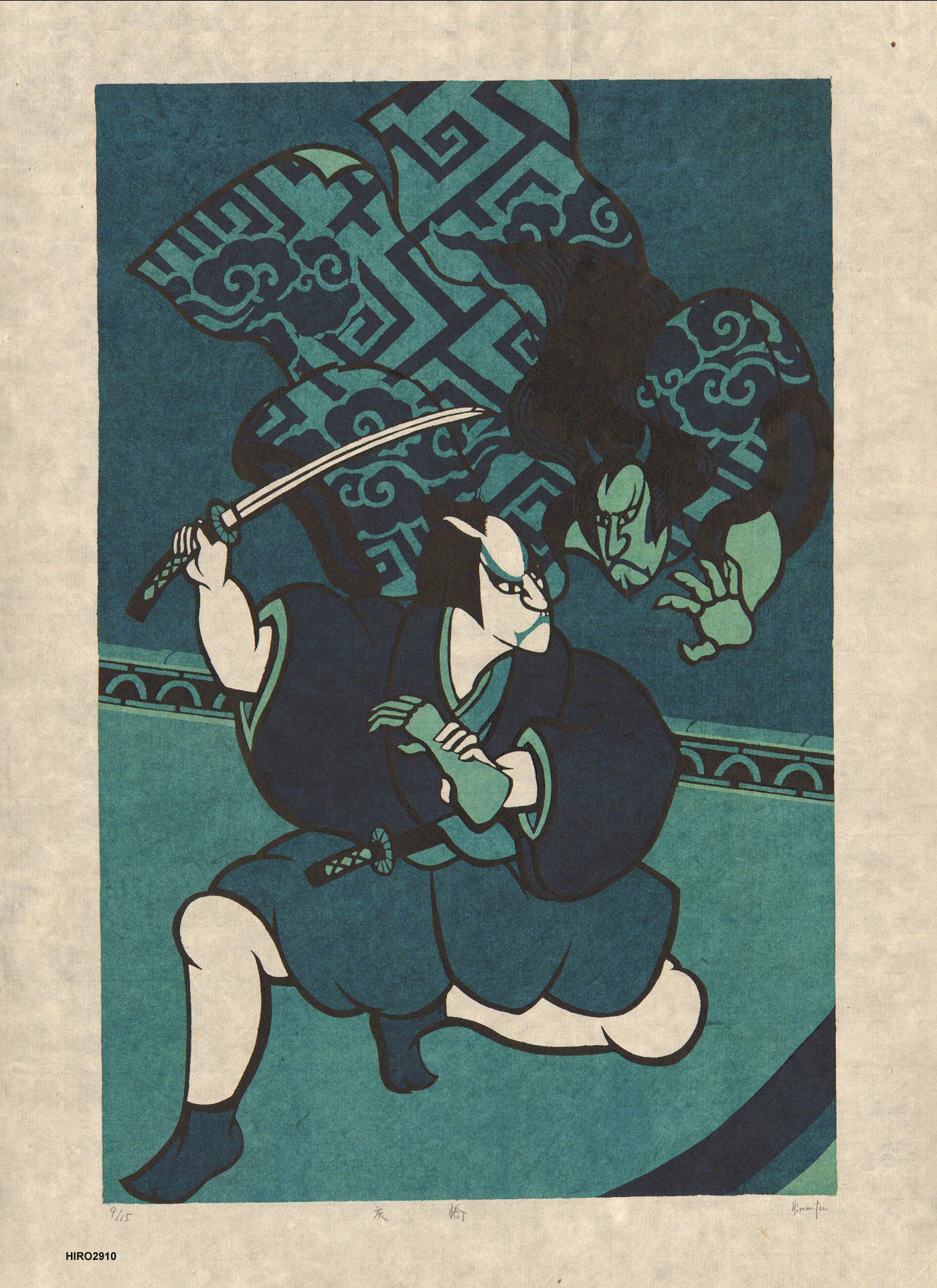
MODORIBASHI
Woodblock print
Related Subjects
Frequently Asked Questions
Kabuki theater prints (yakusha-e) are among the earliest and most commercially important genres of ukiyo-e, documenting the stars, roles, and dramatic moments of Japan's premier theatrical tradition. From the late seventeenth century onward, prints depicting kabuki actors were as popular as modern entertainment magazines, feeding public fascination with the theater's celebrity culture.
Tsuruya Kokei, Tsukioka Gyokusei, and Ota Masamitsu are among the artists most associated with kabuki in our collection. Browse the full list of artists who explored this subject above.
Hanga currently catalogues 354 prints tagged with kabuki, spanning ukiyo-e, shin-hanga, and sōsaku-hanga traditions where applicable.