Landscapes Prints (3812)
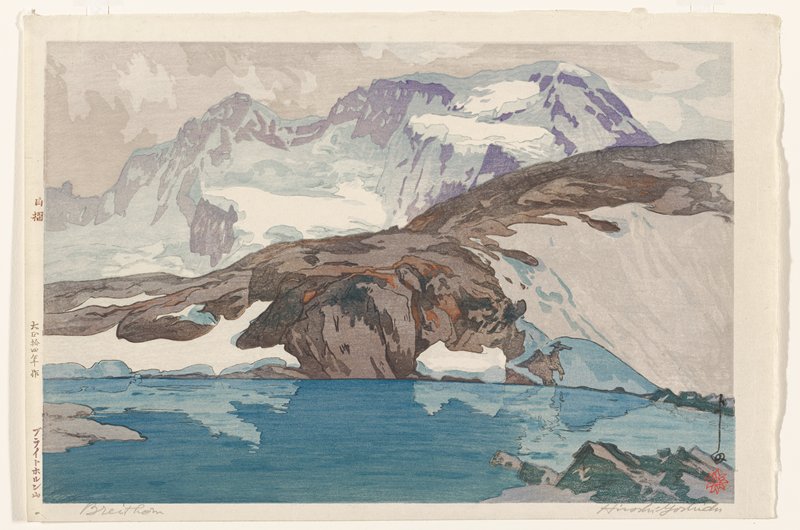
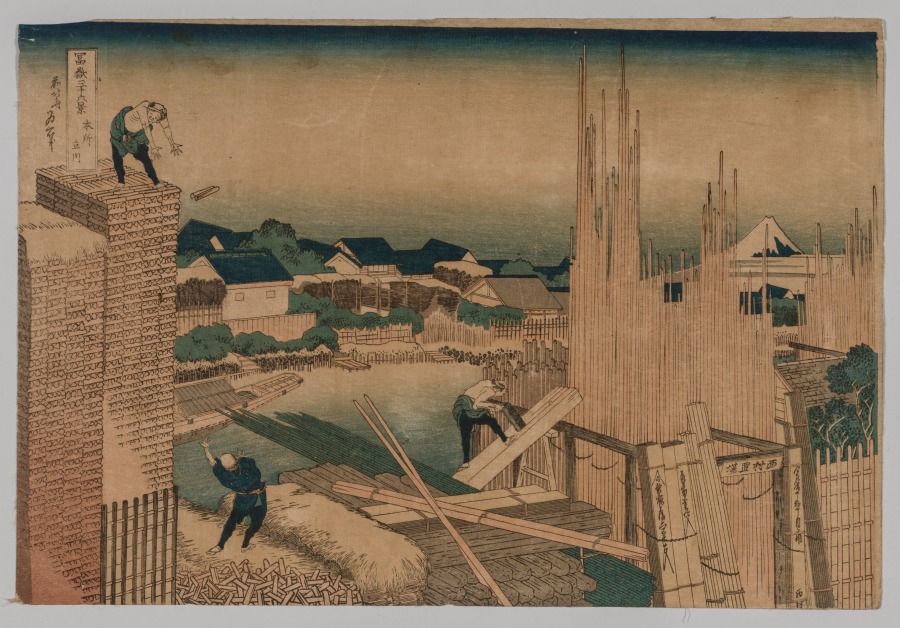
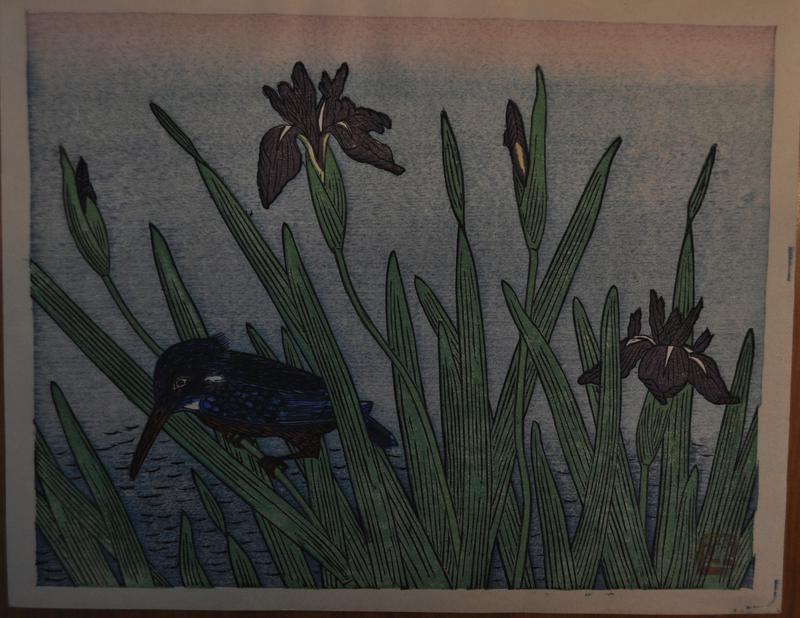
Landscapes are the most celebrated subject in Japanese woodblock printmaking, encompassing mountain vistas, coastal panoramas, river valleys, and rural scenes that have defined the genre for centuries. The tradition reached its first peak with Hokusai's "Thirty-six Views of Mount Fuji" (1831) and Hiroshige's "Fifty-three Stations of the Tokaido" (1833-34), series that established the meisho-e (famous places) format as a cornerstone of ukiyo-e. Shin-hanga artists of the early twentieth century, particularly Kawase Hasui and Hiroshi Yoshida, reinvented the landscape tradition by combining Western atmospheric effects with Japanese compositional sensibilities. Hasui's snow scenes and twilight views of rural Japan became iconic, while Yoshida's mountain studies introduced plein-air observation techniques unprecedented in woodblock printing. Sosaku-hanga artists like Toshi Yoshida and Shiro Kasamatsu further expanded the landscape vocabulary through personal expression and experimental color palettes. Japanese landscape prints typically emphasize seasonal atmosphere, weather conditions, and the interplay between human presence and natural grandeur. The use of bokashi (graduated color) and multiple impression techniques creates depth and luminosity that distinguish woodblock landscapes from other printmaking traditions.
Artists Known for Landscapes


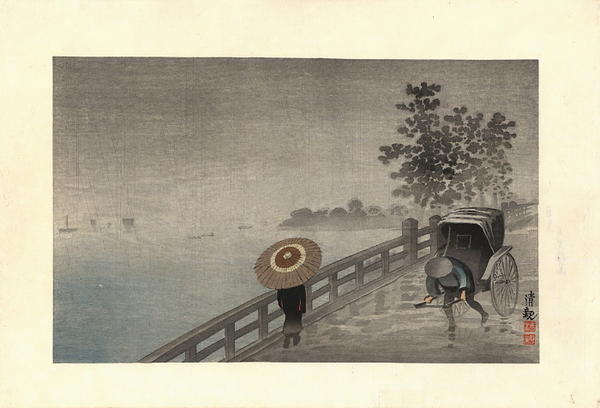
Rain on Tsukimi Bridge
Woodblock print
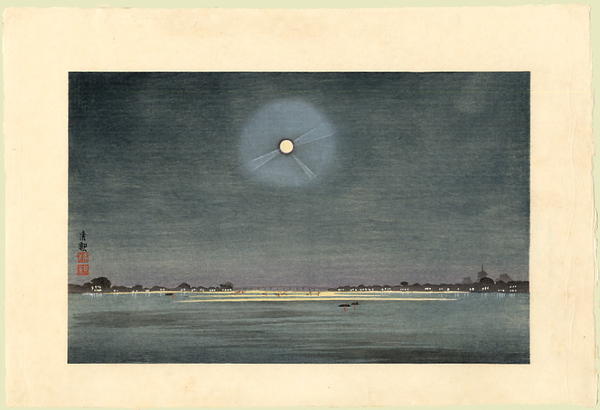
The Winter Moon - Kinryuzan Viewed from the Banks of the Sumida River — 墨堤より望む金龍山 冬の月
Woodblock print
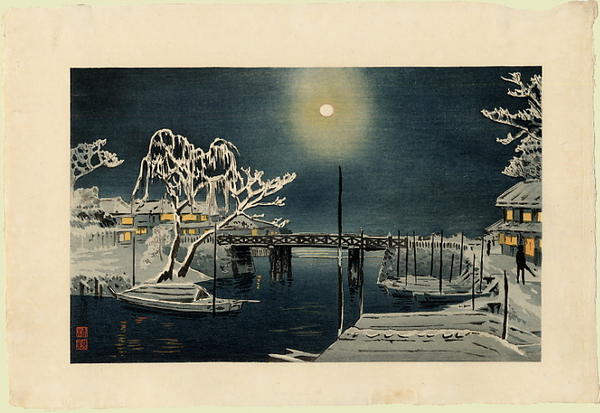
Clear moon over Imado Bridge - Asakusa in snow
Woodblock print
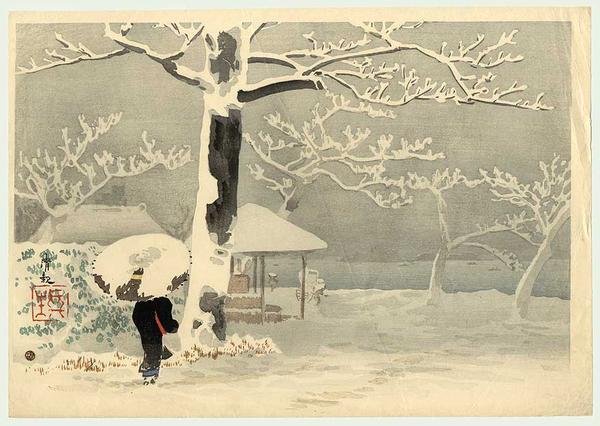
Woman in a Snowy Landscape
Woodblock print
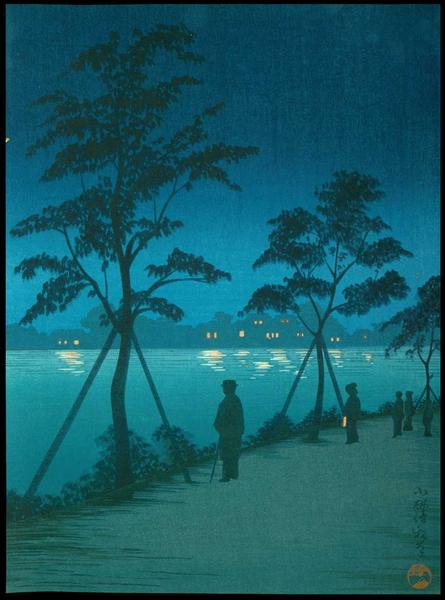
Night Scene at Sumida River
Woodblock print
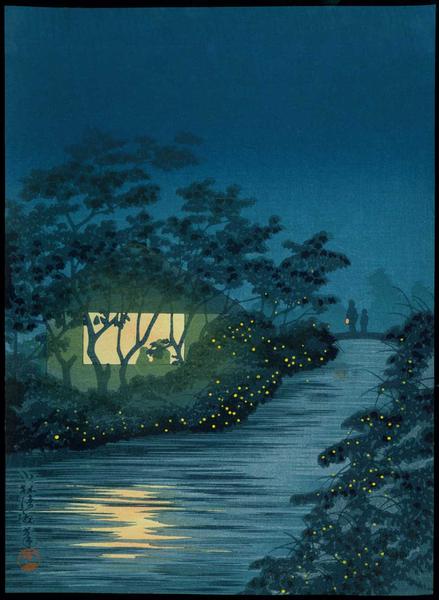
Fireflies at Kinu River at Tennoji
Woodblock print
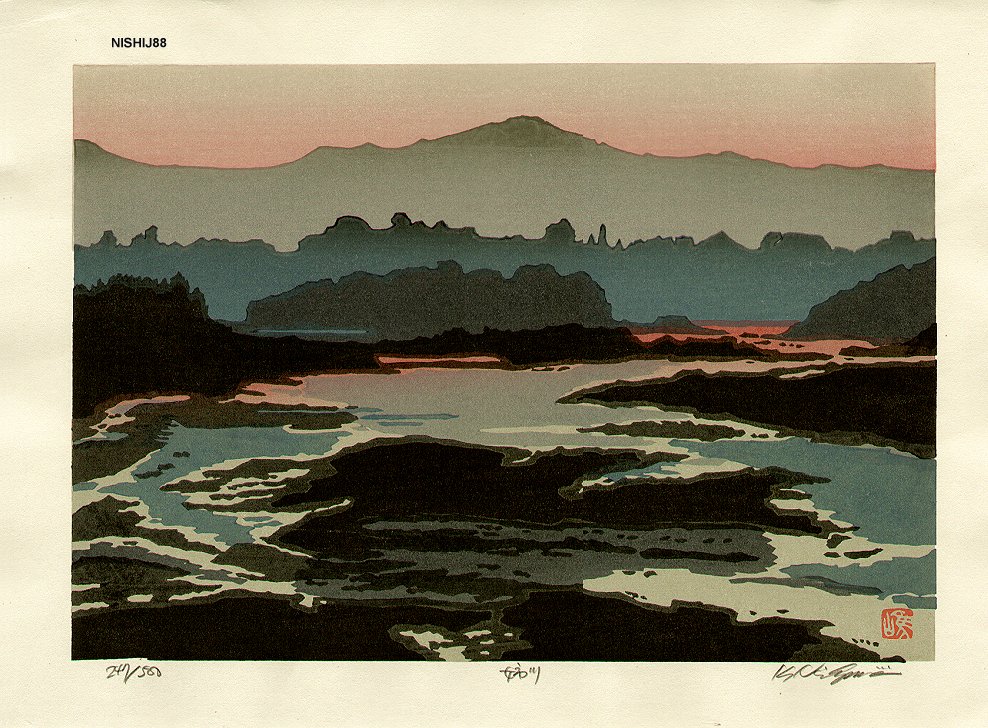
ANEGAWA (Ane River)
Woodblock print
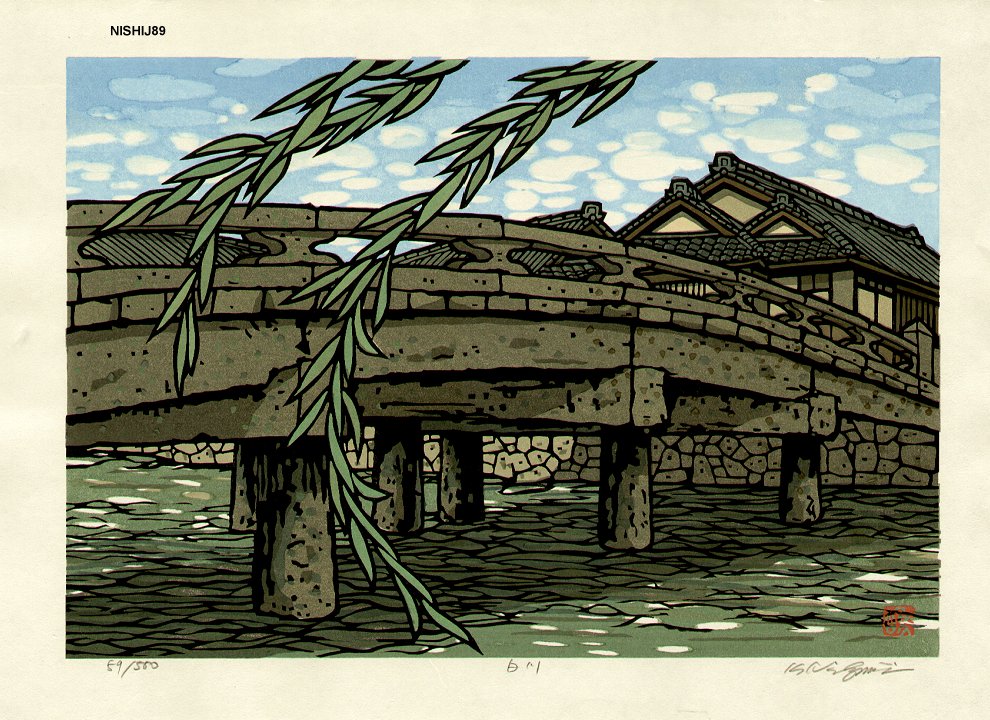
SHIRAKAWA (Shira River)
Woodblock print
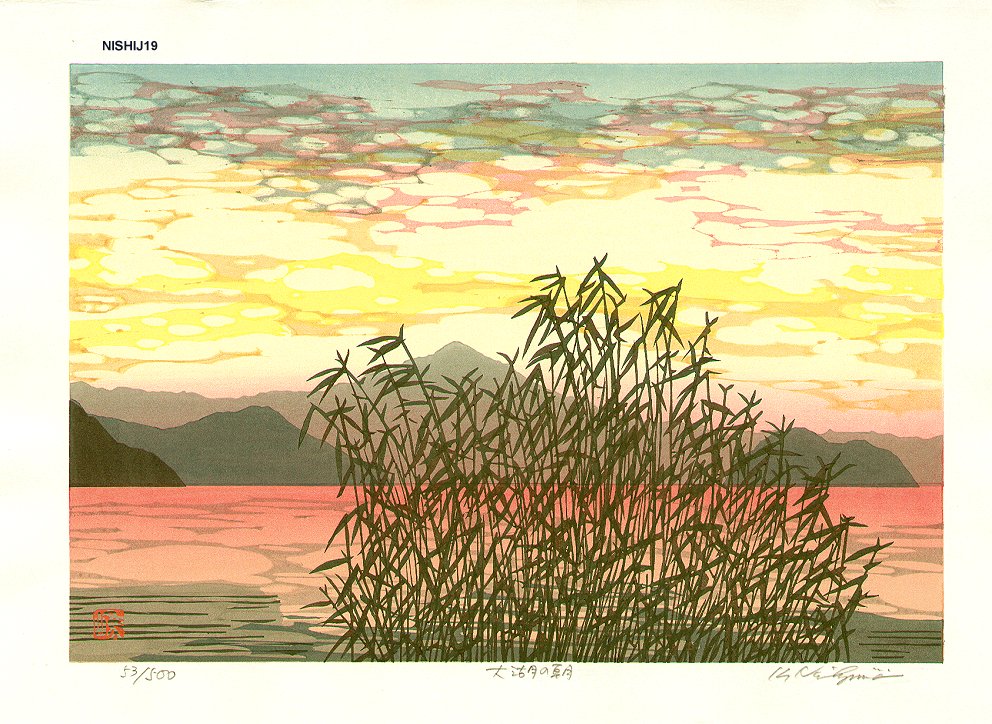
TAIKO-NO-ASA (Biwa Lake in Morning)
Woodblock print
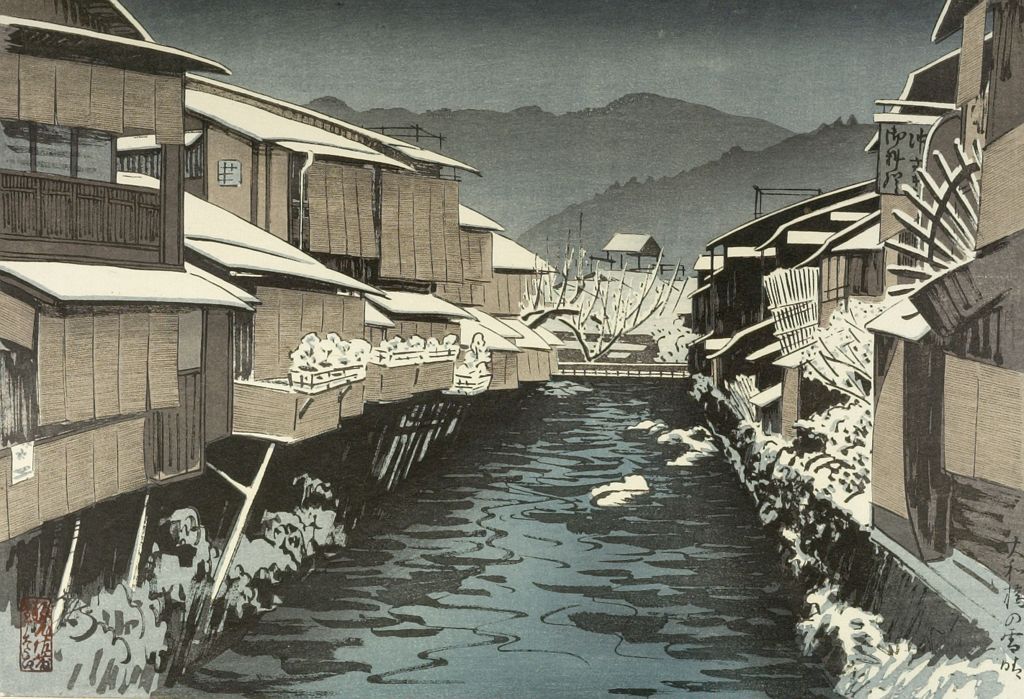
Fair Weather After Snow at Yamato Bridge, Kyoto (Yamato bashi no yukibare), Taishô period, dated 1924
Woodblock print
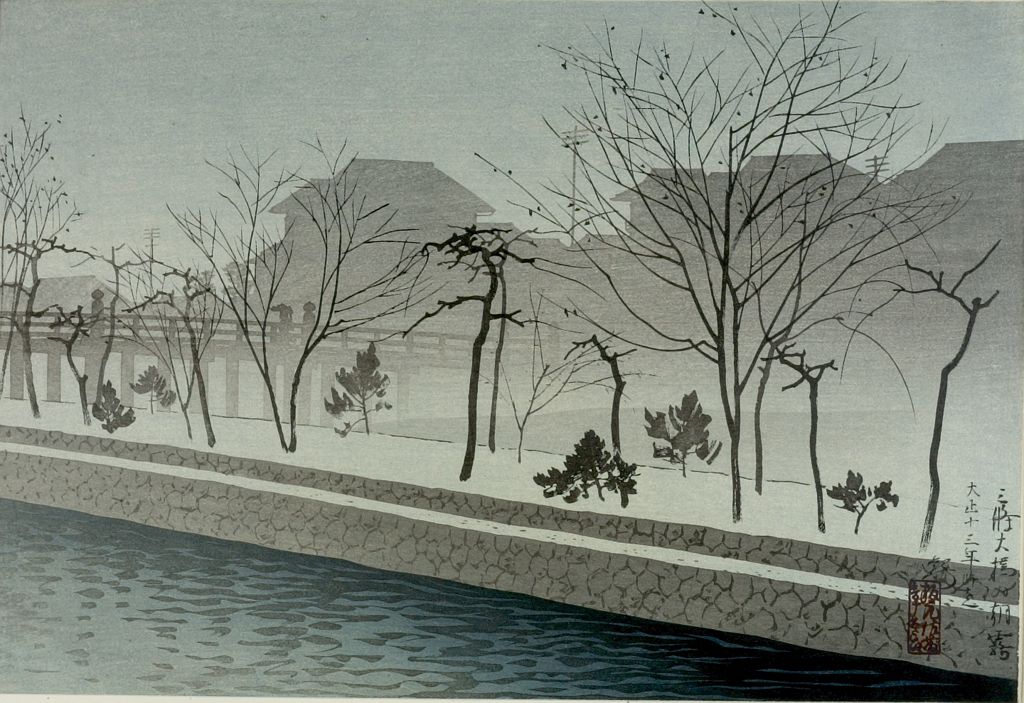
Morning Mist at Sanjô Bridge, Kyoto (Sanjô ôhashi no asagiri), Taishô period, dated 1924
Woodblock print
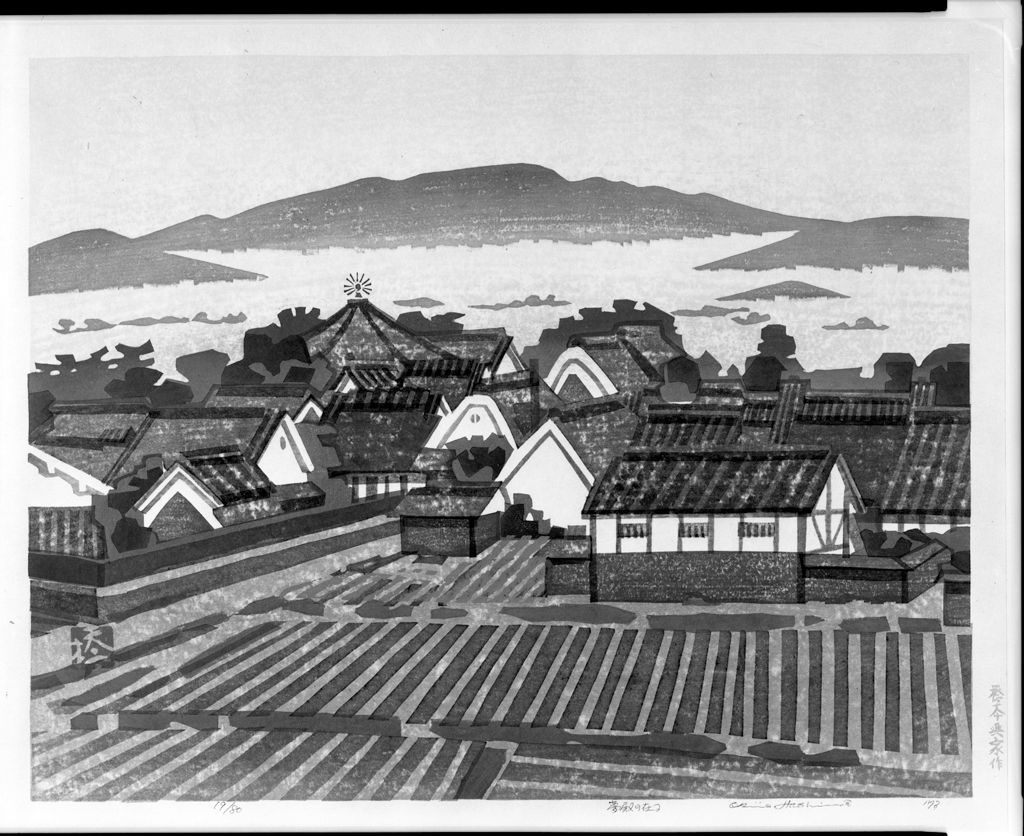
Landscape with Yumedono, Shôwa period, dated 1973
Woodblock print

Stone Bridge (Ishibashi), Shôwa period, dated 1960
Woodblock print
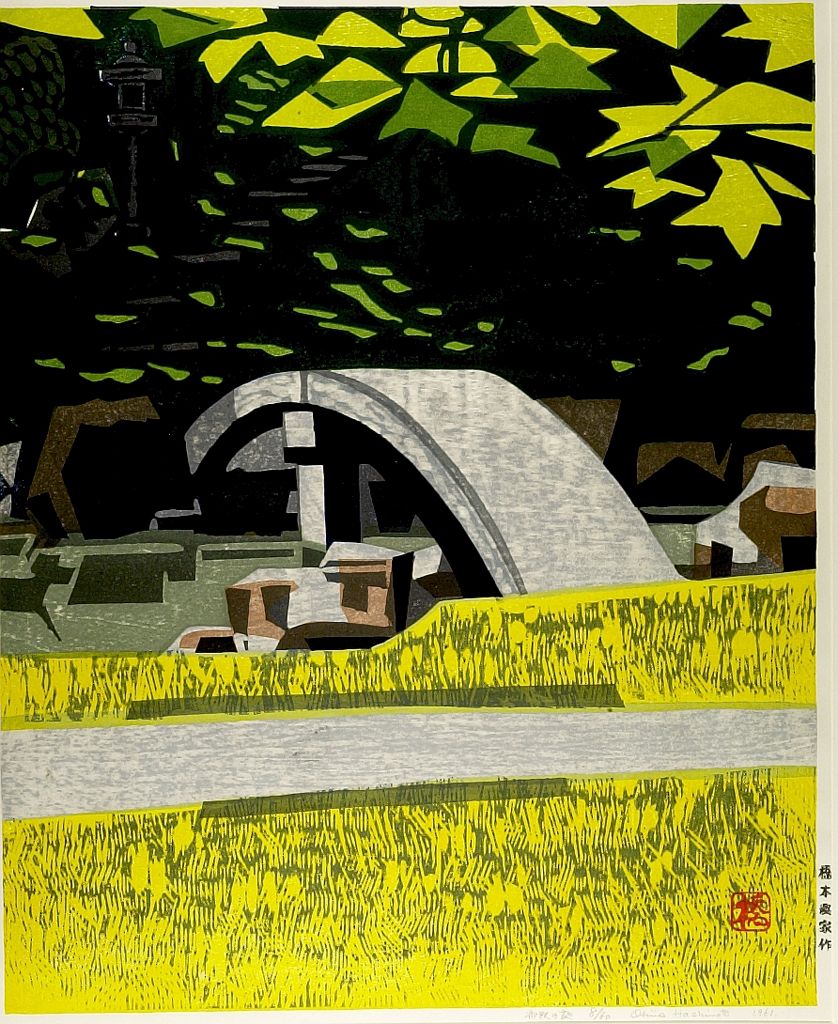
Stone Bridge, Shôwa period, dated 1961
Woodblock print
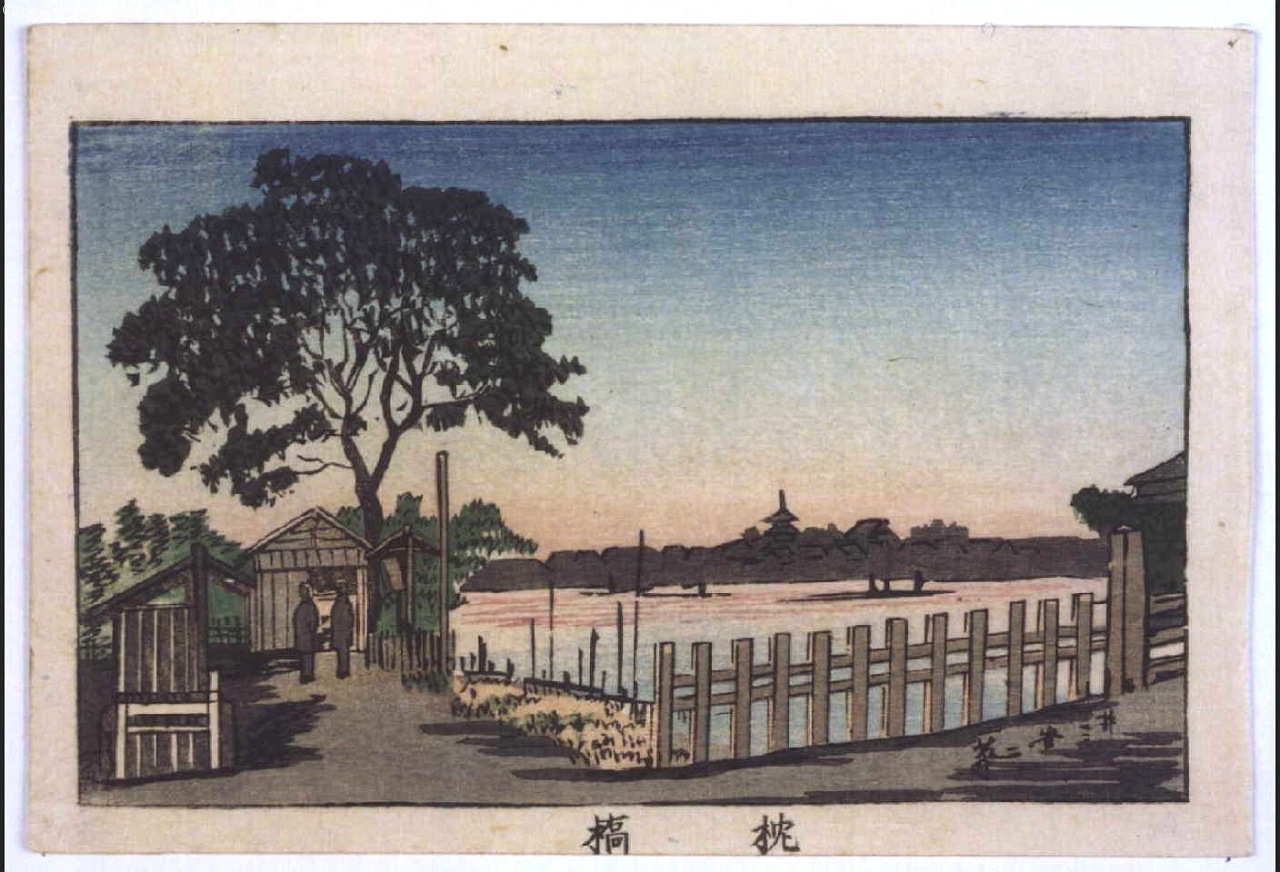
True Pictures of Famous Places in Tokyo: Makurabashi Bridge
Woodblock print
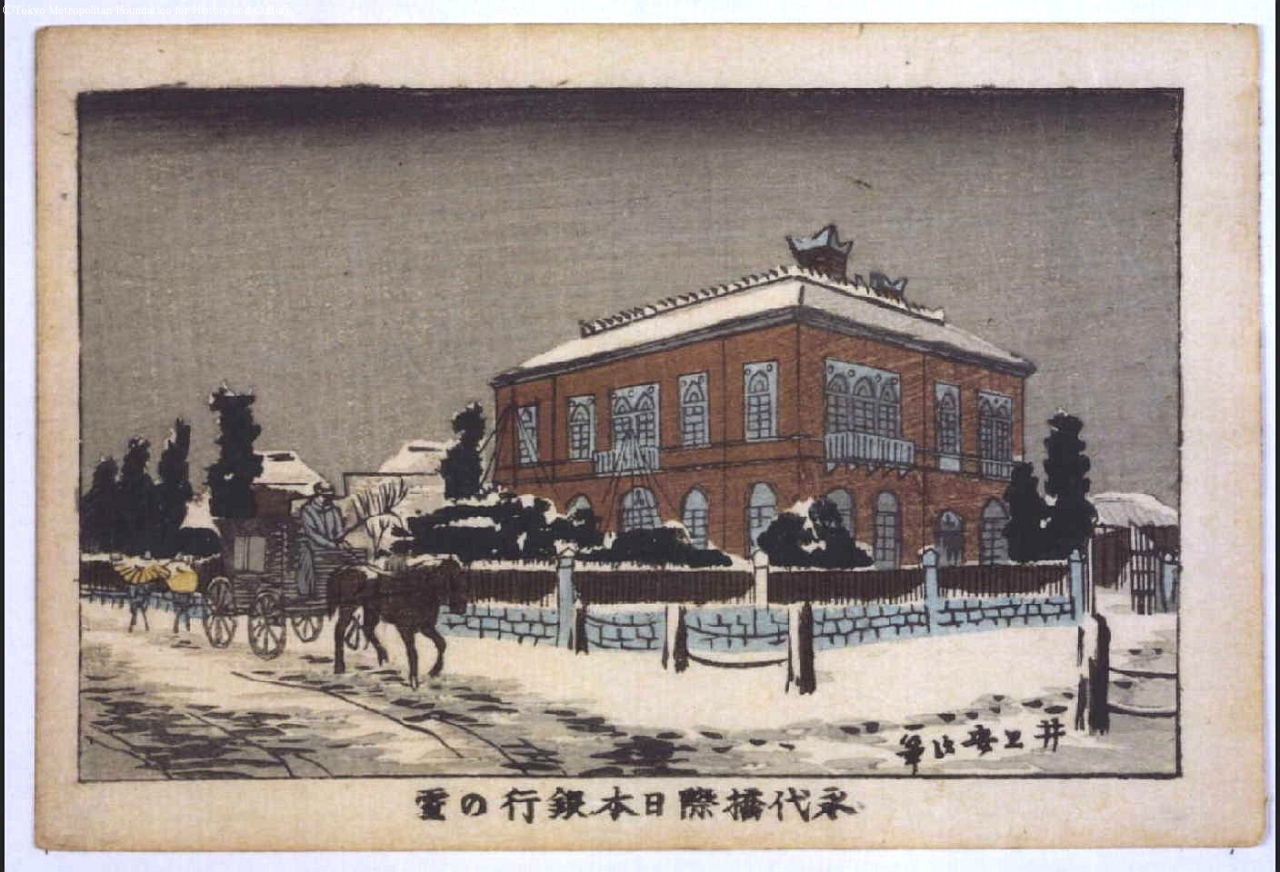
True Pictures of Famous Places in Tokyo: Snow Scene of the Bank of Japan near Eitaibashi Bridge
Woodblock print
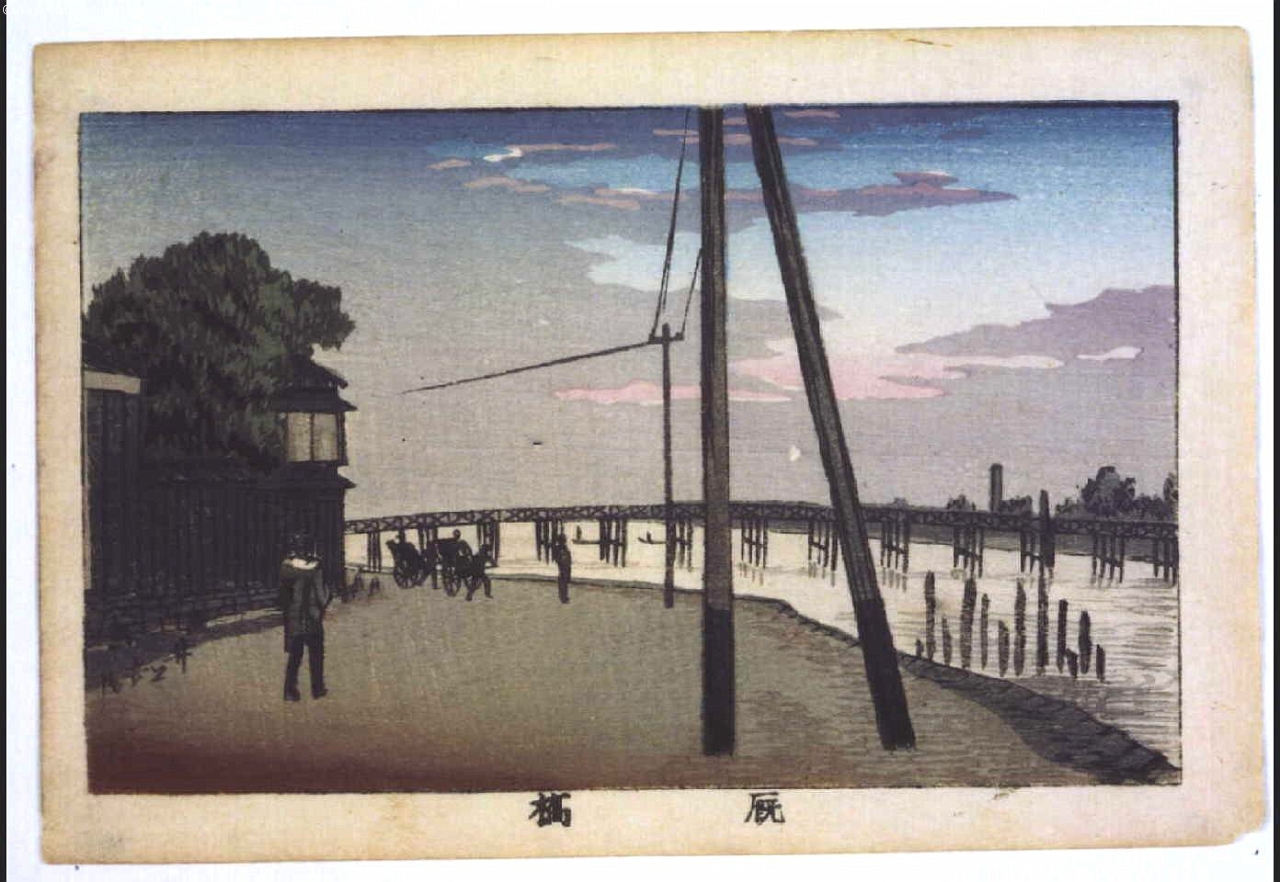
True Pictures of Famous Places in Tokyo: Umayabashi Bridge
Woodblock print
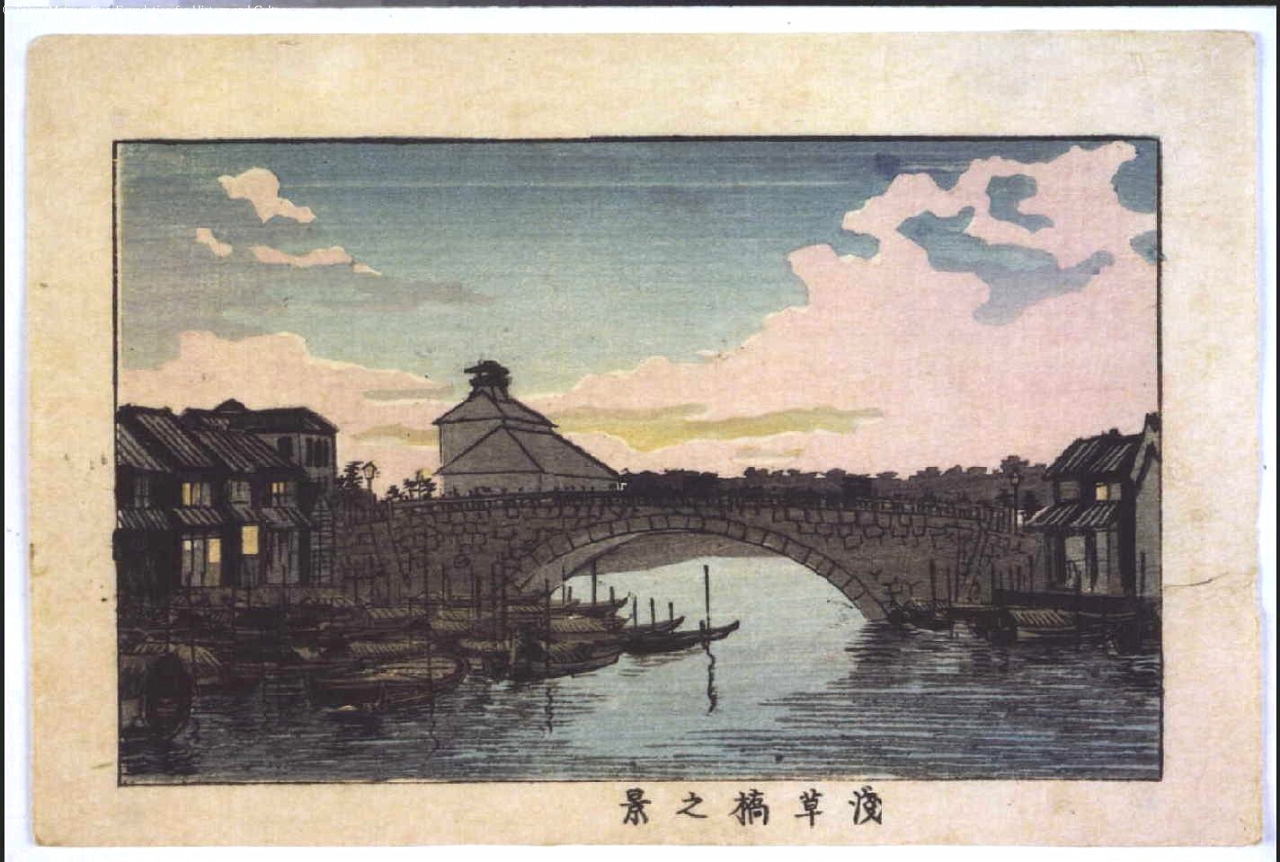
True Pictures of Famous Places in Tokyo: View of Asakusabashi Bridge
Woodblock print
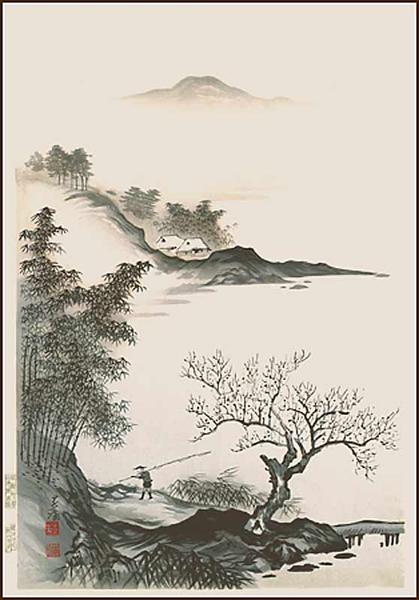
Untitled, coastal scene
Woodblock print

Fujimi Ferry at Honjo, from
Woodblock print
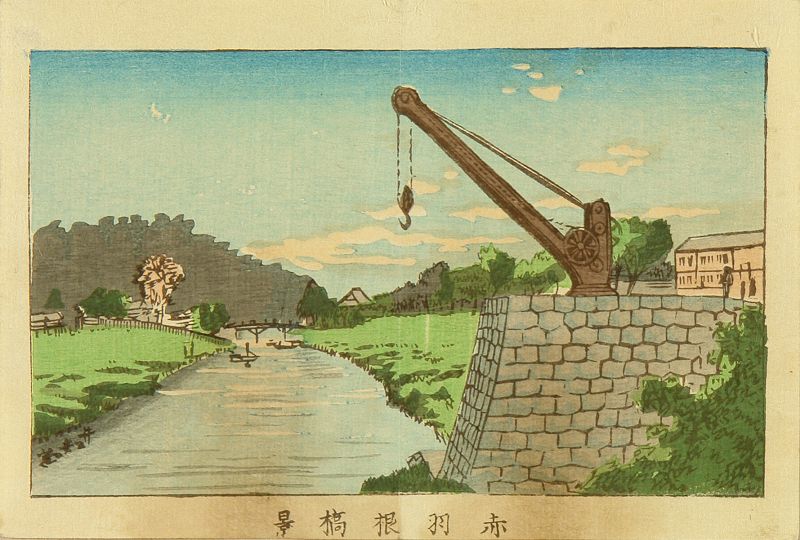
Akabane Bridge, from
Woodblock print
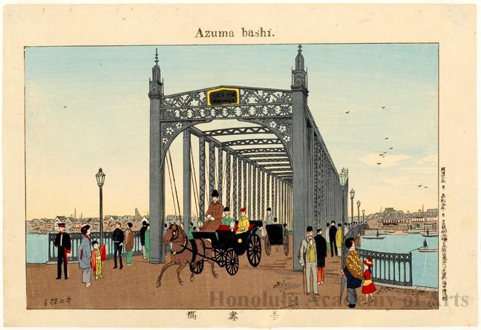
Azuma Bridge
Woodblock print
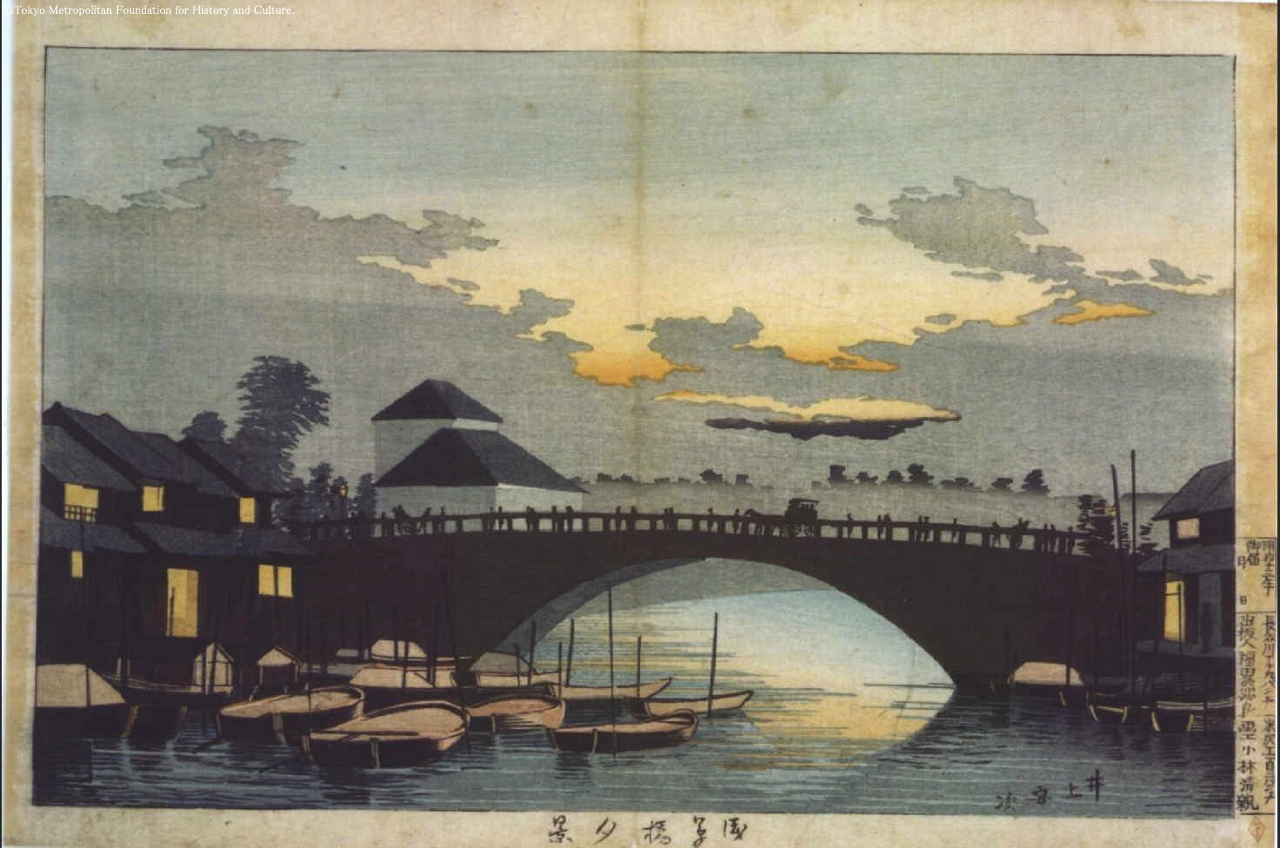
Evening Glow over Asakusa Bridge
Woodblock print
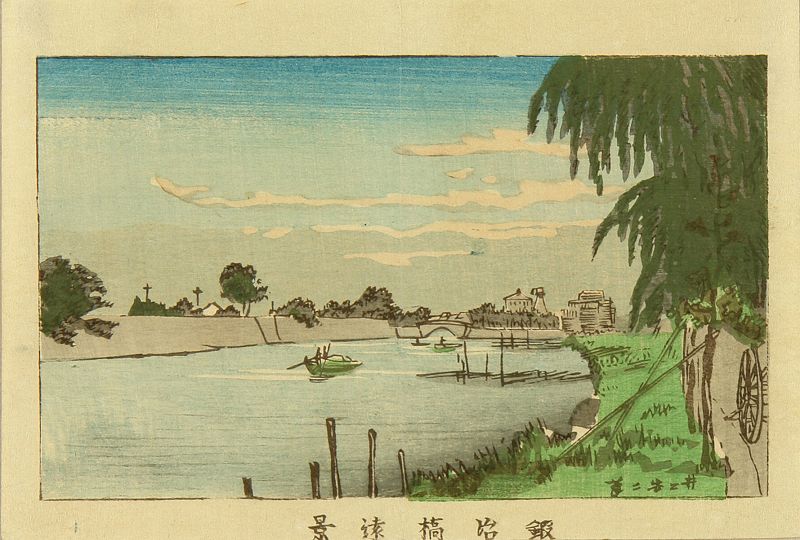
Kaji Bridge, from
Woodblock print
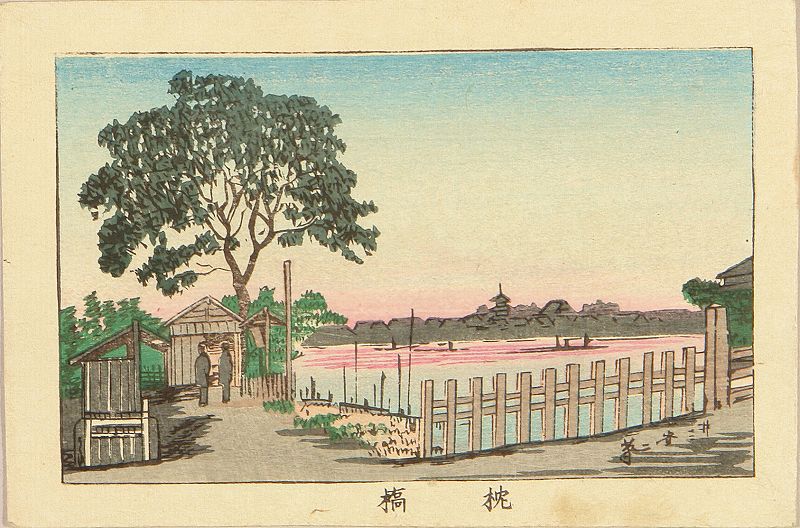
Makura Bridge, HOnjo, from
Woodblock print
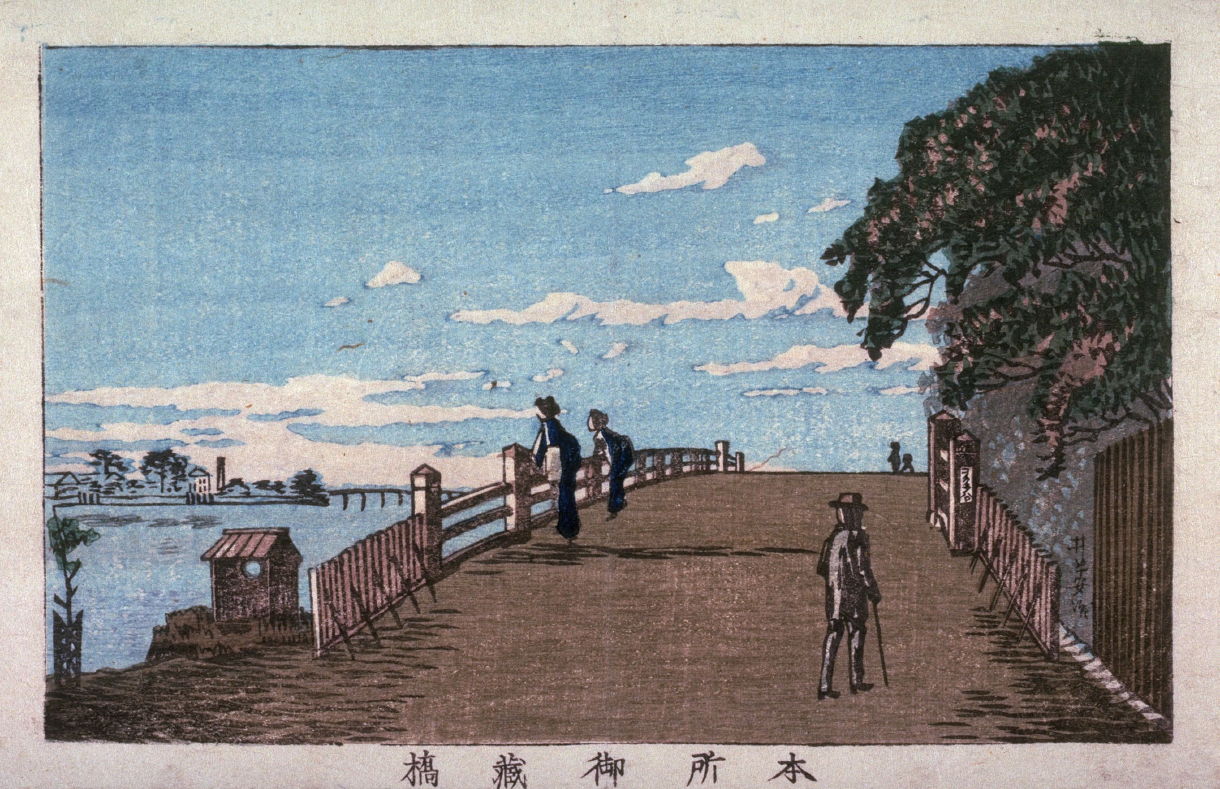
Mikura Bridge, Honjo
Woodblock print
Opening of the New Azuma Bridge in Tokyo
Woodblock print

Triptych: Improved Azuma Bridge, Meiji period, 1887
Woodblock print
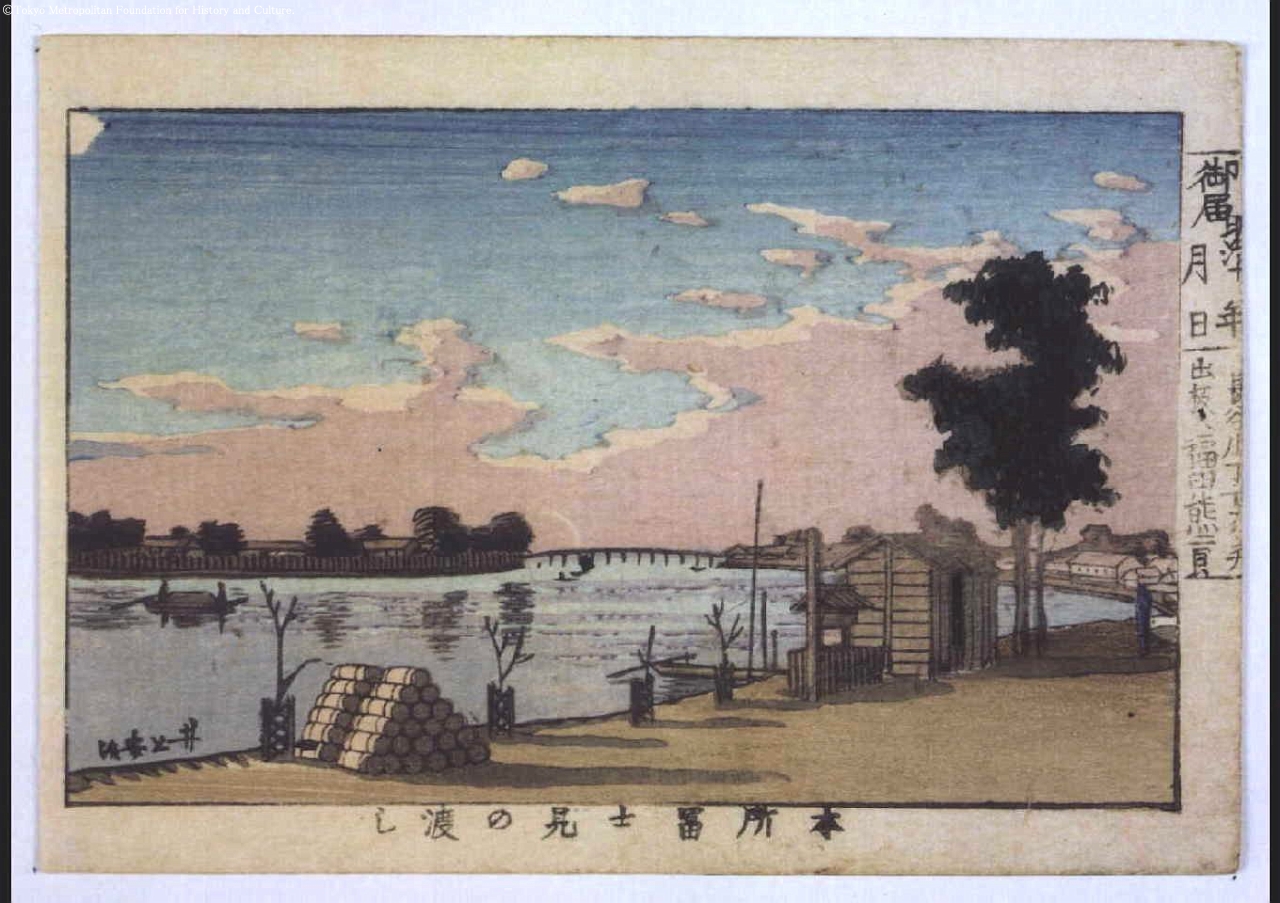
True Pictures of Famous Places in Tokyo: Fujimi Ferry, Honjo
Woodblock print
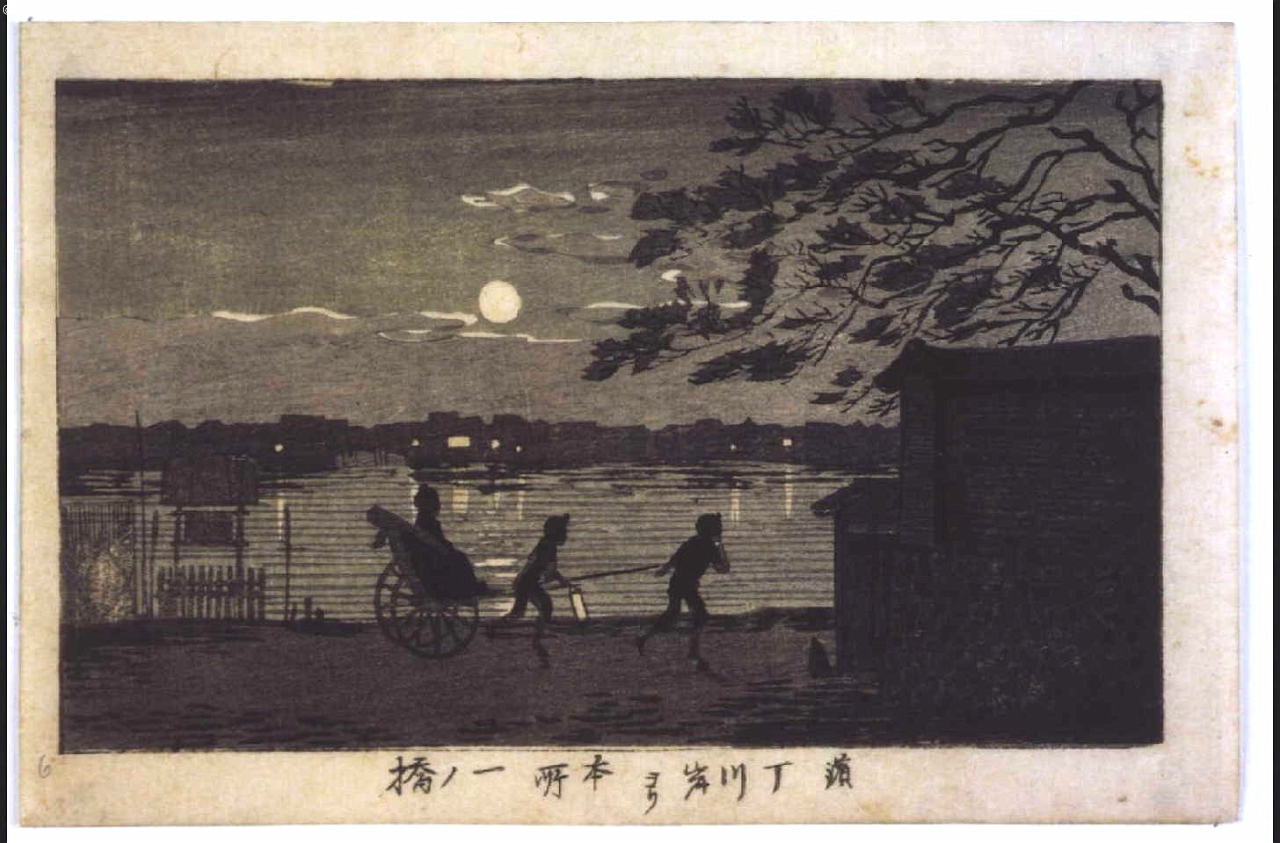
True Pictures of Famous Places in Tokyo: Honjo Ichinohashi Bridge from the Riverbank at Hamacho
Woodblock print
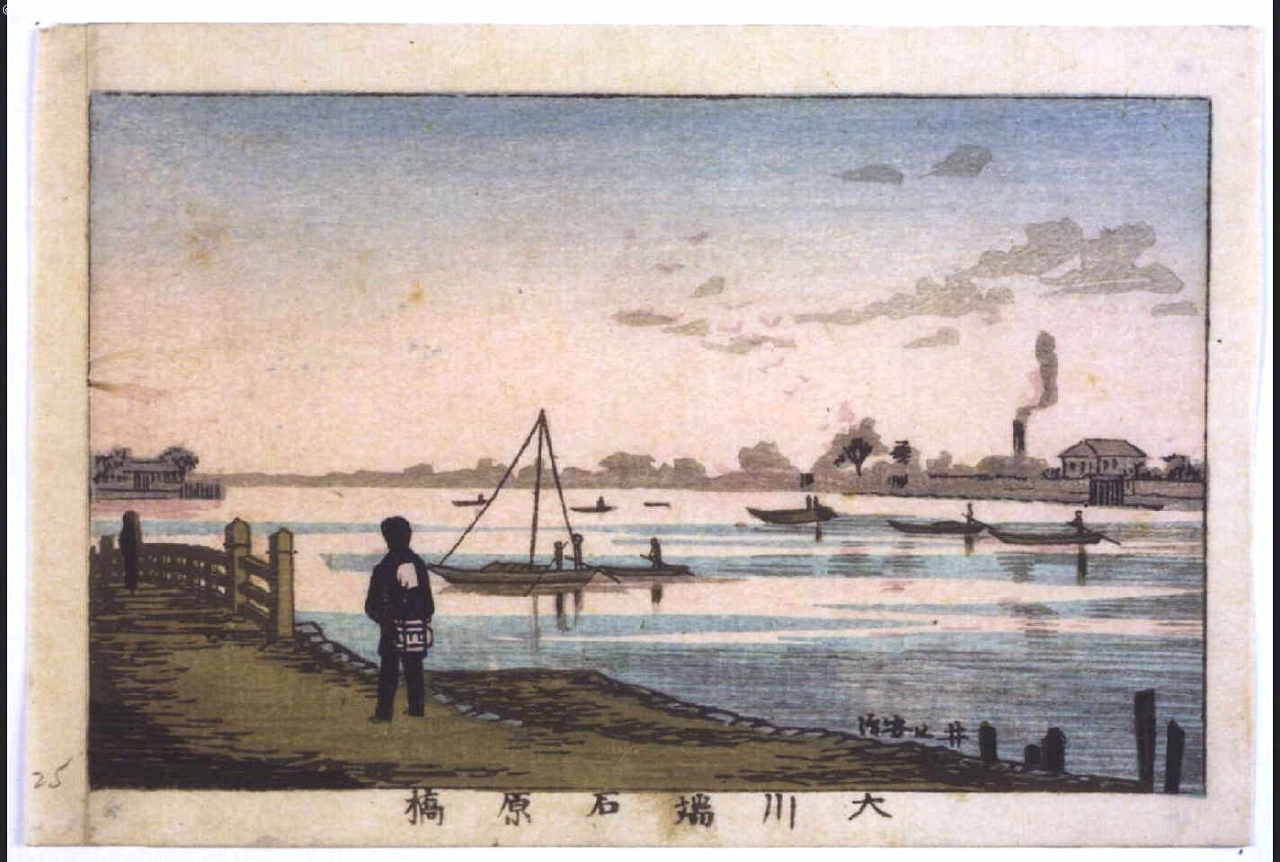
True Pictures of Famous Places in Tokyo: Ishiwarabashi Bridge on Okawa River
Woodblock print
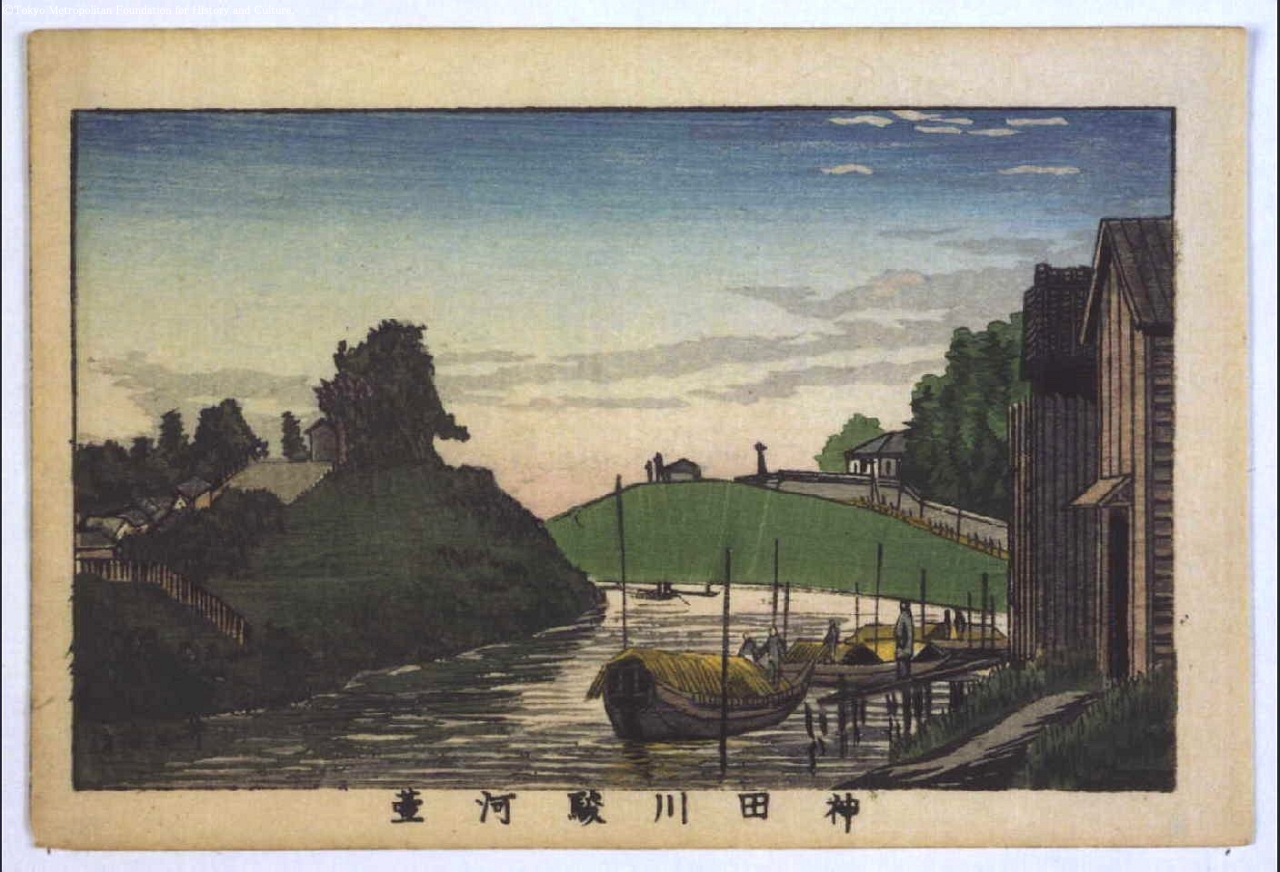
True Pictures of Famous Places in Tokyo: Kandagawa River and Surugadai
Woodblock print
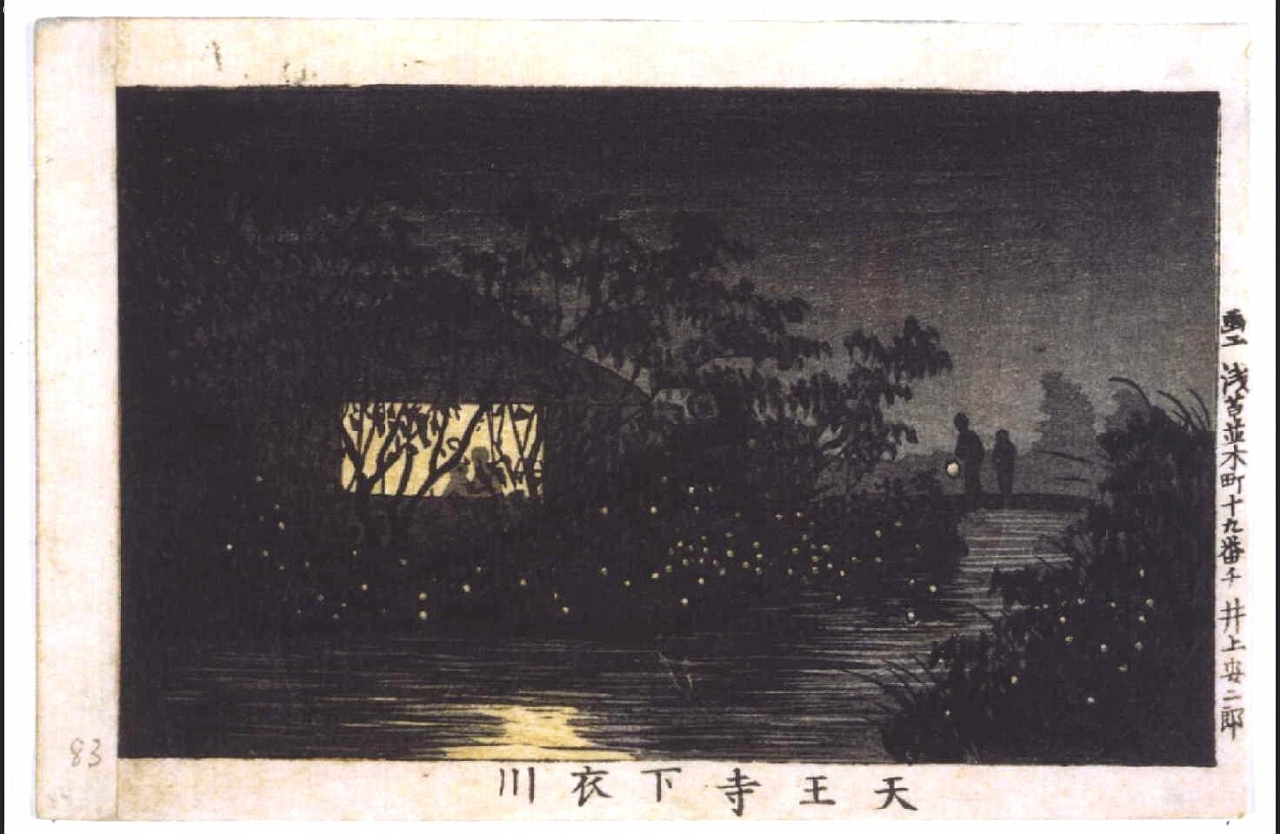
True Pictures of Famous Places in Tokyo: Koromogawa River Below Tenno-ji Temple
Woodblock print
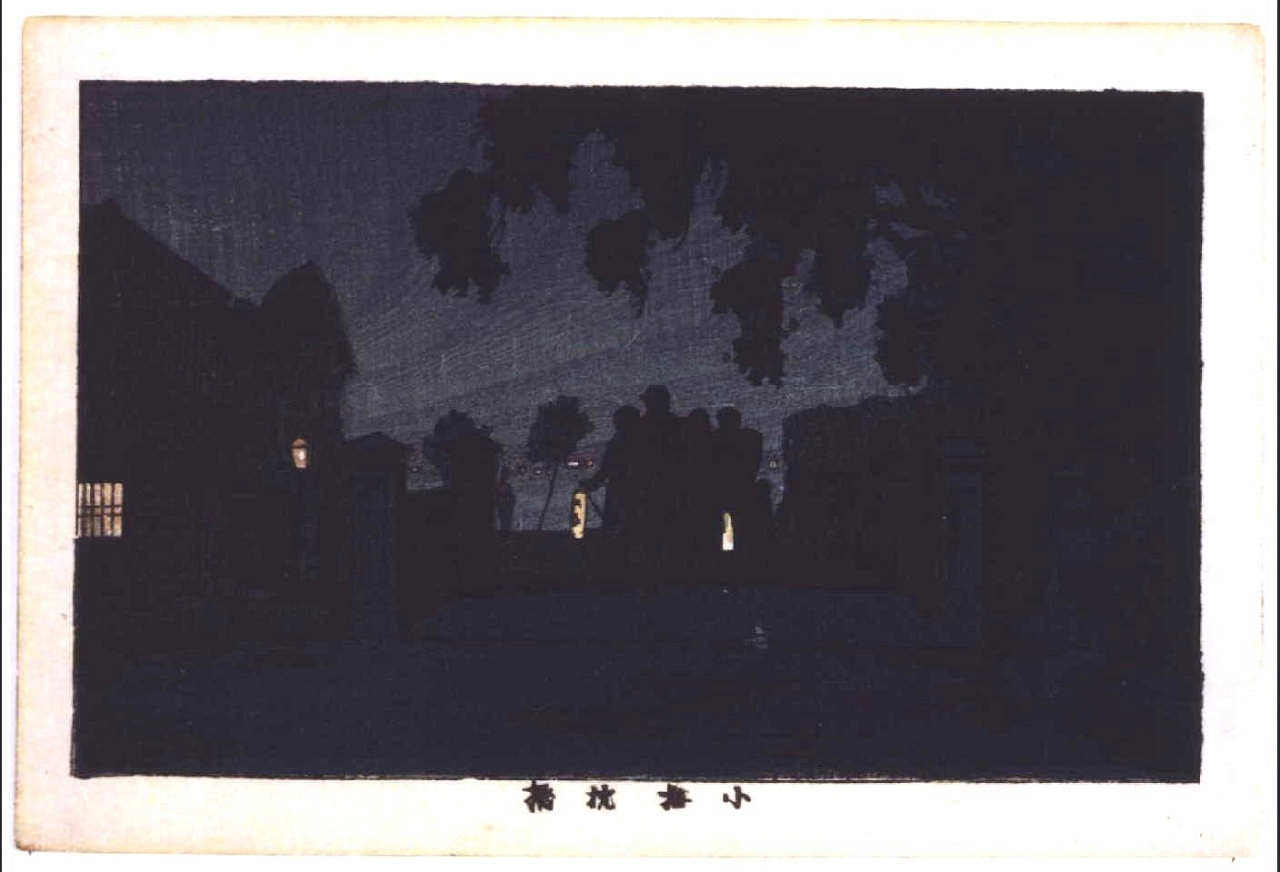
True Pictures of Famous Places in Tokyo: Makurabashi Bridge, Koume
Woodblock print
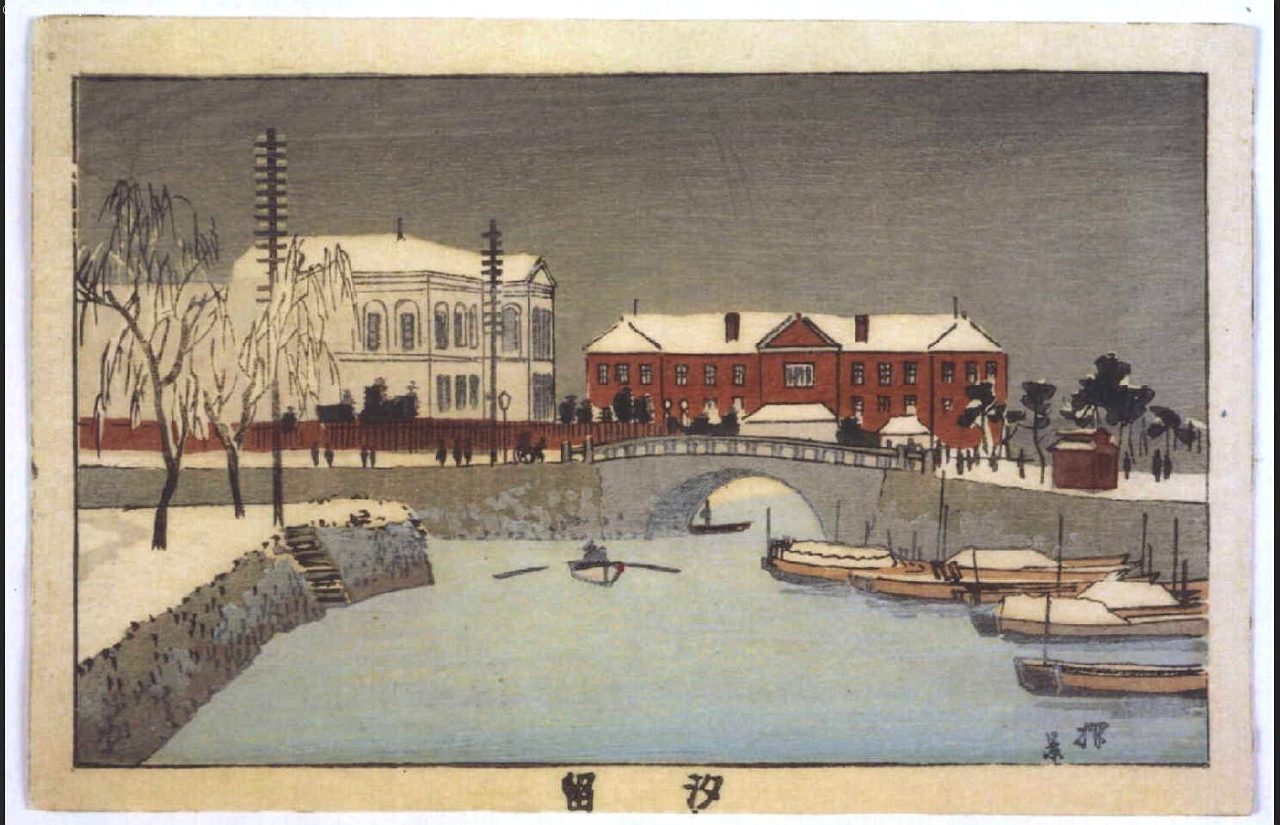
True Pictures of Famous Places in Tokyo: Motoyanagibashi Bridge
Woodblock print
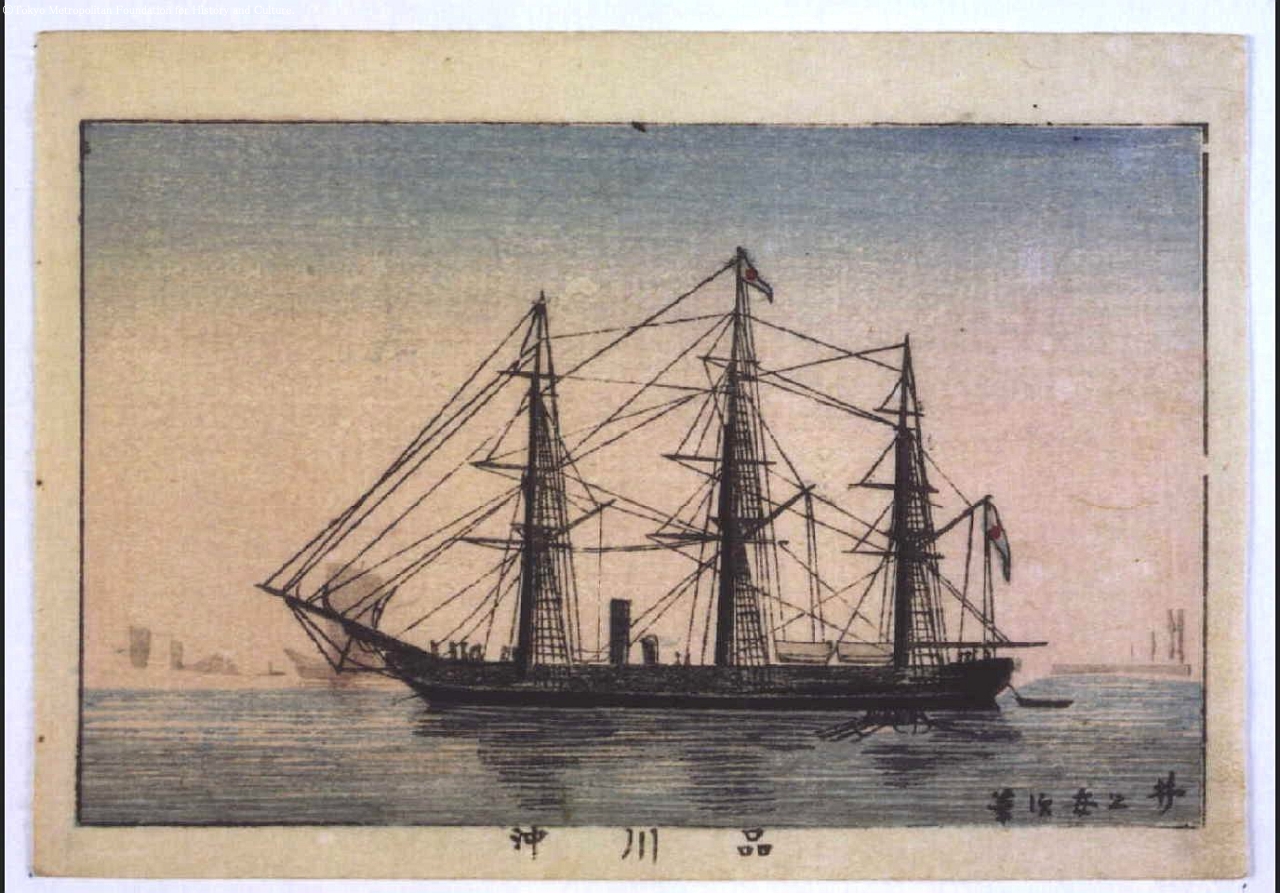
True Pictures of Famous Places in Tokyo: Off the Coast at Shinagawa
Woodblock print
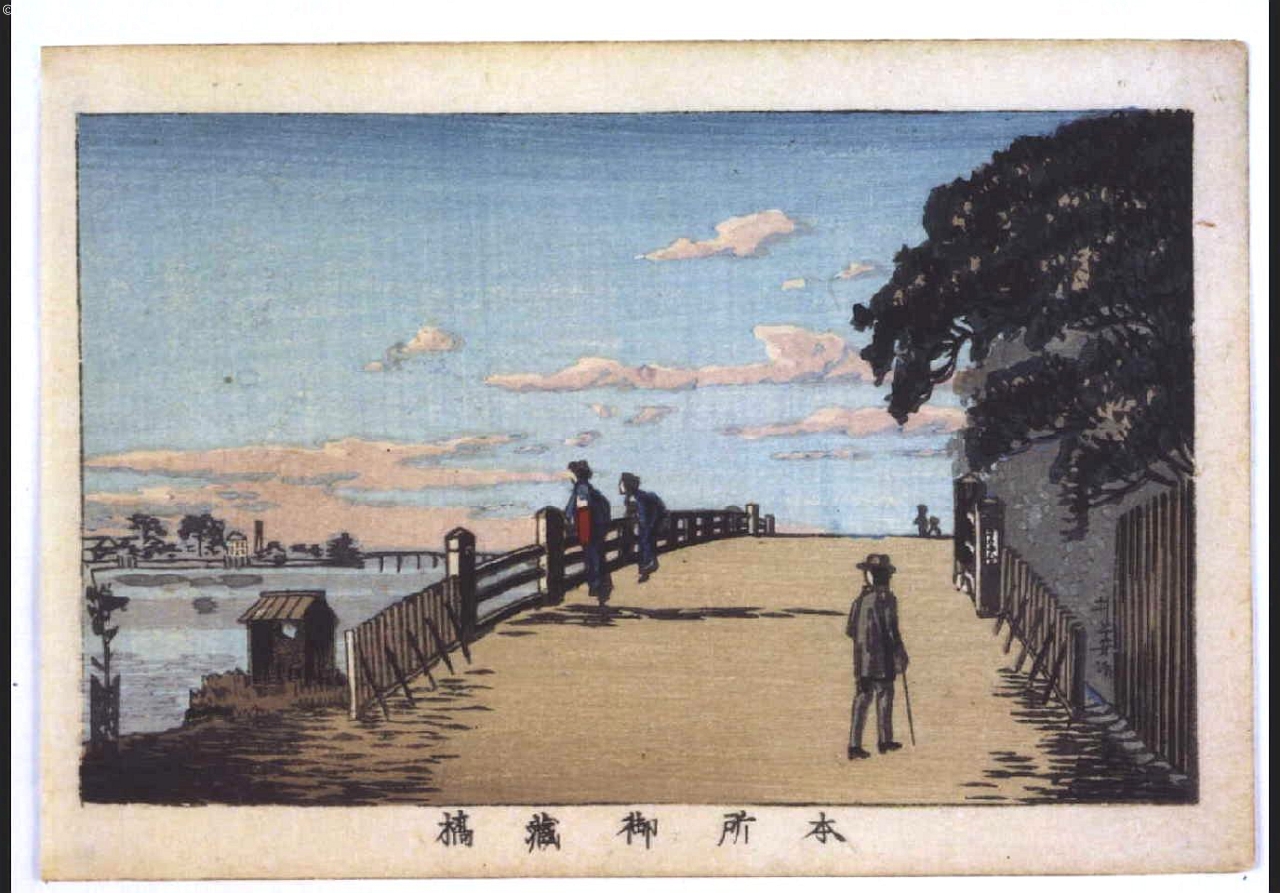
True Pictures of Famous Places in Tokyo: Okurabashi Bridge, Honjo
Woodblock print
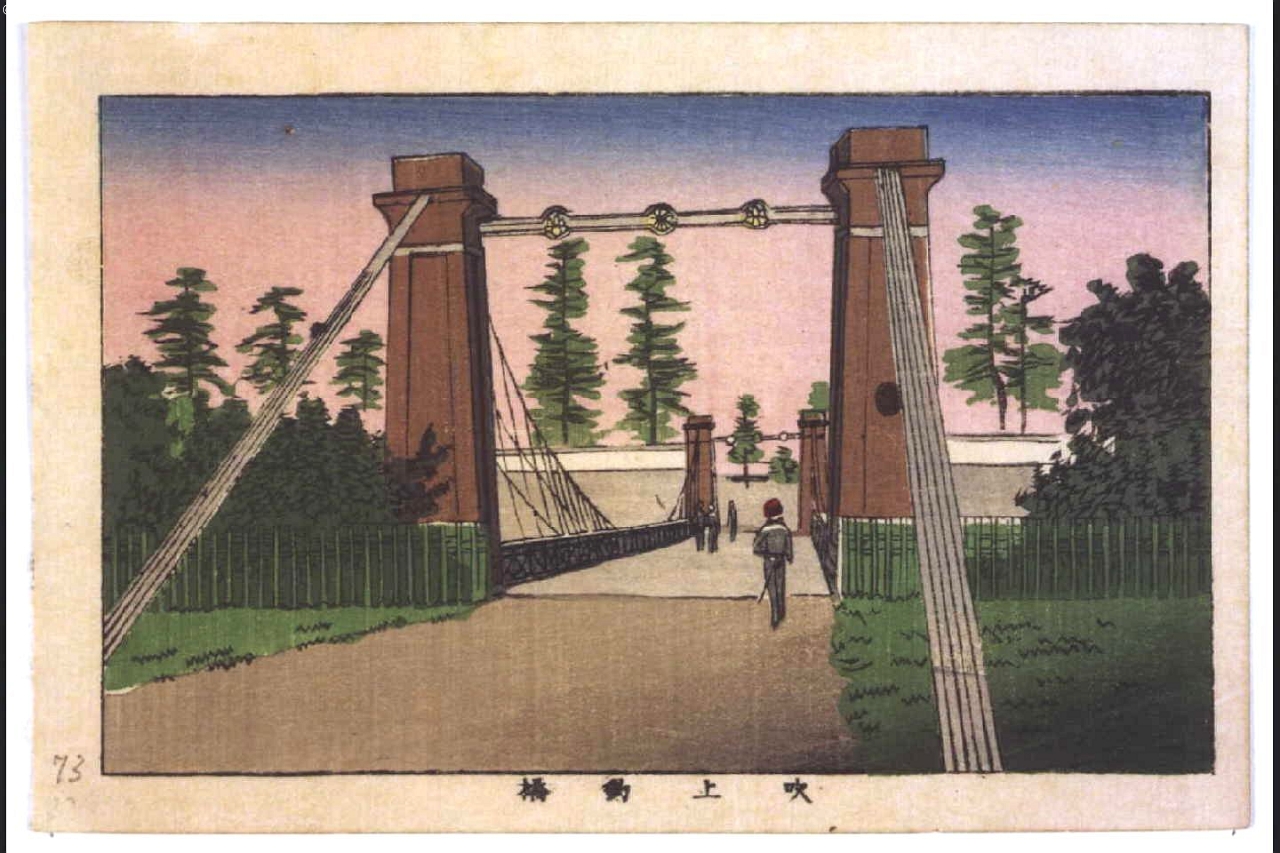
True Pictures of Famous Places in Tokyo: Suspension Bridge at Fukiage
Woodblock print
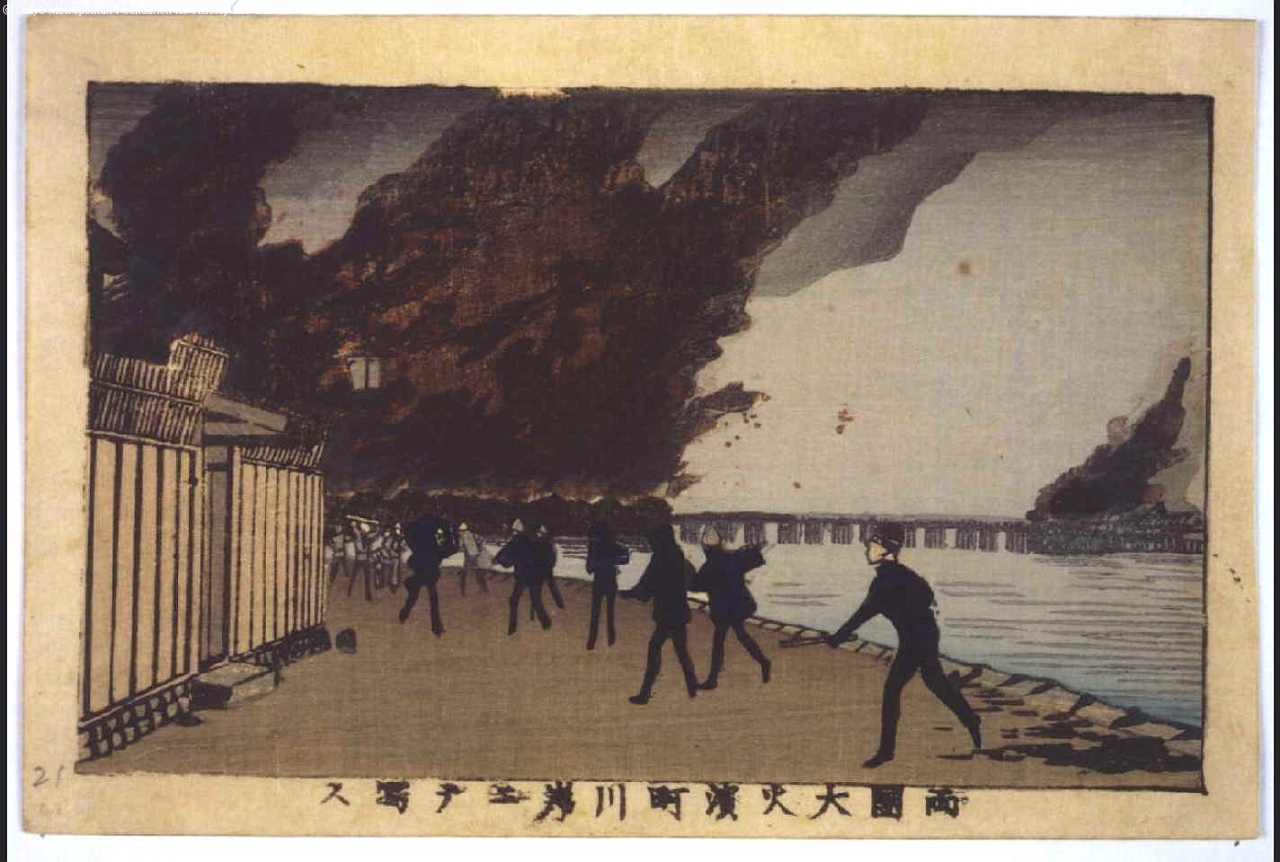
True Pictures of Famous Places in Tokyo: The Great Fire at Ryogoku from the Hamacho Riverbank
Woodblock print
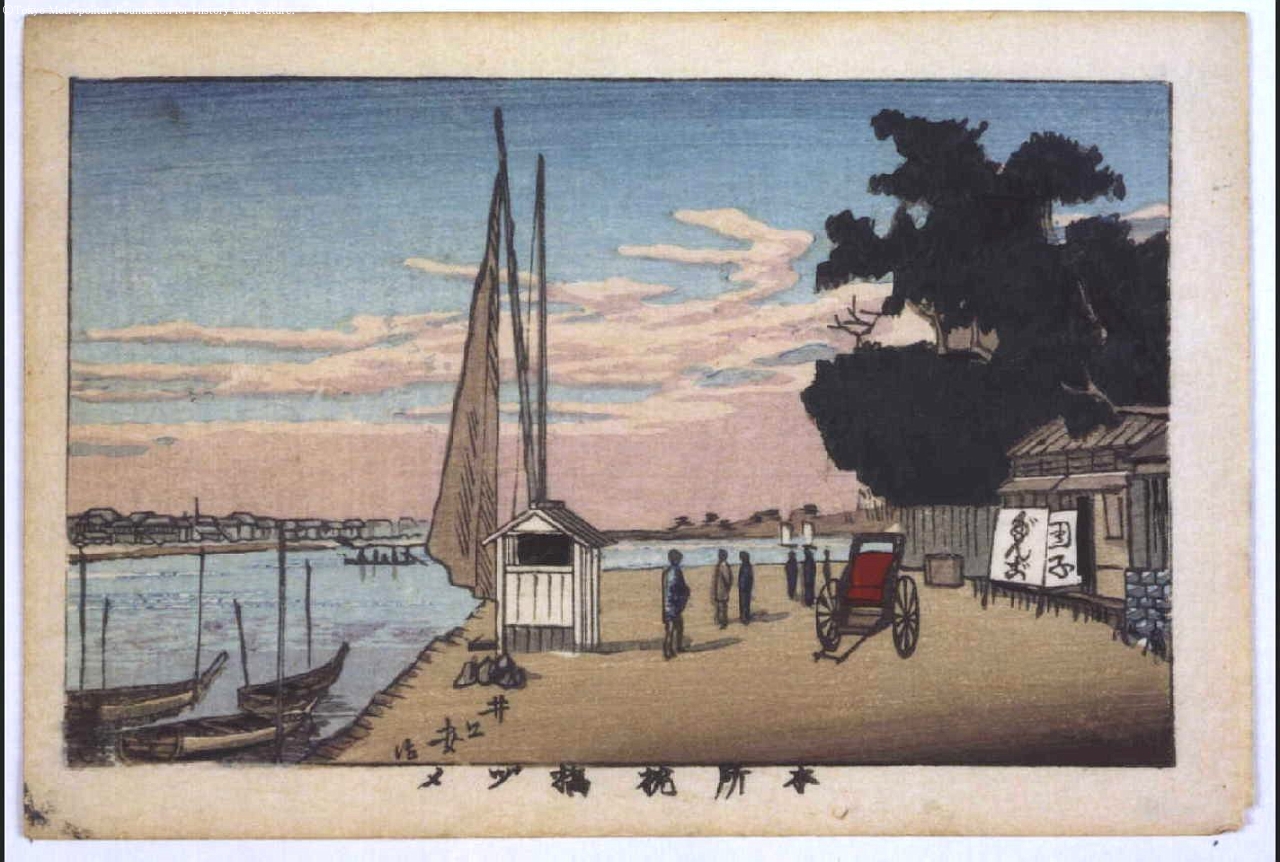
True Pictures of Famous Places in Tokyo: The Square Next to Makurabashi Bridge, Honjo
Woodblock print
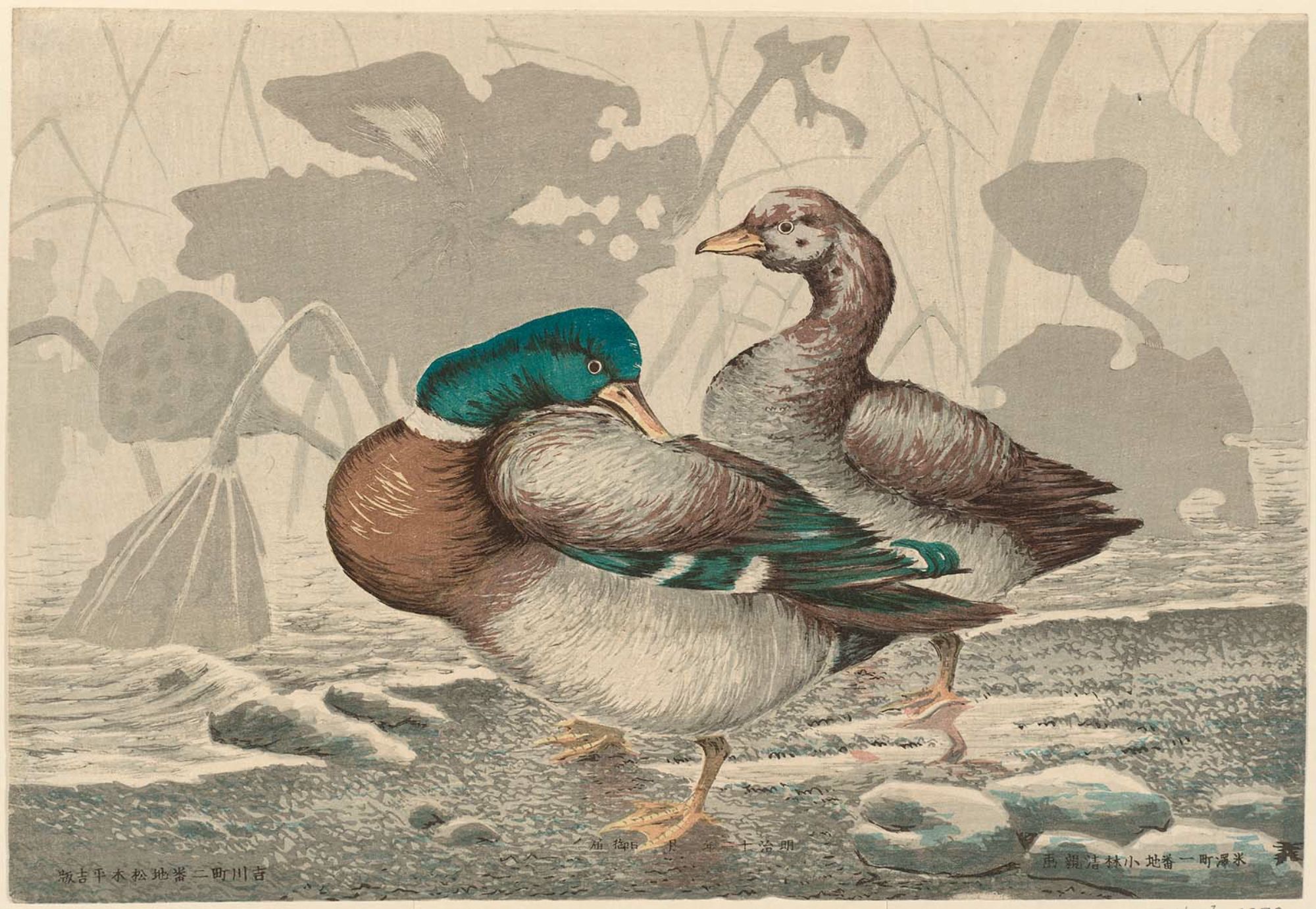
Kobayashi Kiyochika, 小林清親 (Kobayashi Kiyochika)创作的日本版画《Two Ducks
Woodblock print
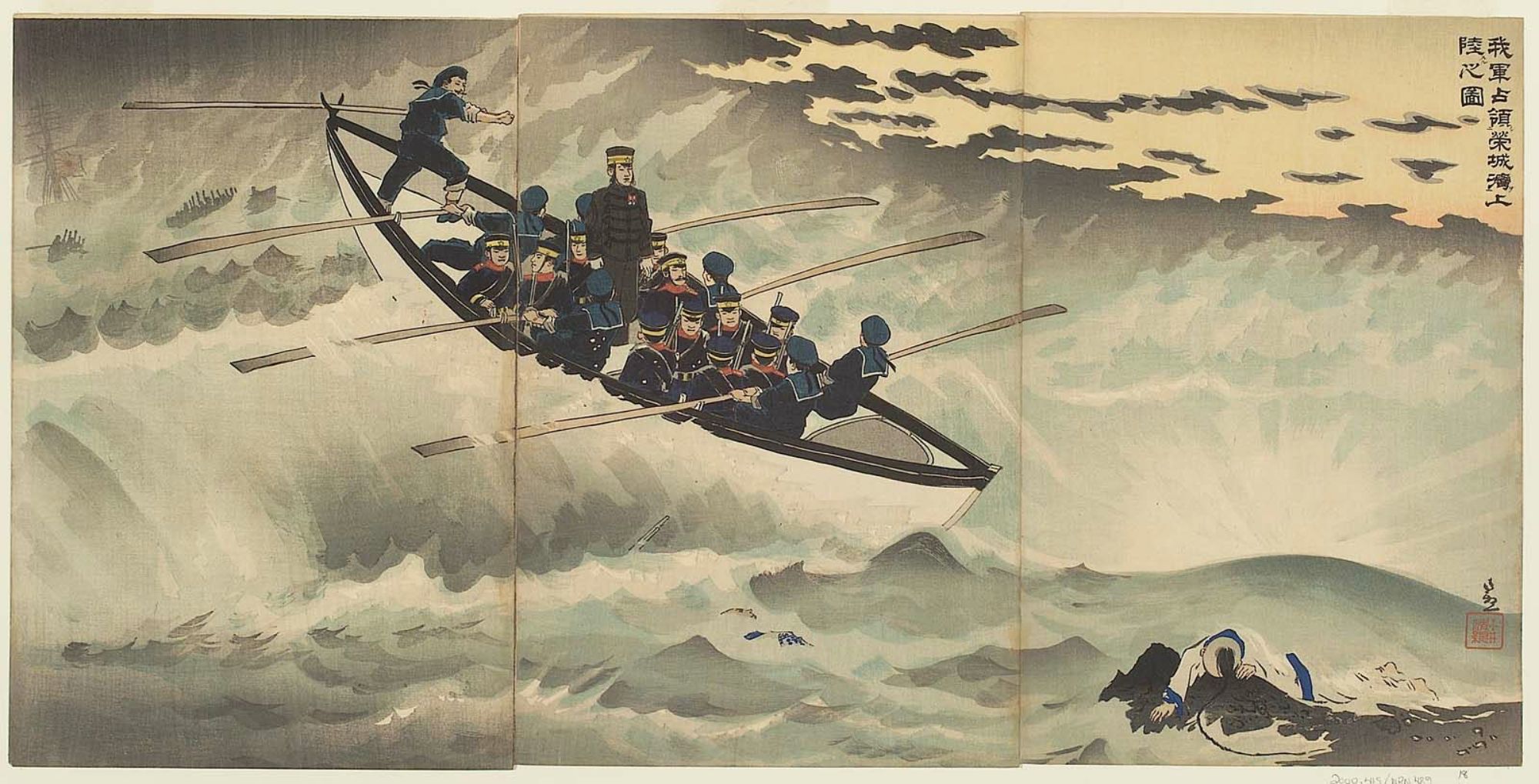
Our Troops Take Rongcheng Bay and Make a Landing (Waga gun Eijôwan o senryô shi jôriku suru no zu)
Woodblock print
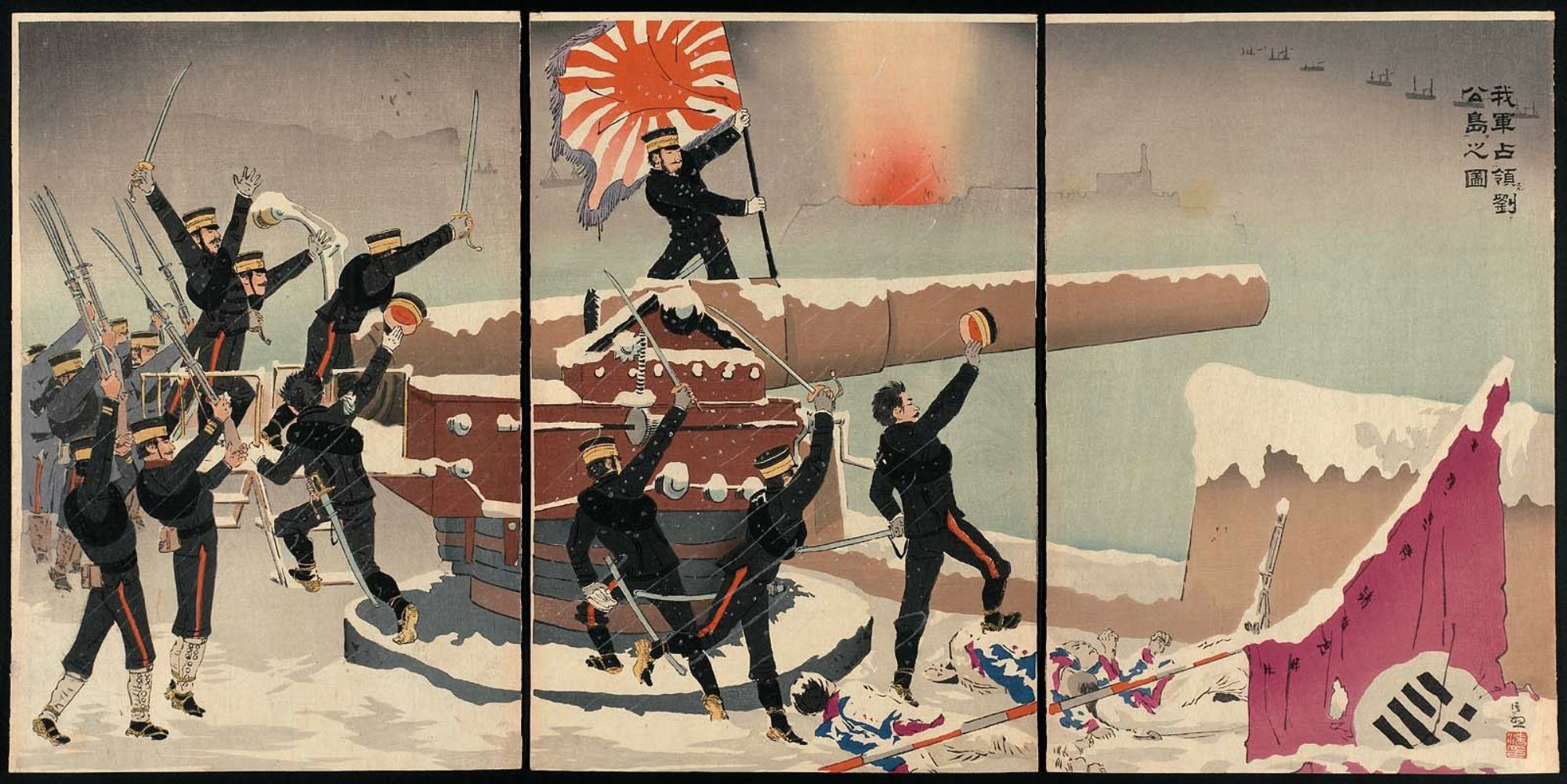
Picture of Our Armed Forces Occupying Ryûkô Island (Waga gun Ryûkôtô o senryô suru no zu)
Woodblock print
Hori River, Matsue
Woodblock print
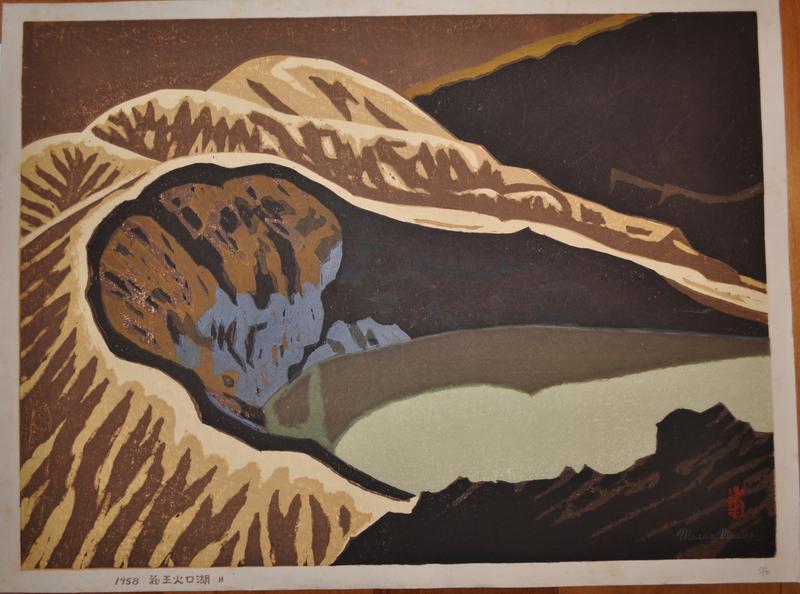
Crater Lake at Mount Zaō H
1958
Woodblock print, ink and color on paper

Lake Okotanpe (Okotanpe-ko)
1963
Color woodblock print

Lake Shore in the Morning — 湖畔の朝
Woodblock print

Mountain Peak
20th century
Color woodblock print

Mt. Fuji- Sun Set
Woodblock print
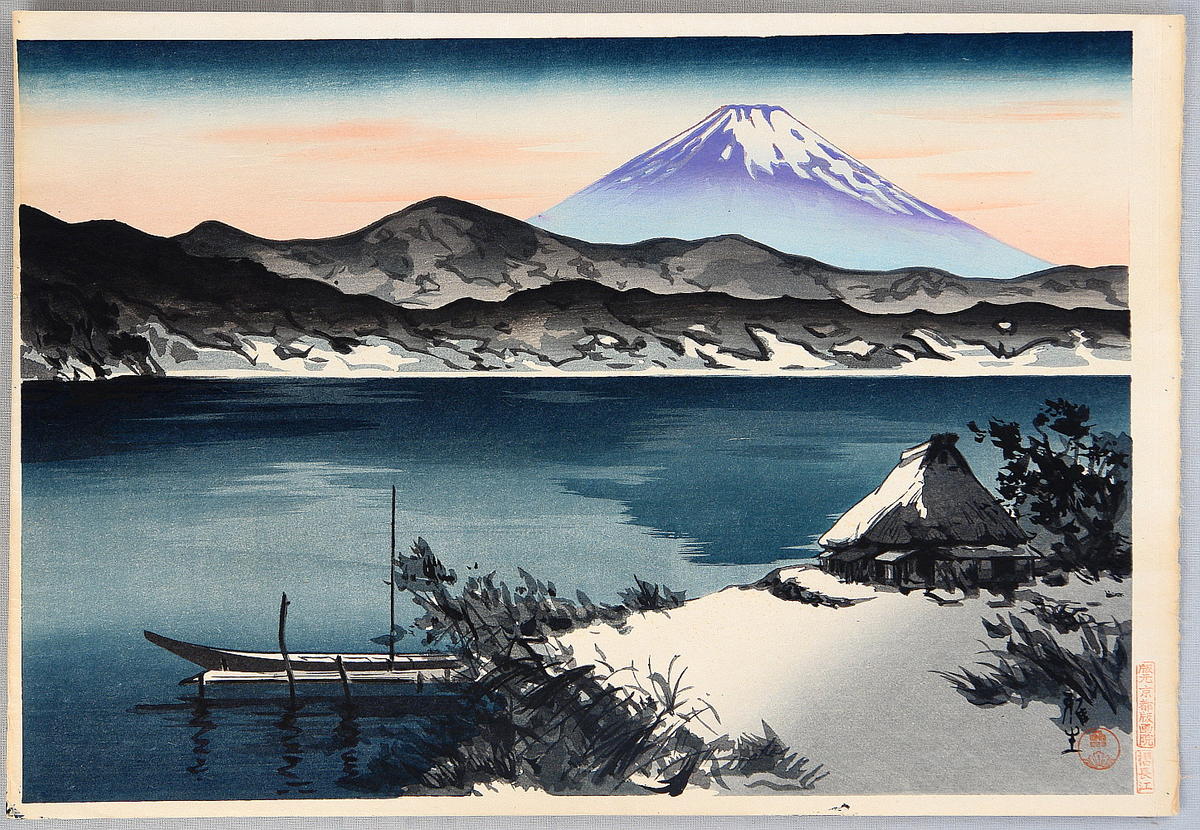
Mt. Fuji- V2- Winter
Woodblock print
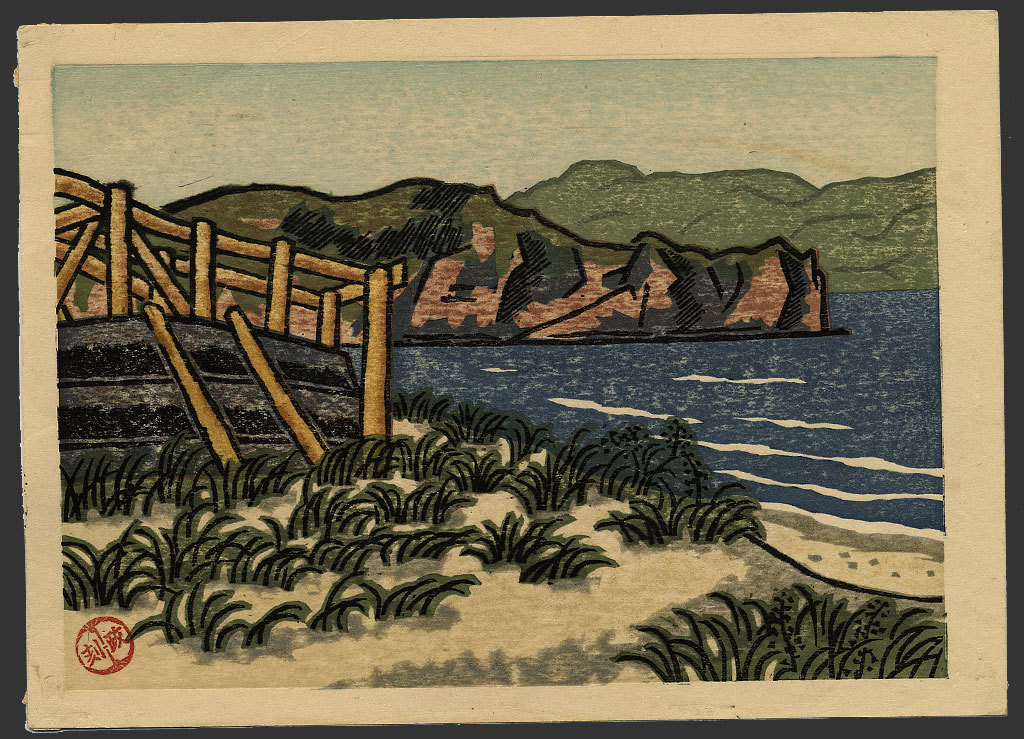
Ranjima (Dutch Island)
Woodblock print
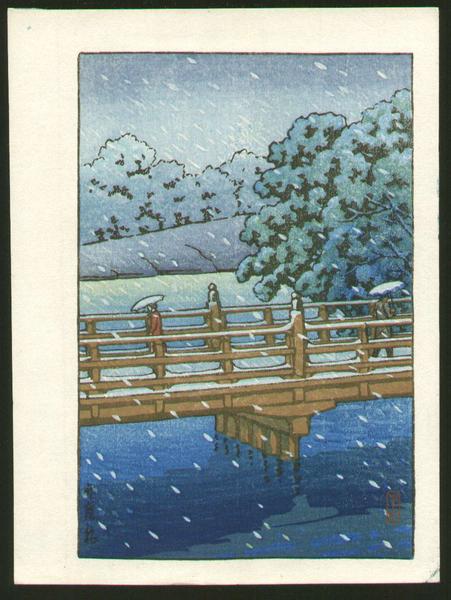
Benkei Bridge
Woodblock print

Benkei Bridge, Akasaka (Akasaka Benkeibashi)
Woodblock print
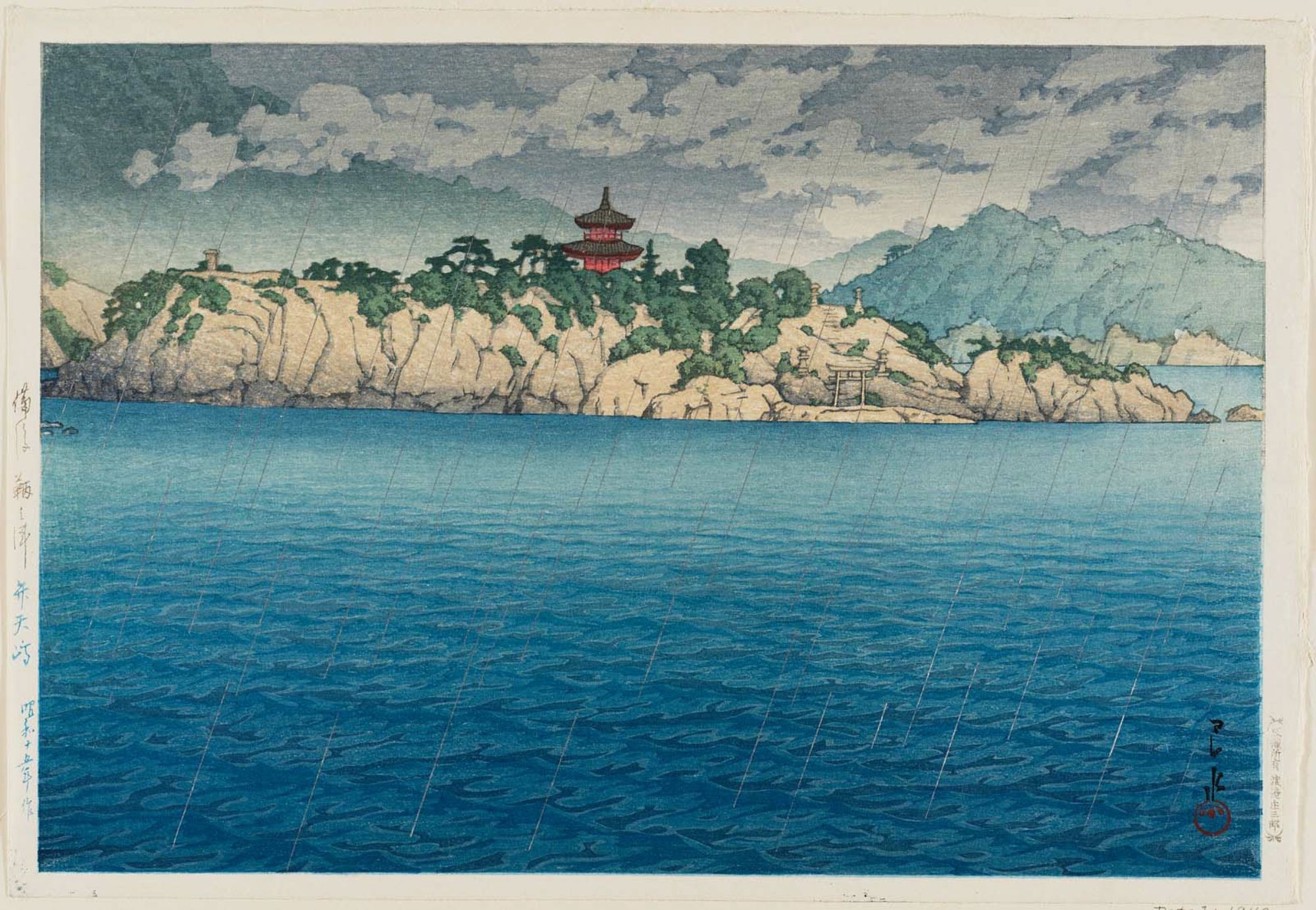
Benten Island at Tomonotsu, Bingo Province (Bingo Tomonotsu no Bentenjima)
Woodblock print
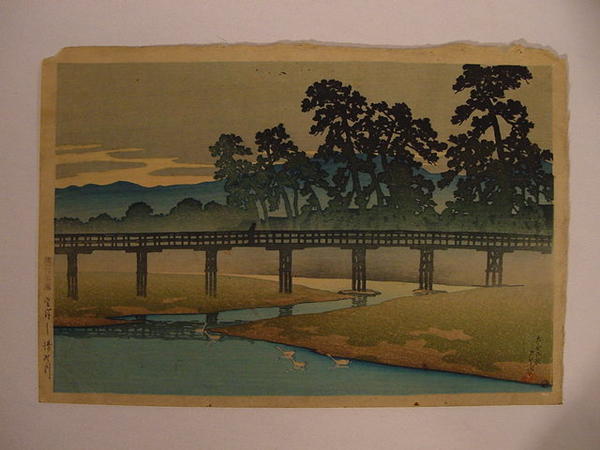
Bridge
Woodblock print
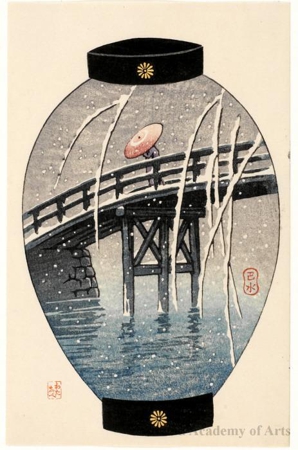
Bridge in the Snow Design on Lantern (descriptive title)
Woodblock print
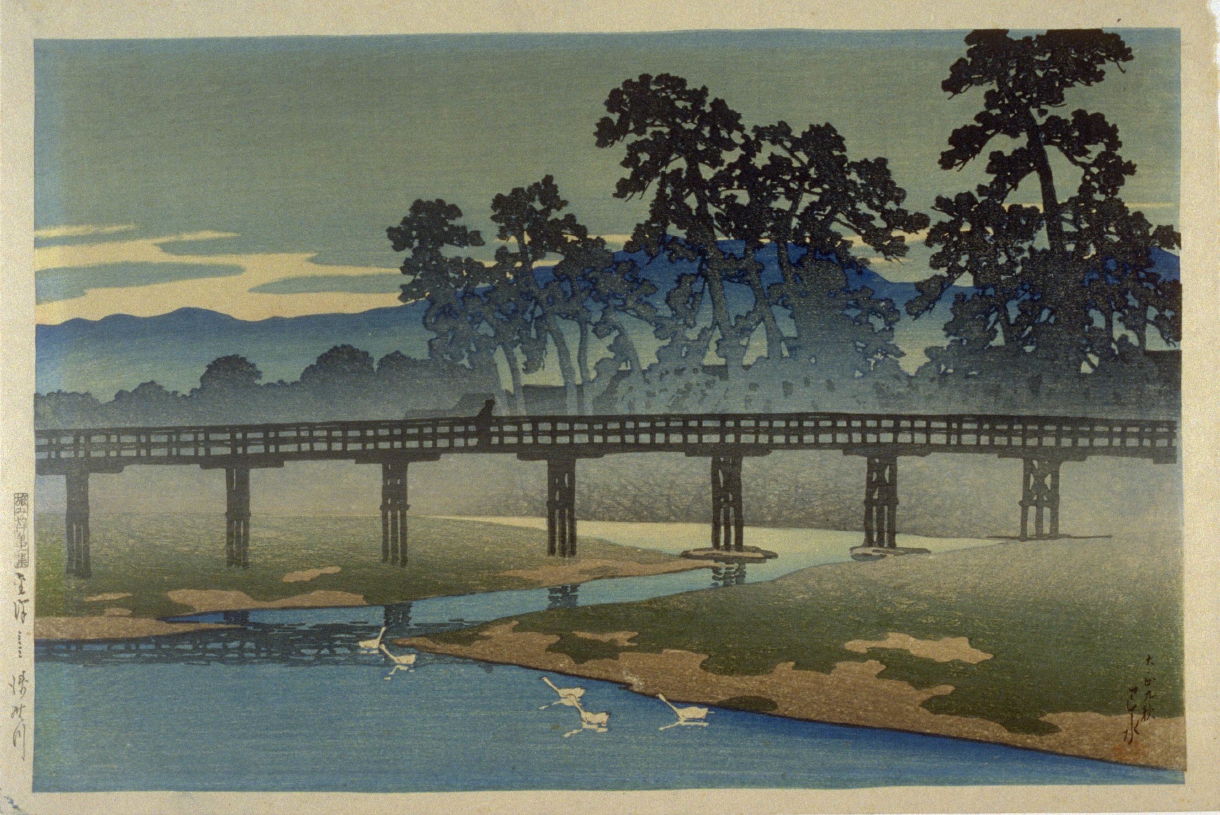
Bridge over the Asano (?) River
Woodblock print
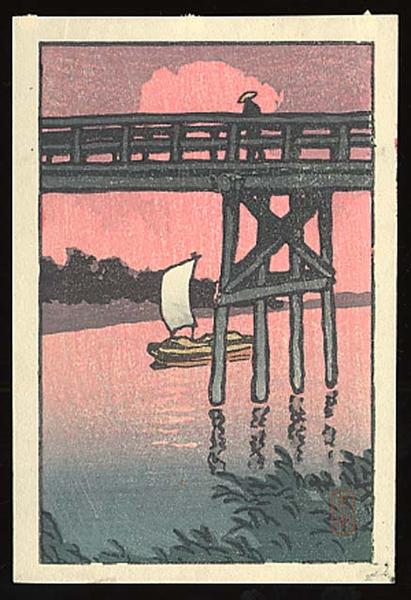
Bridge with Sail Boat
Woodblock print
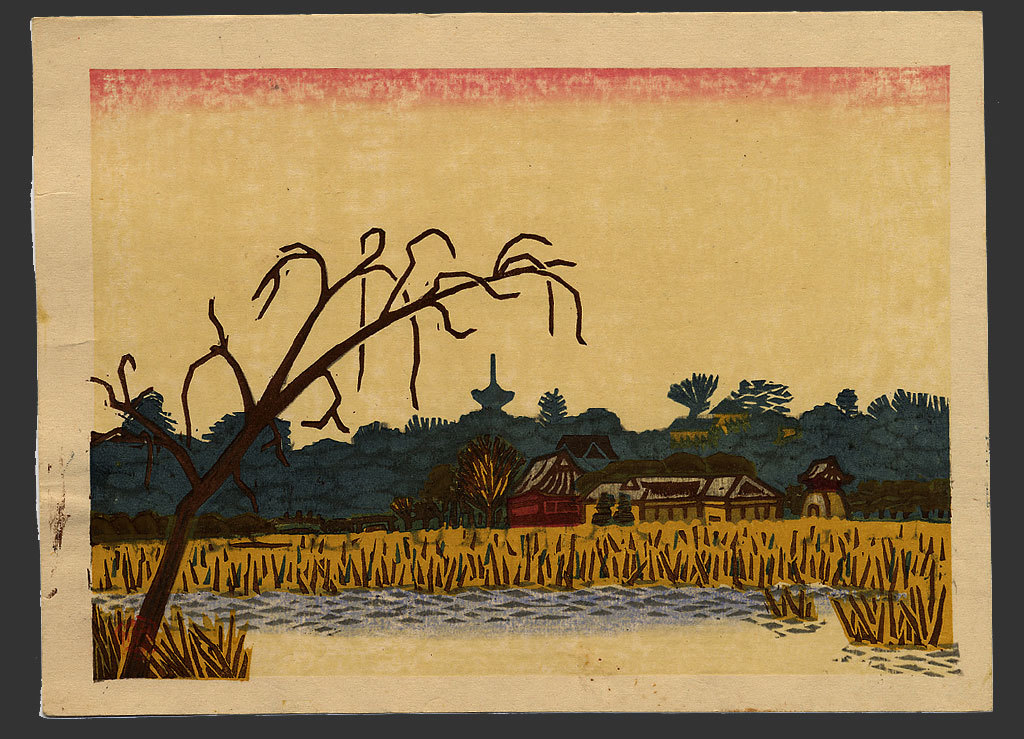
Landscape
Woodblock print
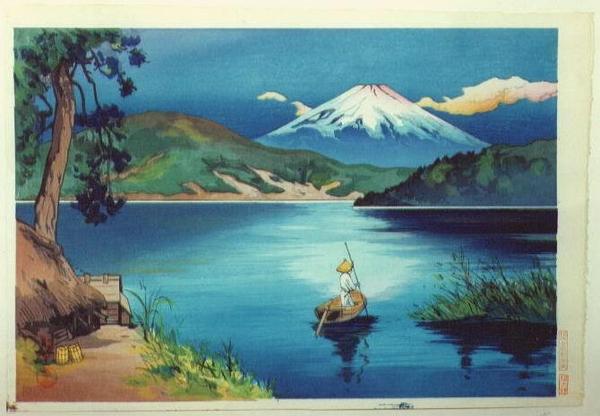
Fuji From Lake Ashi (Morning View) — 芦ノ湖の富士(朝の景)
Woodblock print
Related Subjects
Frequently Asked Questions
Landscapes are the most celebrated subject in Japanese woodblock printmaking, encompassing mountain vistas, coastal panoramas, river valleys, and rural scenes that have defined the genre for centuries. The tradition reached its first peak with Hokusai's "Thirty-six Views of Mount Fuji" (1831) and Hiroshige's "Fifty-three Stations of the Tokaido" (1833-34), series that established the meisho-e (famous places) format as a cornerstone of ukiyo-e.
Utagawa Hiroshige, Kawase Hasui, and Hiroshi Yoshida are among the artists most associated with landscapes in our collection. Browse the full list of artists who explored this subject above.
Hanga currently catalogues 3812 prints tagged with landscapes, spanning ukiyo-e, shin-hanga, and sōsaku-hanga traditions where applicable.