Snow Scenes Prints (870)
Snow scenes (yuki no keshiki) hold a special place in Japanese woodblock printmaking as one of the tradition's most technically demanding and aesthetically prized subjects. The challenge of depicting whiteness — using the paper itself as the primary "color" for snow — required exceptional planning from the artist and virtuosic restraint from the printer, who had to leave precise areas of the block unprinted while building up surrounding tones. Hiroshige's snow scenes, particularly in "One Hundred Famous Views of Edo" and the "Fifty-three Stations of the Tokaido," established the visual vocabulary of the genre: falling flakes rendered as white spaces against dark skies, snow-laden branches bowing under crystalline weight, and human figures hunched against winter cold. His ability to convey the hush and stillness of a snow-covered landscape through the woodblock medium influenced every subsequent generation of printmakers. Kawase Hasui made snow scenes a signature specialty, producing dozens of views that are among shin-hanga's most sought-after images. His prints of temple gates, mountain villages, and riverside scenes under fresh snowfall achieve a crystalline clarity and contemplative calm that epitomize the movement's aesthetic. The technical achievement of these prints — particularly the subtle blue and gray gradations surrounding areas of pure white paper — represents some of the highest accomplishments of the woodblock printing craft.
Artists Known for Snow Scenes


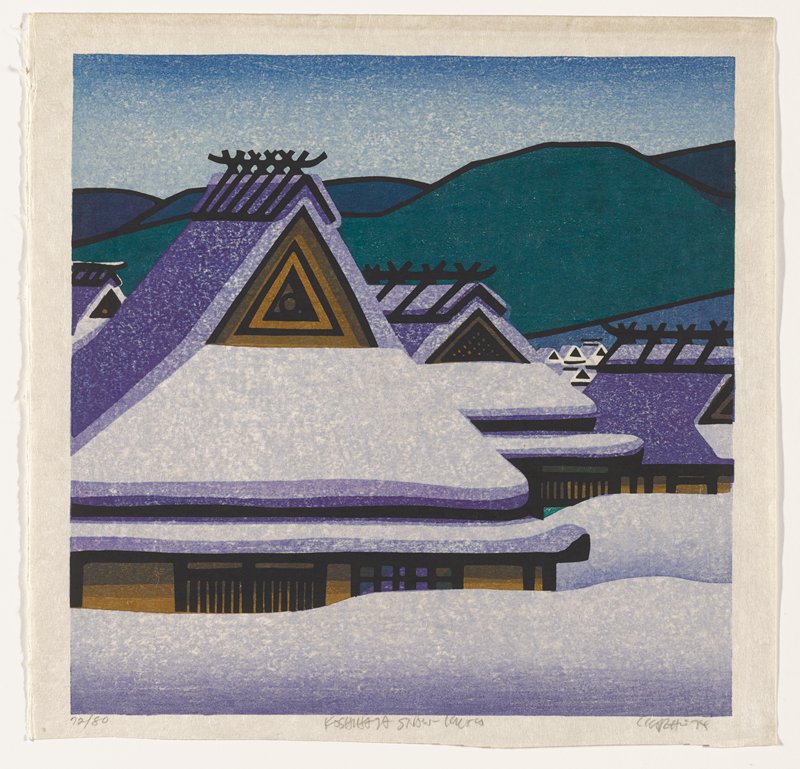
Koshihara Snow-Kyoto
1974
Woodblock print, ink and color on paper

Shimabara Snow
1977
Color woodblock print; edition 70/100
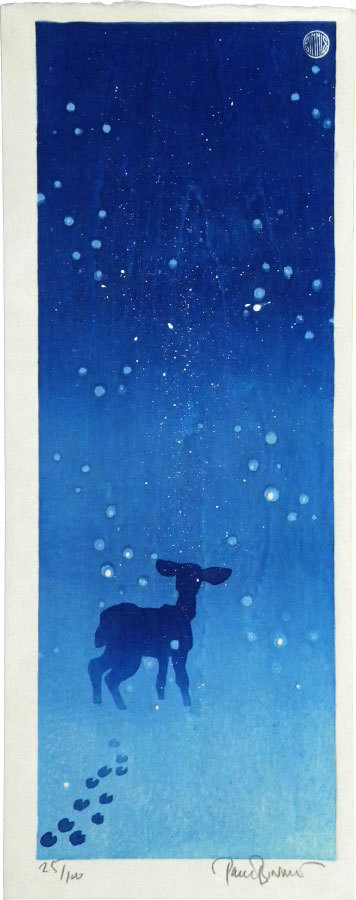
Deer in the Snow (Yuki ni Shika)
Woodblock print

A Golden Pheasant Perched on a Steep Snowy Hillside amid Small Pine Saplings
c. 1833
Color woodblock print; otanzaku

Kanbara: Evening Snow (Kanbara, yoru no yuki), from the series "Fifty-three Stations of the Tokaido (Tokaido gojusan tsugi no uchi)," also known as the Hoeido Tokaido
c. 1833/34
Color woodblock print; oban
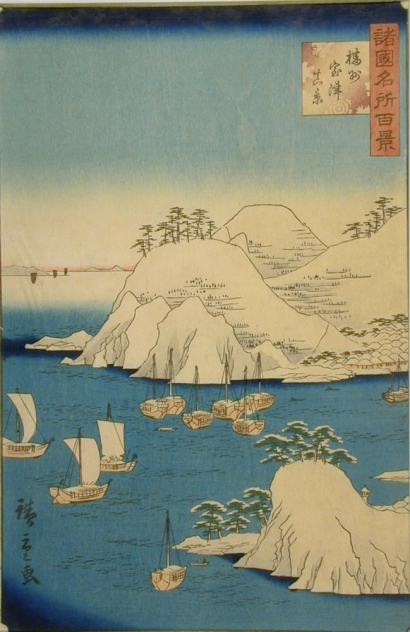
Snow View of Muronotsu, Harima
Woodblock print

Sparrows and Camellia in Snow
c. 1831-33
Color woodblock print; ōtanzaku

The Gion Temple in Snow (Gionsha setchu), from the series "Famous Places in Kyoto (Kyoto meisho no uchi)"
c. 1834
Color woodblock print; oban

In the Snow at Tsukahara, Sado Island
c. 1835–36
Woodblock print (nishiki-e), ink and color on paper
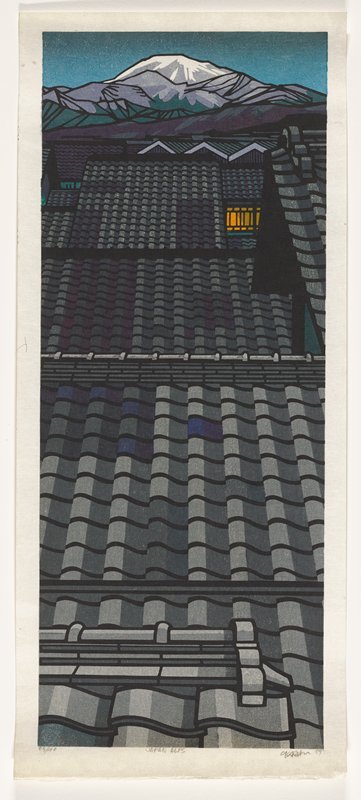
Japan Alps
1989
Woodblock print, ink and color on paper
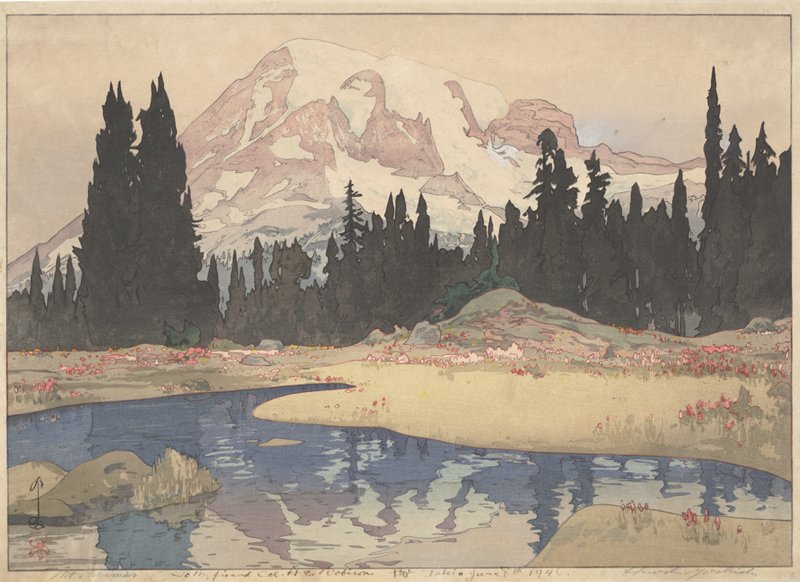
Mount Rainier
1925
Woodblock print, ink and colors on paper
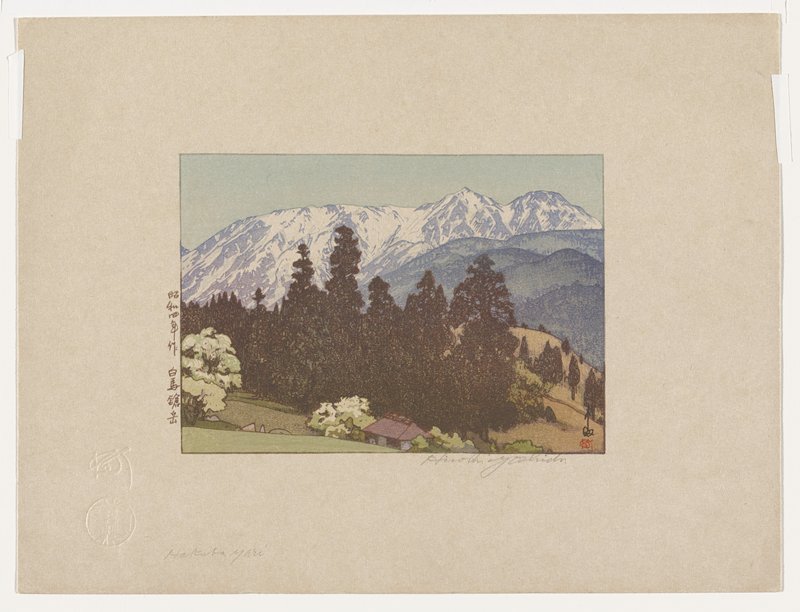
Hakuba and Yarigadake
1929
Woodblock print, ink and color on paper
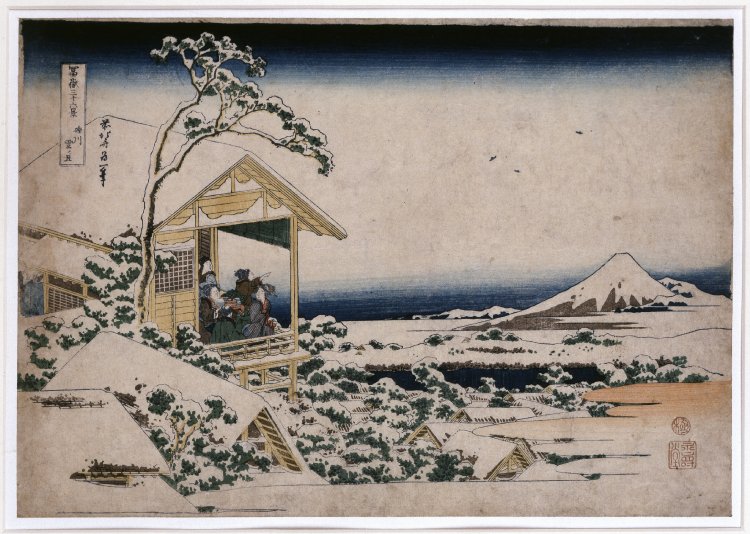
Koishikawa yuki no tan / Fugaku Sanju Rokkei
Woodblock print
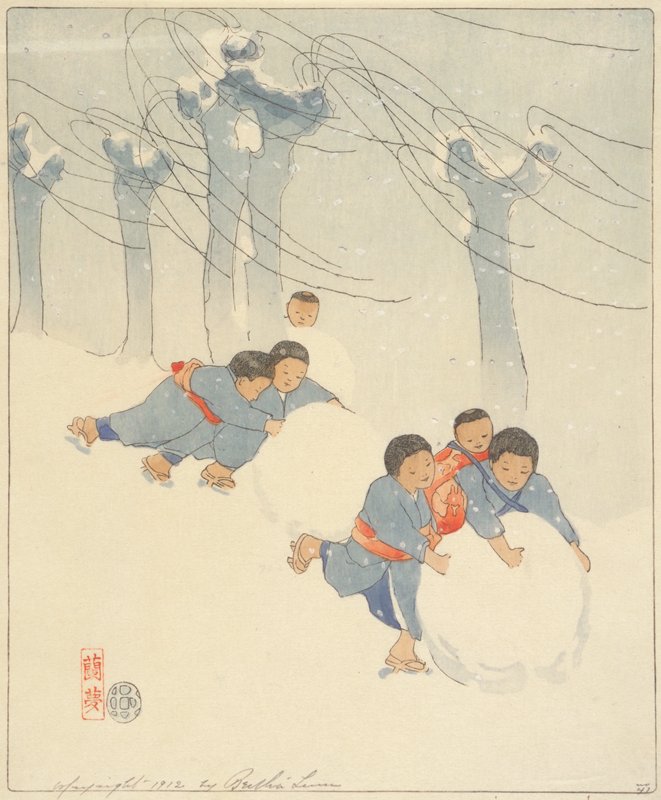
Snowballs
1912
Color woodcut on Japan paper

House in Aizu
1972
Color woodblock print
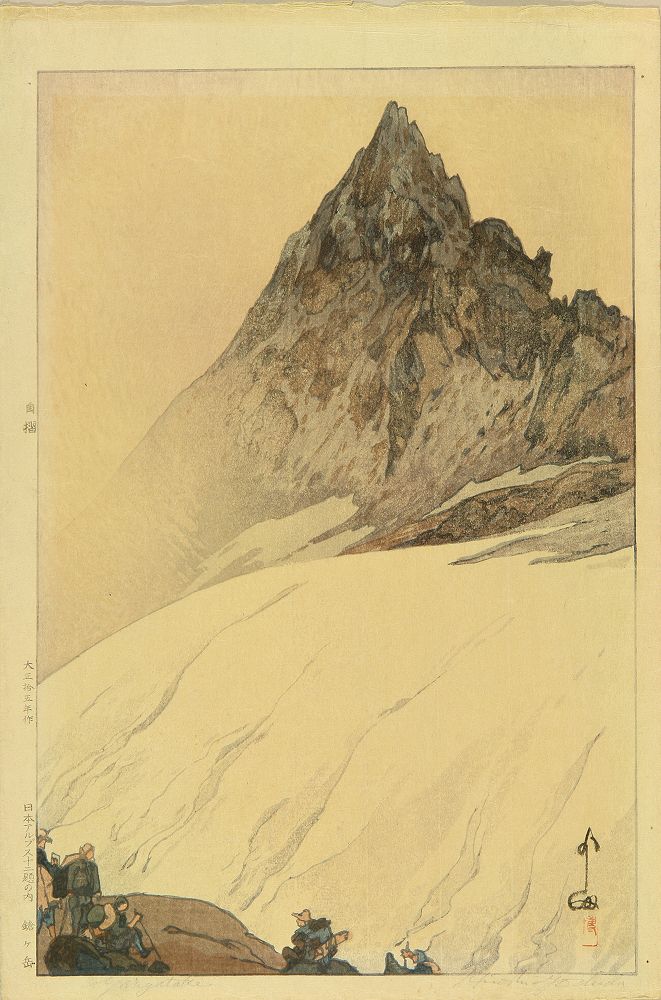
Mount Yari, from
1926
Woodblock print
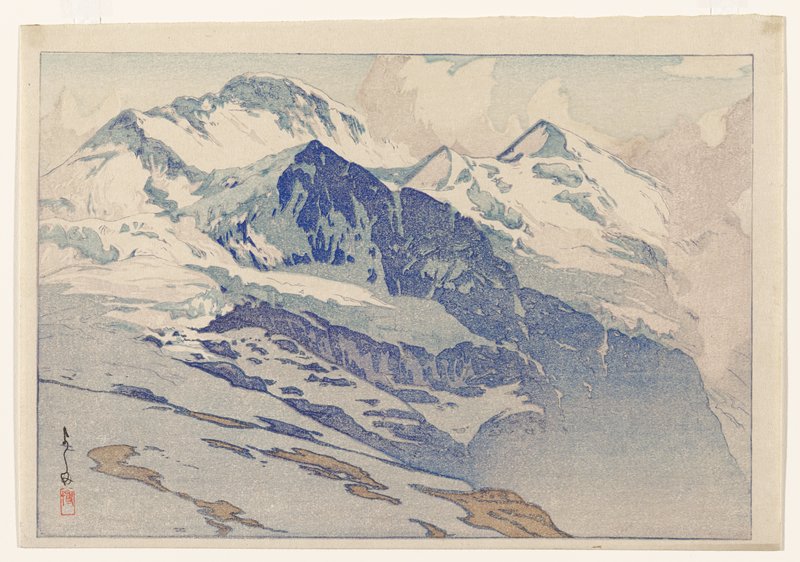
Jungfrau
1925
Woodblock print, ink and color on paper
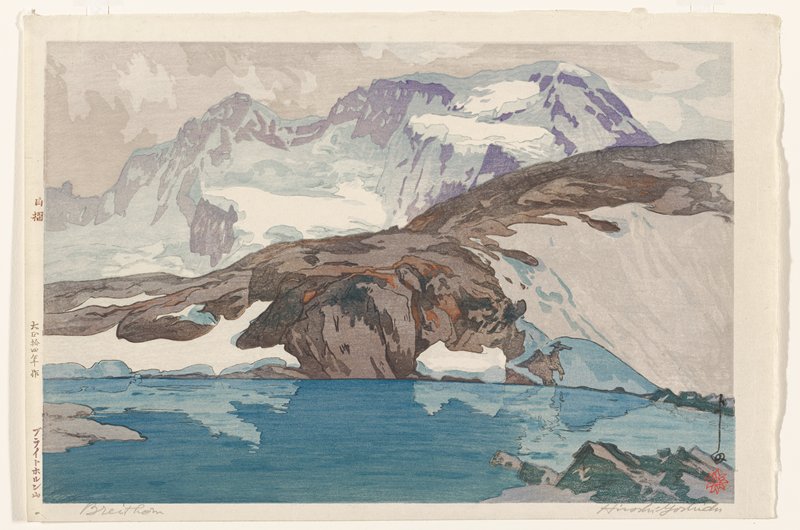
Breithorn
1925
Woodblock print, ink and color on paper
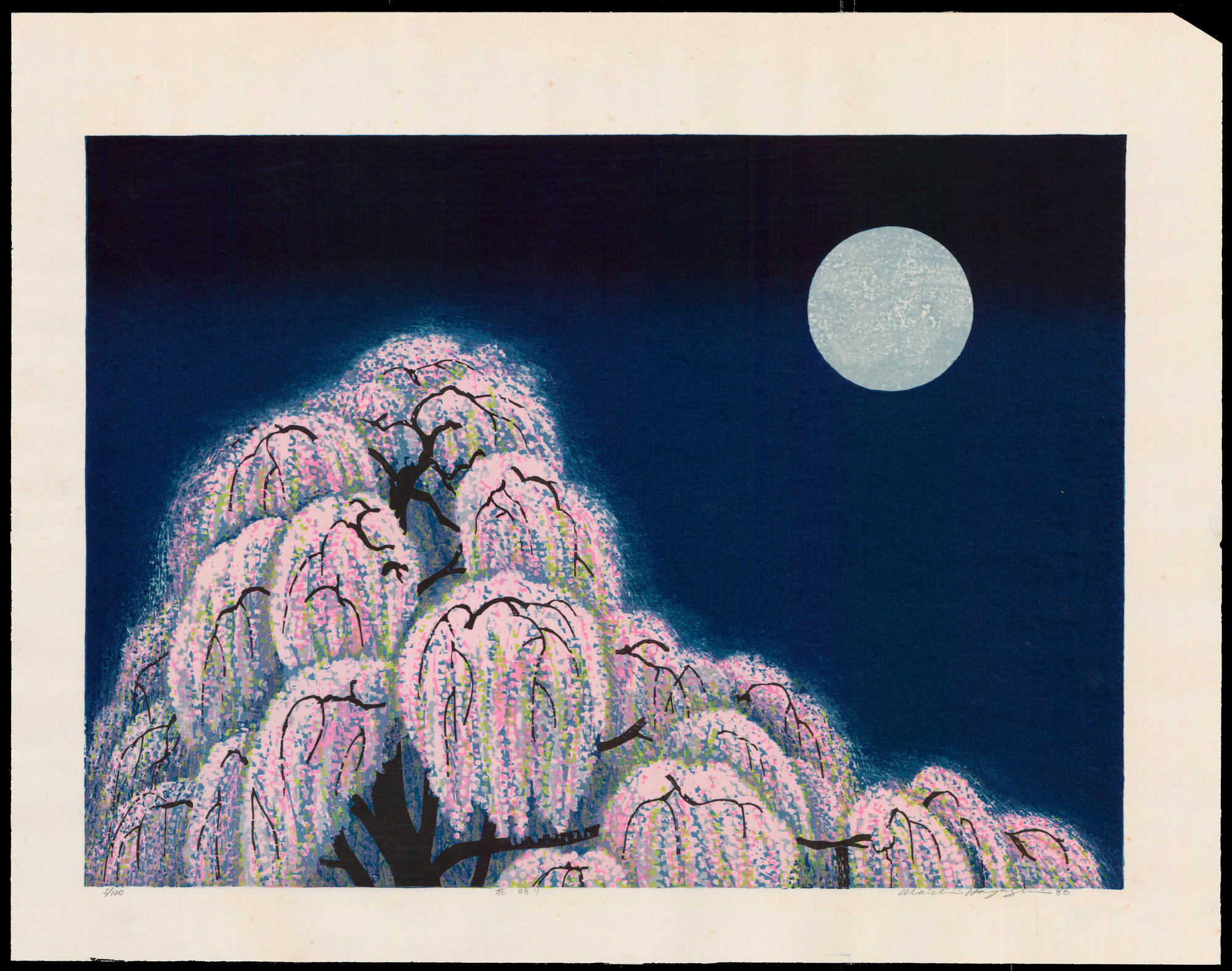
Hayashi, Waichi
Woodblock print

White Mountains
1963
Color woodblock print

Mount Hodaka (Hodakayama)
Hodakayama
1926
Color woodblock print

Matterhorn
1925
Woodblock print, ink and color on paper
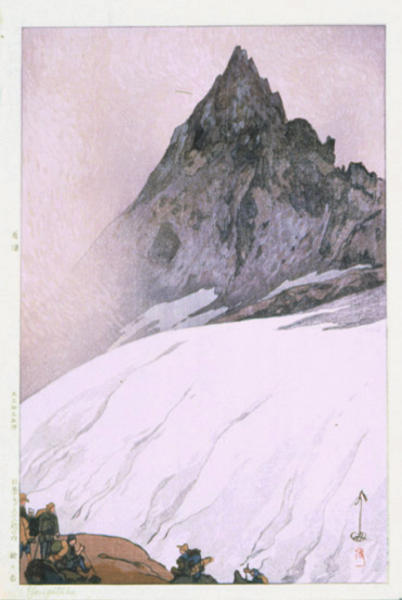
Yarigatake
1926
Woodblock print
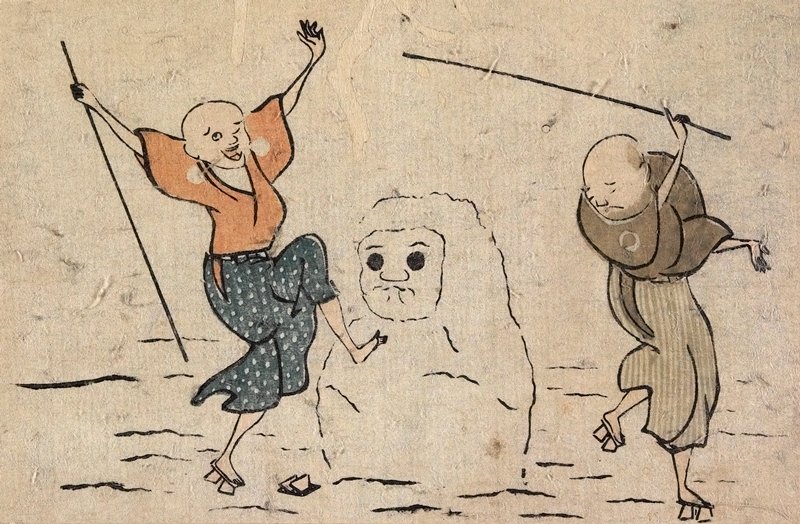
Two Blind Men and Snowman
1780s
Woodblock print (surimono), ink and color on paper
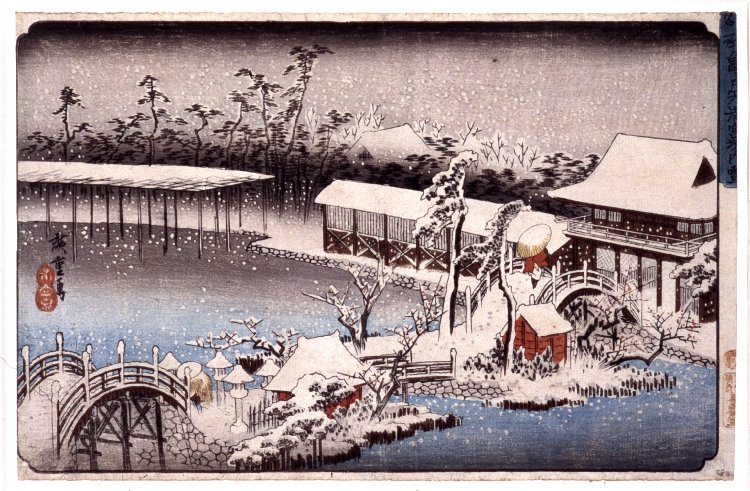
Kameido Tenmangu keidai yuki / Toto Meisho
Woodblock print

Soft Steps
Not set
Woodblock print
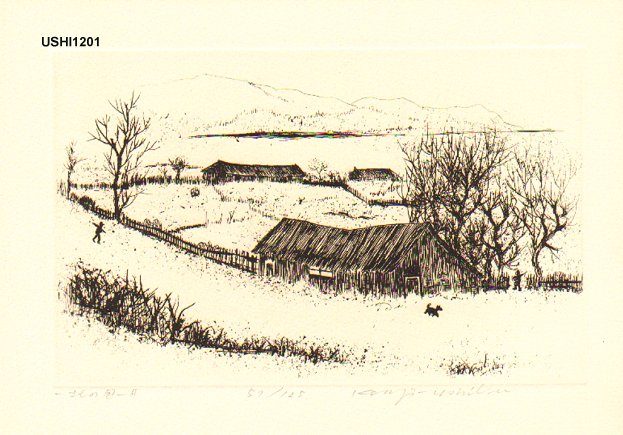
North Country A
Woodblock print
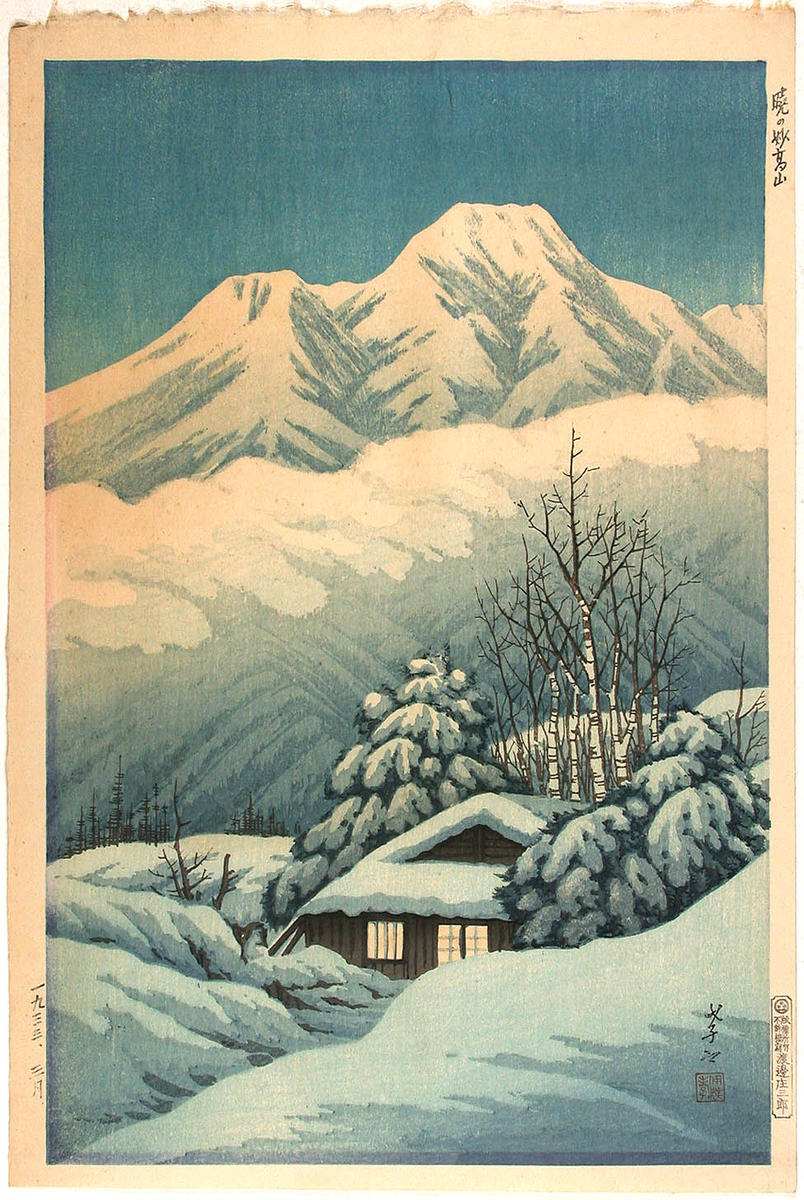
Mt Myoko-zan at dawn
Woodblock print
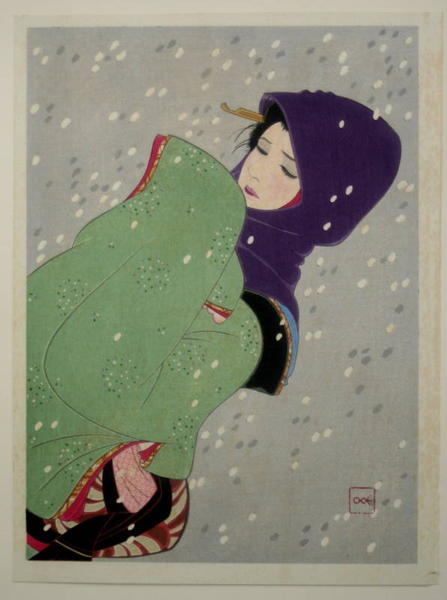
Snowstorm
Woodblock print
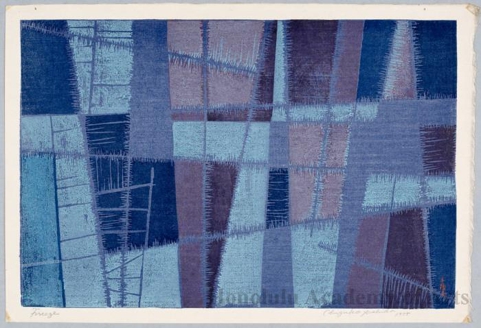
Freeze
Woodblock print

Frosty Morning at Nagaoka, Izu (Izu Nagaoka no Asa)
February 1939
Color woodblock print
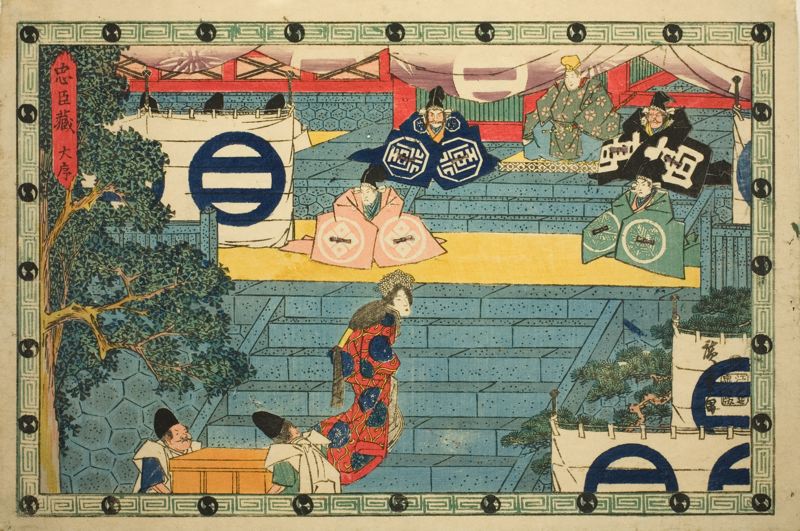
Scene 1 from Act XI of The Revenge of the Loyal Retainers
Woodblock print
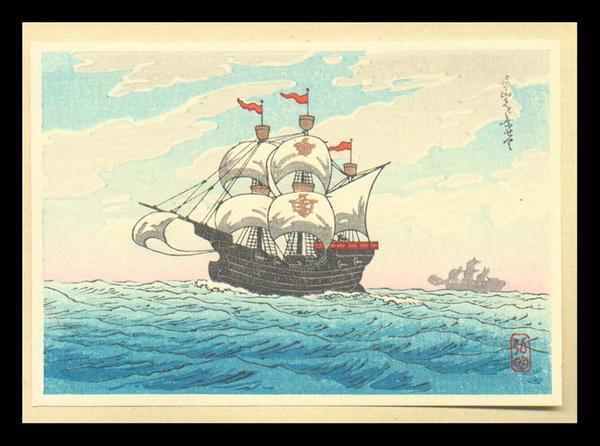
Hope
Woodblock print

White Wilderness
1920s

O Yuki
1905
Color woodcut
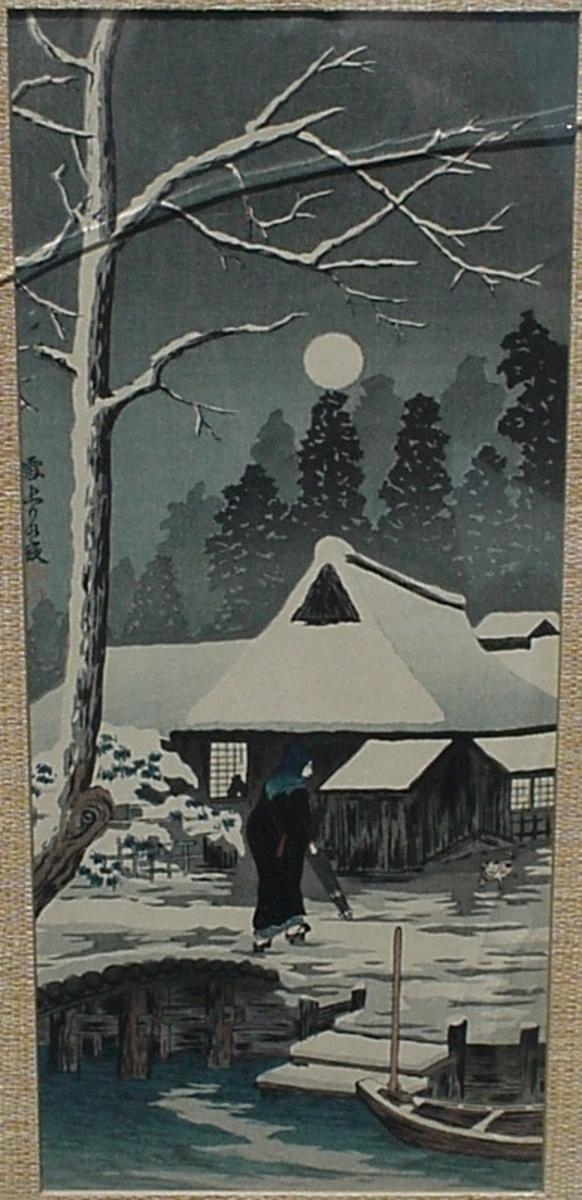
Yukitori No Yoru
Woodblock print
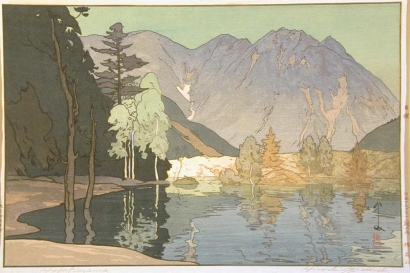
Hodakadake
1926
Woodblock print
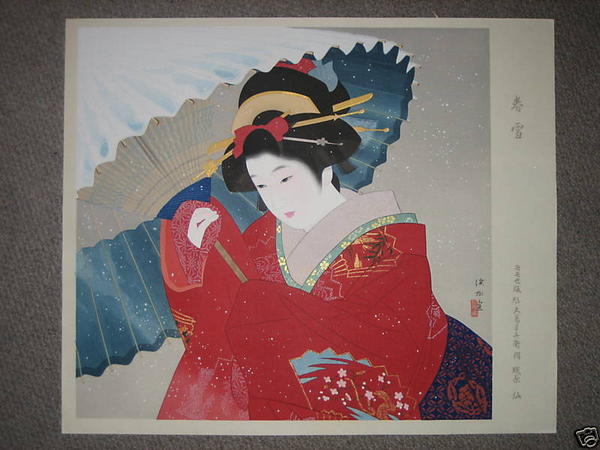
Snowflake
雪
1923
Color woodblock print
February - Wintry Sky
1924
Woodblock print
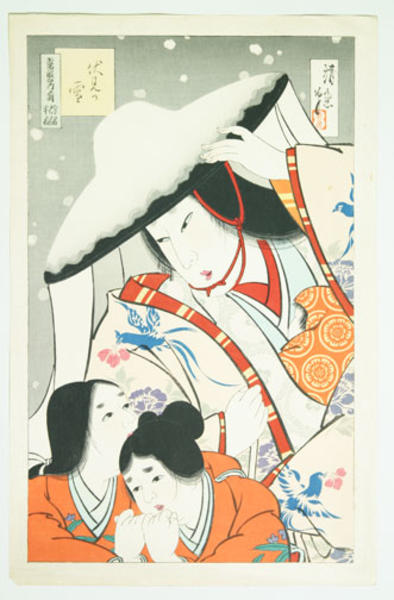
Fushimi no Yuki
Not set
Woodblock print
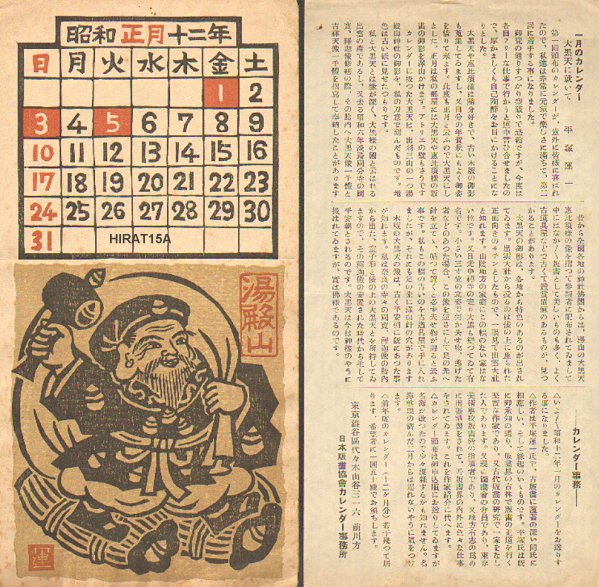
January
Woodblock print
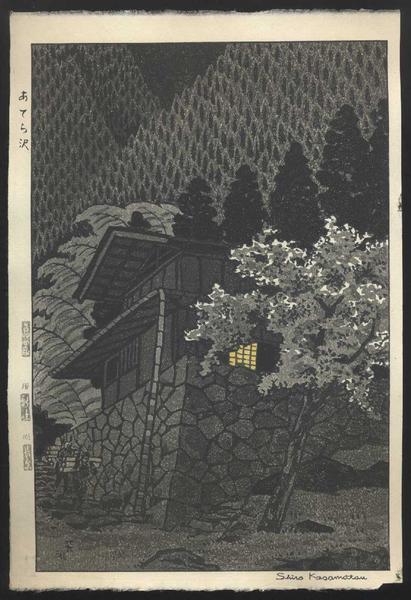
Aterazawa
Woodblock print
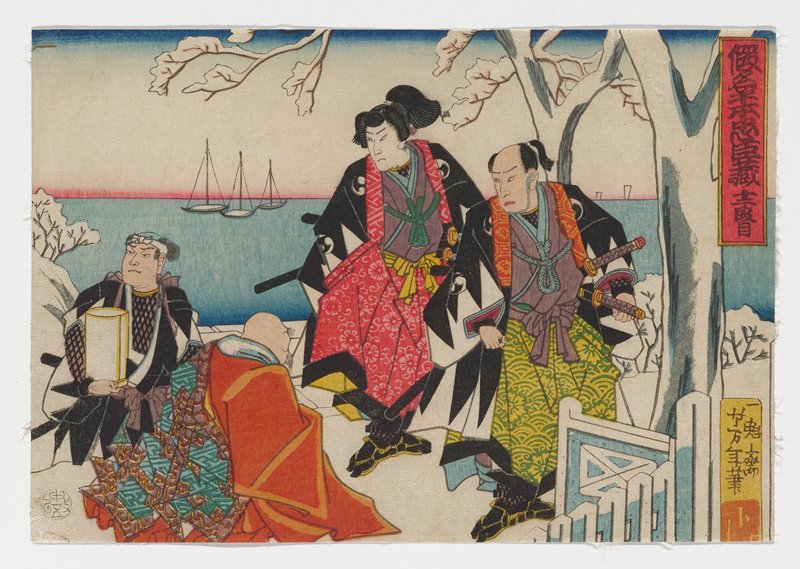
Twelfth Act
1860, 5th lunar month
Woodblock print (nishiki-e), ink and color on paper

Komogatake
1929
Color woodblock print

Tateyama Betsuzan, from the series "Twelve Scenes of Japanese Alps"
1926
Color woodblock print

A Man Skiing (Sukii no otoko)
1955
Color woodblock print; edition 10/50
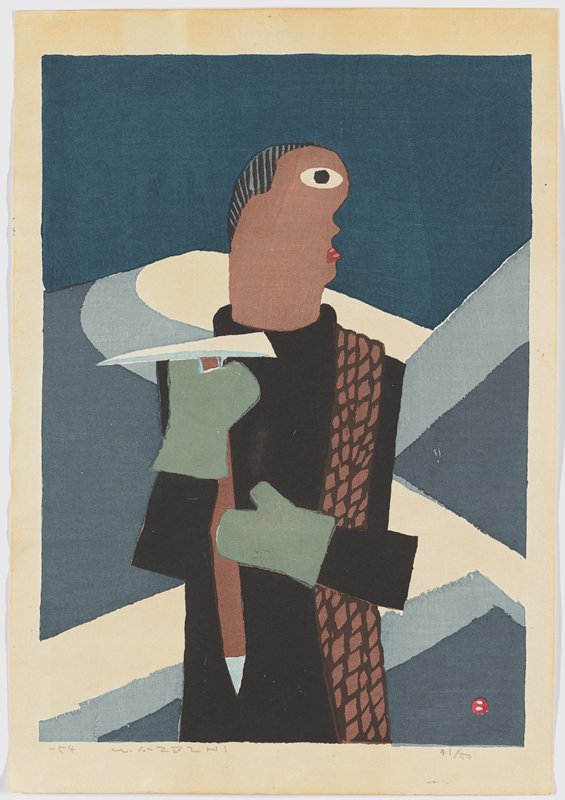
Man with an Ice-ax
1954
Woodblock print, ink and color on paper
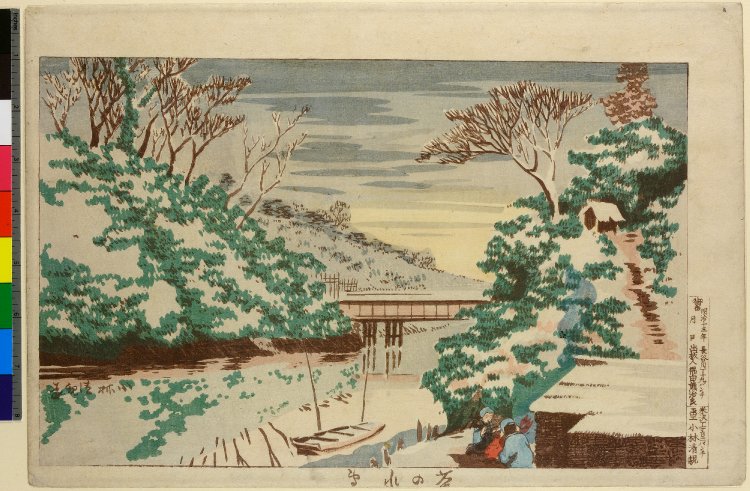
Ochanomizu yuki
Woodblock print

Blue Freeze
1960
Color woodblock print; edition 2/50
Braving the Bitter Cold, Our Troops Set Up Camp at Yingkou
1895 (Meiji 28)
Woodblock print (nishiki-e) triptych; ink and color on paper

White Dream
Woodblock print

Mountaineer and skier
20th century
Color woodblock print

Karasawa
1955
Color woodblock print; edition 6/30

Skier (Sukiya)
1955
Color woodblock print; edition 14/50

Landing and Advance to Weihaiwei (Ikaiei joriku shingun no zu)
1895
Color woodblock print; oban triptych
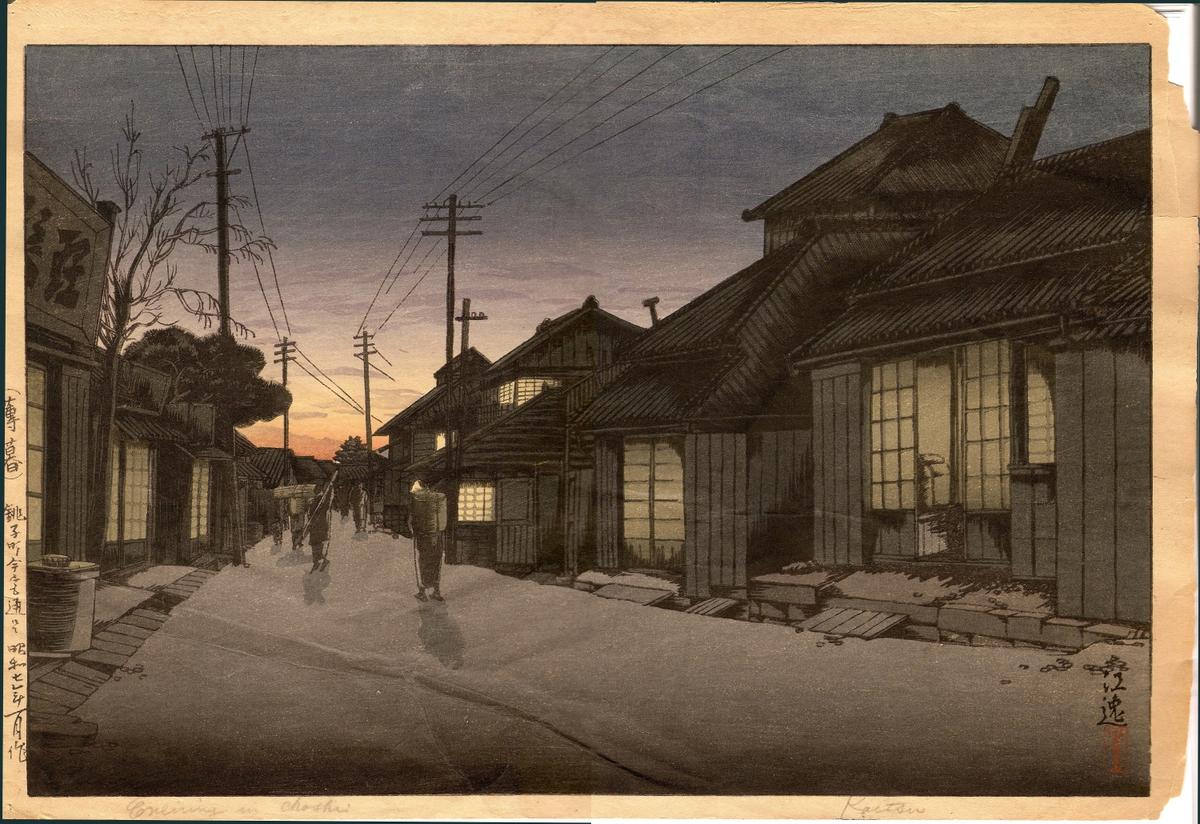
Untitled (ishiwata-koitsu)
Woodblock print
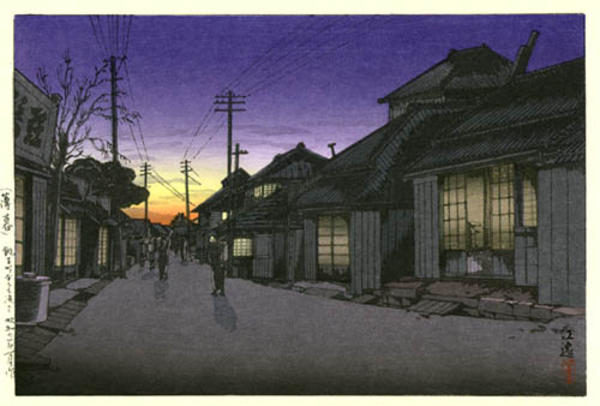
Untitled (ishiwata-koitsu)
Woodblock print
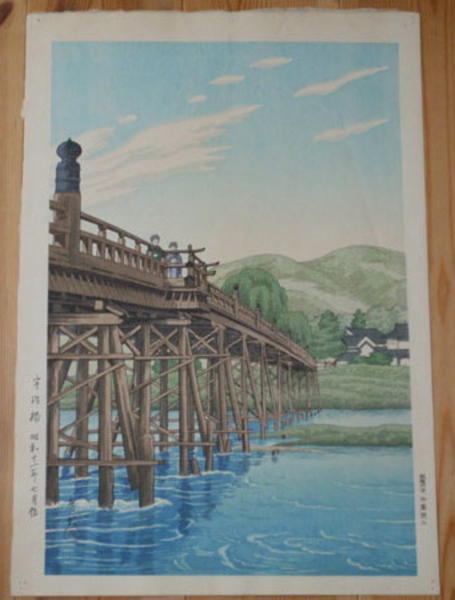
Untitled (ishiwata-koitsu)
Woodblock print
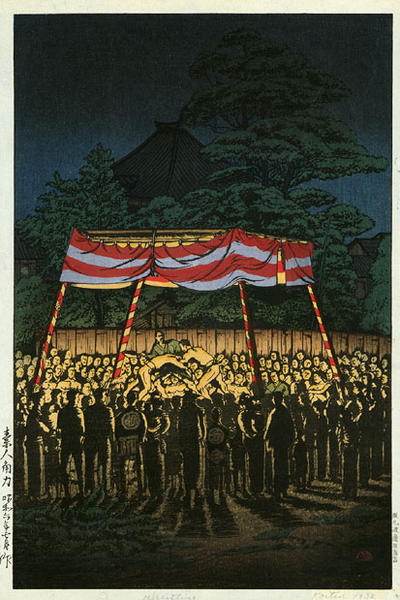
Untitled (ishiwata-koitsu)
Woodblock print

Snow Window
Lithograph
Related Subjects
Frequently Asked Questions
Snow scenes (yuki no keshiki) hold a special place in Japanese woodblock printmaking as one of the tradition's most technically demanding and aesthetically prized subjects. The challenge of depicting whiteness — using the paper itself as the primary "color" for snow — required exceptional planning from the artist and virtuosic restraint from the printer, who had to leave precise areas of the block unprinted while building up surrounding tones.
Kawase Hasui, Kobayashi Kiyochika, and Takahashi Shotei are among the artists most associated with snow scenes in our collection. Browse the full list of artists who explored this subject above.
Hanga currently catalogues 870 prints tagged with snow scenes, spanning ukiyo-e, shin-hanga, and sōsaku-hanga traditions where applicable.