Cherry Blossom Woodblock Prints
桜
Cherry blossoms (sakura, 桜) appear throughout Japanese woodblock printing as a symbol of spring, transience, and the aesthetic of mono no aware. From Hiroshige's blossom-viewing scenes through Hasui's atmospheric night-sakura to contemporary mokuhanga revivals, sakura is one of the genre's most enduring subjects.
About This Collection
Cherry-blossom prints function on multiple registers simultaneously. They are seasonal markers (the bloom is a brief two-week event each spring), aesthetic studies (the petals' pale pink against various background colours has tested every printmaker's bokashi technique), social documents (hanami blossom-viewing parties were a major ukiyo-e subject), and emotional shorthand (the Buddhist-Shinto sense of impermanence — that beauty derives in part from its transience — is more closely associated with sakura than with any other subject).
Edo-period treatments are varied. Hiroshige's 'One Hundred Famous Views of Edo' includes multiple sakura prints depicting the famous viewing locations along the Sumida River and at Asukayama. Bijin-ga frequently set female figures against blossoming branches. The shin-hanga generation extended the genre — Hasui's 'Spring at Daigoji Temple' and similar works added evening and night sakura, with the petals against deep indigo skies, while Yoshida produced multiple cherry-blossom prints from his Japan Alps and Kyoto tours. Sōsaku-hanga artists tended to abstract the petal forms while preserving the seasonal reference.
This collection gathers cherry-blossom prints from the Hanga catalogue across all major printmaking traditions. Browse to compare Edo-period and shin-hanga treatments of the same subject, and to see how a single seasonal motif served as a continuous testing ground for technical innovation in Japanese woodblock printing.
Prints in This Collection (60)

Kumoi Cherry Trees (Kumoi sakura)
Kumoi sakura
1926
Color woodblock print

Hirosaki Castle, from the series "Eight Views of Cherry Blossoms"
1935
Color woodblock print

Chion-in Temple Gate (Romon), from the series Eight Scenes of Cherry Blossoms (Sakura hachidai)
Romon
1935
Color woodblock print
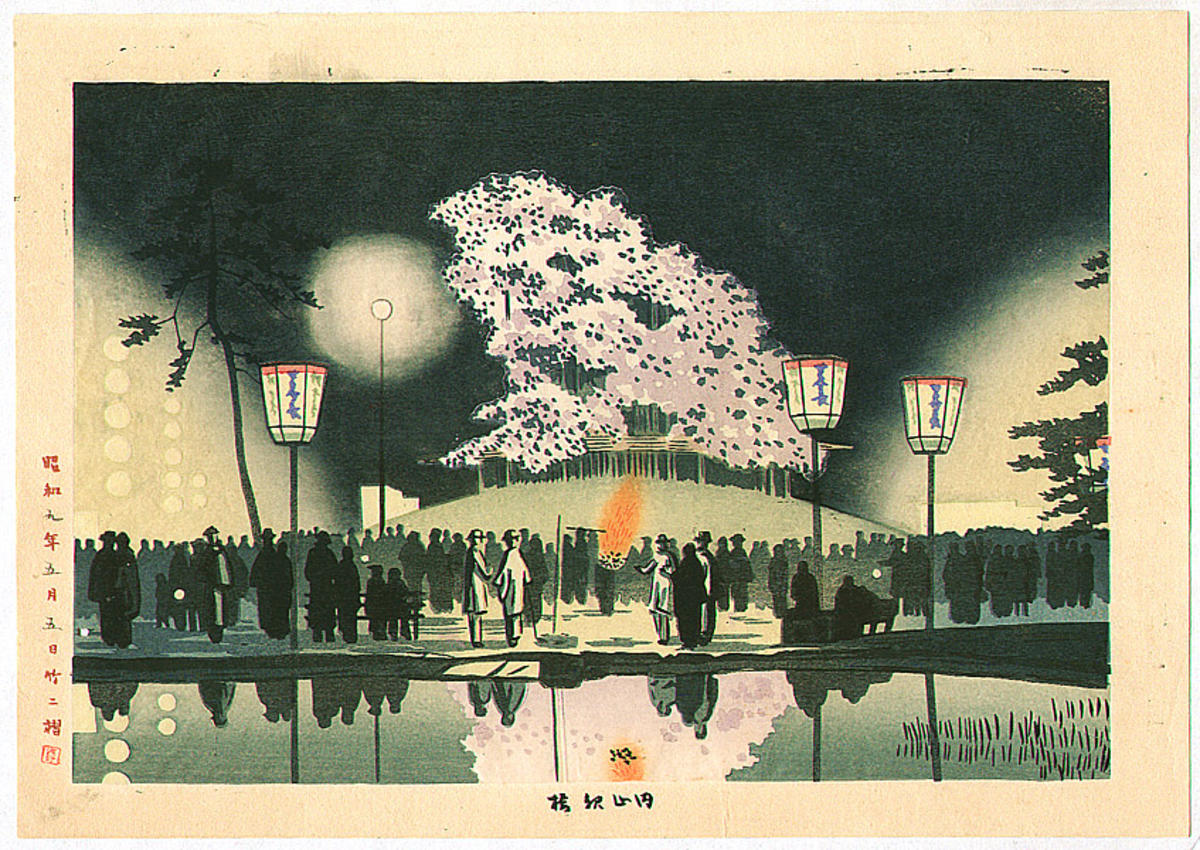
Cherry Blossoms at Maruyama Park
円山公園桜
Woodblock print
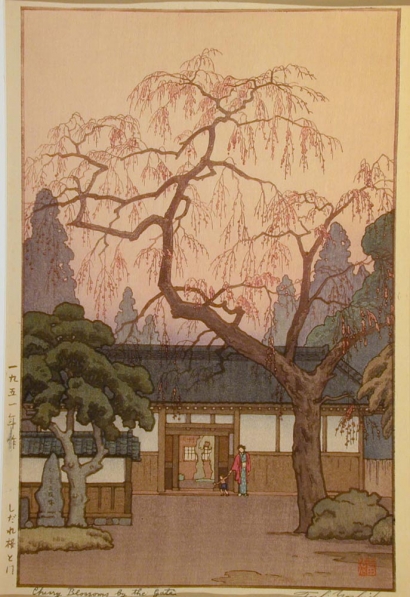
Cherry Blossoms
Woodblock print
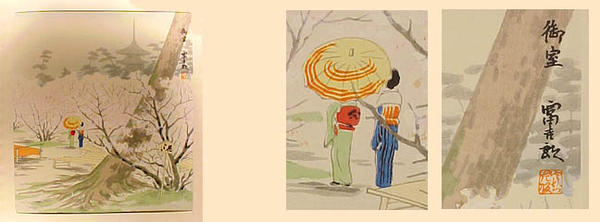
Cherry Blossoms at Omuro
Woodblock print

Cherry Blossoms in Full Bloom at Arashiyama (Arashiyama manka), from the series "Famous Places in Kyoto (Kyoto meisho no uchi)"
c. 1834
Color woodblock print; oban
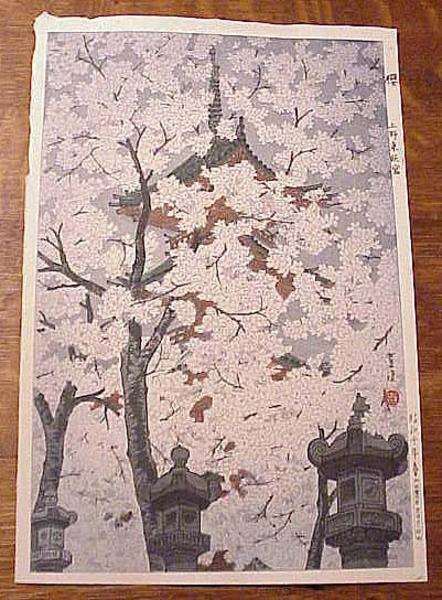
Cherry Blossoms at the Tôshôgû Shrine in Ueno (Sakura, Ueno Tôshôgû)
Woodblock print
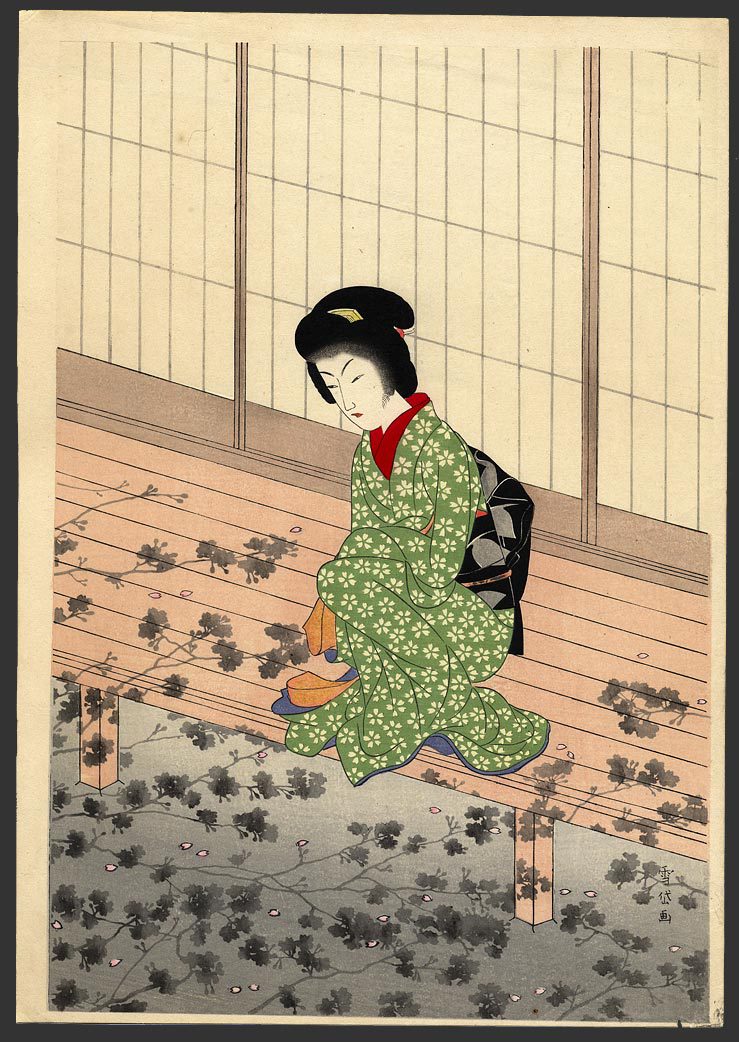
Shadow of a Cherry Tree
1933
Painting
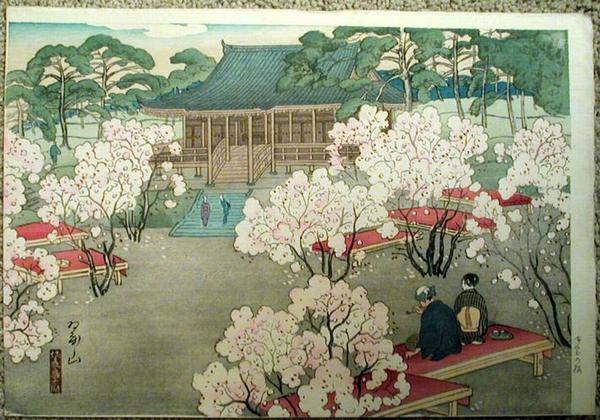
Cherry Blossoms at Mimuro
Woodblock print
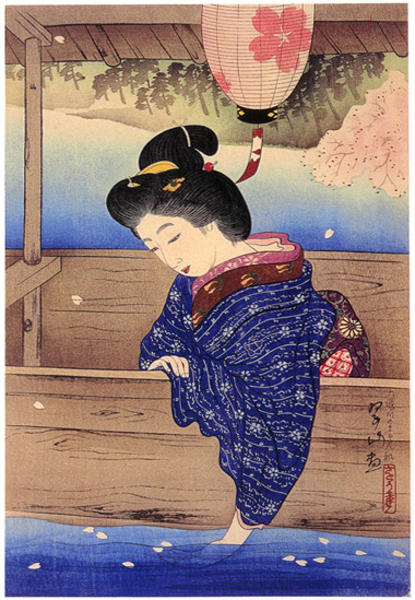
Cherry Blossoms on a boat on Oi River
Woodblock print
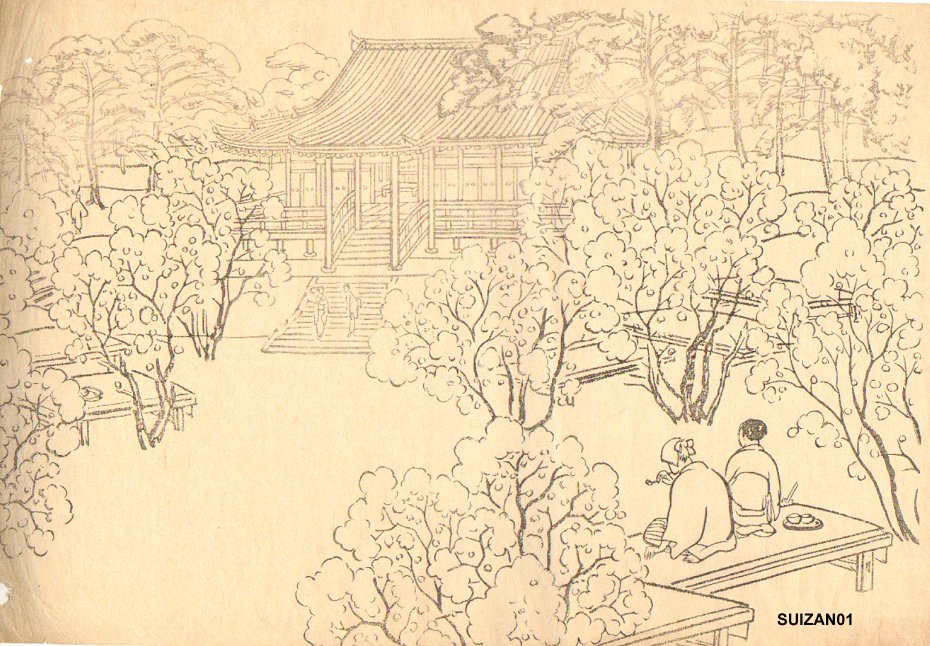
Key block for Cherry Blossoms at Omuro
Woodblock print

Carp and Cherry
c. 1949
Color woodblock print
Cherry Blossom Viewing in the Evening at Gion
20th century
Woodblock print; ink and color on paper
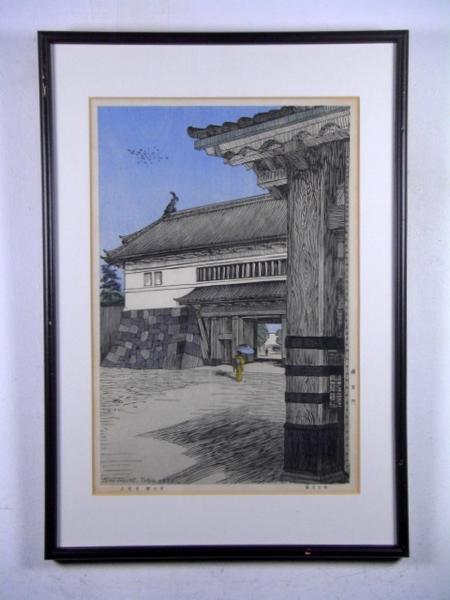
Sakura-Mon — 桜田門
Woodblock print
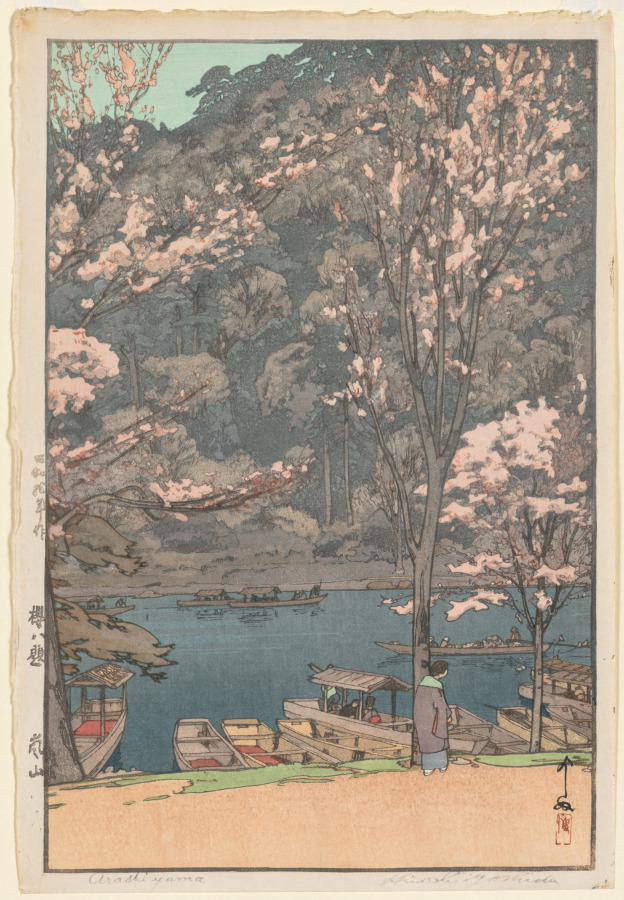
Eight Scenes of Cherry Blossom: Arashiyama
after 1935
Color woodblock print
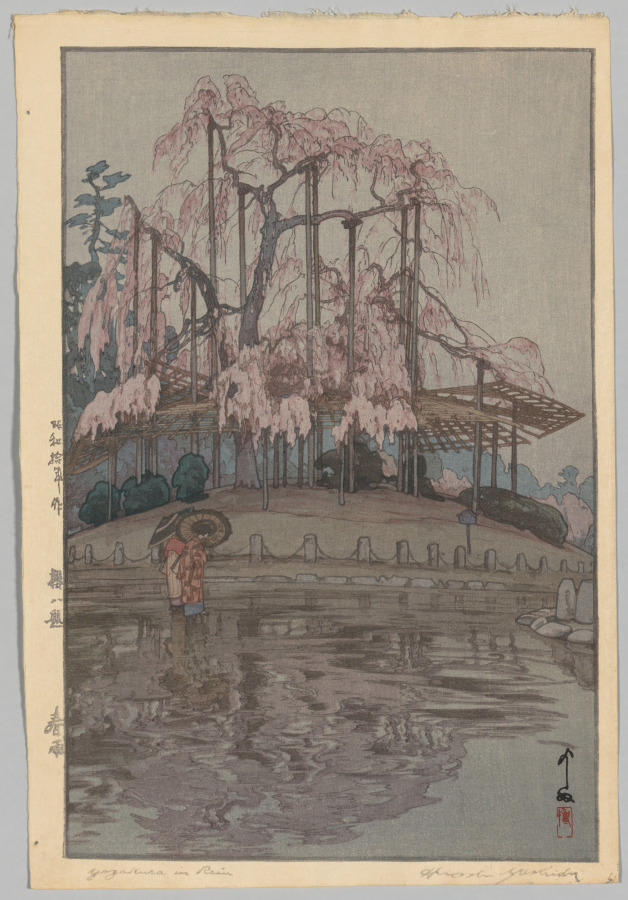
Eight Scenes of Cherry Blossoms: Spring Rain (Sakura hachidai: Harusame)
after 1935
Color woodblock print
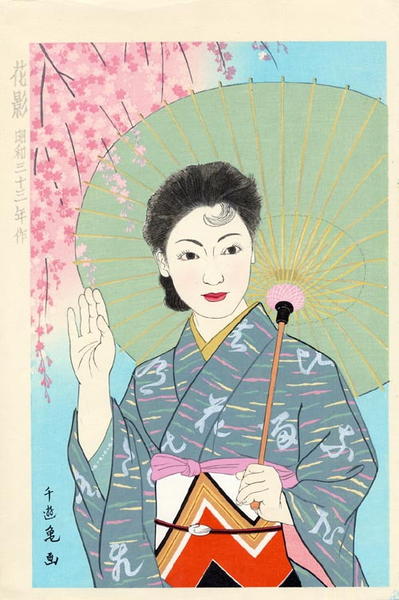
April- Shade of Cherry Blossoms
1958
Woodblock print
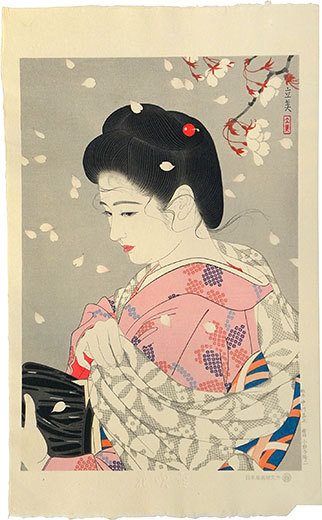
Five Figures of Modern Beauties: Cherry Blossoms Blizzard (Gendai Bijin Fuzoku Gotai: Hana Fubuki)
1953
Woodblock print
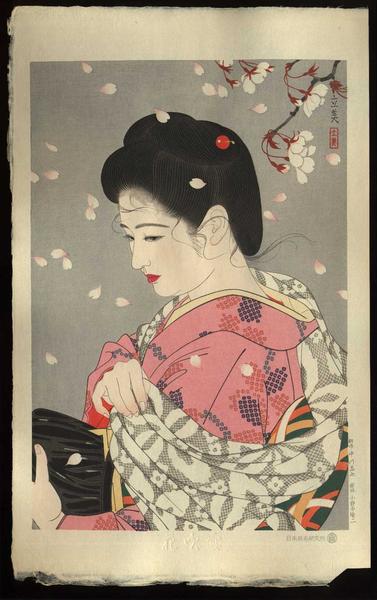
Hanafubuki (Falling Cherry Blossoms) — 花吹雪
1953
Woodblock print

Cherry Blossom Tree Kanda
20/200, 2000
Woodblock print

Triptych: Village of Cherry Blossoms, from the series Esteemed Towns and Villages (Tôsei furaku tsû), Meiji period, 1897
Meiji period, 1868-1912
Woodblock print
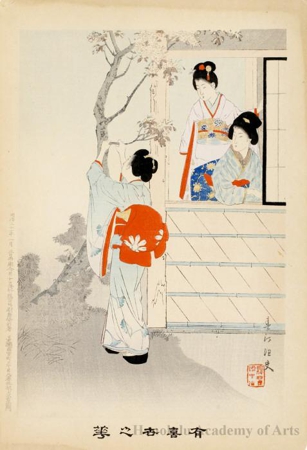
Women under Cherry Blossoms (descriptive title)
1898
Woodblock print
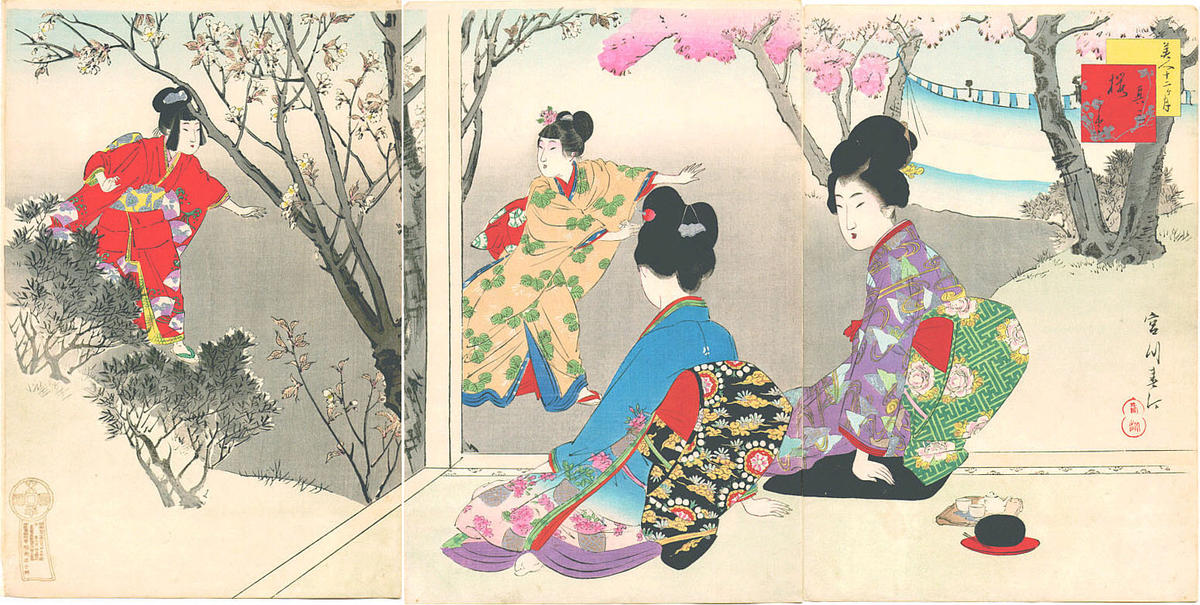
March — 其三 桜あそび
1898
Woodblock print
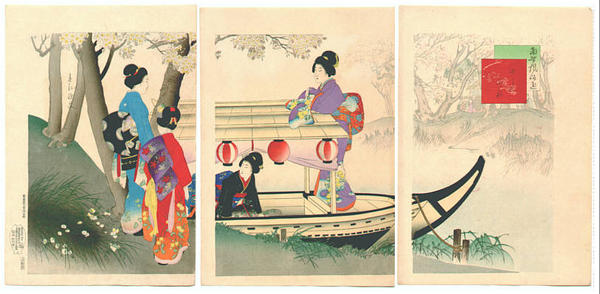
Beauty and Cherry Blossom — Yusan-bune
1899
Woodblock print
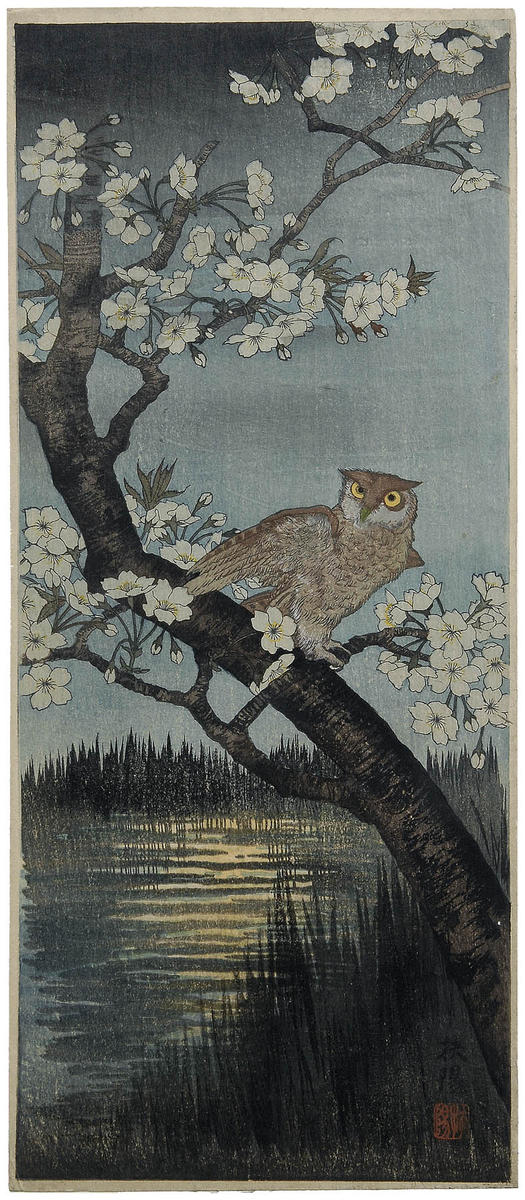
Owl and Cherry
1930
Woodblock print
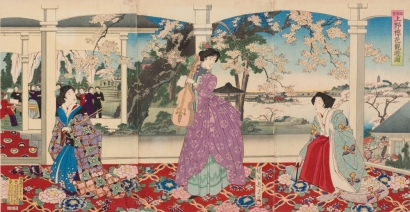
Dance Party: Enjoying Cherry Blossom Viewing at Ueno
Woodblock print
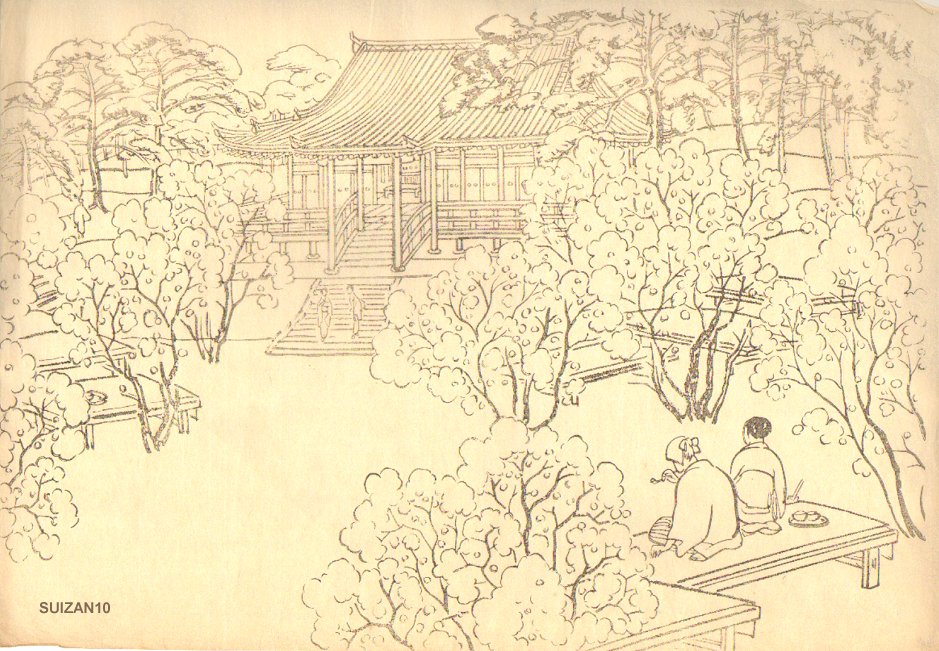
Cherry Blossoms at Omuro
Woodblock print
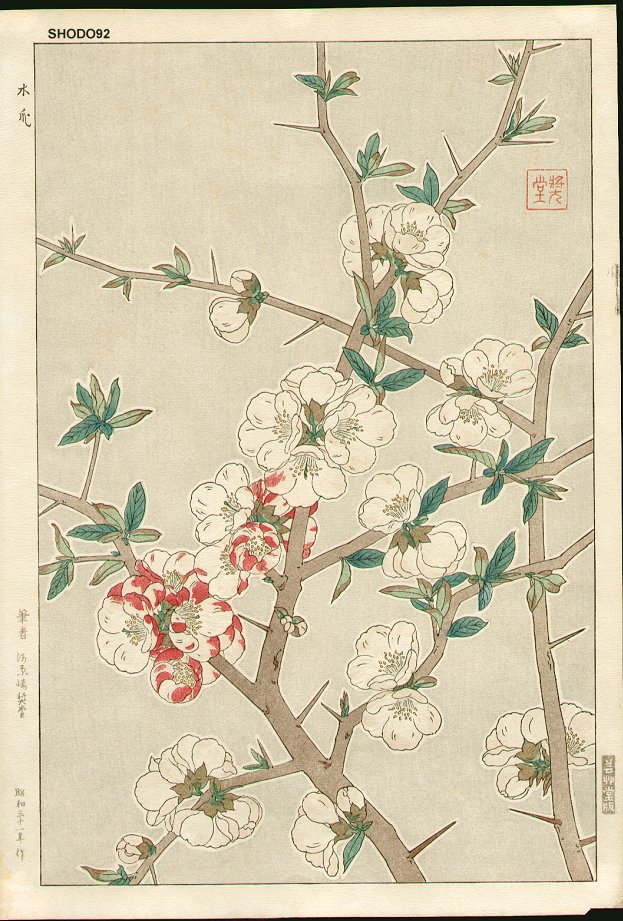
Cherry blossoms
Woodblock print
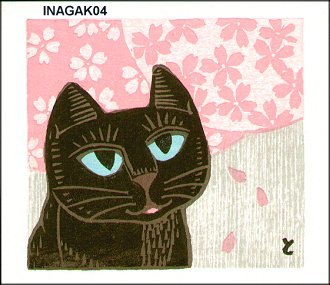
Black cat and cherry blossoms
Woodblock print
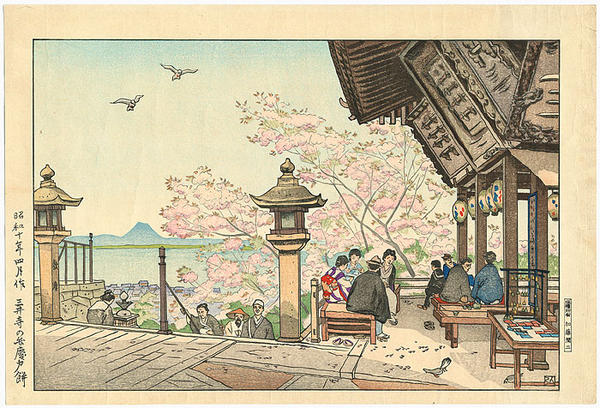
People eating Benkei Chikara mochi under cherry blossoms at Mii Temple — 三井寺の弁慶力餅
Woodblock print
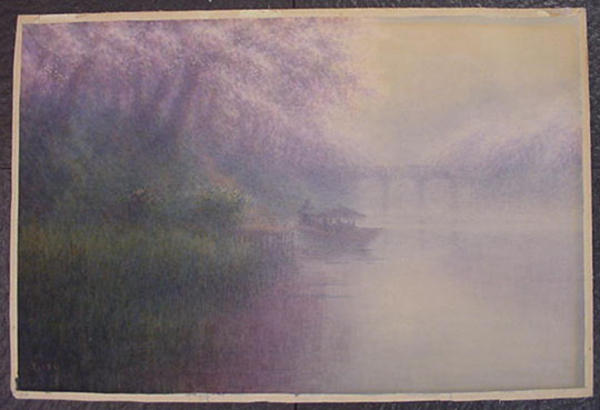
Cherry Blossoms at Koganei, Outskirts of Tokyo
Woodblock print
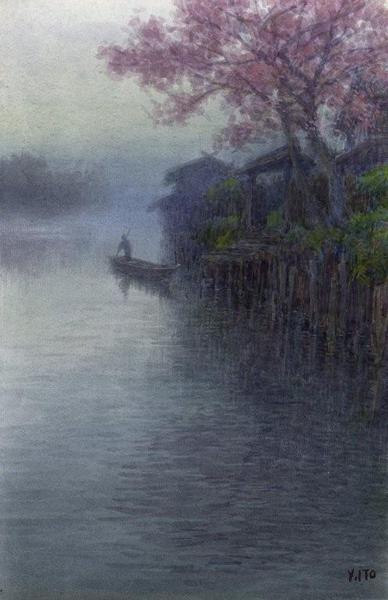
Cherry Blossoms and boat
Woodblock print
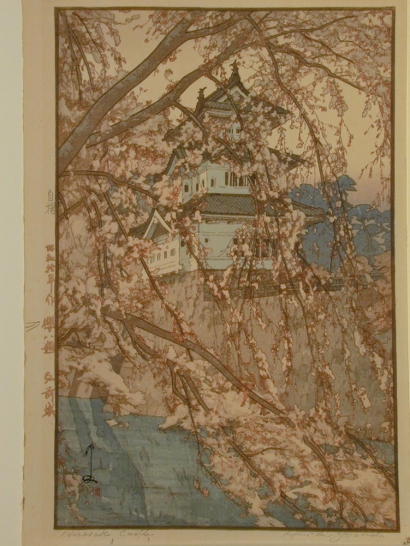
Hirosaki Castle from Sakura Ha-dai
1935
Woodblock print
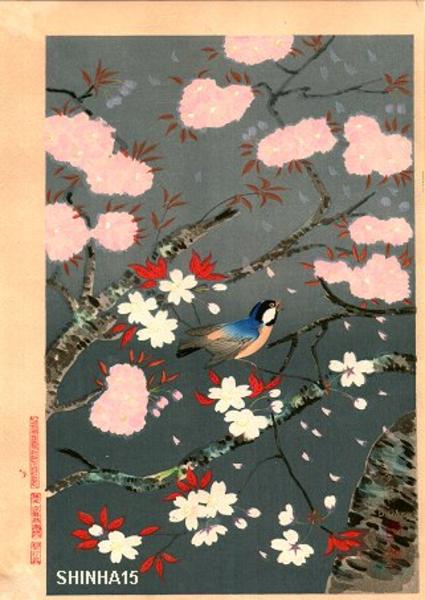
Bird and cherry blossoms - V1 — 桜と小鳥
Woodblock print
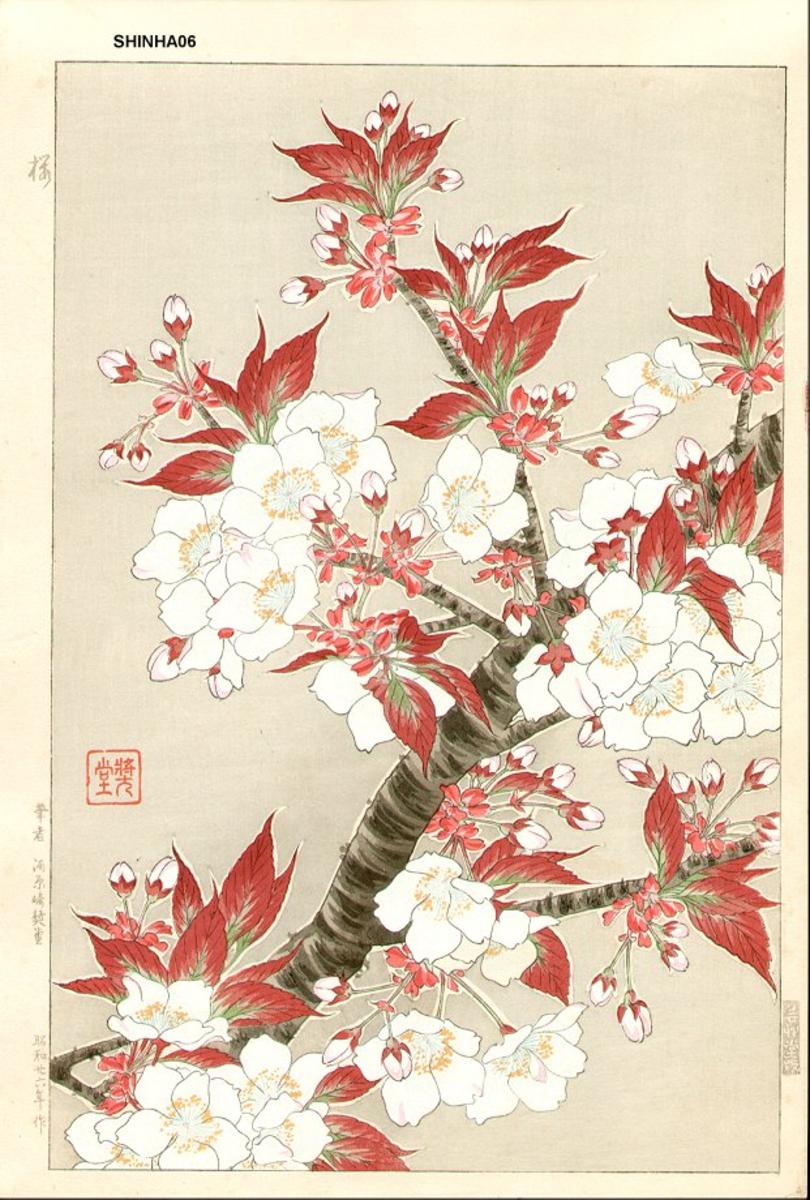
Cherry
Woodblock print

Mount Fuji with Cherry Trees in Bloom
c. 1801/05
Color woodblock print; surimono
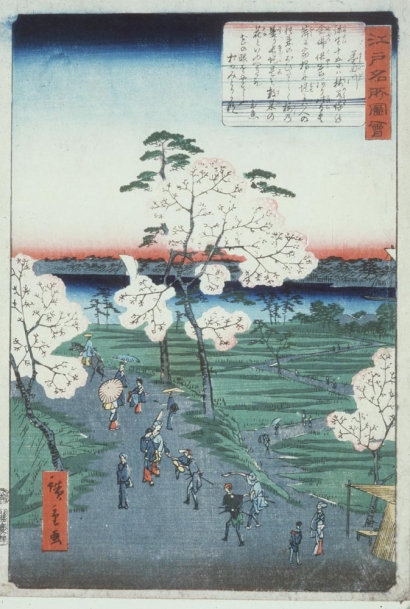
Sumidagawa, Cherry Blossom Viewing
Woodblock print
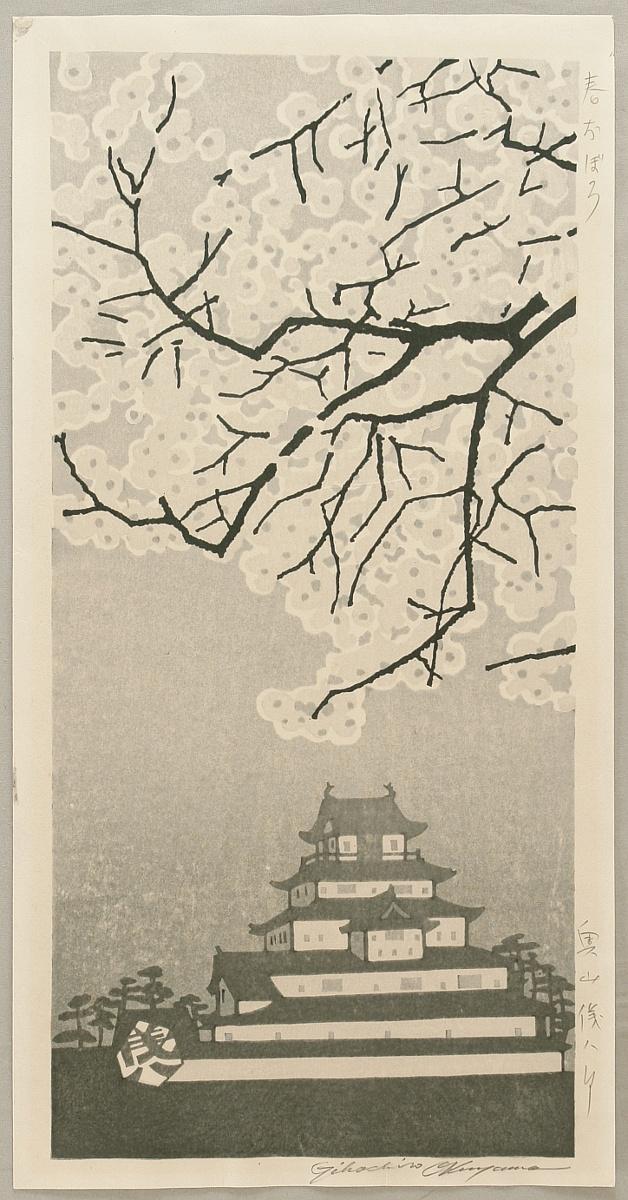
Castle and Cherry Tree
Woodblock print
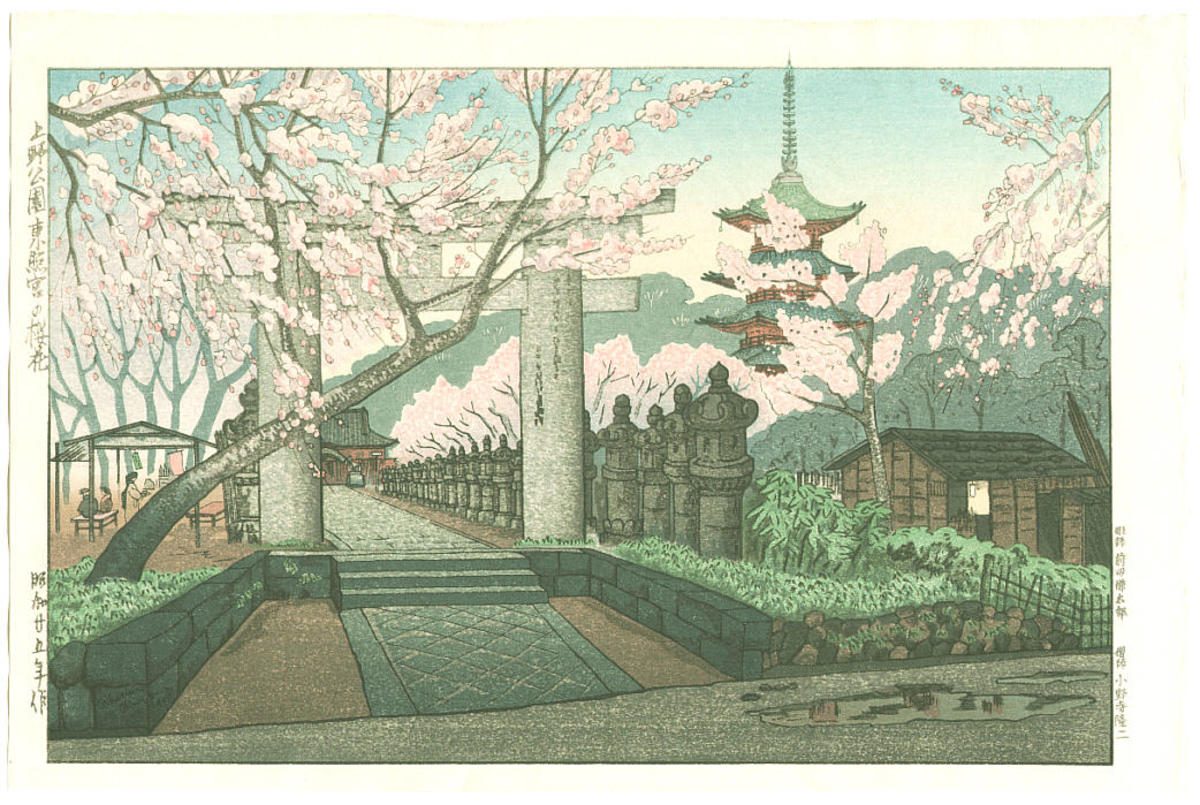
Cherry Blossoms at Toshogu Shrine
Woodblock print
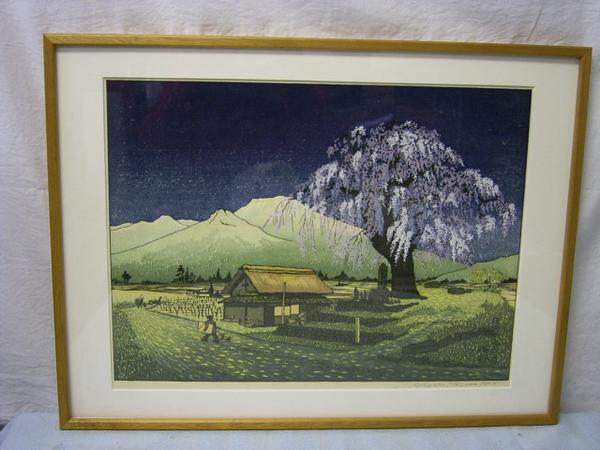
Sakura
Woodblock print
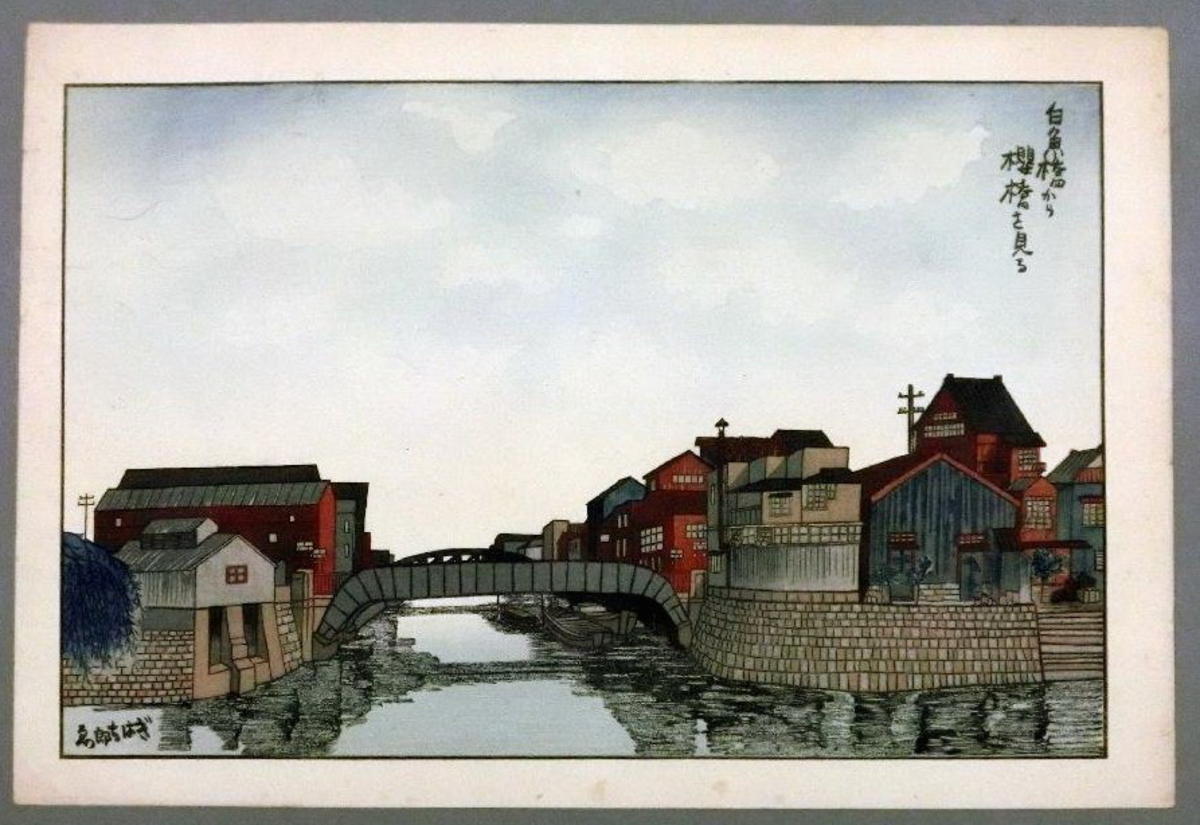
Sakura Bridge from Shirauobashi — 白魚橋から桜橋を見る
Woodblock print
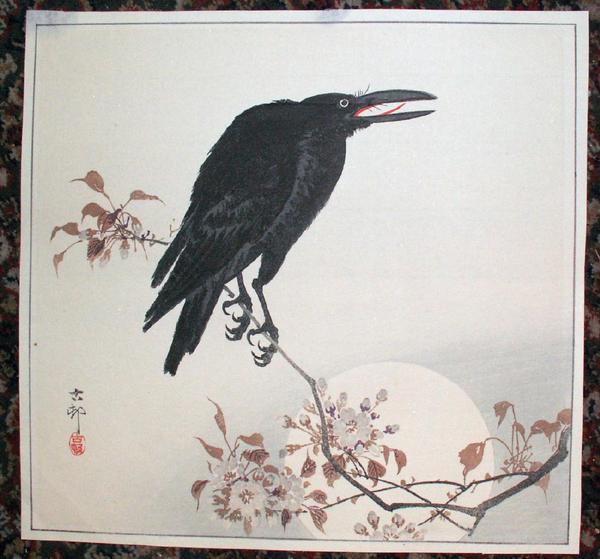
Crow on Cherry Branch
桜に烏
c. 1910
Color woodblock print

Cherry Blossoms at Ueno
上野の桜
c. 1925
Color woodblock print

Blooming Cherry at Toshogu Shrine
東照宮の桜
1935
Color woodblock print
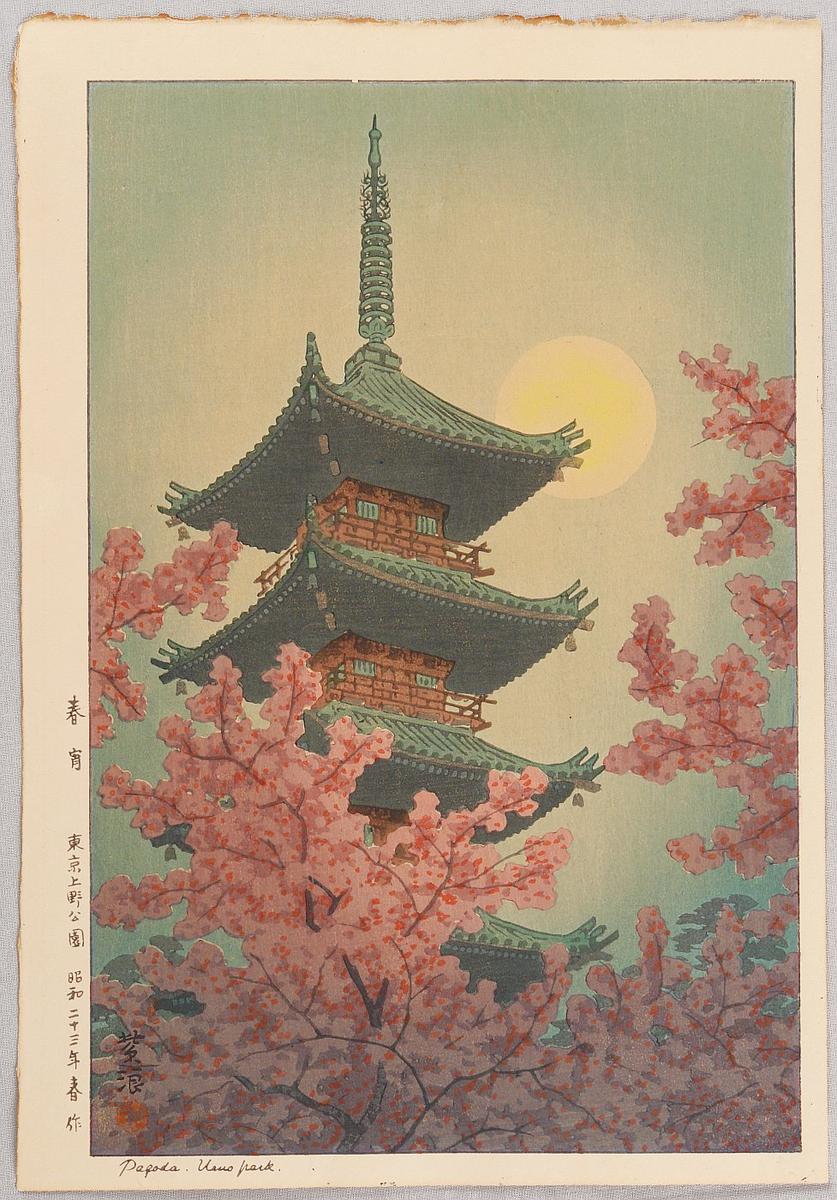
Cherry and Toshogu
Woodblock print
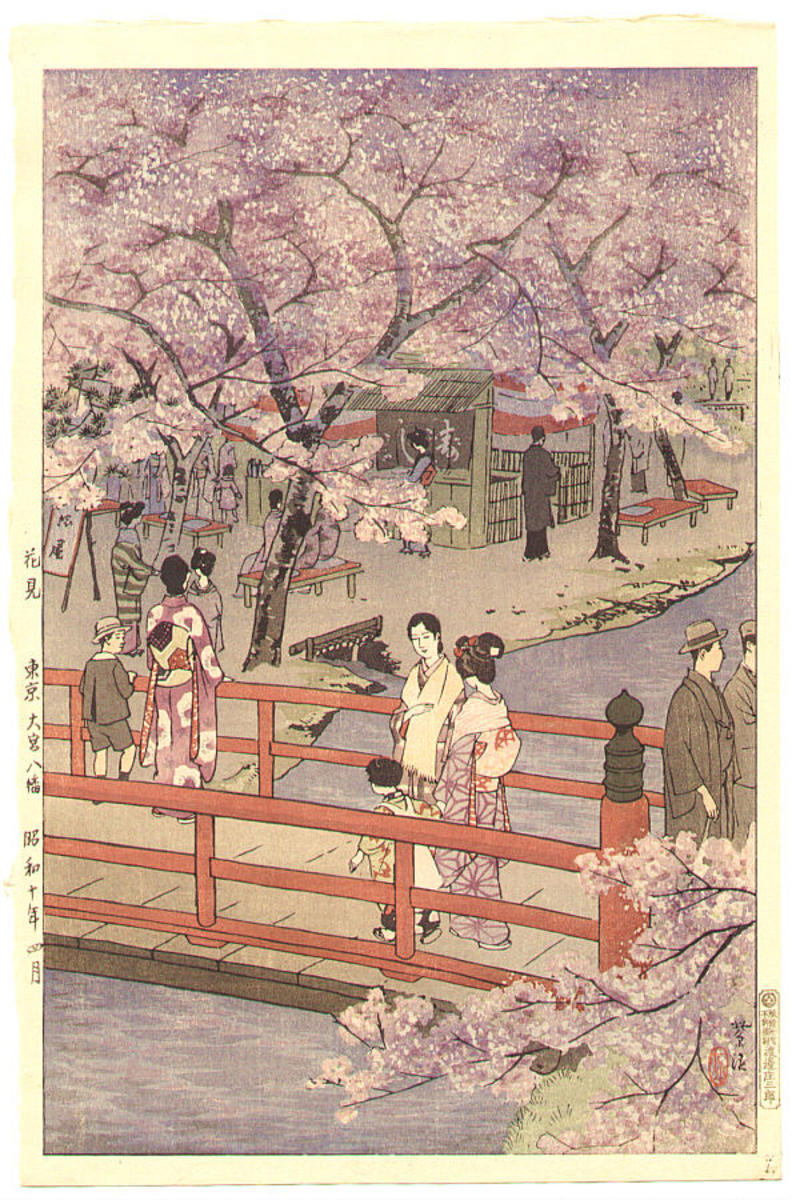
Cherry Blossom Viewing
Woodblock print
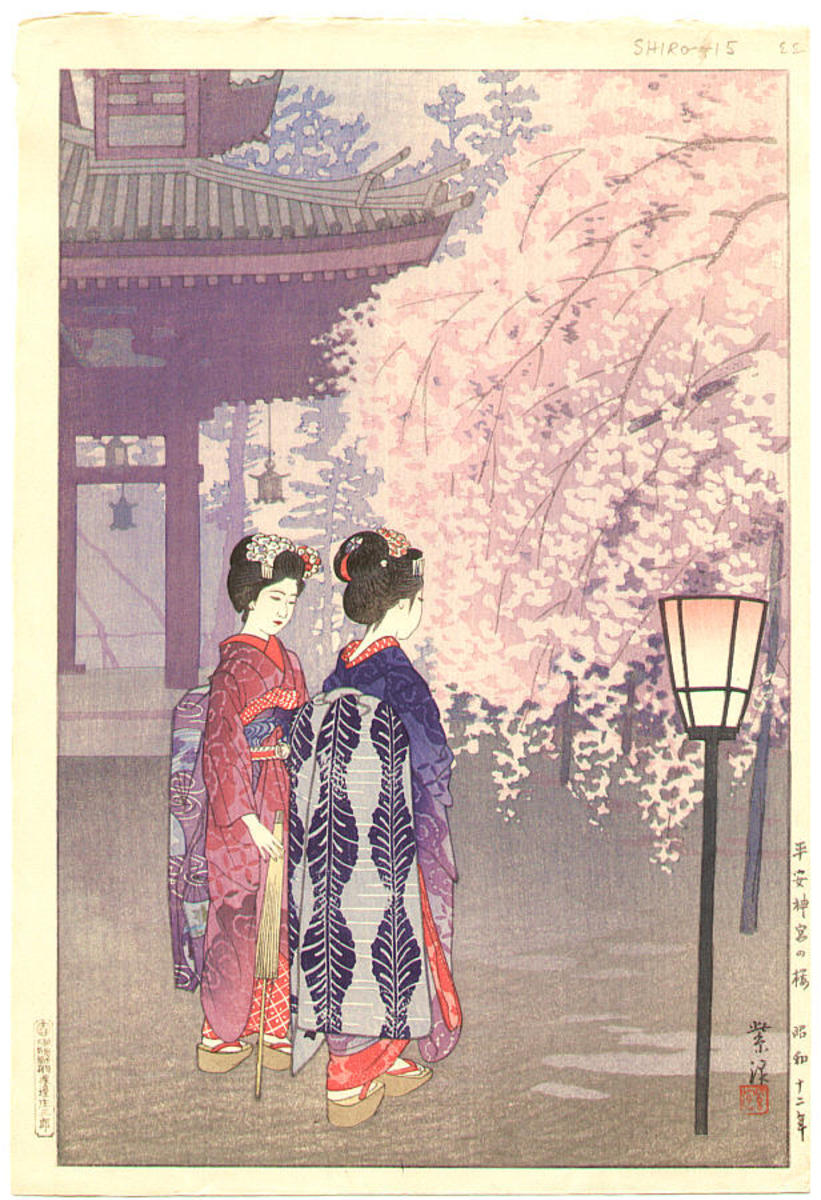
Cherry Blossoms at Heian Jingu Shrine
Woodblock print
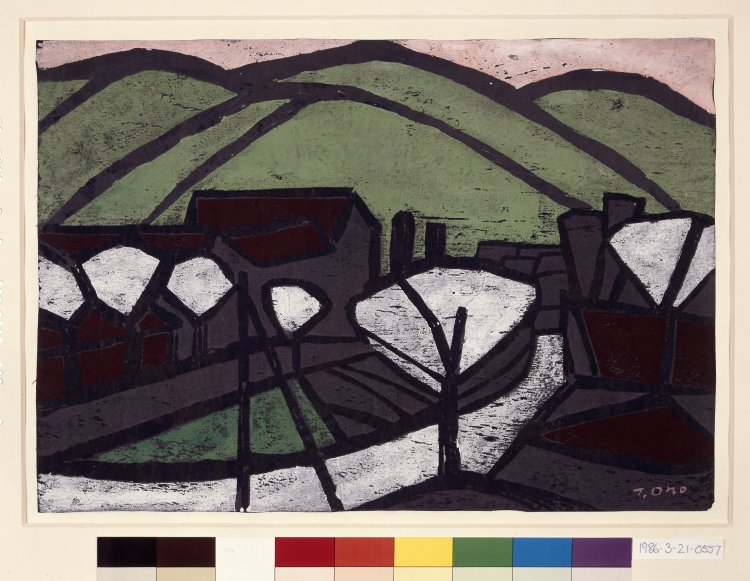
Sakura (Cherry Blossoms)
Woodblock print
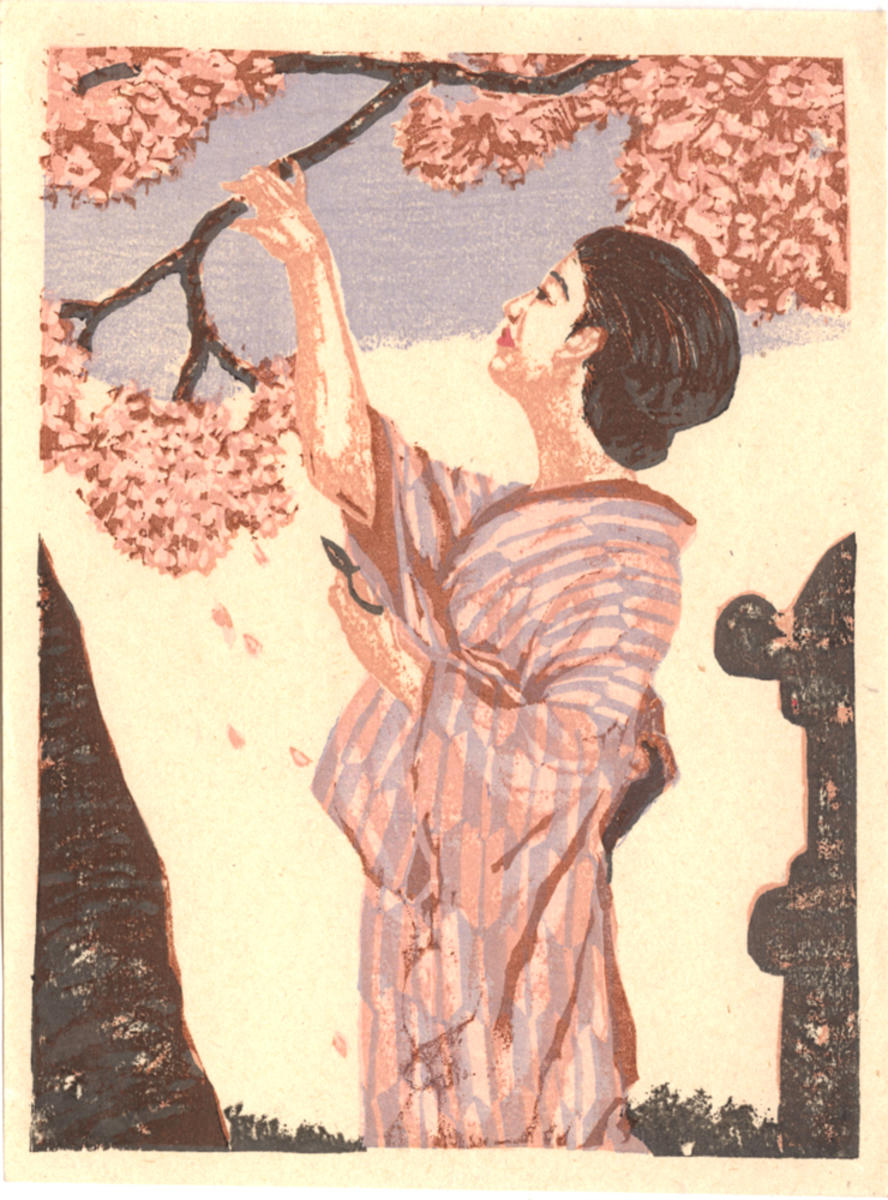
Cherry blossom time — 花時
Woodblock print
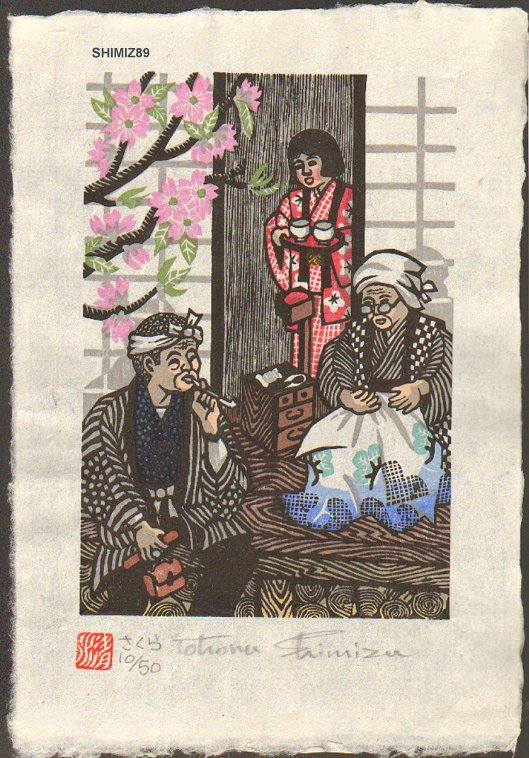
SAKURA (cherry blossom)
Woodblock print
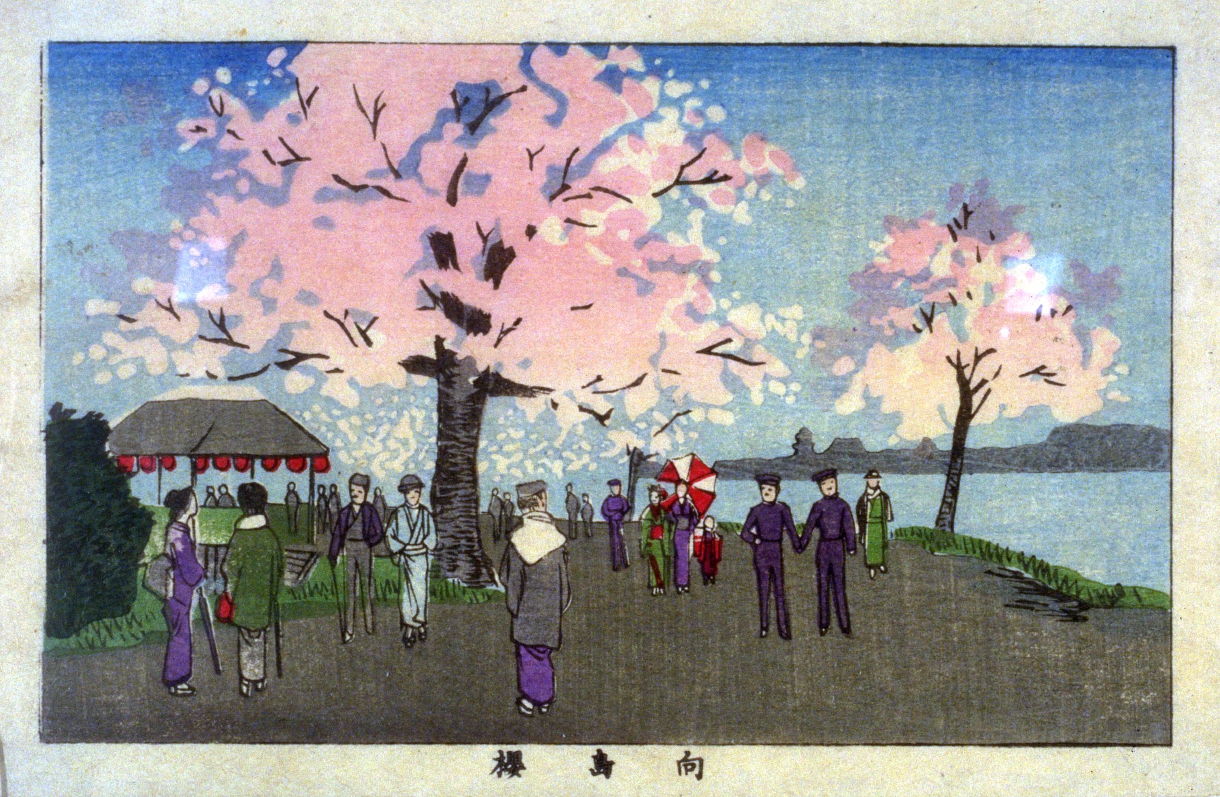
Mukojima sakura
Woodblock print
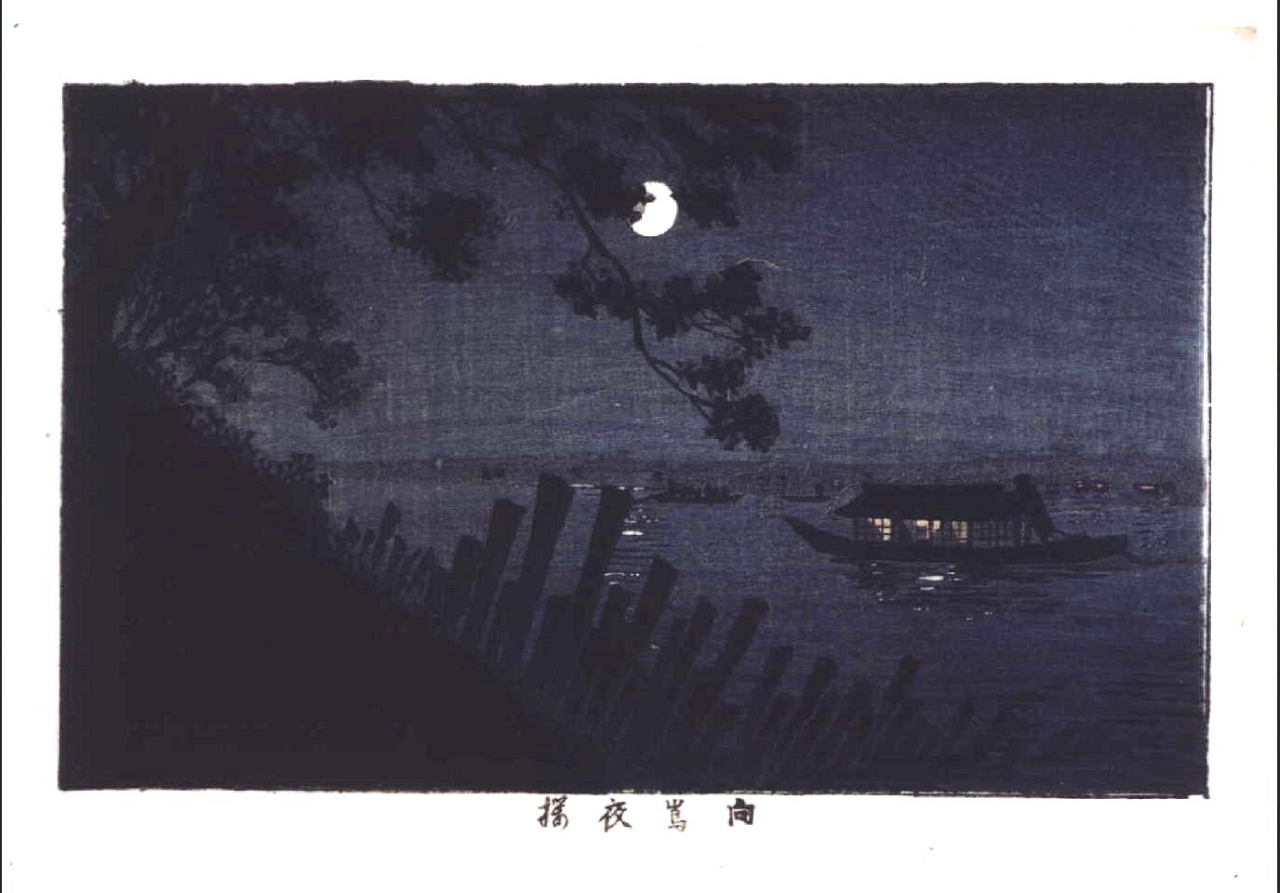
True Pictures of Famous Places in Tokyo: Night View of Cherry Blossom on Mukojima
Woodblock print
Moon and Cherry Blossoms
Woodblock print
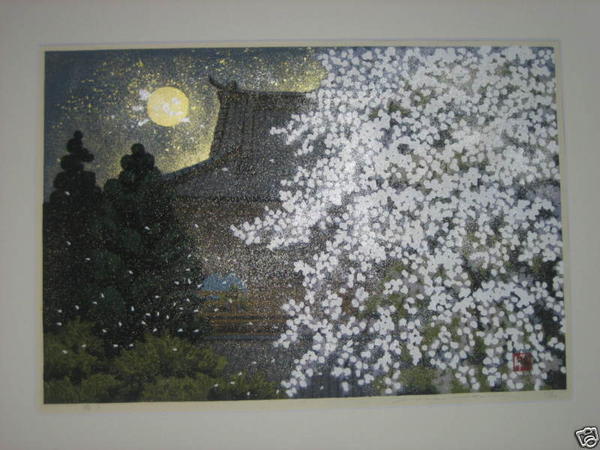
Temple and cherry blossoms on a sunny day
Woodblock print
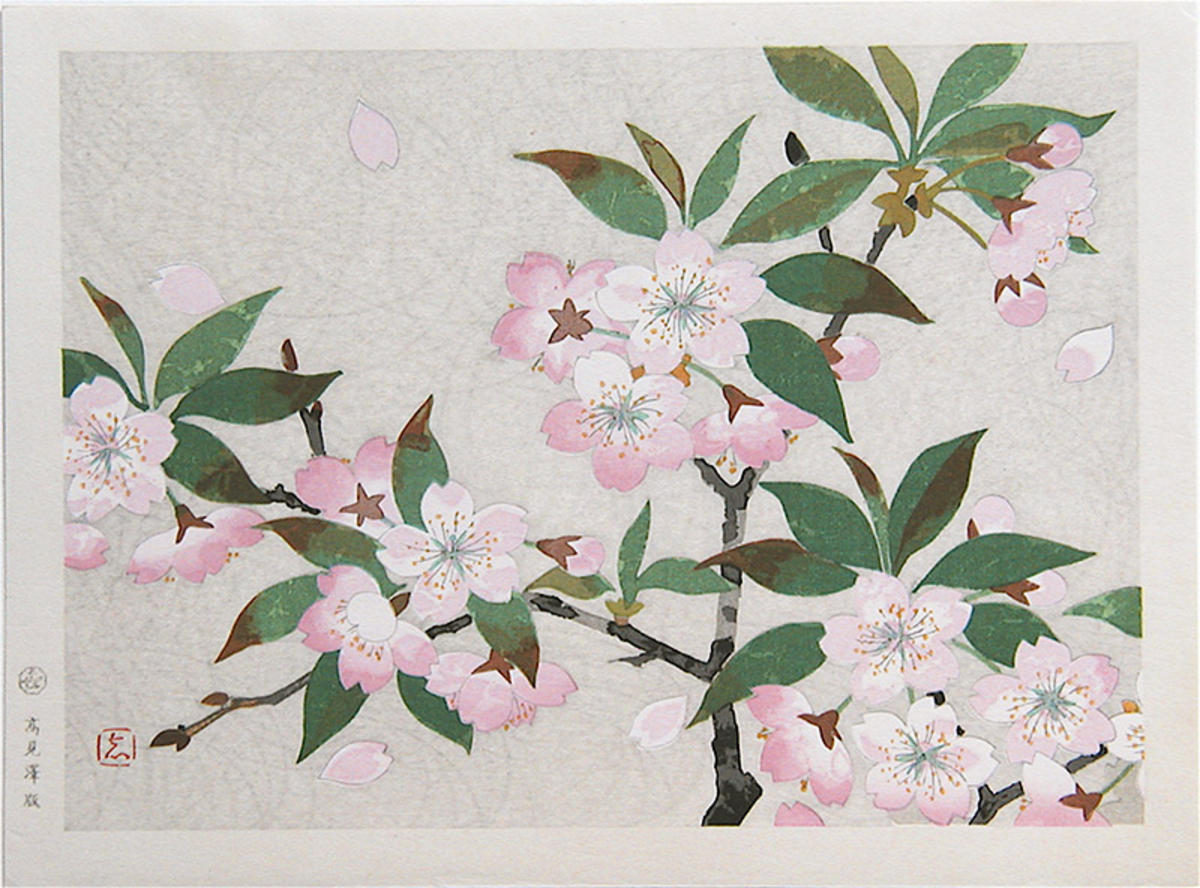
No Series Cherry Blossoms
Woodblock print

Cherry Blossoms at the Shirakawa Castle Ruins (Shirakawajoshi no sakura)
Shirakawajoshi no sakura
1946
Color woodblock print
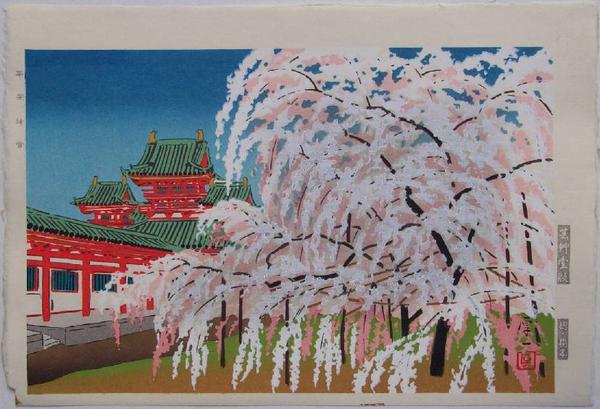
Twelve Views Of Kyoto Cherry Blossoms Heian Shrine
Woodblock print

Cherry Blossoms at Night in Maruyama Park (Maruyama no yozakura)
1925
Color woodblock print; oban

A Ferry on the Sumida River in the Cherry Season
Woodblock print
Frequently Asked Questions
Cherry blossoms (sakura) symbolise spring, the brevity of life, and the Buddhist-Shinto aesthetic of mono no aware (the beauty of impermanence). The bloom lasts only two weeks each spring, and hanami (blossom-viewing) was a major Edo-period social and cultural event, making sakura one of the most depicted subjects in ukiyo-e.
Utagawa Hiroshige produced multiple sakura prints in his 'One Hundred Famous Views of Edo' depicting hanami locations along the Sumida River. In the twentieth-century shin-hanga movement, Kawase Hasui's evening sakura prints are widely considered the genre's high point.
Both are seasonal markers but with different emotional register. Plum (ume) blooms in late winter and is associated with perseverance and erudition (it was a favourite subject of Confucian-trained scholars). Cherry (sakura) blooms in spring and is associated with transience and popular hanami-viewing culture. Visually, plum branches are typically dark and angular against snow; cherry branches are softer with denser flower clusters.