1710s Japanese Woodblock Prints
51 prints from the 1710s in our collection, created during the Edo Period (1603–1868). The Edo period saw the rise of ukiyo-e, the iconic woodblock print tradition depicting the floating world of pleasure districts, kabuki actors, beautiful women, and landscapes. Under the Tokugawa shogunate's peaceful rule, a thriving urban culture in Edo (modern Tokyo) fueled demand for affordable printed art.
Top Artists of the 1710s
Prints (51)

A Courtesan with Her Child Attendant
c. 1715
Woodblock print; o-oban, sumizuri-e

A Hawk Capturing a Crane in Flight
c. 1715
Hand-colored woodblock print; vertical o-oban, tan-e

A Hawk on a Cliff near a Kiri Tree
c. 1716
Hand-colored woodblock print; o-oban, tan-e

A Playbill for the Ichimura Theater
1715
Hand-colored woodblock print; o-oban, sumizuri-e

A Poster for the Ichimura Theatre (Ichimuraza tsuji banzuke)
c. 1715
Hand-colored woodblock print; o-oban, sumizuri-e
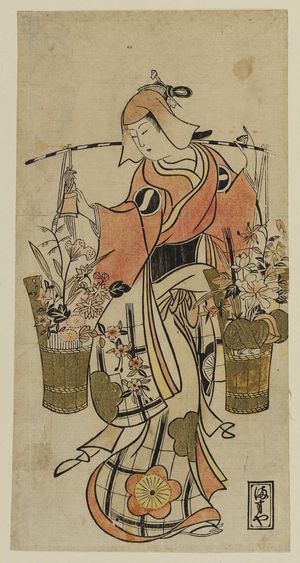
Actor Ichikawa Monnosuke I as a Flower Vendor
early 18th century
Hand-colored woodblock print (urushi-e); ink and color on paper

Actor Sanjō Kantarō II as Yaoya Oshichi
1718
Woodblock print (urushi-e), ink on paper, with hand-applied color and nikawa

Autumn Moon at Ishiyama (Ishiyama no aki no tsuki), No. 8 from the series "Eight Views of Omi"
c. 1716/36
Hand-colored woodblock print; hosoban, urushi-e
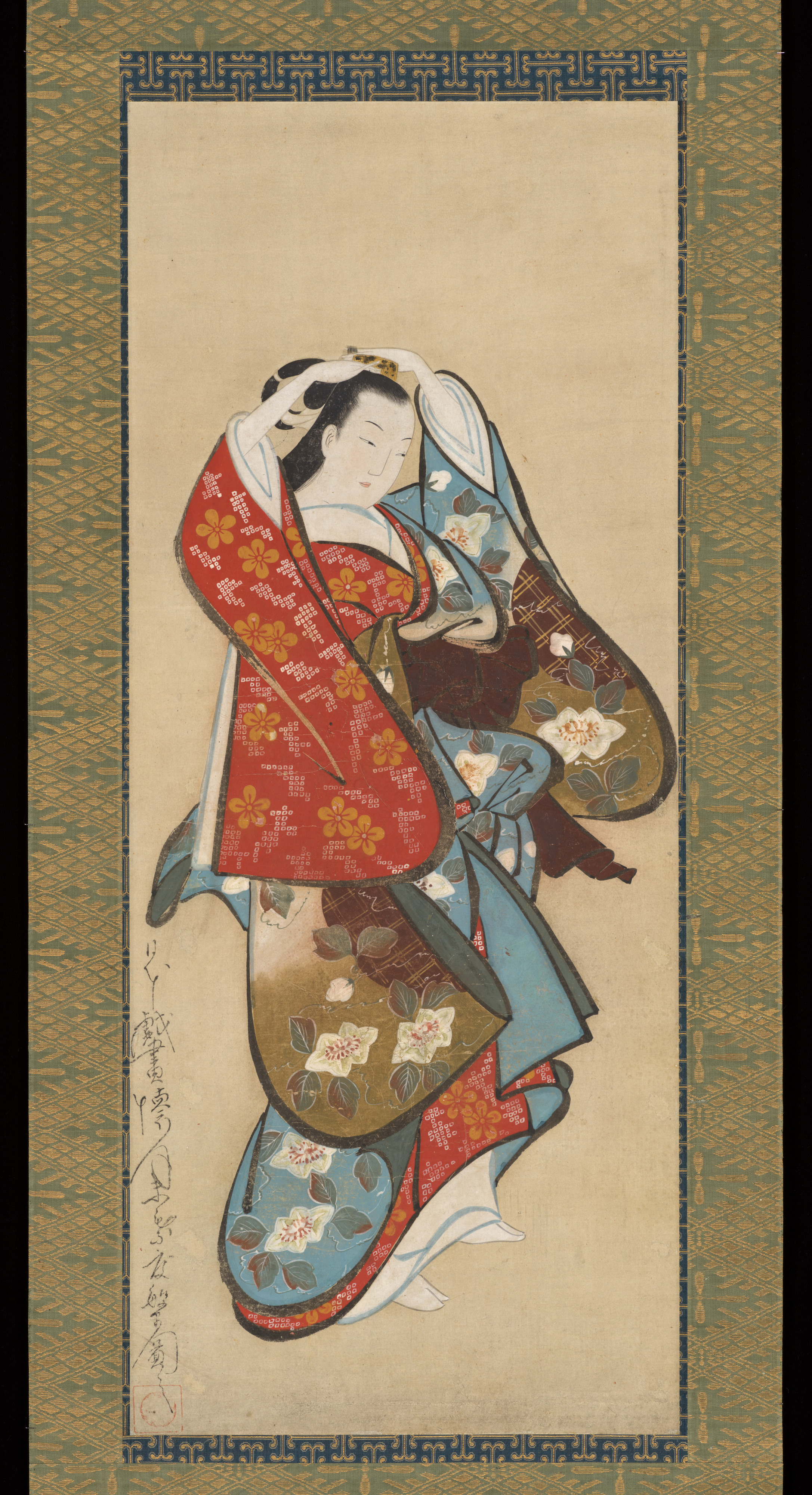
Beautiful Woman
Early 18th century
Hanging scroll; ink and color on paper
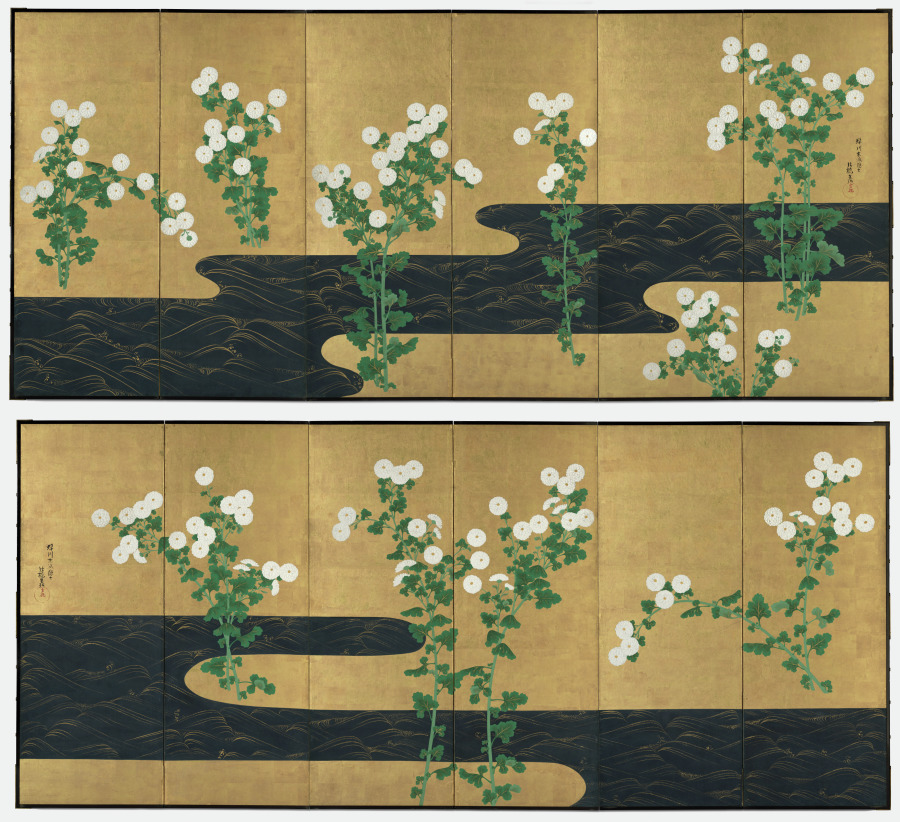
Chrysanthemums by a Stream
菊水図
c. 1715–30
Hanging scroll; ink, color, and gold on silk
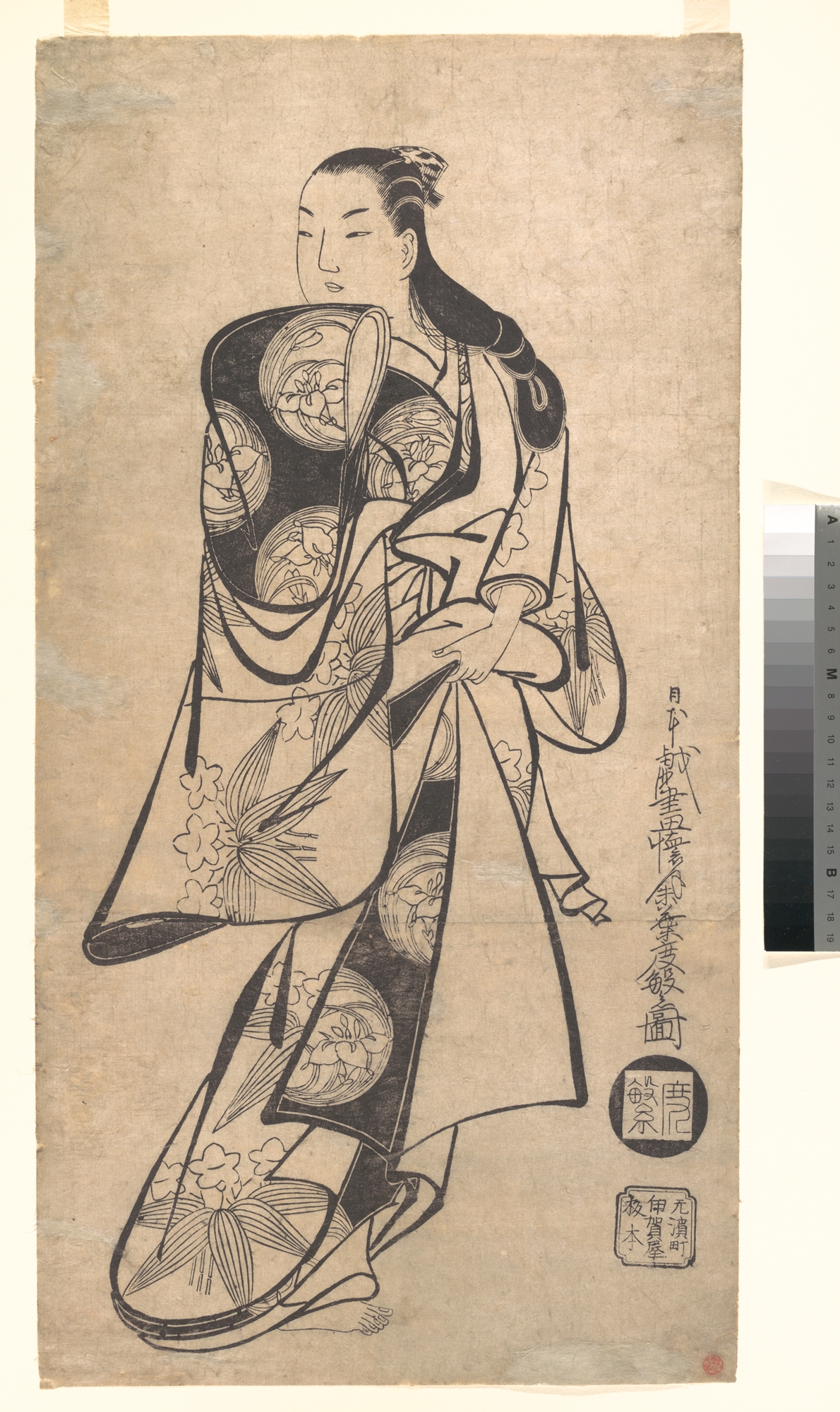
Courtesan
ca. 1714
Monochrome woodblock print (sumizuri-e); ink on paper
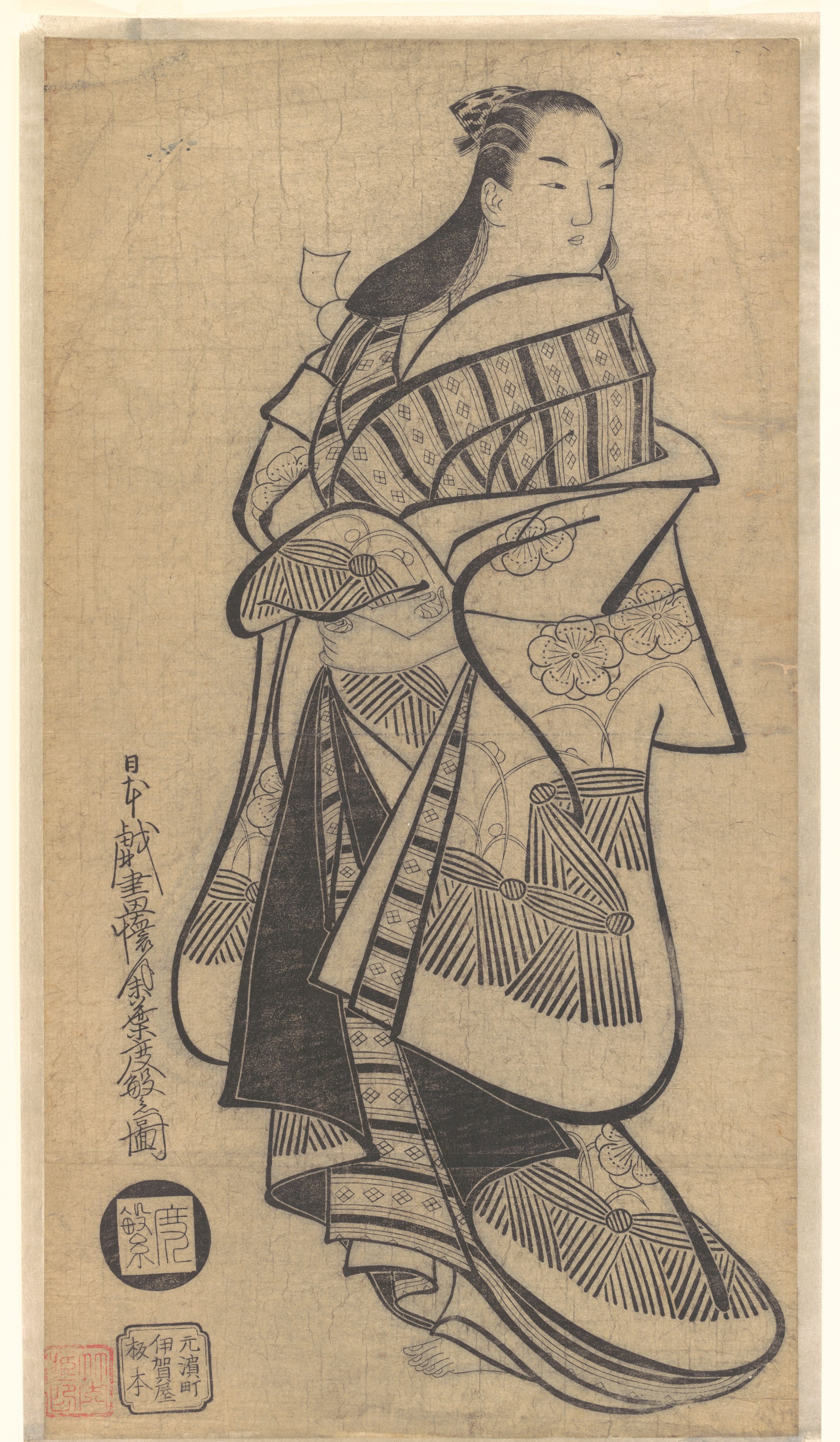
Courtesan
ca. 1714
Monochrome woodblock print (sumizuri-e); ink on paper
Courtesan
early 18th century
Hanging scroll; ink and color on paper
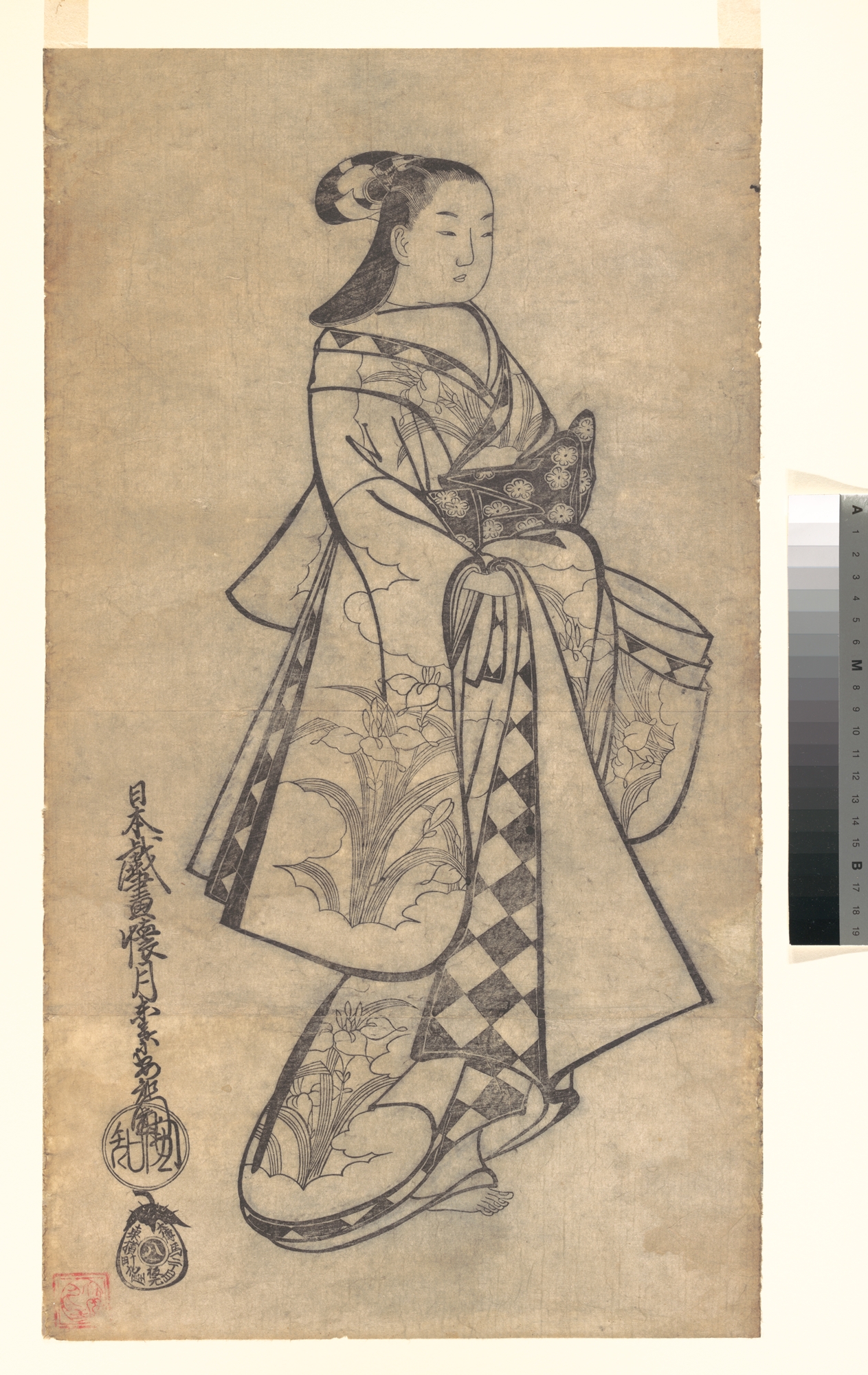
Courtesan
ca. 1714
Monochrome woodblock print (sumizuri-e); ink on paper
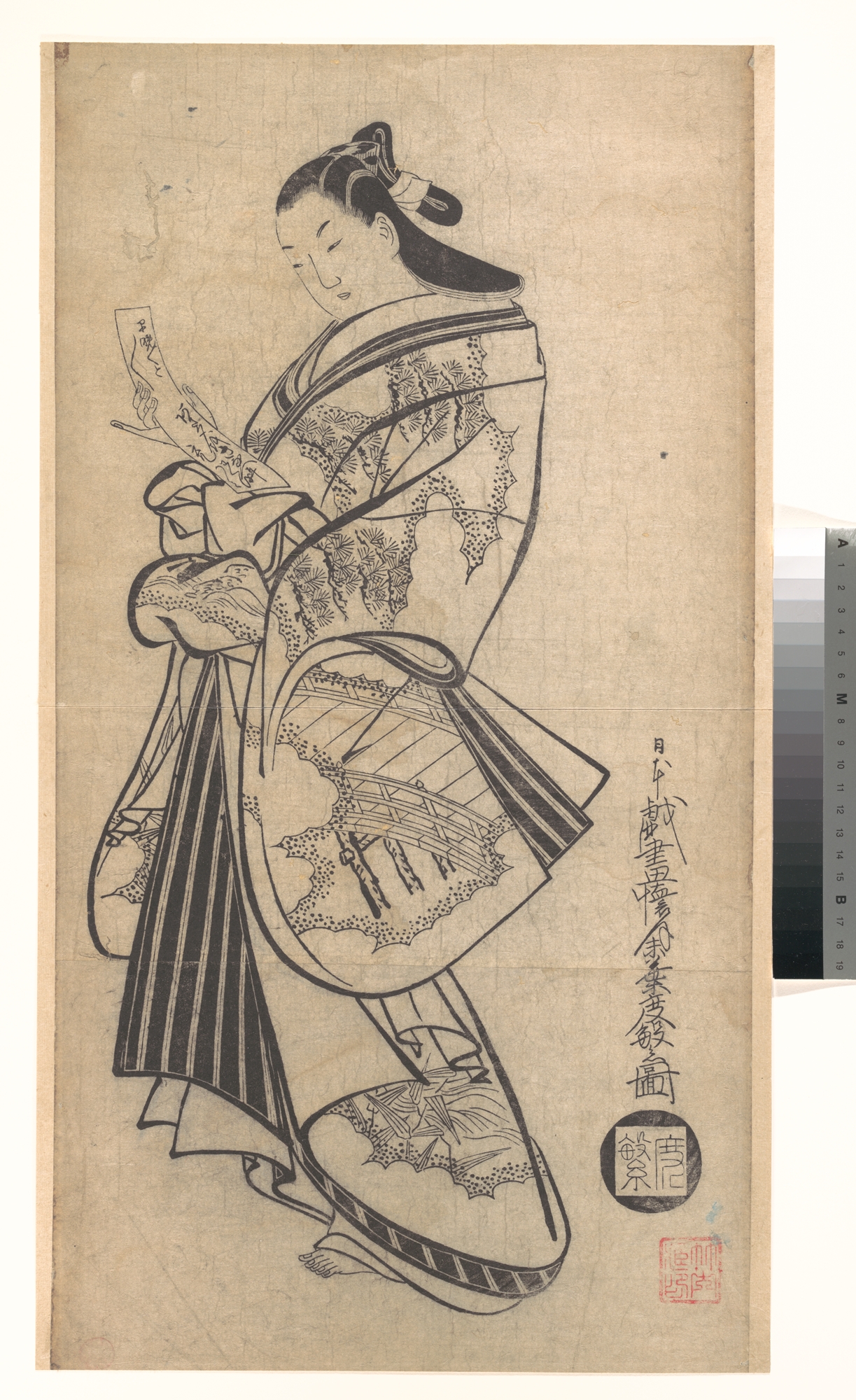
Courtesan with Poetry Card (Tanzaku) at the New Year
ca. 1714
Monochrome woodblock print (sumizuri-e); ink on paper

Descending Geese at Katada (Katada no rakugan), No. 7 from the series "Eight Views of Omi"
c. 1716/36
Hand-colored woodblock print; hosoban, urushi-e

Evening Glow at Seta (Seta no sekisho), No. 1 from the series "Eight Views of Omi"
c. 1716/36
Hand-colored woodblock print; hosoban, urushi-e

Evening Snow on Mt. Hira (Hira no bosetsu), No. 6 from the series "Eight Views of Omi"
c. 1716/36
Hand-colored woodblock print; hosoban, urushi-e

Flower Viewing
1711 (reprint of 17th century work)
Hand-colored woodblock print; o-oban, tan-e
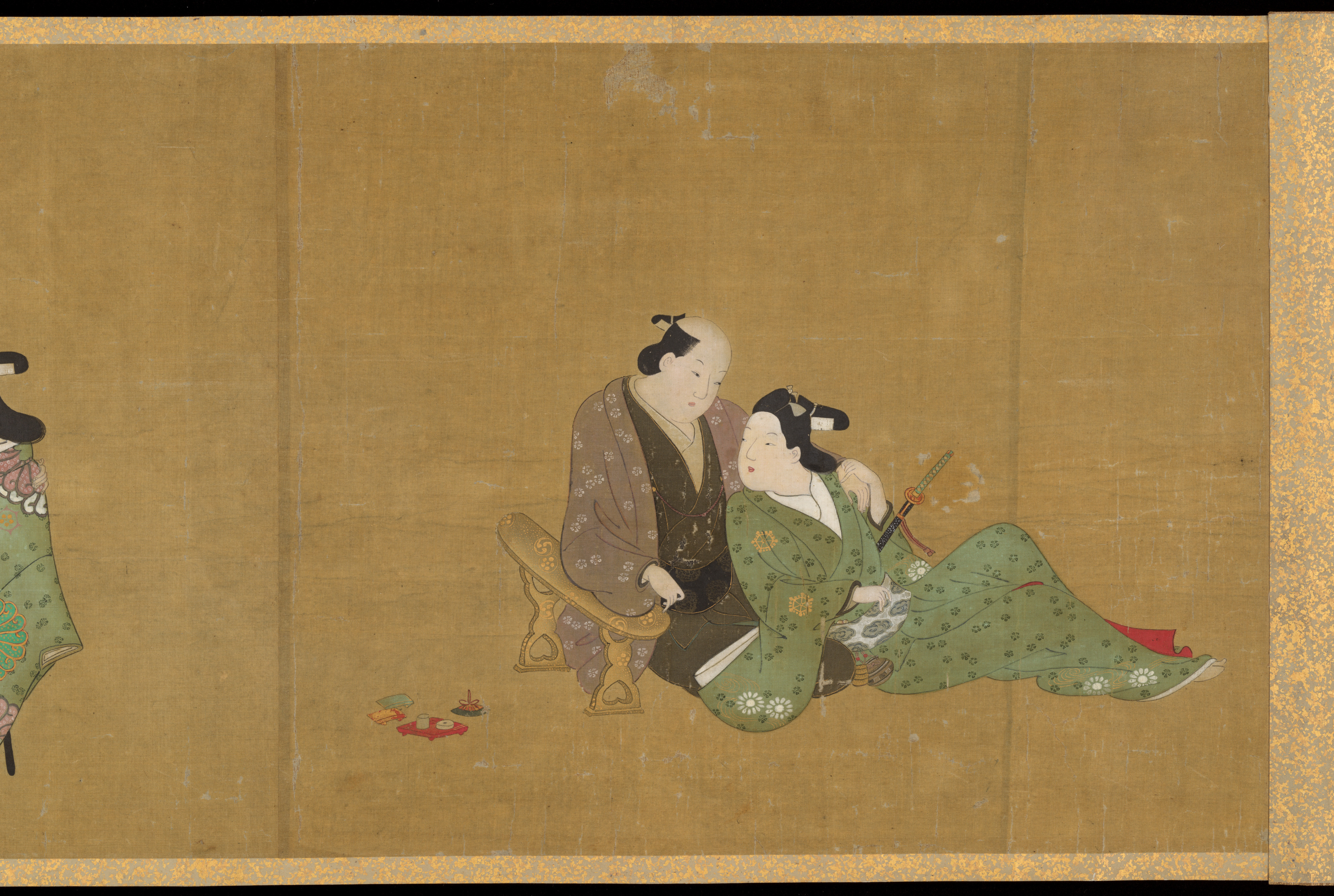
Handscroll of Ten Homoerotic (Nanshoku) Scenes
Early 18th century (1700-1733)
Handscroll; ink and colors on silk
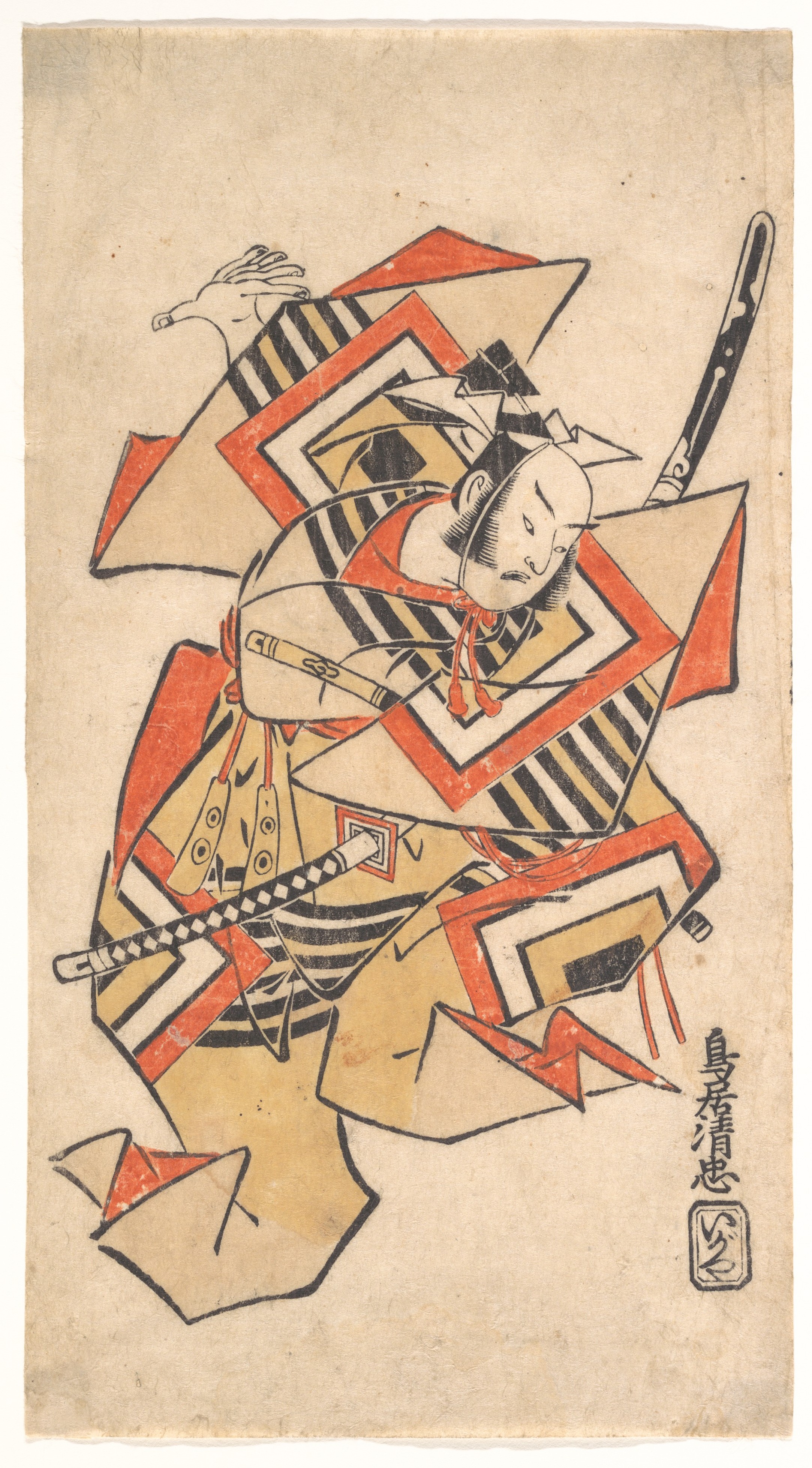
Ichikawa Danjūrō II in the Scene "Wait a Moment" (Shibaraku)
ca. 1715
Woodblock print; ink and hand-painted color (tan-e) on paper
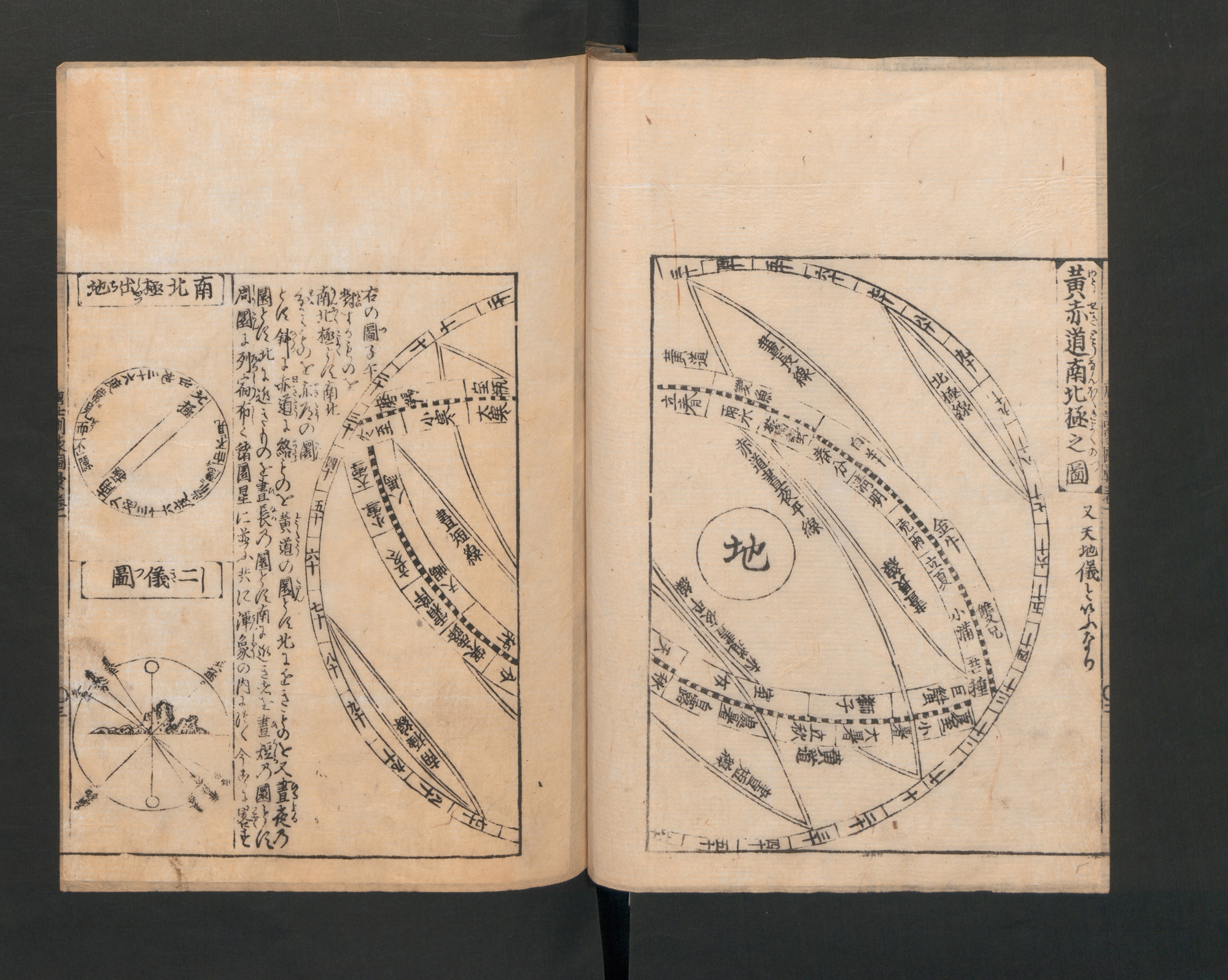
Illustrated Encyclopedia of China (Morokoshi kinmō zui)
唐土訓蒙図彙
1719; preface dated 1718
Set of two woodblock printed books; ink on paper

Komachi at Sekidera (Sekidera Komachi), No. 5 from the series "Seven Komachi (Nana Komachi)"
c. 1716/36
Hand-colored woodblock print; hosoban, beni-e
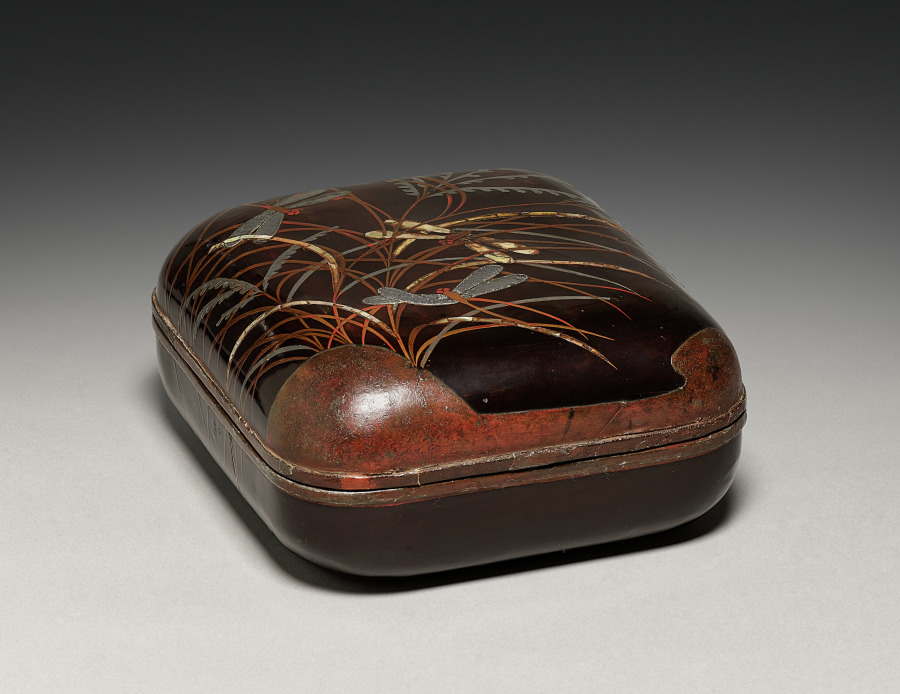
Letter Box
文箱
1700s
Lacquer with gold and silver maki-e
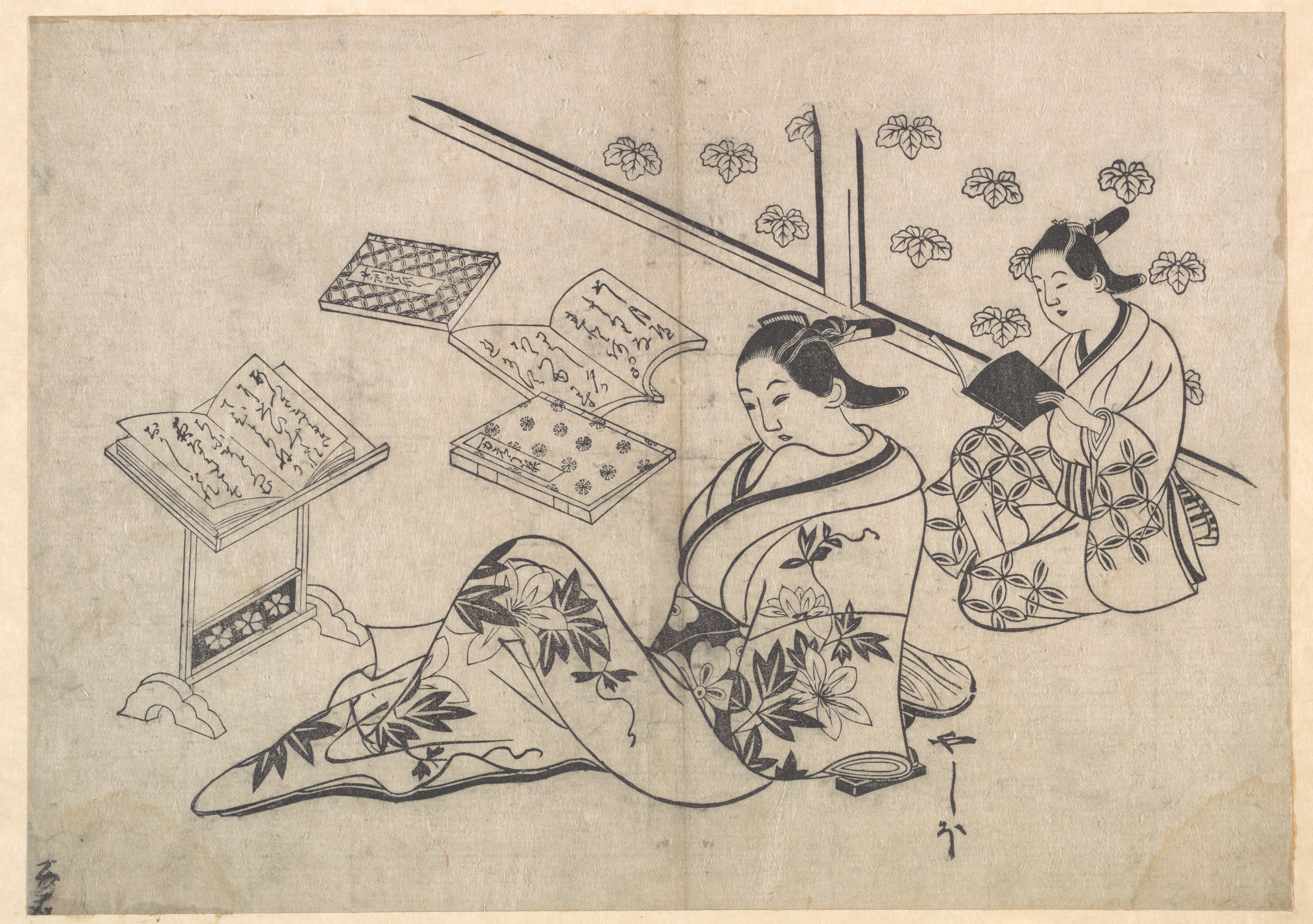
early 18th century (1700–1733)
Monochrome woodblock print (sumie); ink on paper

Returning Sails at Yabase (Yabase no kihan), No. 3 from the series "Eight Views of Omi"
c. 1716/36
Hand-colored woodblock print; hosoban, urushi-e

Sakata Kintoki Wrestling with a Tengu
1715-18
Hand-colored woodblock print; o-oban, tan-e

Second Twelve Paragons, from the Twenty-Four Paragons of Filial Piety (Nijūshikō)
二十四孝
Mid Edo period, 1704-1720
Hand-colored ukiyo-e woodblock print; ink and color on paper

Sparrowhawk (Konori taka)
c. 1716
Hand-colored woodblock print; vertical o-oban, tan-e

Sparrowhawk and Macaw (Konori taka, inko)
c. 1718
Hand-colored woodblock print; hosoban, tan-e

Standing Beauty
about 1714
Woodblock print; sumizuri-e, kakemono-e
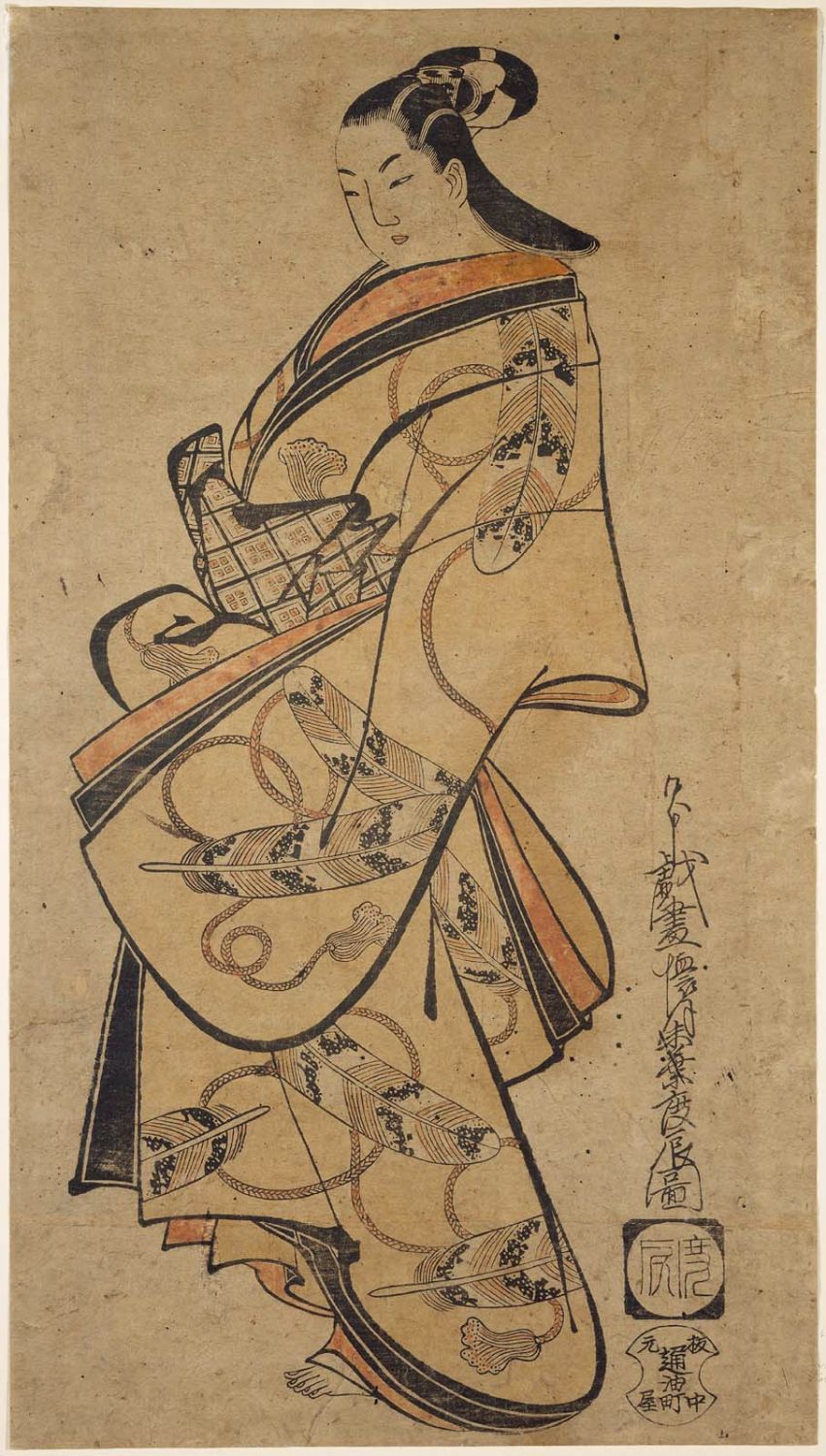
Standing Courtesan
before 1710
Hanging scroll; ink and color on paper

Standing Courtesan
c. 1715
Hand-colored woodblock print; o-oban, tan-e
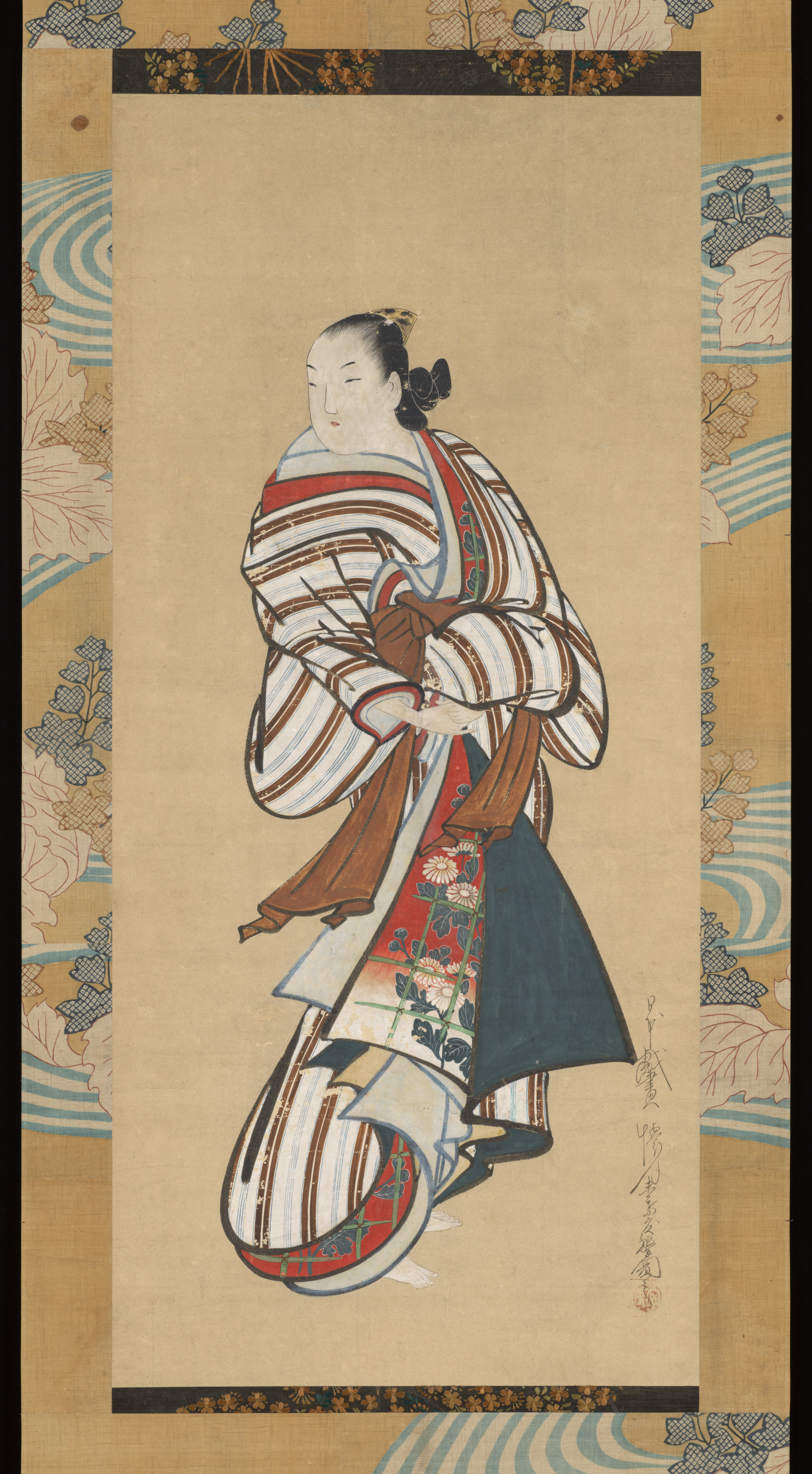
Standing Courtesan Looking Over Her Shoulder
ca. 1715
Hanging scroll; ink and color on paper

Standing Figure of a Woman
c. 1715
Woodblock print; o-oban, sumizuri-e

The Actor Fujimura Handayu II as Oiso no Tora
c. 1715
Hand-colored woodblock print; o-oban, tan-e

The Actor Ichikawa Monnosuke I
c. 1719
Hand-colored woodblock print; hosoban, beni-e

The Actor Nakamura Takesaburo I as Kewaizaka no Shosho (?)
c. 1718
Hand-colored woodblock print; hosoban, urushi-e

The Actor Nakamura Takesaburo I in a female role
c. 1718
Hand-colored woodblock print; hosoban, urushi-e

The Actor Sanjo Kantaro holding a pipe
c. 1720
Hand-colored woodblock print; hosoban, urushi-e

The Actor Sanjo Kantaro II as Oshichi in the play "Nanakusa Fukki Soga," performed at the Ichimura Theater in the first month, 1718
1718
Hand-colored woodblock print; hosoban, urushi-e

The Actor Sanjo Kantaro II as Oshichi in the play "Nanakusa Fukki Soga," performed at the Ichimura Theater in the first month, 1718
1718
Hand-colored woodblock print; o-oban, tan-e

The Actor Sanogawa Mangiku I as Sanada, the daughter of the spinner Itoya, in the play "Hiragana Yomeiri Izu Nikki," performed at the Nakamura Theater in the eleventh month, 1718
1718
Hand-colored woodblock print; o-oban, tan-e

The Actor Sanogawa Mangiku I as Sanada, the daughter of the spinner Itoya, with an attendant in the play "Hiragana Yomeiri Izu Nikki," performed at the Nakamura Theater in the eleventh month, 1718
1718
Hand-colored woodblock print; hosoban, urushi-e

The Actors Ichikawa Monnosuke I and Tamazawa Rinya
c. 1715
Hand-colored woodblock print; o-oban, tan-e

The Actors Nakamura Takesaburō as Kewaizaka no Shōshō and IchikawaDanjurō II as Soga Gorō
1715
Woodblock print; ō-ōban yoko-e, sumizuri-e

The Actors Nakamura Takesaburo as Shikishi Naishinno and Tsuruya Nanboku as Gengoro in the play "Tategami Teika Kazura," performed at the Ichimura Theater in the eleventh month, 1719
1719
Hand-colored woodblock print; hosoban, urushi-e
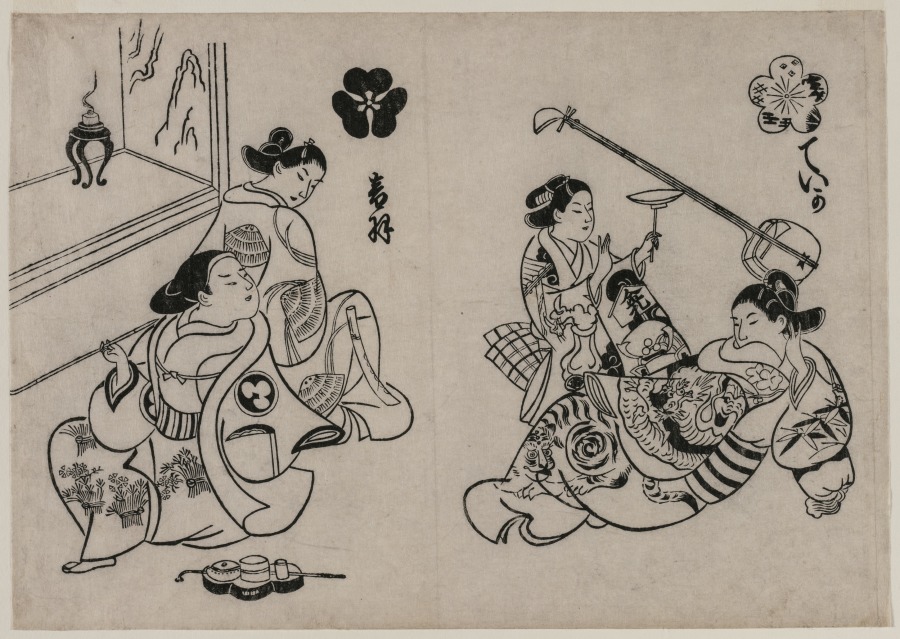
Three Courtesans with a Client
1700-1720
Color woodblock print

Two Actors in a Drama
About 1715
Woodblock print; sumizuri-e, ōban
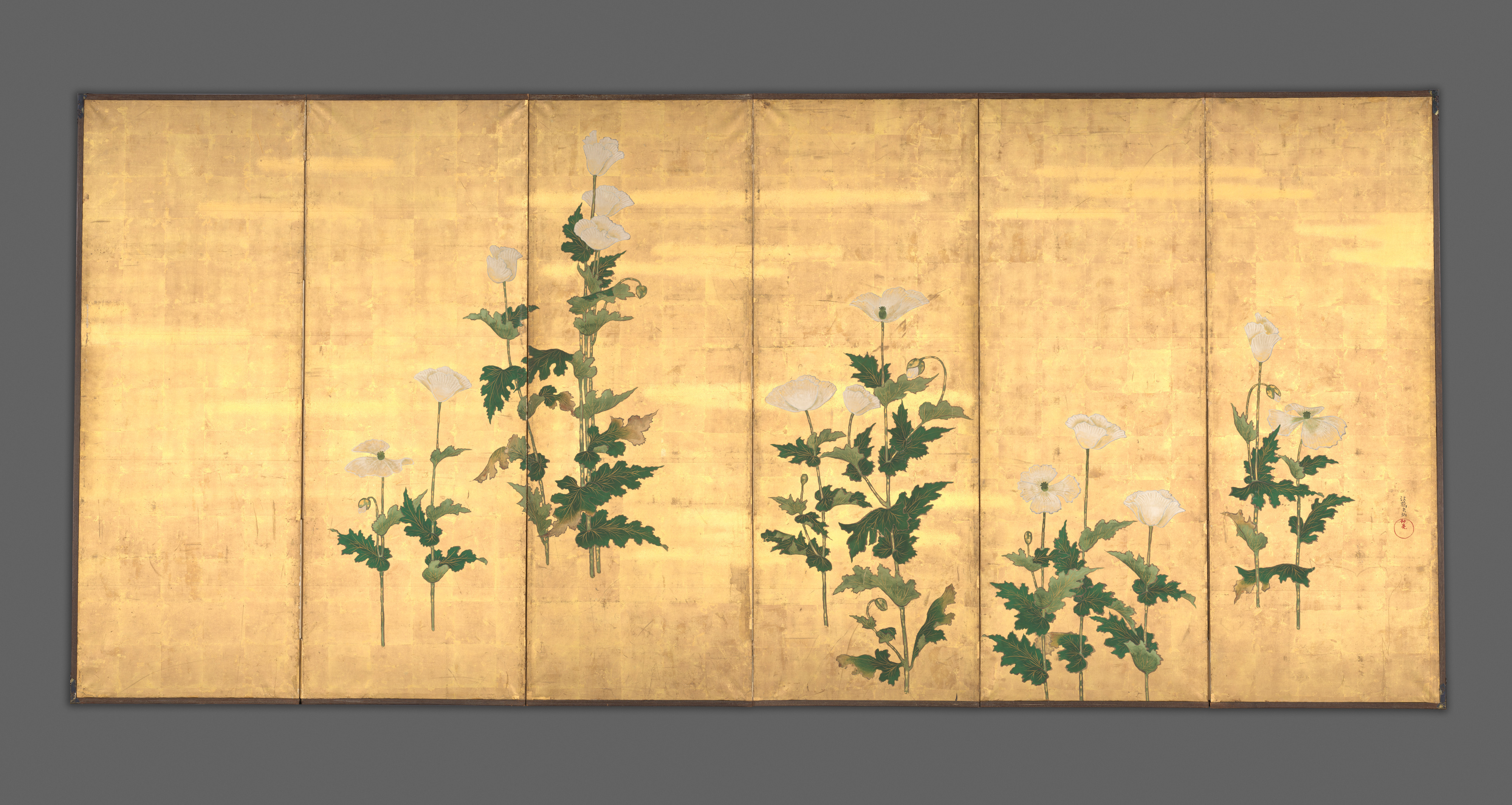
White Poppies on Gold Ground
白芥子図屏風
Edo period (1615–1868)
Six-panel folding screen; color on paper

Young Man on a Horse
c. 1760s
Color woodblock print; oban
Nearby Decades
Frequently Asked Questions
Hanga catalogues 51 Japanese woodblock prints created during the 1710s (Edo Period, 1603–1868).
The 1710s fall within the Edo Period (江戸時代), which ran from 1603 to 1868.
Torii Kiyomasu I, Kaigetsudō Dohan, and Nishimura Shigenaga are among the artists with the most 1710s prints in our collection.
Explore all Japanese printmaking eras
View all eras