Landscapes Prints (3812)
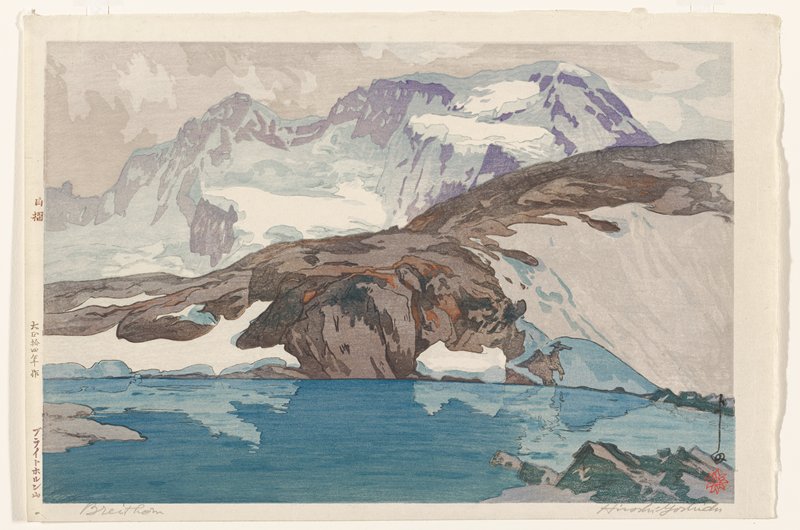
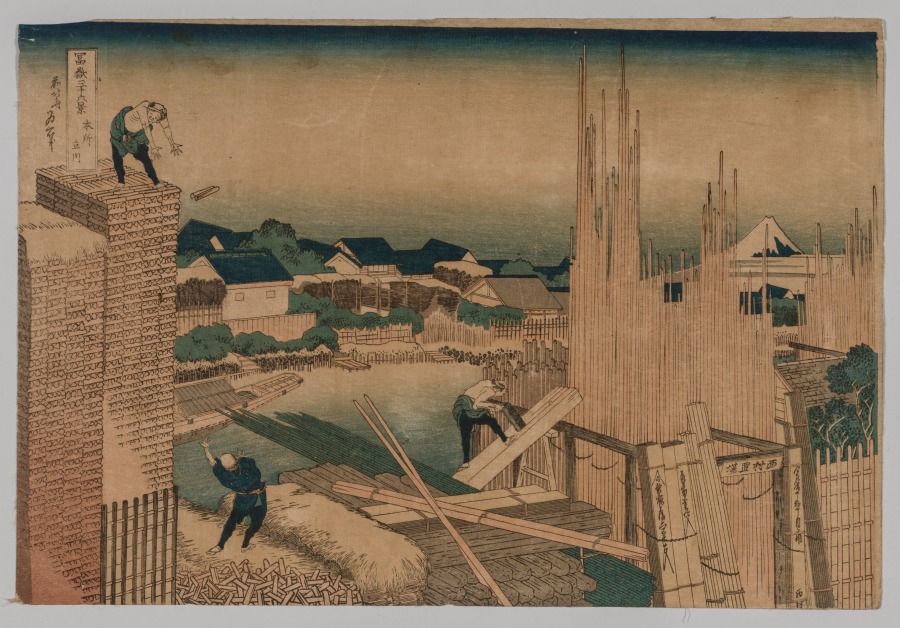
Landscapes are the most celebrated subject in Japanese woodblock printmaking, encompassing mountain vistas, coastal panoramas, river valleys, and rural scenes that have defined the genre for centuries. The tradition reached its first peak with Hokusai's "Thirty-six Views of Mount Fuji" (1831) and Hiroshige's "Fifty-three Stations of the Tokaido" (1833-34), series that established the meisho-e (famous places) format as a cornerstone of ukiyo-e. Shin-hanga artists of the early twentieth century, particularly Kawase Hasui and Hiroshi Yoshida, reinvented the landscape tradition by combining Western atmospheric effects with Japanese compositional sensibilities. Hasui's snow scenes and twilight views of rural Japan became iconic, while Yoshida's mountain studies introduced plein-air observation techniques unprecedented in woodblock printing. Sosaku-hanga artists like Toshi Yoshida and Shiro Kasamatsu further expanded the landscape vocabulary through personal expression and experimental color palettes. Japanese landscape prints typically emphasize seasonal atmosphere, weather conditions, and the interplay between human presence and natural grandeur. The use of bokashi (graduated color) and multiple impression techniques creates depth and luminosity that distinguish woodblock landscapes from other printmaking traditions.
Artists Known for Landscapes


Water conduit, a scene in Sado
August 21, 1921
Woodblock print, ink and color on paper

Gozanoishi Shrine at Lake Tazawa, from the series "Souvenirs of Travel, Third Series" (Tabi miyage dai sanshu, Tazawako Gozanoishi)
1926
Color woodblock print

Senjō Cliff, Lake Towada (Senjōmaku, Towadako), from the series Collection of Scenic Views of Japan, Eastern Japan Edition (Nihon fūkei higaishi Nihon ten)
1933, January
Woodblock print; ink and color on paper

Spring at Pubyong Pavilion, Modan Viewpoint, Pyongyang, from the series "Eight Views of Korea" (Chosen hakkei, Heijo no haru (Botandai Fusekiro))
1939
Color woodblock print

Akasaka, from the series "Fifty-three Stations of the Tokaido (Tokaido gojusan tsugi)," also known as the Tokaido with Poem (Kyoka iri Tokaido)
c. 1837/42
Color woodblock print; chuban

Kyoto: The Imperial Palace (Kyo, Dairi), from the series "Fifty-three Stations of the Tokaido (Tokaido gojusan tsugi)," also known as the Tokaido with Poem (Kyoka iri Tokaido)
c. 1837/42
Color woodblock print; chuban

Shinagawa, from the series "Fifty-three Stations of the Tokaido (Tokaido gojusan tsugi)," also known as the Tokaido with Poem (Kyoka iri Tokaido)
c. 1837/42
Color woodblock print; chuban

Memorial Monument for Utagawa Hiroshige II
1882
Color woodblock print; ōban
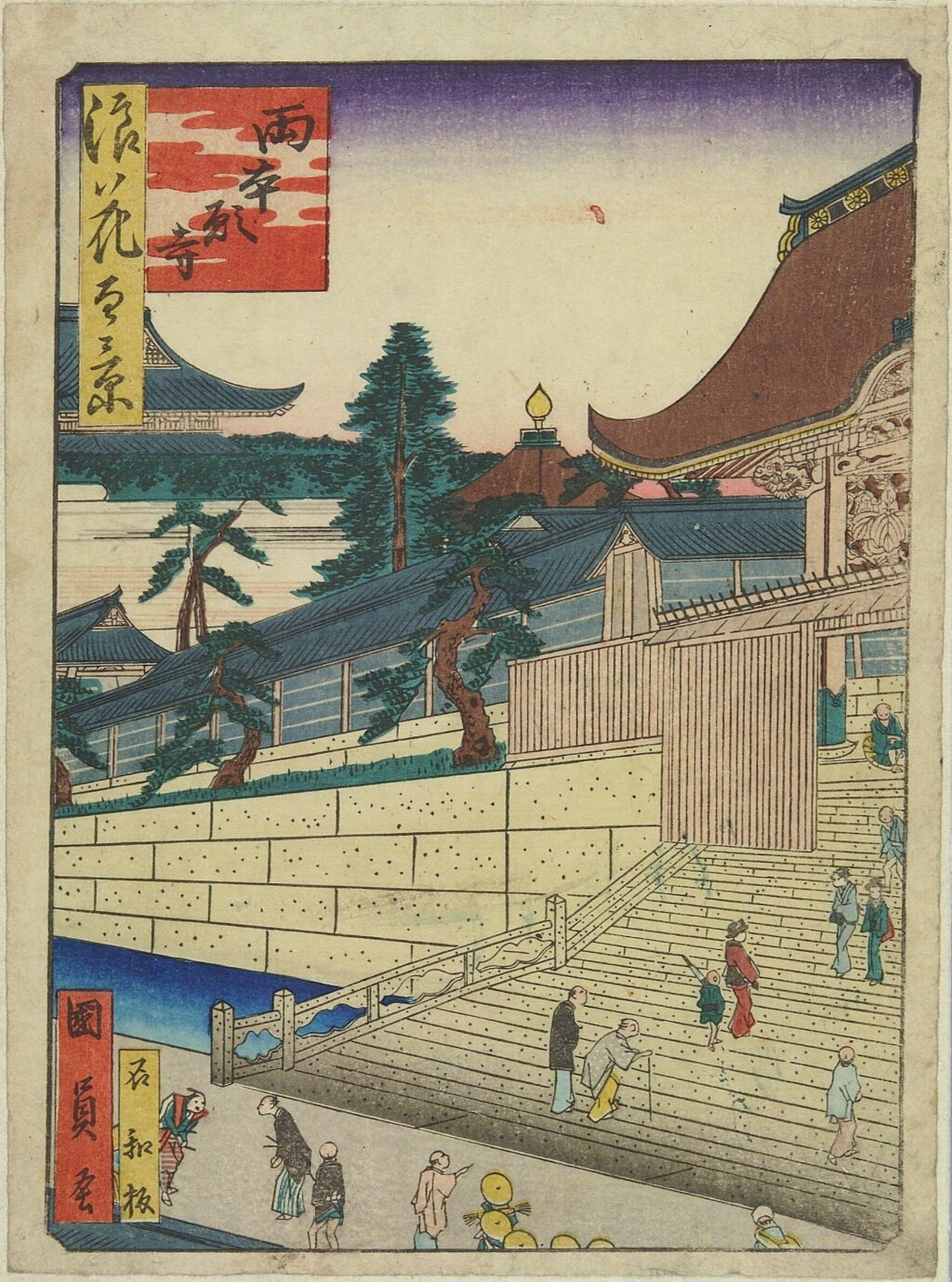
The Two Hongan-ji Temples (Ryō Hongan-ji)
両本願寺
1860
Color woodblock print

Dai Nihon rokujū yo kyō no uchi (One of the Sixty-odd Provinces of Great Japan)
大日本六十余州之内
c. 1862
Color woodblock print

View of Tenma-bashi Bridge, from One Hundred Views of Naniwa (Naniwa Hyakkei)
天満ばし風景(浪花百景)
1860-1861
Color woodblock print

Autumn Moon at Ishiyama (Ishiyama no shūgetsu), from the series Eight Views of Lake Biwa (ōmi hakkei)
Late Edo period, circa 1800-1802
Ukiyo-e woodblock print in the "chūban" format; ink and color on paper

Frontispiece to the illustrated album "Thirty-six Immortal Women Poets" ("Nishikizuri onna sanjurokkasen")
1801
Color woodblock print; surimono

Cranes by the Shore, illustration for The Leg Shell (Ashigai), from the series "A Matching Game with Genroku-period Poem Shells (Genroku kasen kai awase)"
1821
Color woodblock print with metallic pigments; surimono shikishiban

Komagata Embankment
Early Summer 1919
Woodblock print, ink and color on paper

Bell Tower, Mount Koya, from the series "Collection of Scenic Views of Japan II, Kansai Edition" (Nihon fukei shu II Kansai hen, Koyasan shoro)
February 1935
Color woodblock print

Red Maple Trees at the Tsuten Bridge (Tsutenkyo no momiji), from the series "Famous Places in Kyoto (Kyoto meisho no uchi)"
c. 1834
Color woodblock print; oban

Cherry Blossoms in Full Bloom at Arashiyama (Arashiyama manka), from the series "Famous Places in Kyoto (Kyoto meisho no uchi)"
c. 1834
Color woodblock print; oban

Small-horned owl, pine, and crescent moon
1830s
Color woodblock print; chutanzaku

Bird and wild carnation
c. 1830s
Color woodblock print; yotsugiriban

Futakawa, from the series "Fifty-three Stations of the Tokaido (Tokaido gojusan tsugi)," also known as the Tokaido with Poem (Kyoka iri Tokaido)
c. 1837/42
Color woodblock print; chuban

Kuwana: The Post Station at Tomita (Kuwana, Tomita tachiba no zu), from the series "Fifty-three Stations of the Tokaido (Tokaido gojusan tsugi)," also known as the Tokaido with Poem (Kyoka iri Tokaido)
c. 1837/42
Color woodblock print; chuban
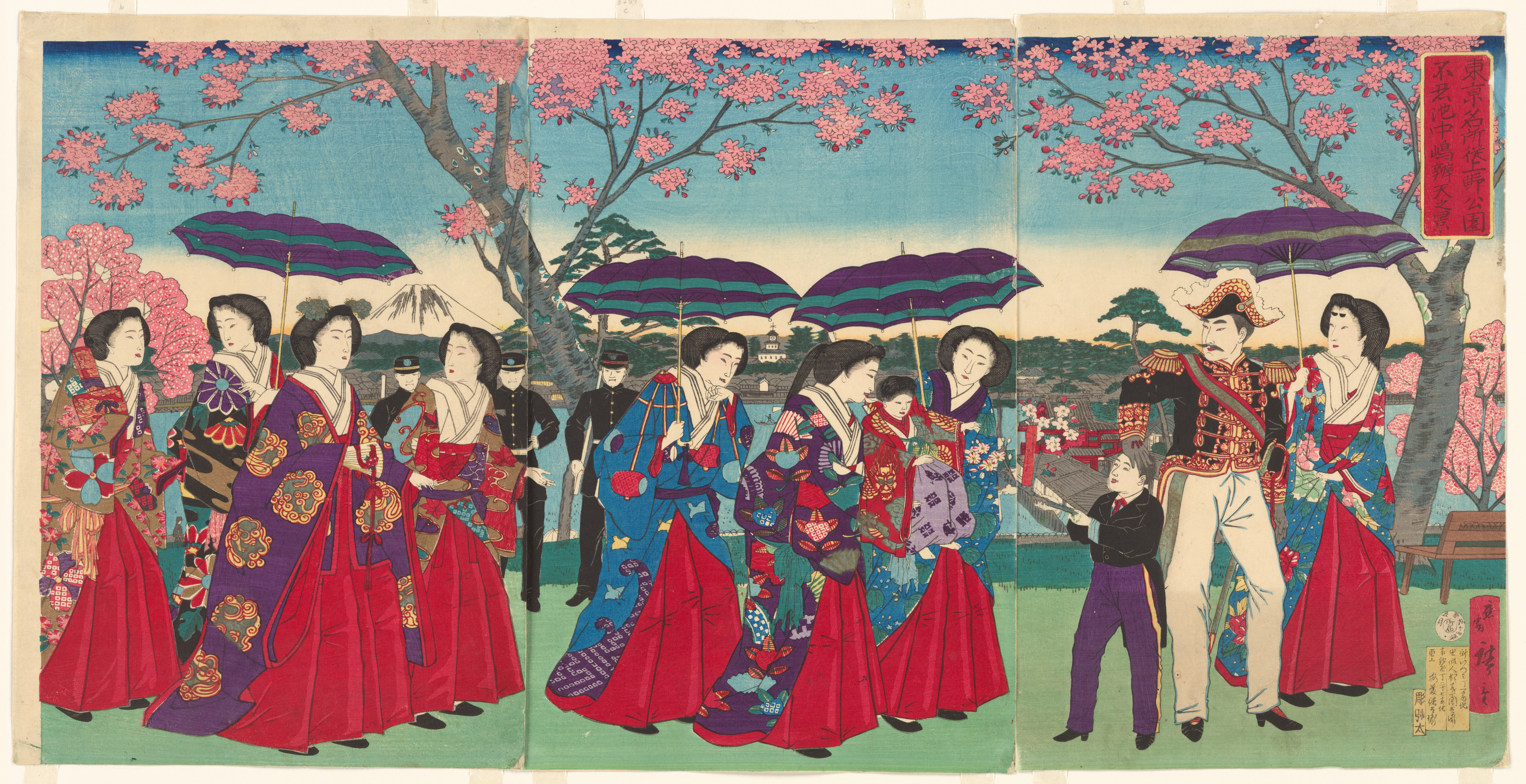
View of Benten Shrine on Nakanoshima Island in Shinobazu Pond, Ueno Park, from the series Famous Views of Tokyo (Tōkyō meisho yori Ueno kōen Shinobazu no ike Nakanoshima Benten no kei)
東京名所 上野公園不忍ノ池中島弁天之景
May, 1881
Triptych of woodblock prints (nishiki-e); ink and color on paper
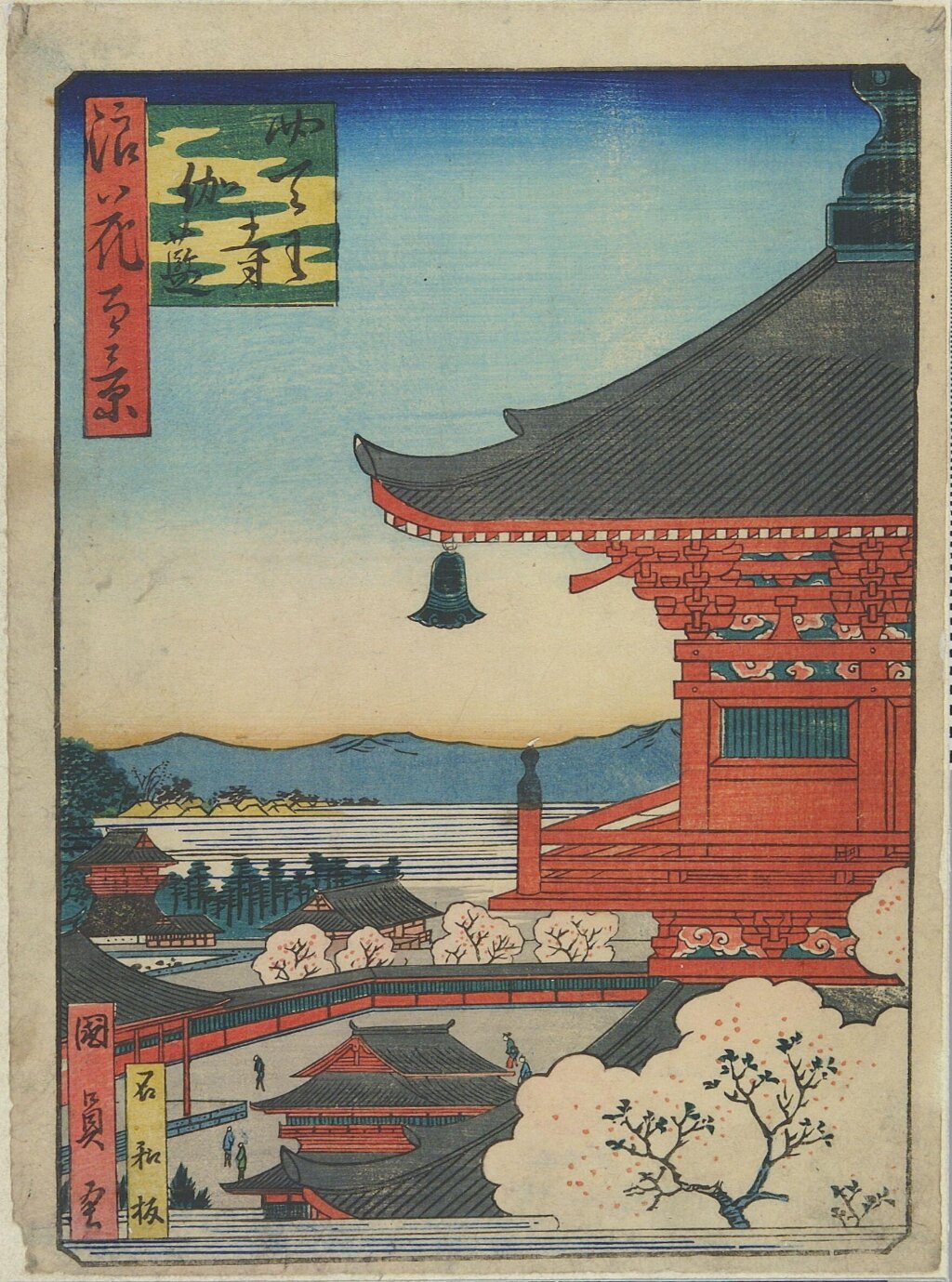
The Precincts of Shitennō-ji Temple (Shitennō-ji garan)
四天王寺伽藍
1860
Color woodblock print
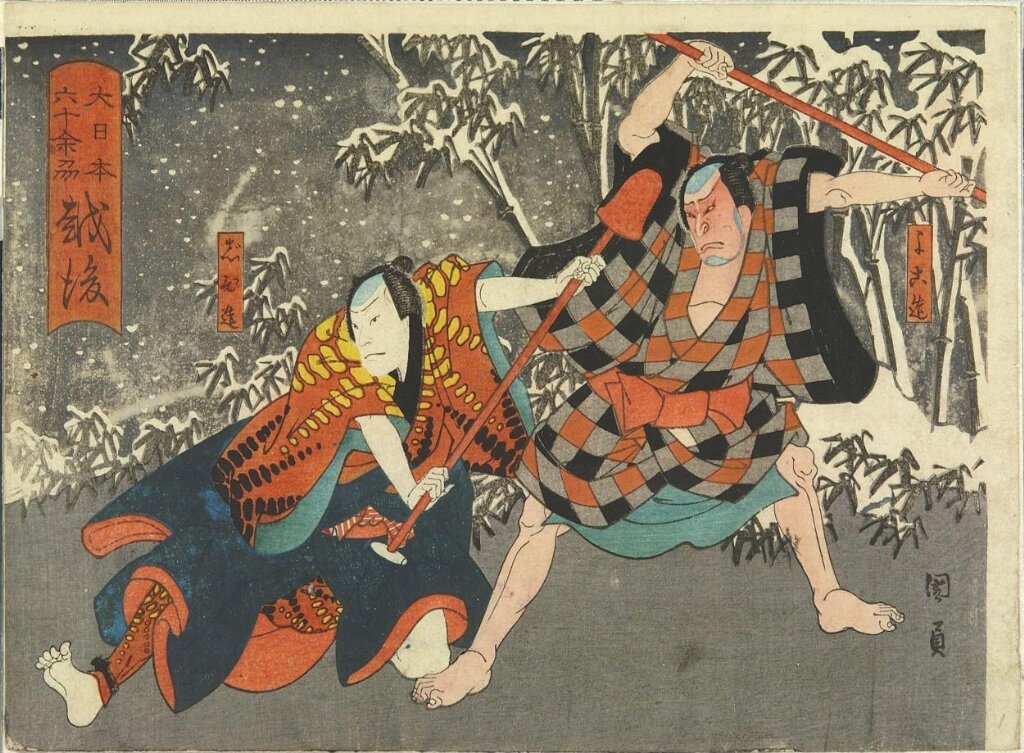
Echigo Province: Actors Ichikawa Ichizō I as Yokozō and Arashi Rikaku II as Jihizō
1857-1861
Color woodblock print

Riding Ground of Sōzen-ji Temple, from One Hundred Views of Naniwa (Naniwa Hyakkei)
宗禅寺場々(浪花百景)
1860-1861
Color woodblock print
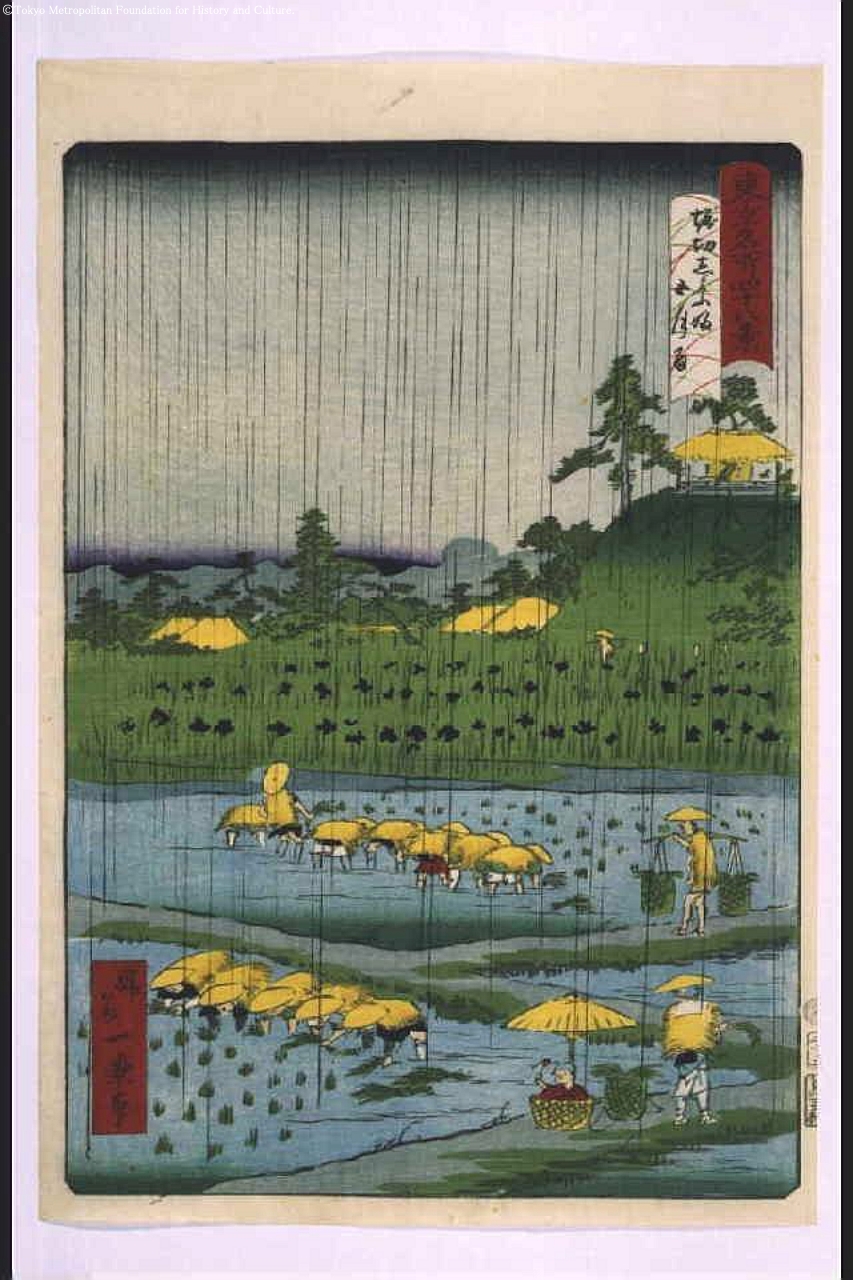
Forty-Eight Famous Views of Tokyo: Irises at Horikiri During Rainy Season
東京名所四十八景 堀切しょうぶ五月雨
c. 1871
Color woodblock print (nishiki-e); ink and color on paper

Horse Racing at the Shōkonsha in Tokyo
東京於招魂社境馬図
1870 (Meiji 3)
Color woodblock print (nishiki-e); ink and color on paper

Goldfish Vendor
1800s
Woodblock print (surimono), ink and color on paper

Night Watchmen Under Maple Tree
19th century
Color woodblock print; long surimono

A Philosopher Watching a Pair of Butterflies, from The Picture Book of Realistic Paintings of Hokusai (Hokusai shashin gafu)
c. 1814
Color woodblock; album sheet

Hanging Abalone Out to Dry, illustration for Abalone (Awabi), from the series "A Matching Game with Genroku-period Poem Shells (Genroku kasen kai awase)"
1821
Color woodblock print with metallic pigments; surimono shikishiban

Pier at Otaru (Otaru no hatoba), from the series "Collection of Views of Japan, Eastern Japan Edition (Nihon fukei shu higashi Nihon hen)"
1933
Color woodblock print; oban

Onuma Park, Hokkaido, from the series "Collection of Scenic Views of Japan, Eastern Japan Edition" (Nihon fukei shu higashi Nihon hen, Hokkaido Onuma koen)
March 1934
Color woodblock print

Evening Rain at a Lakeside Tearoom, from the series "Collection of Views of the Moto-Hakone Minami Mountain Villa (Moto-Hakone Minami sanso fukei shu)"
1935
Color woodblock print; oban

Mariko: Famous Tea Shop (Mariko, meibutsu chamise), from the series "Fifty-three Stations of the Tokaido Road (Tokaido gojusan tsugi no uchi)," also known as the Hoeido Tokaido
c. 1833/34
Color woodblock print; oban

Swallows and Cherry Blossoms
early 1830s
Color woodblock print, chu-tanzaku

Chiryu, from the series "Fifty-three Stations of the Tokaido (Tokaido gojusan tsugi)," also known as the Tokaido with Poem (Kyoka iri Tokaido)
c. 1837/42
Color woodblock print; chuban
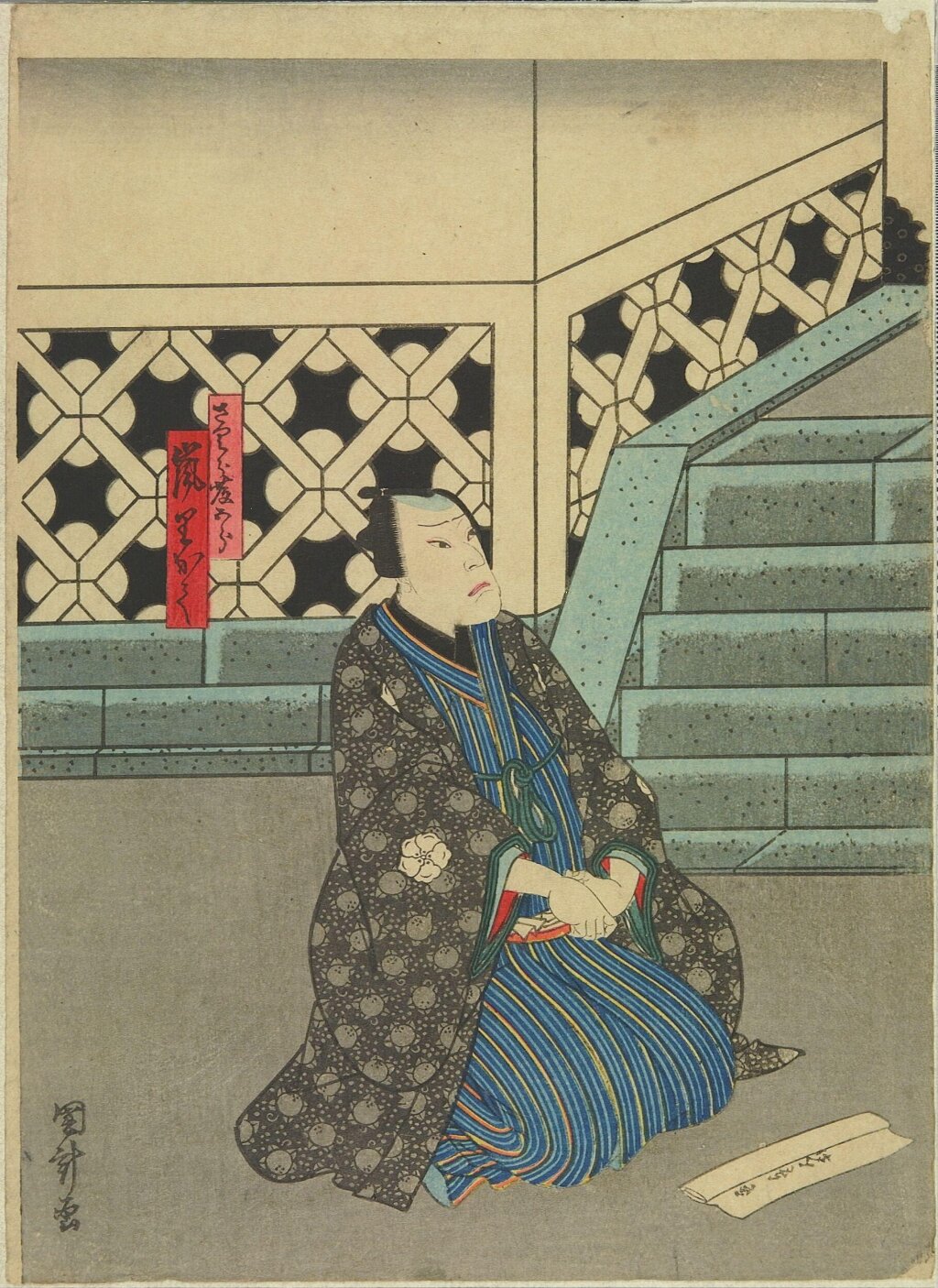
Actor Arashi Rikaku II as Sakura Tōgorō
1856
Color woodblock print
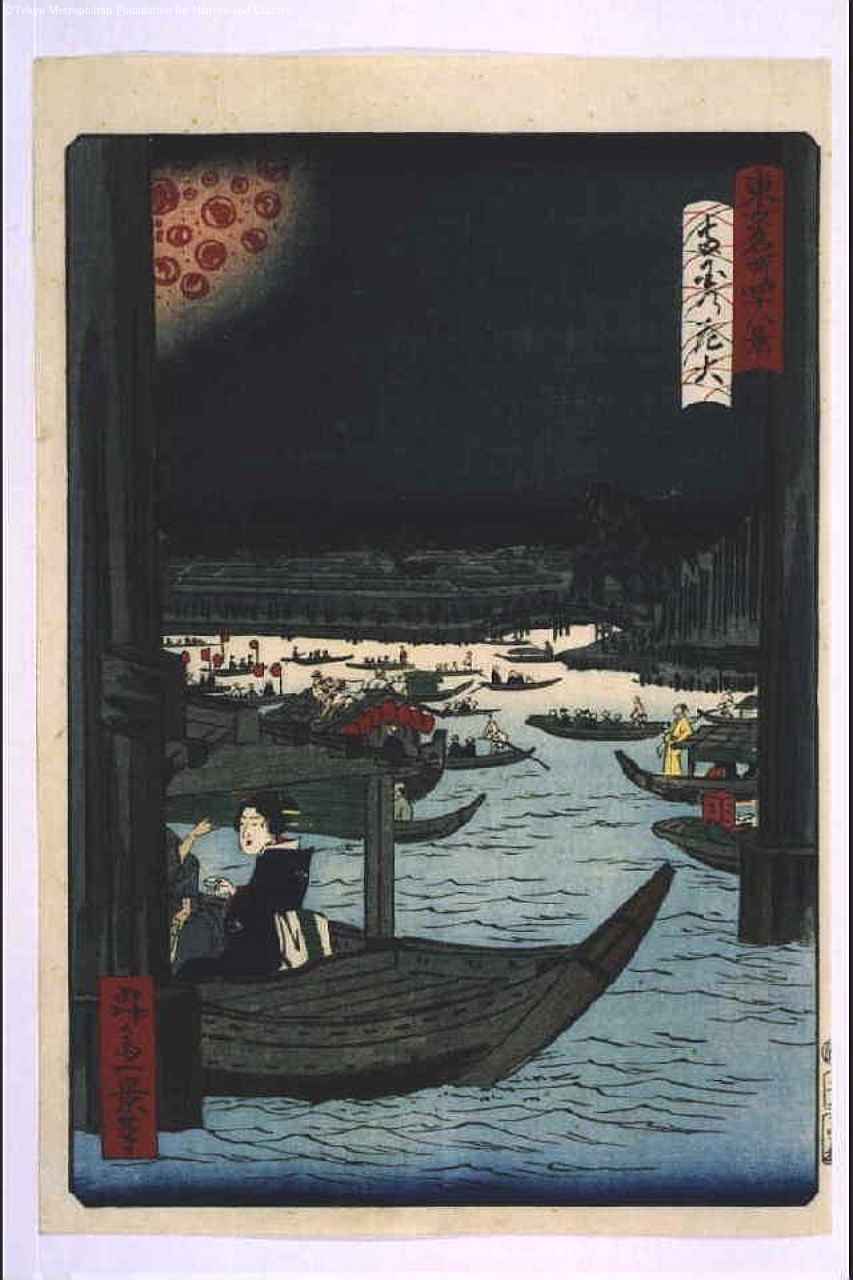
Forty-Eight Famous Views of Tokyo: Fireworks at Ryogoku
東京名所四十八景 両国乃花火
c. 1871
Color woodblock print (nishiki-e); ink and color on paper
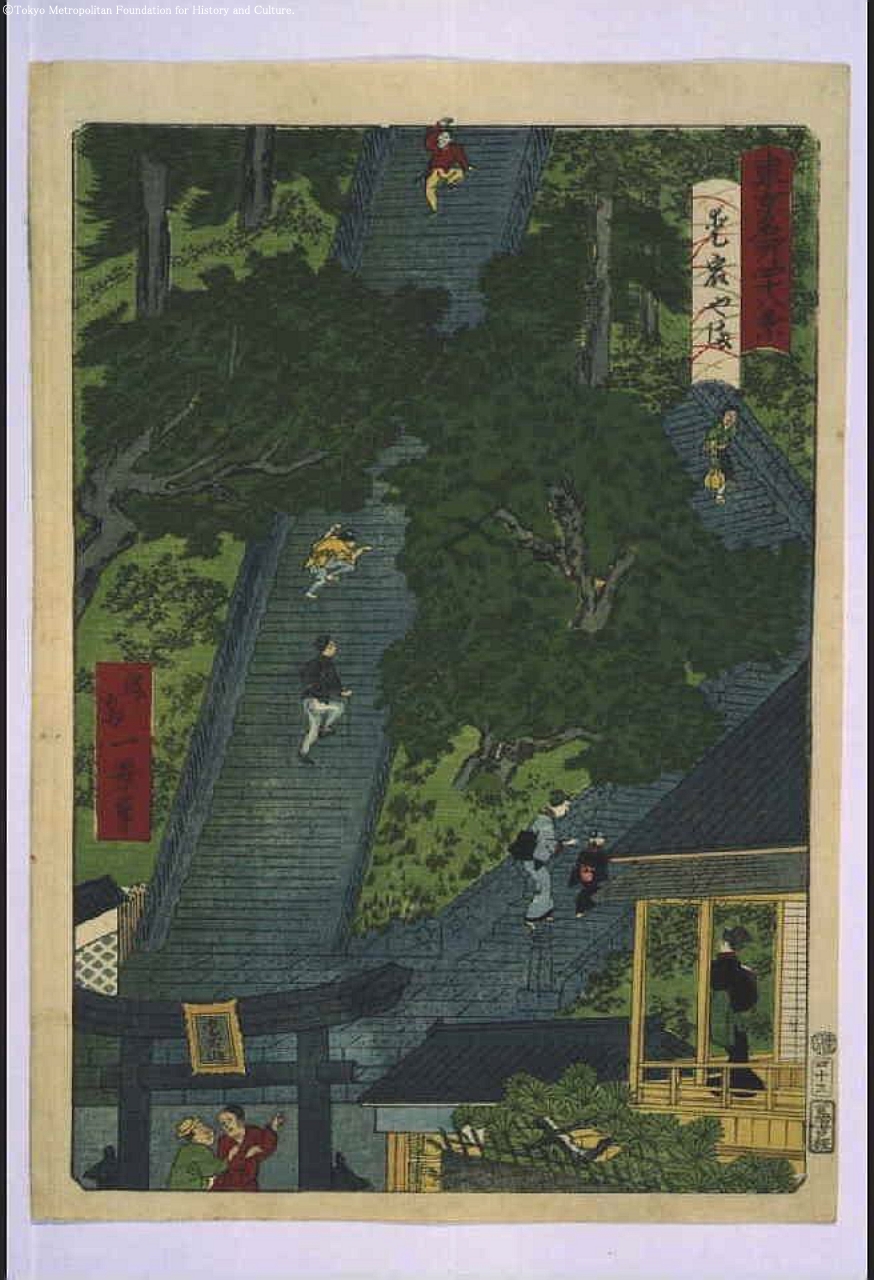
Forty-Eight Famous Views of Tokyo: Atago Hill
東京名所四十八景 愛宕やま
c. 1871
Color woodblock print (nishiki-e); ink and color on paper
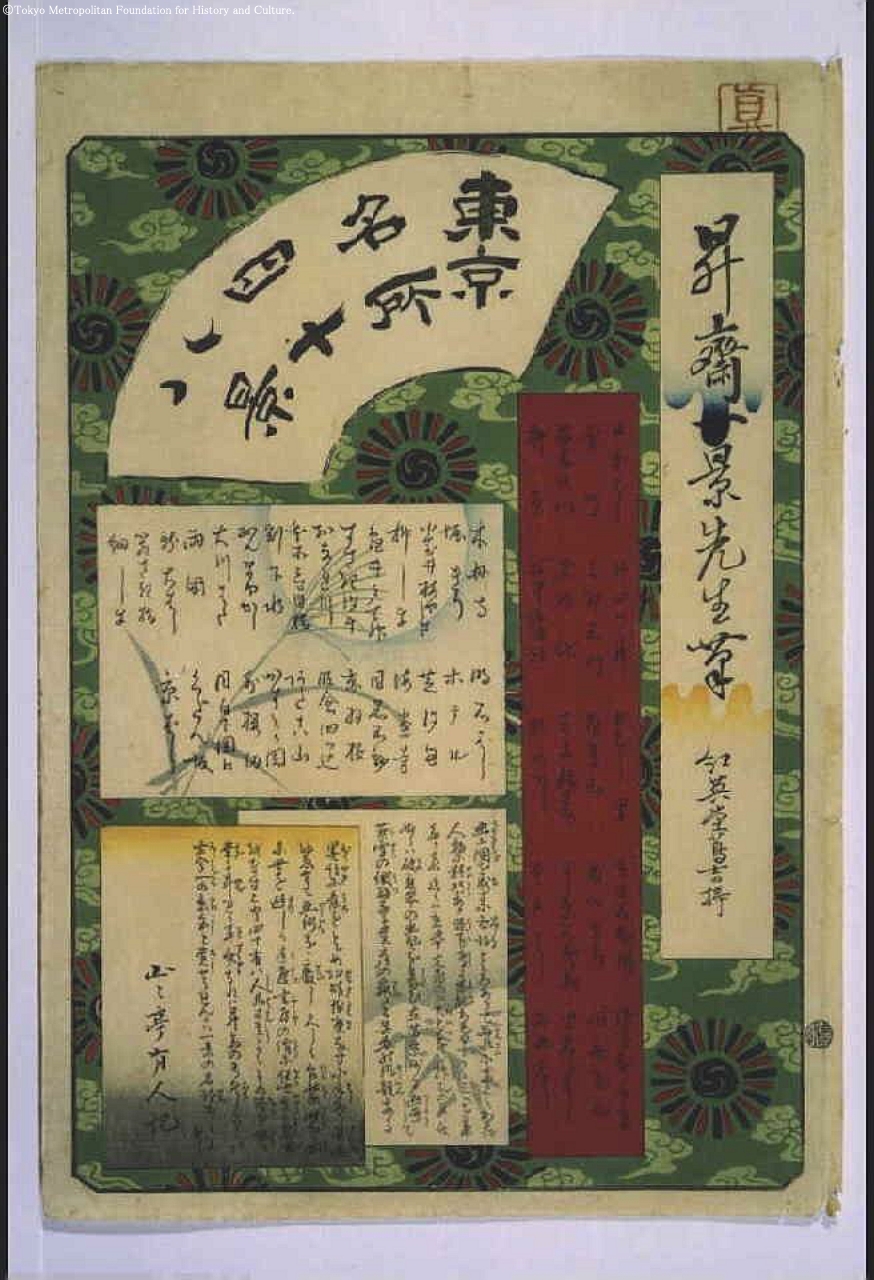
Forty-Eight Famous Views of Tokyo: Title Page (Mokuroku)
東京名所四十八景 目録
c. 1871
Color woodblock print (nishiki-e); ink and color on paper

Descending Geese at Katada (Katada no rakugan), from the series Eight Views of Omi in Etching Style (Doban Omi hakkei)
1804/16
Color woodblock print; horizontal koban

Asuka Hill (Asukayama), from vol. 1 of the illustrated book "Fine Views of the Eastern Capital at a Glance (Toto shokei ichiran)"
1800
Color woodblock print; double-page illustration from book

Hara, from the series ""Fifty-three Stations of the Tokaido (Tokaido gojusan tsugi)""
c. 1806
Color woodblock print; chuban

Yui, from the series ""Fifty-three Stations of the Tokaido (Tokaido gojusan tsugi)""
c. 1806
Color woodblock print; chuban

Futagawa, from the series "Fifty-three Stations of the Tokaido (Tokaido gojusan tsugi)"
c. 1806
Color woodblock print; chuban

Tsuchiyama, from the series "Fifty-three Stations of the Tokaido (Tokaido gojusan tsugi)"
c. 1806
Color woodblock print; chuban

Ouchiyama, from the series "Fifty-three Stations of the Tokaido (Tokaido gojusan tsugi)"
c. 1806
Color woodblock print; chuban

The Chofu Jewel River, one of the Six Jewel Rivers (Mu Tamagawa)
early 19th century
Color woodblock print; long surimono

Kasuga Shrine, Nara, from the series "Collection of Scenic Views of Japan II, Kansai Edition" (Nihon fukei shu II Kansai hen, Nara Kasuga taisha)
April 1933
Color woodblock print

Seikenji Fuji, from the series "Mirror of Stone Rubbings of Views of the Provinces (Kohon meihitsu ishizuri kagami)"
n.d.
Woodblock print; ishizuri-e, harimaze

Totsuka: The Fork at Motomachi (Totsuka, Motomachi betsudo), from the series "Fifty-three Stations of the Tokaido Road (Tokaido gojusan tsugi no uchi)," also known as the Hoeido Tokaido
c. 1833/34
Color woodblock print; oban

Kakegawa: Distant View of Mount Akiba (Kakegawa, Akibasan enbo), from the series "Fifty-three Stations of the Tokaido (Tokaido gojusan tsugi no uchi)," also known as the Hoeido Tokaido
c. 1833/34
Color woodblock print; oban

Chinese Bell Flowers
c. 1830s
Color woodblock print; tanzaku

Dragonfly and begonia
1830s
Color woodblock print; chutanzaku

Narumi, from the series "Fifty-three Stations of the Tokaido (Tokaido gojusan tsugi)," also known as the Tokaido with Poem (Kyoka iri Tokaido)
c. 1837/42
Color woodblock print; chuban

Hara, from the series "Fifty-three Stations of the Tokaido (Tokaido gojusan tsugi)," also known as the Tokaido with Poem (Kyoka iri Tokaido)
c. 1837/42
Color woodblock print; chuban
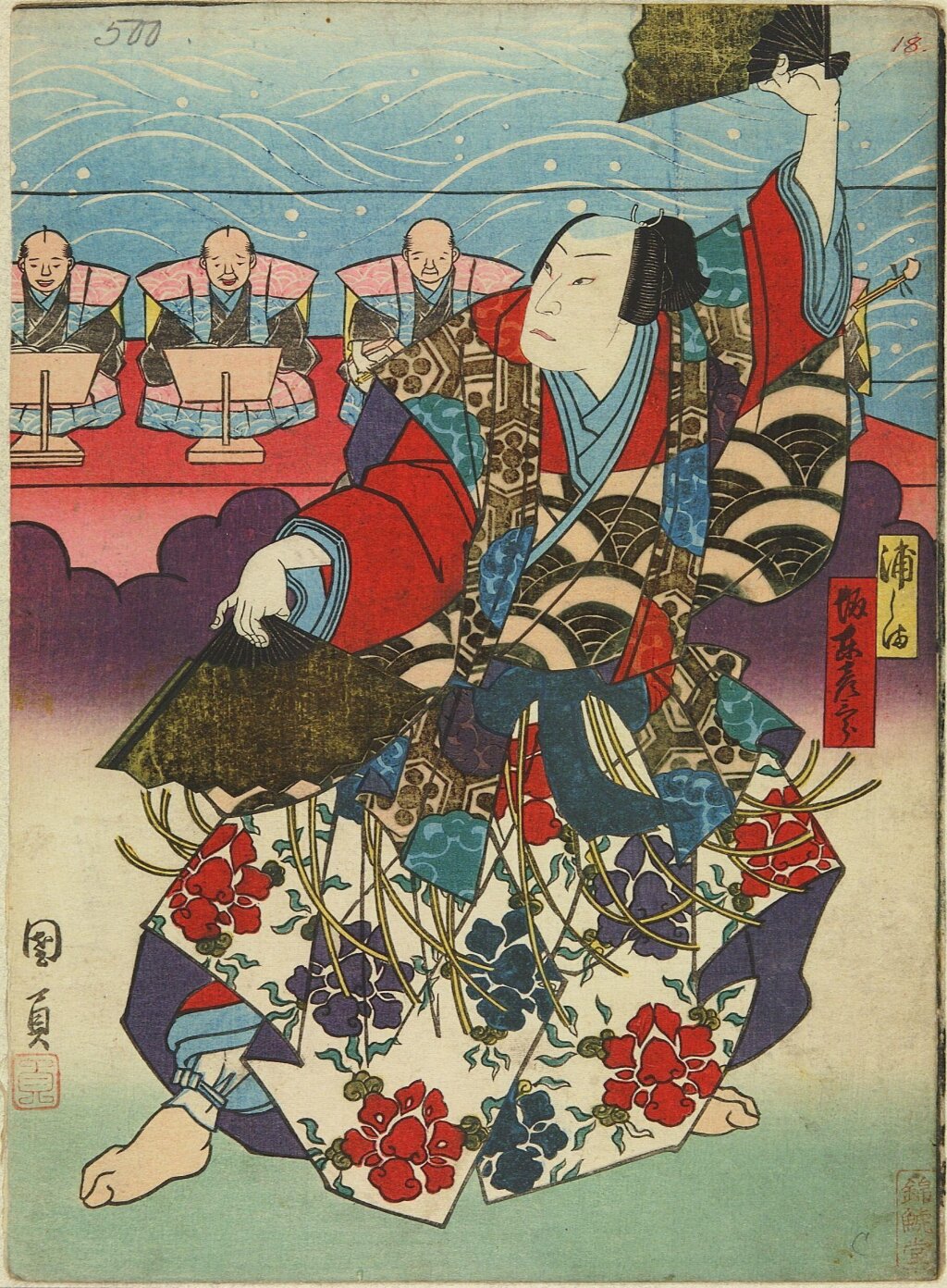
Actor Bandō Hikosaburō as Urashima
1859
Color woodblock print

Travelers stopping at a mile post
c. 1805/06
Color woodblock print; surimono
Related Subjects
Frequently Asked Questions
Landscapes are the most celebrated subject in Japanese woodblock printmaking, encompassing mountain vistas, coastal panoramas, river valleys, and rural scenes that have defined the genre for centuries. The tradition reached its first peak with Hokusai's "Thirty-six Views of Mount Fuji" (1831) and Hiroshige's "Fifty-three Stations of the Tokaido" (1833-34), series that established the meisho-e (famous places) format as a cornerstone of ukiyo-e.
Utagawa Hiroshige, Kawase Hasui, and Hiroshi Yoshida are among the artists most associated with landscapes in our collection. Browse the full list of artists who explored this subject above.
Hanga currently catalogues 3812 prints tagged with landscapes, spanning ukiyo-e, shin-hanga, and sōsaku-hanga traditions where applicable.