Biography
Charles William Bartlett (1860–1940) was a British-born painter and printmaker whose collaboration with the Tokyo publisher Watanabe Shozaburo produced some of the most distinctive and sought-after landscape prints of the shin-hanga movement. A trained Western artist who brought a watercolorist’s eye to the Japanese woodblock medium, Bartlett created prints of luminous color and atmospheric subtlety that stand as masterful examples of cross-cultural artistic exchange.
Born on June 1, 1860, in Bridport, Dorset, England, Bartlett received a thorough academic training in art. He studied at the Royal Academy in London and subsequently in Paris at the Academie Julian, under the academic painters Jules-Joseph Lefebvre and Gustave Boulanger. These years of rigorous European training gave him a solid foundation in drawing, composition, and the handling of light and color that would inform all his subsequent work, and he became a skilled painter in both oils and watercolors.
Bartlett undertook an extended tour through Asia, visiting India, Ceylon, Java, and China before reaching Japan in 1915. These travels profoundly shaped his artistic vision. He was captivated by the light, color, and landscape of the East, and his watercolors from this period demonstrate a growing fascination with atmospheric effects and broad, simplified compositions that aligned naturally with Japanese aesthetic principles. His journey also brought him into direct contact with Japanese printmaking traditions, laying the groundwork for the collaboration that would define his printmaking career.
That collaboration began in 1915, when Bartlett met Watanabe Shozaburo in Japan. Watanabe, who was building the shin-hanga movement by commissioning designs from both Japanese and Western artists, recognized in Bartlett a painter whose watercolor sensibility could translate beautifully into the woodblock medium. Bartlett provided watercolor designs that Watanabe’s master carvers and printers rendered into woodblock prints of remarkable fidelity to the original paintings’ luminous color harmonies.
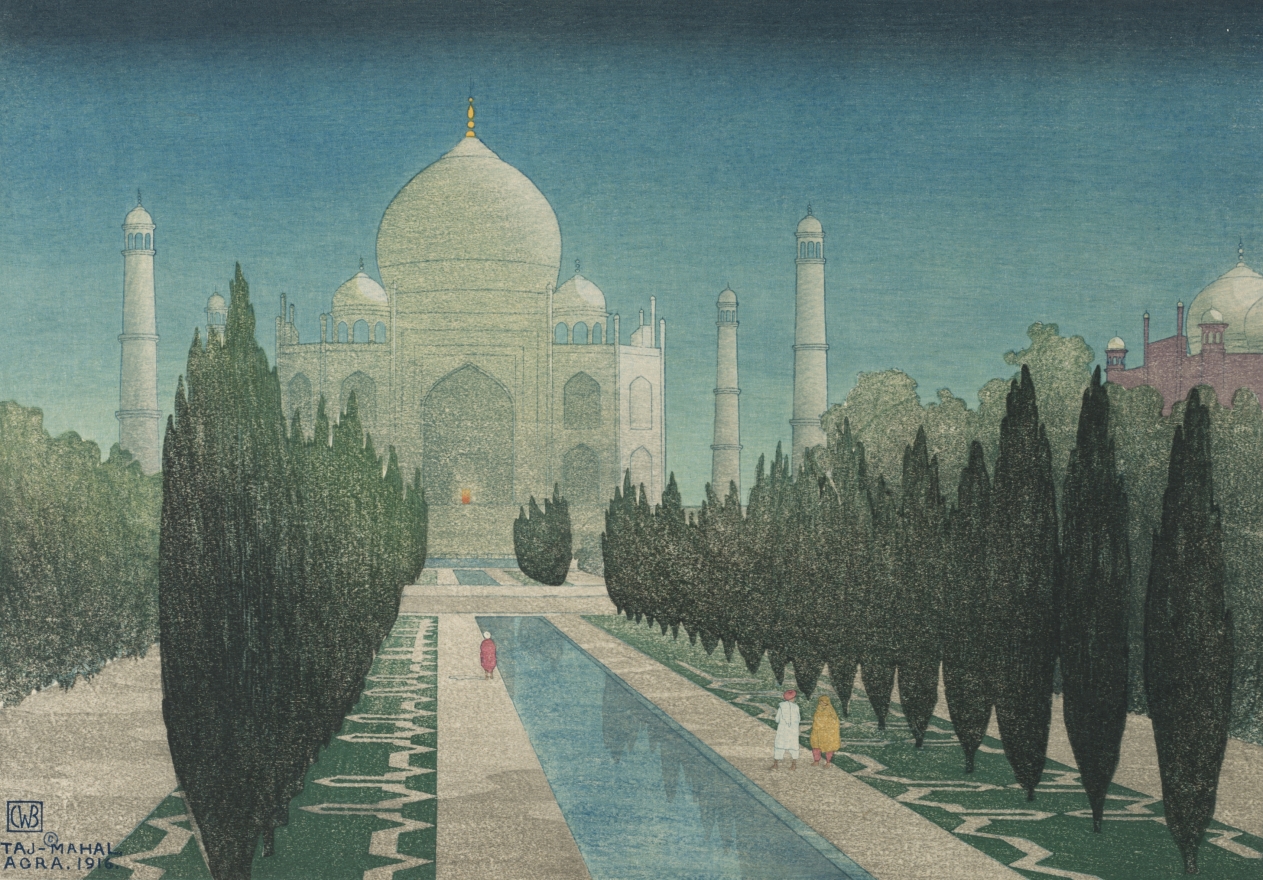
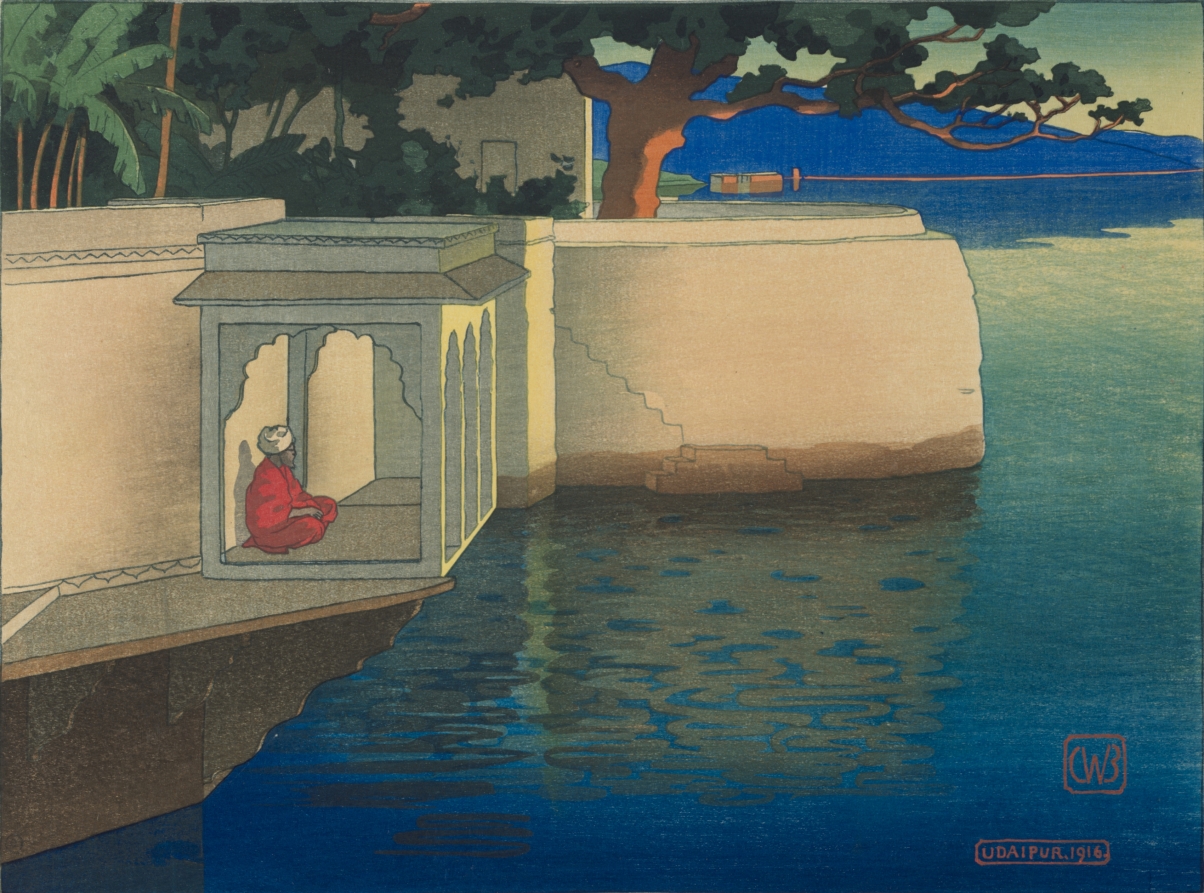
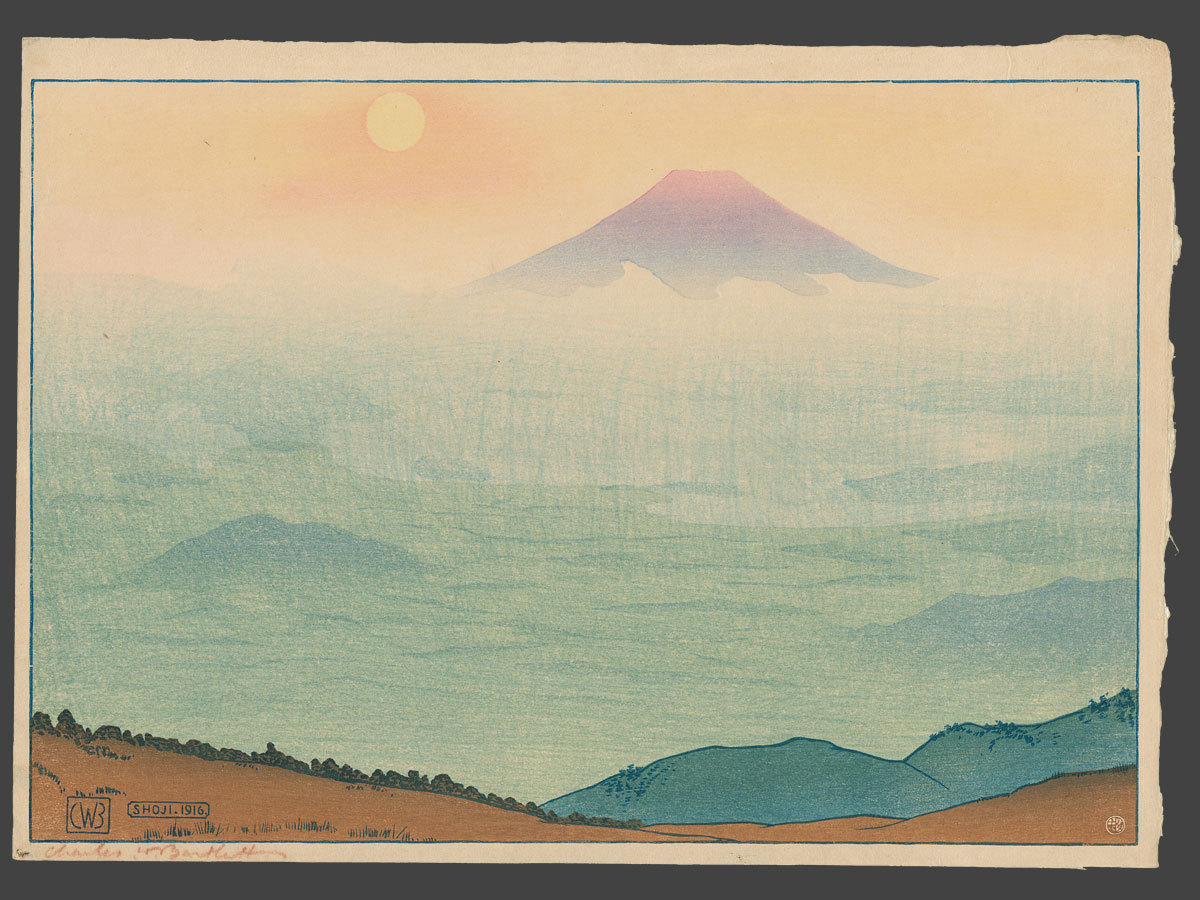
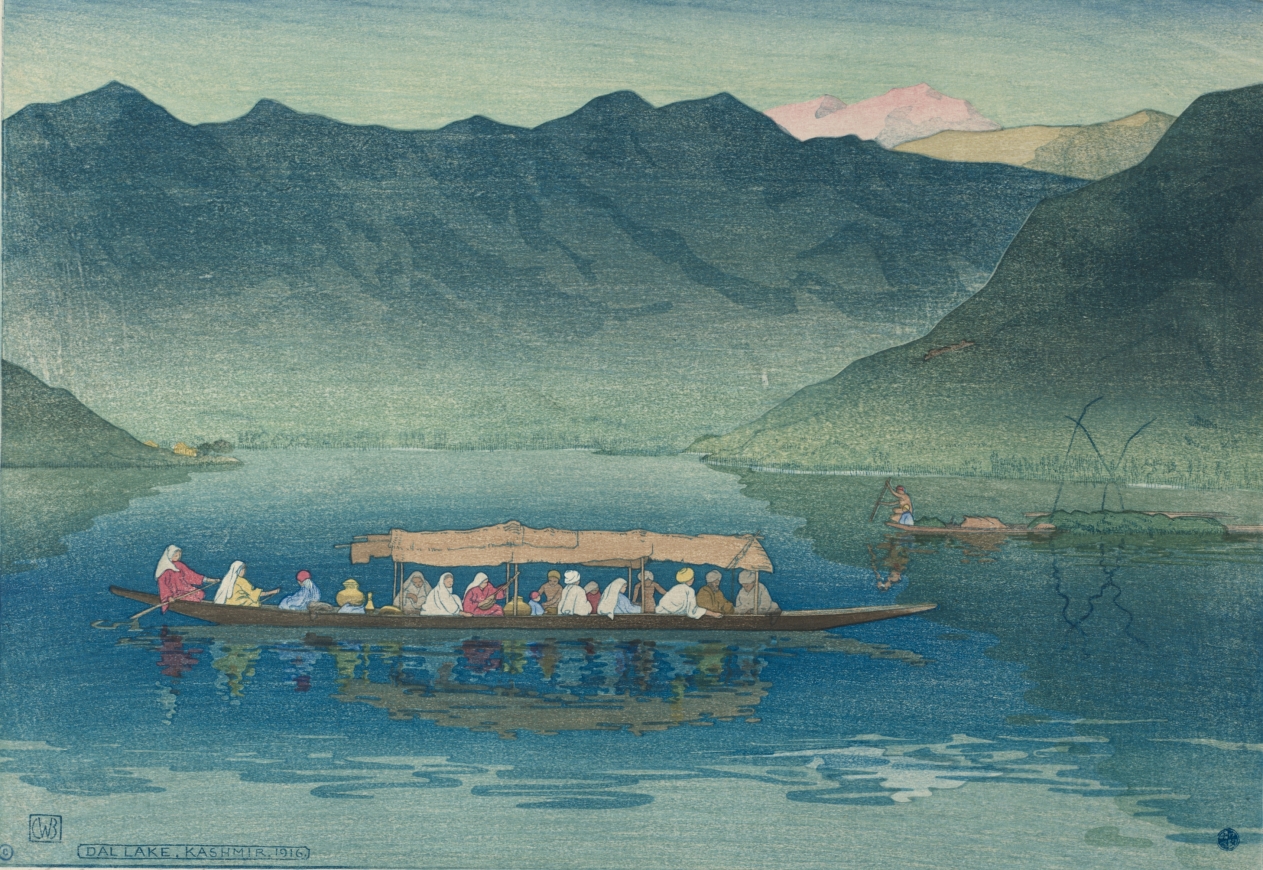
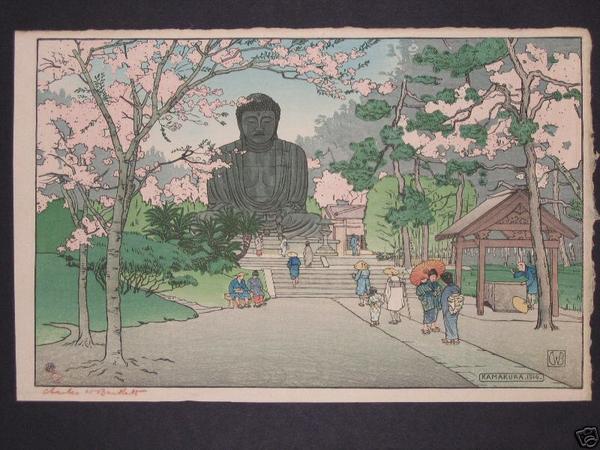
The resulting prints — some thirty-seven designs, of which Watanabe published twenty-one in 1916 and a further sixteen after Bartlett’s return visit to Japan in 1919 — are among the most beautiful and technically accomplished works of the shin-hanga movement. Bartlett’s subjects ranged across the Asian landscapes he had painted during his travels: Indian temples and rivers, Javanese and Chinese scenes, and Japanese harbors at twilight. Works such as his view of the Taj Mahal at sunset capture the golden light of the subcontinent with extraordinary sensitivity, while his Japanese subjects render the more subtle, misty atmosphere of the islands.
What distinguished Bartlett’s shin-hanga prints from those of his Japanese contemporaries was his distinctly Western approach to light and color. Where artists such as Kawase Hasui and Hiroshi Yoshida worked within Japanese landscape traditions, Bartlett brought the plein-air painter’s understanding of how light transforms a scene. His compositions tend toward broader, more open arrangements with fewer discrete elements, and his palette favors warm, saturated colors — ambers, golds, deep blues, and rich greens — that recall the watercolor tradition rather than the more restrained tones typical of Japanese printmaking.
The technical quality of Bartlett’s prints is exceptionally high. Watanabe assigned his most skilled craftsmen to the project, and the resulting prints feature complex color gradations, subtle bokashi effects, and precise registration that required extraordinary skill from both carver and printer. Many of his designs called for an unusually large number of color blocks, reflecting the complex color harmonies of his watercolor originals.
In 1917, Bartlett settled permanently in Honolulu, Hawaii, where he became a prominent figure in the local art community. He continued to paint prolifically, creating watercolors of Hawaiian landscapes, seascapes, and tropical scenes, and during his years in the islands he remained an active printmaker, producing more than ninety woodcuts and etchings. Though he lived far from Japan, his shin-hanga prints continued to circulate through Watanabe’s international distribution network, reaching collectors in Europe and America.
Bartlett died on April 16, 1940, in Honolulu. His woodblock prints, though relatively few in number, have achieved an enduring reputation among collectors of shin-hanga. Their distinctive combination of Western painterly sensibility and Japanese printmaking craftsmanship makes them immediately recognizable and highly prized. His works are held in collections including the Honolulu Museum of Art, the Cleveland Museum of Art, and the Library of Congress.
Key Facts
- Active Period
- 1860–1940
- Nationality
- 🇬🇧United Kingdom
- Movement
- Shin-hanga
- Works Indexed
- 32
Frequently Asked Questions
Charles William Bartlett (1860–1940) was a British-born painter and printmaker whose collaboration with the Tokyo publisher Watanabe Shozaburo produced some of the most distinctive and sought-after landscape prints of the shin-hanga movement. A trained Western artist who brought a watercolorist’s eye to the Japanese woodblock medium, Bartlett created prints of luminous color and atmospheric subtlety that stand as masterful examples of cross-cultural artistic exchange.
Charles W. Bartlett was active from 1860 to 1940. They were associated with the Shin-hanga movement.
Charles W. Bartlett's work was shaped by the Shin-hanga tradition in Japanese woodblock printmaking. Shin-hanga: ## What is Shin-hanga? Shin-hanga (新版画), literally "new prints," is the early twentieth-century revival of the collaborative Japanese woodblock workshop, organized between roughly 1915 and 1960 by the Tokyo publisher Watanabe Shōzaburō (1885–1962) and a handful of competing houses.
Charles W. Bartlett's prints frequently feature travel scenes, landscapes, architecture, rivers & lakes, figures, night scenes.
Original prints by Charles W. Bartlett can be found in collections including robynbuntin, Japanese Art Open Database, Art of Japan, Cleveland Museum of Art.
Woodblock Prints by Charles W. Bartlett (32)
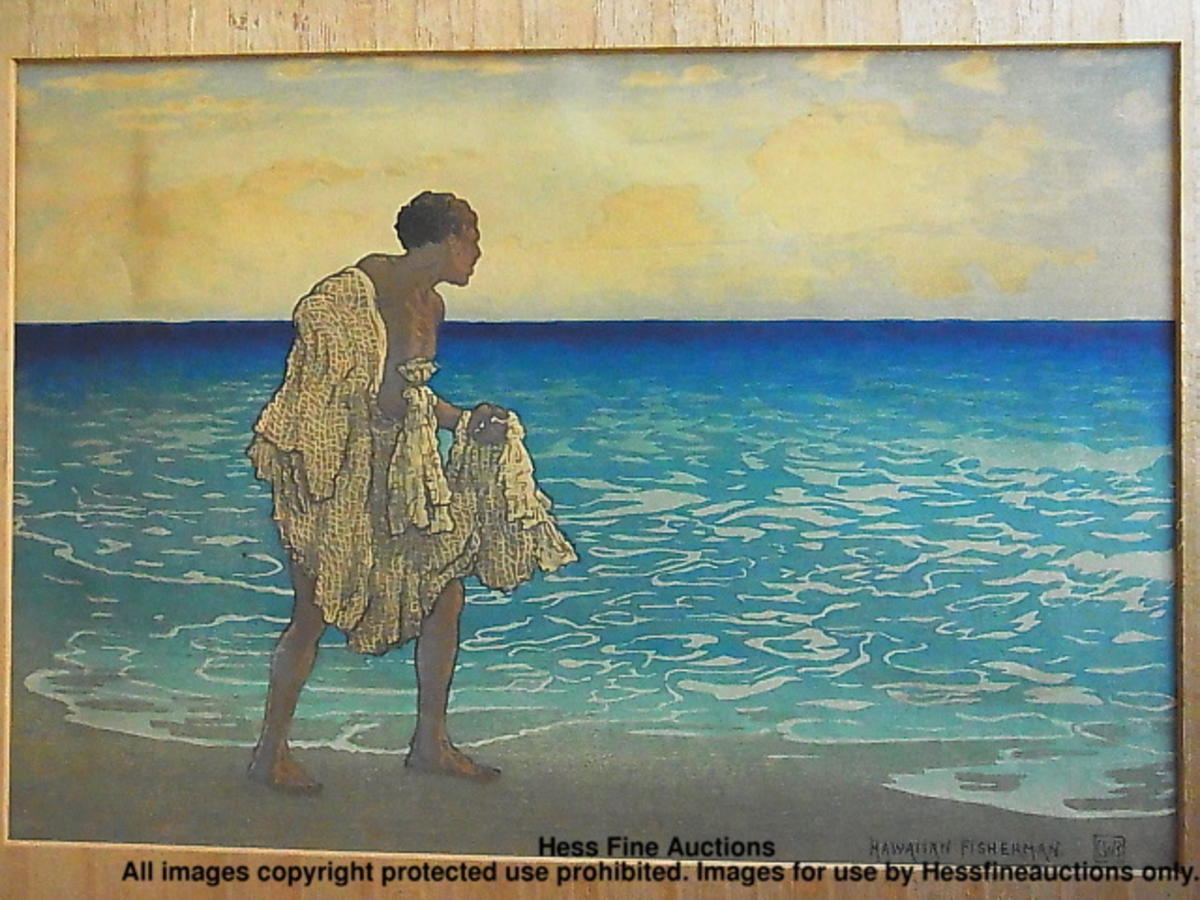
Hawaiian Fisherman
1910
Woodblock print

Iwabuchi
1916
Woodblock print
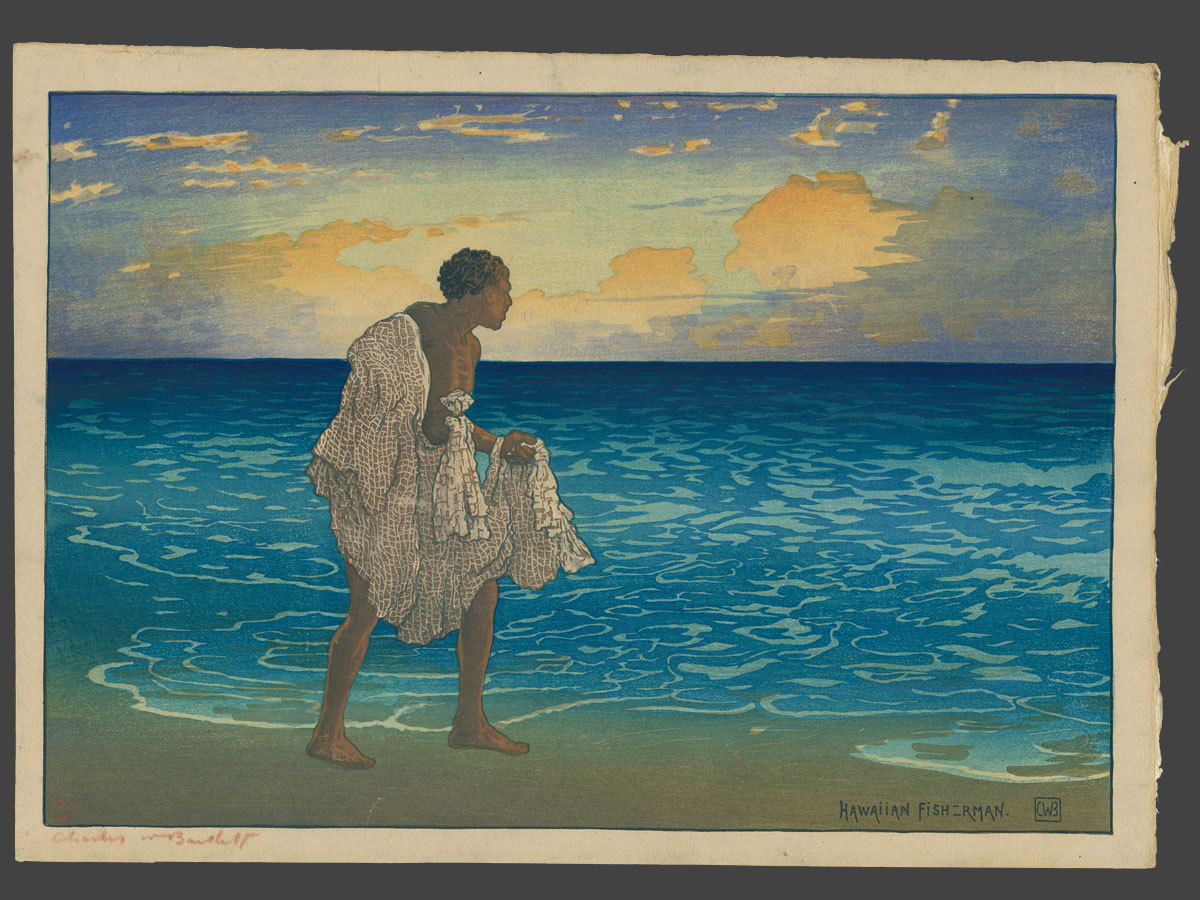
Hawaiian Fisherman, John Hano-Hano Pa
1916
Woodblock print
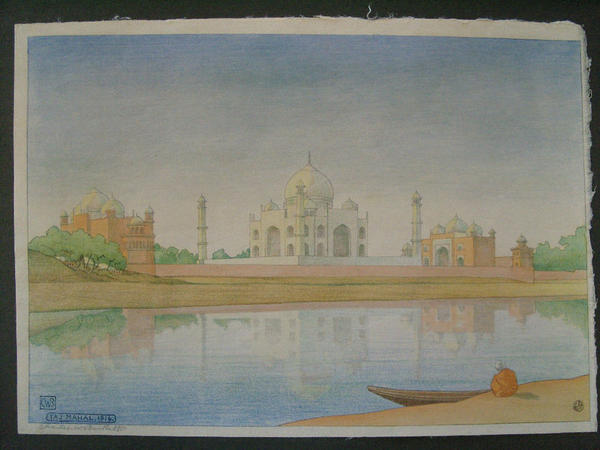
Taj Mahal at Dawn
1916
Drawing
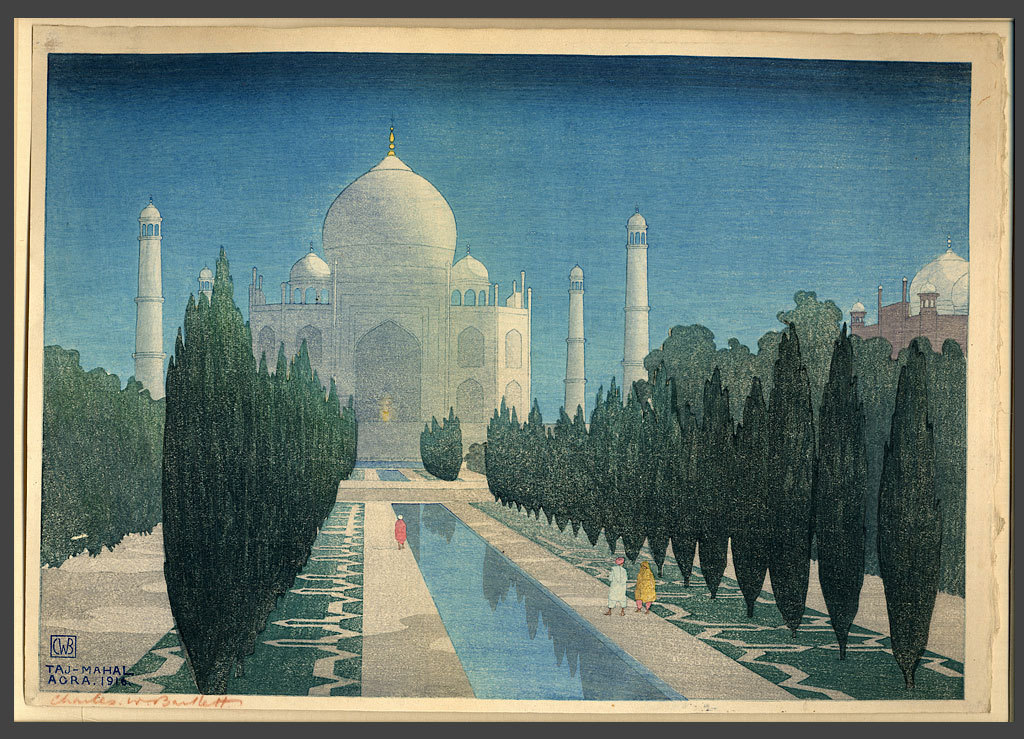
Taj Mahal by Moonlight
1916
Woodblock print
Taj Mahal, Twilight
1916
Woodblock print, ink and color on Japan paper
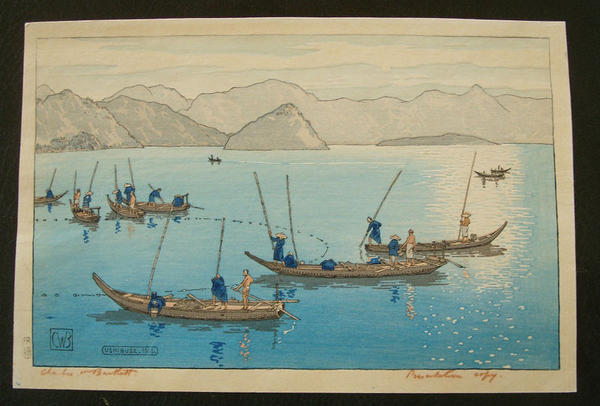
Ushibuse
1916
Woodblock print
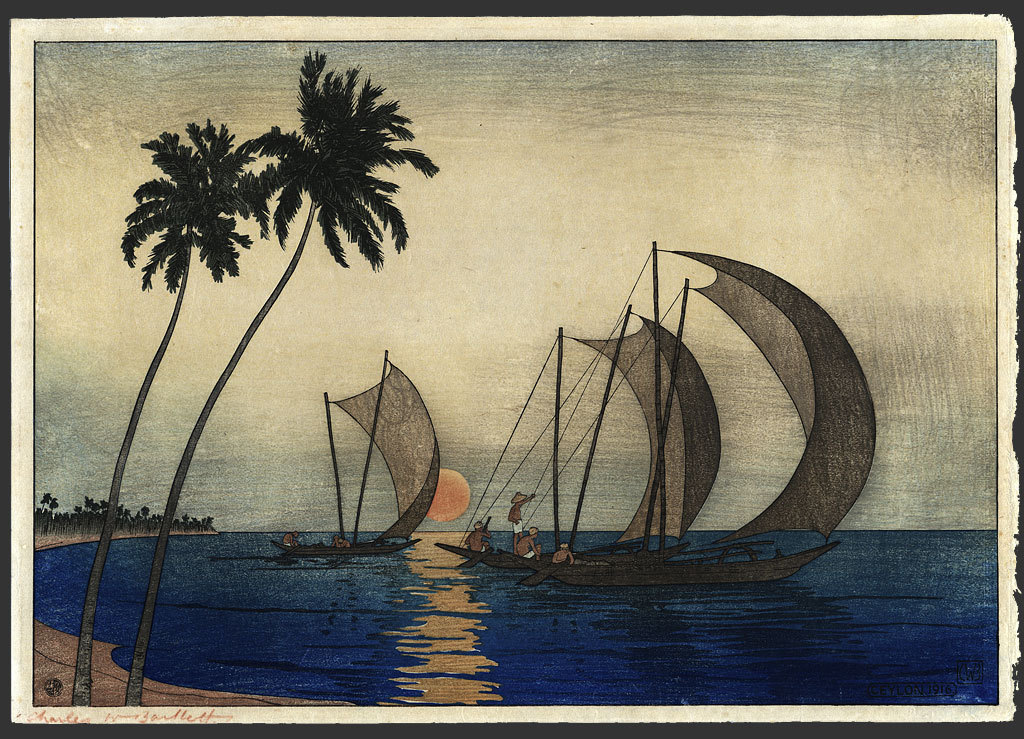
Ceylon
1916
Woodblock print
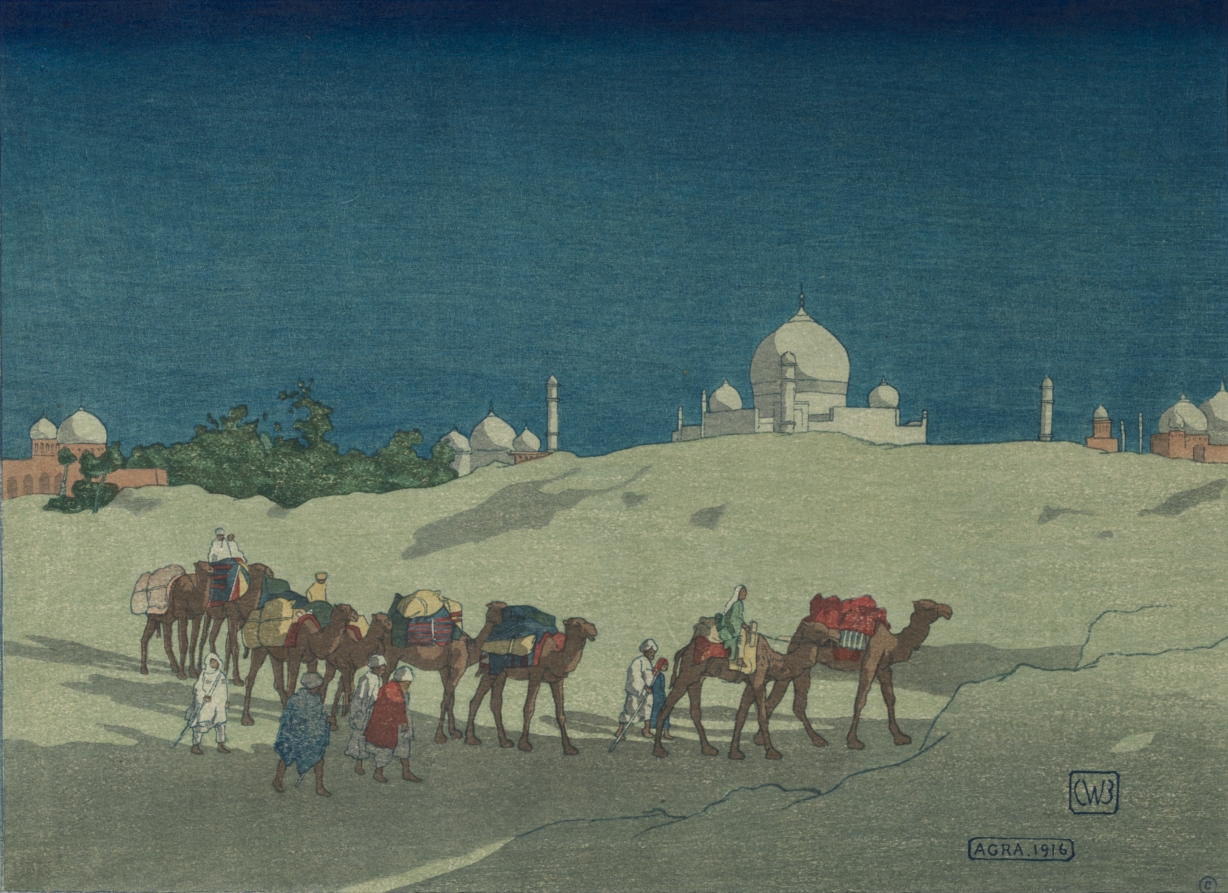
Agra
1916
color woodcut
Udaipur
1916
color woodcut
Shoji
1916
Woodblock print
Dal Lake, Kashmir
1916
color woodcut
Kamakura
1916
Woodblock print
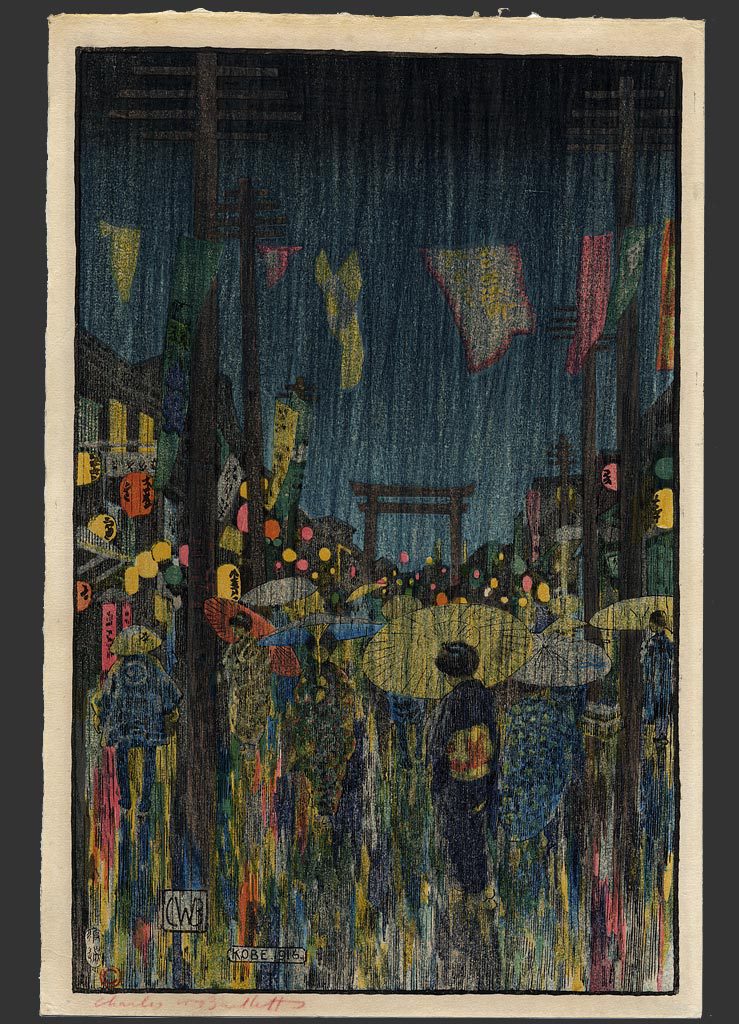
Kobe
1916
Woodblock print

Amritsar 1916
1916
Drawing
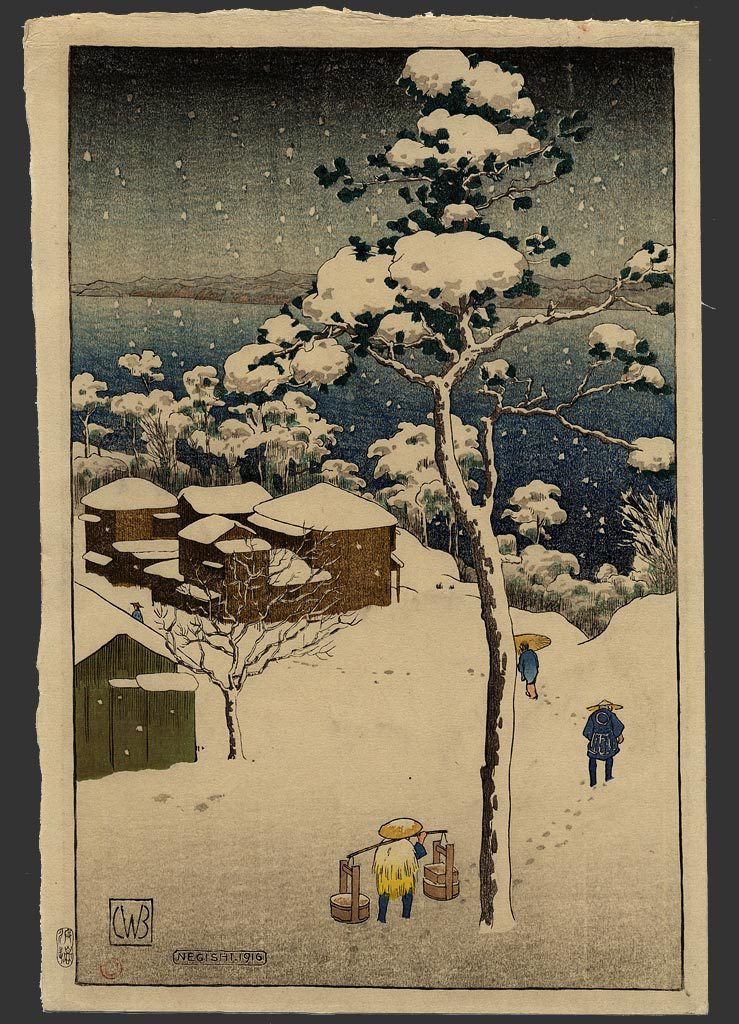
Negishi
1916
Woodblock print
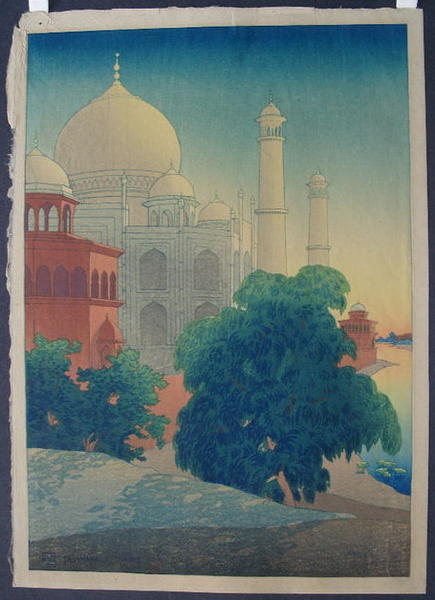
Taj Mahal Sunset
1919
Woodblock print
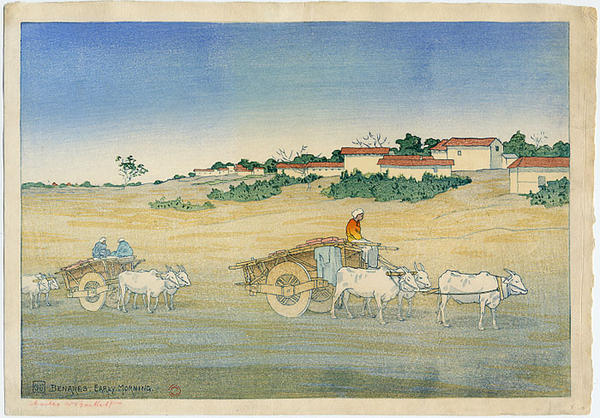
Benaras, Early Morning
1919
Woodblock print
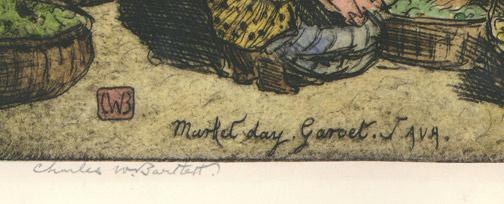
Market Day, Garnet, Java
1923
Woodblock print
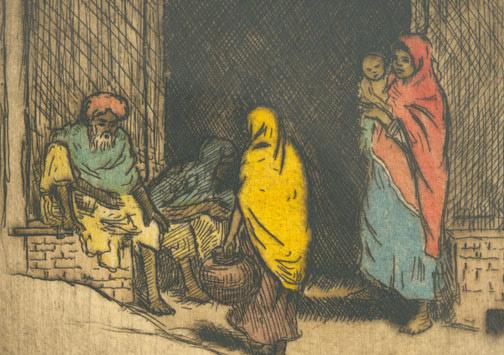
TotalCount
ca. 1923.
Woodblock print
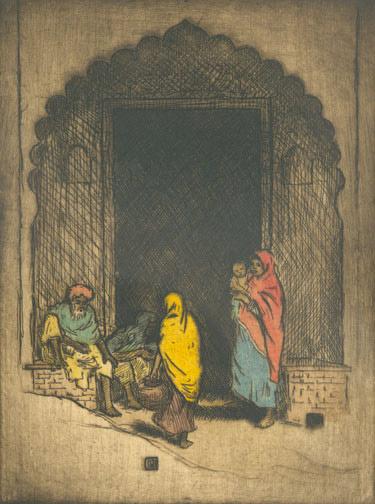
Gateway to Agra
ca. 1923.
Woodblock print

India Nautch Dancers
1923
Woodblock print
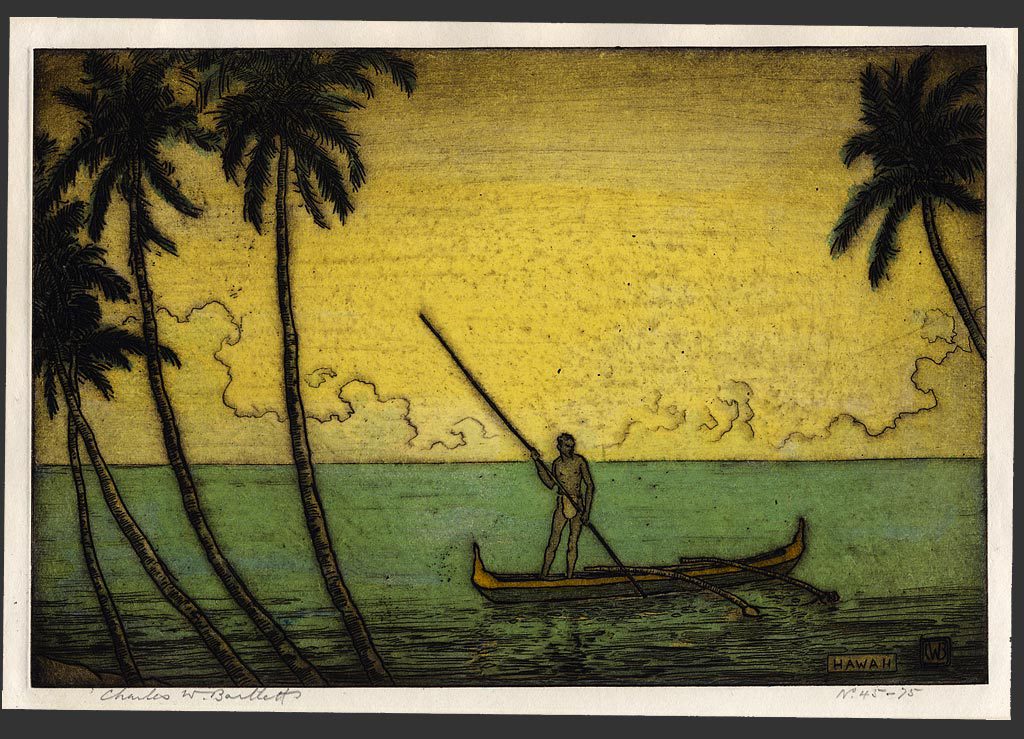
Man in an outrigger canoe 45/75
1923-27
Etching
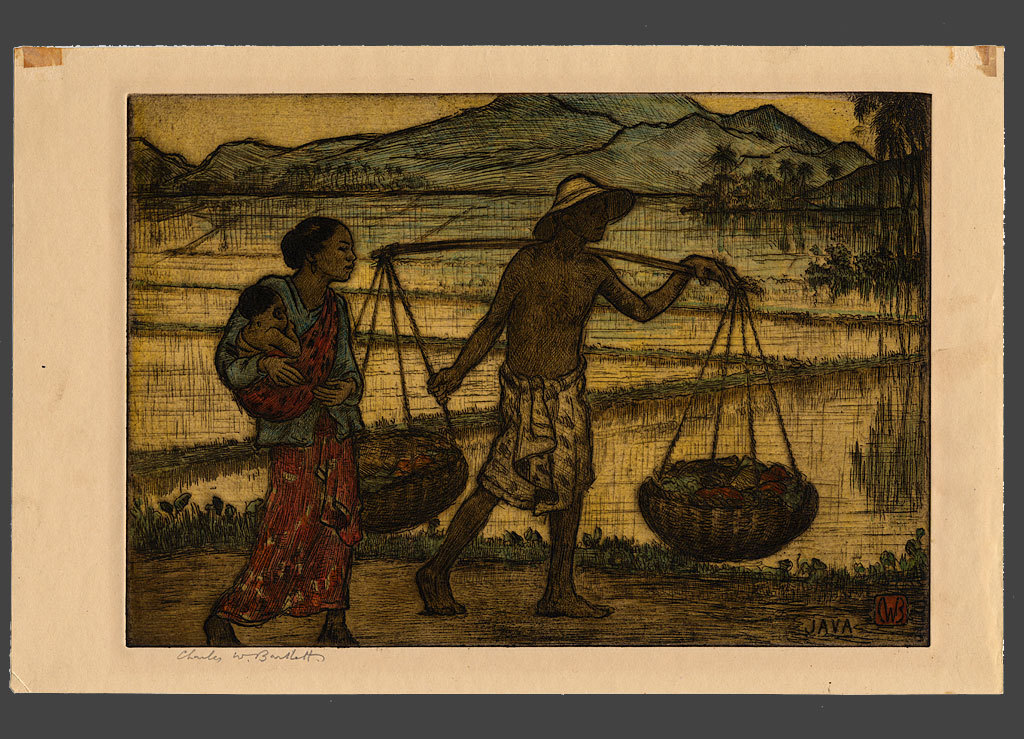
Java
c. 1933
Etching