Abstract Prints (2049)
Abstract prints represent a revolutionary departure in Japanese printmaking, emerging primarily through the sosaku-hanga (creative prints) movement of the mid-twentieth century. While traditional ukiyo-e and shin-hanga were rooted in representational imagery, abstract works embraced non-figurative composition, exploring color, texture, and form for their own expressive potential. The abstract turn in Japanese printmaking gained international recognition in the 1950s and 1960s, when artists like Yoshida Hodaka, Maki Haku, and Tajima Hiroyuki won major prizes at the Sao Paulo and Venice Biennales. These artists developed distinctive approaches to abstraction — from Maki's layered cement-and-ink surfaces to Tajima's vibrant geometric compositions — that drew on Japanese aesthetic principles while engaging with global modernist movements. The woodblock medium proved uniquely suited to abstract expression, offering possibilities for textural experimentation through woodgrain impression, selective inking, and the interaction between handmade washi paper and carved surfaces. Many abstract printmakers exploited the material qualities of the block itself, allowing the wood's natural grain to become an active compositional element rather than merely a vehicle for an image.
Artists Known for Abstract

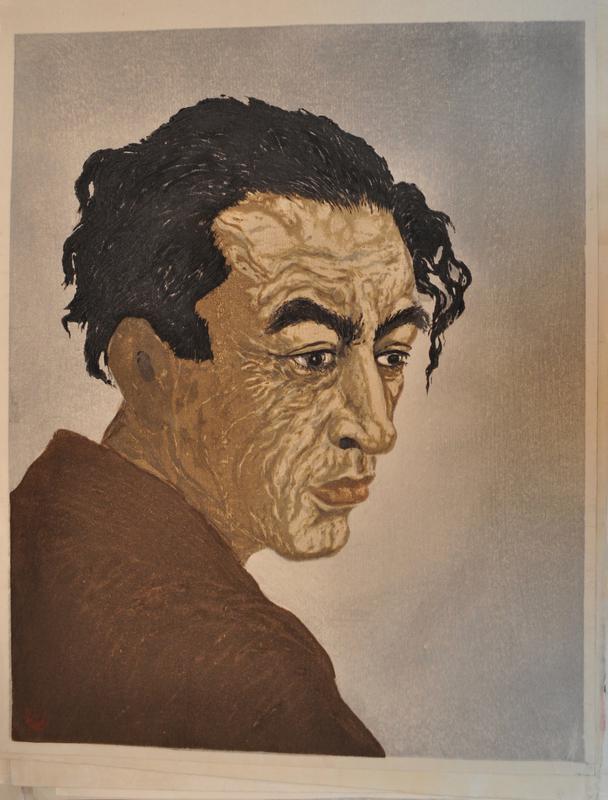


Emanation-7
20th century
Color woodblock print; edition 15/30
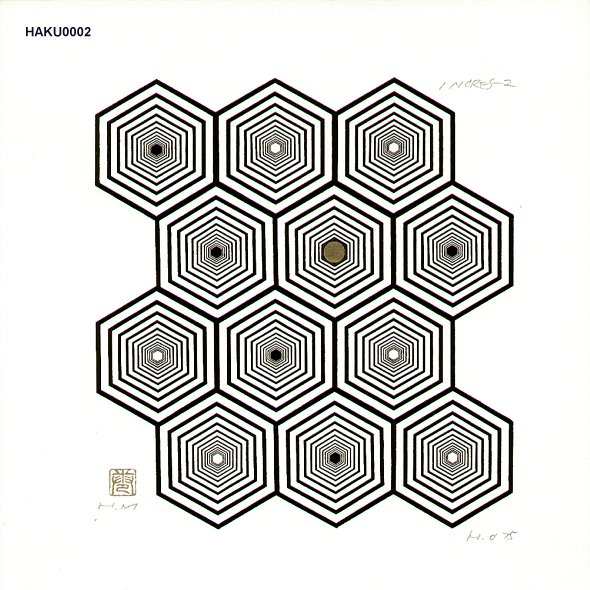
Incres-2
Woodblock print
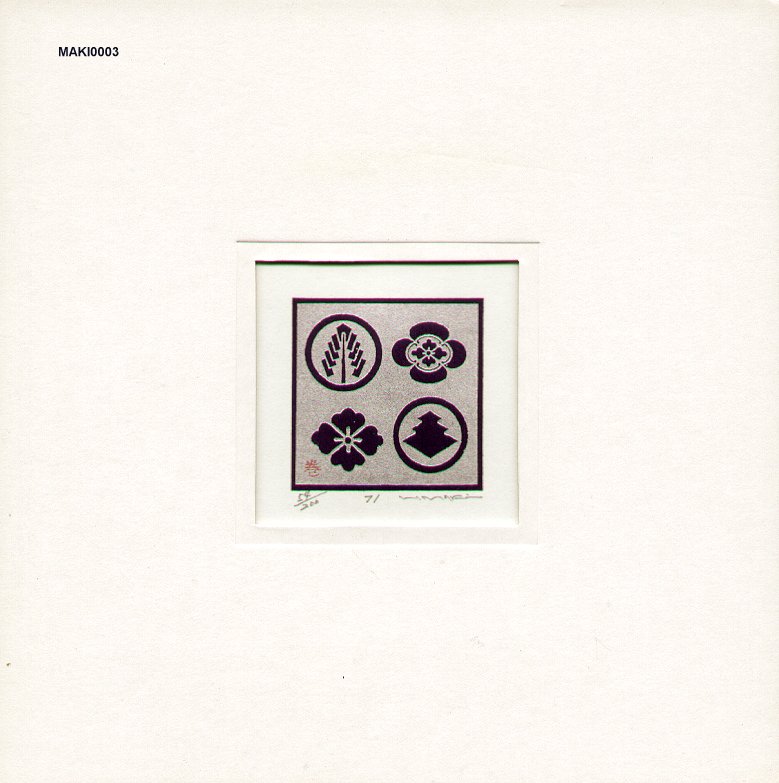
Number 71
Woodblock print

Clay Images
1950
Color woodblock print
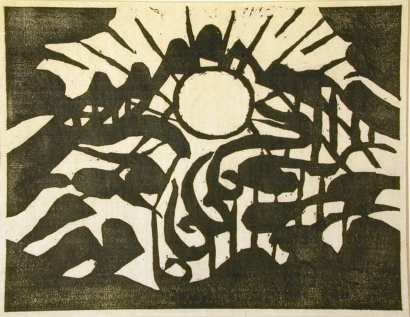
Hisshutsu
1937
Woodblock print

Lyrique No. 19
1952
Paper print
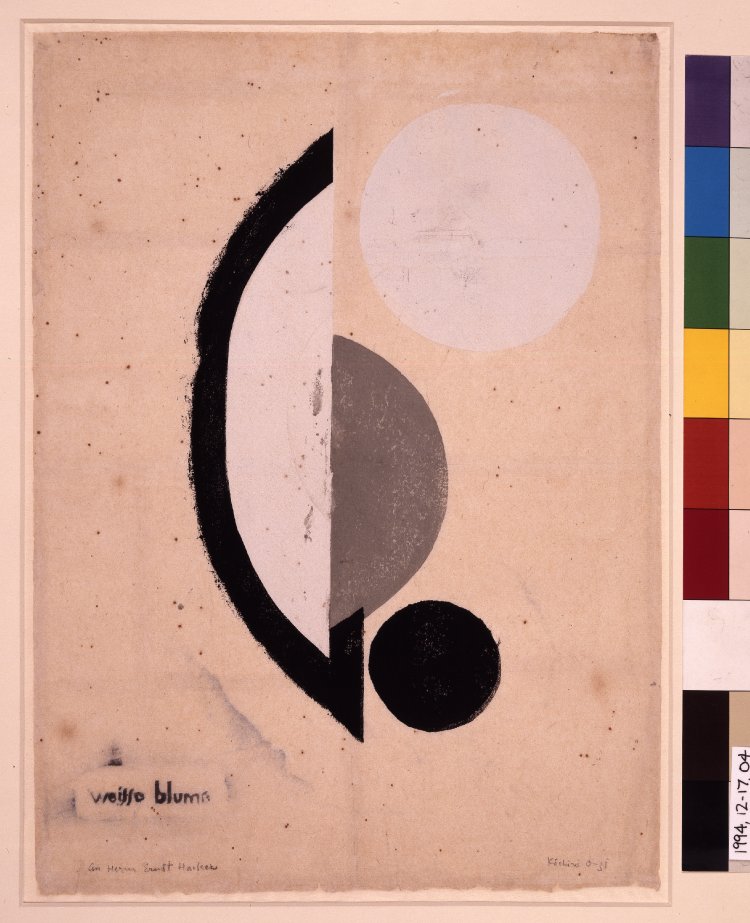
Image No. 2. Weisse Blume
Woodblock print
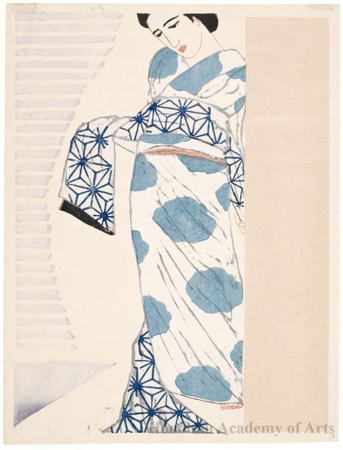
Obi (Sash)
Woodblock print

Poème No. 7 (?10): Nihil
Woodblock print
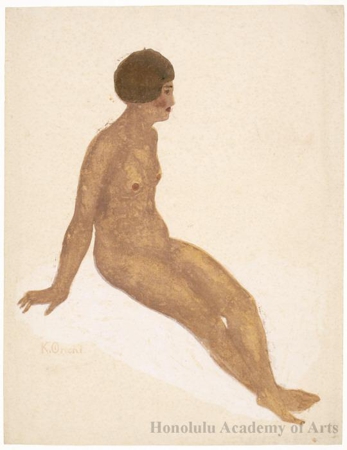
Rest
Woodblock print
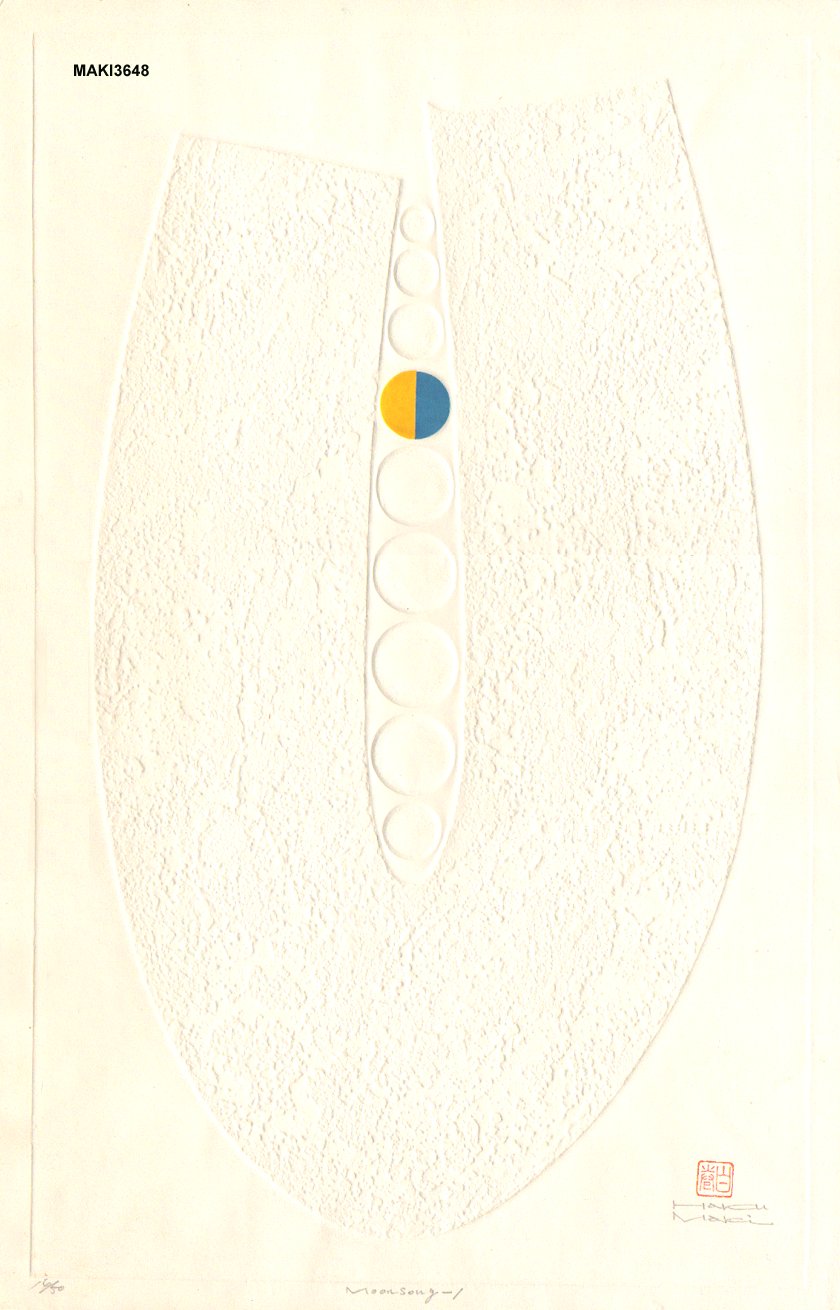
Moonsong-1
Woodblock print

#41 Kasose 1.89
1989
Etching

#69 — 86
1986
Etching

#71 Considering Lao-tse (7)
2003
Etching
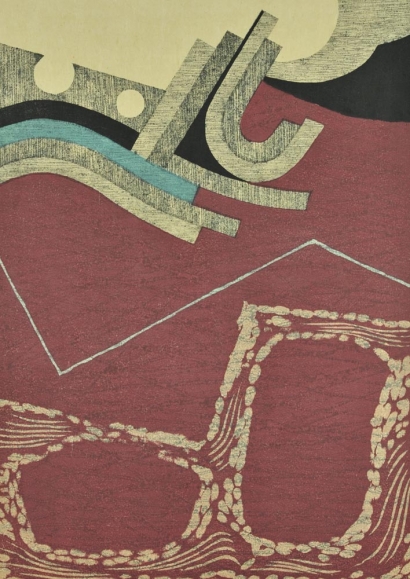
Earth's Surface
Woodblock print
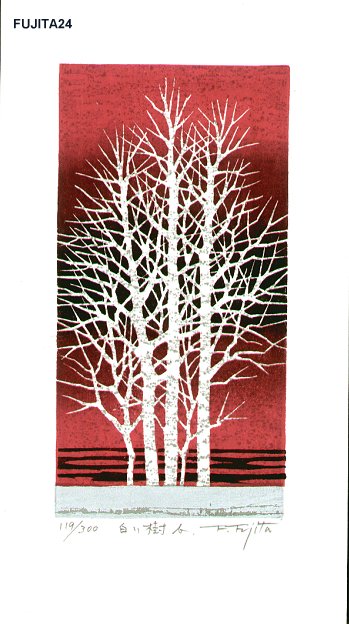
SHIRAJU B(white forest B)
Woodblock print
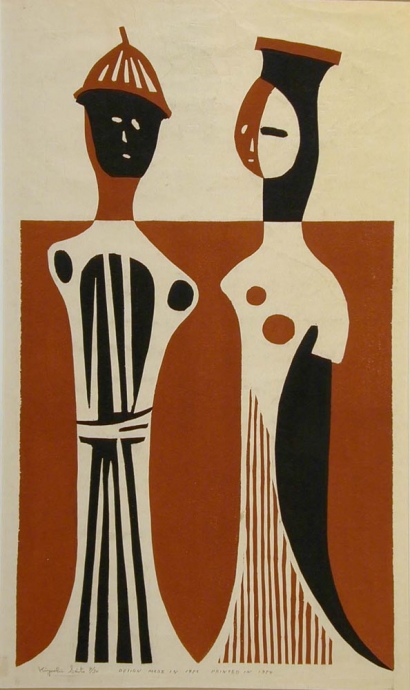
Haniwa Pair
Woodblock print

Ryoanji, Kyoto (A)
1954
Color woodblock print
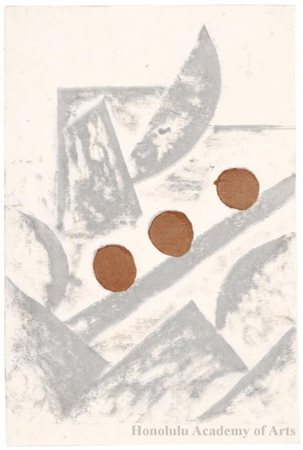
Lyric No. 2: Lyric on Musical Themes Borodin, “Scherzo”
Woodblock print
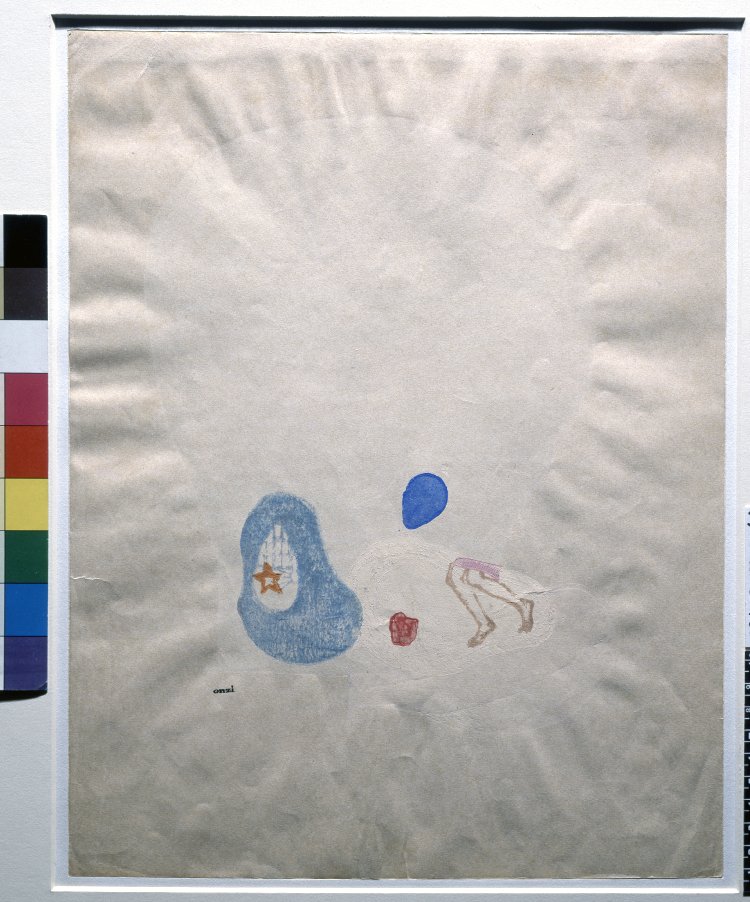
Fairy Tales in the Shell / Ichimoku-shu (First Thursday Collection, Vol 2)
Woodblock print
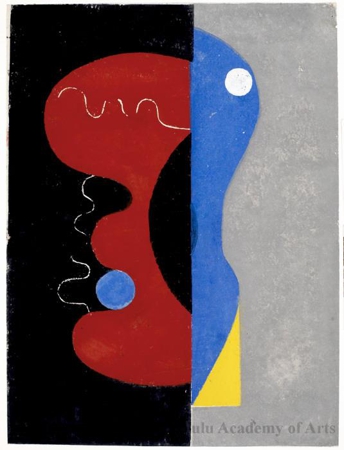
Lyric No. 23
Woodblock print

Poème
Woodblock print
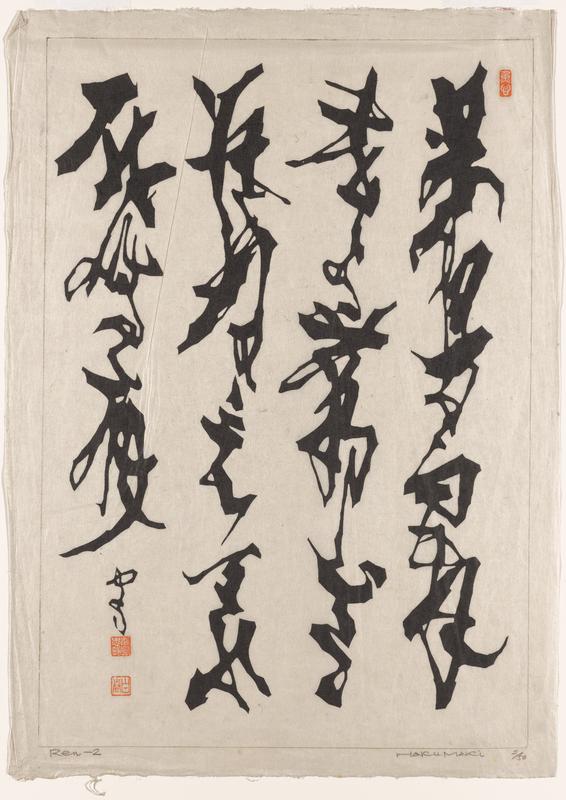
Ren - 2
1960s
Woodblock print, ink on paper
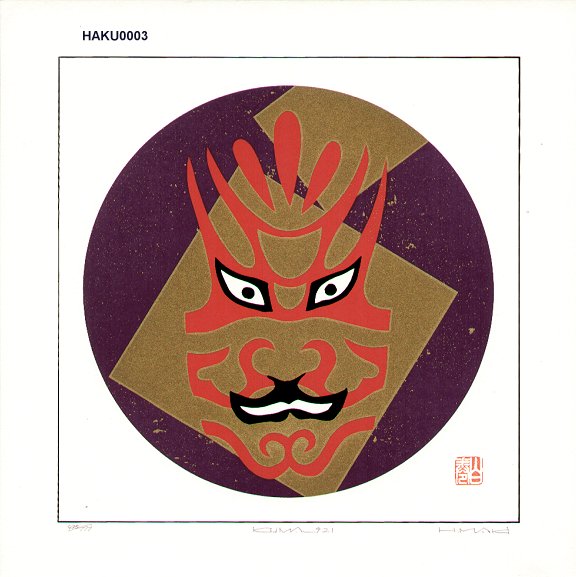
Kuma 921
Woodblock print

#78 Cocoon
2003
Etching
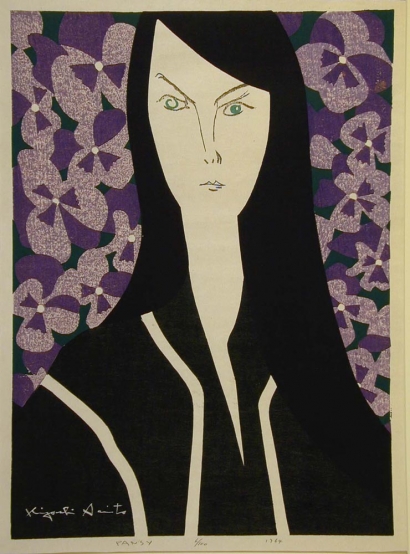
Pansy
Woodblock print
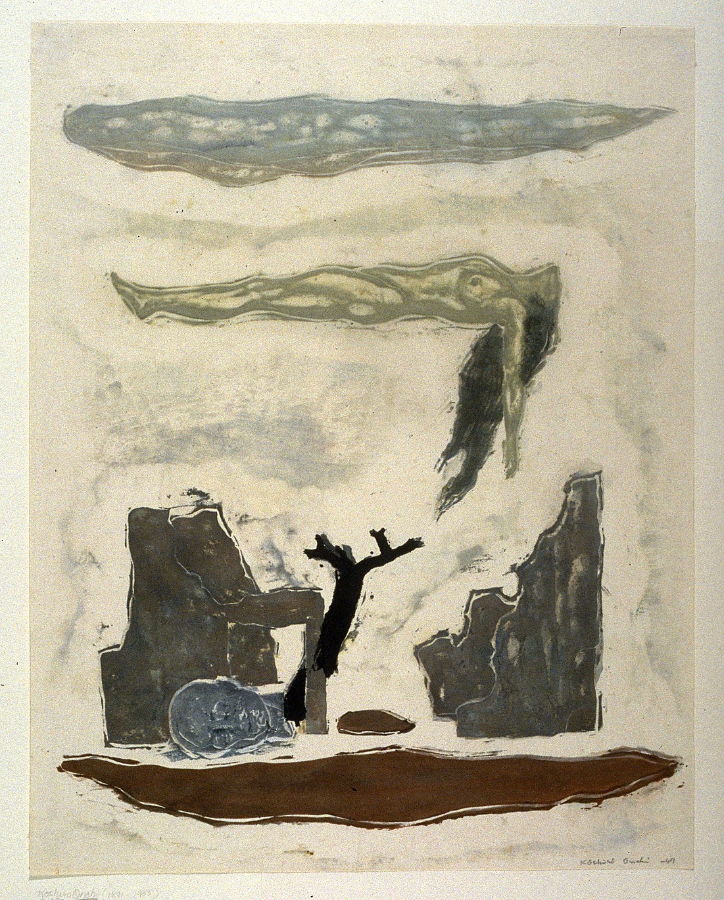
At Ruin: Allegory No.3
Woodblock print
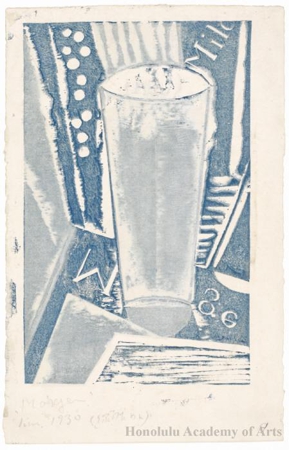
Morgen (Morning)
Woodblock print

Mannequin in the Studio
1936
Color woodblock print

Objet No. 2
1954
Woodblock and object print
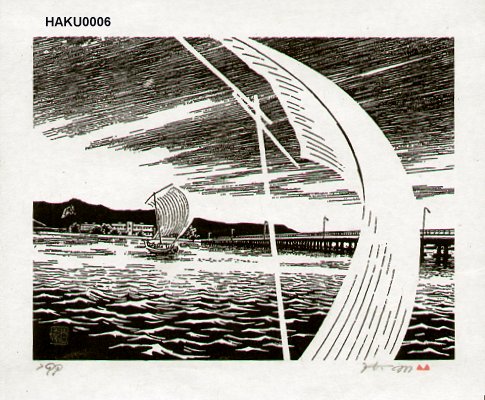
Sail boats
Woodblock print

#85 Considering
2004
Etching
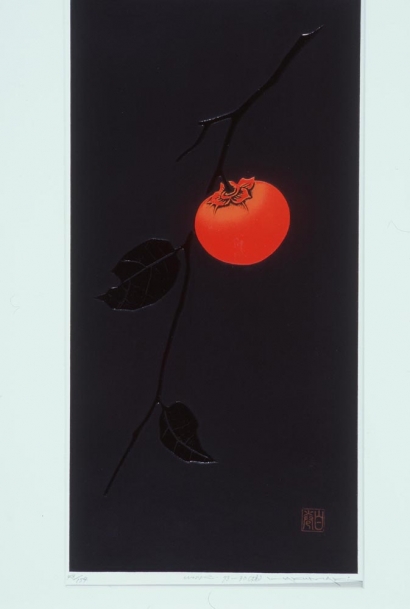
Kaki
Woodblock print

DAICHI (earth)
Woodblock print

Firewood (Maki)
1960
Color woodblock print; Artist's proof (Epreuve d'artiste)

Dachshund
1955
Color woodblock print; edition 25/80
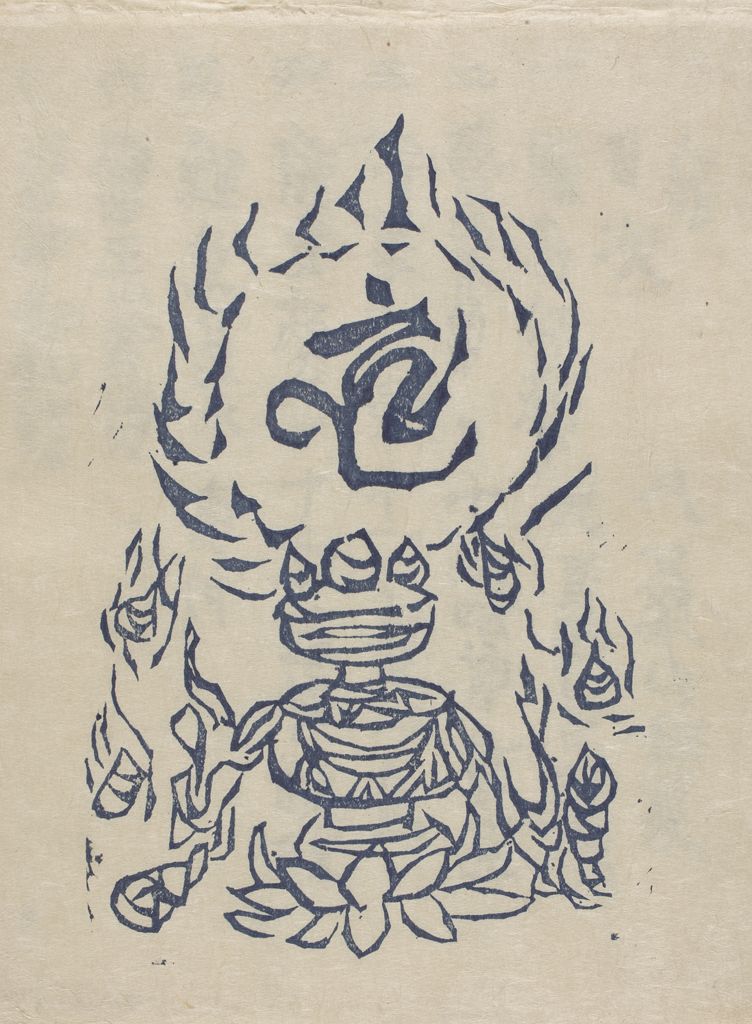
(Munakata hanga aizen hin)
description
Woodblock print
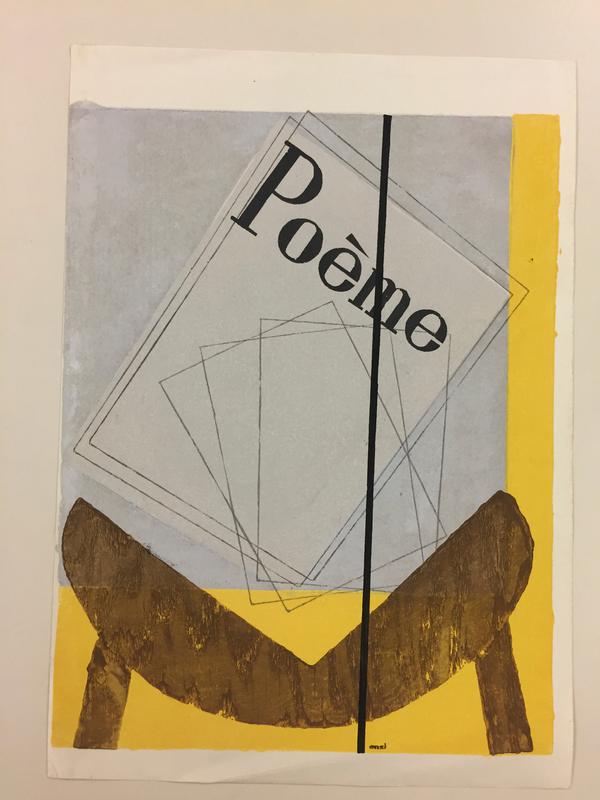
Books
1949
Woodblock print, ink and color on paper

Improvisation No. 3: Line
1951
Woodblock print
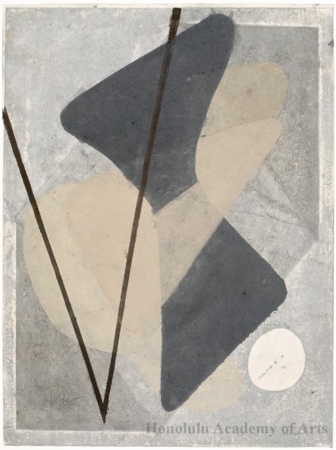
Lyric No. 29: Sad self-satisfaction
Woodblock print
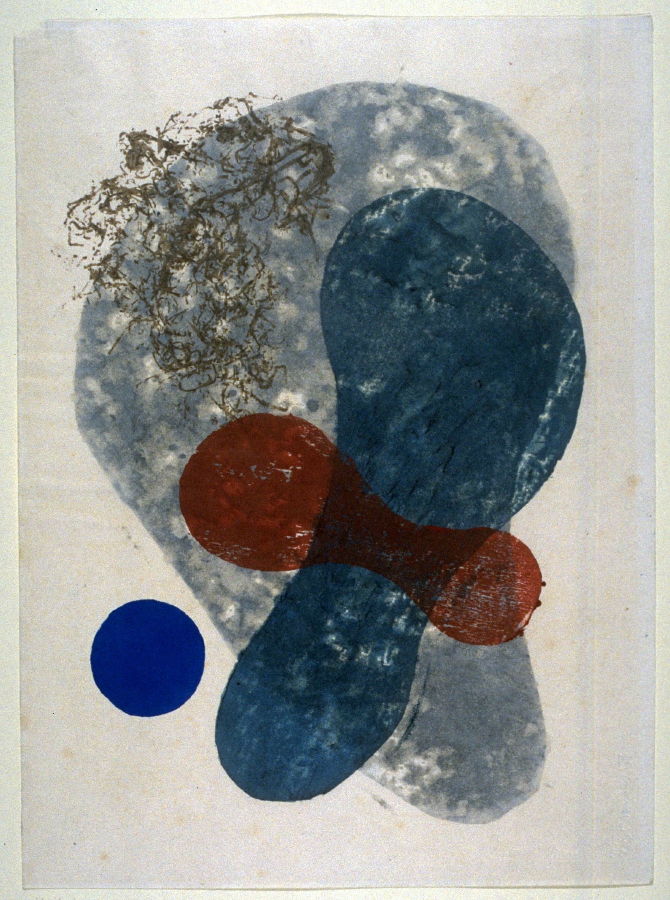
Lyric no. 9: Distant Hope
Woodblock print
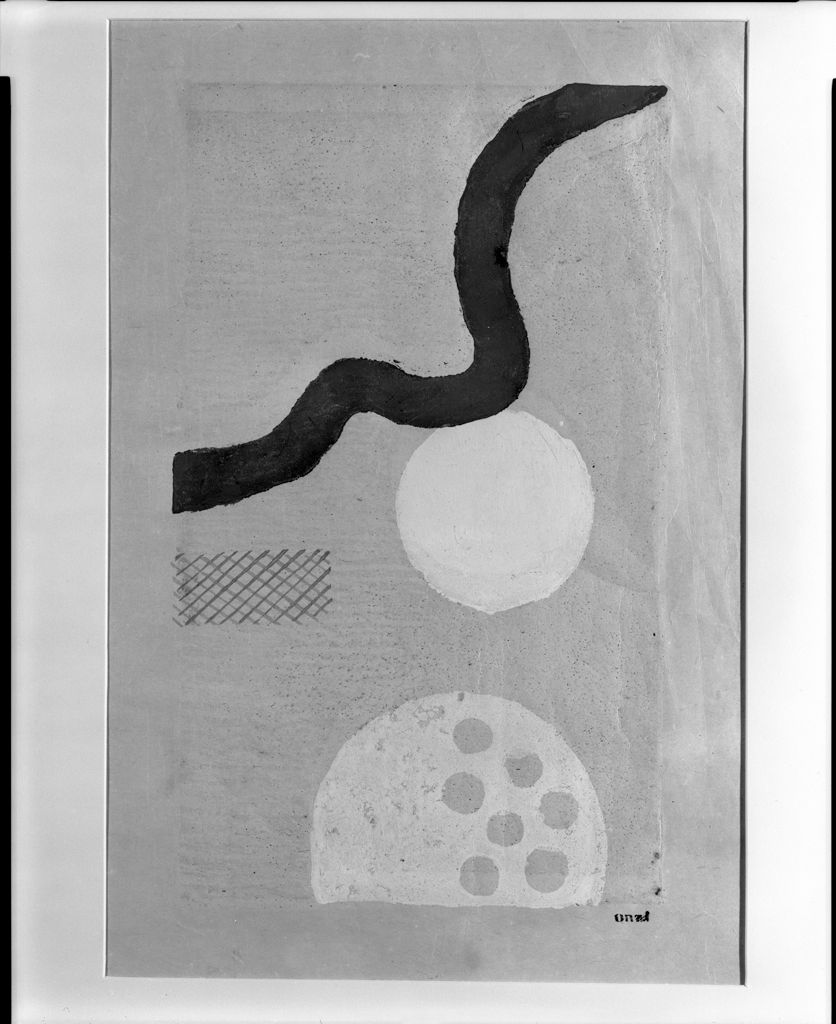
Lyrique No. 2: Lyrique on Musical Themes: Ravel, Morning Song of a Pierrot, Shôwa period, dated 1933
Woodblock print
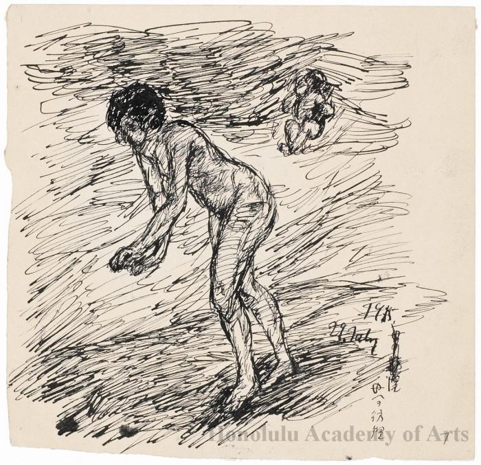
Seeking for Mother
Woodblock print
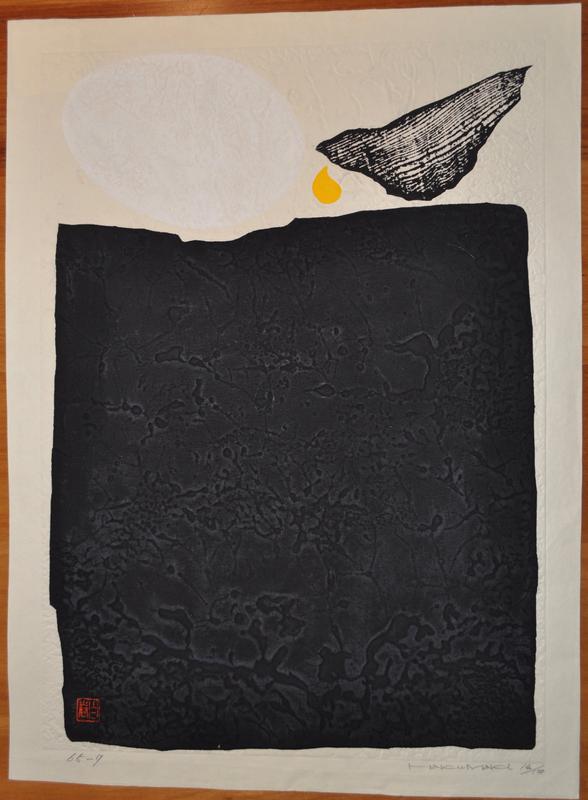
65 - 7
1965
Woodblock print, ink and color on embossed paper
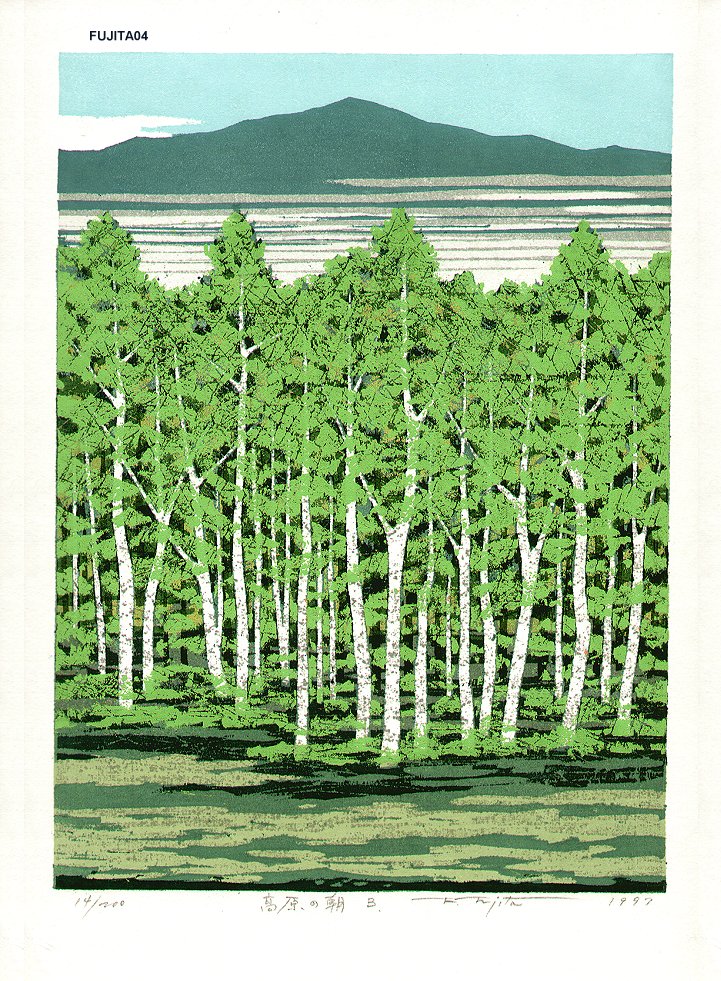
KOUGENNOASA B (morning of tableland B)
Woodblock print
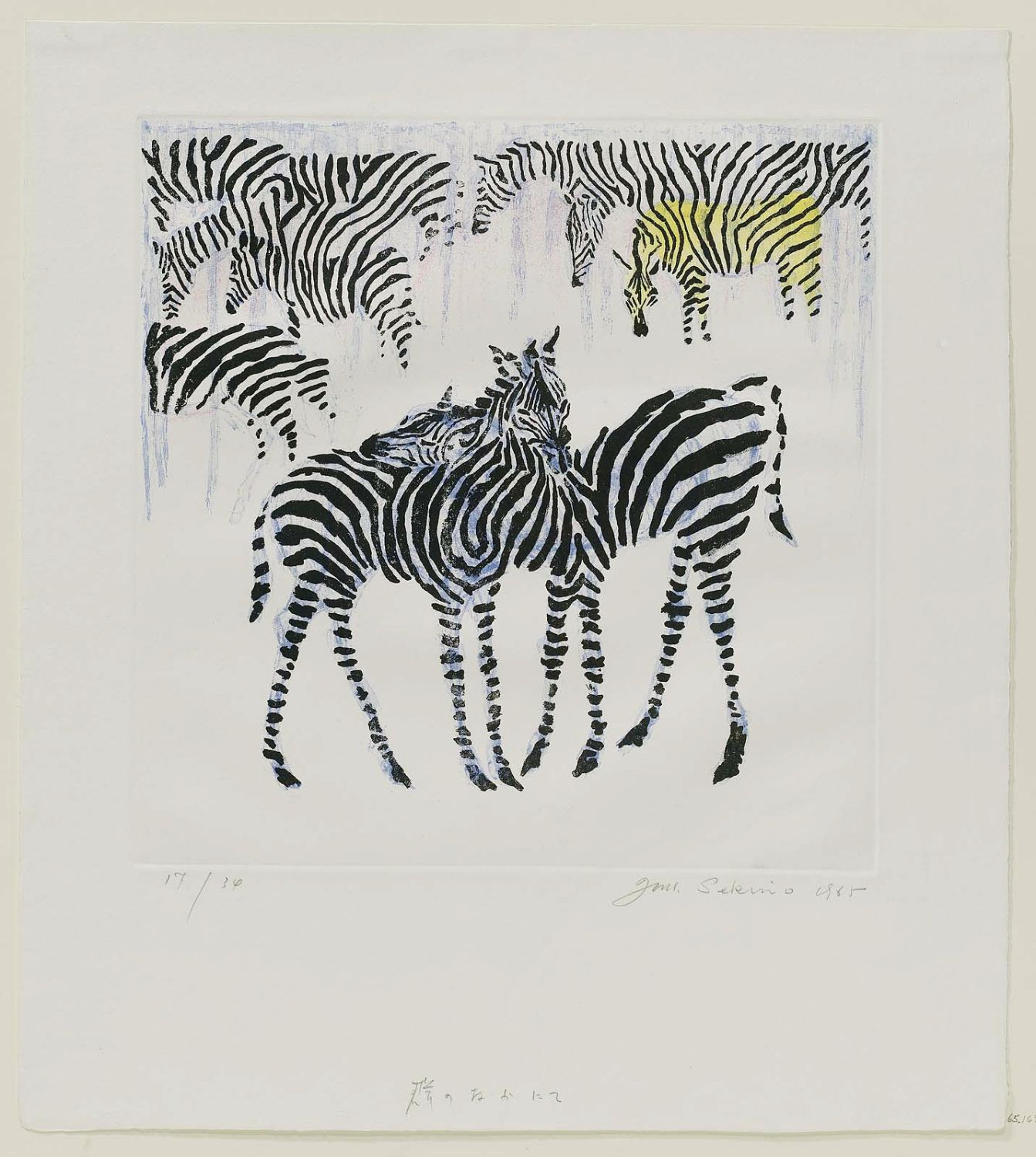
Zebras, Mure no naka nite (Inside the Herd)
Woodblock print

White Dream
Woodblock print
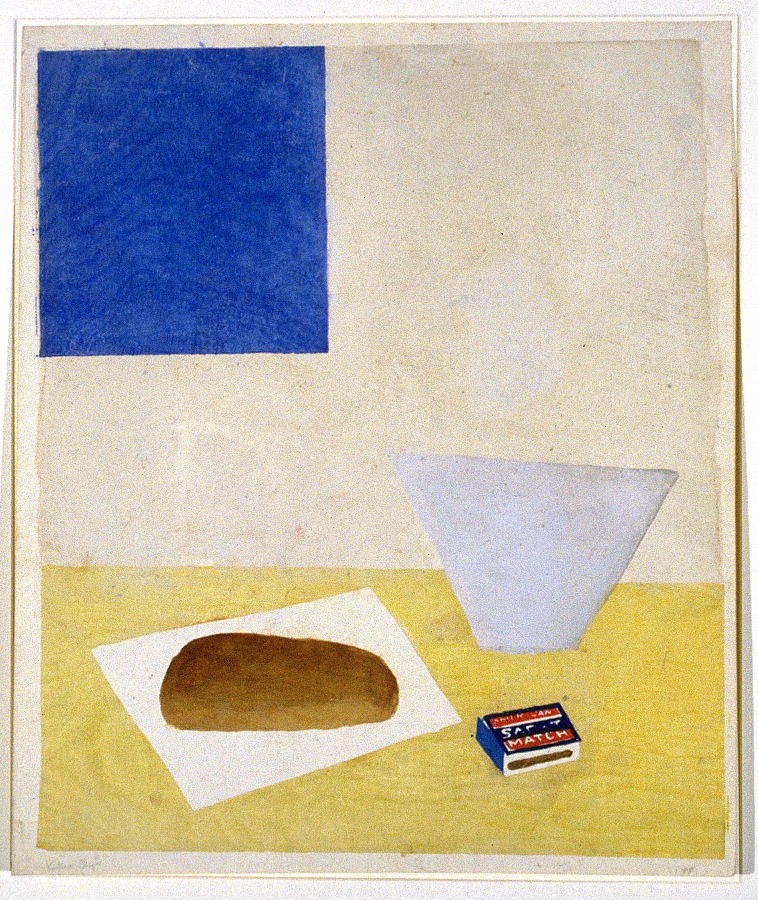
Caricature No.1 (Bread and Match)
Woodblock print

Lyrique No. 31: Sorrowful Excitement
1954
Paper print
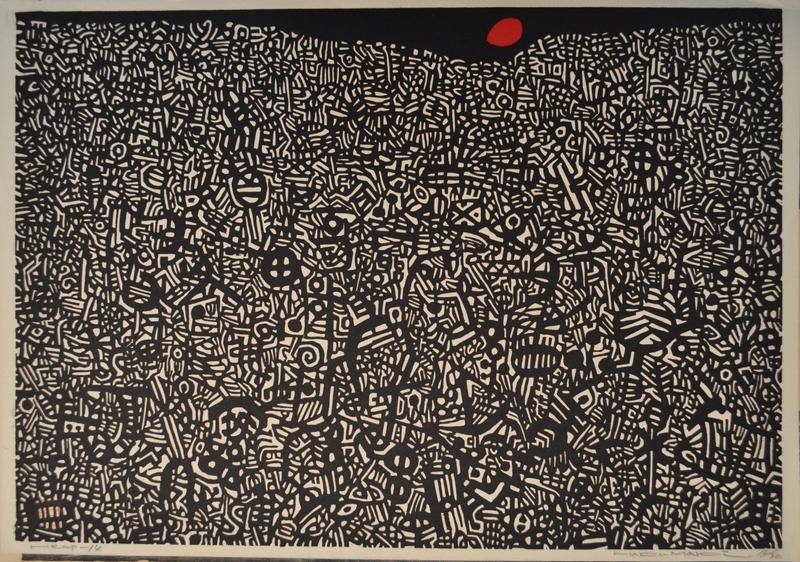
Heap - 14
c.1960
Woodblock print, ink and color on paper
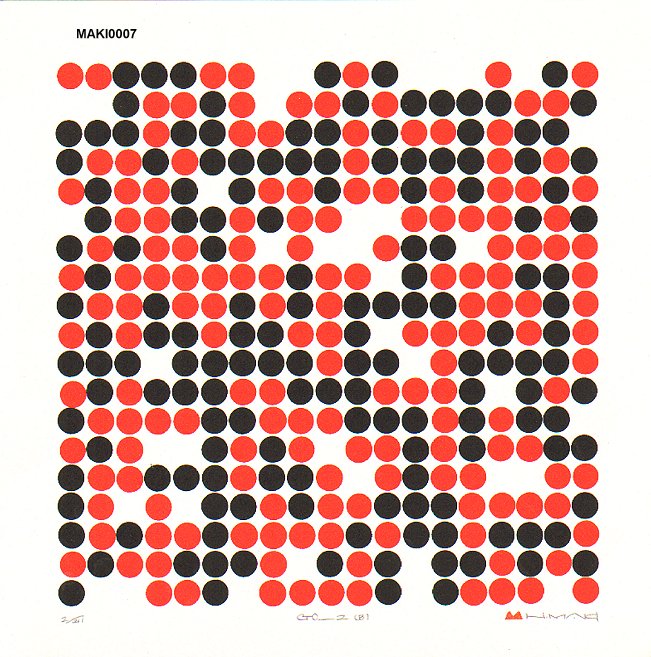
Go 2(B)
Woodblock print
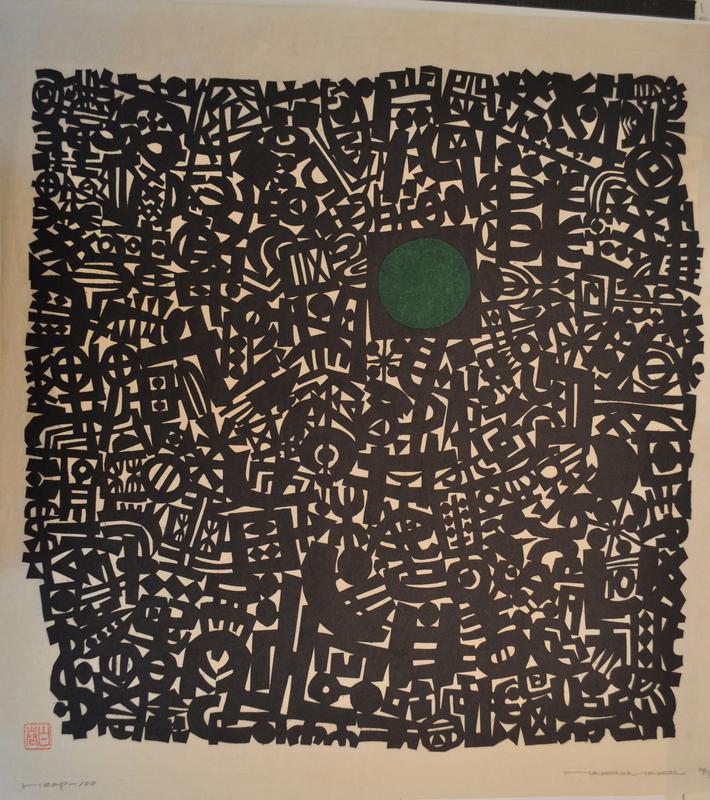
Heap - 100
1960
Woodblock print, ink and color on paper
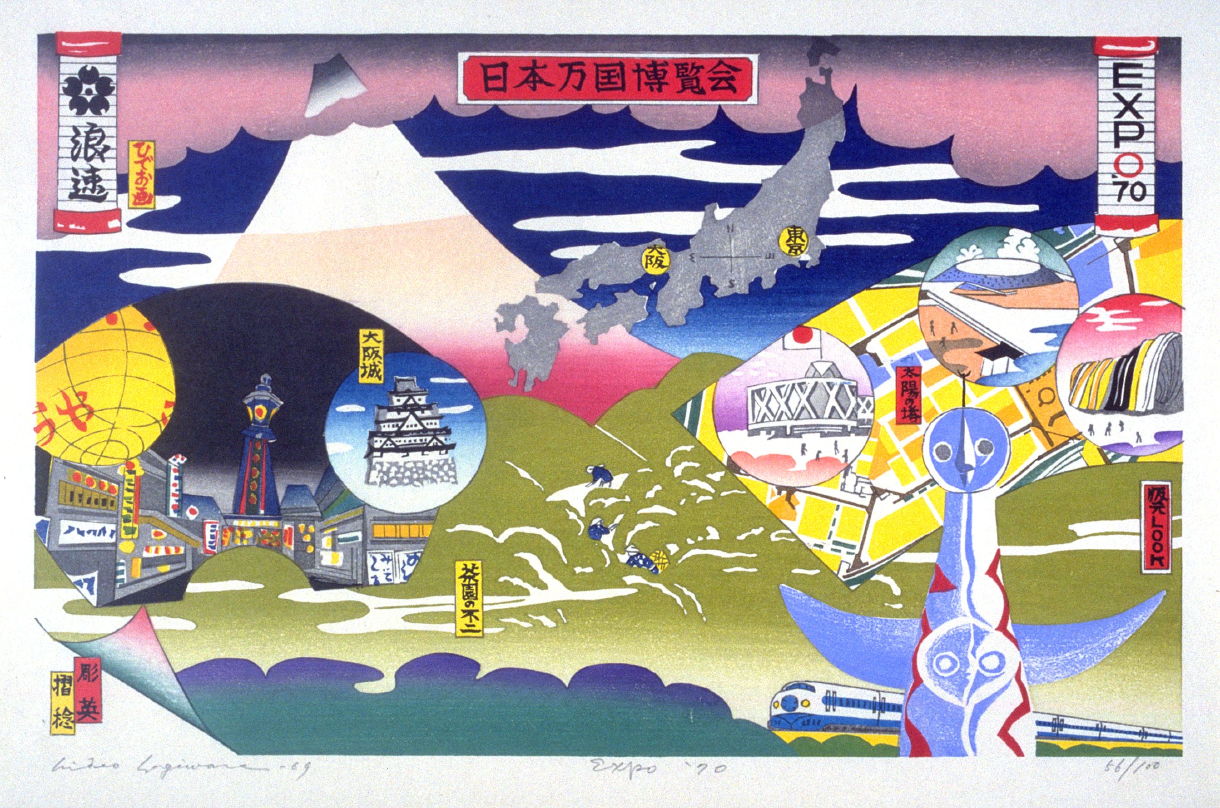
Expo '70
Woodblock print

Clay Image
1953
Color woodblock print; edition 45/50
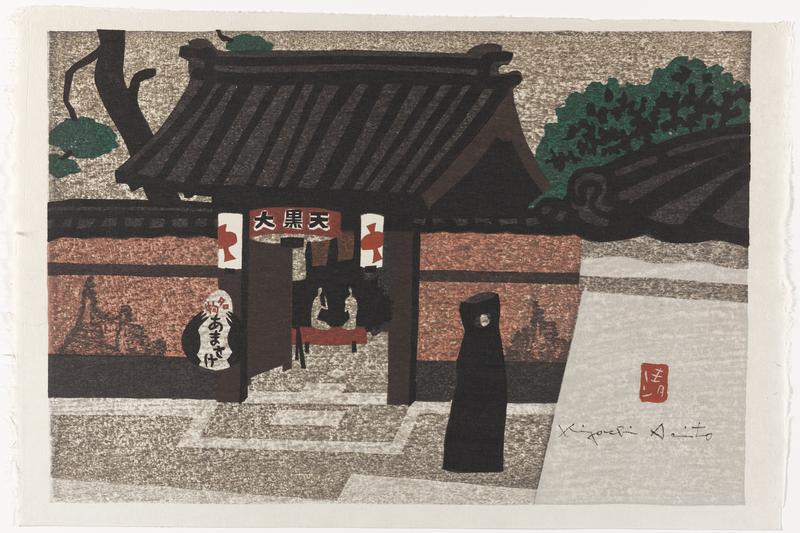
Print (sōsaku hanga)
1963?
Woodblock print, ink and color on paper
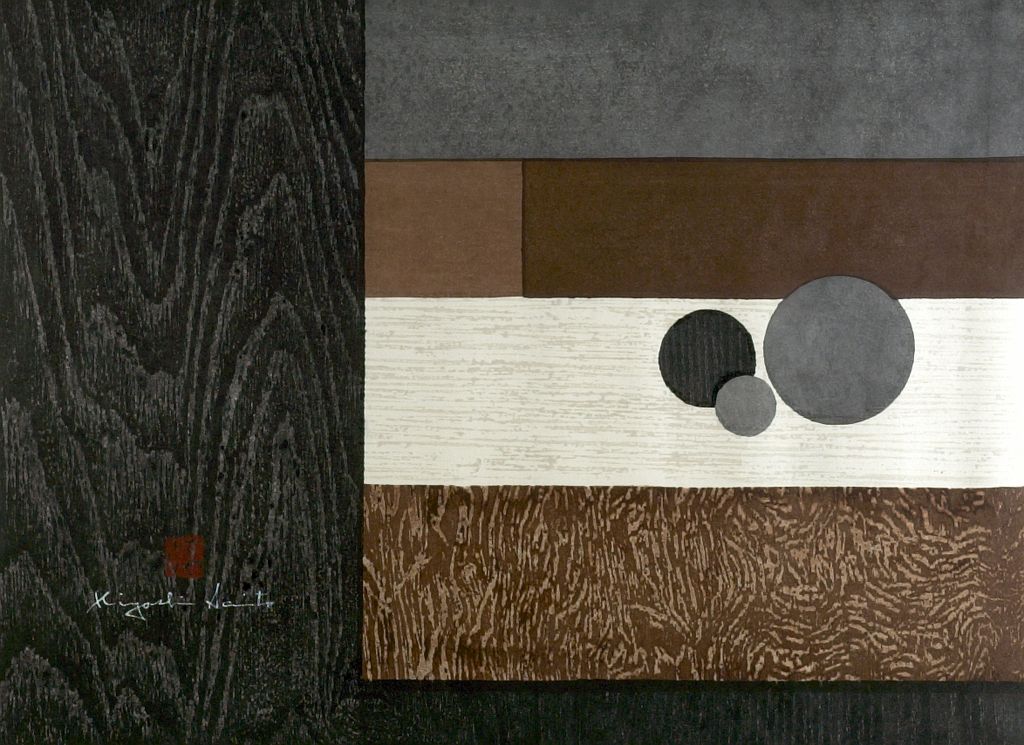
Ryôan-ji, Kyoto, Shôwa period, dated 1960
Woodblock print

Venus
1947
Color woodblock print
Korin
Shōwa period,
Woodblock print; ink and color on paper

Impromptu No. 4
1951
Wood and object print

Japan 1947: Caricature Number One
1947
Color woodblock print
Related Subjects
Frequently Asked Questions
Abstract prints represent a revolutionary departure in Japanese printmaking, emerging primarily through the sosaku-hanga (creative prints) movement of the mid-twentieth century. While traditional ukiyo-e and shin-hanga were rooted in representational imagery, abstract works embraced non-figurative composition, exploring color, texture, and form for their own expressive potential.
Maki Haku, Onchi Koshiro, and Nana Shiomi are among the artists most associated with abstract in our collection. Browse the full list of artists who explored this subject above.
Hanga currently catalogues 2049 prints tagged with abstract, spanning ukiyo-e, shin-hanga, and sōsaku-hanga traditions where applicable.