Figures Prints (1669)
Figure compositions are among the most diverse subjects in Japanese printmaking, encompassing everything from intimate domestic scenes to grand historical narratives. The tradition spans the full history of ukiyo-e, from Moronobu's pioneering single-sheet prints of the 1670s to contemporary figure studies that blend traditional techniques with modern sensibilities. In the ukiyo-e era, figure prints often depicted courtesans, actors, and townspeople of Edo's pleasure quarters, capturing the fashions, gestures, and social dynamics of urban life. The shin-hanga movement brought a more contemplative approach, with artists like Ito Shinsui creating elegant figure studies that emphasized mood and atmosphere over narrative action. Sosaku-hanga artists pursued more experimental figure work, from Onchi Koshiro's abstract portraits to Sekino Jun'ichiro's bold character studies. Figure prints in the Japanese tradition are notable for their attention to textile patterns, body language, and the suggestion of inner life through subtle compositional choices. Whether depicting a single standing figure or a complex multi-figure narrative, these works reveal the printmaker's skill in translating human presence into the woodblock medium.
Artists Known for Figures
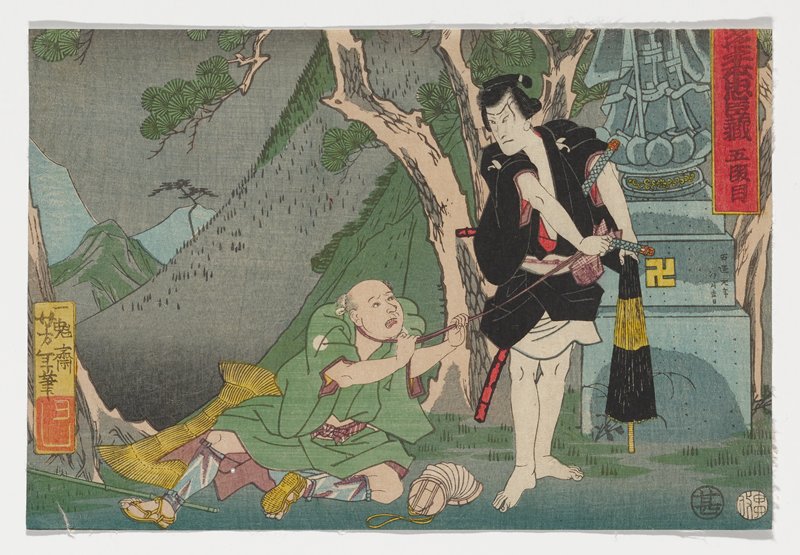


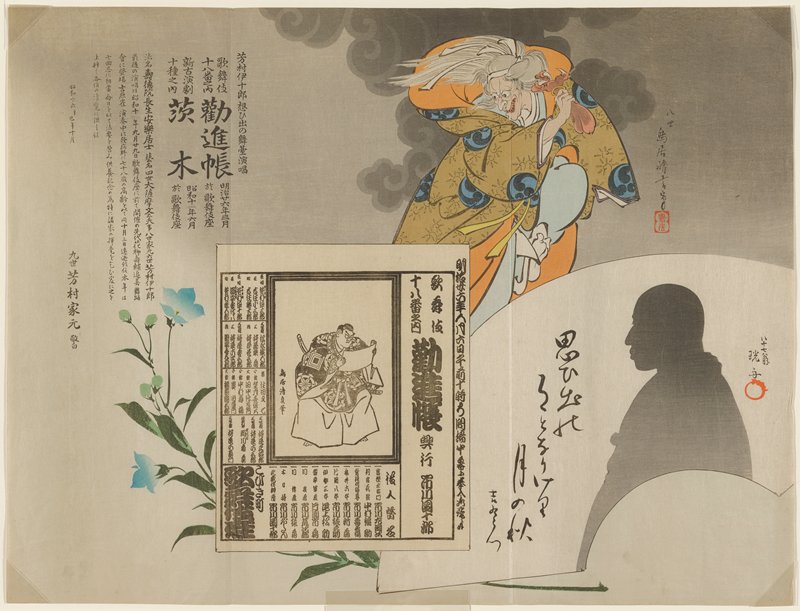
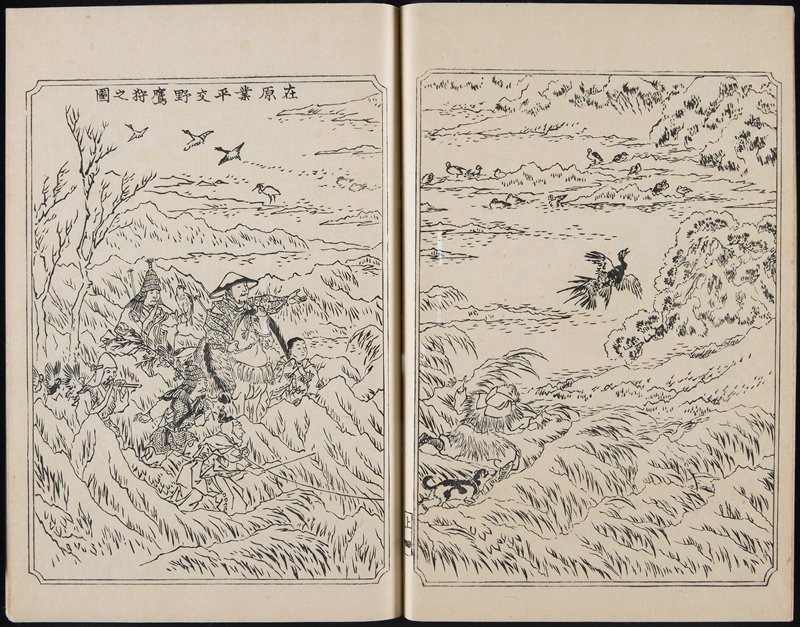
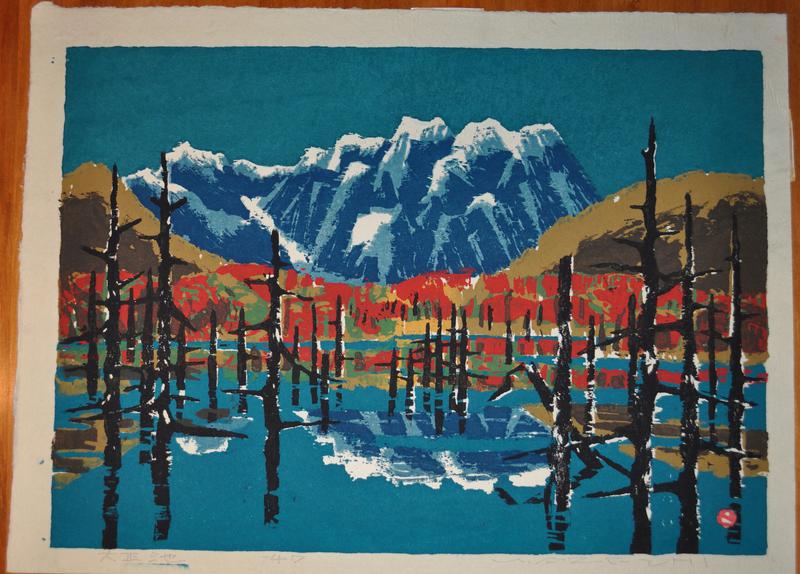
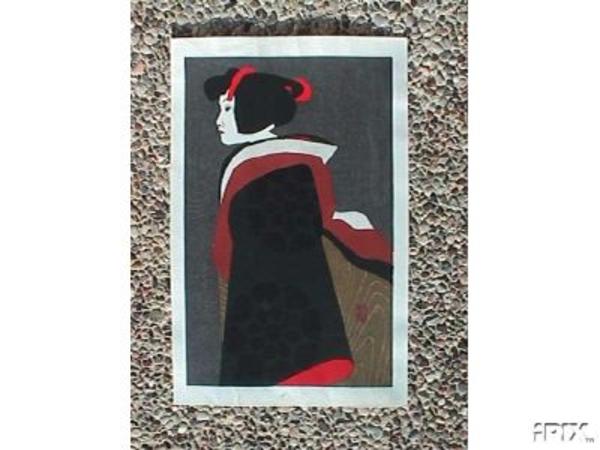
Unknown, Woman 2
Woodblock print
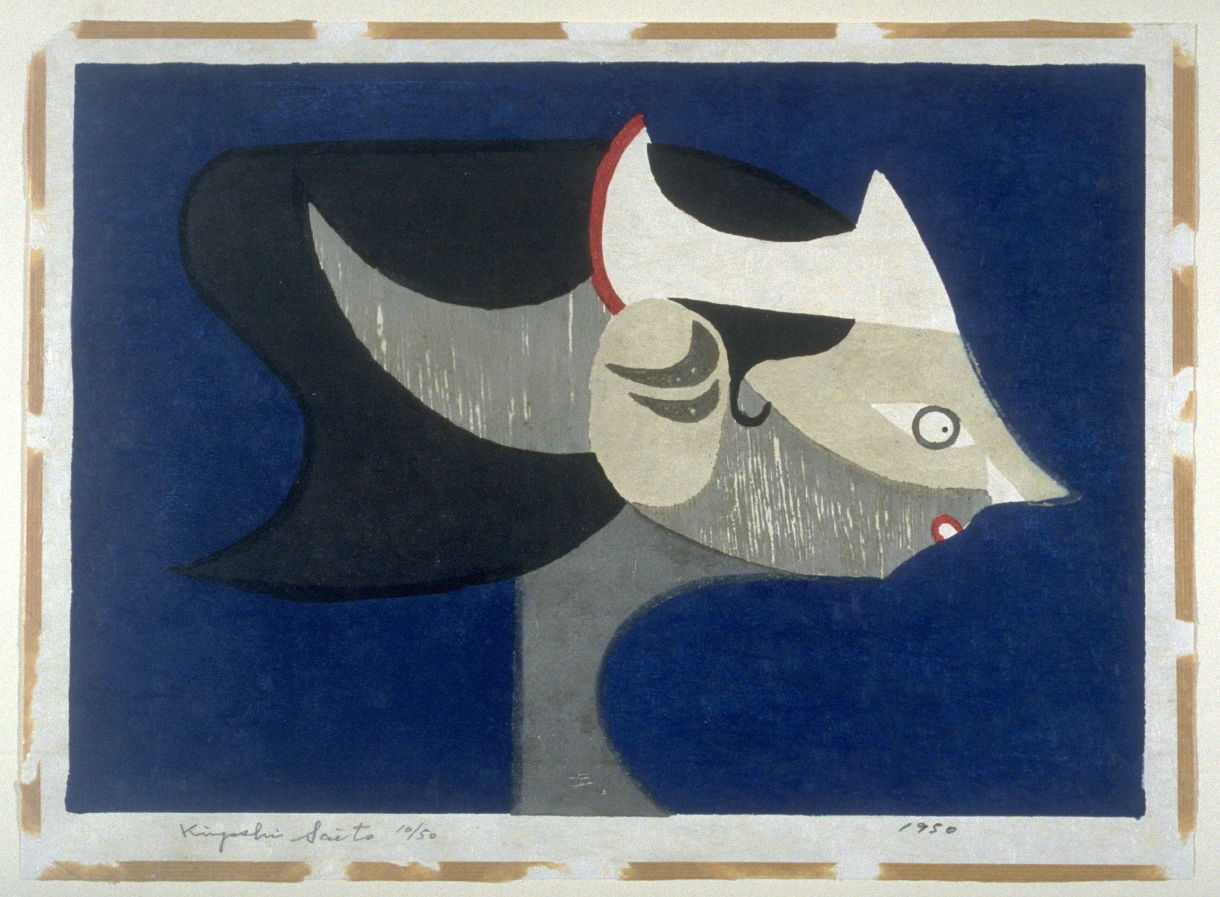
Gazing Woman
Woodblock print
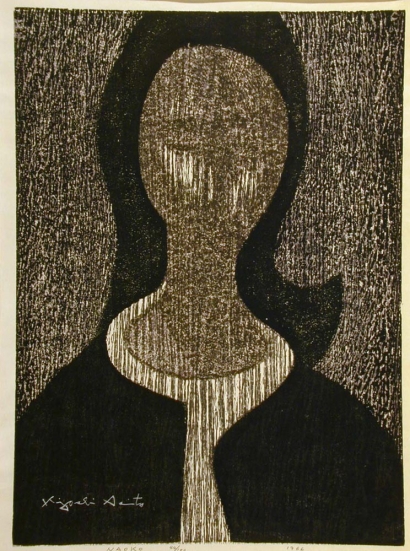
Naoko
Woodblock print
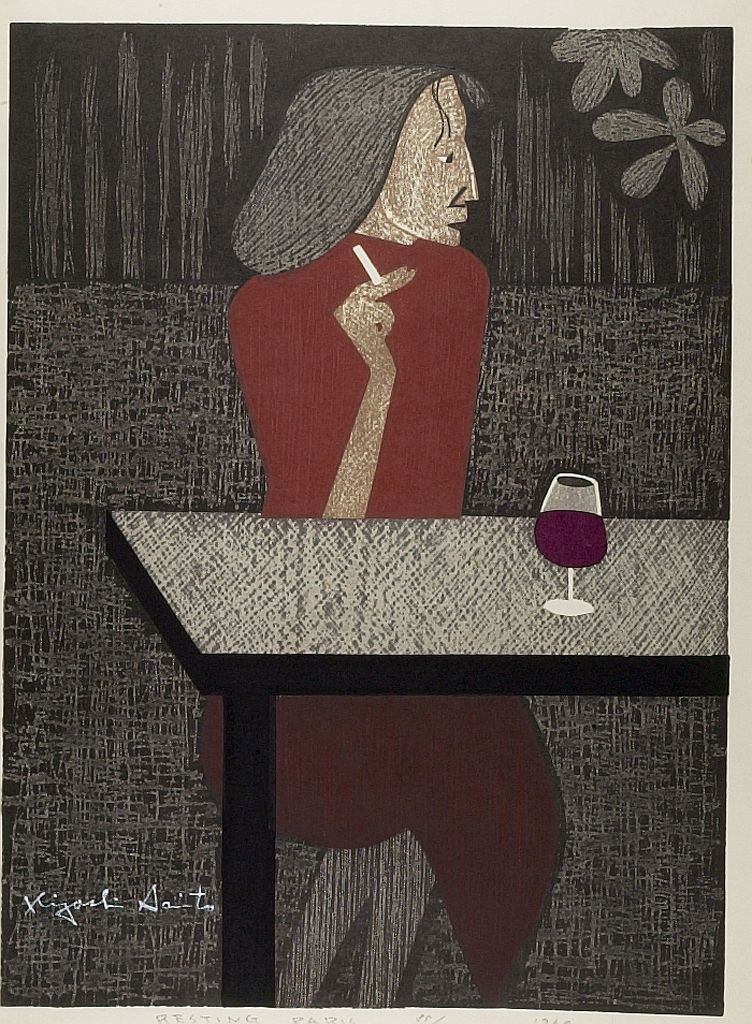
Resting, Paris, Shôwa period, dated 1960
Woodblock print
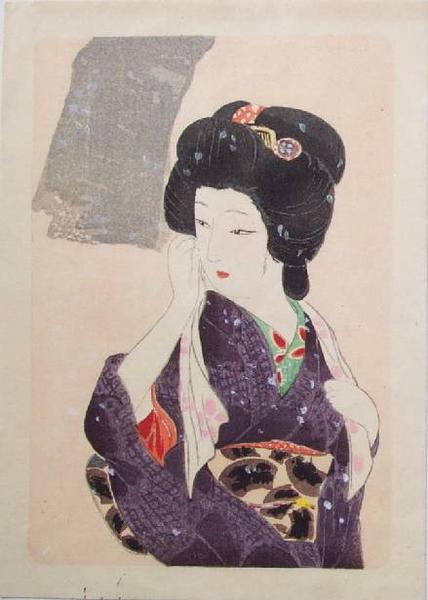
Untitled (hirezaki-eiho)
Woodblock print

Untitled (hirezaki-eiho)
Woodblock print
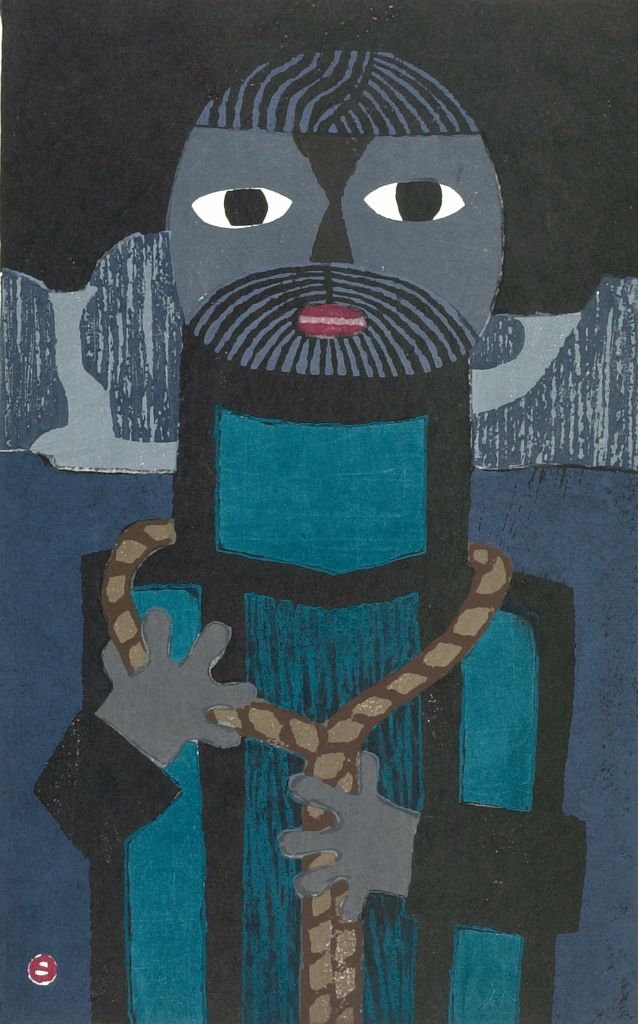
Climbing Rope (Zairu), Shôwa period, dated 1957
Woodblock print
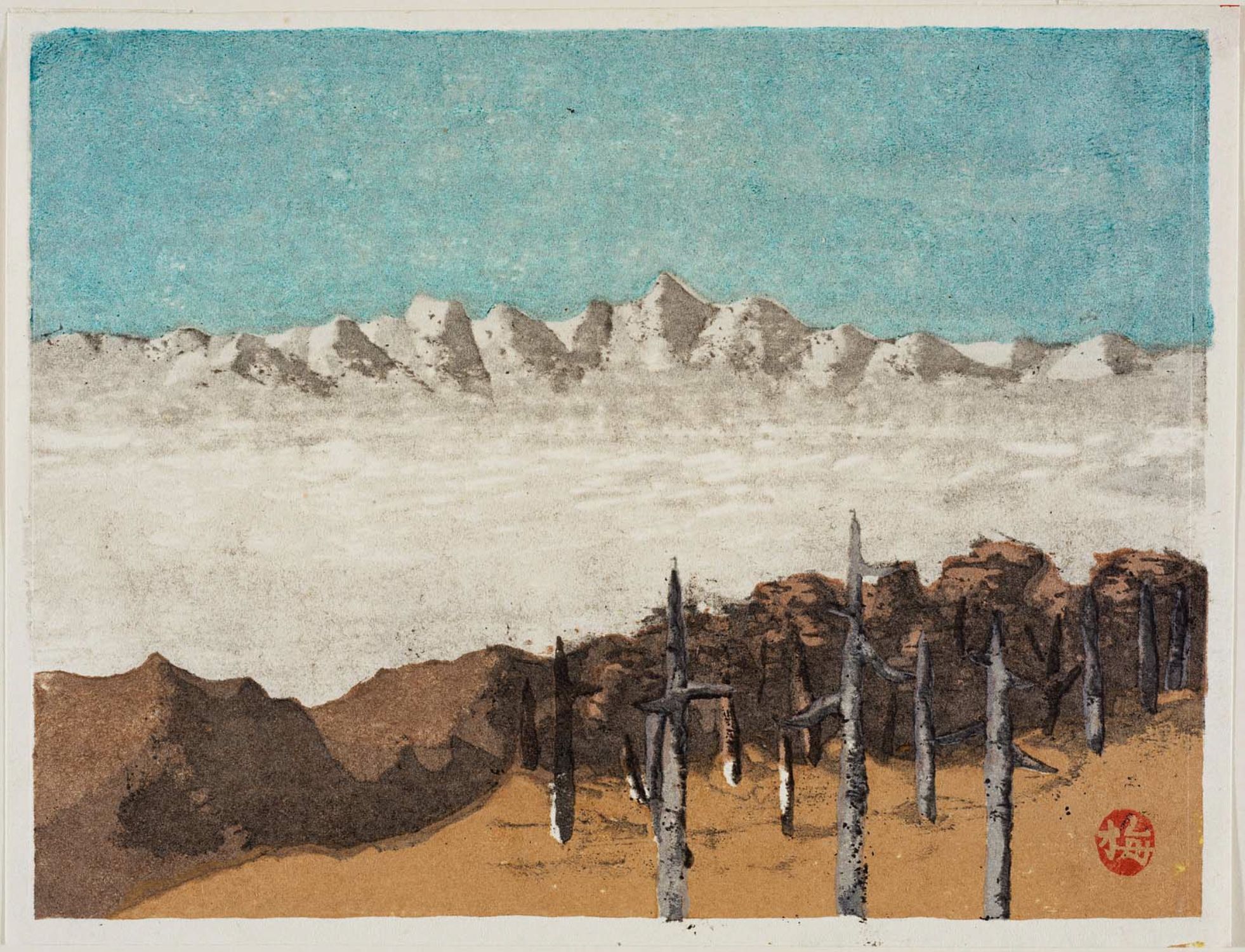
Japanese Alps (Nihon Arupusu)
Woodblock print
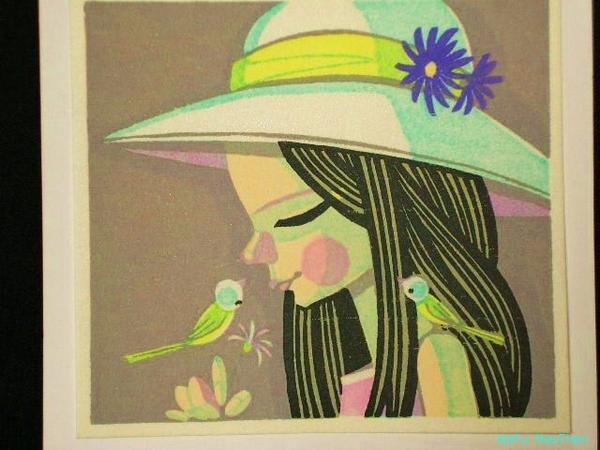
Ikeda Shuzo (Ikeda Shuzo)
Woodblock print
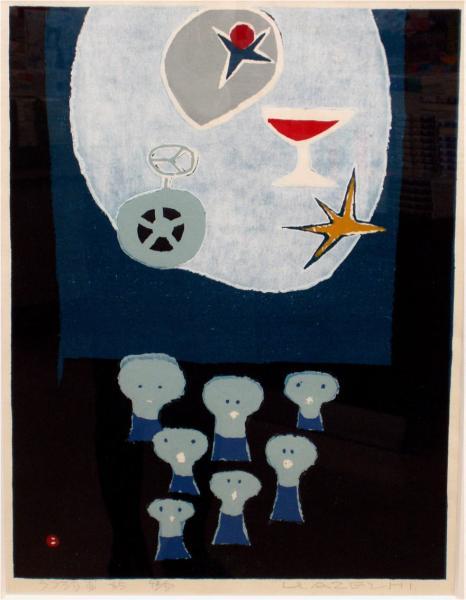
Space Voice — うつろな声
Woodblock print

Woman wearing necklace
1955
Color woodblock print; edition 1/100
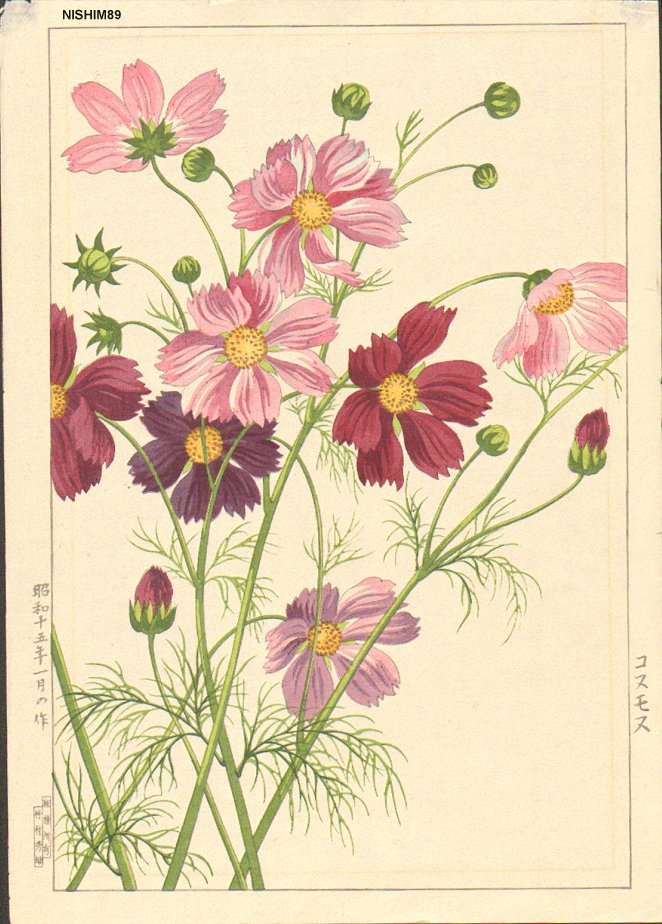
Untitled (hodo-nishimura)
Woodblock print
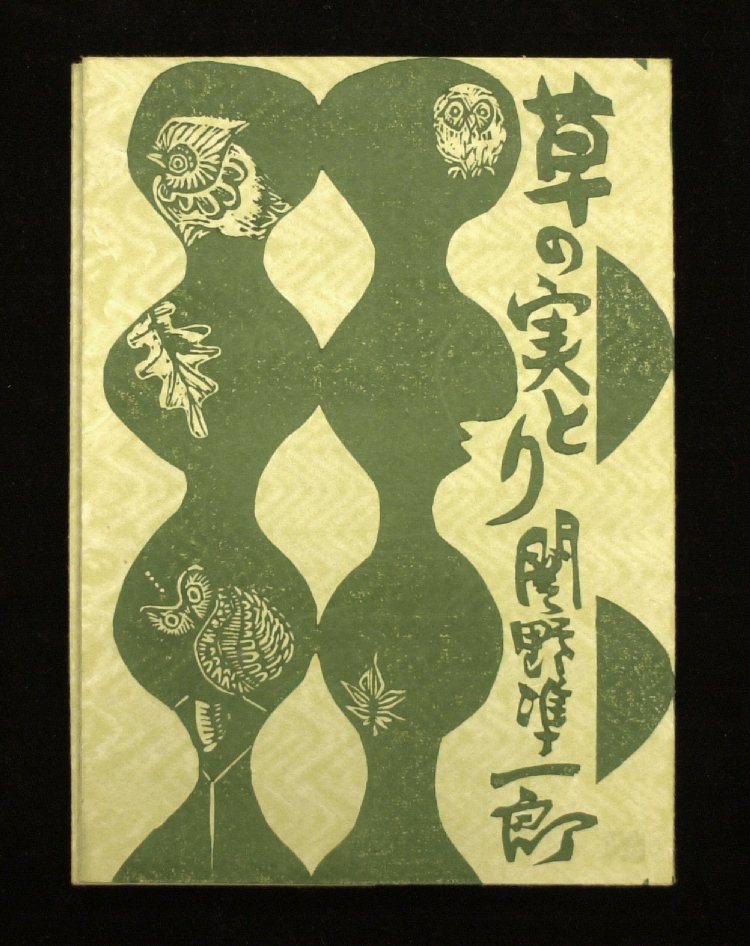
Kusa no mitori
Woodblock print

Landing and Advance to Weihaiwei (Ikaiei joriku shingun no zu)
1895
Color woodblock print; oban triptych
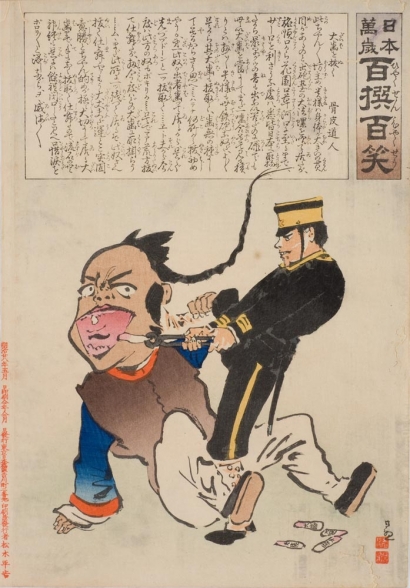
Cartoon (Tooth Pulling)
Woodblock print

Four comical faces
1882
Woodblock print (nishiki-e), ink and color on paper

Captain Asakawa, Second Class Cavalryman Kimura Genmatsu
January 1895
Woodblock print (nishiki-e), ink and color on paper

Hell is Booming
November 1894
Woodblock print (nishiki-e), ink and color on paper

Shinohara Kunimoto
1877

Surrender Prologue in a Qing Kyōgen Play
March 1895
Woodblock print (nishiki-e), ink and color on paper

Clay Images
1950
Color woodblock print
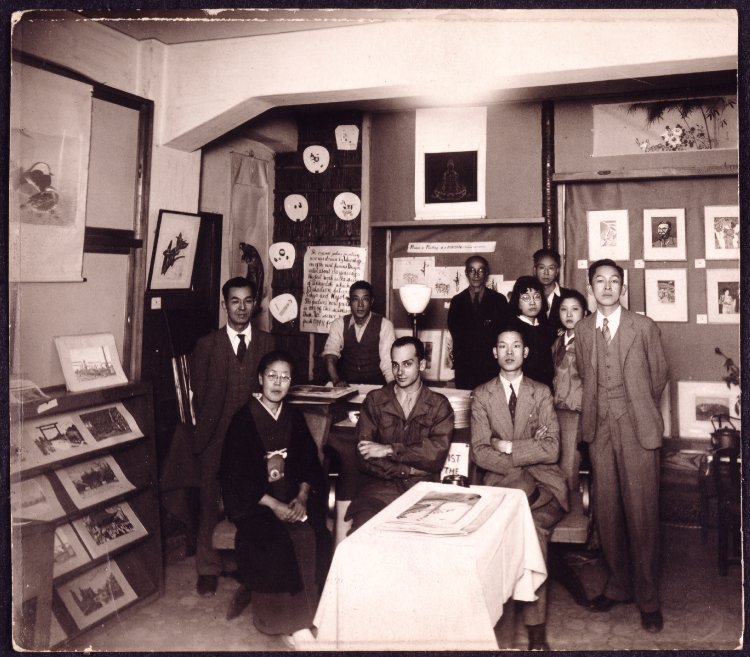
Ernst Hacker (d, ?)
Woodblock print
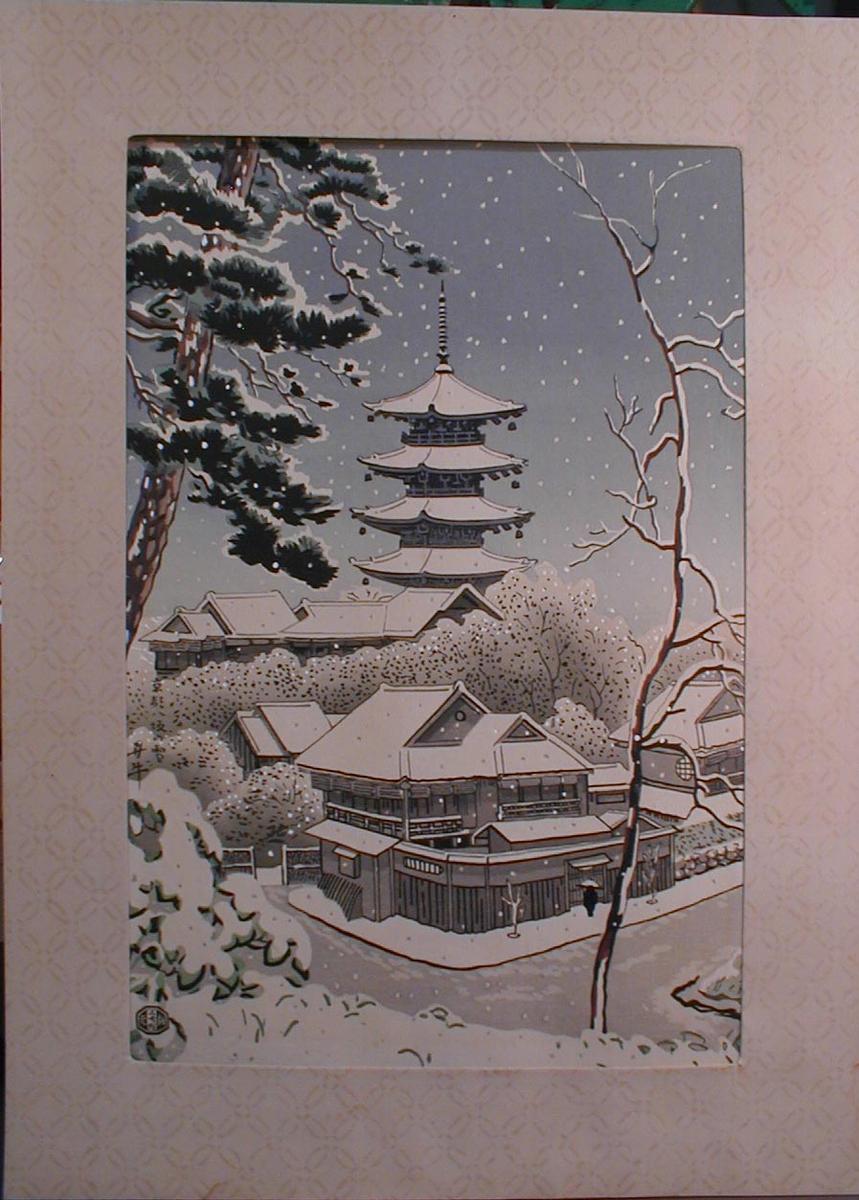
Untitled (asada-benji)
Woodblock print

Untitled (hirezaki-eiho)
Woodblock print
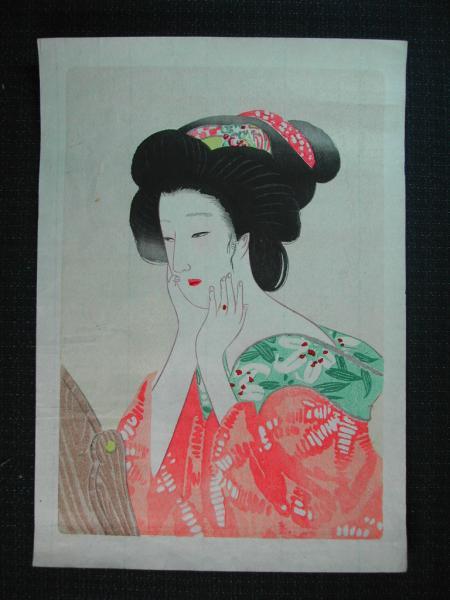
Untitled (hirezaki-eiho)
Woodblock print
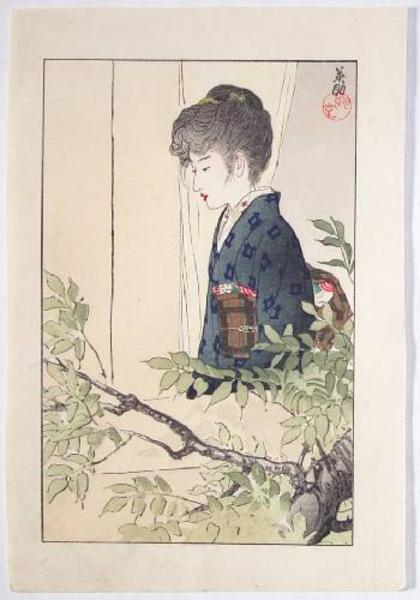
Untitled (hirezaki-eiho)
Woodblock print
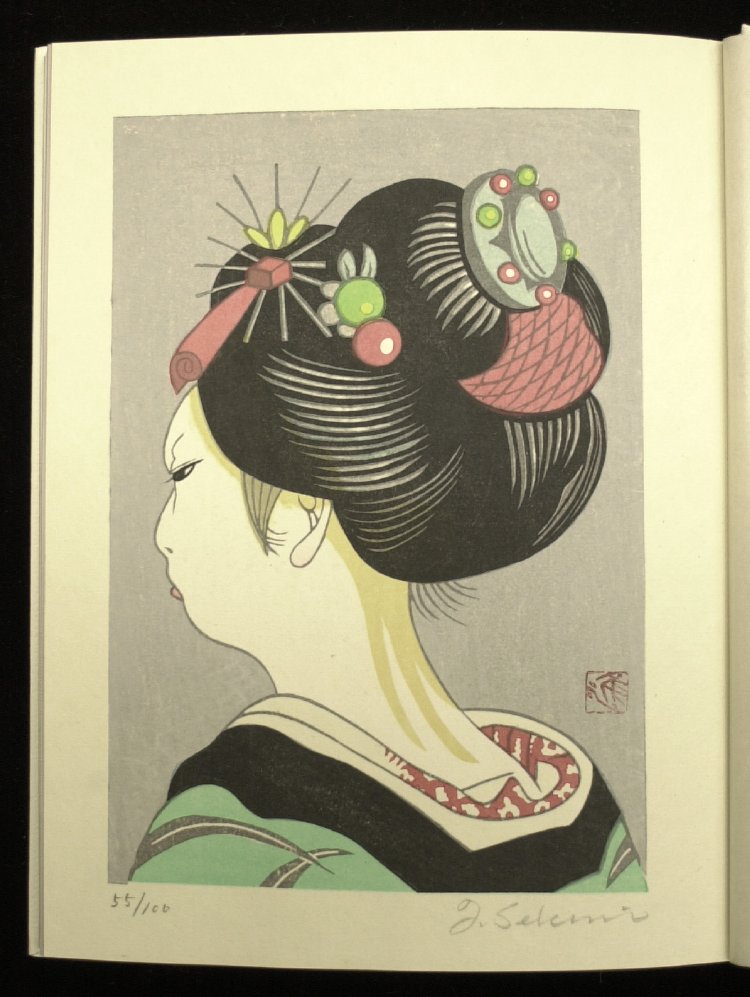
Ningen o horu
Woodblock print

30, Oda Nobunaga
December 1885
Woodblock print (nishiki-e), ink and color on paper

Colonel Kumamoto Masaji, Regimental Commander of the Imperial Guard Artillery
May 1904?
Woodblock print (nishiki-e), ink and color on paper

Cavalry Sergeant Kawasaki Iseo
February 1895
Woodblock print (nishiki-e), ink and color on paper
The Fall of Fenghuangcheng, later called Our Elite Forces Capturing the Pescadores Islands in Taiwan
1894 (Meiji 27)
Woodblock print (nishiki-e) triptych; ink and color on paper
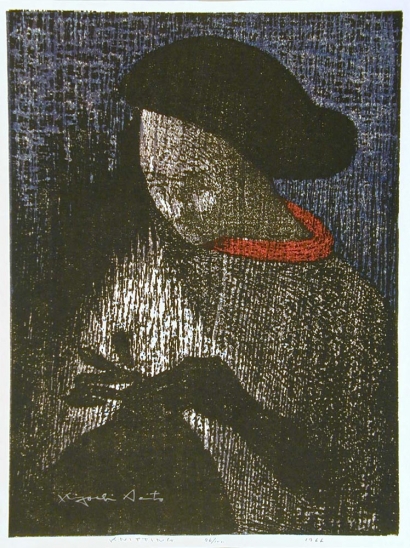
Knitting
Woodblock print
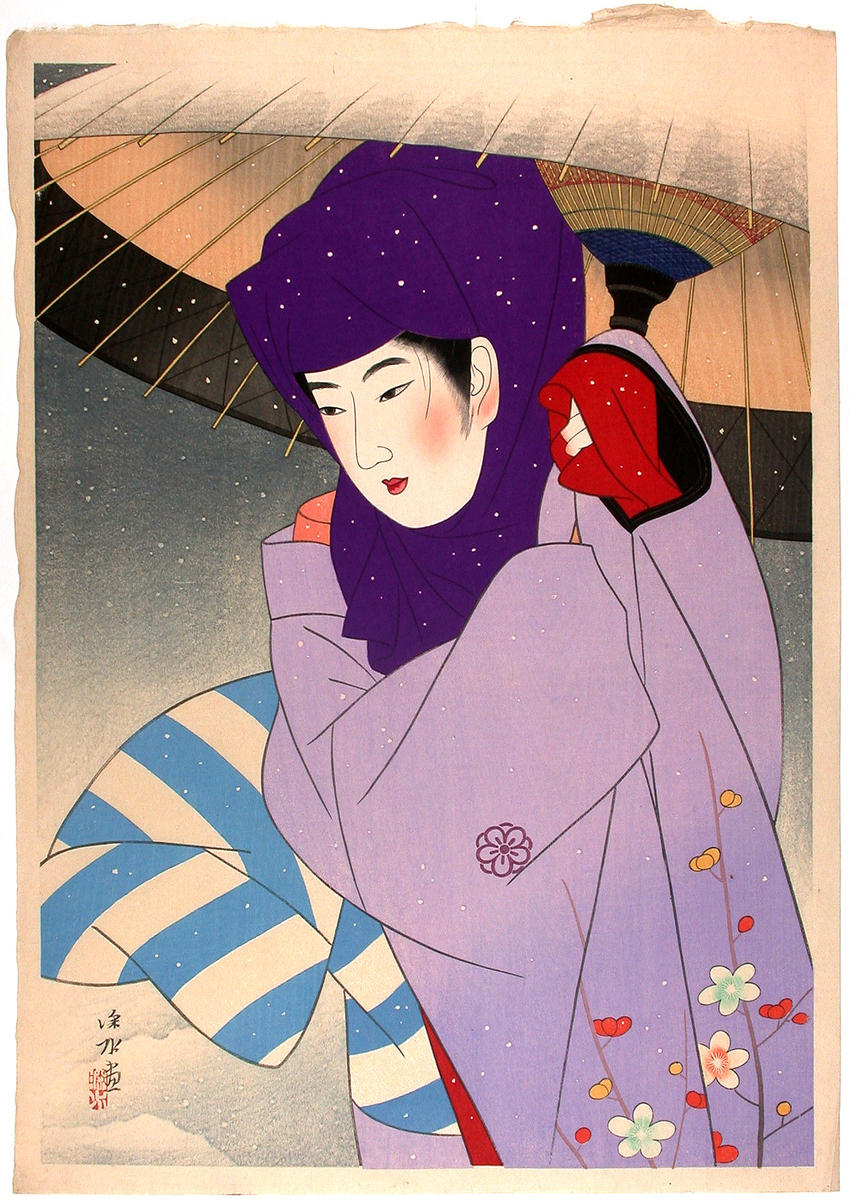
A hood — Okoso-Zukin
Woodblock print
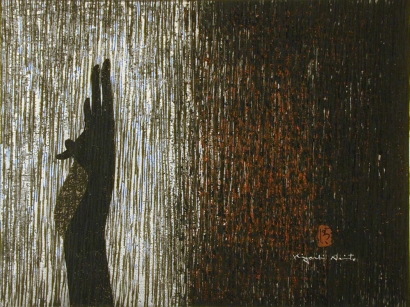
Tenderness (A)
Woodblock print
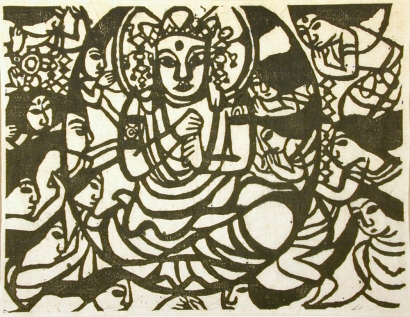
Dainichi Nyorai
1937
Woodblock print
"Prints by Munakata: Treasured Things" (Munakata hanga aizen hin)
20th century

Total Abandon (Mukotai no saku), from a series iIllustrating Tanizaki Junichiro's "The Key (Kagi)"
1956 (printed 1958)
Woodblock print

Shaka Nyorai
1937
Woodblock print
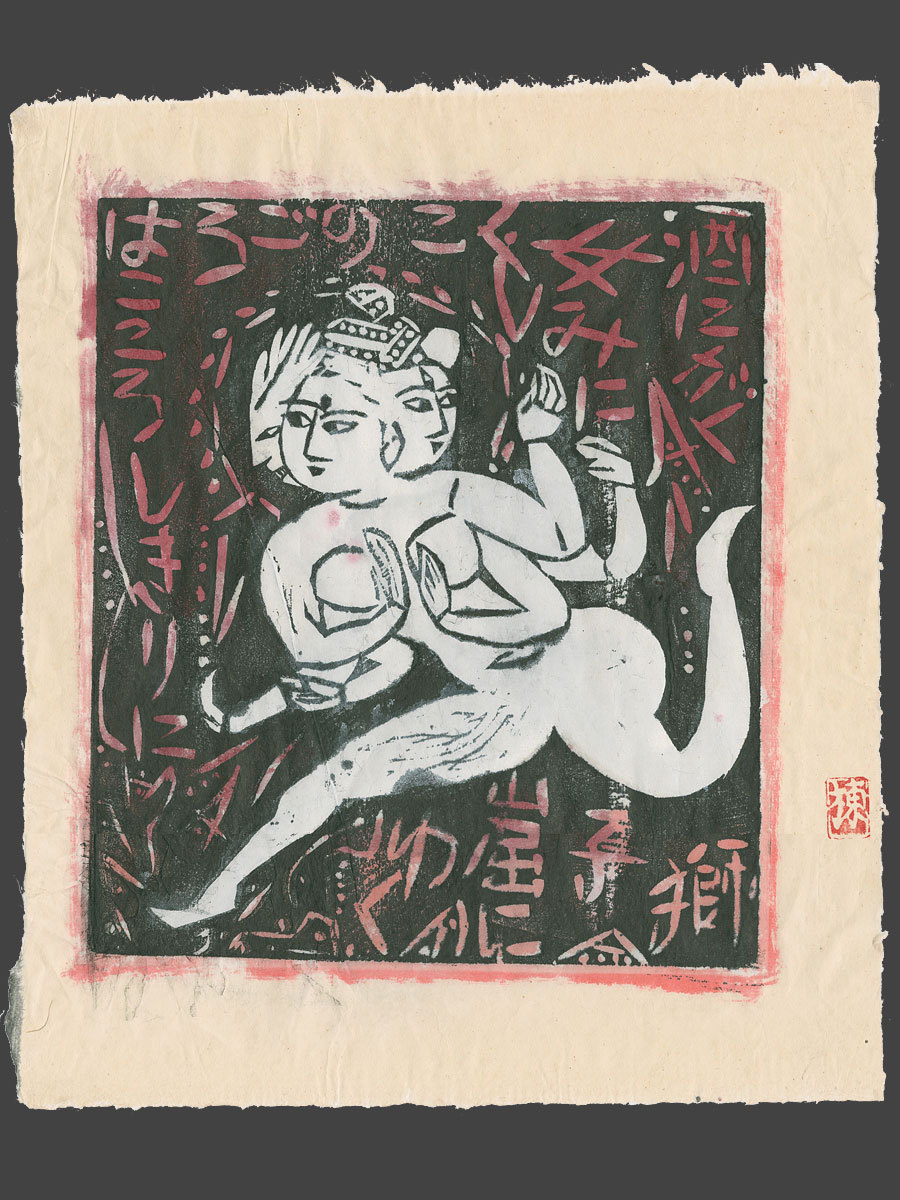
Shishikutsu (In the Cave)
1953
Woodblock print
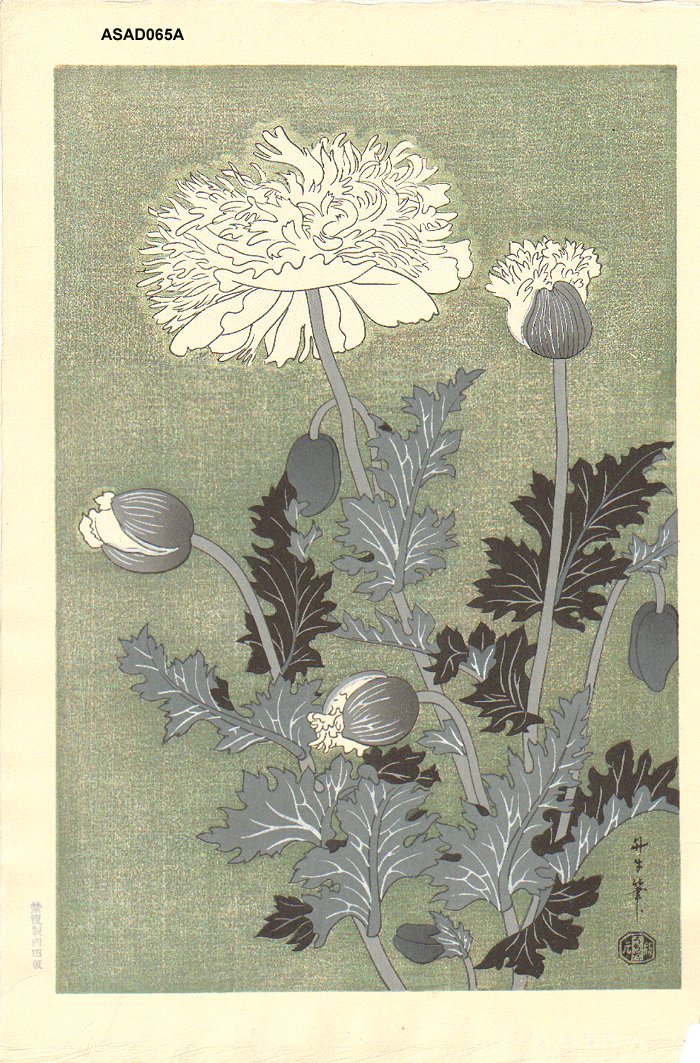
Untitled (asada-benji)
Woodblock print
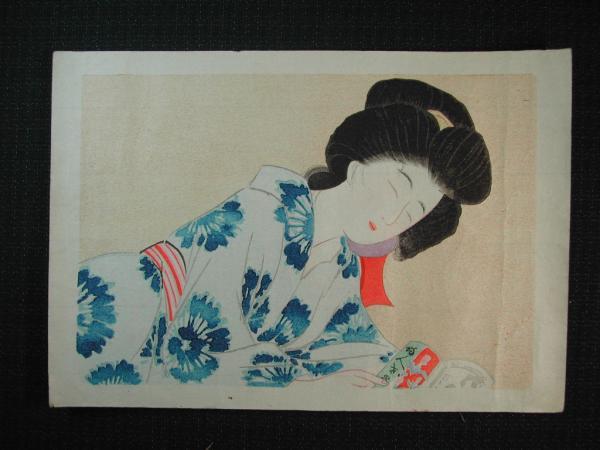
Tired look
Woodblock print
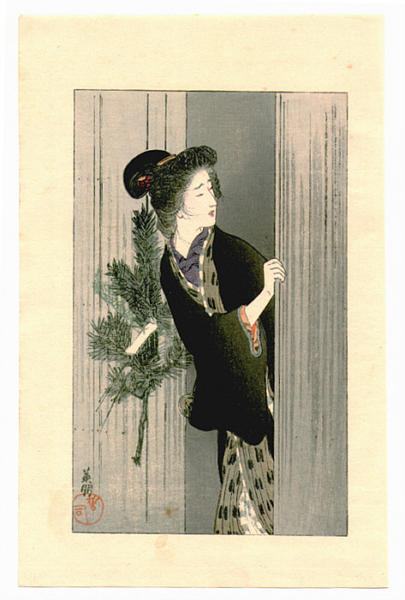
Untitled (hirezaki-eiho)
Woodblock print
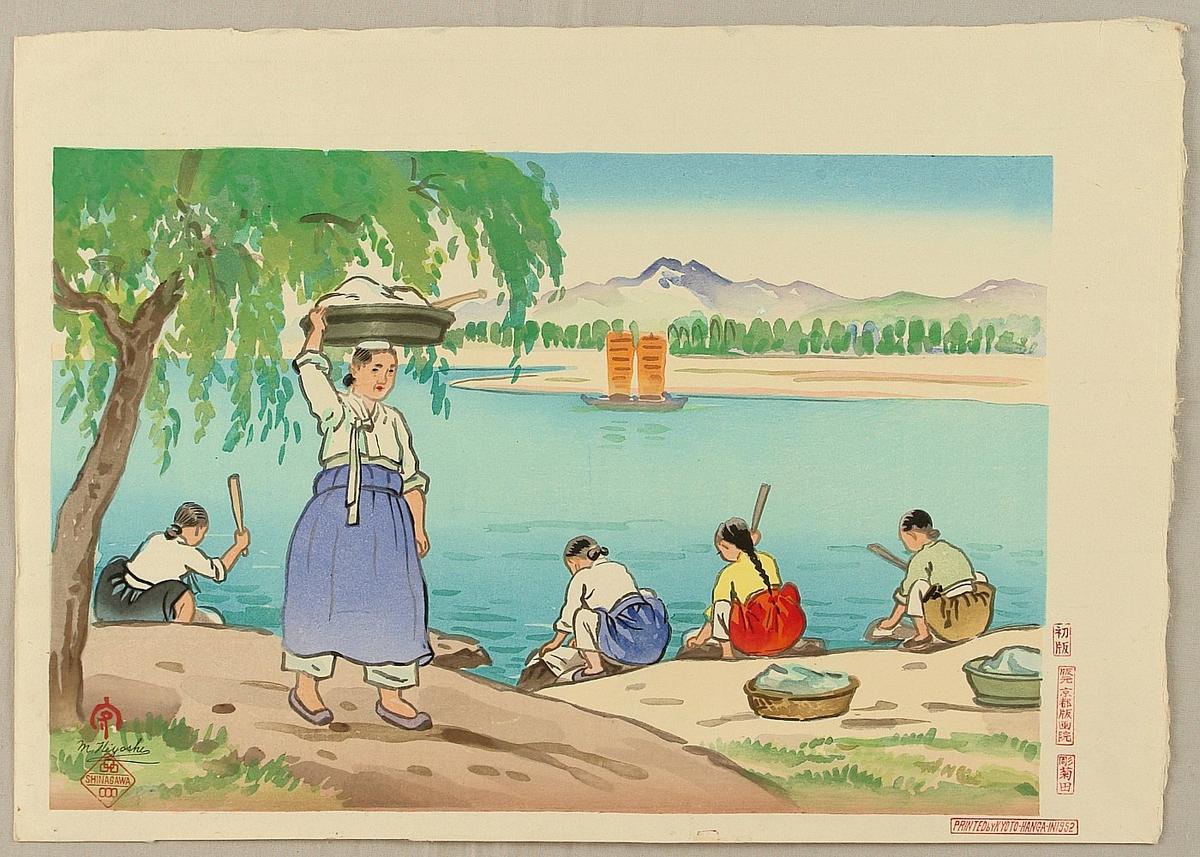
Untitled (hiyoshi-mamoru)
Woodblock print
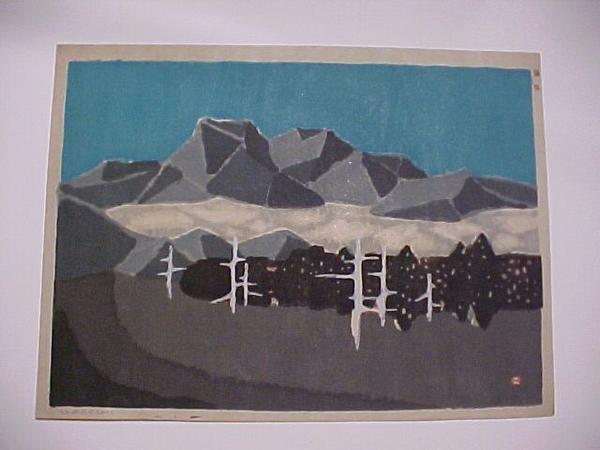
Ishi-Something Mountaion
Woodblock print
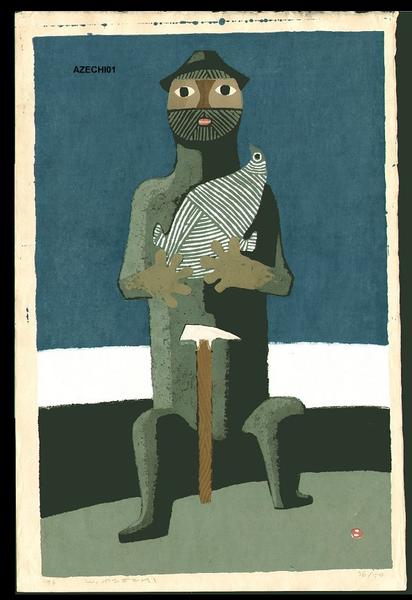
Mountaineer Number 3
Woodblock print

Parting
Shōwa period, dated 1956
Woodblock print; ink and color on paper with signature reading "U. AZECHI"

Red Hat
1963
Color woodblock print
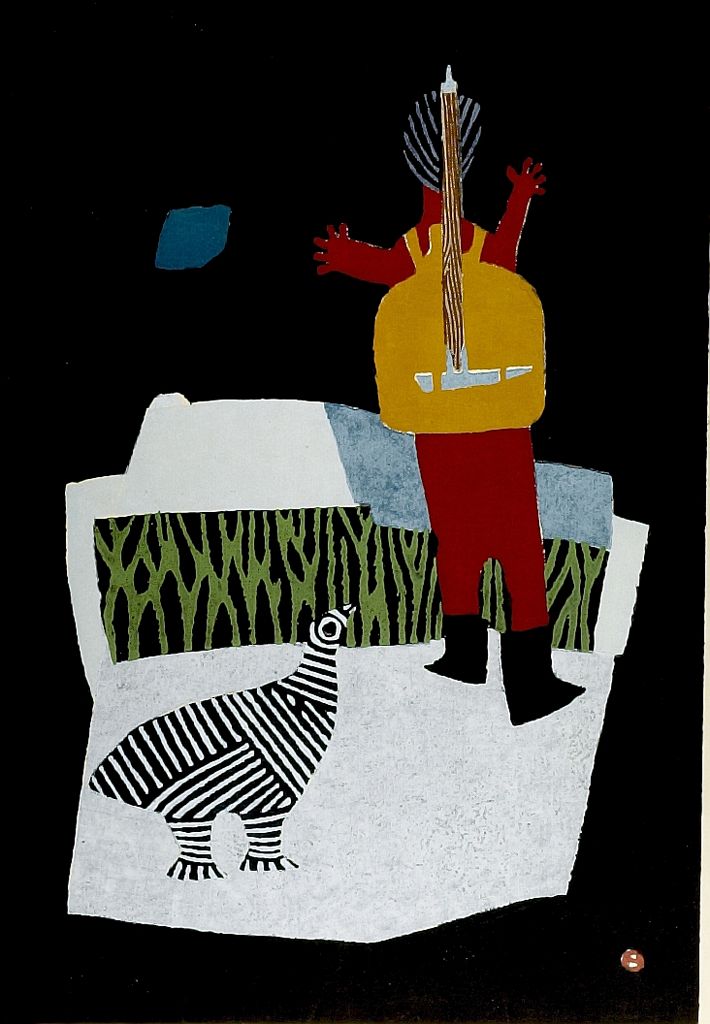
Parting, Shôwa period, dated 1956
Woodblock print
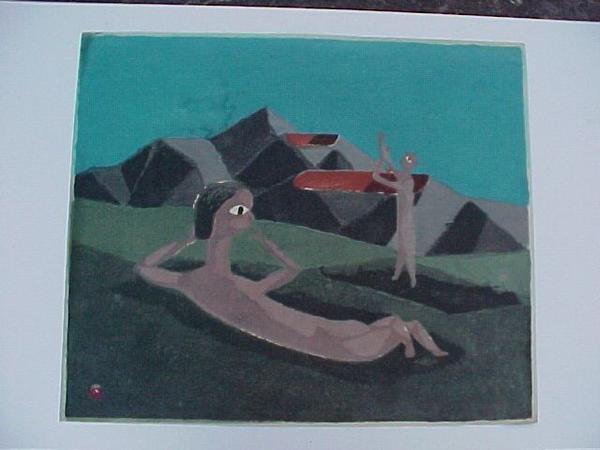
Unknown- sunbaking
Woodblock print
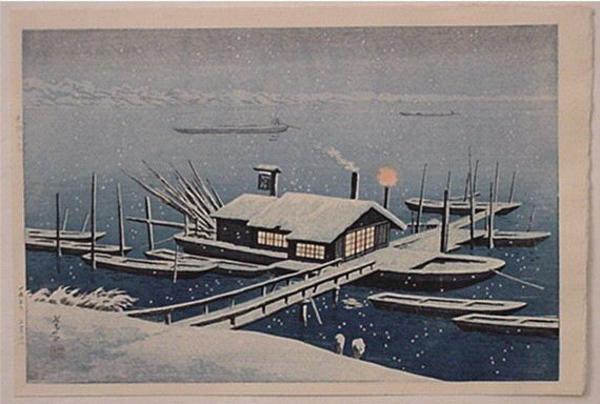
Untitled (takashi-henmi)
Woodblock print

Eizo and Matsuomaru
1953
Color woodblock print
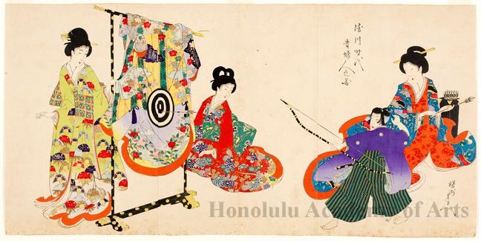
Women’s Activities of the Tokugawa Era
Woodblock print

Illustration Number One
October 1894
Woodblock print (nishiki-e), ink and color on paper

Picture of Negotiations with the Peace Envoy Li Hongzhang
March 1895?
Woodblock print (nishiki-e), ink and color on paper

Picture of Army General Nozu Commanding the Attack on Haicheng
May 1896
Woodblock print (nishiki-e), ink and color on paper
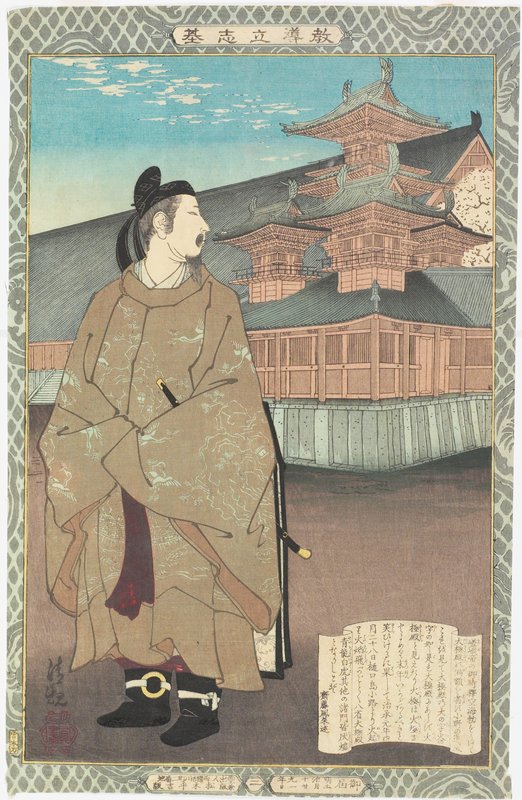
Ono no Tōfū
May 1886
Woodblock print (nishiki-e), ink and color on paper

Strange Chinese Soldiers
September 1894
Woodblock print (nishiki-e), ink and color on paper
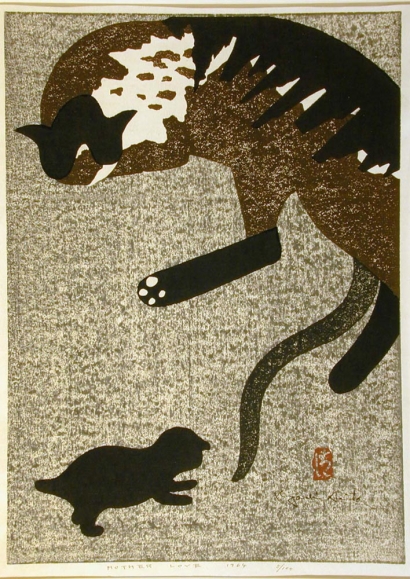
Mother Love
Woodblock print

Solitude, Kyoto
1955
Color woodblock print; edition 70/150
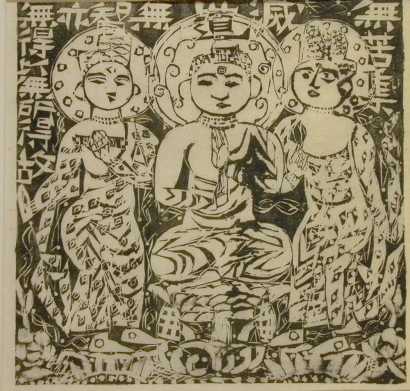
Shaka no Saku
1957
Woodblock print
Related Subjects
Frequently Asked Questions
Figure compositions are among the most diverse subjects in Japanese printmaking, encompassing everything from intimate domestic scenes to grand historical narratives. The tradition spans the full history of ukiyo-e, from Moronobu's pioneering single-sheet prints of the 1670s to contemporary figure studies that blend traditional techniques with modern sensibilities.
Tsukioka Yoshitoshi, Ogata Gekko, and Utagawa Kuniyoshi are among the artists most associated with figures in our collection. Browse the full list of artists who explored this subject above.
Hanga currently catalogues 1669 prints tagged with figures, spanning ukiyo-e, shin-hanga, and sōsaku-hanga traditions where applicable.