Kabuki Prints (354)
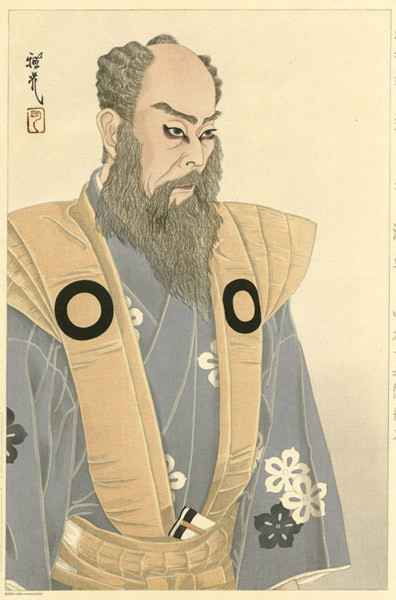
Kabuki theater prints (yakusha-e) are among the earliest and most commercially important genres of ukiyo-e, documenting the stars, roles, and dramatic moments of Japan's premier theatrical tradition. From the late seventeenth century onward, prints depicting kabuki actors were as popular as modern entertainment magazines, feeding public fascination with the theater's celebrity culture. Torii Kiyonobu and the Torii school established the earliest conventions for actor prints, emphasizing dramatic poses (mie) and bold patterned costumes. The genre reached its artistic peak with Sharaku's psychologically penetrating bust portraits of 1794-95, which broke with flattering convention to capture the intensity and effort of stage performance. Though commercially unsuccessful in his time, Sharaku's brief output is now considered among the most important works in the print tradition. The nineteenth century saw enormous production of actor prints by artists including Kunisada, Kunichika, and Kuniyoshi, who documented the kabuki repertoire with encyclopedic thoroughness. These prints preserve detailed records of costumes, makeup (kumadori), and staging that are invaluable to theater historians. The genre declined with the advent of photography but experienced periodic revivals, including shin-hanga actor prints by Natori Shunsen and the bold theatrical compositions of modern sosaku-hanga artists.
Artists Known for Kabuki



Kumadori
隈取
Limited-edition lithograph on handmade Japanese rice paper

Masks
Limited-edition lithograph on handmade Japanese rice paper

Aragato
荒事
Limited-edition lithograph on handmade Japanese rice paper
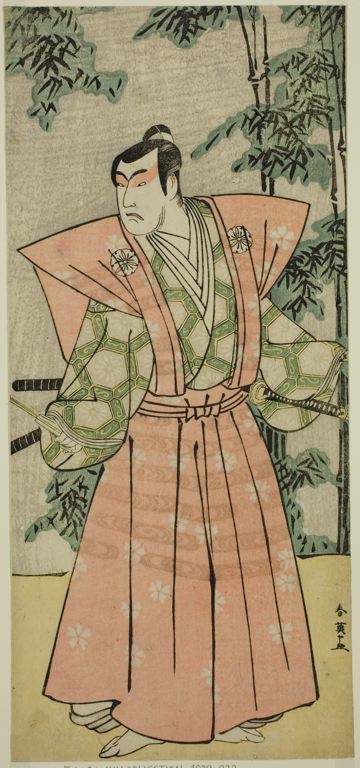
Katsukawa Shun'ei
Woodblock print
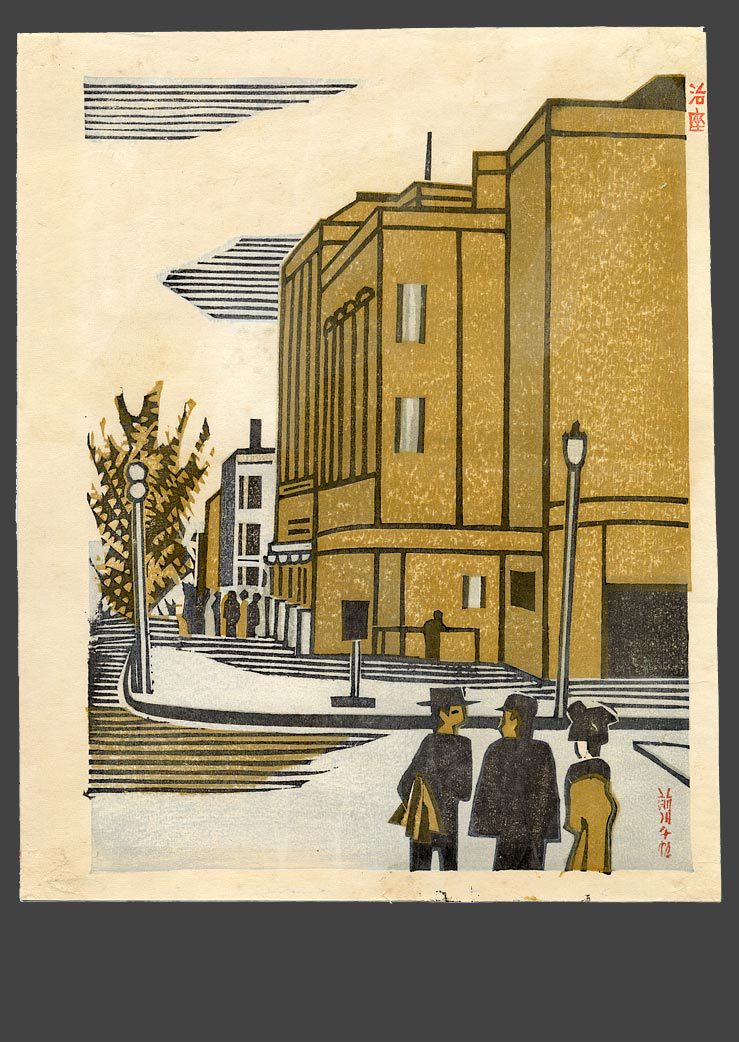
#52 Meiji za
Woodblock print
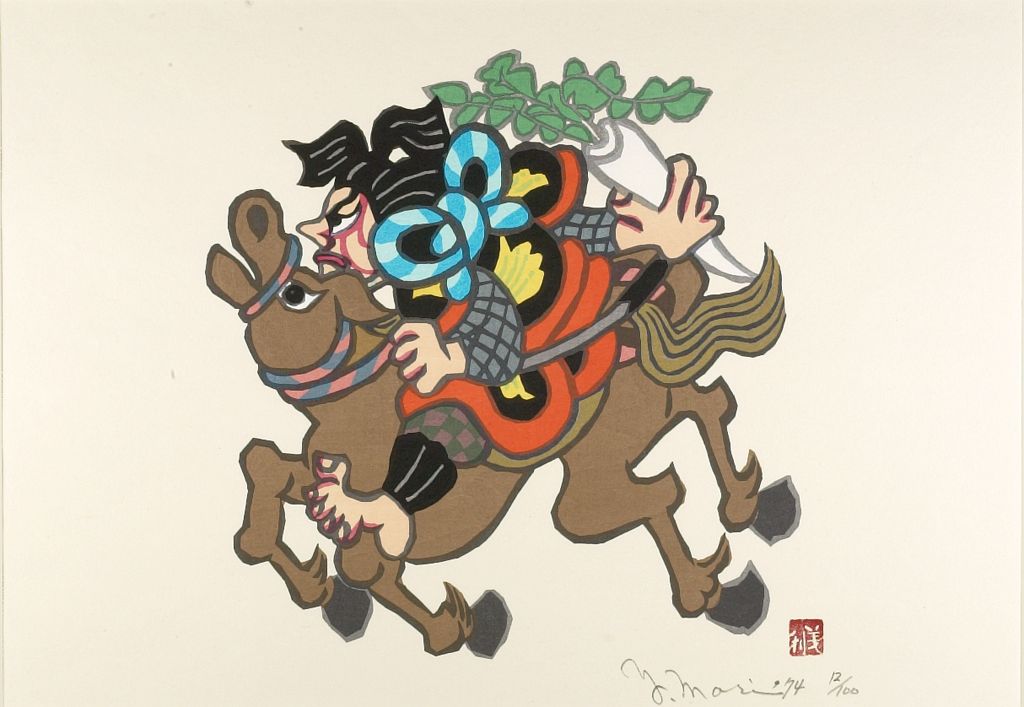
Goro, Shôwa period, dated 1974
Woodblock print
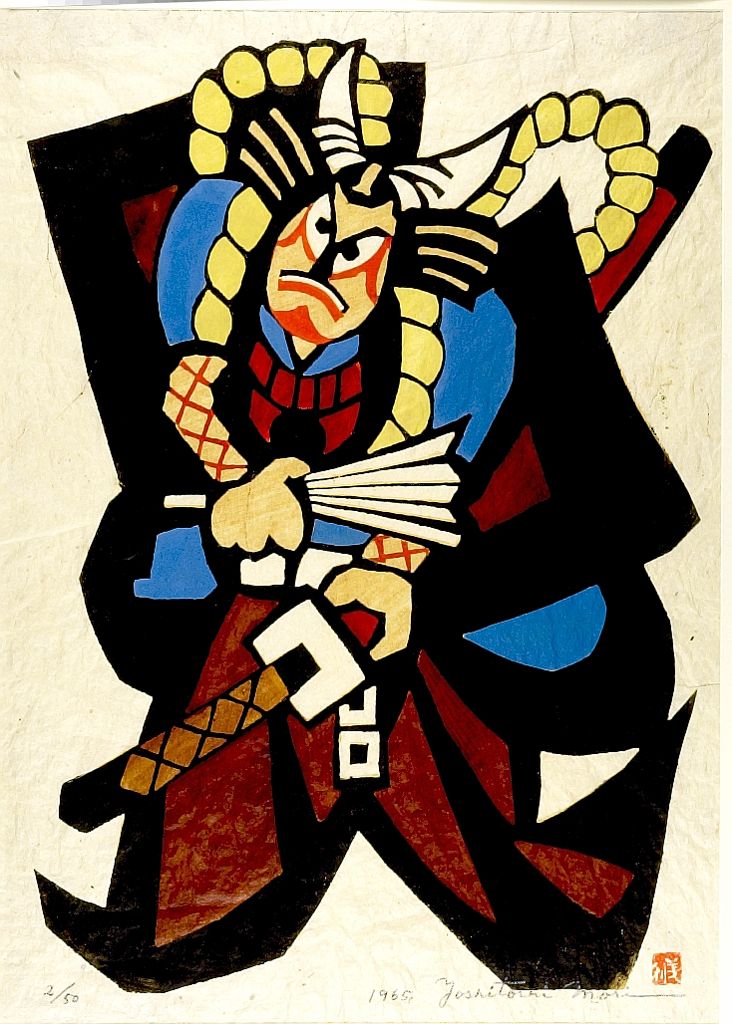
Shibaraku, Shôwa period, dated 1965
Woodblock print
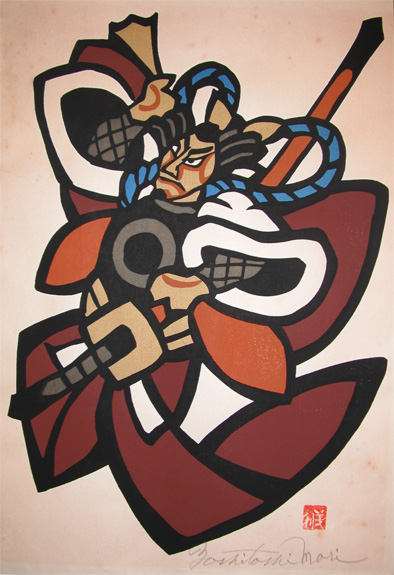
Shibaraku
Woodblock print
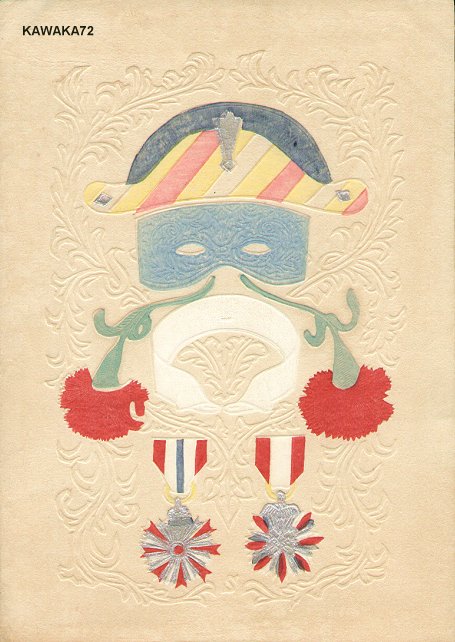
Mask and metals
Woodblock print
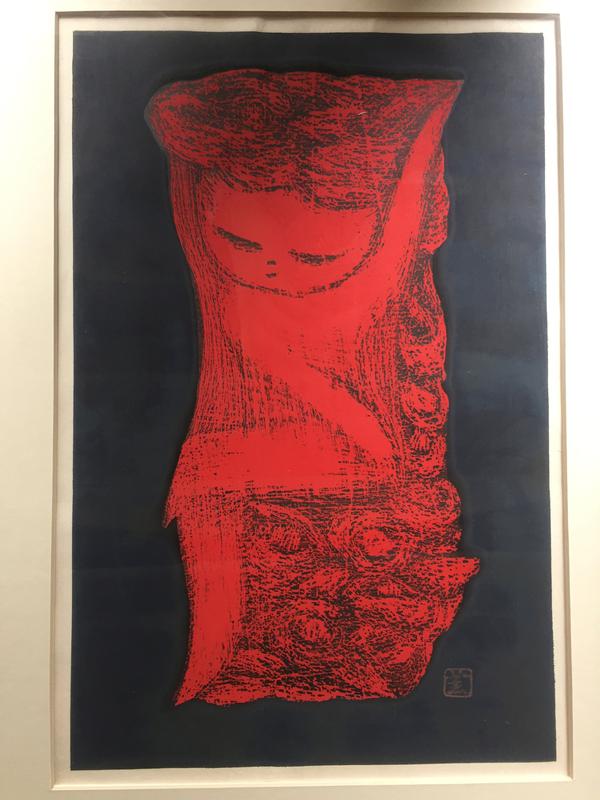
Little Flora - Shibaraku
1950s–1960s
Woodblock print, ink and color on paper
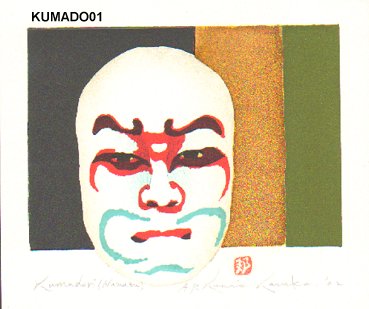
Kumadori (Namazu)
Artist Proof, 2002
Woodblock print

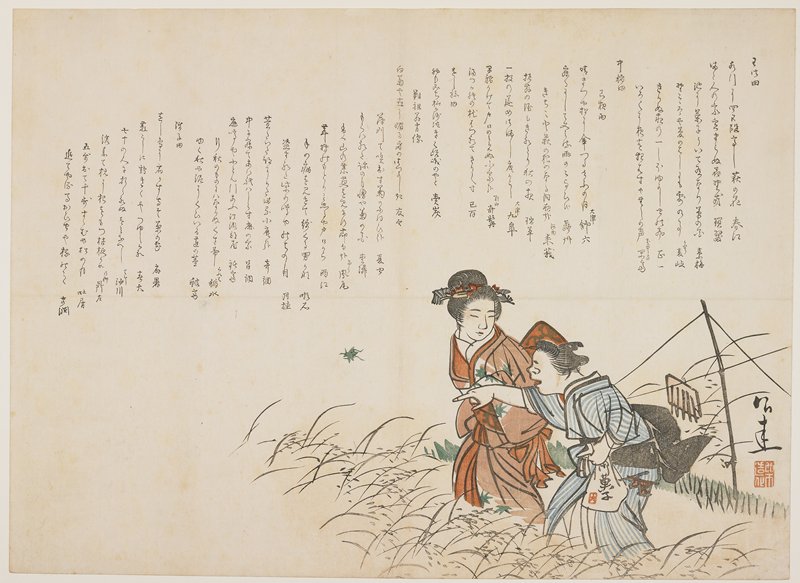
Hasegawa Sadanobu (Japanese, active mid–19th century)
Woodblock print
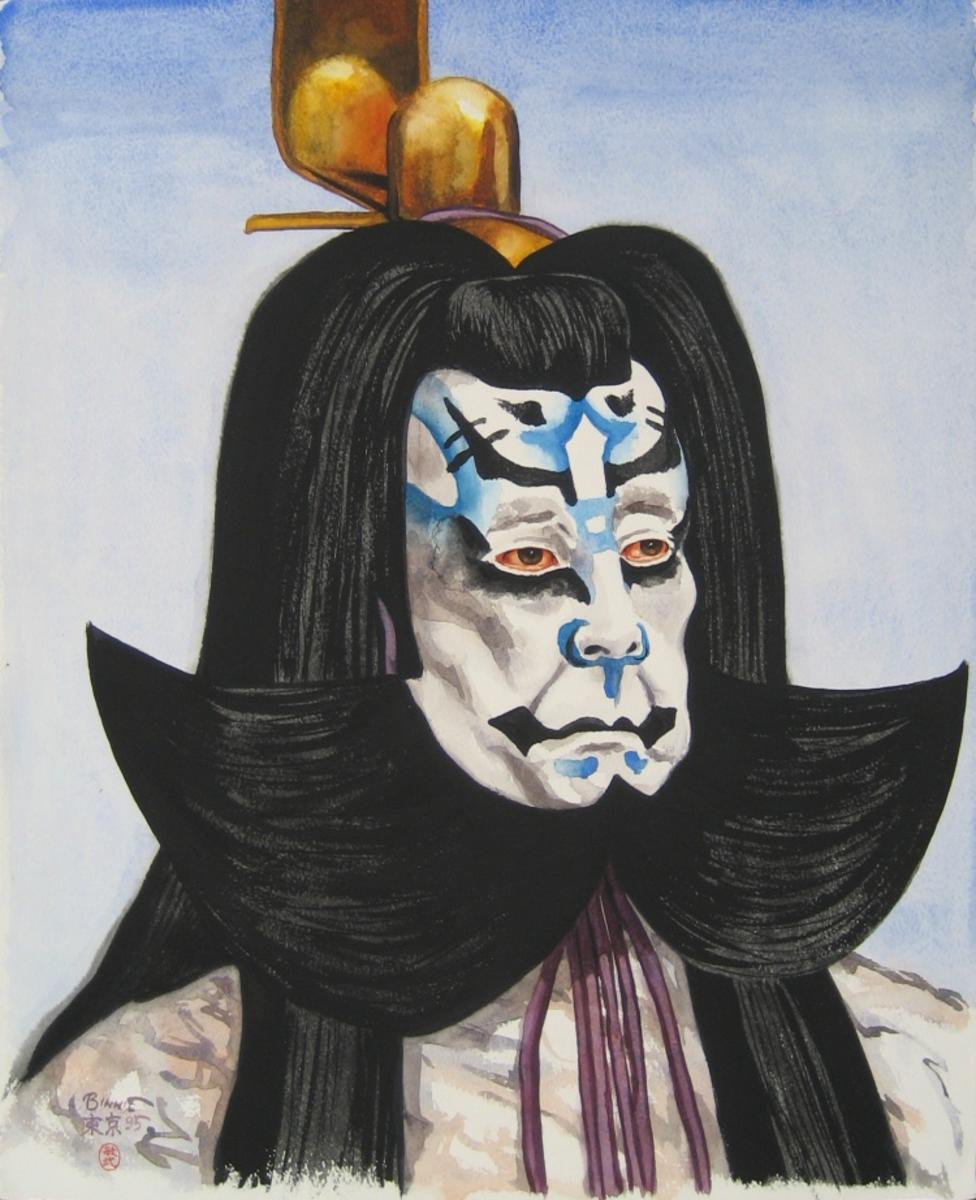
Kitaoka Nizaemon as the villain
Woodblock print
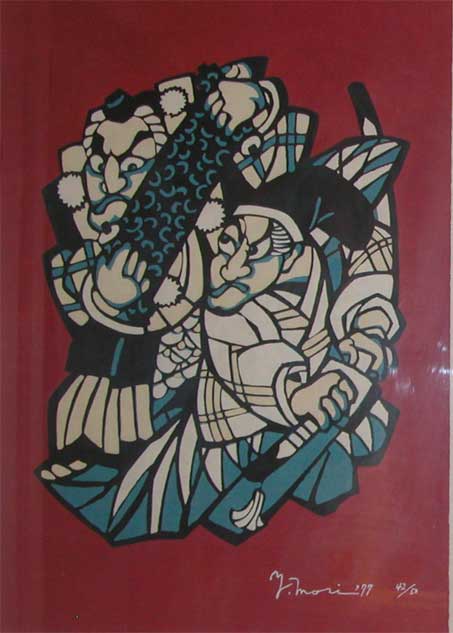
Kanjincho
Woodblock print
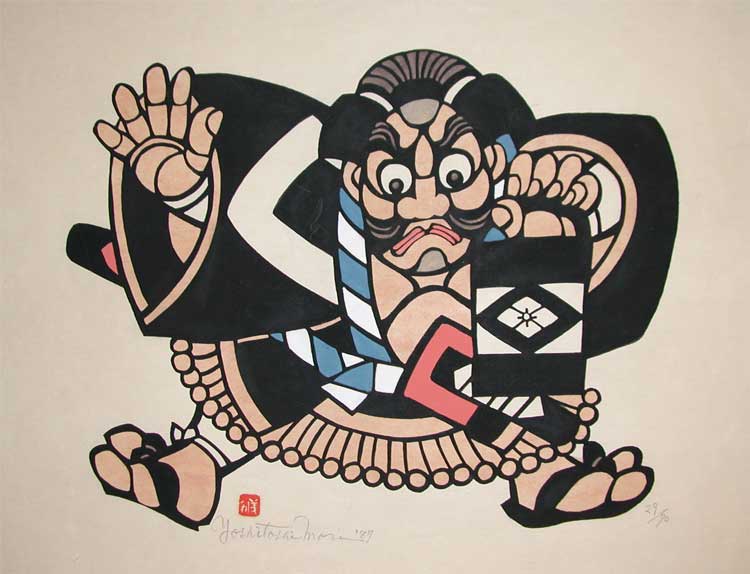
Yakko
Woodblock print
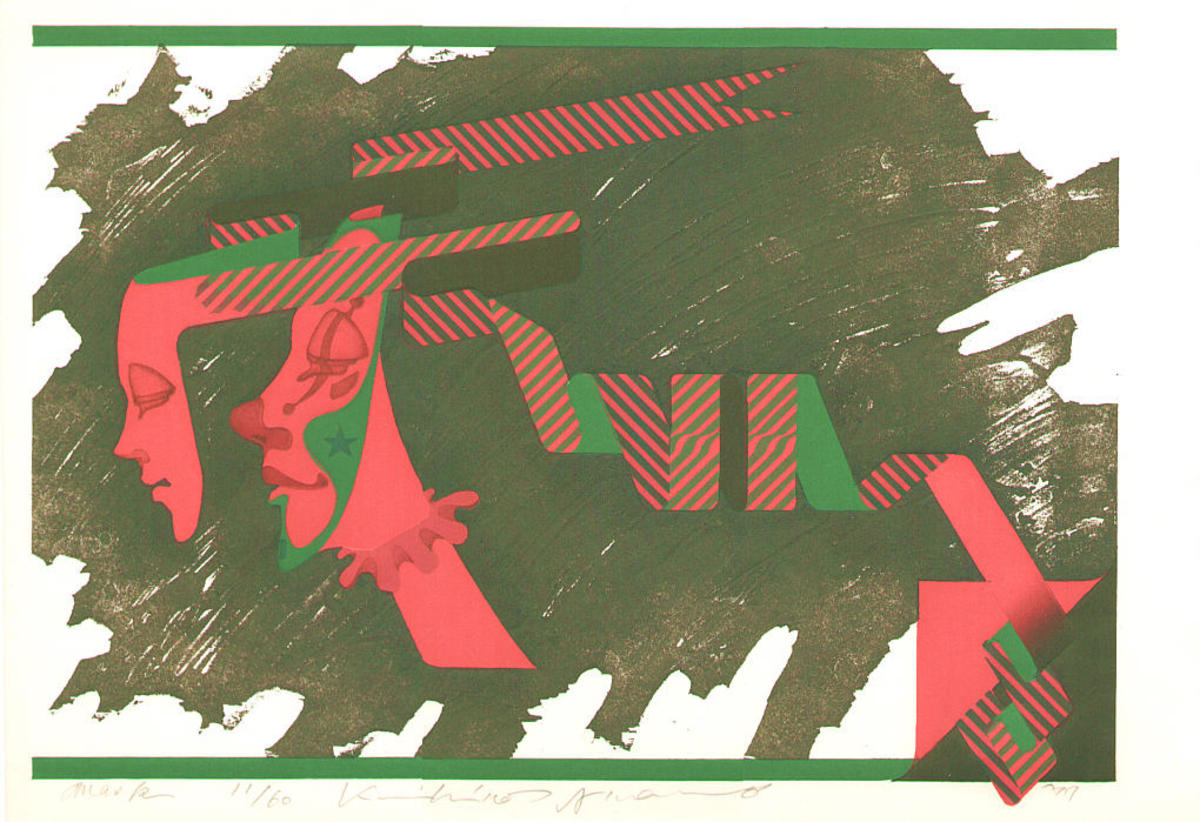
Mask
Woodblock print

Just a Moment (Shibaraku)
1977
Woodblock print?; edition 5/50
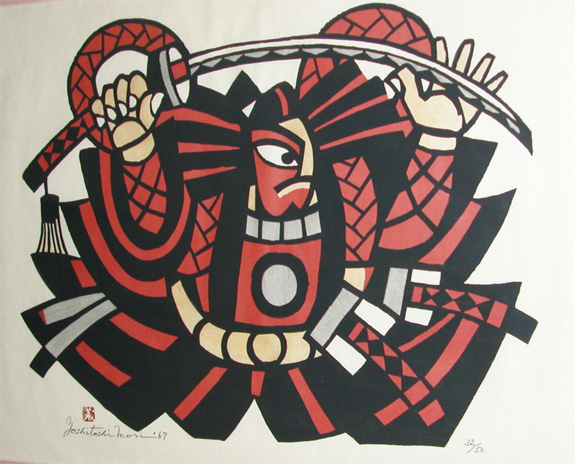
Shibaraku: Just a Morment
Woodblock print
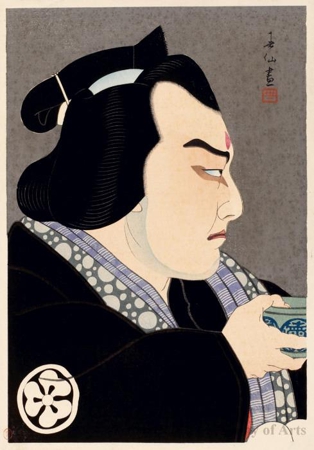
The Actor Bando Juzaburo as Seigoro
Woodblock print
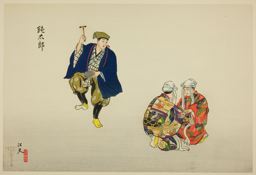
Dontaro, Fifty Kyogen Plays
Woodblock print
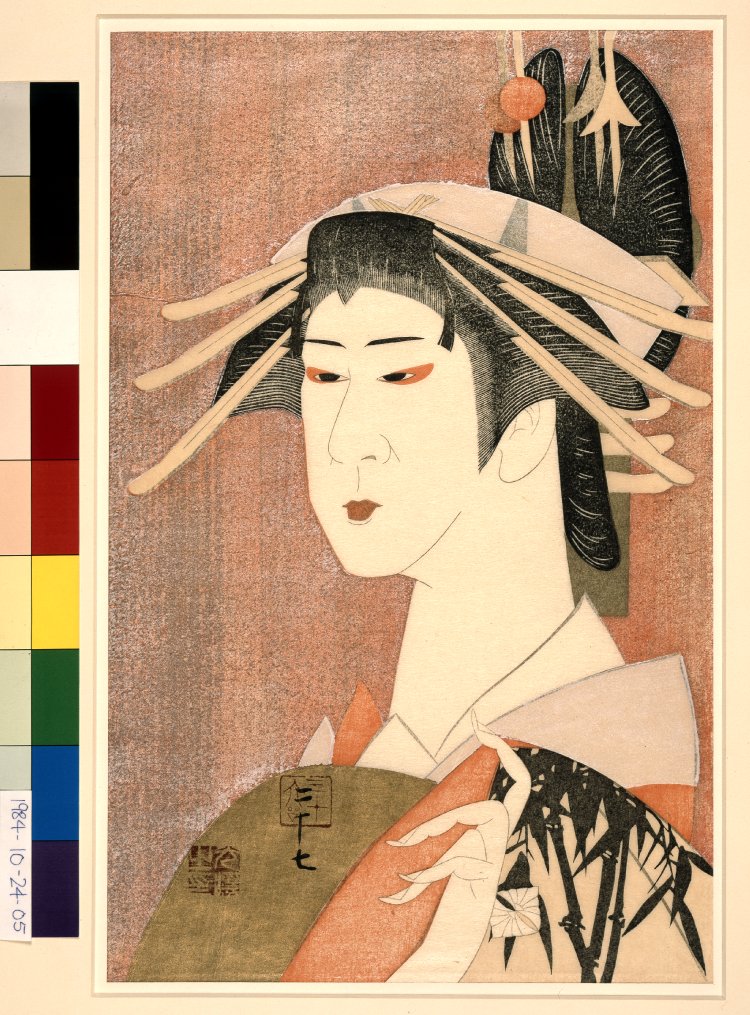
Bando Tamasaburo V as Agemaki
Woodblock print
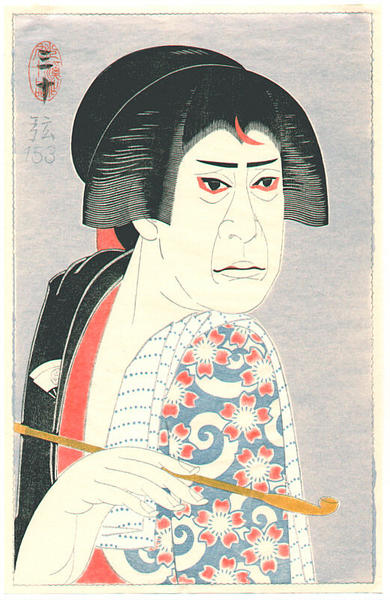
Onoe Kikugoro as Benten
Woodblock print
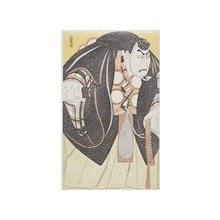
Nakamura Kichiemon II as Benkei in Kanjincho
Woodblock print
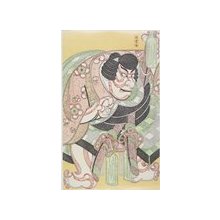
Ichikawa Danjuro XII as Umeomaru
Woodblock print
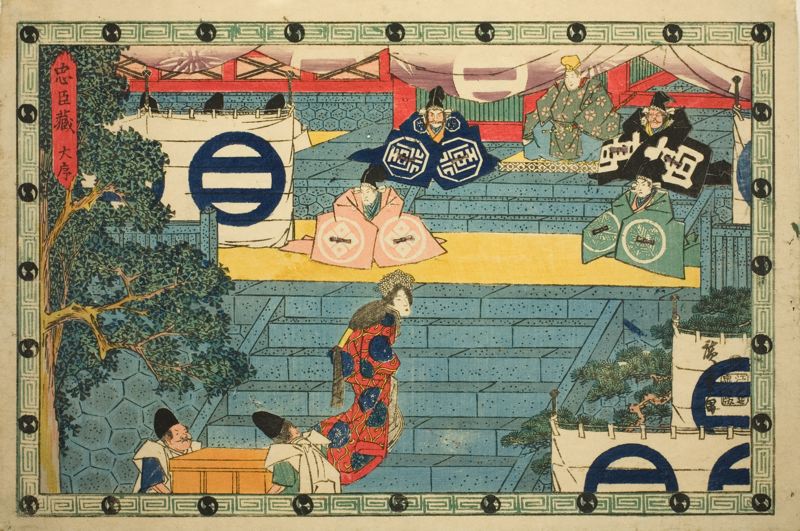
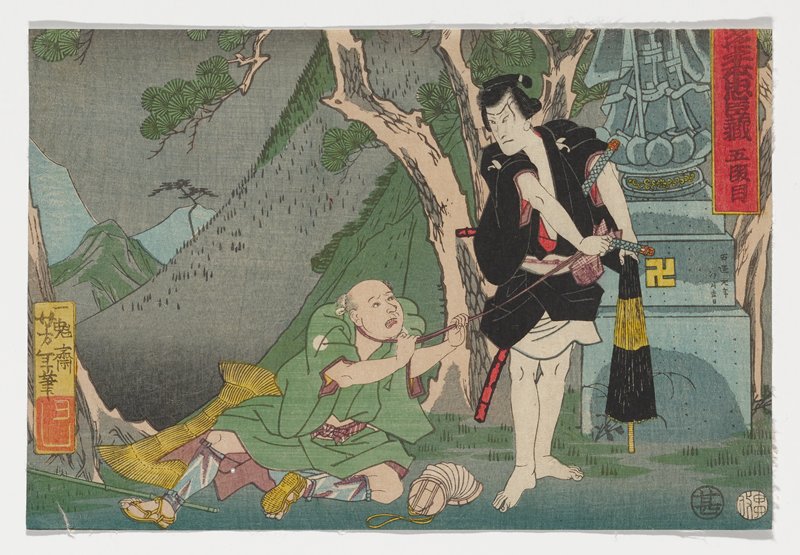
Scene from Act I of The Revenge of the Loyal Retainers
Woodblock print
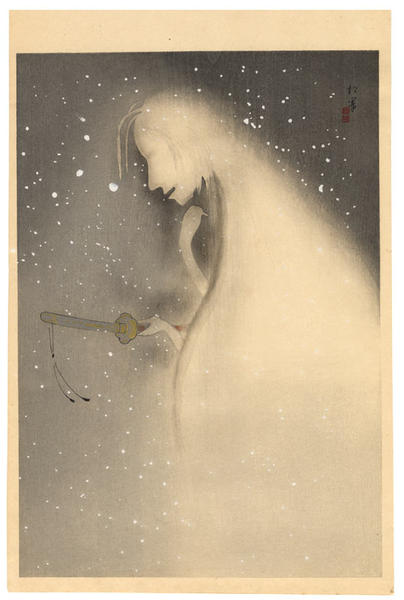
Female Ghost (Complete Works of Chikamatsu)
Woodblock print
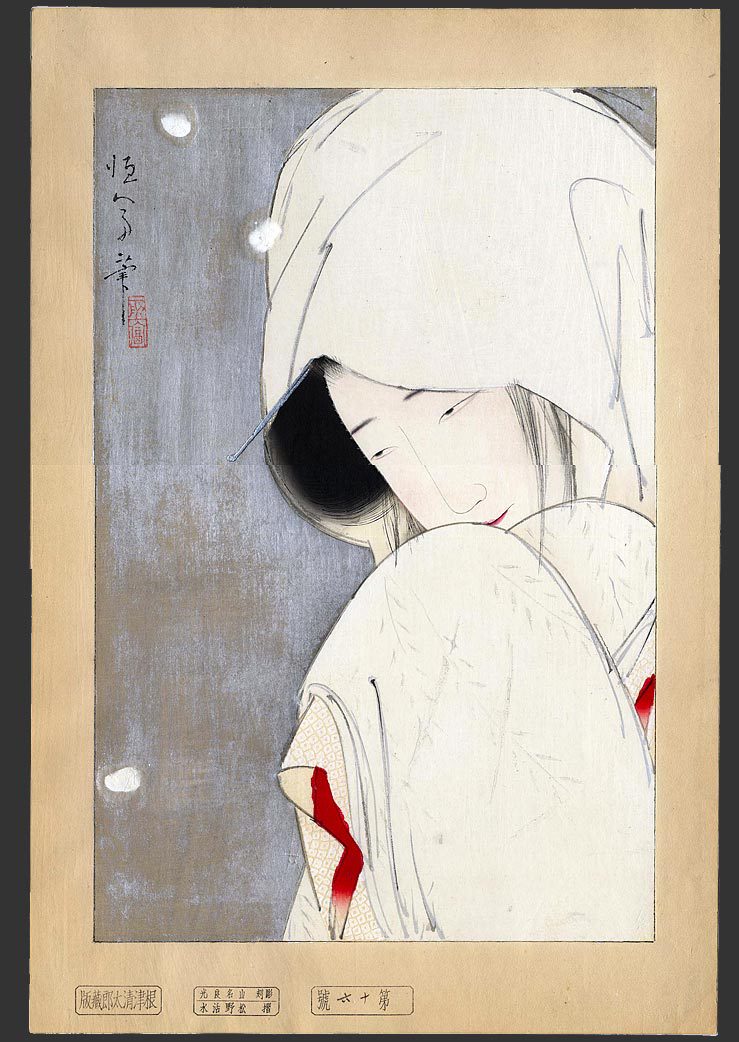
The Heron Maiden
Woodblock print
![Inside Scene of Kabukiza [Kabuki theater] (One Hundred Views of Tokyo, Message to the 21st Century) by Obata Tsutomu](https://www.artic.edu/iiif/2/33905fb8-c304-71f5-6150-cb9260cf9efa/full/843,/0/default.jpg)
Inside Scene of Kabukiza [Kabuki theater] (One Hundred Views of Tokyo, Message to the 21st Century)
1999
Color woodblock print
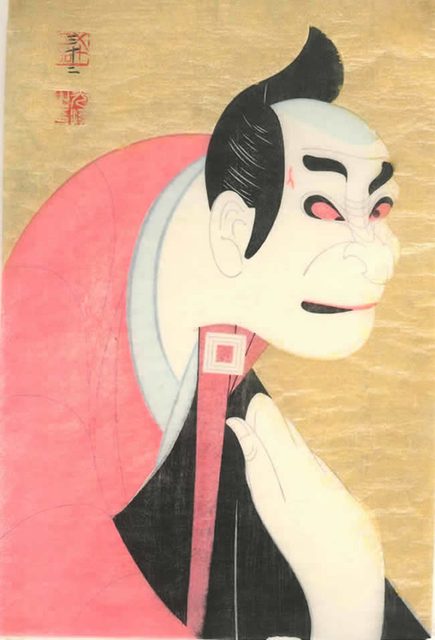
Ichikawa Danjuro
Woodblock print
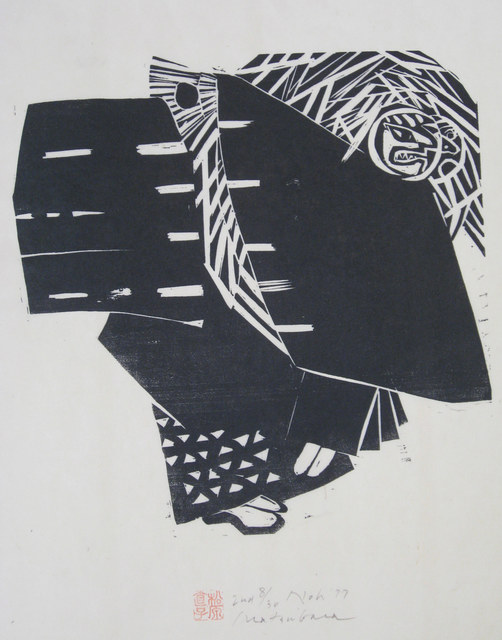
Noh
1977
Woodblock Print
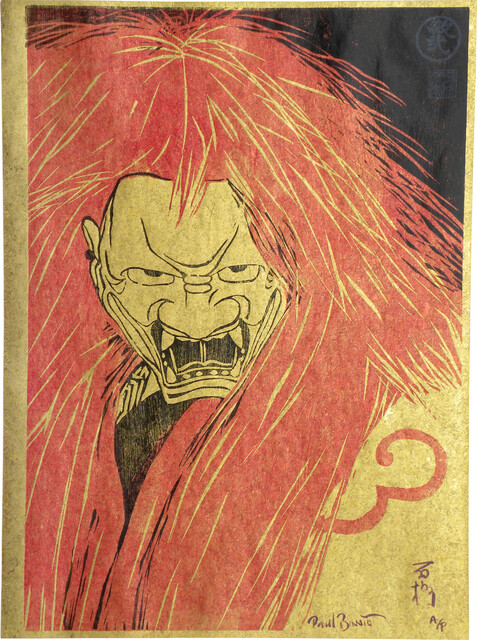
The Noh play The Stone Bridge
1997
Two-color woodblock print on gold paper
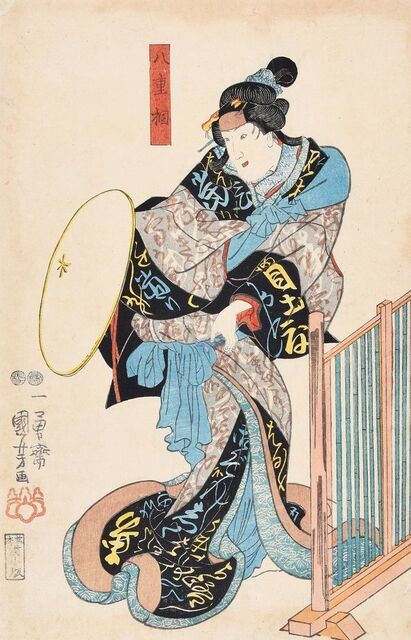
Kabuki Actor
1848
Original Woodcut
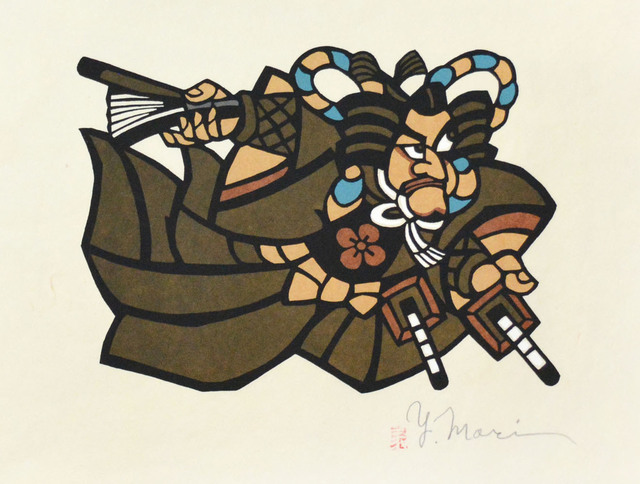
Shibaraku (KABUKI)
Woodblock
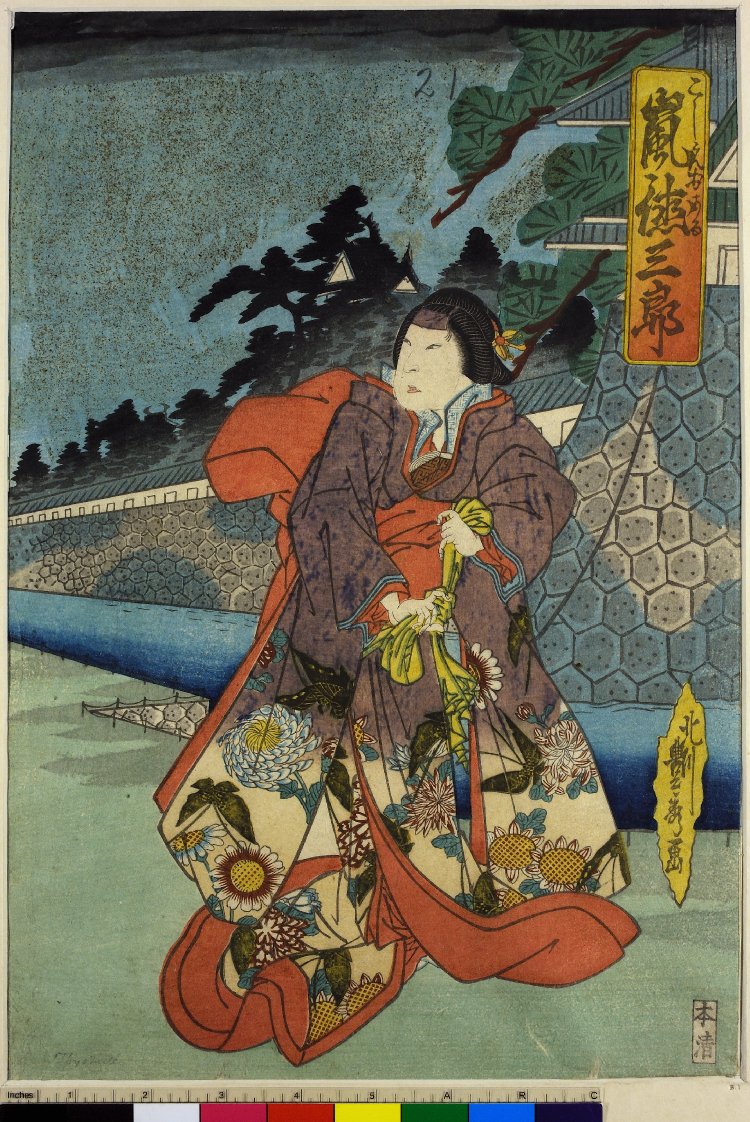
Actor Arashi Tokusaburō II (later Kitsusaburō II) as O-Karu with Onoe Kikugorō as Kampei, by Castle Moat in Night Scene (from Chūshingura)
c. 1840
Color woodblock diptych (nishiki-e); ink and color on paper

Onoe Kikugorö as Motoemon in the Drama Tengajaya
Woodblock print

The Actor Onoe Kikugoro V as the Priest Sogen (Yuki: Iwakura Sogen Onoe Baiko), from the series "Snow, Moon, and Flowers (Setsugekka no uchi)"
1890
Color woodblock prints; oban triptych
Yūgiri and Izaemon, from the series Tailored Journeys of Couple's Crests (Hiyoku mon michiyuki shitate)
early 19th century
Woodblock print (nishiki-e); ink and color on paper
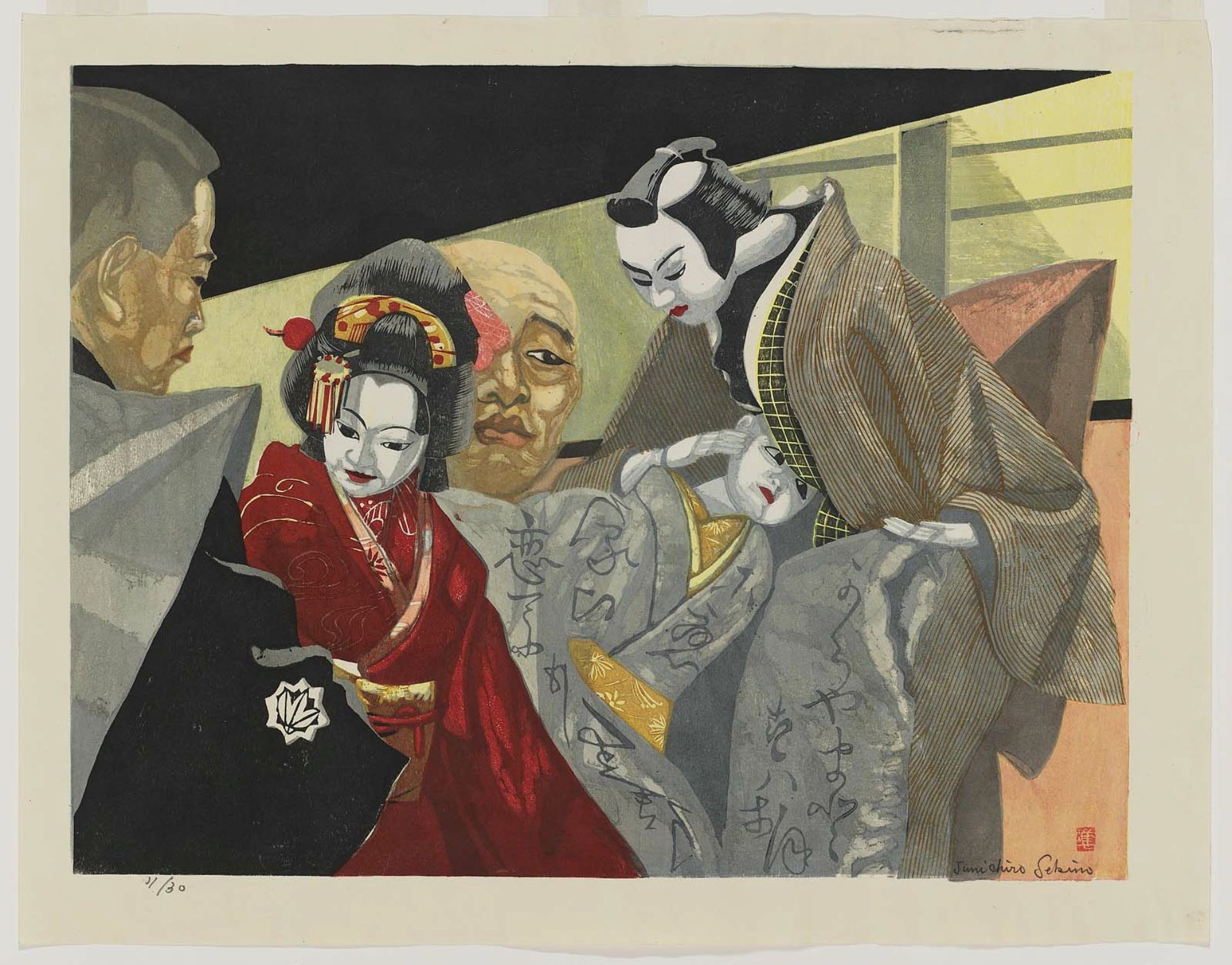
The Puppeteer Kiritake Monjuro with the Puppet Jihei (Right) and Other Puppeteers with Osui, the daughter of Jihei (Center) and Koharu (Left)
Woodblock print
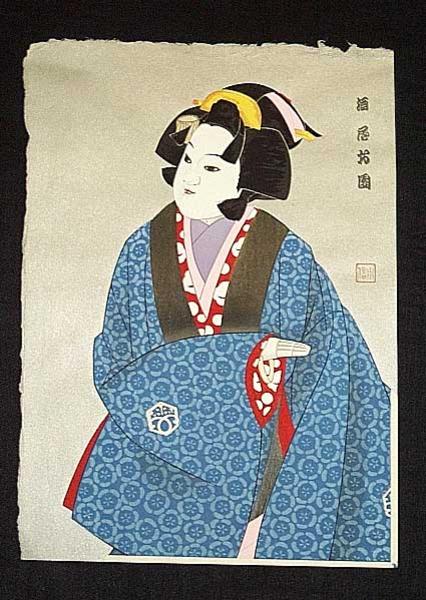
Bunraku Actor Print
文楽人形 役者図
c. 1950
Color woodblock print

Atsumori, from Bunraku Doll Print Collection
敦盛 — 文楽人形版画集
c. 1950s
Color woodblock print, oban format
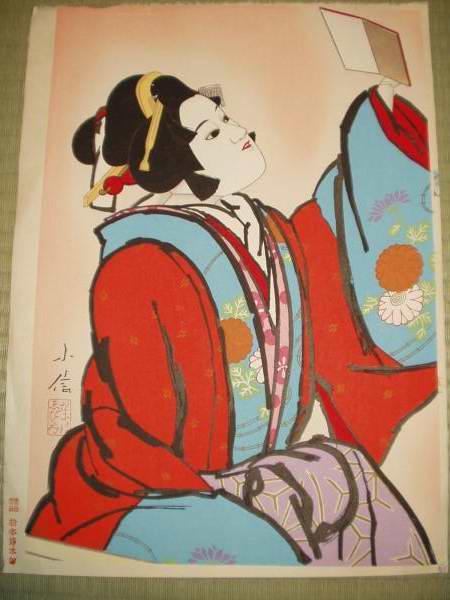
Bunraku Puppet Bujin (Warrior)
文楽人形 武人
c. 1950s
Color woodblock print
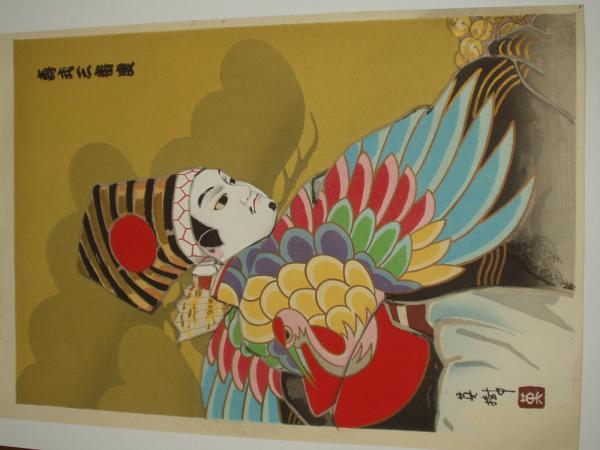
Bunraku Puppet Hideki
文楽人形 秀樹
c. 1950s
Color woodblock print
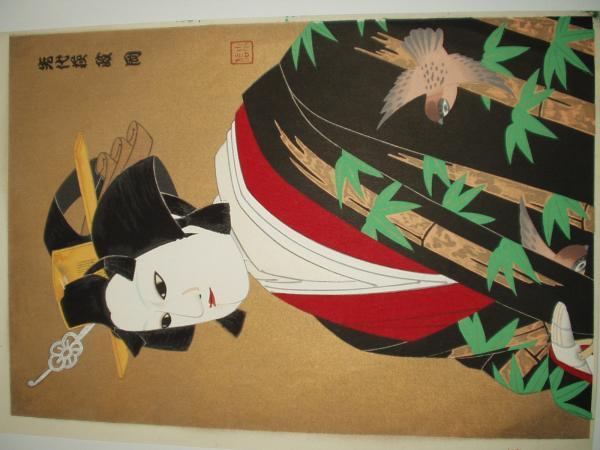
Masaoka, from Bunraku Doll Print Collection
政岡 — 文楽人形版画集
c. 1950s
Color woodblock print
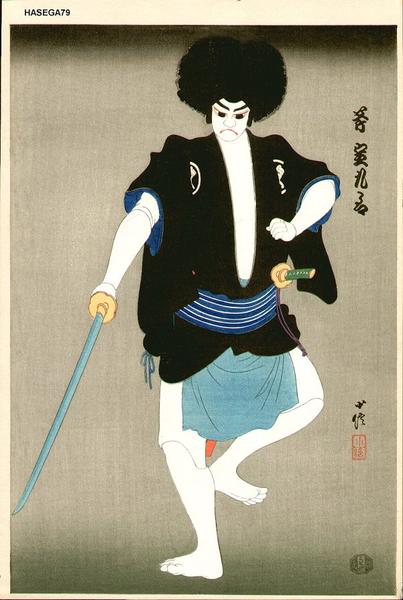
Sadakurō, from Bunraku Doll Print Collection
定九郎 — 文楽人形版画集
c. 1950s
Color woodblock print, oban format
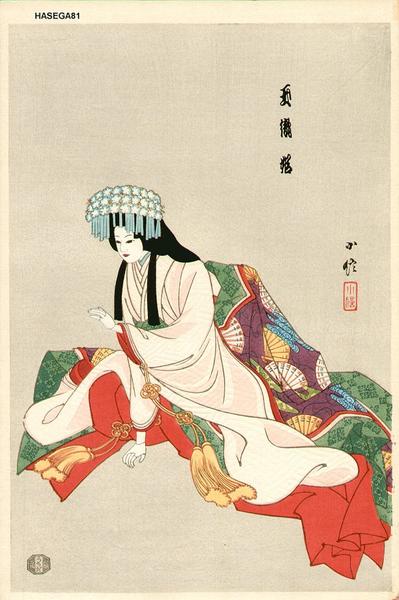
Tamaori-hime, from Bunraku Doll Print Collection
玉織姫 — 文楽人形版画集
c. 1950s
Color woodblock print, oban format
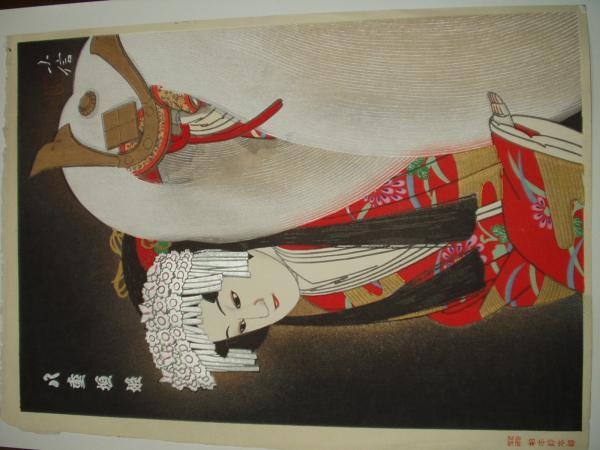
Yaegaki-hime, from Bunraku Doll Print Collection (Bunraku ningyō hanga-shū)
八重垣姫 — 文楽人形版画集
c. 1955
Color woodblock print, oban format
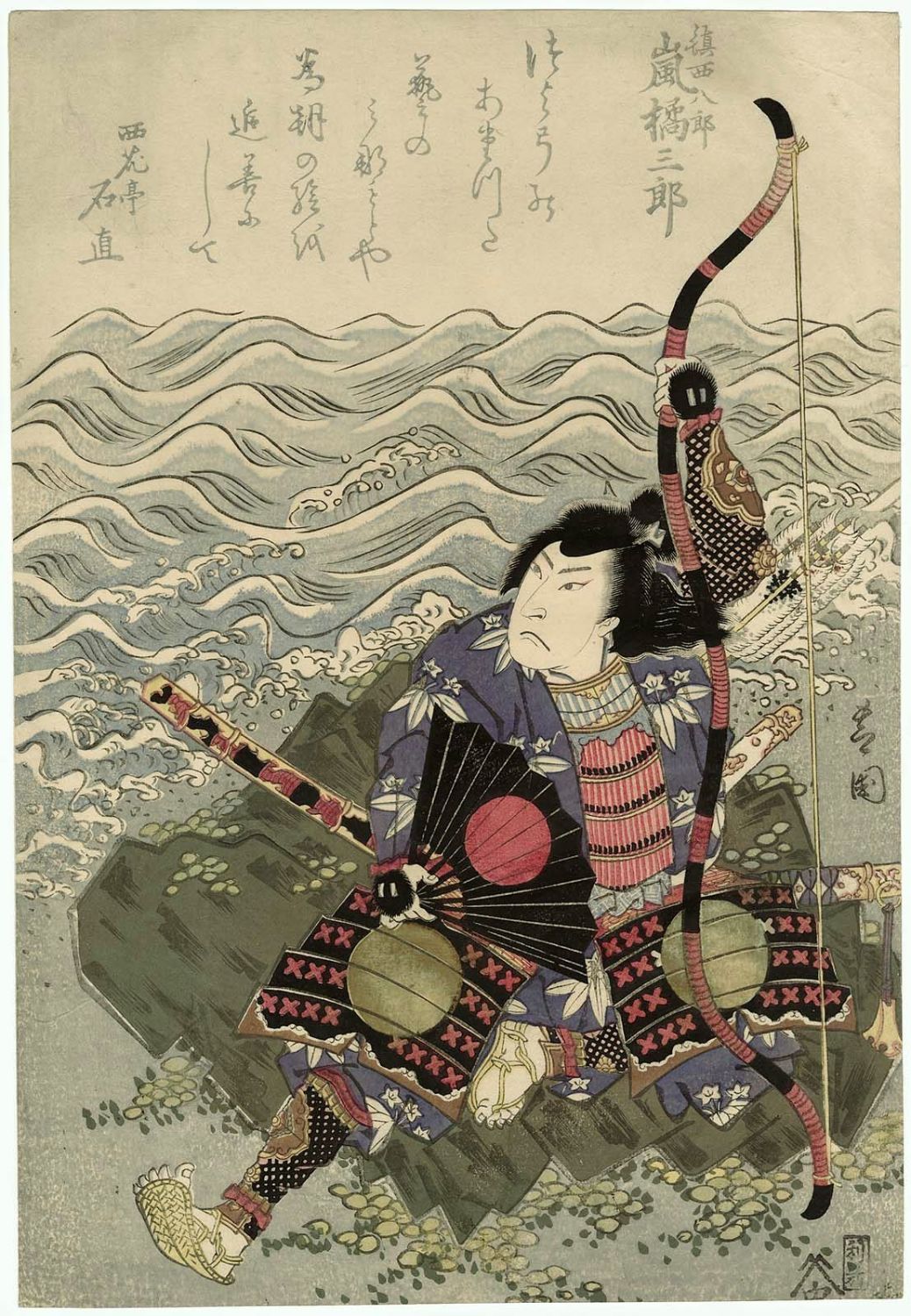
Actor Arashi Kitsusaburō I as Chinzei Hachirō
c. 1821
Woodblock print (nishiki-e); ink and color on paper
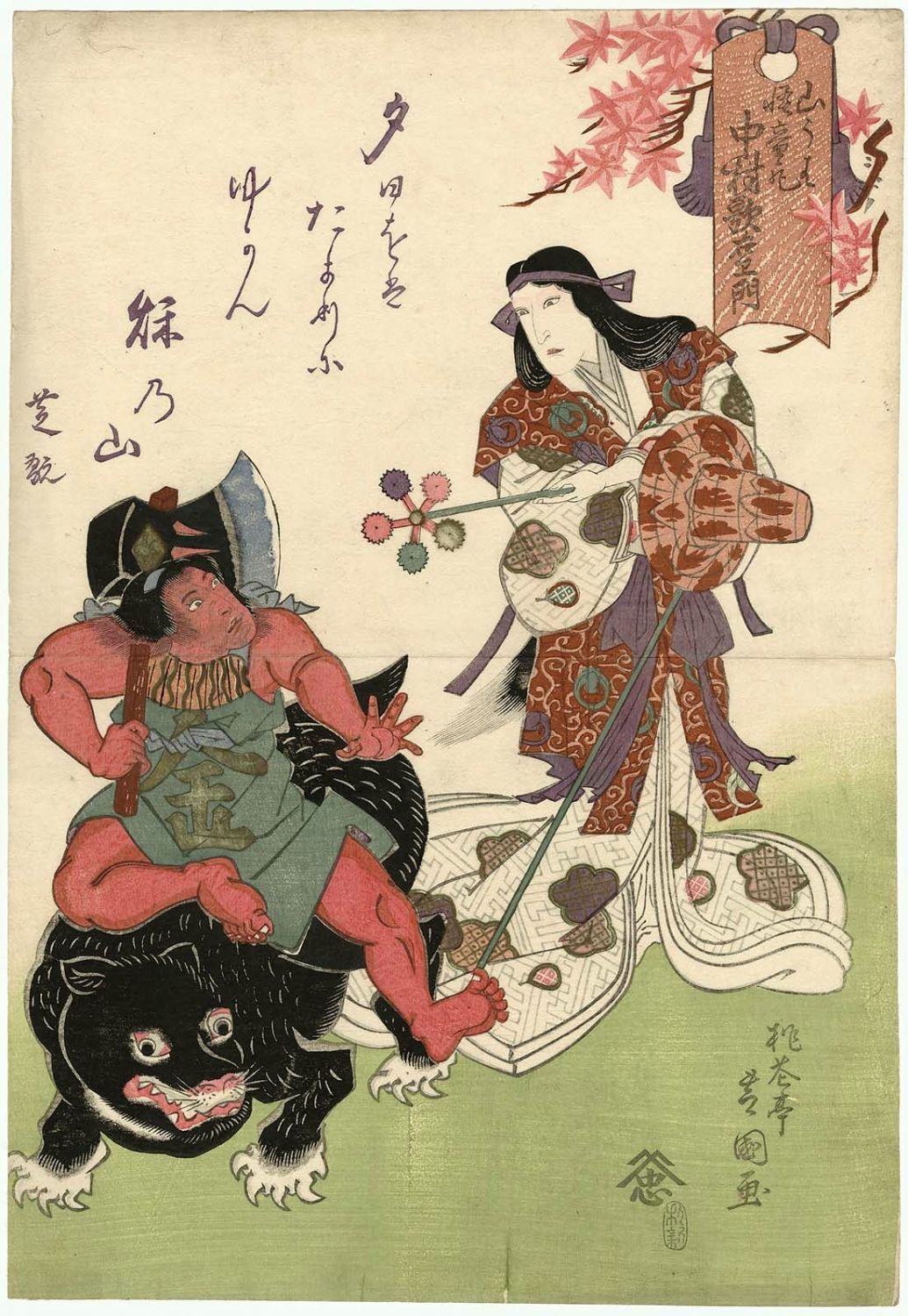
Actor Nakamura Utaemon III as both Yamauba and Kaidōmaru
c. 1823
Woodblock print (nishiki-e); ink and color on paper
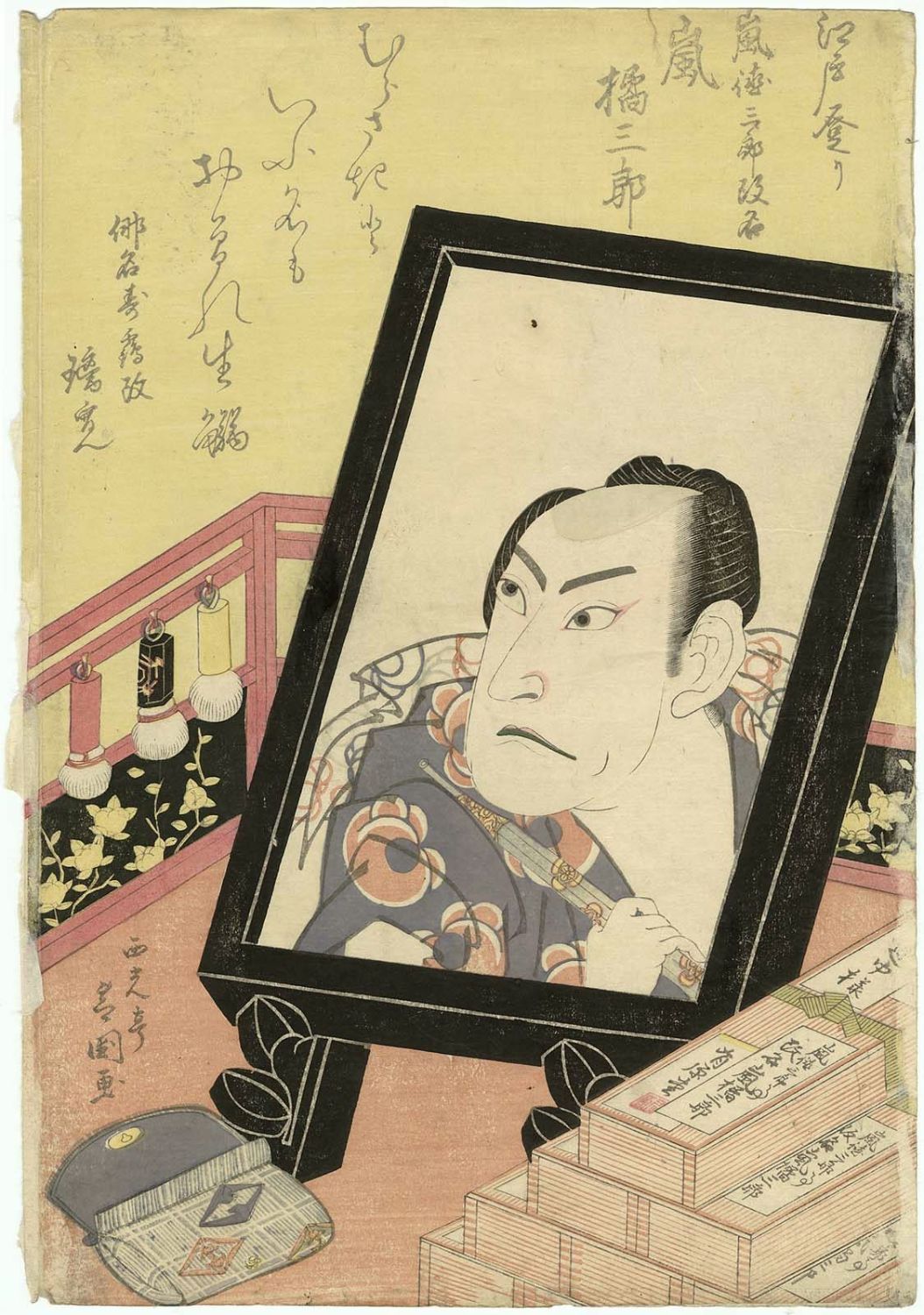
Just Arrived from Edo, Actor Arashi Kitsusaburō (II)
c. 1824
Woodblock print (nishiki-e); ink and color on paper
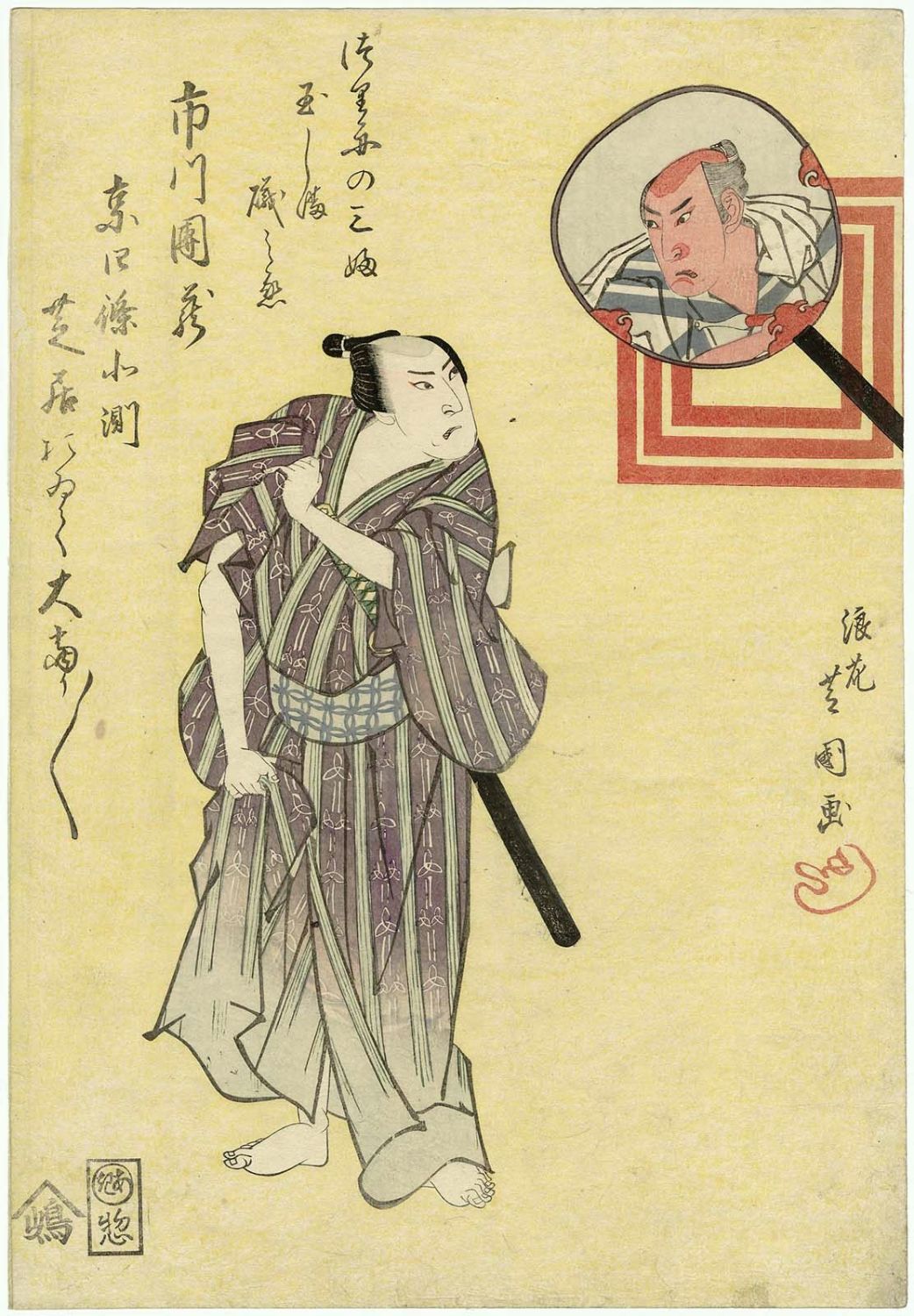
Actor Ichikawa Danzō V as both Tsurifune no Sabu and Tamashima Isonojō
1824
Woodblock print (nishiki-e); ink and color on paper
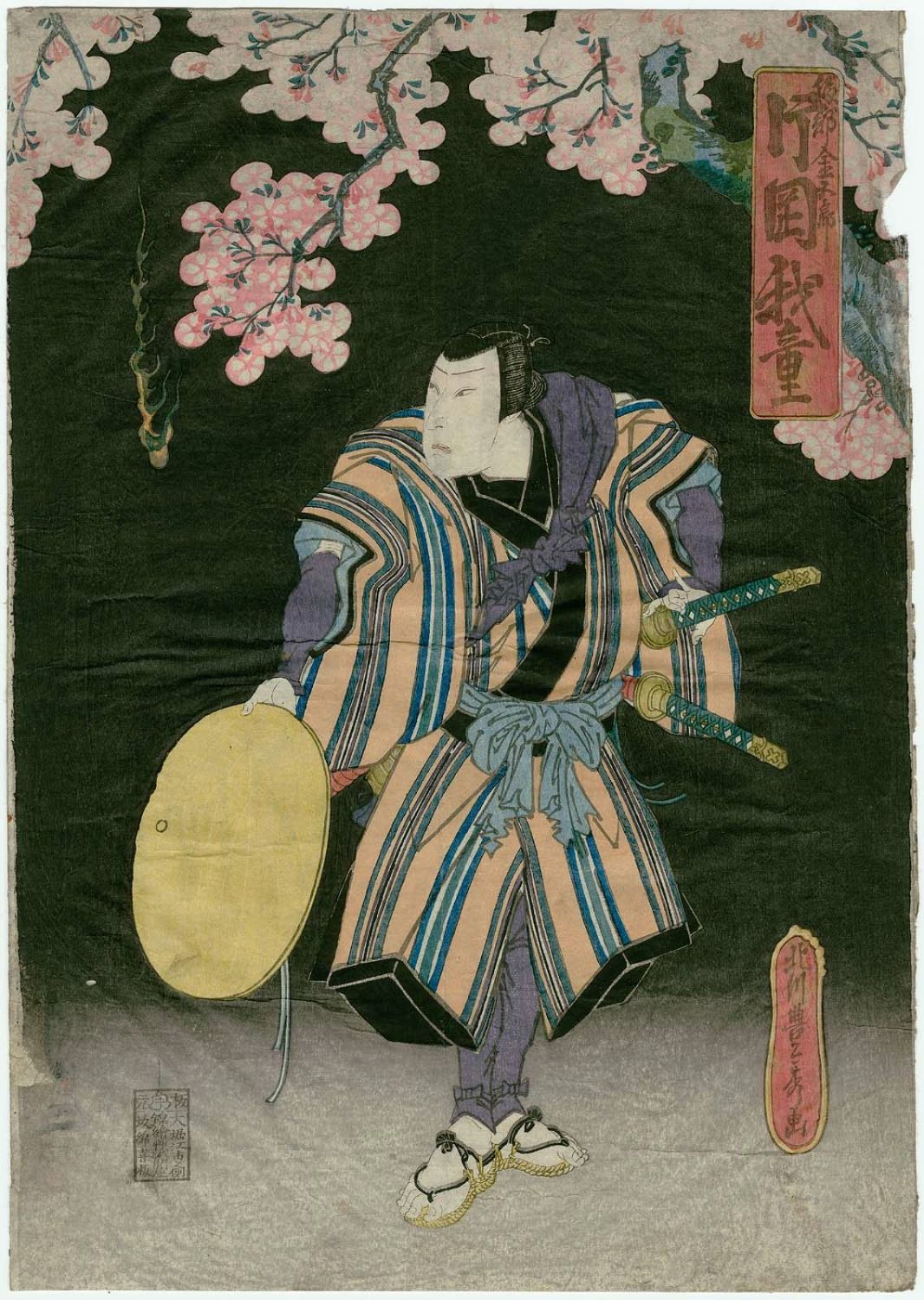
Actor Kataoka Gadō II as Hattori Kingorō
1841
Woodblock print (nishiki-e); ink and color on paper
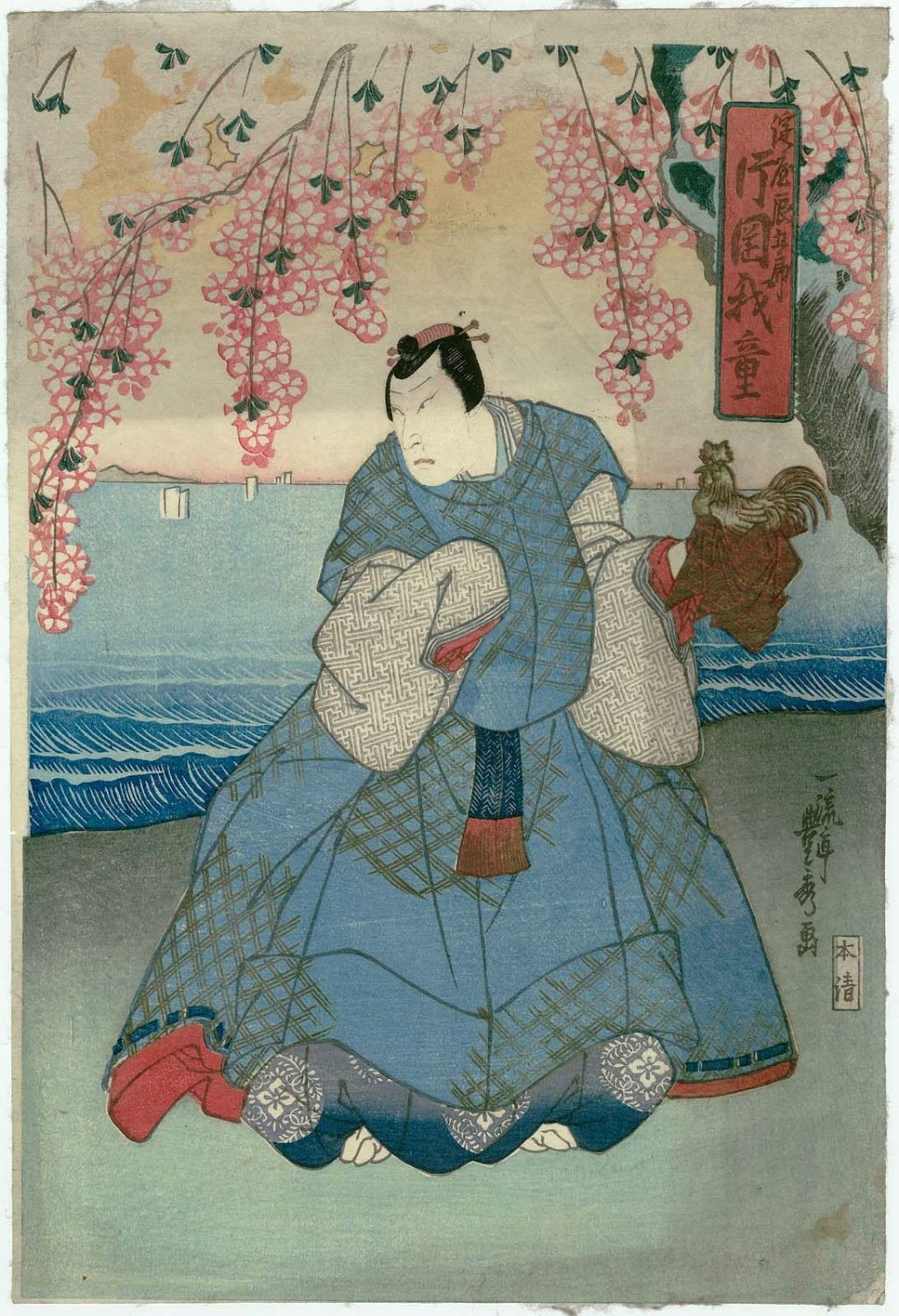
Actor Kataoka Gadō II as Yodoya Tatsugorō
1841
Woodblock print (nishiki-e); ink and color on paper
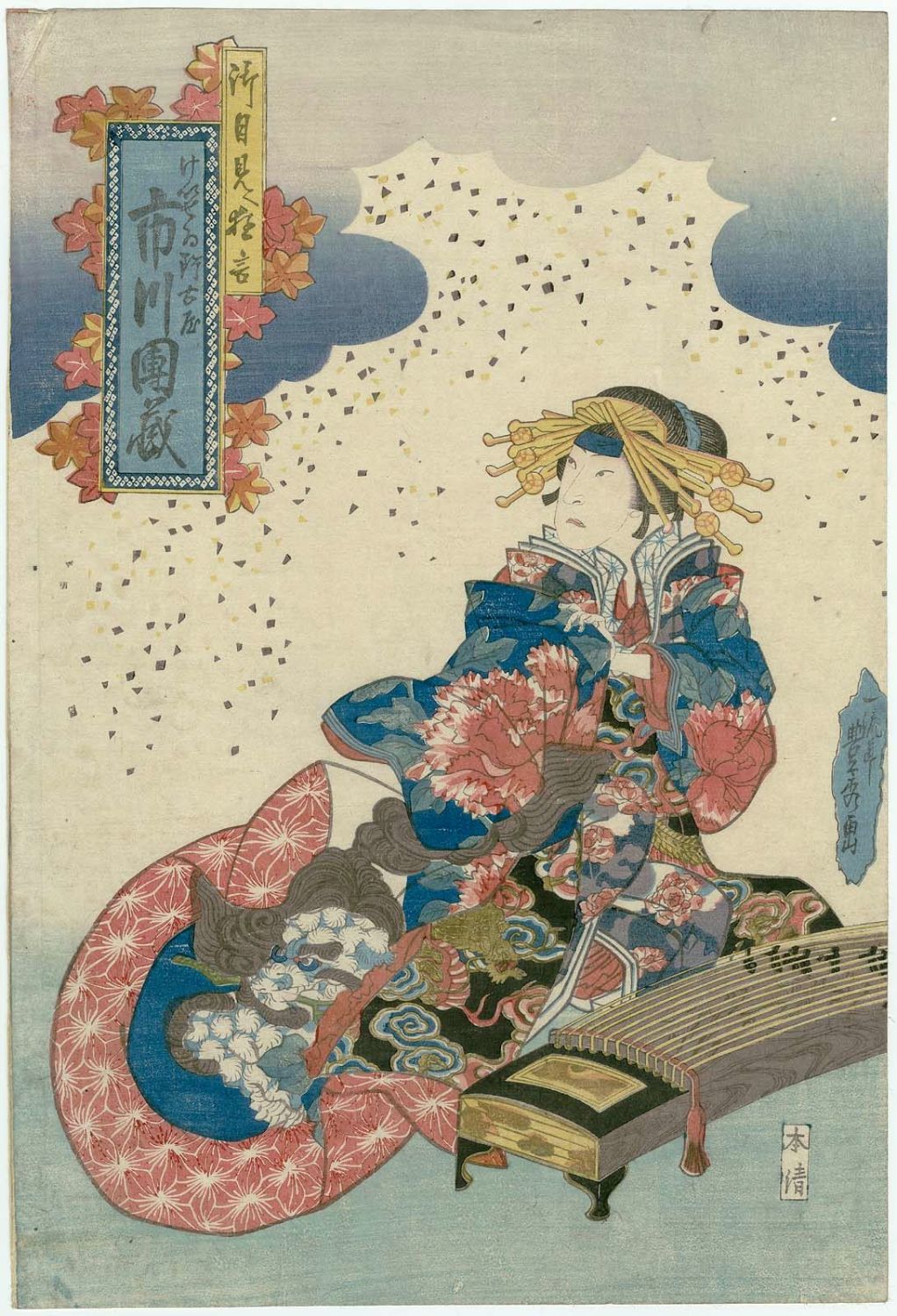
Actor Ichikawa Danzō as the Courtesan Akoya
1839
Woodblock print (nishiki-e); ink and color on paper
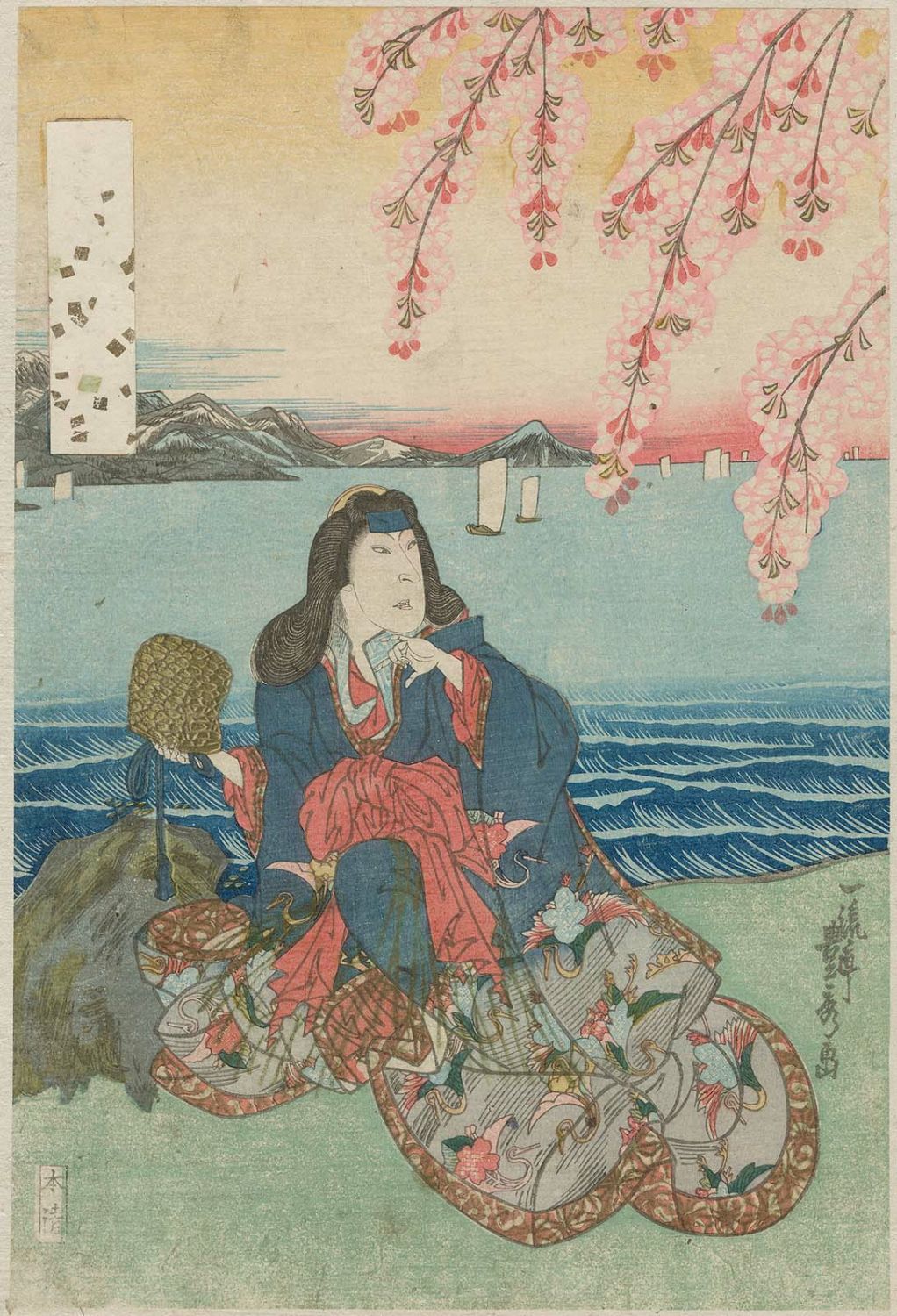
Actor Nakamura Tomijūrō as Matsukaze
1839
Woodblock print (nishiki-e); ink and color on paper
Related Subjects
Frequently Asked Questions
Kabuki theater prints (yakusha-e) are among the earliest and most commercially important genres of ukiyo-e, documenting the stars, roles, and dramatic moments of Japan's premier theatrical tradition. From the late seventeenth century onward, prints depicting kabuki actors were as popular as modern entertainment magazines, feeding public fascination with the theater's celebrity culture.
Tsuruya Kokei, Tsukioka Gyokusei, and Ota Masamitsu are among the artists most associated with kabuki in our collection. Browse the full list of artists who explored this subject above.
Hanga currently catalogues 354 prints tagged with kabuki, spanning ukiyo-e, shin-hanga, and sōsaku-hanga traditions where applicable.