Landscapes Prints (3812)
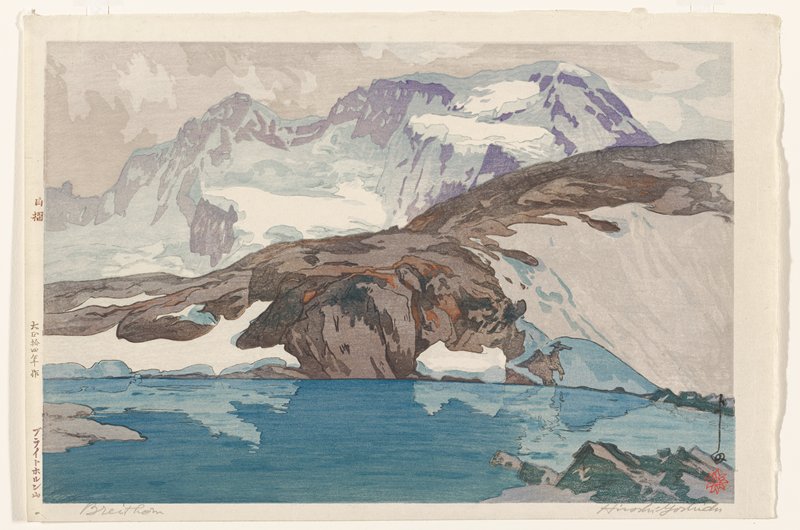
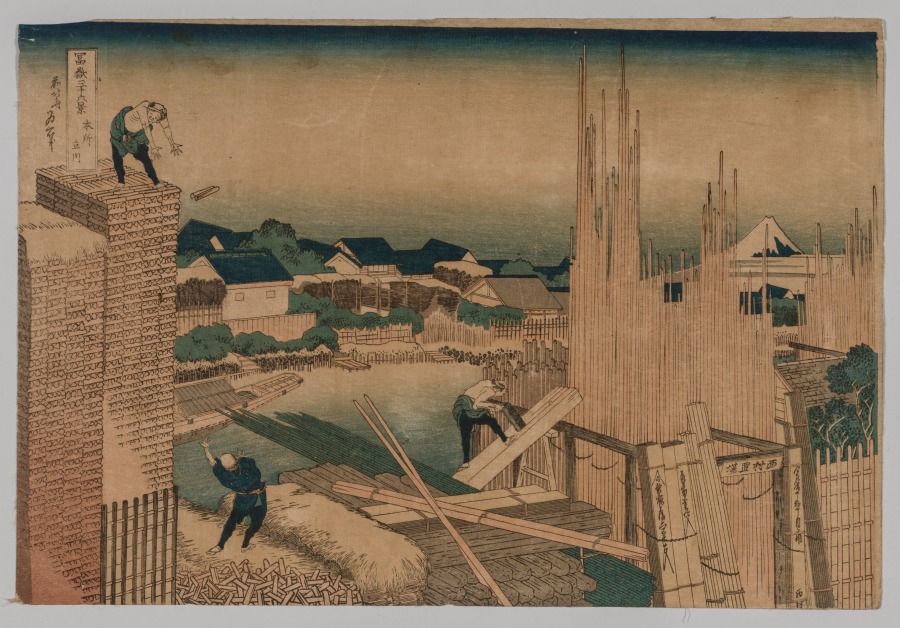
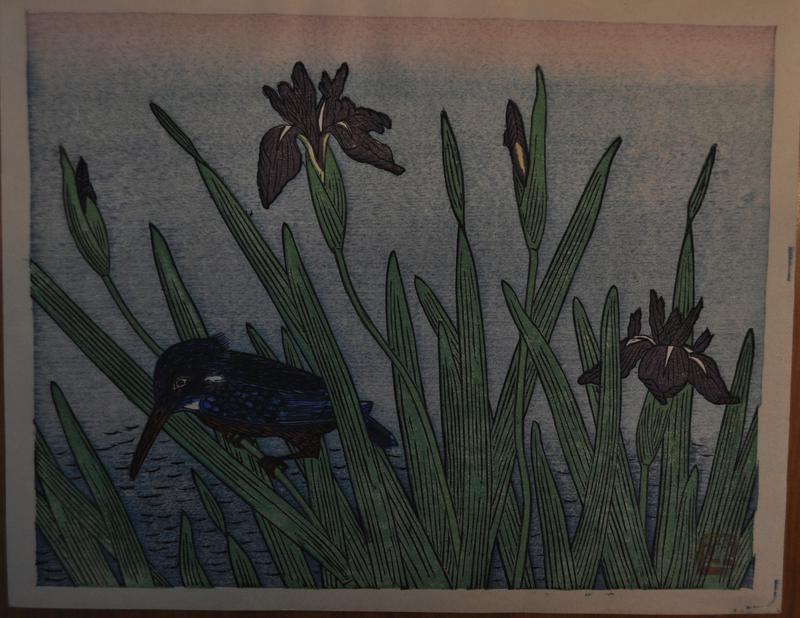
Landscapes are the most celebrated subject in Japanese woodblock printmaking, encompassing mountain vistas, coastal panoramas, river valleys, and rural scenes that have defined the genre for centuries. The tradition reached its first peak with Hokusai's "Thirty-six Views of Mount Fuji" (1831) and Hiroshige's "Fifty-three Stations of the Tokaido" (1833-34), series that established the meisho-e (famous places) format as a cornerstone of ukiyo-e. Shin-hanga artists of the early twentieth century, particularly Kawase Hasui and Hiroshi Yoshida, reinvented the landscape tradition by combining Western atmospheric effects with Japanese compositional sensibilities. Hasui's snow scenes and twilight views of rural Japan became iconic, while Yoshida's mountain studies introduced plein-air observation techniques unprecedented in woodblock printing. Sosaku-hanga artists like Toshi Yoshida and Shiro Kasamatsu further expanded the landscape vocabulary through personal expression and experimental color palettes. Japanese landscape prints typically emphasize seasonal atmosphere, weather conditions, and the interplay between human presence and natural grandeur. The use of bokashi (graduated color) and multiple impression techniques creates depth and luminosity that distinguish woodblock landscapes from other printmaking traditions.
Artists Known for Landscapes


White Fuji 8
Woodblock print
Battle of Fujigawa
Silkscreen
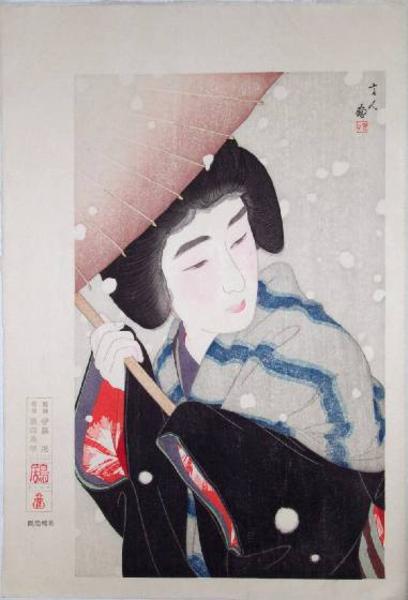
Peony Snowflakes — 牡丹雪
1933
Woodblock print
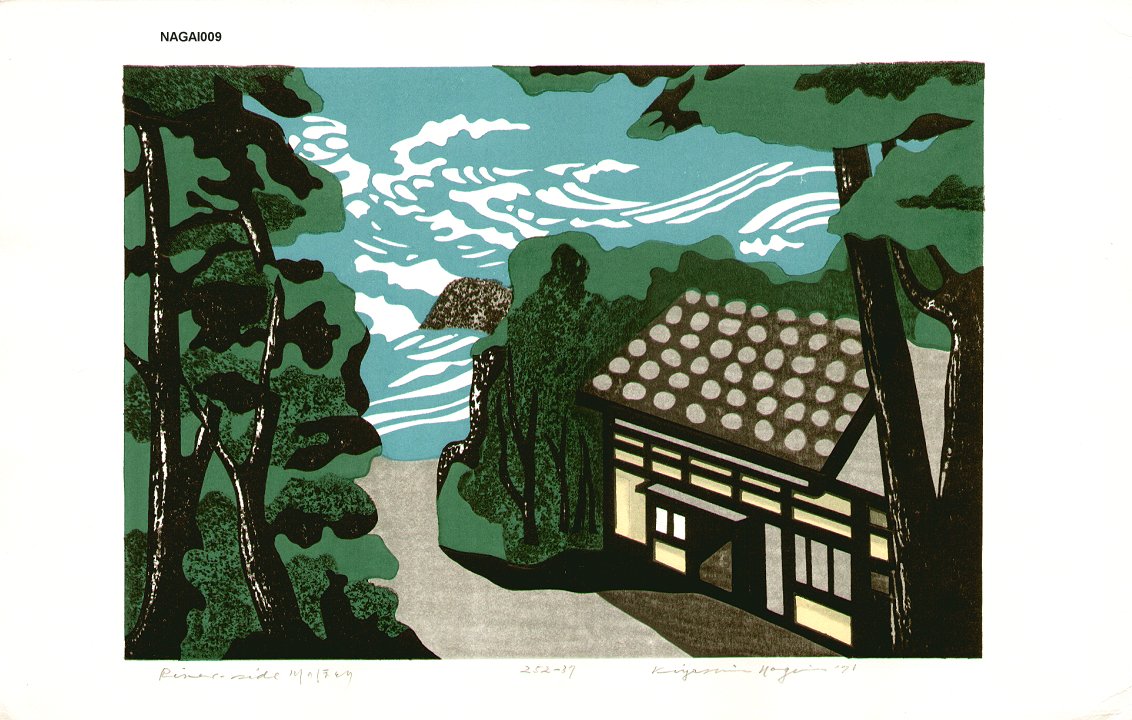
River-side
Woodblock print
Ducks Swimming under Lakeside Reeds
Shōwa period, dated to 1931
Woodblock print in "ōban" format; ink and color on paper, with printed signature reading "Shōson"
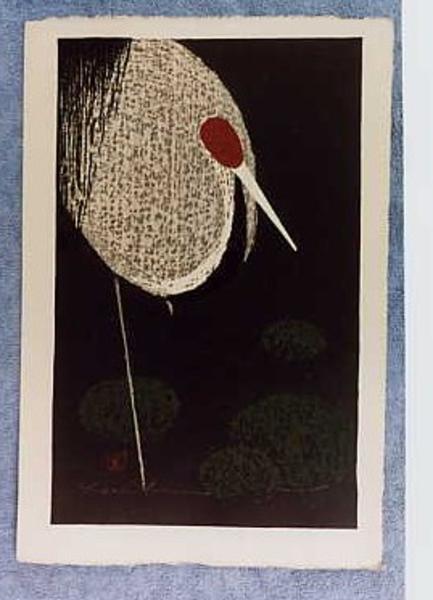
Sacred Lake
Woodblock print
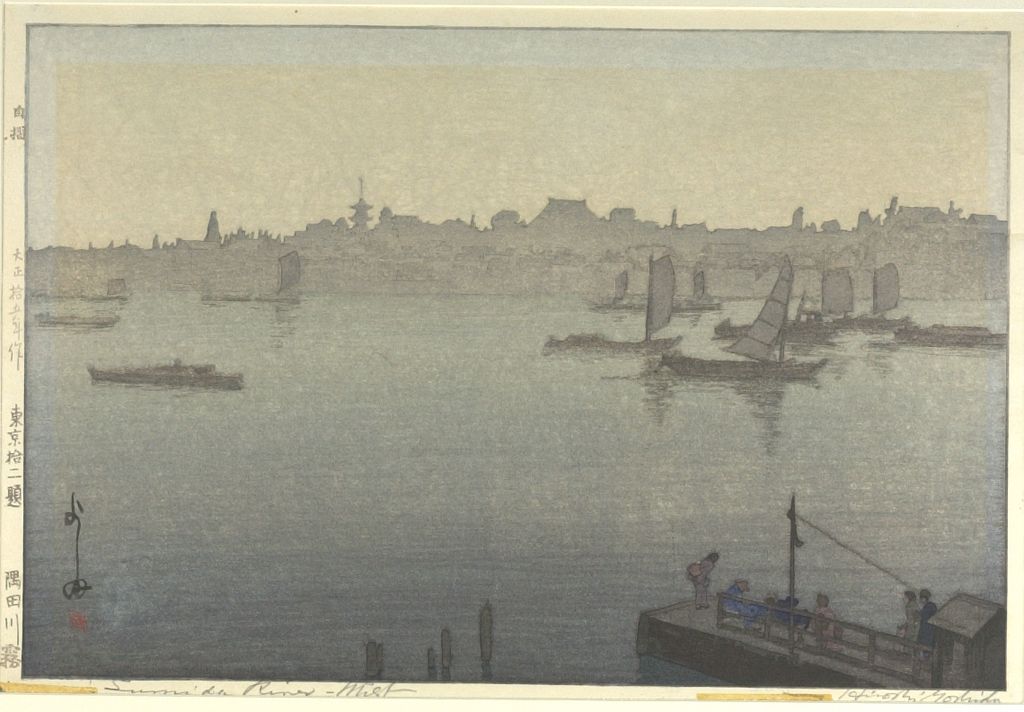
Sumida River Mist, from the series Twelve Scenes of Tokyo (Tokyo jûnidai), Taishô period, dated 1926
Woodblock print
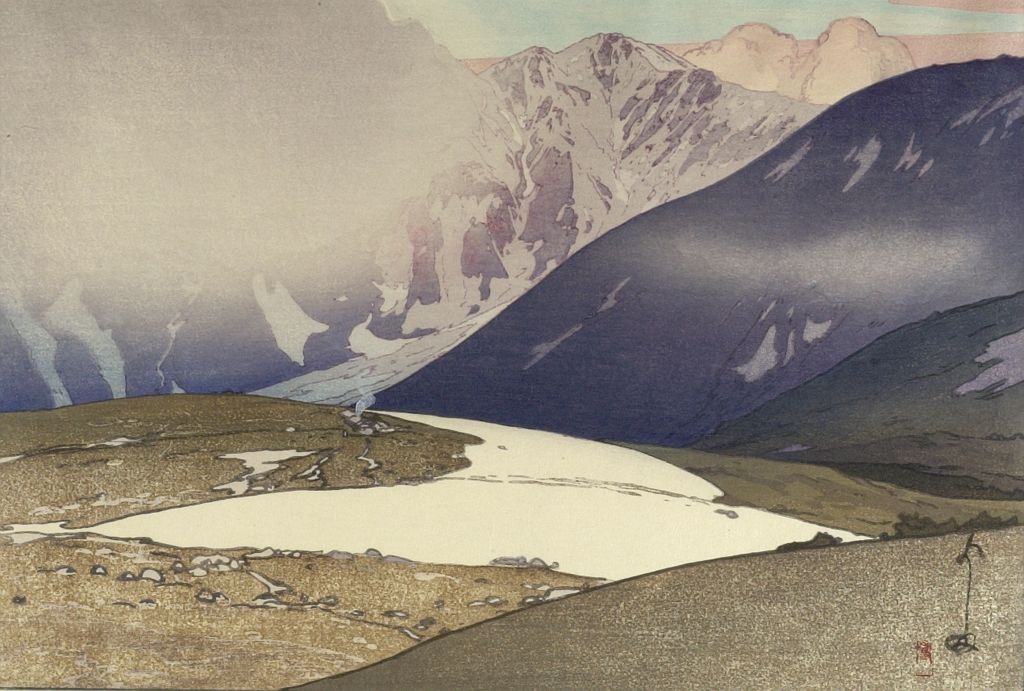
Tateyama, Bitsu Mountains (Tateyama Bessan), from the series Twelve Themes from the Japan Alps (Nihon Arupusu jûnidai), Shôwa period, dated 1926
Woodblock print

The Sumida River in the Mist
Woodblock print
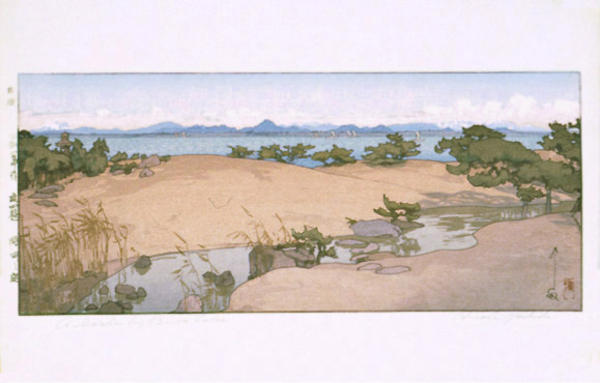
A Garden by Lake Biwa
Woodblock print
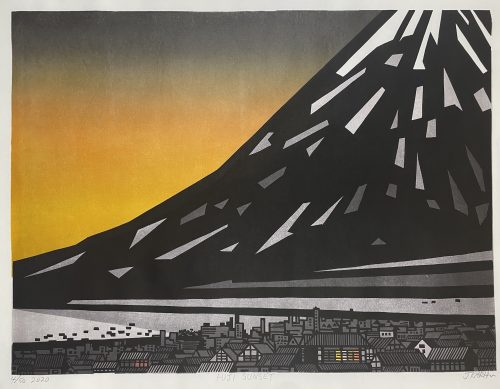
Fuji Sunset
2020
Woodblock

Fujiyama from Suzukawa
1928
Color woodblock print

Fujiyama from Miho
1935
Color woodblock print
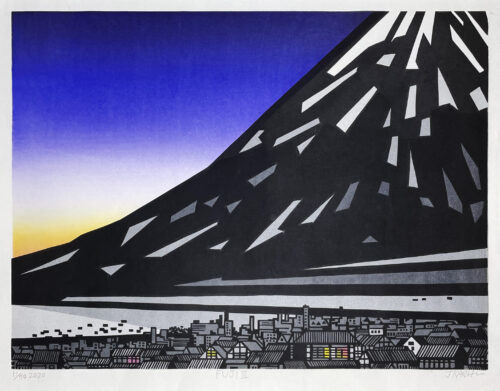
Fuji III
2021
Woodblock
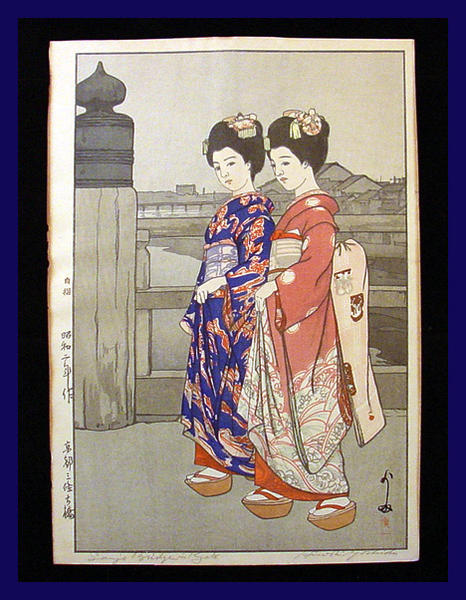
Sanjo Bridge in Kyoto
Woodblock print

Kameido Bridge, Tokyo
1927
Color woodblock print

Night in the Harbor (Minato no yoru)
Minato no yoru
1938
Color woodblock print; oban

Harbor Of Tomo (Tomo No Minato)
Woodblock print

Seta Bridge
1933
Color woodblock print
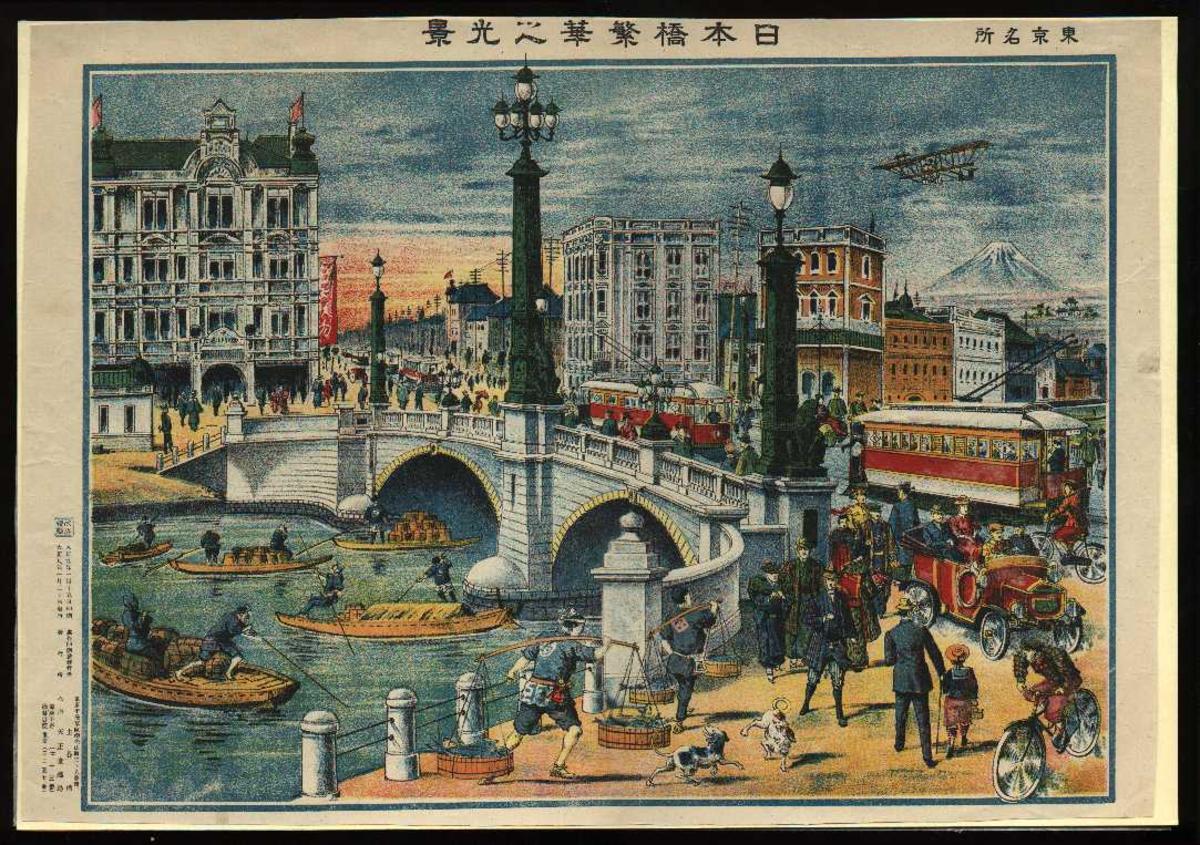
View of Activity Around Nihonbashi Bridge
Woodblock print
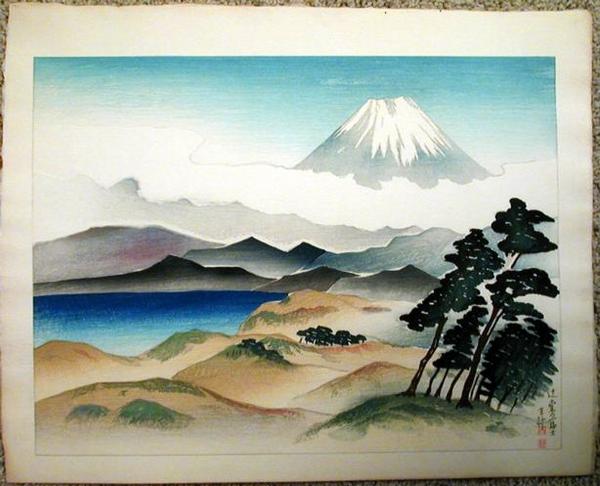
Tsujido no Fuji — 辻堂の富士
Woodblock print

Night at Nihonbashi Bridge (Tokyo)
1946
Color woodblock print
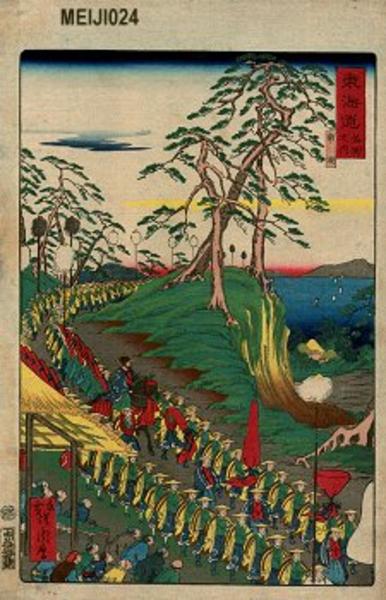
South Lake
Woodblock print
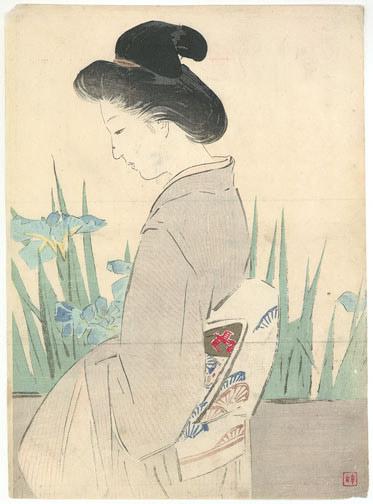
Eight Plank Bridge (Lady in Iris Garden)
Woodblock print
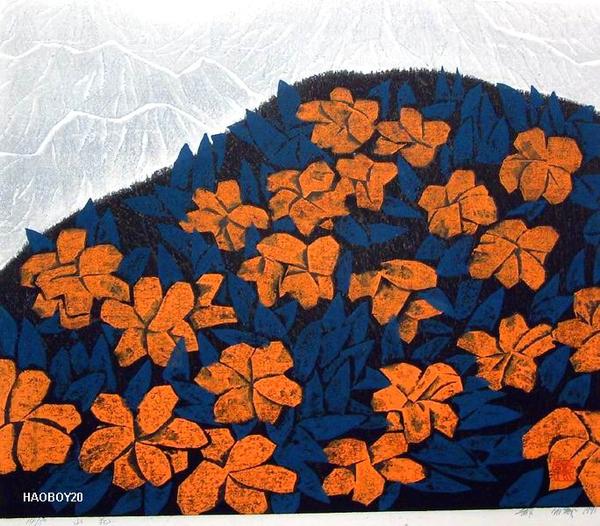
Flowers in the Mountain
Woodblock print

Mitate No.15 - Bridge (Hashi)
1999
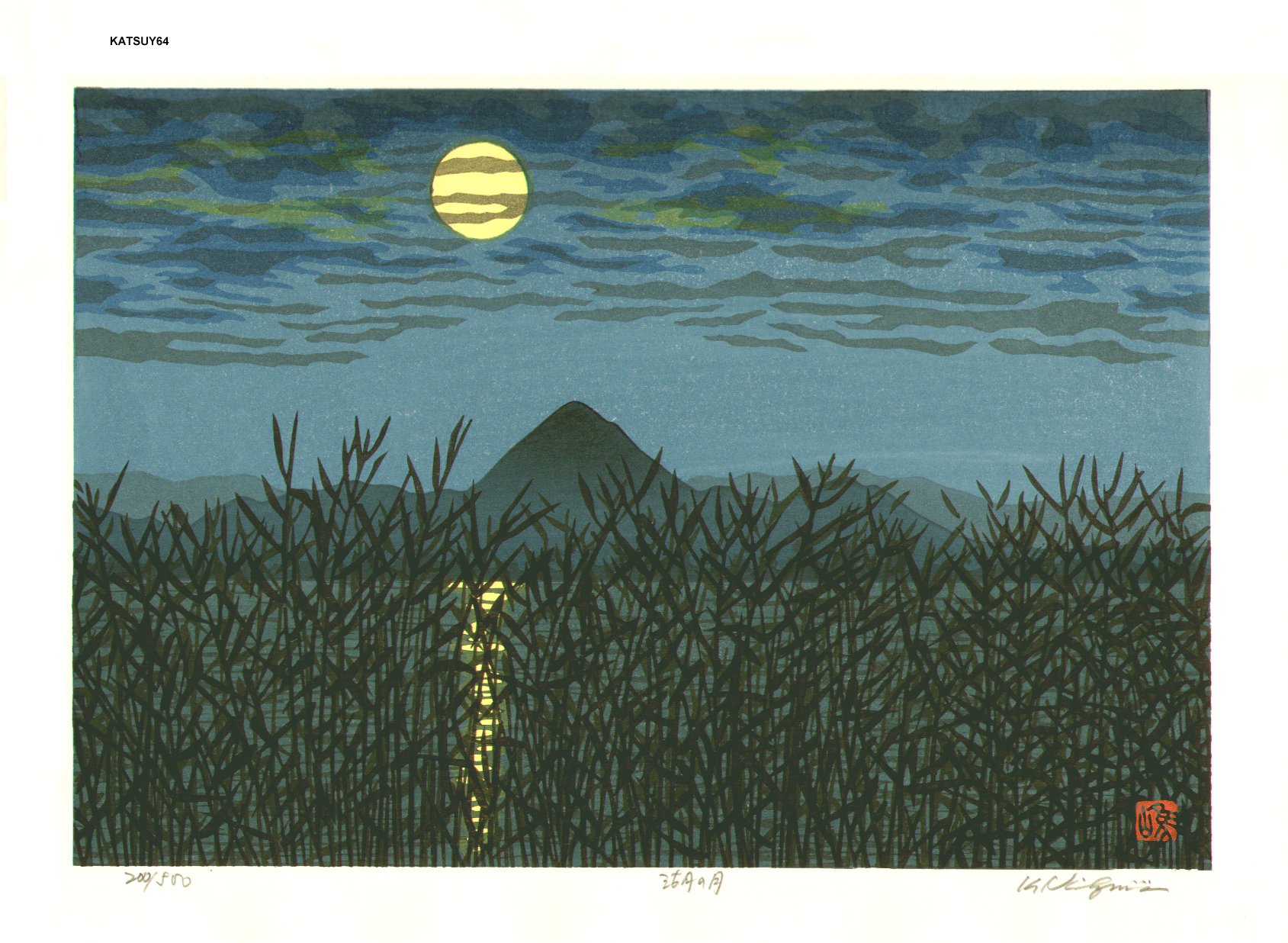
The Moon from Lake
Woodblock print

Mitate No.53 - Fuji (Fuji)
2002

Mitate No.60 - Yoshino Cherry Mountains (Yoshino)
2002
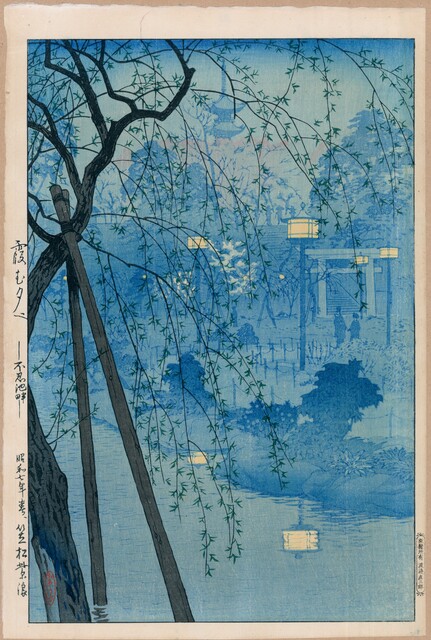
Hazy Evening On The Shore of Shinobazu Pond
1932
Woodblock Print
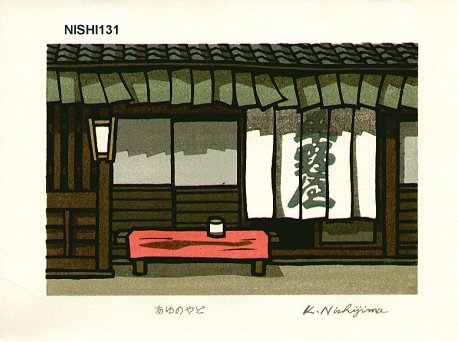
AYUNOYADO (Japanese river trout restaurant)
Woodblock print
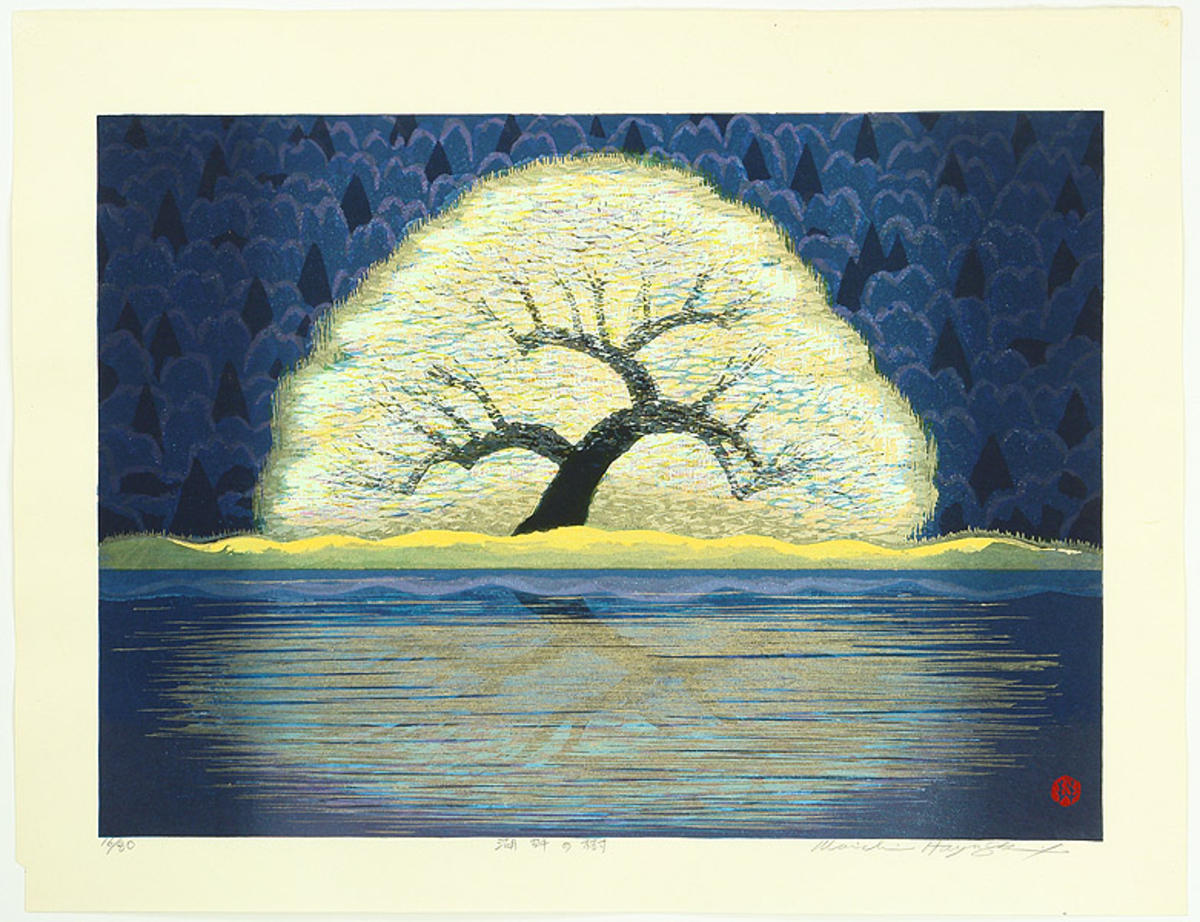
No Series Tree At Lakeside
Woodblock print
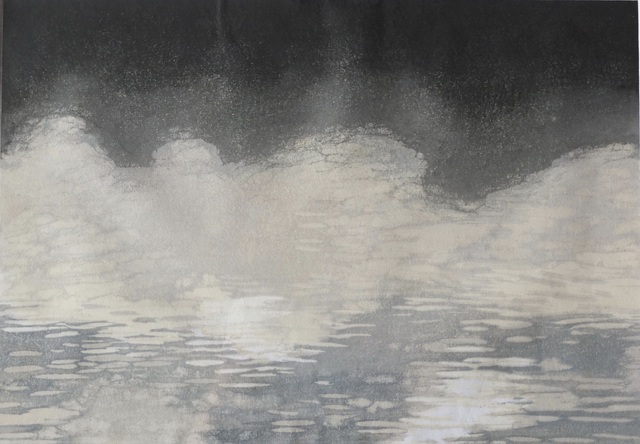
River
2021
Woodblock
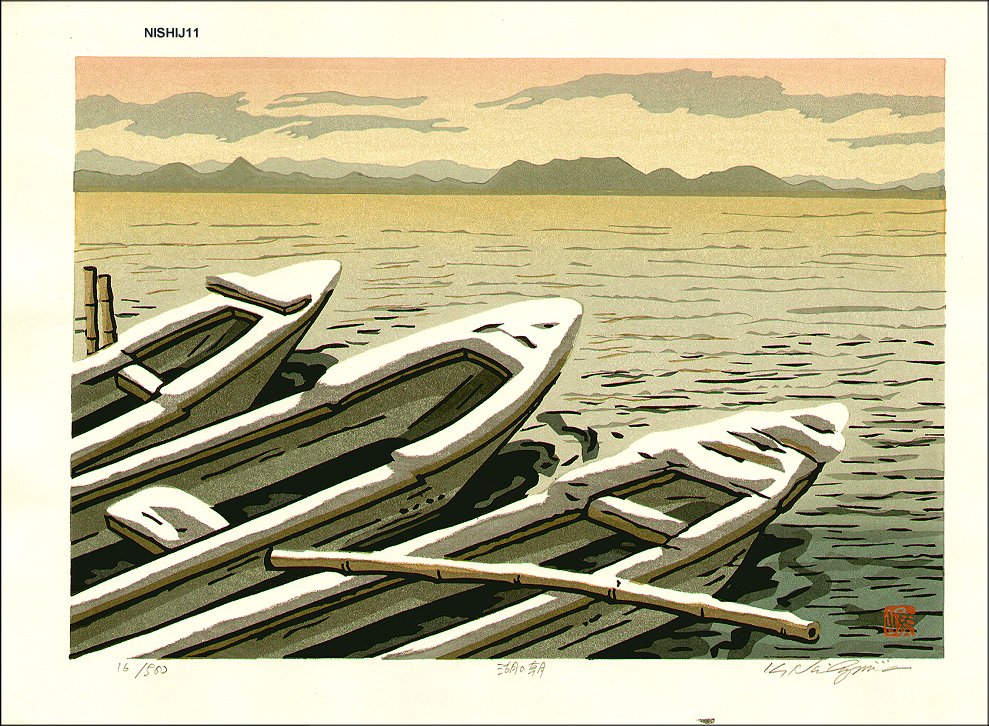
Lake in the Morning
Woodblock print
![Untitled [mountain scape with river] by Amano Kazumi](https://1.api.artsmia.org/800/135475.jpg)
Untitled [mountain scape with river]
late 1950s
Woodblock print, ink on paper
![Untitled [mountains, village, and boater] by Amano Kazumi](https://1.api.artsmia.org/800/135701.jpg)
Untitled [mountains, village, and boater]
late 1950s
Woodblock print, ink on paper
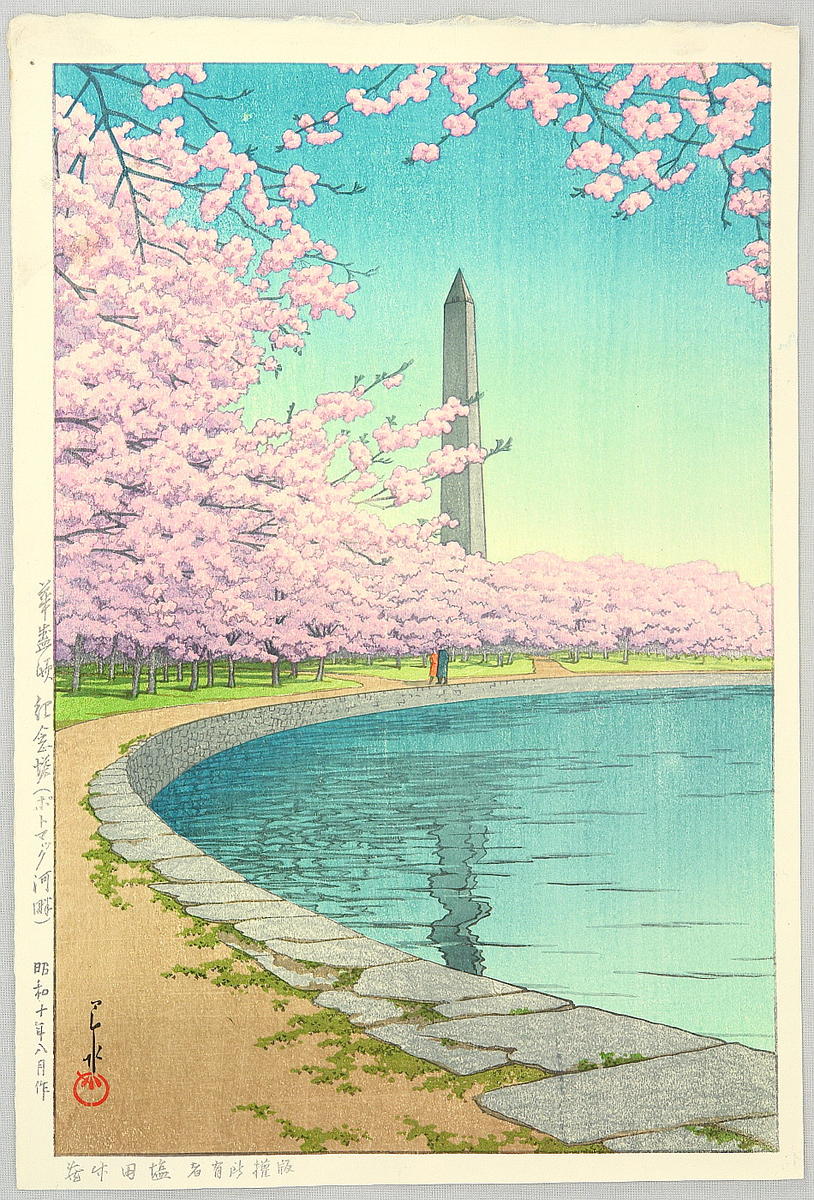
Washington Monument on the Potomac River — Washington kineto Potomakku kahan
Woodblock print
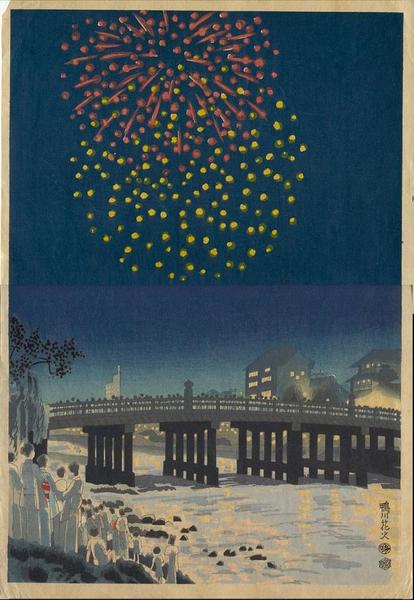
River Fireworks — 鴨川花火
Not set
Woodblock print
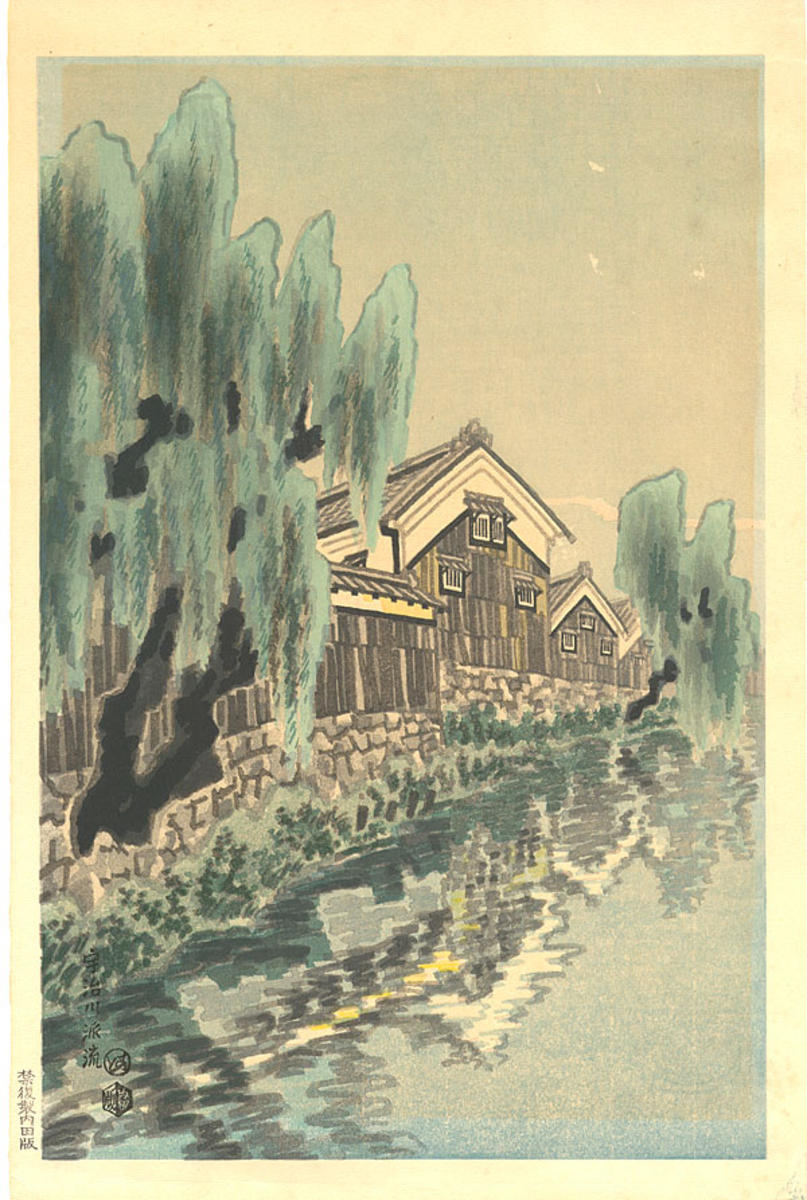
Uji River flowing past Willow Trees
Not set
Woodblock print
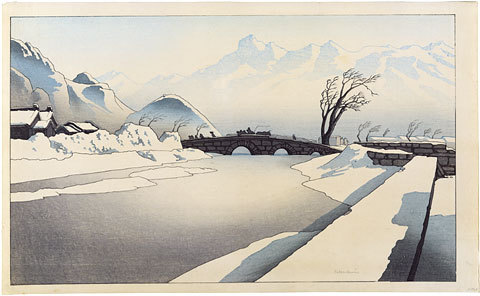
Bridge Over River at Jehol, Manchuria
Woodblock print
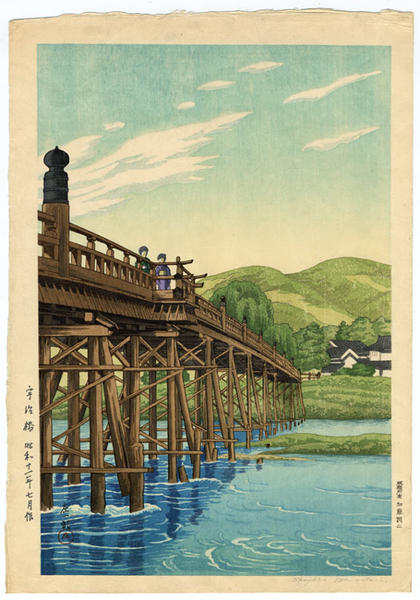
Uji Bashi (Uji Bridge) — 宇治橋
Woodblock print
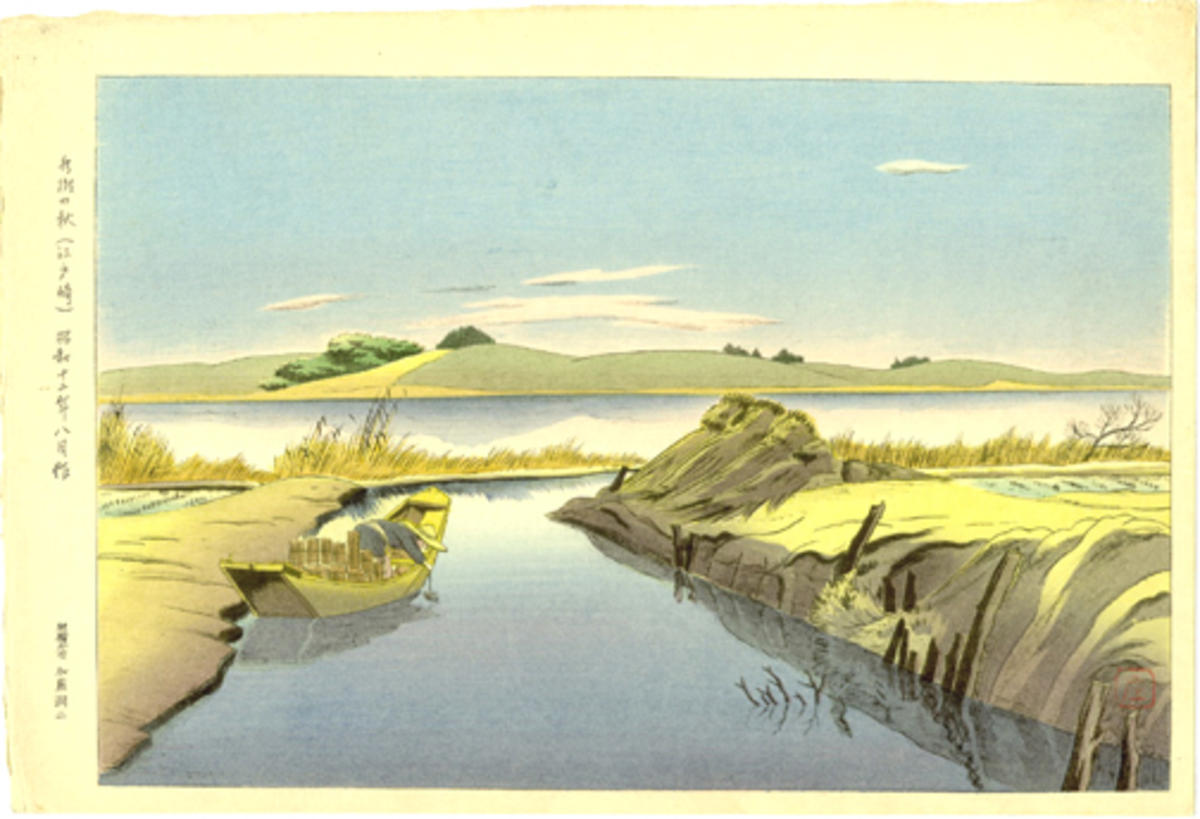
Riverside District In Autumn (Edosaki) — 水郷の秋(江戸崎)
Woodblock print
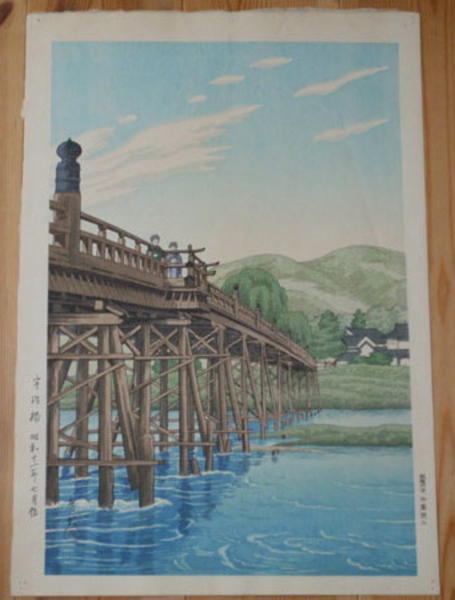
Uji Bashi (Uji Bridge) — 宇治橋
Woodblock print
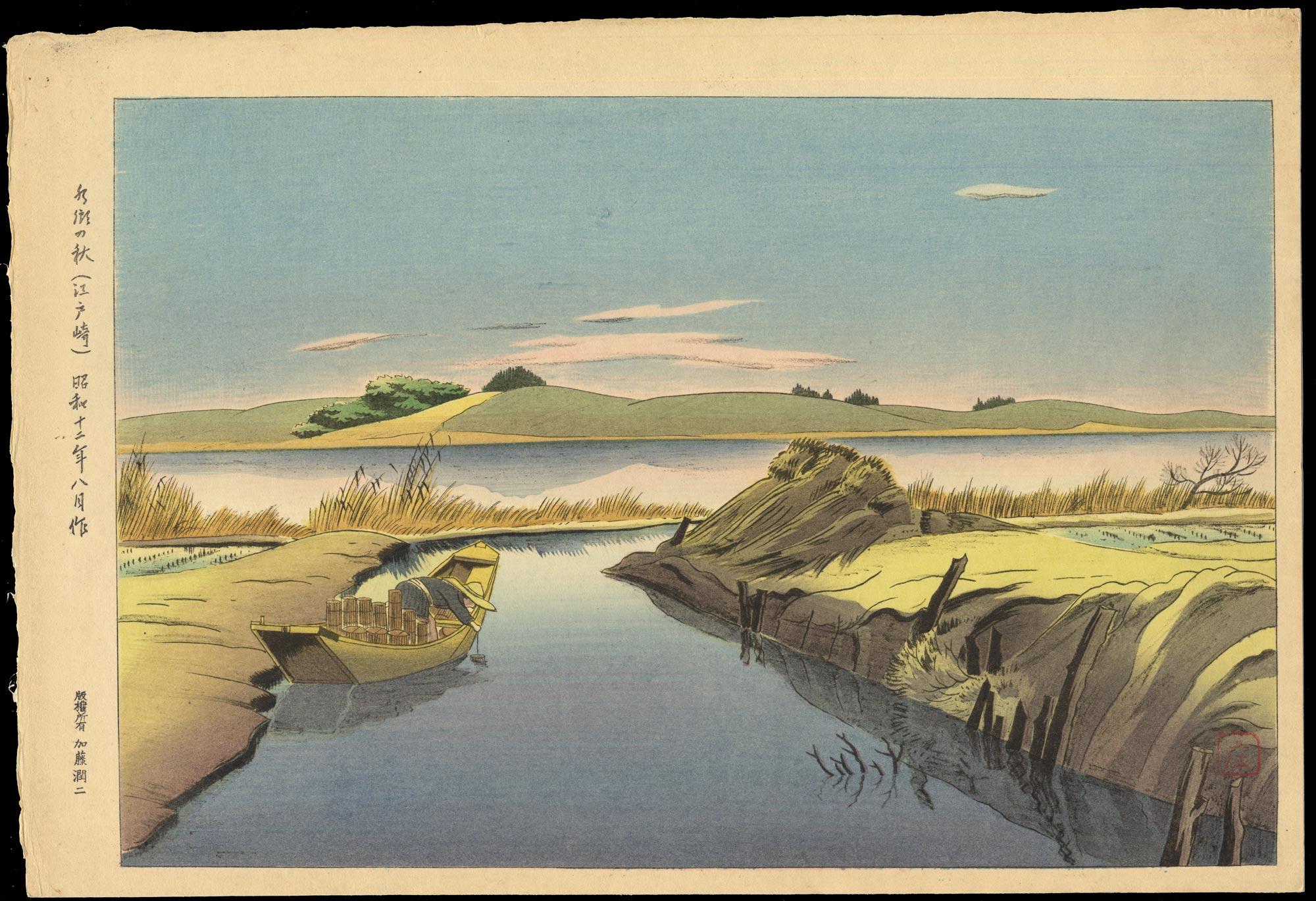
Riverside District In Autumn (Edosaki) - 水郷の秋(江戸崎)
Woodblock print
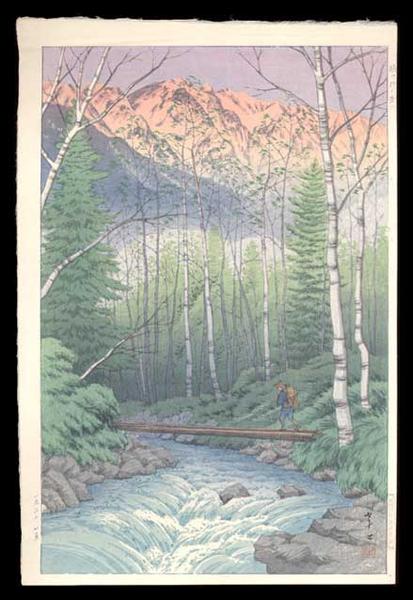
Takegawa River at Dawn
Woodblock print

Takegawa River at Dawn
Woodblock print
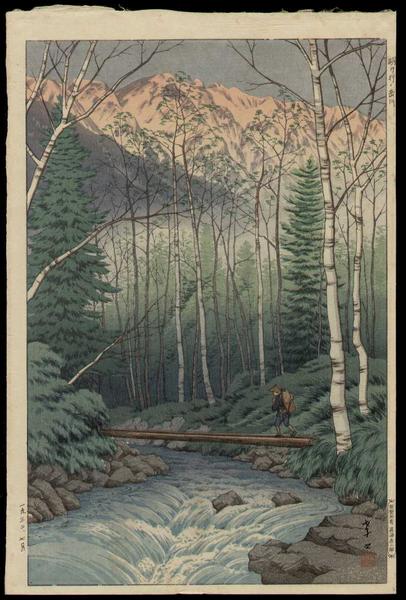
Takegawa River at Dawn
Woodblock print
Mt. Fuji from Yamanaka
Woodblock print
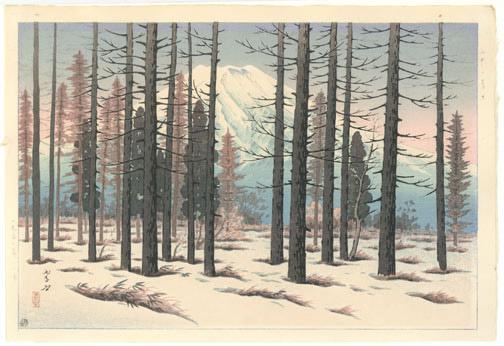
Mt. Fuji from Yamanaka
Woodblock print
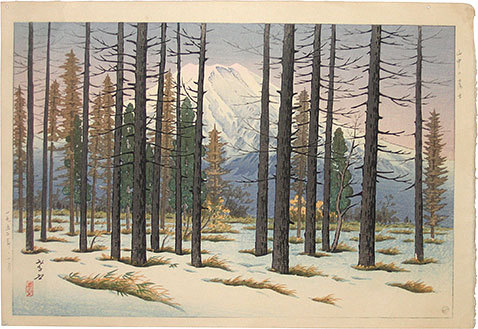
Mt. Fuji from Lake Yamanaka (Yamanaka no Fuji)
Woodblock print
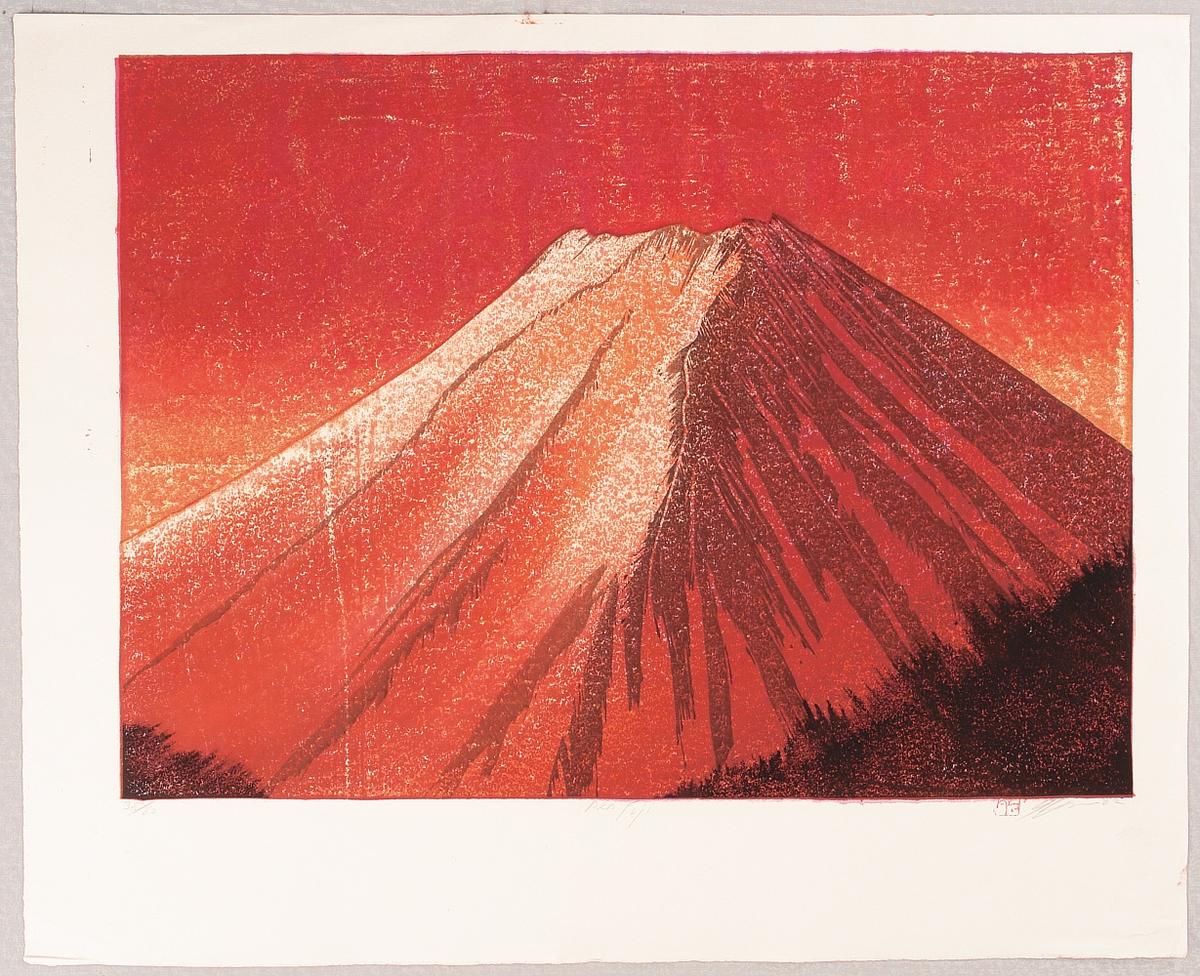
Red Fuji
Woodblock print

Shin Bridge, Nikko (Nikko Shinkyo)
December 1953
Color woodblock print
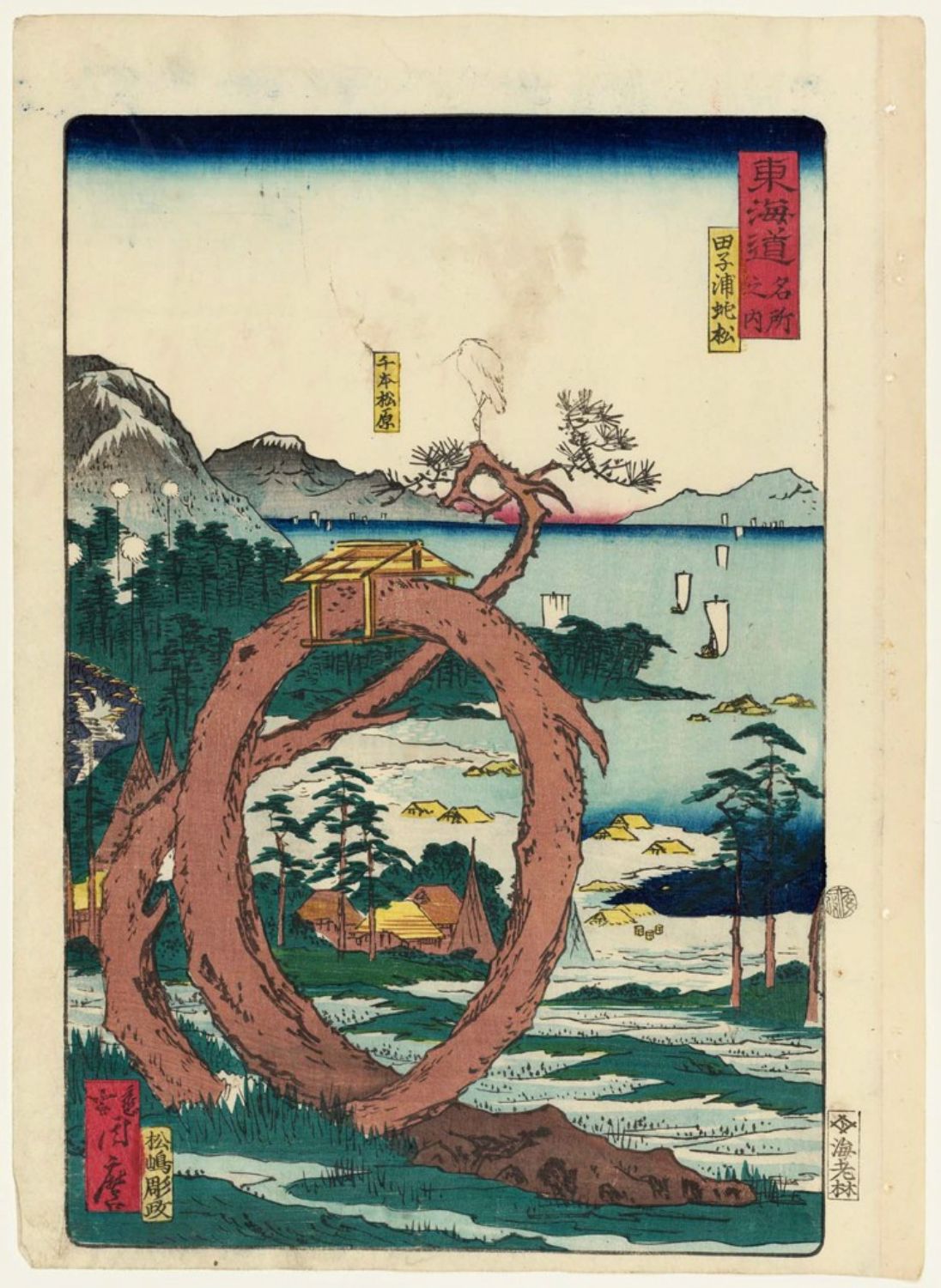
The Snake Pine at Tago Bay (Tago no ura hebimatsu), from the series Scenes of Famous Places along the Tôkaidô Road (Tôkaidô meisho fûkei), also known as the Processional Tôkaidô (Gyôretsu Tôkaidô), here called Tôkaidô meisho no uchi
Woodblock print

Tagonoura Bridge (Tagonourabashi)
1930
Color woodblock print

The Asano River in Kanazawa (Kanazawa Asanogawa), from the series "Souvenirs of Travel, Second Series (Tabi miyage dai nishu)"
1920
Color woodblock print; oban
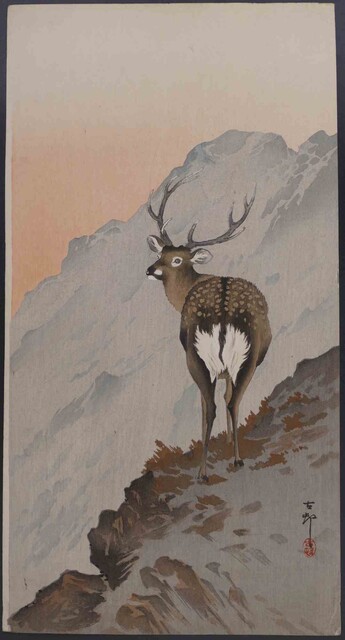
Deer on a Mountain Ledge at Dusk
1910
Woodcut on paper

Tsuchiyama: The Suzuka Mountains and Sakanoshita (Tsuchiyama, Suzukayama Sakanoshita), from the series Scenes of Famous Places along the Tôkaidô Road (Tôkaidô meisho fûkei), also known as the Processional Tôkaidô (Gyôretsu Tôkaidô), here called Tôkaidô
Woodblock print

Lake Scenery
1942
Color woodblock print

Stone garden by river
Woodblock print
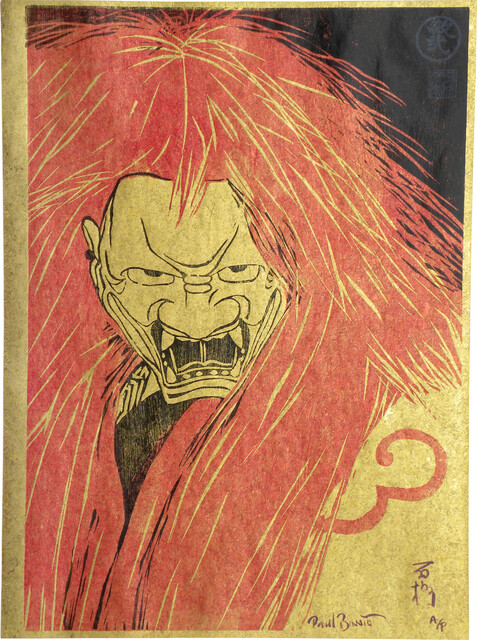
The Noh play The Stone Bridge
1997
Two-color woodblock print on gold paper
Related Subjects
Frequently Asked Questions
Landscapes are the most celebrated subject in Japanese woodblock printmaking, encompassing mountain vistas, coastal panoramas, river valleys, and rural scenes that have defined the genre for centuries. The tradition reached its first peak with Hokusai's "Thirty-six Views of Mount Fuji" (1831) and Hiroshige's "Fifty-three Stations of the Tokaido" (1833-34), series that established the meisho-e (famous places) format as a cornerstone of ukiyo-e.
Utagawa Hiroshige, Kawase Hasui, and Hiroshi Yoshida are among the artists most associated with landscapes in our collection. Browse the full list of artists who explored this subject above.
Hanga currently catalogues 3812 prints tagged with landscapes, spanning ukiyo-e, shin-hanga, and sōsaku-hanga traditions where applicable.