Abstract Prints (2049)
Abstract prints represent a revolutionary departure in Japanese printmaking, emerging primarily through the sosaku-hanga (creative prints) movement of the mid-twentieth century. While traditional ukiyo-e and shin-hanga were rooted in representational imagery, abstract works embraced non-figurative composition, exploring color, texture, and form for their own expressive potential. The abstract turn in Japanese printmaking gained international recognition in the 1950s and 1960s, when artists like Yoshida Hodaka, Maki Haku, and Tajima Hiroyuki won major prizes at the Sao Paulo and Venice Biennales. These artists developed distinctive approaches to abstraction — from Maki's layered cement-and-ink surfaces to Tajima's vibrant geometric compositions — that drew on Japanese aesthetic principles while engaging with global modernist movements. The woodblock medium proved uniquely suited to abstract expression, offering possibilities for textural experimentation through woodgrain impression, selective inking, and the interaction between handmade washi paper and carved surfaces. Many abstract printmakers exploited the material qualities of the block itself, allowing the wood's natural grain to become an active compositional element rather than merely a vehicle for an image.
Artists Known for Abstract

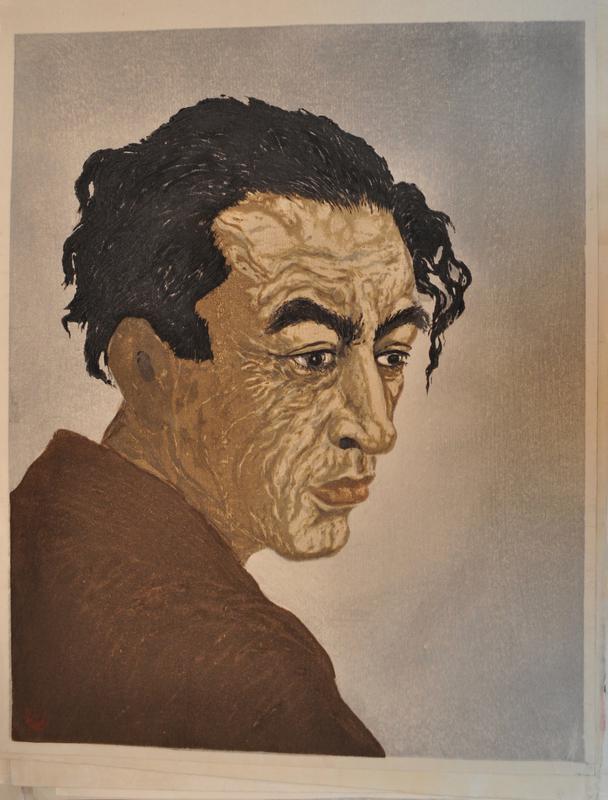


Untitled
Woodblock print
Untitled
Woodblock print
Untitled
Woodblock print
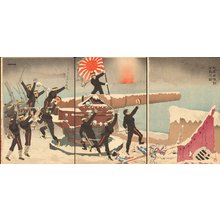
Untitled
Woodblock print
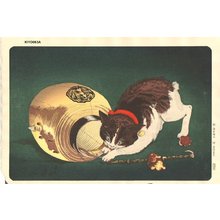
Untitled
Woodblock print
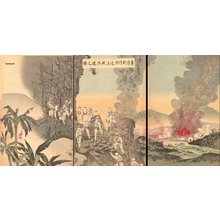
Untitled
Woodblock print
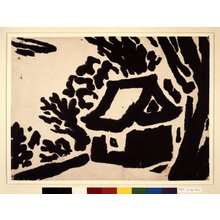
Untitled
Woodblock print
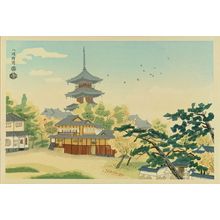
Untitled
Woodblock print
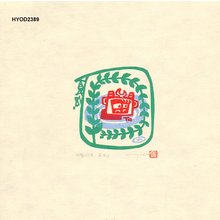
Untitled
Woodblock print
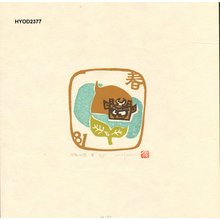
Untitled
Woodblock print
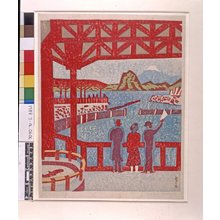
Untitled
Woodblock print
The Garden in Autumn, from an untitled series of views of the Mitsubishi villa in Fukagawa
Woodblock print
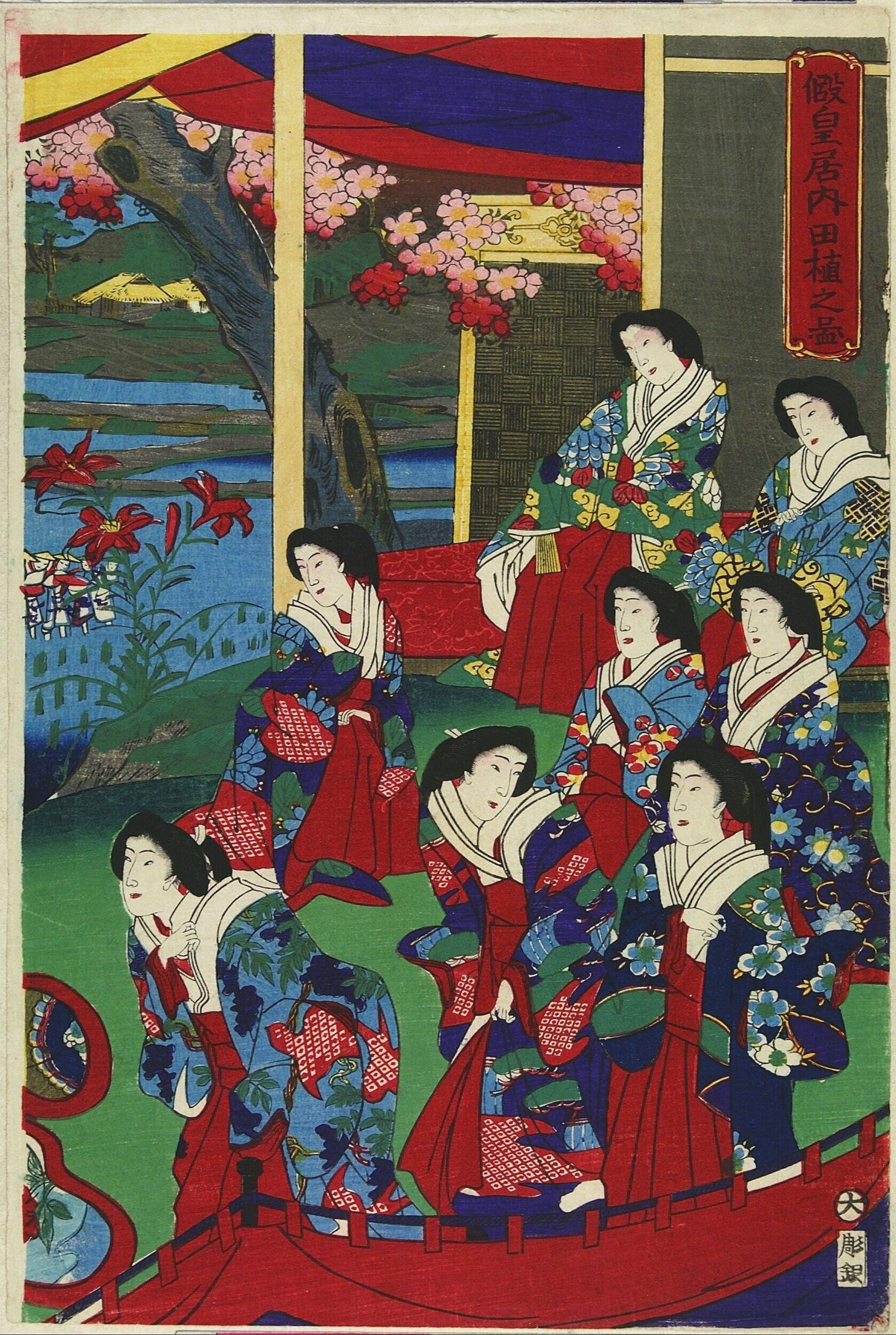
Untitled
1878

Untitled (takehisa-yumeji)
Woodblock print
Untitled
Woodblock print
Untitled
Woodblock print
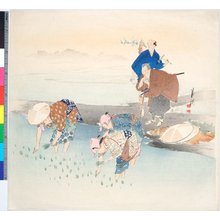
Untitled
Woodblock print
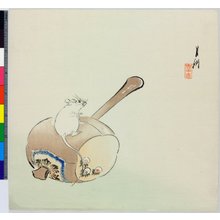
Untitled
Woodblock print
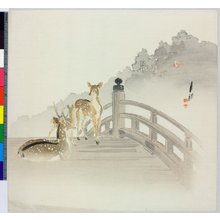
Untitled
Woodblock print
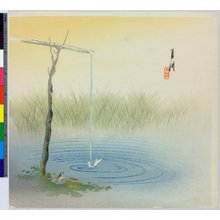
Untitled
Woodblock print
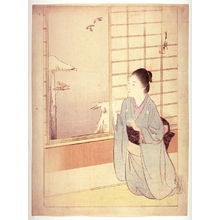
Untitled frontispiece from a novel (Young woman kneeling by window...),
Woodblock print
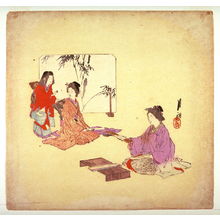
Untitled design for a fan print (Women with Poem Slips...)
Woodblock print
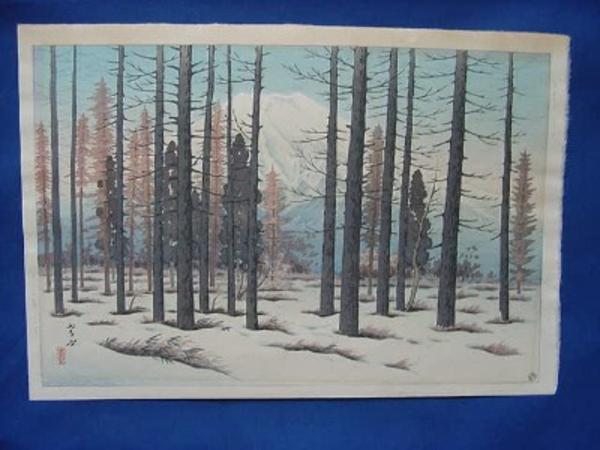
Untitled (takashi-henmi)
Woodblock print
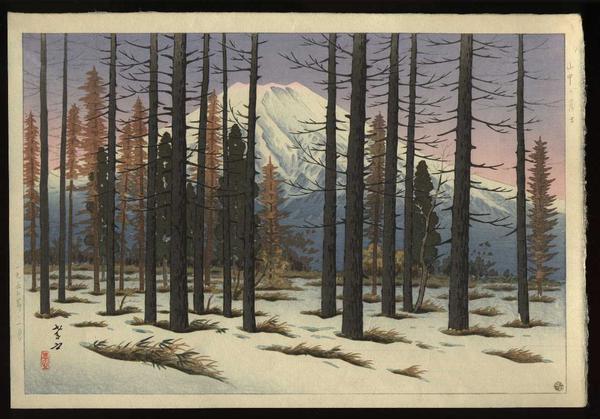
Untitled (takashi-henmi)
Woodblock print
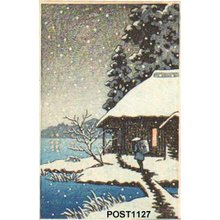
Untitled
Woodblock print
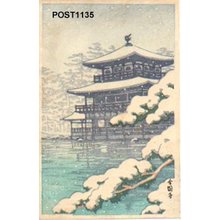
Untitled
Woodblock print
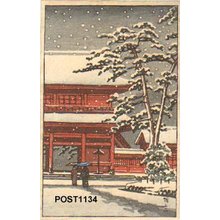
Untitled
Woodblock print
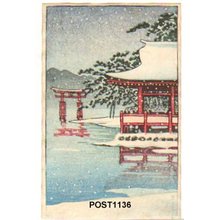
Untitled
Woodblock print
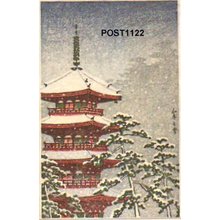
Untitled
Woodblock print
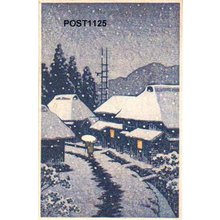
Untitled
Woodblock print
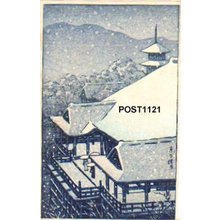
Untitled
Woodblock print
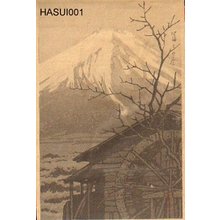
Untitled
Woodblock print
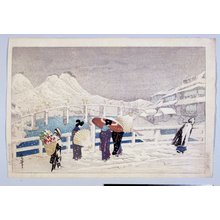
Untitled
Woodblock print
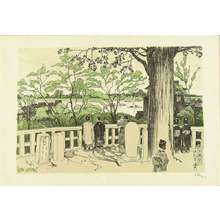
Untitled
Woodblock print
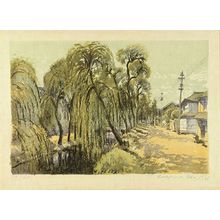
Untitled
Woodblock print
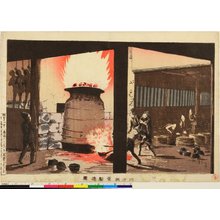
Untitled
Woodblock print
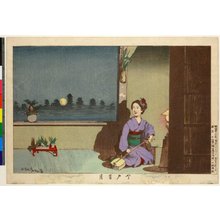
Untitled
Woodblock print
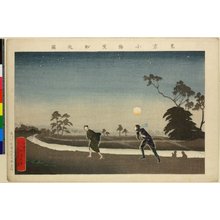
Untitled
Woodblock print
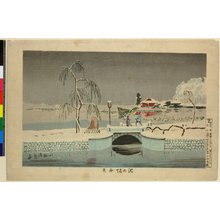
Untitled
Woodblock print
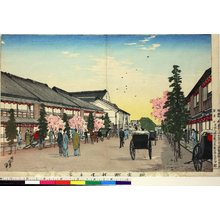
Untitled
Woodblock print
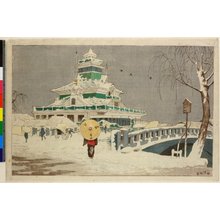
Untitled
Woodblock print
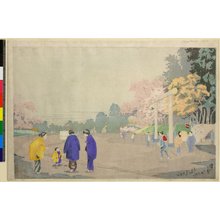
Untitled
Woodblock print
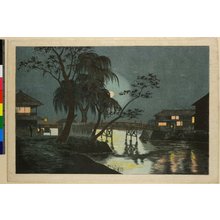
Untitled
Woodblock print
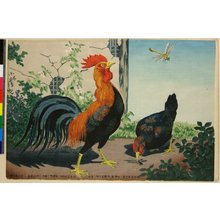
Untitled
Woodblock print
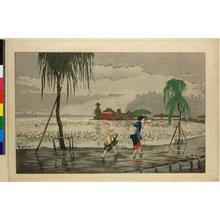
Untitled
Woodblock print
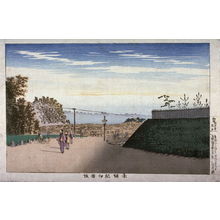
The Kiinokuni shops at Akasaka (Akasaka Kiinokunizaka) from an untitled series of views of Tokyo
Woodblock print
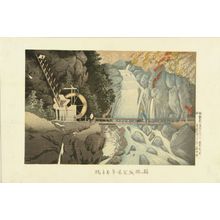
Untitled
Woodblock print
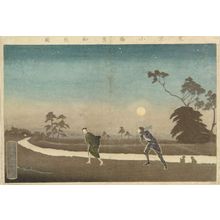
Untitled
Woodblock print
Untitled
Woodblock print
Untitled
Woodblock print
Untitled
Woodblock print
Untitled
Woodblock print

Shono, from an untitled series of the fifty-three stations of the Tokaido
c. 1804
Color woodblock print; kokonotsugiri-ban
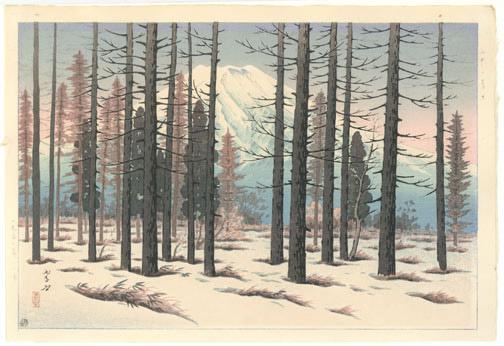
Untitled (takashi-henmi)
Woodblock print
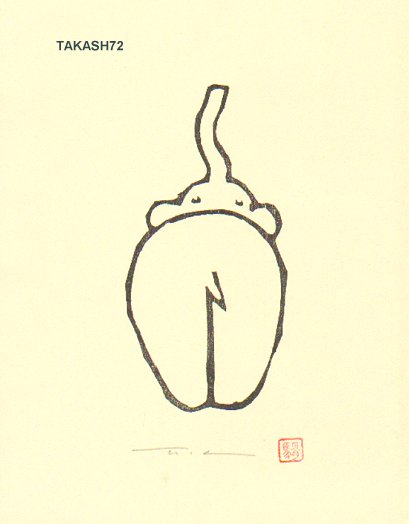
Untitled (takashi-henmi)
Woodblock print

Untitled (takashi-henmi)
Woodblock print
Untitled - Spring Leaves Volume 2
Woodblock print
Untitled
Woodblock print
Untitled
Woodblock print
Untitled
Woodblock print
Related Subjects
Frequently Asked Questions
Abstract prints represent a revolutionary departure in Japanese printmaking, emerging primarily through the sosaku-hanga (creative prints) movement of the mid-twentieth century. While traditional ukiyo-e and shin-hanga were rooted in representational imagery, abstract works embraced non-figurative composition, exploring color, texture, and form for their own expressive potential.
Maki Haku, Onchi Koshiro, and Nana Shiomi are among the artists most associated with abstract in our collection. Browse the full list of artists who explored this subject above.
Hanga currently catalogues 2049 prints tagged with abstract, spanning ukiyo-e, shin-hanga, and sōsaku-hanga traditions where applicable.