Biography
Clifton Karhu (1927–2007) was an American woodblock print artist who spent more than fifty years living and working in Japan, producing a vast body of prints devoted above all to Kyoto — the ancient capital's traditional architecture, rooftop views, narrow streets, and seasonal moods. A prolific and technically accomplished printmaker, Karhu became one of the few Western artists to achieve genuine mastery of the Japanese woodblock medium and to be accepted as a significant figure within the Japanese print world.
Born on November 23, 1927, in rural Minnesota north of Duluth, Karhu grew up in a Finnish-American family in the American Midwest. His first encounter with Japan came during his U.S. Army service in the years after World War II: having enlisted after high school, he was stationed in Japan in the late 1940s, and the experience of Japanese culture made a profound impression on the young man. He returned to the United States but felt drawn back, and in the 1950s he went to Japan again — this time as a Lutheran missionary — eventually settling in Kyoto, the city that would become the center of his life and art.
In Kyoto, Karhu studied woodblock printing techniques and immersed himself in the city's artistic traditions. He adopted the sosaku-hanga approach of designing, carving, and printing all his own works, a philosophy that suited his hands-on temperament and his desire for complete artistic control. He established a studio in a traditional Kyoto machiya (townhouse) and began producing prints that reflected his daily experience of walking through the city's historic neighborhoods.
Karhu's artistic subject was, above all, Kyoto itself. His prints depict the city's tile-roofed townhouses, narrow alleys, temple gates, garden walls, and the characteristic silhouettes of traditional architecture against changing skies. His rooftop views, looking across the undulating sea of gray tile roofs that characterizes Kyoto's older neighborhoods, became his most celebrated motif — panoramic compositions that capture the visual rhythm and texture of the traditional cityscape. These views, rendered from above in bird's-eye perspectives, reveal the dense, organic pattern of buildings, walls, and gardens that gives Kyoto's historic districts their distinctive character.
Technically, Karhu worked in a style that combined Japanese woodblock craftsmanship with a Western sense of color and composition. His carving was precise and controlled, capable of rendering the intricate details of tile roofs, wooden lattices, and stone walls, yet his overall compositions had a boldness and graphic clarity influenced by Western modernist design. His color palette evolved over the decades — earlier prints tend toward more naturalistic tones, while later works explore bolder, more saturated colors that give his architectural subjects a vivid, almost celebratory quality.
Karhu was extraordinarily prolific, producing a large and varied body of woodblock prints during his career, along with paintings, drawings, and illustrated books. His output covered not only Kyoto architecture but also landscapes from his travels in Japan and abroad, still life subjects, and occasional figurative works. However, it was always the Kyoto cityscape that defined his artistic identity and attracted the strongest collector interest.
The cultural significance of Karhu's work extends beyond its aesthetic qualities. Over the decades of his residence in Kyoto, many of the traditional buildings and neighborhoods he depicted were demolished to make way for modern development. His prints thus serve as an invaluable visual record of a vanishing urban landscape, documenting architectural forms and streetscapes that no longer exist. This documentary dimension has added historical value to his work and has made his prints important resources for scholars of Kyoto's architectural heritage.
Karhu exhibited regularly in Japan and internationally, and he was respected within the Japanese art world as a rare example of a Western artist who had genuinely committed to the Japanese woodblock tradition — not as a tourist or dilettante but as a lifelong practitioner. He became the first non-Japanese member of the Japan Print Association, a mark of the standing he achieved among his Japanese peers. In the late 1980s he moved to Kanazawa.
Karhu died on March 24, 2007. His prints are held in numerous public collections, including the Museum of Fine Arts, Boston; Harvard's Fogg Art Museum; the Cincinnati Art Museum; and the Yale University Art Gallery. His legacy endures both as an accomplished body of art and as a testament to the creative possibilities that emerge when an artist fully immerses himself in a culture other than his own.
Key Facts
- Active Period
- 1927–2007
- Nationality
- 🇺🇸United States
- Movement
- Sōsaku-hanga
- Works Indexed
- 96
Frequently Asked Questions
Clifton Karhu (1927–2007) was an American woodblock print artist who spent more than fifty years living and working in Japan, producing a vast body of prints devoted above all to Kyoto — the ancient capital's traditional architecture, rooftop views, narrow streets, and seasonal moods. A prolific and technically accomplished printmaker, Karhu became one of the few Western artists to achieve genuine mastery of the Japanese woodblock medium and to be accepted as a significant figure within the Japanese print world.
Clifton Karhu was active from 1927 to 2007. They were associated with the Sōsaku-hanga movement.
Clifton Karhu's work was shaped by the Sōsaku-hanga tradition in Japanese woodblock printmaking. Sōsaku-hanga: ## What is sōsaku-hanga? Sōsaku-hanga (創作版画, "creative prints") was a twentieth-century Japanese print movement defined by a single commitment: the artist must design, carve, and print every work alone.
Clifton Karhu's prints frequently feature urban scenes, architecture, snow scenes, figures, animals, shunga.
Original prints by Clifton Karhu can be found in collections including Minneapolis Institute of Art, Ohmi Gallery, robynbuntin, Harvard Art Museums.
Woodblock Prints by Clifton Karhu (96)
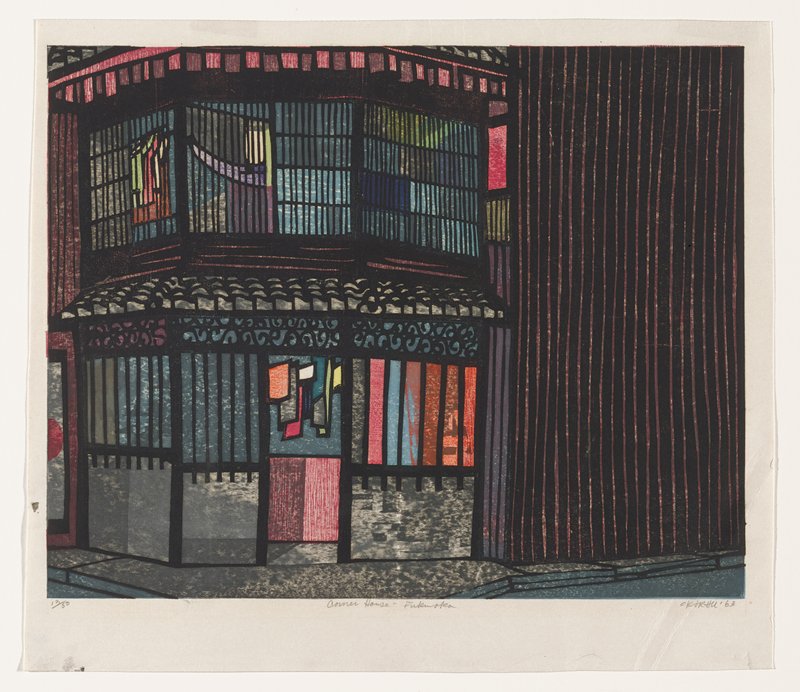
Corner House-Fukuoka
1963
Woodblock print, ink and color on paper
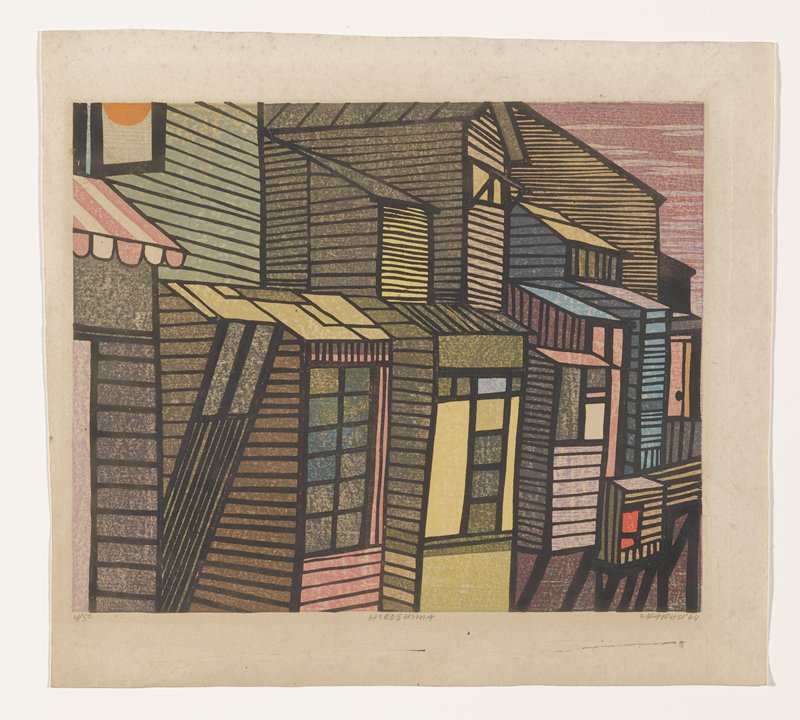
Hiroshima
1964
Woodblock print, ink and color on paper
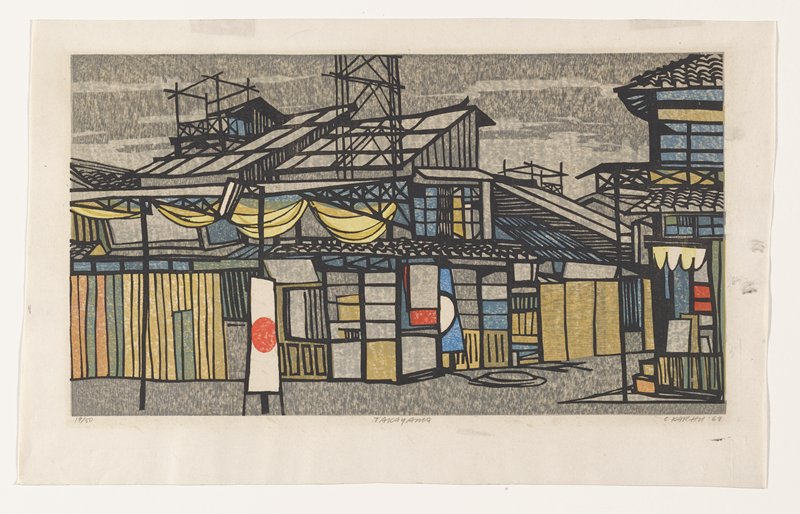
Takayama
1964
Woodblock print, ink and color on paper
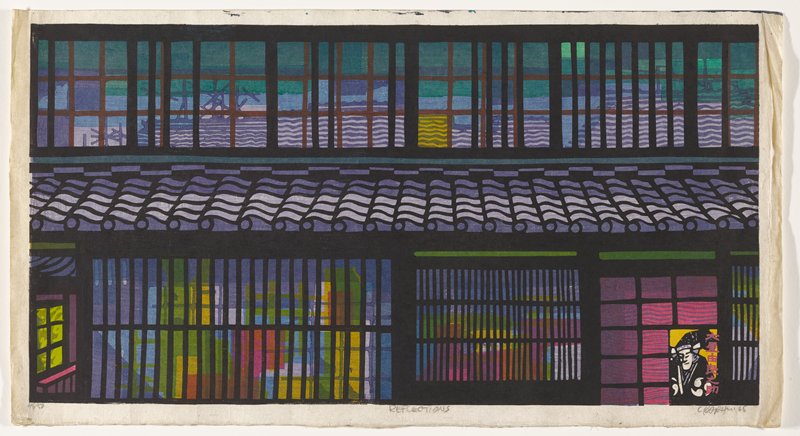
Reflections
1966
Woodblock print, ink and color on paper
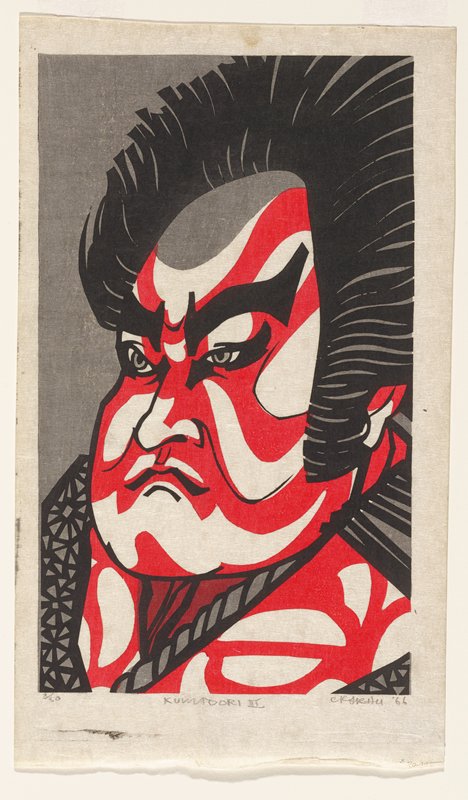
Kumadori III
1966
Woodblock print, ink and color on paper
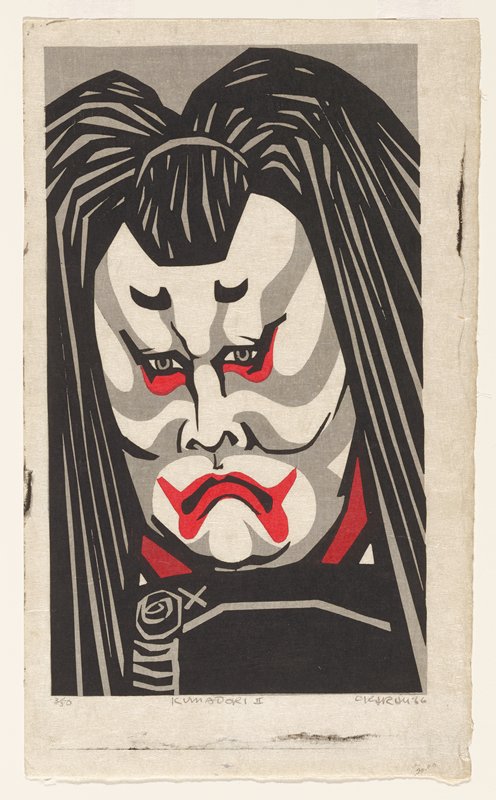
Kumadori II
1966
Woodblock print, ink and color on paper
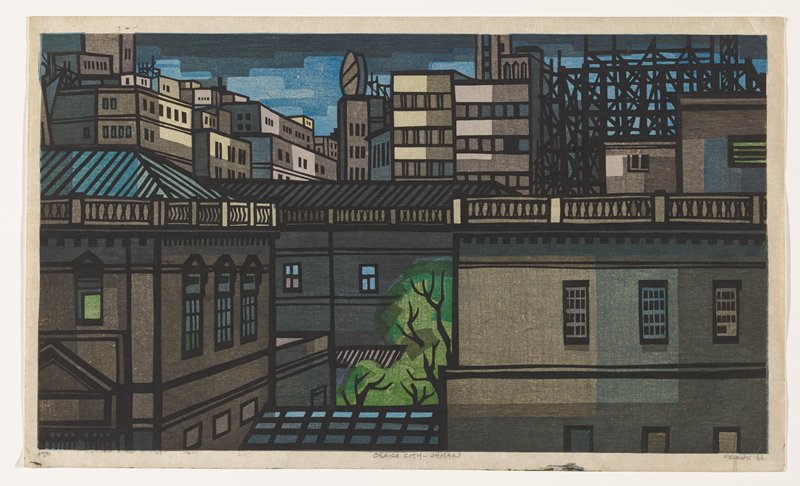
Osaka City-Japan
1966
Woodblock print, ink and color on paper
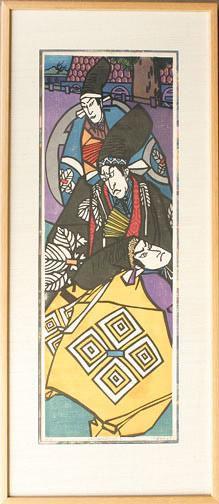
Chushingura I 8/50
1967
Woodblock print
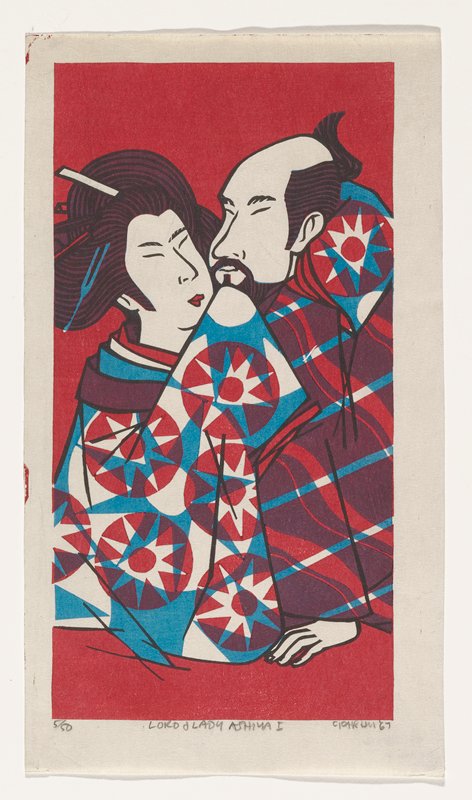
Lord and Lady Ashiya I
1967
Woodblock print, ink and color on paper
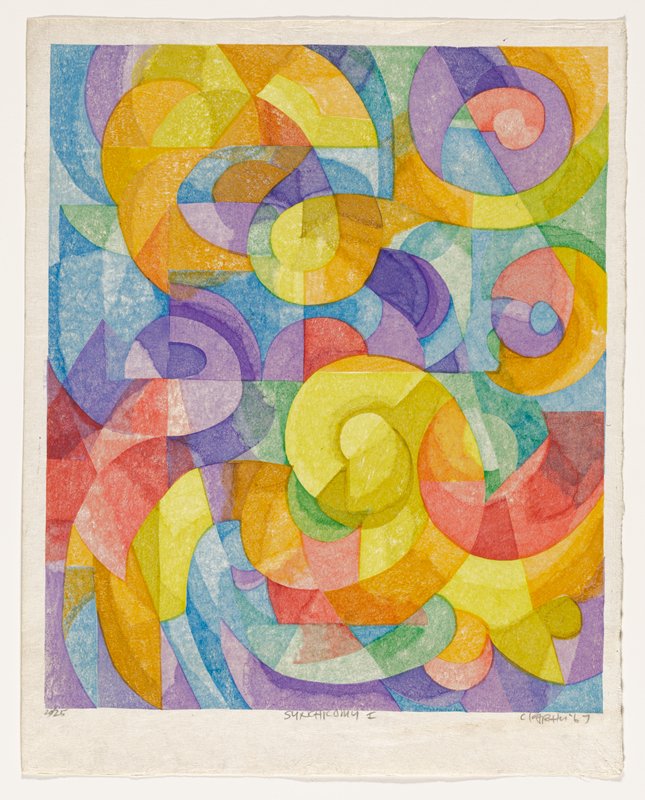
Synchromy I
1967
Woodblock print, ink and color on paper
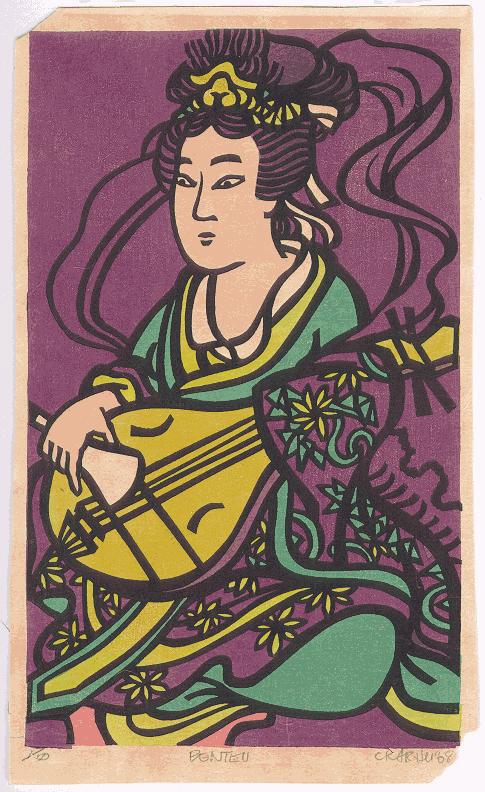
Benten (One of the Seven Gods of Happiness)
Contemporary - 1968
Woodblock print
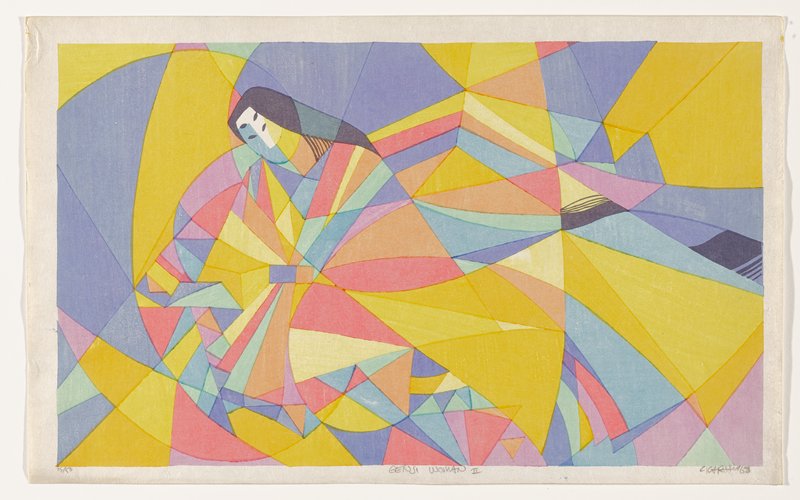
Genji Woman II
1968
Woodblock print, ink and color on paper
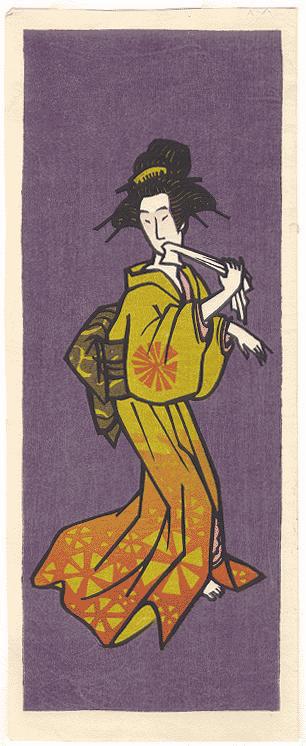
A Woman A
Contemporary - Circa 1968
Woodblock print
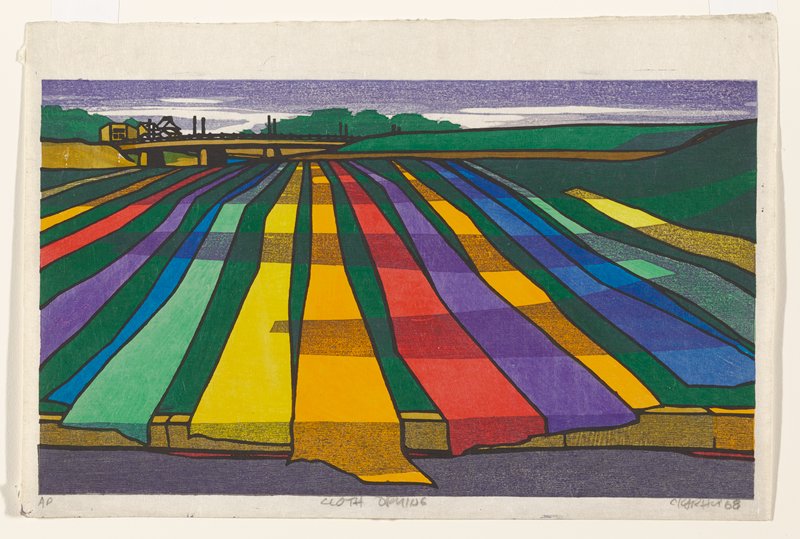
Cloth Drying
1968
Woodblock print, ink and color on paper
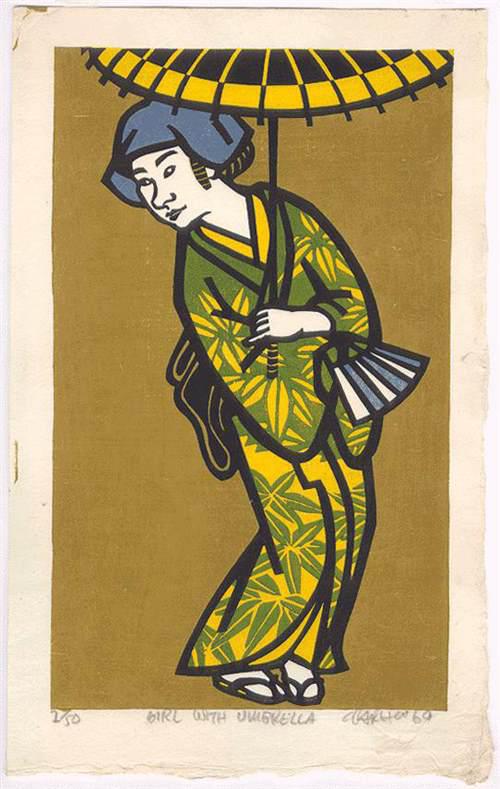
Girl with Umbrella
Contemporary - 1969
Woodblock print
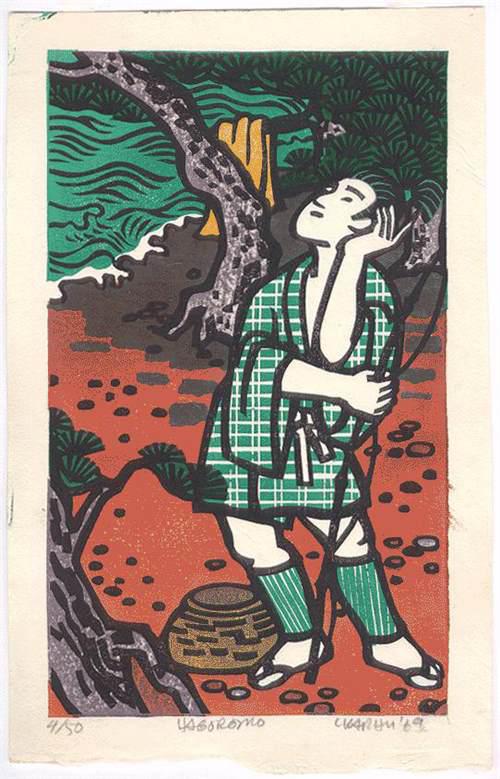
Hagoromo
Contemporary - 1969
Woodblock print
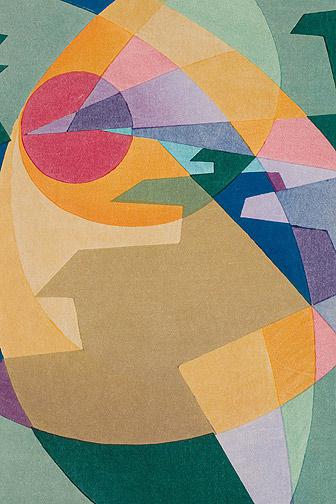
Space
Contemporary, 1969
Woodblock print
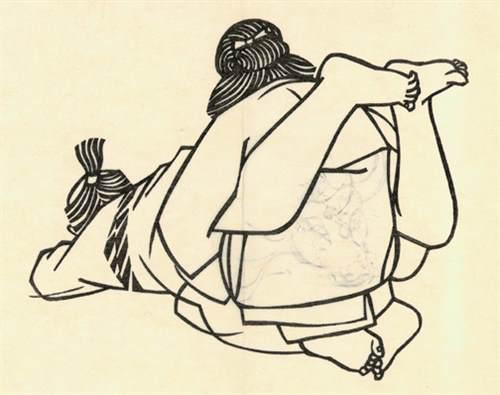
Zodiac Series of Erotica: Ox
Showa - Contemporary 1970's
Woodblock print
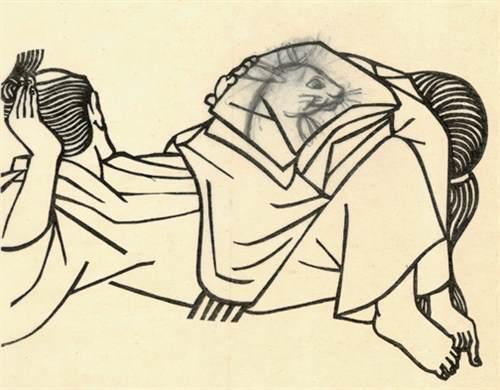
Zodiac Series of Erotica: Rabbit
Showa - Contemporary 1970's
Drawing
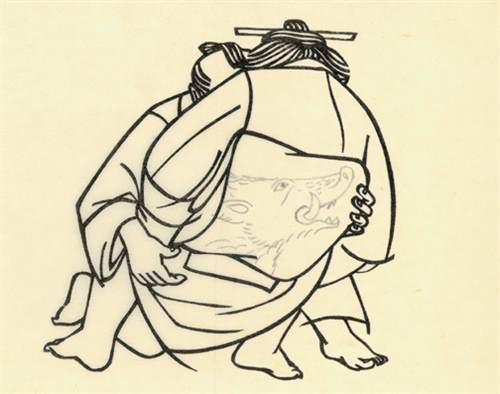
Zodiac Series of Erotica: Boar
1970s
Woodblock print
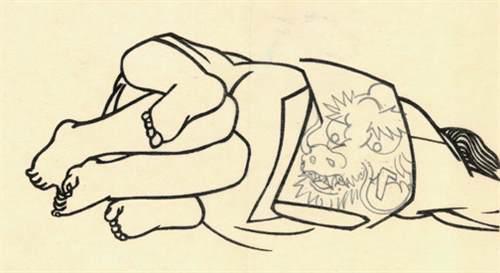
Zodiac Series of Erotica: Dragon
Showa - Contemporary 1970's
Drawing
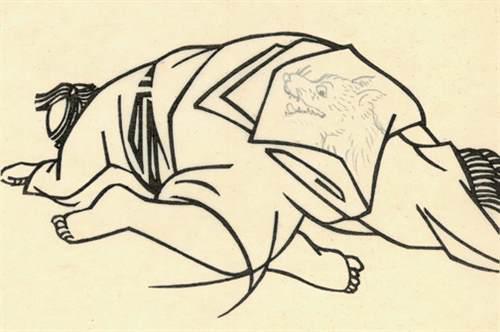
Zodiac Series of Erotica: Dog
Showa - Contemporary 1970's
Drawing
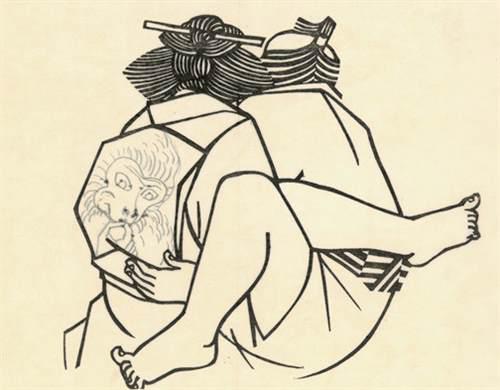
Zodiac Series of Erotica: Monkey
Showa - Contemporary 1970's
Drawing

Karasuma Street-Kyoto
1970
Woodblock print, ink and color on paper