Architecture Prints (525)
Architecture as a subject in Japanese woodblock prints encompasses buildings, bridges, gates, and structural details that document Japan's built environment across centuries. While architectural elements appear in many print genres — as settings for figure compositions, components of landscape views — prints focused primarily on architectural subjects reveal both the aesthetic qualities and historical evolution of Japanese construction. Bridge prints form a particularly rich sub-genre, with structures like the Nihonbashi (Japan Bridge) in Edo, the Kintai Bridge in Iwakuni, and the Great Bridge at Sano appearing repeatedly across the print tradition. These works showcase the woodblock medium's ability to render geometric precision alongside atmospheric effects. Castle prints similarly combine architectural documentation with dramatic composition, depicting Japan's fortified structures in varied weather and seasonal conditions. The Meiji era's introduction of Western architecture created a new category of subjects — brick buildings, iron bridges, railway stations, and lighthouses — that artists documented with a mixture of wonder and reportorial instinct. Modern prints continue to explore architectural subjects, from traditional machiya townhouses to contemporary urban structures, often emphasizing the contrasts between old and new that define Japan's built landscape.
Artists Known for Architecture


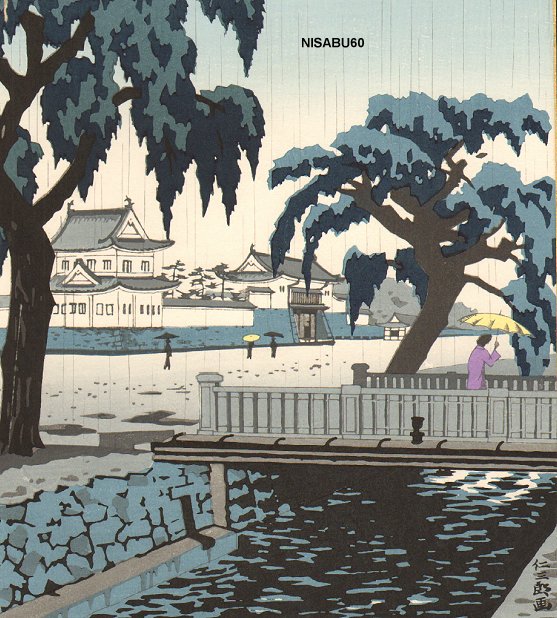
Imperial Palace in rain
Woodblock print
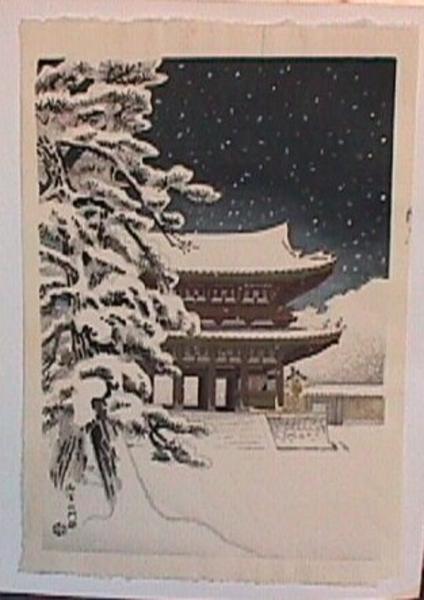
NINNAJI TEMPLE-GATE IN SNOW
Woodblock print
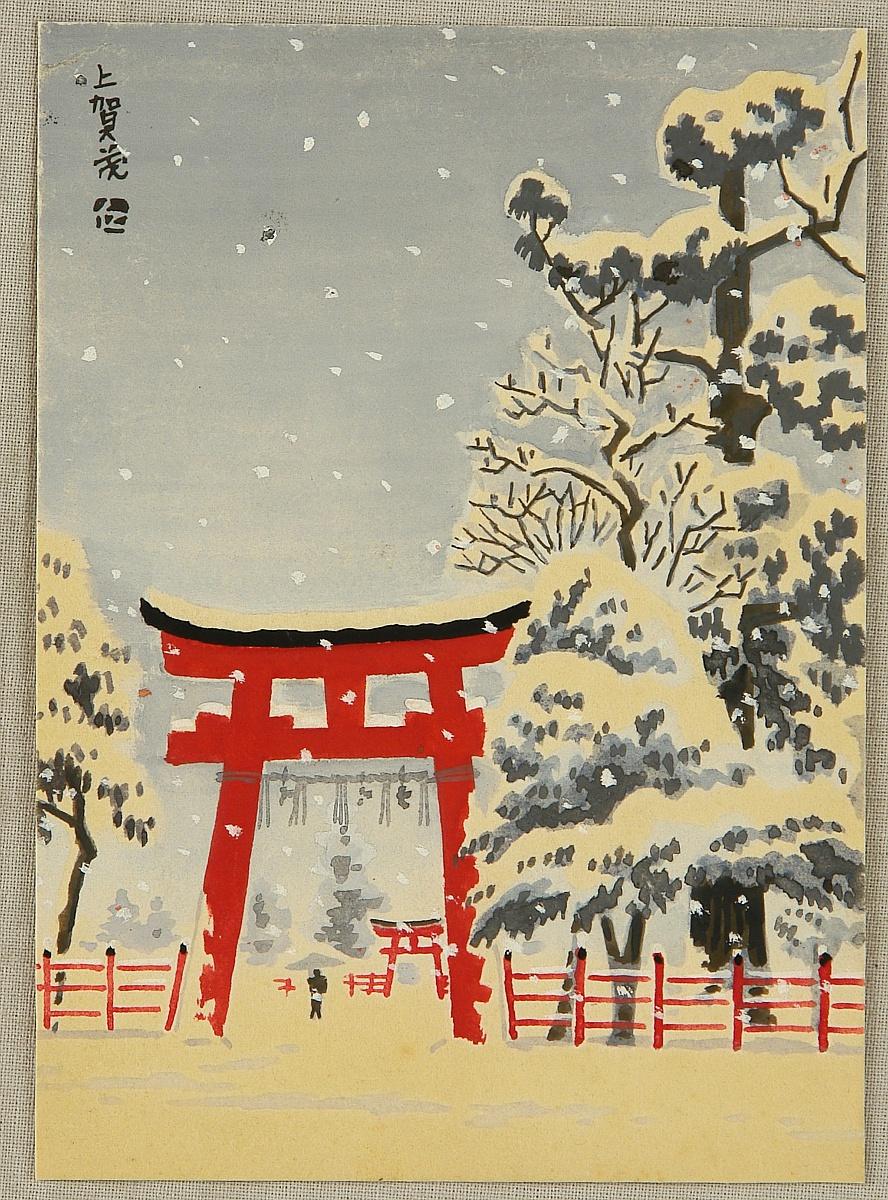
Torii Gate in Winter
Woodblock print
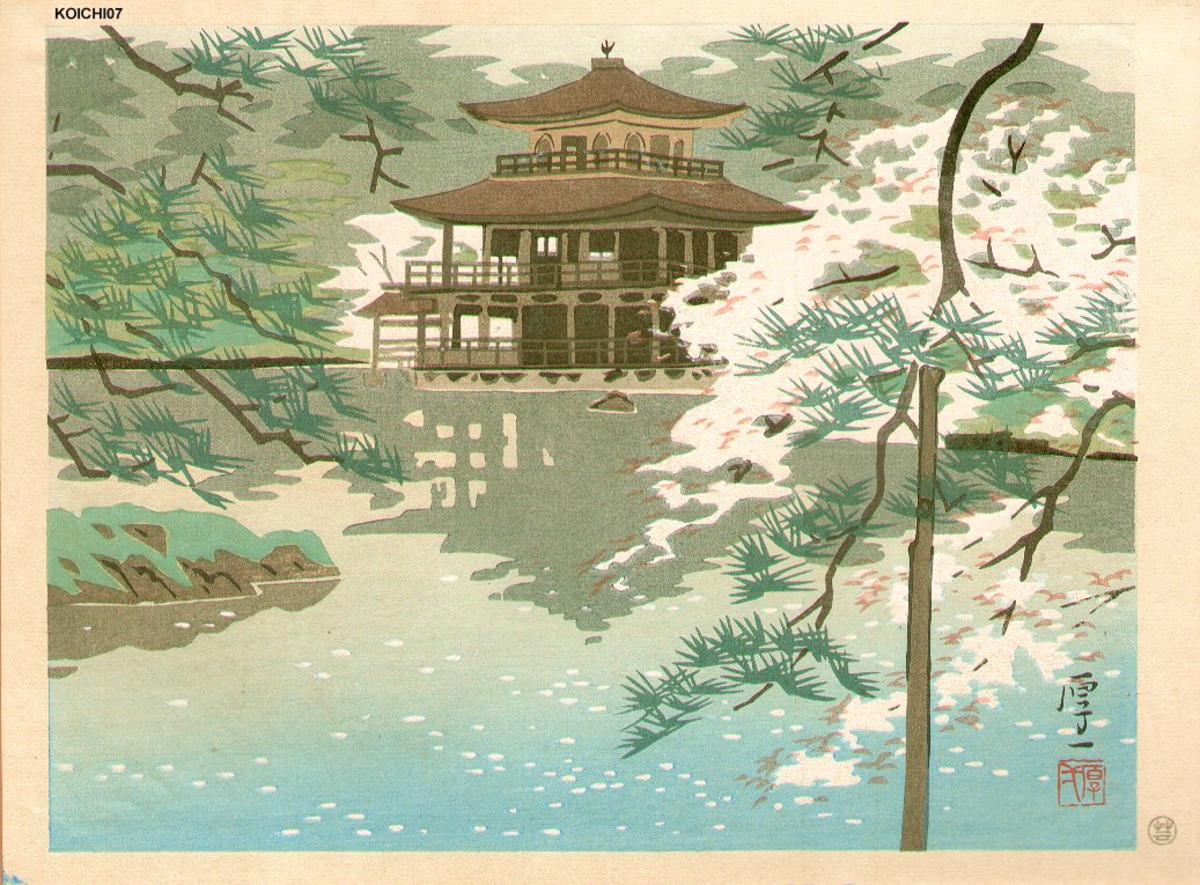
Gold Pavilion - Spring
Woodblock print
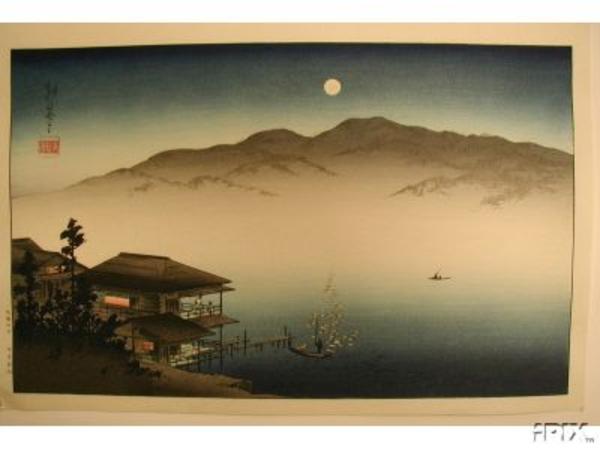
A Lakeside Inn Under Moonlight
Woodblock print
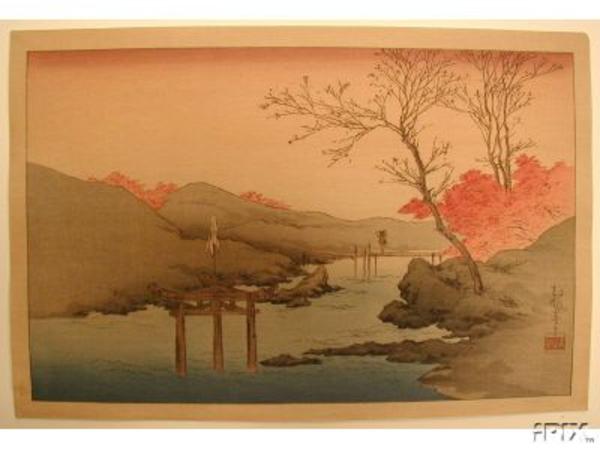
Autumnal Leaves on the Sluice Gate
Woodblock print
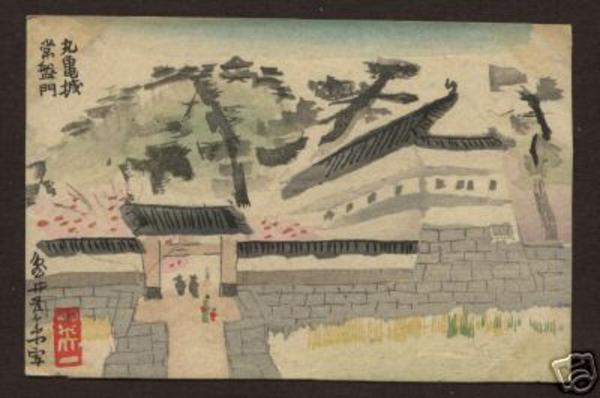
Castle gate
Woodblock print

A Gate to the Stupa of Sanchi (Sanchi no mon)
Sanchi no mon
1932
Color woodblock print; oban

A Little Temple Gate
1933
Color woodblock print

Dainan Gate in Mukden
1937
Color woodblock print

Diabutsu Temple Gate
1940
Color woodblock print

Council Hall in the Imperial Palace — 大極殿
Not set
Woodblock print
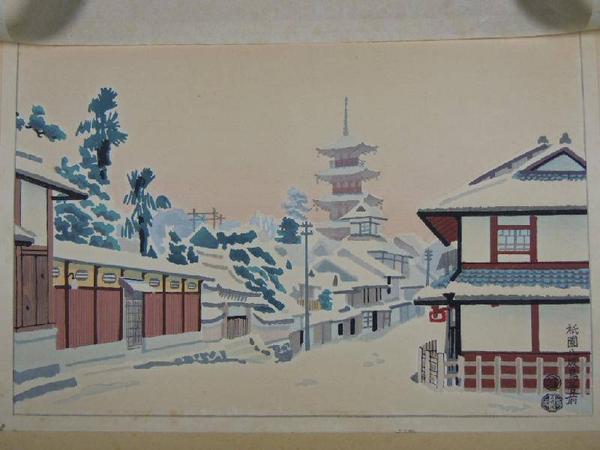
Gion Hasaka Temple Torii Gate — 祇園八坂鳥居前
Not set
Woodblock print
Golden Pavilion - Kinkakuji
Not set
Woodblock print
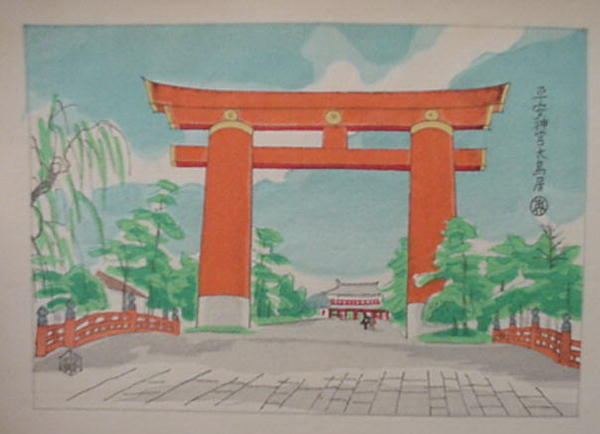
Great Gate of Heian Shrine
Not set
Woodblock print
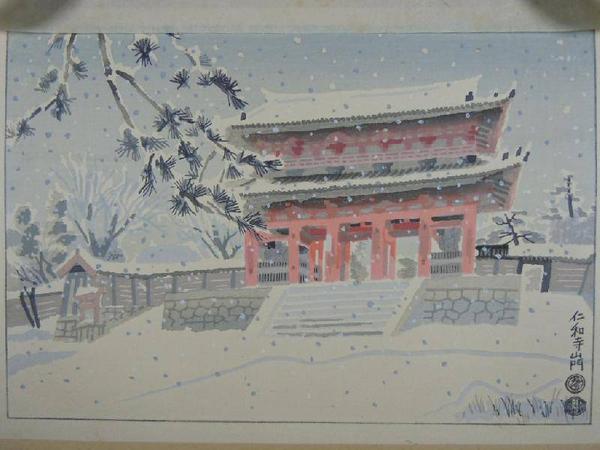
Niwa Temple Gate — 仁和寺山門
Not set
Woodblock print
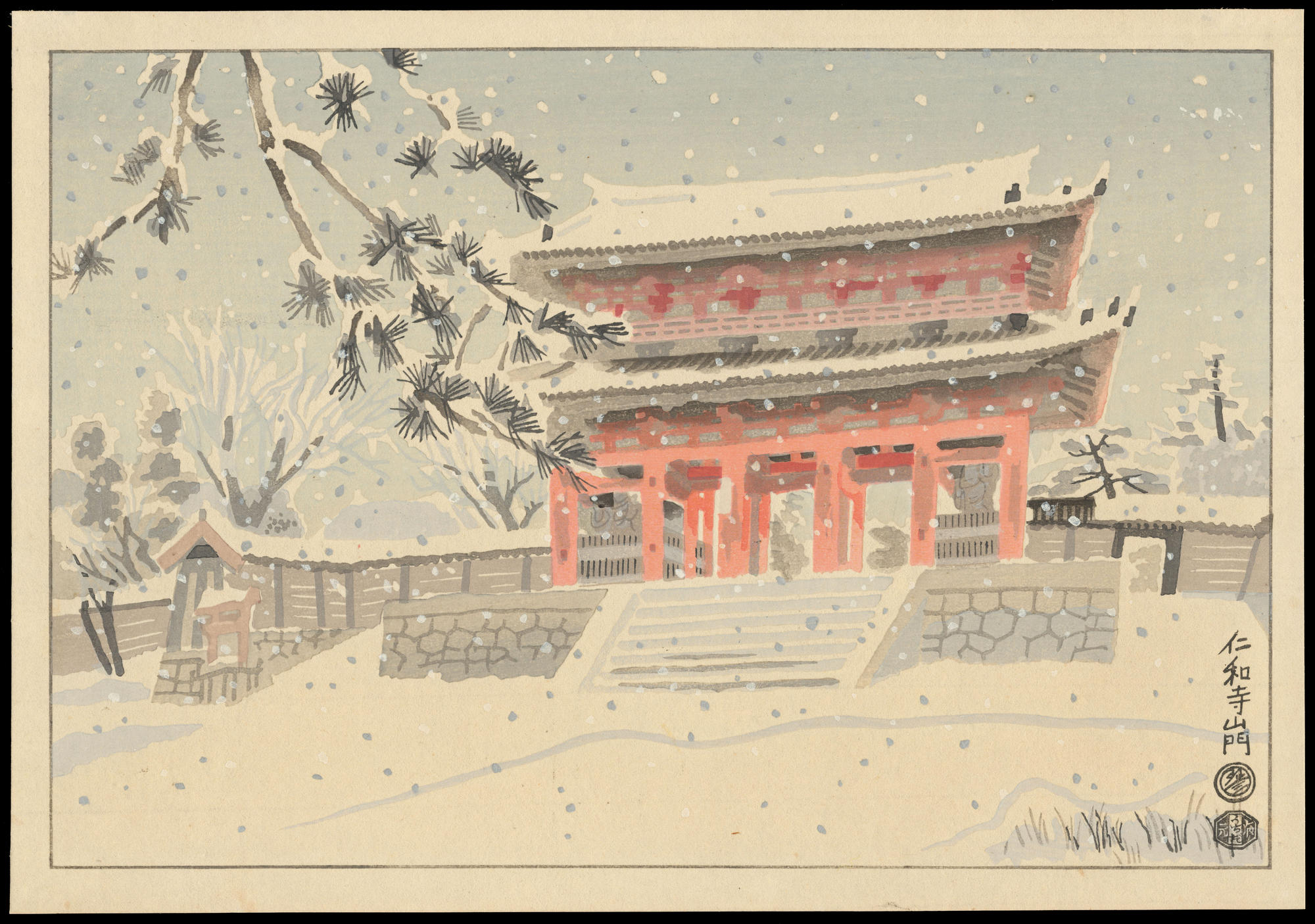
Niwaji Temple Gate - 仁和寺山門
1930
Woodblock print
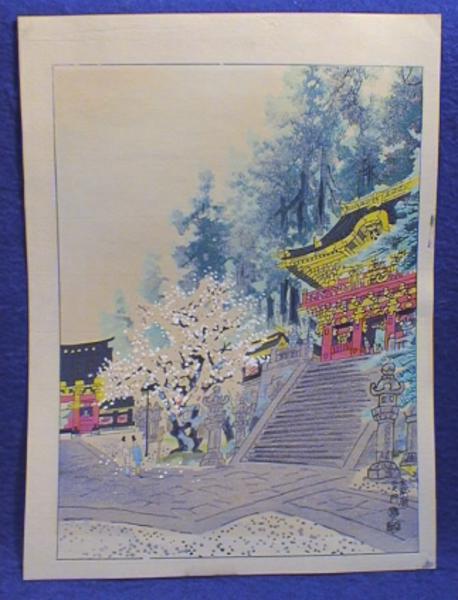
Taiyubyo Nitenmon Gate in Spring — 大猷廟 二天門
1928
Woodblock print
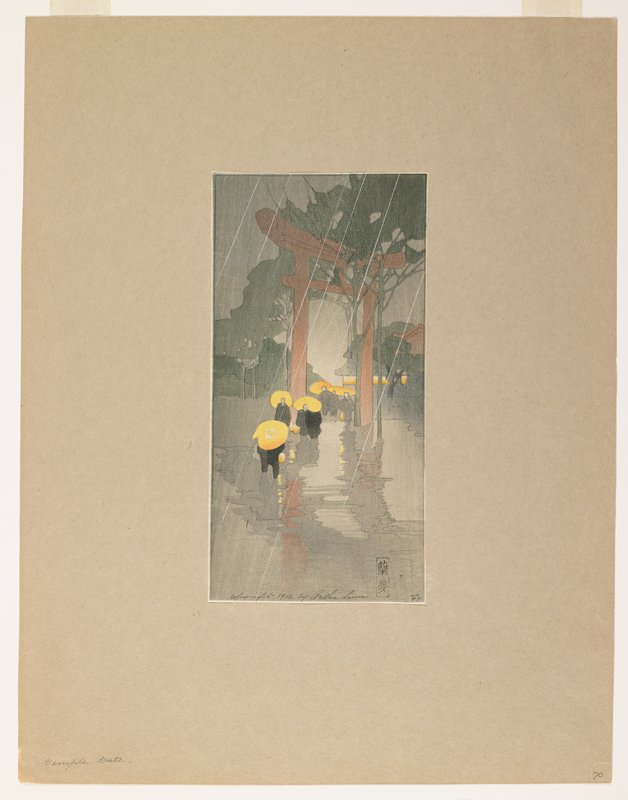
Temple Gate
1912
Color woodcut
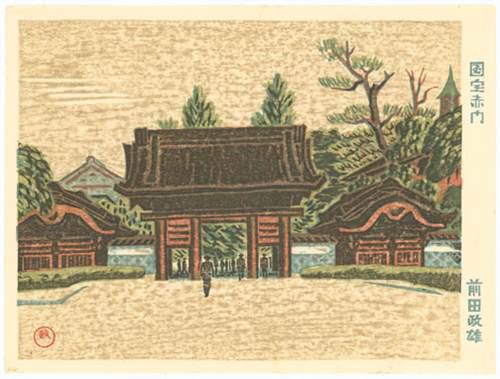
Red Gate of Imperial University
Woodblock print

Temple Gate
20th century
Color woodblock print

The Red Gate of the Imperial University, from the series Recollections of Tokyo
1945
Color woodblock print

Grasses on the Roof
1981
Etching
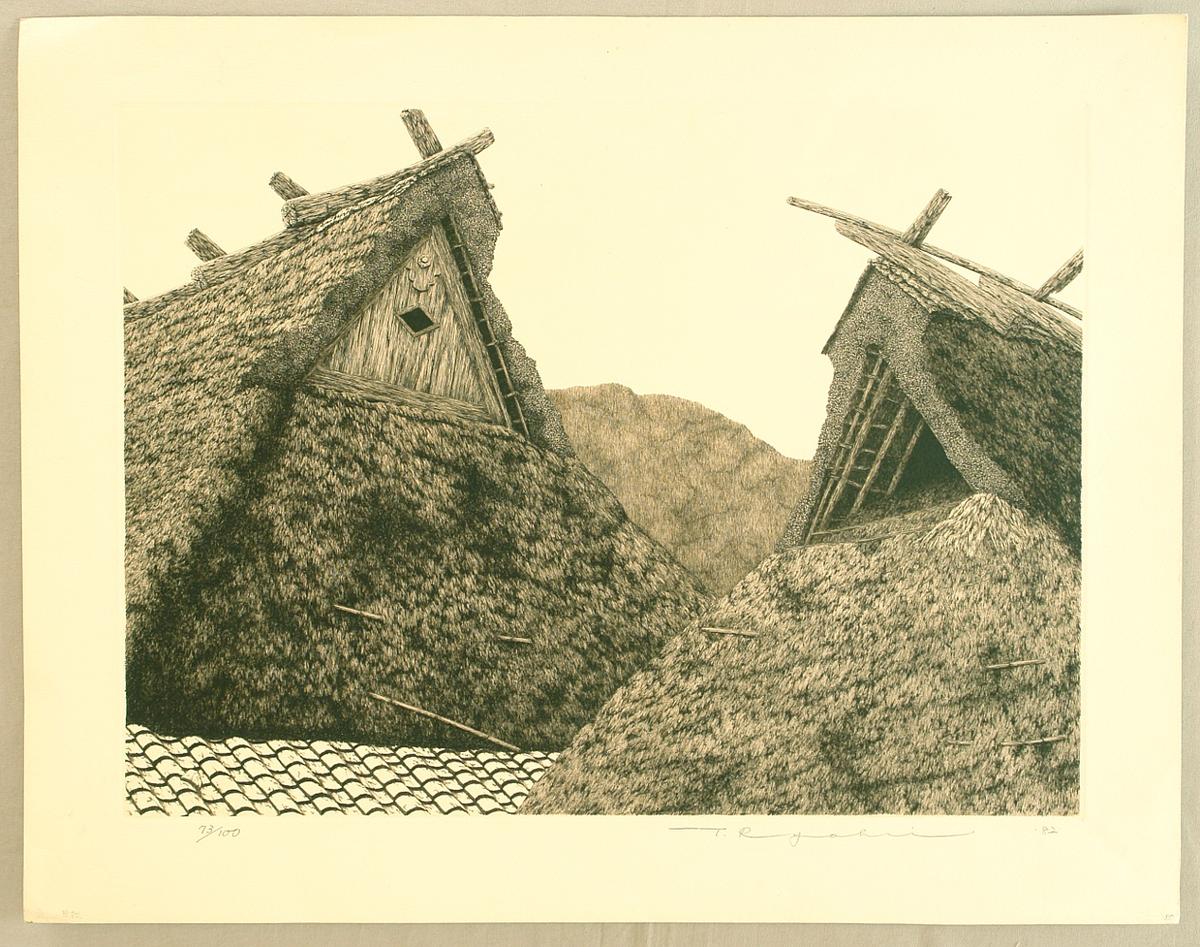
Roof — 屋根
Woodblock print
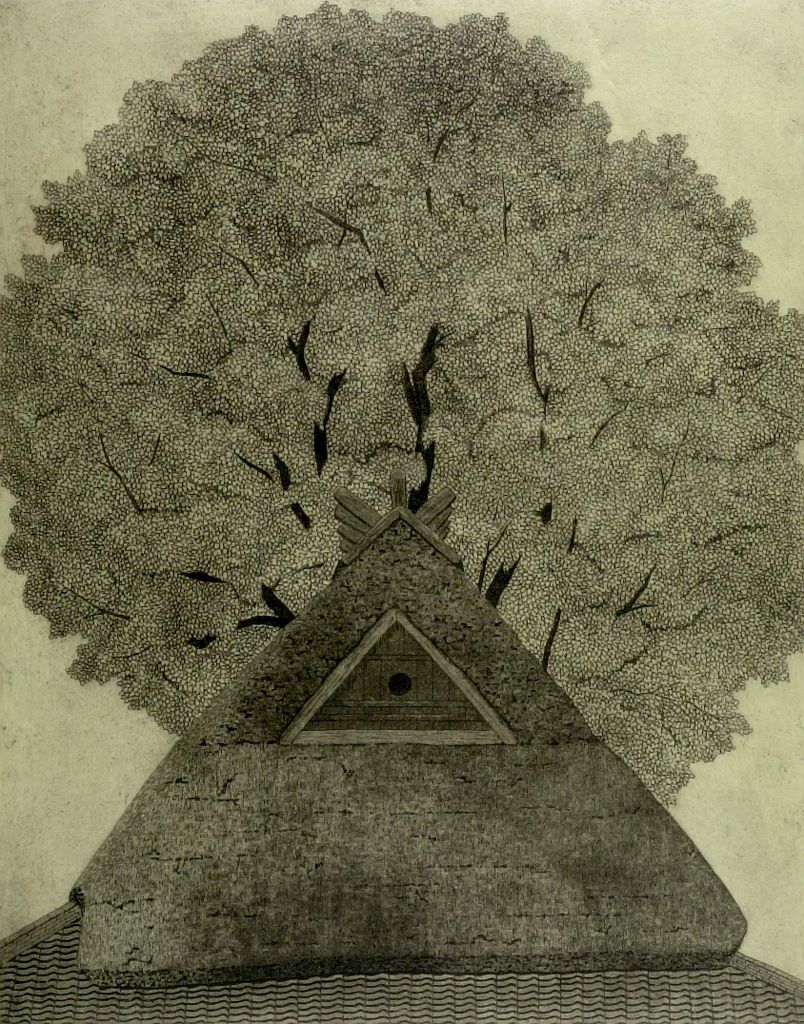
Roof and Tree, Shôwa period,
Woodblock print

Small Thatched Roof
1980
Etching

Temple bell tower (Daitokuji)
1964
Etching and aquatint, ink on paper

Thatched Roof Composition
1981
Etching
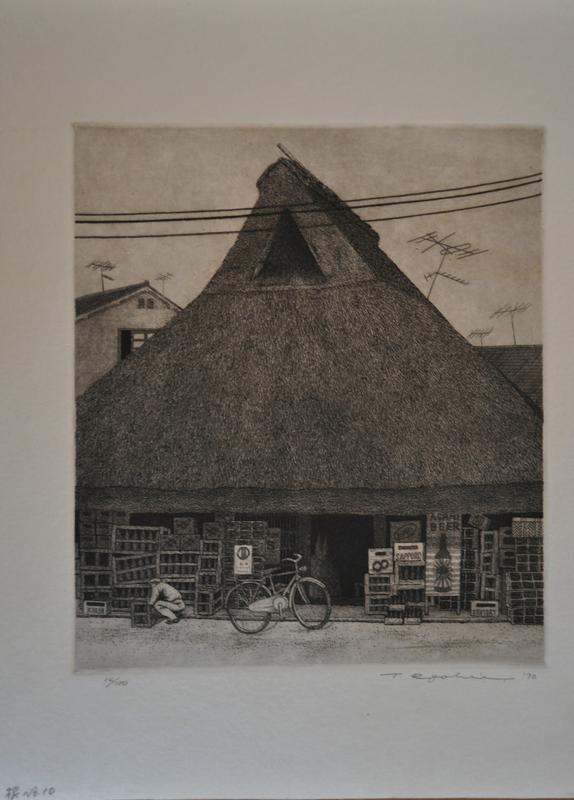
Thatched roof No. 10
1970
Etching and aquatint, ink on paper
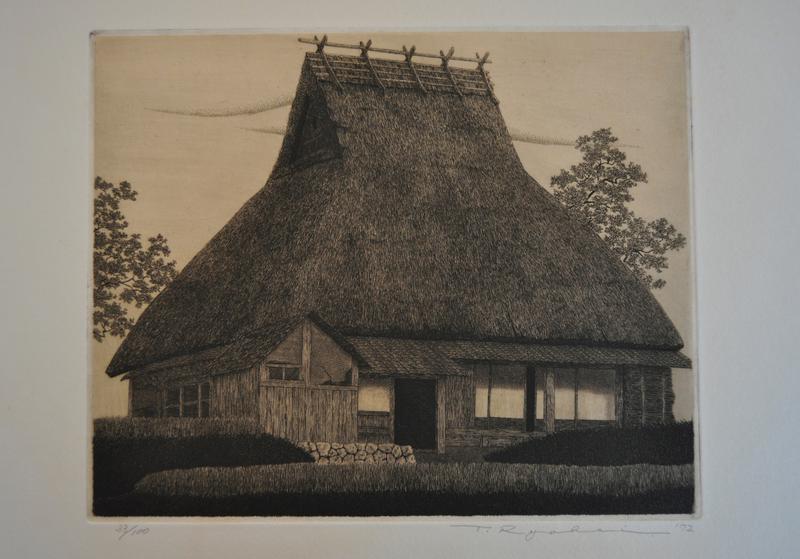
Thatched roof No. 13
1972
Etching amd aquatint, ink on paper
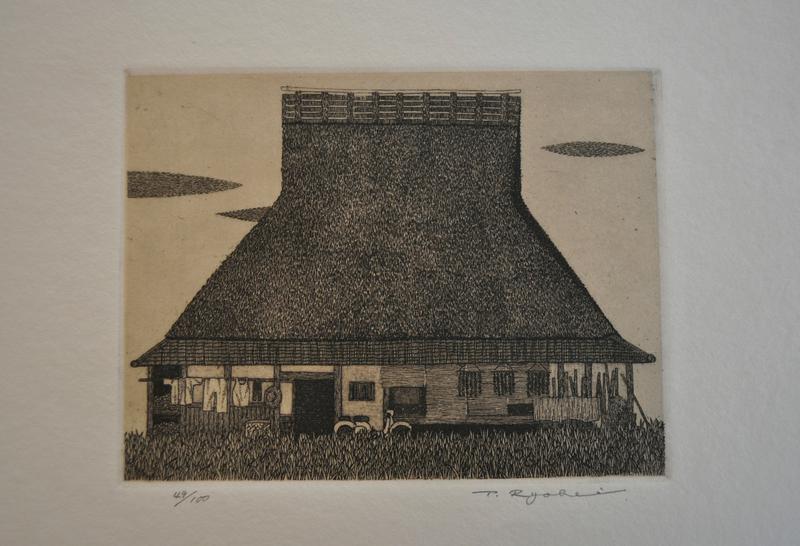
Thatched roof No. 7
1969
Etching and aquatint, ink on paper
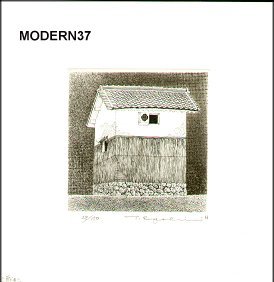
Warehouse No. 2
Woodblock print

The Water Tower, from the series "Viva Chicago"
1997
Mezzotint
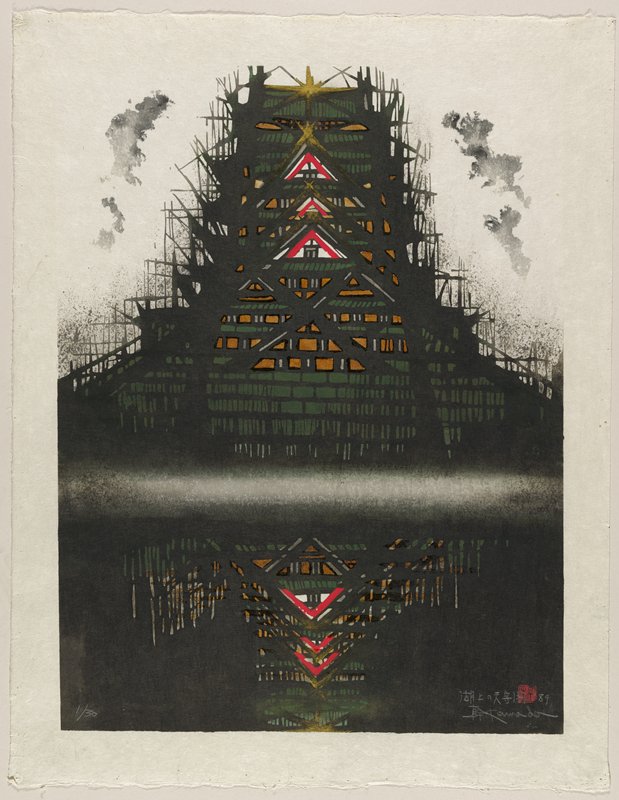
Castle Tower above a Lake
1989
Color stencil print

Woman Wearing a Straw Coat (Mino o mato fujin) from Tale of the Castle Tower (Tenshu monogatari)
1978
Mezzotint

Tokyo Tower (One Hundred Views of Tokyo, Message to the 21st Century 東京百景 21世紀へのメッセジ)
1989-99
Color woodblock print

Mitate No.37 - Roof (Yane)
2001

At a Hot Springs Inn
1952
Woodblock print, ink and color on paper with mica and embossing

View through the Sanmon Gate (Sanmon chobo)
2003
Color woodblock print; edition 3/80
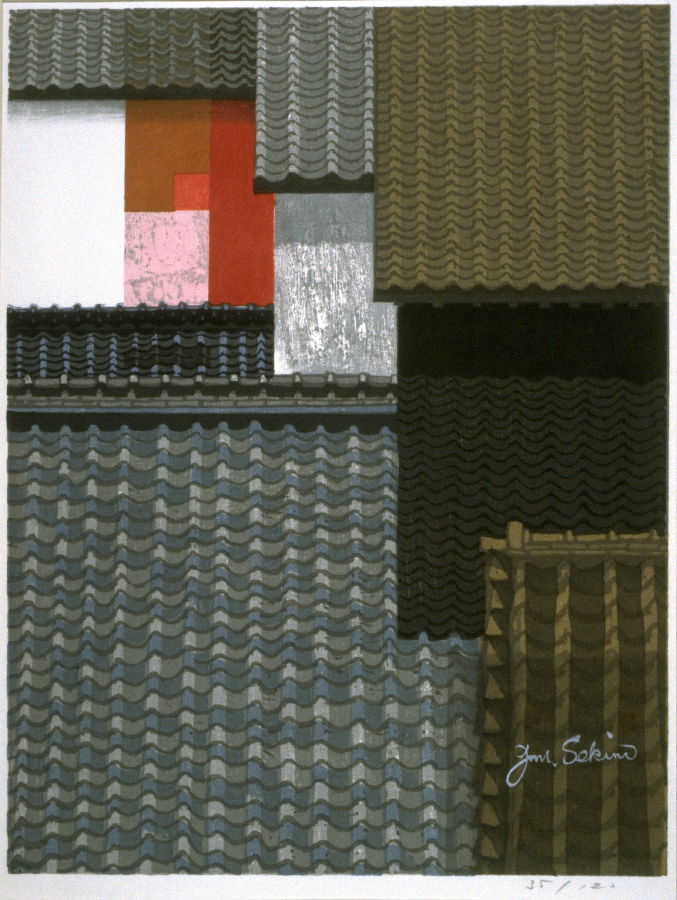
Roof of Kyoto
Woodblock print

Phoenix Hall, Byodo Temple, Udi, from the series "Collection of Scenic Views of Japan II, Kansai Edition" (Nihon fukei shu II Kansai hen, Uji Byodoin Hoodo)
September 1933
Color woodblock print

Spring Evening at the Otemon Gate (Otemon no haru no yugure)
1952
Color woodblock print; oban

Tonashi Gate, Matsuyama Castle, from the series "Collection of Scenic Views of Japan II, Kansai Edition" (Nihon fukei shu II Kansai hen, Matsuyamajo Tonashimon)
February 1935
Color woodblock print
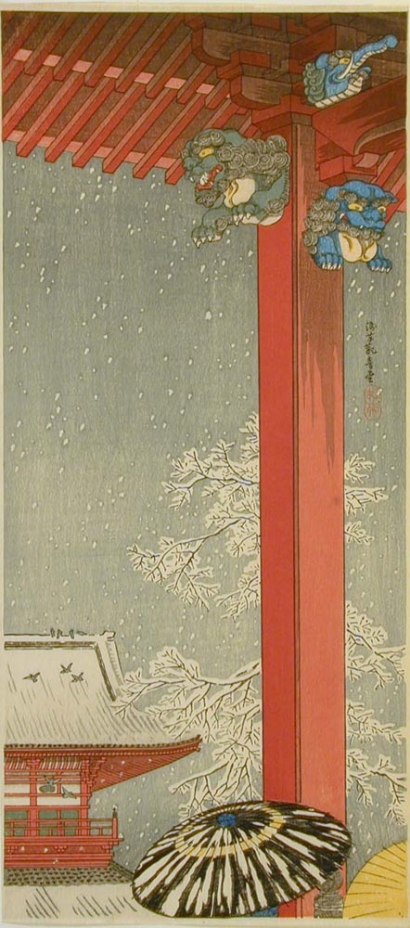
Pillar with Baku and Karashishi
Woodblock print

Bell Tower
Woodblock print
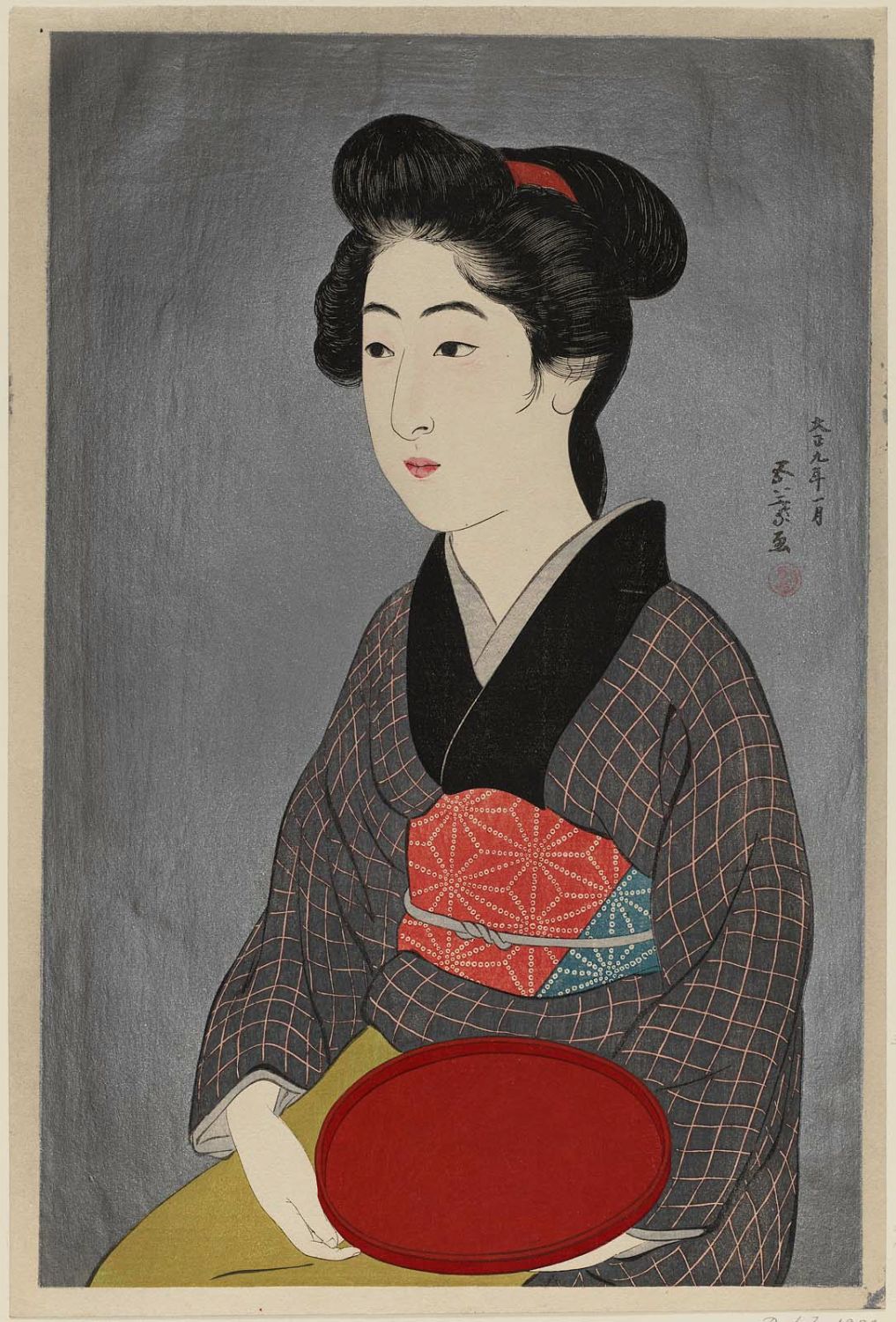
Waitress with a Red Tray (Portrait of Onao, a Maid at the Matsuyoshi Inn, Kyoto)
1920
Woodblock print
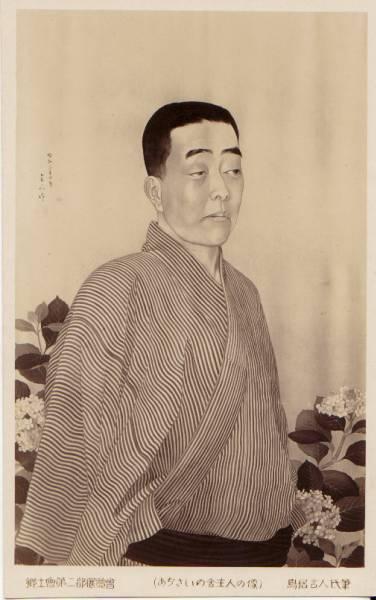
Head of the Hydrangea Mansion — あぢさい舎主人像
circa 1930-1960
Woodblock print
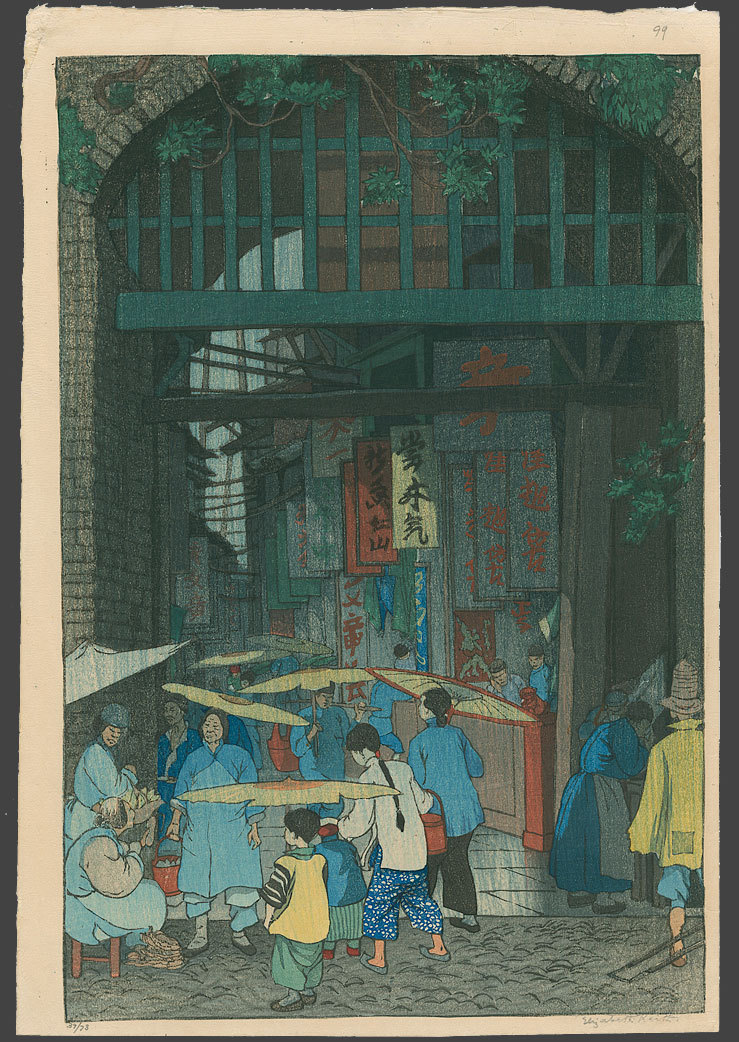
Outside Chang Man Gate, Soochow
Woodblock print
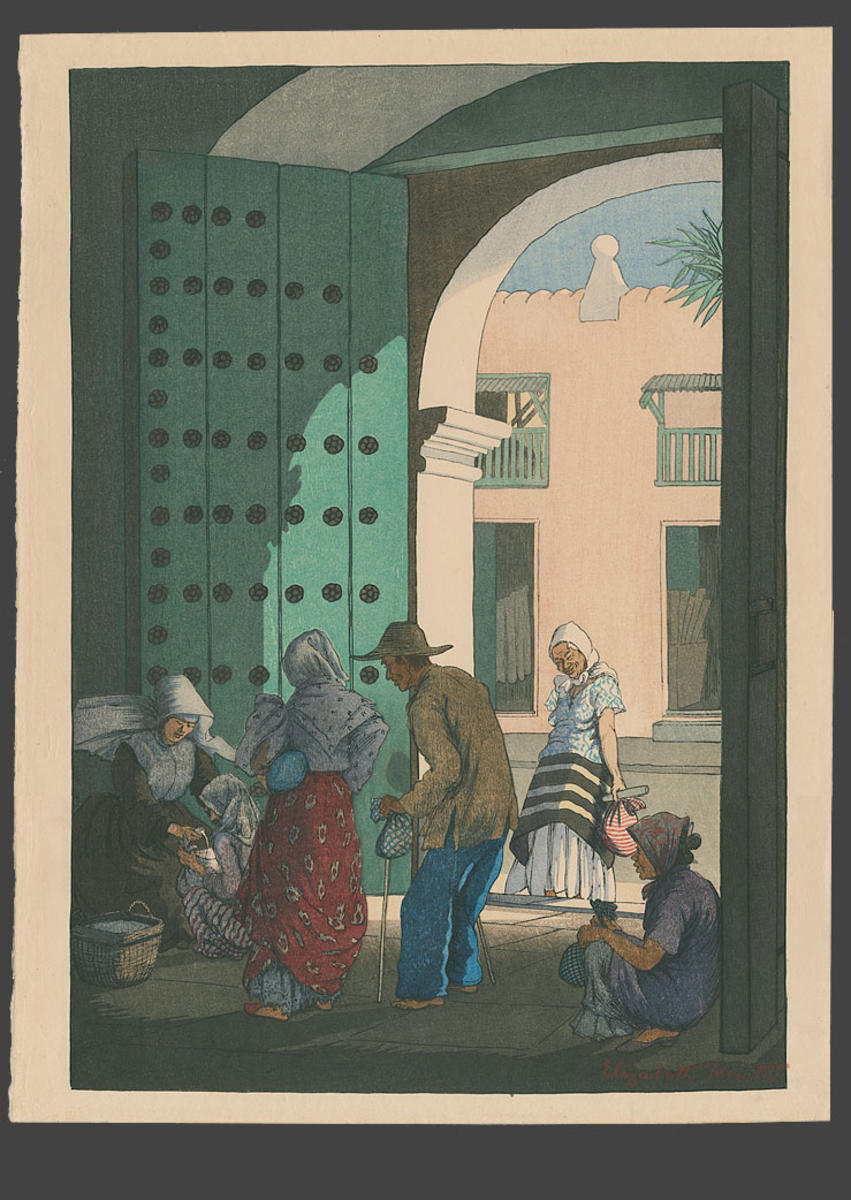
St. Isabella Tower, Manila
Woodblock print

Self-Portrait with Empire State Building
1959
Woodblock print

Asakusa Kannon Hall, from the series Recollections of Tokyo
1945
Color woodblock print
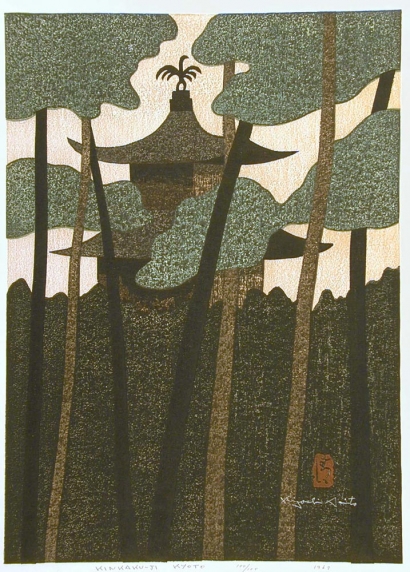
Kinkaku-ji (Golden Pavilion, Kyoto)
Woodblock print
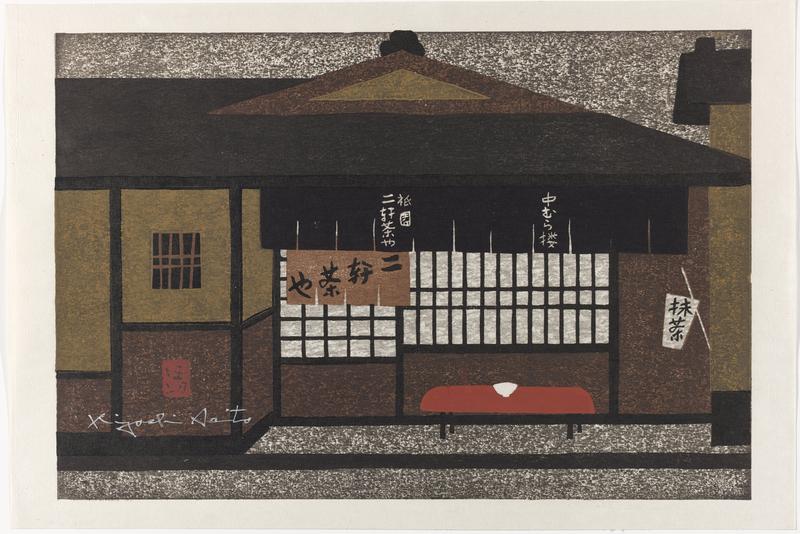
Niken Tea House
1963?
Woodblock print, ink and color on paper

Shoji (Sliding Doors of Katsura Imperial Villa)
1954
Color woodblock print

Niju Bridge at the Imperial Palace, from the series Recollections of Tokyo
1945
Color woodblock print
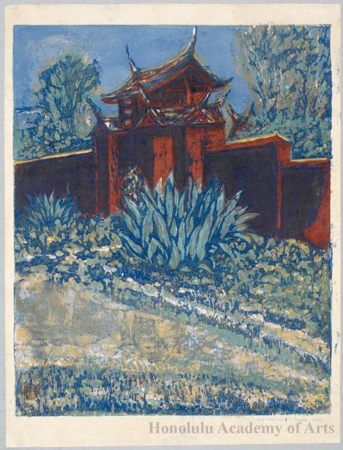
Side Gate of a Confucian temple in Formosa
Woodblock print

Taiwan Pavilion, from the series "Prints of the Shinjuku Imperial Garden (Shinjuku Gyoen hanga)"
1949
Color woodblock print

Akasaka Palace, from the series Recollections of Tokyo
1929
Color woodblock print

Crane Pulling Cart, from roof tile
1930s
Woodblock print
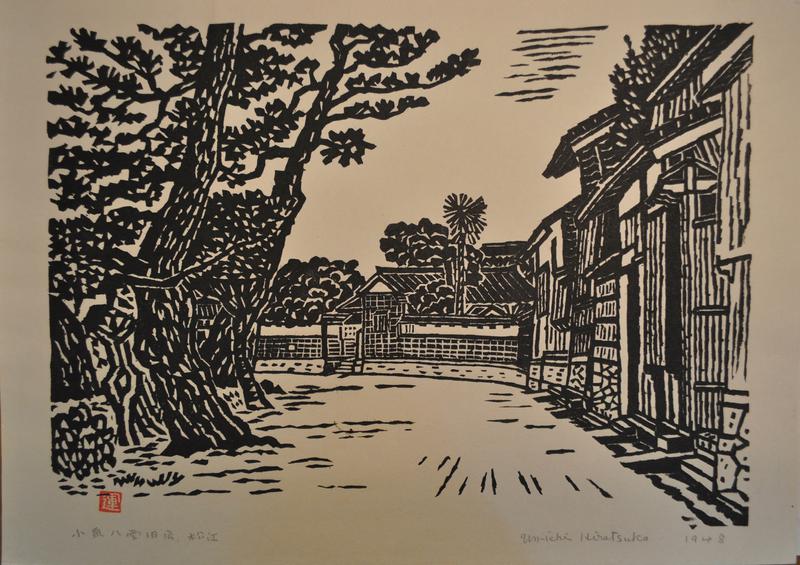
Former Residence of Koizumi Yakumi (Lafcadio Hearn), Matsue
1948
Woodblock print, ink on paper
Related Subjects
Frequently Asked Questions
Architecture as a subject in Japanese woodblock prints encompasses buildings, bridges, gates, and structural details that document Japan's built environment across centuries. While architectural elements appear in many print genres — as settings for figure compositions, components of landscape views — prints focused primarily on architectural subjects reveal both the aesthetic qualities and historical evolution of Japanese construction.
Katsuyuki Nishijima, Hiratsuka Un'ichi, and Saito Kiyoshi are among the artists most associated with architecture in our collection. Browse the full list of artists who explored this subject above.
Hanga currently catalogues 525 prints tagged with architecture, spanning ukiyo-e, shin-hanga, and sōsaku-hanga traditions where applicable.