Warriors Prints (395)
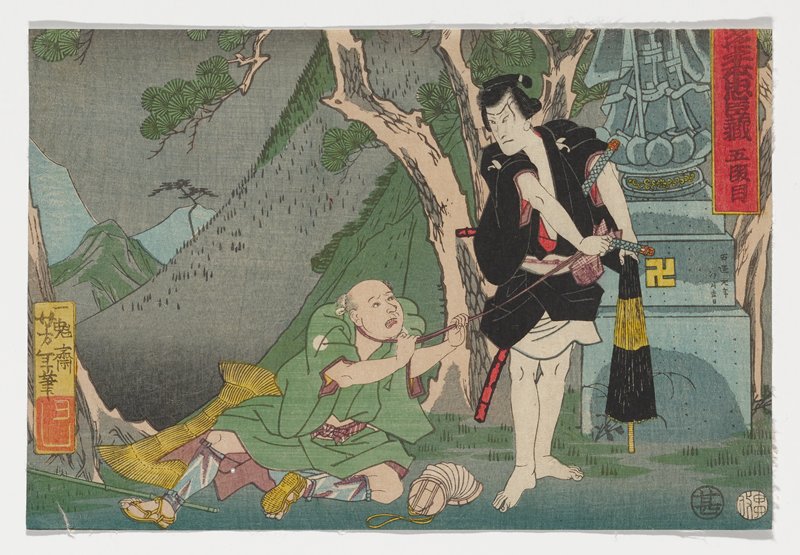
Warrior prints (musha-e) depict samurai, historical battles, legendary heroes, and martial subjects drawn from Japanese history, mythology, and literature. The genre flourished in the nineteenth century as artists responded to public appetite for dramatic narratives of valor, loyalty, and supernatural power, producing some of the most visually dynamic compositions in the woodblock tradition. Utagawa Kuniyoshi was the genre's supreme master, creating hundreds of warrior prints that combined vigorous draftsmanship with imaginative composition. His depictions of the 108 heroes of the Suikoden (Water Margin), historical battles, and supernatural encounters set standards of dramatic intensity that defined the genre. Kuniyoshi's warrior prints influenced not only subsequent printmakers but also the tattoo tradition (irezumi), which adopted many of his compositions. The warrior print tradition also served political purposes, particularly during periods when direct commentary on current events was censored. Artists used historical warrior subjects as coded references to contemporary political situations, a practice that required viewers to read the prints on multiple levels. The genre continued into the Meiji era, when prints documented the Satsuma Rebellion and Sino-Japanese War, before declining as photographic journalism replaced printmaking as the primary medium for depicting military subjects.
Artists Known for Warriors


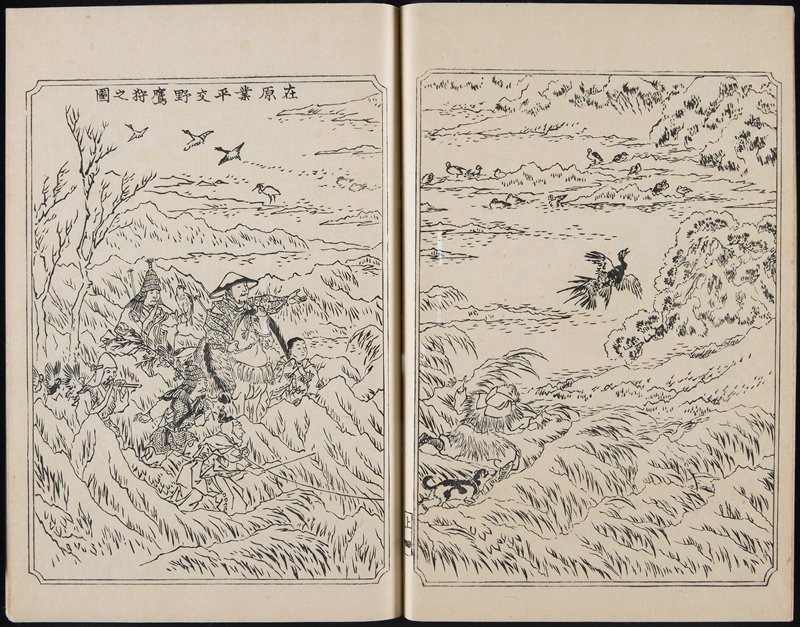

Urouro-bune (Aimless boats) / Nippon banzai hyakusen hyakusho (Hurrah for Japan! One Hundred Selections, One Hundred Laughs)
Woodblock print
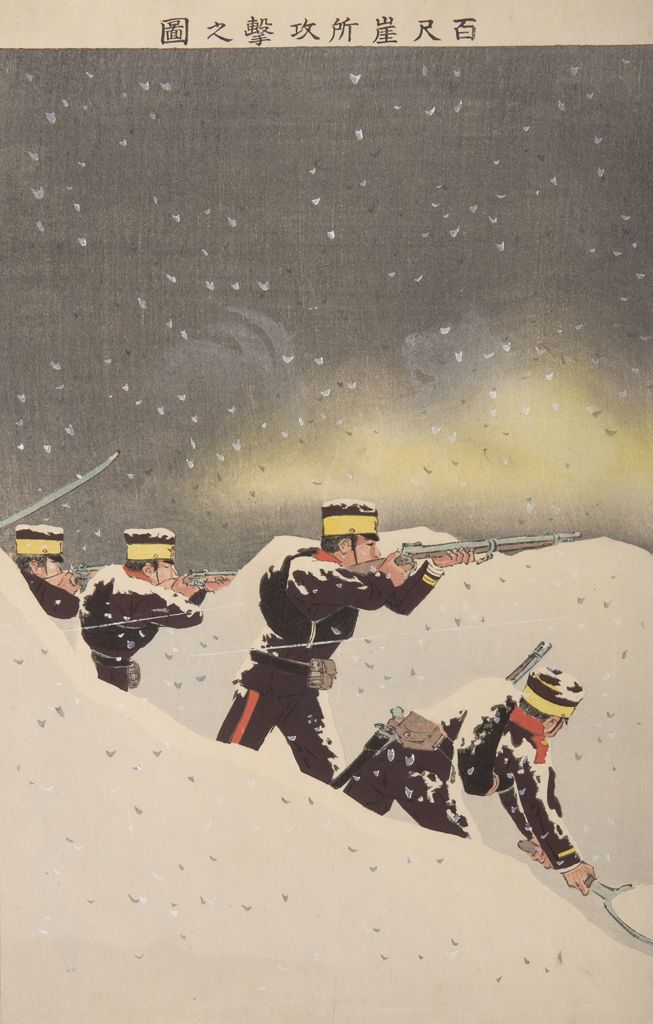
Triptych: Hyaku-shaku Gaisho kôgeki no zu, Meiji period, dated 1895
Woodblock print

Escape of Emperor Godaigo, from the series "The Unofficial History of Japan (Nihon gaishi no uchi)"
1885
Color woodblock print; oban triptych

Illustration Number One
October 1894
Woodblock print (nishiki-e), ink and color on paper

A Torpedo Hitting a Russian Warship
February 1904
Woodblock print (nishiki-e), ink and color on paper

Burden of Fengtianfu
December 1894
Woodblock print (nishiki-e), ink and color on paper

Lieutenant-Colonel Tomioka, Commander of the Eleventh Infantry Regiment
February 1895
Woodblock print (nishiki-e), ink and color on paper
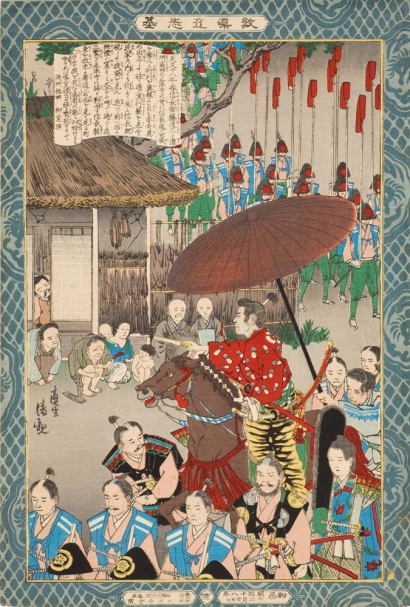
Oda Nobunaga finds Saito Tosan in a House Laughing at him
Woodblock print

Picture of the Use of Electricity during the Attack on Pyeongyang
October 1894?
Woodblock print (nishiki-e), ink and color on paper

Sailor Third Class Nishikawa Hatsutarō of the Warship Katsuragi
May 1895
Woodblock print (nishiki-e), ink and color on paper

Strange Chinese Soldiers
September 1894
Woodblock print (nishiki-e), ink and color on paper

Cavalry Sergeant Kawasaki Iseo
February 1895
Woodblock print (nishiki-e), ink and color on paper

Gensami Yorimasa and Ino Hayata
Woodblock print

Captain Kani Ichita
January 1895
Woodblock print (nishiki-e), ink and color on paper
Illustration of the Landing and Advance to Weihaiwei
1895 (Meiji 28)
Woodblock print (nishiki-e) triptych; ink and colors on paper

Great Victory of the Navy off Dagushan
October 1894
Woodblock print (nishiki-e), ink and color on paper
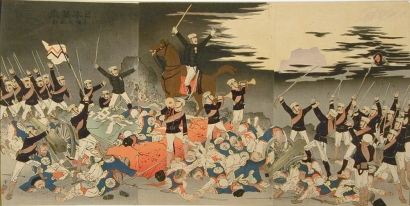
Long Live Japan! Victory song at Pingyang
Woodblock print

Picture of the Saikyōmaru's Hard Fight off Haiyang Island
October 1894
Woodblock print (nishiki-e), ink and color on paper
The Heroic Fight of Cavalry Scout Captain Asakawa
1895 (Meiji 28)
Woodblock print (nishiki-e) triptych; ink and color on paper

Eizo and Matsuomaru
1953
Color woodblock print

30, Oda Nobunaga
December 1885
Woodblock print (nishiki-e), ink and color on paper

Colonel Kumamoto Masaji, Regimental Commander of the Imperial Guard Artillery
May 1904?
Woodblock print (nishiki-e), ink and color on paper
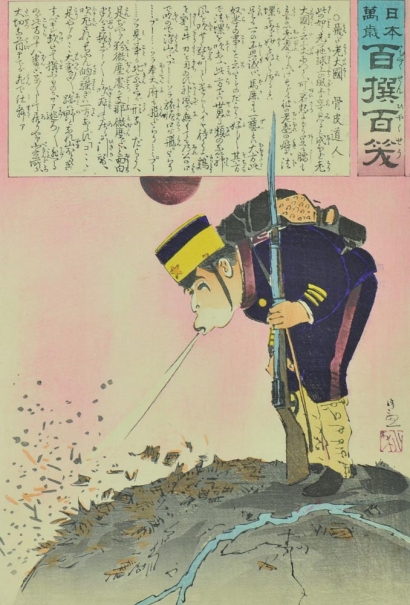
Like a Storm
Woodblock print

Picture of Army General Nozu Commanding the Attack on Haicheng
May 1896
Woodblock print (nishiki-e), ink and color on paper
Braving the Bitter Cold, Our Troops Set Up Camp at Yingkou
1895 (Meiji 28)
Woodblock print (nishiki-e) triptych; ink and color on paper

Honorable Defeated General
October 1894
Woodblock print (nishiki-e), ink and color on paper
Minamoto Tametomo, from the series The Unofficial History of Japan (Nihon gaishi no uchi)
1884 (Meiji 17)
Woodblock print (nishiki-e): ink, color, and metallic pigments on paper

Naval Commander Hirose Takeo
April 1904
Woodblock print (nishiki-e), ink and color on paper
The Fall of Fenghuangcheng, later called Our Elite Forces Capturing the Pescadores Islands in Taiwan
1894 (Meiji 27)
Woodblock print (nishiki-e) triptych; ink and color on paper
Battle of Fujigawa
Silkscreen
Ichikawa Danjuro XII as Musashibo Benkei
Woodblock print on ganpi paper
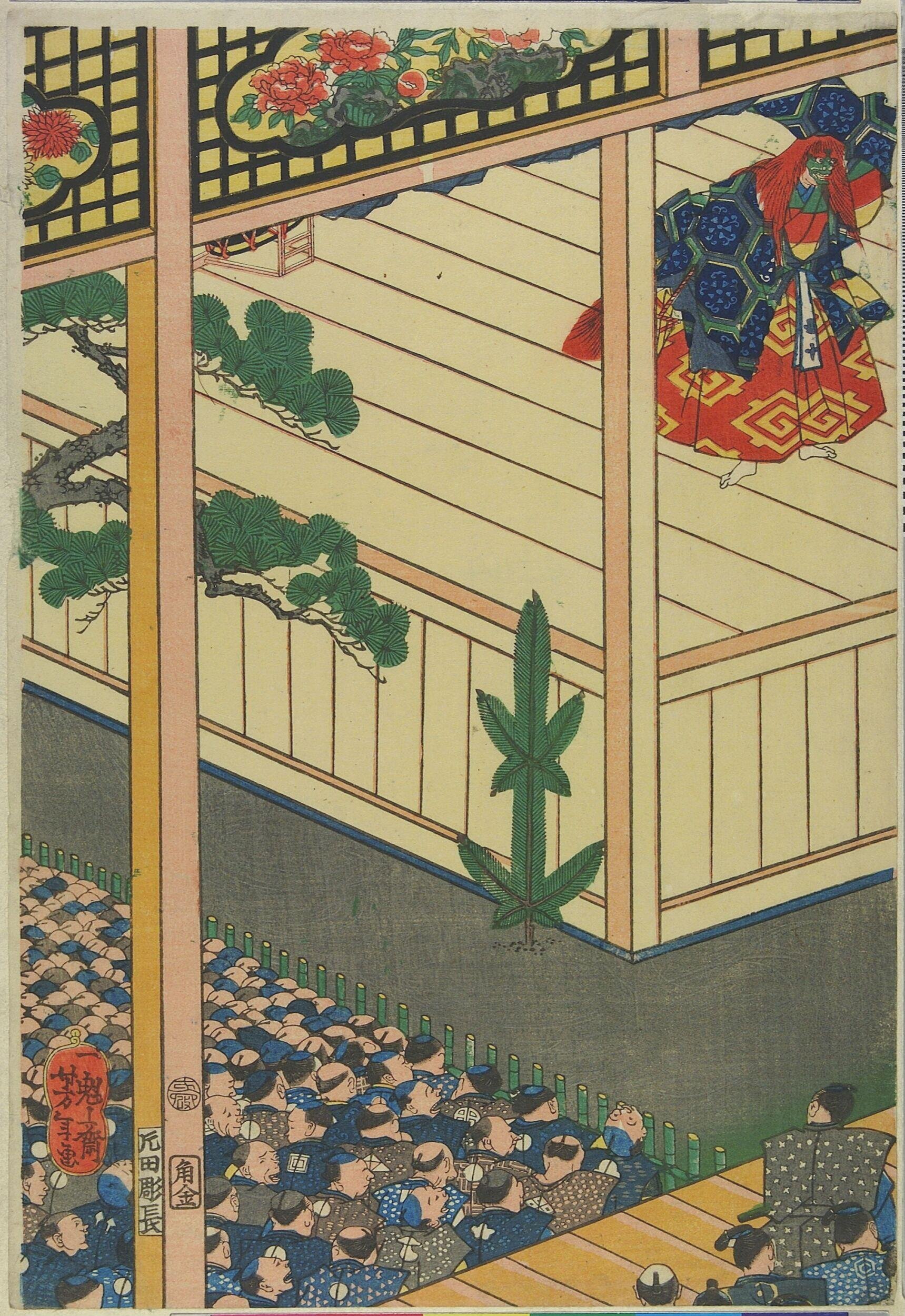
General Lord Yoritomo watches a Nō performance (Udaishō Yoritomo kō on'nōjō ran no zu)
ca. 1865

Kinugawa Yoemon, with Poem by Harumichi no Tsuraki, from the series "Ogura Versions of the One Hundred Poets (Ogura nazorae Hyakunin isshu)"
c. 1845/48
Color woodblock print; oban
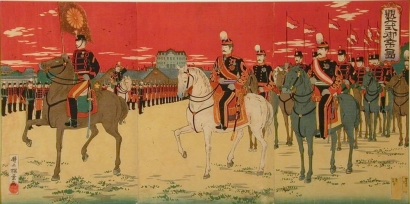
Emperor Meiji Inspecting the Imperial Troops
Woodblock print
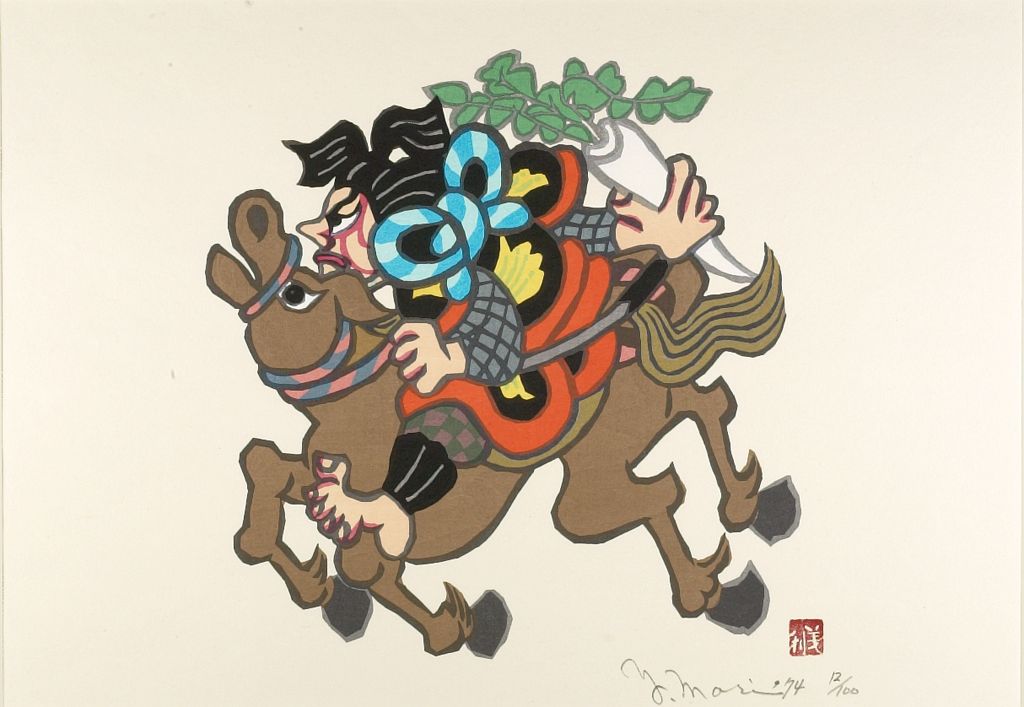
Goro, Shôwa period, dated 1974
Woodblock print

Just a Moment (Shibaraku)
1977
Woodblock print?; edition 5/50
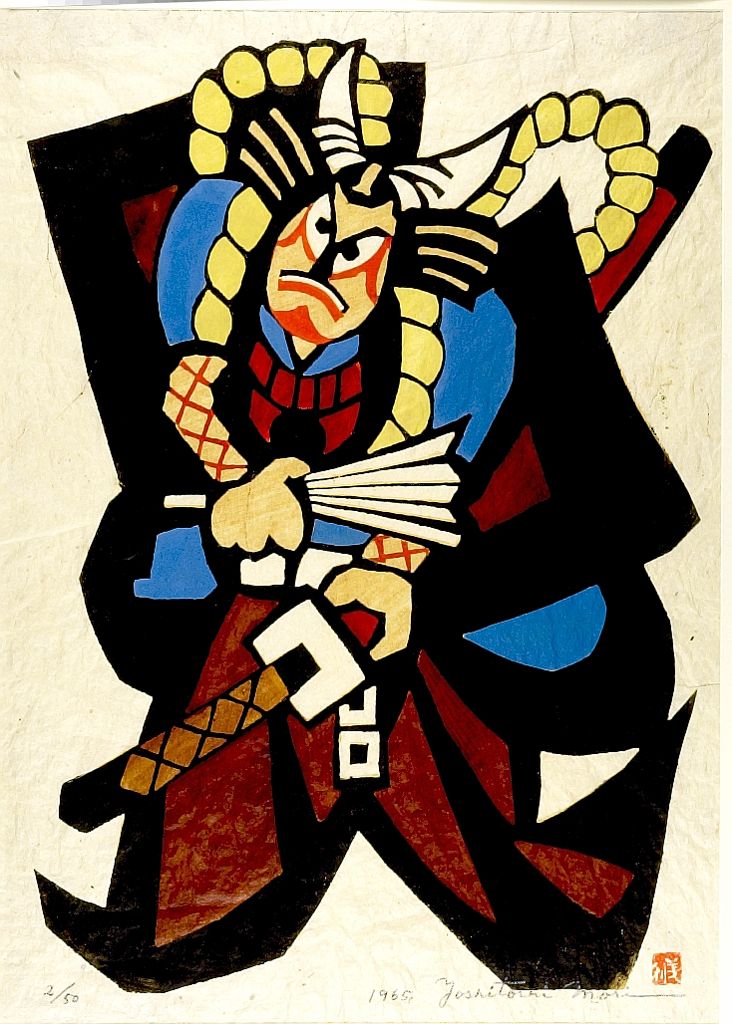
Shibaraku, Shôwa period, dated 1965
Woodblock print

Mon & Tosamurai
1957
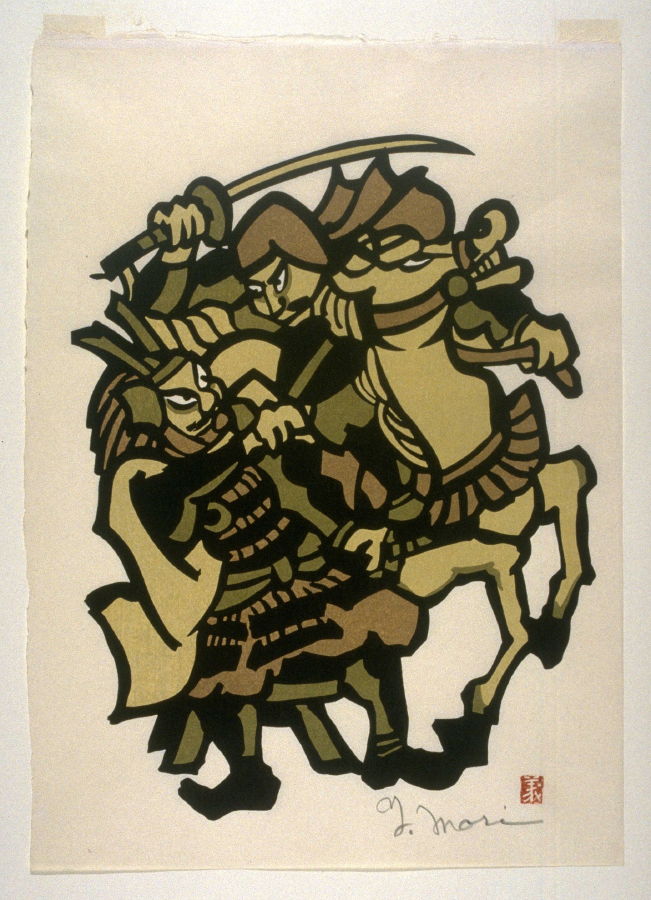
Two Warriors Fighting
Woodblock print
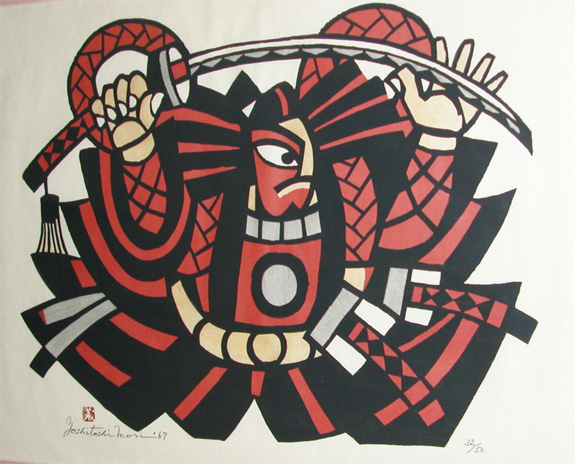
Shibaraku: Just a Morment
Woodblock print
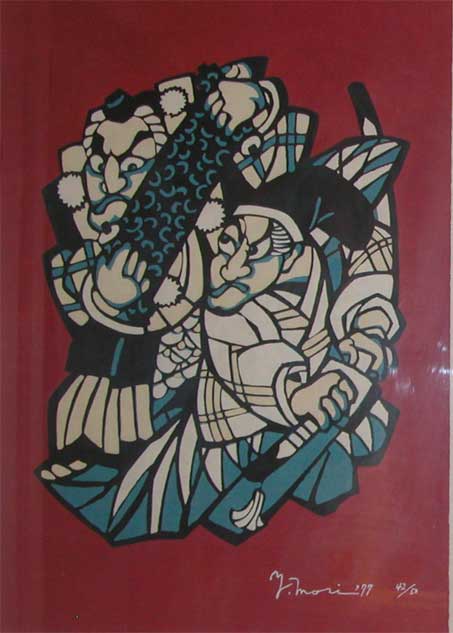
Kanjincho
Woodblock print
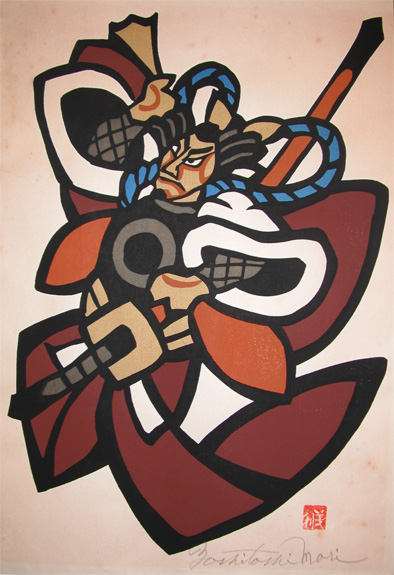
Shibaraku
Woodblock print
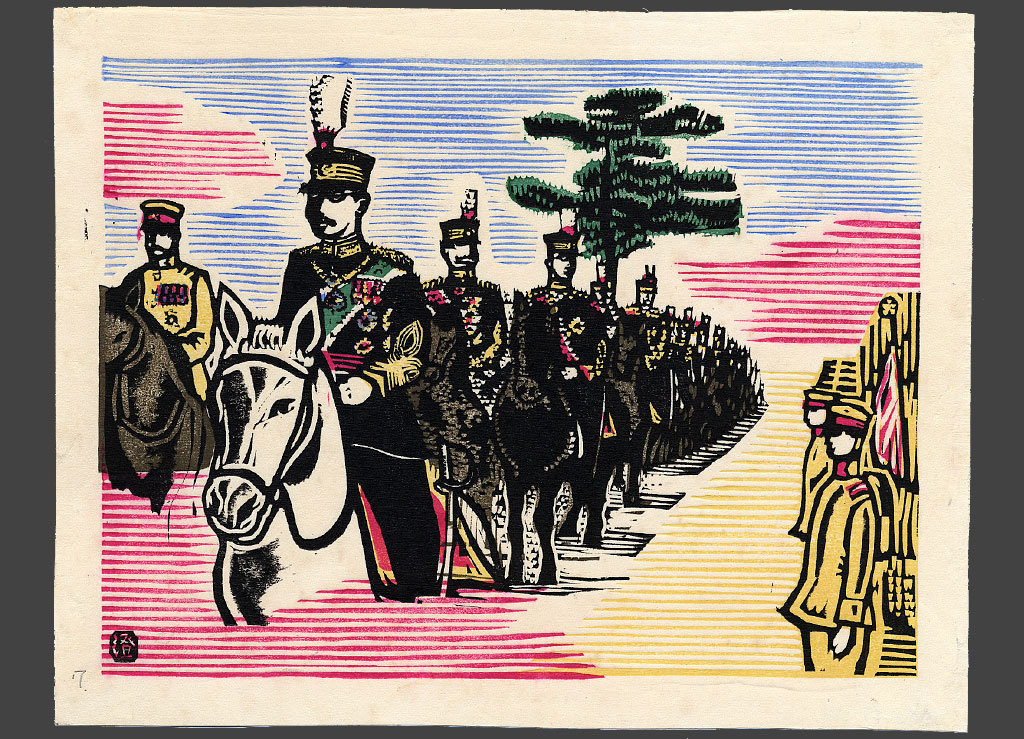
Military Grand Parade
Woodblock print
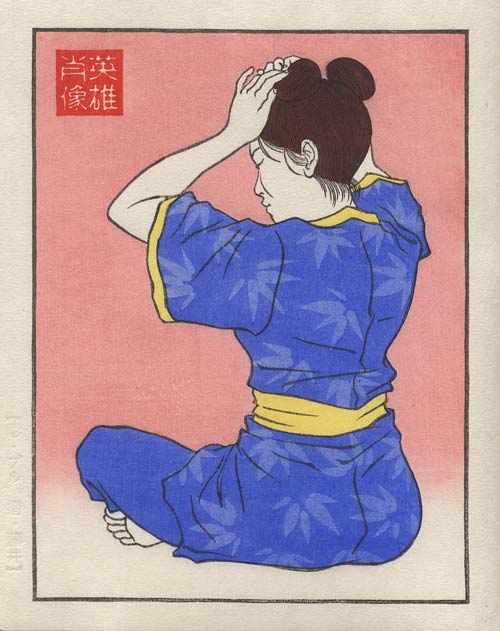
Before the Fight
Woodblock print
Battle of the Kappa and Prawn (red)
Ink painting
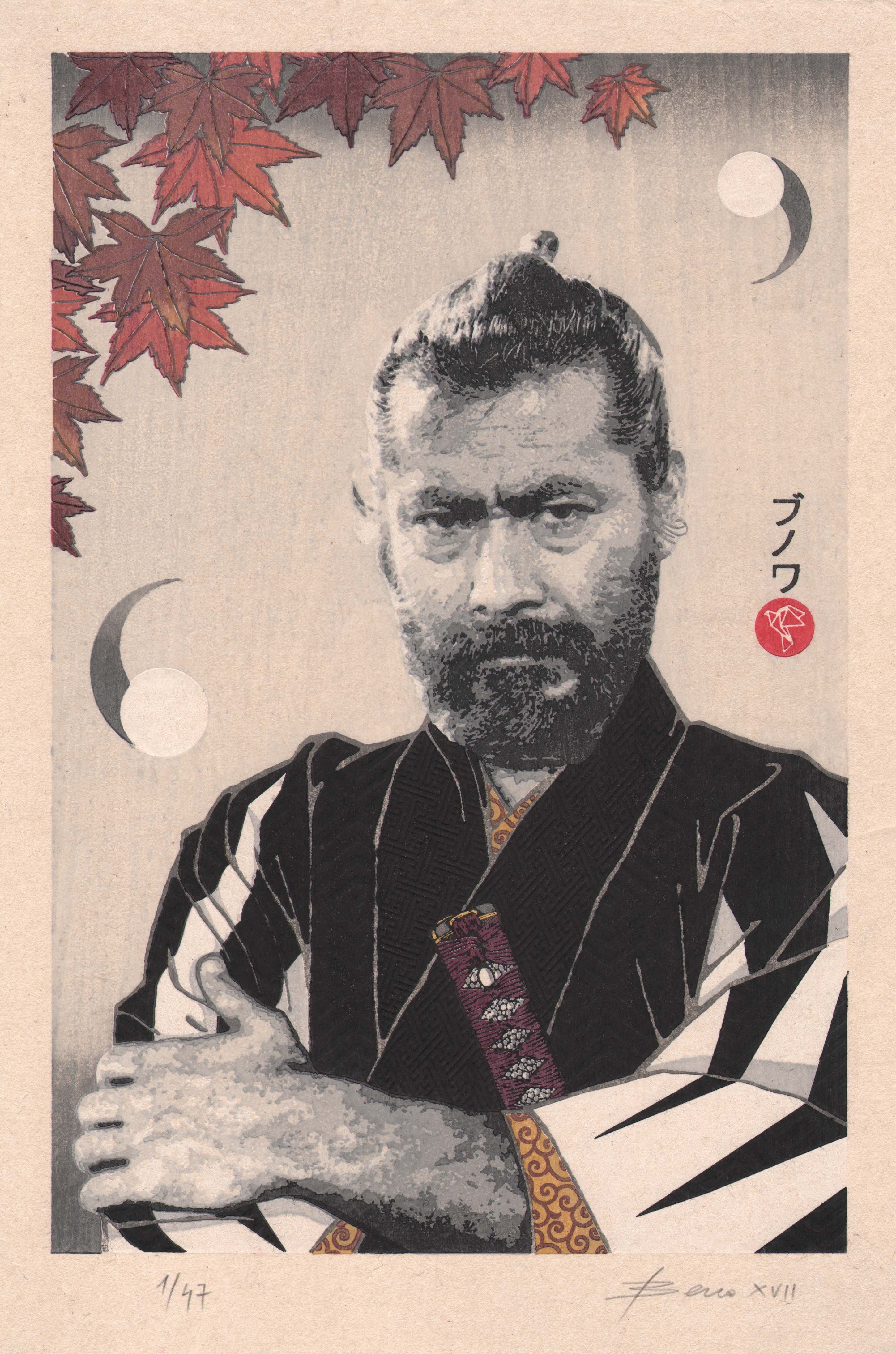
Chushingura
Mokuhanga woodcut with embossing and burnishing
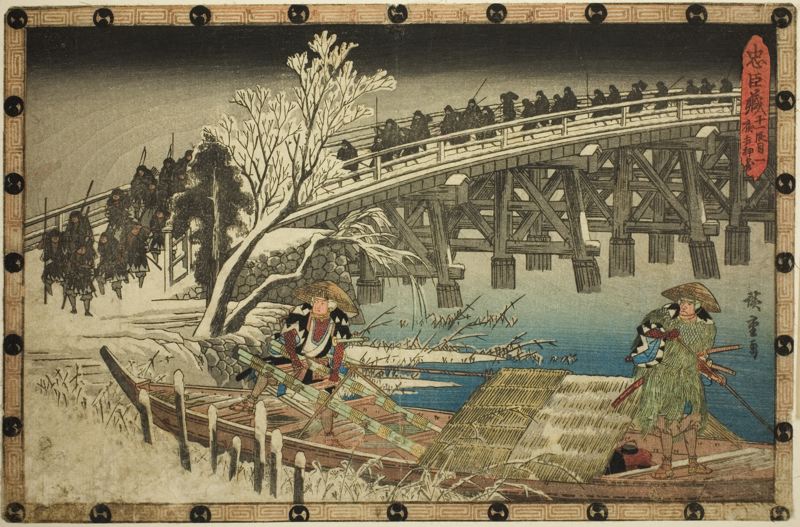
The Approach to the Night Attack (Forty-seven Samurai)
Woodblock print
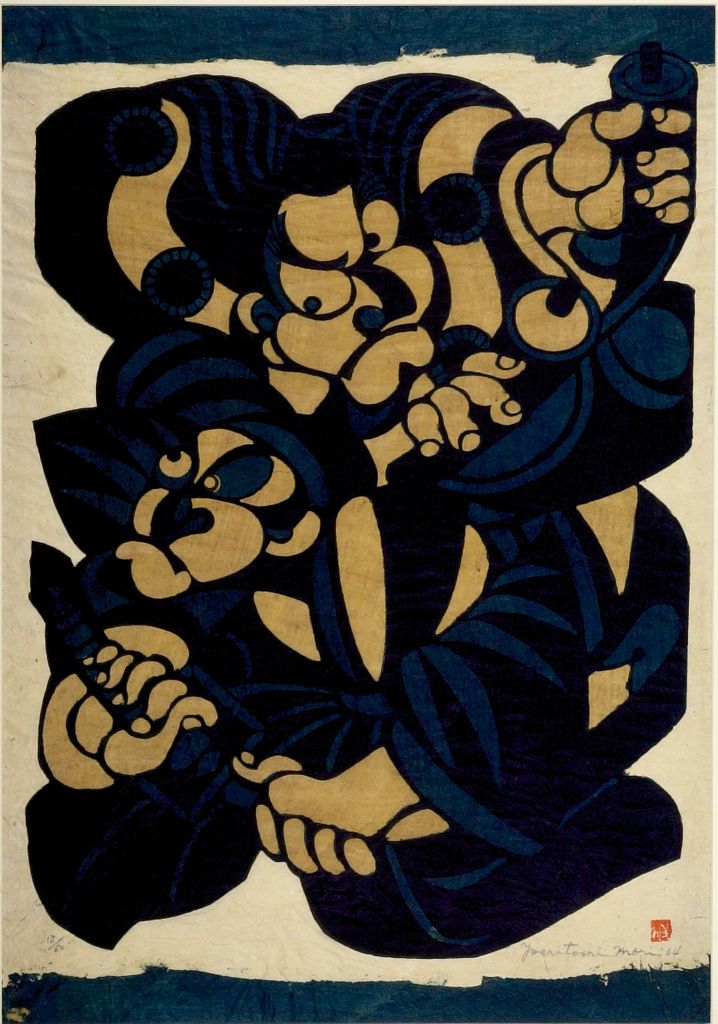
Two Samurai
Woodblock print
Nakamura Kichiemon II as Benkei in Kanjincho
Woodblock print
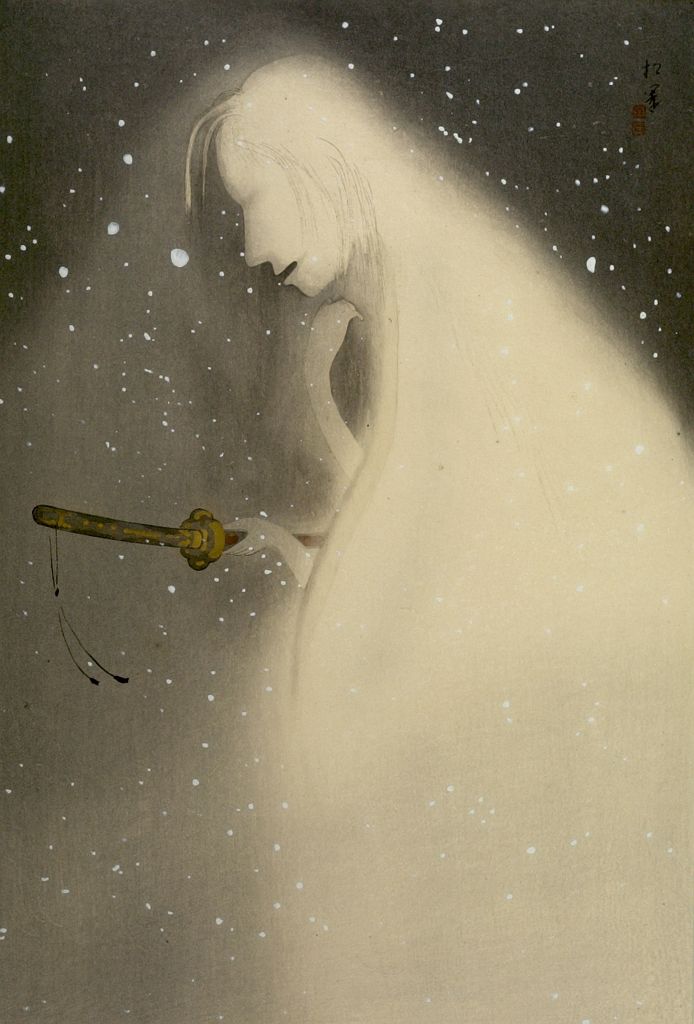
Ghost with Sword
Woodblock print
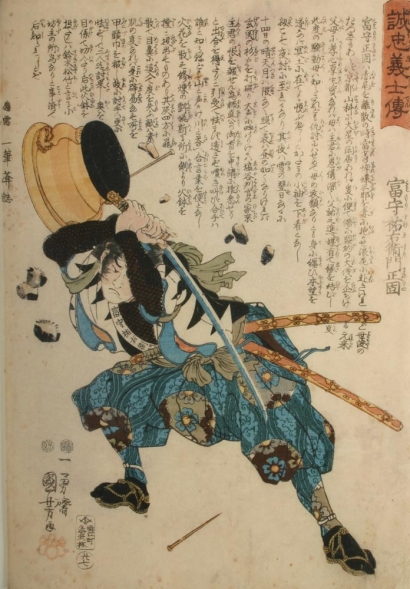
The Ronin Tominomori Suke'emon Masakata
Woodblock print
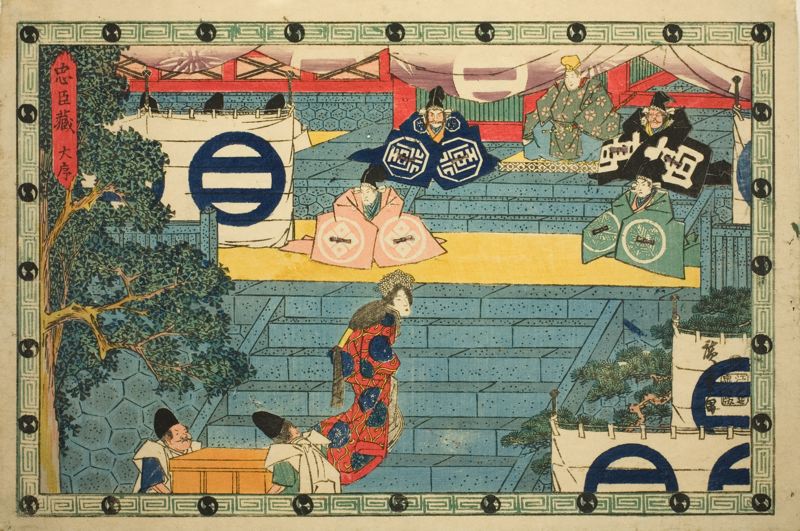
Scene from Act I of The Revenge of the Loyal Retainers
Woodblock print
Goro
Woodblock print
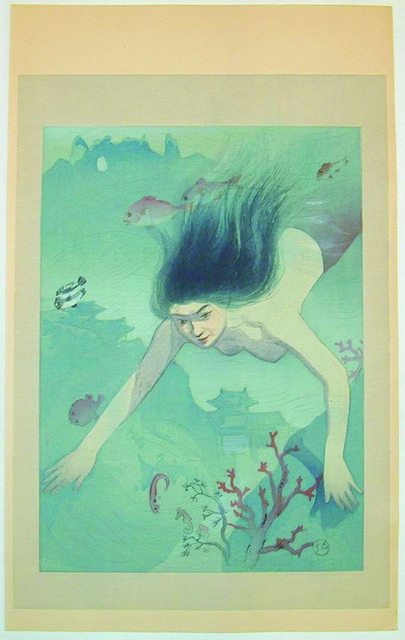
The Heroine Matsukaze, from the series Complete Works of Chikamatsu Manzaemon
Color woodblock print
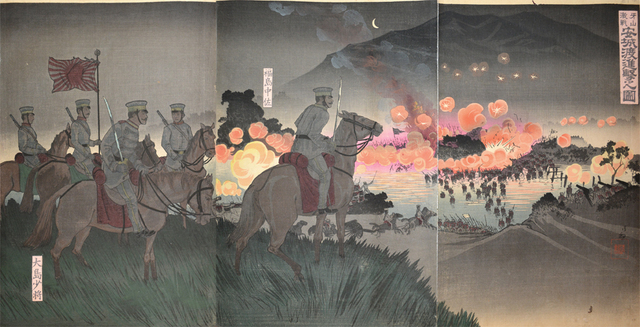
Crossing Ansong River at the Battle of Asan
1894
Woodblock Print
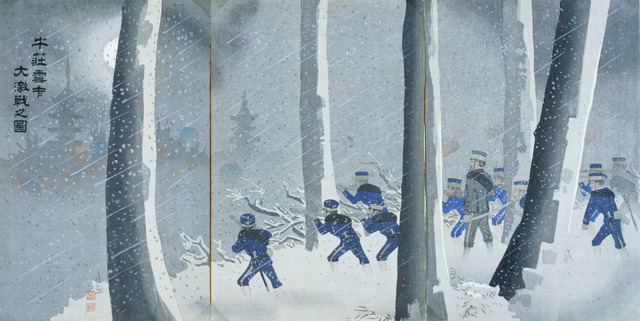
Violent Battle in Snow near Niuzhuang
1895
Triptych of color woodblock prints
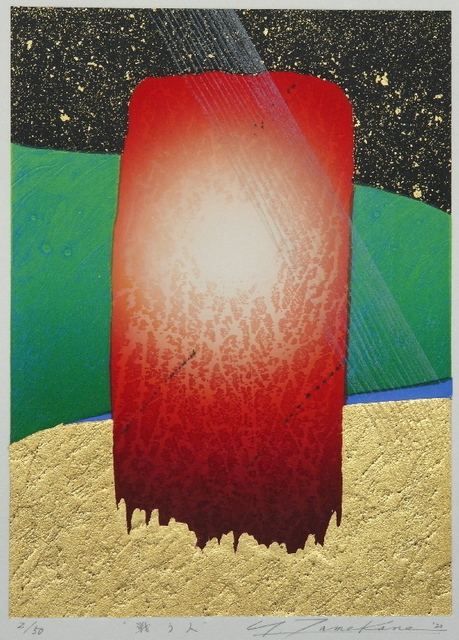
Fighter
2020
Woodblock
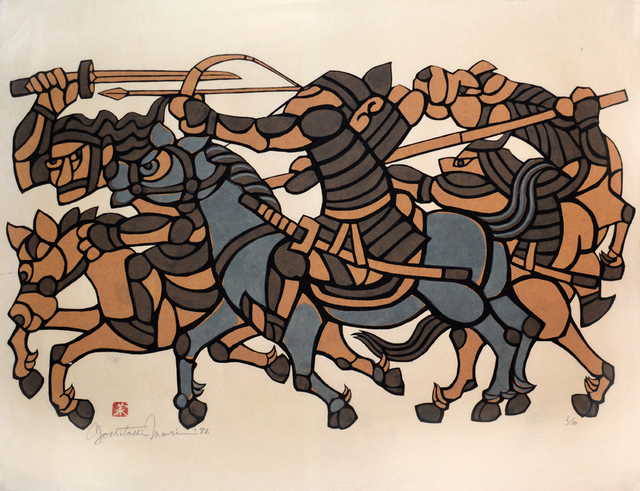
Warriors
1982
Kappazuri
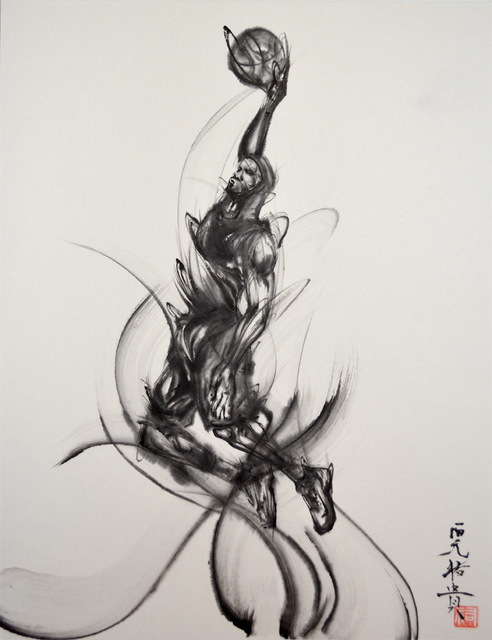
Masurao Soldier of the Earth
2016
Ink on Paper
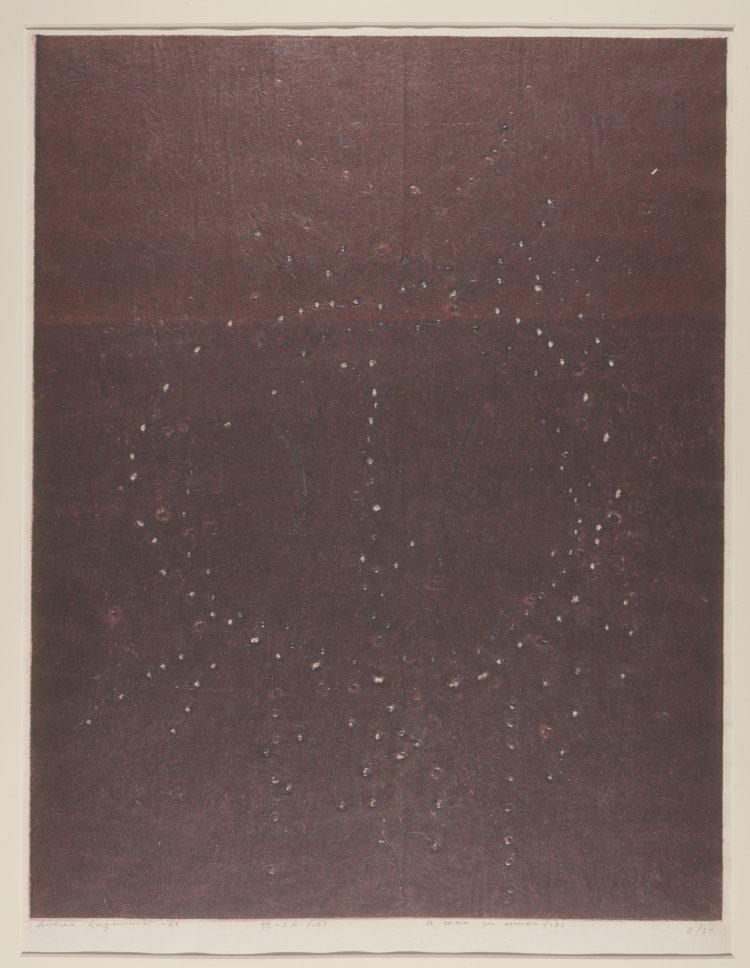
Yoroeru hito 18 鎧へる人 (A man in armour 18)
Woodblock print
Related Subjects
Frequently Asked Questions
Warrior prints (musha-e) depict samurai, historical battles, legendary heroes, and martial subjects drawn from Japanese history, mythology, and literature. The genre flourished in the nineteenth century as artists responded to public appetite for dramatic narratives of valor, loyalty, and supernatural power, producing some of the most visually dynamic compositions in the woodblock tradition.
Kobayashi Kiyochika, Tsukioka Yoshitoshi, and Ogata Gekko are among the artists most associated with warriors in our collection. Browse the full list of artists who explored this subject above.
Hanga currently catalogues 395 prints tagged with warriors, spanning ukiyo-e, shin-hanga, and sōsaku-hanga traditions where applicable.