1750s Japanese Woodblock Prints
105 prints from the 1750s in our collection, created during the Edo Period (1603–1868). The Edo period saw the rise of ukiyo-e, the iconic woodblock print tradition depicting the floating world of pleasure districts, kabuki actors, beautiful women, and landscapes. Under the Tokugawa shogunate's peaceful rule, a thriving urban culture in Edo (modern Tokyo) fueled demand for affordable printed art.
Top Artists of the 1750s
Prints (105)
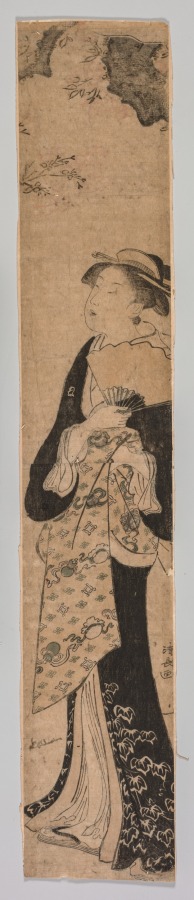
A Beauty in Spring
1752–1815
color woodblock print

A Flower Vendor
1751/64
Color woodblock print; oban, benizuri-e
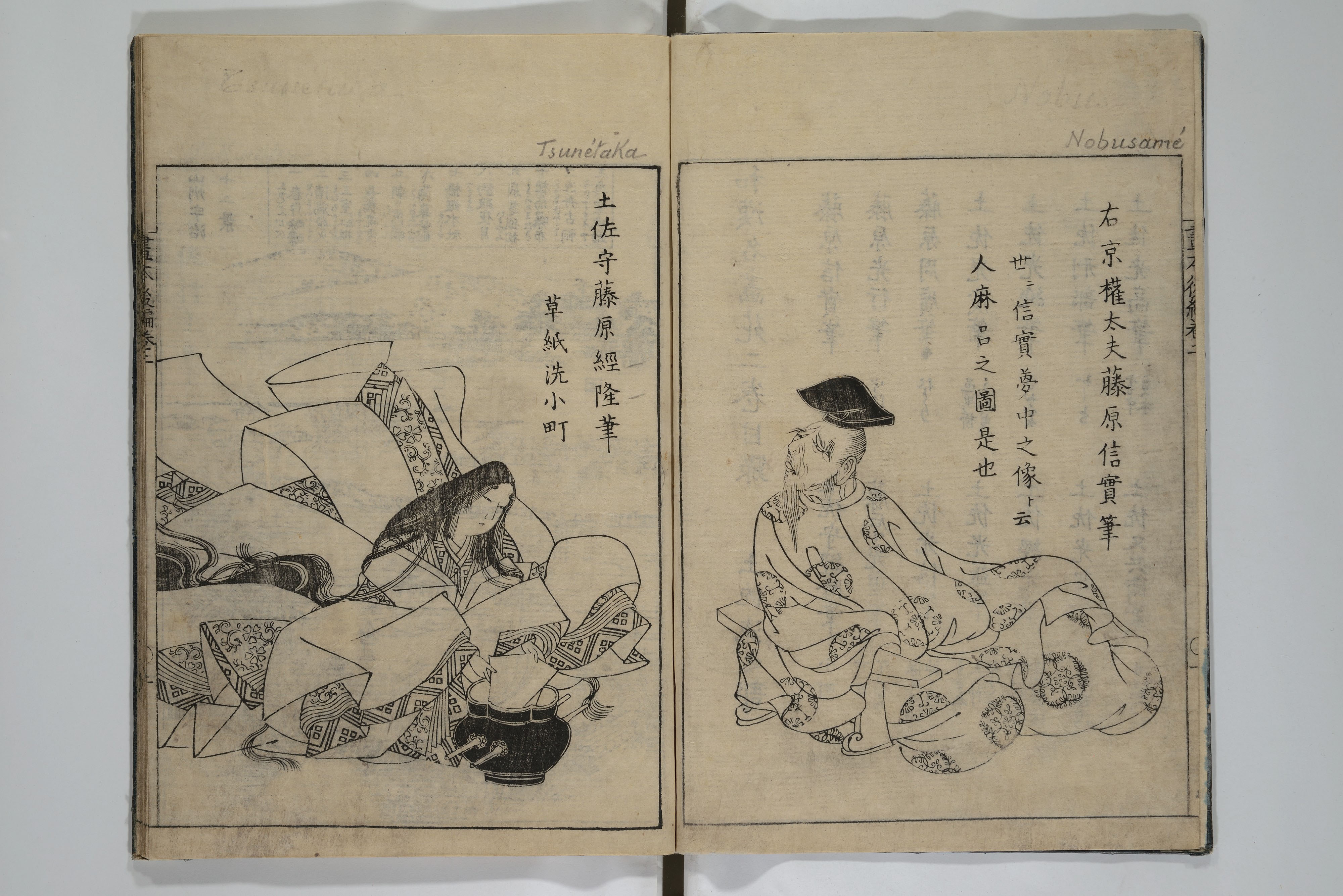
A Garden of Celebrated Japanese and Chinese Paintings (Wakan meigaen)
和漢名画苑
1750
Set of six woodblock-printed books bound as one, with additional volume; ink on paper

A parody of Narihira's eastern journey

A Parody of Yuranosuke in the Pleasure Quarters (Mitate Yuranosuke yukyo)
n.d.
Color woodblock prints; ōban triptych
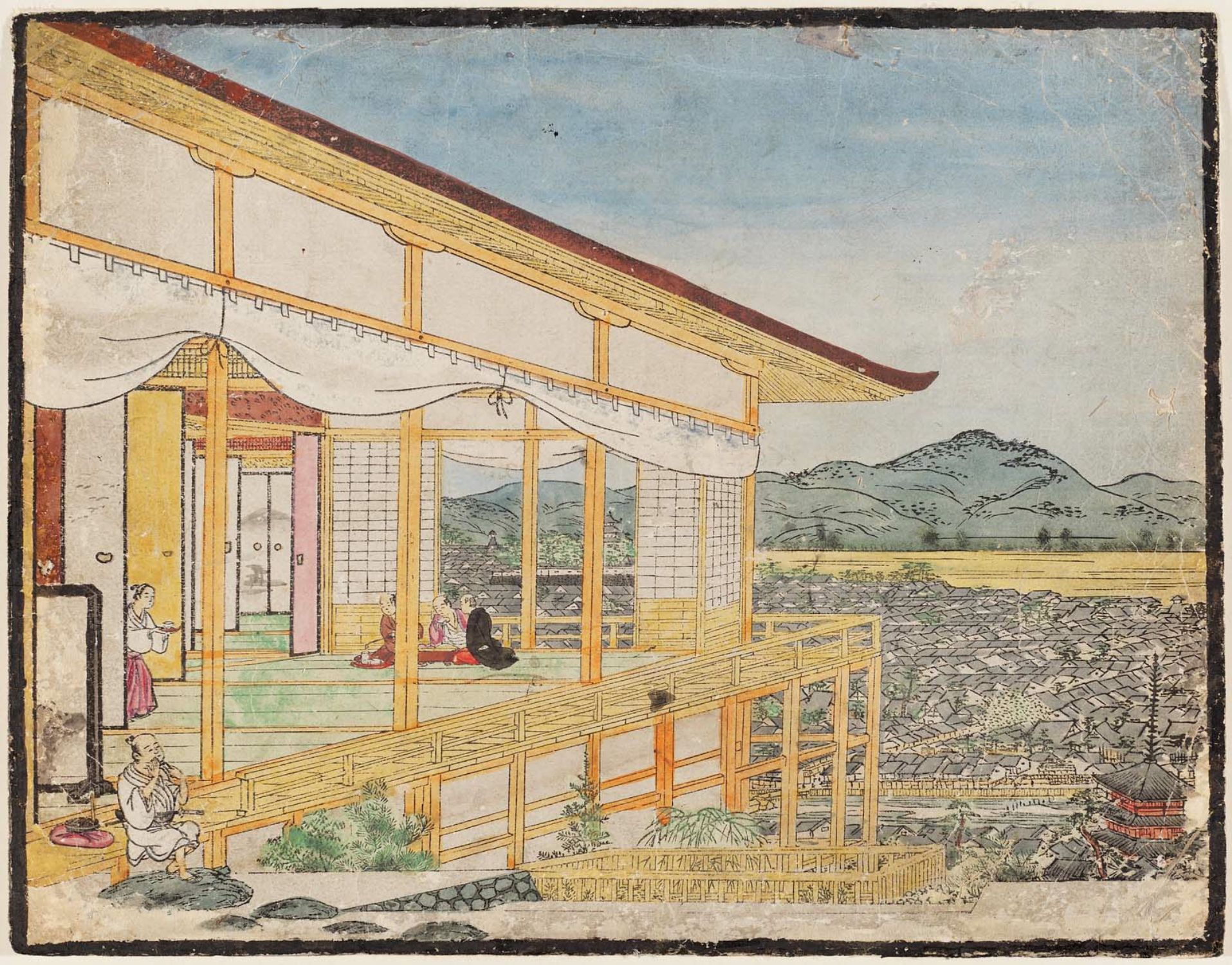
A Room at Maruyama
円山一隅
1759 (uki-e perspective print)
Woodblock print with hand-applied color

A Triptych (Sanpukutsui): Courtesans of the Pleasure Quarters of the Three Cities

A Young Woman Watching Frogs (parody of Ono no Tôfû)
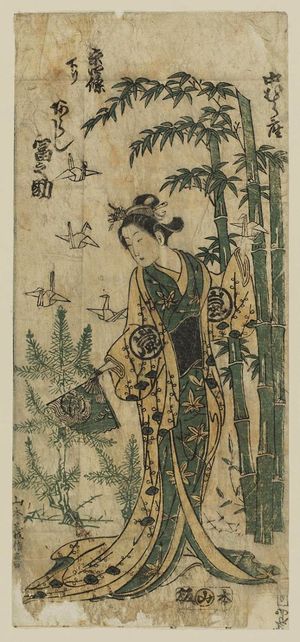
Actor
Edo period, mid-18th century
Hand-colored woodblock print

Actor Ichikawa Monnosuke II as the Lady of the Hairpin (Ichikawa Monnosuke Kogai no Tsubone)

Actor Ichikawa Raizô I as Hanakawado no Sukeroku in “The Soga Play: Announcement of the Spring Season by the Bush Warbler” (“Hitokidori harutsuge Soga”)
About 1764
Color woodblock prints; hosoban diptych (?)
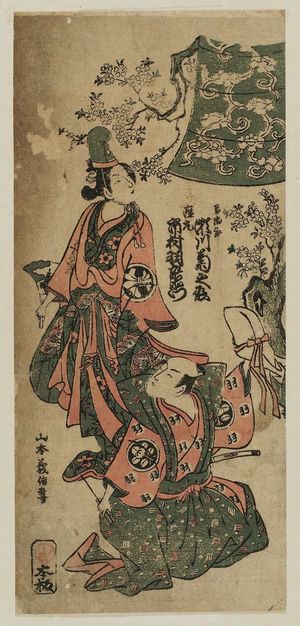
Actors Segawa Kikunojō I and Ichimura Uzaemon VII
Edo period, mid-18th century
Hand-colored woodblock print
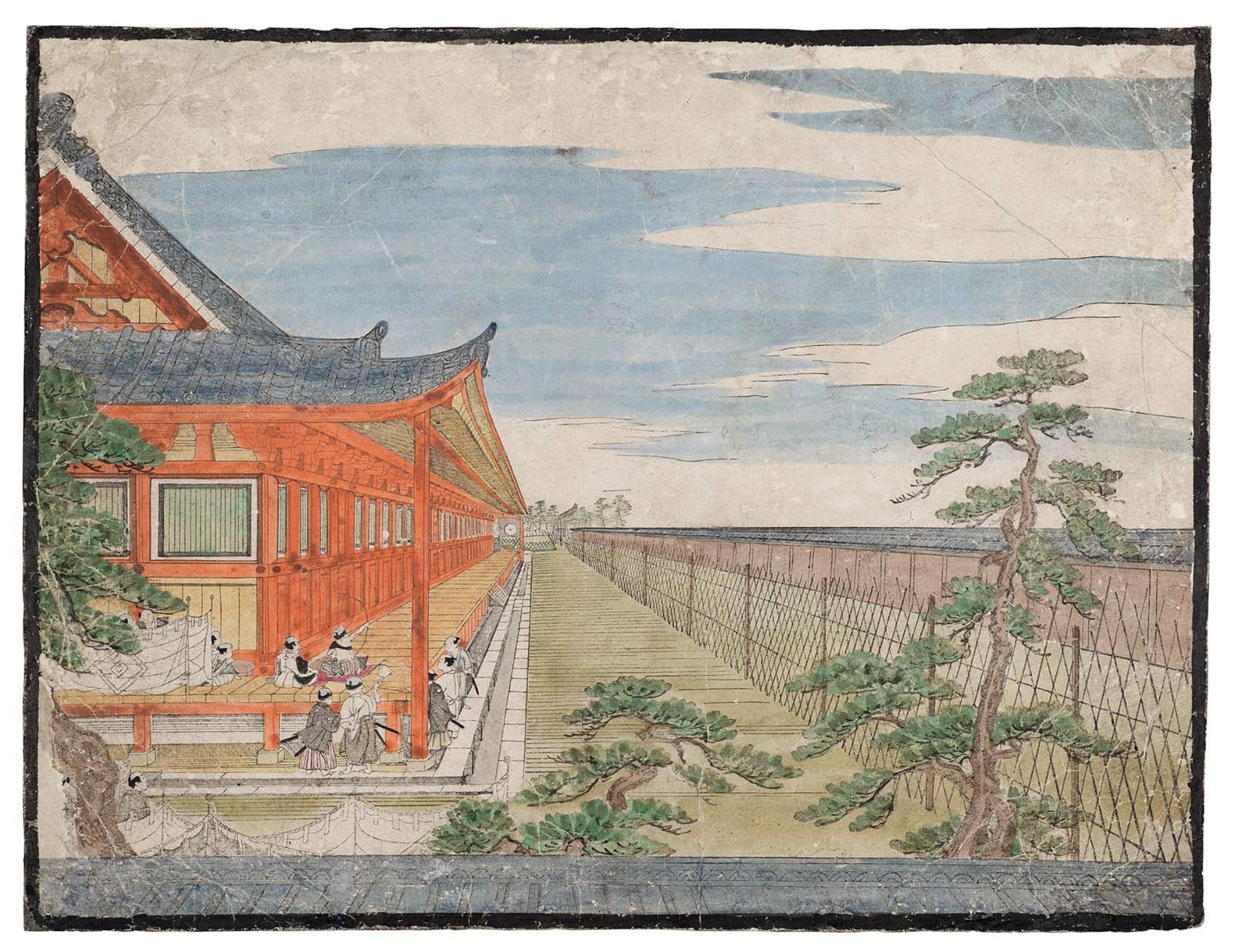
Archery Contest at the Sanjūsangendō
三十三間堂通し矢図
1759 (uki-e perspective print for nozoki-karakuri)
Woodblock print with hand-applied color

Beauty Looking Down at a Cat while Fixing a Mosquito Net
c. 1760/63
Color woodblock print; hashira-e, benizuri-e

Beauty of Ibarakiya Pulling at a Man's Umbrella - a Parody of the Legend of Watanabe no Tsuna and the Ibaraki Demon
c. 1759
Color woodblock print; oban, benizuri-e
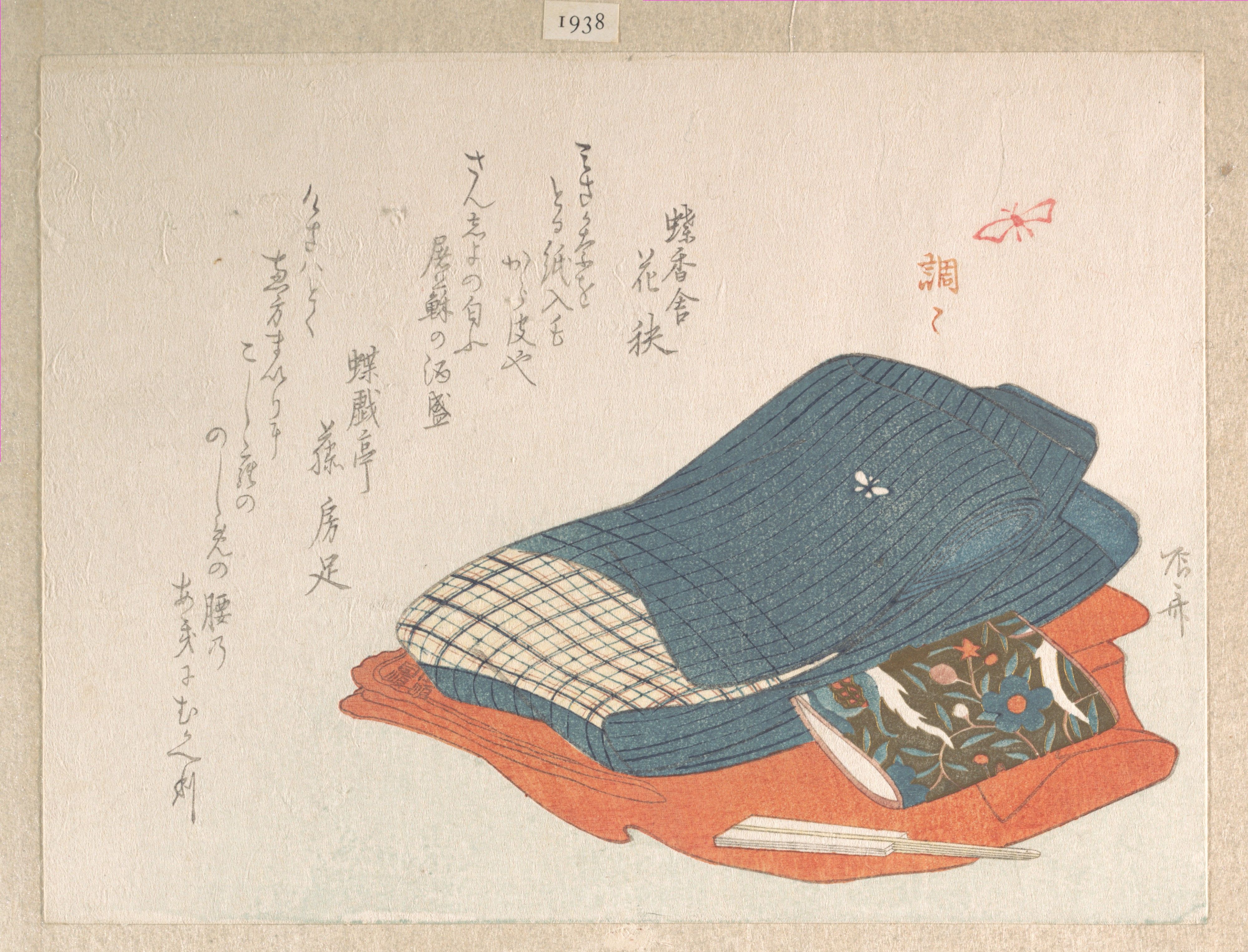
Bed-clothing
Woodblock print (surimono); ink and color on paper

Benzaiten appearing to Taira no Kiyomori
n.d.
Color woodblock print; shikishiban, surimono
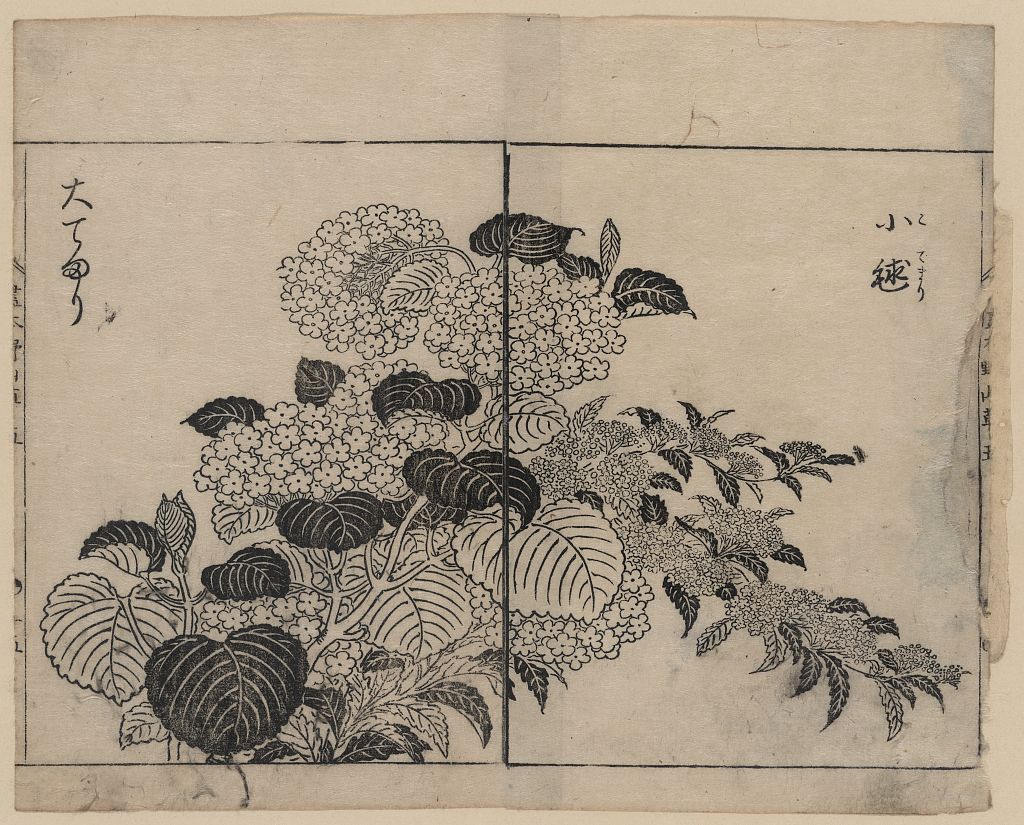
Blossoms from Two Kinds of Hydrangea
1755
Woodblock-printed book illustration; ink on paper

Chinese Poet
c. 1761/65
Color woodblock print; hosoban, mizu-e
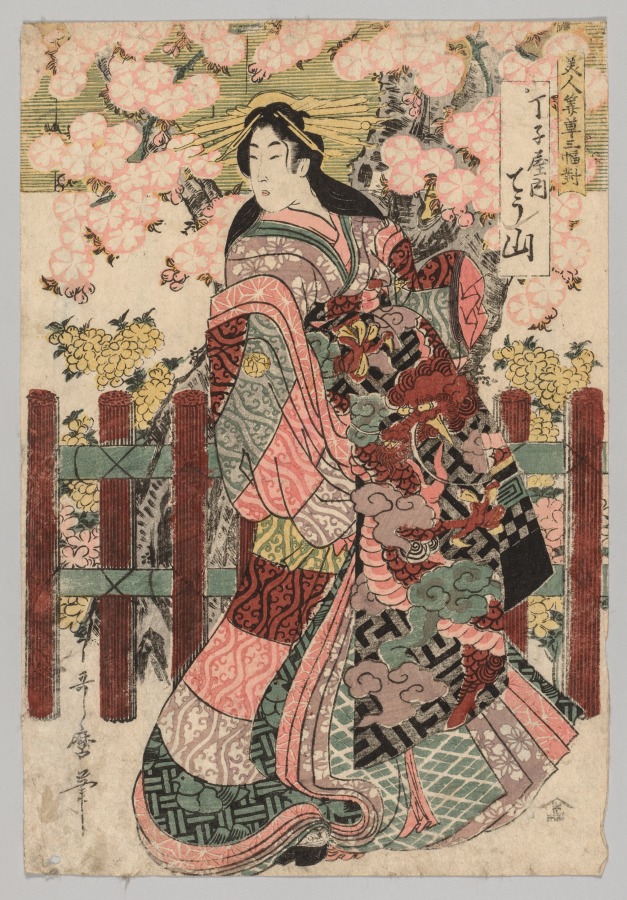
Chōzan of Chōjiya from the series Triptych of Beauties Before Blinds
1753–1806
color woodblock print
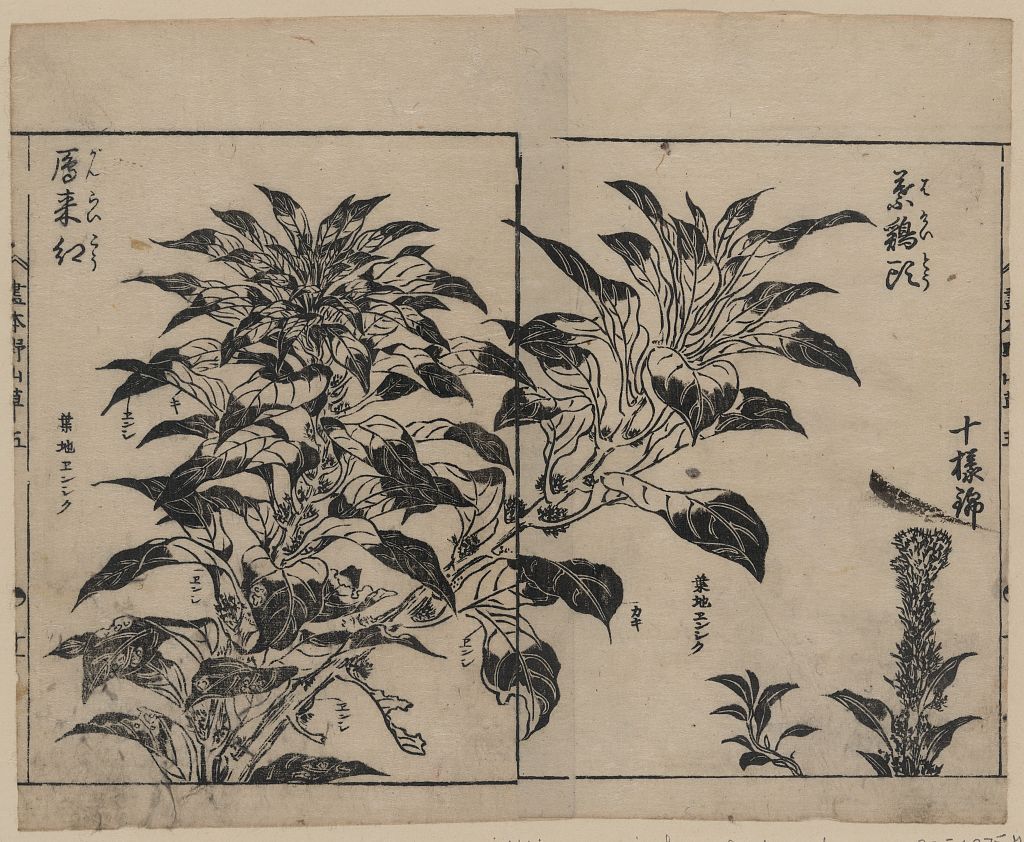
Cockscomb and Two Kinds of Amarantha
1755
Woodblock-printed book illustration; ink on paper

Courtesan on Parade
c. 1763
Color woodblock print; hashira-e, benizuri-e
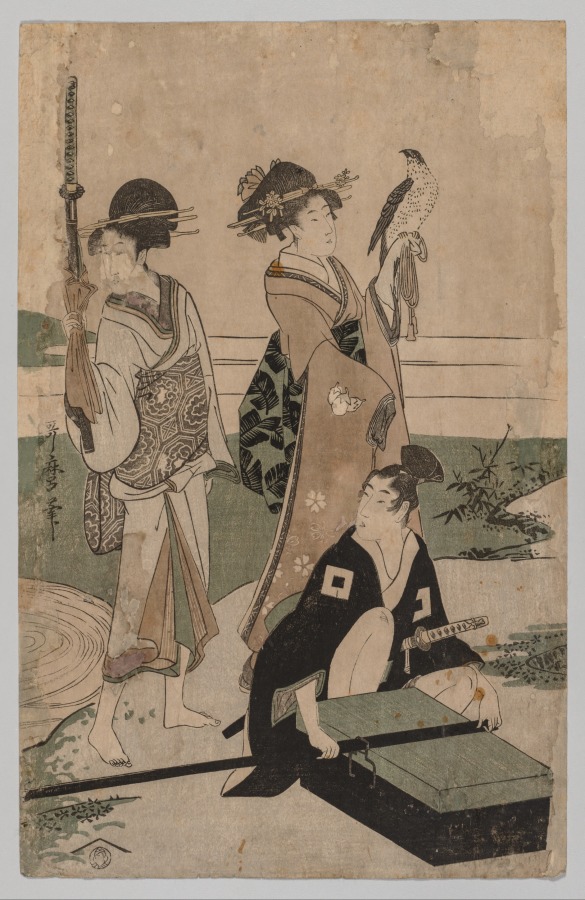
Daimyō and his Retinue Crossing a Stream in Plain Near Fuji
1753–1806
color woodblock print

Ehon kagami hyakushu
c. 1752-1753 (Hōreki 2-3)
Woodblock-printed book

Ehon kagami hyakushu (vol. 2)
c. 1752-1753 (Hōreki 2-3)
Woodblock-printed book

Ehon kagami hyakushu, 2nd Series
c. 1752-1753 (Hōreki 2-3)
Woodblock-printed book

Ehon Mitsuwagusa
1758 (Hōreki 8)
Woodblock-printed book

Eight-Platform Bridge (Yatsuhashi), from the "Tale of Ise (Ise Monogatari)"
c. 1764/65
Color woodblock print; hosoban, mizu-e
Empress Jito (Jito Tenno) from the series
Woodblock print

Empress Jito (Jito Tenno), from the series "One Hundred Poems by One Hundred Poets (Hyakunin isshu no uchi)"
c. 1763/64
Color woodblock print; hosoban, mizu-e

Evening Bell of Dojoji (Dojoji no bansho), no. 1 from the series "Eight Views of Children (Osana hakkei)"

Fûzoku Hanami Dori
18th century
Woodblock-printed book

Gathering spring flowers
n.d.
Color woodblock print; nagaban, surimono

Geisha Playing Battledore and Shuttlecock
c. 1783
Color woodblock print; hashira-e

Geisha Style (geisha fū) from the series Guide to Contemporary Styles (Tōsei fūzoku tsū)
1801
Color woodblock print; oban

Girls of Fukagawa - A Triptych (Fukagawa musume sanpukutsui)
c. 1755
Color woodblock print; uncut hosoban triptych, benizuri-e
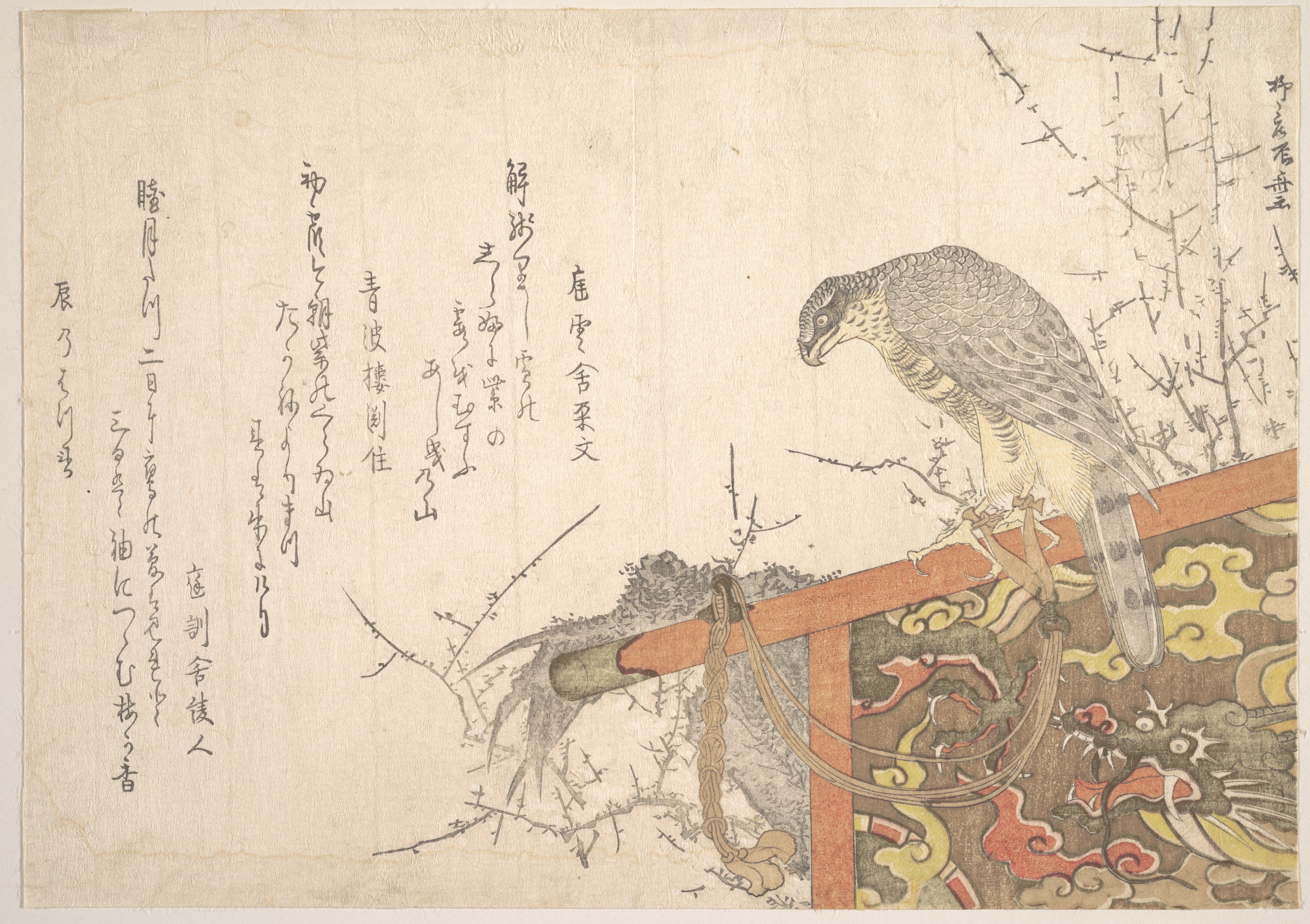
Hawk Tied to Perch
Woodblock print (surimono); ink and color on paper

Imayo shokunin zukushi uta awase
Unkown
Woodblock printed book
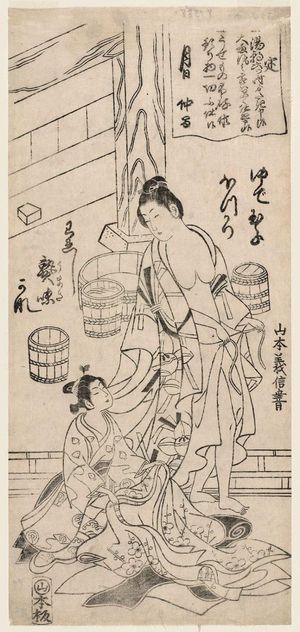
In a Public Bath House
1758
Hand-colored woodblock print

Japonica, Bell Flowers, and Anemone
1755
Woodblock-printed book illustration; ink on paper
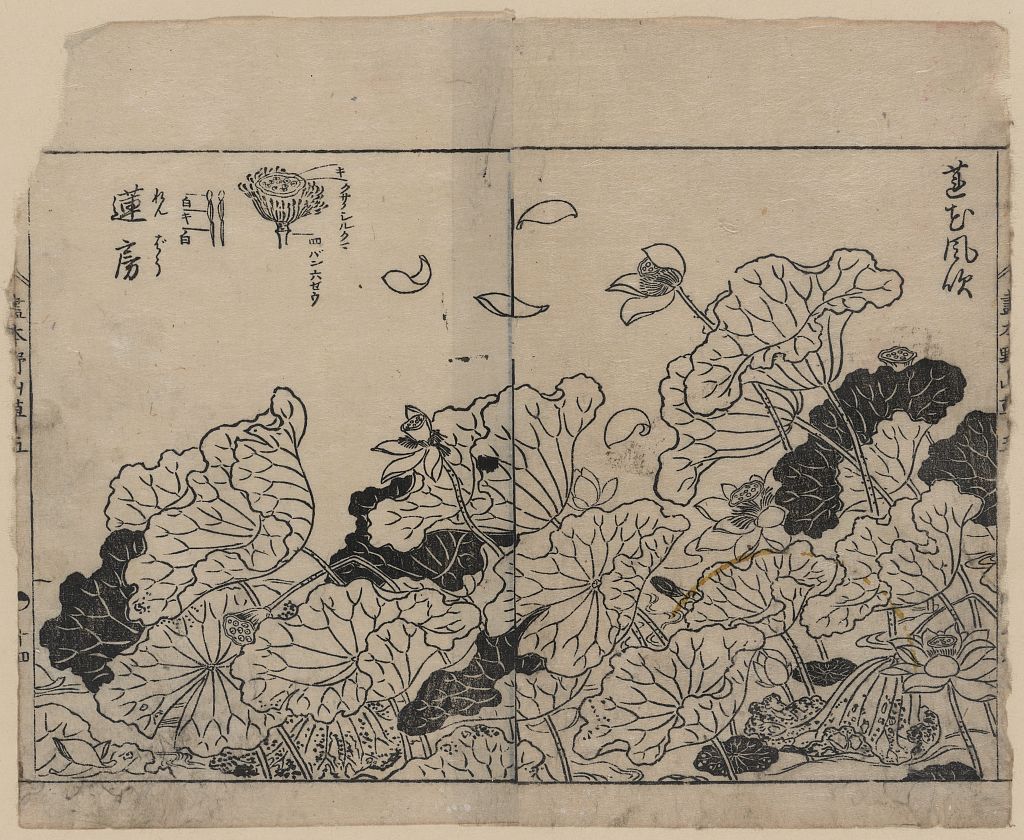
Lotus in the Wind, with Detail of Lotus Pod
1755
Woodblock-printed book illustration; ink on paper
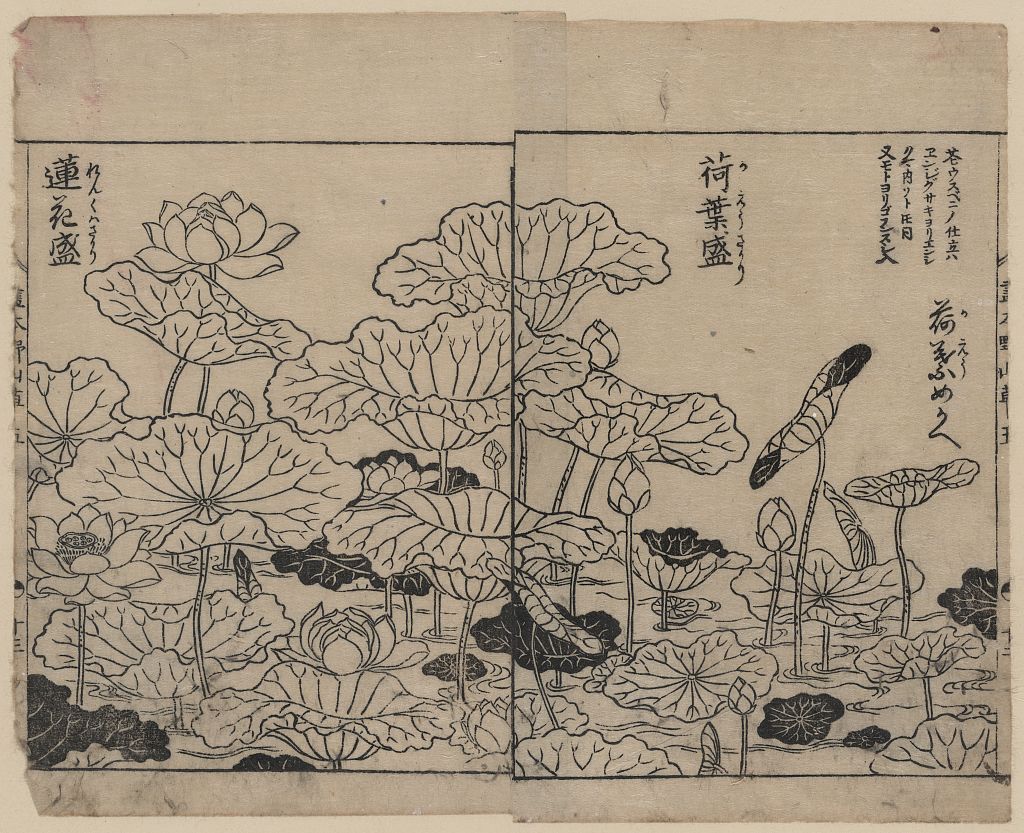
Lotus Plants in Various Stages of Development
1755
Woodblock-printed book illustration; ink on paper
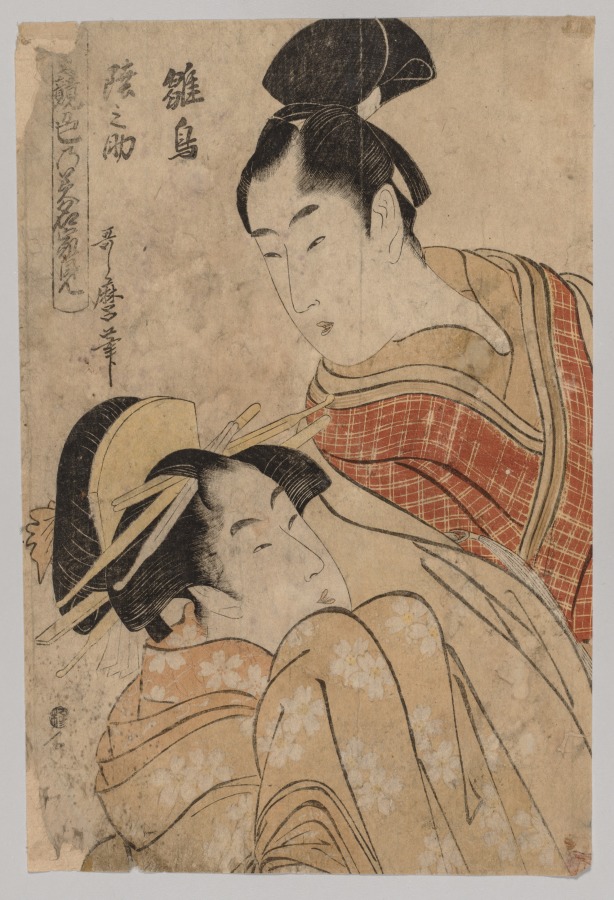
Making Love
1753–1806
color woodblock print

Mandarin Ducks Swimming under Plum Branch
c. 1764/75
Color woodblock print; chuban
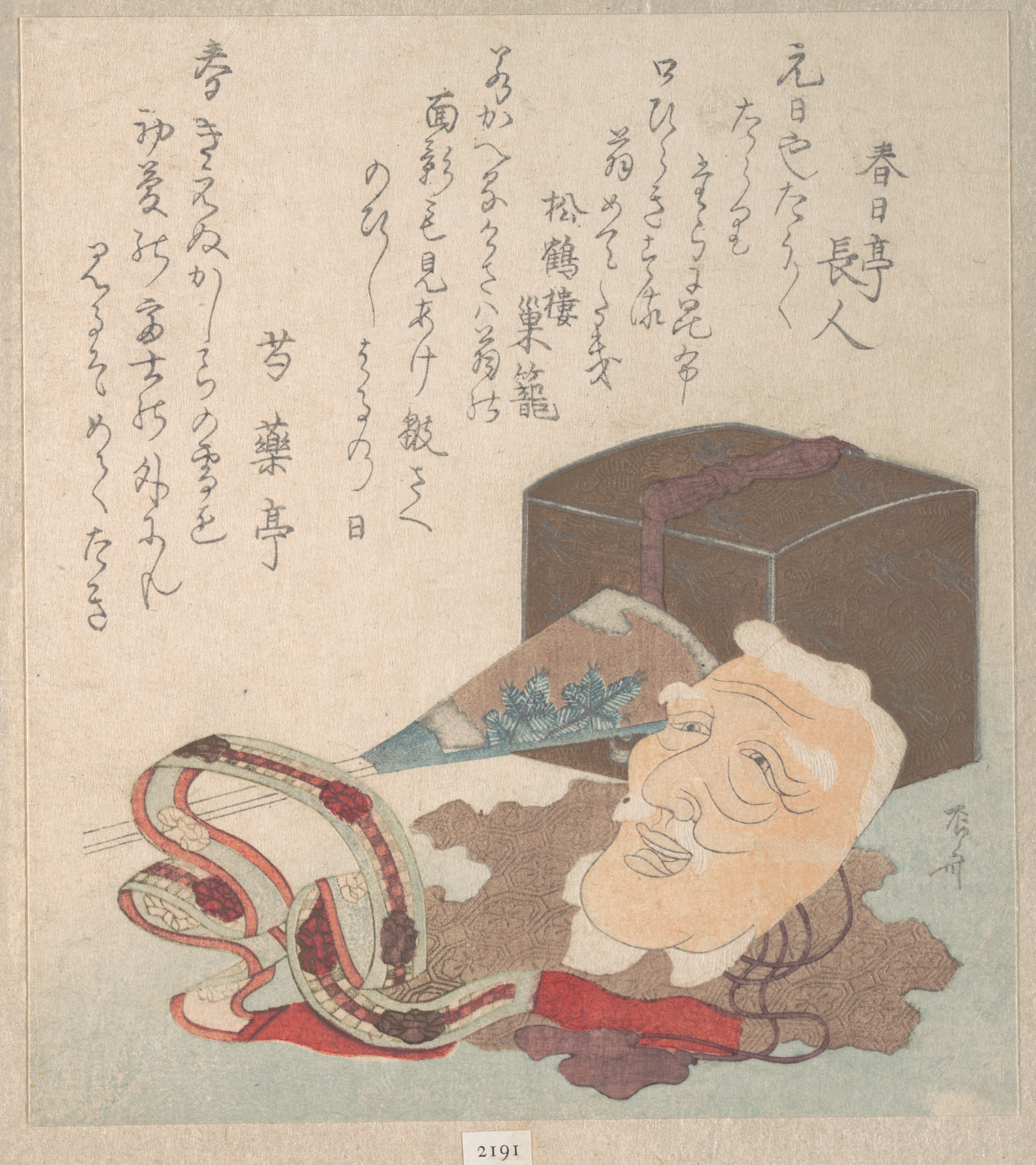
Mask and Other Objects for the Noh Dance
Woodblock print (surimono); ink and color on paper

Minamoto no Yoritomo Hiding in a Tree
c. 1758
Color woodblock print; oban yoko-e, benizuri-e
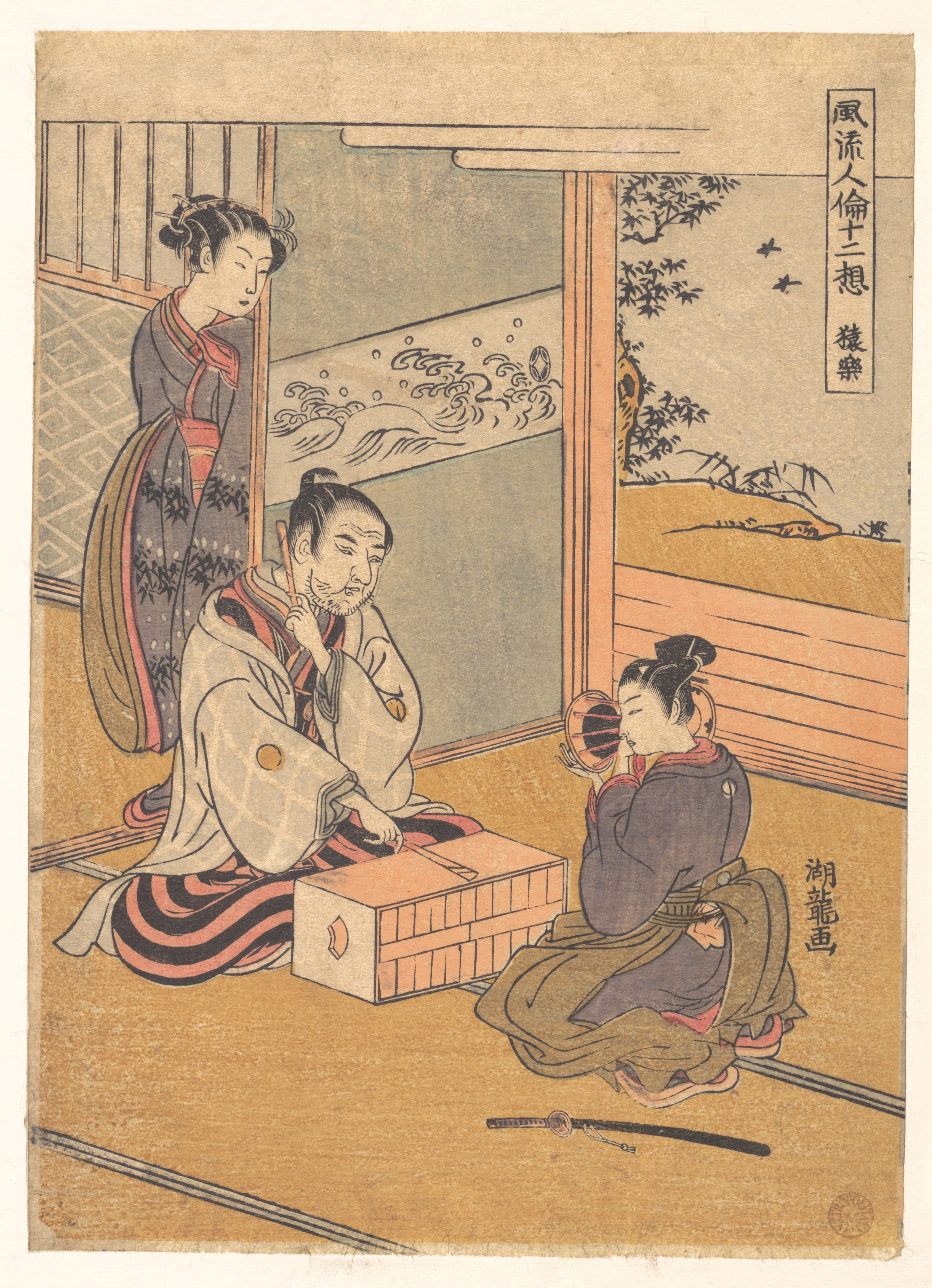
Monkey Dance
ca. 1760
Woodblock print; ink and color on paper

Nakamura Sukegoro I holding a sword
c. 1757
Color woodblock print; o-hosoban, benizuri-e
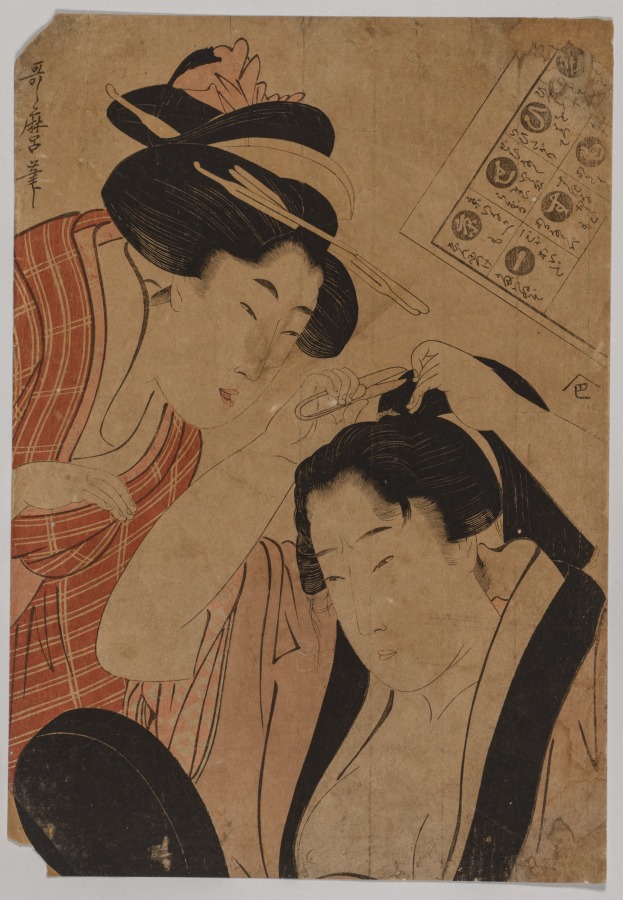
No Title
1753–1806
color woodblock print

Ono no Komachi at Seki Temple (Seki), from the series The Seven Fashionable Aspects of Komachi (Furyu yatsushi nana Komachi)
Edo period (1615–1868), 1751/64
Color woodblock print; hosoban

Ono no Komachi by the Waterfall (Shimizu), from the series The Seven Fashionable Aspects of Komachi (Furyu yatsushi nana Komachi)
Edo period (1615–1868), 1751/64
Color woodblock print; hosoban

Ono no Komachi Praying for Rain (Amagoi), from the series "The Seven Fashionable Aspects of Komachi (Furyu yatsushi nana Komachi)"
c. early 1760s
Color woodblock print; hosoban

Parrot Komachi (Omu Komachi), from the series The Seven Fashionable Aspects of Komachi (Furyu yatsushi nana Komachi)
Edo period (1615–1868), 1751/64
Color woodblock print; hosoban

Peonies
n.d.
Color woodblock print; surimono

Peonies and Chinese Lions
c. 1762
Color woodblock print; hosoban, benizuri-e
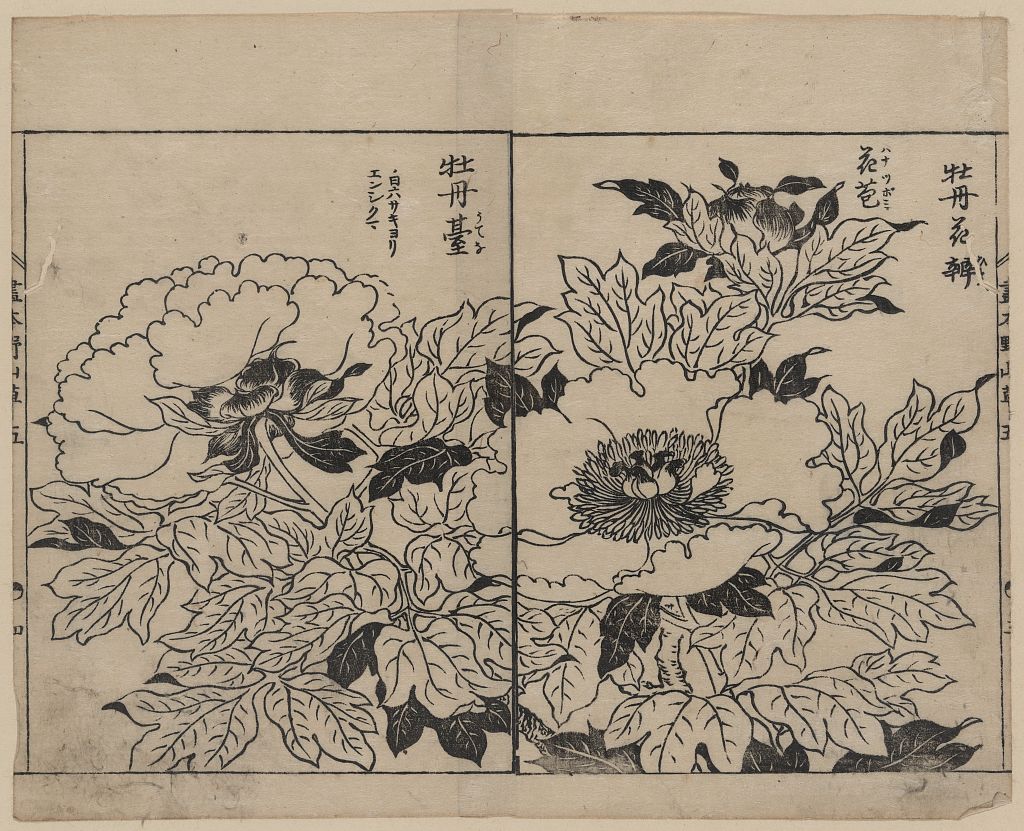
Peony Blossoms
1755
Woodblock-printed book illustration; ink on paper

Pheasants under Branch of Peach Blossoms
c. 1764/75
Color woodblock print; chuban

Poem by Ariwara no Narihira, from the series "Six Famous Poets (Rokkasen)"
c. 1764/65
Color woodblock print; hosoban, mizu-e

Poem by Kisen Hoshi, from the series "Six Famous Poets (Rokkasen)"
c. 1764/65
Color woodblock print; hosoban, mizu-e

Poem by Otomo no Kuronushi, from the series "Six Famous Poets (Rokkasen)"
c. 1764/65
Color woodblock print; hosoban, mizu-e
Nearby Decades
Frequently Asked Questions
Hanga catalogues 105 Japanese woodblock prints created during the 1750s (Edo Period, 1603–1868).
The 1750s fall within the Edo Period (江戸時代), which ran from 1603 to 1868.
Suzuki Harunobu, Kitagawa Utamaro, and Torii Kiyomitsu are among the artists with the most 1750s prints in our collection.
Explore all Japanese printmaking eras
View all eras