Birds & Flowers Prints (1639)
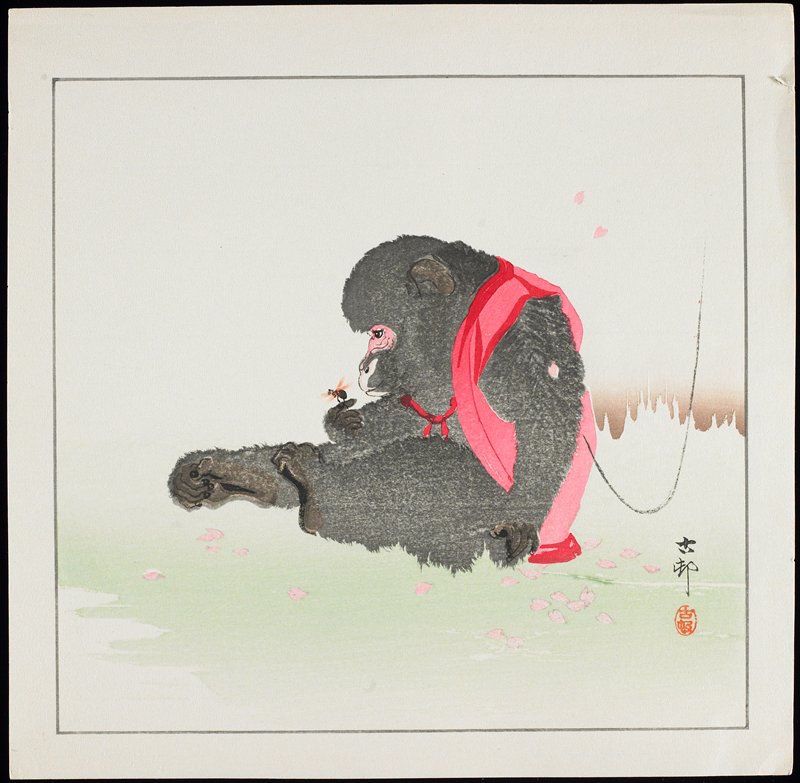
Birds and flowers (kacho-ga) form one of the three classical subject categories of East Asian painting, alongside landscapes and figures. In Japanese woodblock printmaking, the tradition produced some of the medium's most technically accomplished works, demanding exceptional carving precision for feather details and botanical accuracy. Hokusai's "Small Flowers" series and Hiroshige's bird-and-flower prints of the 1830s established kacho-ga as a major ukiyo-e genre. These works combined natural observation with poetic sensibility, often incorporating verses that amplified the seasonal or emotional associations of their subjects. The surimono tradition — privately commissioned luxury prints — particularly favored bird-and-flower subjects, producing exquisite small-format works with metallic pigments and blind embossing. Shin-hanga artists continued the tradition with renewed naturalistic ambition. Ohara Koson (also known as Shoson) became the genre's most prolific modern practitioner, creating hundreds of bird-and-flower designs that combined scientific observation with decorative elegance. His prints of egrets, crows, and songbirds in atmospheric settings became internationally popular. The genre demands particular technical skill in color gradation and fine-line carving, making kacho-ga prints a showcase for the collaborative craft of designer, carver, and printer.
Artists Known for Birds & Flowers

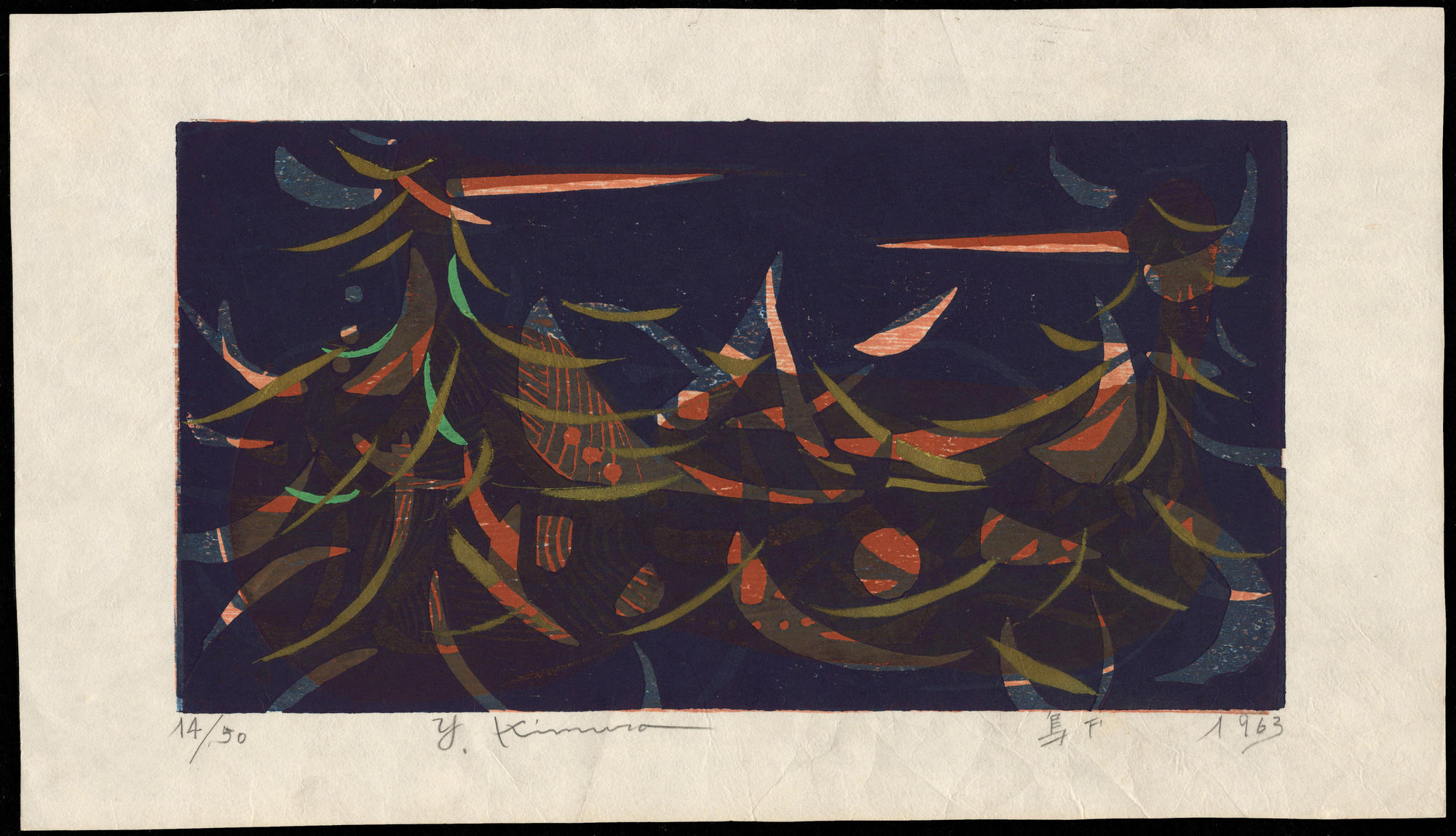

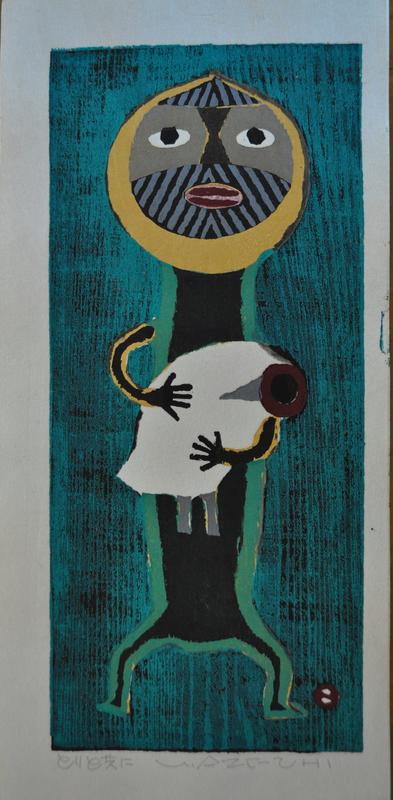
With a Bird
c.1958
Woodblock print, ink and color on paper
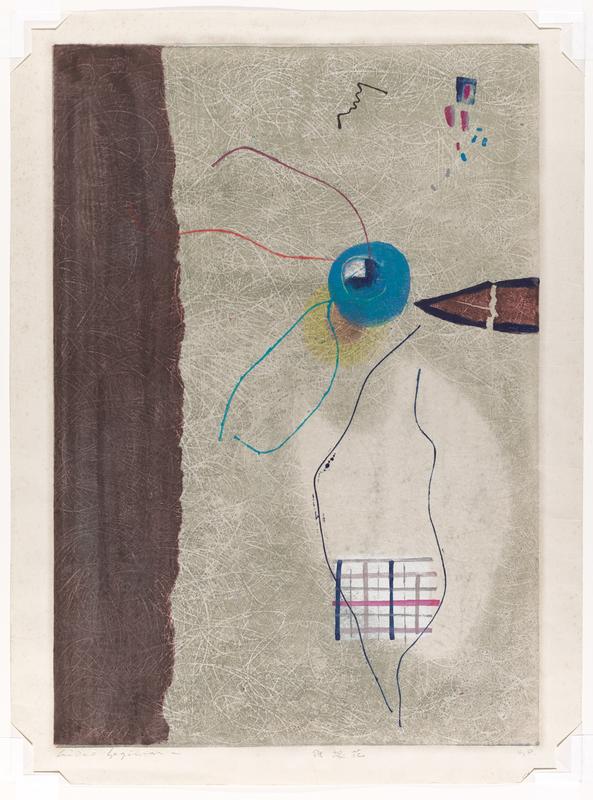
Devil Flower No. 6, Clematis
1960
Woodblock print, ink and color on paper
![Iris (Rainbow) [Niji] by Hideo Hagiwara](https://www.artic.edu/iiif/2/1433951c-0335-8d79-04c3-273cb1af3223/full/843,/0/default.jpg)
Iris (Rainbow) [Niji]
1959
Color woodblock print; edition 6/30
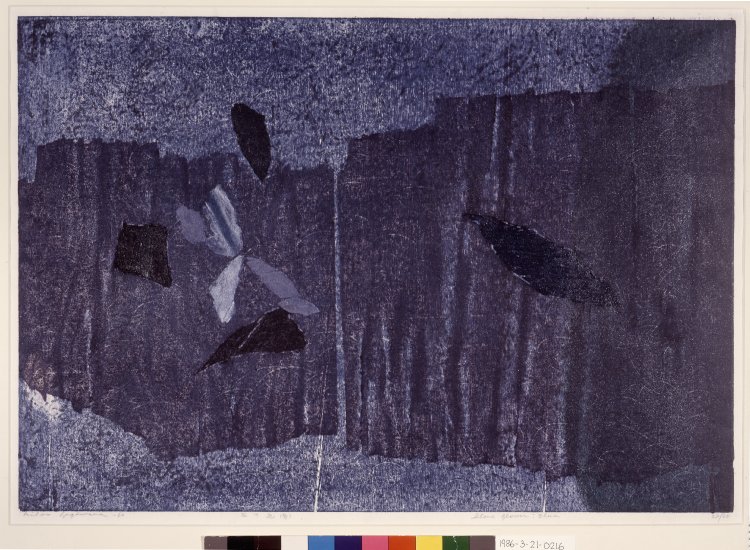
Ishi no hana (Ao) (Stone Flower: Blue)
Woodblock print

Stone Flower: Blue, Grey
1960
Woodblock print, ink and color on paper
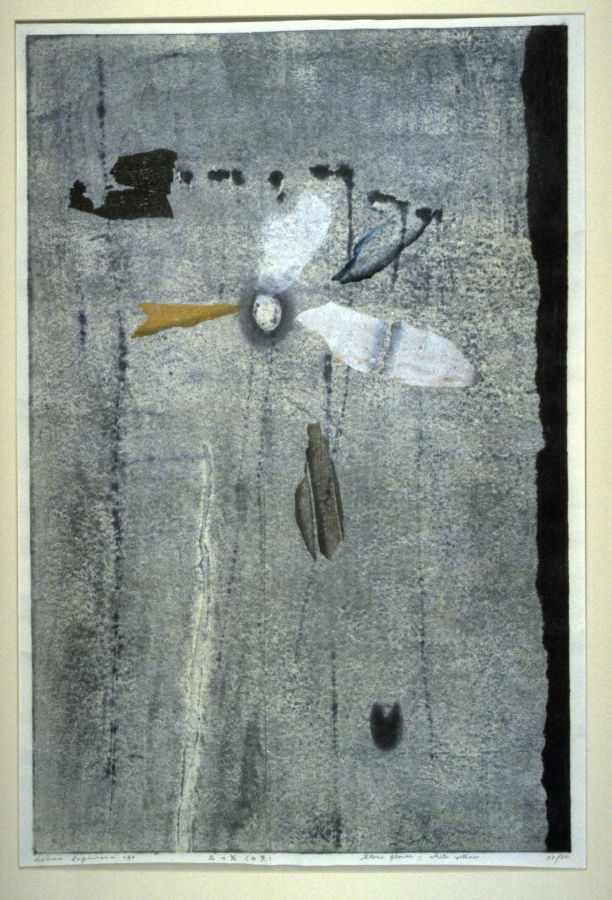
Stone Flower: White Yellow
Woodblock print

Flower Song - 2
early 1960s
Woodblock print, ink and color on embossed paper
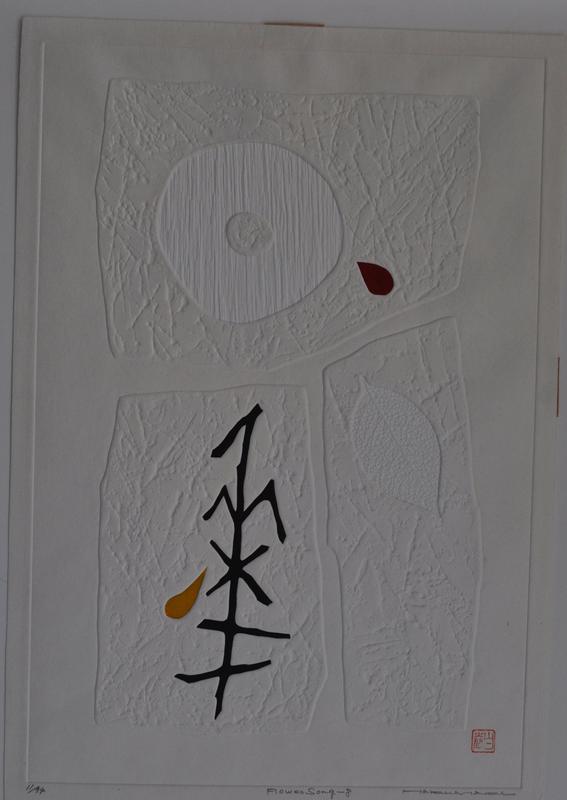
Flower Song - 8
1968 or 1970
Woodblock print, ink and color on embossed paper
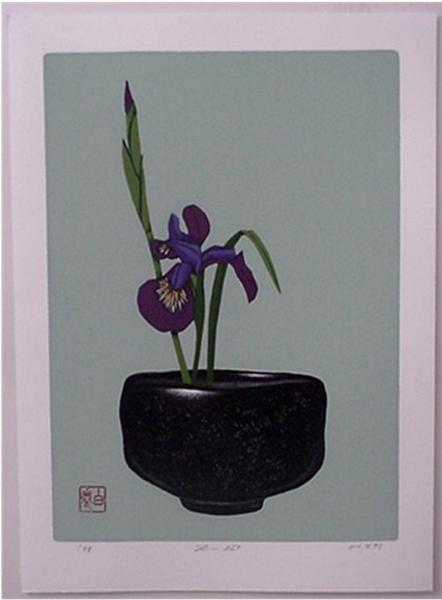
Iris Bowl
Woodblock print
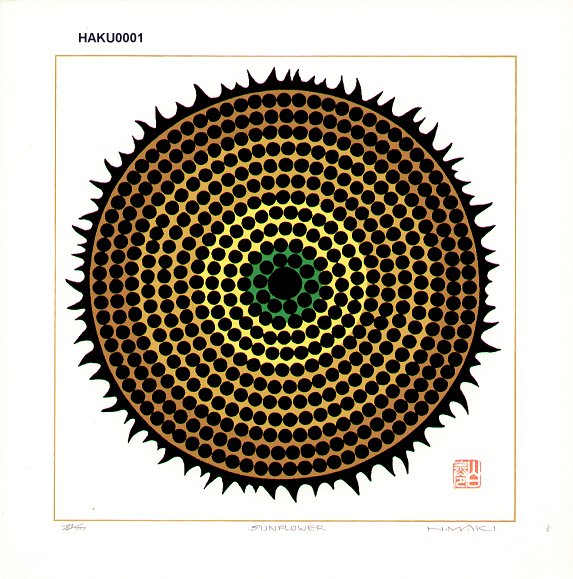
Sunflower
Woodblock print
![Title unknown [Abstract flower] by Maki Haku](https://1.api.artsmia.org/800/132346.jpg)
Title unknown [Abstract flower]
1950s–1960s
Woodblock print, mounted as a hanging scroll, ink and color on paper

Unknown, sunflower
Woodblock print
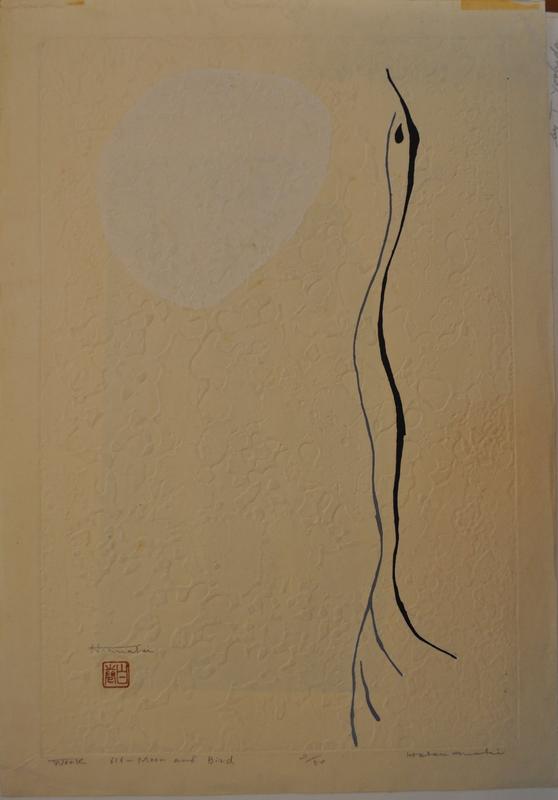
Work 616 - Moon and Bird
1961
Woodblock print, ink and color on paper
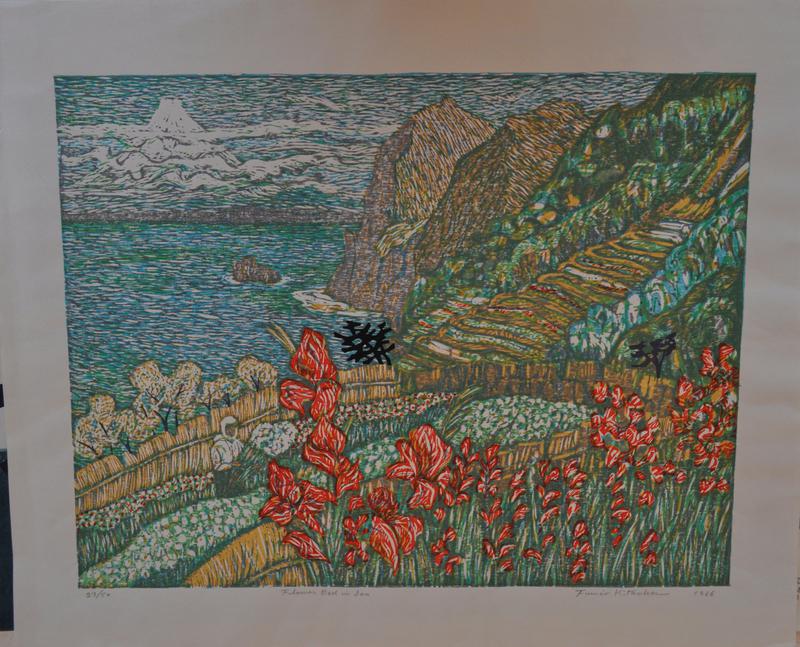
Flower Bed in Izu
1966
Woodblock print, ink and color on paper
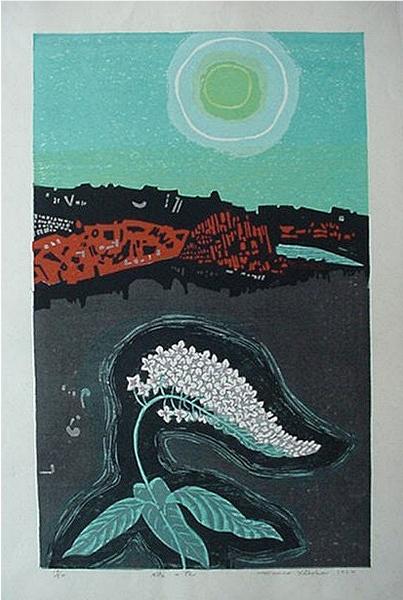
Flower of the Beach
Woodblock print
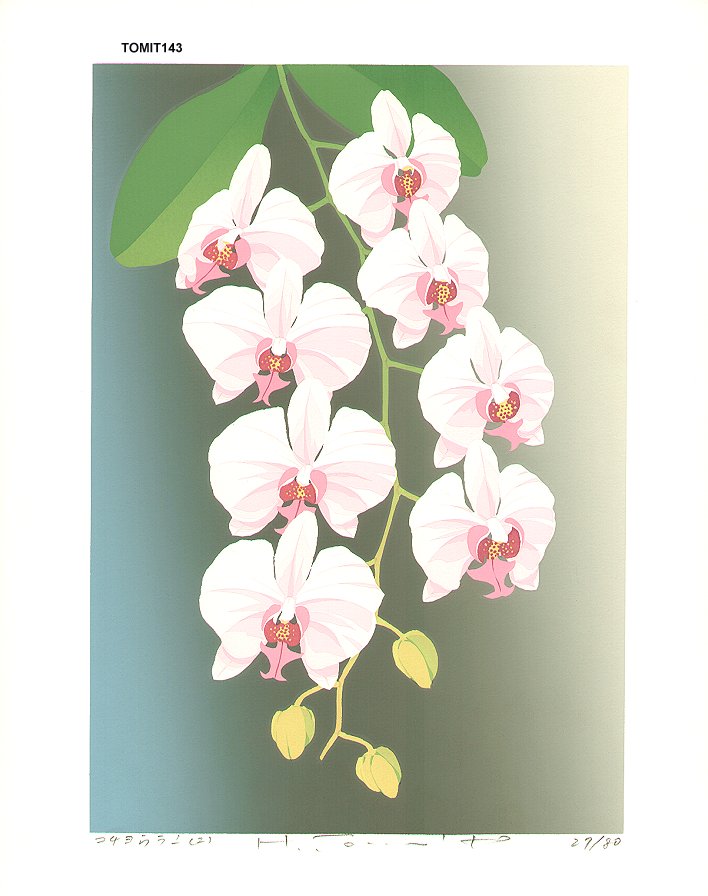
Orchis graminifolia (Orchid)
Woodblock print
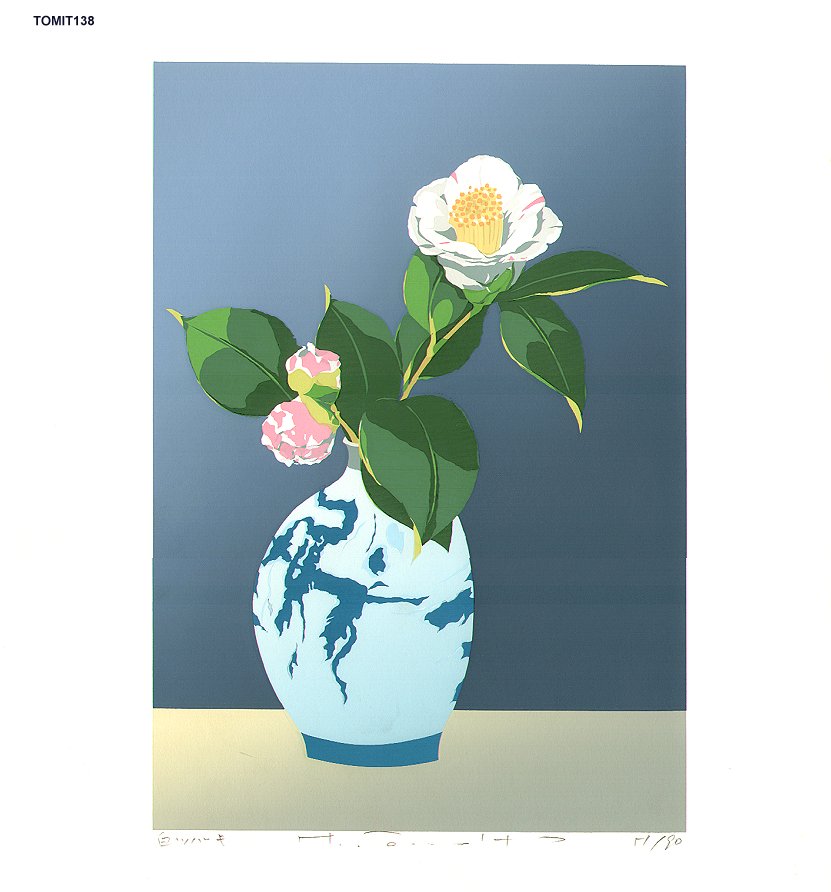
White Camellia
Woodblock print
Crow on Plum Branch in Rain
Ink on paper
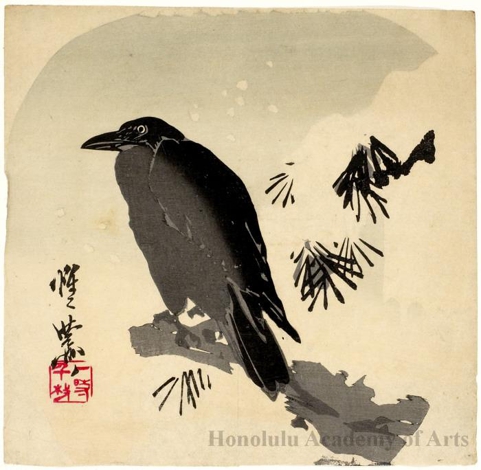
Crow on Branch (Descriptive Title)
Woodblock print
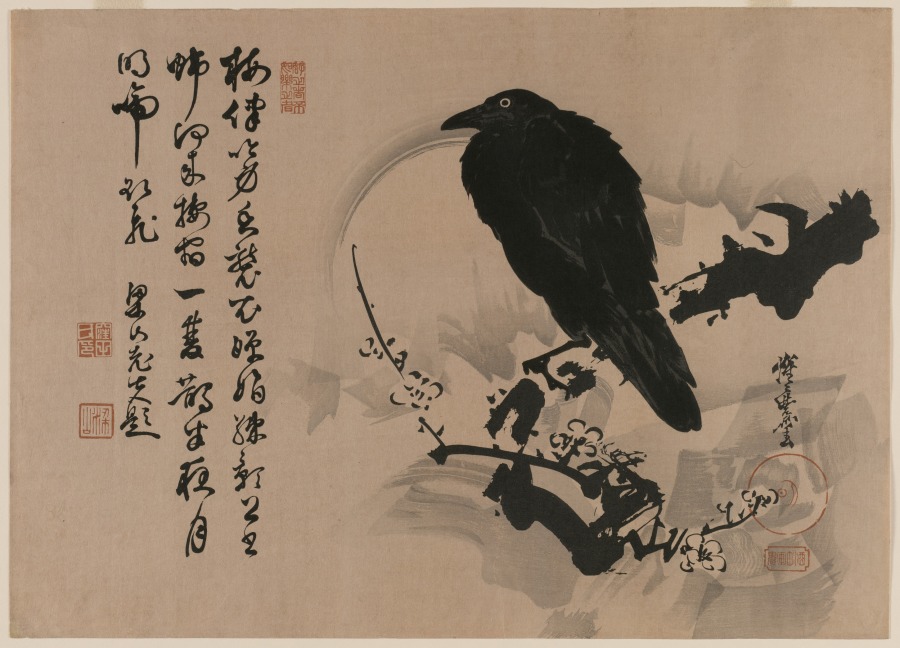
Full Moon with Crow on Plum Branch
1880s
color woodblock print
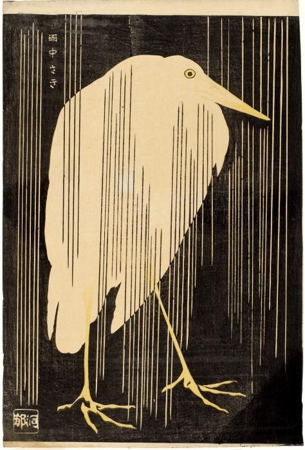
Heron in the Rain
Woodblock print
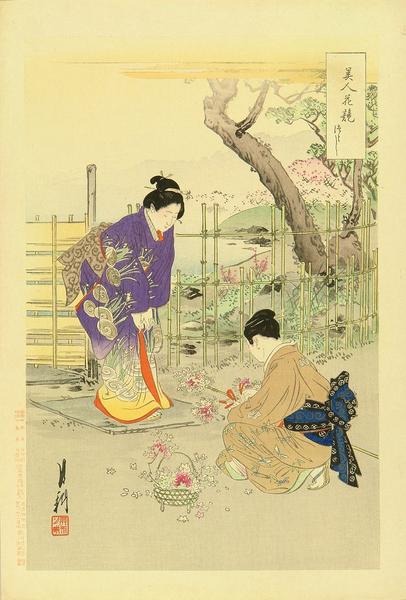
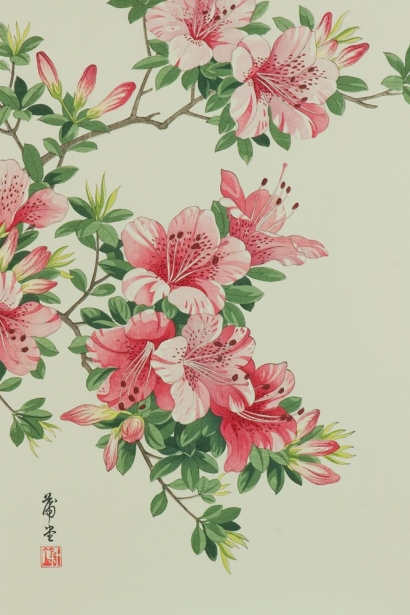
Azalea — つつじ
Woodblock print
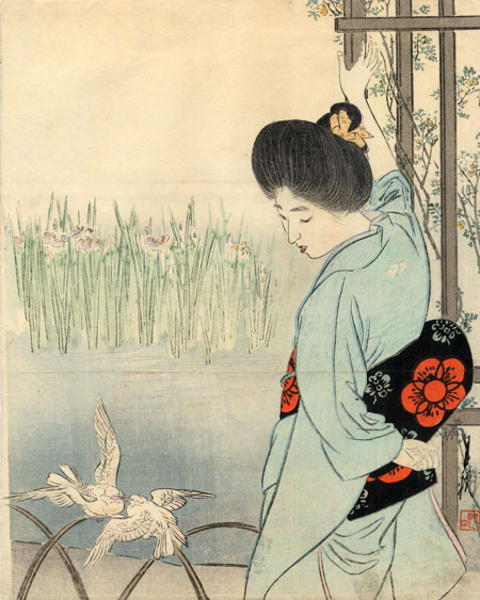
Iris — 花菖蒲
Woodblock print

Orchid
Woodblock print
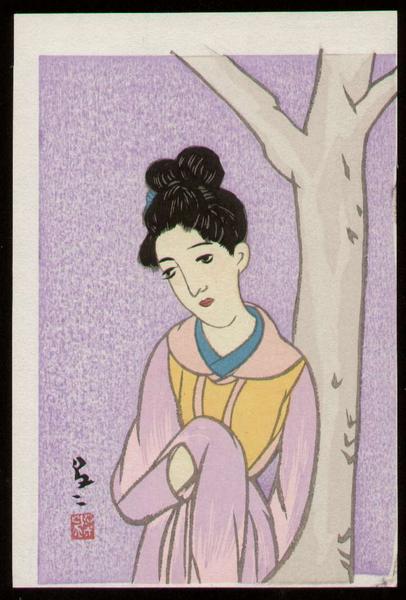
Woman in Lavender
Woodblock print
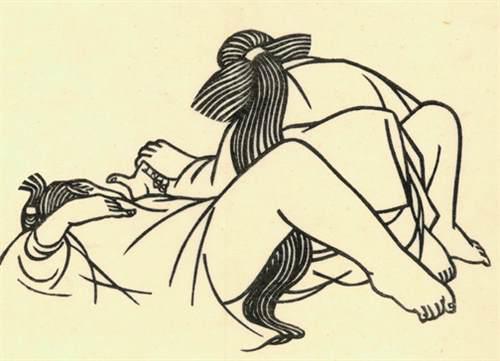
Zodiac Series of Erotica: Rooster
1970's
Woodblock print
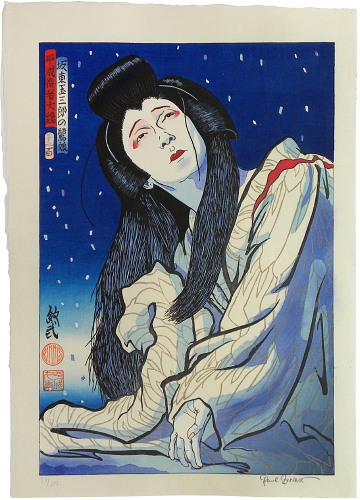
A Great Mirror of the Actors of the Heisei Period: Bando Tamasaburo as the Heron Maiden (Heisei yakusha o-kagami: Tamasaburo - Sagi musume)
Woodblock print
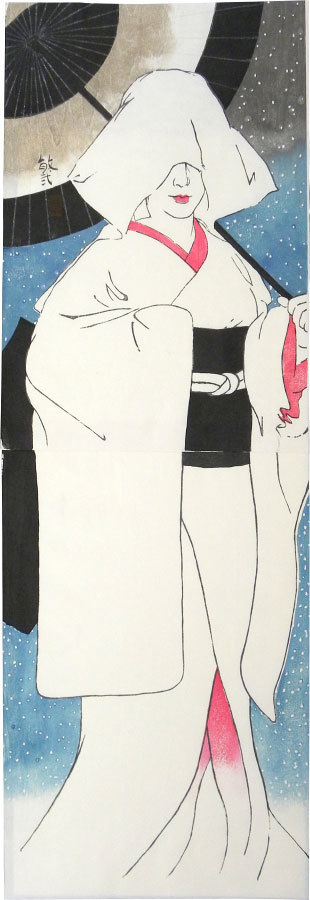
Heron Maiden (Sagi musume)
Woodblock print
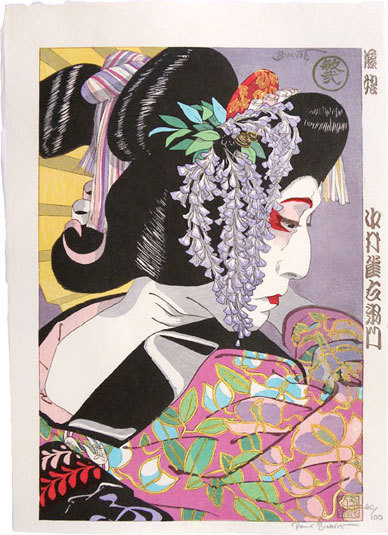
Large-head Kabuki Portraits: Nakamura Jakuemon as the Wisteria Maiden (Kabuki okubi-e: Nakuamura Jakuemon- Fuji Musume)
Woodblock print

Plum Blossom and the Moon from the Book Mount Fuji in Spring (Haru no Fuji)
c. 1803
Woodblock- printed book

Women on the Veranda Looking at a Girl Picking Flower
about 1790s
Color woodblock print; long surimono

A Golden Pheasant Perched on a Steep Snowy Hillside amid Small Pine Saplings
c. 1833
Color woodblock print; otanzaku

Gama Sennin, Magnolia and Eagle
1820

Goose on riverbank
c. 1833/34
Color woodblock print; koban

Monkey, Rooster, Hen and Chicks, Chrysanthemums and Plum
1820

Sparrows and Camellia in Snow
c. 1831-33
Color woodblock print; ōtanzaku
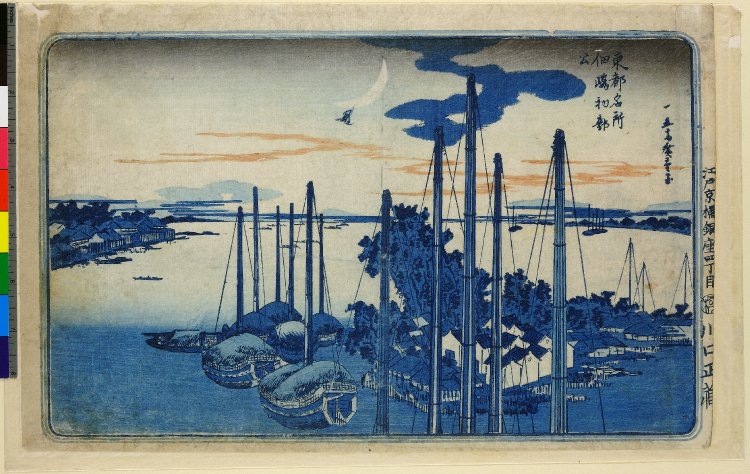
Tsukudajima hatsu-kakko (The first cuckoo at Tsukuda Island) / Toto meisho
Woodblock print

White heron and iris
c. 1832/34
Color woodblock print; otanzaku
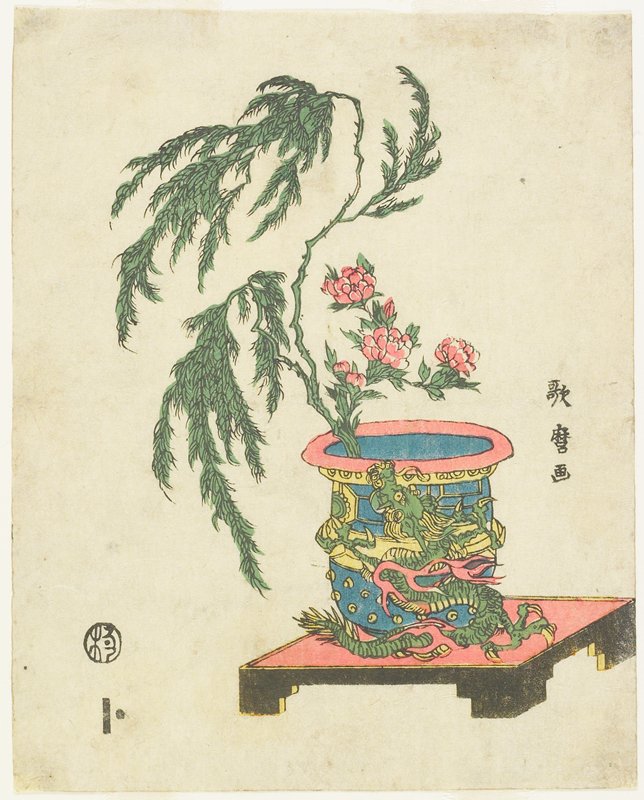
Ikebana arrangement of Peony and Willow in Dragon Pot
1781–1806
Woodblock print (nishiki-e), ink and color on paper
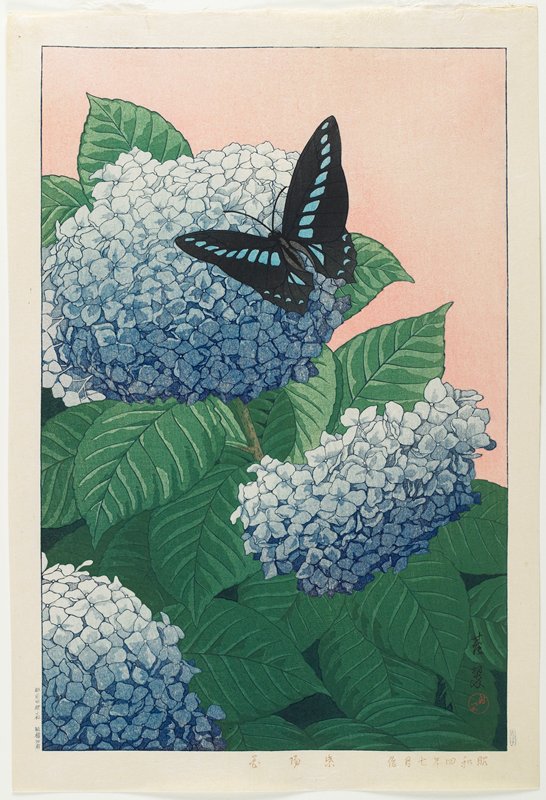
Hydrangeas
July 1929
Woodblock print, ink and color on paper
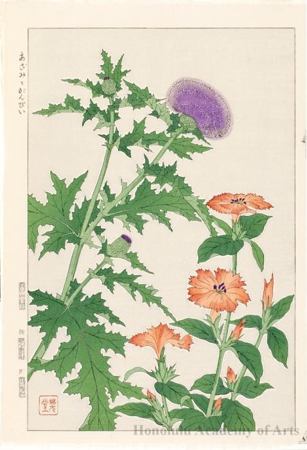
Thistle and Gampii
Woodblock print
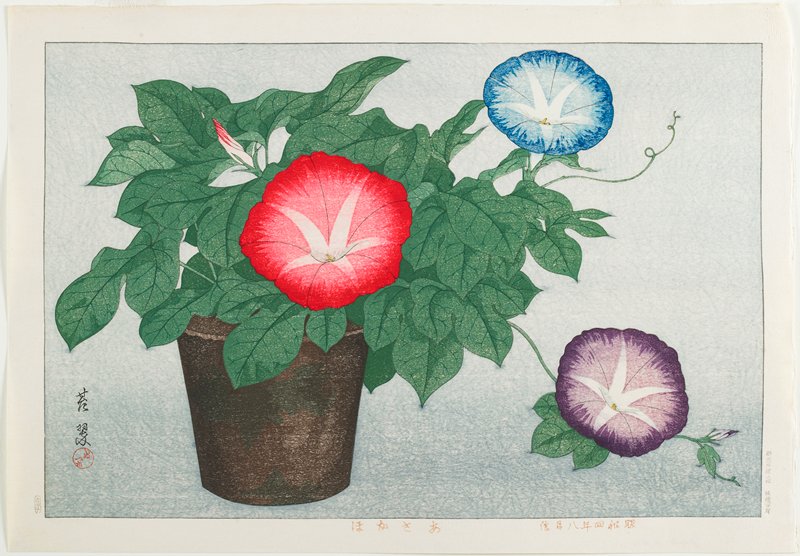
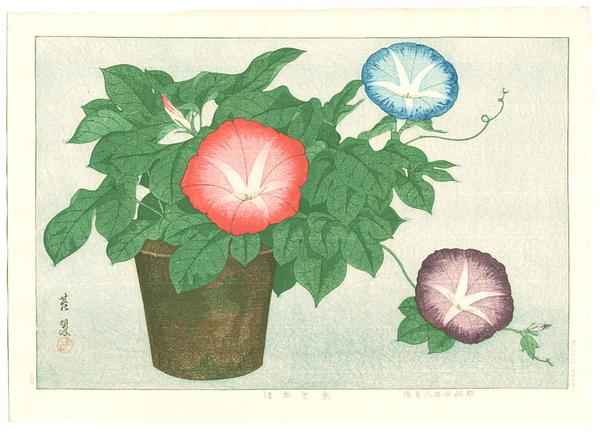
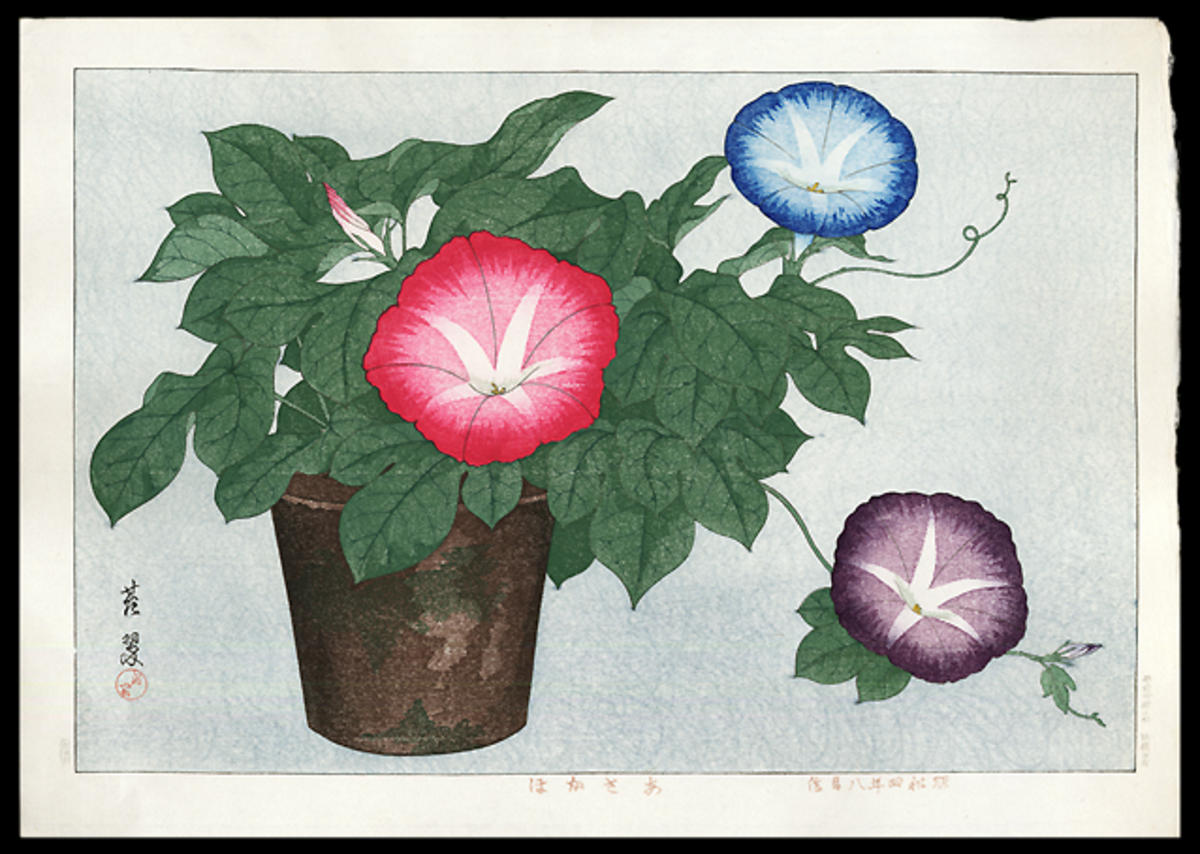
Morning Glories
August 1929
Woodblock print, ink and color on paper
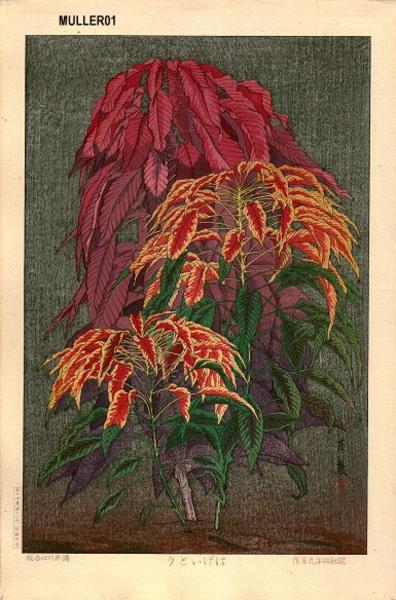
Japanese Art Open Database
Woodblock print

Irises
1930s
Woodblock print, ink and color on paper
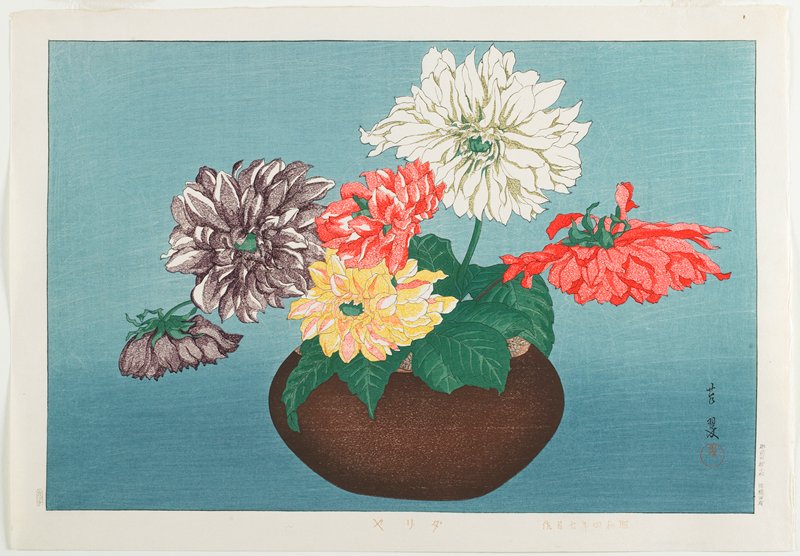
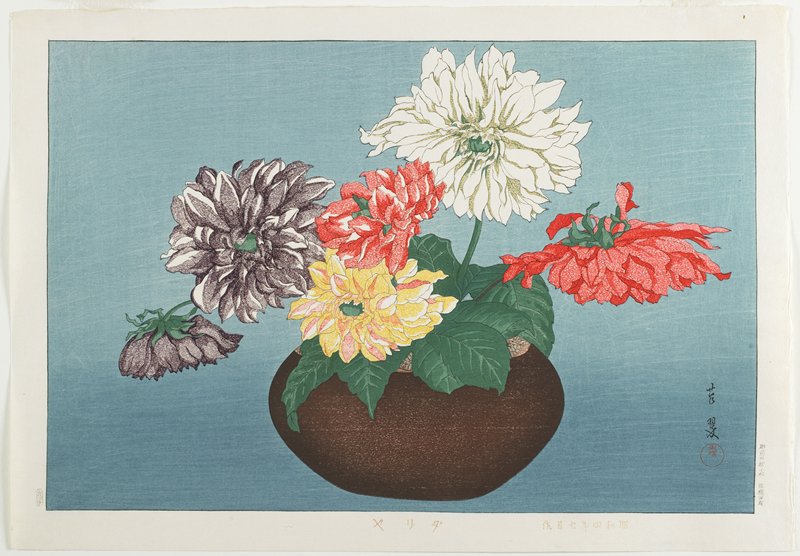
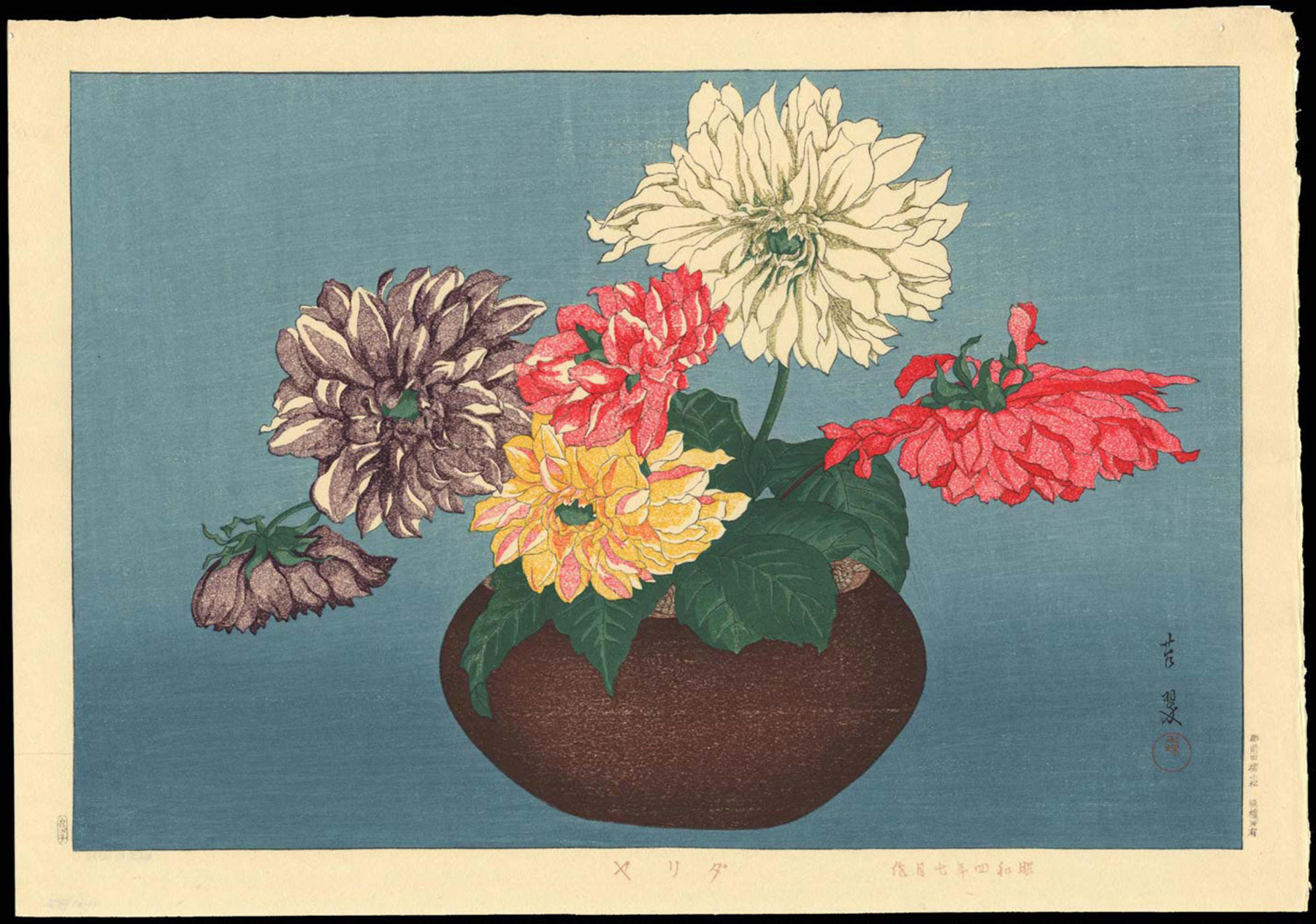
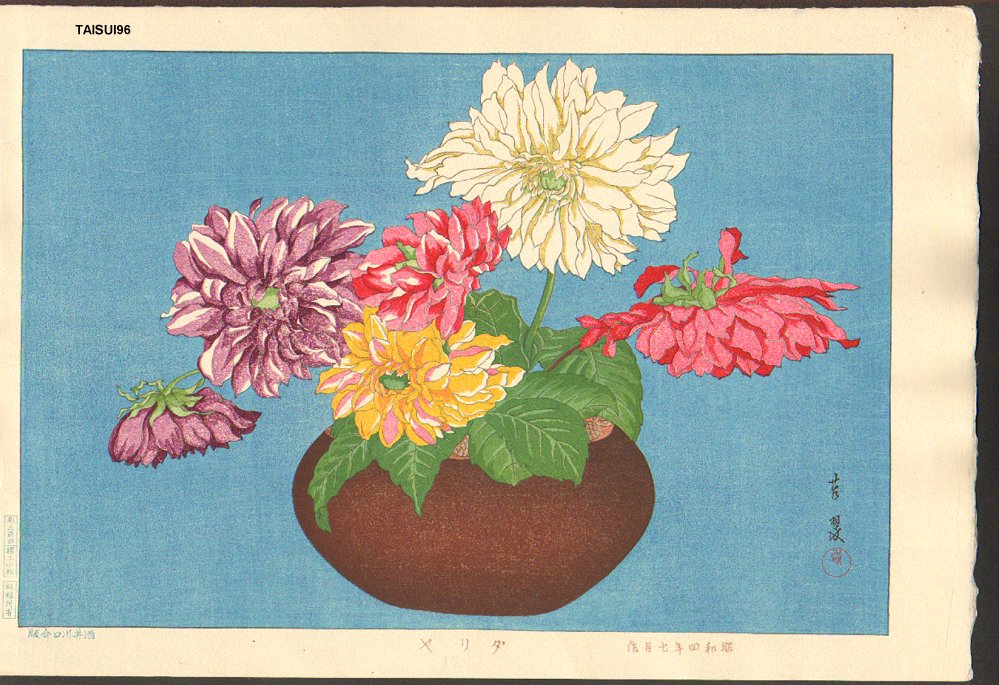
Dahlias
July 1929
Woodblock print, ink and color on paper
Untitled (inuzuka-taisui)
Woodblock print
Untitled (inuzuka-taisui)
Woodblock print
Untitled (inuzuka-taisui)
Woodblock print
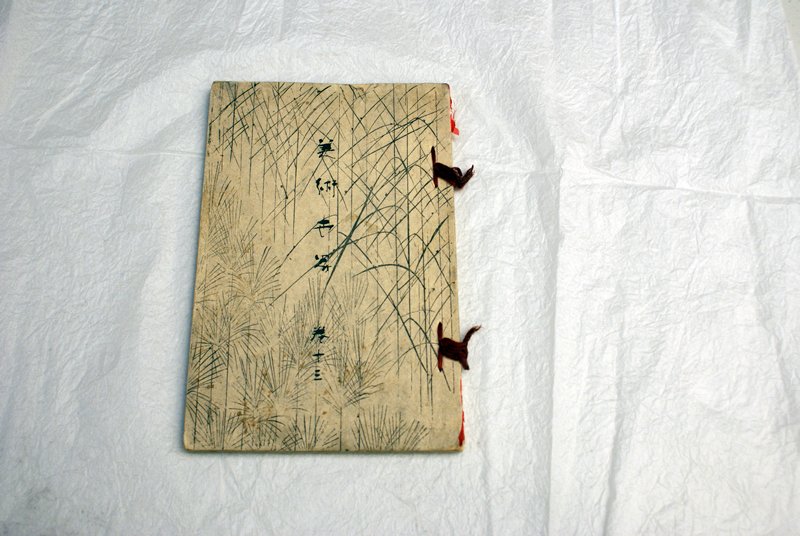
World of Art (Vol. 13)
1891
Woodblock print
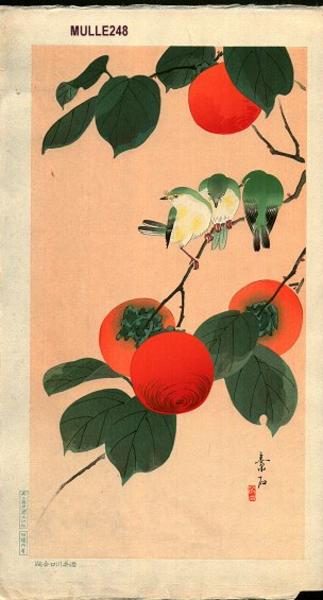
Soseki Komori (Shoseki)
Woodblock print
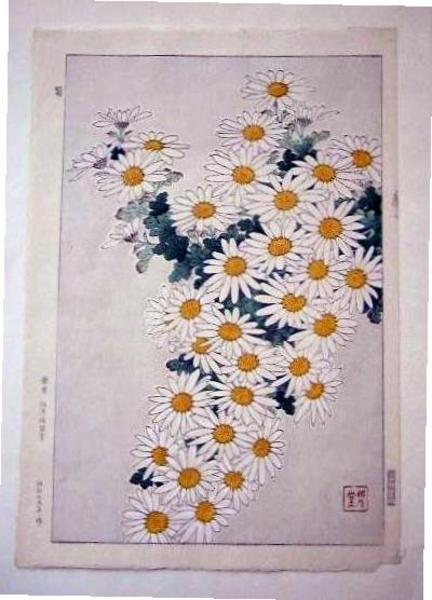
Unknown, Dasies
Woodblock print
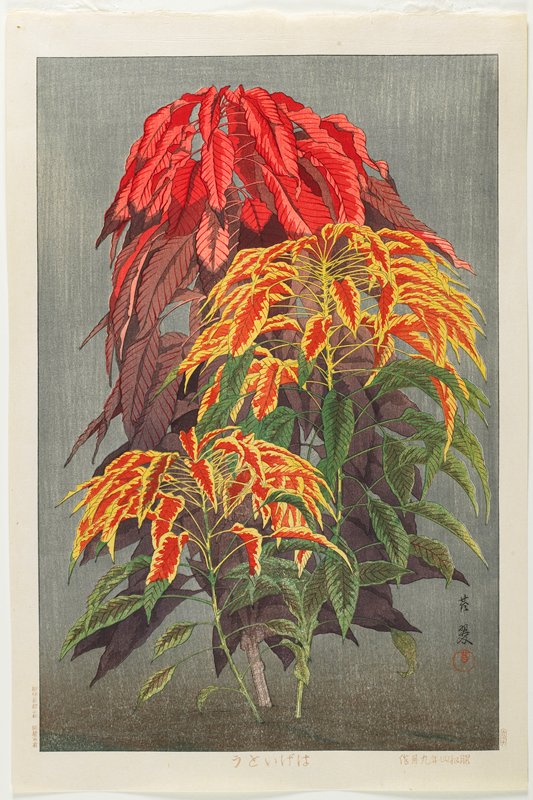
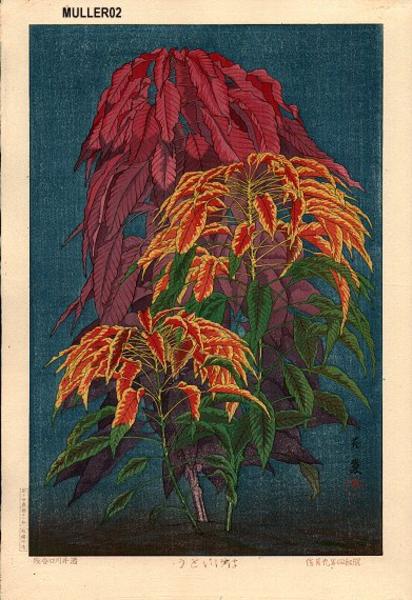
Amaranthus tricolor
September 1929
Woodblock print, ink and color on paper
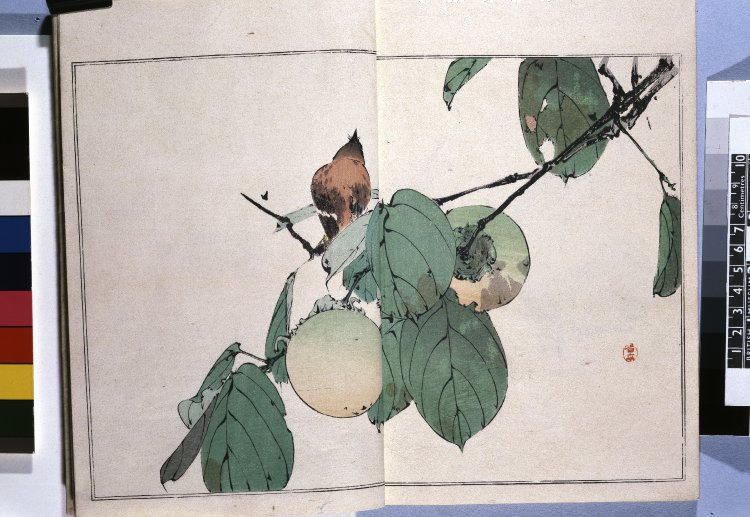
Watanabe-shotei
1890-1891
Woodblock print
Untitled (inuzuka-taisui)
Woodblock print
Untitled (inuzuka-taisui)
Woodblock print
Untitled (inuzuka-taisui)
Woodblock print
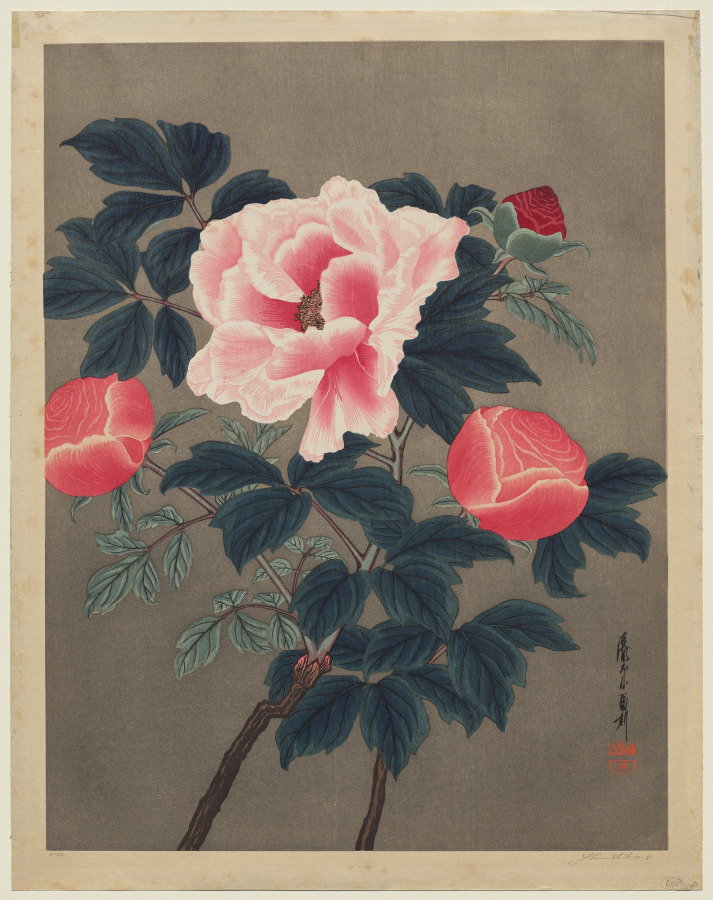
Peonies
c 1900s
color woodcut

Ama Shogetsu nochini Oryu no kata, Takano no sazanka (Nun Shogetsu, later Oryu no kata, Sasanqua) / Tosei mitate sanju-rokkasen 當盛見立 三十六花撰 (Contemporary Kabuki Actors Likened to Thirty-Six Flowers (Immortals of Poetry))

Fox woman Kuzunoha, Shinoda no kuzunohana (Fox woman Kuzunohana, Kudzu Vine) / Tosei mitate sanju-rokkasen 當盛見立 三十六花撰 (Contemporary Kabuki Actors Linked to Thirty-Six Flowers (Immortals of Poetry))
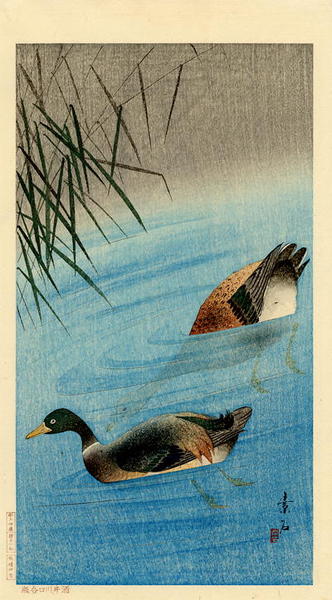
Mallard Ducks
Woodblock print
Related Subjects
Frequently Asked Questions
Birds and flowers (kacho-ga) form one of the three classical subject categories of East Asian painting, alongside landscapes and figures. In Japanese woodblock printmaking, the tradition produced some of the medium's most technically accomplished works, demanding exceptional carving precision for feather details and botanical accuracy.
Sugiura Kazutoshi, Ohara Koson, and Kimura Yoshiharu are among the artists most associated with birds & flowers in our collection. Browse the full list of artists who explored this subject above.
Hanga currently catalogues 1639 prints tagged with birds & flowers, spanning ukiyo-e, shin-hanga, and sōsaku-hanga traditions where applicable.