Figures Prints (1669)
Figure compositions are among the most diverse subjects in Japanese printmaking, encompassing everything from intimate domestic scenes to grand historical narratives. The tradition spans the full history of ukiyo-e, from Moronobu's pioneering single-sheet prints of the 1670s to contemporary figure studies that blend traditional techniques with modern sensibilities. In the ukiyo-e era, figure prints often depicted courtesans, actors, and townspeople of Edo's pleasure quarters, capturing the fashions, gestures, and social dynamics of urban life. The shin-hanga movement brought a more contemplative approach, with artists like Ito Shinsui creating elegant figure studies that emphasized mood and atmosphere over narrative action. Sosaku-hanga artists pursued more experimental figure work, from Onchi Koshiro's abstract portraits to Sekino Jun'ichiro's bold character studies. Figure prints in the Japanese tradition are notable for their attention to textile patterns, body language, and the suggestion of inner life through subtle compositional choices. Whether depicting a single standing figure or a complex multi-figure narrative, these works reveal the printmaker's skill in translating human presence into the woodblock medium.
Artists Known for Figures


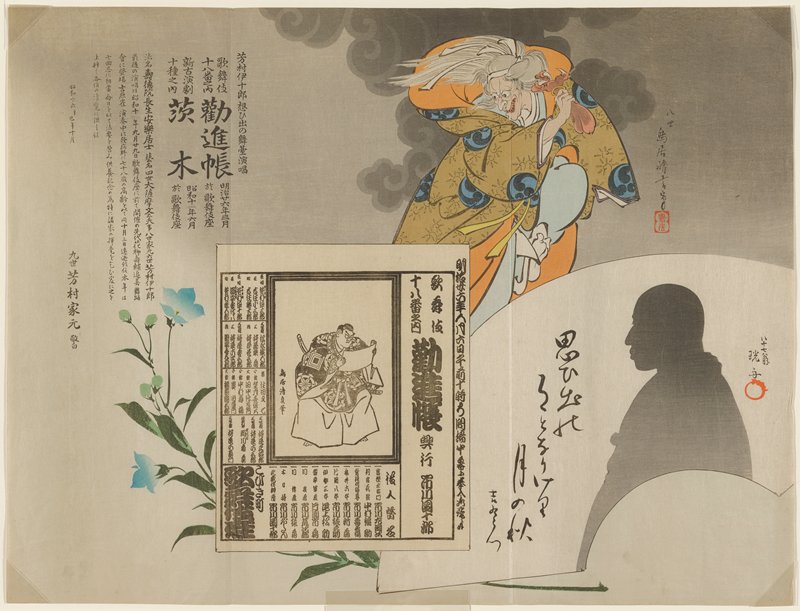

One of the Officers of the Warship Akagi ...
March 1895
Woodblock print (nishiki-e), ink and color on paper
Okano Kinemon Kanehide 岡野金右衛門包秀 / Gishi shijushichi zu 義士四十七図
Woodblock print
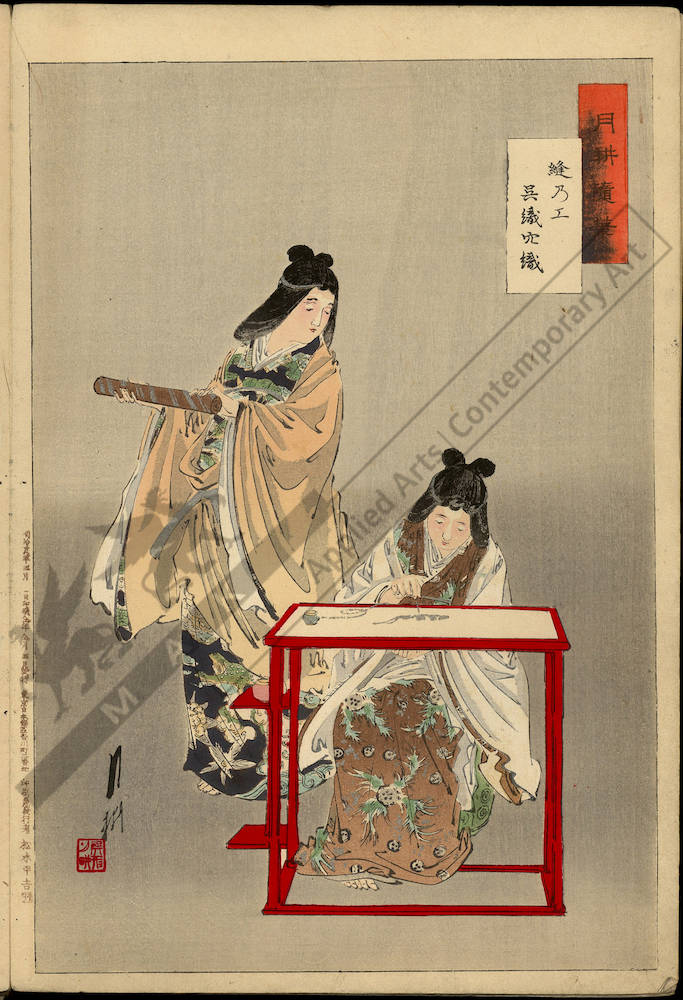
Embroiderer of Chinese embroidery
Woodblock print

Gunner Private First Class Sawagashira Unosuke …
January 1895
Woodblock print (nishiki-e), ink and color on paper
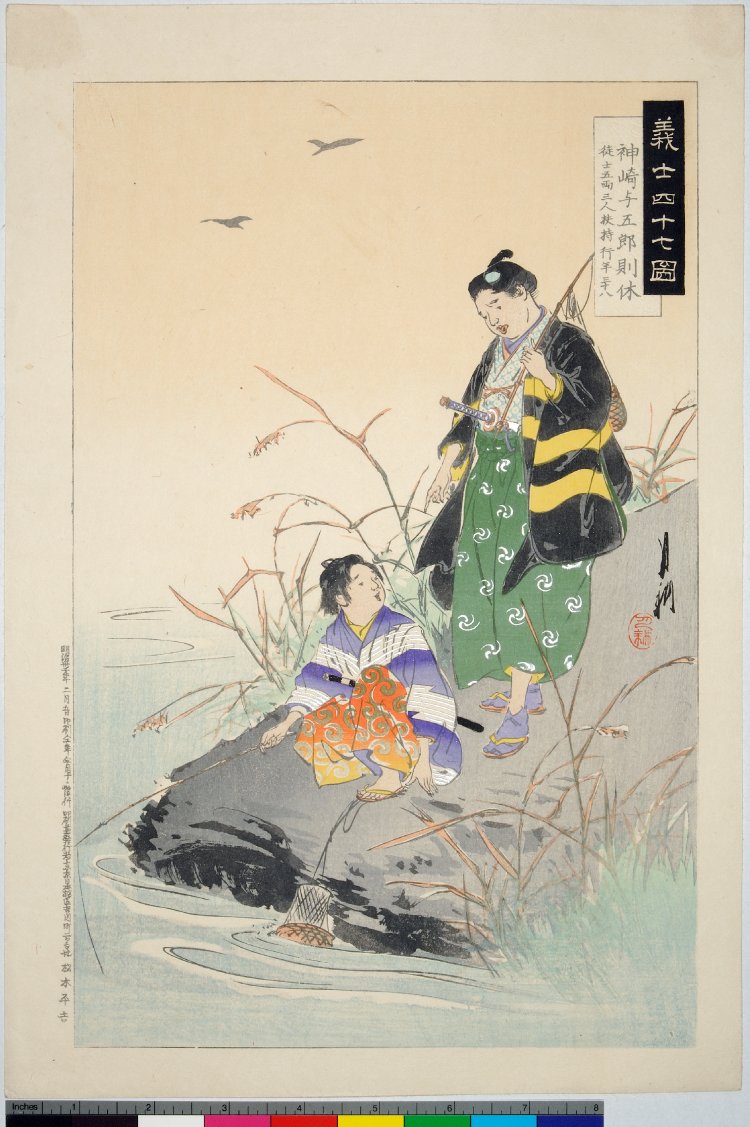
Kanzaki Yogoro Noriyasu 神崎与五郎則休 / Gishi shijushichi zu 義士四十七図
Woodblock print
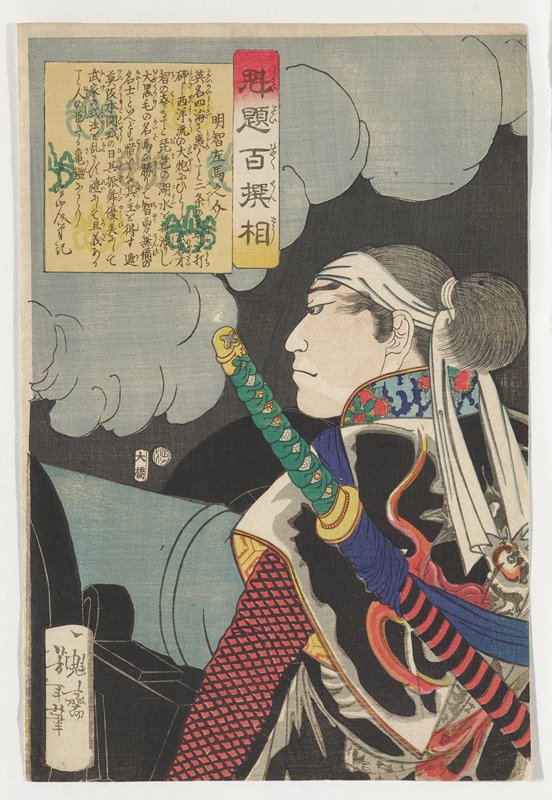
Akechi Samanosuke
1868, 10th lunar month
Woodblock print (nishiki-e), ink and color on paper
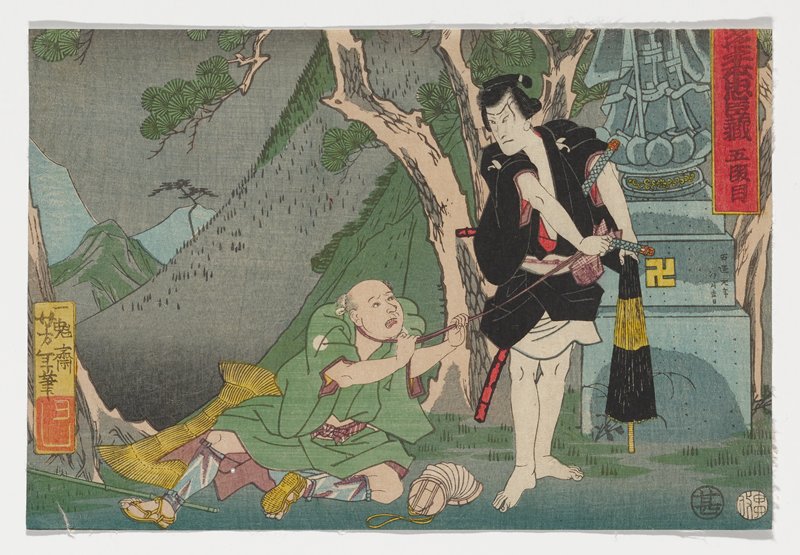
Fifth Act
1860, 4th lunar month
Woodblock print (nishiki-e), ink and color on paper
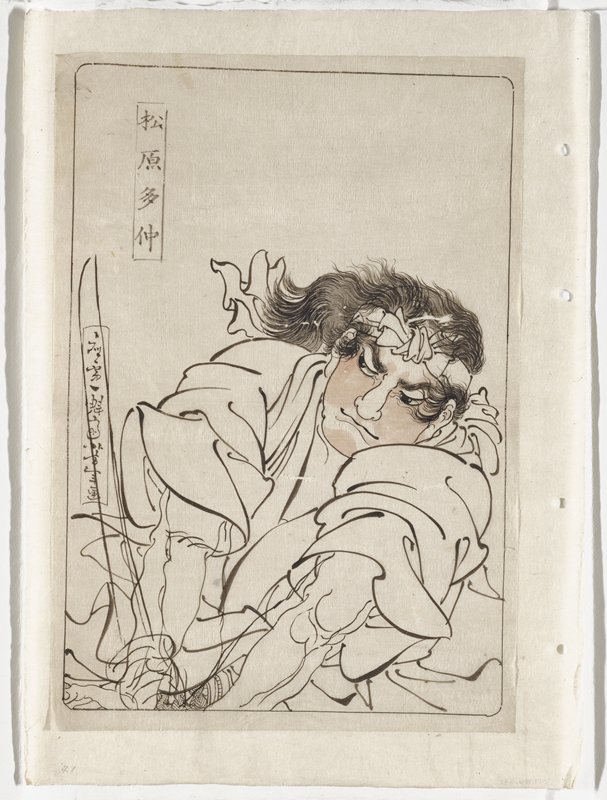
Matsubara Tachū
second half 1860s
Preparatory drawing for a print, ink and color on paper
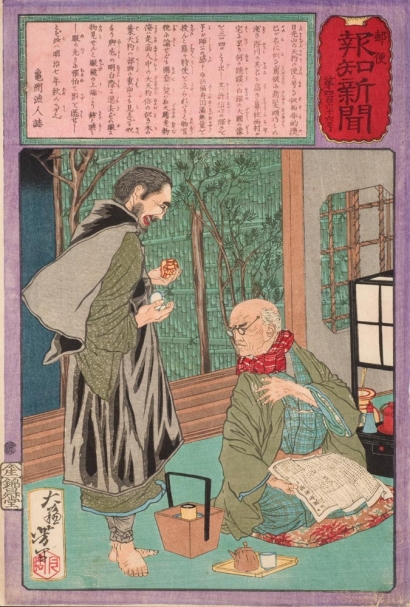
Old Man Nishimura Seated and Holding the Hochi Newspaper
1875
Woodblock print
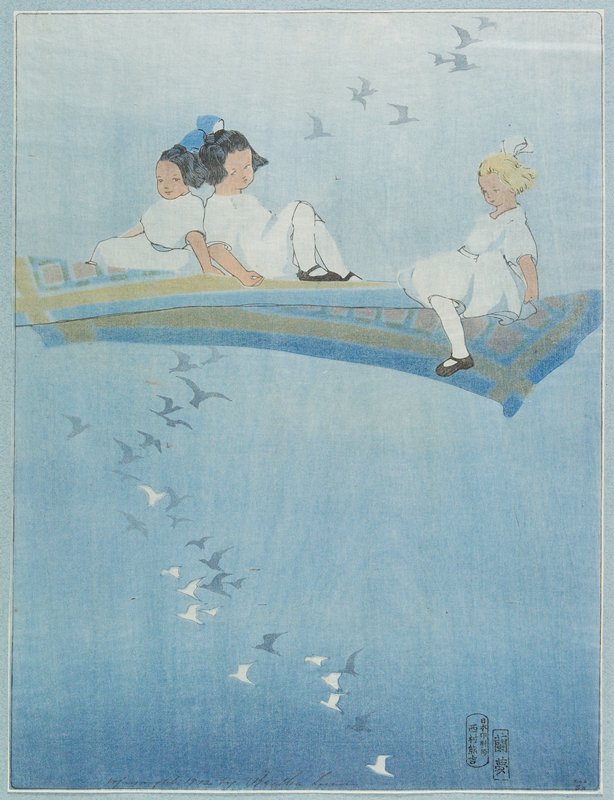
Magic Carpet
1912
Color woodcut

Chiyono Kotobuki (A Thousand Years of Long Life)
1863
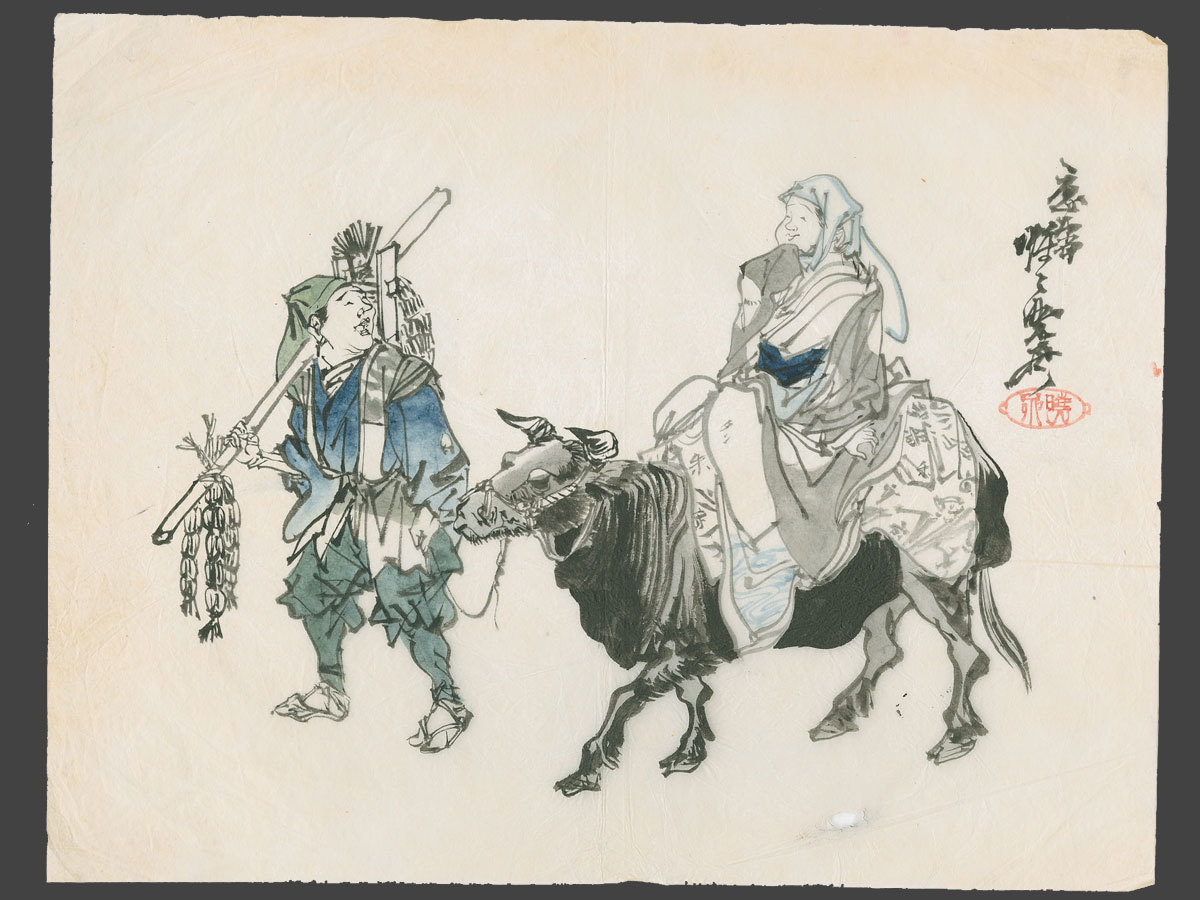
Drawing of a Traveling Couple
Woodblock print
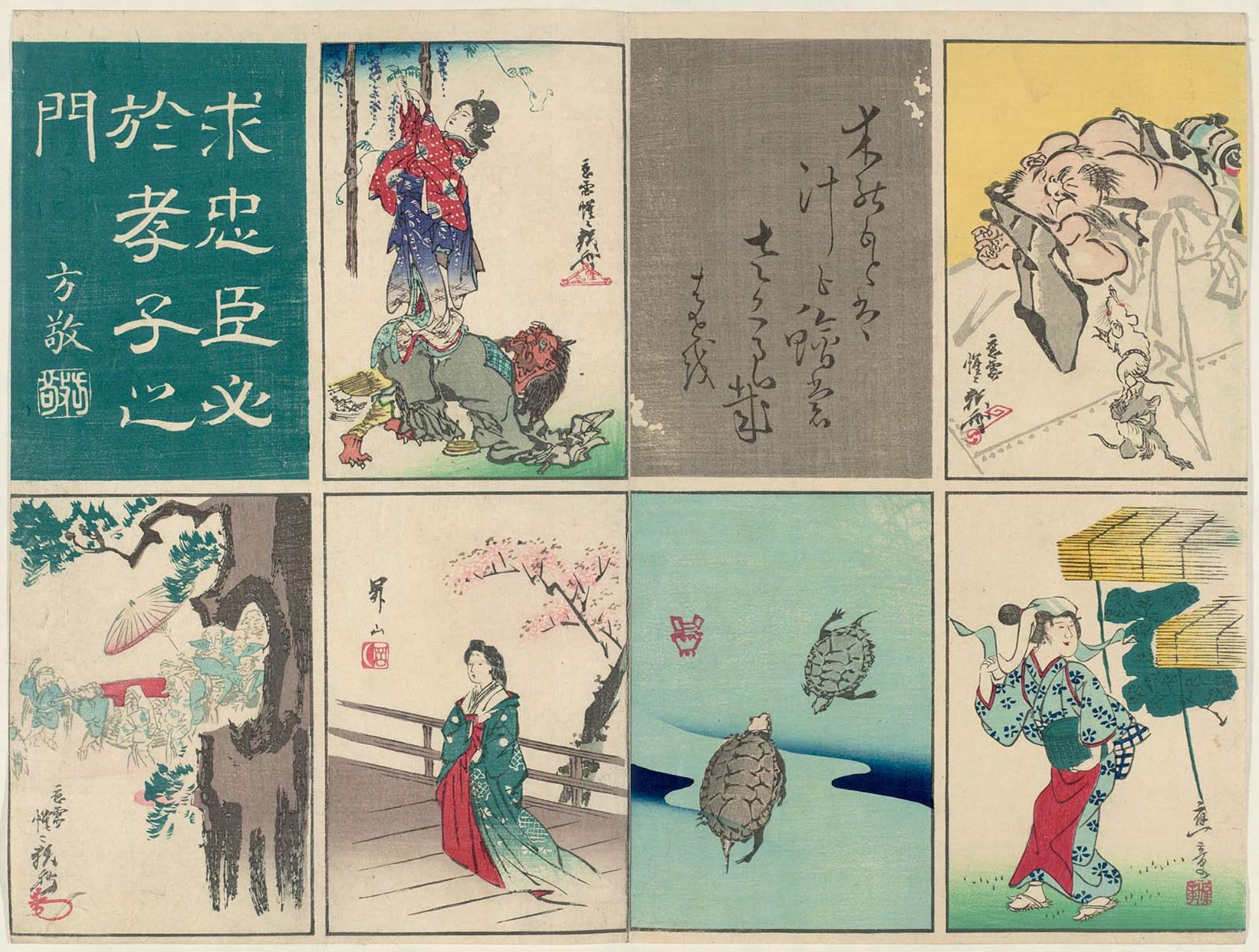
Harimaze
Woodblock print
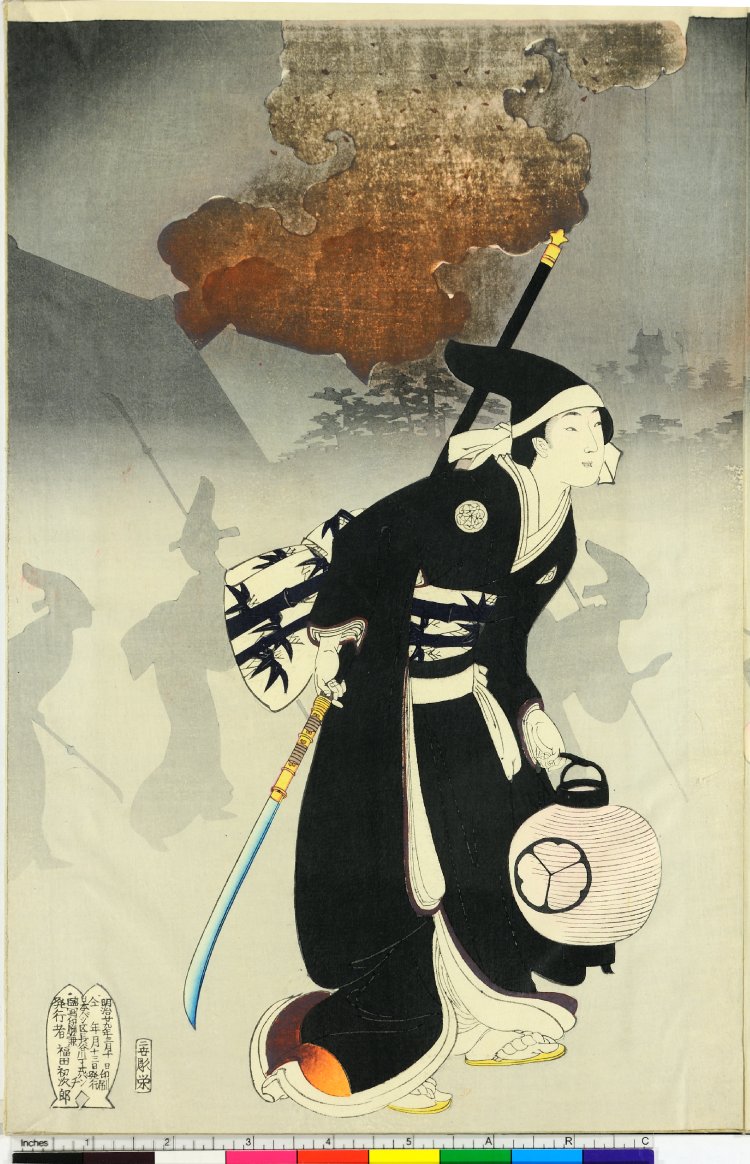
Chiyoda no o-oku
Woodblock print
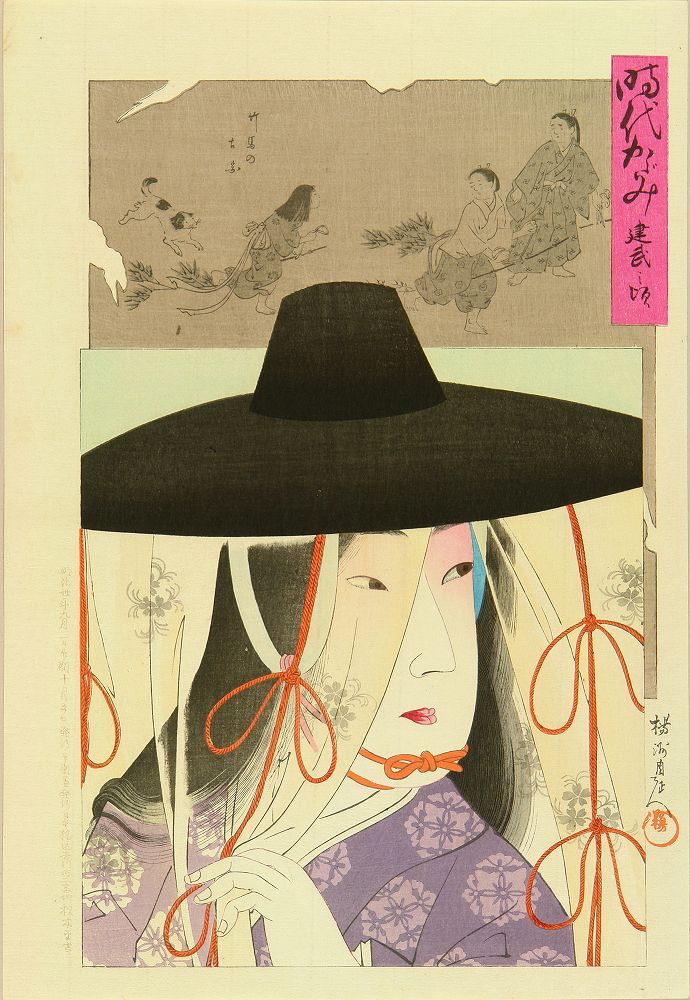
Kenmu Era, from
Woodblock print
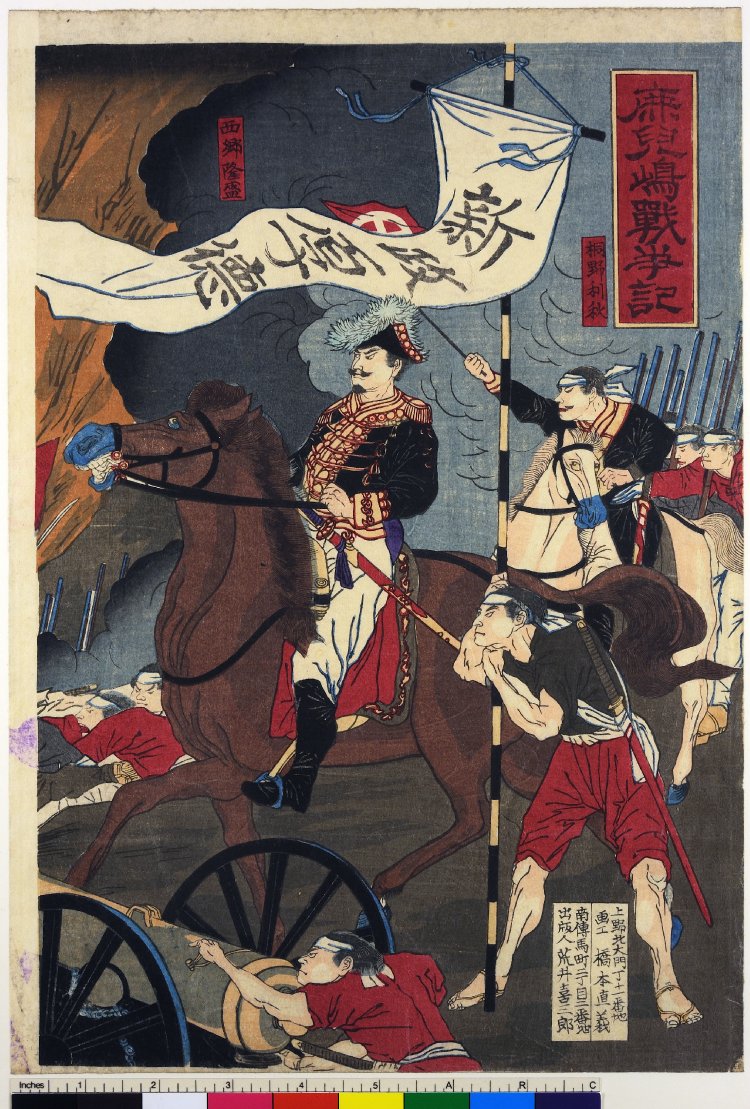
Kagoshima senso ki (Record of the war in Kagoshima)
Woodblock print
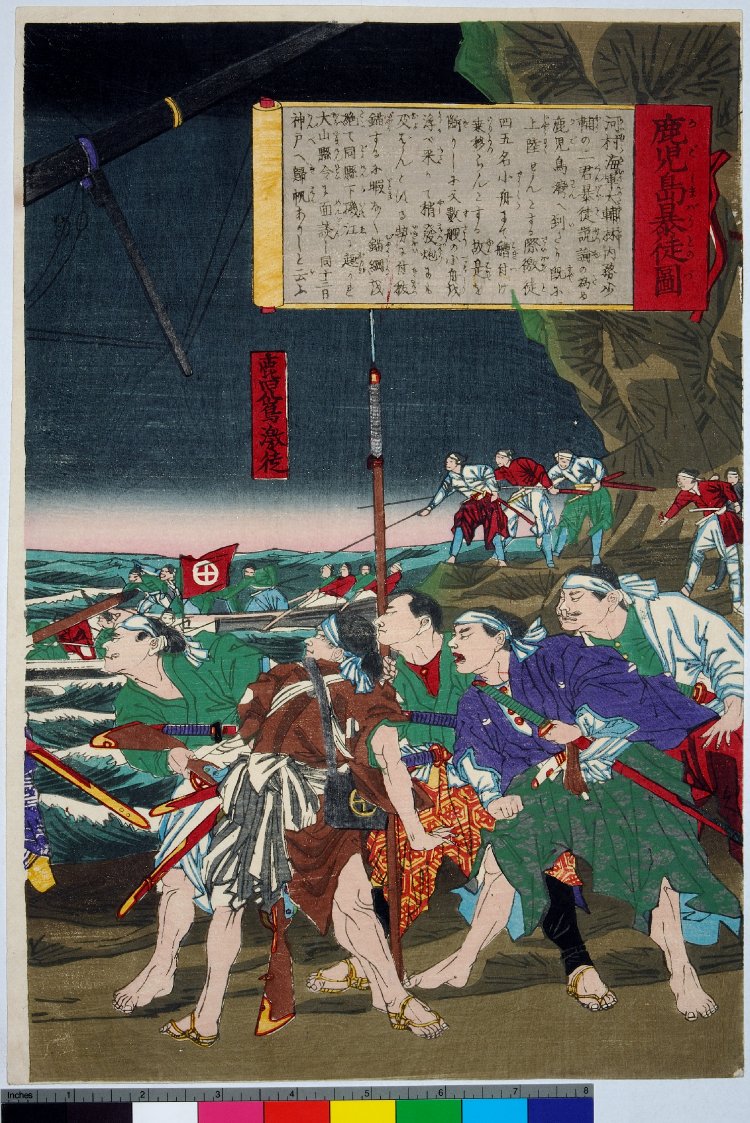
Kagoshima boto no zu
Woodblock print
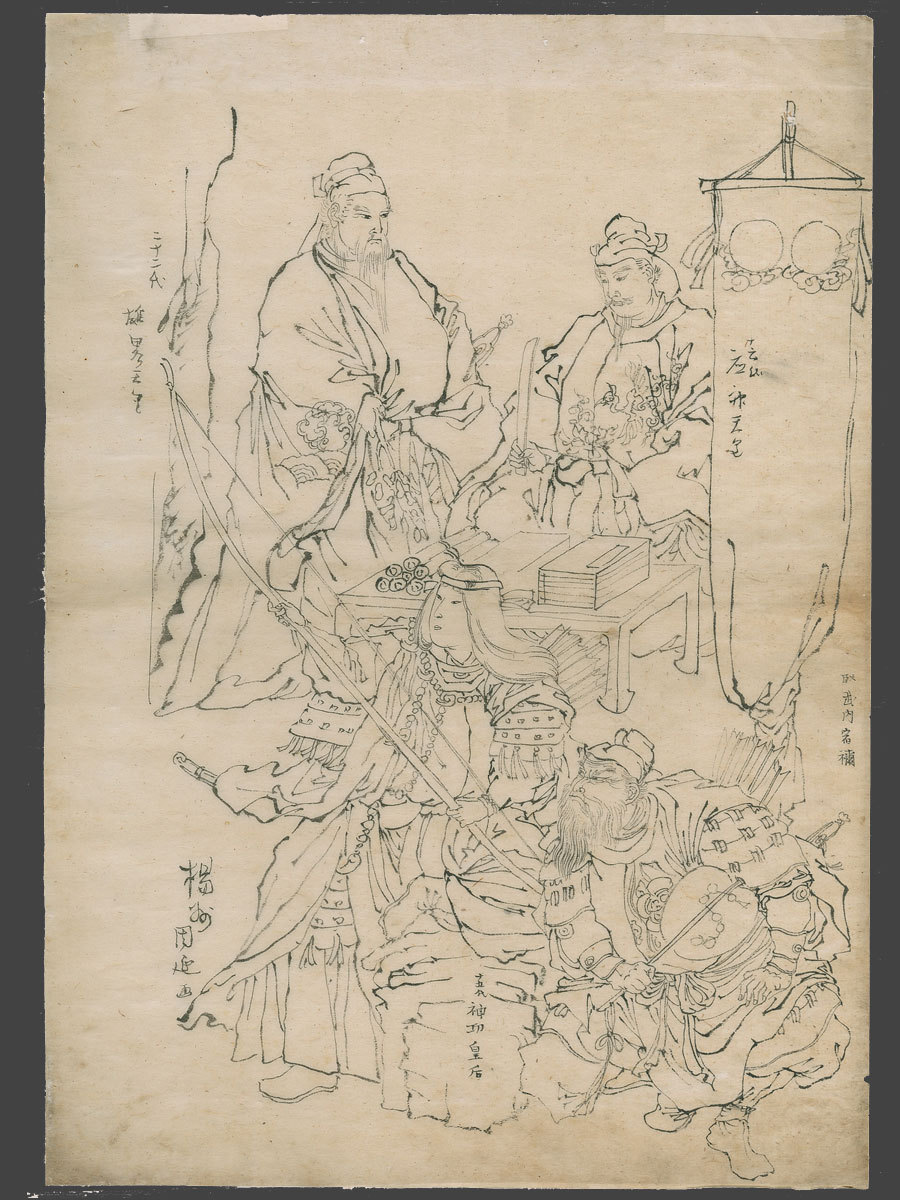
Preparatory Drawing for a Print Of Japanese Emperors and Empresses
Woodblock print
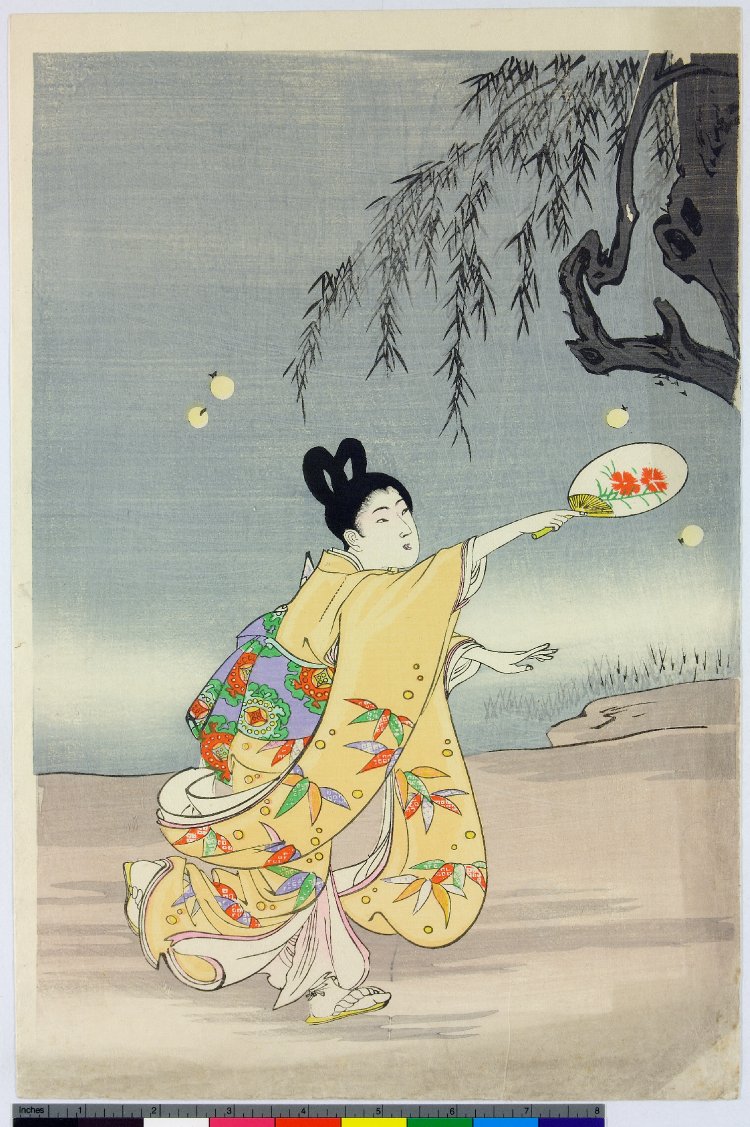
triptych print
Woodblock print
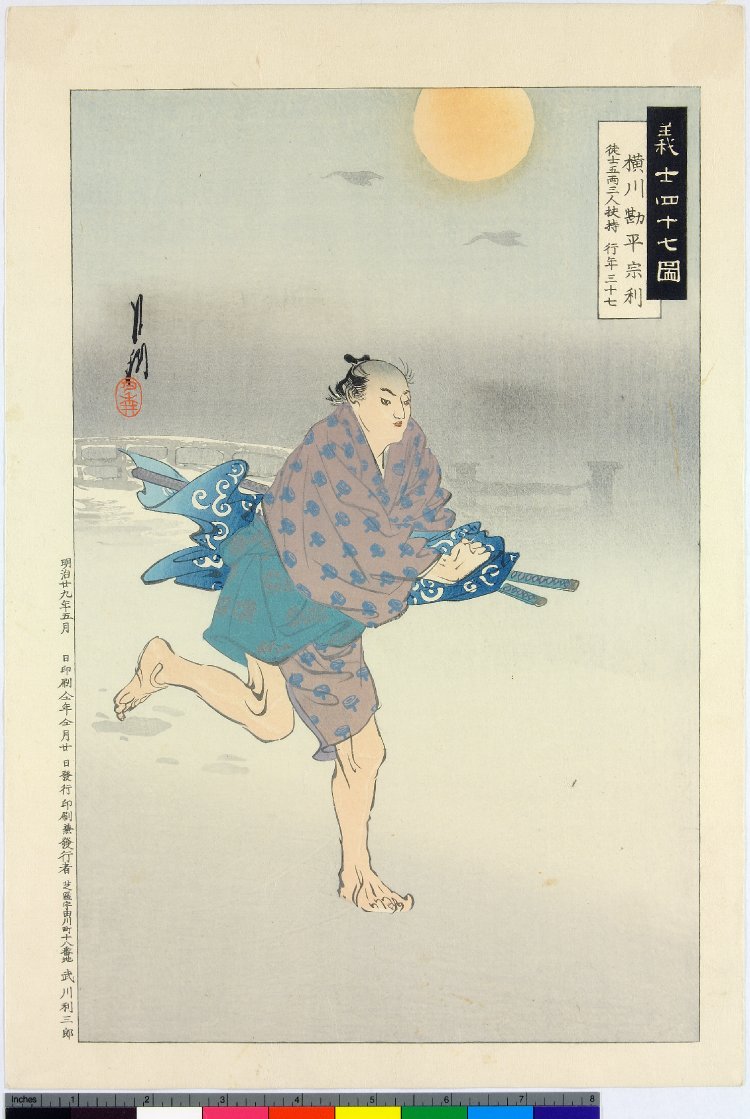
Yokokawa Kanbei Munetoshi 横川勘平宗利 / Gishi shijushichi zu 義士四十七図
Woodblock print

Climbing Rope (Zairu)
1957
Color woodblock print; edition 91/100

Mount Ishizuchi
1936
Color woodblock print

Mountaineer and skier
20th century
Color woodblock print
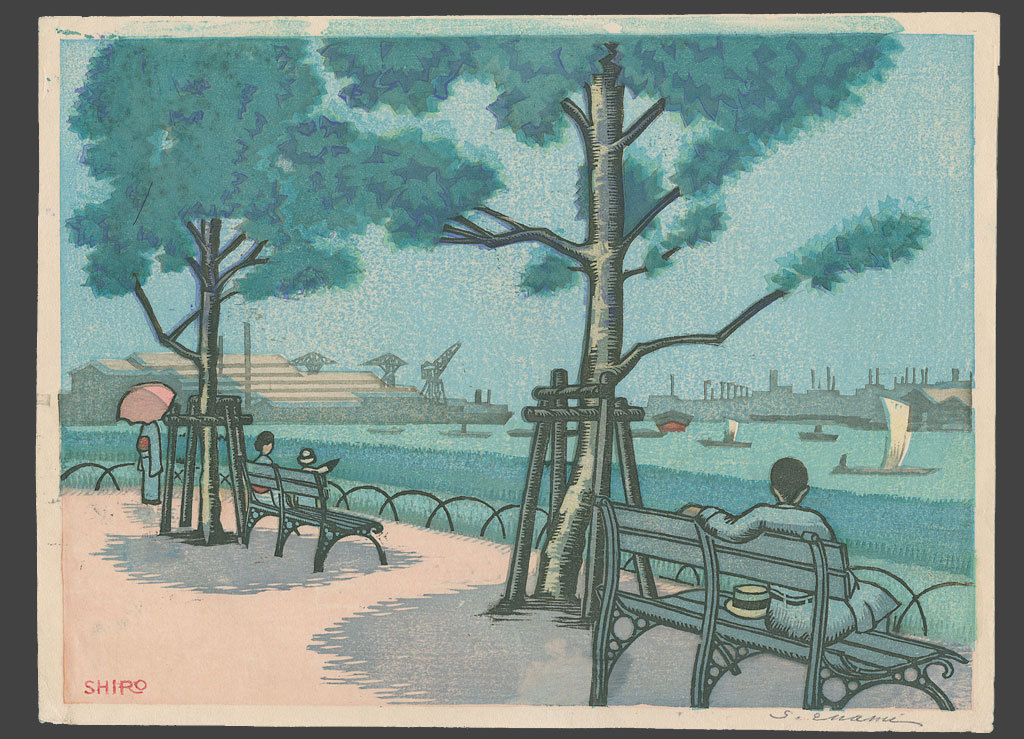
Relaxing on the banks of the Sumidagawa
Woodblock print
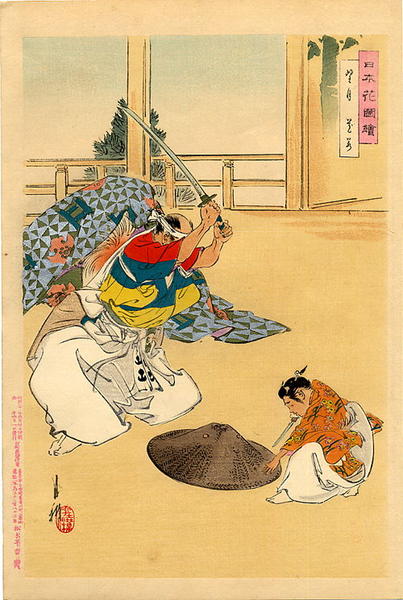
Hide and seek
Woodblock print
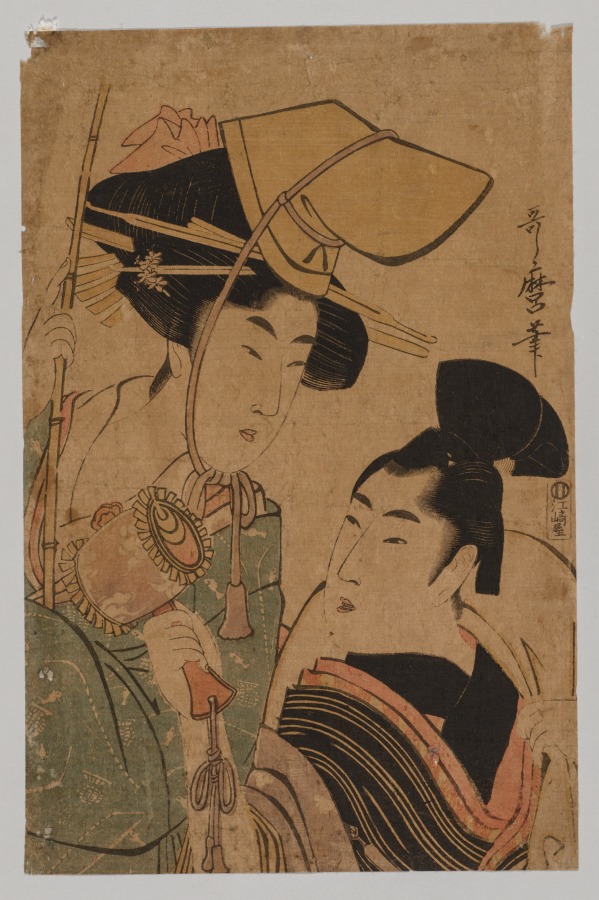
Woman Representing Good Fortune
1753–1806
color woodblock print
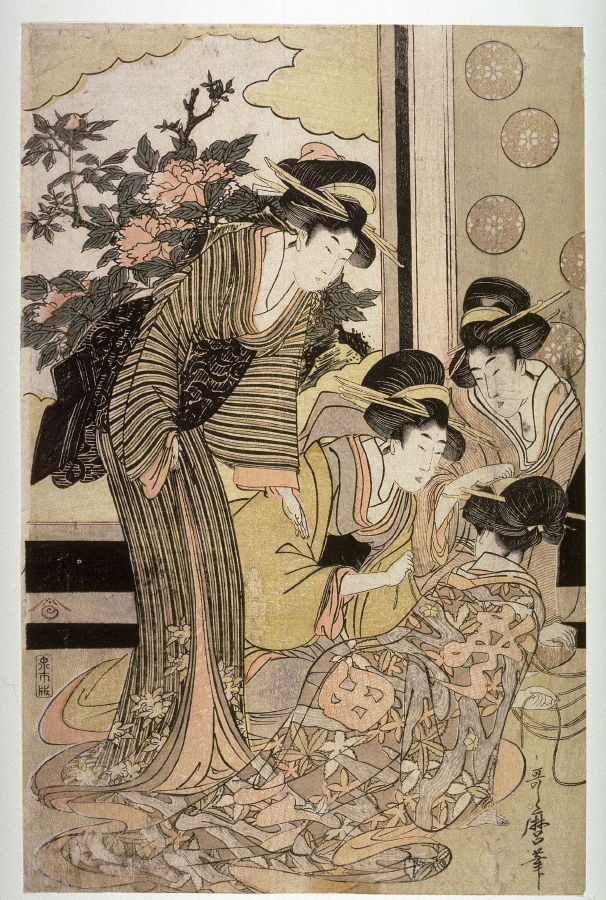
Women Drawing Strings for Prizes, right panel of a triptych
Woodblock print

Kimura Okaemon Sadayuki 木村岡右衛門貞行 / Gishi shijushichi zu 義士四十七図
Woodblock print
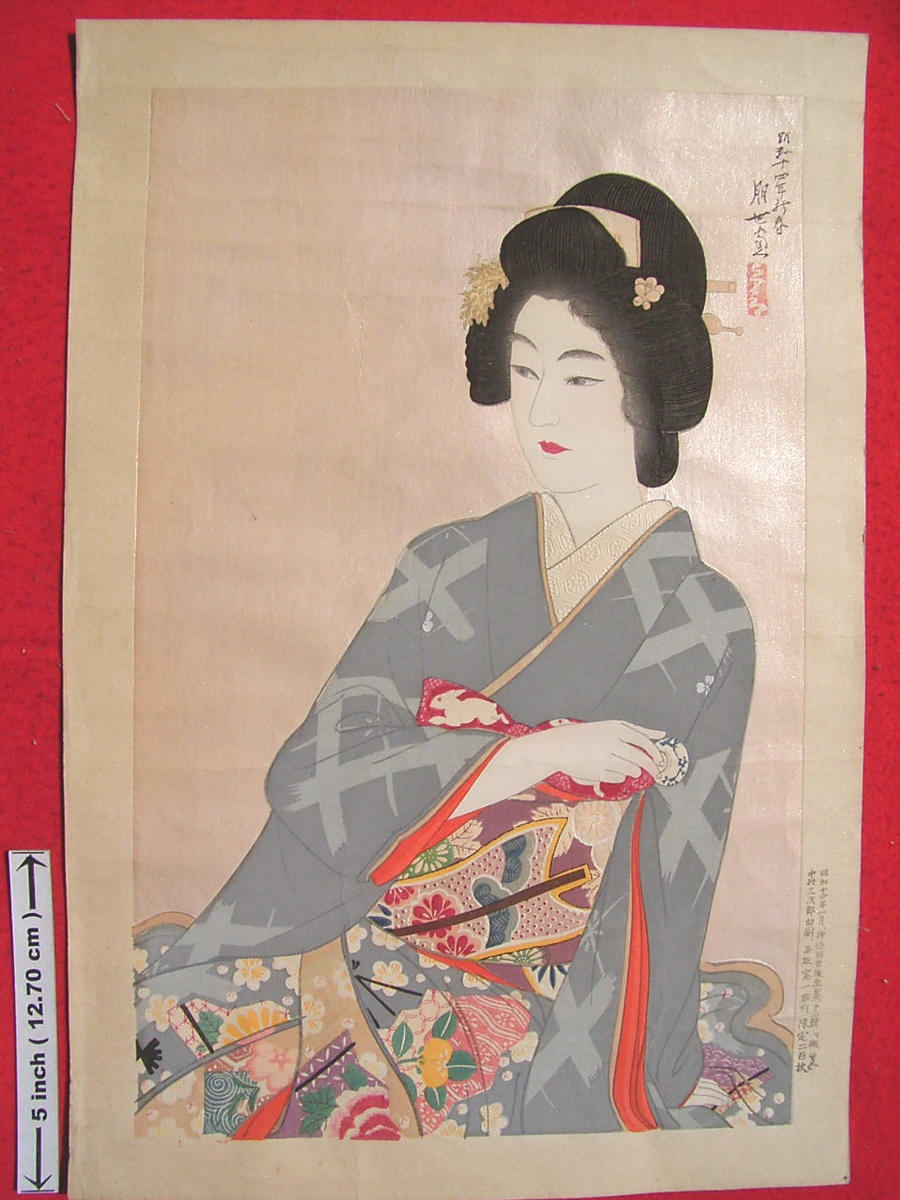
No Series Tipsy
Woodblock print
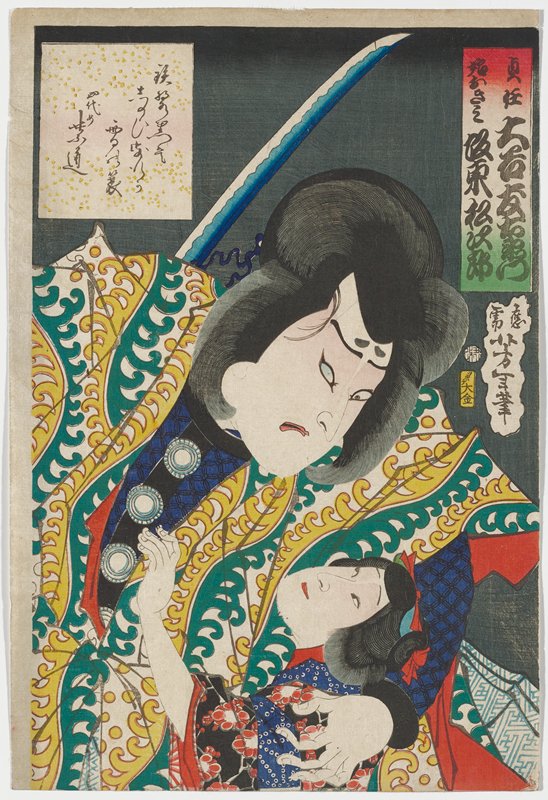
Actors Ōtani Tomoemon V as Sadato and Bandō Matsujirō as his daughter Okimi
1865, 8th lunar month
Woodblock print (nishiki-e), ink and color on paper
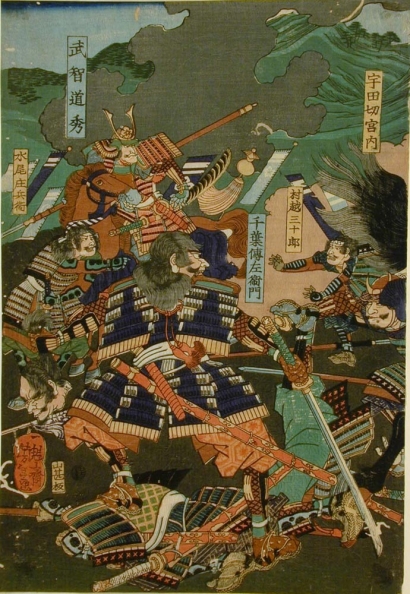
Denzaemon Chiba with severed head
description
Woodblock print

Genzanmi Yorimasa and I no Hayata
October 1878
Woodblock print (nishiki-e), ink and color on paper
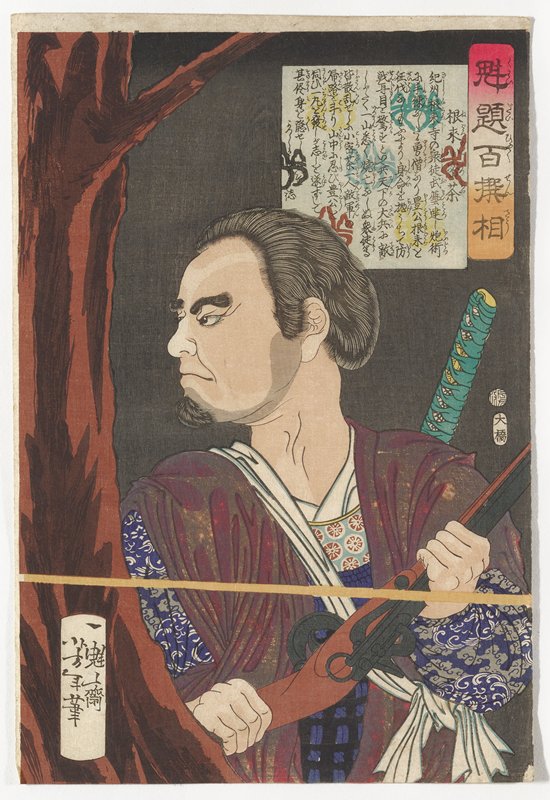
Negoro no Komitsucha
1868, 9th lunar month
Woodblock print (nishiki-e), ink and color on paper

Preparatory drawing of Sumoto Sakyō
1874
Preparatory drawing for a print, ink and color on paper

Preparatory drawing of Sakuma Dennai
circa 1868
Preparatory drawing for a print, ink and color on paper
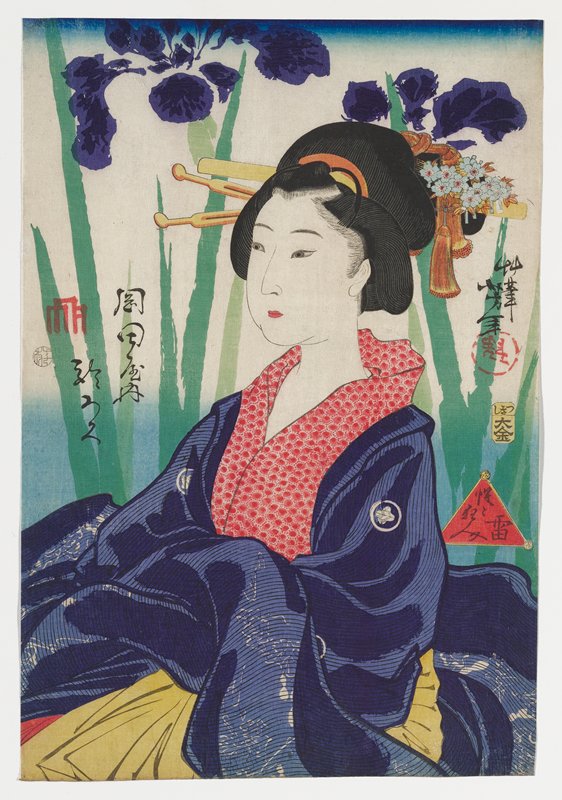
Oroku
1864, 7th lunar month
Woodblock print (nishiki-e), ink and color on paper
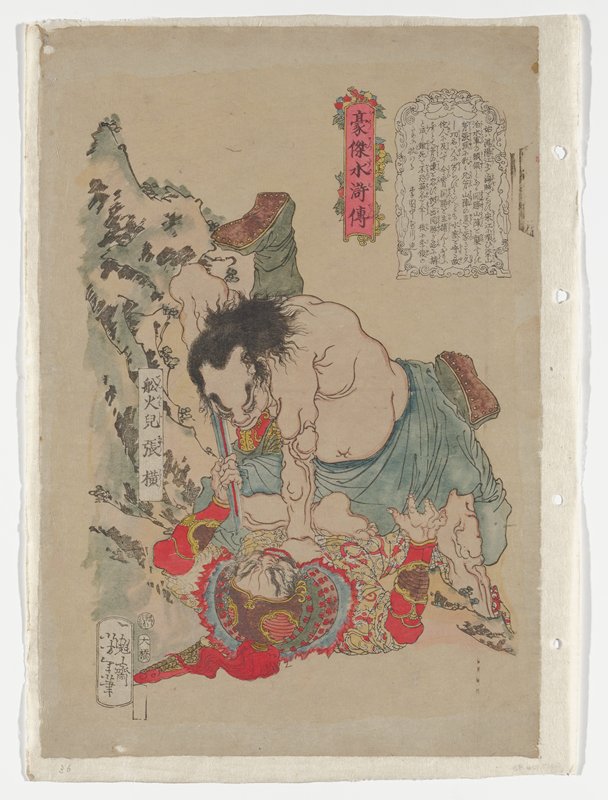
The Boatman Zhang Heng
1868, 8th lunar month
Preparatory drawing for a print, ink and color on paper
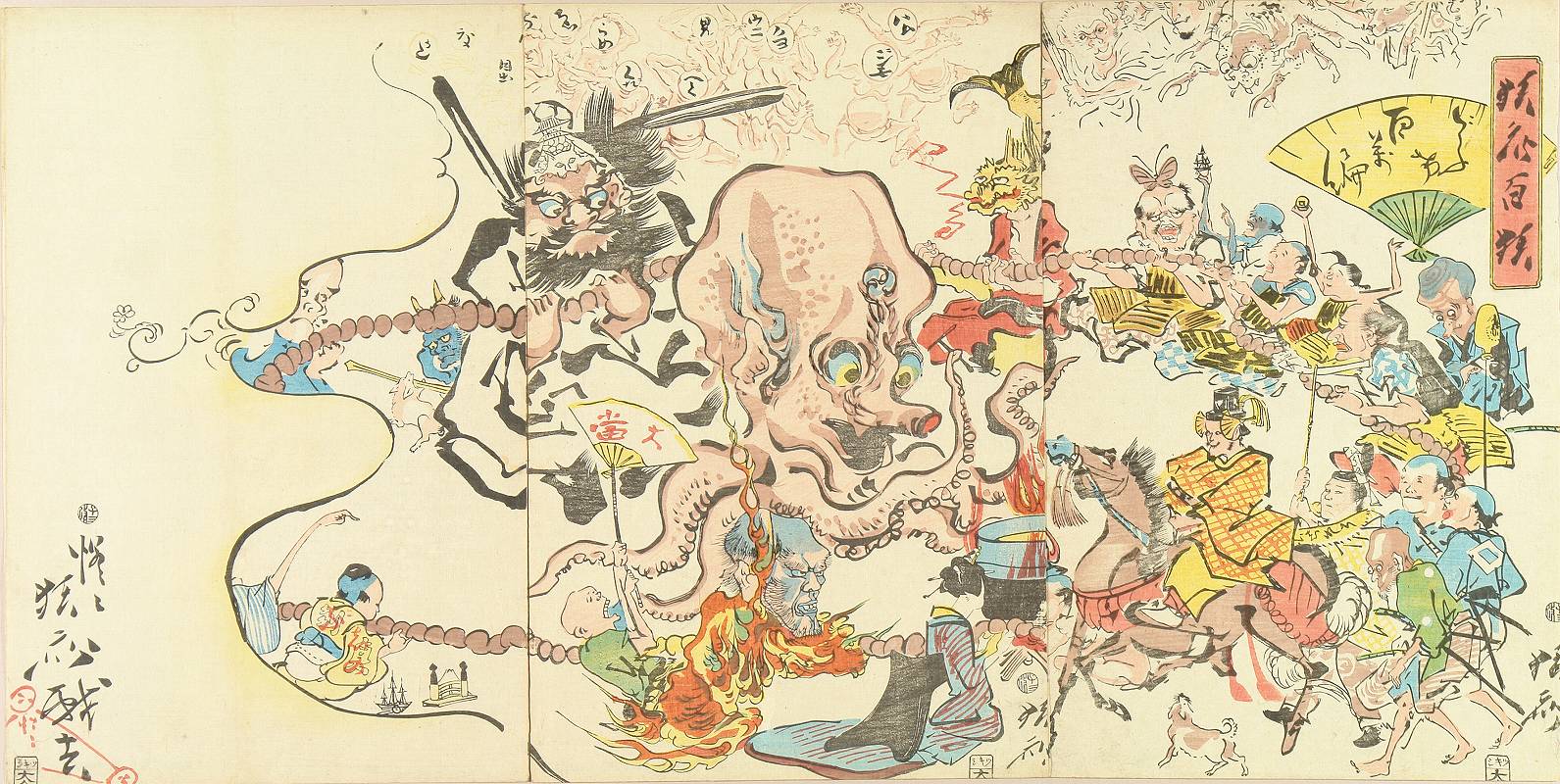
A comic picture titled Kyosai hyakukyo, doke hyakumamben, triptych, 1864
Woodblock print

Figures from Ôtsu-e Paintings of the Floating World in a Drunken Stupor (Ukiyo-e Ôtsu no renchû suimin no zu)
Woodblock print
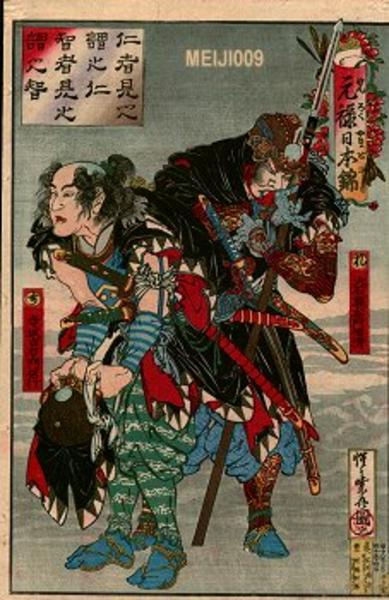
Oishi and Tarasaka
Woodblock print

Kyōsai's Idle Drawings
1881
Woodblock printed book, ink and color on paper
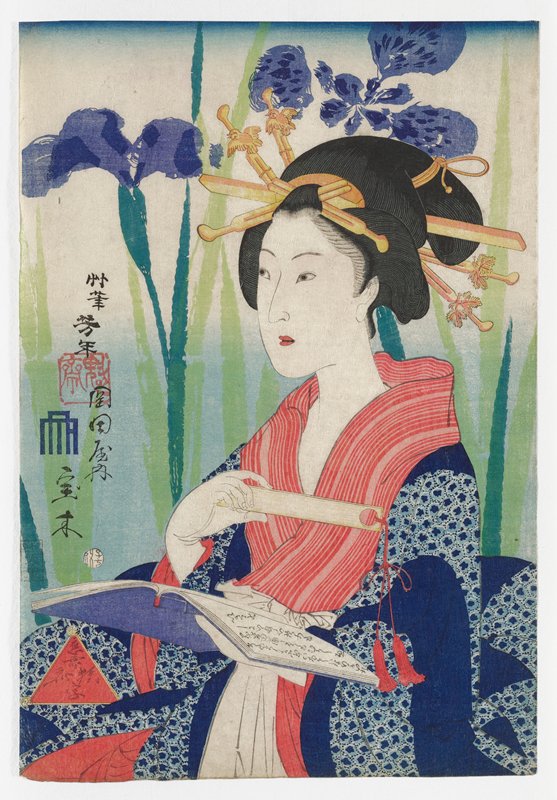
Takaragi
1864, 7th lunar month
Woodblock print (nishiki-e), ink and color on paper
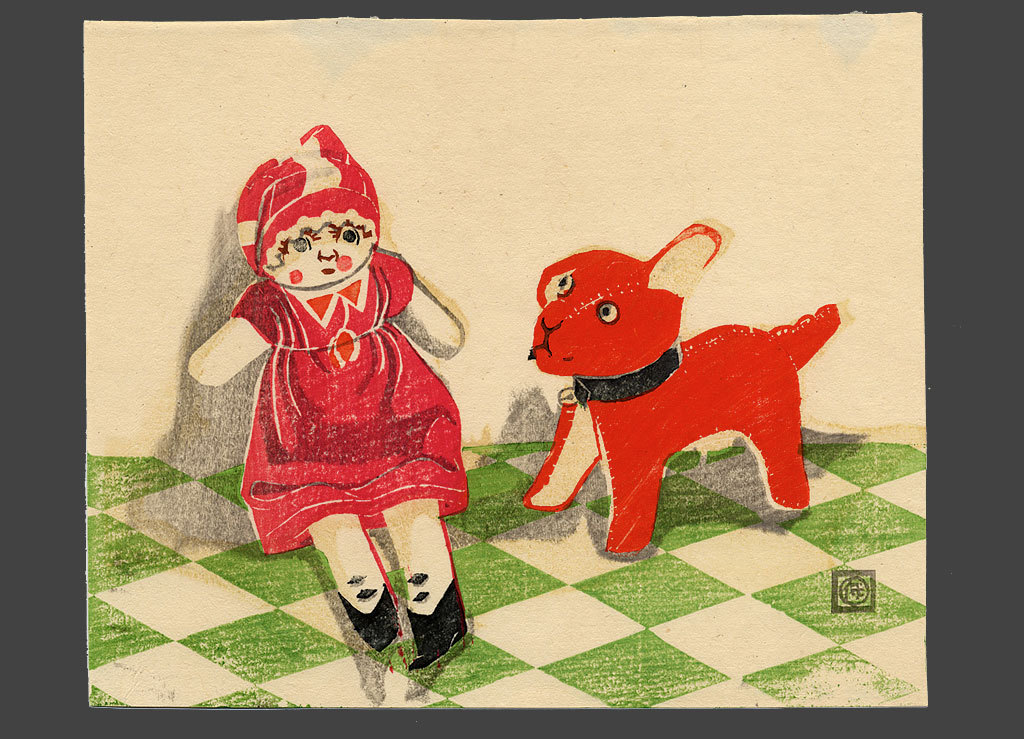
Dolls
Woodblock print
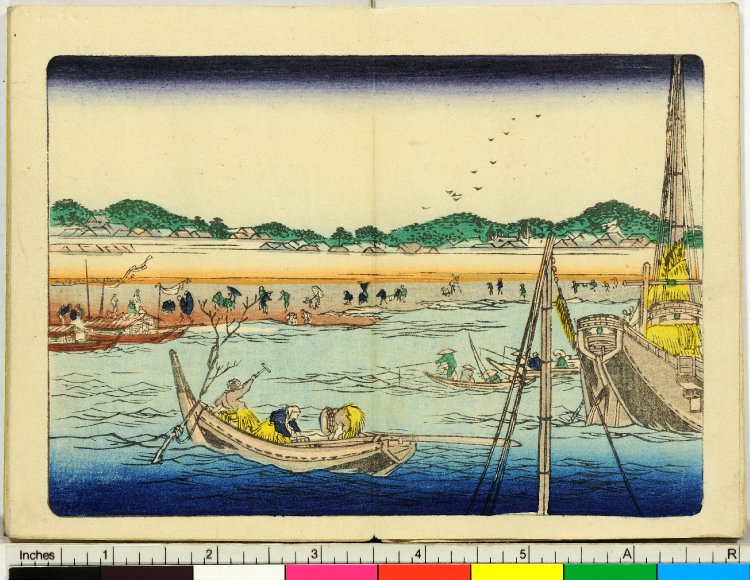
print / album
Woodblock print

UTAGAWA Chikamaro (KAWANABE Kyosai)
Woodblock print

Wakato
1864, 7th lunar month
Woodblock print (nishiki-e), ink and color on paper
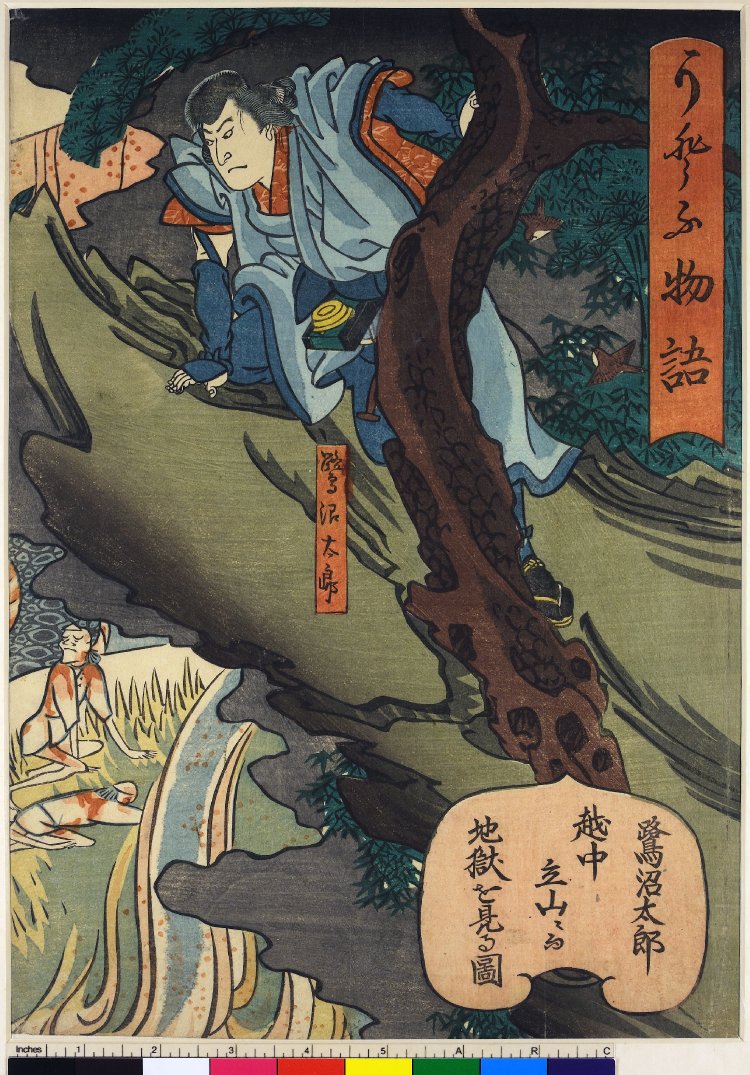
Uto monogatari Saginuma Taro Etchu Tateyama jigoku o hiru zu
Woodblock print
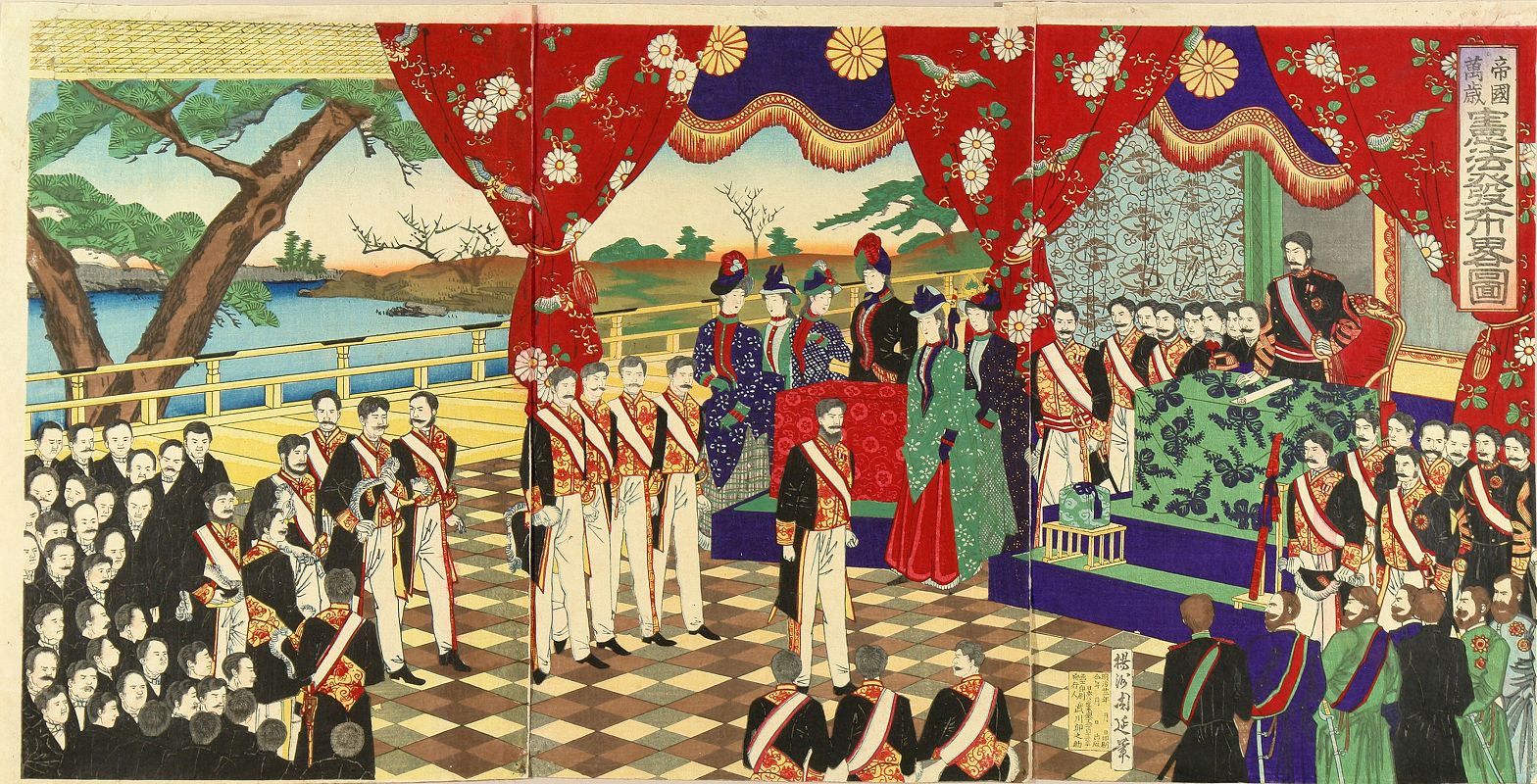
Ceremony of proclaiming the constitution, triptych, 1889
Woodblock print
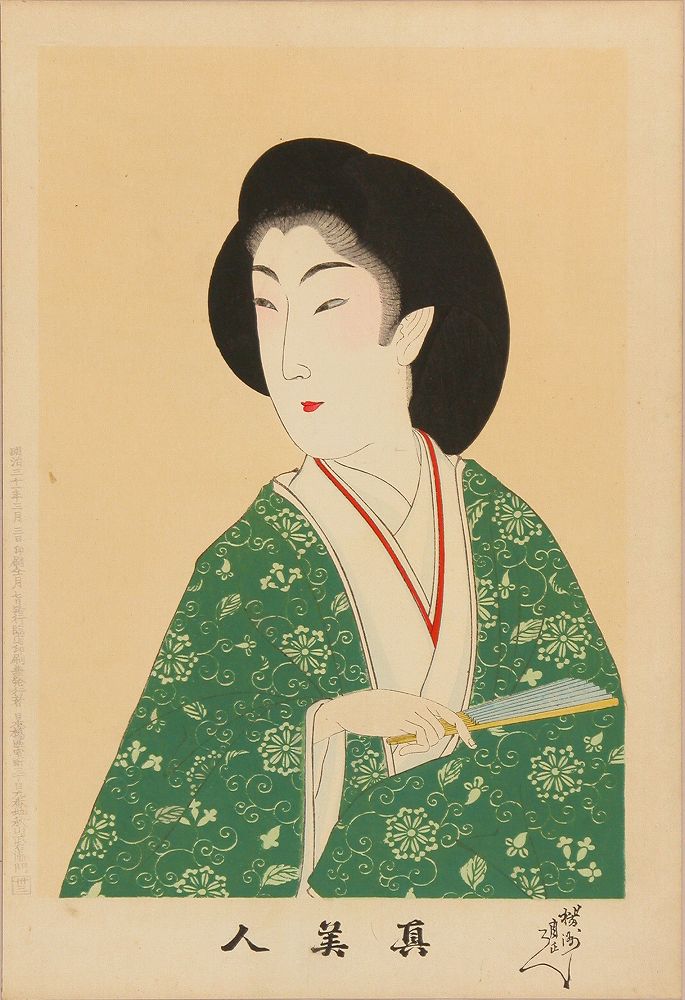
No. 33, from
Woodblock print
Session of the National Diet
1890 (Meiji 23)
Woodblock print (nishiki-e) triptych; ink and color on paper
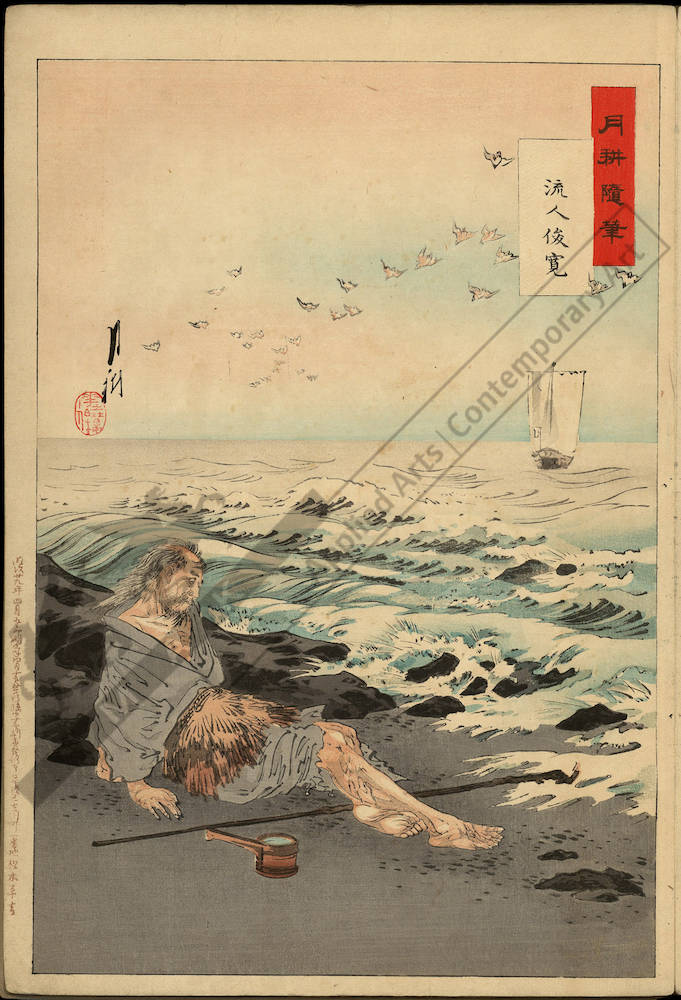
Shunkan in exile
Woodblock print
Triptych: Great Victory for the Japanese Army at P'yōng Yang (Nichigun Heijō taisho no zu)
Meiji period, dated 1894
Woodblock printed "ōban"-sized triptych; ink and color on paper

Cavalryman Higashibata Rinpei ...
February 1895
Woodblock print (nishiki-e), ink and color on paper

Infantryman Fujita Ukichi …
June 1895
Woodblock print (nishiki-e), ink and color on paper
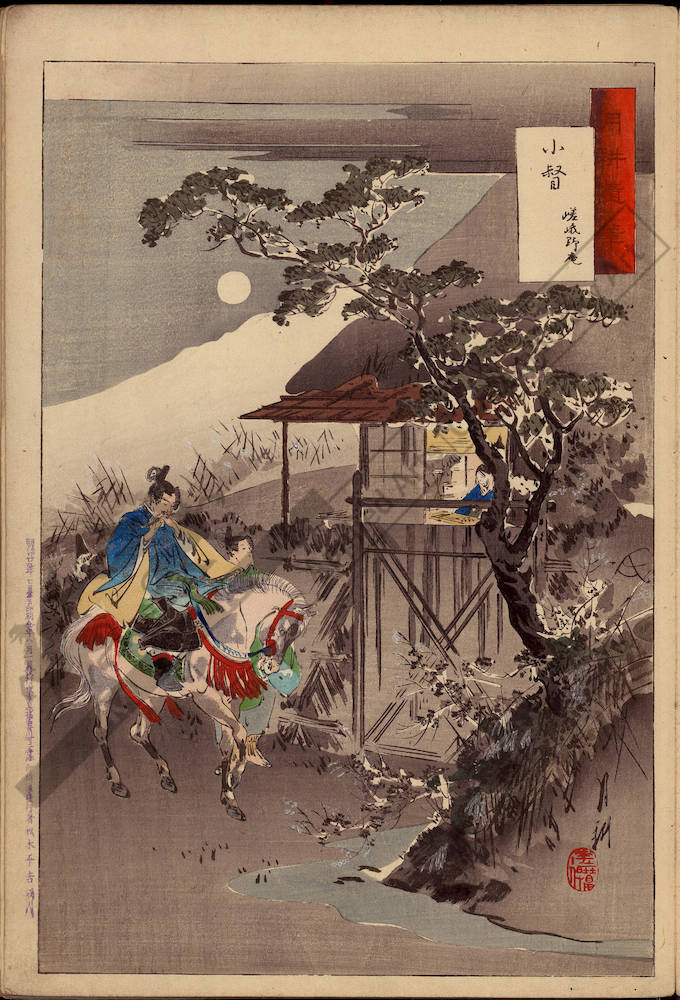
Kogo in her hermitage at Sagano
Woodblock print
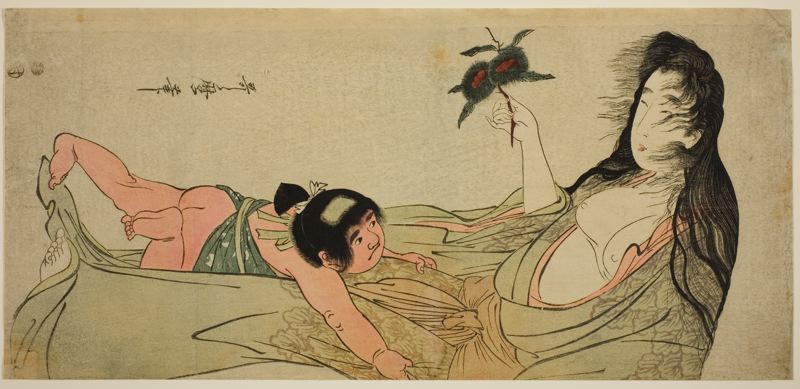
Yamauba Holding Chestnuts while Kintarô Reaches for Them
Woodblock print

Kurokumo Ōji
1867

11 p.m., from the series "Twenty-Four Hours at Shinyanagi (Shinyanagi nijuyoji)"
1880
Color woodblock print

Hohodemi no Mikoto
1867
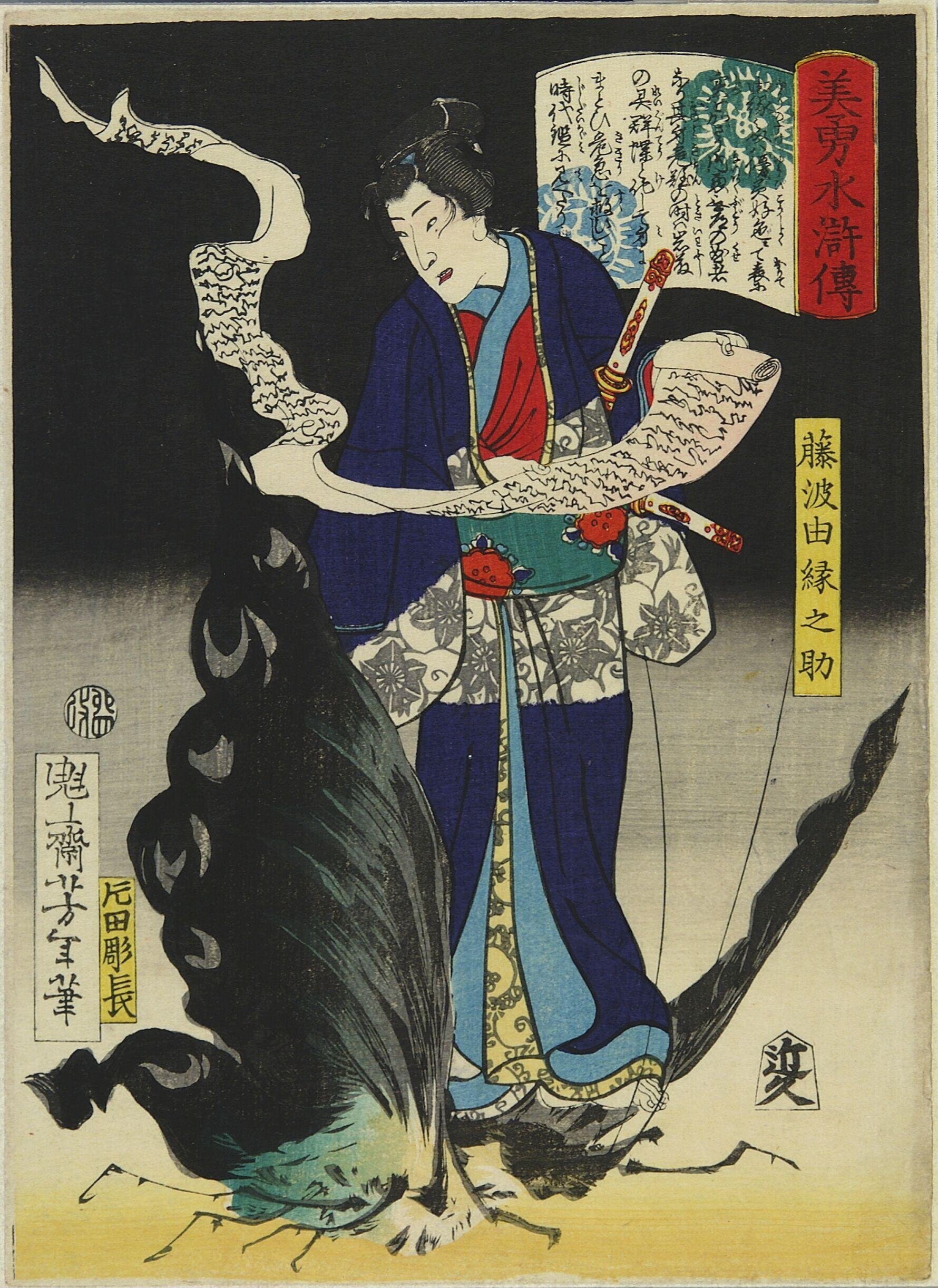
Fujinami Yukarinosuke
1867
Related Subjects
Frequently Asked Questions
Figure compositions are among the most diverse subjects in Japanese printmaking, encompassing everything from intimate domestic scenes to grand historical narratives. The tradition spans the full history of ukiyo-e, from Moronobu's pioneering single-sheet prints of the 1670s to contemporary figure studies that blend traditional techniques with modern sensibilities.
Tsukioka Yoshitoshi, Ogata Gekko, and Utagawa Kuniyoshi are among the artists most associated with figures in our collection. Browse the full list of artists who explored this subject above.
Hanga currently catalogues 1669 prints tagged with figures, spanning ukiyo-e, shin-hanga, and sōsaku-hanga traditions where applicable.