Ueno (上野)
39 prints by 16 artists
About Ueno
Ueno is a district in northeastern Tokyo, in present-day Taito Ward, organized around the elevated wooded hill of Ueno-no-Yama on which the great Kan'ei-ji temple complex was established in 1625. The temple was founded by the priest Tenkai at the direction of the Tokugawa shogunate to provide a guardian temple for the northeastern, traditionally inauspicious, kimon (demon gate) direction of Edo, mirroring the role of the Enryaku-ji on Mount Hiei as the guardian temple of the northeastern direction of the older capital at Kyoto. Tenkai modeled the layout of Ueno on the Mount Hiei monastic geography, with the principal halls distributed across the hill and the small Bentendo island on Shinobazu Pond at the southern edge of the temple grounds modeled on the Chikubushima island in Lake Biwa. Across the Edo period the temple complex grew to be one of the largest in eastern Japan, with the Kiyomizu-do (modeled on the Kiyomizu-dera of Kyoto), the Bentendo, the five-story pagoda, the Toshogu shrine of the Tokugawa, and the great main hall distributed across the wooded hill, and with the surrounding Shinobazu Pond, treated under its own entry, forming the southern edge of the temple grounds. Kan'ei-ji also served as the funerary temple for six of the Tokugawa shoguns, alongside Zojo-ji at Shiba. The temple complex was largely destroyed in the Battle of Ueno during the Boshin War on 4 July 1868, when the Shogitai loyalist forces, the last organized Tokugawa resistance in central Edo, were defeated by the new Meiji government forces under Omura Masujiro, and most of the surviving land was redeveloped in 1873 as Ueno Park, the first Western-style public park in Japan, designed by the Dutch military doctor and urban planner Bauduin and inaugurated as part of the early Meiji program of secularizing temple land and creating modern public spaces. Ueno Park houses the Tokyo National Museum (founded 1872 as Japan's first museum), the Tokyo Metropolitan Art Museum (founded 1926), the Tokyo University of the Arts, the National Museum of Western Art (designed by Le Corbusier and inaugurated 1959, now a UNESCO World Heritage Site), the National Science Museum, and the Ueno Zoo (founded 1882 as Japan's first public zoo). The remaining historical buildings include the Toshogu shrine of the Tokugawa (rebuilt 1651), the surviving Kiyomizu-do (rebuilt 1631) and Bentendo, and the five-story pagoda (rebuilt 1639). The cherry blossoms of Ueno Park, planted from the Edo period when Tenkai brought cherries from Yoshino, have been celebrated since that period and remain one of the principal hanami sites in Tokyo. For Japanese printmaking Ueno figures across the entire meisho-e tradition. Utagawa Hiroshige treated Ueno in his Famous Places in the Eastern Capital and in One Hundred Famous Views of Edo, including views of the Kiyomizu-do, the Toshogu shrine, the cherry blossoms of the Ueno slope, the great main hall of Kan'ei-ji, the Shinobazu Pond, and the surrounding district under varied conditions. Hokusai included Ueno in passages of his Thirty-Six Views of Mount Fuji and his minor Edo print sets. Meiji-period kaika-e treated the new park and its Western-style buildings under the changing nineteenth-century conditions, and the shin-hanga revival of the early twentieth century returned to Ueno repeatedly. Kawase Hasui produced views of the Kiyomizu-do, the pagoda, the Toshogu, and the surrounding park under varied seasonal and atmospheric conditions including snow, rain, and twilight, with his Ueno cherry blossom and snow sheets among the more reproduced of his Tokyo subjects. Yoshida Hiroshi treated the park in his individual sheets, and the sosaku-hanga circle including Onchi Koshiro and Hiratsuka Un'ichi contributed further compositions of the temple buildings, the park, and the surrounding district within the One Hundred Views of New Tokyo and other Tokyo cycles. The visual character of Ueno in prints is built on the cherry blossoms of the park slope along the principal Sanbashi avenue, the temple roofs and pagoda rising among the trees, the Kiyomizu-do veranda on its elevated platform overlooking the Shinobazu, the Toshogu approach and stone lanterns, and the seasonal phenomena of snow, rain, twilight, and the autumn foliage of the park's gingko avenues. Contemporary Ueno remains one of the principal cultural districts of Tokyo, with the museums, the park, the surrounding Ameya-Yokocho (Ameyoko) shotengai, and the connecting Yamanote, Ginza, Hibiya, and other rail lines making it a heavily visited central district, reached most directly via JR Ueno Station or the Tokyo Metro Ueno Station.
Prints Depicting Ueno (39)
![[Toshagu Shrine, Ueno] by Inoue Yasuji](https://data.ukiyo-e.org/famsf/images/3306201405530048.jpg)
[Toshagu Shrine, Ueno]
Woodblock print
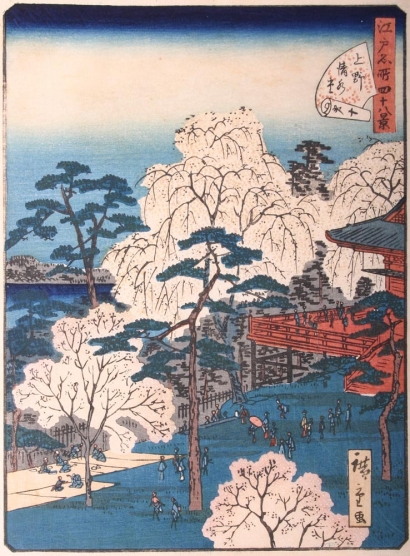
#10. Ueno
Woodblock print
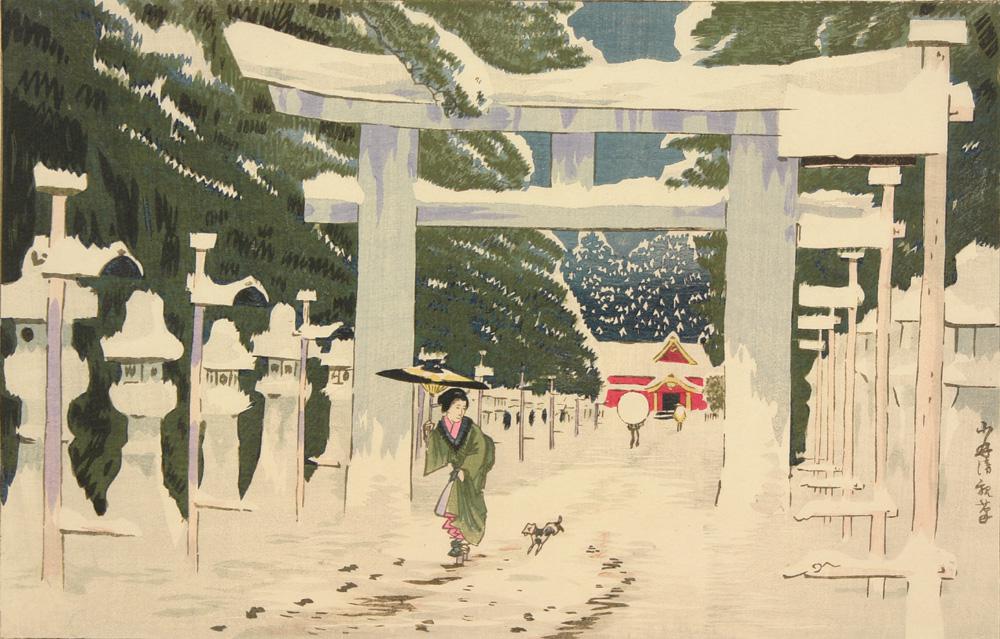
A Picture of Deep Snow at Tosho Shrine at Ueno
Woodblock print
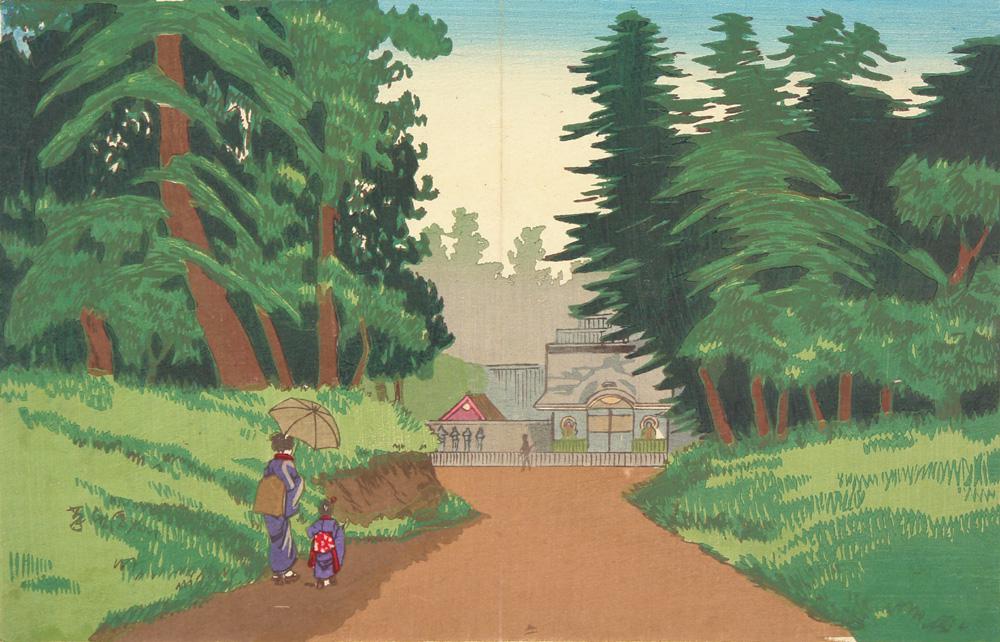
A View Inside Ueno Park
Woodblock print
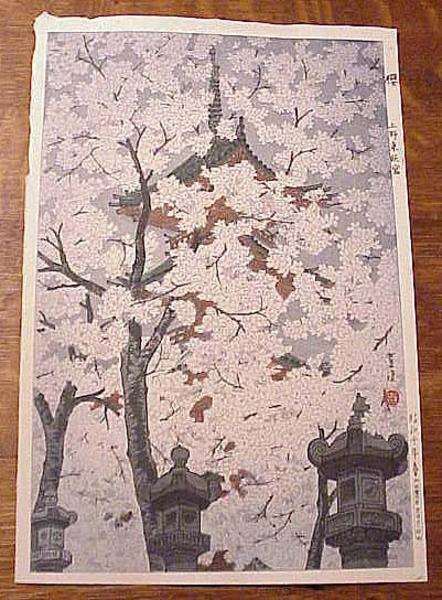
Cherry Blossoms at the Tôshôgû Shrine in Ueno (Sakura, Ueno Tôshôgû)
Woodblock print

Cherry Blossoms at Ueno
上野の桜
c. 1925
Color woodblock print
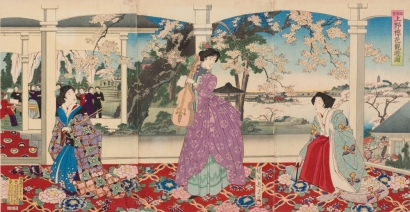
Dance Party: Enjoying Cherry Blossom Viewing at Ueno
Woodblock print

Diary: Feb. 9th, '84, in Ueno
1984
Woodblock and silkcreen print

Diary: Nov. 24th '98, in Ueno Park (One Hundred Views of Tokyo, Message to the 21st Century 東京百景 21世紀へのメッセジ)
1989-99
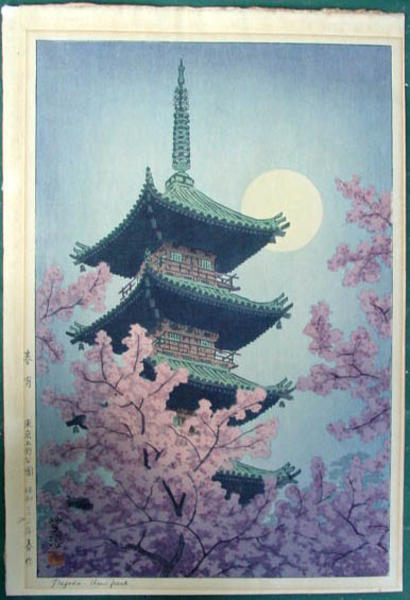
Evening at Ueno Park
上野公園の夕
1934
Woodblock print
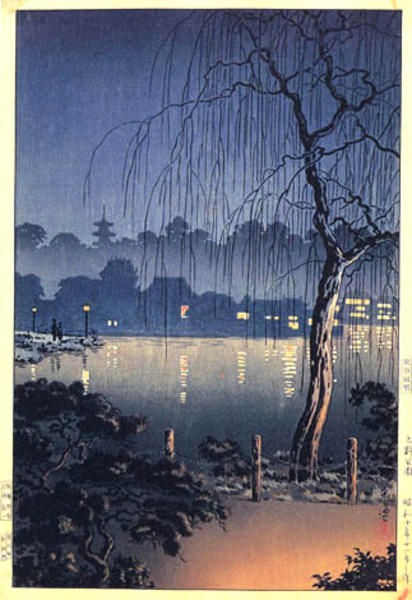
Evening at Ueno Park
Woodblock print
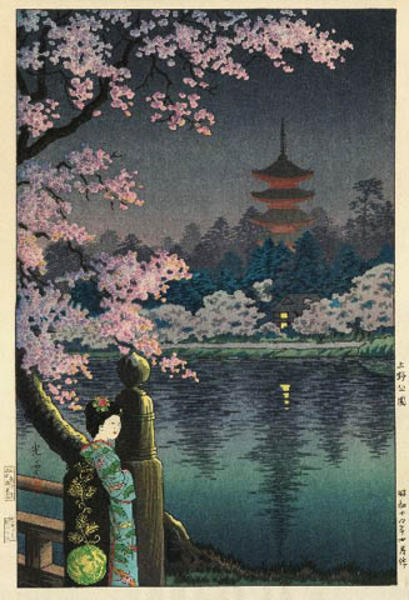
Geisha and Cherry Tree - Ueno Park
Woodblock print

Hakuho Castle, Ueno, Iga (Iga Ueno Hakuhojo)
Iga Ueno Hakuhojo
1951
Color woodblock print
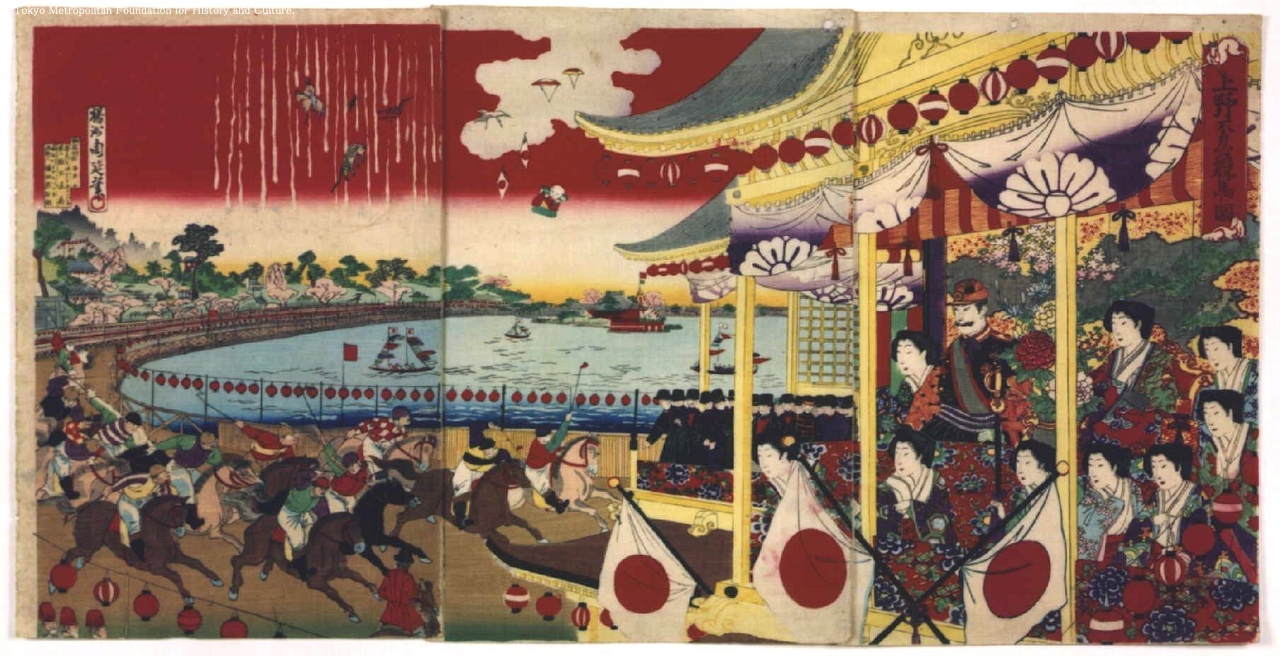
Horse Races by Shinobazu Pond, Ueno
Woodblock print

Kiyomizu Hall, Ueno, from the series "Twenty Views of Tokyo" (Tokyo nijukei, Ueno Kiyomizudo)
1928
Color woodblock print
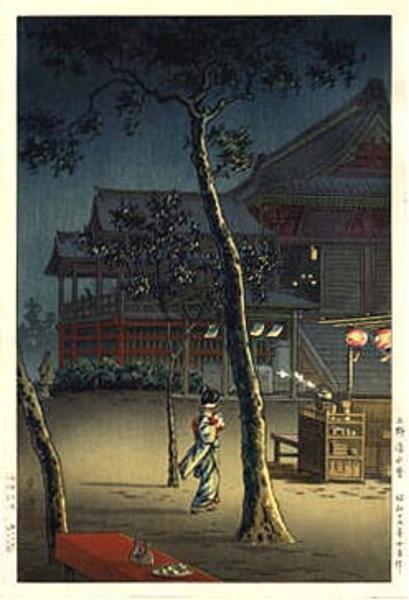
Kiyomizudo In Ueno — 上野清水道
Woodblock print
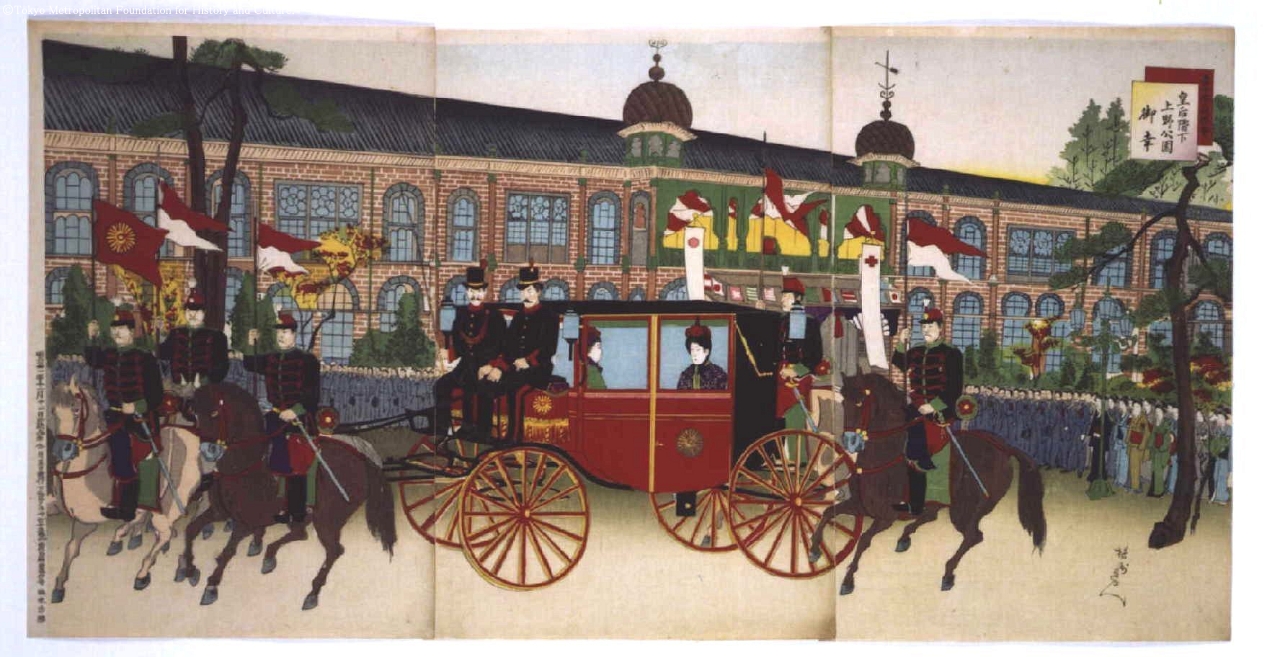
Meeting of the Red Cross Society: Her Majesty the Empress Travels to Ueno Park
Woodblock print
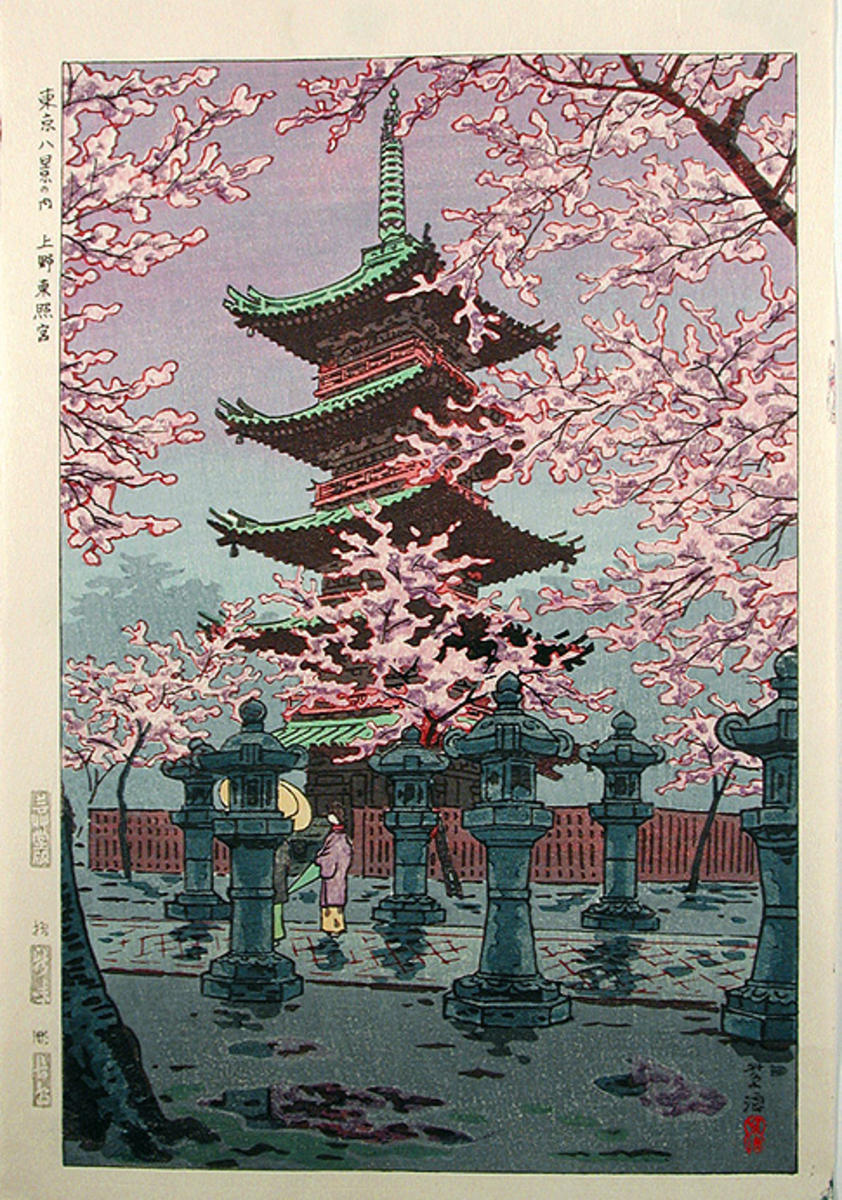
Shrine at Ueno, Tokyo
Woodblock print

Snow at Kiyomizu Hall, Ueno (Ueno Kiyomizudo no yuki)
Ueno Kiyomizudo no yuki
1929
Color woodblock print; oban

Snow at Tosho Shrine, Ueno (Ueno Toshogu no yuki)
July 1929
Color woodblock print
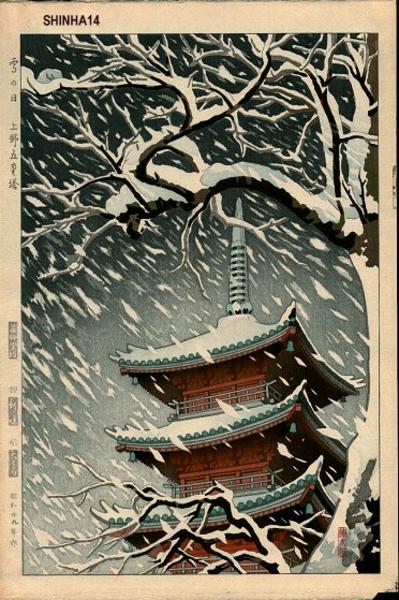
Snowy Day - Five-story Pagoda at Ueno
Woodblock print
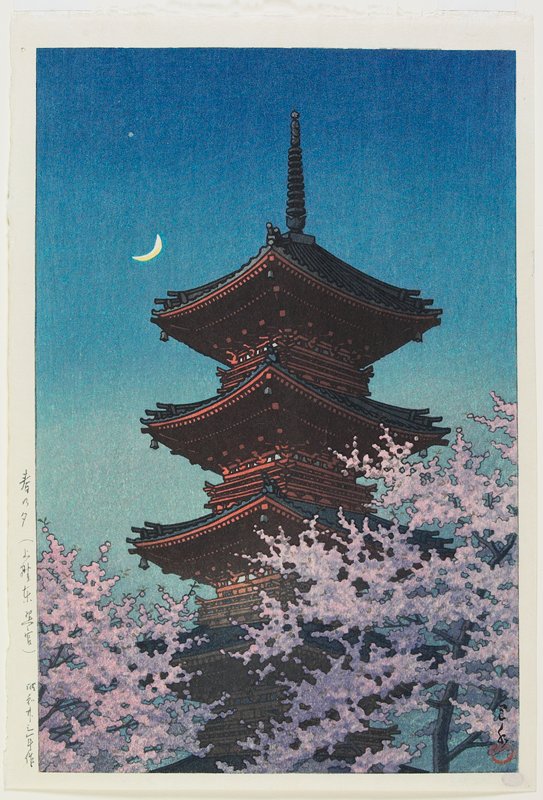
Spring Dusk at the Tōshō Shrine in Ueno
1948
Woodblock print, ink and color on paper

Spring Evening at Tokyo Ueno Park
東京上野公園 春の夕
1948
Color woodblock print
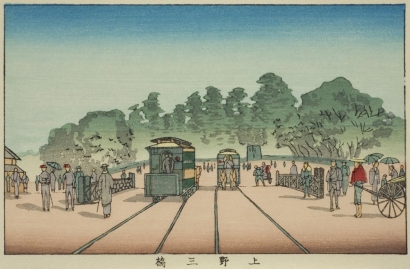
Streetcars at Ueno Sanashi
Woodblock print
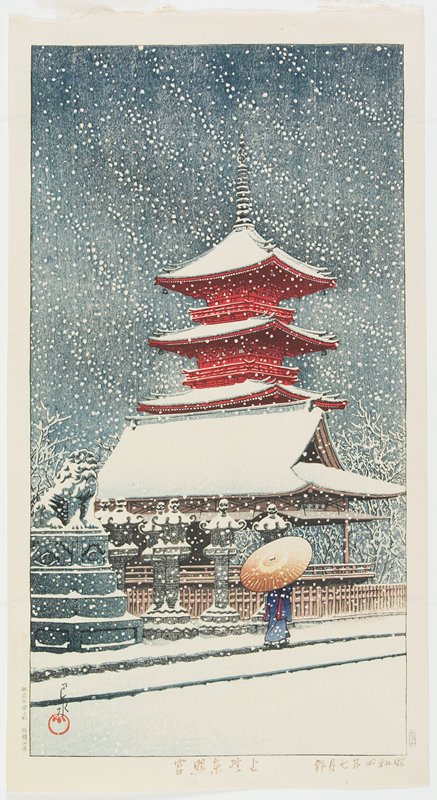
Tōshōgū in Ueno
1930s
Woodblock print, ink and color on paper
Triptych: Ueno Shinobazu Horserace
Meiji period, 1890
Woodblock-printed "ōban" triptych; ink and color on paper

True Pictures of Famous Places in Tokyo: Shinzaka Hill, Ueno
Woodblock print
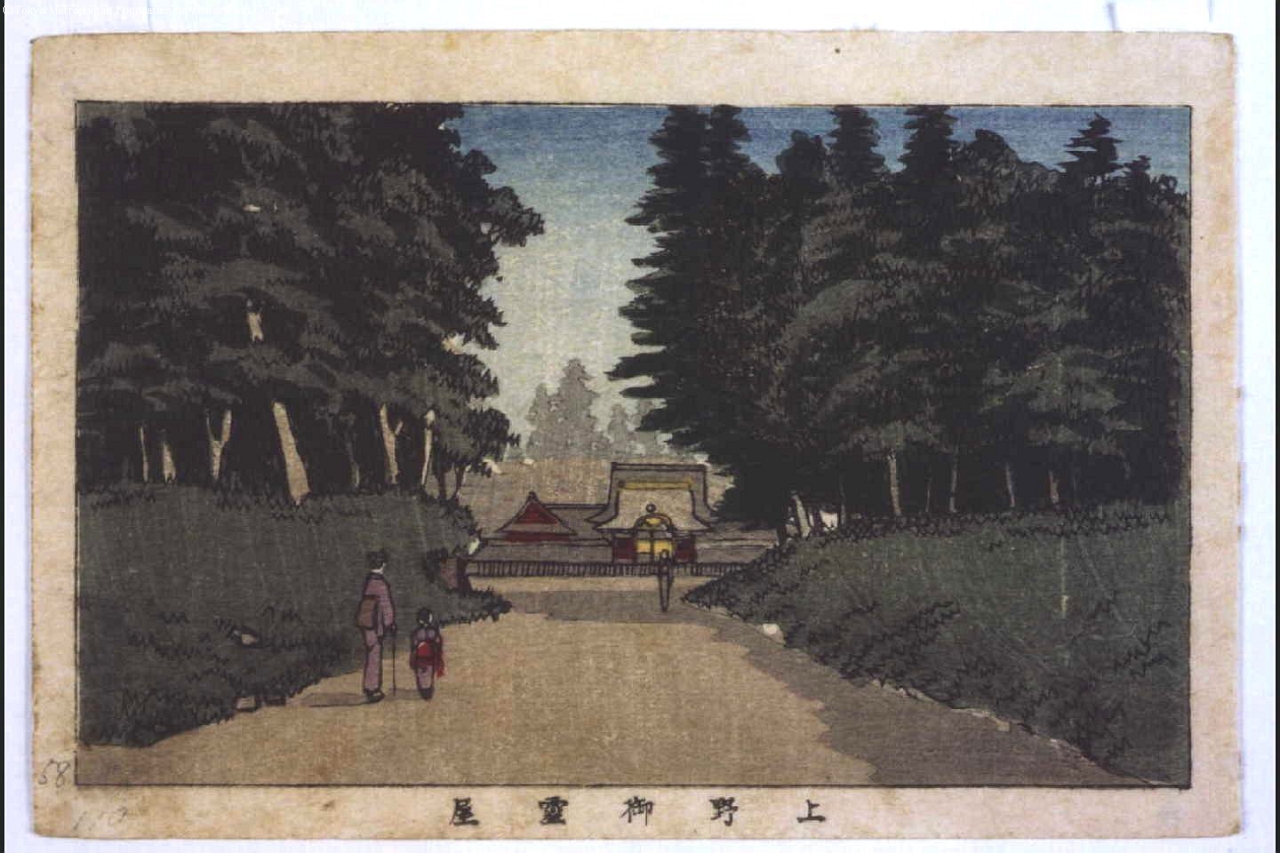
True Pictures of Famous Places in Tokyo: The Ueno Mausoleum
Woodblock print
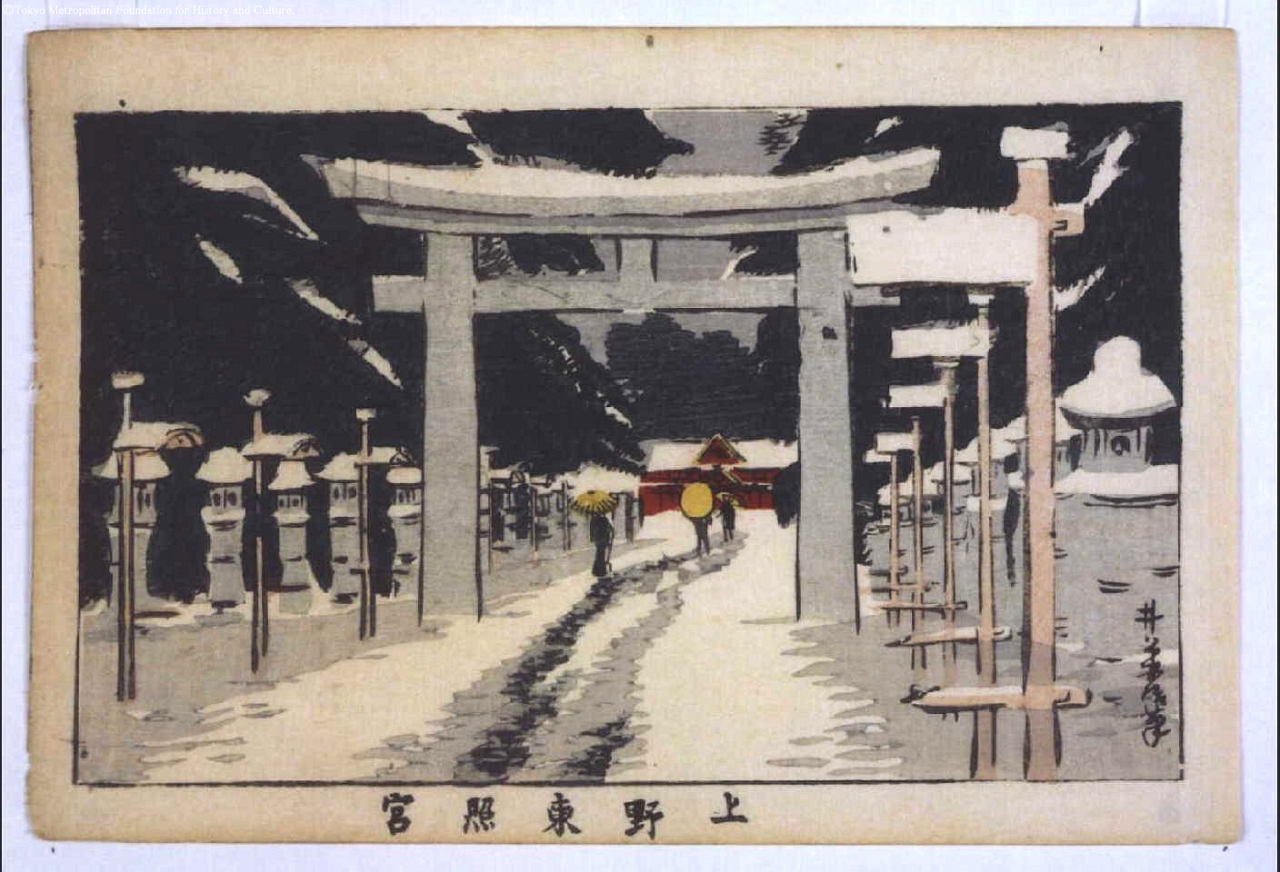
True Pictures of Famous Places in Tokyo: Toshogu Shrine, Ueno
Woodblock print
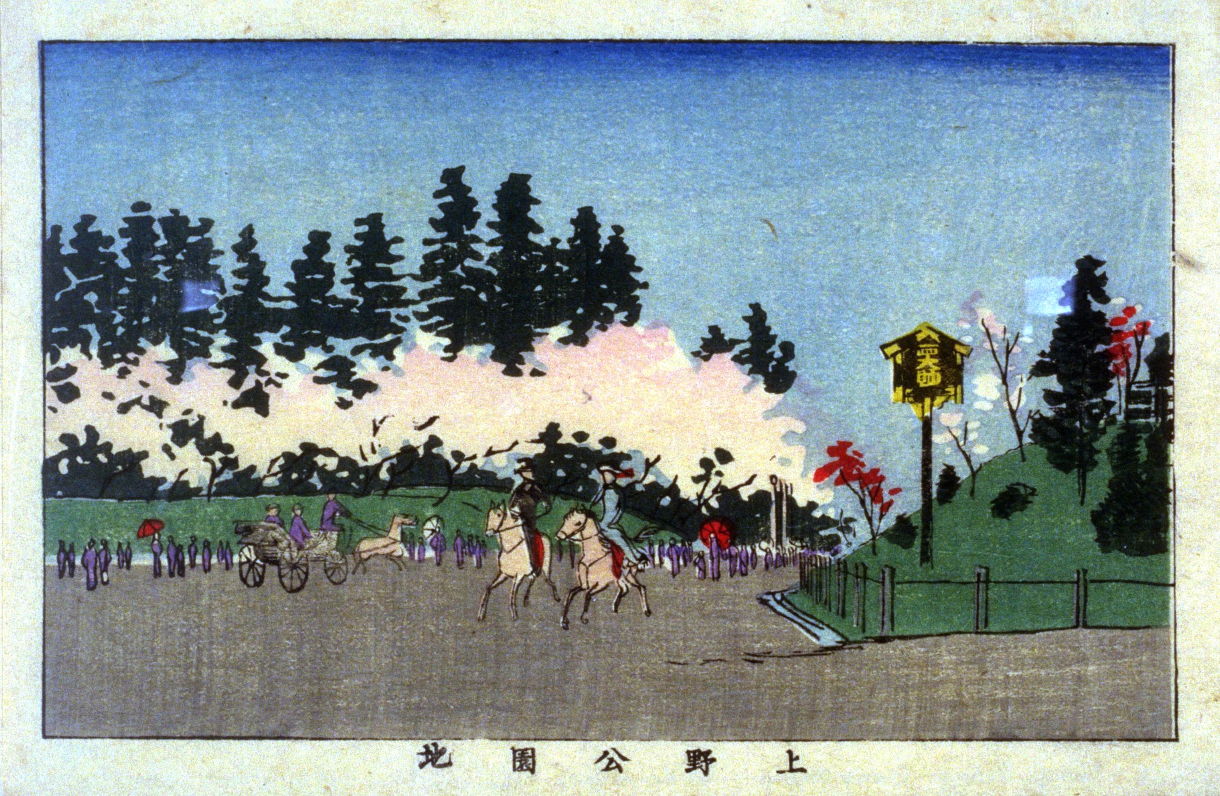
Ueno koenchi
Woodblock print

Ueno Park
1926
Color woodblock print
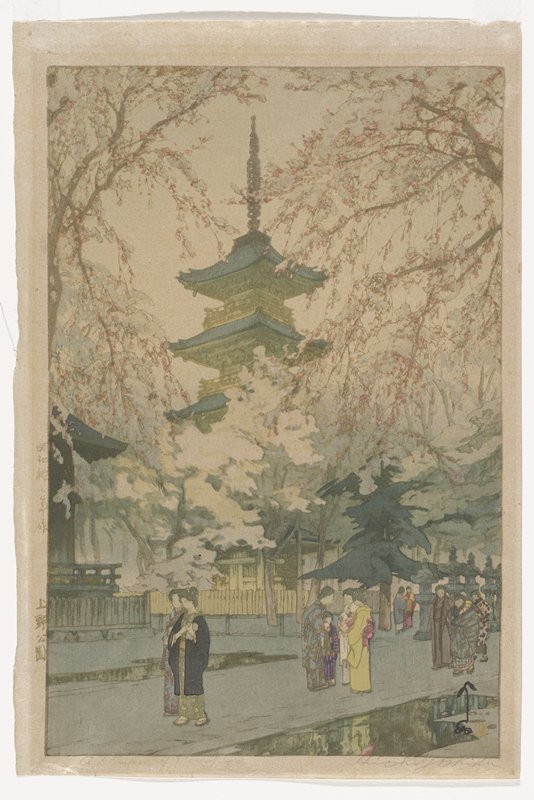
Ueno Park
1937
Woodblock print, ink and colors on paper

Ueno Park
1929
Color woodblock print

Ueno Park — 上野公園
Woodblock print
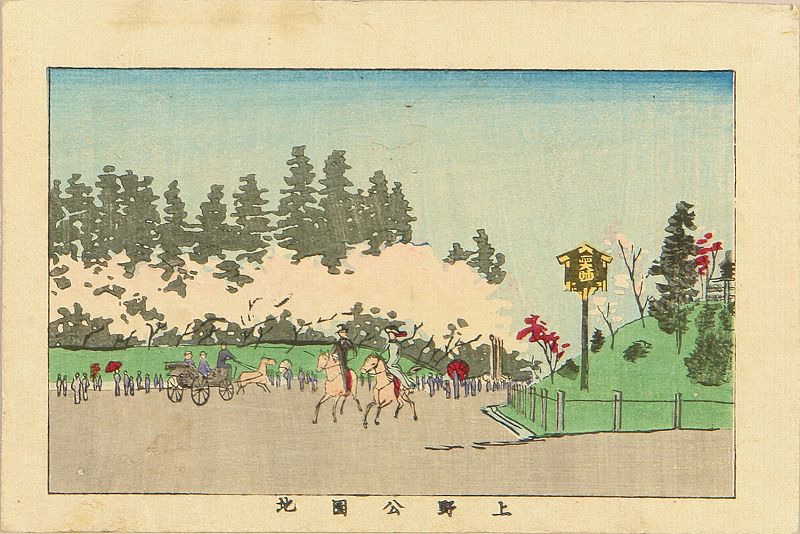
Ueno Park, from
Woodblock print
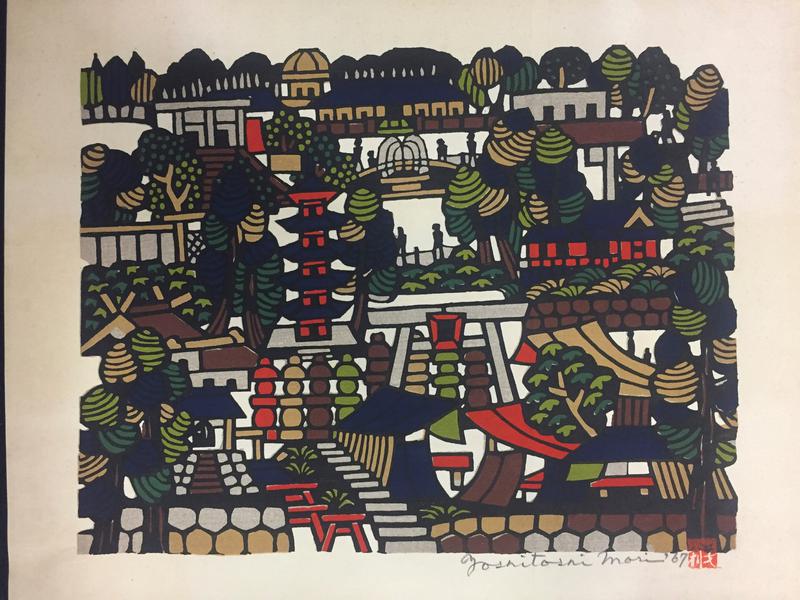
Ueno Scene
1967
Stencil print (kappazuri), ink and color on paper
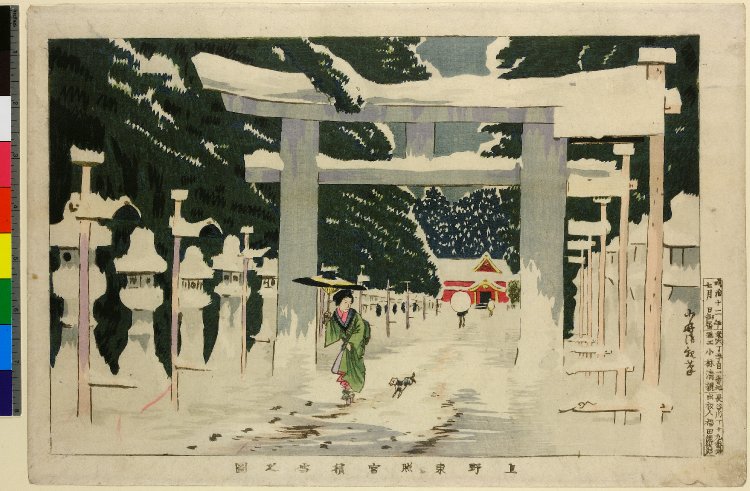
Ueno Toshogu Sekisetsu no zu
Woodblock print
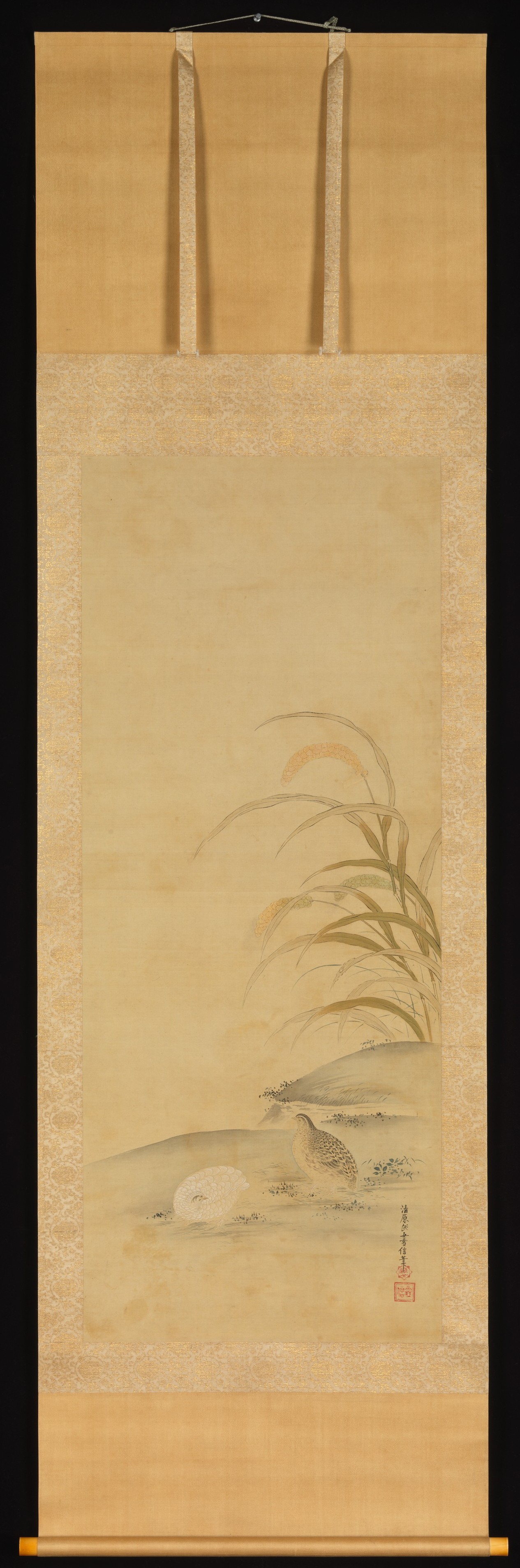
Ueno Toshogu Shrine
上野東照宮
1953
Woodblock print

Ueno Zoo, from the series Recollections of Tokyo
1945
Color woodblock print
Artists Who Depicted Ueno (16)

Henmi Takashi
逸見享
1895–1944
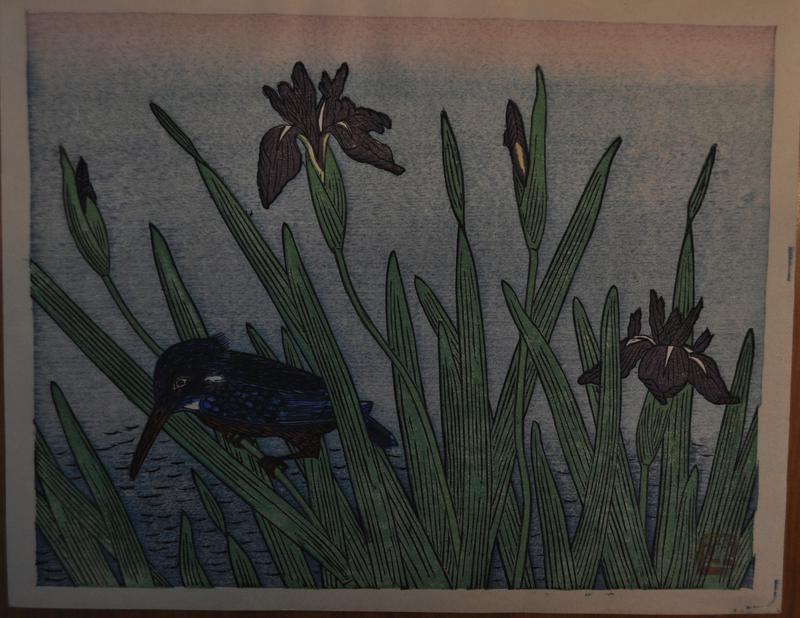
Hiratsuka Un'ichi
平塚運一
1895–1997
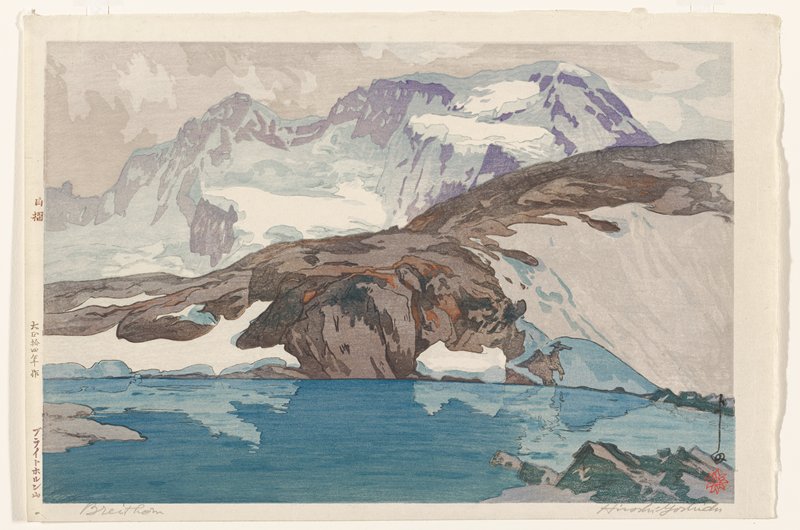
Hiroshi Yoshida
吉田博
1876–1950

Inoue Yasuji
井上安治
1864–1889

Kawase Hasui
川瀬巴水
1883–1957
Kobayashi Kiyochika
小林清親
1847–1915
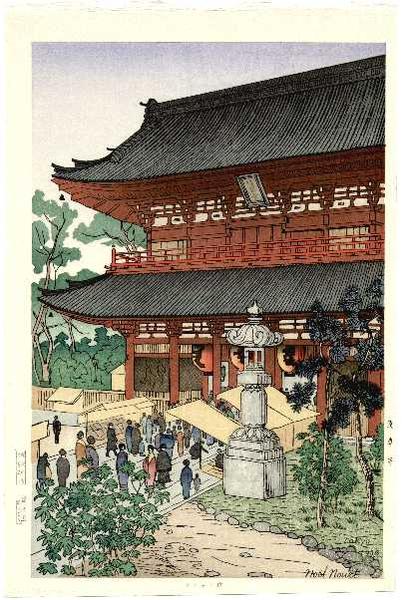
Noël Nouët
1885–1969
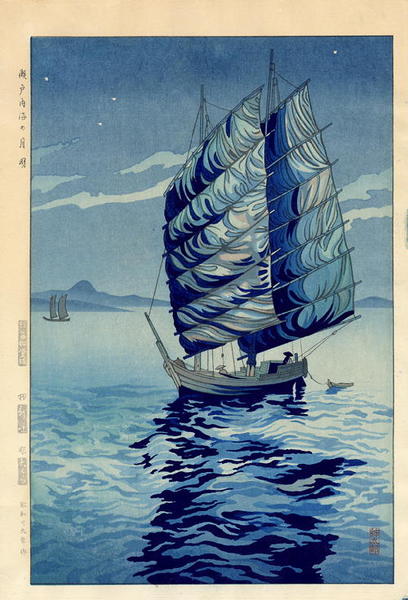
Okazaki Shintaro
岡崎紳太郎
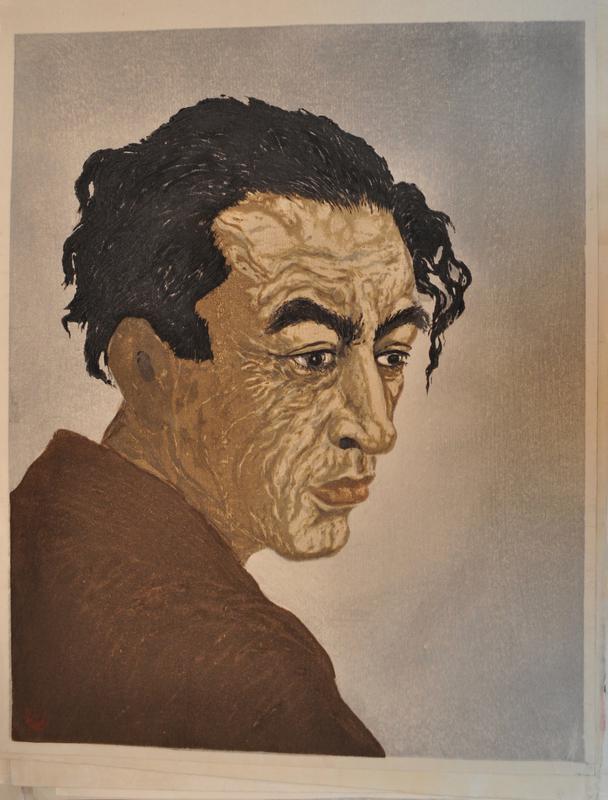
Onchi Koshiro
恩地孝四郎
1891–1955

Shiro Kasamatsu
笠松紫浪
1898–1991
Takahashi Shotei
高橋松亭
1871–1945

Tetsuya Noda
野田哲也
1940
Toyohara Chikanobu
豊原周延
1838–1912

Tsuchiya Koitsu
土屋光逸
1870–1949

Utagawa Hiroshige
歌川広重
1797–1858

Yoshitoshi Mori
森義利
1898–1992
Frequently Asked Questions
Ueno is a district in northeastern Tokyo, in present-day Taito Ward, organized around the elevated wooded hill of Ueno-no-Yama on which the great Kan'ei-ji temple complex was established in 1625. The temple was founded by the priest Tenkai at the direction of the Tokugawa shogunate to provide a guardian temple for the northeastern, traditionally inauspicious, kimon (demon gate) direction of Edo, mirroring the role of the Enryaku-ji on Mount Hiei as the guardian temple of the northeastern direction of the older capital at Kyoto. Tenkai modeled the layout of Ueno on the Mount Hiei monastic geography, with the principal halls distributed across the hill and the small Bentendo island on Shinobazu Pond at the southern edge of the temple grounds modeled on the Chikubushima island in Lake Biwa. Across the Edo period the temple complex grew to be one of the largest in eastern Japan, with the Kiyomizu-do (modeled on the Kiyomizu-dera of Kyoto), the Bentendo, the five-story pagoda, the Toshogu shrine of the Tokugawa, and the great main hall distributed across the wooded hill, and with the surrounding Shinobazu Pond, treated under its own entry, forming the southern edge of the temple grounds. Kan'ei-ji also served as the funerary temple for six of the Tokugawa shoguns, alongside Zojo-ji at Shiba. The temple complex was largely destroyed in the Battle of Ueno during the Boshin War on 4 July 1868, when the Shogitai loyalist forces, the last organized Tokugawa resistance in central Edo, were defeated by the new Meiji government forces under Omura Masujiro, and most of the surviving land was redeveloped in 1873 as Ueno Park, the first Western-style public park in Japan, designed by the Dutch military doctor and urban planner Bauduin and inaugurated as part of the early Meiji program of secularizing temple land and creating modern public spaces. Ueno Park houses the Tokyo National Museum (founded 1872 as Japan's first museum), the Tokyo Metropolitan Art Museum (founded 1926), the Tokyo University of the Arts, the National Museum of Western Art (designed by Le Corbusier and inaugurated 1959, now a UNESCO World Heritage Site), the National Science Museum, and the Ueno Zoo (founded 1882 as Japan's first public zoo). The remaining historical buildings include the Toshogu shrine of the Tokugawa (rebuilt 1651), the surviving Kiyomizu-do (rebuilt 1631) and Bentendo, and the five-story pagoda (rebuilt 1639). The cherry blossoms of Ueno Park, planted from the Edo period when Tenkai brought cherries from Yoshino, have been celebrated since that period and remain one of the principal hanami sites in Tokyo. For Japanese printmaking Ueno figures across the entire meisho-e tradition. Utagawa Hiroshige treated Ueno in his Famous Places in the Eastern Capital and in One Hundred Famous Views of Edo, including views of the Kiyomizu-do, the Toshogu shrine, the cherry blossoms of the Ueno slope, the great main hall of Kan'ei-ji, the Shinobazu Pond, and the surrounding district under varied conditions. Hokusai included Ueno in passages of his Thirty-Six Views of Mount Fuji and his minor Edo print sets. Meiji-period kaika-e treated the new park and its Western-style buildings under the changing nineteenth-century conditions, and the shin-hanga revival of the early twentieth century returned to Ueno repeatedly. Kawase Hasui produced views of the Kiyomizu-do, the pagoda, the Toshogu, and the surrounding park under varied seasonal and atmospheric conditions including snow, rain, and twilight, with his Ueno cherry blossom and snow sheets among the more reproduced of his Tokyo subjects. Yoshida Hiroshi treated the park in his individual sheets, and the sosaku-hanga circle including Onchi Koshiro and Hiratsuka Un'ichi contributed further compositions of the temple buildings, the park, and the surrounding district within the One Hundred Views of New Tokyo and other Tokyo cycles. The visual character of Ueno in prints is built on the cherry blossoms of the park slope along the principal Sanbashi avenue, the temple roofs and pagoda rising among the trees, the Kiyomizu-do veranda on its elevated platform overlooking the Shinobazu, the Toshogu approach and stone lanterns, and the seasonal phenomena of snow, rain, twilight, and the autumn foliage of the park's gingko avenues. Contemporary Ueno remains one of the principal cultural districts of Tokyo, with the museums, the park, the surrounding Ameya-Yokocho (Ameyoko) shotengai, and the connecting Yamanote, Ginza, Hibiya, and other rail lines making it a heavily visited central district, reached most directly via JR Ueno Station or the Tokyo Metro Ueno Station.
Hanga catalogues 39 prints depicting Ueno (上野), by 16 different artists.
Henmi Takashi, Hiratsuka Un'ichi, and Hiroshi Yoshida are among the 16 artists who depicted Ueno in our collection.
Want to rate prints from Ueno?
Sign up to start rating